
View more
This product has multiple variants. The options may be chosen on the product page
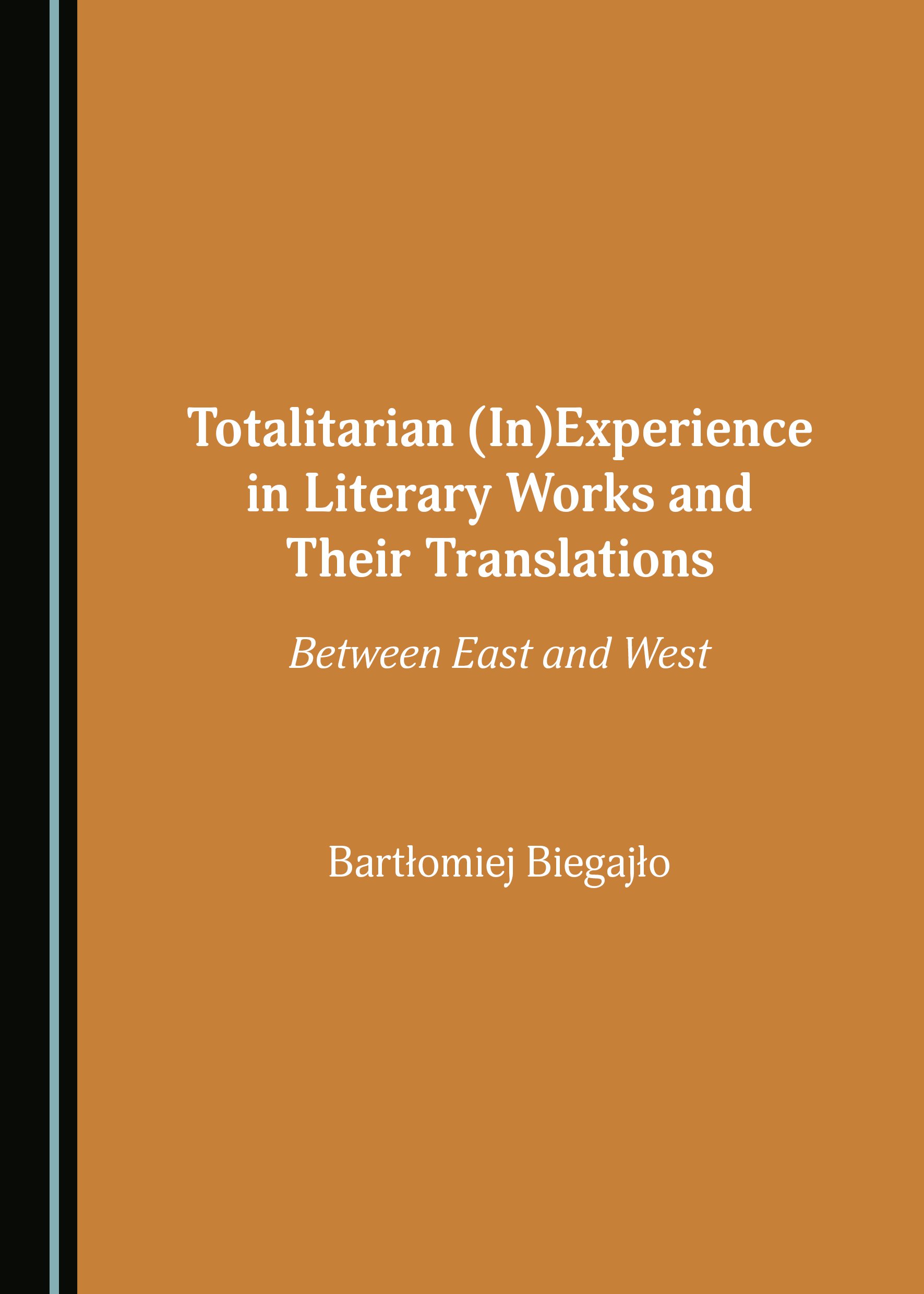
Totalitarian (In)Experience in Literary Works and Their Translations
Between East and West
This book explores totalitarianism in 20th century literature through a cross-linguistic analysis of works by Huxley, Orwell, Miłosz, and Konwicki. Using the Natural Semantic Metalanguage framework, it examines how the totalitarian experience shaped their writing.
This book explores totalitarianism in 20th century literature through a cross-linguistic analysis of works by Huxley, Orwell, Miłosz, and Konwicki. Using the Natural Semantic Metalanguage framework, it examines how the totalitarian experience shaped their writing.
View more
This product has multiple variants. The options may be chosen on the product page
View more
This product has multiple variants. The options may be chosen on the product page
£68.99
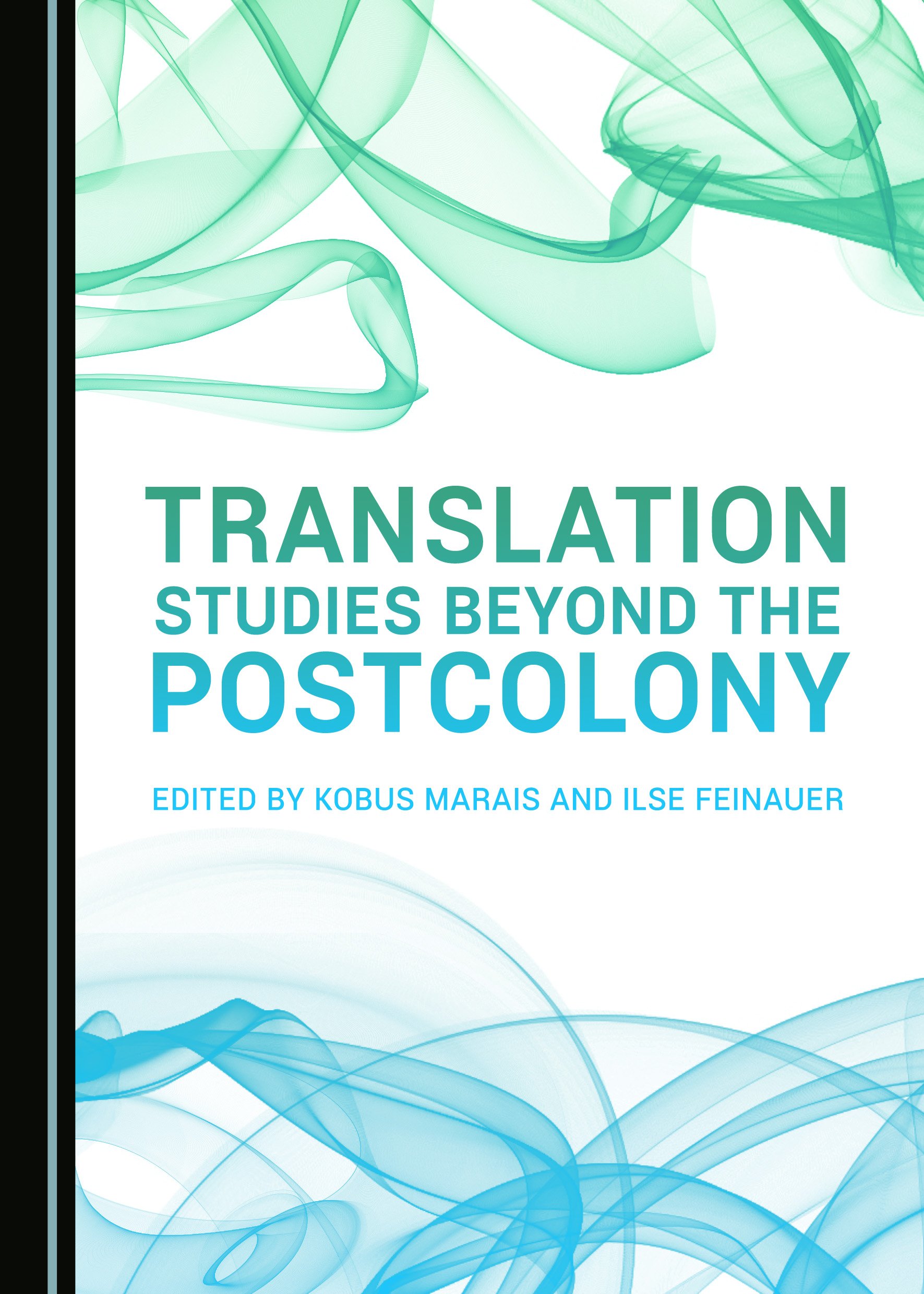
This book explores postcolonial translation studies, questioning its assumptions and critically examining its failures. With perspectives on Africa, the Global South, and the Global North, it considers the postcolony in a variety of settings worldwide.
This book explores postcolonial translation studies, questioning its assumptions and critically examining its failures. With perspectives on Africa, the Global South, and the Global North, it considers the postcolony in a variety of settings worldwide.
View more
This product has multiple variants. The options may be chosen on the product page
View more
This product has multiple variants. The options may be chosen on the product page
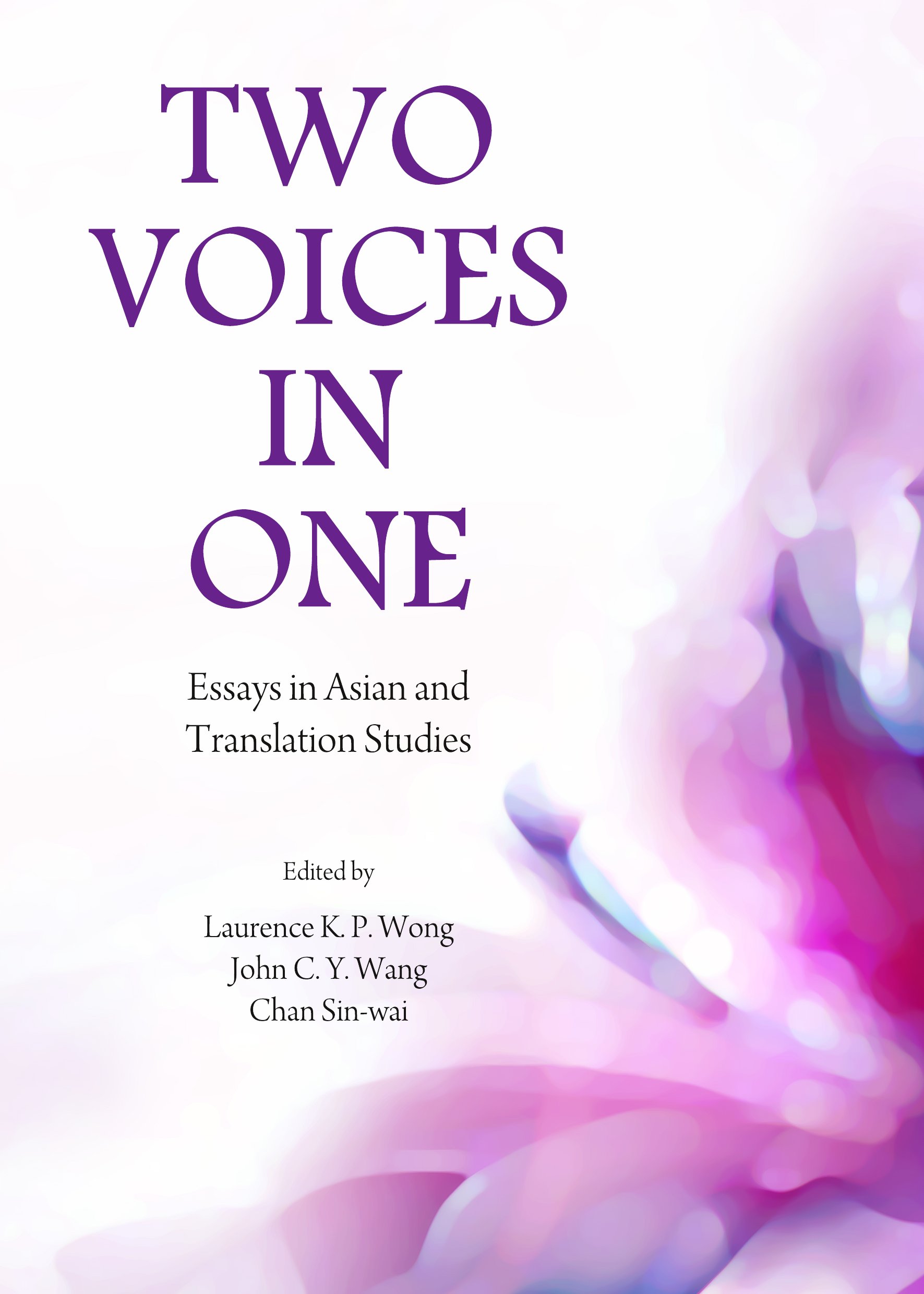
Two Voices in One
Essays in Asian and Translation Studies
This collection of essays by leading scholars opens new horizons by uniting Asian and Translation Studies. Discover why a Chinese garden can be a text, how Aristotle and Mencius are linked by translation, and how computer-aided translation is developing.
This collection of essays by leading scholars opens new horizons by uniting Asian and Translation Studies. Discover why a Chinese garden can be a text, how Aristotle and Mencius are linked by translation, and how computer-aided translation is developing.
View more
This product has multiple variants. The options may be chosen on the product page
View more
This product has multiple variants. The options may be chosen on the product page
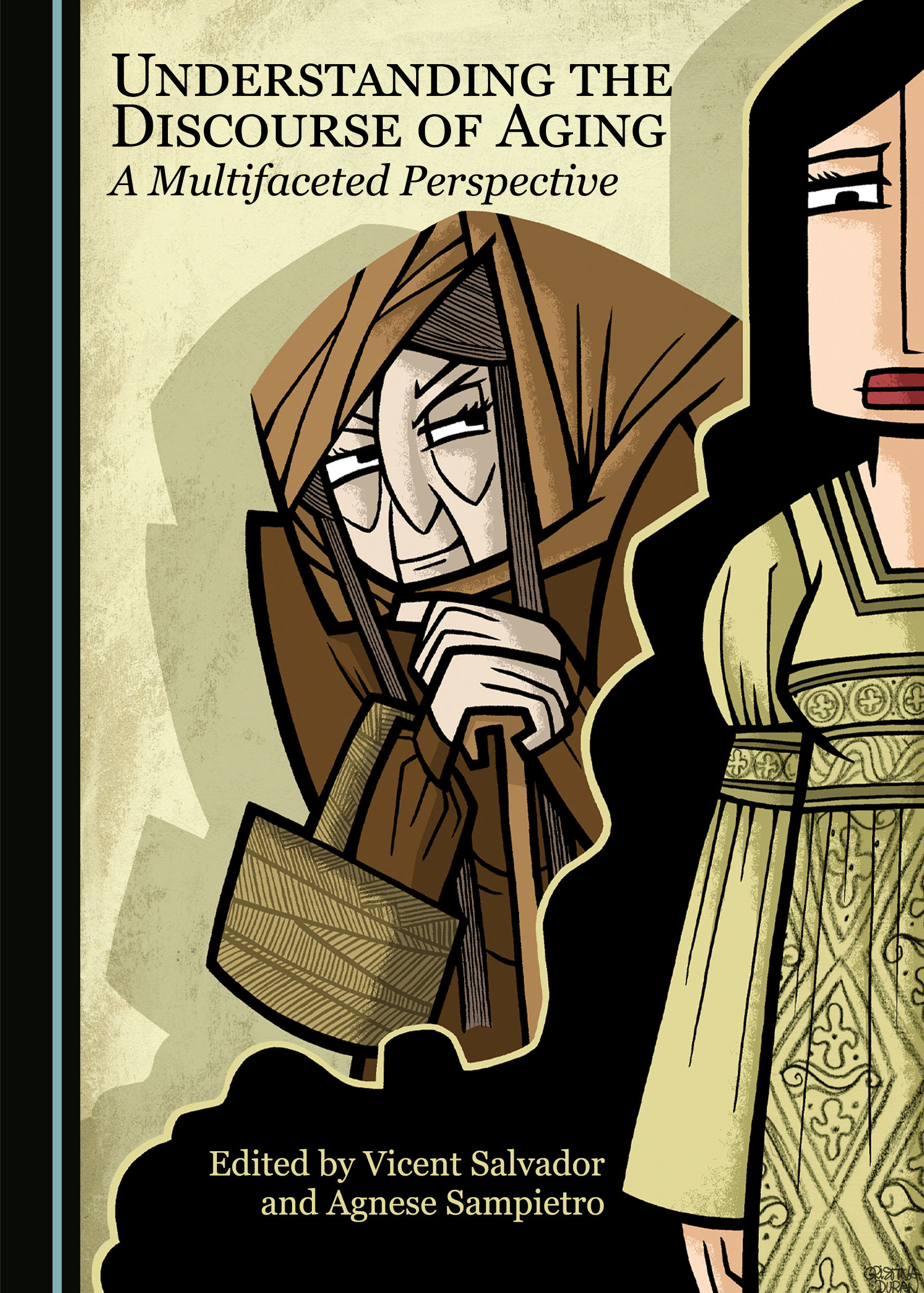
Understanding the Discourse of Aging
A Multifaceted Perspective
While most studies on aging focus on a single discipline, this book adds a fresh perspective. It addresses the communicative practices surrounding age, aging, and the elderly from a multidisciplinary view, covering their image in media, definitions of age, and gendered issues.
While most studies on aging focus on a single discipline, this book adds a fresh perspective. It addresses the communicative practices surrounding age, aging, and the elderly from a multidisciplinary view, covering their image in media, definitions of age, and gendered issues.
View more
This product has multiple variants. The options may be chosen on the product page
View more
This product has multiple variants. The options may be chosen on the product page
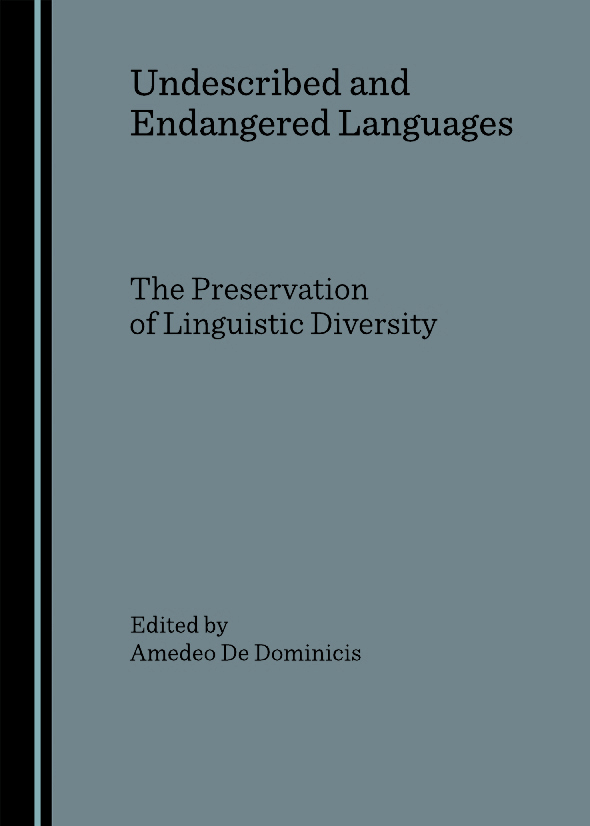
Undescribed and Endangered Languages
the Preservation of Linguistic Diversity
This book offers a linguistic and phonetic analysis of undescribed and endangered languages. A contribution to the debate on linguistic diversity, it is an ideal overview for linguists, phoneticians, students, and researchers.
This book offers a linguistic and phonetic analysis of undescribed and endangered languages. A contribution to the debate on linguistic diversity, it is an ideal overview for linguists, phoneticians, students, and researchers.
View more
This product has multiple variants. The options may be chosen on the product page
View more
This product has multiple variants. The options may be chosen on the product page
From £37.99
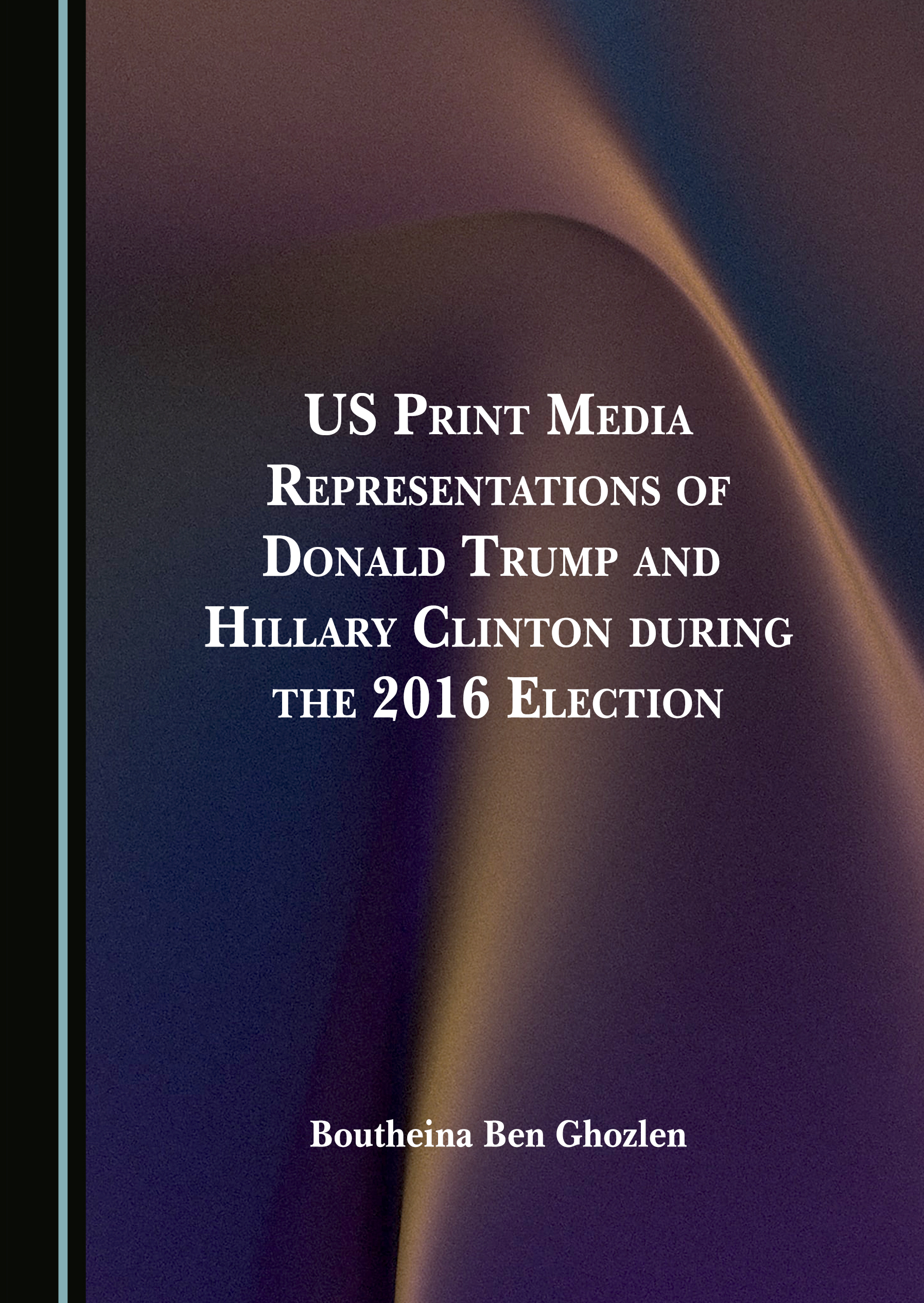
This corpus-based study of the 2016 election reveals substantial discrepancies in how US media portrayed Donald Trump and Hillary Clinton. It shows how partisanship and journalistic norms shaped their representations, offering new insights into political communication.
This corpus-based study of the 2016 election reveals substantial discrepancies in how US media portrayed Donald Trump and Hillary Clinton. It shows how partisanship and journalistic norms shaped their representations, offering new insights into political communication.
View more
This product has multiple variants. The options may be chosen on the product page
View more
This product has multiple variants. The options may be chosen on the product page
From £30.99
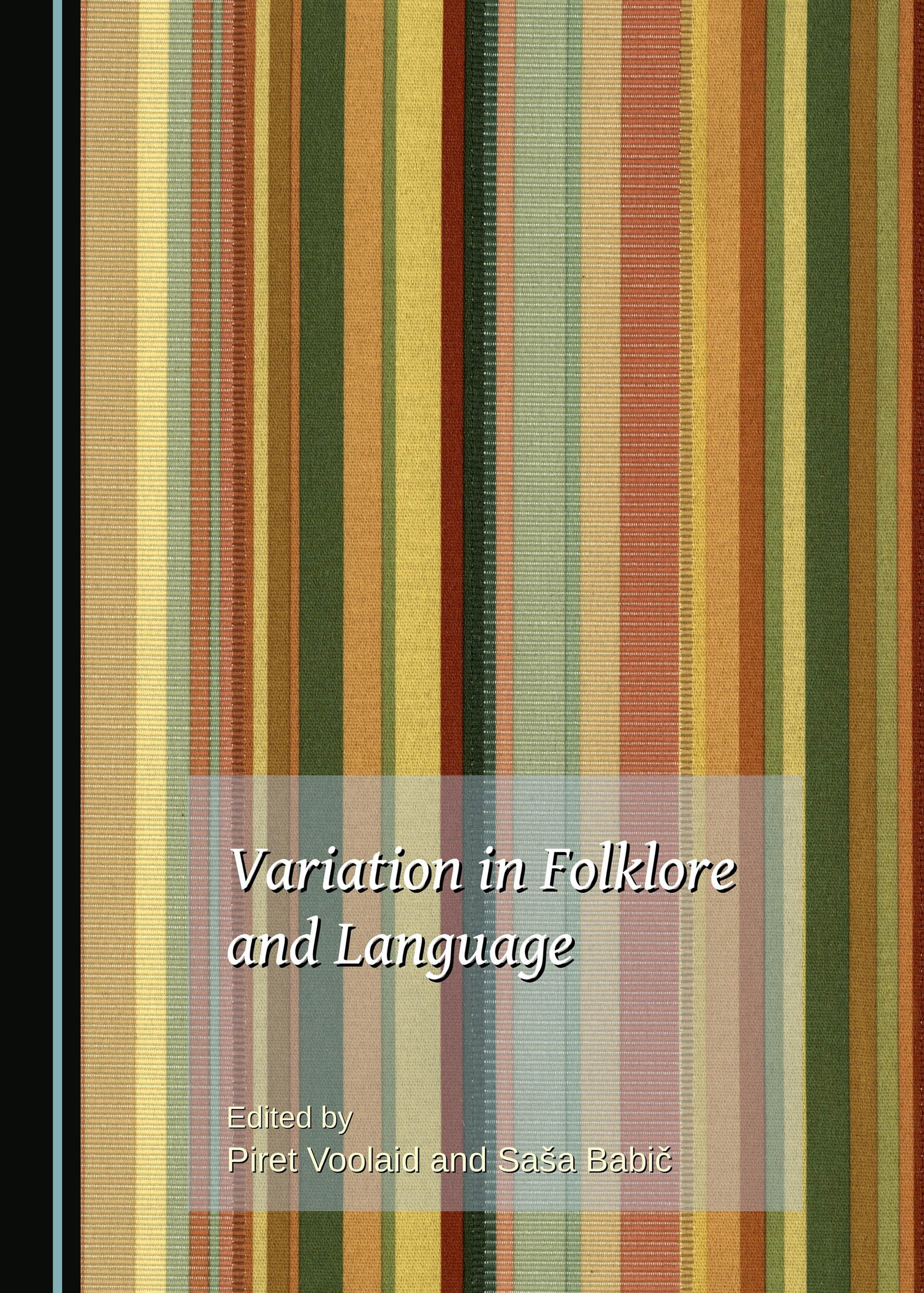
Variation is a universal phenomenon permeating language, culture, and worldviews. This book analyses variations in folklore and language—from myths and motifs to dancing and singing—as signifiers of culture, exploring issues of creativity, intertextuality, and transmediality.
Variation is a universal phenomenon permeating language, culture, and worldviews. This book analyses variations in folklore and language—from myths and motifs to dancing and singing—as signifiers of culture, exploring issues of creativity, intertextuality, and transmediality.
View more
This product has multiple variants. The options may be chosen on the product page
View more
This product has multiple variants. The options may be chosen on the product page
£58.99
Vision is not just perception, but is deeply rooted in human physiology, psychology and culture. This book challenges the Anglo-centric view that vision is a universal source for metaphor, exploring languages worldwide where other senses are preferred.
Vision is not just perception, but is deeply rooted in human physiology, psychology and culture. This book challenges the Anglo-centric view that vision is a universal source for metaphor, exploring languages worldwide where other senses are preferred.
View more
This product has multiple variants. The options may be chosen on the product page

View more
This product has multiple variants. The options may be chosen on the product page
Western Neo-Aramaic
The Dialect of Jubaadin
Western Neo-Aramaic is the last surviving branch of Western Aramaic, kept alive for thousands of years in three remote Syrian villages. Now at great risk of extinction, this book explores the language with a detailed grammar, texts by native speakers, and a thorough dictionary.
Western Neo-Aramaic is the last surviving branch of Western Aramaic, kept alive for thousands of years in three remote Syrian villages. Now at great risk of extinction, this book explores the language with a detailed grammar, texts by native speakers, and a thorough dictionary.
View more
This product has multiple variants. The options may be chosen on the product page
View more
This product has multiple variants. The options may be chosen on the product page
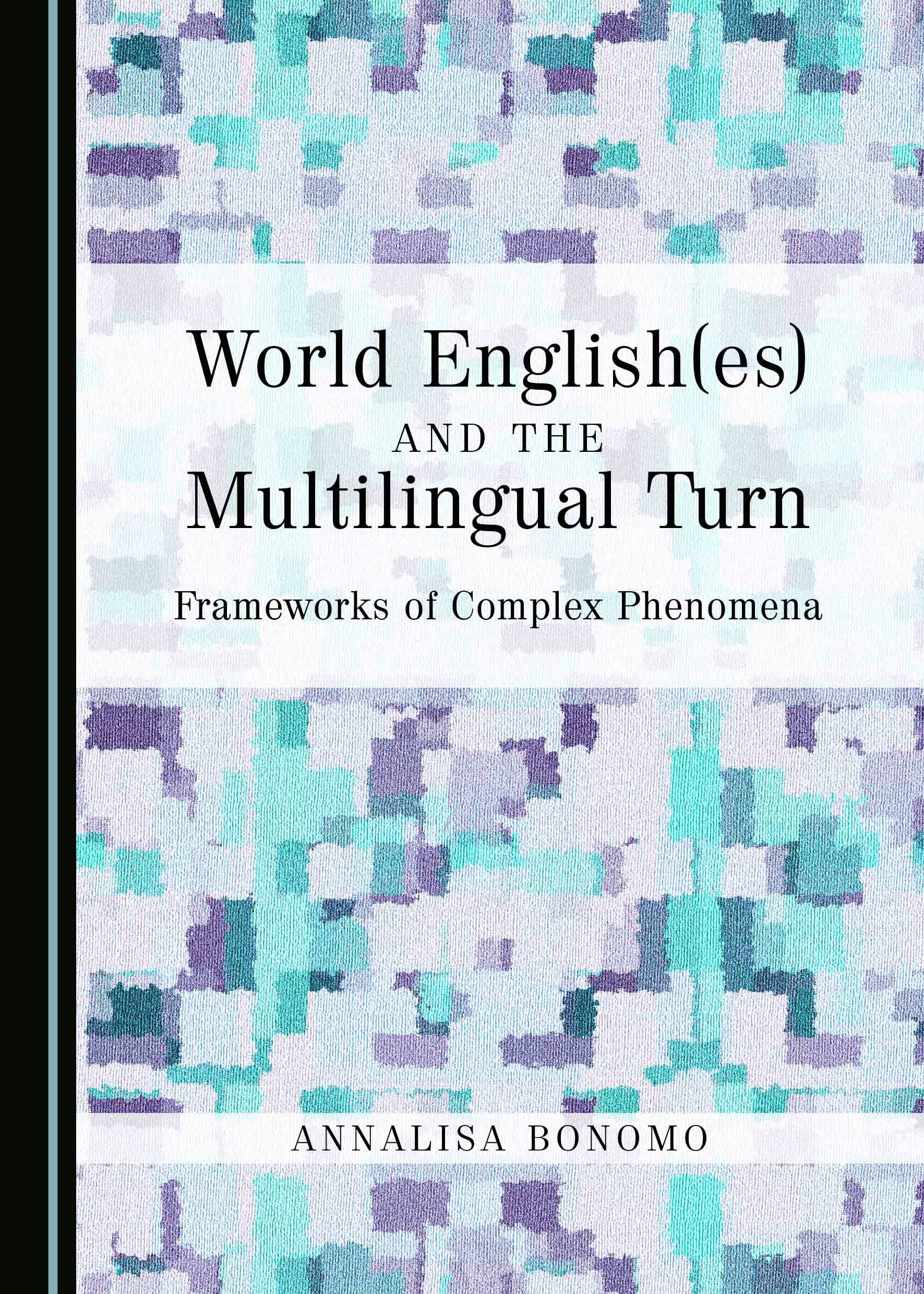
World English(es) and the Multilingual Turn
Frameworks of Complex Phenomena
Bonomo considers the social value of communication as the basis of multilingualism and of the evolution of language systems. Her data show English as being in the middle of the double “listening” of cultural mediation and the imperfect “magnifying” glass of translation.
Bonomo considers the social value of communication as the basis of multilingualism and of the evolution of language systems. Her data show English as being in the middle of the double “listening” of cultural mediation and the imperfect “magnifying” glass of translation.
View more
This product has multiple variants. The options may be chosen on the product page
Processing Your Order
Please wait while we securely process your order.
Do not refresh or leave this page.
You will be redirected shortly to a confirmation page with your order number.