

View more
This product has multiple variants. The options may be chosen on the product page
The Cycle of Troy in Geoffrey Chaucer
Tradition and “Moralitee”
In the Middle Ages, Trojan myths were transformed into models of human behaviour. This book explores how Geoffrey Chaucer recreates those myths, manipulating his material and integrating them into the contexts of his own works.
In the Middle Ages, Trojan myths were transformed into models of human behaviour. This book explores how Geoffrey Chaucer recreates those myths, manipulating his material and integrating them into the contexts of his own works.
View more
This product has multiple variants. The options may be chosen on the product page

View more
This product has multiple variants. The options may be chosen on the product page
The Duel between Sir Alexander Boswell and James Stuart
Scottish Squibs and Pistols at Dawn
Tory poet Sir Alexander Boswell's savage lampoons of his Whig cousin, James Stuart, led to a fatal duel. This book tells the compelling story of their quarrel—a turning point in Scottish politics—and for the first time includes many of Boswell’s witty poems.
Tory poet Sir Alexander Boswell’s savage lampoons of his Whig cousin, James Stuart, led to a fatal duel. This book tells the compelling story of their quarrel—a turning point in Scottish politics—and for the first time includes many of Boswell’s witty poems.
View more
This product has multiple variants. The options may be chosen on the product page

View more
This product has multiple variants. The options may be chosen on the product page
The Epistemology of Utopia
Rhetoric, Theory and Imagination
Utopianism nurtures possibilities by critiquing and transforming the world. This volume provides critical revisions of the field through essays on topics ranging from Plato’s Republic and More’s Utopia to modern-day cosmopolitics and science.
Utopianism nurtures possibilities by critiquing and transforming the world. This volume provides critical revisions of the field through essays on topics ranging from Plato’s Republic and More’s Utopia to modern-day cosmopolitics and science.
View more
This product has multiple variants. The options may be chosen on the product page
View more
This product has multiple variants. The options may be chosen on the product page
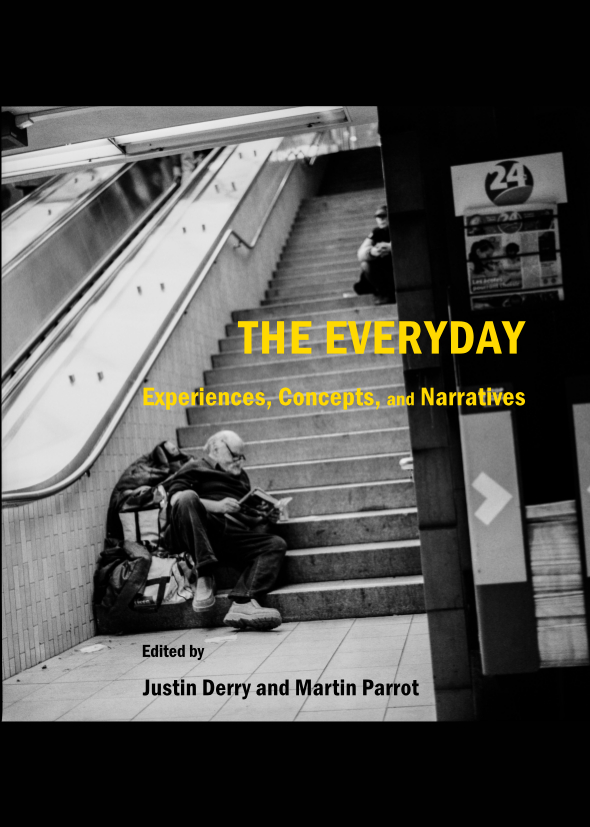
The Everyday
Experiences, Concepts, and Narratives
This inter-disciplinary book explores the slippery notion of ‘Everyday Life’. With contributions from fields like art history, cultural studies, and anthropology, it provides a unique space for exploring how everyday life intersects with key debates.
This inter-disciplinary book explores the slippery notion of ‘Everyday Life’. With contributions from fields like art history, cultural studies, and anthropology, it provides a unique space for exploring how everyday life intersects with key debates.
View more
This product has multiple variants. The options may be chosen on the product page
View more
This product has multiple variants. The options may be chosen on the product page
£39.99
Has 20th-century theory failed us? In a world of resurgent bigotry, this book seeks new phenomenological ways to understand the Other.
Has 20th-century theory failed us? In a world of resurgent bigotry, this book seeks new phenomenological ways to understand the Other.
View more
This product has multiple variants. The options may be chosen on the product page
View more
This product has multiple variants. The options may be chosen on the product page
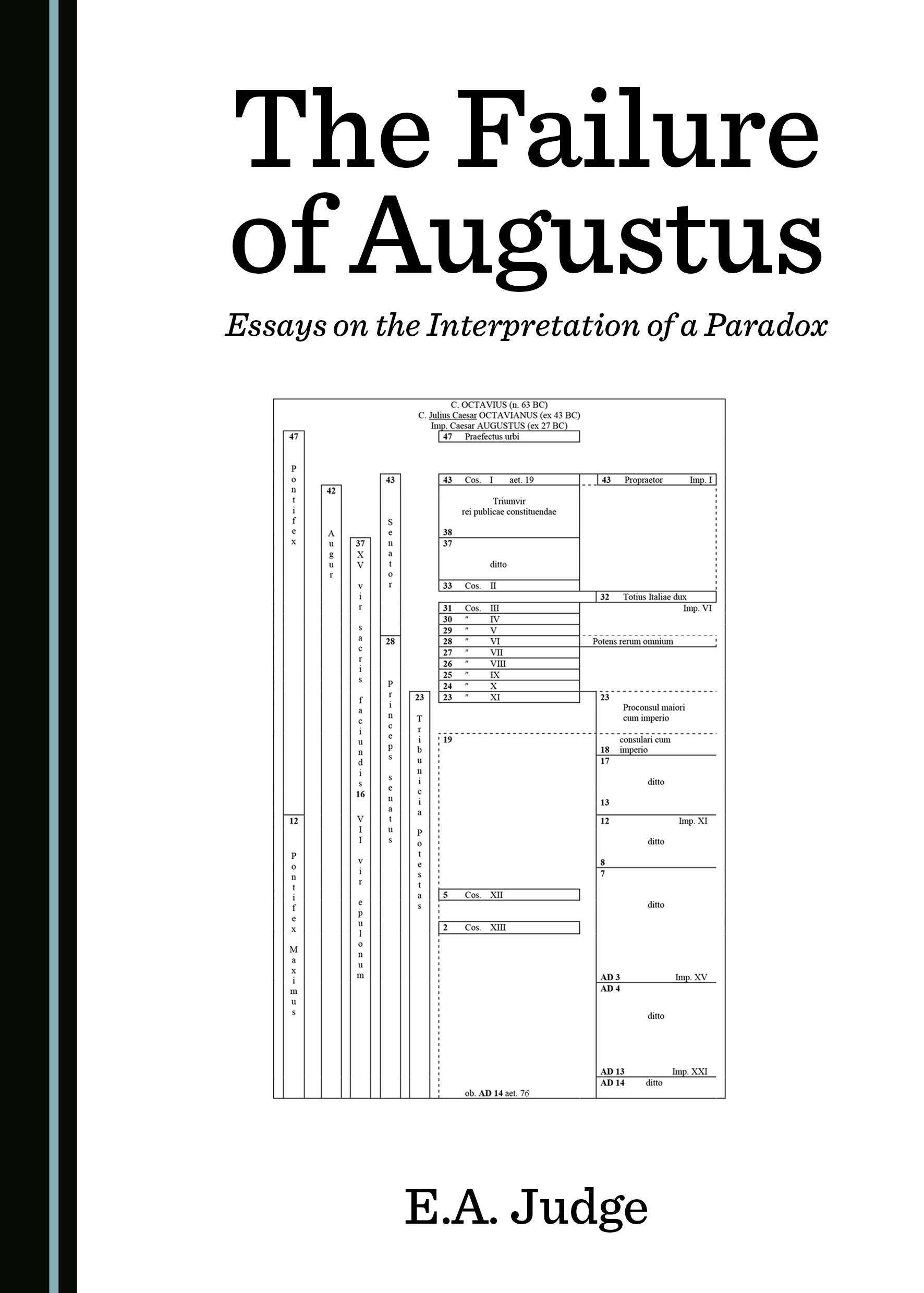
The Failure of Augustus
Essays on the Interpretation of a Paradox
Though he had a proud and clear aim, in the end, Augustus was defeated by his own persistence. Using contemporaneous sources and Augustus’ own words, Judge’s study explores this downfall. It also argues for the primacy of original sources in historical interpretation.
Though he had a proud and clear aim, in the end, Augustus was defeated by his own persistence. Using contemporaneous sources and Augustus’ own words, Judge’s study explores this downfall. It also argues for the primacy of original sources in historical interpretation.
View more
This product has multiple variants. The options may be chosen on the product page
View more
This product has multiple variants. The options may be chosen on the product page
£52.99
This volume explores the fantastic and the fin de siècle’s relationship. It studies how this period reflects the fantastic’s relation to: aesthetic ideas, terror and horror, the sublime, and evil, Gothic and sensation fiction, the Aesthetic Movement and Decadence.
This volume explores the fantastic and the fin de siècle’s relationship. It studies how this period reflects the fantastic’s relation to: aesthetic ideas, terror and horror, the sublime, and evil, Gothic and sensation fiction, the Aesthetic Movement and Decadence.
View more
This product has multiple variants. The options may be chosen on the product page
View more
This product has multiple variants. The options may be chosen on the product page
£58.99
The Faustus myth explores the human instinct to trespass the limits of knowledge for power and self-definition. This book offers perspectives on its literary versions: Marlowe’s tragedy, Goethe’s salvation, and the ambiguous collapse in John Fowles’ The Magus.
The Faustus myth explores the human instinct to trespass the limits of knowledge for power and self-definition. This book offers perspectives on its literary versions: Marlowe’s tragedy, Goethe’s salvation, and the ambiguous collapse in John Fowles’ The Magus.
View more
This product has multiple variants. The options may be chosen on the product page
View more
This product has multiple variants. The options may be chosen on the product page
The Future of Philology
Proceedings of the 11th Annual Columbia University German Graduate Student Conference
Does philology still have a place? This volume collects essays by young philologists who show that the discipline’s core—the care for the text—wields competencies that are indispensable, confronting the “fate of a soft science in a hard world.”
Does philology still have a place? This volume collects essays by young philologists who show that the discipline’s core—the care for the text—wields competencies that are indispensable, confronting the “fate of a soft science in a hard world.”
View more
This product has multiple variants. The options may be chosen on the product page
View more
This product has multiple variants. The options may be chosen on the product page
The German Historical Novel since the Eighteenth Century
More than a Bestseller
This collection looks at aesthetic and thematic continuities, as well as changes in the historical genre in Germany from the late 18th century to the present. It also gives insights into the novels’ political and socio-cultural implications and studies several historical novels.
This collection looks at aesthetic and thematic continuities, as well as changes in the historical genre in Germany from the late 18th century to the present. It also gives insights into the novels’ political and socio-cultural implications and studies several historical novels.
View more
This product has multiple variants. The options may be chosen on the product page
View more
This product has multiple variants. The options may be chosen on the product page
From £33.99
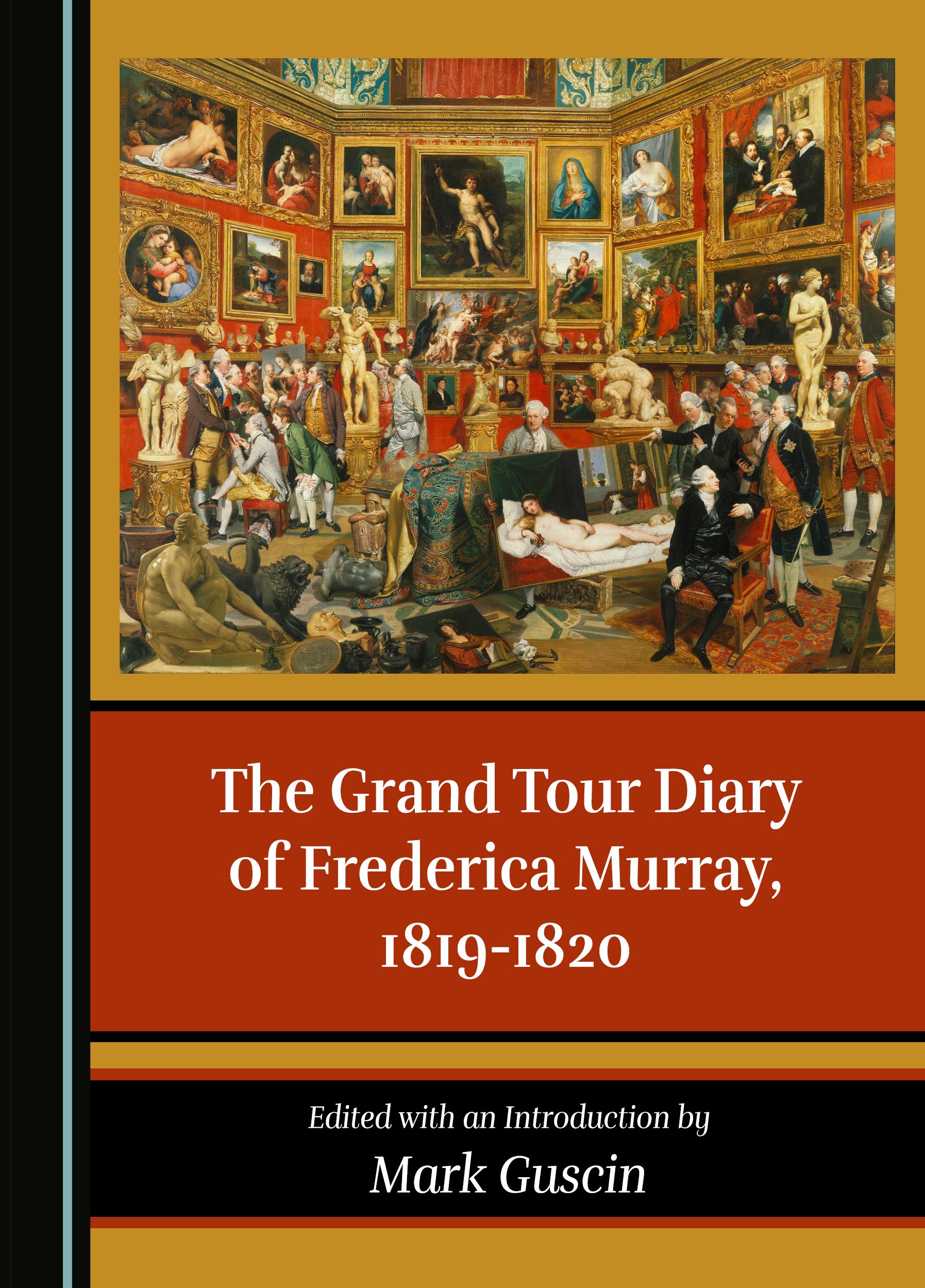
In 1819, Lady Frederica Murray kept a diary on one of the last Grand Tours. Never before published, this diary is a fascinating look at Europe through the eyes of an observant 19-year-old whose opinions on art, society, and travel were often remarkably open and cutting.
In 1819, Lady Frederica Murray kept a diary on one of the last Grand Tours. Never before published, this diary is a fascinating look at Europe through the eyes of an observant 19-year-old whose opinions on art, society, and travel were often remarkably open and cutting.
View more
This product has multiple variants. The options may be chosen on the product page
View more
This product has multiple variants. The options may be chosen on the product page
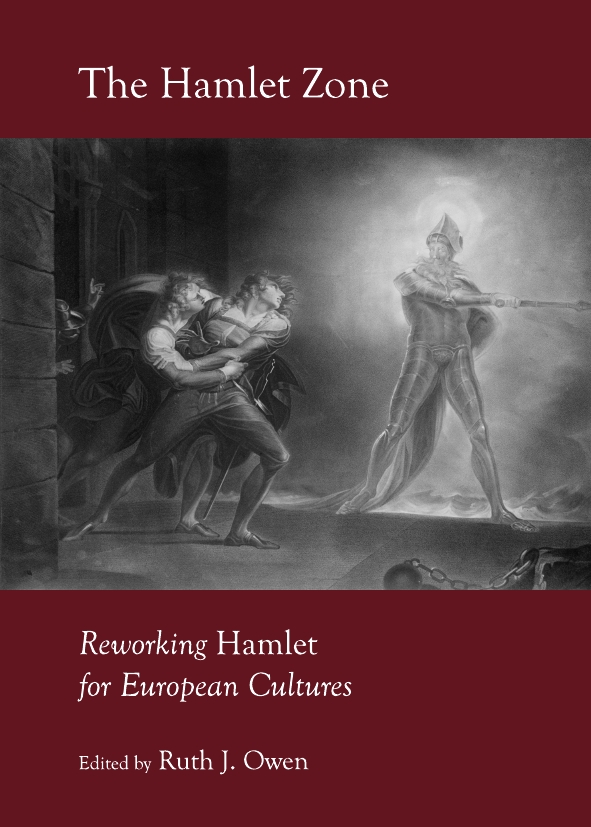
The Hamlet Zone
Reworking Hamlet for European Cultures
For four hundred years, the myth of Hamlet has crossed Europe’s borders, spawning new, independent works of theatre, ballet, fiction, and film. This book examines how Hamlet, through translation and adaptation, became Europe's common cultural currency.
For four hundred years, the myth of Hamlet has crossed Europe’s borders, spawning new, independent works of theatre, ballet, fiction, and film. This book examines how Hamlet, through translation and adaptation, became Europe’s common cultural currency.
View more
This product has multiple variants. The options may be chosen on the product page
View more
This product has multiple variants. The options may be chosen on the product page
£39.99
This collection of scholarly critiques explores recent Indian English novels by authors such as Amitav Ghosh and Aravind Adiga. The volume focuses on emerging genres, from crime fiction and science fiction to LGBT voices and postcolonial narratives.
This collection of scholarly critiques explores recent Indian English novels by authors such as Amitav Ghosh and Aravind Adiga. The volume focuses on emerging genres, from crime fiction and science fiction to LGBT voices and postcolonial narratives.
View more
This product has multiple variants. The options may be chosen on the product page
View more
This product has multiple variants. The options may be chosen on the product page
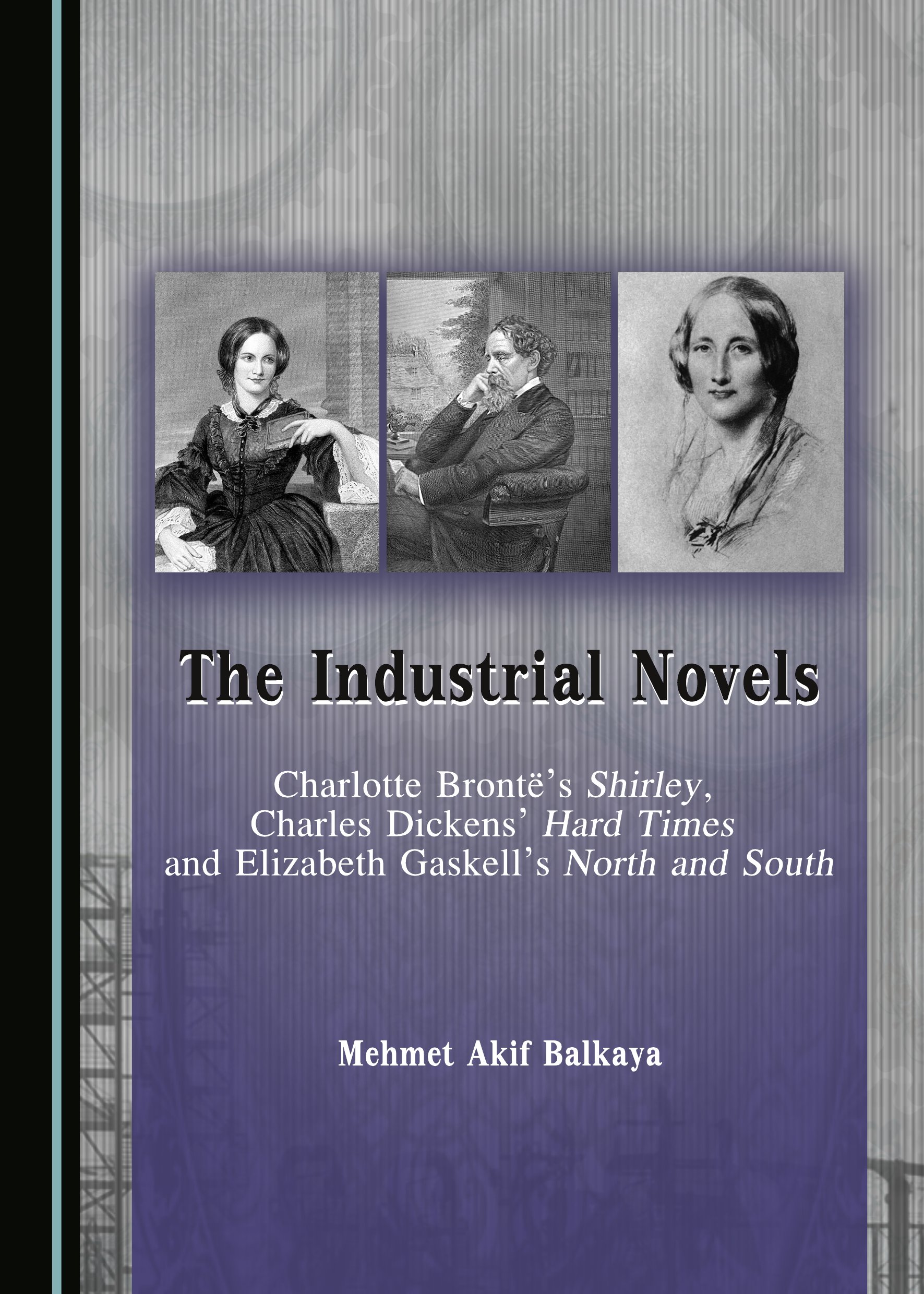
The Industrial Novels
Charlotte Brontë’s Shirley, Charles Dickens’ Hard Times and Elizabeth Gaskell’s North and South
Providing an historical and theoretical framework for reading three important novels by Charlotte Brontë, Dickens and Gaskell, Balkaya analyses these authors’ strategies for radical reform through improvements in the living and working conditions of the working class.
Providing an historical and theoretical framework for reading three important novels by Charlotte Brontë, Dickens and Gaskell, Balkaya analyses these authors’ strategies for radical reform through improvements in the living and working conditions of the working class.
View more
This product has multiple variants. The options may be chosen on the product page

View more
This product has multiple variants. The options may be chosen on the product page
The Legacy of Empire
Napoleon I and III and the Anglo-Italian Circle during the Risorgimento
The shadow of Napoleon’s empires haunted the nineteenth-century. In reaction, a unique Anglo-Italian style developed among ex-patriot writers and artists. Contrasting Napoleon's legacy with an ideal state, their work championed national independence, feminism, and republicanism.
The shadow of Napoleon’s empires haunted the nineteenth-century. In reaction, a unique Anglo-Italian style developed among ex-patriot writers and artists. Contrasting Napoleon’s legacy with an ideal state, their work championed national independence, feminism, and republicanism.
View more
This product has multiple variants. The options may be chosen on the product page
View more
This product has multiple variants. The options may be chosen on the product page
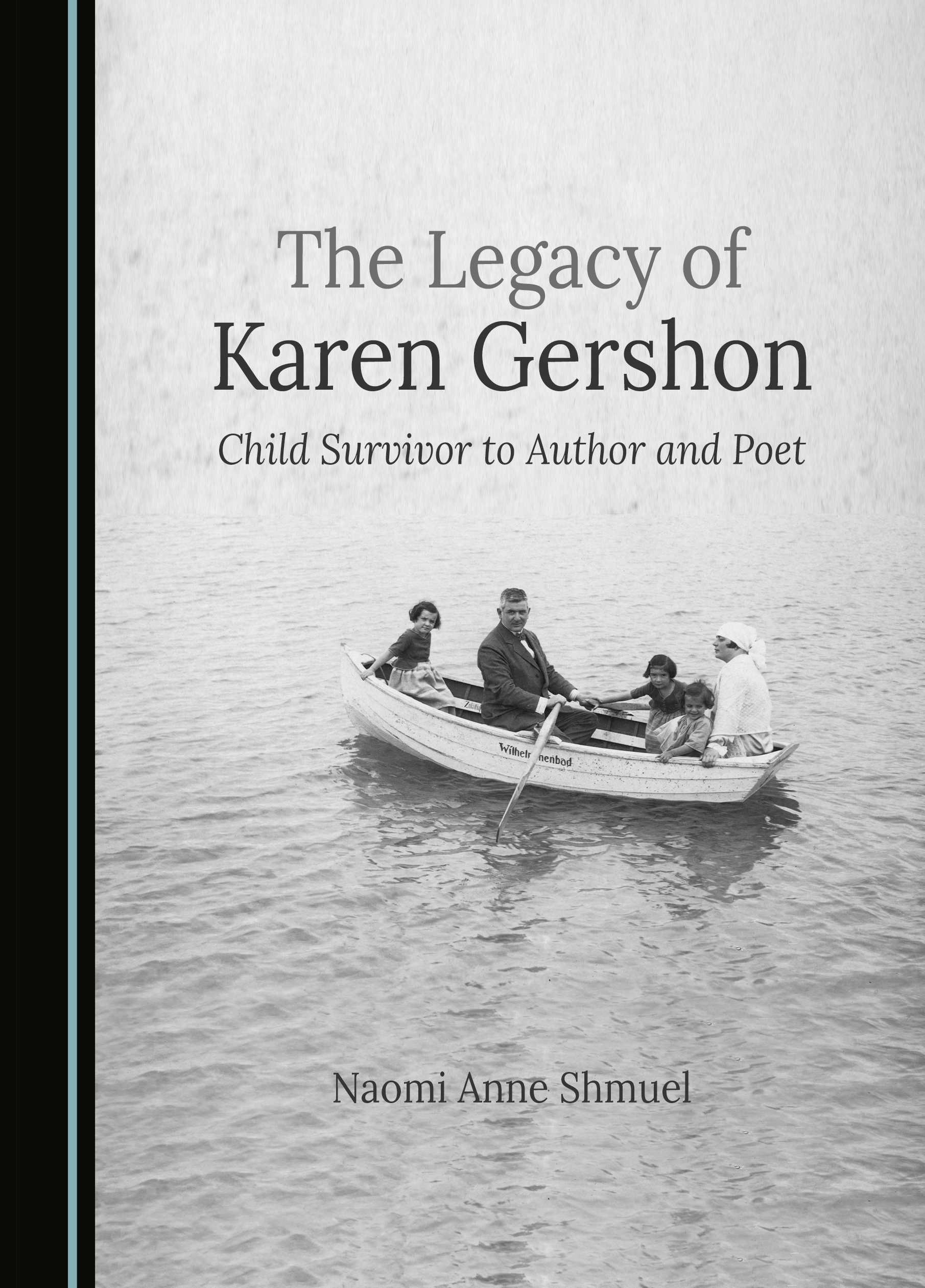
The Legacy of Karen Gershon
Child Survivor to Author and Poet
Based on private archives, this is the story of Karen Gershon, a child survivor rescued on the Kindertransport whose writing became the voice of a generation. It reveals her search for identity and home, and a family's struggle with immigration and inherited trauma.
Based on private archives, this is the story of Karen Gershon, a child survivor rescued on the Kindertransport whose writing became the voice of a generation. It reveals her search for identity and home, and a family’s struggle with immigration and inherited trauma.
View more
This product has multiple variants. The options may be chosen on the product page
View more
This product has multiple variants. The options may be chosen on the product page
From £30.99
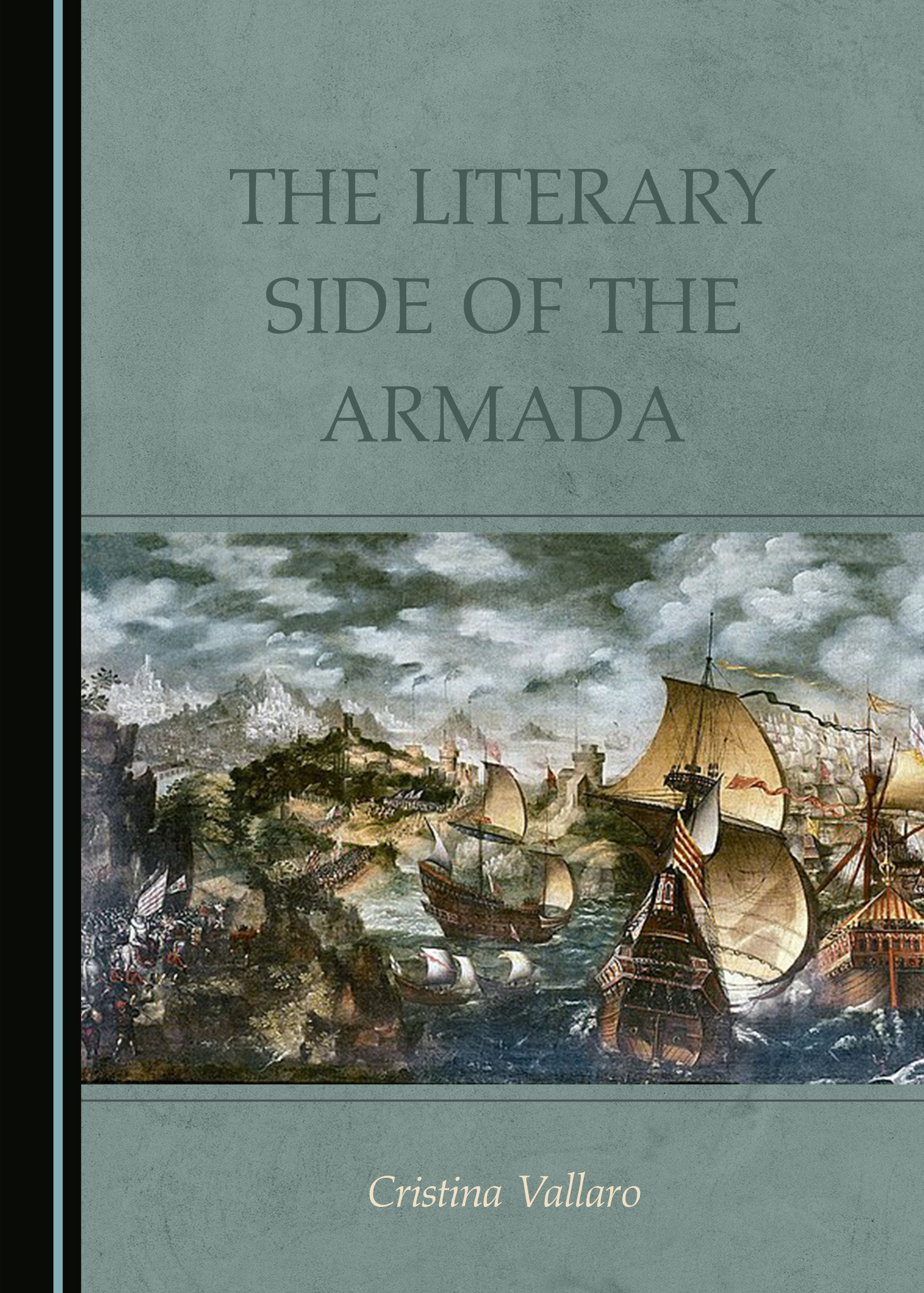
While the 1588 Spanish Armada is famous, its impact on literature has long been neglected. This book presents the conflict through the literature of both nations, offering a view from Spanish and English voices: Shakespeare and Marlowe are flanked by Cervantes and Lope de Vega.
While the 1588 Spanish Armada is famous, its impact on literature has long been neglected. This book presents the conflict through the literature of both nations, offering a view from Spanish and English voices: Shakespeare and Marlowe are flanked by Cervantes and Lope de Vega.
View more
This product has multiple variants. The options may be chosen on the product page
View more
This product has multiple variants. The options may be chosen on the product page
The Lives of Texts
Exploring the Metaphor
Exploring the metaphor of a text as a living organism, this book traces life-like phenomena—birth, maturation, death, and resurrection—in literature from the Middle Ages to popular culture, including works by Mary Shelley, J.K. Rowling, and Neil Gaiman.
Exploring the metaphor of a text as a living organism, this book traces life-like phenomena—birth, maturation, death, and resurrection—in literature from the Middle Ages to popular culture, including works by Mary Shelley, J.K. Rowling, and Neil Gaiman.
View more
This product has multiple variants. The options may be chosen on the product page
View more
This product has multiple variants. The options may be chosen on the product page
The Making of the Modern Greeks
1400-1820
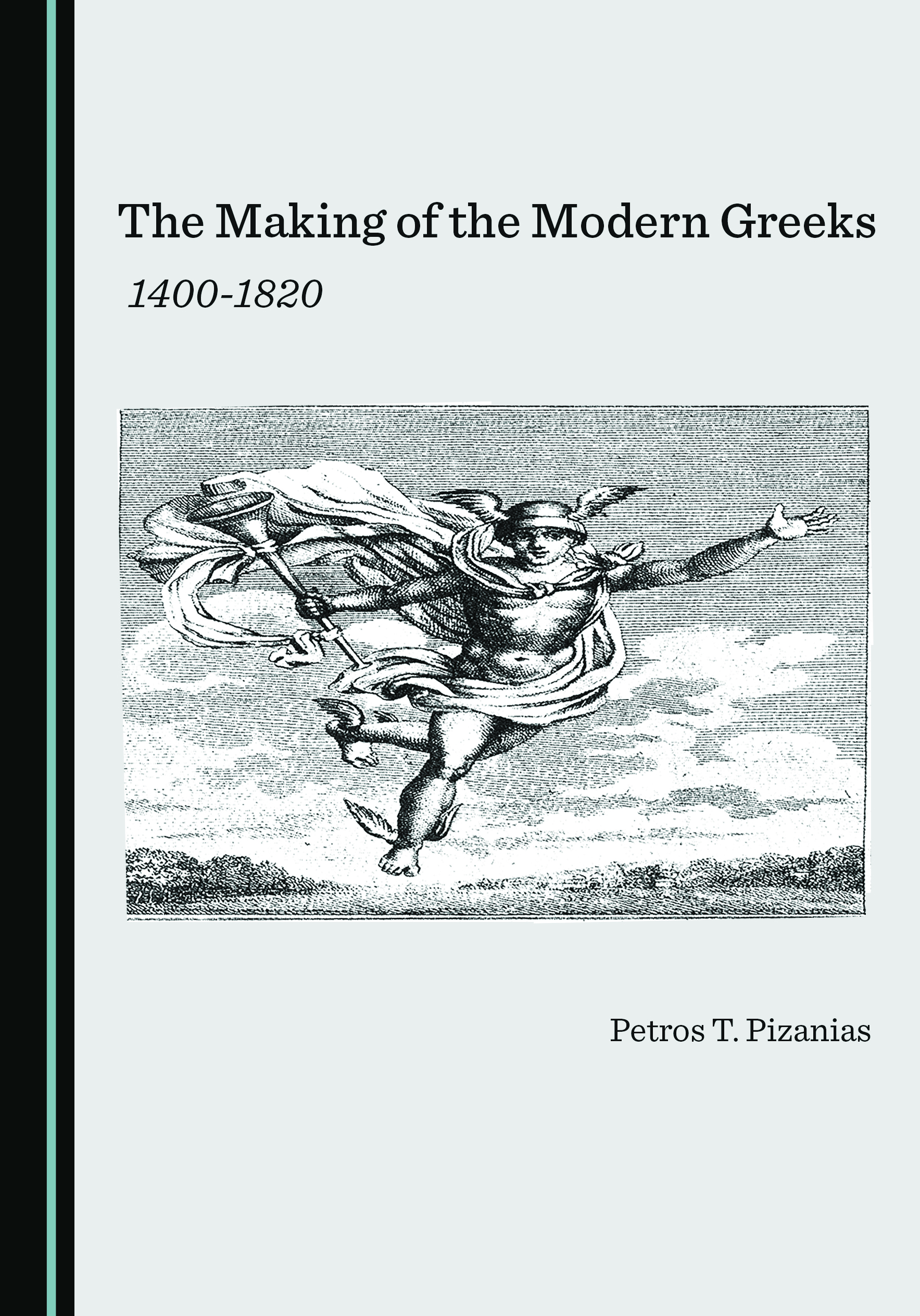
How did the Modern Greeks re-emerge on the historical stage after centuries of obscurity? This book examines the formation of New Hellenism, showing how various social groups differentiated themselves from the Ottoman system to create a distinct economic and cultural space.
How did the Modern Greeks re-emerge on the historical stage after centuries of obscurity? This book examines the formation of New Hellenism, showing how various social groups differentiated themselves from the Ottoman system to create a distinct economic and cultural space.
View more
This product has multiple variants. The options may be chosen on the product page
View more
This product has multiple variants. The options may be chosen on the product page
The Medieval Empire in Central Europe
Dynastic Continuity in the Post-Carolingian Frankish Realm, 900-1300
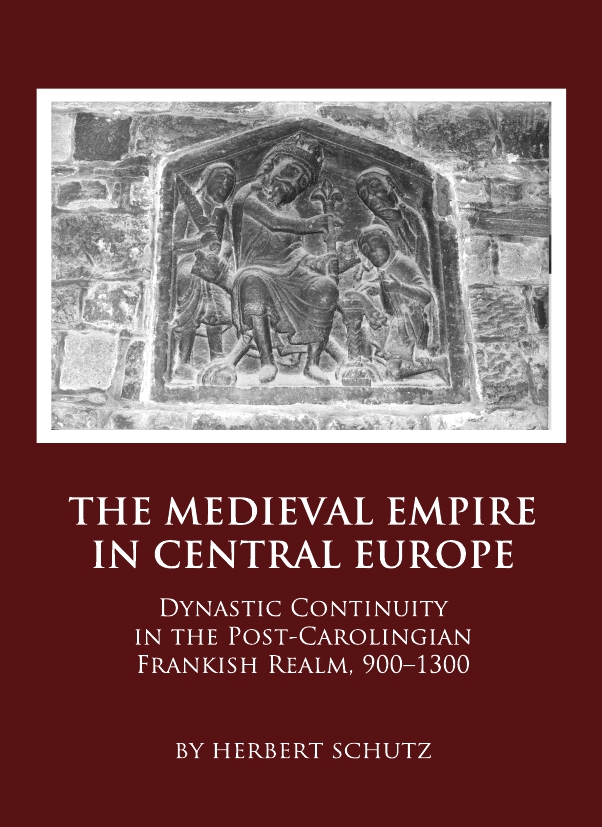
This book offers a political history of the Medieval Empire, from its 10th-century inception to becoming Europe's strongest power. It traces its support of the papacy, the struggle for supremacy, the shift to Italy, and its demise by the mid-13th century.
This book offers a political history of the Medieval Empire, from its 10th-century inception to becoming Europe’s strongest power. It traces its support of the papacy, the struggle for supremacy, the shift to Italy, and its demise by the mid-13th century.
View more
This product has multiple variants. The options may be chosen on the product page
Processing Your Order
Please wait while we securely process your order.
Do not refresh or leave this page.
You will be redirected shortly to a confirmation page with your order number.