
View more
This product has multiple variants. The options may be chosen on the product page
£67.99
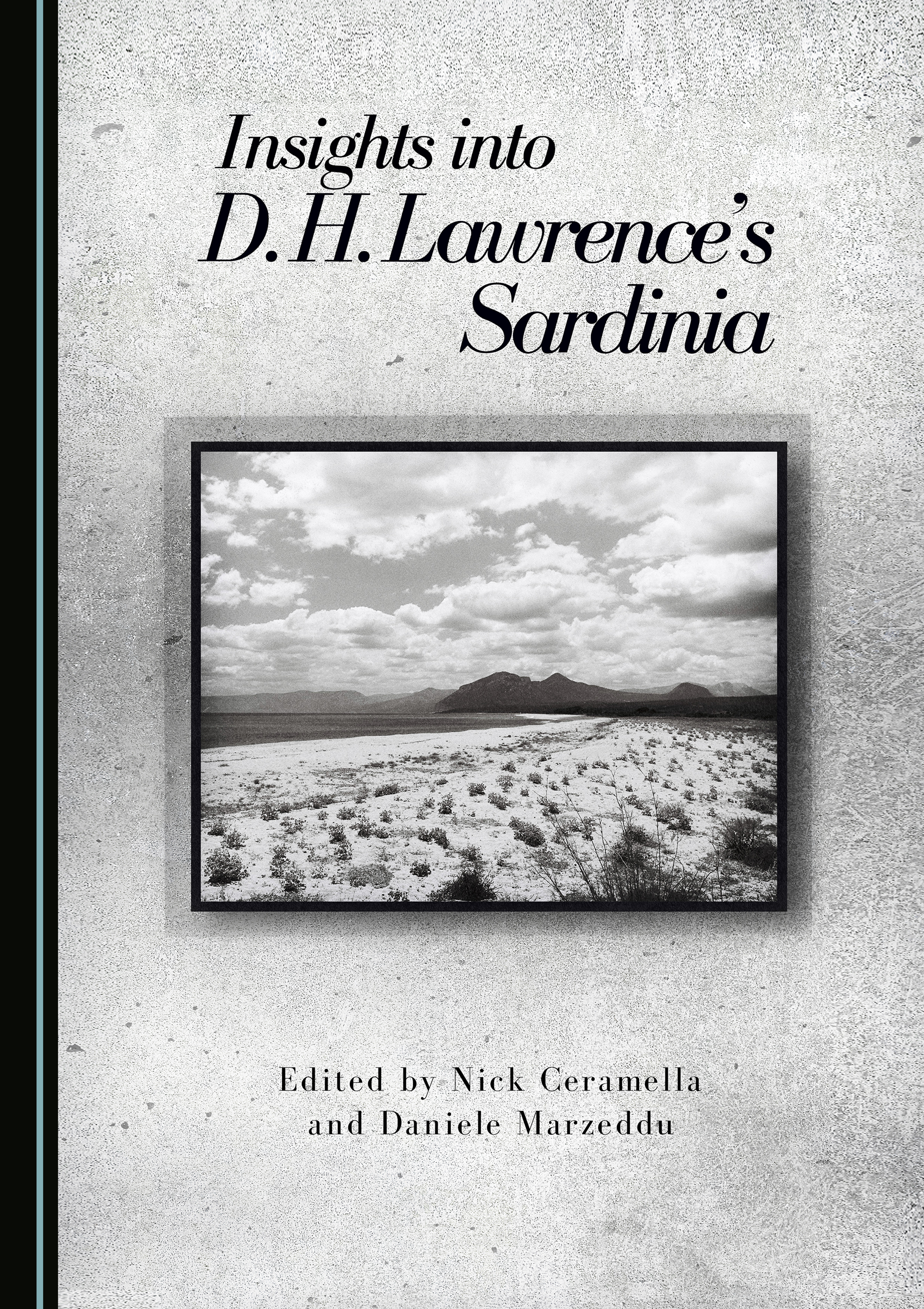
This volume explores D. H. Lawrence’s search for an ideal primitive society. Combining literature and photography, it analyses Sicilian and Sardinian society, offering new perspectives on *Sea and Sardinia*, including its ecological approach, gender roles, and local identity.
This volume explores D. H. Lawrence’s search for an ideal primitive society. Combining literature and photography, it analyses Sicilian and Sardinian society, offering new perspectives on *Sea and Sardinia*, including its ecological approach, gender roles, and local identity.
View more
This product has multiple variants. The options may be chosen on the product page
View more
This product has multiple variants. The options may be chosen on the product page
From £32.99
This book introduces “postcolonial soliloquies” as a new way to analyze West African literature. Using the theory of “dialogue” to explore history, culture, and identity, it shows how the novels of T. Obinkaram Echewa redraw the boundaries of colonial history.
This book introduces “postcolonial soliloquies” as a new way to analyze West African literature. Using the theory of “dialogue” to explore history, culture, and identity, it shows how the novels of T. Obinkaram Echewa redraw the boundaries of colonial history.
View more
This product has multiple variants. The options may be chosen on the product page
View more
This product has multiple variants. The options may be chosen on the product page
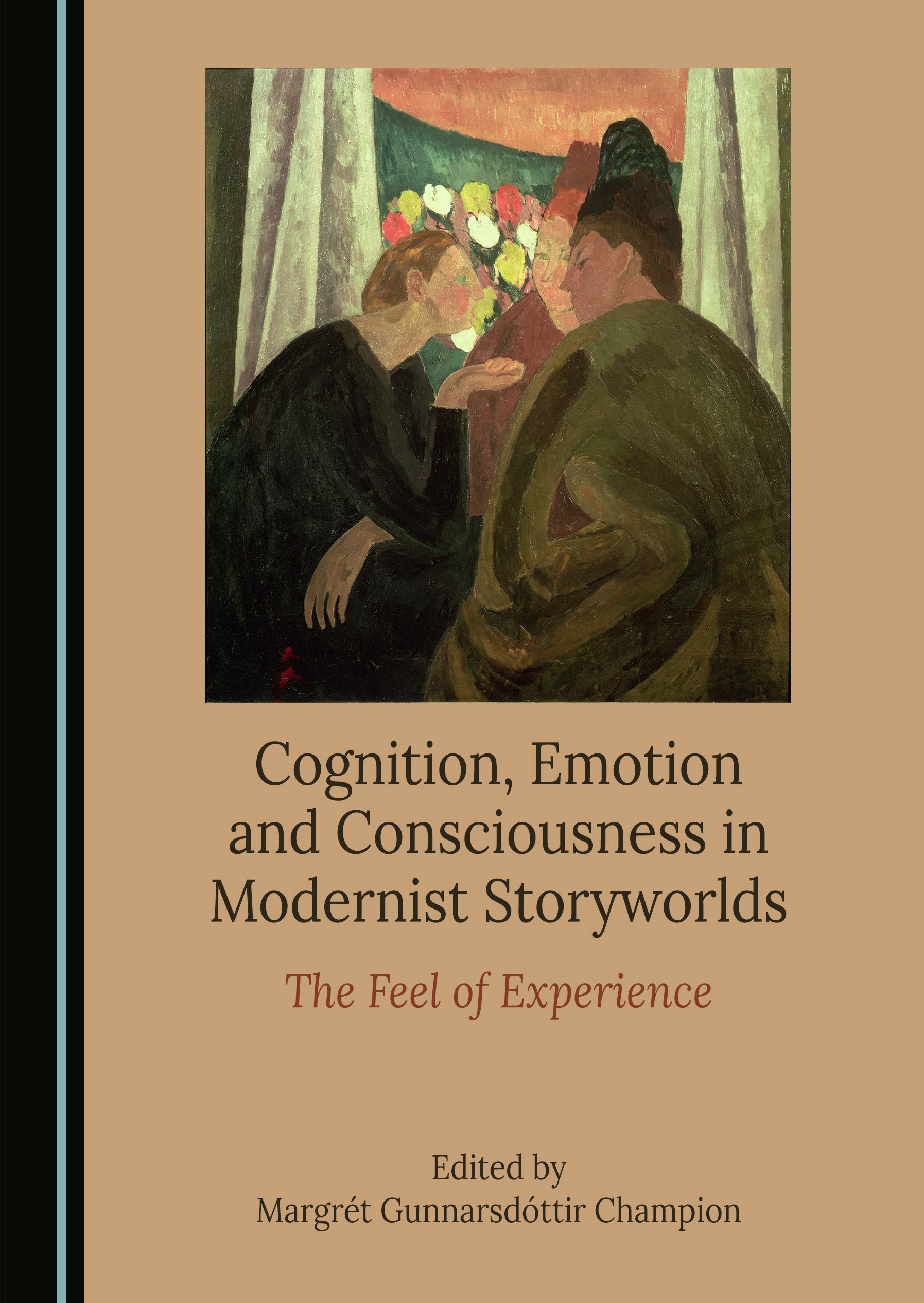
Cognition, Emotion and Consciousness in Modernist Storyworlds
The Feel of Experience
This volume explores the representation of minds in literary texts, focusing on modernism. Through cognition and emotion, these essays reveal the nexus between mind and narrative, arguing that experientiality is fundamental to all genres, from poetry to the novel.
This volume explores the representation of minds in literary texts, focusing on modernism. Through cognition and emotion, these essays reveal the nexus between mind and narrative, arguing that experientiality is fundamental to all genres, from poetry to the novel.
View more
This product has multiple variants. The options may be chosen on the product page
View more
This product has multiple variants. The options may be chosen on the product page
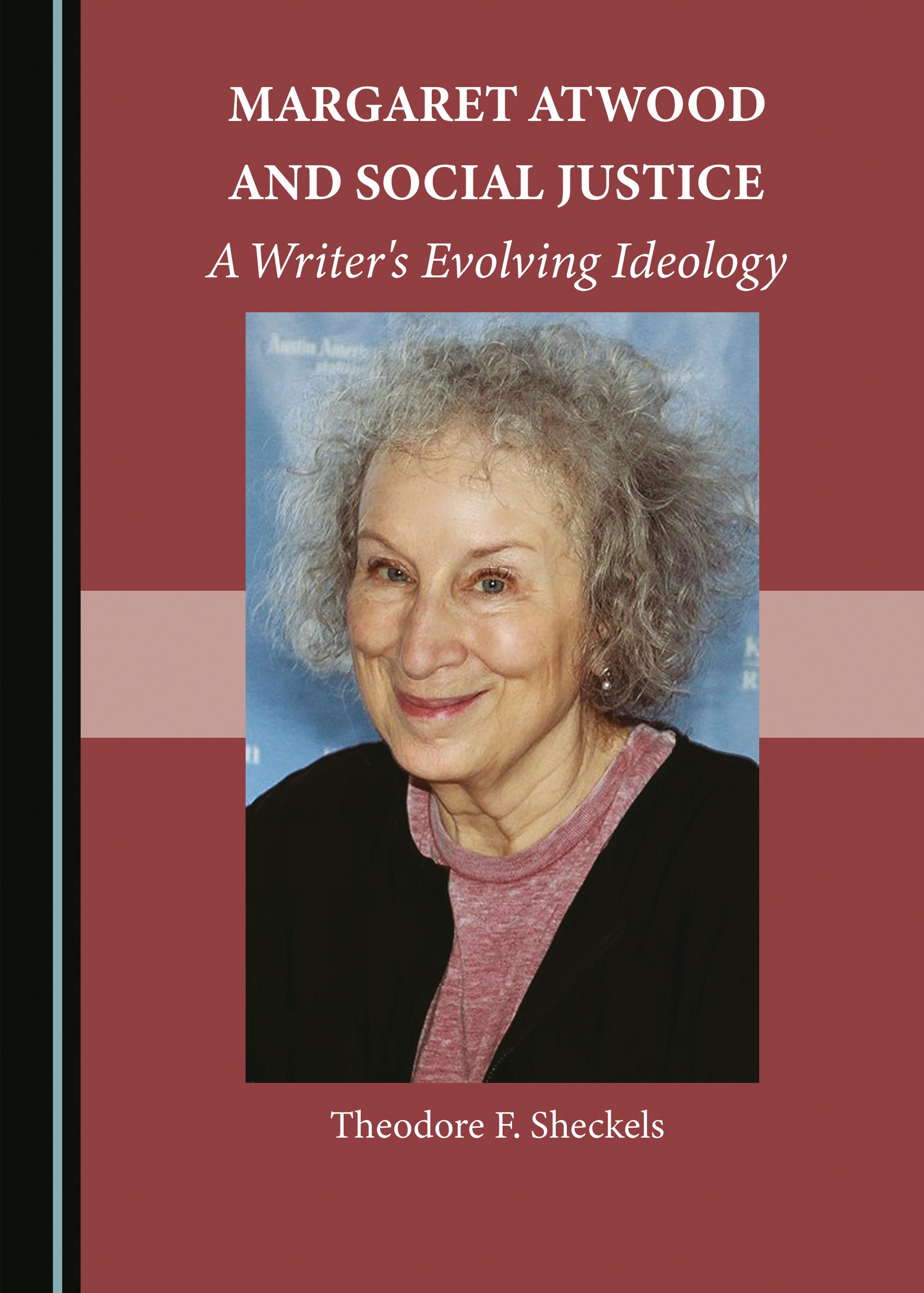
Margaret Atwood and Social Justice
A Writer's Evolving Ideology
Margaret Atwood is a writer, not an ideologue. This book traces the evolution of her social justice concerns through her major fiction—from women's rights and environmentalism to critiques of corporate oppression, right-wing governments, and racial injustice.
Margaret Atwood is a writer, not an ideologue. This book traces the evolution of her social justice concerns through her major fiction—from women’s rights and environmentalism to critiques of corporate oppression, right-wing governments, and racial injustice.
View more
This product has multiple variants. The options may be chosen on the product page
View more
This product has multiple variants. The options may be chosen on the product page
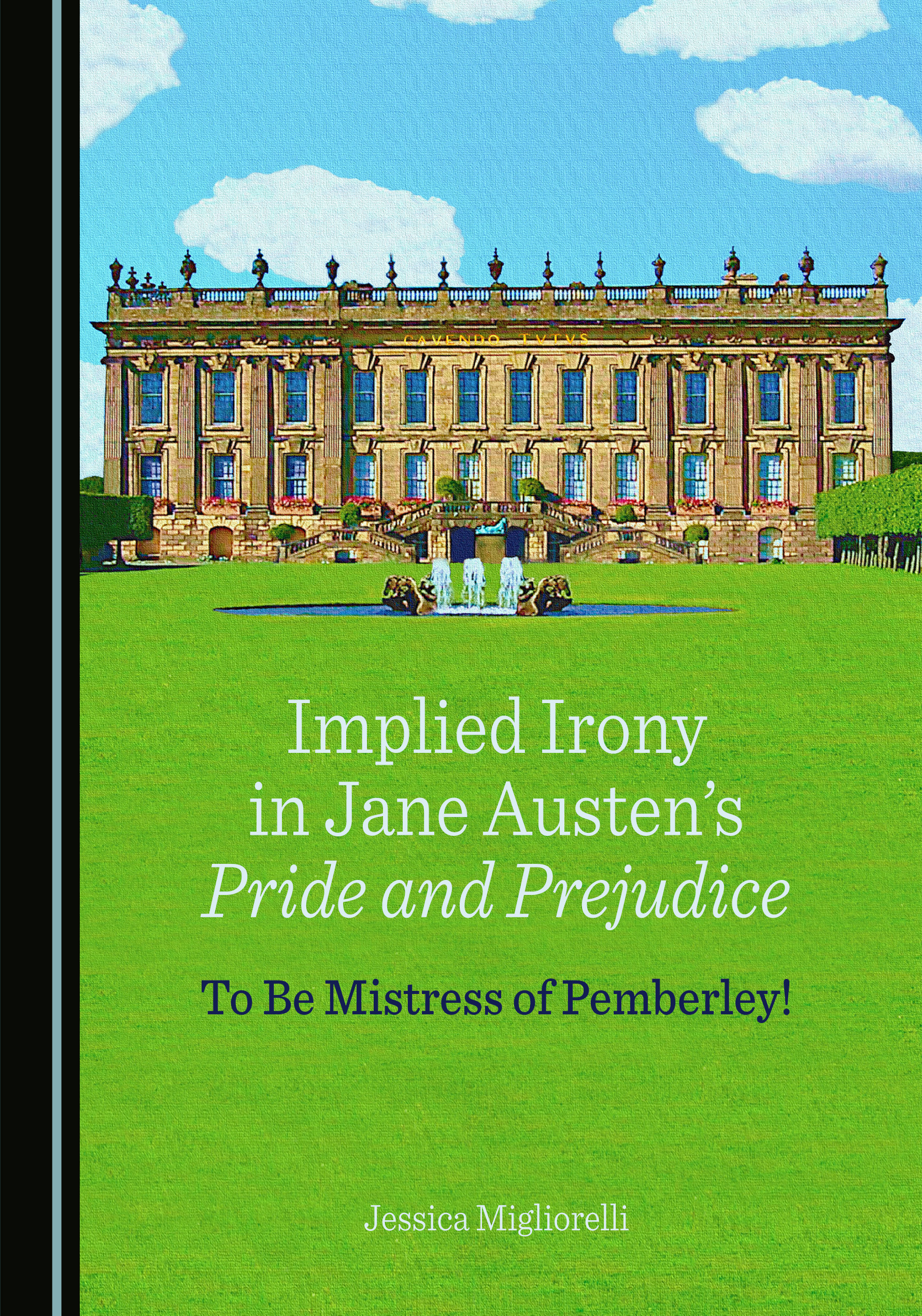
Implied Irony in Jane Austen’s Pride and Prejudice
To Be Mistress of Pemberley!
This book presents a new approach to irony in free indirect discourse (FID) through an analytical reading of Pride and Prejudice. It argues that a multistage theory best explains how irony is generated, making this essential reading for scholars of narrative technique.
This book presents a new approach to irony in free indirect discourse (FID) through an analytical reading of Pride and Prejudice. It argues that a multistage theory best explains how irony is generated, making this essential reading for scholars of narrative technique.
View more
This product has multiple variants. The options may be chosen on the product page
View more
This product has multiple variants. The options may be chosen on the product page
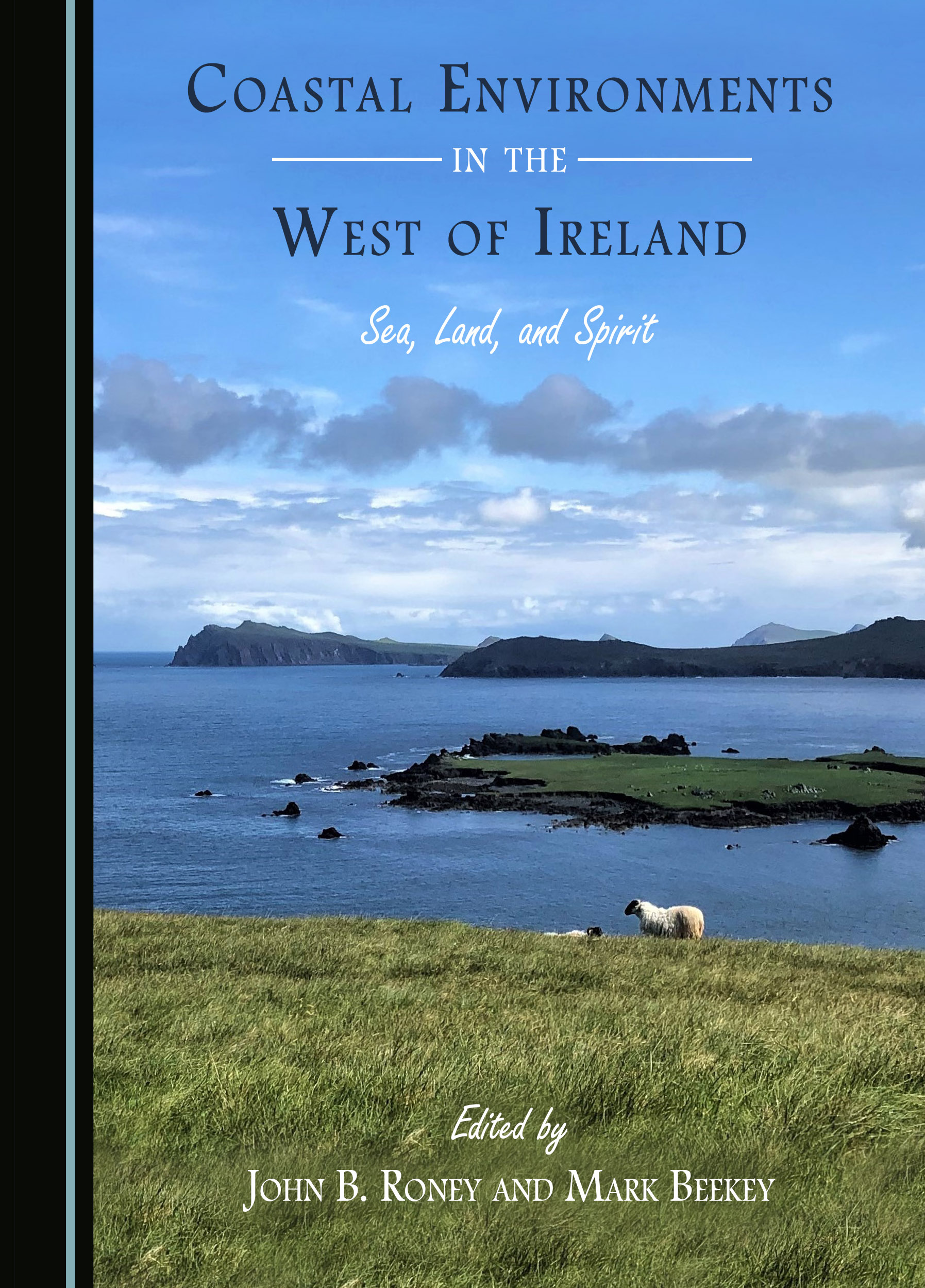
Coastal Environments in the West of Ireland
Sea, Land, and Spirit
This study unites the natural sciences and humanities to explore the connections between the environment and cultural heritage on Ireland's west coast. It reveals a deep appreciation for the wild coastal topography, preserved in the Irish language, poetry, story, and music.
This study unites the natural sciences and humanities to explore the connections between the environment and cultural heritage on Ireland’s west coast. It reveals a deep appreciation for the wild coastal topography, preserved in the Irish language, poetry, story, and music.
View more
This product has multiple variants. The options may be chosen on the product page

View more
This product has multiple variants. The options may be chosen on the product page
The Poetry of Gregory of Nazianzus
Discovering a New Face of His Personality
Gregory of Nazianzus was a famous 4th-century theologian, but he was also a celebrated poet. This book discovers the poet, not the theologian, revealing the all-too-human aspects of his personality and bringing to light new characteristics of his life and thought.
Gregory of Nazianzus was a famous 4th-century theologian, but he was also a celebrated poet. This book discovers the poet, not the theologian, revealing the all-too-human aspects of his personality and bringing to light new characteristics of his life and thought.
View more
This product has multiple variants. The options may be chosen on the product page
View more
This product has multiple variants. The options may be chosen on the product page
From £29.99
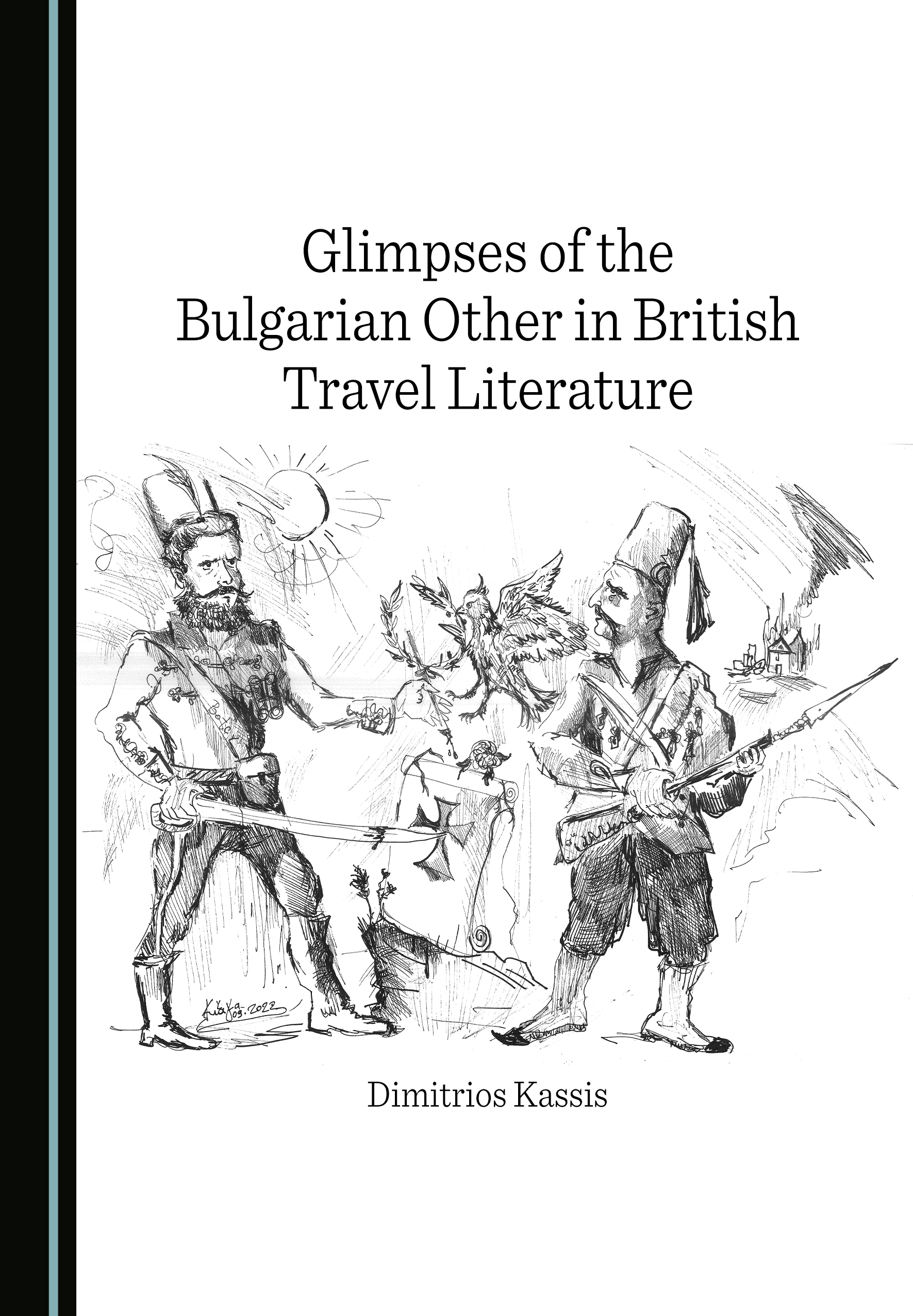
This volume explores British depictions of Bulgaria as a dystopian land from the 18th century until its 1878 Liberation. In these travel narratives, the Bulgarian nation is an antithesis to the civilised British, until its National Revival comes to question this depiction.
This volume explores British depictions of Bulgaria as a dystopian land from the 18th century until its 1878 Liberation. In these travel narratives, the Bulgarian nation is an antithesis to the civilised British, until its National Revival comes to question this depiction.
View more
This product has multiple variants. The options may be chosen on the product page
View more
This product has multiple variants. The options may be chosen on the product page
From £34.99
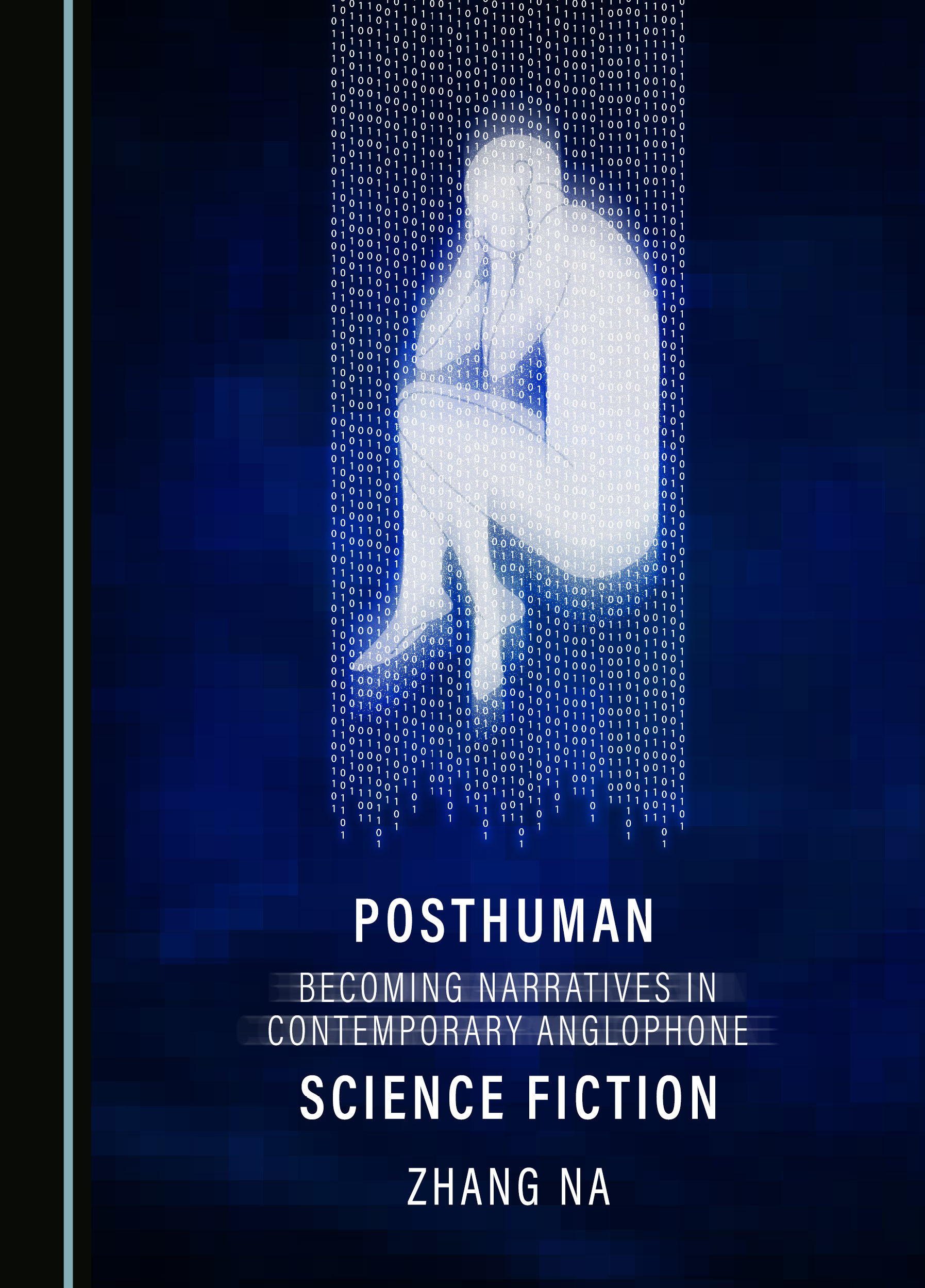
This book explores the integration of narratology with posthumanism by examining decades of science fiction. It shows that the posthuman, rather than posing a threat, proves to be the companion and savior of human beings, whose sacrifice brings humanity back to a chaotic world.
This book explores the integration of narratology with posthumanism by examining decades of science fiction. It shows that the posthuman, rather than posing a threat, proves to be the companion and savior of human beings, whose sacrifice brings humanity back to a chaotic world.
View more
This product has multiple variants. The options may be chosen on the product page
View more
This product has multiple variants. The options may be chosen on the product page
From £34.99
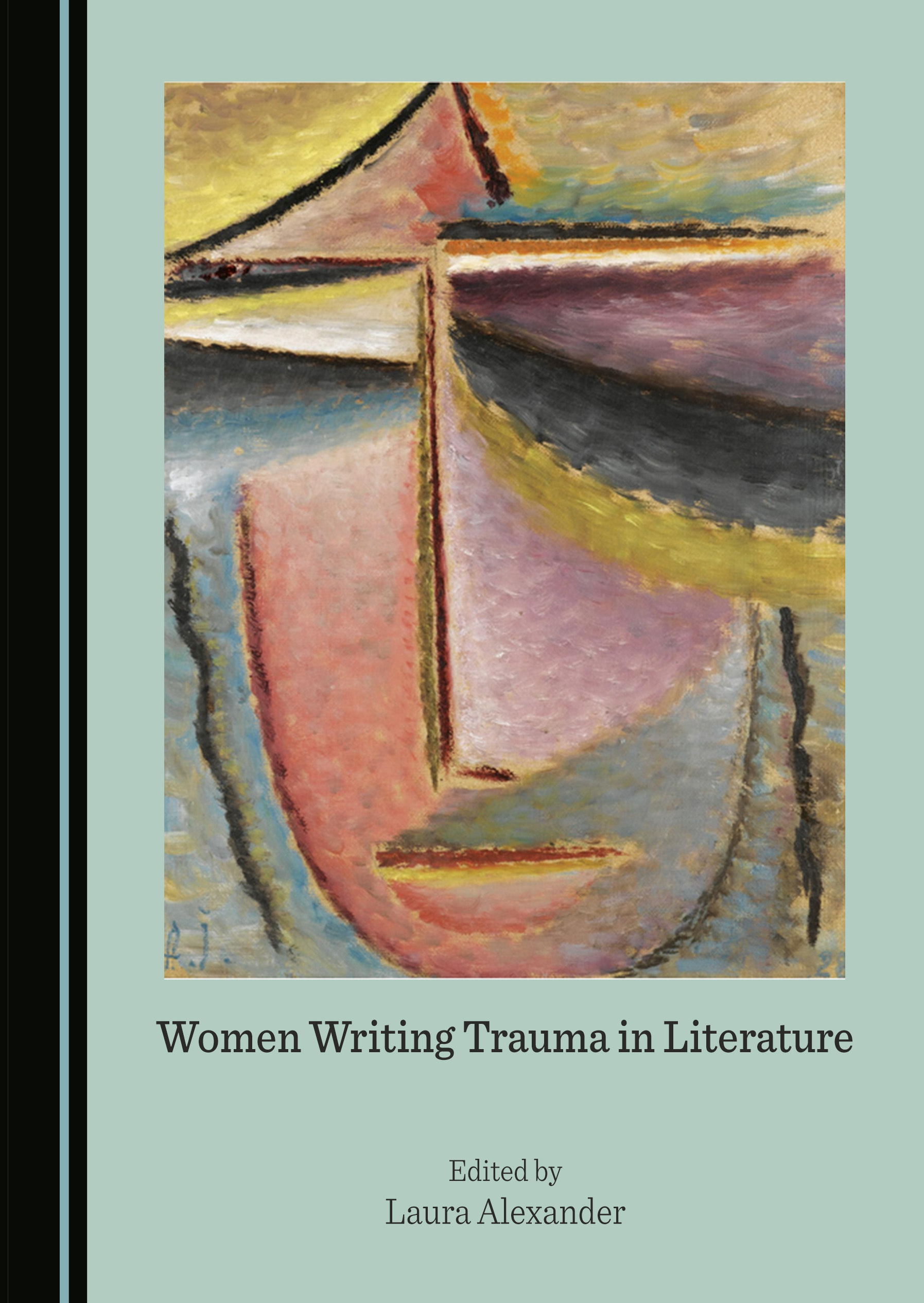
This collection studies trauma and psychoanalysis in women’s writing. It examines how literature helps to heal the wounded self, concentrating on how women explain the traumatic experiences of war, violence, or displacement and recover the voices buried by intense suffering.
This collection studies trauma and psychoanalysis in women’s writing. It examines how literature helps to heal the wounded self, concentrating on how women explain the traumatic experiences of war, violence, or displacement and recover the voices buried by intense suffering.
View more
This product has multiple variants. The options may be chosen on the product page
View more
This product has multiple variants. The options may be chosen on the product page
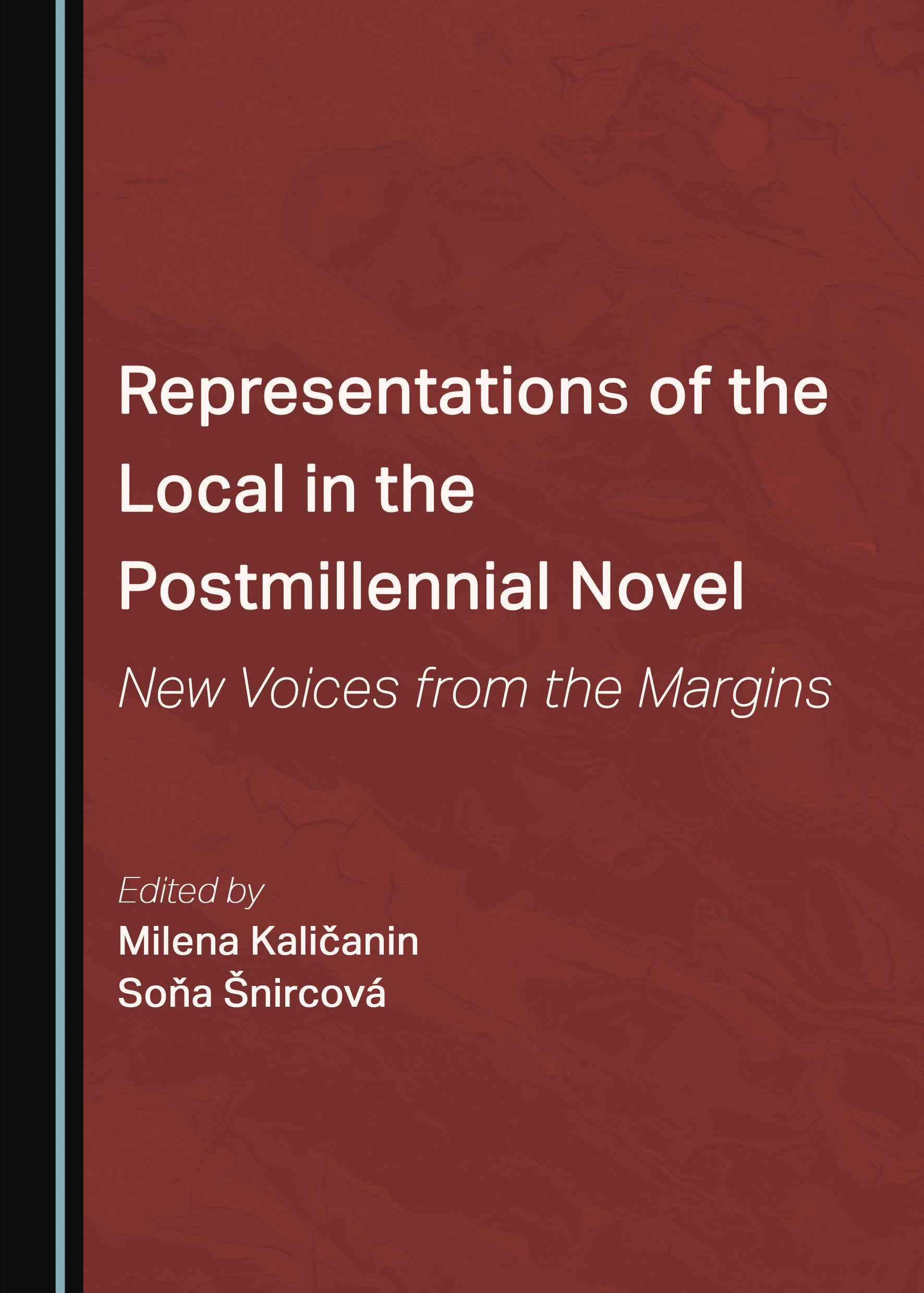
Representations of the Local in the Postmillennial Novel
New Voices from the Margins
This book maps a rich variety of voices from the margins of our globalized world. Through contemporary novels by international authors, it explores the rising tension between global and local identities for those overshadowed by the intense pressure of globalization.
This book maps a rich variety of voices from the margins of our globalized world. Through contemporary novels by international authors, it explores the rising tension between global and local identities for those overshadowed by the intense pressure of globalization.
View more
This product has multiple variants. The options may be chosen on the product page
View more
This product has multiple variants. The options may be chosen on the product page
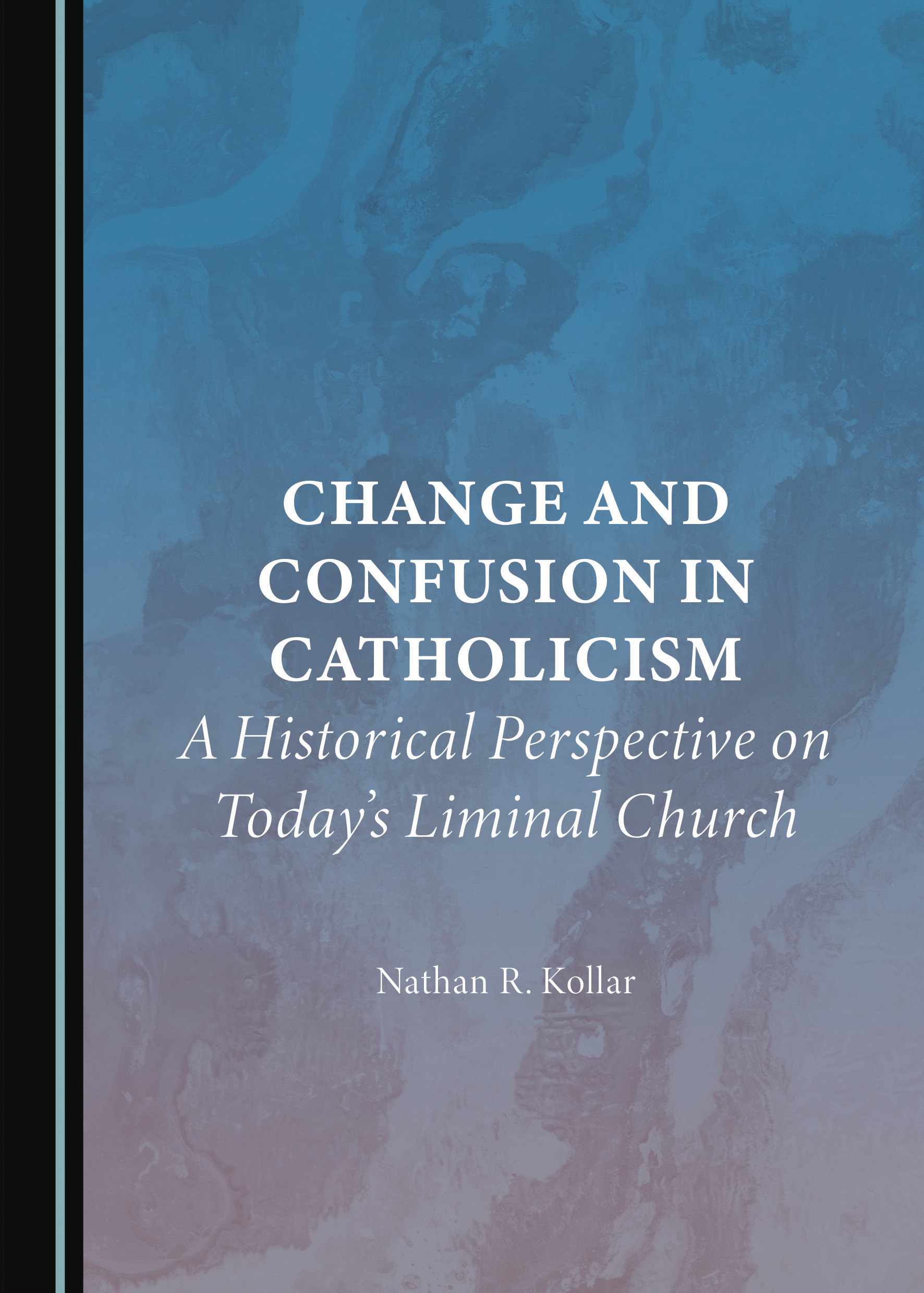
Change and Confusion in Catholicism
A Historical Perspective on Today’s Liminal Church
We live in a liminal time of severe disorientation. This book uses the author's personal and professional experiences to analyse how Catholics experience liminality today and dealt with it in the past, providing a historical case study of what to expect and what comes next.
We live in a liminal time of severe disorientation. This book uses the author’s personal and professional experiences to analyse how Catholics experience liminality today and dealt with it in the past, providing a historical case study of what to expect and what comes next.
View more
This product has multiple variants. The options may be chosen on the product page
View more
This product has multiple variants. The options may be chosen on the product page
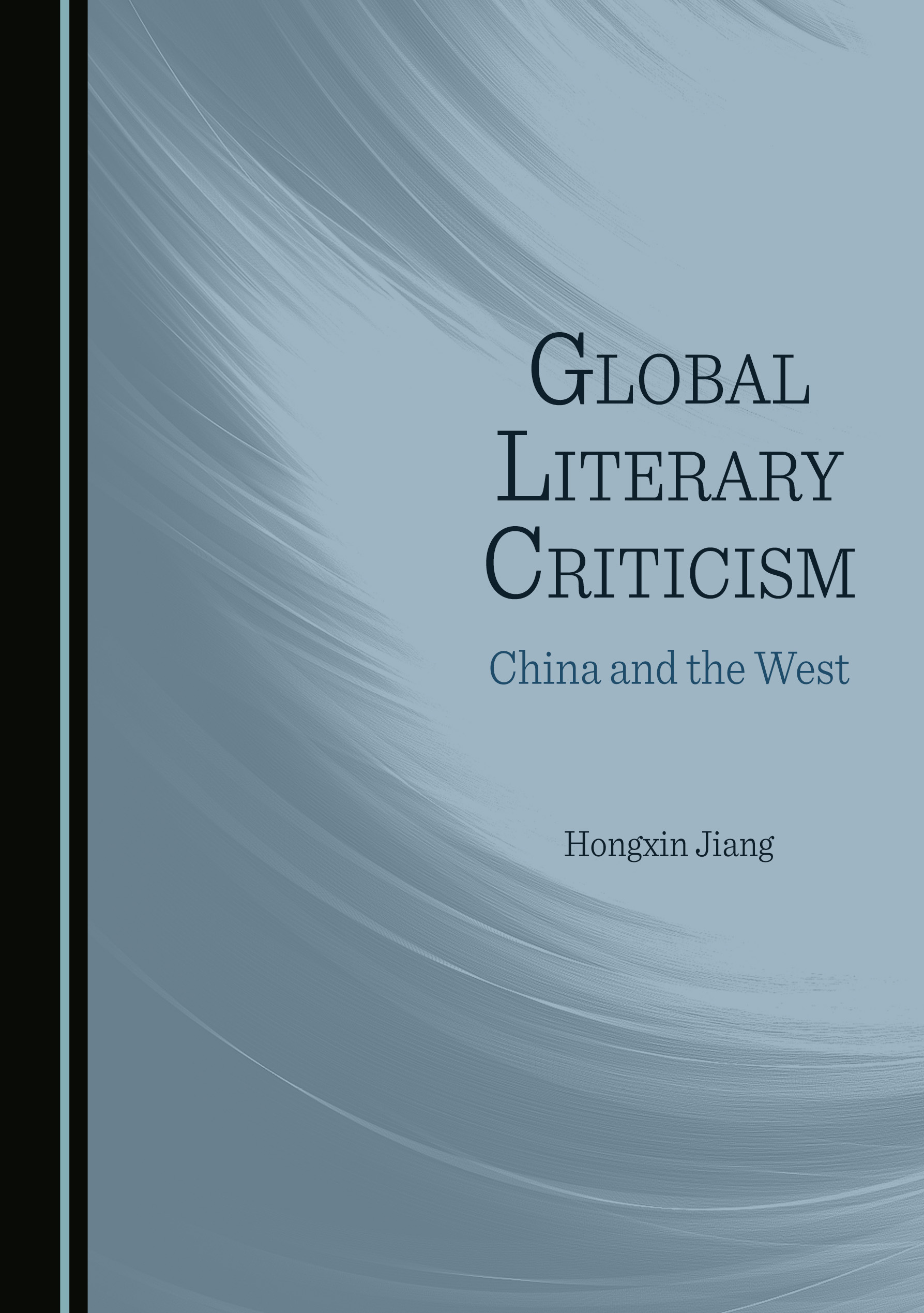
Global Literary Criticism
China and the West
Discover the surprising dialogue between East and West. This uplifting book reveals a history of mutual influence, from the common ground of Confucius and Socrates to China’s unexpected impact on Western thinkers like Nietzsche and T.S. Eliot.
Discover the surprising dialogue between East and West. This uplifting book reveals a history of mutual influence, from the common ground of Confucius and Socrates to China’s unexpected impact on Western thinkers like Nietzsche and T.S. Eliot.
View more
This product has multiple variants. The options may be chosen on the product page
View more
This product has multiple variants. The options may be chosen on the product page
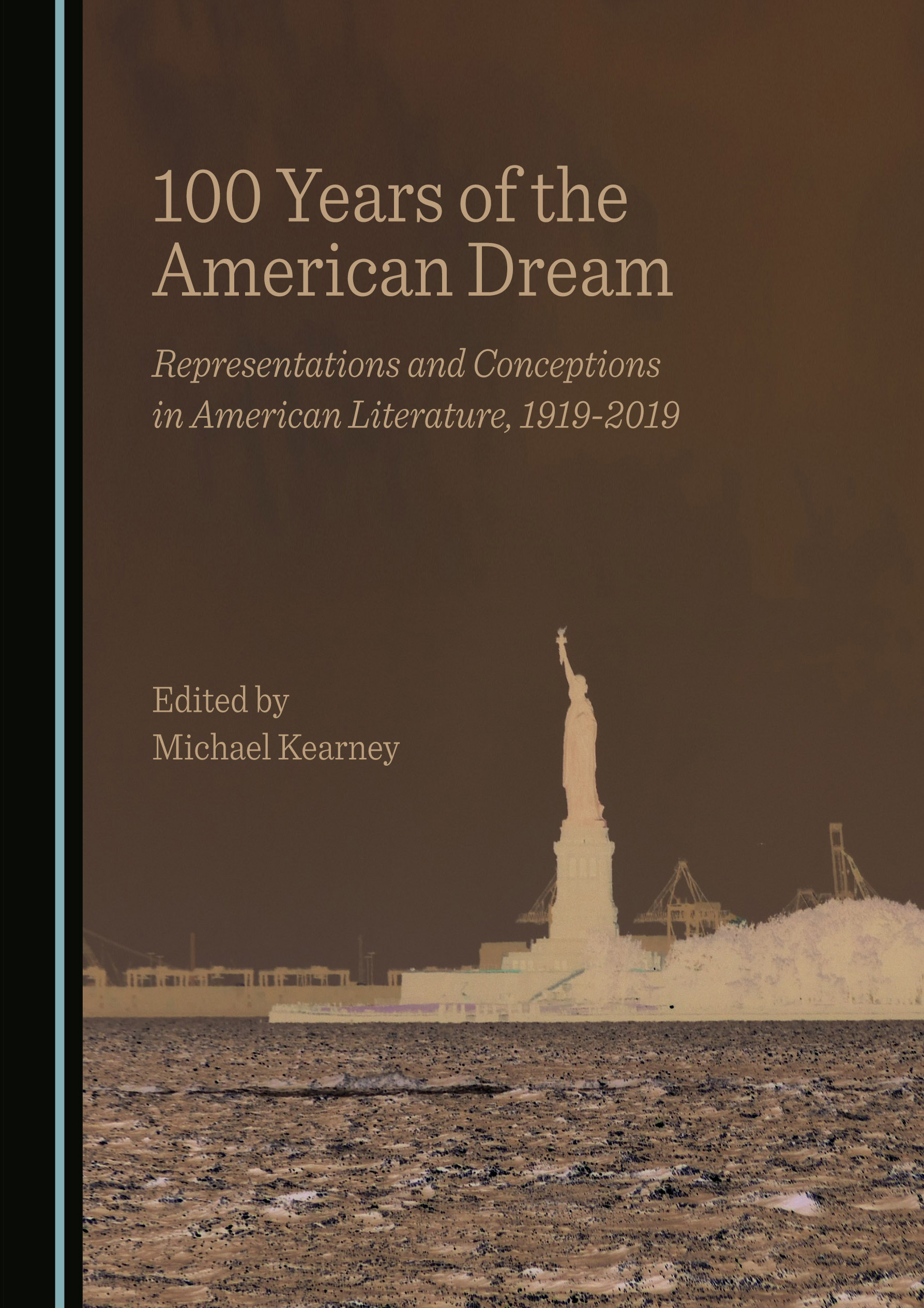
100 Years of the American Dream
Representations and Conceptions in American Literature, 1919-2019
This collection offers examinations of the American Dream across a diverse range of works. Each chapter’s innovative insights transcend literary critique to touch upon issues of economics, education, gender, immigration, psychology, race, and religion.
This collection offers examinations of the American Dream across a diverse range of works. Each chapter’s innovative insights transcend literary critique to touch upon issues of economics, education, gender, immigration, psychology, race, and religion.
View more
This product has multiple variants. The options may be chosen on the product page
View more
This product has multiple variants. The options may be chosen on the product page
From £32.99
This volume analyzes the “seeing-through utterances” in Kafka's works, suggesting he intentionally used them as a type of rhetoric. As the first study of this technique, this book provides a new perspective for analyzing the rhetoric of Kafka’s works.
This volume analyzes the “seeing-through utterances” in Kafka’s works, suggesting he intentionally used them as a type of rhetoric. As the first study of this technique, this book provides a new perspective for analyzing the rhetoric of Kafka’s works.
View more
This product has multiple variants. The options may be chosen on the product page
View more
This product has multiple variants. The options may be chosen on the product page
From £34.99
This book explores story, narrator, character, time, and space. It upgrades the theory of the unreliable narrator and introduces three new categories: commentators, interpreters, and evaluators.
This book explores story, narrator, character, time, and space. It upgrades the theory of the unreliable narrator and introduces three new categories: commentators, interpreters, and evaluators.
View more
This product has multiple variants. The options may be chosen on the product page
View more
This product has multiple variants. The options may be chosen on the product page
From £32.99
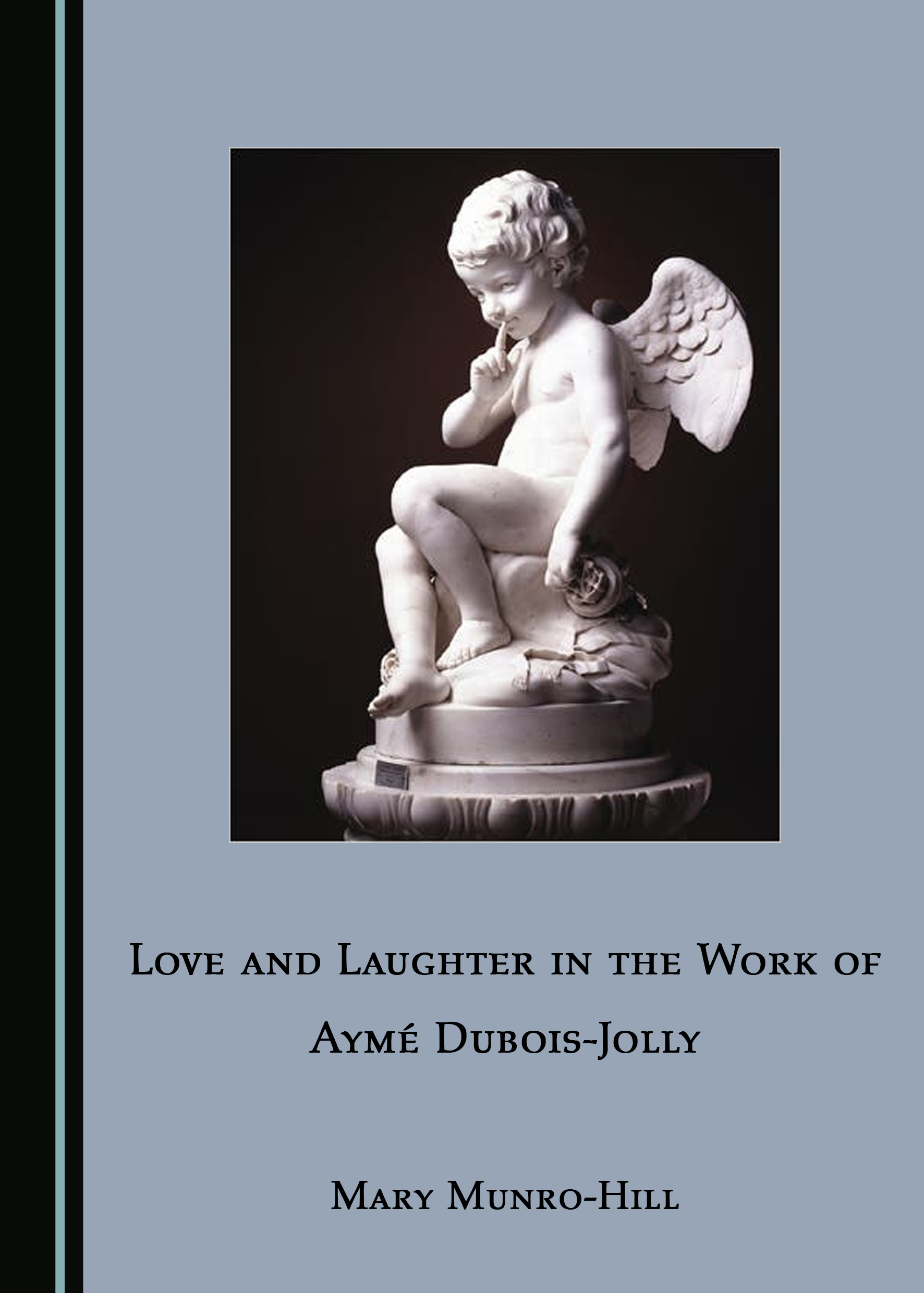
This book considers love and laughter in the four romans galants of Aymé Dubois-Jolly. Though the love is unashamedly erotic, the novels are redeemed by comic elements and elegant prose, with nods to the literary giants of the eighteenth century.
This book considers love and laughter in the four romans galants of Aymé Dubois-Jolly. Though the love is unashamedly erotic, the novels are redeemed by comic elements and elegant prose, with nods to the literary giants of the eighteenth century.
View more
This product has multiple variants. The options may be chosen on the product page
View more
This product has multiple variants. The options may be chosen on the product page
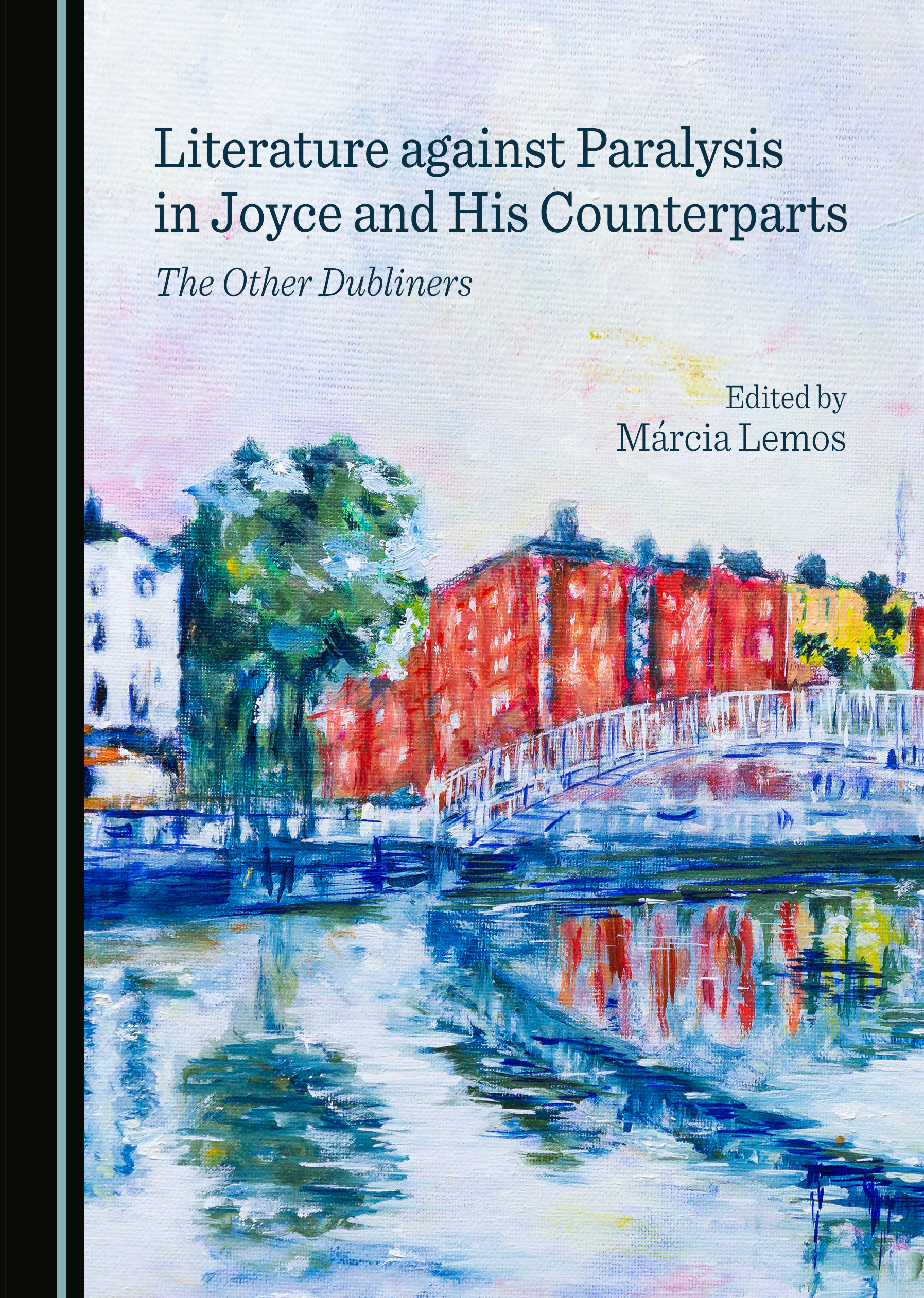
Literature against Paralysis in Joyce and His Counterparts
The Other Dubliners
Dublin has inspired many literary masters, including James Joyce. This collection of essays on Irish writers analyses how their literature disrupts paralysis and entropy, making sense of our human “chaosmos” by juxtaposing local and universal concerns.
Dublin has inspired many literary masters, including James Joyce. This collection of essays on Irish writers analyses how their literature disrupts paralysis and entropy, making sense of our human “chaosmos” by juxtaposing local and universal concerns.
View more
This product has multiple variants. The options may be chosen on the product page
View more
This product has multiple variants. The options may be chosen on the product page
From £35.99
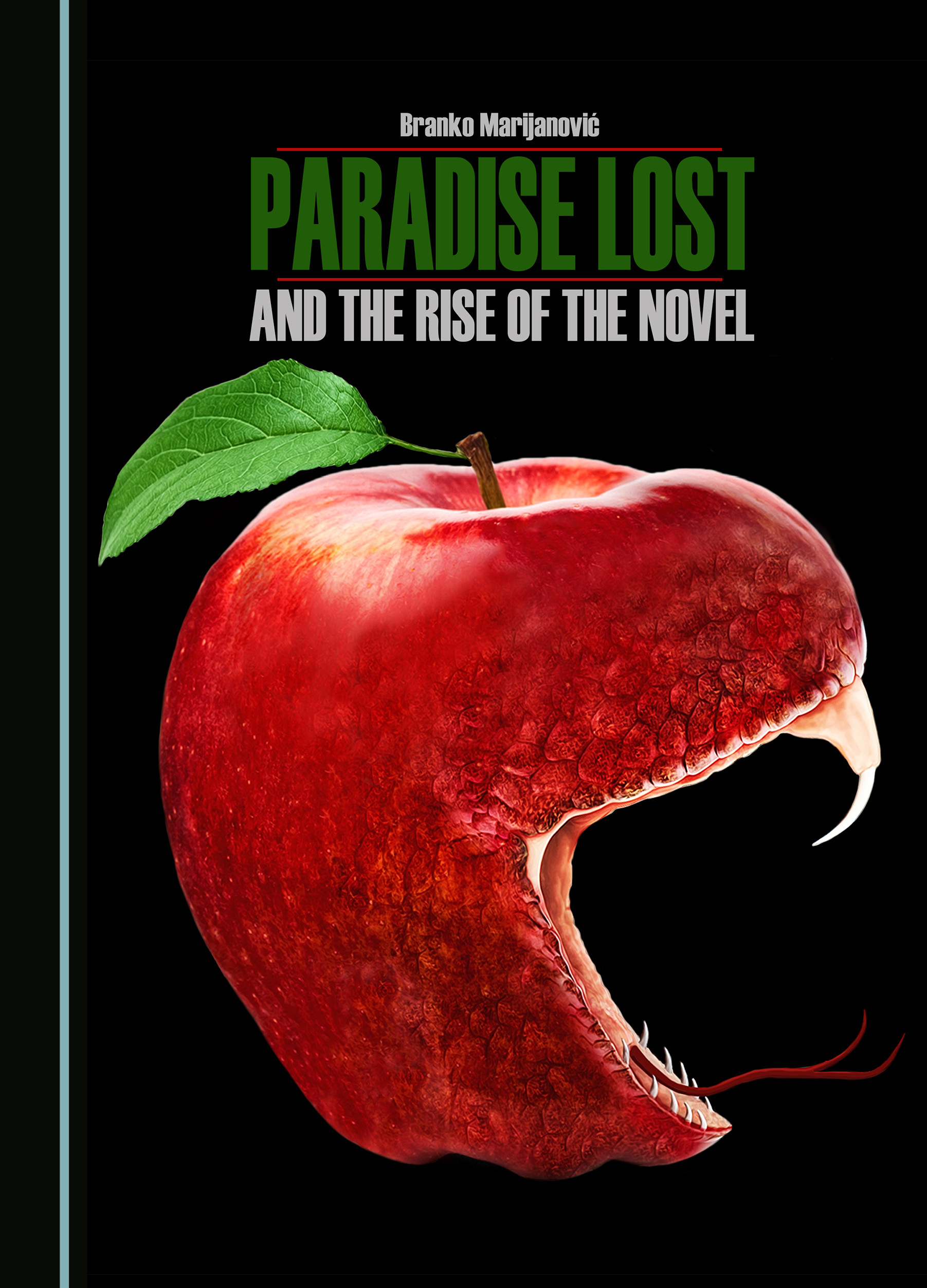
This book argues that Paradise Lost contains the traits of early modern novels, and that Milton’s Satan is a novelistic character par excellence. His modern individualism and complexity prove the novel owes an immense, unintentional debt to Milton’s epic.
This book argues that Paradise Lost contains the traits of early modern novels, and that Milton’s Satan is a novelistic character par excellence. His modern individualism and complexity prove the novel owes an immense, unintentional debt to Milton’s epic.
View more
This product has multiple variants. The options may be chosen on the product page
View more
This product has multiple variants. The options may be chosen on the product page
From £37.99
Bringing together renowned scholars, this volume offers a multi-dimensional view of comparative and world literature. It connects disparate research contexts to illuminate the future of literary studies for scholars and readers interested in a cross-culturized world.
Bringing together renowned scholars, this volume offers a multi-dimensional view of comparative and world literature. It connects disparate research contexts to illuminate the future of literary studies for scholars and readers interested in a cross-culturized world.
View more
This product has multiple variants. The options may be chosen on the product page
Processing Your Order
Please wait while we securely process your order.
Do not refresh or leave this page.
You will be redirected shortly to a confirmation page with your order number.