
View more
This product has multiple variants. The options may be chosen on the product page
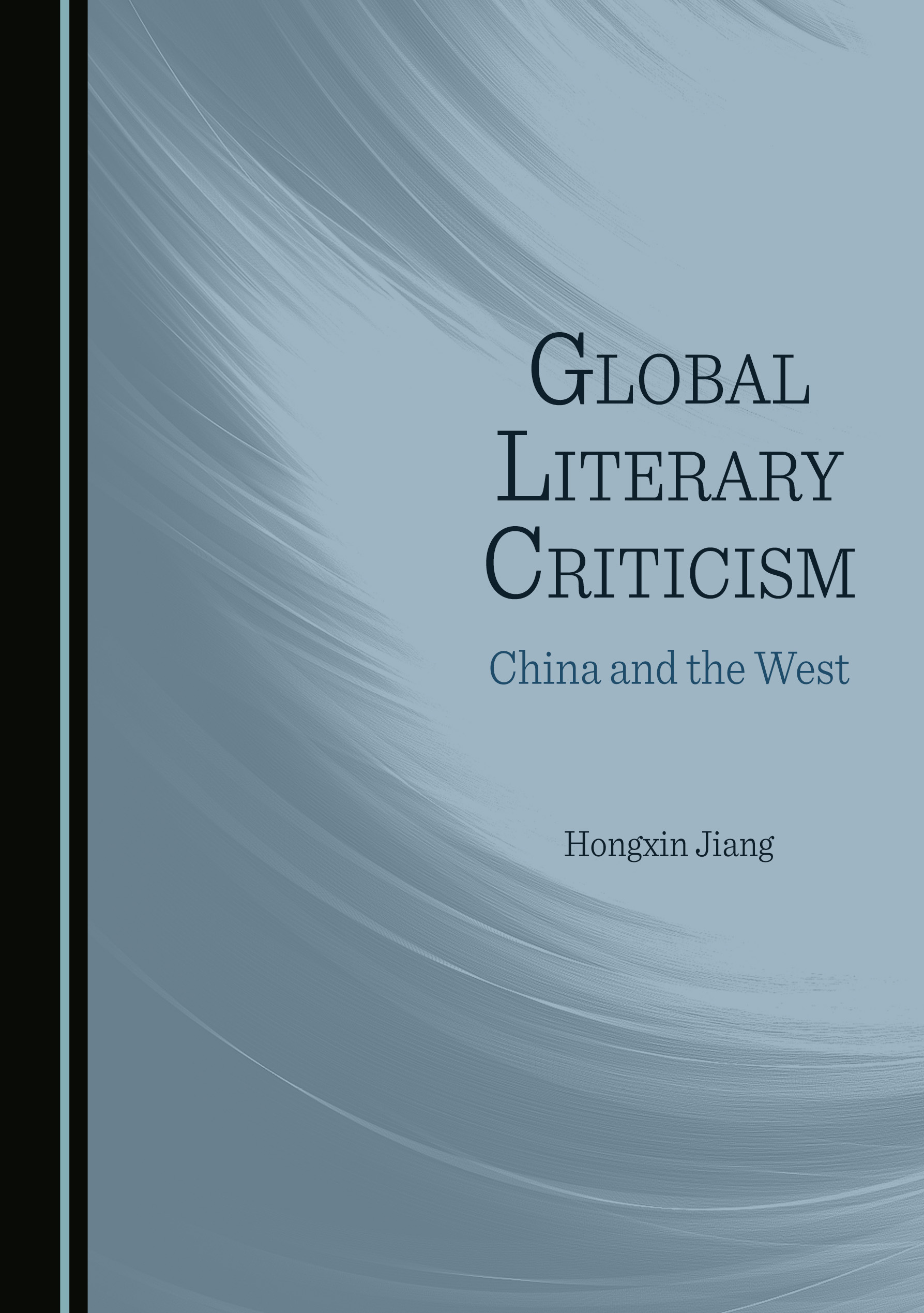
Global Literary Criticism
China and the West
Discover the surprising dialogue between East and West. This uplifting book reveals a history of mutual influence, from the common ground of Confucius and Socrates to China’s unexpected impact on Western thinkers like Nietzsche and T.S. Eliot.
Discover the surprising dialogue between East and West. This uplifting book reveals a history of mutual influence, from the common ground of Confucius and Socrates to China’s unexpected impact on Western thinkers like Nietzsche and T.S. Eliot.
View more
This product has multiple variants. The options may be chosen on the product page
View more
This product has multiple variants. The options may be chosen on the product page
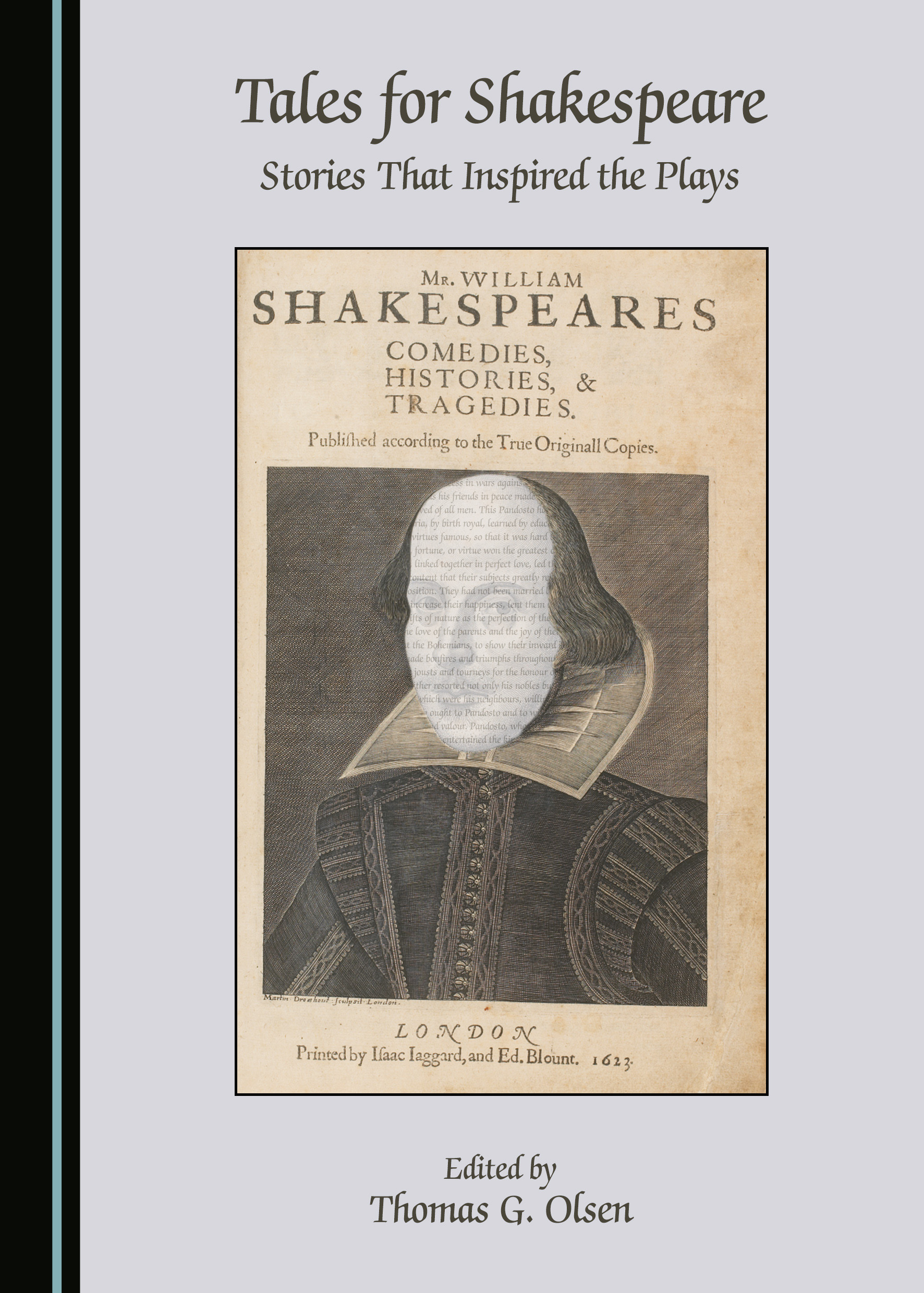
Tales for Shakespeare
Stories That Inspired the Plays
Was Shakespeare a plagiarist? Discover the original tales behind seven of his most beloved plays. This collection presents the full source texts in modern spelling, with introductions, notes, a new translation, and a fascinating look at the Bard's creative process.
Was Shakespeare a plagiarist? Discover the original tales behind seven of his most beloved plays. This collection presents the full source texts in modern spelling, with introductions, notes, a new translation, and a fascinating look at the Bard’s creative process.
View more
This product has multiple variants. The options may be chosen on the product page
View more
This product has multiple variants. The options may be chosen on the product page
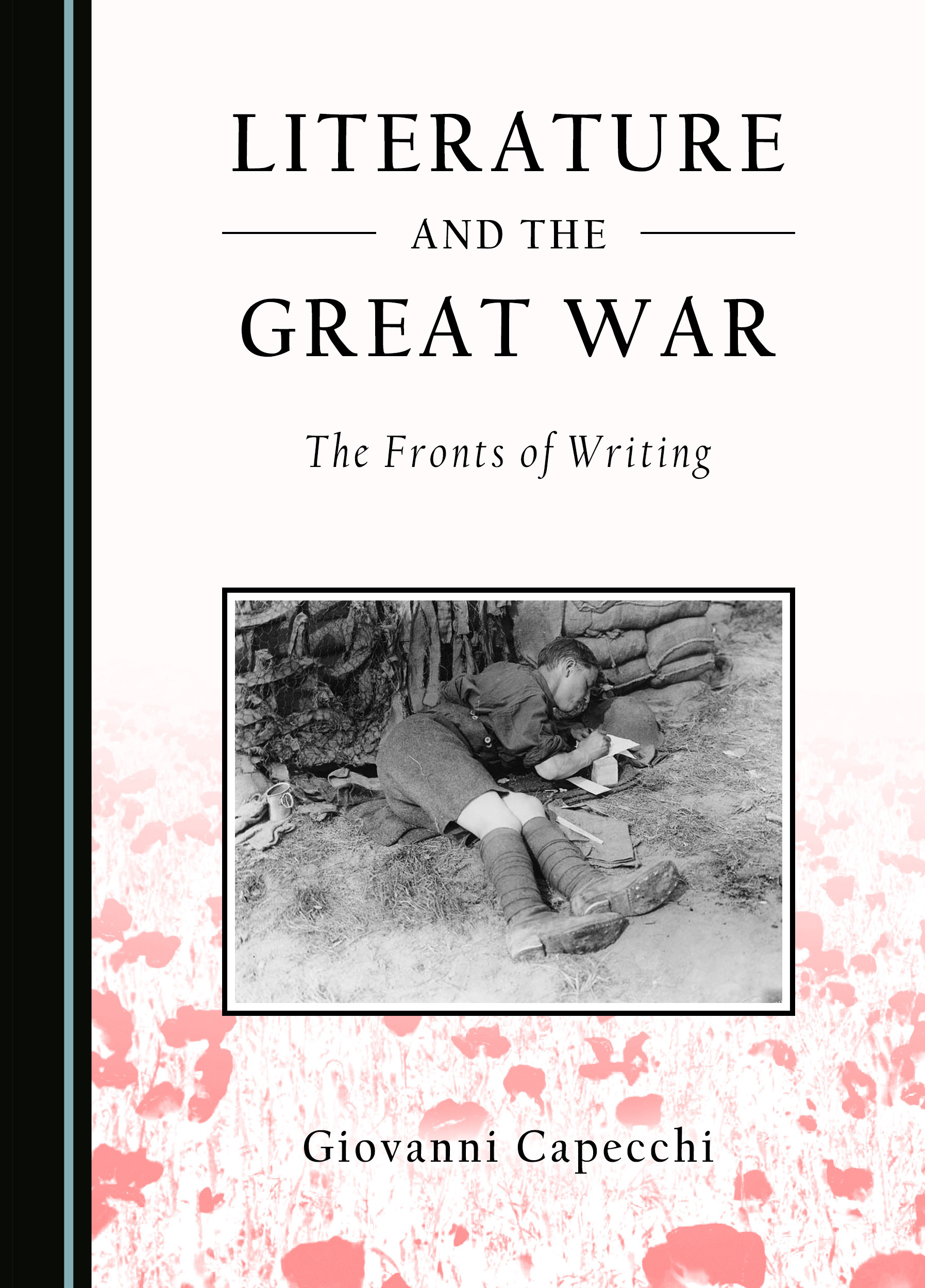
Literature and the Great War
The Fronts of Writing
This book traces an overall picture of the literature born from the Great War. Focused on Italy, but rich in European references, it is a journey through history and the human soul, between hopes and fears, from the eve of war to the trenches and the return home.
This book traces an overall picture of the literature born from the Great War. Focused on Italy, but rich in European references, it is a journey through history and the human soul, between hopes and fears, from the eve of war to the trenches and the return home.
View more
This product has multiple variants. The options may be chosen on the product page
View more
This product has multiple variants. The options may be chosen on the product page
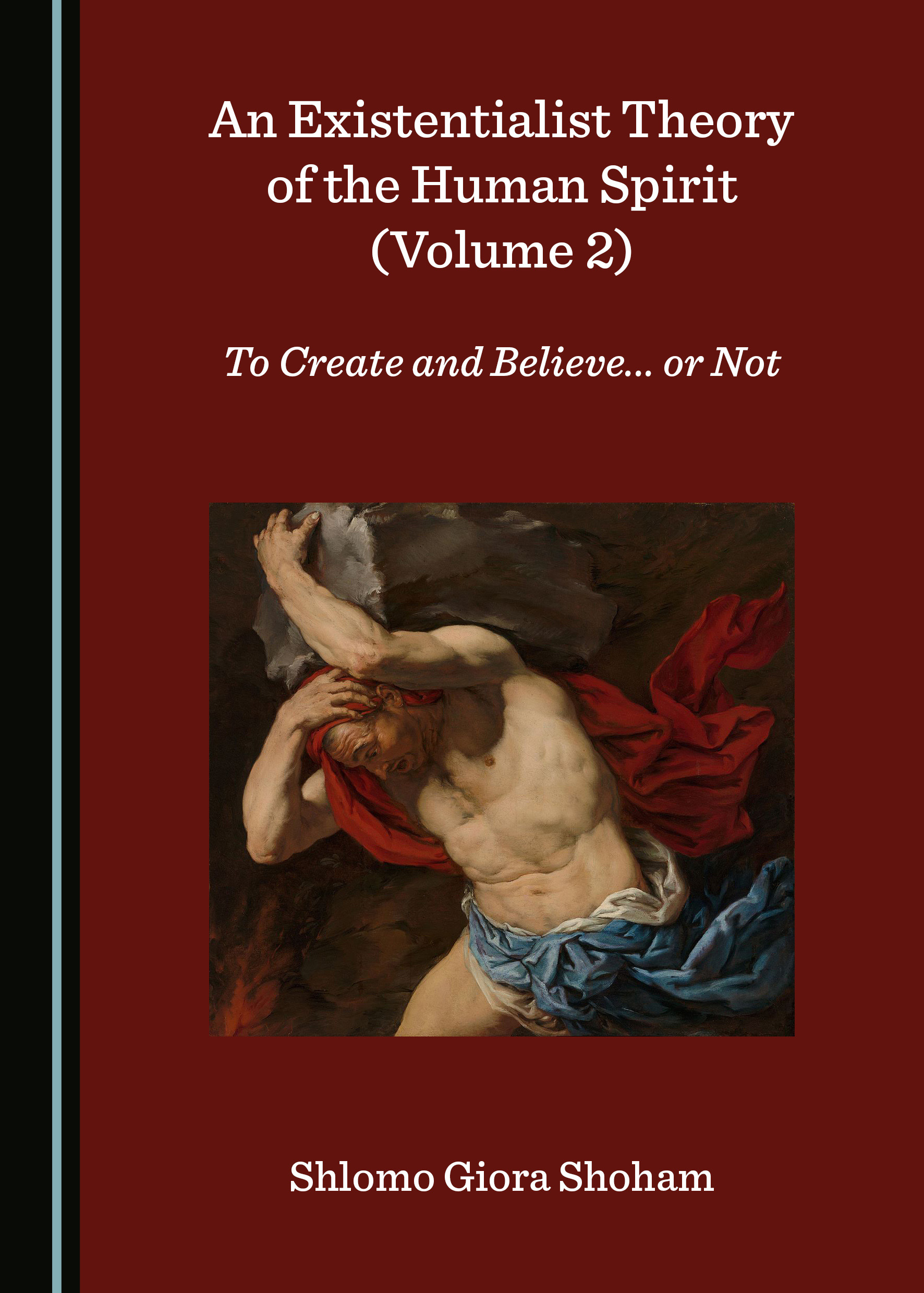
An Existentialist Theory of the Human Spirit (Volume 2)
To Create and Believe... or Not
From sexuality and religion to quantum physics, this volume traces existentialism's vast influence. It explores global mysticism, the minds of outcasts like van Gogh and Artaud, and the profound link between the absurd and the cosmos.
From sexuality and religion to quantum physics, this volume traces existentialism’s vast influence. It explores global mysticism, the minds of outcasts like van Gogh and Artaud, and the profound link between the absurd and the cosmos.
View more
This product has multiple variants. The options may be chosen on the product page
View more
This product has multiple variants. The options may be chosen on the product page
From £35.99
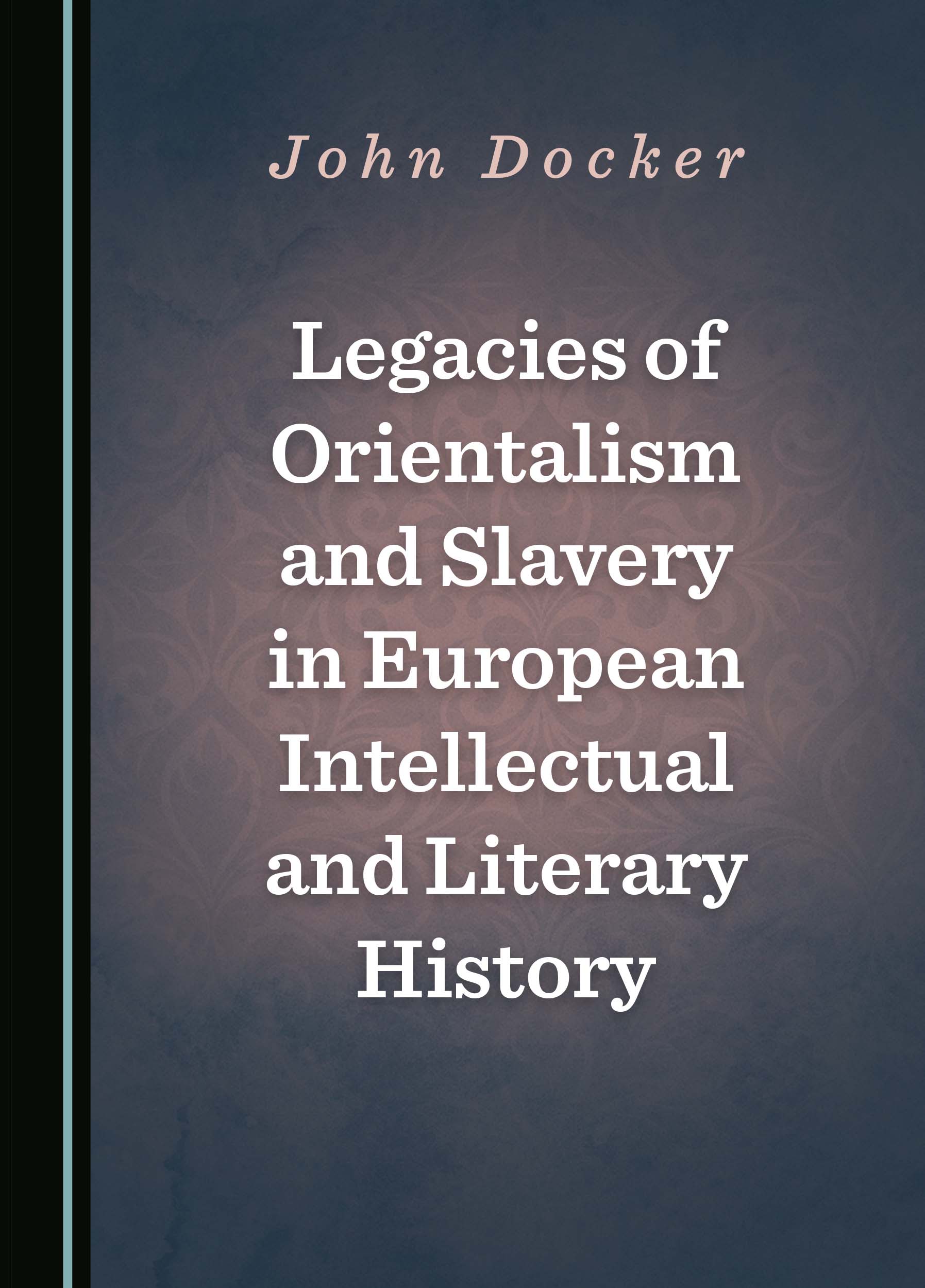
This exercise in ethical criticism regards cultural texts as friends for conversation. It explores female agency, colonialism, and slavery through figures from Joan of Arc to Princess Diana and texts from The Thousand and One Nights to a radical re-reading of Middlemarch.
This exercise in ethical criticism regards cultural texts as friends for conversation. It explores female agency, colonialism, and slavery through figures from Joan of Arc to Princess Diana and texts from The Thousand and One Nights to a radical re-reading of Middlemarch.
View more
This product has multiple variants. The options may be chosen on the product page
View more
This product has multiple variants. The options may be chosen on the product page
From £35.99
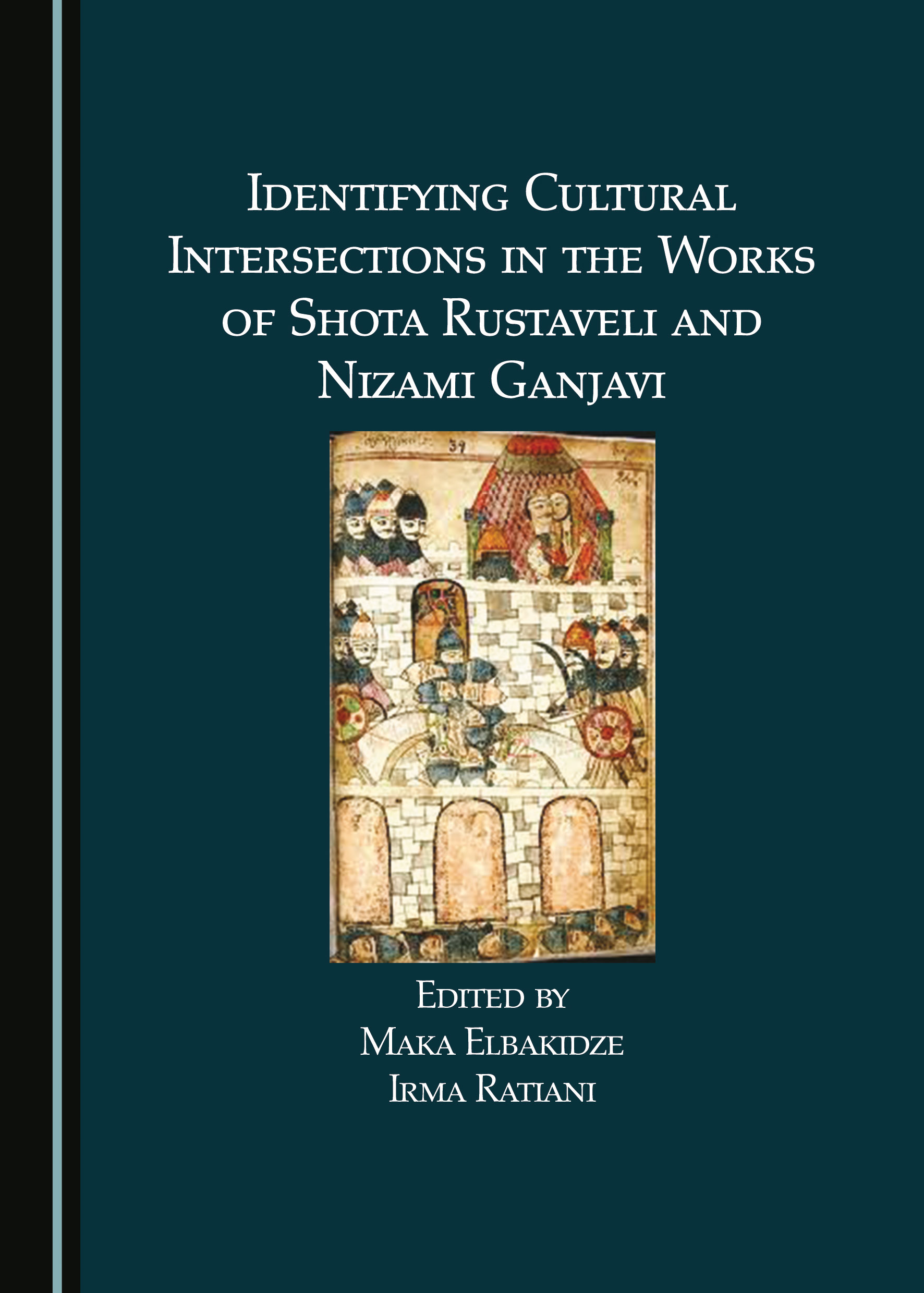
Shota Rustaveli's The Knight in the Panther’s Skin organically unites the cultural traditions of the Christian West and Muslim East. This book conducts comparative research, showing the similarities and differences between the works of Rustaveli and Nizami Ganjavi.
Shota Rustaveli’s The Knight in the Panther’s Skin organically unites the cultural traditions of the Christian West and Muslim East. This book conducts comparative research, showing the similarities and differences between the works of Rustaveli and Nizami Ganjavi.
View more
This product has multiple variants. The options may be chosen on the product page
View more
This product has multiple variants. The options may be chosen on the product page
Vergil’s Eclogues
A Study of the Greek and Roman Literary Sources
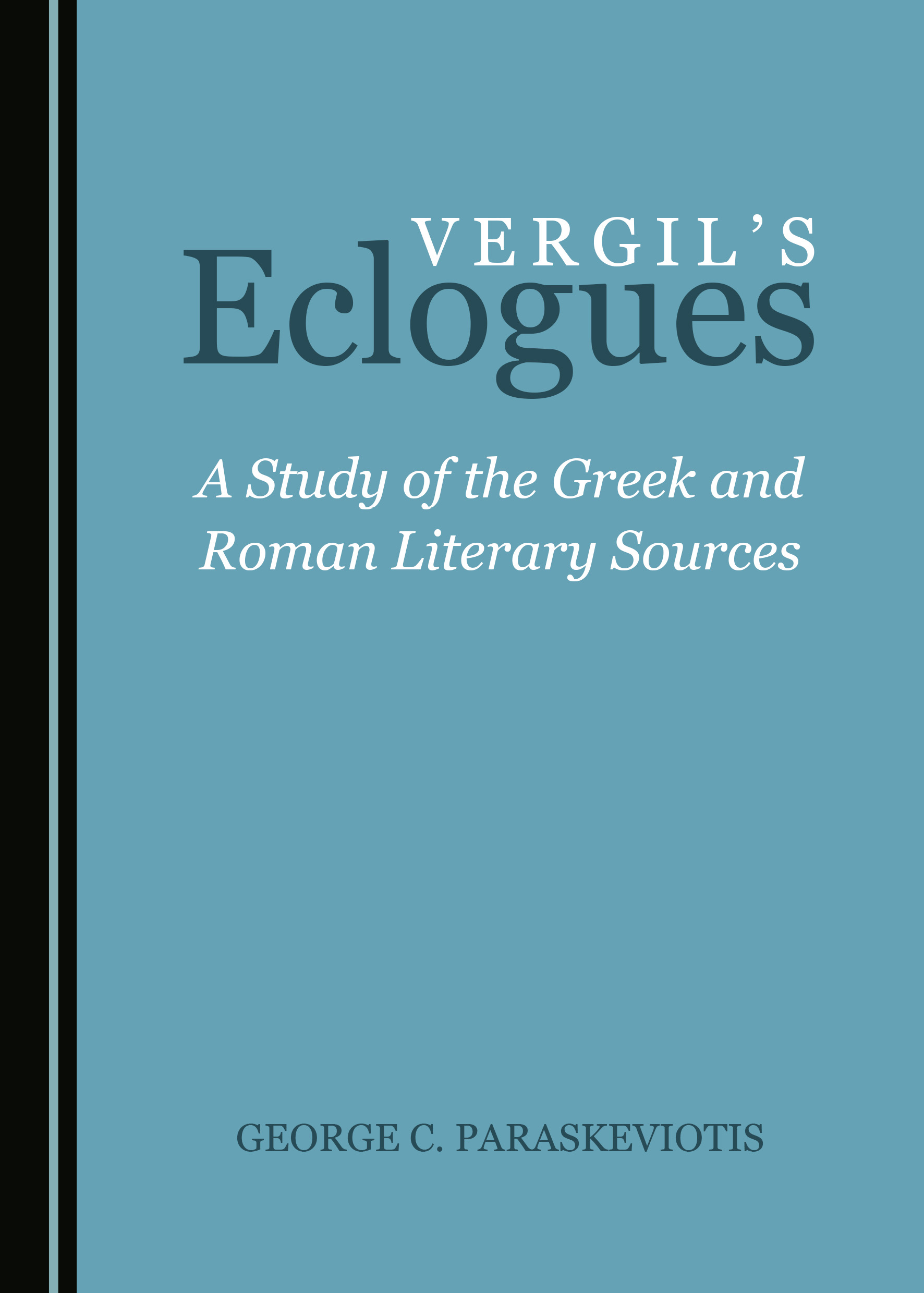
In his Eclogues, Vergil introduced the pastoral genre to Latin literature. This book shows his dialogue with the earlier Greek and Latin tradition is not merely typical of his time, but a dynamic literary method used to define the character of each poem.
In his Eclogues, Vergil introduced the pastoral genre to Latin literature. This book shows his dialogue with the earlier Greek and Latin tradition is not merely typical of his time, but a dynamic literary method used to define the character of each poem.
View more
This product has multiple variants. The options may be chosen on the product page
View more
This product has multiple variants. The options may be chosen on the product page
From £35.99
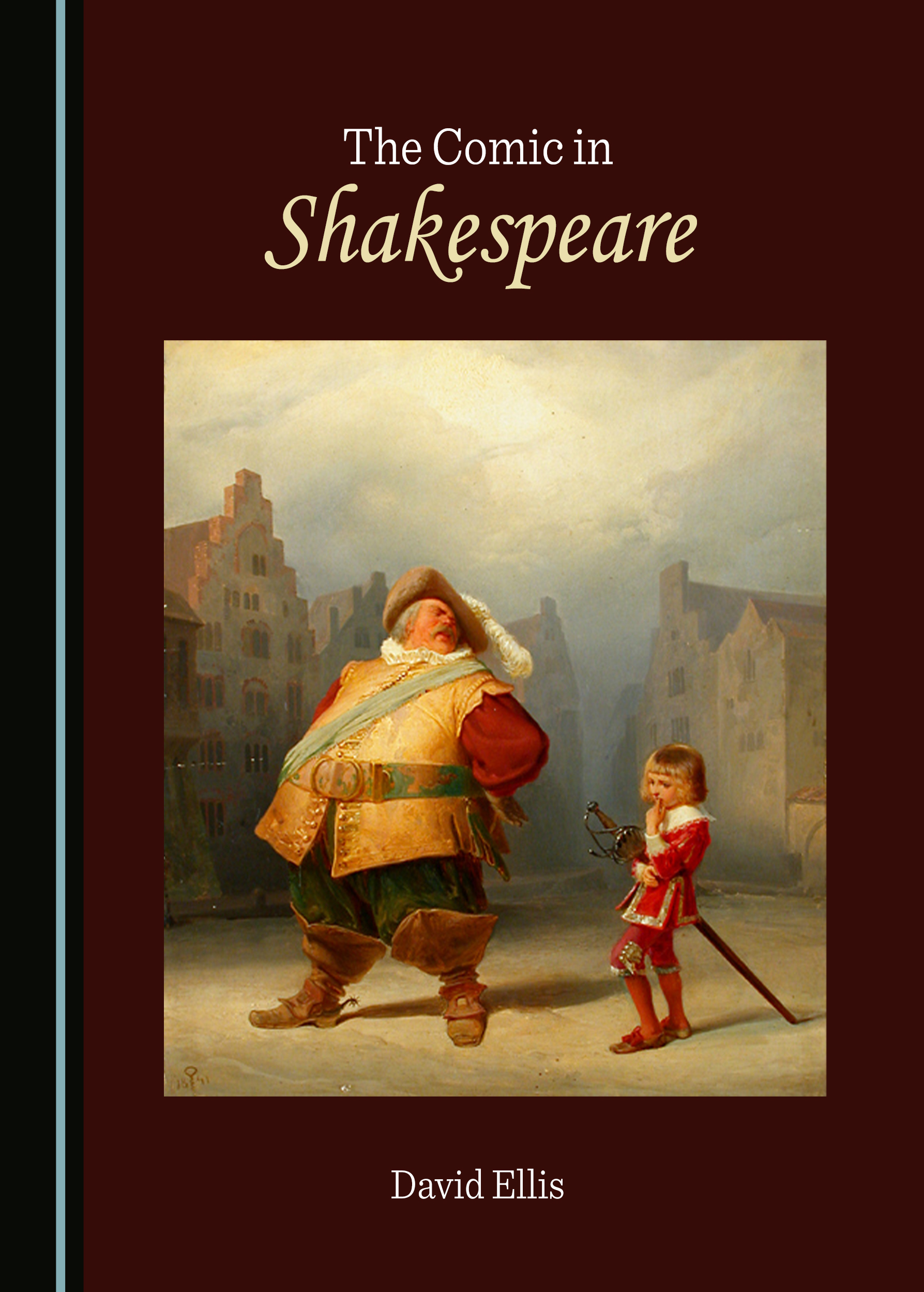
This book explains what makes Shakespeare's plays funny, concentrating on the seismic shift in his writing after clown Will Kemp was replaced by Robert Armin. Written in jargon-free prose, it challenges age-old distinctions between high and low comedy for all readers.
This book explains what makes Shakespeare’s plays funny, concentrating on the seismic shift in his writing after clown Will Kemp was replaced by Robert Armin. Written in jargon-free prose, it challenges age-old distinctions between high and low comedy for all readers.
View more
This product has multiple variants. The options may be chosen on the product page
View more
This product has multiple variants. The options may be chosen on the product page
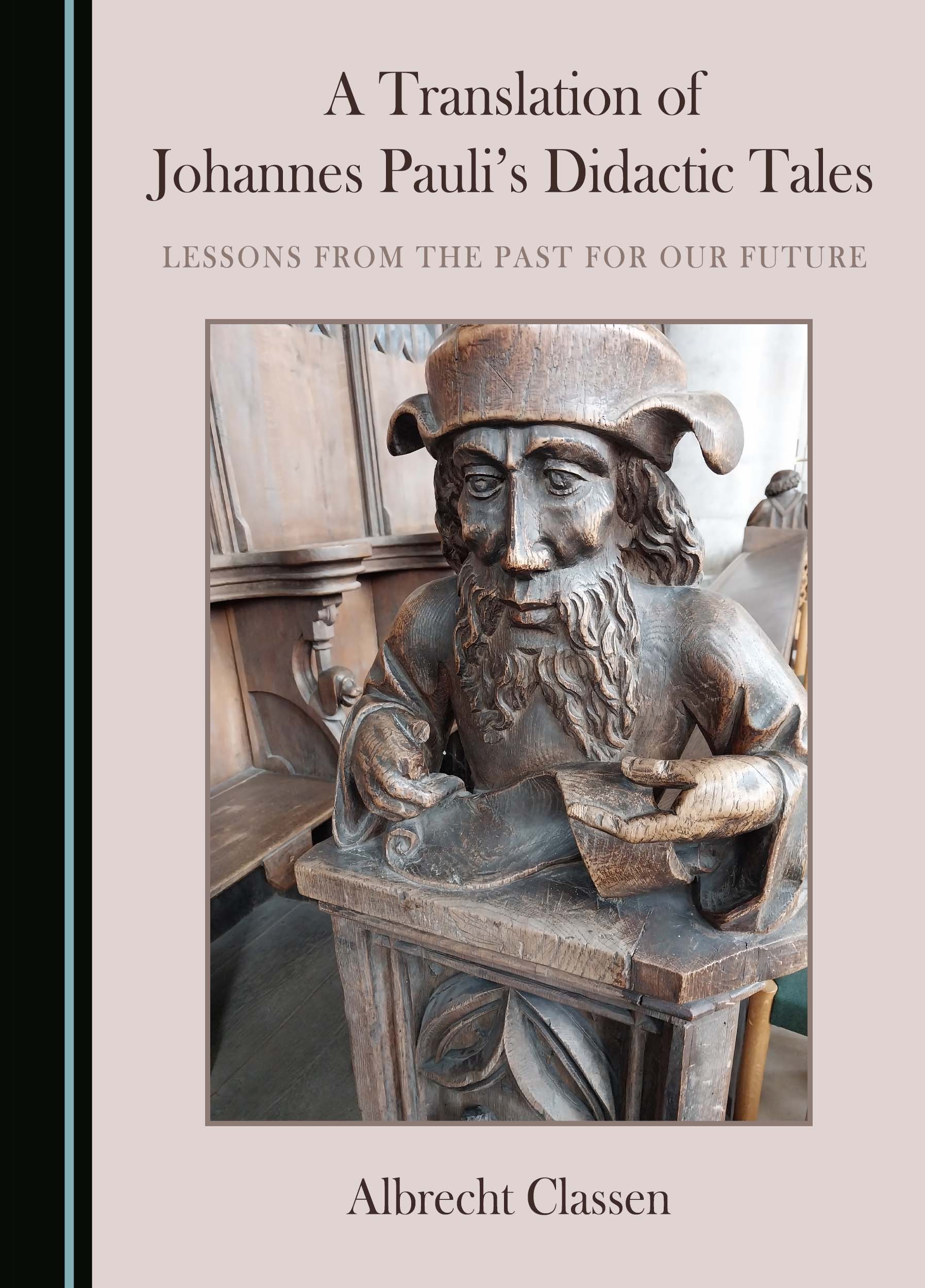
A Translation of Johannes Pauli’s Didactic Tales
Lessons from the Past for Our Future
In 1522, Johannes Pauli published the influential bestseller *Schimpf und Ernst*. These entertaining narratives offer teachings on human foolishness, virtues, and vices. This translation makes the majority of these tales available for the first time in the English language.
In 1522, Johannes Pauli published the influential bestseller *Schimpf und Ernst*. These entertaining narratives offer teachings on human foolishness, virtues, and vices. This translation makes the majority of these tales available for the first time in the English language.
View more
This product has multiple variants. The options may be chosen on the product page
View more
This product has multiple variants. The options may be chosen on the product page
From £35.99
The first systematic study of Oscar Wilde’s tales in Romanian translation, this book spans over a hundred years to explore the dynamics of retranslation. It offers a coherent template for analyzing translated literature and serves as a tribute to translators.
The first systematic study of Oscar Wilde’s tales in Romanian translation, this book spans over a hundred years to explore the dynamics of retranslation. It offers a coherent template for analyzing translated literature and serves as a tribute to translators.
View more
This product has multiple variants. The options may be chosen on the product page
View more
This product has multiple variants. The options may be chosen on the product page
From £35.99
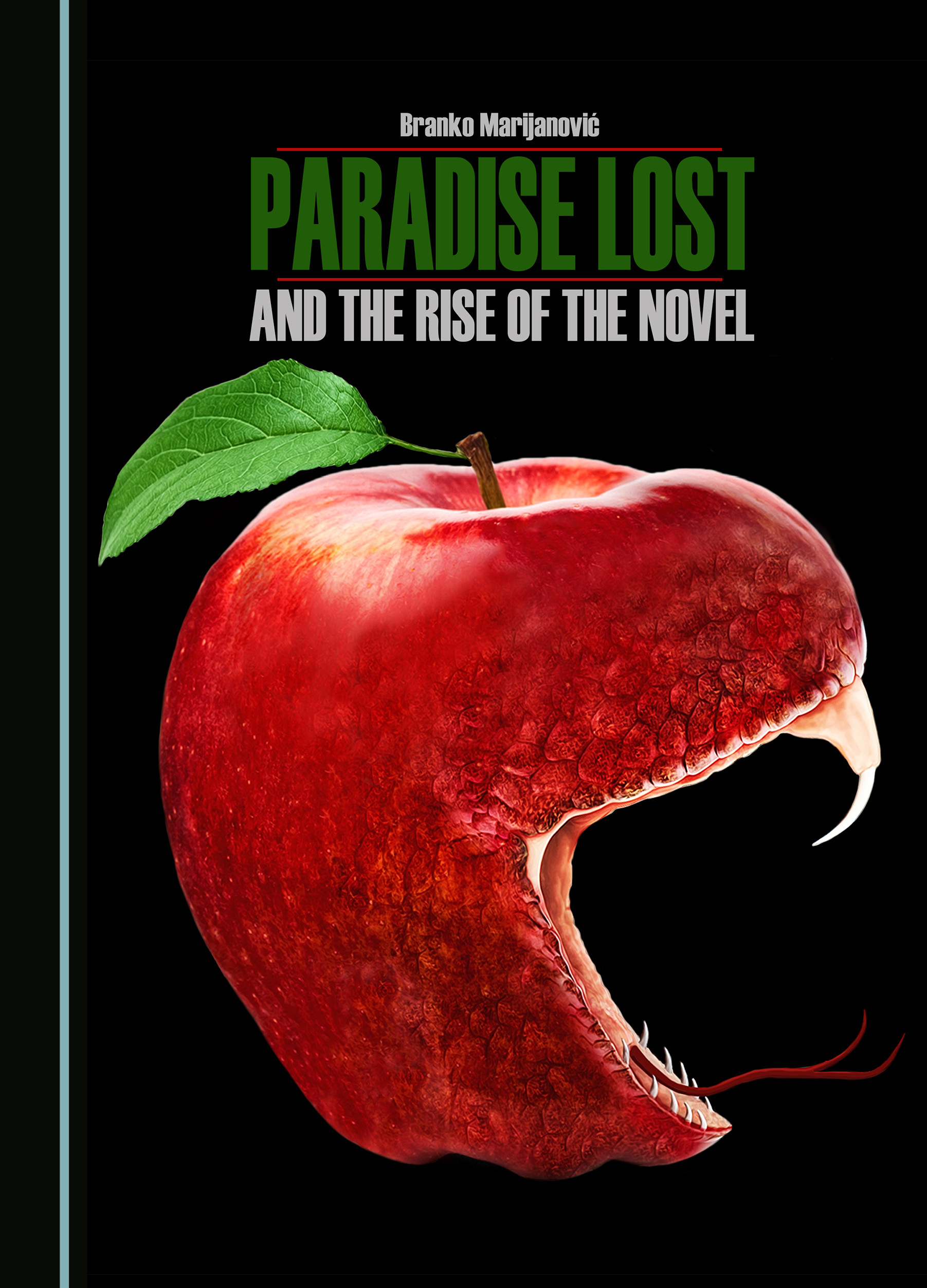
This book argues that Paradise Lost contains the traits of early modern novels, and that Milton’s Satan is a novelistic character par excellence. His modern individualism and complexity prove the novel owes an immense, unintentional debt to Milton’s epic.
This book argues that Paradise Lost contains the traits of early modern novels, and that Milton’s Satan is a novelistic character par excellence. His modern individualism and complexity prove the novel owes an immense, unintentional debt to Milton’s epic.
View more
This product has multiple variants. The options may be chosen on the product page
View more
This product has multiple variants. The options may be chosen on the product page
From £35.99
This collection explores intercultural and transcultural studies in Bosnia and Herzegovina, showcasing contributions from local scholars across medieval, modern, and postmodern eras. It strengthens transcultural exchanges and helps navigate cultural differences in today's world.
This collection explores intercultural and transcultural studies in Bosnia and Herzegovina, showcasing contributions from local scholars across medieval, modern, and postmodern eras. It strengthens transcultural exchanges and helps navigate cultural differences in today’s world.
View more
This product has multiple variants. The options may be chosen on the product page

View more
This product has multiple variants. The options may be chosen on the product page
From £35.99
This book presents 13 biographies of women in the Transcendentalist movement. While names like Emerson and Thoreau are familiar, figures like Elizabeth Peabody, Sarah Freeman Clark, and others in this volume deserve to be known for their vital contributions to the movement.
This book presents 13 biographies of women in the Transcendentalist movement. While names like Emerson and Thoreau are familiar, figures like Elizabeth Peabody, Sarah Freeman Clark, and others in this volume deserve to be known for their vital contributions to the movement.
View more
This product has multiple variants. The options may be chosen on the product page
View more
This product has multiple variants. The options may be chosen on the product page
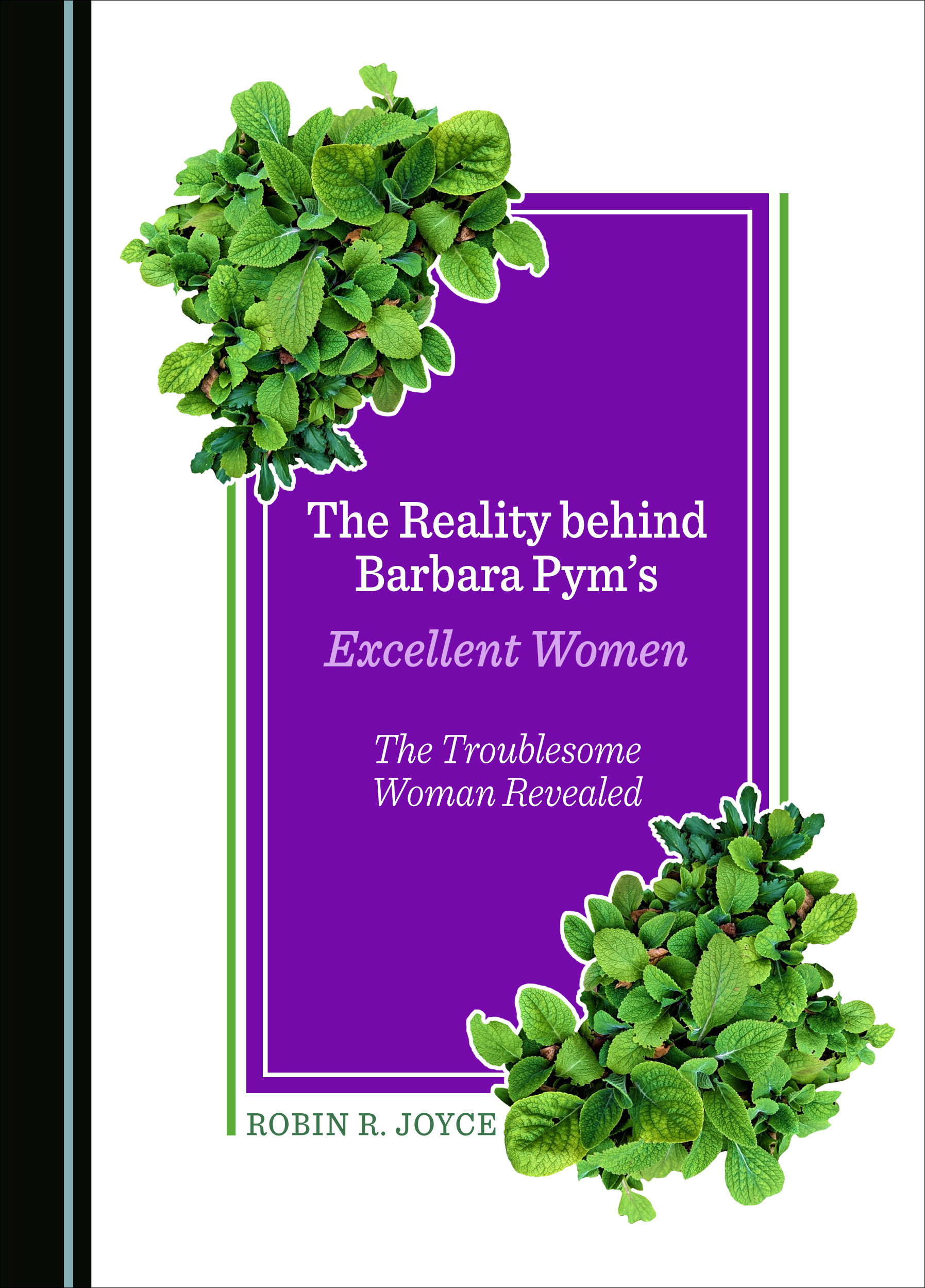
The Reality behind Barbara Pym’s Excellent Women
The Troublesome Woman Revealed
This book analyses Barbara Pym’s work through the image of the troublesome woman. It highlights her feminist ideas, hidden in village settings and revealed by these women. Exploring Pym's published and unpublished writings shows her as a complex person.
This book analyses Barbara Pym’s work through the image of the troublesome woman. It highlights her feminist ideas, hidden in village settings and revealed by these women. Exploring Pym’s published and unpublished writings shows her as a complex person.
View more
This product has multiple variants. The options may be chosen on the product page
View more
This product has multiple variants. The options may be chosen on the product page
From £35.99
This volume engages with how the idea of the human features in African societies and scholarship. Contributors are concerned with the urgent imperative of rescuing what it means to be humane in a world being pushed towards a dystopic future by climate change and fundamentalism.
This volume engages with how the idea of the human features in African societies and scholarship. Contributors are concerned with the urgent imperative of rescuing what it means to be humane in a world being pushed towards a dystopic future by climate change and fundamentalism.
View more
This product has multiple variants. The options may be chosen on the product page
View more
This product has multiple variants. The options may be chosen on the product page
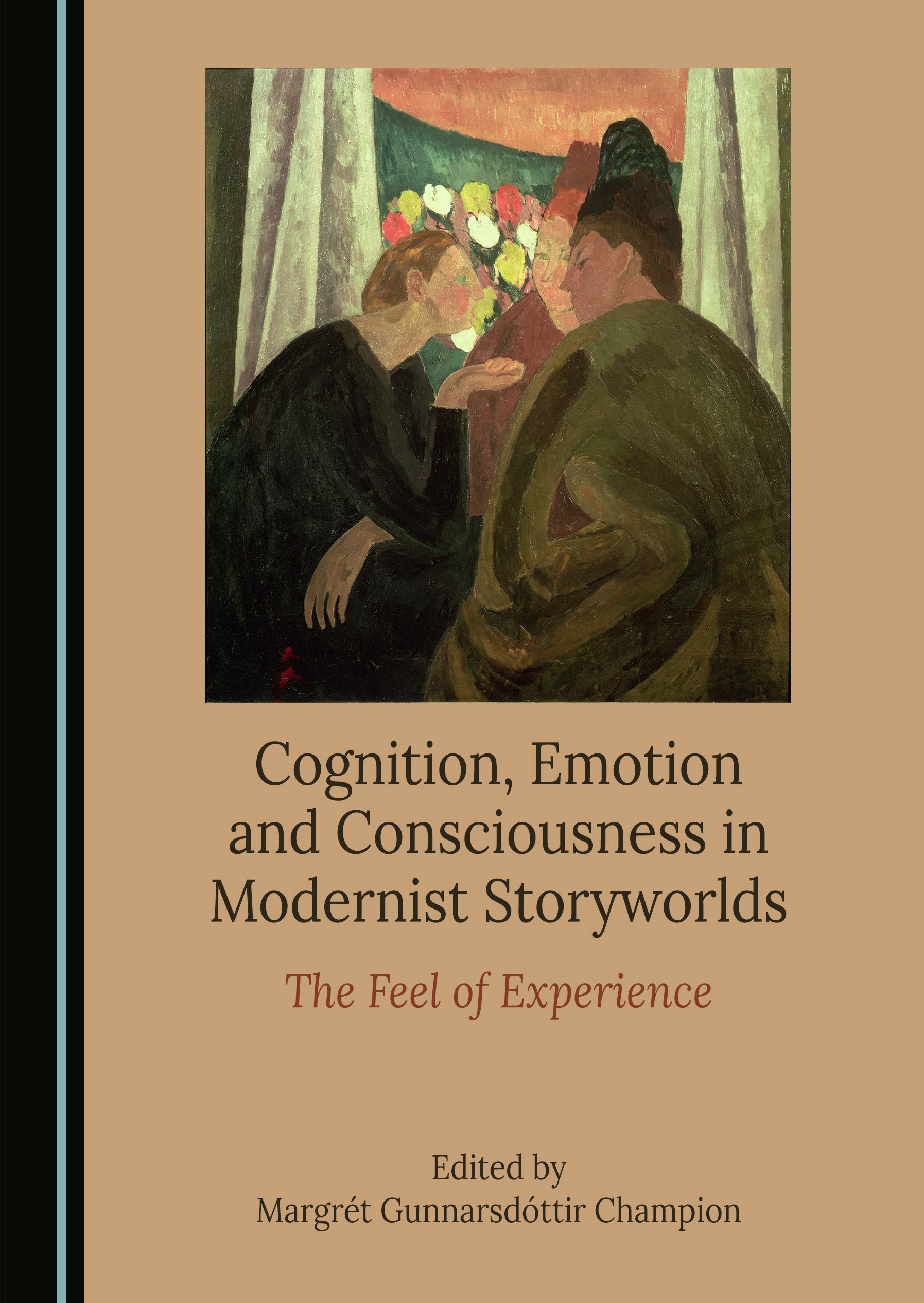
Cognition, Emotion and Consciousness in Modernist Storyworlds
The Feel of Experience
This volume explores the representation of minds in literary texts, focusing on modernism. Through cognition and emotion, these essays reveal the nexus between mind and narrative, arguing that experientiality is fundamental to all genres, from poetry to the novel.
This volume explores the representation of minds in literary texts, focusing on modernism. Through cognition and emotion, these essays reveal the nexus between mind and narrative, arguing that experientiality is fundamental to all genres, from poetry to the novel.
View more
This product has multiple variants. The options may be chosen on the product page
View more
This product has multiple variants. The options may be chosen on the product page
From £35.99
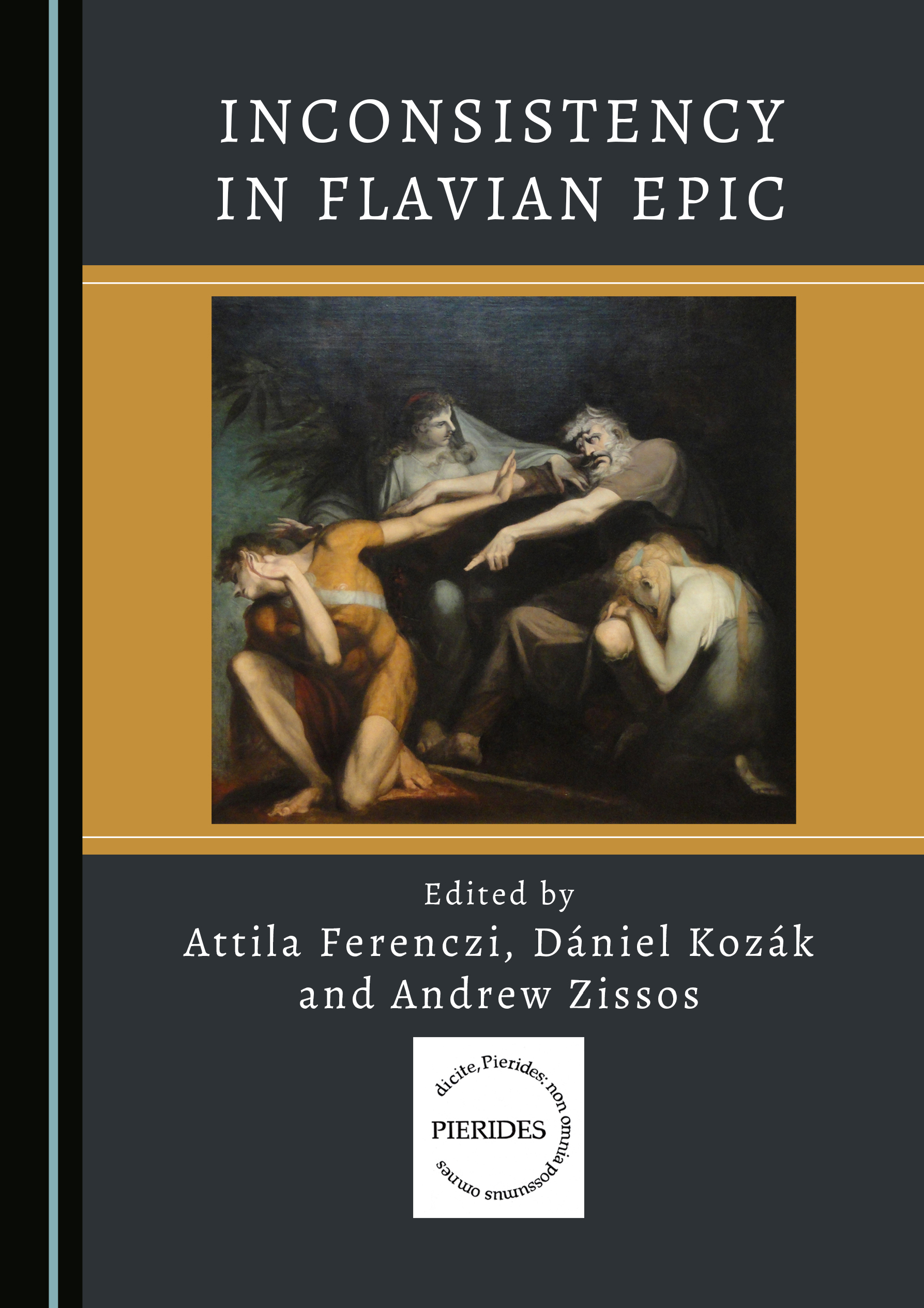
This essay collection explores inconsistency in the major Latin epics of the Flavian Age. Leading experts demonstrate that inconsistency is often a strategic device, and its careful study yields precious insights into the poets' artistic, thematic, and ideological agendas.
This essay collection explores inconsistency in the major Latin epics of the Flavian Age. Leading experts demonstrate that inconsistency is often a strategic device, and its careful study yields precious insights into the poets’ artistic, thematic, and ideological agendas.
View more
This product has multiple variants. The options may be chosen on the product page
View more
This product has multiple variants. The options may be chosen on the product page
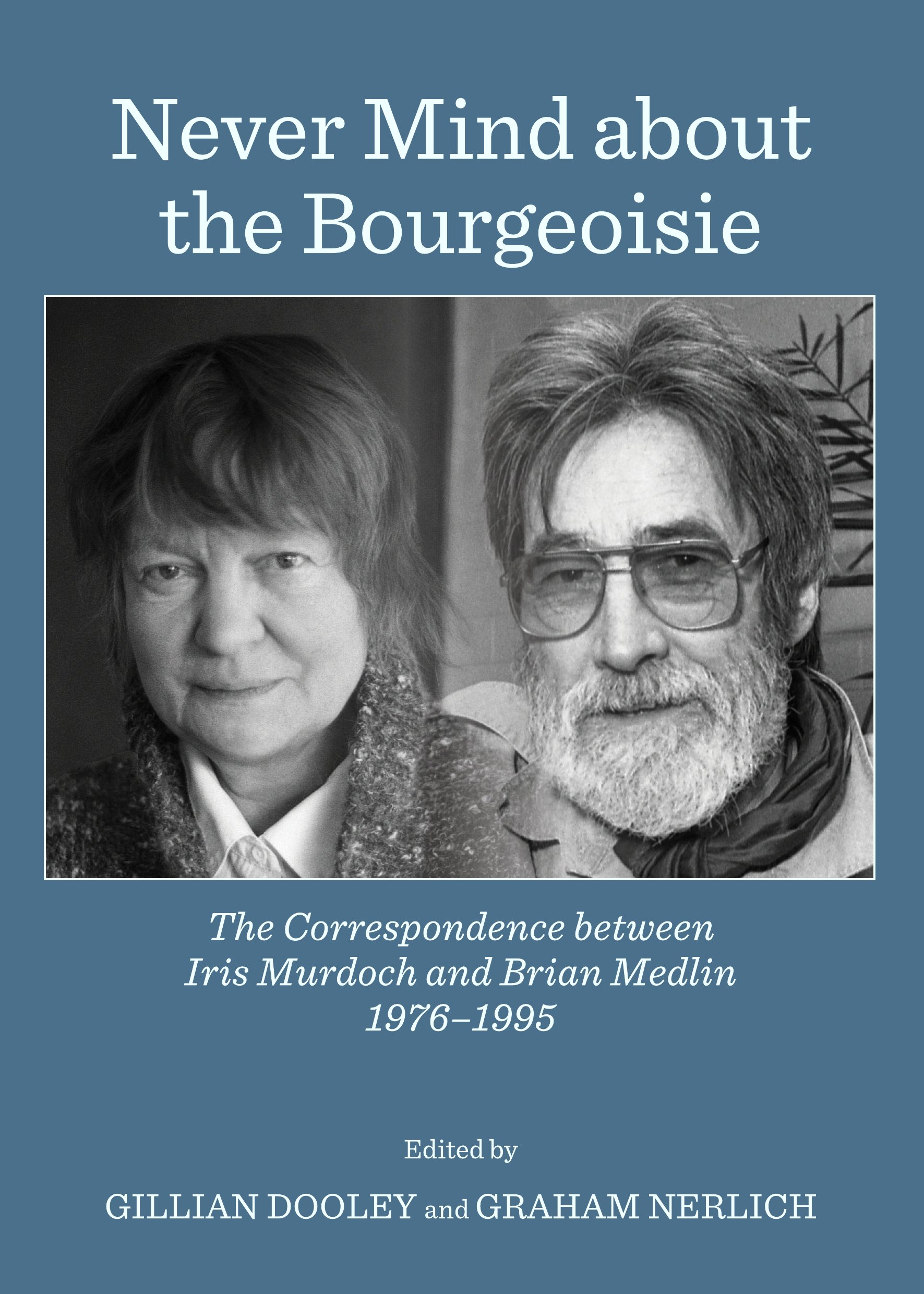
Never Mind about the Bourgeoisie
The Correspondence between Iris Murdoch and Brian Medlin 1976-1995
This collection of correspondence, covering over twenty years, records the deeply affectionate friendship between novelist Iris Murdoch and philosopher Brian Medlin. They spar over Marxism and radical politics, while he regales her with tales of Australian life.
This collection of correspondence, covering over twenty years, records the deeply affectionate friendship between novelist Iris Murdoch and philosopher Brian Medlin. They spar over Marxism and radical politics, while he regales her with tales of Australian life.
View more
This product has multiple variants. The options may be chosen on the product page
View more
This product has multiple variants. The options may be chosen on the product page
£36.99
This journal brings together current research on emotional intelligence, an important factor in the development of emotional competency and cognition. It represents a useful resource for teachers, researchers and students of adolescent psychology, and for mental health workers.
This journal brings together current research on emotional intelligence, an important factor in the development of emotional competency and cognition. It represents a useful resource for teachers, researchers and students of adolescent psychology, and for mental health workers.
View more
This product has multiple variants. The options may be chosen on the product page
View more
This product has multiple variants. The options may be chosen on the product page
From £36.99
This volume’s ten studies analyze Victorian and Neo-Victorian novels. The authors investigate preserved or recycled Victorian themes and discuss how key issues like gender, sexuality, race, and empire are used to update the great tradition for a new age.
This volume’s ten studies analyze Victorian and Neo-Victorian novels. The authors investigate preserved or recycled Victorian themes and discuss how key issues like gender, sexuality, race, and empire are used to update the great tradition for a new age.
View more
This product has multiple variants. The options may be chosen on the product page
Processing Your Order
Please wait while we securely process your order.
Do not refresh or leave this page.
You will be redirected shortly to a confirmation page with your order number.