
View more
This product has multiple variants. The options may be chosen on the product page
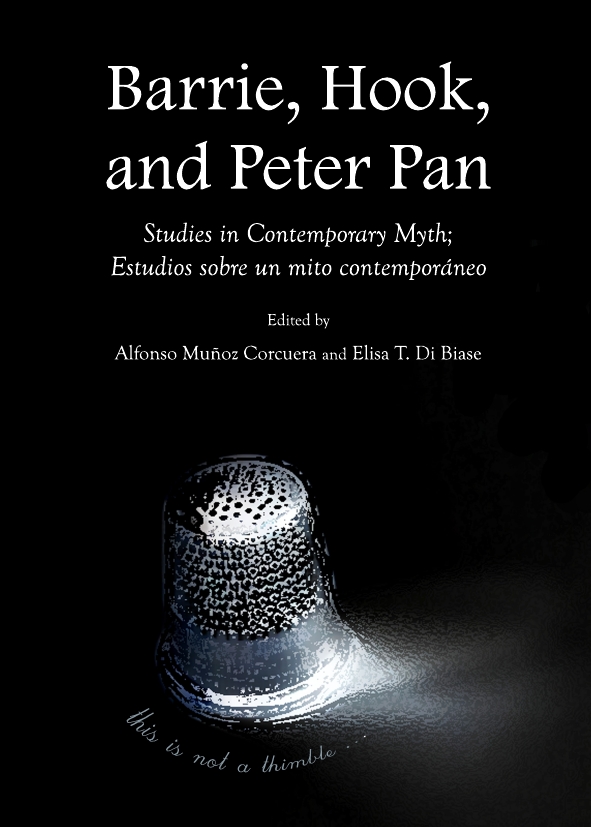
Barrie, Hook, and Peter Pan
Studies in Contemporary Myth; Estudios sobre un mito contemporáneo
He is the boy who will never grow up, yet he is over a century old. A powerful icon, he seems to have been floating in our culture forever. This book is a tribute to this dear, mysterious, and seductive character who is now more alive than ever.
He is the boy who will never grow up, yet he is over a century old. A powerful icon, he seems to have been floating in our culture forever. This book is a tribute to this dear, mysterious, and seductive character who is now more alive than ever.
View more
This product has multiple variants. The options may be chosen on the product page
View more
This product has multiple variants. The options may be chosen on the product page
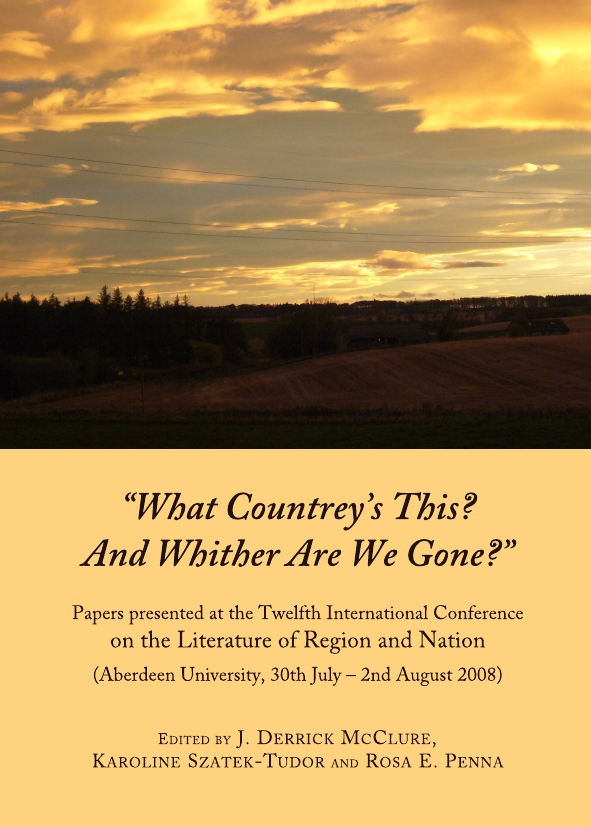
“What Countrey’s This? And Whither Are We Gone?”
Papers presented at the Twelfth International Conference on the Literature of Region and Nation (Aberdeen University, 30th July – 2nd August 2008)
This volume includes twenty-two peer-reviewed papers from an international conference on the Literature of Region and Nation. The essays explore literature from all five continents, considering diaspora, exile, language, and cultural interactions.
This volume includes twenty-two peer-reviewed papers from an international conference on the Literature of Region and Nation. The essays explore literature from all five continents, considering diaspora, exile, language, and cultural interactions.
View more
This product has multiple variants. The options may be chosen on the product page

View more
This product has multiple variants. The options may be chosen on the product page
Dystopia(n) Matters
On the Page, on Screen, on Stage
Reputed scholars explain why dystopia is important. Through studies of literature, film, and theatre, they argue that while dystopia has invaded contemporary discourse, utopia has not been eradicated. The tension between them is instrumental to our future.
Reputed scholars explain why dystopia is important. Through studies of literature, film, and theatre, they argue that while dystopia has invaded contemporary discourse, utopia has not been eradicated. The tension between them is instrumental to our future.
View more
This product has multiple variants. The options may be chosen on the product page
View more
This product has multiple variants. The options may be chosen on the product page
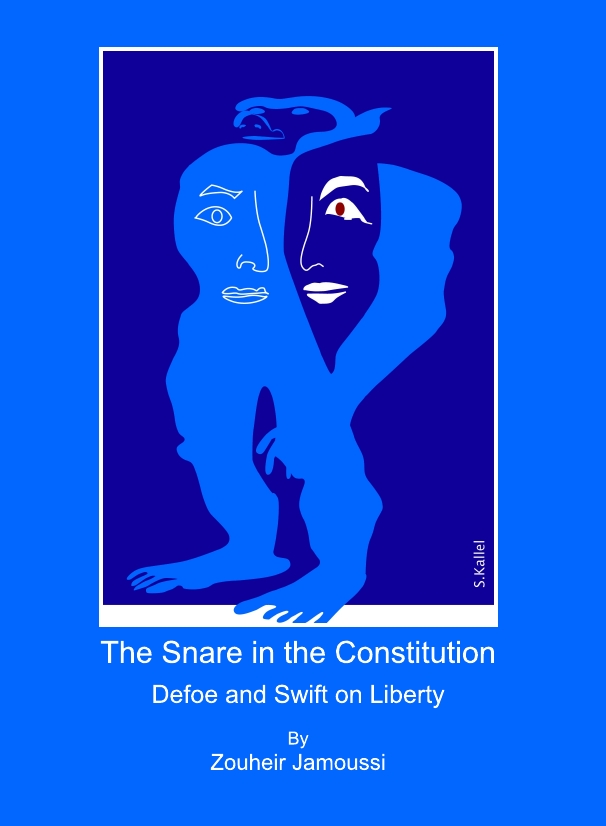
The Snare in the Constitution
Defoe and Swift on Liberty
This comparative study of Defoe and Swift explores their treatments of liberty. It examines the relationship between “snare” and “liberty” through the analogy of the political and human constitutions in their fictional and non-fictional works.
This comparative study of Defoe and Swift explores their treatments of liberty. It examines the relationship between “snare” and “liberty” through the analogy of the political and human constitutions in their fictional and non-fictional works.
View more
This product has multiple variants. The options may be chosen on the product page
View more
This product has multiple variants. The options may be chosen on the product page
£49.99
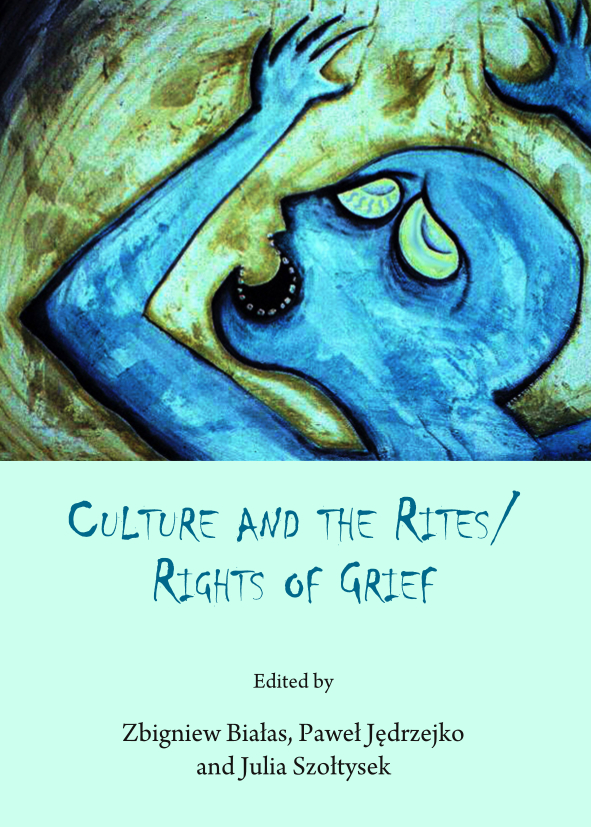
Though resented, grief and grieving occupy a significant place in culture. Culture and the Rites/Rights of Grief offers an intellectual excursion into their imposing presence at the intersection of present-day literary, cultural and political phenomena.
Though resented, grief and grieving occupy a significant place in culture. Culture and the Rites/Rights of Grief offers an intellectual excursion into their imposing presence at the intersection of present-day literary, cultural and political phenomena.
View more
This product has multiple variants. The options may be chosen on the product page
View more
This product has multiple variants. The options may be chosen on the product page
£49.99
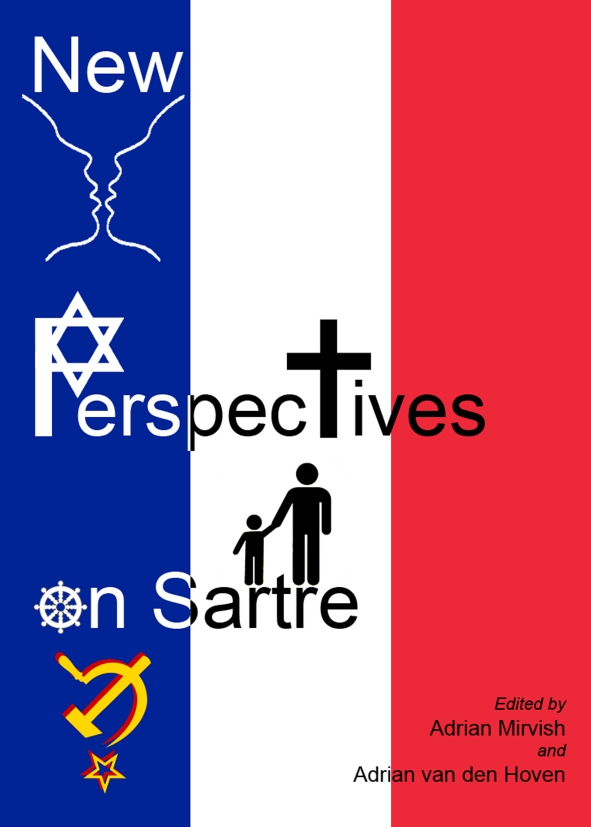
Leading scholars from philosophy, psychology, and history cast new light on Sartre. This volume deliberately stresses a middle and final period of his work, exploring diverse topics and offering new insights on authenticity, freedom, and ethics.
Leading scholars from philosophy, psychology, and history cast new light on Sartre. This volume deliberately stresses a middle and final period of his work, exploring diverse topics and offering new insights on authenticity, freedom, and ethics.
View more
This product has multiple variants. The options may be chosen on the product page
View more
This product has multiple variants. The options may be chosen on the product page
P. Papinius Statius
Thebaid and Achilleid Volume III
Volume III on Statius' Thebaid and Achilleid is divided into two parts. The first discusses the textual transmission, manuscripts, and editions. The second part comprises a secondary apparatus with further evidence and all unrecorded conjectures.
Volume III on Statius’ Thebaid and Achilleid is divided into two parts. The first discusses the textual transmission, manuscripts, and editions. The second part comprises a secondary apparatus with further evidence and all unrecorded conjectures.
View more
This product has multiple variants. The options may be chosen on the product page
View more
This product has multiple variants. The options may be chosen on the product page
£49.99
We have lost sight of Hamlet itself. This book looks beyond the play that has bedazzled critics for centuries to seek its historical distinctness, unraveling myths about the players, printers, patrons, and Shakespeare himself.
We have lost sight of Hamlet itself. This book looks beyond the play that has bedazzled critics for centuries to seek its historical distinctness, unraveling myths about the players, printers, patrons, and Shakespeare himself.
View more
This product has multiple variants. The options may be chosen on the product page
View more
This product has multiple variants. The options may be chosen on the product page
£49.99
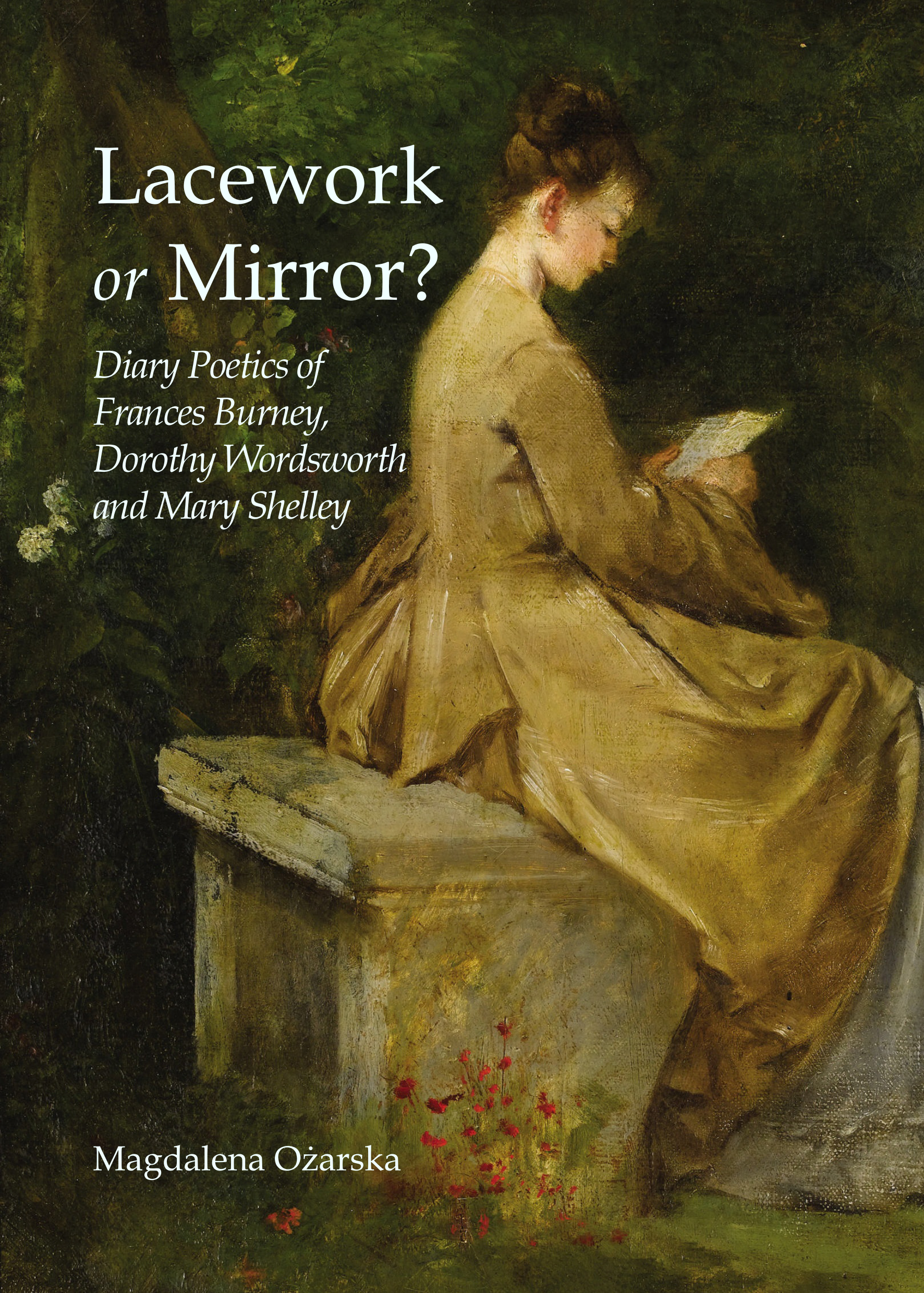
Lacework or Mirror? This study explores the diary poetics of Frances Burney, Dorothy Wordsworth, and Mary Shelley. It examines their narrative choices and lacunae to illustrate the gradual emergence of the diarists’ individual selves.
Lacework or Mirror? This study explores the diary poetics of Frances Burney, Dorothy Wordsworth, and Mary Shelley. It examines their narrative choices and lacunae to illustrate the gradual emergence of the diarists’ individual selves.
View more
This product has multiple variants. The options may be chosen on the product page
View more
This product has multiple variants. The options may be chosen on the product page
£49.99
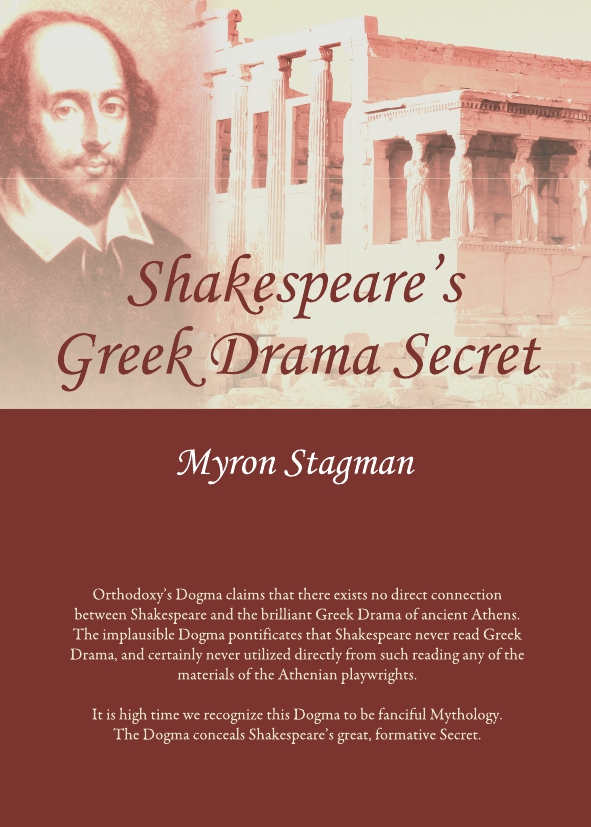
This book presents striking textual correspondences between Greek and Shakespearean plays. It proves William Shakespeare became “Shakespeare” because of his mastery of the ancient Greek treasury of Drama, where images like Lady Macbeth's cruelty first appear.
This book presents striking textual correspondences between Greek and Shakespearean plays. It proves William Shakespeare became “Shakespeare” because of his mastery of the ancient Greek treasury of Drama, where images like Lady Macbeth’s cruelty first appear.
View more
This product has multiple variants. The options may be chosen on the product page
View more
This product has multiple variants. The options may be chosen on the product page
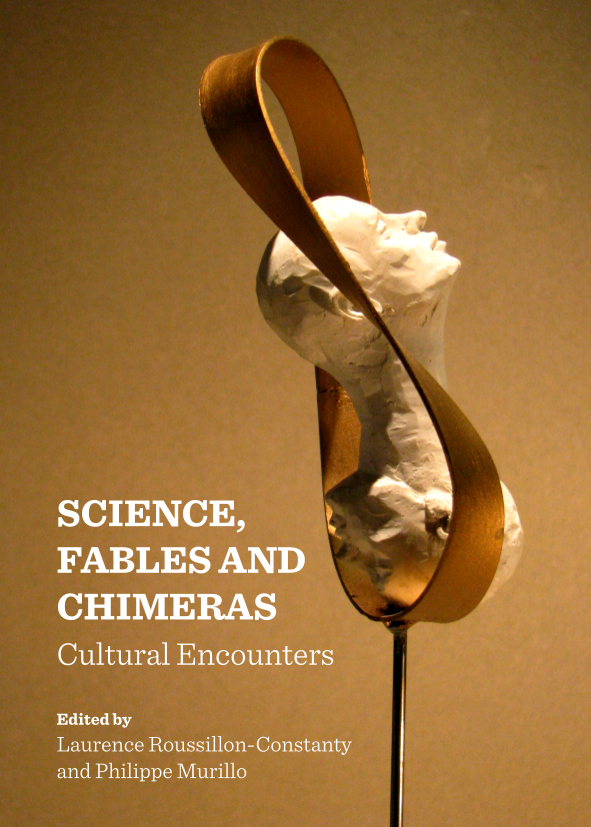
Science, Fables and Chimeras
Cultural Encounters
Imagination, religion, and mythology have both helped and hindered scientific progress. This interdisciplinary book weaves together visual art, literature, and science to explore our fascination with potent symbols like dinosaurs, dragons, and the chimera.
Imagination, religion, and mythology have both helped and hindered scientific progress. This interdisciplinary book weaves together visual art, literature, and science to explore our fascination with potent symbols like dinosaurs, dragons, and the chimera.
View more
This product has multiple variants. The options may be chosen on the product page
View more
This product has multiple variants. The options may be chosen on the product page
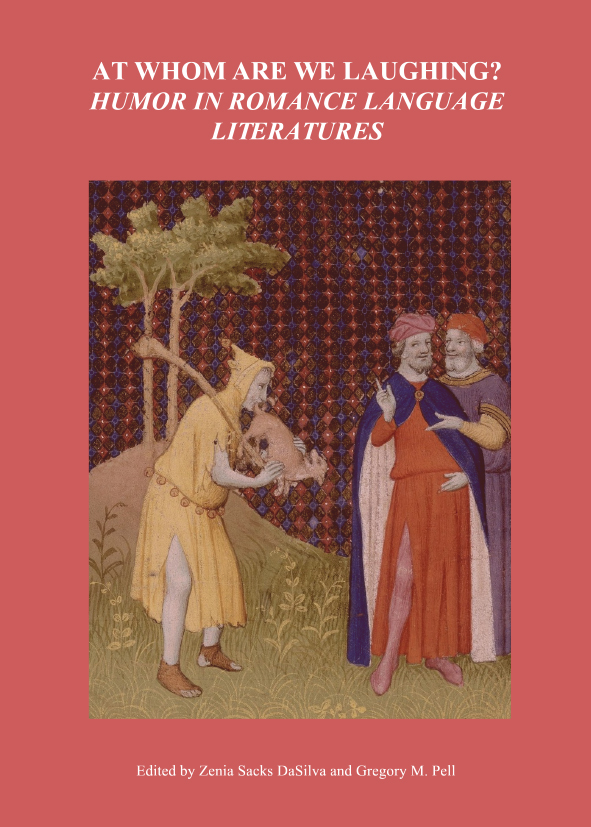
At Whom Are We Laughing?
Humor in Romance Language Literatures
At whom are we really laughing? This collection of scholarly papers explores humor across the centuries in the literatures of Italy, France, and the Iberian Peninsula, revealing diverse aspects of wit little known to the general reader.
At whom are we really laughing? This collection of scholarly papers explores humor across the centuries in the literatures of Italy, France, and the Iberian Peninsula, revealing diverse aspects of wit little known to the general reader.
View more
This product has multiple variants. The options may be chosen on the product page
View more
This product has multiple variants. The options may be chosen on the product page
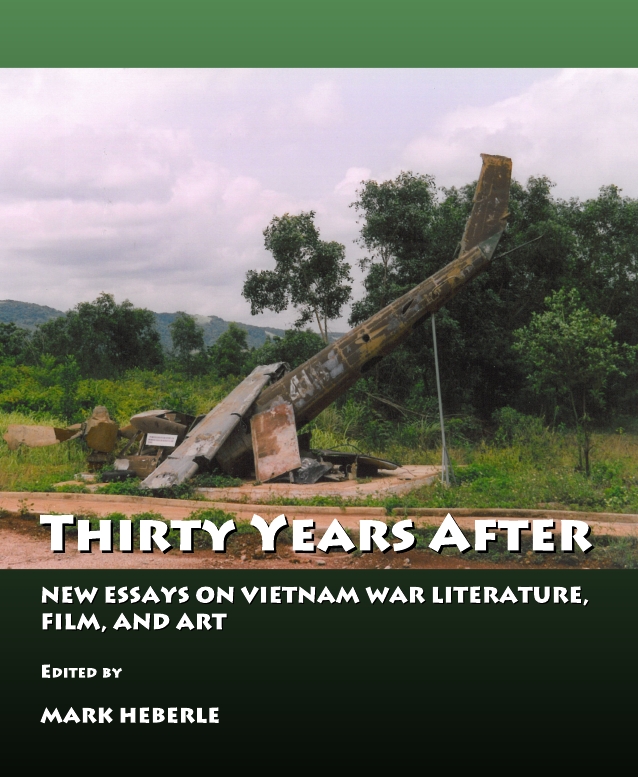
Thirty Years After
New Essays on Vietnam War Literature, Film and Art
The first major collection of Vietnam War criticism since the 1990s, these new essays on literature, film, and art explore the conflict's traumatic cultural legacy and enduring impact. An indispensable work for understanding this crucial period in history.
The first major collection of Vietnam War criticism since the 1990s, these new essays on literature, film, and art explore the conflict’s traumatic cultural legacy and enduring impact. An indispensable work for understanding this crucial period in history.
View more
This product has multiple variants. The options may be chosen on the product page
View more
This product has multiple variants. The options may be chosen on the product page
From £25.99
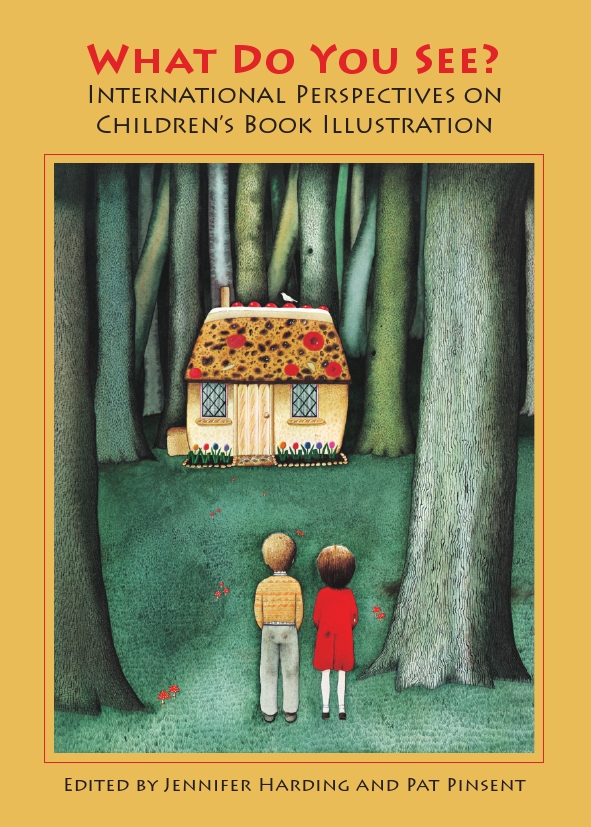
This illustrated book explores the diversity of children's book illustration as a space for cultural dialogue. It considers how illustrations from different traditions are histories of art and style that enable us to traverse boundaries and dissolve barriers.
This illustrated book explores the diversity of children’s book illustration as a space for cultural dialogue. It considers how illustrations from different traditions are histories of art and style that enable us to traverse boundaries and dissolve barriers.
View more
This product has multiple variants. The options may be chosen on the product page

View more
This product has multiple variants. The options may be chosen on the product page
Out of the Shadows
The Life and Works of Mary De Morgan
Who was Mary De Morgan? Overshadowed by her family, she was a writer, spiritualist, social reformer, and early feminist. This book reveals a complex "New Woman" and explains why George Bernard Shaw considered her a “devil incarnate.”
Who was Mary De Morgan? Overshadowed by her family, she was a writer, spiritualist, social reformer, and early feminist. This book reveals a complex “New Woman” and explains why George Bernard Shaw considered her a “devil incarnate.”
View more
This product has multiple variants. The options may be chosen on the product page
View more
This product has multiple variants. The options may be chosen on the product page
Spatio-Temporal Narratives
Historical GIS and the Study of Global Trading Networks (1500-1800)
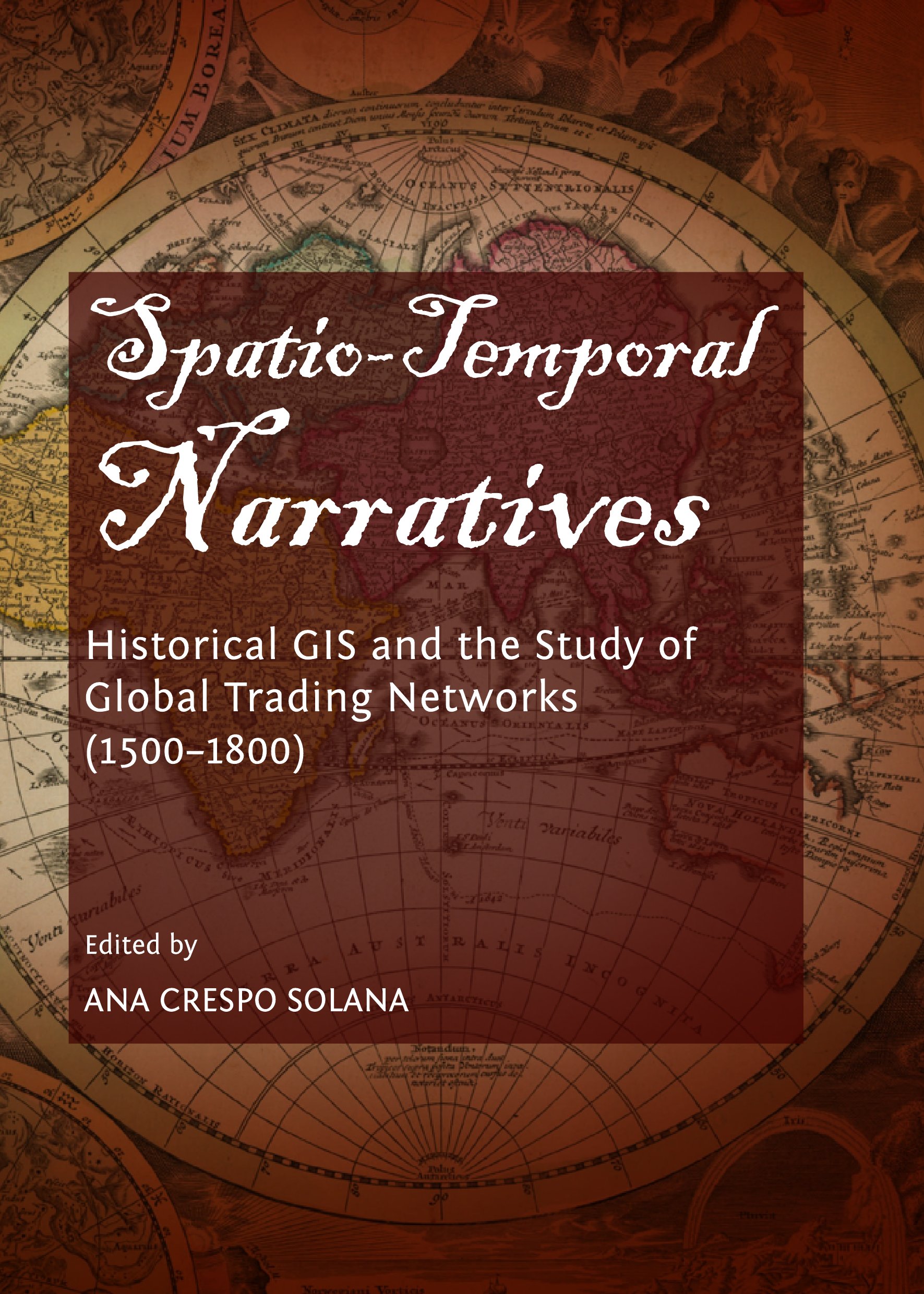
This book explores the merchant networks and maritime trade routes of the First Global Age (16th-18th centuries). Using Geographic Information Systems (GIS), it visualizes the integration of economies, the organization of trade, and the evolution of networks.
This book explores the merchant networks and maritime trade routes of the First Global Age (16th-18th centuries). Using Geographic Information Systems (GIS), it visualizes the integration of economies, the organization of trade, and the evolution of networks.
View more
This product has multiple variants. The options may be chosen on the product page
View more
This product has multiple variants. The options may be chosen on the product page
Finding the Plot
Storytelling in Popular Fictions
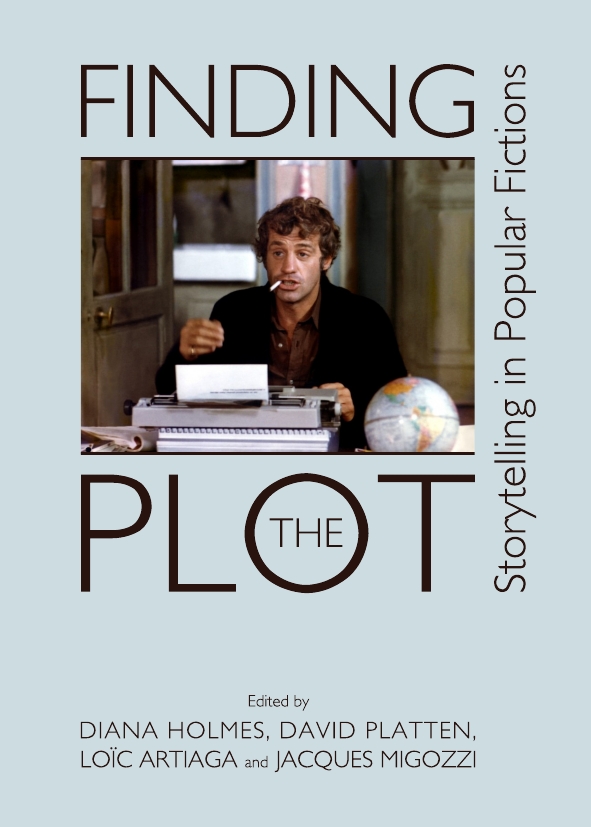
Plot is basic to our experience, yet criticism has often passed it over. This book redresses this neglect, bringing together international scholars to explore the pleasures of consuming stories across a variety of media. How do plots work and why do they matter?
Plot is basic to our experience, yet criticism has often passed it over. This book redresses this neglect, bringing together international scholars to explore the pleasures of consuming stories across a variety of media. How do plots work and why do they matter?
View more
This product has multiple variants. The options may be chosen on the product page
View more
This product has multiple variants. The options may be chosen on the product page
Soft-Shed Kisses
Re-visioning the Femme Fatale in English Poetry of the 19th Century
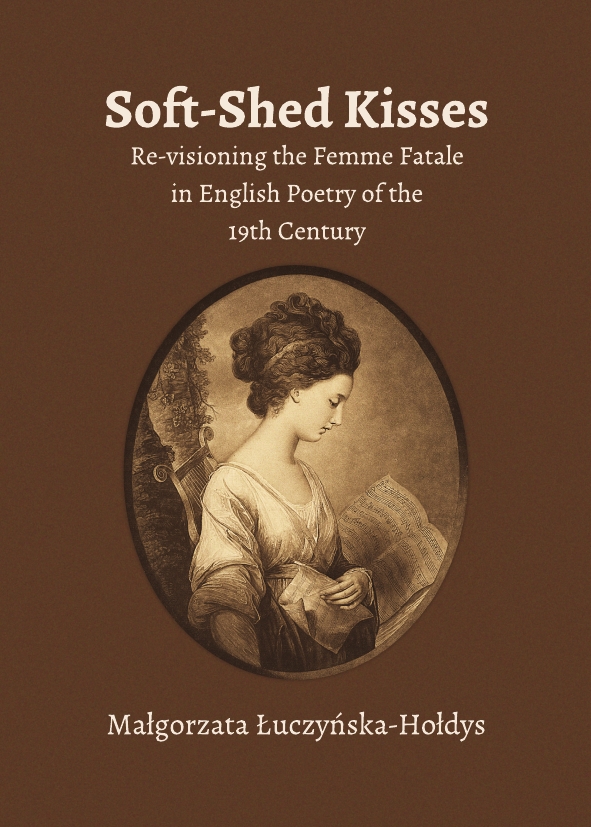
The femme fatale of 19th-century poetry symbolises an intractable mystery and a refusal to be defined. This book interrogates the fatal woman motif in poems by Keats, Shelley, Tennyson, Rossetti and Swinburne, enriched by visual art and cultural background.
The femme fatale of 19th-century poetry symbolises an intractable mystery and a refusal to be defined. This book interrogates the fatal woman motif in poems by Keats, Shelley, Tennyson, Rossetti and Swinburne, enriched by visual art and cultural background.
View more
This product has multiple variants. The options may be chosen on the product page
View more
This product has multiple variants. The options may be chosen on the product page
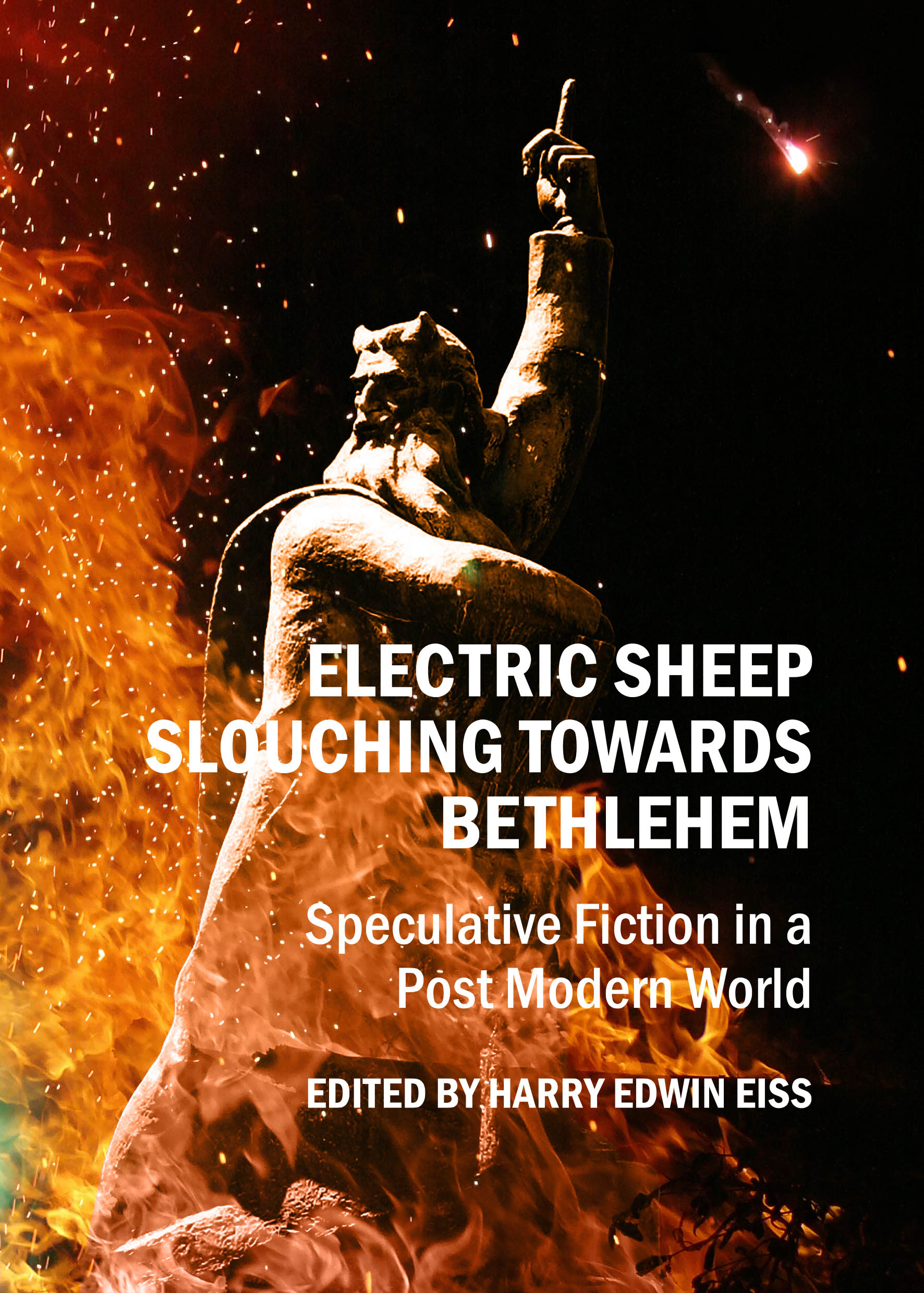
Electric Sheep Slouching Towards Bethlehem
Speculative Fiction in a Post Modern World
On August 6, 1945, the world changed forever. A bomb shattered Hiroshima, and the easy truths of centuries no longer applied. Speculative Fiction projects real possibilities beyond these now shattered assumptions, moving through marginalized fictional landscapes.
On August 6, 1945, the world changed forever. A bomb shattered Hiroshima, and the easy truths of centuries no longer applied. Speculative Fiction projects real possibilities beyond these now shattered assumptions, moving through marginalized fictional landscapes.
View more
This product has multiple variants. The options may be chosen on the product page
View more
This product has multiple variants. The options may be chosen on the product page
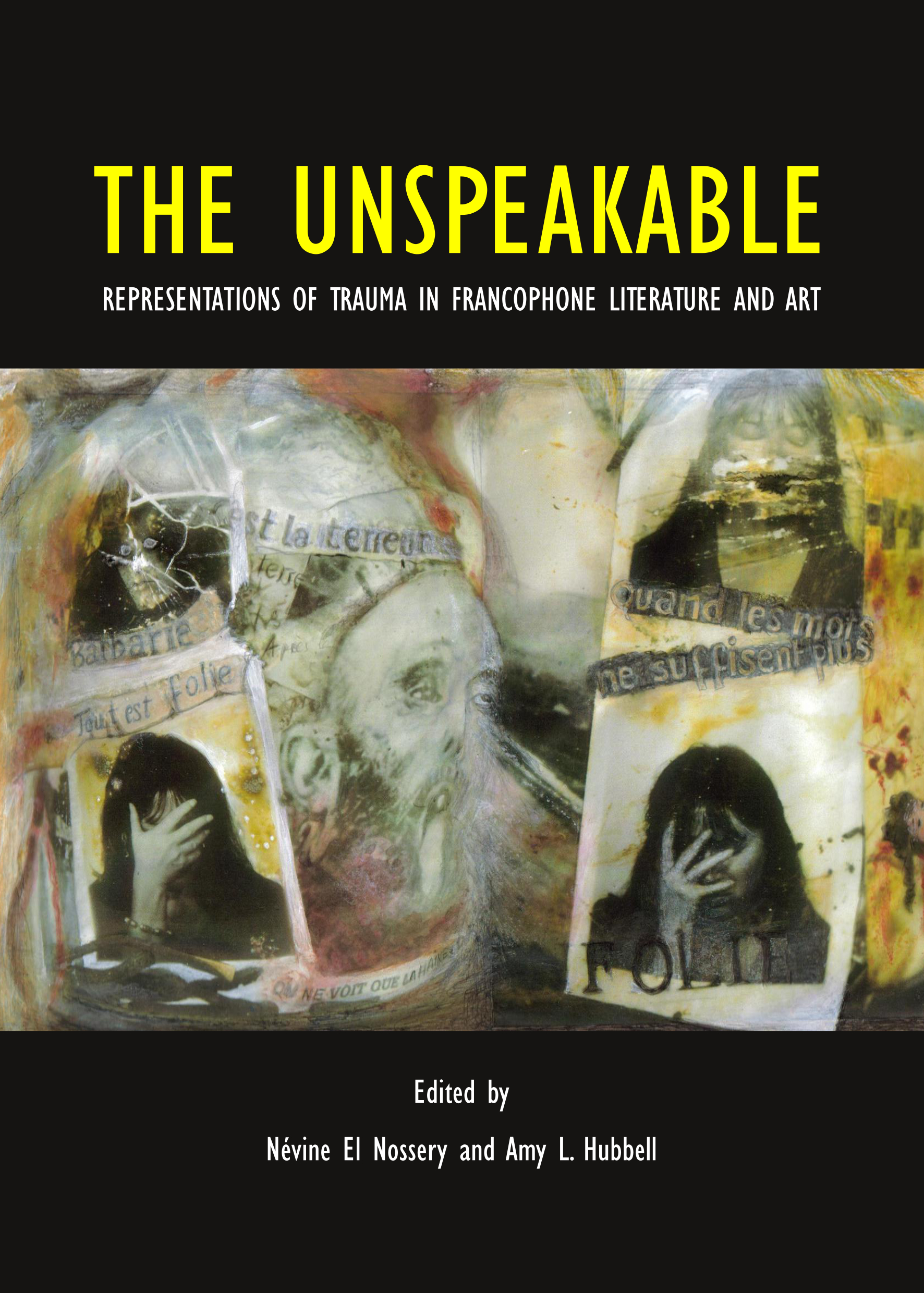
The Unspeakable
Representations of Trauma in Francophone Literature and Art
This volume explores how trauma, even when silenced, emerges in surprising ways in Francophone literature and art. It examines how expressive forms evoke a terrible reality, tackle ethical responsibility, and can ultimately lead to the process of healing.
This volume explores how trauma, even when silenced, emerges in surprising ways in Francophone literature and art. It examines how expressive forms evoke a terrible reality, tackle ethical responsibility, and can ultimately lead to the process of healing.
View more
This product has multiple variants. The options may be chosen on the product page
Processing Your Order
Please wait while we securely process your order.
Do not refresh or leave this page.
You will be redirected shortly to a confirmation page with your order number.