
View more
This product has multiple variants. The options may be chosen on the product page
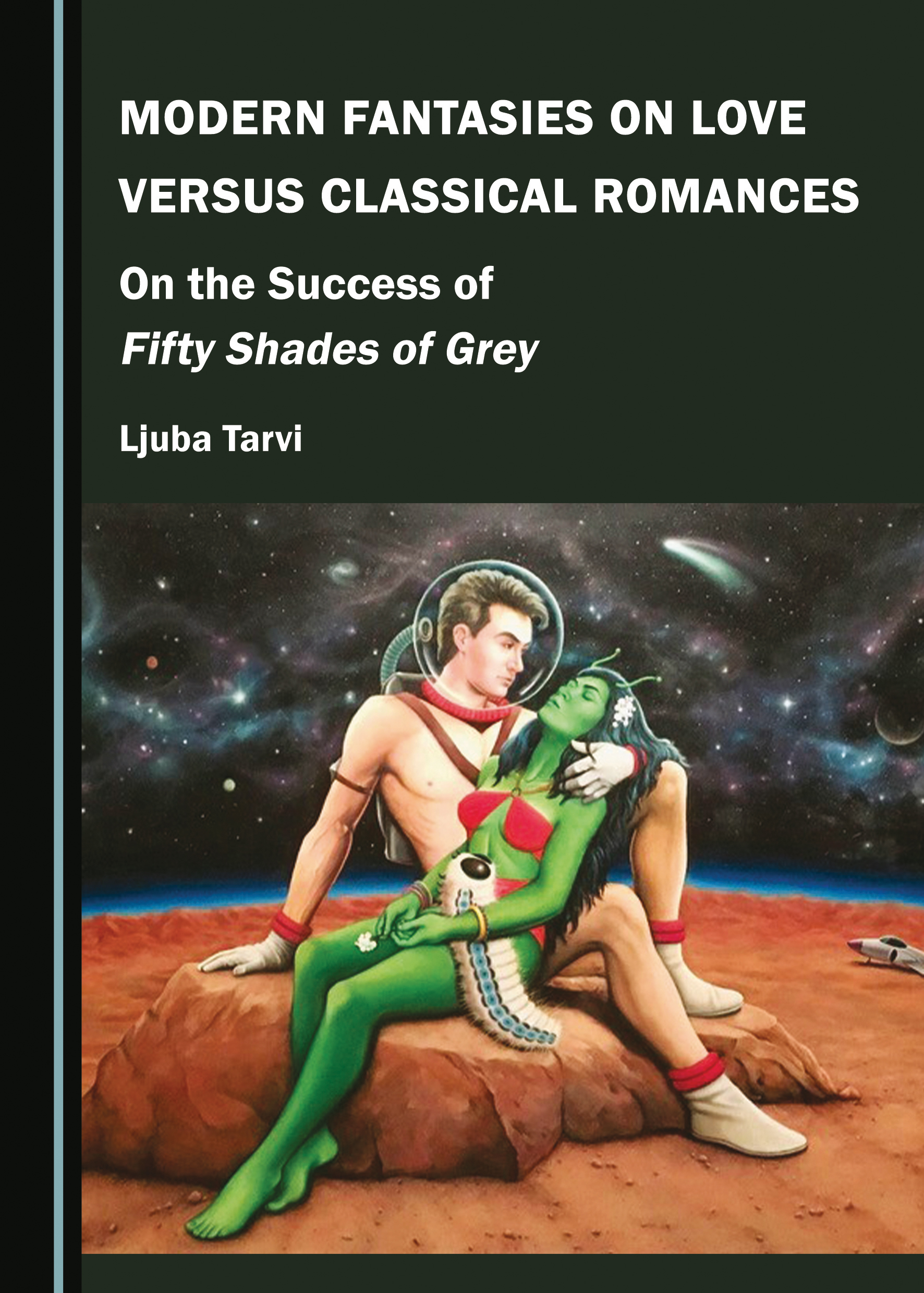
Modern Fantasies on Love versus Classical Romances
On the Success of Fifty Shades of Grey
Viewed through quantum physics, love conquers nothing. This book introduces the Token Valence Method, which treats a word as a quantum state to reveal three models of love patterns in fiction: adaptation, alienation, and imagination.
Viewed through quantum physics, love conquers nothing. This book introduces the Token Valence Method, which treats a word as a quantum state to reveal three models of love patterns in fiction: adaptation, alienation, and imagination.
View more
This product has multiple variants. The options may be chosen on the product page
View more
This product has multiple variants. The options may be chosen on the product page
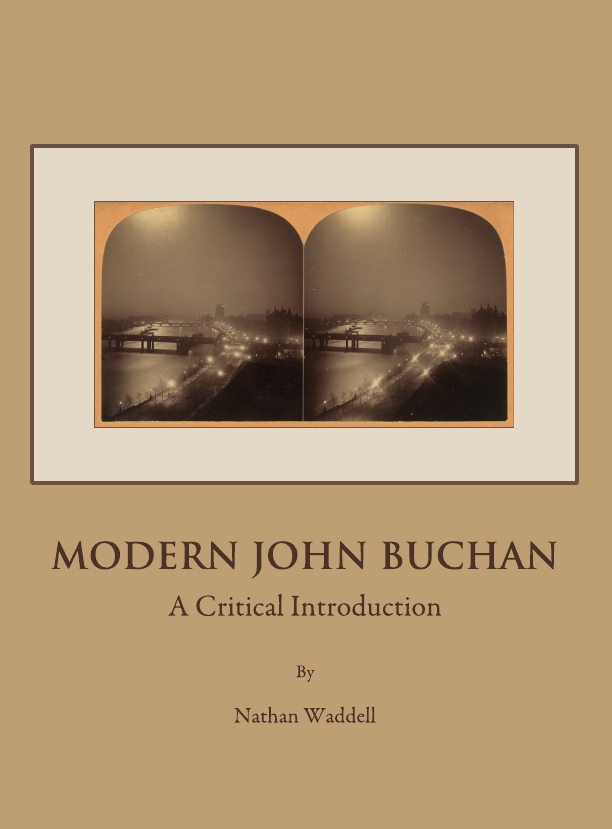
Modern John Buchan
A Critical Introduction
This book claims John Buchan as a key interpreter of modernity whose diverse work complicates the divide between “low” and “high” literature. It situates him as an intellectual figure and discusses his most famous work, The Thirty-Nine Steps.
This book claims John Buchan as a key interpreter of modernity whose diverse work complicates the divide between “low” and “high” literature. It situates him as an intellectual figure and discusses his most famous work, The Thirty-Nine Steps.
View more
This product has multiple variants. The options may be chosen on the product page
View more
This product has multiple variants. The options may be chosen on the product page
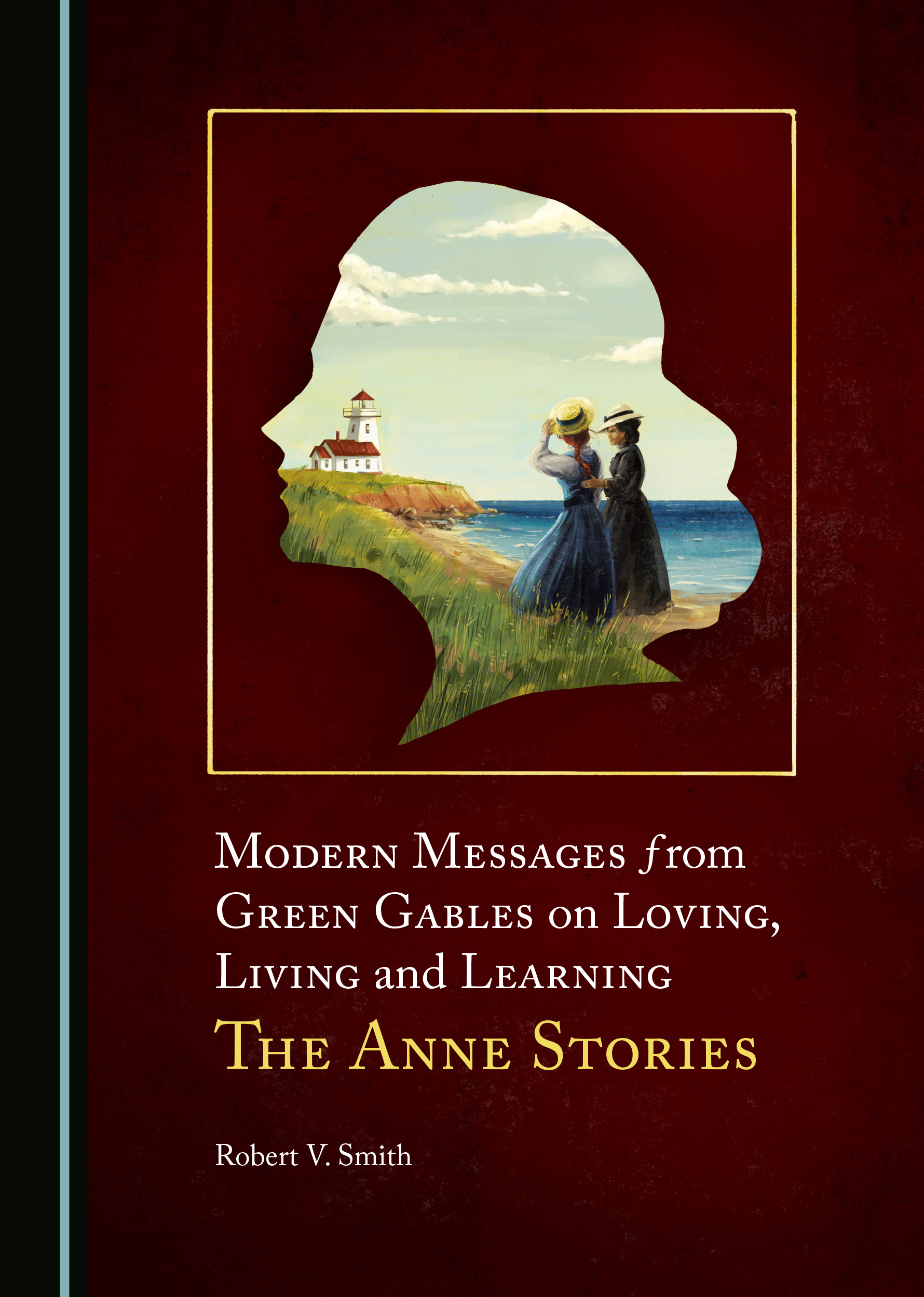
Modern Messages from Green Gables on Loving, Living and Learning
The Anne Stories
Many know Anne of Green Gables, but few know its author, L.M. Montgomery—a feminist far ahead of her time. In this book, a revivified Anne and her husband Gilbert explore their creator's life, revealing how her challenges and triumphs offer messages for our own lives today.
Many know Anne of Green Gables, but few know its author, L.M. Montgomery—a feminist far ahead of her time. In this book, a revivified Anne and her husband Gilbert explore their creator’s life, revealing how her challenges and triumphs offer messages for our own lives today.
View more
This product has multiple variants. The options may be chosen on the product page
View more
This product has multiple variants. The options may be chosen on the product page
From £30.99
This series of critiques explores three literary forums. "Modern Sonneteers" shows that the sonnet thrives still. "Homage to Hilary Mantel" offers new analyses of the pre-eminent novelist. "Critical Letters" gathers pensees on literature written during the COVID-19 pandemic.
This series of critiques explores three literary forums. “Modern Sonneteers” shows that the sonnet thrives still. “Homage to Hilary Mantel” offers new analyses of the pre-eminent novelist. “Critical Letters” gathers pensees on literature written during the COVID-19 pandemic.
View more
This product has multiple variants. The options may be chosen on the product page
View more
This product has multiple variants. The options may be chosen on the product page
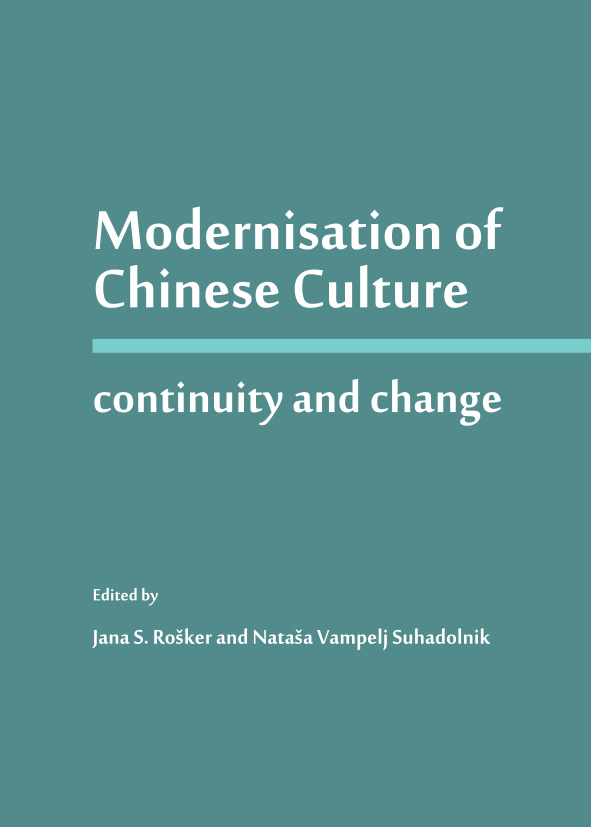
Modernisation of Chinese Culture
Continuity and Change
This book maps Chinese modernisation, highlighting its relationship to historical and theoretical contexts. Going beyond economics, its multifaceted perspectives focus on overlooked issues in culture, ideology, and society, exploring tensions between tradition and modernity.
This book maps Chinese modernisation, highlighting its relationship to historical and theoretical contexts. Going beyond economics, its multifaceted perspectives focus on overlooked issues in culture, ideology, and society, exploring tensions between tradition and modernity.
View more
This product has multiple variants. The options may be chosen on the product page
View more
This product has multiple variants. The options may be chosen on the product page
£39.99
Why study Pound and Eliot as Imagists when one left the movement and the other never belonged? To explore their shared premium on precision for opposite ends. Pound plied accuracy to carve distinctions, while Eliot used it to intuit a divine amalgamation.
Why study Pound and Eliot as Imagists when one left the movement and the other never belonged? To explore their shared premium on precision for opposite ends. Pound plied accuracy to carve distinctions, while Eliot used it to intuit a divine amalgamation.
View more
This product has multiple variants. The options may be chosen on the product page
View more
This product has multiple variants. The options may be chosen on the product page
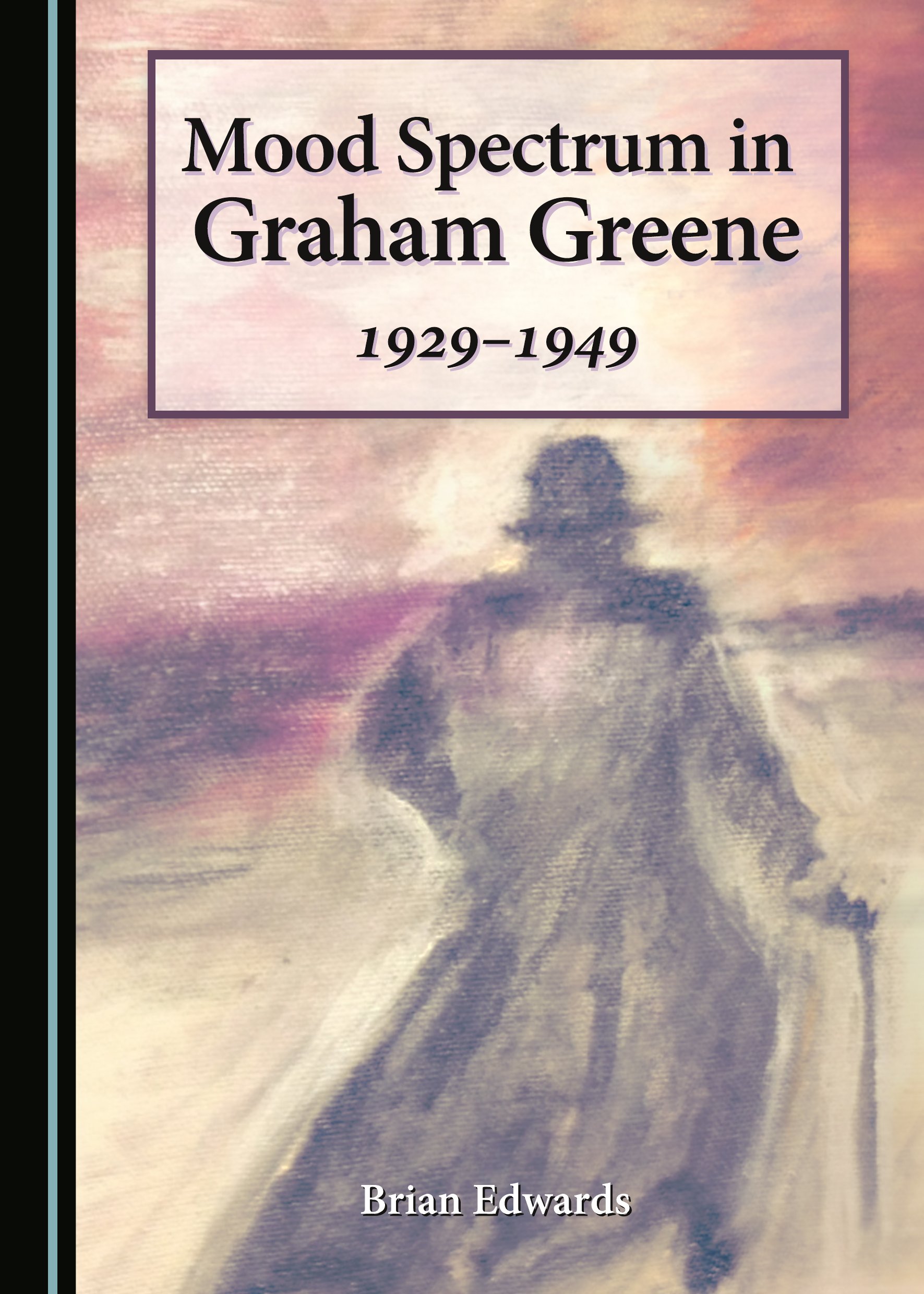
Mood Spectrum in Graham Greene
1929-1949
Edwards examines the pathology of bipolar disorder through symptoms uniquely expressed in Greene’s novels, an area often ignored by critics, despite Greene often projecting his illness into character-constructs that share his condition, offering a case study of manic depression.
Edwards examines the pathology of bipolar disorder through symptoms uniquely expressed in Greene’s novels, an area often ignored by critics, despite Greene often projecting his illness into character-constructs that share his condition, offering a case study of manic depression.
View more
This product has multiple variants. The options may be chosen on the product page

View more
This product has multiple variants. The options may be chosen on the product page
From £30.99
This is the first book to apply expressive writing to L2 academic writing. Its techniques are particularly helpful for L2 students who have difficulty expressing themselves in English. The book will appeal to lecturers, linguists, psychologists, and teachers.
This is the first book to apply expressive writing to L2 academic writing. Its techniques are particularly helpful for L2 students who have difficulty expressing themselves in English. The book will appeal to lecturers, linguists, psychologists, and teachers.
View more
This product has multiple variants. The options may be chosen on the product page
View more
This product has multiple variants. The options may be chosen on the product page
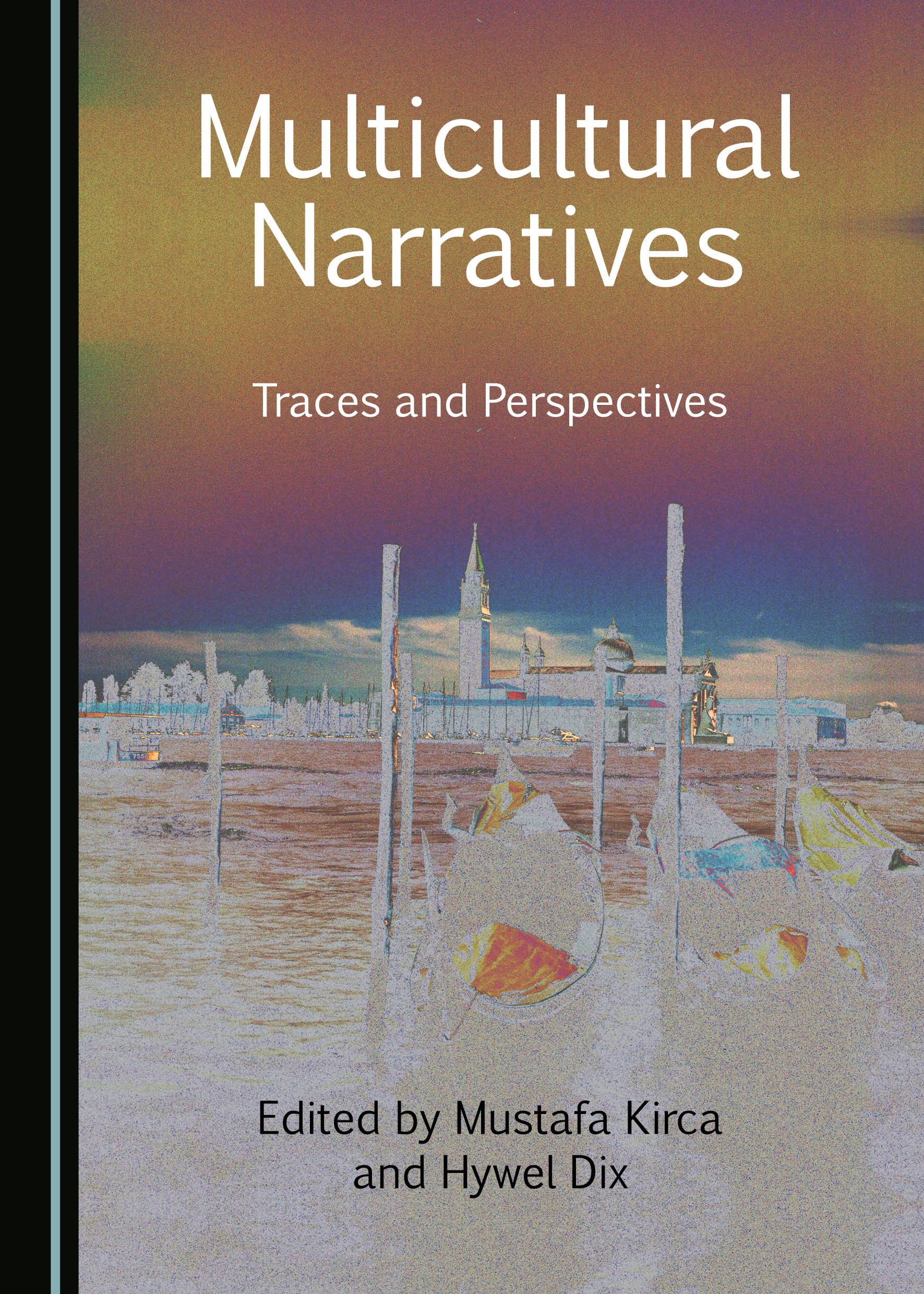
Multicultural Narratives
Traces and Perspectives
Unpacking multiculturalism in literature, this interdisciplinary collection reveals how narratives subvert fixed notions of race, nation, and identity. A vital resource of theoretical and analytical essays for scholars, students, and researchers.
Unpacking multiculturalism in literature, this interdisciplinary collection reveals how narratives subvert fixed notions of race, nation, and identity. A vital resource of theoretical and analytical essays for scholars, students, and researchers.
View more
This product has multiple variants. The options may be chosen on the product page
View more
This product has multiple variants. The options may be chosen on the product page
£64.99
This multidisciplinary book deconstructs misinformation and power structures to comprehend human interactions. It challenges dominant narratives by explaining the interplay between language and power, humor and laughter, media and culture, and literature and cinema.
This multidisciplinary book deconstructs misinformation and power structures to comprehend human interactions. It challenges dominant narratives by explaining the interplay between language and power, humor and laughter, media and culture, and literature and cinema.
View more
This product has multiple variants. The options may be chosen on the product page
View more
This product has multiple variants. The options may be chosen on the product page
Murdering Ministers
A Close Look at Shakespeare’s Macbeth in Text, Context and Performance
Delve into Macbeth as never before. This guide integrates centuries of criticism and performance to answer enduring questions (Why is the play cursed?), explores its explosive historical context, and reveals the hilarious dramatic irony often missed in the sombre tragedy.
Delve into Macbeth as never before. This guide integrates centuries of criticism and performance to answer enduring questions (Why is the play cursed?), explores its explosive historical context, and reveals the hilarious dramatic irony often missed in the sombre tragedy.
View more
This product has multiple variants. The options may be chosen on the product page
View more
This product has multiple variants. The options may be chosen on the product page
Muses and Measures
Empirical Research Methods for the Humanities
This book is required reading for humanistic disciplines. Too often, scholars present theories without knowing how to test them empirically. In an engaging way, the authors teach statistics, leading students through projects to analyze their own gathered data.
This book is required reading for humanistic disciplines. Too often, scholars present theories without knowing how to test them empirically. In an engaging way, the authors teach statistics, leading students through projects to analyze their own gathered data.
View more
This product has multiple variants. The options may be chosen on the product page
View more
This product has multiple variants. The options may be chosen on the product page
From £30.99
These critical essays on Mirza Ghalib explore key themes in his poetry and letters, from his obsession with death to comparisons with Shakespeare. The book highlights the myriad shades of meaning in Ghalib’s vision of life—one that details life in all its horror and glory.
These critical essays on Mirza Ghalib explore key themes in his poetry and letters, from his obsession with death to comparisons with Shakespeare. The book highlights the myriad shades of meaning in Ghalib’s vision of life—one that details life in all its horror and glory.
View more
This product has multiple variants. The options may be chosen on the product page
View more
This product has multiple variants. The options may be chosen on the product page
£64.99
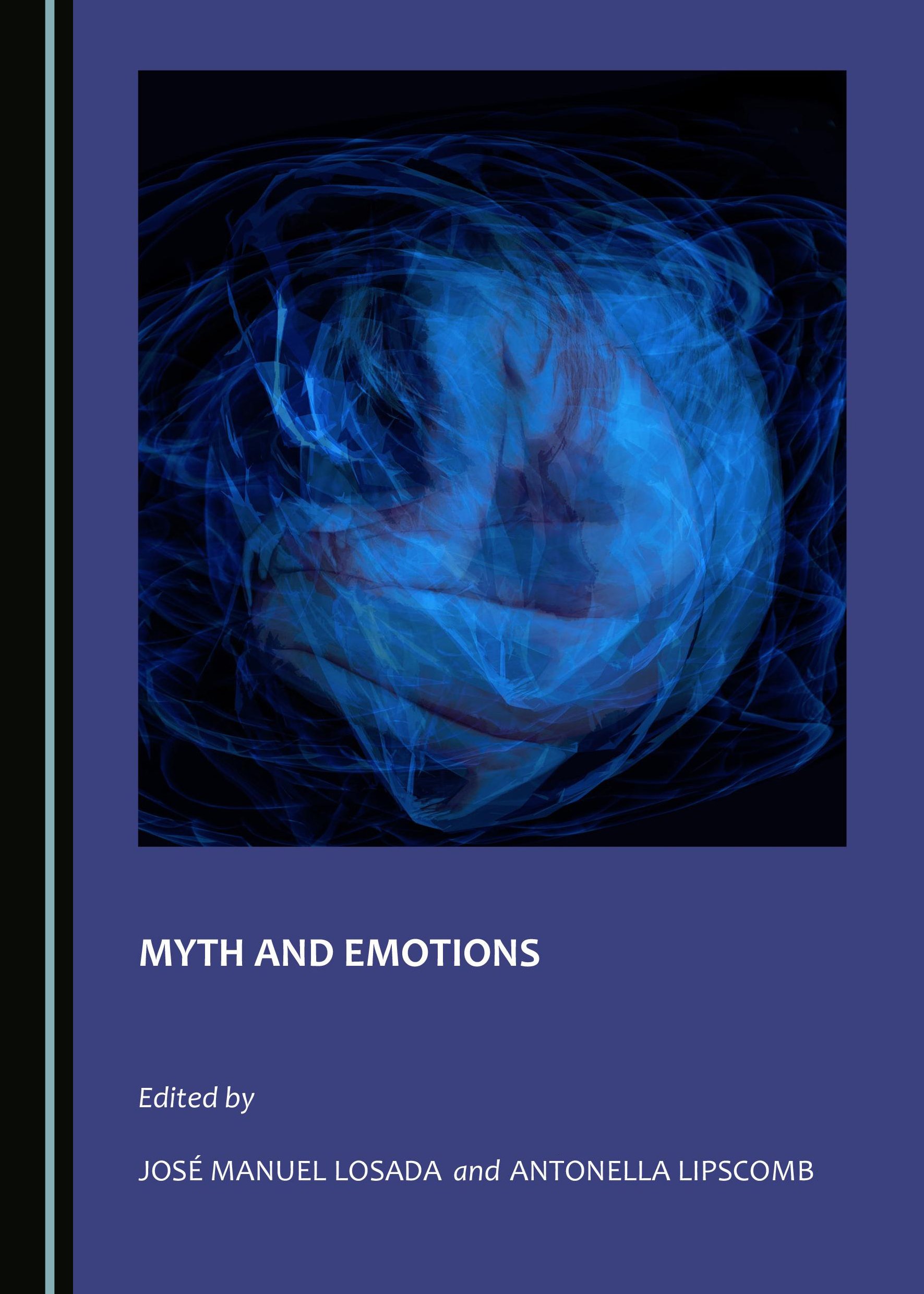
The emotive nature of myth lays the foundation of the research proposed for this trilingual volume, which encompasses a thorough and multifaceted study that offers guidelines and models capable of interpreting mythical-emotional phenomena.
The emotive nature of myth lays the foundation of the research proposed for this trilingual volume, which encompasses a thorough and multifaceted study that offers guidelines and models capable of interpreting mythical-emotional phenomena.
View more
This product has multiple variants. The options may be chosen on the product page
View more
This product has multiple variants. The options may be chosen on the product page
From £35.99
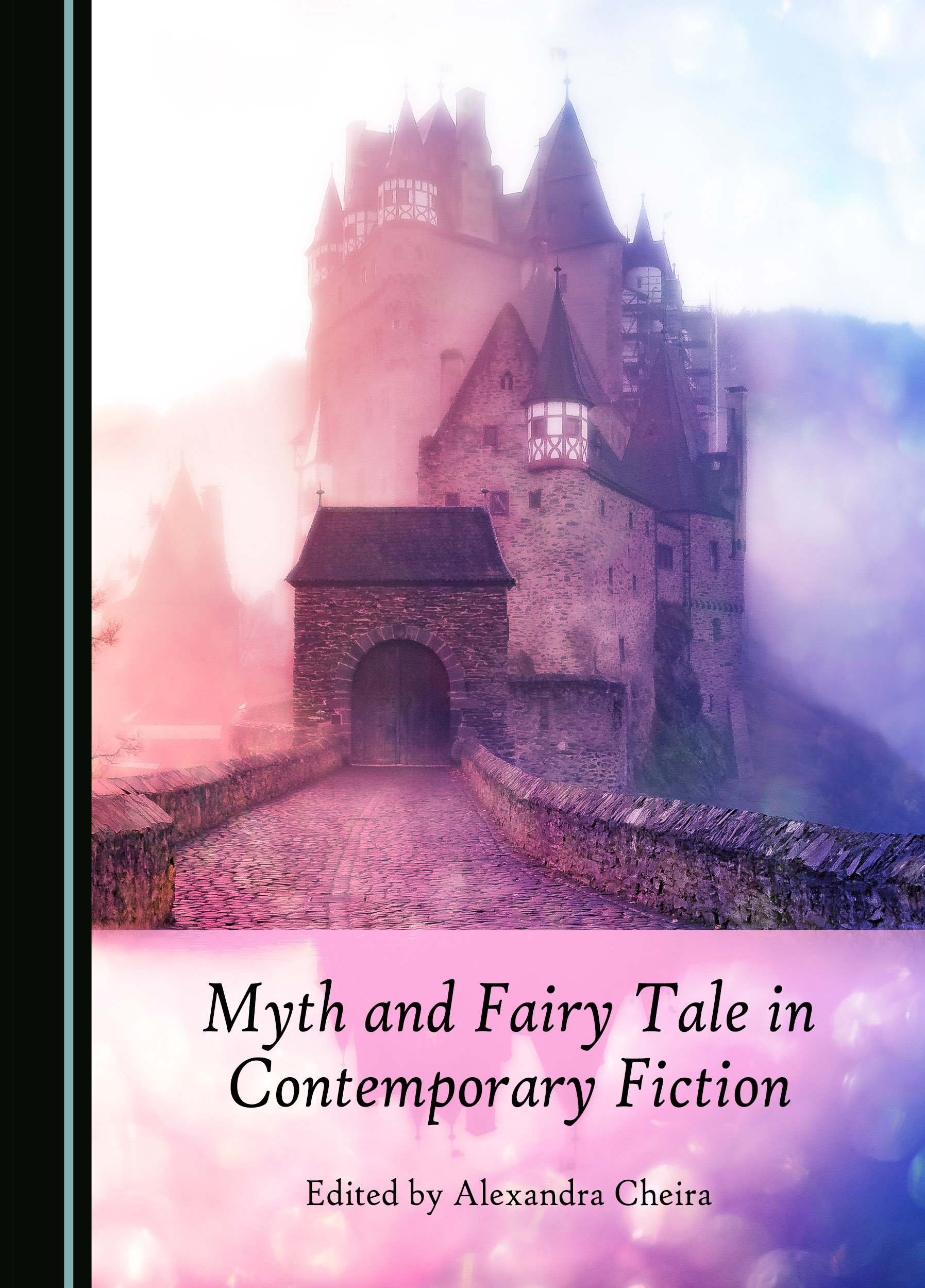
This volume examines the use of myth and fairy tales in contemporary fiction. Through innovative critical approaches, its chapters analyze modern retellings in dialogue with tradition, demonstrating their importance and suggesting new questions for future critical inquiry.
This volume examines the use of myth and fairy tales in contemporary fiction. Through innovative critical approaches, its chapters analyze modern retellings in dialogue with tradition, demonstrating their importance and suggesting new questions for future critical inquiry.
View more
This product has multiple variants. The options may be chosen on the product page
View more
This product has multiple variants. The options may be chosen on the product page
£54.99
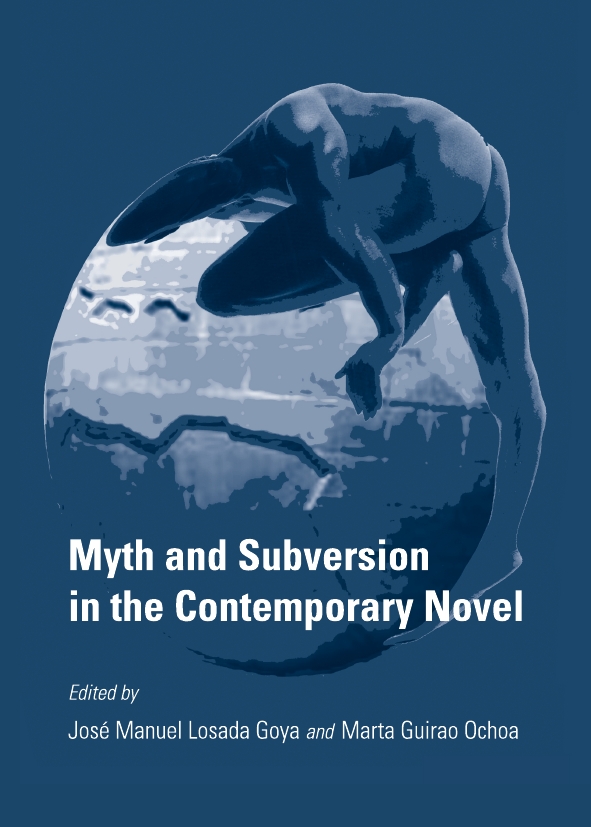
This bilingual work identifies and explains the subversive rewriting of ancient, medieval, and modern myths in contemporary novels. Analyses cover classical (Oedipus), biblical (the Golem), and modern (Faust) myths in fiction, art, and cinema.
This bilingual work identifies and explains the subversive rewriting of ancient, medieval, and modern myths in contemporary novels. Analyses cover classical (Oedipus), biblical (the Golem), and modern (Faust) myths in fiction, art, and cinema.
View more
This product has multiple variants. The options may be chosen on the product page
View more
This product has multiple variants. The options may be chosen on the product page
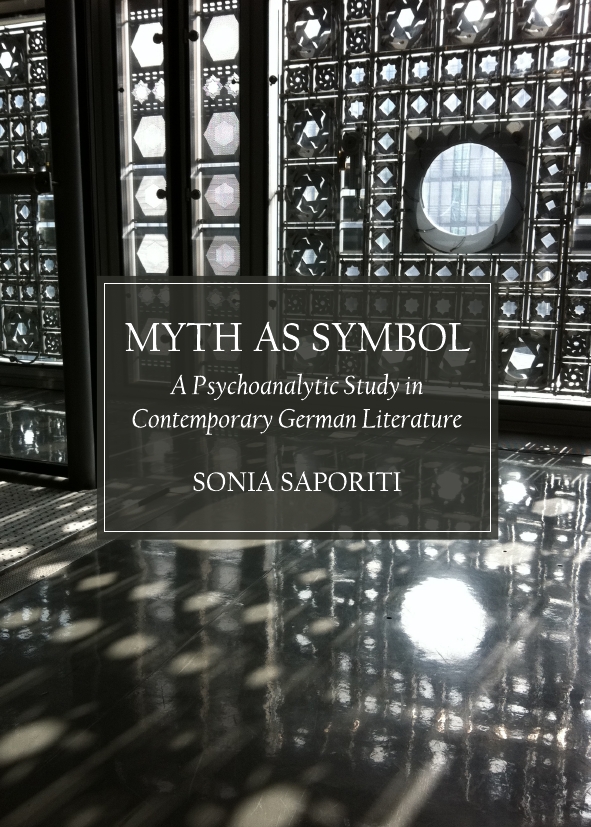
Myth as Symbol
A Psychoanalytic Study in Contemporary German Literature
Reconsidering the connection between literature and psychoanalysis, this study explores the modern literary reworking of myth. From Jungian archetypes to the Freudian unconscious, it analyzes figures like Undine and Medea to explore timeless questions.
Reconsidering the connection between literature and psychoanalysis, this study explores the modern literary reworking of myth. From Jungian archetypes to the Freudian unconscious, it analyzes figures like Undine and Medea to explore timeless questions.
View more
This product has multiple variants. The options may be chosen on the product page
View more
This product has multiple variants. The options may be chosen on the product page
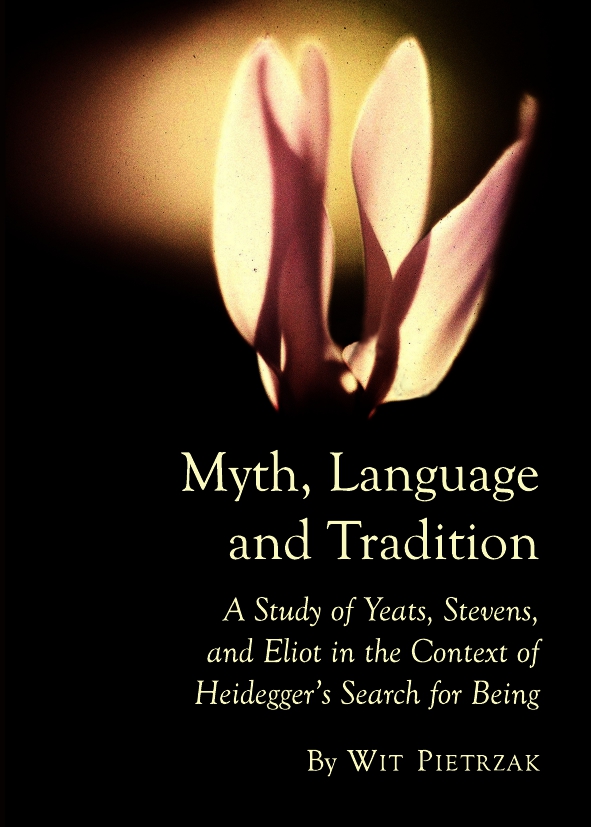
Myth, Language and Tradition
A Study of Yeats, Stevens, and Eliot in the Context of Heidegger’s Search for Being
"Levity of Design" voices a critique of present-day society from within. J. H. Prynne’s poetry overcomes the impasse of poststructuralism, seeking a language in which the notion of man can be restituted as a viable category in late modernity.
“Levity of Design” voices a critique of present-day society from within. J. H. Prynne’s poetry overcomes the impasse of poststructuralism, seeking a language in which the notion of man can be restituted as a viable category in late modernity.
View more
This product has multiple variants. The options may be chosen on the product page
View more
This product has multiple variants. The options may be chosen on the product page
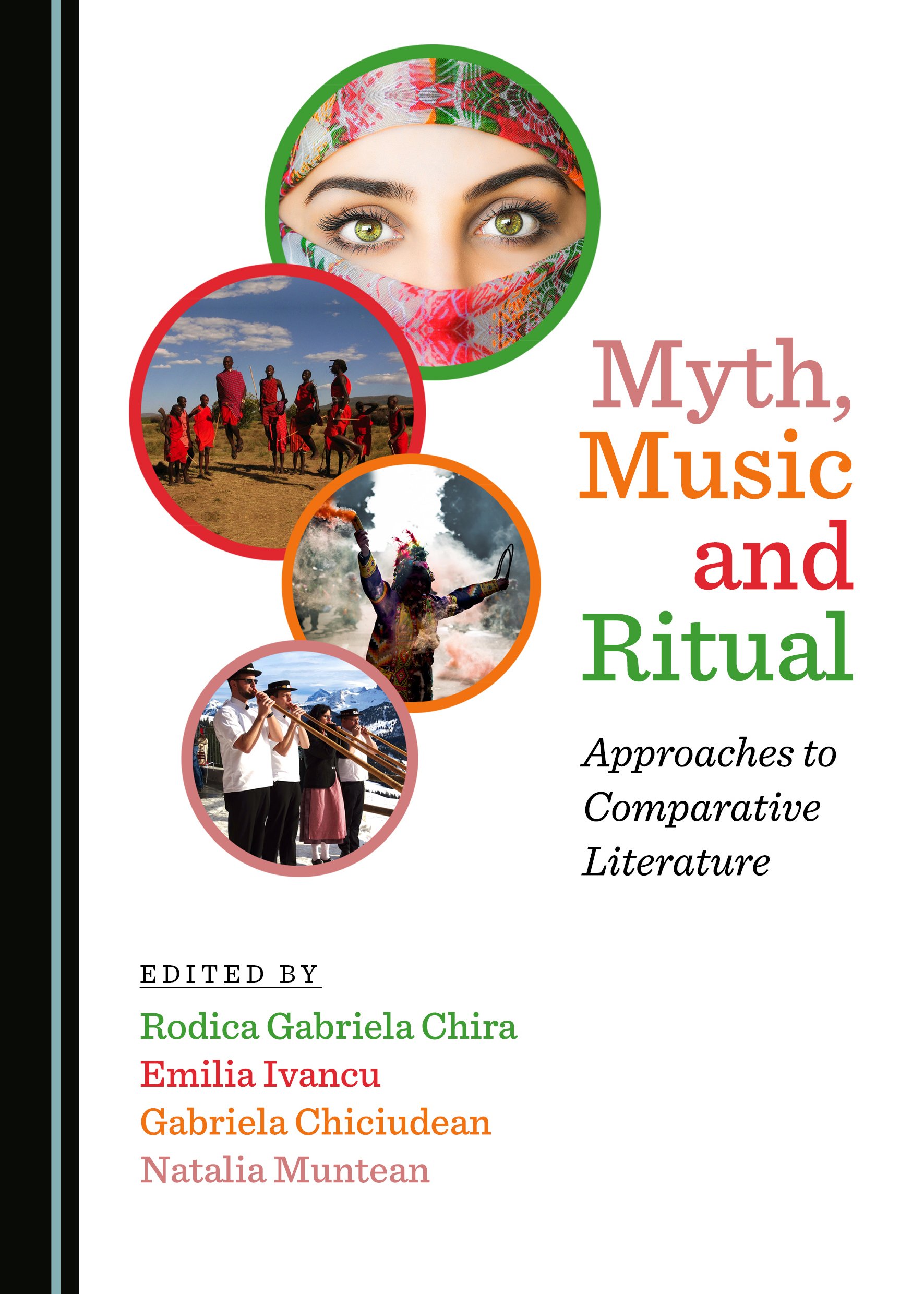
Myth, Music and Ritual
Approaches to Comparative Literature
Divided into two, the essays here consider both myth and some of its contemporary reflections and the connection between myth, music and ritual. Subjects discussed include folklore, literature, traditional music, science-fiction, philosophy, and religion, among others.
Divided into two, the essays here consider both myth and some of its contemporary reflections and the connection between myth, music and ritual. Subjects discussed include folklore, literature, traditional music, science-fiction, philosophy, and religion, among others.
View more
This product has multiple variants. The options may be chosen on the product page
View more
This product has multiple variants. The options may be chosen on the product page
£52.99
The essays collected here explore the dynamics of myths throughout time and space, along with the mythmaking processes in various cultures, literatures and languages, bringing together not only classical myths, but also their contemporary constructions and reconstructions.
The essays collected here explore the dynamics of myths throughout time and space, along with the mythmaking processes in various cultures, literatures and languages, bringing together not only classical myths, but also their contemporary constructions and reconstructions.
View more
This product has multiple variants. The options may be chosen on the product page
Processing Your Order
Please wait while we securely process your order.
Do not refresh or leave this page.
You will be redirected shortly to a confirmation page with your order number.