
View more
This product has multiple variants. The options may be chosen on the product page
From £32.99
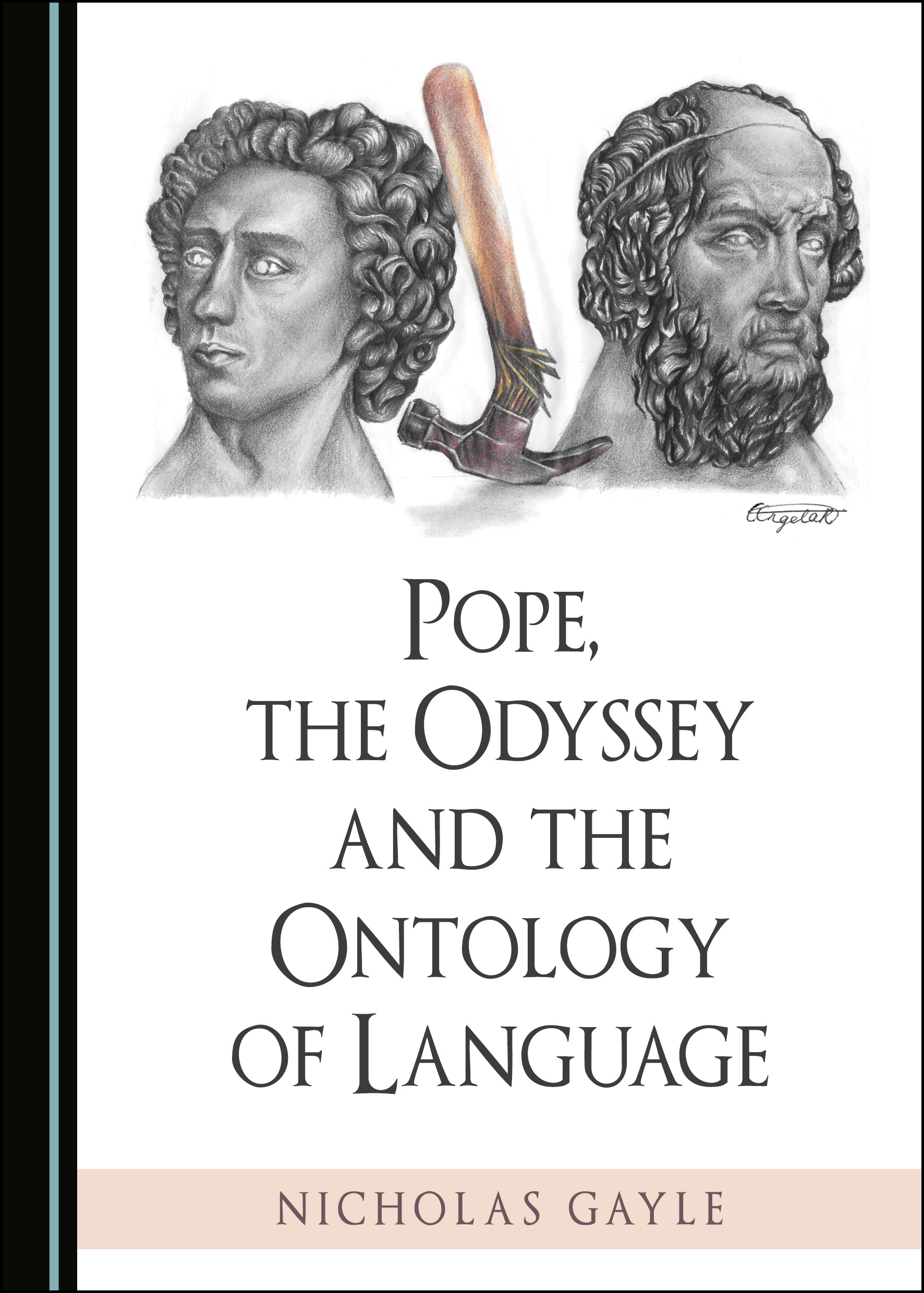
This study examines Pope's translation of the Odyssey through Graham Harman's Object-Oriented Ontology. It explores the poems' figurative language to uncover a withdrawn reality, contrasting it with a sensual world of shimmering objects from the quotidian to the bizarre.
This study examines Pope’s translation of the Odyssey through Graham Harman’s Object-Oriented Ontology. It explores the poems’ figurative language to uncover a withdrawn reality, contrasting it with a sensual world of shimmering objects from the quotidian to the bizarre.
View more
This product has multiple variants. The options may be chosen on the product page
View more
This product has multiple variants. The options may be chosen on the product page
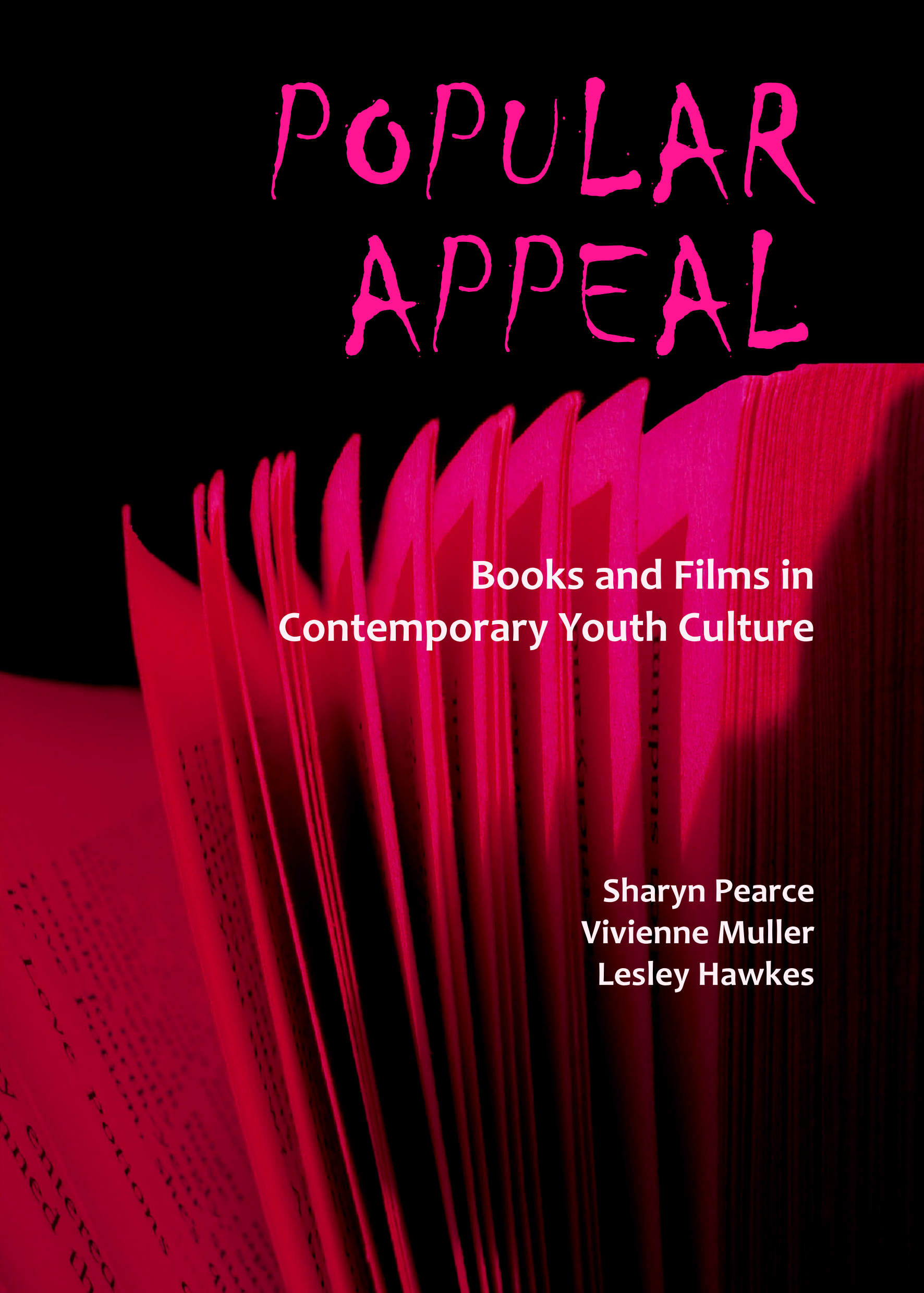
Popular Appeal
Books and Films in Contemporary Youth Culture
In a world of urgent social change, young people are devouring fiction about identity and transition. This book examines how popular genres are being redefined to explore today's key questions about the environment, identity, and our place in a fragile world.
In a world of urgent social change, young people are devouring fiction about identity and transition. This book examines how popular genres are being redefined to explore today’s key questions about the environment, identity, and our place in a fragile world.
View more
This product has multiple variants. The options may be chosen on the product page
View more
This product has multiple variants. The options may be chosen on the product page
£44.99
This collection of essays places women writers in the center of the 19th-century literary marketplace. It showcases how authors like Stowe, Alcott, and Southworth met consumer desires and mastered a burgeoning and anything but genteel industry.
This collection of essays places women writers in the center of the 19th-century literary marketplace. It showcases how authors like Stowe, Alcott, and Southworth met consumer desires and mastered a burgeoning and anything but genteel industry.
View more
This product has multiple variants. The options may be chosen on the product page
View more
This product has multiple variants. The options may be chosen on the product page
Positioning Daniel Defoe’s Non-Fiction
Form, Function, Genre
This volume analyses Daniel Defoe's non-fictional works. Moving away from his much studied novels, these essays explore the rhetorical strategies and generic inventiveness on display, revealing an author of outstanding skill and energy.
This volume analyses Daniel Defoe’s non-fictional works. Moving away from his much studied novels, these essays explore the rhetorical strategies and generic inventiveness on display, revealing an author of outstanding skill and energy.
View more
This product has multiple variants. The options may be chosen on the product page
View more
This product has multiple variants. The options may be chosen on the product page
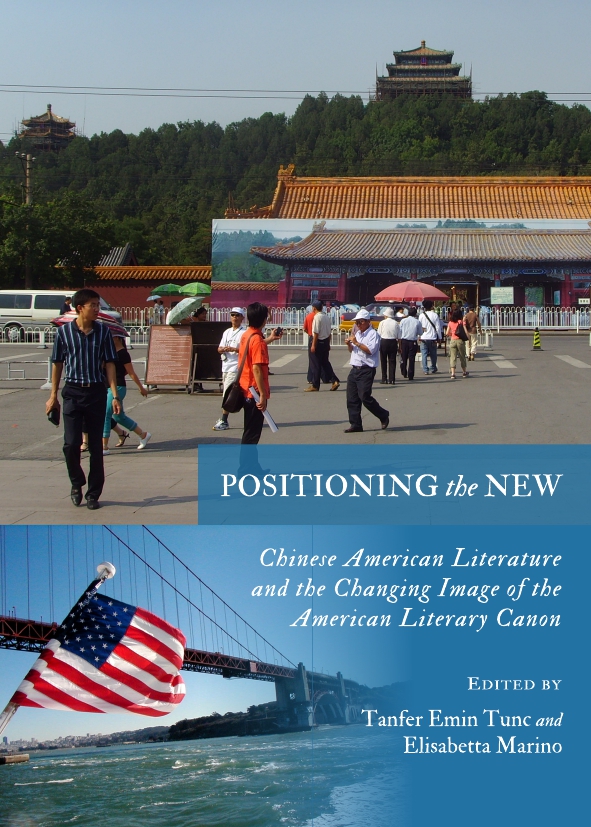
Positioning the New
Chinese American Literature and the Changing Image of the American Literary Canon
This volume explores Chinese American authors' place in the Western literary canon. It questions not only whether this literature is inside or outside the canon, but if a canon should exist at all, probing the by-products of cultural fusion and collision.
This volume explores Chinese American authors’ place in the Western literary canon. It questions not only whether this literature is inside or outside the canon, but if a canon should exist at all, probing the by-products of cultural fusion and collision.
View more
This product has multiple variants. The options may be chosen on the product page
View more
This product has multiple variants. The options may be chosen on the product page
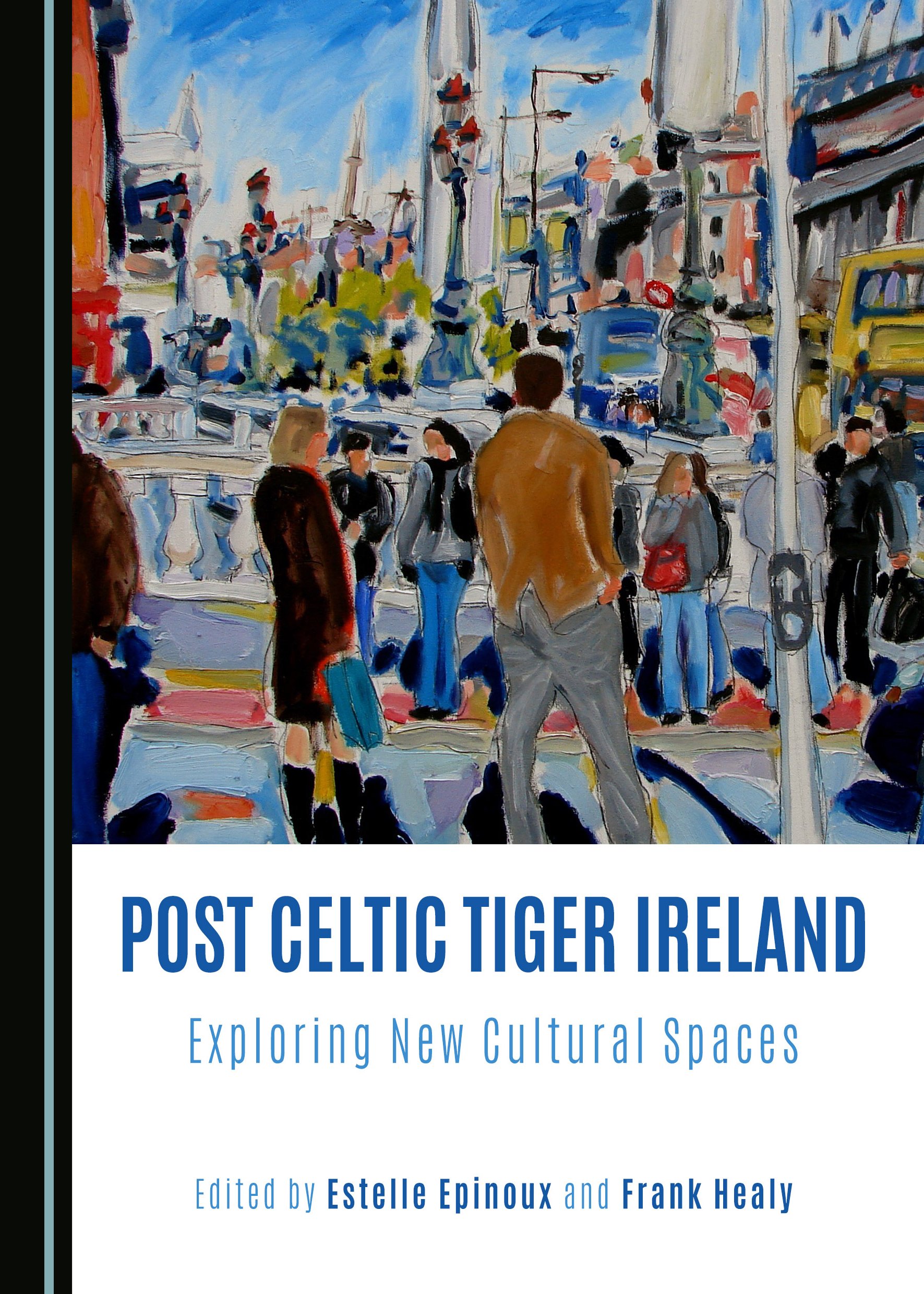
Post Celtic Tiger Ireland
Exploring New Cultural Spaces
This anthology provides the reader with an exploration of various artistic works which grew out of the post-Celtic Tiger era in Ireland. In assessing the aftermath of this period and its impact on Ireland today, the contributors also allude to its future evolution and trends.
This anthology provides the reader with an exploration of various artistic works which grew out of the post-Celtic Tiger era in Ireland. In assessing the aftermath of this period and its impact on Ireland today, the contributors also allude to its future evolution and trends.
View more
This product has multiple variants. The options may be chosen on the product page
View more
This product has multiple variants. The options may be chosen on the product page
Post-Millennial Cultures of Fear in Literature
Fear, Risk and Safety
This volume investigates our contemporary “cultures of fear.” Original articles explore post-millennial works ranging from political fictions and trauma narratives to literary disaster discourses and apocalyptic scenarios, using insights from multiple disciplines.
This volume investigates our contemporary “cultures of fear.” Original articles explore post-millennial works ranging from political fictions and trauma narratives to literary disaster discourses and apocalyptic scenarios, using insights from multiple disciplines.
View more
This product has multiple variants. The options may be chosen on the product page
View more
This product has multiple variants. The options may be chosen on the product page
Post-National Enquiries
Essays on Ethnic and Racial Border Crossings
These studies address cultural narratives of border crossings in Europe and the United States. The essays show how the migrant challenges the view that people belong to one nation-state, exploring race, whiteness, and ethnic identity in fiction and cinema.
These studies address cultural narratives of border crossings in Europe and the United States. The essays show how the migrant challenges the view that people belong to one nation-state, exploring race, whiteness, and ethnic identity in fiction and cinema.
View more
This product has multiple variants. The options may be chosen on the product page
View more
This product has multiple variants. The options may be chosen on the product page
Post/modern Dracula
From Victorian Themes to Postmodern Praxis
This collection explores the postmodern in Bram Stoker’s Victorian novel and the Victorian in Francis Ford Coppola’s film, demonstrating how the century separating them binds more than it divides. These essays reveal why Dracula remains forever post/modern.
This collection explores the postmodern in Bram Stoker’s Victorian novel and the Victorian in Francis Ford Coppola’s film, demonstrating how the century separating them binds more than it divides. These essays reveal why Dracula remains forever post/modern.
View more
This product has multiple variants. The options may be chosen on the product page
View more
This product has multiple variants. The options may be chosen on the product page
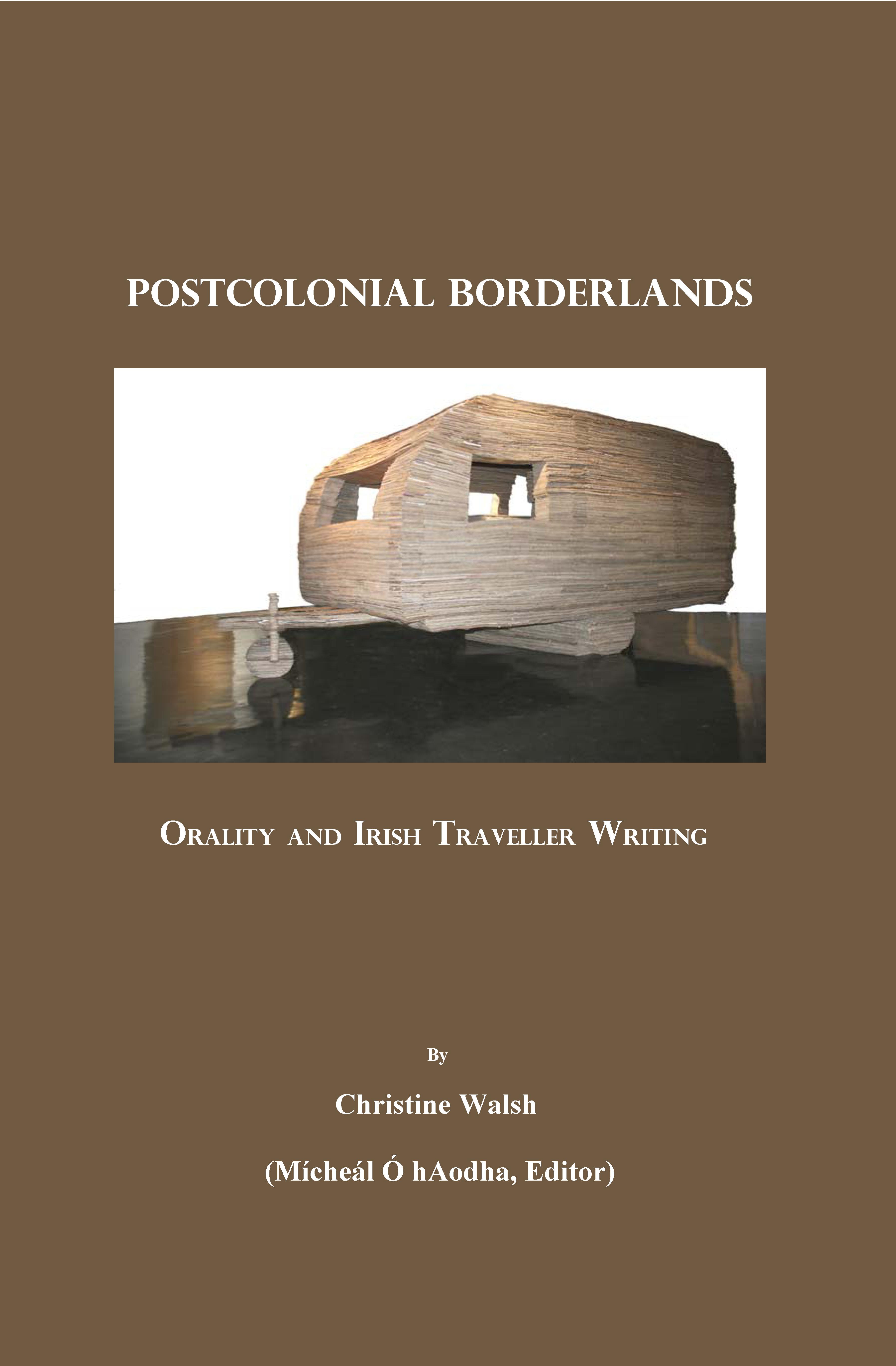
Postcolonial Borderlands
Orality and Irish Traveller Writing
This volume explores the marginalization of Irish Travellers. Focusing on two autobiographies, it reveals the seminal role of storytelling in creating a sense of nationhood and a legitimate sense of belonging for a people excluded to society’s margins.
This volume explores the marginalization of Irish Travellers. Focusing on two autobiographies, it reveals the seminal role of storytelling in creating a sense of nationhood and a legitimate sense of belonging for a people excluded to society’s margins.
View more
This product has multiple variants. The options may be chosen on the product page
View more
This product has multiple variants. The options may be chosen on the product page
From £32.99
This book introduces “postcolonial soliloquies” as a new way to analyze West African literature. Using the theory of “dialogue” to explore history, culture, and identity, it shows how the novels of T. Obinkaram Echewa redraw the boundaries of colonial history.
This book introduces “postcolonial soliloquies” as a new way to analyze West African literature. Using the theory of “dialogue” to explore history, culture, and identity, it shows how the novels of T. Obinkaram Echewa redraw the boundaries of colonial history.
View more
This product has multiple variants. The options may be chosen on the product page
View more
This product has multiple variants. The options may be chosen on the product page
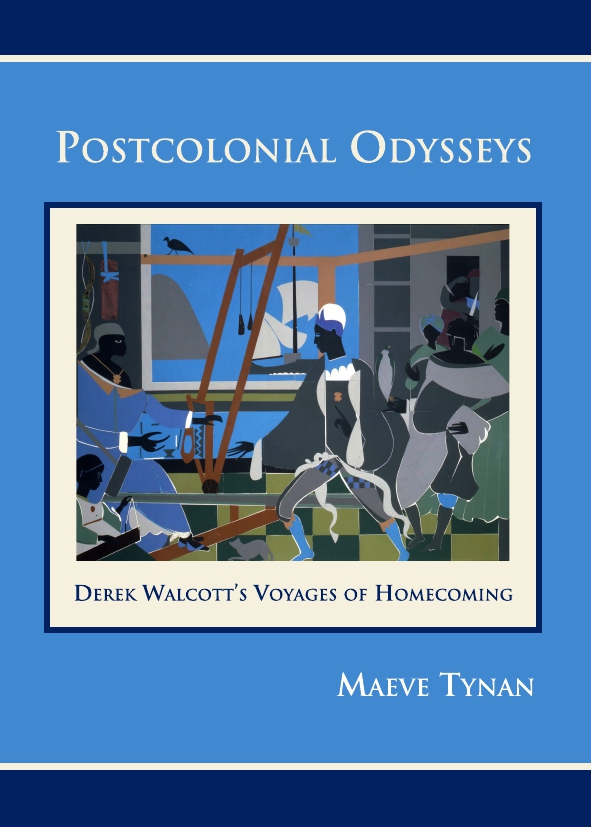
Postcolonial Odysseys
Derek Walcott’s Voyages of Homecoming
This study charts Derek Walcott's postcolonial voyage through Homer's *Odyssey*. It explores the tension between the outward journey and the homecoming, revealing how a modern master can reclaim and transform an ancient epic.
This study charts Derek Walcott’s postcolonial voyage through Homer’s *Odyssey*. It explores the tension between the outward journey and the homecoming, revealing how a modern master can reclaim and transform an ancient epic.
View more
This product has multiple variants. The options may be chosen on the product page
View more
This product has multiple variants. The options may be chosen on the product page
From £32.99
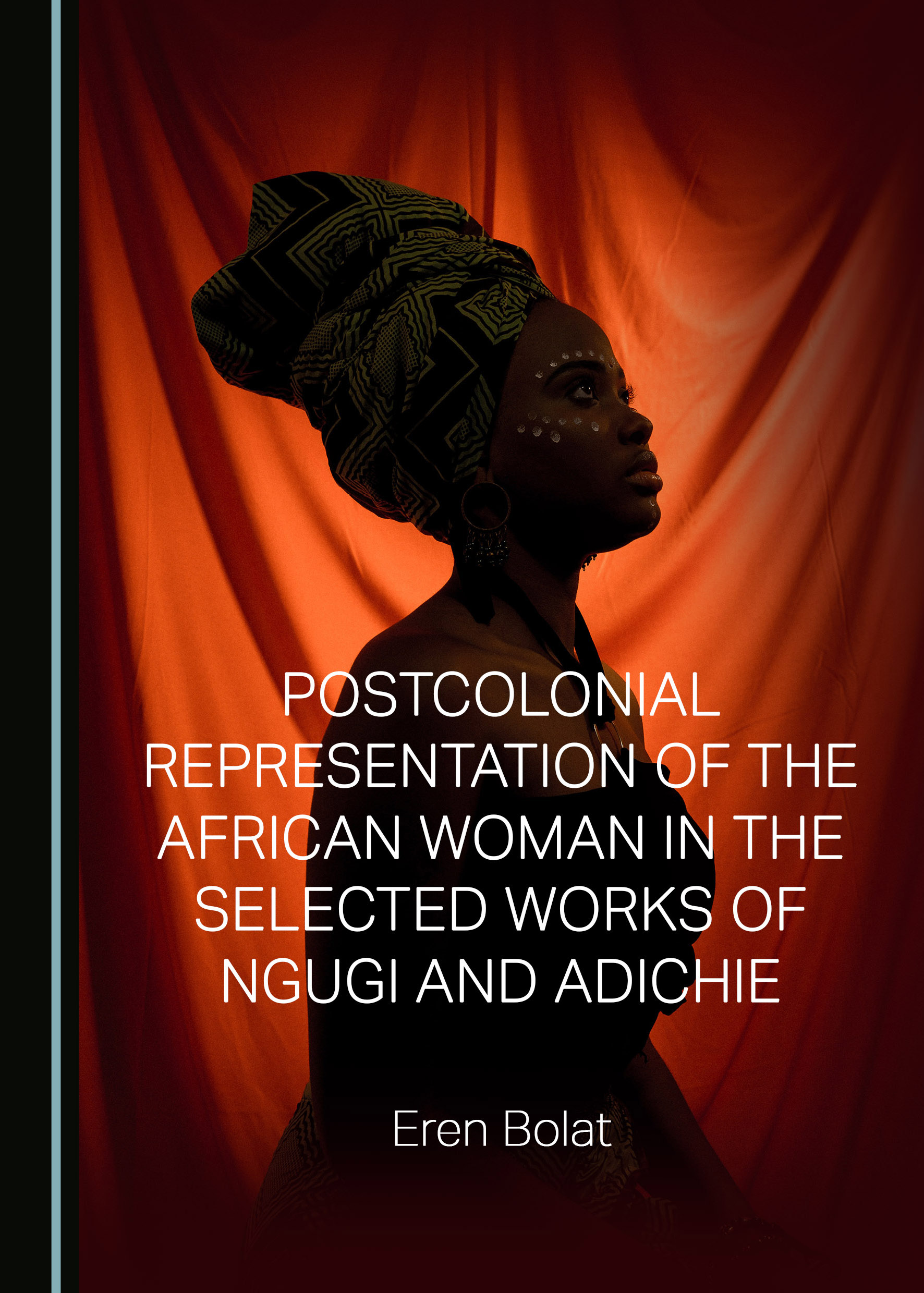
Postcolonial African women have often been represented as weak, subaltern, and speechless. This book shows how Ngugi and Adichie’s novels break from these clichés, depicting the African woman in a versatile and powerful way.
Postcolonial African women have often been represented as weak, subaltern, and speechless. This book shows how Ngugi and Adichie’s novels break from these clichés, depicting the African woman in a versatile and powerful way.
View more
This product has multiple variants. The options may be chosen on the product page
View more
This product has multiple variants. The options may be chosen on the product page
Postcolonial Slavery
An Overview of Colonialism’s Legacy
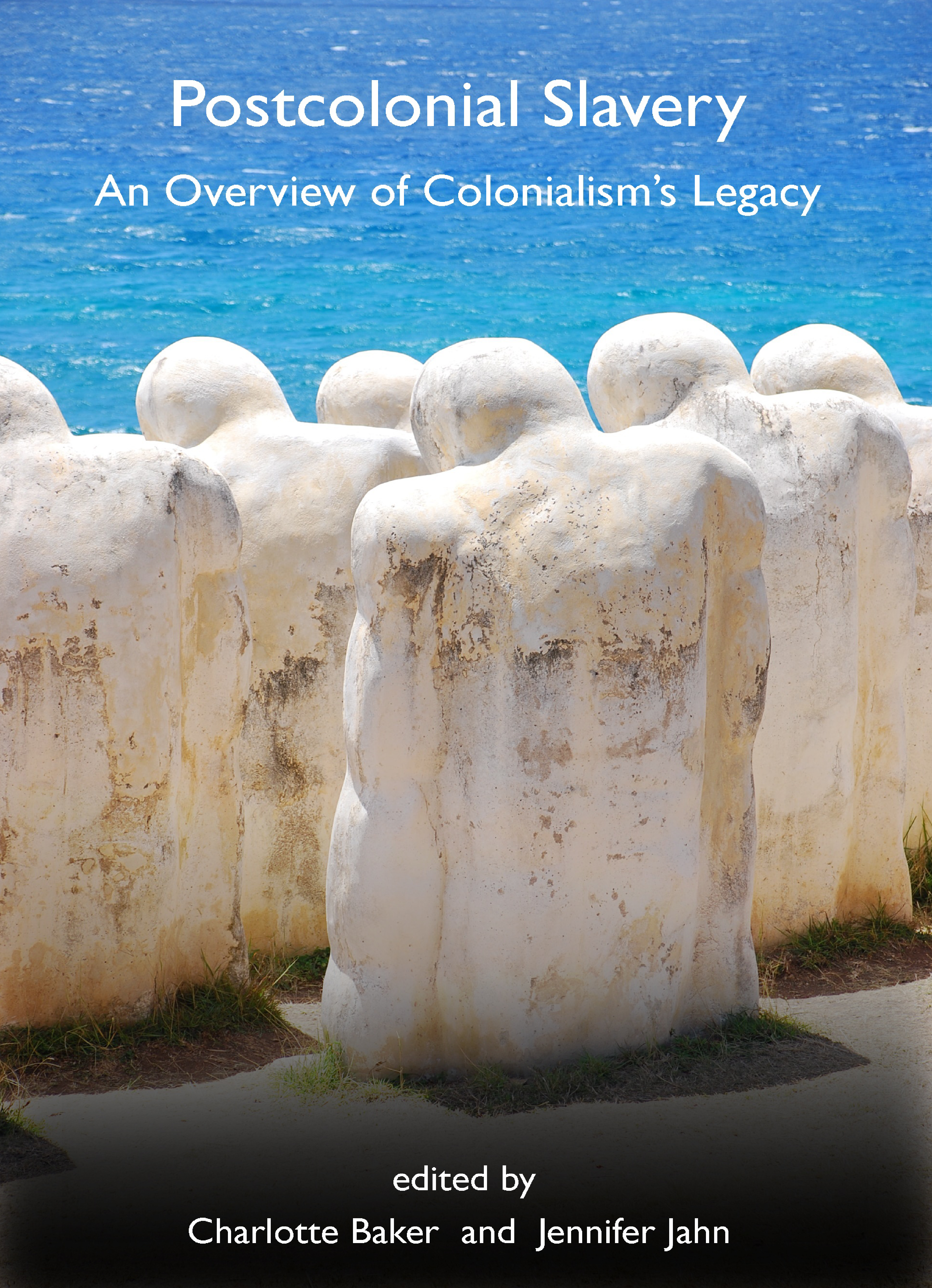
Foregrounding the material realities of slavery, these essays explore its legacies and the defiant resistance of runaway slaves, challenging the marginalization of colonial history.
Foregrounding the material realities of slavery, these essays explore its legacies and the defiant resistance of runaway slaves, challenging the marginalization of colonial history.
View more
This product has multiple variants. The options may be chosen on the product page
View more
This product has multiple variants. The options may be chosen on the product page
Postcolonialism
South/African Perspectives
Can literature recenter postcolonial studies? Through a South African lens, these essays move beyond theory to the subjective power of literary texts, challenging us to see our interconnected worlds anew.
Can literature recenter postcolonial studies? Through a South African lens, these essays move beyond theory to the subjective power of literary texts, challenging us to see our interconnected worlds anew.
View more
This product has multiple variants. The options may be chosen on the product page
View more
This product has multiple variants. The options may be chosen on the product page
Postcolonialism and African Women’s Identity
Emecheta's Second-Class Citizen
This book explores African women’s identity in Buchi Emecheta's novel Second-Class Citizen from a feminist viewpoint. It critically analyzes how hybridity, race, and gender roles shape narratives of resistance, internalized oppression, and the struggle for selfhood.
This book explores African women’s identity in Buchi Emecheta’s novel Second-Class Citizen from a feminist viewpoint. It critically analyzes how hybridity, race, and gender roles shape narratives of resistance, internalized oppression, and the struggle for selfhood.
View more
This product has multiple variants. The options may be chosen on the product page
View more
This product has multiple variants. The options may be chosen on the product page
£72.99
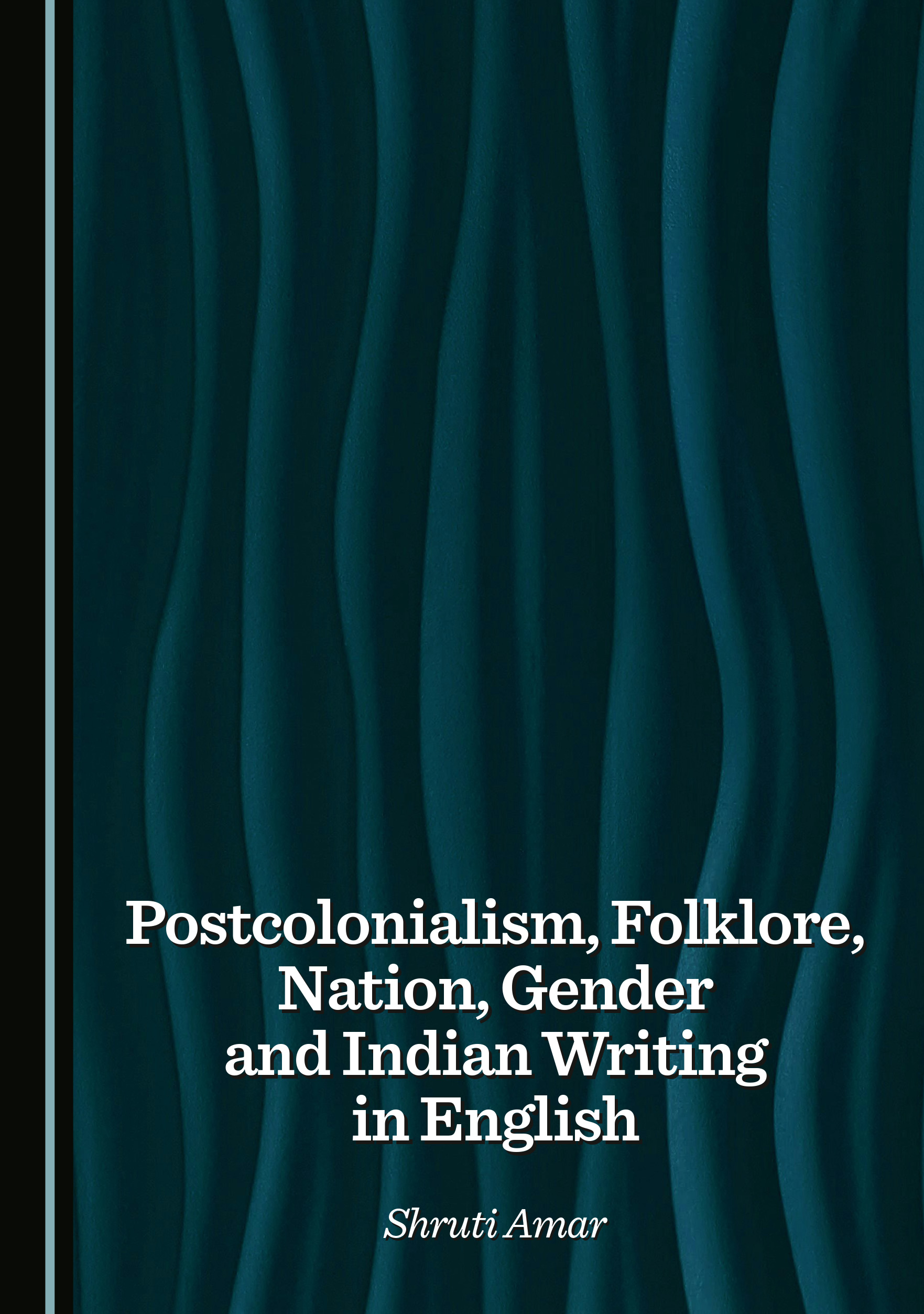
This book investigates how myth and folklore in Indian fiction are paradoxically used to generate new modes of writing. It explores this stylistic innovation, the use of an 'oral narrative style', and the relationship between women and folklore in South Asian tradition.
This book investigates how myth and folklore in Indian fiction are paradoxically used to generate new modes of writing. It explores this stylistic innovation, the use of an ‘oral narrative style’, and the relationship between women and folklore in South Asian tradition.
View more
This product has multiple variants. The options may be chosen on the product page
View more
This product has multiple variants. The options may be chosen on the product page
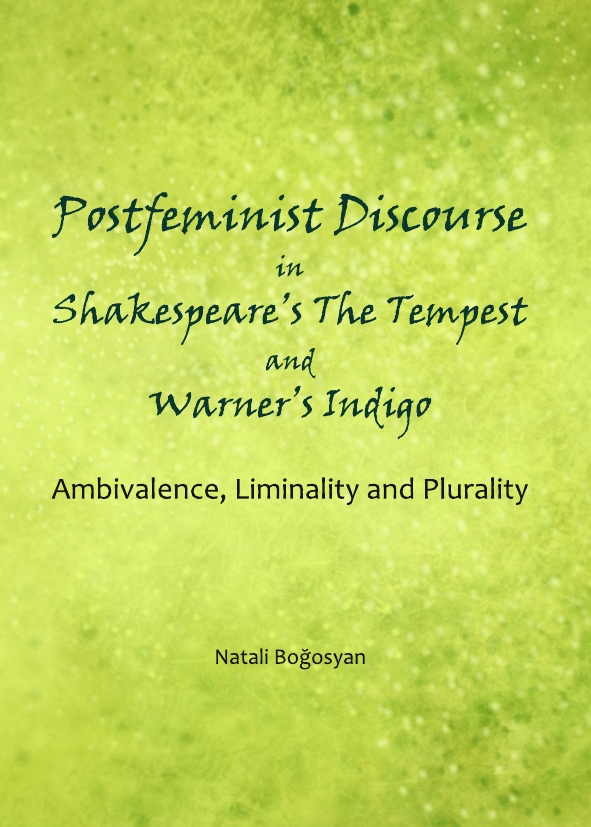
Postfeminist Discourse in Shakespeare’s The Tempest and Warner’s Indigo
Ambivalence, Liminality and Plurality
A comparative study of Shakespeare’s The Tempest and Marina Warner’s rewriting, Indigo. Focusing on femininity and the other, this analysis explores ambivalence, liminality, and plurality in postfeminist and post-colonial contexts.
A comparative study of Shakespeare’s The Tempest and Marina Warner’s rewriting, Indigo. Focusing on femininity and the other, this analysis explores ambivalence, liminality, and plurality in postfeminist and post-colonial contexts.
View more
This product has multiple variants. The options may be chosen on the product page
View more
This product has multiple variants. The options may be chosen on the product page
From £34.99
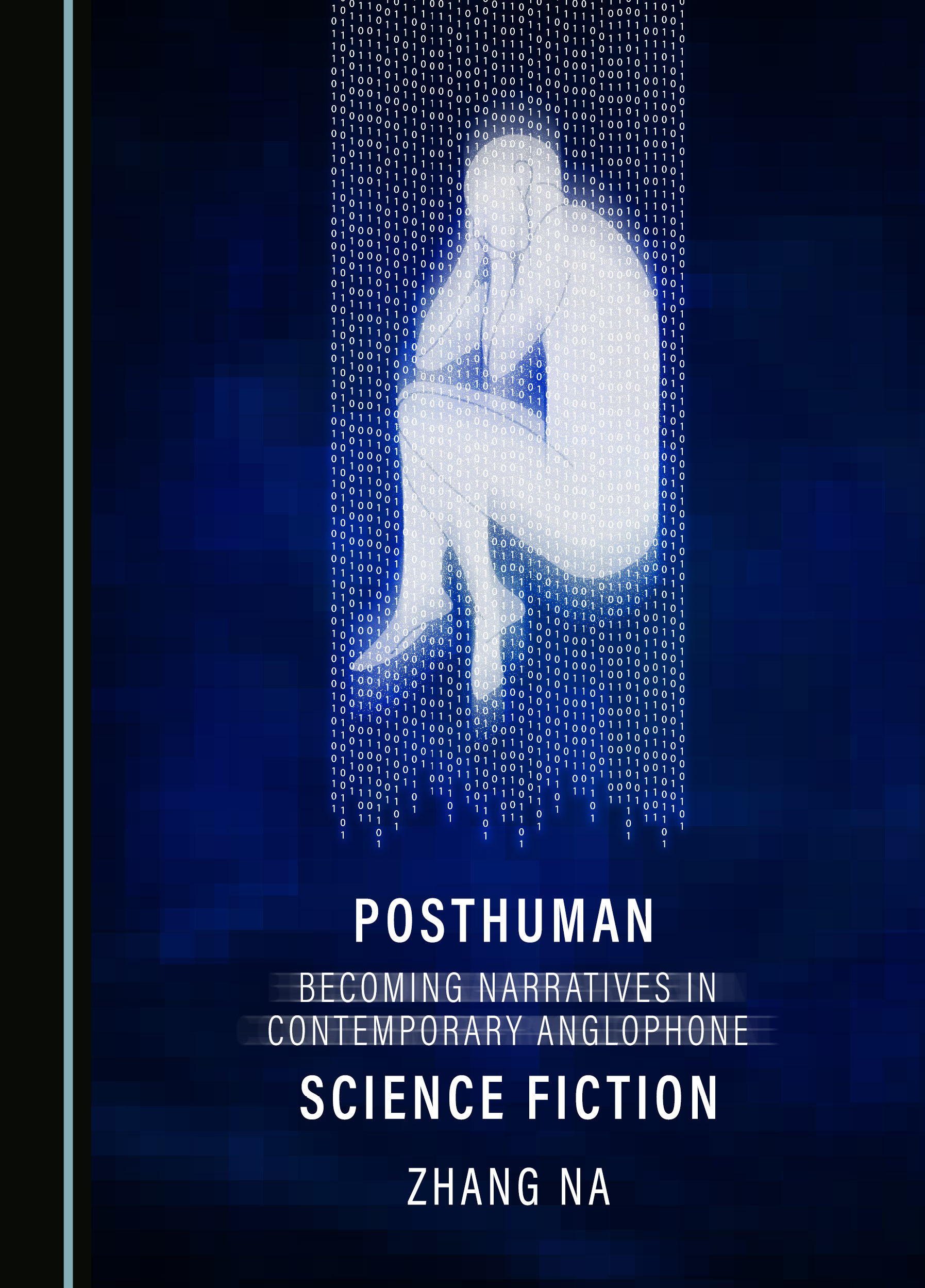
This book explores the integration of narratology with posthumanism by examining decades of science fiction. It shows that the posthuman, rather than posing a threat, proves to be the companion and savior of human beings, whose sacrifice brings humanity back to a chaotic world.
This book explores the integration of narratology with posthumanism by examining decades of science fiction. It shows that the posthuman, rather than posing a threat, proves to be the companion and savior of human beings, whose sacrifice brings humanity back to a chaotic world.
View more
This product has multiple variants. The options may be chosen on the product page
View more
This product has multiple variants. The options may be chosen on the product page
From £32.99
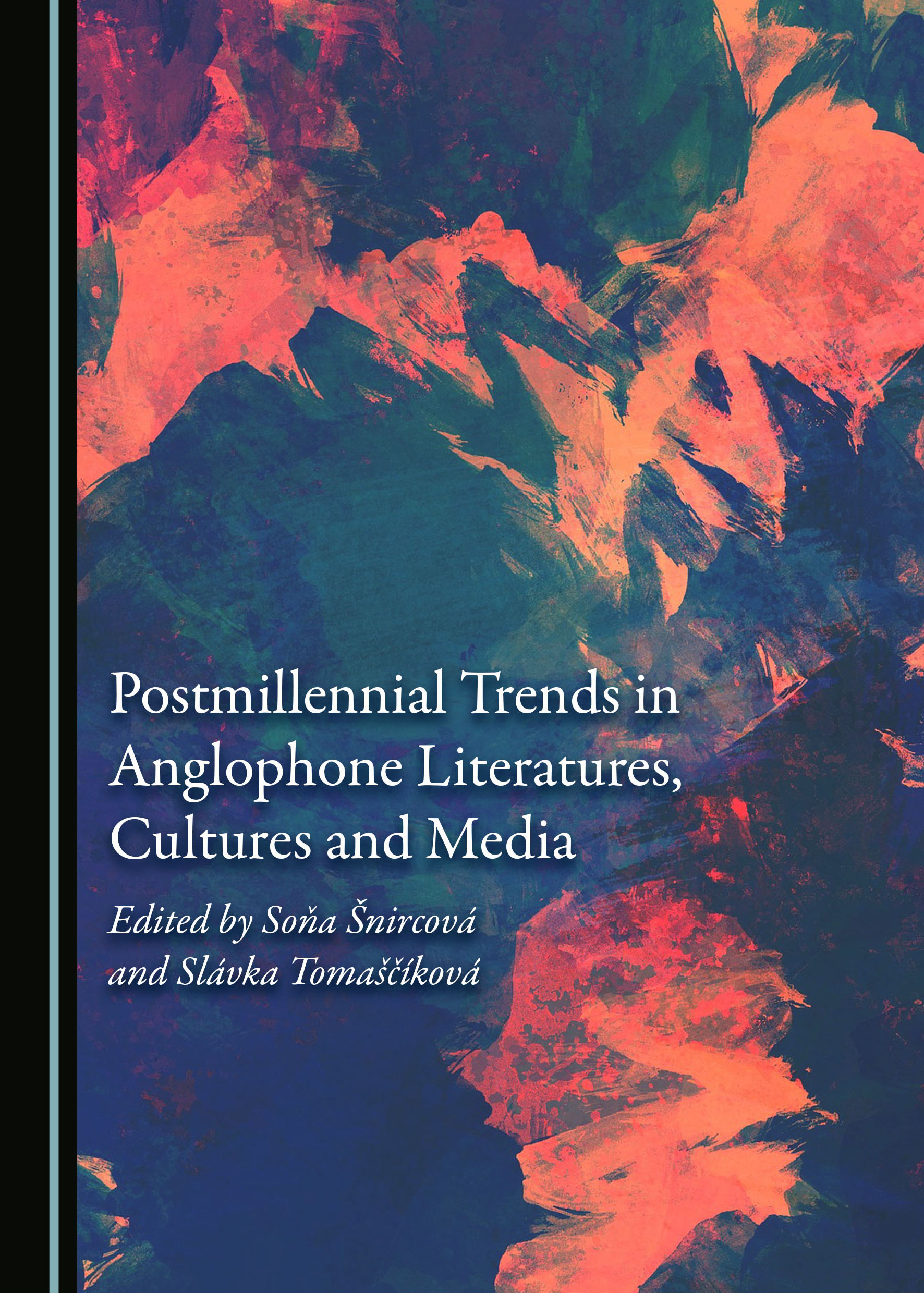
Drawing on contemporary developments in cultural studies, the papers in this anthology cover multiple forms and genres—including novels, films, documentaries, magazines, and commercials— in order to shed light on new sensibilities in postmillennial texts and media.
Drawing on contemporary developments in cultural studies, the papers in this anthology cover multiple forms and genres—including novels, films, documentaries, magazines, and commercials— in order to shed light on new sensibilities in postmillennial texts and media.
View more
This product has multiple variants. The options may be chosen on the product page
Processing Your Order
Please wait while we securely process your order.
Do not refresh or leave this page.
You will be redirected shortly to a confirmation page with your order number.