
View more
This product has multiple variants. The options may be chosen on the product page
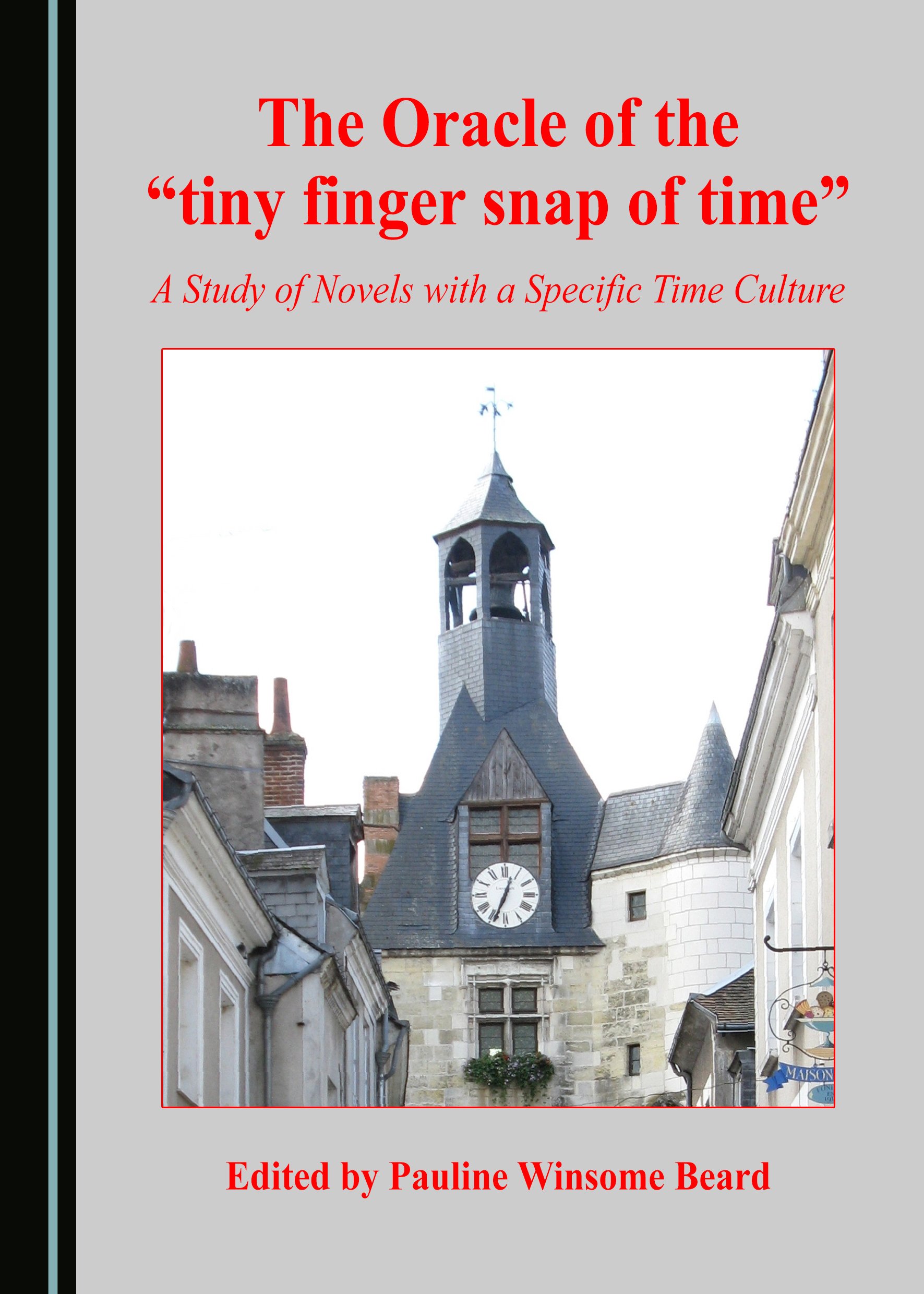
The Oracle of the “tiny finger snap of time”
A Study of Novels with a Specific Time Culture
This unique collection of essays explores the use of time in the novel. Writers analyze novels and one film within specific time cultures, covering concepts from inner, felt, and cosmic time to time running backwards, hinting at the future of the novel.
This unique collection of essays explores the use of time in the novel. Writers analyze novels and one film within specific time cultures, covering concepts from inner, felt, and cosmic time to time running backwards, hinting at the future of the novel.
View more
This product has multiple variants. The options may be chosen on the product page
View more
This product has multiple variants. The options may be chosen on the product page
£64.99
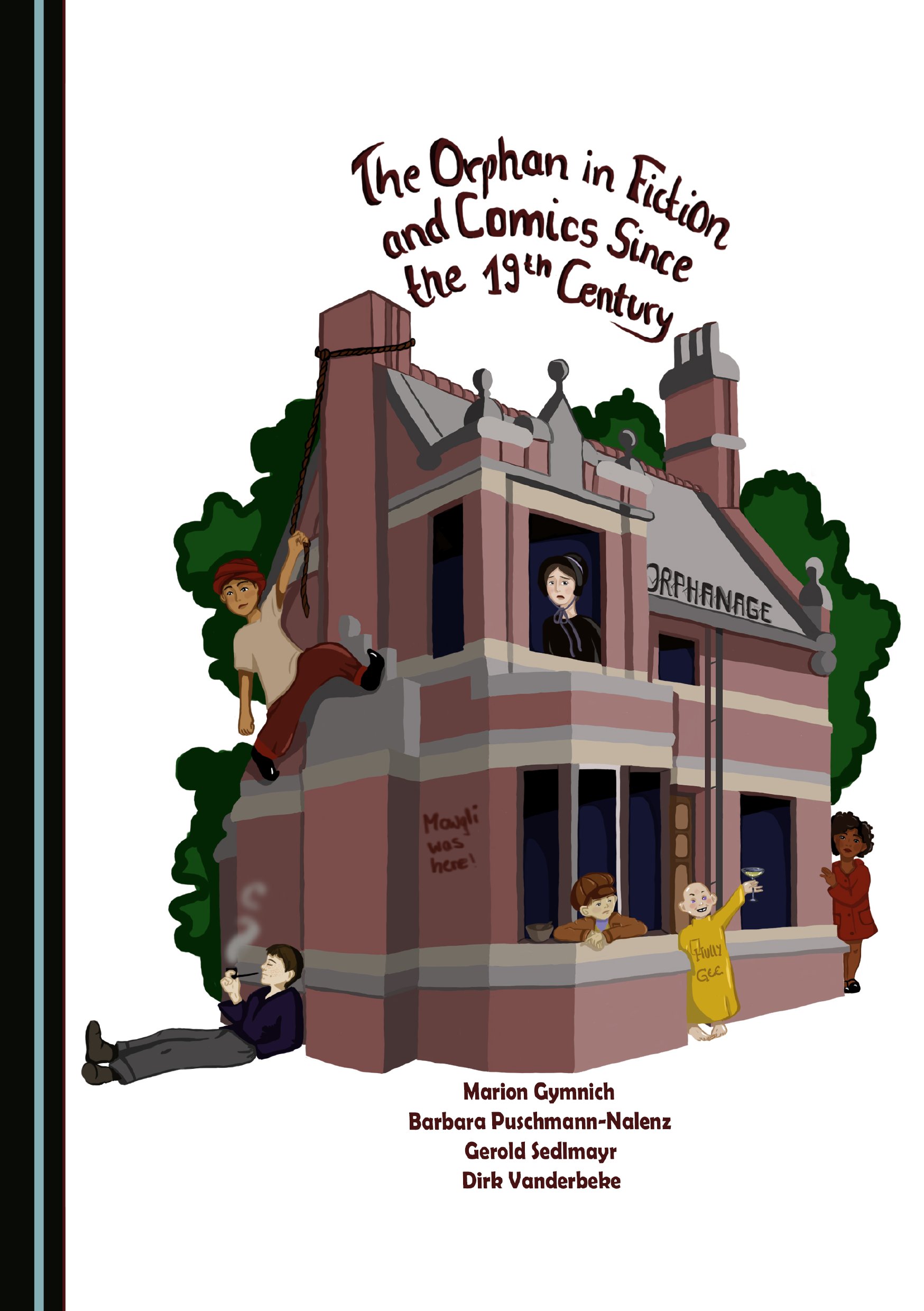
The orphan has turned out to be an extraordinarily versatile literary figure. By juxtaposing diverse fictional representations of orphans, this volume sheds light on the development of cultural concepts such as childhood, family, parental legacy, individualism, and charity.
The orphan has turned out to be an extraordinarily versatile literary figure. By juxtaposing diverse fictional representations of orphans, this volume sheds light on the development of cultural concepts such as childhood, family, parental legacy, individualism, and charity.
View more
This product has multiple variants. The options may be chosen on the product page
View more
This product has multiple variants. The options may be chosen on the product page
The Orpheus Myth in Milton’s “L’Allegro”, “Il Penseroso”, and “Lycidas”
A Peircean Reading
This study uncovers the Orpheus myth as the key to Milton's early poems, triggering their opposing voices and framing the profound journey from innocence to enlightenment.
This study uncovers the Orpheus myth as the key to Milton’s early poems, triggering their opposing voices and framing the profound journey from innocence to enlightenment.
View more
This product has multiple variants. The options may be chosen on the product page
View more
This product has multiple variants. The options may be chosen on the product page
The Other India
Narratives of Terror, Communalism and Violence
This book explores how identities and belonging are constructed in postcolonial India. Examining various texts and movies, it discusses how the nation is plagued by communal politics and terrorism, and offers a cogent alternative for creating solidarity.
This book explores how identities and belonging are constructed in postcolonial India. Examining various texts and movies, it discusses how the nation is plagued by communal politics and terrorism, and offers a cogent alternative for creating solidarity.
View more
This product has multiple variants. The options may be chosen on the product page
View more
This product has multiple variants. The options may be chosen on the product page
From £29.99
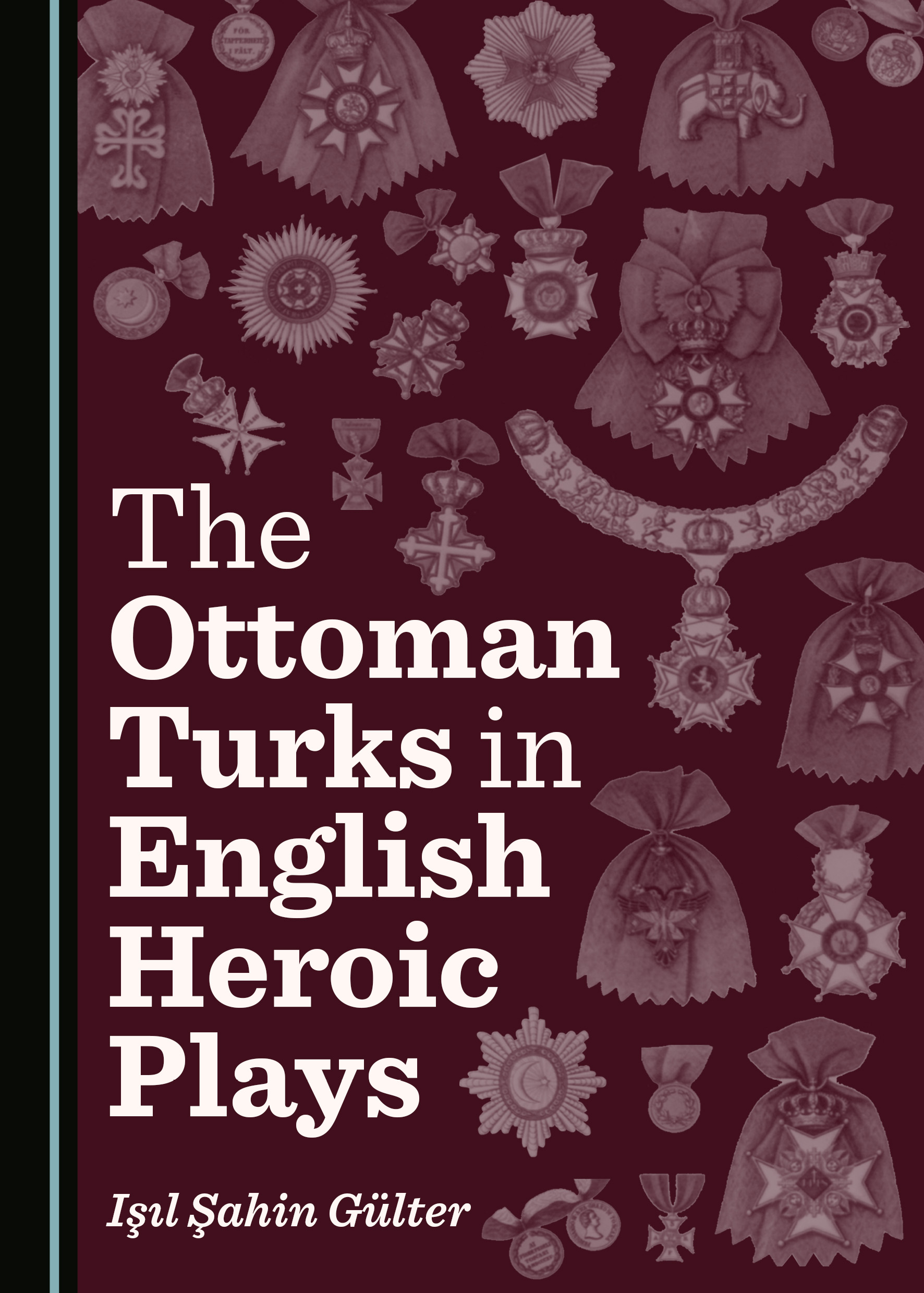
This book challenges the view of Restoration drama as purely domestic. It reveals how heroic plays used stereotypes of the Ottoman Turks to dramatize England's own revolution, regicide, and restoration, while shaping an emerging British imperial ideology.
This book challenges the view of Restoration drama as purely domestic. It reveals how heroic plays used stereotypes of the Ottoman Turks to dramatize England’s own revolution, regicide, and restoration, while shaping an emerging British imperial ideology.
View more
This product has multiple variants. The options may be chosen on the product page
View more
This product has multiple variants. The options may be chosen on the product page
From £30.99
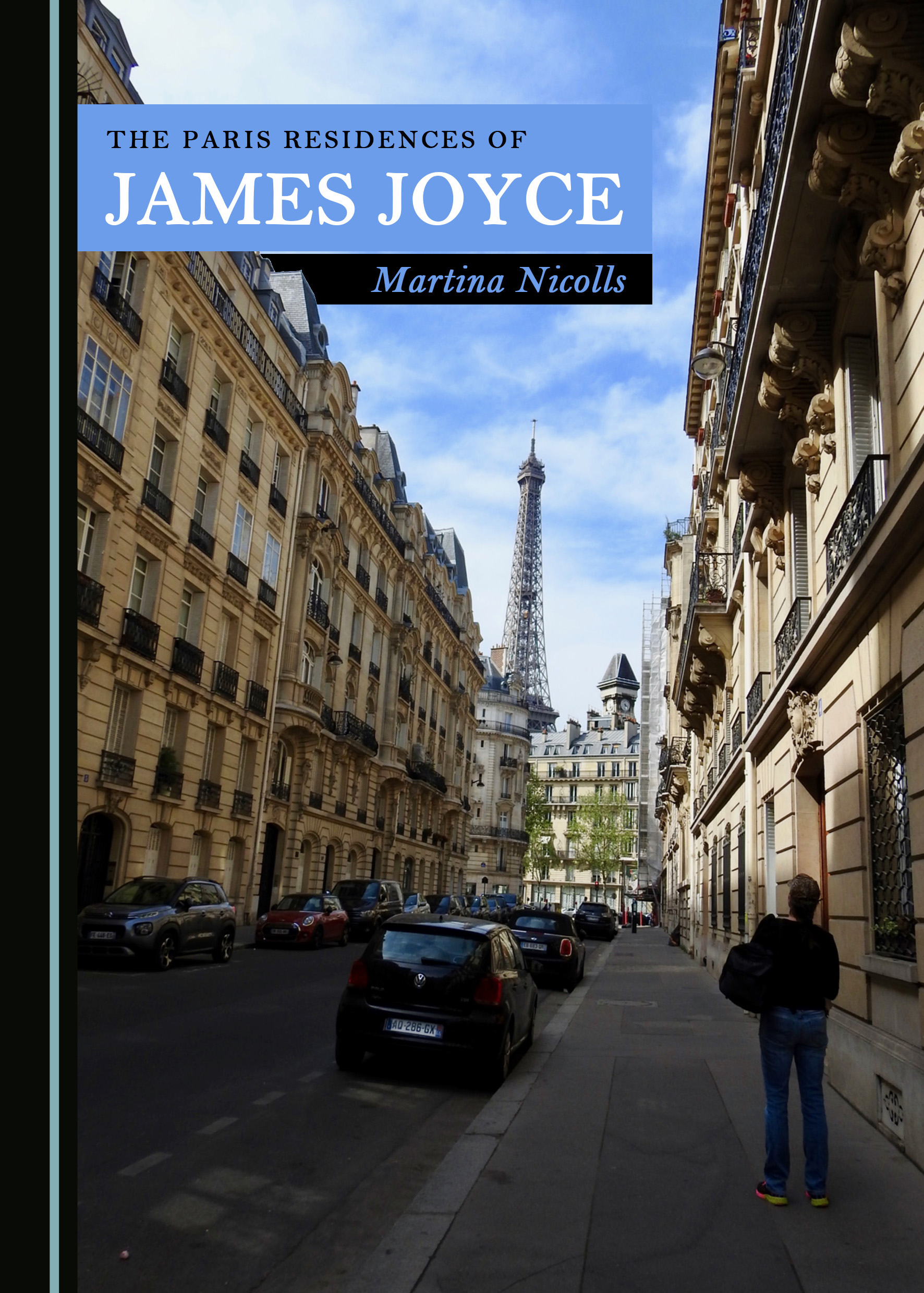
A narrative and photographic journey of the 18 hotels and apartments where James Joyce lived in 1920s-30s Paris. Arriving to finish Ulysses, he stayed for 20 years. This guide provides new insights into his life, based on the changing locations of his residences.
A narrative and photographic journey of the 18 hotels and apartments where James Joyce lived in 1920s-30s Paris. Arriving to finish Ulysses, he stayed for 20 years. This guide provides new insights into his life, based on the changing locations of his residences.
View more
This product has multiple variants. The options may be chosen on the product page
View more
This product has multiple variants. The options may be chosen on the product page
The Partition of India
Beyond Improbable Lines
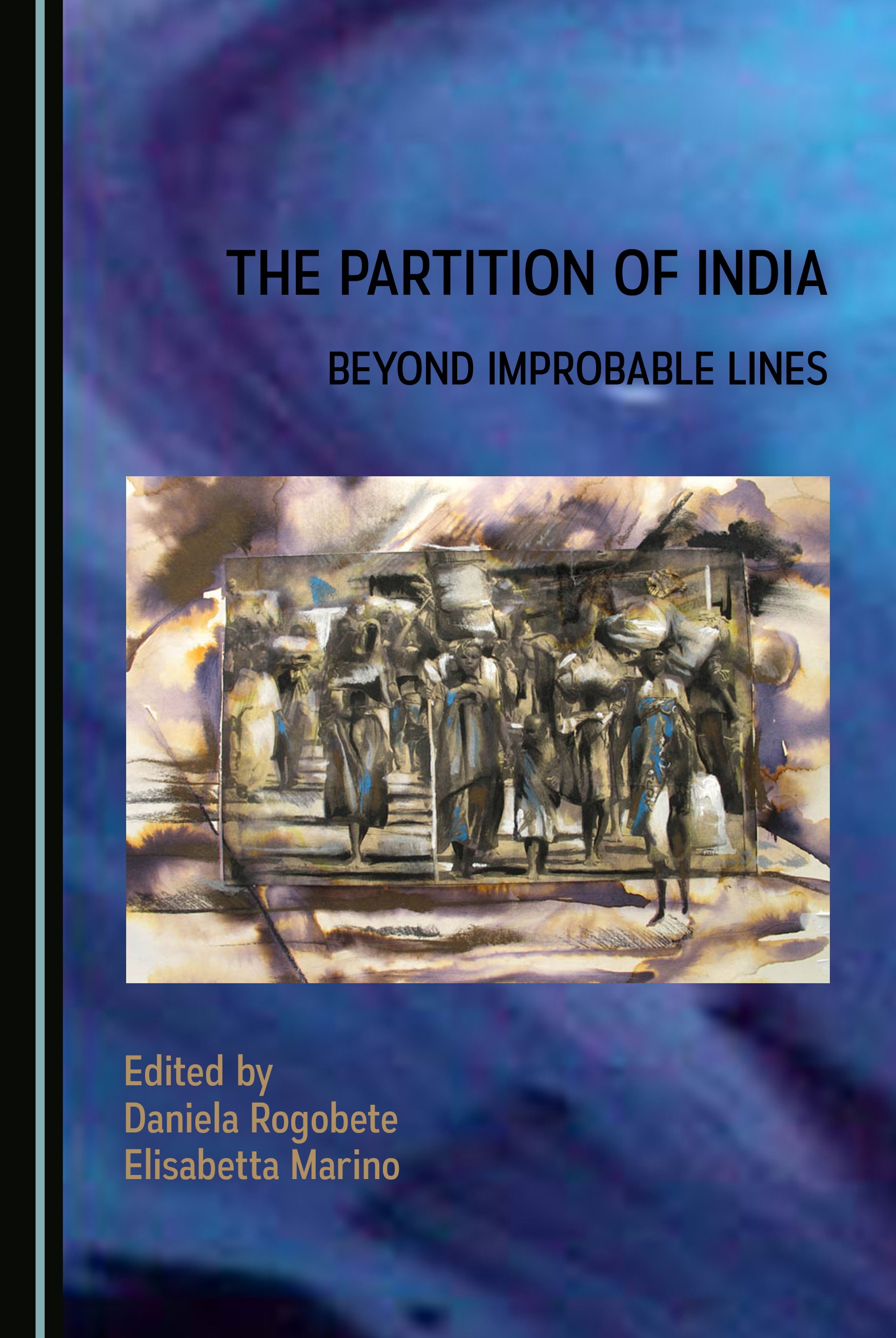
This anthology considers the representation of one of the most traumatic events in the history of India―the 1947 Partition―in literature and cinematographic adaptations. It discusses various strategies of representation at work in the process of remembering Partition.
This anthology considers the representation of one of the most traumatic events in the history of India―the 1947 Partition―in literature and cinematographic adaptations. It discusses various strategies of representation at work in the process of remembering Partition.
View more
This product has multiple variants. The options may be chosen on the product page
View more
This product has multiple variants. The options may be chosen on the product page
The Peak Time of Entertainment in China
A Study of the Jiaofang during the Tang Dynasty (618-907 AD)
This detailed study of the Tang Dynasty entertainment system covers institutions of the government and city commoners. The book clarifies confusion with the later Song Dynasty and resolves the question of the origin of Ci in ancient Chinese art and literature.
This detailed study of the Tang Dynasty entertainment system covers institutions of the government and city commoners. The book clarifies confusion with the later Song Dynasty and resolves the question of the origin of Ci in ancient Chinese art and literature.
View more
This product has multiple variants. The options may be chosen on the product page
View more
This product has multiple variants. The options may be chosen on the product page
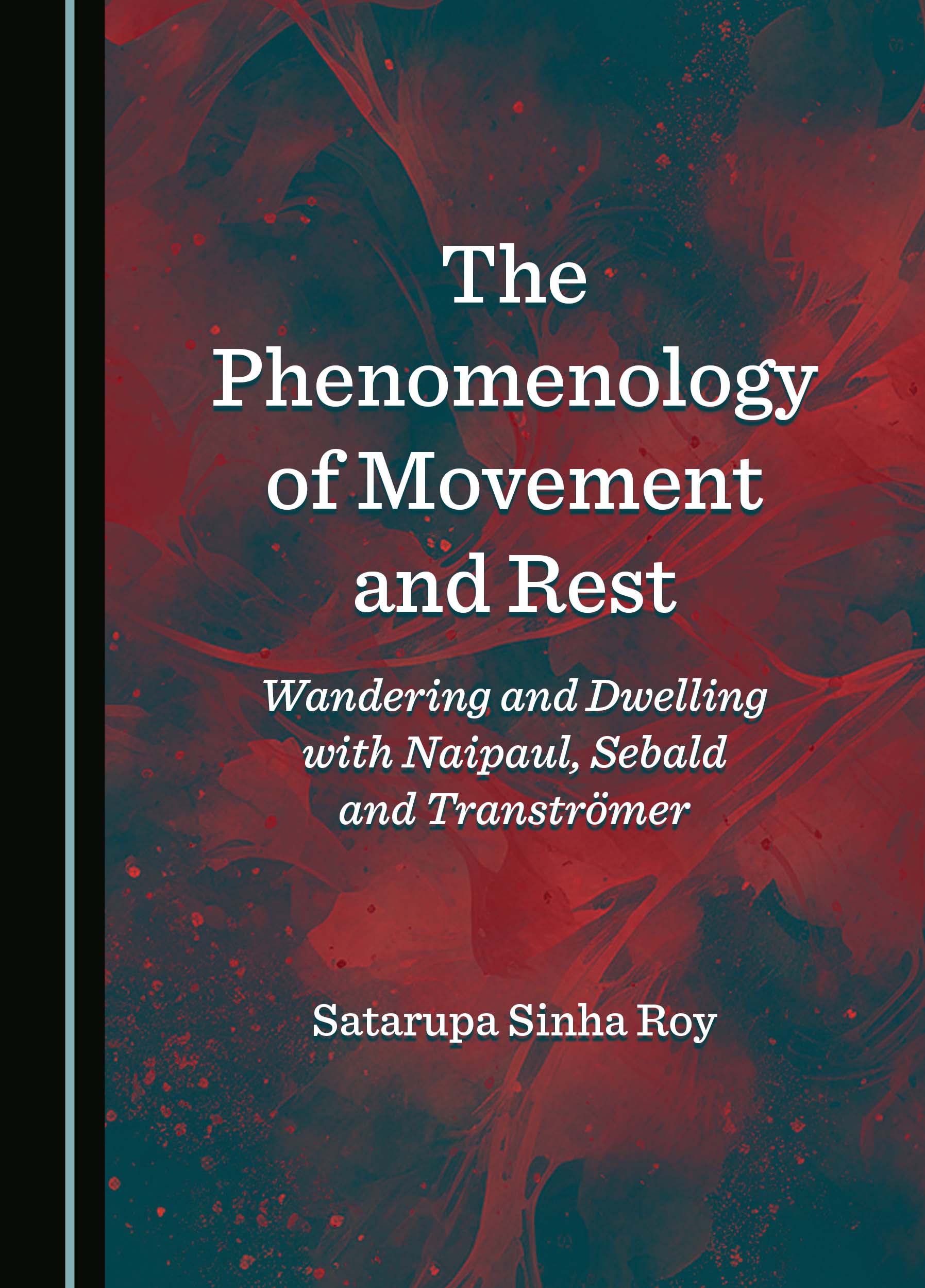
The Phenomenology of Movement and Rest
Wandering and Dwelling with Naipaul, Sebald and Tranströmer
This book is a phenomenological exploration of wandering and dwelling in the works of V. S. Naipaul, W. G. Sebald, and T. G. Tranströmer. It is the first study of their common engagement with the existential themes of movement and rest, which testify to our primal human desires.
This book is a phenomenological exploration of wandering and dwelling in the works of V. S. Naipaul, W. G. Sebald, and T. G. Tranströmer. It is the first study of their common engagement with the existential themes of movement and rest, which testify to our primal human desires.
View more
This product has multiple variants. The options may be chosen on the product page
View more
This product has multiple variants. The options may be chosen on the product page
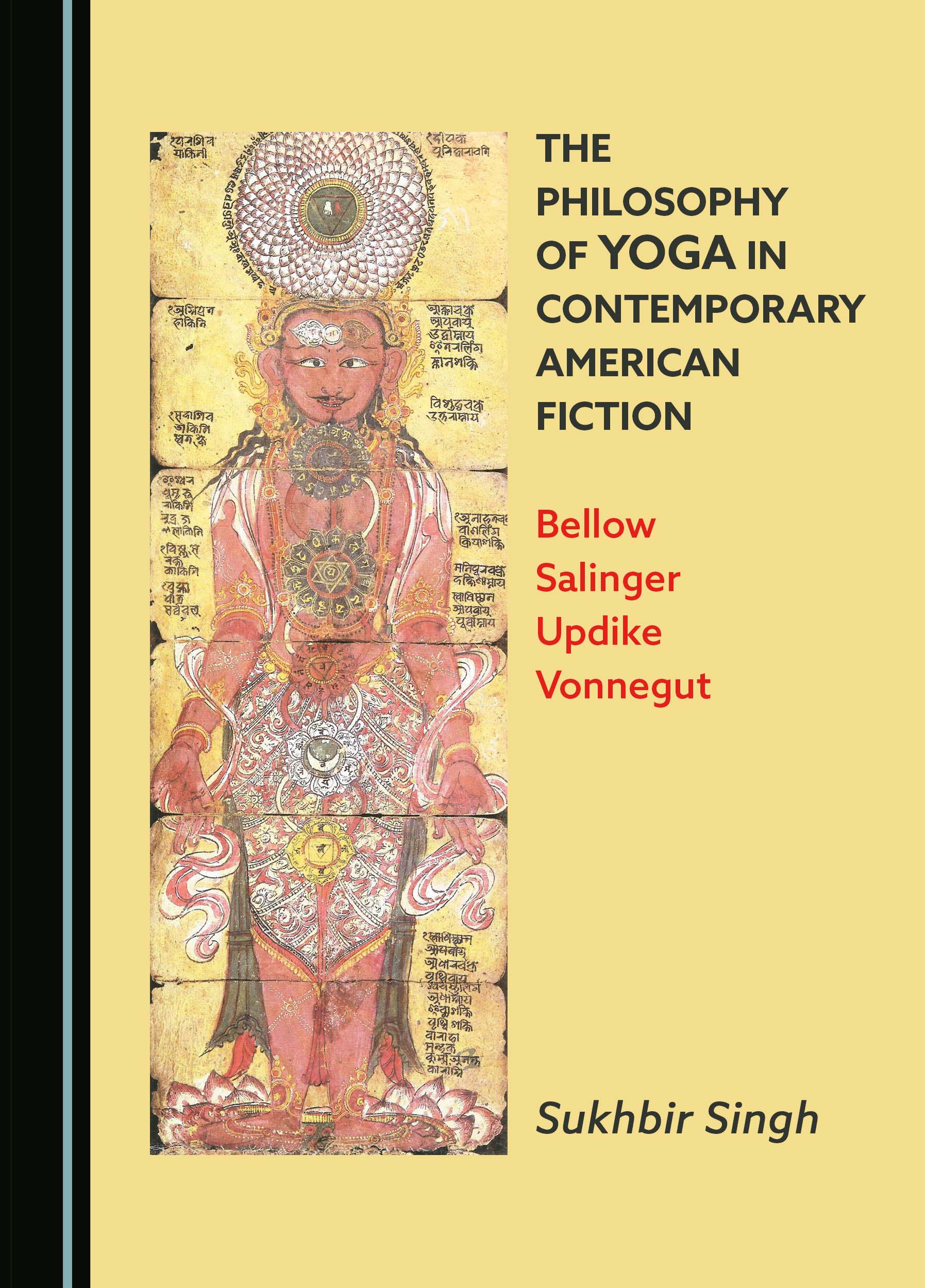
The Philosophy of Yoga in Contemporary American Fiction
Bellow, Salinger, Updike, Vonnegut
This book unveils the mystical motifs and yoga philosophies interwoven into the narrative structures of fictions by Saul Bellow, J.D. Salinger, John Updike, and Kurt Vonnegut, opening new vistas on the interface between Eastern philosophy and Western literature.
This book unveils the mystical motifs and yoga philosophies interwoven into the narrative structures of fictions by Saul Bellow, J.D. Salinger, John Updike, and Kurt Vonnegut, opening new vistas on the interface between Eastern philosophy and Western literature.
View more
This product has multiple variants. The options may be chosen on the product page
View more
This product has multiple variants. The options may be chosen on the product page
£39.99
Moving beyond traditional themes of struggle and oppression, this book centres on playfulness, light and air in Irish literature and culture. Essays offer fresh readings of seminal authors like Yeats and Heaney, alongside lesser-known figures.
Moving beyond traditional themes of struggle and oppression, this book centres on playfulness, light and air in Irish literature and culture. Essays offer fresh readings of seminal authors like Yeats and Heaney, alongside lesser-known figures.
View more
This product has multiple variants. The options may be chosen on the product page

View more
This product has multiple variants. The options may be chosen on the product page
From £30.99
This book focuses on Maurice Chapelan’s poetry and aphorisms. His poems encompass the essence of the man, his heart and soul, whereas his aphorisms express his philosophy. A master of the prose poem, Chapelan was a moralist and a fine practitioner of l’humour noir.
This book focuses on Maurice Chapelan’s poetry and aphorisms. His poems encompass the essence of the man, his heart and soul, whereas his aphorisms express his philosophy. A master of the prose poem, Chapelan was a moralist and a fine practitioner of l’humour noir.
View more
This product has multiple variants. The options may be chosen on the product page
View more
This product has multiple variants. The options may be chosen on the product page
From £19.99
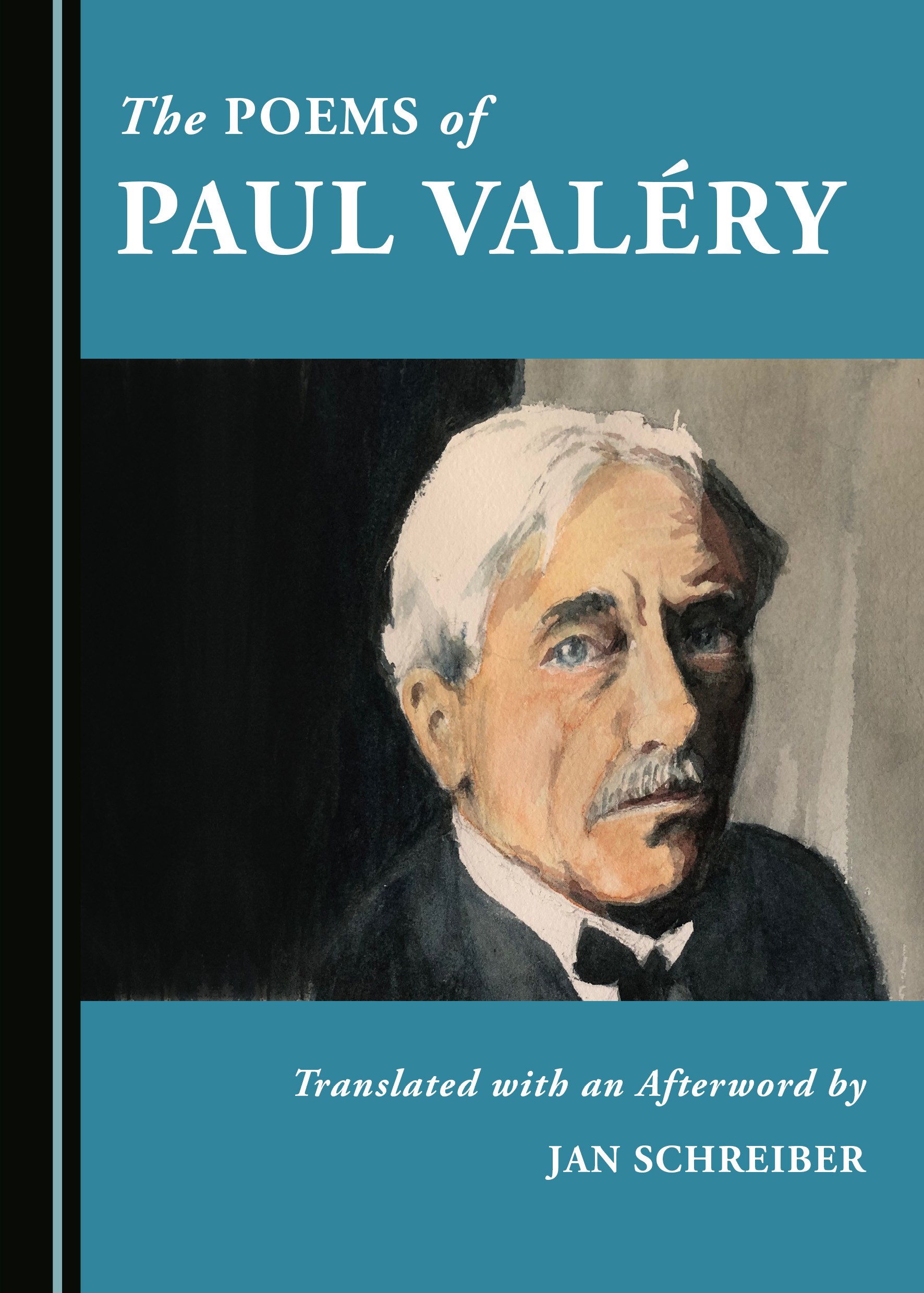
Paul Valéry’s complex and graceful writing presents daunting obstacles for the translator. This volume is the culmination of 50 years devoted to bringing his poems into fluent English. It shows him as both the supreme poet of the mind and a consummate linguistic musician.
Paul Valéry’s complex and graceful writing presents daunting obstacles for the translator. This volume is the culmination of 50 years devoted to bringing his poems into fluent English. It shows him as both the supreme poet of the mind and a consummate linguistic musician.
View more
This product has multiple variants. The options may be chosen on the product page
View more
This product has multiple variants. The options may be chosen on the product page
From £29.99
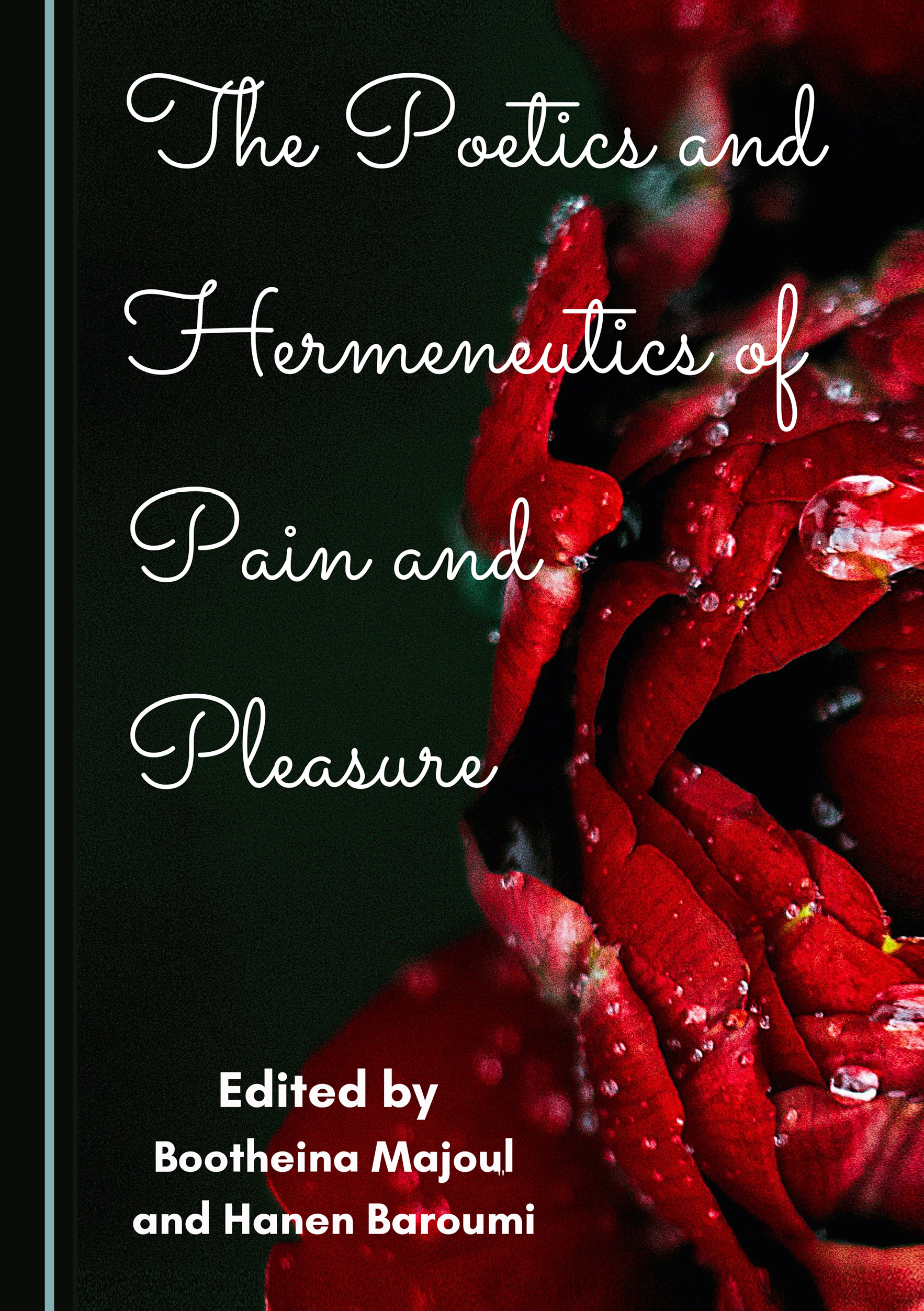
This volume challenges how we think about pain and pleasure. It explores their literary expression as potent forces that shape both writer and reader, forging new meaning for these experiences in a world defined by the dynamics of power.
This volume challenges how we think about pain and pleasure. It explores their literary expression as potent forces that shape both writer and reader, forging new meaning for these experiences in a world defined by the dynamics of power.
View more
This product has multiple variants. The options may be chosen on the product page
View more
This product has multiple variants. The options may be chosen on the product page
From £29.99
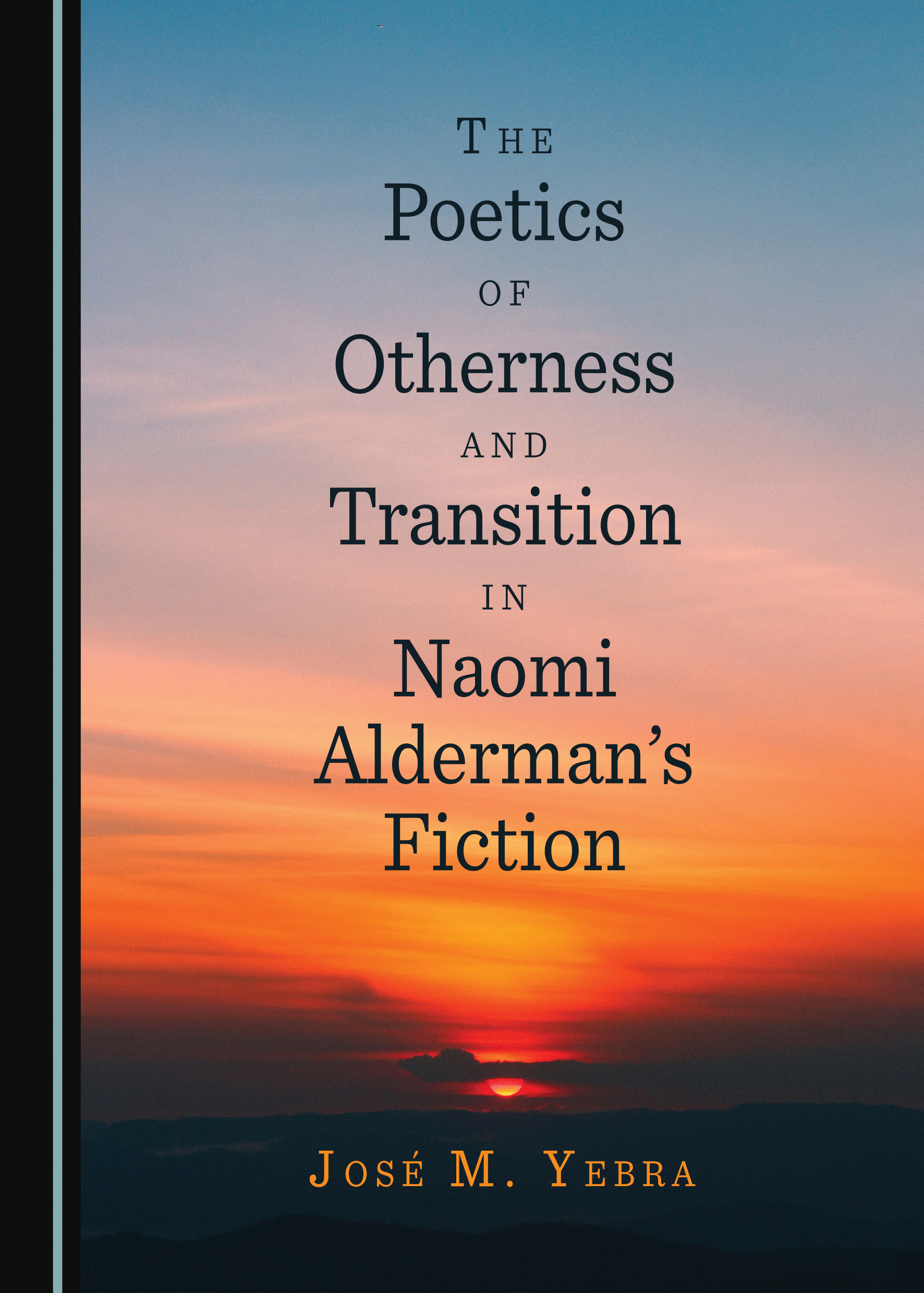
This first book on Naomi Alderman’s work highlights her transcultural recasting of British and Jewish traditions. The analysis focuses on relevant topics including gender and sexual orientation, the rewriting of the Sacred Scriptures, and feminist posthuman dystopias.
This first book on Naomi Alderman’s work highlights her transcultural recasting of British and Jewish traditions. The analysis focuses on relevant topics including gender and sexual orientation, the rewriting of the Sacred Scriptures, and feminist posthuman dystopias.
View more
This product has multiple variants. The options may be chosen on the product page
View more
This product has multiple variants. The options may be chosen on the product page
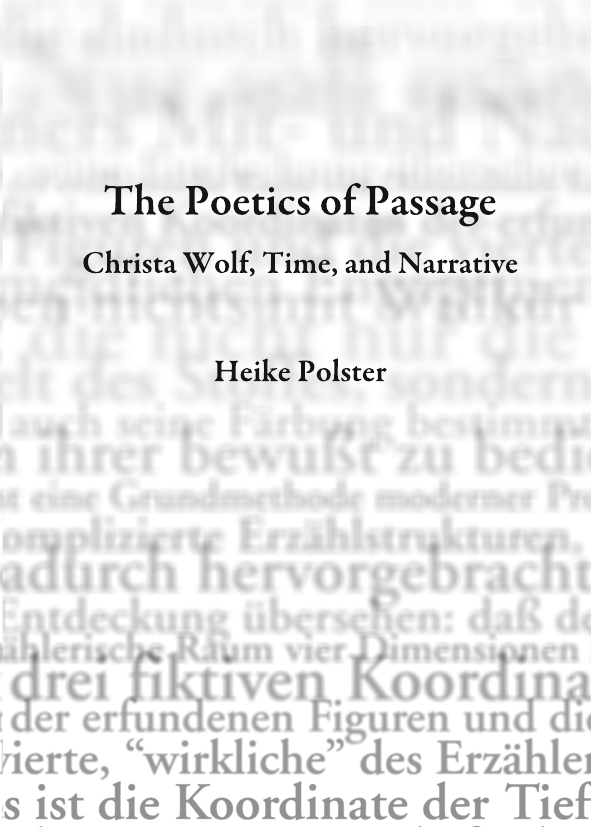
The Poetics of Passage
Christa Wolf, Time, and Narrative
The Poetics of Passage discusses Christa Wolf’s guiding concerns: the experience and representation of time and history. This study outlines her critical engagement with memory and the writing process, formulating a poetics of contemporaneity.
The Poetics of Passage discusses Christa Wolf’s guiding concerns: the experience and representation of time and history. This study outlines her critical engagement with memory and the writing process, formulating a poetics of contemporaneity.
View more
This product has multiple variants. The options may be chosen on the product page
View more
This product has multiple variants. The options may be chosen on the product page
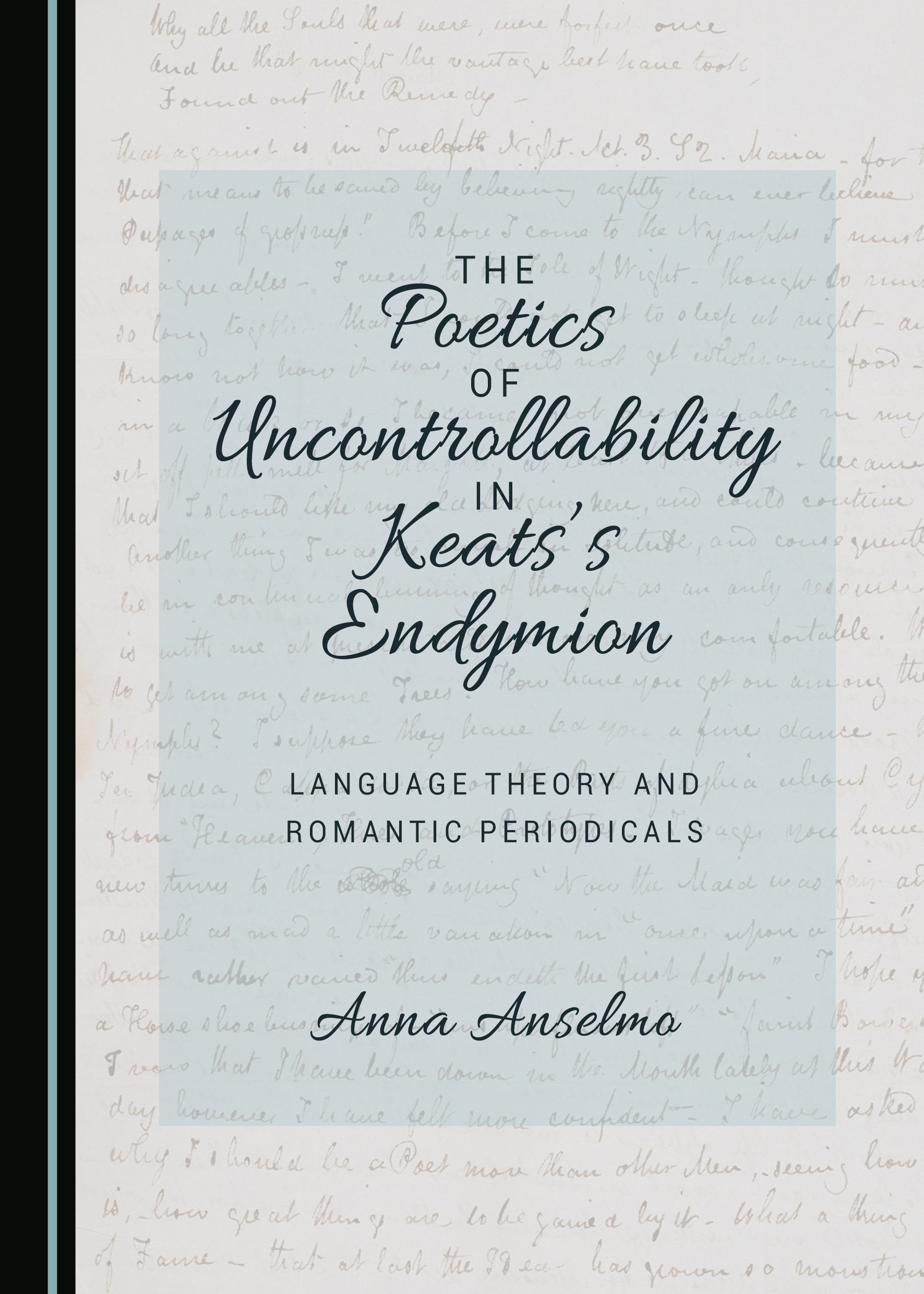
The Poetics of Uncontrollability in Keats’s Endymion
Language Theory and Romantic Periodicals
Anselmo reconstructs the linguistic context of the 18th and early-19th centuries to explain the reviewers’ unease regarding Endymion. She shows that 18th-century prescriptivism arose from an anxiety of language and the desire to control language informed Romantic criticism.
Anselmo reconstructs the linguistic context of the 18th and early-19th centuries to explain the reviewers’ unease regarding Endymion. She shows that 18th-century prescriptivism arose from an anxiety of language and the desire to control language informed Romantic criticism.
View more
This product has multiple variants. The options may be chosen on the product page

View more
This product has multiple variants. The options may be chosen on the product page
The Poetry of Gregory of Nazianzus
Discovering a New Face of His Personality
Gregory of Nazianzus was a famous 4th-century theologian, but he was also a celebrated poet. This book discovers the poet, not the theologian, revealing the all-too-human aspects of his personality and bringing to light new characteristics of his life and thought.
Gregory of Nazianzus was a famous 4th-century theologian, but he was also a celebrated poet. This book discovers the poet, not the theologian, revealing the all-too-human aspects of his personality and bringing to light new characteristics of his life and thought.
View more
This product has multiple variants. The options may be chosen on the product page
View more
This product has multiple variants. The options may be chosen on the product page
£29.99
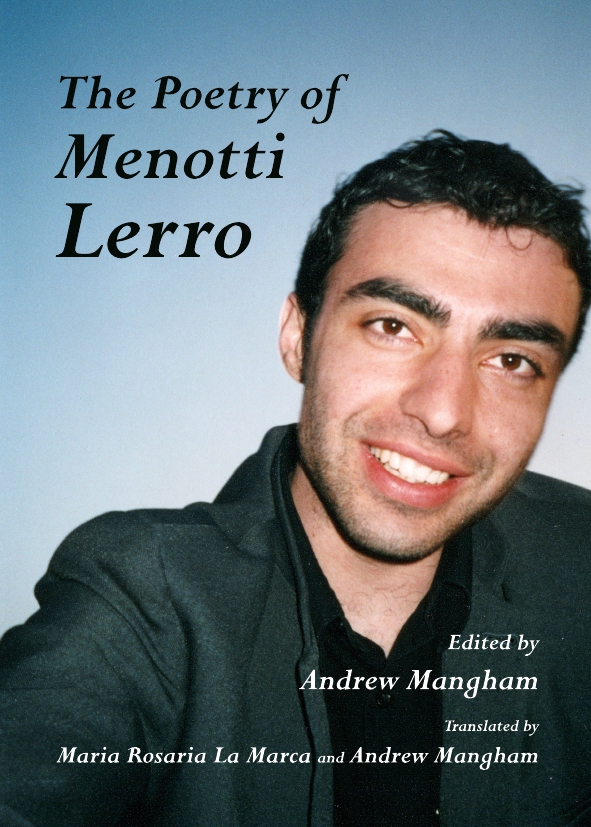
Menotti Lerro is one of the most interesting poets of modern-day Europe. His poetry is concerned with powerful imagery, the vulnerability of the body, memory, and identity. For the first time, Lerro’s verse is available in English.
Menotti Lerro is one of the most interesting poets of modern-day Europe. His poetry is concerned with powerful imagery, the vulnerability of the body, memory, and identity. For the first time, Lerro’s verse is available in English.
View more
This product has multiple variants. The options may be chosen on the product page
View more
This product has multiple variants. The options may be chosen on the product page
£61.99
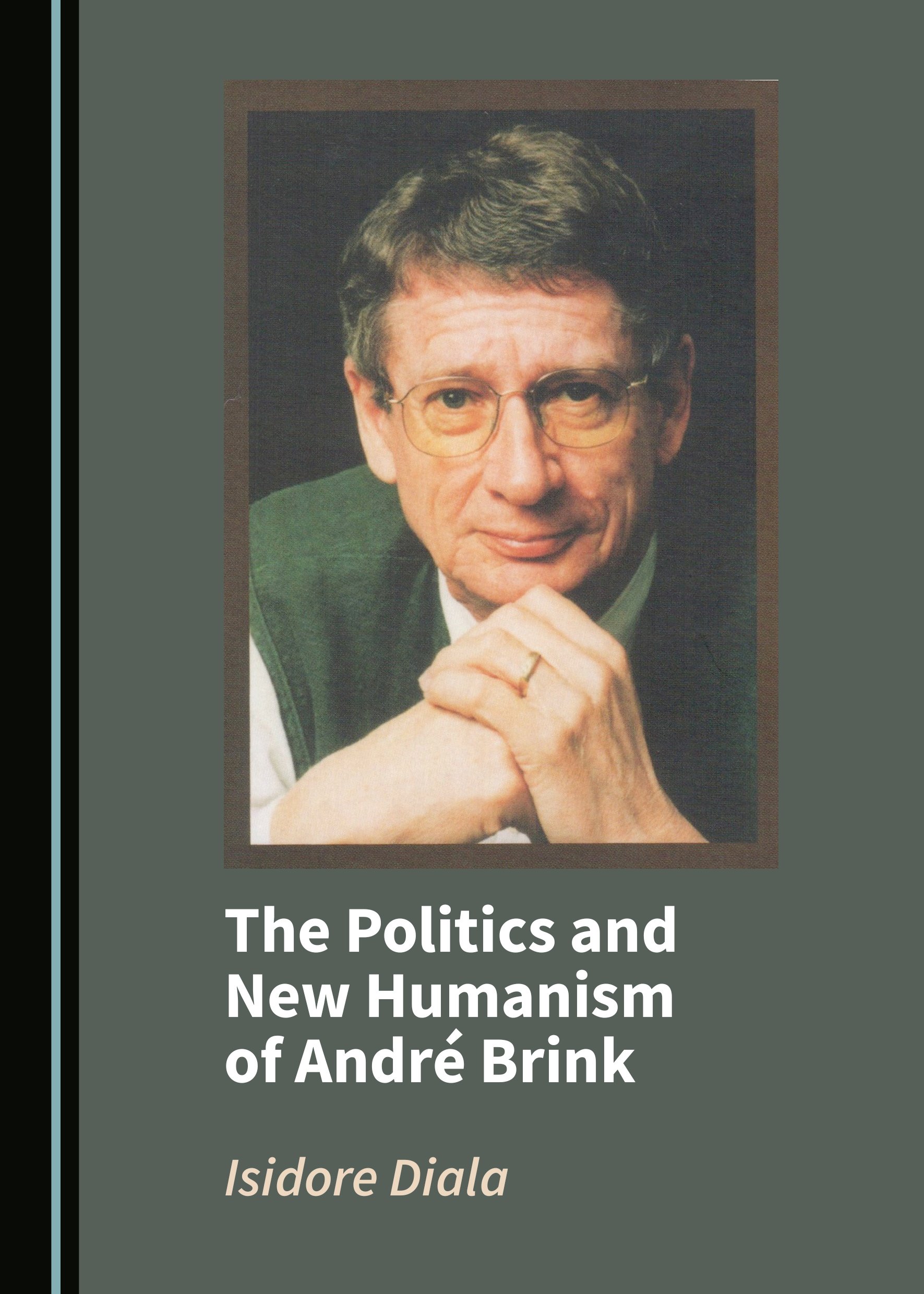
This book appraises André Brink, one of South Africa’s foremost novelists and an acclaimed commentator on apartheid. It highlights the writer’s responsibility to a society in siege, drawing on postcolonial theory to examine the ideological implications of his early novels.
This book appraises André Brink, one of South Africa’s foremost novelists and an acclaimed commentator on apartheid. It highlights the writer’s responsibility to a society in siege, drawing on postcolonial theory to examine the ideological implications of his early novels.
View more
This product has multiple variants. The options may be chosen on the product page
Processing Your Order
Please wait while we securely process your order.
Do not refresh or leave this page.
You will be redirected shortly to a confirmation page with your order number.