
View more
This product has multiple variants. The options may be chosen on the product page
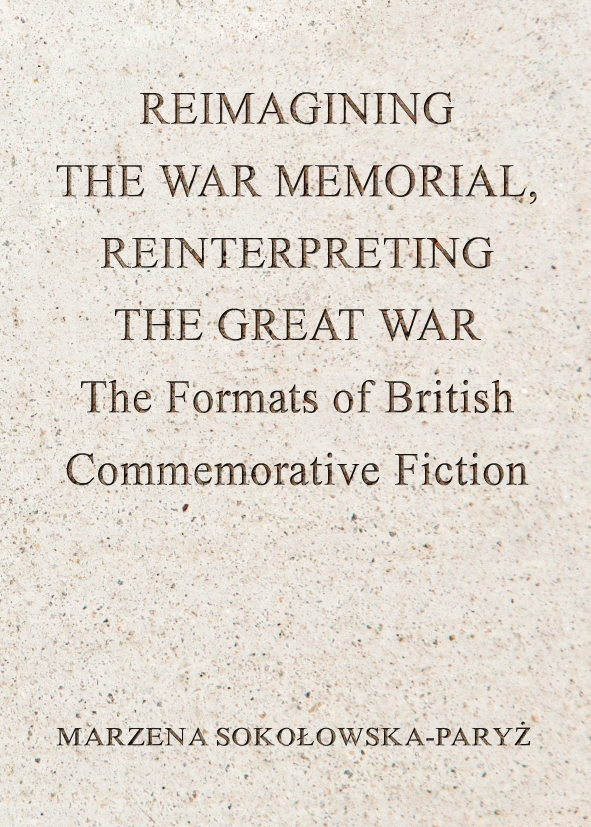
Reimagining the War Memorial, Reinterpreting the Great War
The Formats of British Commemorative Fiction
This analysis of British war memorials in literature and film shows how they create diverse interpretations of the Great War, from the futility myth to the imperial sublime. At its heart is a core conflict: condemning a war while honouring the men who fought in it.
This analysis of British war memorials in literature and film shows how they create diverse interpretations of the Great War, from the futility myth to the imperial sublime. At its heart is a core conflict: condemning a war while honouring the men who fought in it.
View more
This product has multiple variants. The options may be chosen on the product page
View more
This product has multiple variants. The options may be chosen on the product page
£39.99
This is the first book to focus entirely on time, space and narrative in Jeanette Winterson's works. Scholars provide different perspectives, from postmodernism to quantum physics and queer theory, offering fresh approaches to her major fiction.
This is the first book to focus entirely on time, space and narrative in Jeanette Winterson’s works. Scholars provide different perspectives, from postmodernism to quantum physics and queer theory, offering fresh approaches to her major fiction.
View more
This product has multiple variants. The options may be chosen on the product page
View more
This product has multiple variants. The options may be chosen on the product page
£39.99
How do our identities and values change as places themselves are transformed? This collection brings together scholars from a range of disciplines, each shedding light on how place is both a transforming subject and a transformed object.
How do our identities and values change as places themselves are transformed? This collection brings together scholars from a range of disciplines, each shedding light on how place is both a transforming subject and a transformed object.
View more
This product has multiple variants. The options may be chosen on the product page
View more
This product has multiple variants. The options may be chosen on the product page
£39.99
This collection offers creative and critical responses to making, breaking, and negotiating boundaries. A startling reassessment of its subject, it erases the borders between the critical, the creative, and the cultural with passion and precision.
This collection offers creative and critical responses to making, breaking, and negotiating boundaries. A startling reassessment of its subject, it erases the borders between the critical, the creative, and the cultural with passion and precision.
View more
This product has multiple variants. The options may be chosen on the product page
View more
This product has multiple variants. The options may be chosen on the product page
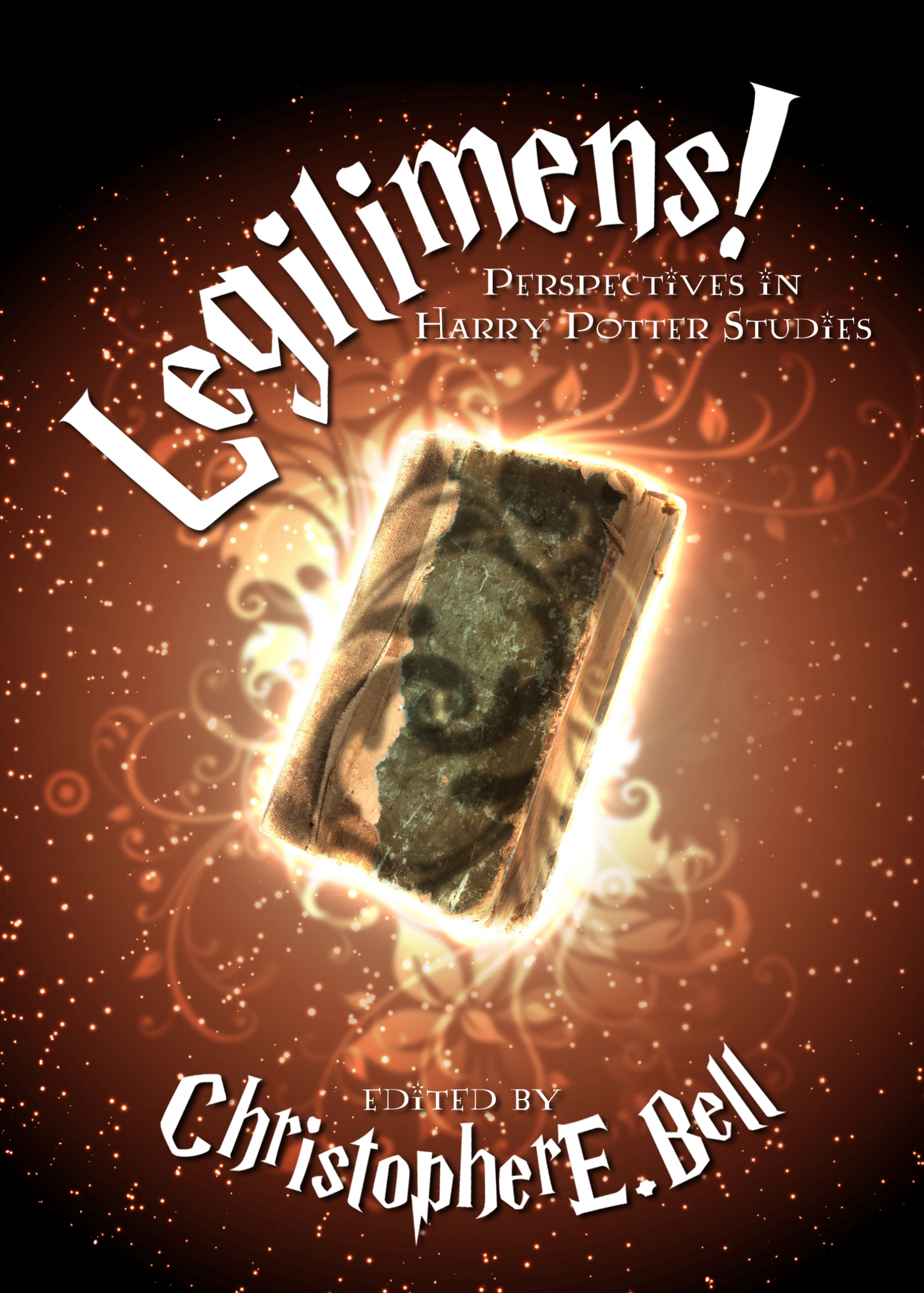
Legilimens!
Perspectives in Harry Potter Studies
Legilimens is the spell to see into another’s mind. This collection brings together anthropologists, theologians, historians, and rhetoricians to see into the Harry Potter texts, deliberating over the greater scholarly significance of these rich works.
Legilimens is the spell to see into another’s mind. This collection brings together anthropologists, theologians, historians, and rhetoricians to see into the Harry Potter texts, deliberating over the greater scholarly significance of these rich works.
View more
This product has multiple variants. The options may be chosen on the product page
View more
This product has multiple variants. The options may be chosen on the product page
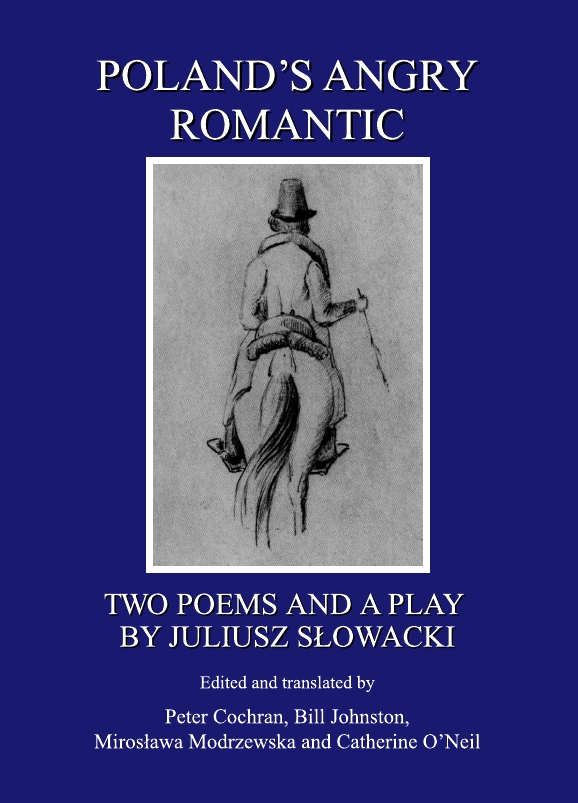
Poland’s Angry Romantic
Two Poems and a Play by Juliusz Słowacki
Juliusz Słowacki is one of Poland’s most important writers, but little known in the West. This much-needed introduction contains his popular play Balladina, his meditative poem Agamemnon’s Tomb, and his hilarious mock-epic Beniowski.
Juliusz Słowacki is one of Poland’s most important writers, but little known in the West. This much-needed introduction contains his popular play Balladina, his meditative poem Agamemnon’s Tomb, and his hilarious mock-epic Beniowski.
View more
This product has multiple variants. The options may be chosen on the product page
View more
This product has multiple variants. The options may be chosen on the product page
£39.99
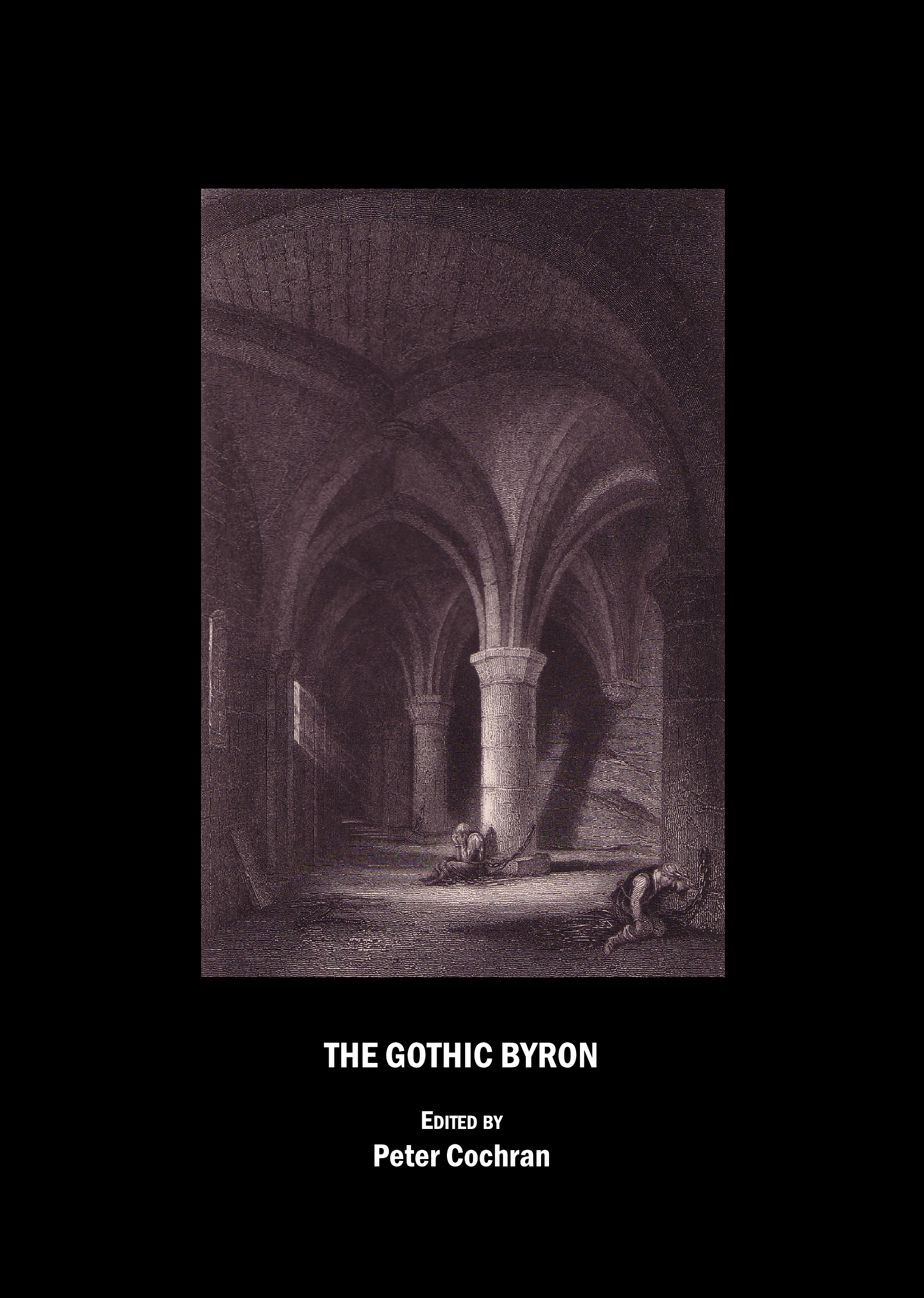
The Gothic Byron argues that the Gothic element in Byron’s work has been undervalued. It explores his reading of Gothic novels, the Gothic in his own tales and poetry, and his profound influence on writers like Charlotte and Emily Brontë.
The Gothic Byron argues that the Gothic element in Byron’s work has been undervalued. It explores his reading of Gothic novels, the Gothic in his own tales and poetry, and his profound influence on writers like Charlotte and Emily Brontë.
View more
This product has multiple variants. The options may be chosen on the product page
View more
This product has multiple variants. The options may be chosen on the product page
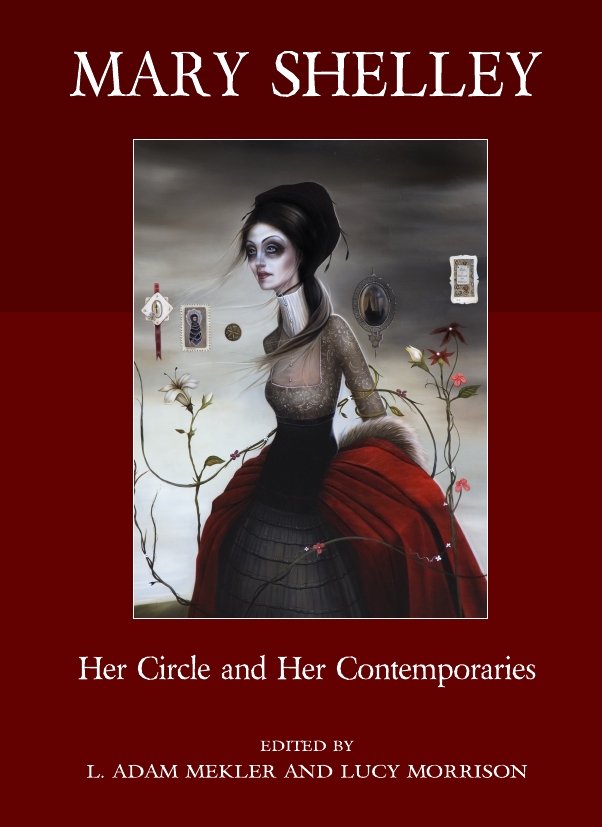
Mary Shelley
Her Circle and Her Contemporaries
This collection of essays expands critical consideration of Mary Shelley’s placement within the Romantic age. Her texts converse with those of her family and contemporaries, including her husband Percy Bysshe Shelley, illuminating the contexts in which they were composed.
This collection of essays expands critical consideration of Mary Shelley’s placement within the Romantic age. Her texts converse with those of her family and contemporaries, including her husband Percy Bysshe Shelley, illuminating the contexts in which they were composed.
View more
This product has multiple variants. The options may be chosen on the product page

View more
This product has multiple variants. The options may be chosen on the product page
Poetry, the Geometry of the Living Substance
Four Essays on Ágnes Nemes Nagy
The first study in English of modernist Hungarian poet Ágnes Nemes Nagy. Through close readings of her poetry and prose, this book explores the relation between language, trauma, and memory, drawing parallels with thinkers like Rilke and Beckett.
The first study in English of modernist Hungarian poet Ágnes Nemes Nagy. Through close readings of her poetry and prose, this book explores the relation between language, trauma, and memory, drawing parallels with thinkers like Rilke and Beckett.
View more
This product has multiple variants. The options may be chosen on the product page
View more
This product has multiple variants. The options may be chosen on the product page
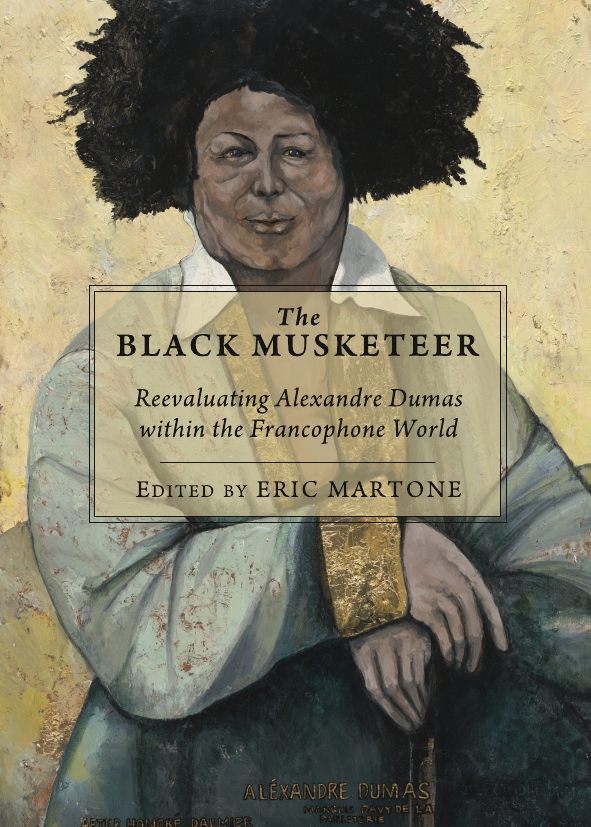
The Black Musketeer
Reevaluating Alexandre Dumas within the Francophone World
Alexandre Dumas, grandson of a slave, has become a symbol in France's debates on colonial history, race, and identity. This is the first major work to re-evaluate his life and legacy, providing new ways of interpreting his classics in a francophone context.
Alexandre Dumas, grandson of a slave, has become a symbol in France’s debates on colonial history, race, and identity. This is the first major work to re-evaluate his life and legacy, providing new ways of interpreting his classics in a francophone context.
View more
This product has multiple variants. The options may be chosen on the product page
View more
This product has multiple variants. The options may be chosen on the product page
£39.99
This volume marks a shift in literary semiotics toward methodological pluralism. As the sharp lines of division between dominant approaches dissolve, contributors highlight the communicative functions and representational possibilities of literary texts.
This volume marks a shift in literary semiotics toward methodological pluralism. As the sharp lines of division between dominant approaches dissolve, contributors highlight the communicative functions and representational possibilities of literary texts.
View more
This product has multiple variants. The options may be chosen on the product page
View more
This product has multiple variants. The options may be chosen on the product page
In the Mirror of the Past
Of Fantasy and History
Confronted by overwhelming events, we turn to myth. These essays discuss myth in modern speculative fiction, showing how fantasy becomes a mythic mirror in which we hope to see answers to vexing questions or a reality superior to our own.
Confronted by overwhelming events, we turn to myth. These essays discuss myth in modern speculative fiction, showing how fantasy becomes a mythic mirror in which we hope to see answers to vexing questions or a reality superior to our own.
View more
This product has multiple variants. The options may be chosen on the product page
View more
This product has multiple variants. The options may be chosen on the product page
Orthodoxy, Modernity, and Authenticity
The Reception of Ernest Renan's "Life of Jesus" in Russia
This book explores the Russian reception of Ernest Renan’s *Life of Jesus*. Renan's work had lasting appeal because it presented an alternative to both a strictly materialist worldview and an Orthodox one, allowing readers to accept modernity while retaining religious feeling.
This book explores the Russian reception of Ernest Renan’s *Life of Jesus*. Renan’s work had lasting appeal because it presented an alternative to both a strictly materialist worldview and an Orthodox one, allowing readers to accept modernity while retaining religious feeling.
View more
This product has multiple variants. The options may be chosen on the product page
View more
This product has multiple variants. The options may be chosen on the product page
£39.99
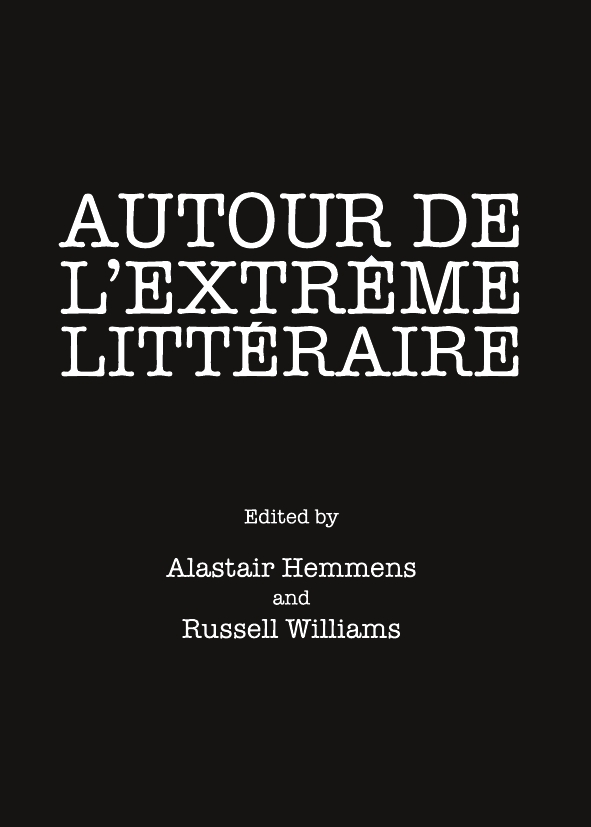
This book explores how French writing, from the Middle Ages to the present, has interrogated extremity. These essays reveal why the extreme—which shocks, excites, and horrifies us—has always fascinated the French literary imagination.
This book explores how French writing, from the Middle Ages to the present, has interrogated extremity. These essays reveal why the extreme—which shocks, excites, and horrifies us—has always fascinated the French literary imagination.
View more
This product has multiple variants. The options may be chosen on the product page
View more
This product has multiple variants. The options may be chosen on the product page
Positioning Daniel Defoe’s Non-Fiction
Form, Function, Genre
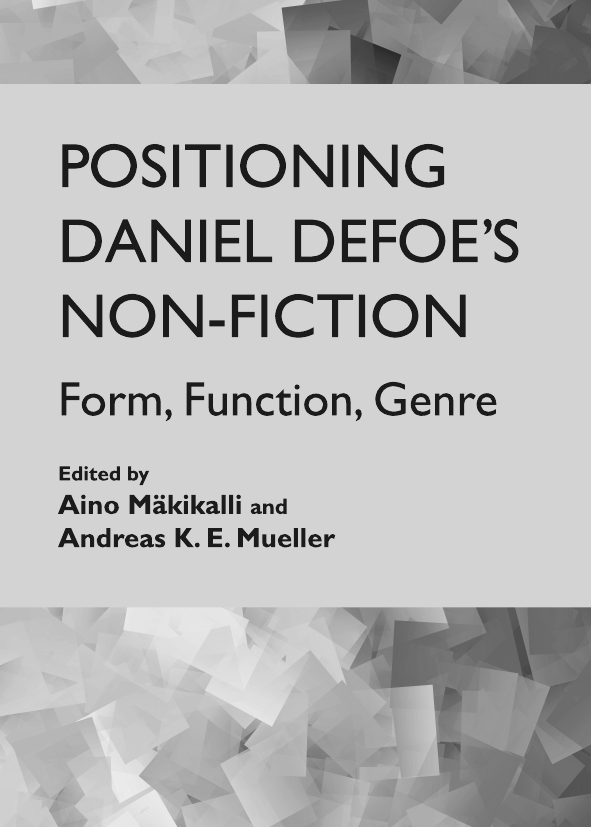
This volume analyses Daniel Defoe's non-fictional works. Moving away from his much studied novels, these essays explore the rhetorical strategies and generic inventiveness on display, revealing an author of outstanding skill and energy.
This volume analyses Daniel Defoe’s non-fictional works. Moving away from his much studied novels, these essays explore the rhetorical strategies and generic inventiveness on display, revealing an author of outstanding skill and energy.
View more
This product has multiple variants. The options may be chosen on the product page
View more
This product has multiple variants. The options may be chosen on the product page
From £19.99
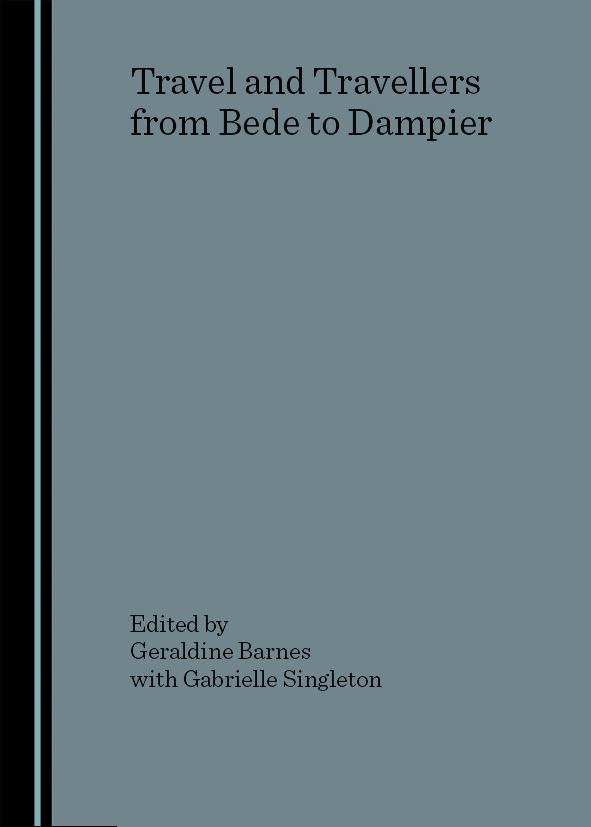
These essays track travel narratives from the eighth to the eighteenth century. Their voyages, from the literal to the spiritual, show the enduring influence of the medieval geographical imagination upon post-medieval travel, discovery, and encounters between East and West.
These essays track travel narratives from the eighth to the eighteenth century. Their voyages, from the literal to the spiritual, show the enduring influence of the medieval geographical imagination upon post-medieval travel, discovery, and encounters between East and West.
View more
This product has multiple variants. The options may be chosen on the product page
View more
This product has multiple variants. The options may be chosen on the product page
£39.99
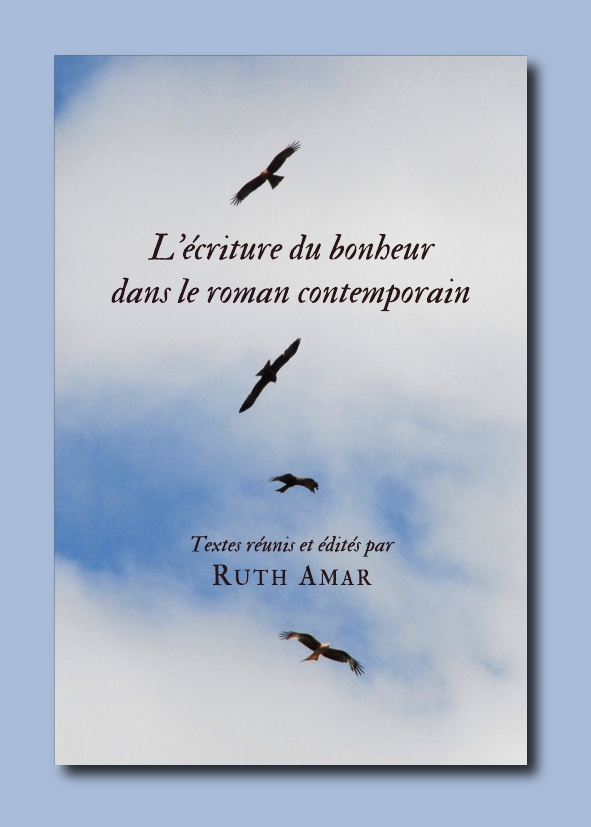
In a world of technology and efficiency, what has become of Happiness? Does it still feature in contemporary fiction? This volume explores the paradoxes and changing forms of Happiness in the novel, from the Holocaust to consumerism and postmodernism.
In a world of technology and efficiency, what has become of Happiness? Does it still feature in contemporary fiction? This volume explores the paradoxes and changing forms of Happiness in the novel, from the Holocaust to consumerism and postmodernism.
View more
This product has multiple variants. The options may be chosen on the product page
View more
This product has multiple variants. The options may be chosen on the product page
£39.99
Scholars explore the relationship between authority and the self in writers like Shakespeare and Donne. In an era of momentous change, these essays offer new perspectives on how power was negotiated through sexuality, gender, and language in the English Renaissance.
Scholars explore the relationship between authority and the self in writers like Shakespeare and Donne. In an era of momentous change, these essays offer new perspectives on how power was negotiated through sexuality, gender, and language in the English Renaissance.
View more
This product has multiple variants. The options may be chosen on the product page

View more
This product has multiple variants. The options may be chosen on the product page
£39.99
Charles Dickens is a British literary icon, but should he be read as a European author? This book explores his relationship to Europe through his travels, the continental locations in his novels, and the influence of his works on other European texts.
Charles Dickens is a British literary icon, but should he be read as a European author? This book explores his relationship to Europe through his travels, the continental locations in his novels, and the influence of his works on other European texts.
View more
This product has multiple variants. The options may be chosen on the product page
View more
This product has multiple variants. The options may be chosen on the product page
£39.99
Diane Dubois situates Northrop Frye’s work in its biographical and historical context. Illuminating his œuvre as a personal project rooted in the social and religious conditions of his time, this book helps us see the key theorist's work anew.
Diane Dubois situates Northrop Frye’s work in its biographical and historical context. Illuminating his œuvre as a personal project rooted in the social and religious conditions of his time, this book helps us see the key theorist’s work anew.
View more
This product has multiple variants. The options may be chosen on the product page
Processing Your Order
Please wait while we securely process your order.
Do not refresh or leave this page.
You will be redirected shortly to a confirmation page with your order number.