
View more
This product has multiple variants. The options may be chosen on the product page
King James and the Theatre of Witches
Subversion upon the Jacobean Stage
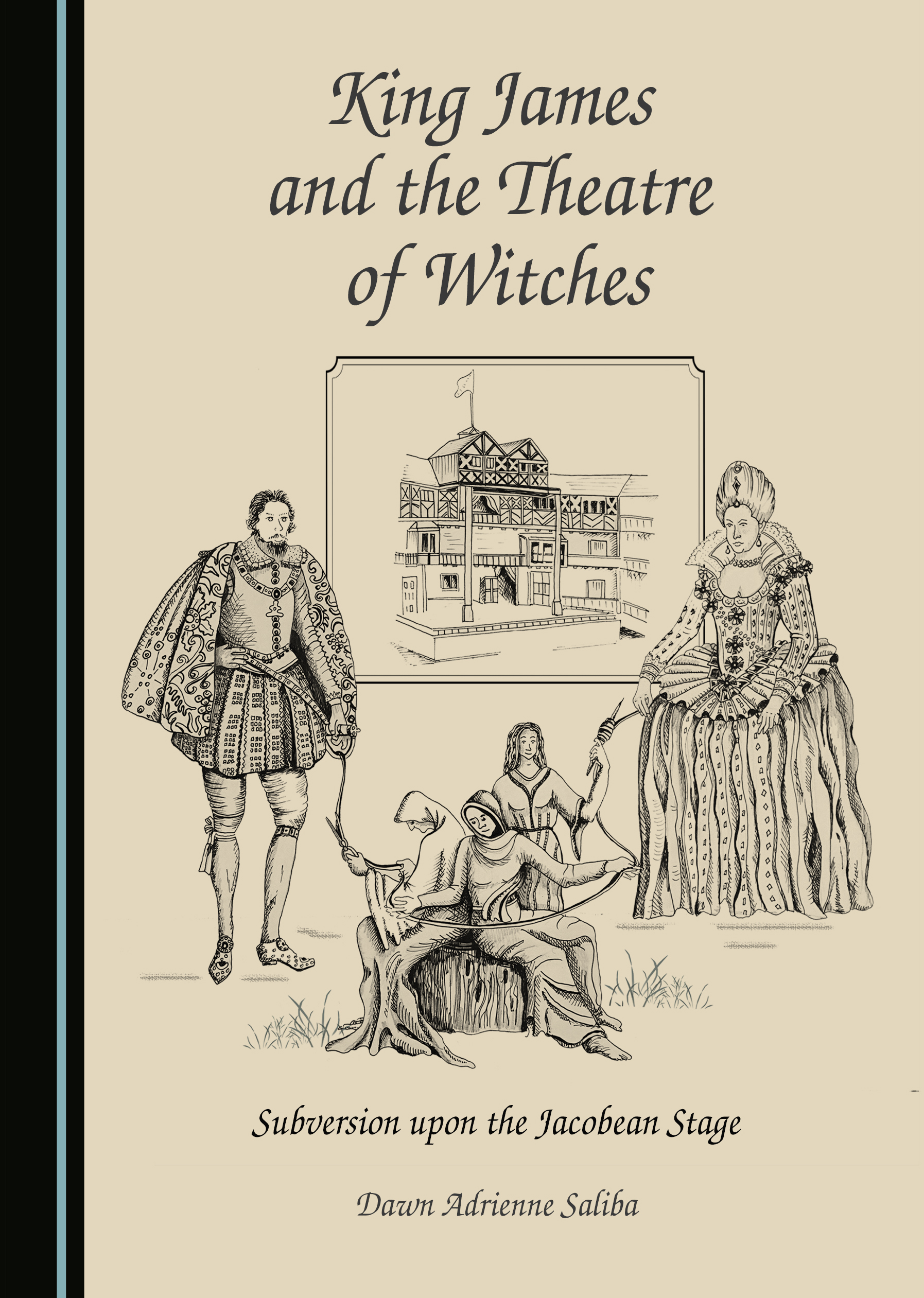
This book analyzes the “witch plays” of Renaissance England and their response to King James I. Once a fevered witch-hunter and author of *Daemonologie*, the monarch saw his beliefs both catered to and subverted on stage by dramatists like Shakespeare and Jonson.
This book analyzes the “witch plays” of Renaissance England and their response to King James I. Once a fevered witch-hunter and author of *Daemonologie*, the monarch saw his beliefs both catered to and subverted on stage by dramatists like Shakespeare and Jonson.
View more
This product has multiple variants. The options may be chosen on the product page

View more
This product has multiple variants. The options may be chosen on the product page
Edward Dorn, Charles Olson, and the American West
Beatniks and Cowboys
This book examines Edward Dorn's poetics of the 20th-century American West and the influence of his mentor Charles Olson, considering the most important poetic representations of the West to come out of the Beat Movement and avant-garde literary scene.
This book examines Edward Dorn’s poetics of the 20th-century American West and the influence of his mentor Charles Olson, considering the most important poetic representations of the West to come out of the Beat Movement and avant-garde literary scene.
View more
This product has multiple variants. The options may be chosen on the product page
View more
This product has multiple variants. The options may be chosen on the product page
From £29.99
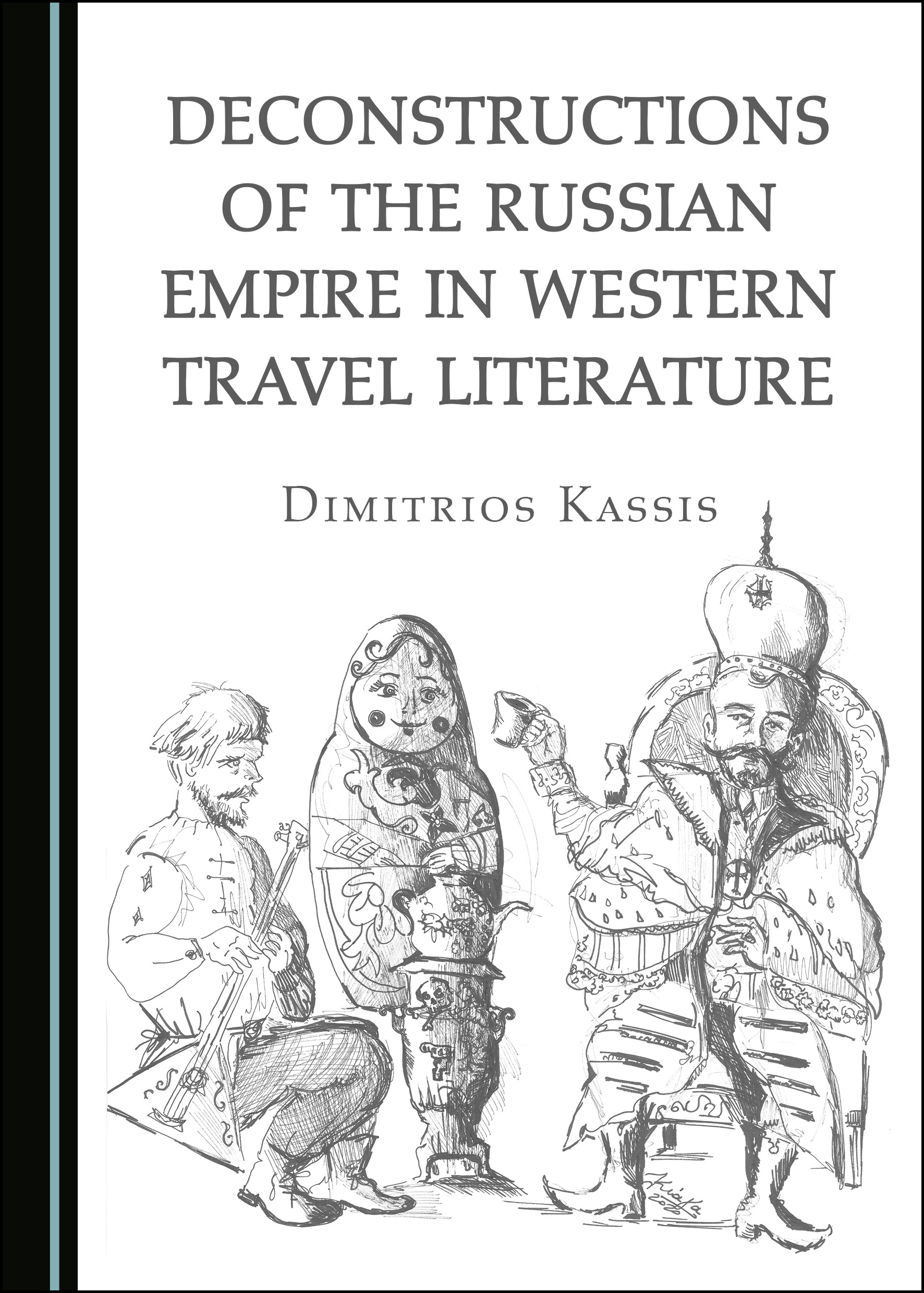
How did the West see Russia, the empire caught between Europe and Asia? This book explores representations of Russian identity and culture from 1792 to 1912, drawing on the accounts of British and American travellers as they attempted to understand this imperial "Other."
How did the West see Russia, the empire caught between Europe and Asia? This book explores representations of Russian identity and culture from 1792 to 1912, drawing on the accounts of British and American travellers as they attempted to understand this imperial “Other.”
View more
This product has multiple variants. The options may be chosen on the product page

View more
This product has multiple variants. The options may be chosen on the product page
From £29.99
This book sheds light on the modernist short story cycle and its pivotal role in depicting place. Modernist writers found this form suitable for capturing a fragmented world through short, interconnected narratives that reflect an ever-changing attitude towards what place means.
This book sheds light on the modernist short story cycle and its pivotal role in depicting place. Modernist writers found this form suitable for capturing a fragmented world through short, interconnected narratives that reflect an ever-changing attitude towards what place means.
View more
This product has multiple variants. The options may be chosen on the product page
View more
This product has multiple variants. The options may be chosen on the product page
From £29.99
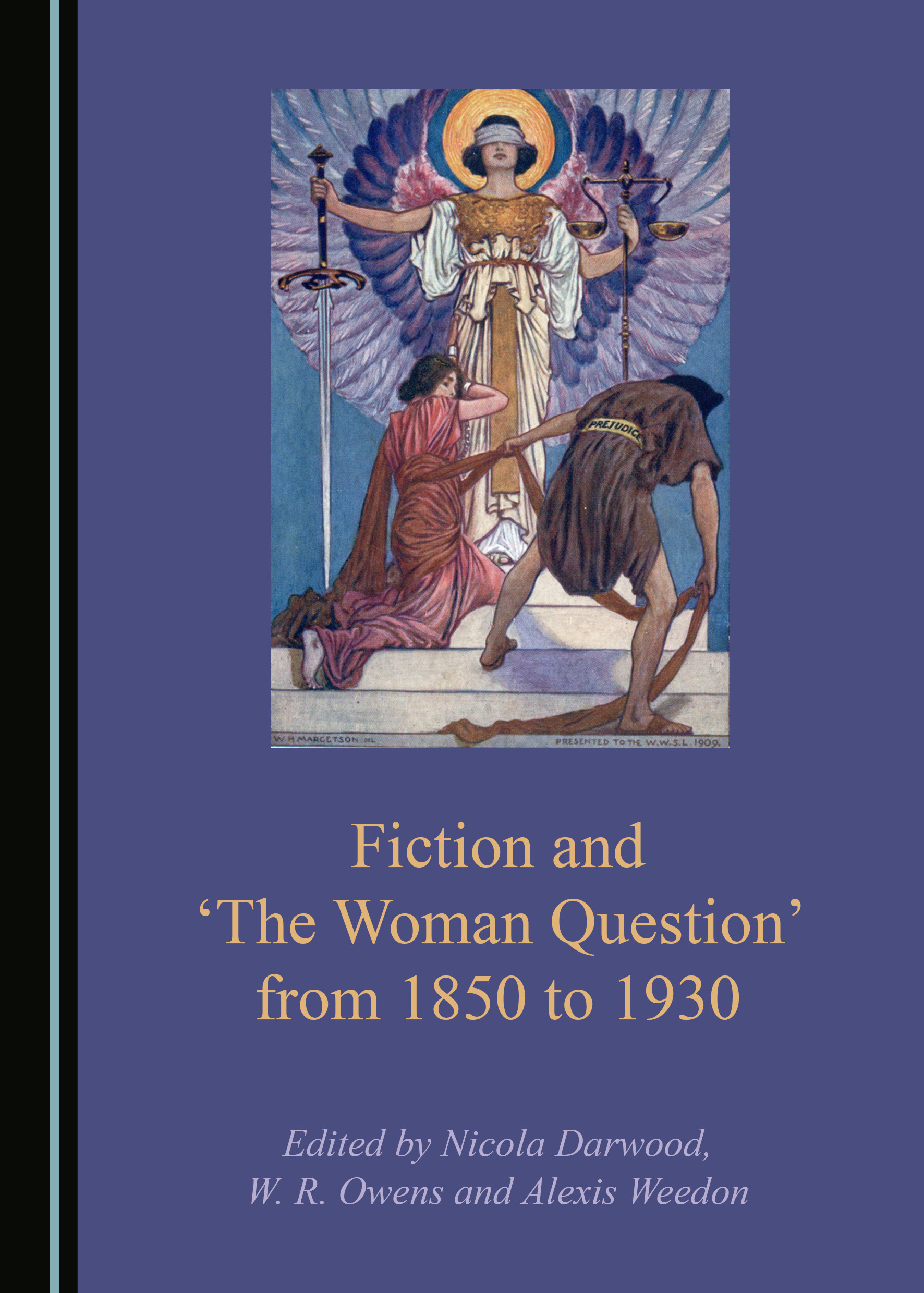
This book explores how fiction from 1850-1930 shaped perceptions of women’s roles. From suffrage to sexual desire, these essays examine how literature tackled ‘The Woman Question’ through female characters who sought to defy social constraints in ways still relevant today.
This book explores how fiction from 1850-1930 shaped perceptions of women’s roles. From suffrage to sexual desire, these essays examine how literature tackled ‘The Woman Question’ through female characters who sought to defy social constraints in ways still relevant today.
View more
This product has multiple variants. The options may be chosen on the product page
View more
This product has multiple variants. The options may be chosen on the product page
From £29.99
Through an Irigarayan lens, this study explores how Carter, Atwood, and Byatt use genre transgression to forge a female subject position. It examines their distinct strategies for challenging a literary tradition that has historically denied women a voice.
Through an Irigarayan lens, this study explores how Carter, Atwood, and Byatt use genre transgression to forge a female subject position. It examines their distinct strategies for challenging a literary tradition that has historically denied women a voice.
View more
This product has multiple variants. The options may be chosen on the product page
View more
This product has multiple variants. The options may be chosen on the product page
From £29.99
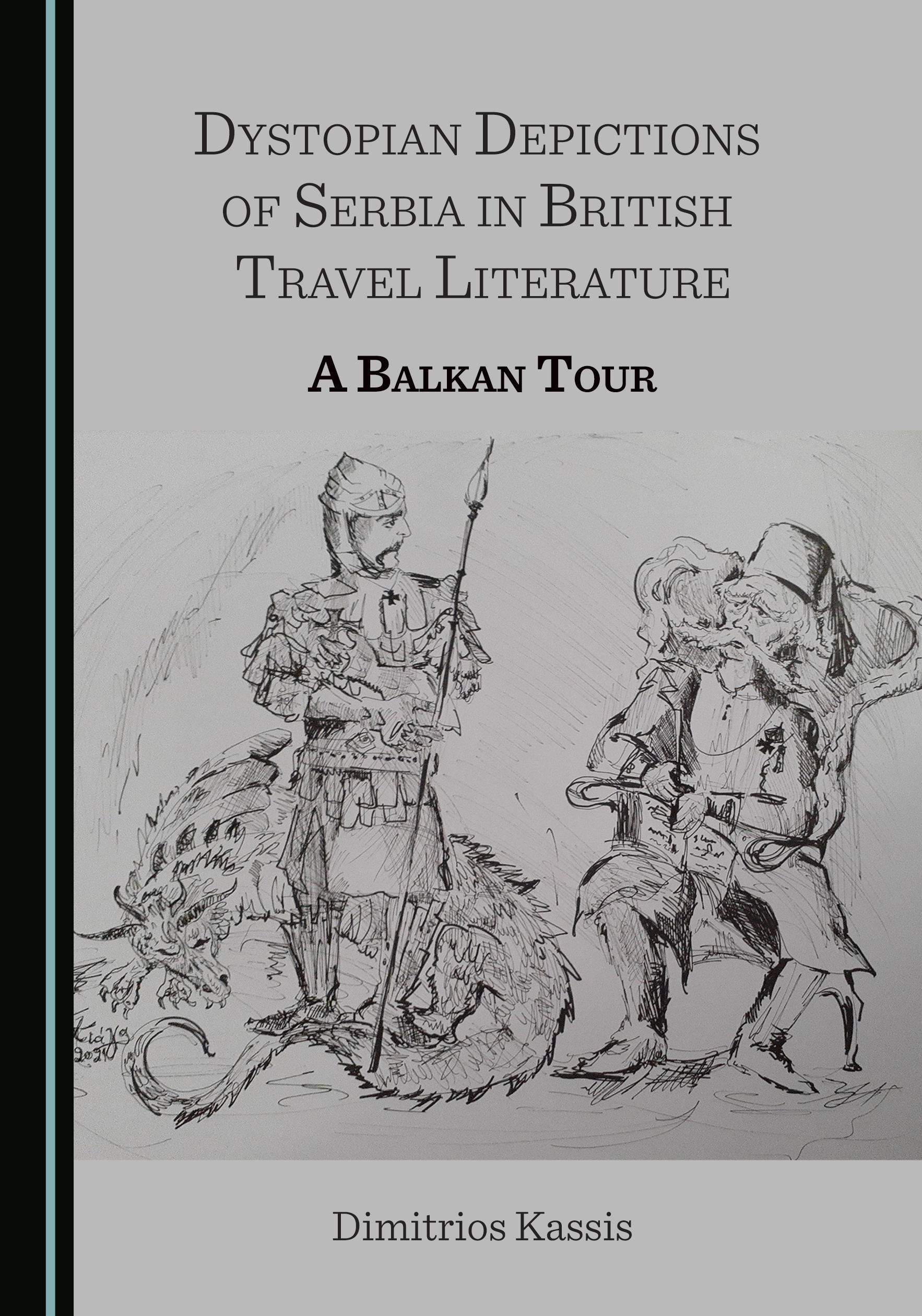
This book explores dystopian British views of Serbia as a travel destination from 1717 to 1911. Travel accounts depict a politically unstable region on the fringe of the Orient, demonising Serbia's national struggle while shedding light on its national awakening.
This book explores dystopian British views of Serbia as a travel destination from 1717 to 1911. Travel accounts depict a politically unstable region on the fringe of the Orient, demonising Serbia’s national struggle while shedding light on its national awakening.
View more
This product has multiple variants. The options may be chosen on the product page
View more
This product has multiple variants. The options may be chosen on the product page
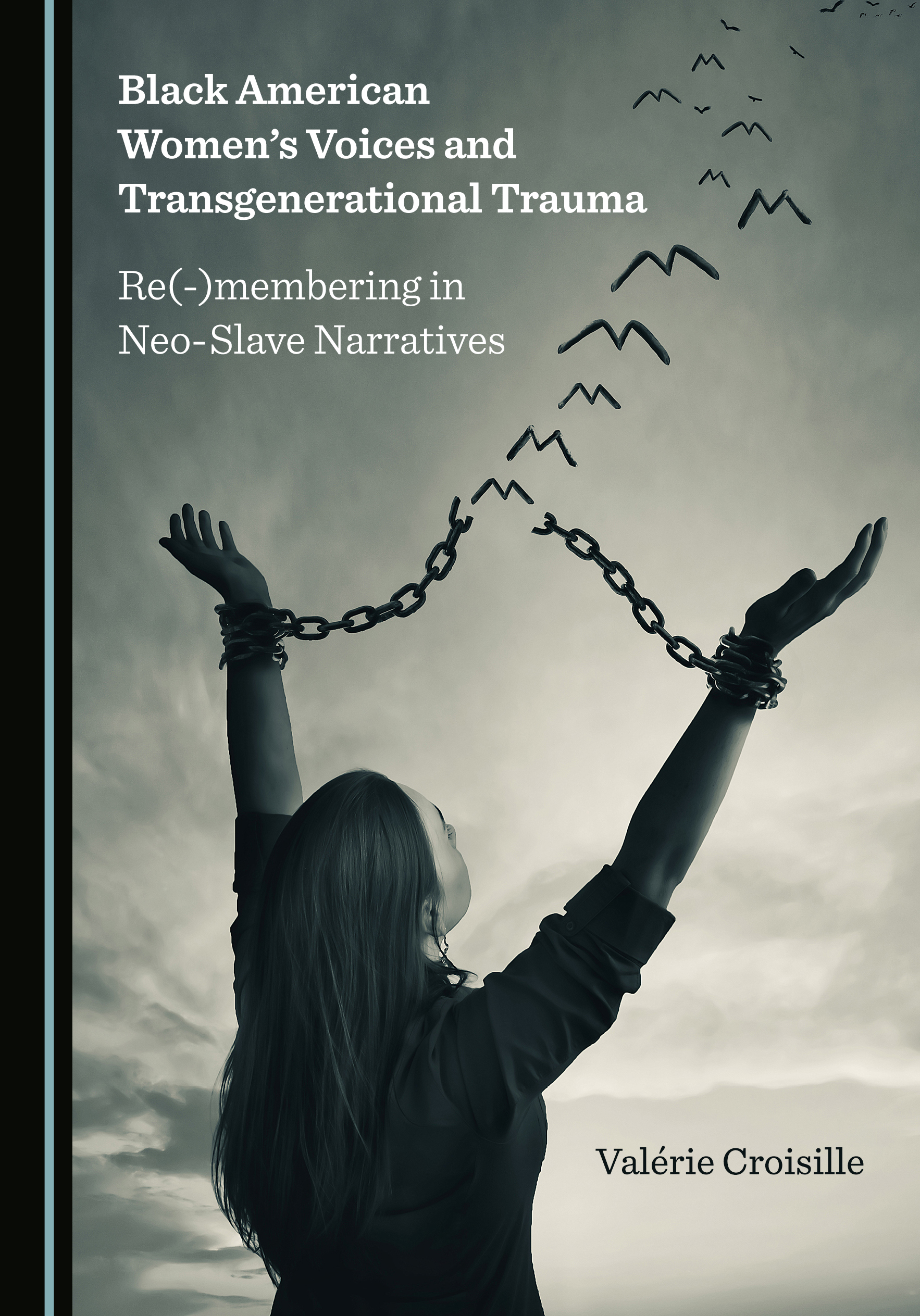
Black American Women’s Voices and Transgenerational Trauma
Re(-)membering in Neo-Slave Narratives
This book explores neo-slave narratives by black American women, showing how authors write through the transgenerational trauma of slavery. It demonstrates how traumatic memory is inscribed on the female body and how storytelling enables black women’s voices to be heard.
This book explores neo-slave narratives by black American women, showing how authors write through the transgenerational trauma of slavery. It demonstrates how traumatic memory is inscribed on the female body and how storytelling enables black women’s voices to be heard.
View more
This product has multiple variants. The options may be chosen on the product page
View more
This product has multiple variants. The options may be chosen on the product page
Representations of the Local in the Postmillennial Novel
New Voices from the Margins
This book maps a rich variety of voices from the margins of our globalized world. Through contemporary novels by international authors, it explores the rising tension between global and local identities for those overshadowed by the intense pressure of globalization.
This book maps a rich variety of voices from the margins of our globalized world. Through contemporary novels by international authors, it explores the rising tension between global and local identities for those overshadowed by the intense pressure of globalization.
View more
This product has multiple variants. The options may be chosen on the product page

View more
This product has multiple variants. The options may be chosen on the product page
From £29.99
This book analyzes the spacetime continuum in science fiction, synthesizing cutting-edge research from literary analysis, quantum physics, and astrophysics. These essays offer fresh views and analytical tools to stimulate the curiosity of educators, researchers, and students.
This book analyzes the spacetime continuum in science fiction, synthesizing cutting-edge research from literary analysis, quantum physics, and astrophysics. These essays offer fresh views and analytical tools to stimulate the curiosity of educators, researchers, and students.
View more
This product has multiple variants. The options may be chosen on the product page
View more
This product has multiple variants. The options may be chosen on the product page
Literature, Theory and the History of Ideas
An Updated Compendium
How do power structures shape our notions of identity, gender, and culture? This collection interrogates these crucial questions across literature, film, and cultural theory, making it a vital resource for scholars and students.
How do power structures shape our notions of identity, gender, and culture? This collection interrogates these crucial questions across literature, film, and cultural theory, making it a vital resource for scholars and students.
View more
This product has multiple variants. The options may be chosen on the product page
View more
This product has multiple variants. The options may be chosen on the product page
From £29.99
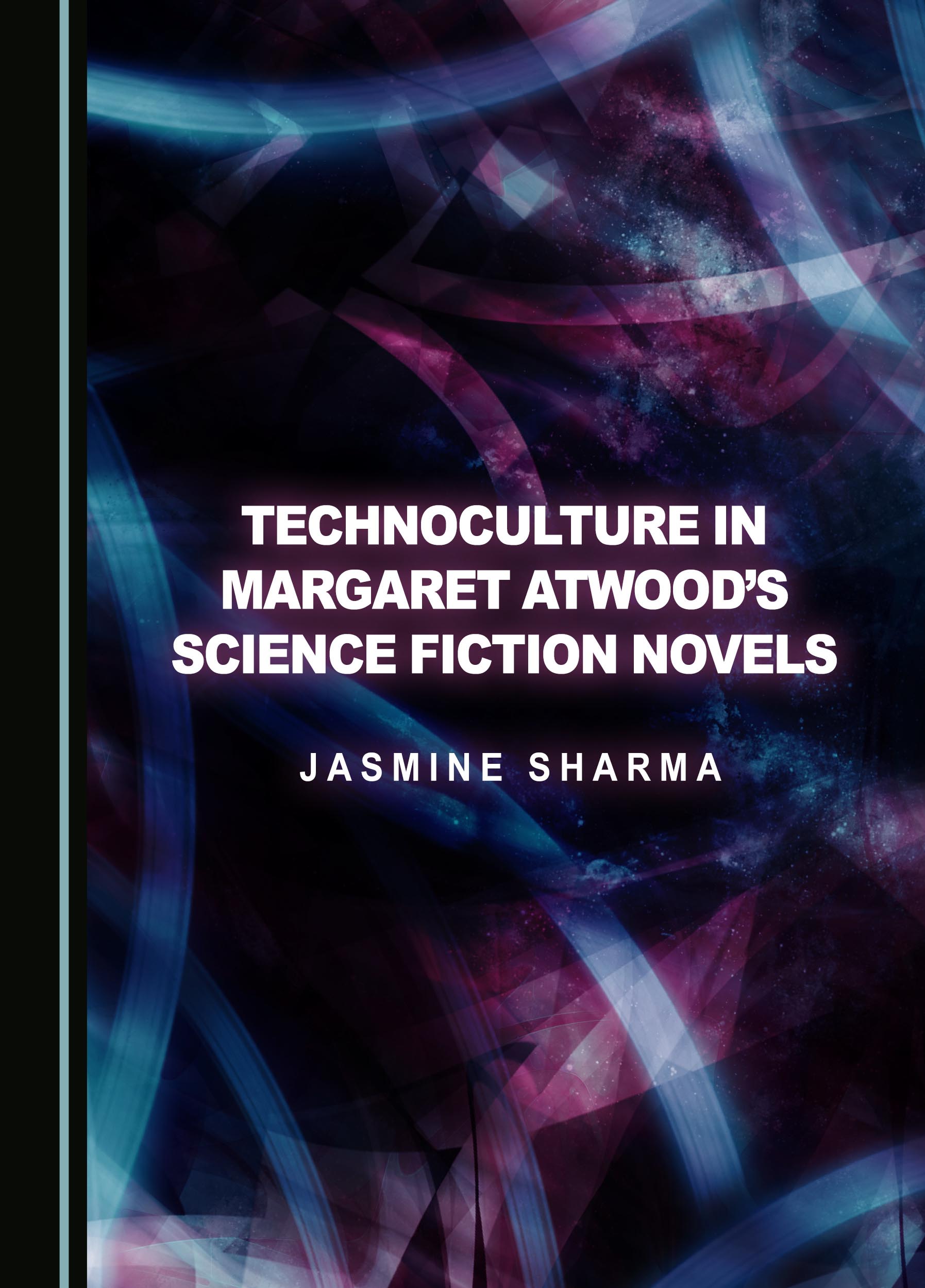
This book takes a philosophical approach to technocultural studies in Margaret Atwood’s science fiction. It explores how technology and culture reconstitute her literary landscape, from the gender politics of cyborgs to the hyperreal dimensions of video gaming and digital sex.
This book takes a philosophical approach to technocultural studies in Margaret Atwood’s science fiction. It explores how technology and culture reconstitute her literary landscape, from the gender politics of cyborgs to the hyperreal dimensions of video gaming and digital sex.
View more
This product has multiple variants. The options may be chosen on the product page
View more
This product has multiple variants. The options may be chosen on the product page
From £29.99
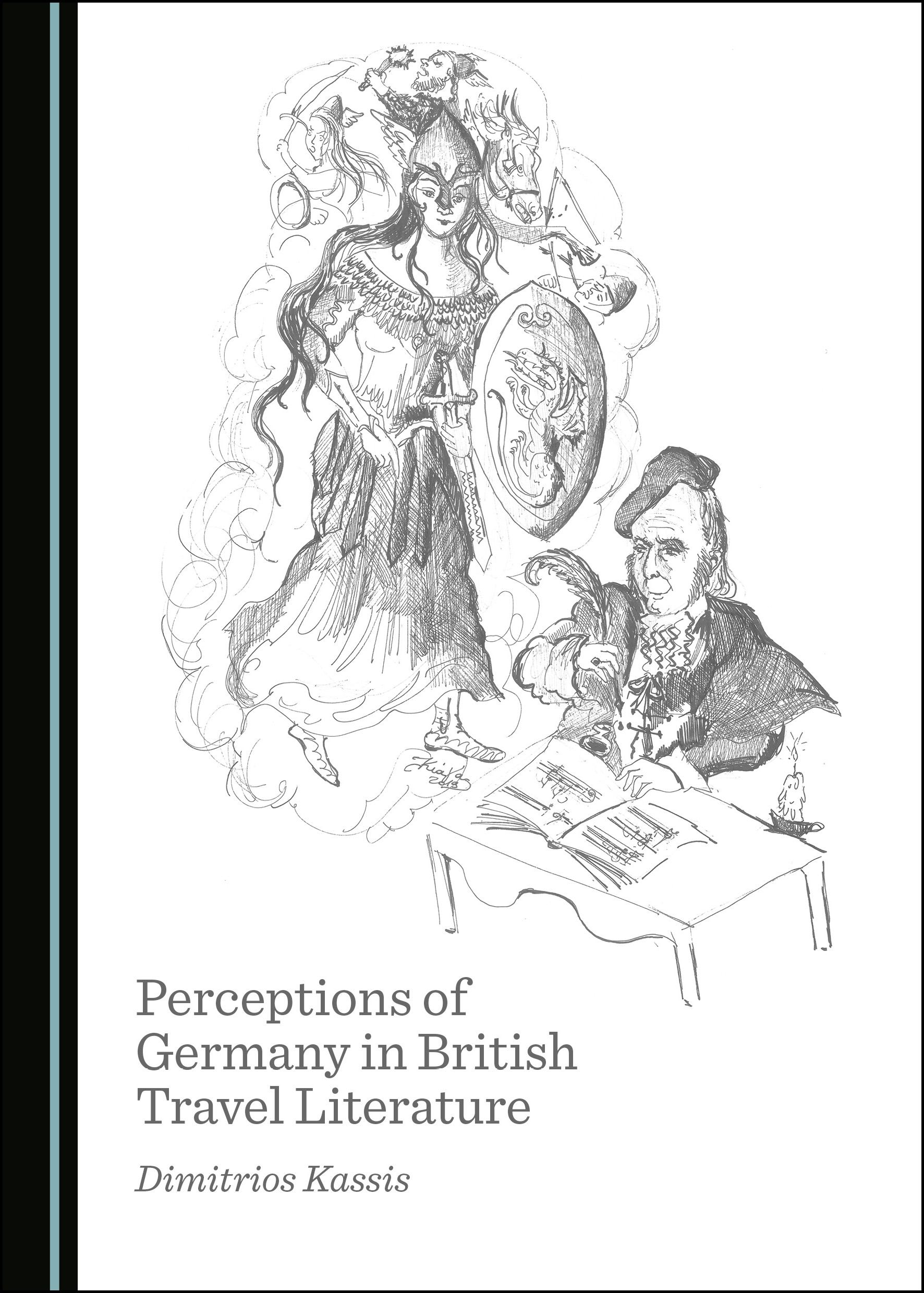
At the end of the 18th century, the British focus shifted from classical ideals to the rediscovery of Old Germanic culture. This book examines travel narratives from 1794 to 1845, shedding light on the representation of Germanness in relation to British national identity.
At the end of the 18th century, the British focus shifted from classical ideals to the rediscovery of Old Germanic culture. This book examines travel narratives from 1794 to 1845, shedding light on the representation of Germanness in relation to British national identity.
View more
This product has multiple variants. The options may be chosen on the product page
View more
This product has multiple variants. The options may be chosen on the product page
From £29.99
This book analyzes the unlikely friendship of Prince Hal and Falstaff in Shakespeare's Henry IV plays. Though the future king rejects Falstaff, arguably the world’s greatest comic character, his voice, representing a more human side of existence, cannot ultimately be denied.
This book analyzes the unlikely friendship of Prince Hal and Falstaff in Shakespeare’s Henry IV plays. Though the future king rejects Falstaff, arguably the world’s greatest comic character, his voice, representing a more human side of existence, cannot ultimately be denied.
View more
This product has multiple variants. The options may be chosen on the product page
View more
This product has multiple variants. The options may be chosen on the product page
From £29.99
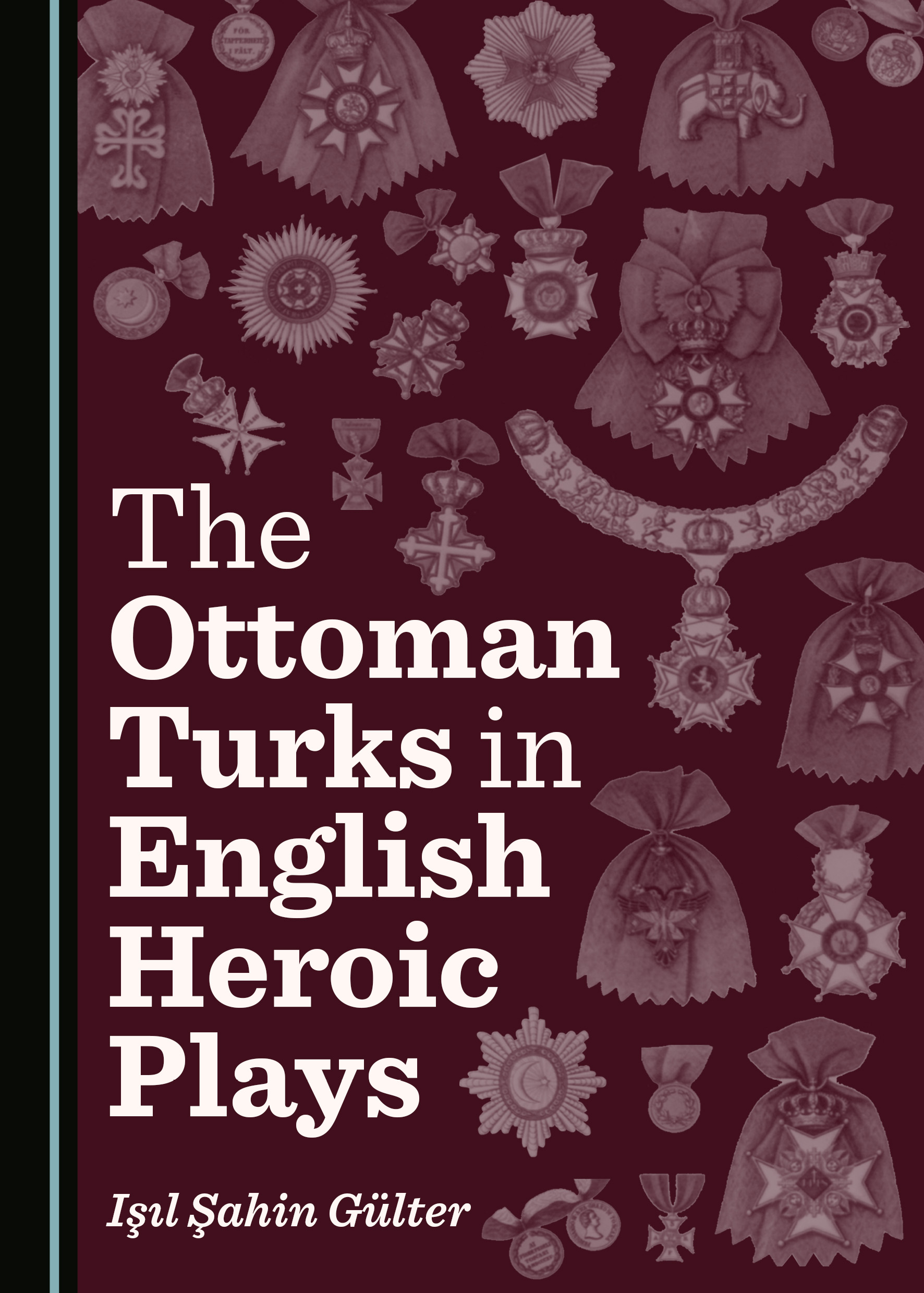
This book challenges the view of Restoration drama as purely domestic. It reveals how heroic plays used stereotypes of the Ottoman Turks to dramatize England's own revolution, regicide, and restoration, while shaping an emerging British imperial ideology.
This book challenges the view of Restoration drama as purely domestic. It reveals how heroic plays used stereotypes of the Ottoman Turks to dramatize England’s own revolution, regicide, and restoration, while shaping an emerging British imperial ideology.
View more
This product has multiple variants. The options may be chosen on the product page
View more
This product has multiple variants. The options may be chosen on the product page
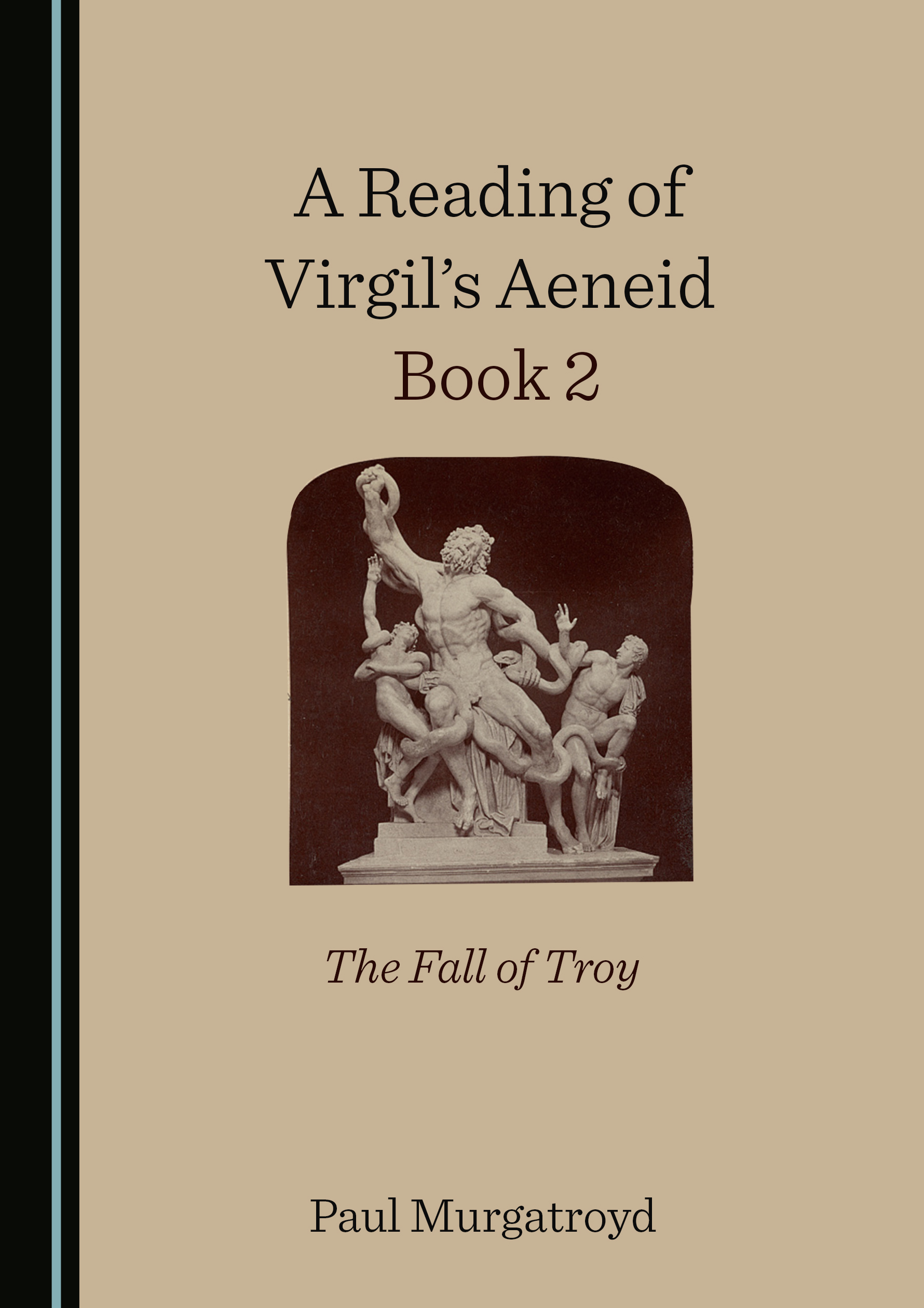
A Reading of Virgil’s Aeneid Book 2
The Fall of Troy
For students and the general reader, this book offers a detailed literary analysis of Virgil’s Aeneid 2, one of the most famous parts of the poem. It enhances critical appreciation and enjoyment, making the epic come alive with exercises and topics to extend engagement.
For students and the general reader, this book offers a detailed literary analysis of Virgil’s Aeneid 2, one of the most famous parts of the poem. It enhances critical appreciation and enjoyment, making the epic come alive with exercises and topics to extend engagement.
View more
This product has multiple variants. The options may be chosen on the product page
View more
This product has multiple variants. The options may be chosen on the product page
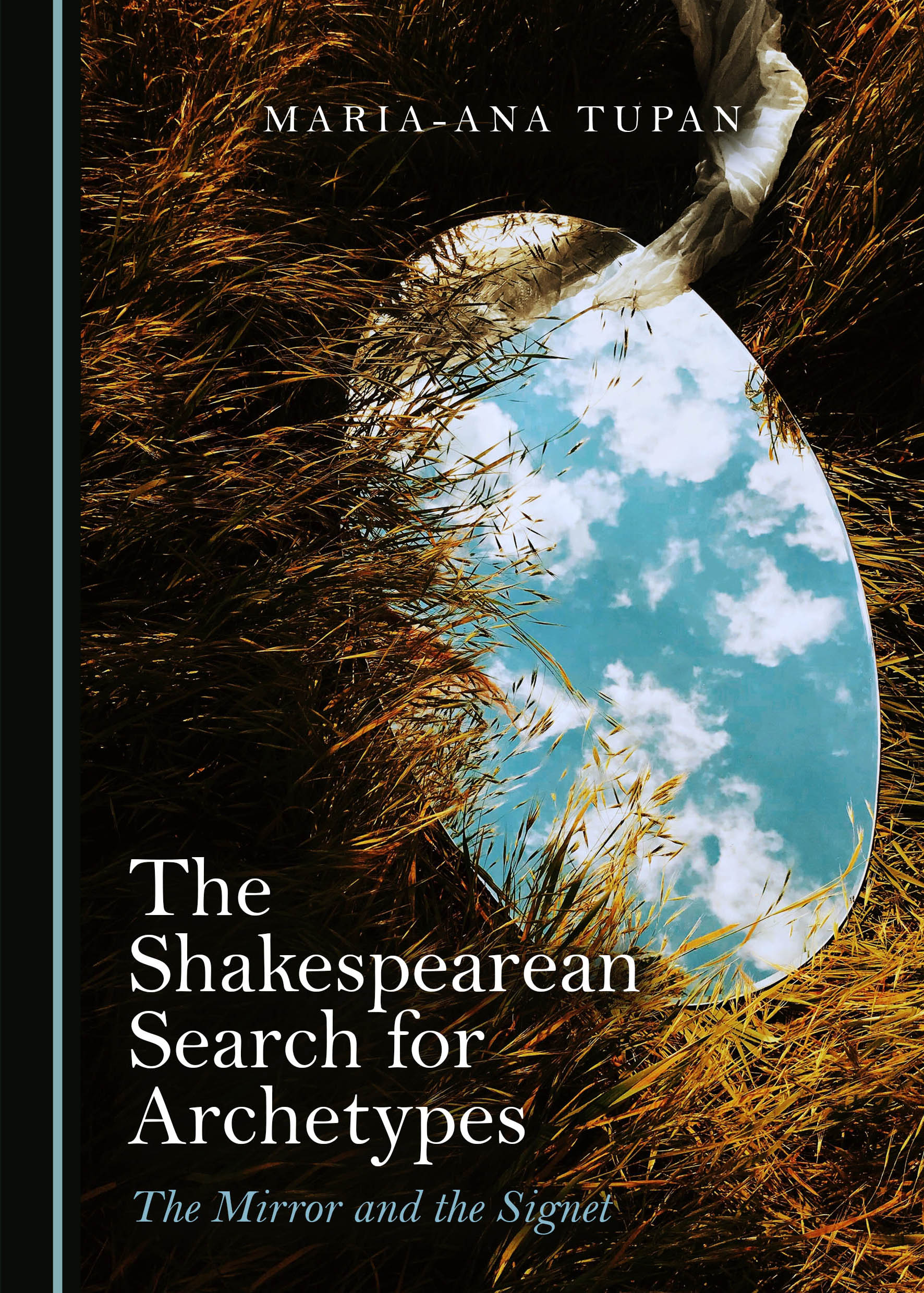
The Shakespearean Search for Archetypes
The Mirror and the Signet
Shakespeare’s mythopoetic figures are not transcendental but are batteries of condensed cultural meaning. This book finds in these archetypes the explanation for why his work responds through time to perspectives as different as psychological, feminist, and postcolonial.
Shakespeare’s mythopoetic figures are not transcendental but are batteries of condensed cultural meaning. This book finds in these archetypes the explanation for why his work responds through time to perspectives as different as psychological, feminist, and postcolonial.
View more
This product has multiple variants. The options may be chosen on the product page
View more
This product has multiple variants. The options may be chosen on the product page
From £29.99
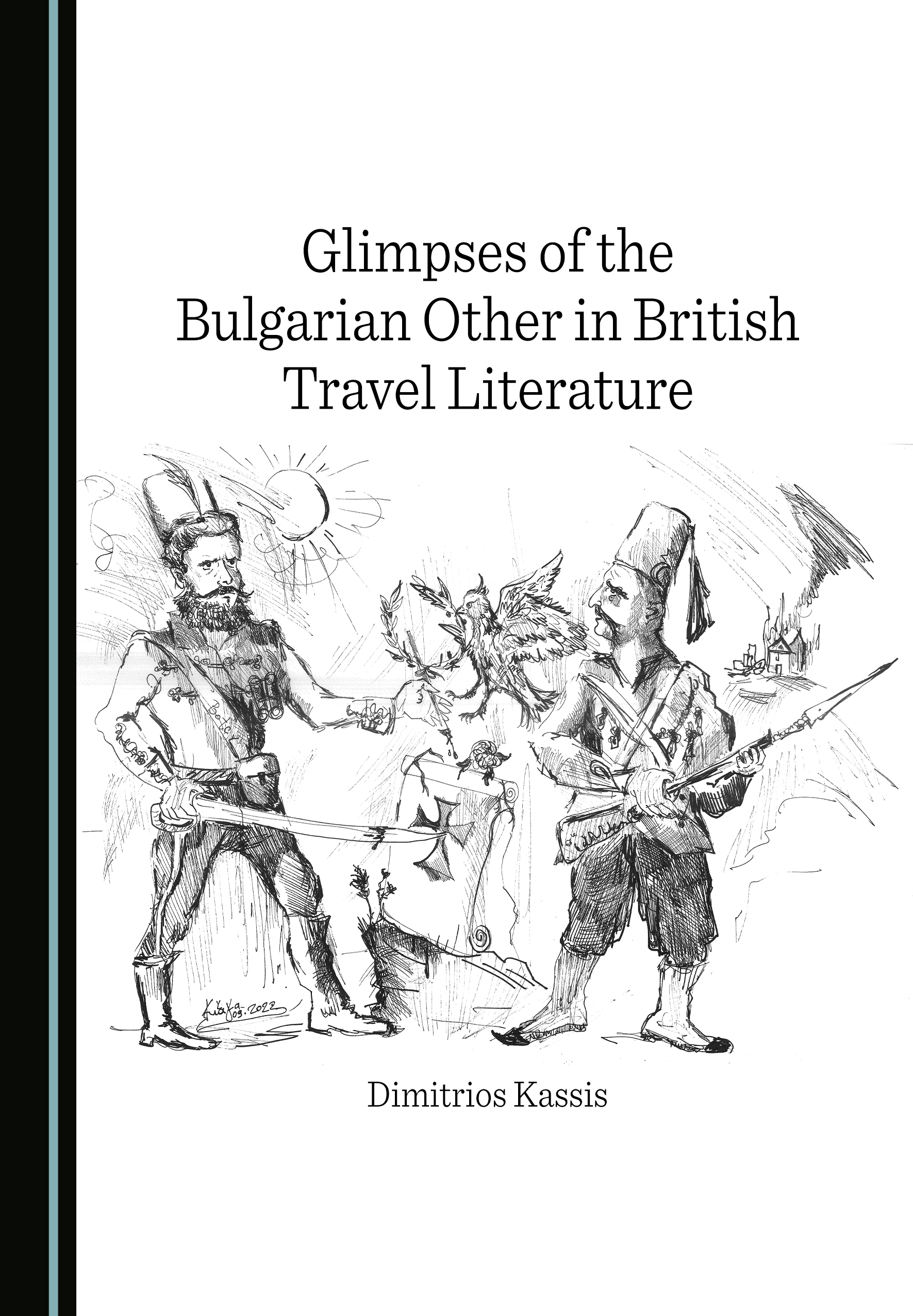
This volume explores British depictions of Bulgaria as a dystopian land from the 18th century until its 1878 Liberation. In these travel narratives, the Bulgarian nation is an antithesis to the civilised British, until its National Revival comes to question this depiction.
This volume explores British depictions of Bulgaria as a dystopian land from the 18th century until its 1878 Liberation. In these travel narratives, the Bulgarian nation is an antithesis to the civilised British, until its National Revival comes to question this depiction.
View more
This product has multiple variants. The options may be chosen on the product page
View more
This product has multiple variants. The options may be chosen on the product page
From £29.99
Twelve original essays explore the afterlives of nineteenth- and twentieth-century writers in biofiction and the biopic. Featuring case studies on Charlotte Brontë, Henry James, and Virginia Woolf, this volume situates these genres in their cultural and ideological contexts.
Twelve original essays explore the afterlives of nineteenth- and twentieth-century writers in biofiction and the biopic. Featuring case studies on Charlotte Brontë, Henry James, and Virginia Woolf, this volume situates these genres in their cultural and ideological contexts.
View more
This product has multiple variants. The options may be chosen on the product page
View more
This product has multiple variants. The options may be chosen on the product page
From £29.99
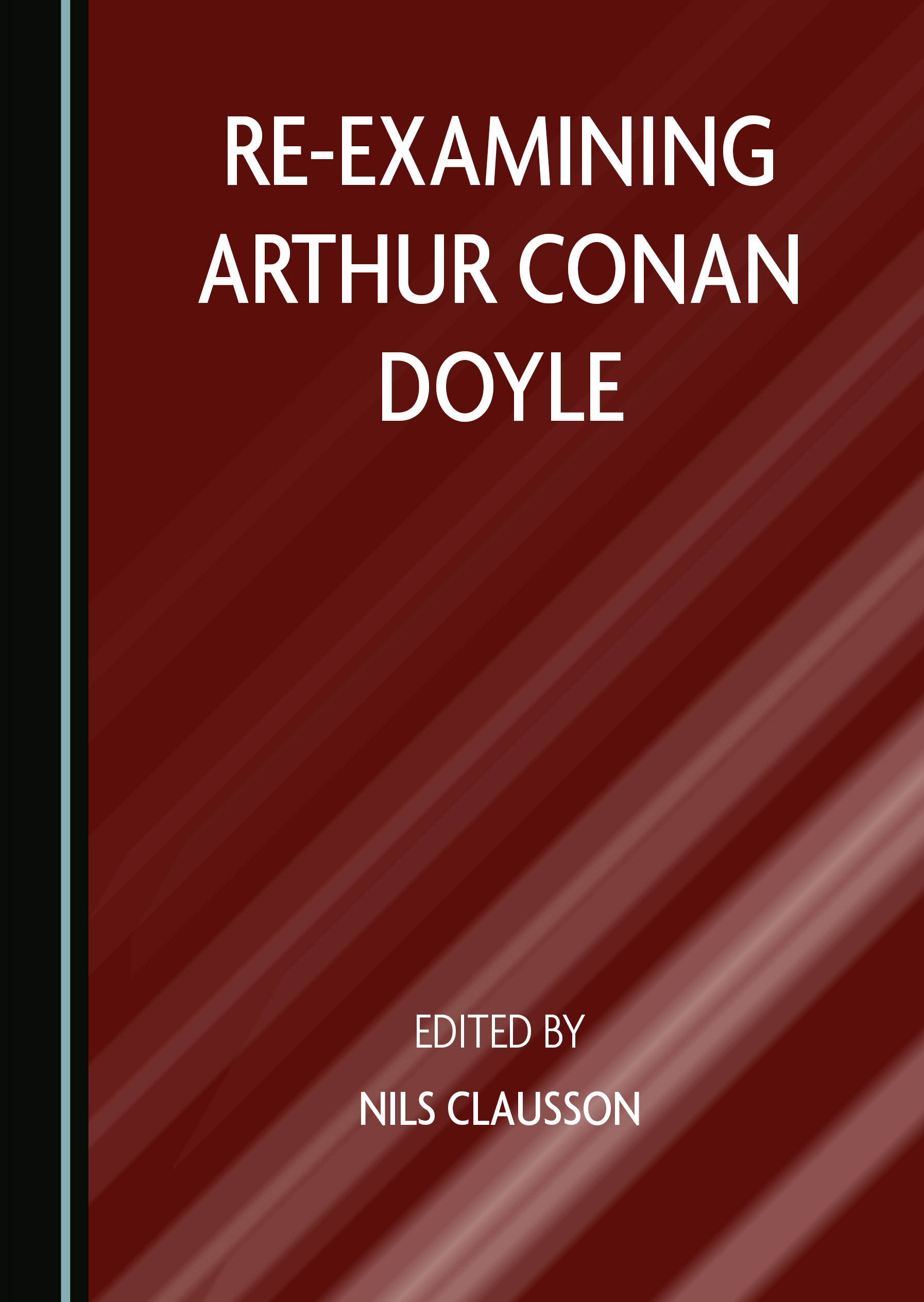
This collection re-examines the work and life of Arthur Conan Doyle from multiple perspectives. It considers overlooked aspects of his oeuvre, offering fresh perspectives on his fiction and his relationship to contemporary writers and movements.
This collection re-examines the work and life of Arthur Conan Doyle from multiple perspectives. It considers overlooked aspects of his oeuvre, offering fresh perspectives on his fiction and his relationship to contemporary writers and movements.
View more
This product has multiple variants. The options may be chosen on the product page
Processing Your Order
Please wait while we securely process your order.
Do not refresh or leave this page.
You will be redirected shortly to a confirmation page with your order number.