
View more
This product has multiple variants. The options may be chosen on the product page
From £30.99
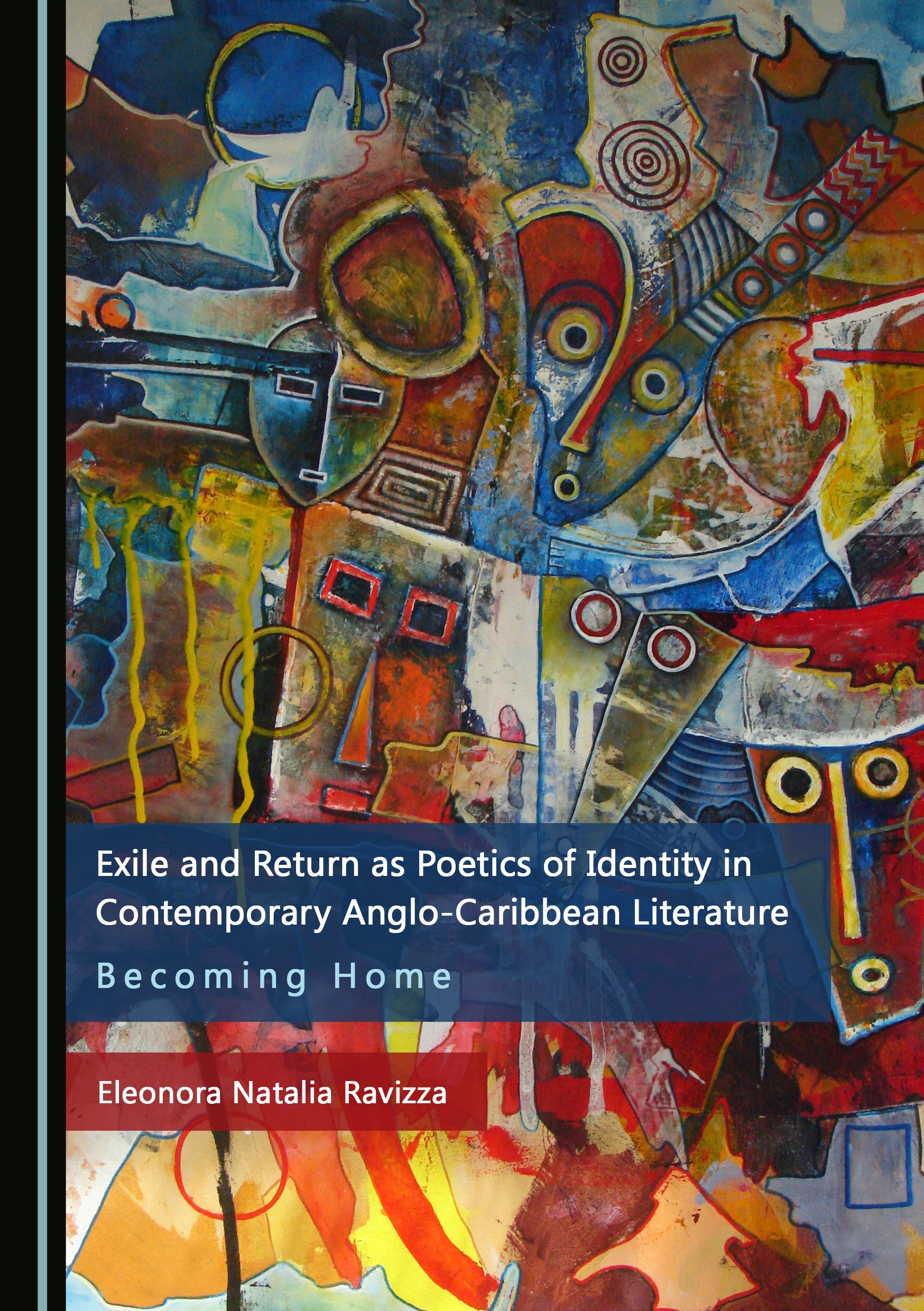
This volume explores how the interplay of “exile” and “return” in Anglo-Caribbean literature shapes identity. Against a history of colonialism, diaspora, and slavery, it raises questions about literature's function in an increasingly hybrid and transcultural world.
This volume explores how the interplay of “exile” and “return” in Anglo-Caribbean literature shapes identity. Against a history of colonialism, diaspora, and slavery, it raises questions about literature’s function in an increasingly hybrid and transcultural world.
View more
This product has multiple variants. The options may be chosen on the product page
View more
This product has multiple variants. The options may be chosen on the product page
£39.99
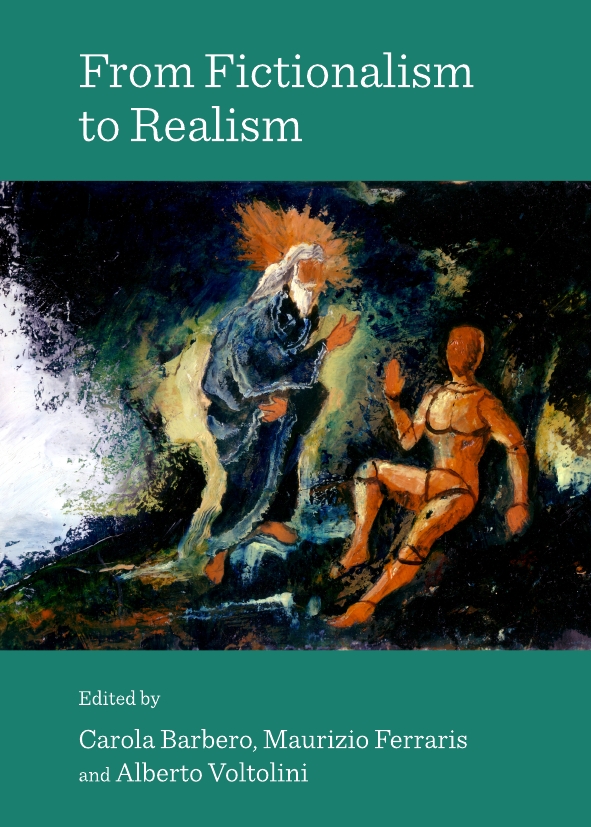
This book focuses on the controversy over social and fictional entities. Fictionalists claim we only make-believe they exist. Creationists argue they are real products of human activity. By evaluating both stances, this book sheds new light on the debate.
This book focuses on the controversy over social and fictional entities. Fictionalists claim we only make-believe they exist. Creationists argue they are real products of human activity. By evaluating both stances, this book sheds new light on the debate.
View more
This product has multiple variants. The options may be chosen on the product page
View more
This product has multiple variants. The options may be chosen on the product page
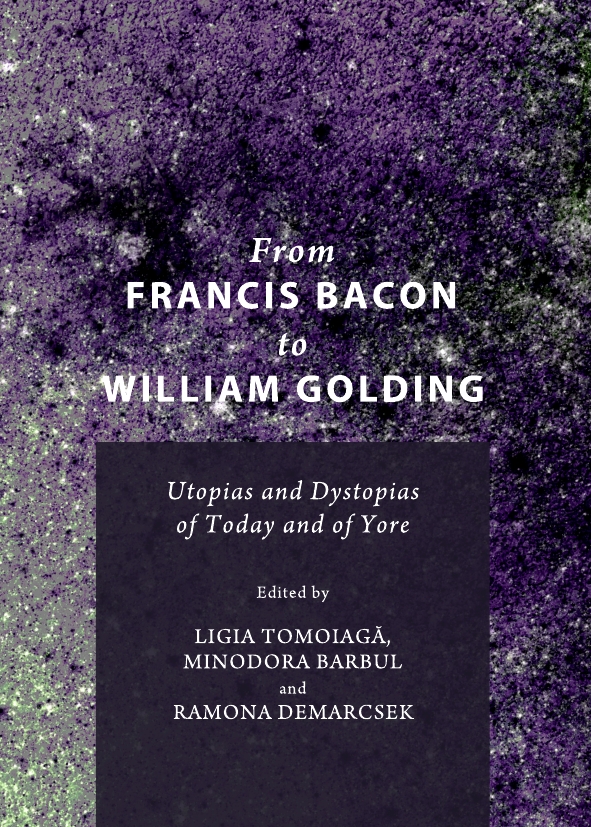
From Francis Bacon to William Golding
Utopias and Dystopias of Today and of Yore
Researchers from philology, philosophy, and anthropology come together to complete a 21st century vision on utopia. This interdisciplinary volume contains rigorous academic work alongside more relaxed essays.
Researchers from philology, philosophy, and anthropology come together to complete a 21st century vision on utopia. This interdisciplinary volume contains rigorous academic work alongside more relaxed essays.
View more
This product has multiple variants. The options may be chosen on the product page
View more
This product has multiple variants. The options may be chosen on the product page
From £35.99
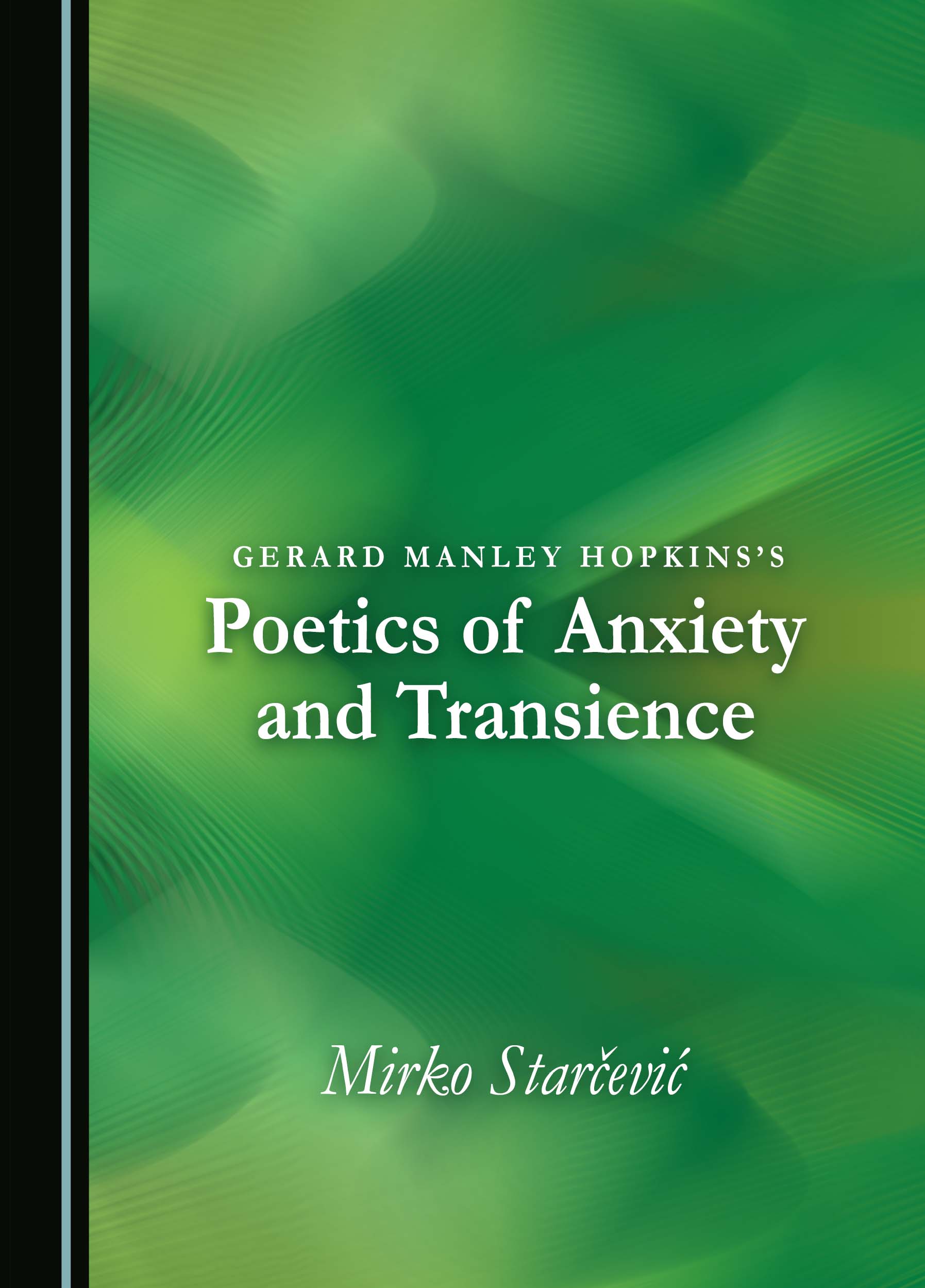
A fresh perspective on Gerard Manley Hopkins. This book argues that his artistic vision, not his faith, was the foremost concern in his poetry. It explores how themes of anxiety and transience shaped his voice, revealing his belief that they enhance rather than hinder creativity.
A fresh perspective on Gerard Manley Hopkins. This book argues that his artistic vision, not his faith, was the foremost concern in his poetry. It explores how themes of anxiety and transience shaped his voice, revealing his belief that they enhance rather than hinder creativity.
View more
This product has multiple variants. The options may be chosen on the product page

View more
This product has multiple variants. The options may be chosen on the product page
£61.99
Ben-Messahel investigates the issues of space, culture and identity in recent Australian fiction. Applying Nicolas Bourriaud’s concept of the Radicant, she discusses the work of 15 authors to show that, in Australia, cultural belonging is still a difficult process.
Ben-Messahel investigates the issues of space, culture and identity in recent Australian fiction. Applying Nicolas Bourriaud’s concept of the Radicant, she discusses the work of 15 authors to show that, in Australia, cultural belonging is still a difficult process.
View more
This product has multiple variants. The options may be chosen on the product page
View more
This product has multiple variants. The options may be chosen on the product page
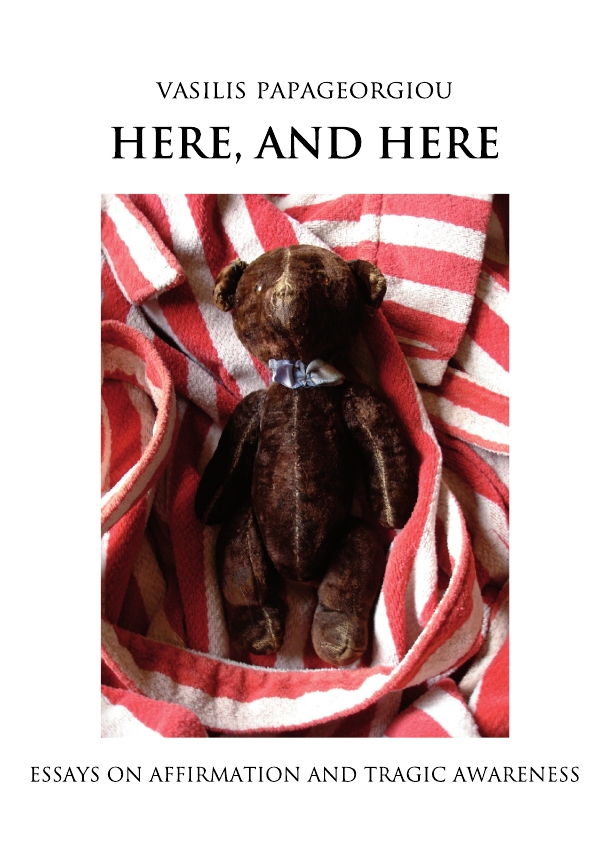
Here, and Here
Essays on Affirmation and Tragic Awareness
These essays explore using logos without its negative, restricting aspects through affirmation and tragic awareness. It is all about arrangements that say yes, since they do not raise absolute boundaries. The arrangement is a logos without logos: a cosmos.
These essays explore using logos without its negative, restricting aspects through affirmation and tragic awareness. It is all about arrangements that say yes, since they do not raise absolute boundaries. The arrangement is a logos without logos: a cosmos.
View more
This product has multiple variants. The options may be chosen on the product page

View more
This product has multiple variants. The options may be chosen on the product page
Humanity at the Heart of Practice
A Study of Ethics for Health-Care Students and Practitioners
Healthcare is humans caring for other humans. This book on ethical decision-making uses humanity as its organizing structure, exploring values and theoretical ethics to resolve complex dilemmas at the beginning and end of life, and in healthcare as a business.
Healthcare is humans caring for other humans. This book on ethical decision-making uses humanity as its organizing structure, exploring values and theoretical ethics to resolve complex dilemmas at the beginning and end of life, and in healthcare as a business.
View more
This product has multiple variants. The options may be chosen on the product page
View more
This product has multiple variants. The options may be chosen on the product page
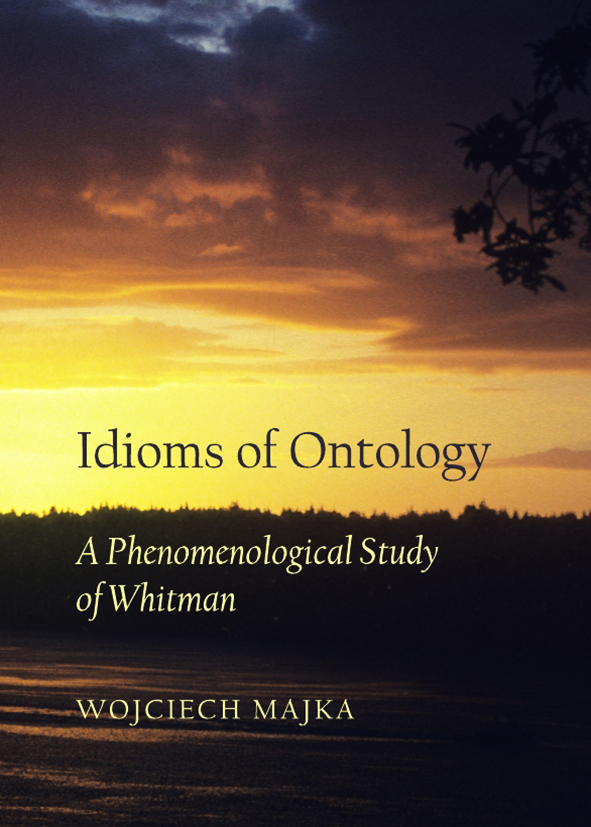
Idioms of Ontology
A Phenomenological Study of Whitman
Walt Whitman is a philosophical poet, but this aspect of his work is often neglected. This book throws the Whitmanesque self into a phenomenological context, examining the notion of selfhood against the views of Heidegger, Merleau-Ponty and Levinas.
Walt Whitman is a philosophical poet, but this aspect of his work is often neglected. This book throws the Whitmanesque self into a phenomenological context, examining the notion of selfhood against the views of Heidegger, Merleau-Ponty and Levinas.
View more
This product has multiple variants. The options may be chosen on the product page
View more
This product has multiple variants. The options may be chosen on the product page
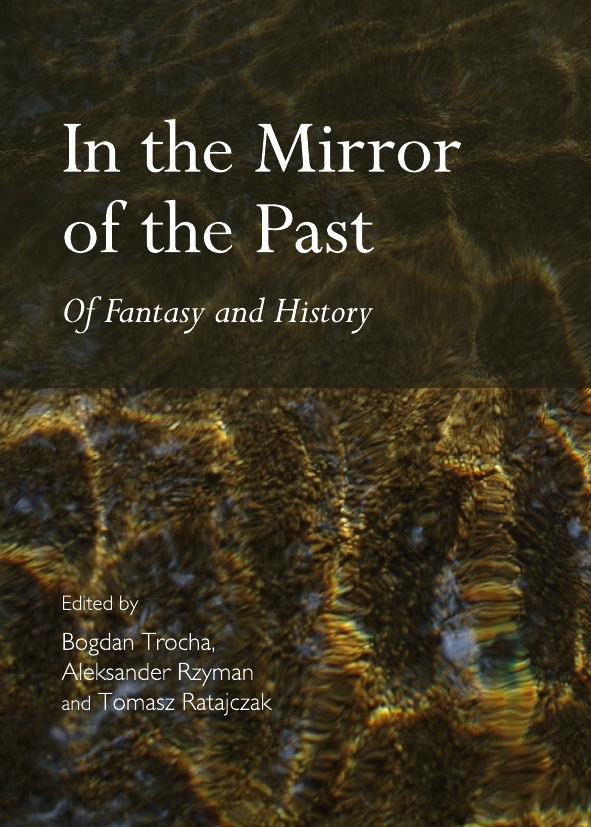
In the Mirror of the Past
Of Fantasy and History
Confronted by overwhelming events, we turn to myth. These essays discuss myth in modern speculative fiction, showing how fantasy becomes a mythic mirror in which we hope to see answers to vexing questions or a reality superior to our own.
Confronted by overwhelming events, we turn to myth. These essays discuss myth in modern speculative fiction, showing how fantasy becomes a mythic mirror in which we hope to see answers to vexing questions or a reality superior to our own.
View more
This product has multiple variants. The options may be chosen on the product page
View more
This product has multiple variants. The options may be chosen on the product page
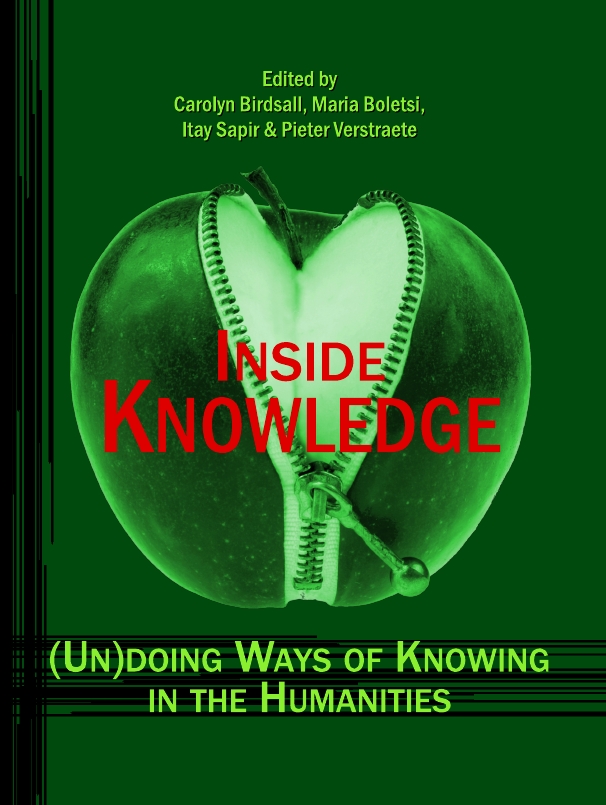
Inside Knowledge
(Un)doing Ways of Knowing in the Humanities
Can art produce knowledge? Is the body a medium for knowing? This collection of essays offers a fresh, interdisciplinary examination of how we know what we know in the humanities, challenging conventional methodologies through concrete case studies.
Can art produce knowledge? Is the body a medium for knowing? This collection of essays offers a fresh, interdisciplinary examination of how we know what we know in the humanities, challenging conventional methodologies through concrete case studies.
View more
This product has multiple variants. The options may be chosen on the product page
View more
This product has multiple variants. The options may be chosen on the product page
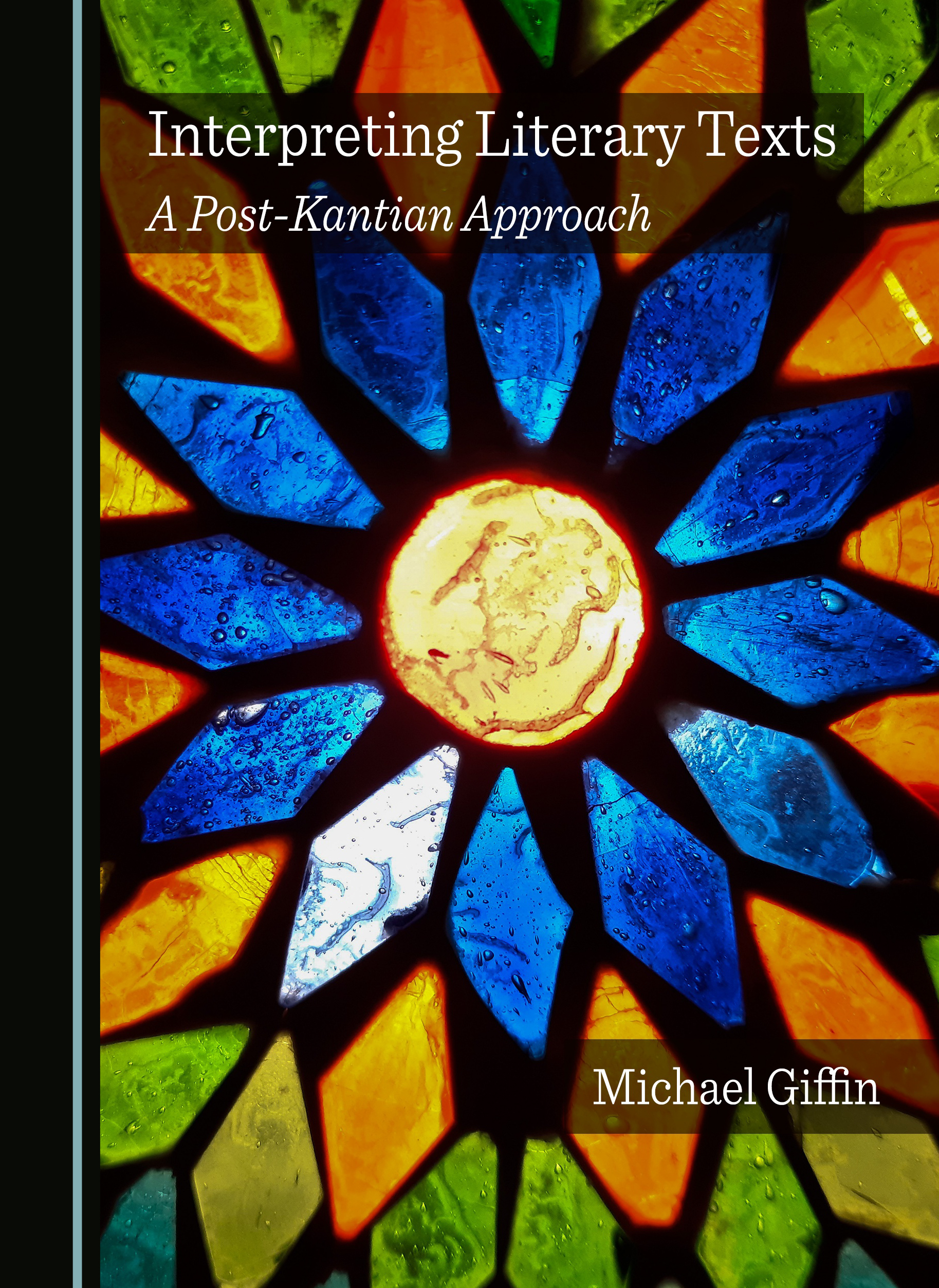
Interpreting Literary Texts
A Post-Kantian Approach
This book explores how textual interpretation evolved from Classicism to Postmodernism. Using novels by authors like Jane Austen, Patrick White, and Margaret Atwood, it traces the shifts in literary movements and philosophical concepts of truth, reason, and the human mind.
This book explores how textual interpretation evolved from Classicism to Postmodernism. Using novels by authors like Jane Austen, Patrick White, and Margaret Atwood, it traces the shifts in literary movements and philosophical concepts of truth, reason, and the human mind.
View more
This product has multiple variants. The options may be chosen on the product page
View more
This product has multiple variants. The options may be chosen on the product page
£45.99
This title presents recent findings and opens new vistas for research by mapping the potential interconnections of intertextuality and intersubjectivity across a range of fields. It incorporates various research foci and topoi across time and space.
This title presents recent findings and opens new vistas for research by mapping the potential interconnections of intertextuality and intersubjectivity across a range of fields. It incorporates various research foci and topoi across time and space.
View more
This product has multiple variants. The options may be chosen on the product page
View more
This product has multiple variants. The options may be chosen on the product page
Irony, Misogyny and Interpretation
Ambiguous Authority in Schopenhauer, Kierkegaard and Nietzsche
How do we judge the misogyny of Nietzsche, Kierkegaard, and Schopenhauer when it might be ironic? This book argues that ironic ambiguity is a formative aspect of their texts, not an excuse, and explores the ethical problem this poses for interpretation.
How do we judge the misogyny of Nietzsche, Kierkegaard, and Schopenhauer when it might be ironic? This book argues that ironic ambiguity is a formative aspect of their texts, not an excuse, and explores the ethical problem this poses for interpretation.
View more
This product has multiple variants. The options may be chosen on the product page
View more
This product has multiple variants. The options may be chosen on the product page
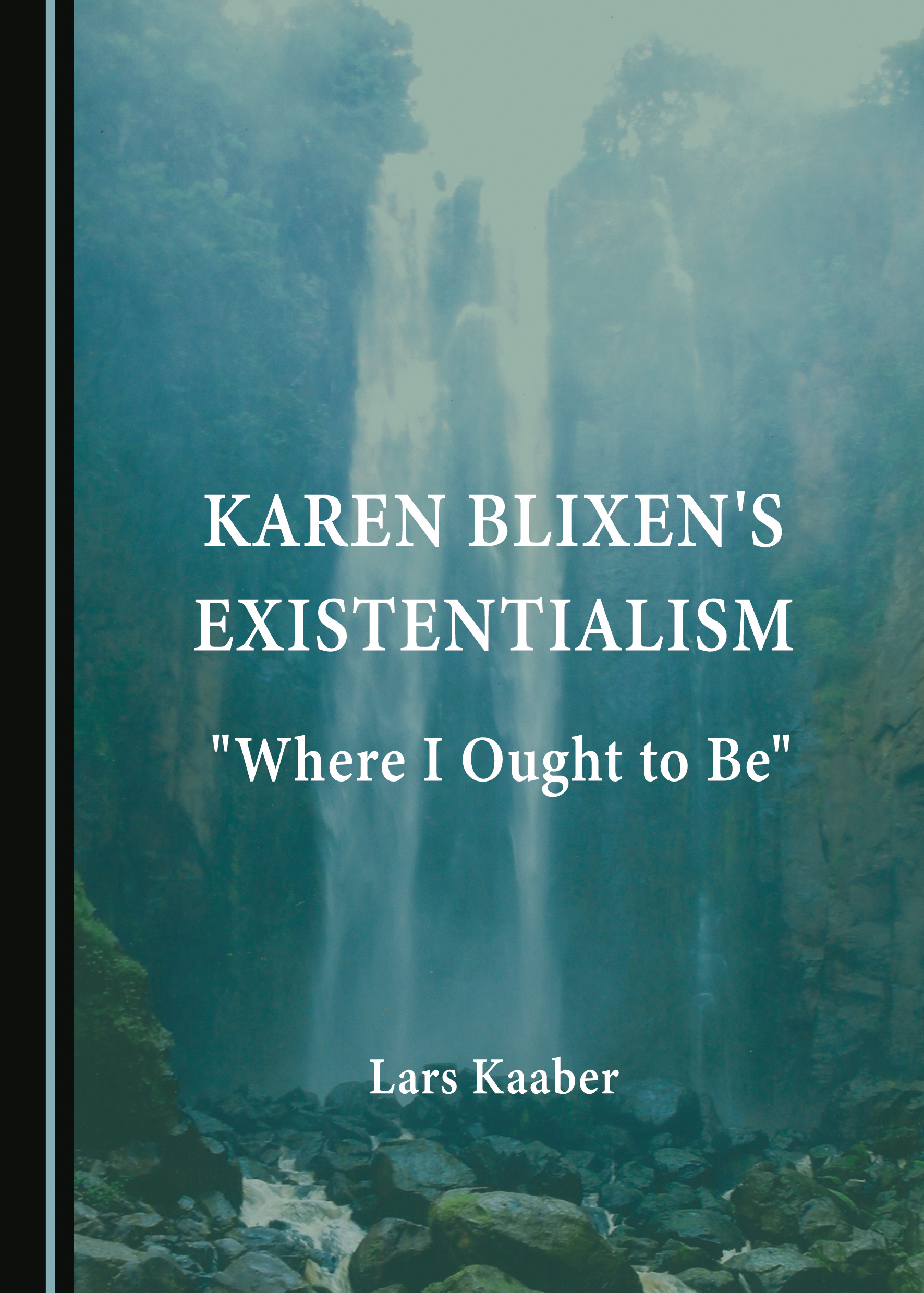
Karen Blixen’s Existentialism
"Where I Ought to Be"
This book investigates the writings of Karen Blixen from an existentialist angle. Blixen subtly integrates the ideas of Kierkegaard, Nietzsche, and Sartre, making them accessible while offering her own ideas on existentialism’s fundamental problem: how to become who you are.
This book investigates the writings of Karen Blixen from an existentialist angle. Blixen subtly integrates the ideas of Kierkegaard, Nietzsche, and Sartre, making them accessible while offering her own ideas on existentialism’s fundamental problem: how to become who you are.
View more
This product has multiple variants. The options may be chosen on the product page
View more
This product has multiple variants. The options may be chosen on the product page
£44.99
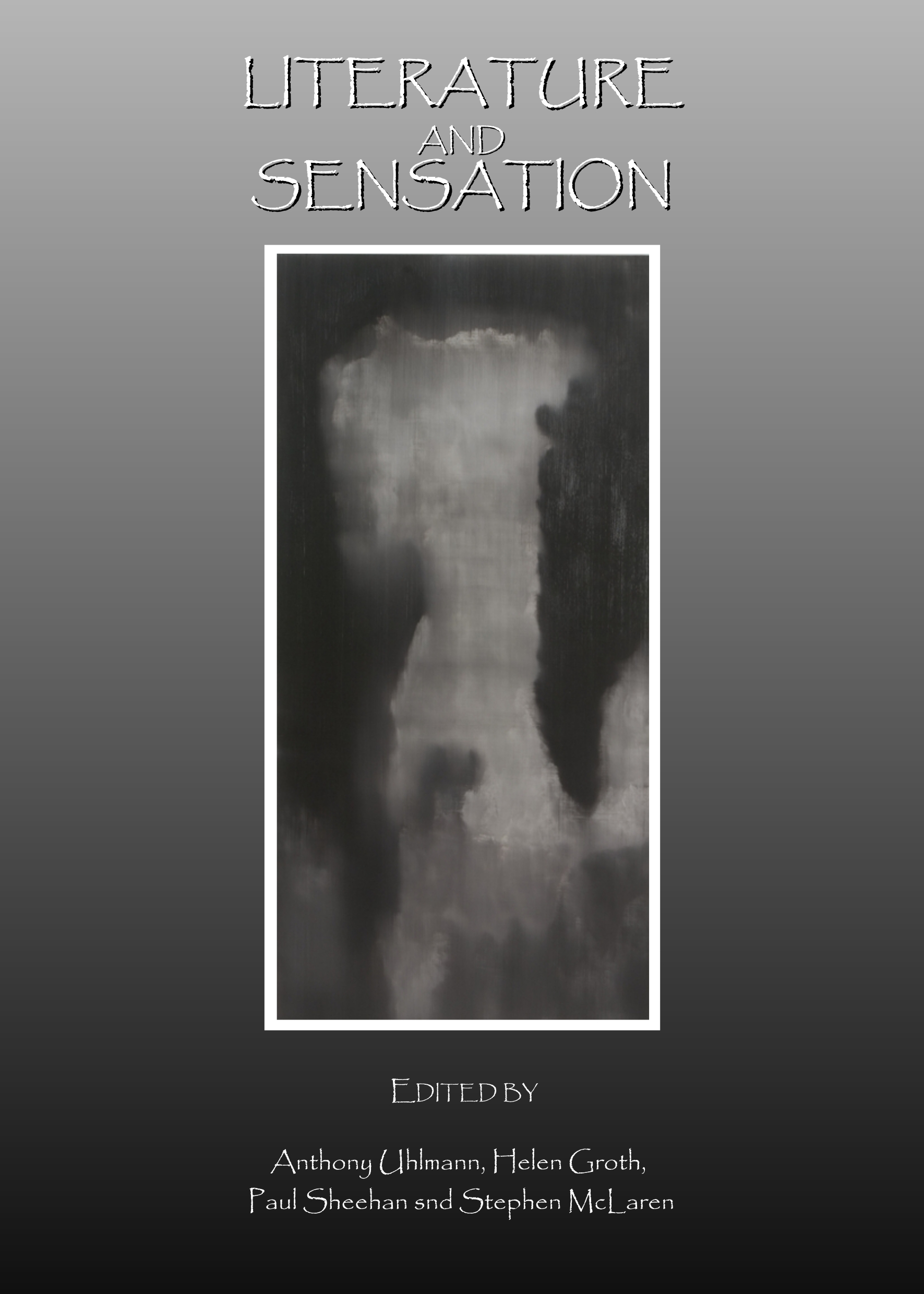
Literature has always treated the sensational, but it is also intricately connected with sensation in ways that are less understood. This book offers detailed readings of literature according to the sensations they represent, incite, or evoke in us.
Literature has always treated the sensational, but it is also intricately connected with sensation in ways that are less understood. This book offers detailed readings of literature according to the sensations they represent, incite, or evoke in us.
View more
This product has multiple variants. The options may be chosen on the product page
View more
This product has multiple variants. The options may be chosen on the product page
Literature, Performance, and Somaesthetics
Studies in Agency and Embodiment
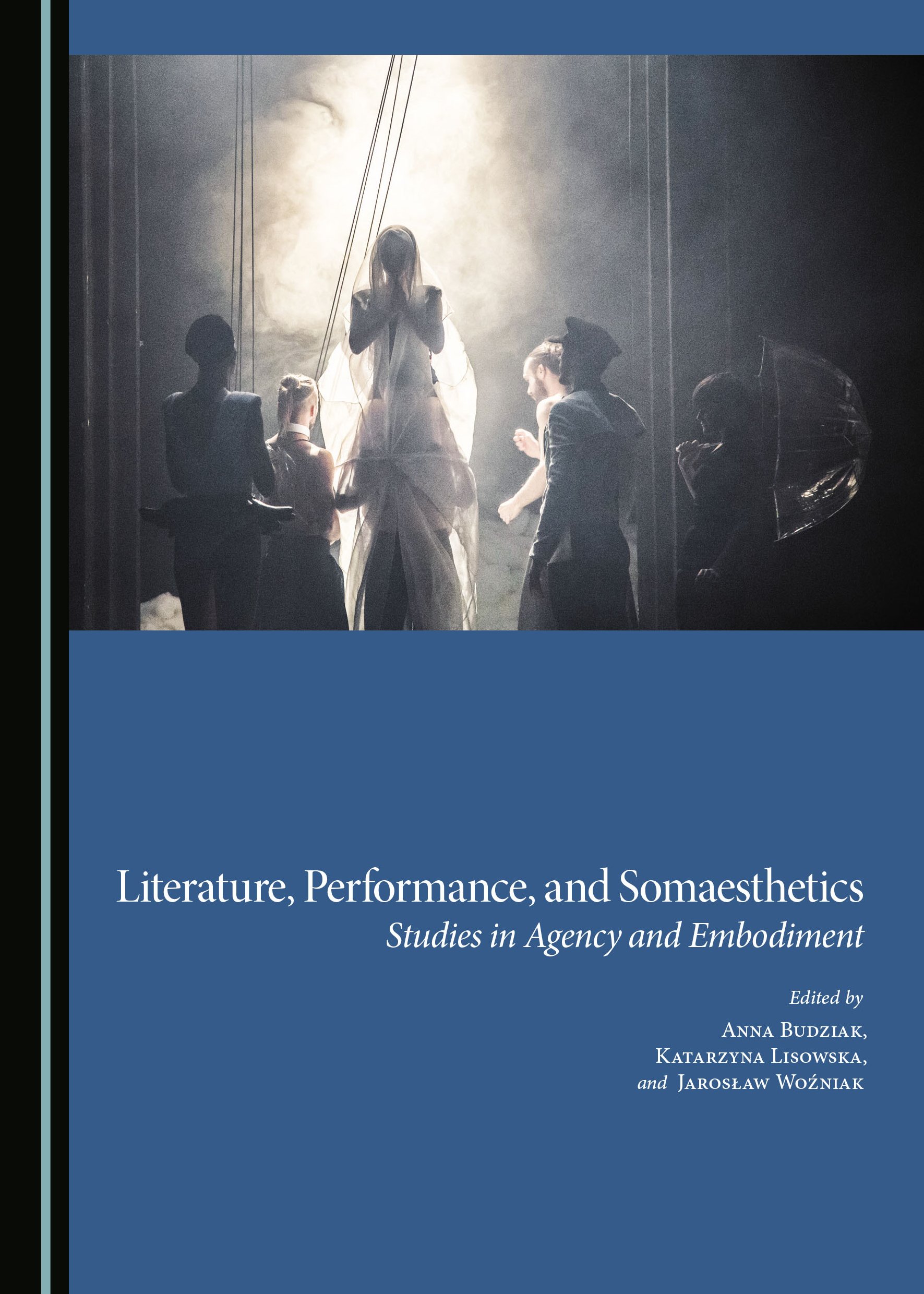
These essays view textual and extra-textual worlds as an intimate continuum. Drawing from philosophical somaesthetics and performance studies, they explore the agency of the embodied self, examining literary characters, canons, and reception on a physical, visceral level.
These essays view textual and extra-textual worlds as an intimate continuum. Drawing from philosophical somaesthetics and performance studies, they explore the agency of the embodied self, examining literary characters, canons, and reception on a physical, visceral level.
View more
This product has multiple variants. The options may be chosen on the product page
View more
This product has multiple variants. The options may be chosen on the product page
£41.99
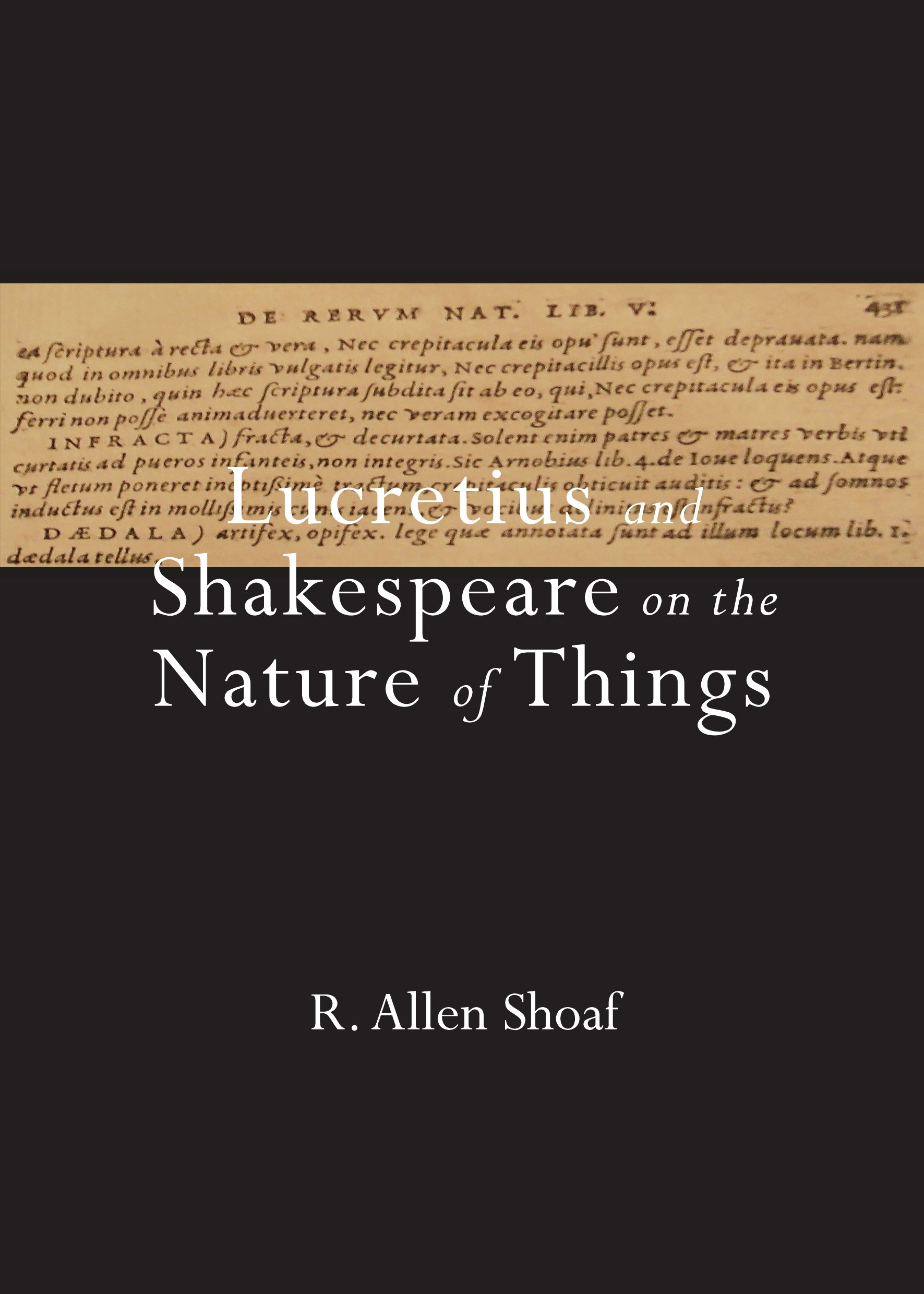
This book reveals Shakespeare as an early modern materialist inspired by Lucretius. In chapters on six important plays, it demonstrates how he writes an “atomic” poetry of joining and splitting language to explore the art of nature and the nature of art.
This book reveals Shakespeare as an early modern materialist inspired by Lucretius. In chapters on six important plays, it demonstrates how he writes an “atomic” poetry of joining and splitting language to explore the art of nature and the nature of art.
View more
This product has multiple variants. The options may be chosen on the product page
View more
This product has multiple variants. The options may be chosen on the product page
£39.99
Why study Pound and Eliot as Imagists when one left the movement and the other never belonged? To explore their shared premium on precision for opposite ends. Pound plied accuracy to carve distinctions, while Eliot used it to intuit a divine amalgamation.
Why study Pound and Eliot as Imagists when one left the movement and the other never belonged? To explore their shared premium on precision for opposite ends. Pound plied accuracy to carve distinctions, while Eliot used it to intuit a divine amalgamation.
View more
This product has multiple variants. The options may be chosen on the product page

View more
This product has multiple variants. The options may be chosen on the product page
Neoliberalism, Oligarchy and Politics of the Event
At the Edge of Chaos
This book shows that today’s oligarchic politics result from the fall of mass movements. The rule is reversed into a cybernetic market where transnational corporations control states, rendering sovereignty an illusion and threatening the very essence of society.
This book shows that today’s oligarchic politics result from the fall of mass movements. The rule is reversed into a cybernetic market where transnational corporations control states, rendering sovereignty an illusion and threatening the very essence of society.
View more
This product has multiple variants. The options may be chosen on the product page
View more
This product has multiple variants. The options may be chosen on the product page
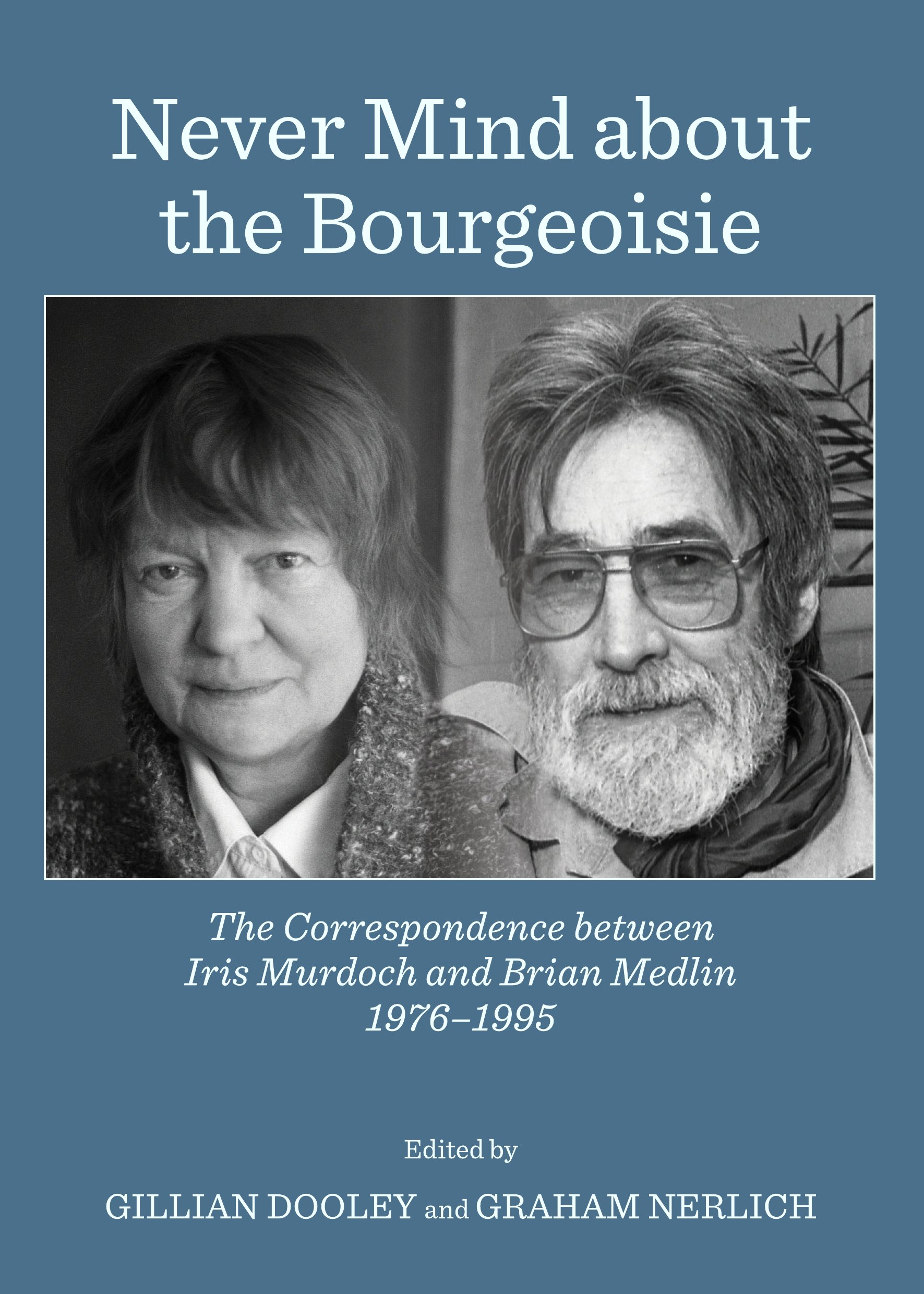
Never Mind about the Bourgeoisie
The Correspondence between Iris Murdoch and Brian Medlin 1976-1995
This collection of correspondence, covering over twenty years, records the deeply affectionate friendship between novelist Iris Murdoch and philosopher Brian Medlin. They spar over Marxism and radical politics, while he regales her with tales of Australian life.
This collection of correspondence, covering over twenty years, records the deeply affectionate friendship between novelist Iris Murdoch and philosopher Brian Medlin. They spar over Marxism and radical politics, while he regales her with tales of Australian life.
View more
This product has multiple variants. The options may be chosen on the product page
Processing Your Order
Please wait while we securely process your order.
Do not refresh or leave this page.
You will be redirected shortly to a confirmation page with your order number.