
View more
This product has multiple variants. The options may be chosen on the product page
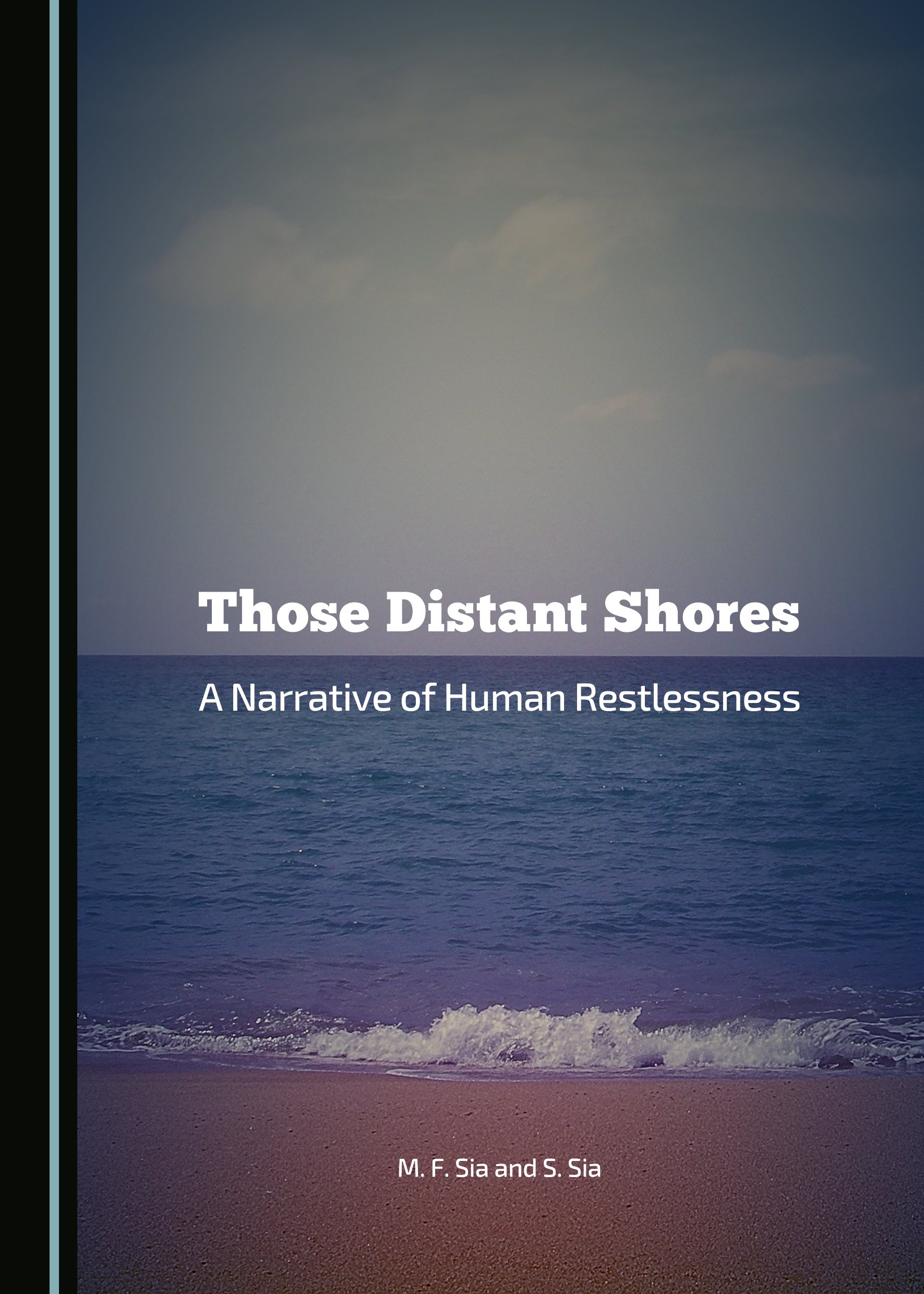
Those Distant Shores
A Narrative of Human Restlessness
"Distant shores" represent the human yearning for fulfillment that makes us restless. This story follows the life-journeys of three Filipino friends and a young Spaniard whose very different paths intersect, exploring our fundamental restlessness and desire for transcendence.
“Distant shores” represent the human yearning for fulfillment that makes us restless. This story follows the life-journeys of three Filipino friends and a young Spaniard whose very different paths intersect, exploring our fundamental restlessness and desire for transcendence.
View more
This product has multiple variants. The options may be chosen on the product page
View more
This product has multiple variants. The options may be chosen on the product page
From £32.99
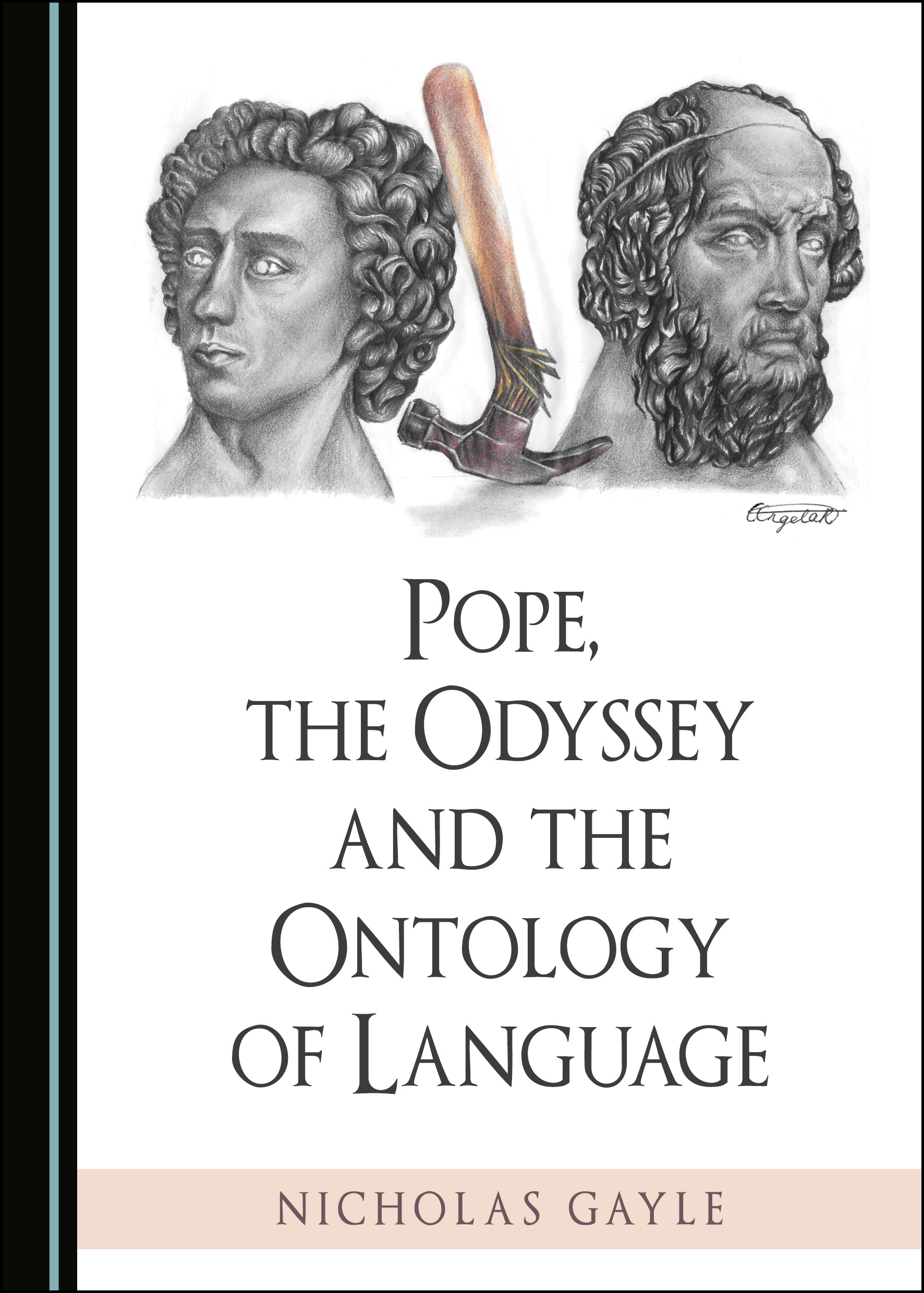
This study examines Pope's translation of the Odyssey through Graham Harman's Object-Oriented Ontology. It explores the poems' figurative language to uncover a withdrawn reality, contrasting it with a sensual world of shimmering objects from the quotidian to the bizarre.
This study examines Pope’s translation of the Odyssey through Graham Harman’s Object-Oriented Ontology. It explores the poems’ figurative language to uncover a withdrawn reality, contrasting it with a sensual world of shimmering objects from the quotidian to the bizarre.
View more
This product has multiple variants. The options may be chosen on the product page
View more
This product has multiple variants. The options may be chosen on the product page
From £32.99
How do young Arab scholars interact with English literature? This book shows why courageous voices from the past, like Swift’s, must remain alive in a wasteland of globalization. Anarchist, champion of the oppressed, Swift’s ghost is needed to wake us to the truth.
How do young Arab scholars interact with English literature? This book shows why courageous voices from the past, like Swift’s, must remain alive in a wasteland of globalization. Anarchist, champion of the oppressed, Swift’s ghost is needed to wake us to the truth.
View more
This product has multiple variants. The options may be chosen on the product page

View more
This product has multiple variants. The options may be chosen on the product page
One is Never Alone with a Rubber Duck
Douglas Adams’s Absurd Fictional Universe
Douglas Adams’s Hitchhiker Series is not merely light-hearted comedy, but is underpinned by philosophical ideas like Existentialism and absurdity. It investigates madness as subjective reality and uses aliens to satirise the human condition.
Douglas Adams’s Hitchhiker Series is not merely light-hearted comedy, but is underpinned by philosophical ideas like Existentialism and absurdity. It investigates madness as subjective reality and uses aliens to satirise the human condition.
View more
This product has multiple variants. The options may be chosen on the product page
View more
This product has multiple variants. The options may be chosen on the product page
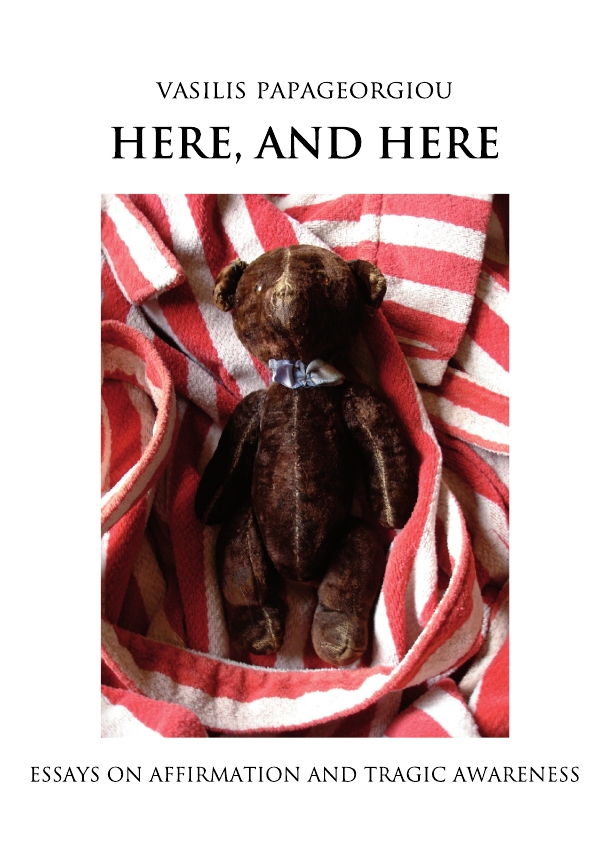
Here, and Here
Essays on Affirmation and Tragic Awareness
These essays explore using logos without its negative, restricting aspects through affirmation and tragic awareness. It is all about arrangements that say yes, since they do not raise absolute boundaries. The arrangement is a logos without logos: a cosmos.
These essays explore using logos without its negative, restricting aspects through affirmation and tragic awareness. It is all about arrangements that say yes, since they do not raise absolute boundaries. The arrangement is a logos without logos: a cosmos.
View more
This product has multiple variants. The options may be chosen on the product page
View more
This product has multiple variants. The options may be chosen on the product page
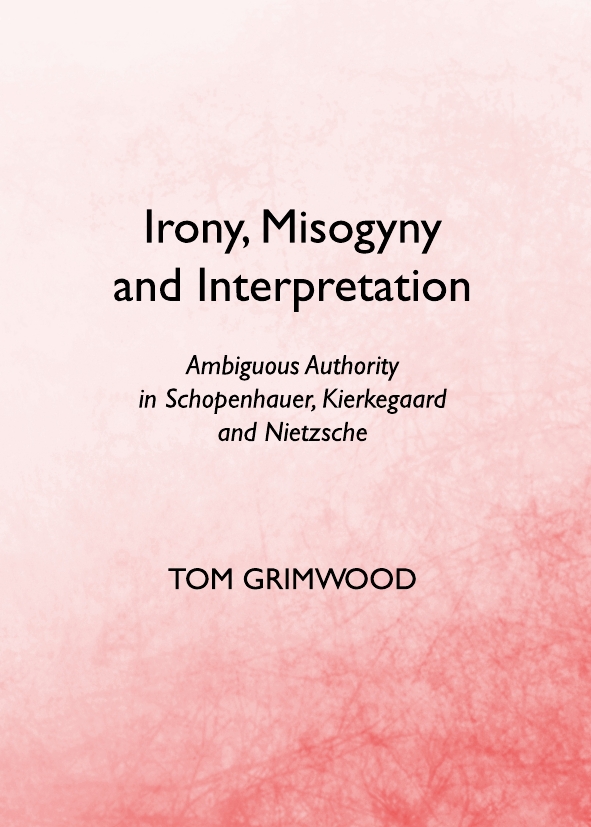
Irony, Misogyny and Interpretation
Ambiguous Authority in Schopenhauer, Kierkegaard and Nietzsche
How do we judge the misogyny of Nietzsche, Kierkegaard, and Schopenhauer when it might be ironic? This book argues that ironic ambiguity is a formative aspect of their texts, not an excuse, and explores the ethical problem this poses for interpretation.
How do we judge the misogyny of Nietzsche, Kierkegaard, and Schopenhauer when it might be ironic? This book argues that ironic ambiguity is a formative aspect of their texts, not an excuse, and explores the ethical problem this poses for interpretation.
View more
This product has multiple variants. The options may be chosen on the product page
View more
This product has multiple variants. The options may be chosen on the product page
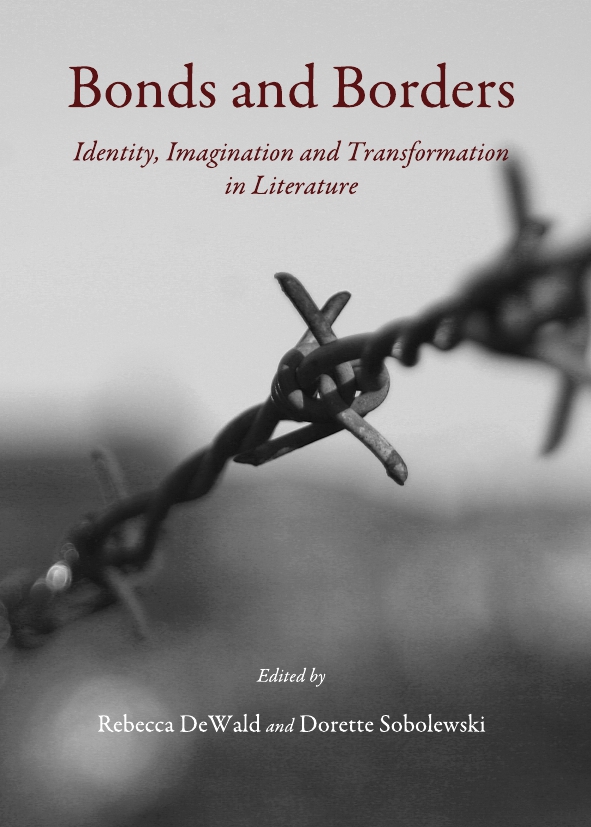
Bonds and Borders
Identity, Imagination and Transformation in Literature
This collection of essays explores bonds and borders in literature, from colonial times to post-9/11 narratives. Trespassing boundaries to create new ideas, these essays dissect, subvert, and challenge our understandings of identity in an international society.
This collection of essays explores bonds and borders in literature, from colonial times to post-9/11 narratives. Trespassing boundaries to create new ideas, these essays dissect, subvert, and challenge our understandings of identity in an international society.
View more
This product has multiple variants. The options may be chosen on the product page
View more
This product has multiple variants. The options may be chosen on the product page
From £34.99
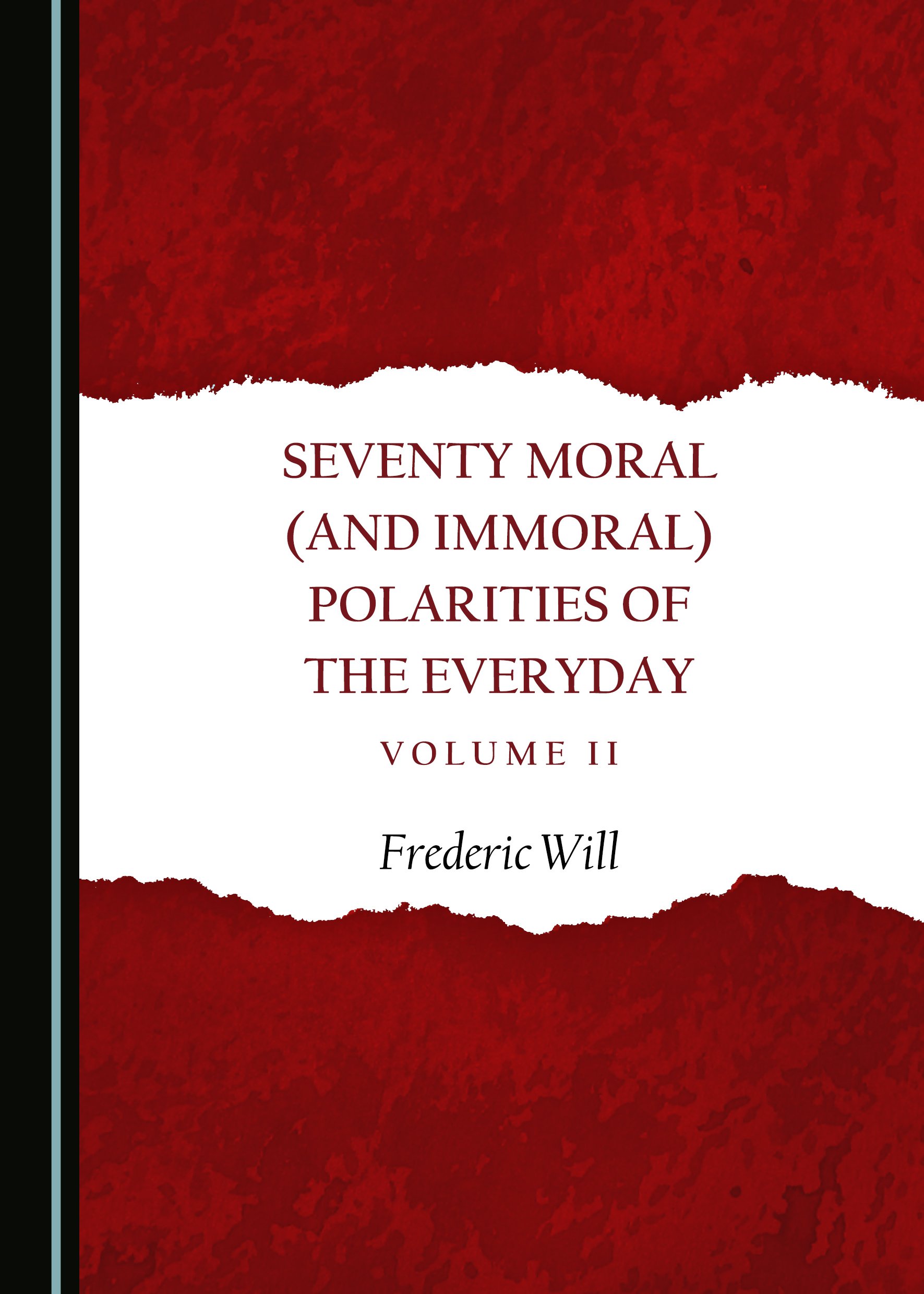
Will explores polarities through a set of seventy mini-meditations on opposite states of moral and emotional life. He studies the operational energy at play, which is partly prayer or mantra and partly half-completed logical conundrum.
Will explores polarities through a set of seventy mini-meditations on opposite states of moral and emotional life. He studies the operational energy at play, which is partly prayer or mantra and partly half-completed logical conundrum.
View more
This product has multiple variants. The options may be chosen on the product page

View more
This product has multiple variants. The options may be chosen on the product page
£34.99
In a postmodern world where grand narratives have collapsed, Michel Tournier's mission is to create a new mythology. He reworks established myths and legends, allowing the reader to take the place of the author and create their own individual mythology.
In a postmodern world where grand narratives have collapsed, Michel Tournier’s mission is to create a new mythology. He reworks established myths and legends, allowing the reader to take the place of the author and create their own individual mythology.
View more
This product has multiple variants. The options may be chosen on the product page
View more
This product has multiple variants. The options may be chosen on the product page
£34.99
From Ireland to Byzantium, medievalists face constraints interpreting texts. Problems of authorship, transcription, and translation create a complex discourse. These chapters prise truths about texts, transmission, and the critical literacies needed to interpret both.
From Ireland to Byzantium, medievalists face constraints interpreting texts. Problems of authorship, transcription, and translation create a complex discourse. These chapters prise truths about texts, transmission, and the critical literacies needed to interpret both.
View more
This product has multiple variants. The options may be chosen on the product page
View more
This product has multiple variants. The options may be chosen on the product page
£34.99
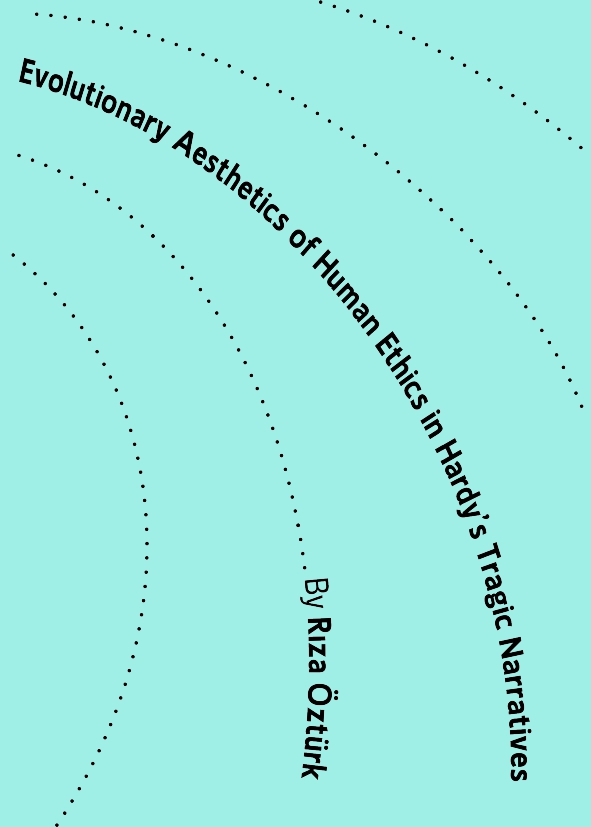
This analysis of Hardy’s tragedies finds his famed pessimism is a mask for evolutionary ethics. Women's suffering is an adapted parental investment in survival, a force of superiority granting greater fitness than the heroic deeds of men.
This analysis of Hardy’s tragedies finds his famed pessimism is a mask for evolutionary ethics. Women’s suffering is an adapted parental investment in survival, a force of superiority granting greater fitness than the heroic deeds of men.
View more
This product has multiple variants. The options may be chosen on the product page
View more
This product has multiple variants. The options may be chosen on the product page
Conrad’s Destructive Element
The Metaphysical World-View Unifying Lord Jim
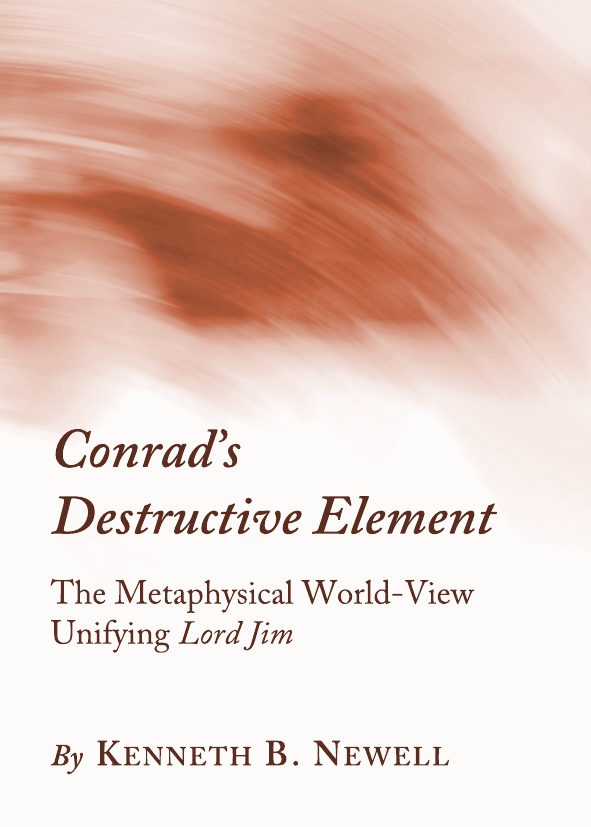
This new interpretation of Lord Jim uses Conrad's manuscript to reveal the novel as a unified whole. It refutes critics by showing how one metaphysical question gives the story a fixed pattern of meaning from beginning to end, just as Conrad claimed.
This new interpretation of Lord Jim uses Conrad’s manuscript to reveal the novel as a unified whole. It refutes critics by showing how one metaphysical question gives the story a fixed pattern of meaning from beginning to end, just as Conrad claimed.
View more
This product has multiple variants. The options may be chosen on the product page
View more
This product has multiple variants. The options may be chosen on the product page
Interpreting Literary Texts
A Post-Kantian Approach
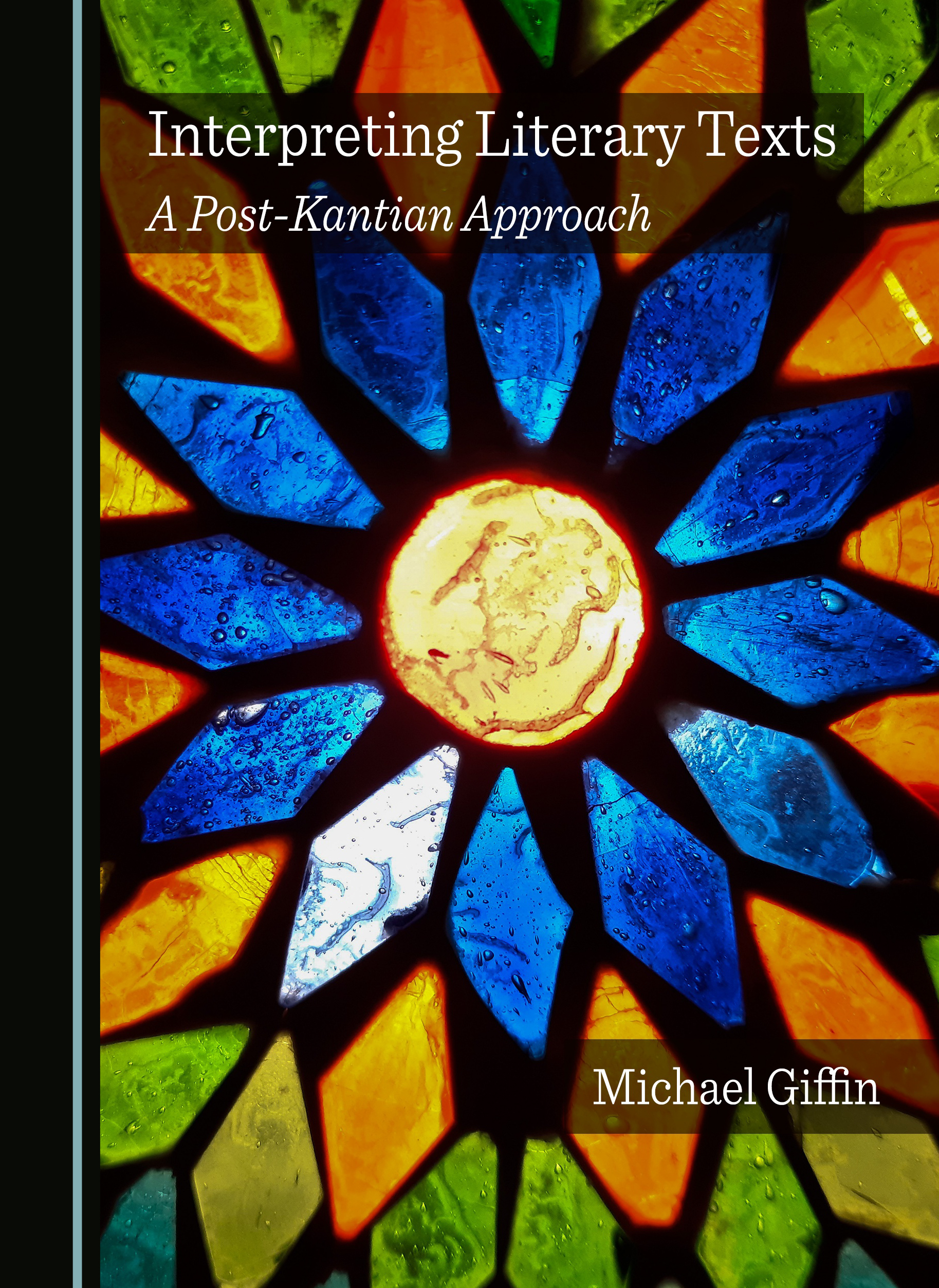
This book explores how textual interpretation evolved from Classicism to Postmodernism. Using novels by authors like Jane Austen, Patrick White, and Margaret Atwood, it traces the shifts in literary movements and philosophical concepts of truth, reason, and the human mind.
This book explores how textual interpretation evolved from Classicism to Postmodernism. Using novels by authors like Jane Austen, Patrick White, and Margaret Atwood, it traces the shifts in literary movements and philosophical concepts of truth, reason, and the human mind.
View more
This product has multiple variants. The options may be chosen on the product page
View more
This product has multiple variants. The options may be chosen on the product page
From £35.99
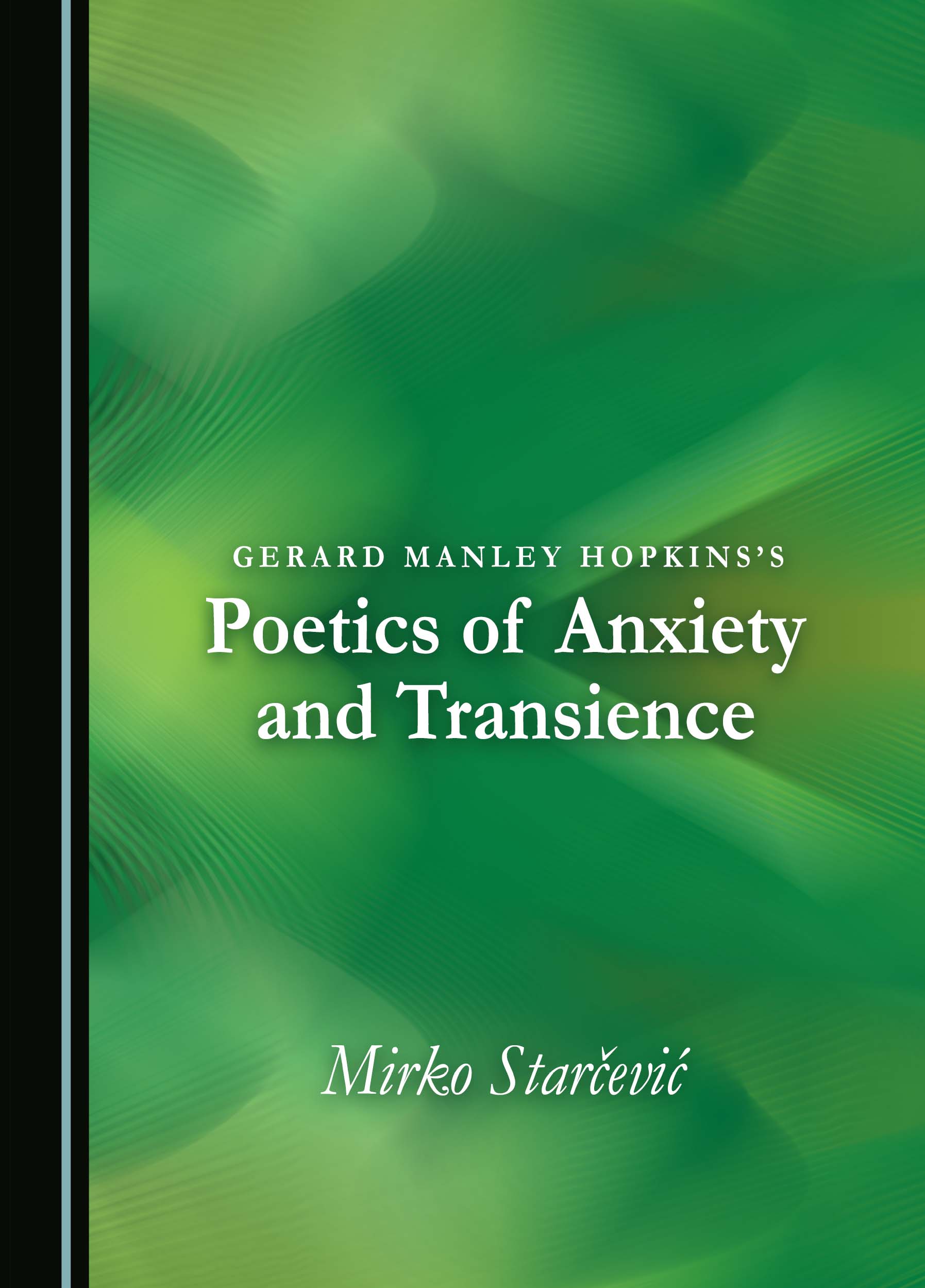
A fresh perspective on Gerard Manley Hopkins. This book argues that his artistic vision, not his faith, was the foremost concern in his poetry. It explores how themes of anxiety and transience shaped his voice, revealing his belief that they enhance rather than hinder creativity.
A fresh perspective on Gerard Manley Hopkins. This book argues that his artistic vision, not his faith, was the foremost concern in his poetry. It explores how themes of anxiety and transience shaped his voice, revealing his belief that they enhance rather than hinder creativity.
View more
This product has multiple variants. The options may be chosen on the product page
View more
This product has multiple variants. The options may be chosen on the product page
From £35.99
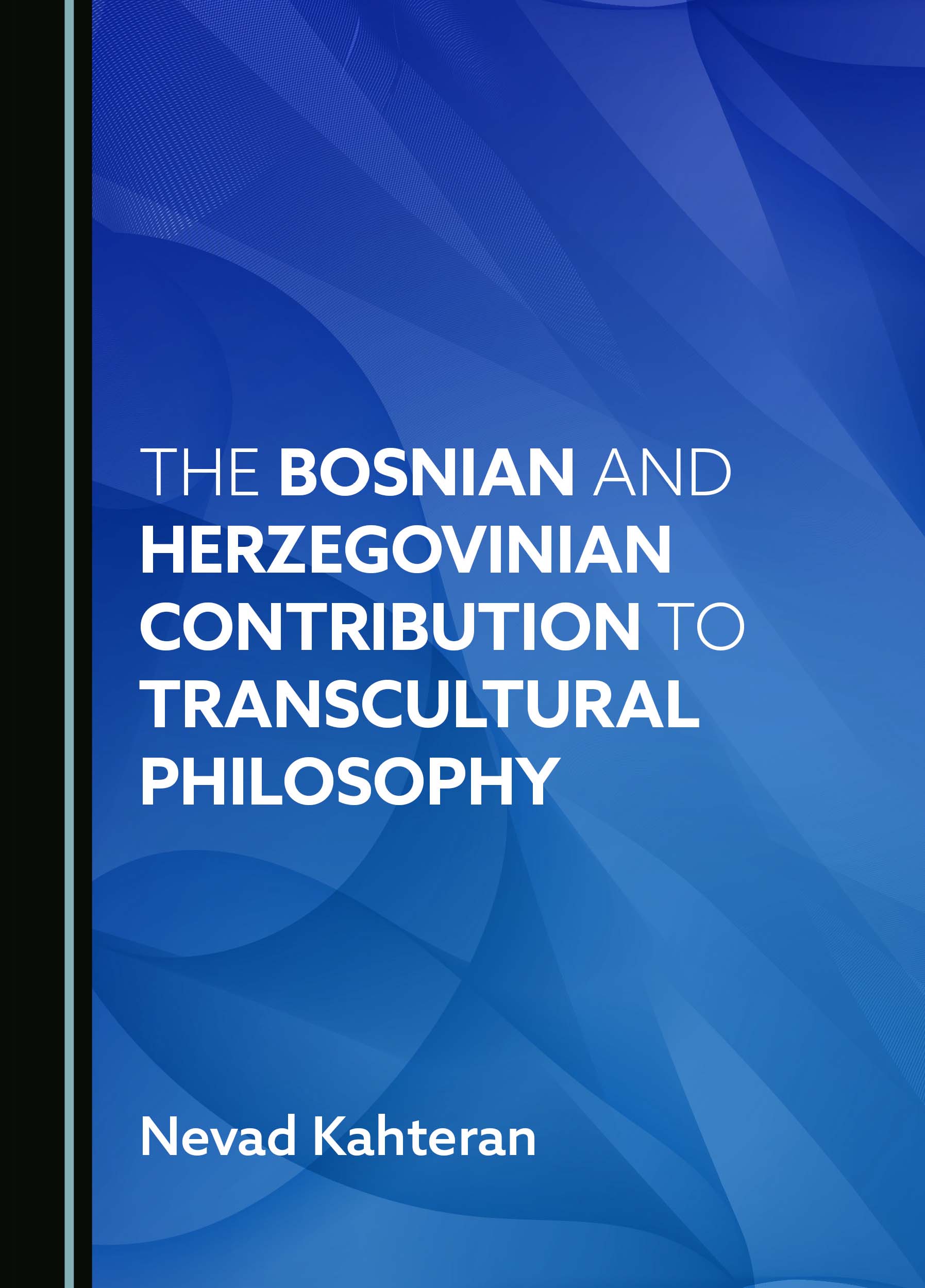
This collection explores intercultural and transcultural studies in Bosnia and Herzegovina, showcasing contributions from local scholars across medieval, modern, and postmodern eras. It strengthens transcultural exchanges and helps navigate cultural differences in today's world.
This collection explores intercultural and transcultural studies in Bosnia and Herzegovina, showcasing contributions from local scholars across medieval, modern, and postmodern eras. It strengthens transcultural exchanges and helps navigate cultural differences in today’s world.
View more
This product has multiple variants. The options may be chosen on the product page
View more
This product has multiple variants. The options may be chosen on the product page
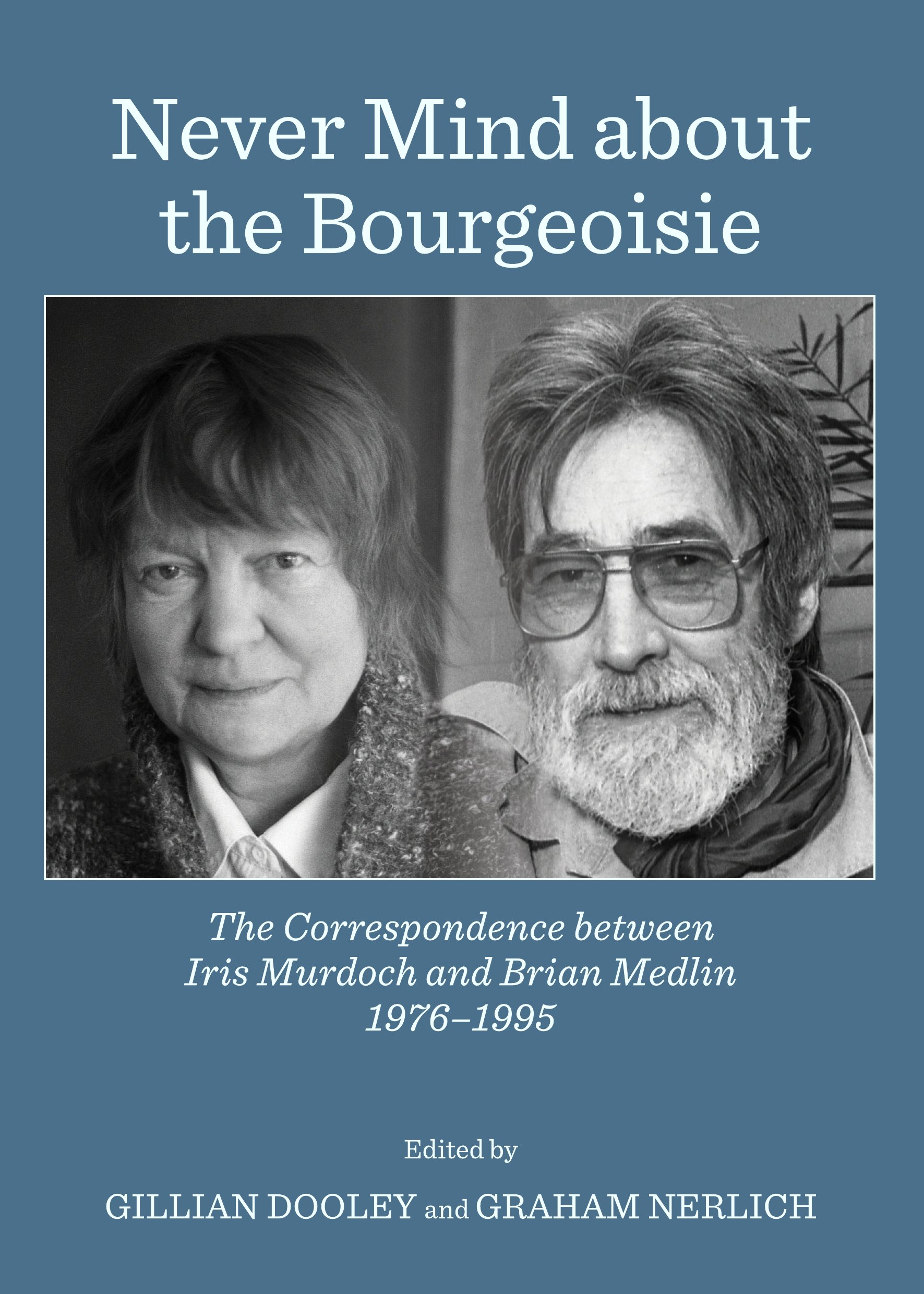
Never Mind about the Bourgeoisie
The Correspondence between Iris Murdoch and Brian Medlin 1976-1995
This collection of correspondence, covering over twenty years, records the deeply affectionate friendship between novelist Iris Murdoch and philosopher Brian Medlin. They spar over Marxism and radical politics, while he regales her with tales of Australian life.
This collection of correspondence, covering over twenty years, records the deeply affectionate friendship between novelist Iris Murdoch and philosopher Brian Medlin. They spar over Marxism and radical politics, while he regales her with tales of Australian life.
View more
This product has multiple variants. The options may be chosen on the product page
View more
This product has multiple variants. The options may be chosen on the product page
Karen Blixen’s Existentialism
"Where I Ought to Be"
This book investigates the writings of Karen Blixen from an existentialist angle. Blixen subtly integrates the ideas of Kierkegaard, Nietzsche, and Sartre, making them accessible while offering her own ideas on existentialism’s fundamental problem: how to become who you are.
This book investigates the writings of Karen Blixen from an existentialist angle. Blixen subtly integrates the ideas of Kierkegaard, Nietzsche, and Sartre, making them accessible while offering her own ideas on existentialism’s fundamental problem: how to become who you are.
View more
This product has multiple variants. The options may be chosen on the product page
View more
This product has multiple variants. The options may be chosen on the product page
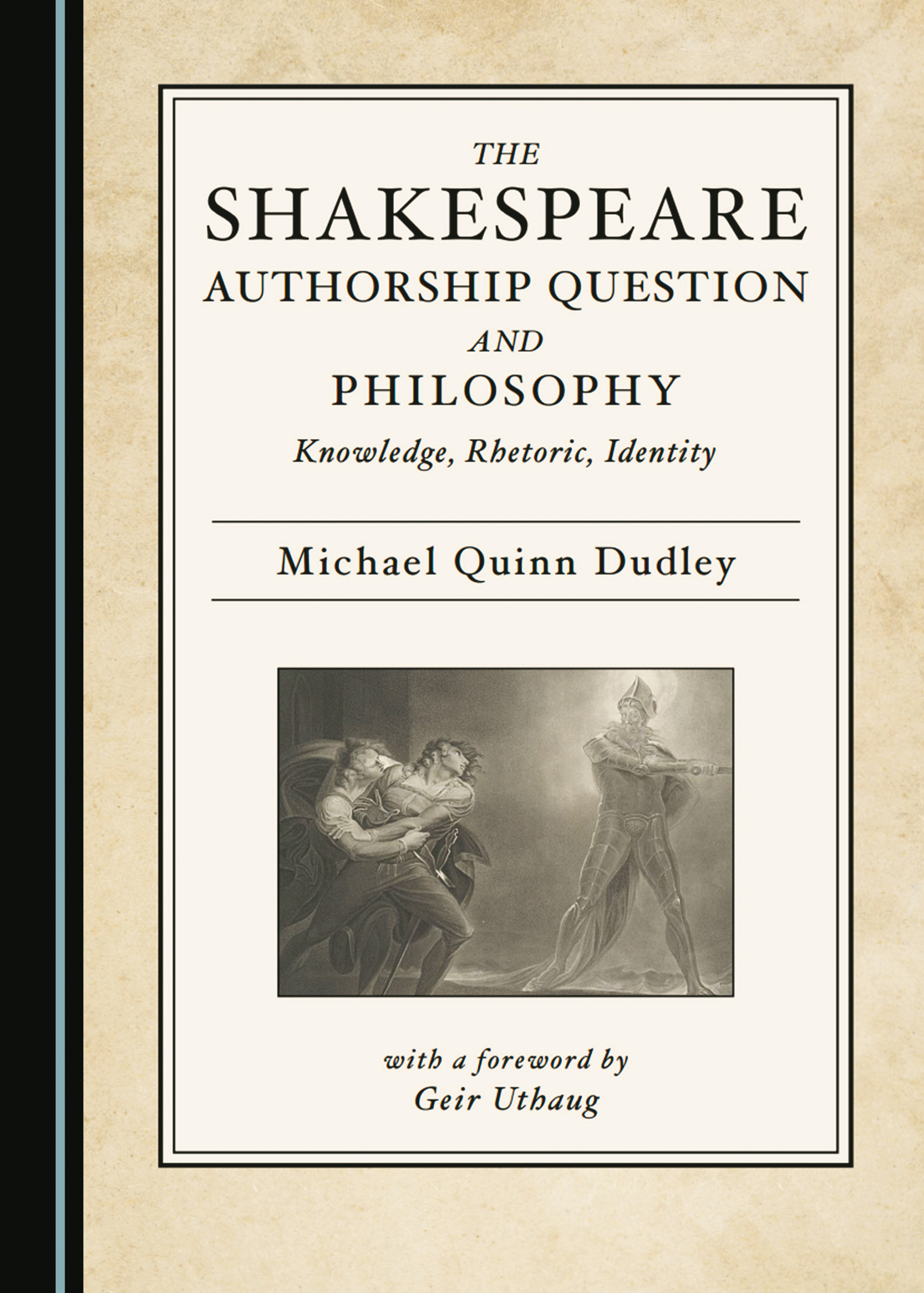
The Shakespeare Authorship Question and Philosophy
Knowledge, Rhetoric, Identity
The Shakespeare authorship debate is often dismissed by scholars, yet the documented facts are meager. This book sets out the debate’s profound philosophical dimensions concerning knowledge, truth, and academic freedom—implications that transcend the question itself.
The Shakespeare authorship debate is often dismissed by scholars, yet the documented facts are meager. This book sets out the debate’s profound philosophical dimensions concerning knowledge, truth, and academic freedom—implications that transcend the question itself.
View more
This product has multiple variants. The options may be chosen on the product page
View more
This product has multiple variants. The options may be chosen on the product page
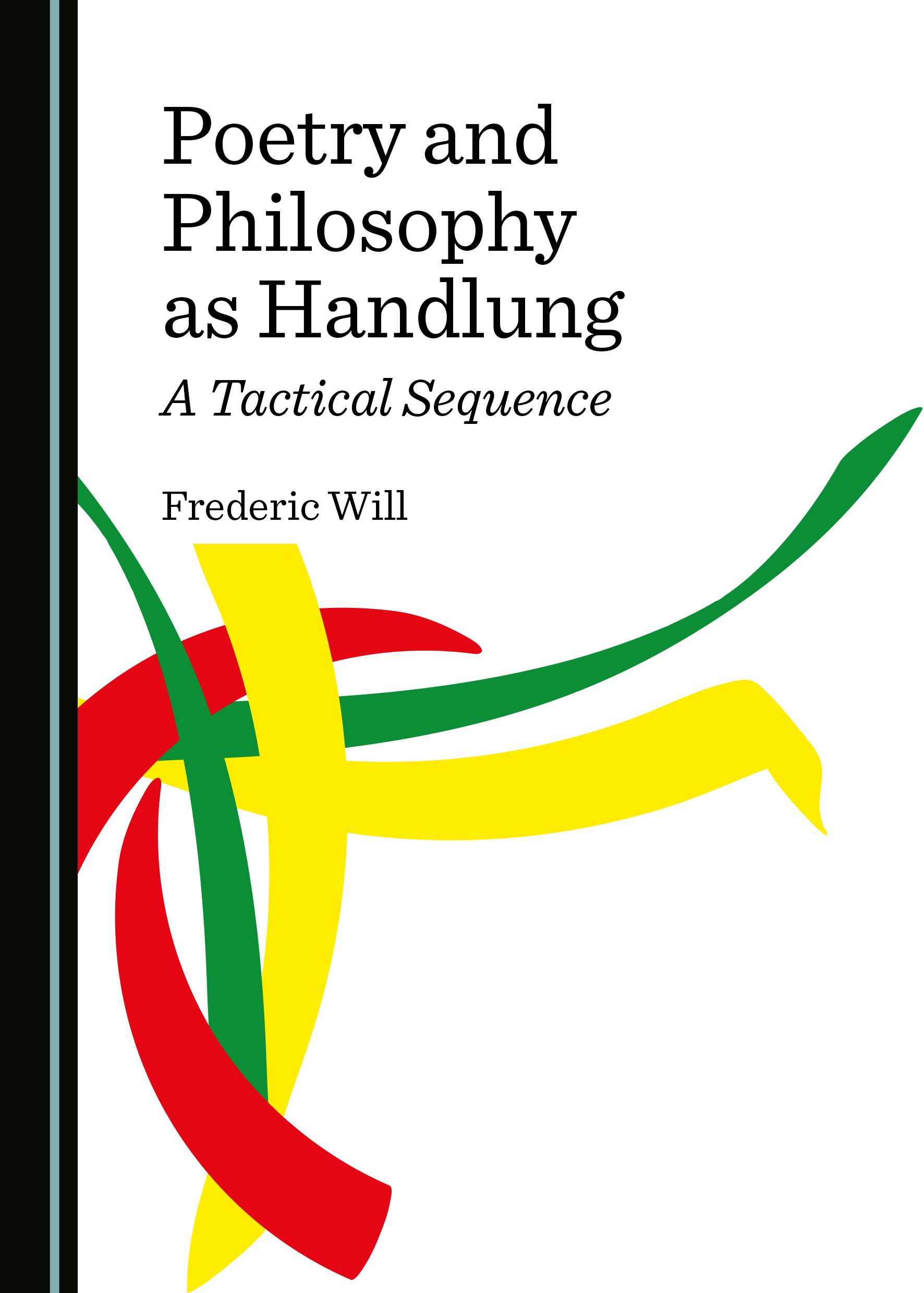
Poetry and Philosophy as Handlung
A Tactical Sequence
Poetry and Philosophy as Handlung offers verbal “doings” where sentences show both complicity and dissonance. Through this tactical sequence, time and place emerge, capturing the era's peculiar aroma in a text that remains open to its own immediate future.
Poetry and Philosophy as Handlung offers verbal “doings” where sentences show both complicity and dissonance. Through this tactical sequence, time and place emerge, capturing the era’s peculiar aroma in a text that remains open to its own immediate future.
View more
This product has multiple variants. The options may be chosen on the product page
View more
This product has multiple variants. The options may be chosen on the product page
From £38.99
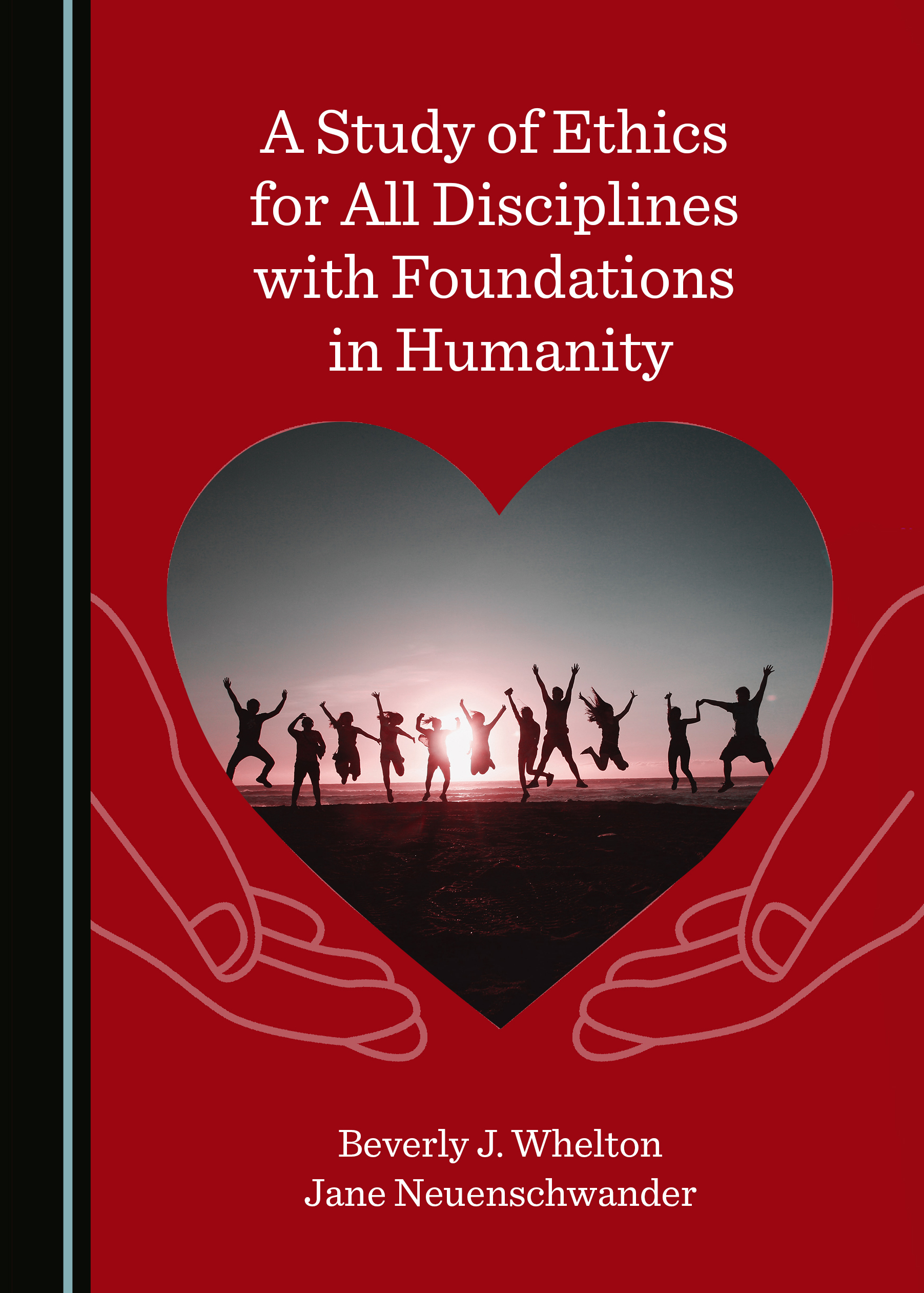
This book provides a framework for ethical reasoning, exploring how values shape our worldview and principles guide our practice. Placing humanity at its heart, it discusses applications within the beginning and end of life, science, education, and business.
This book provides a framework for ethical reasoning, exploring how values shape our worldview and principles guide our practice. Placing humanity at its heart, it discusses applications within the beginning and end of life, science, education, and business.
View more
This product has multiple variants. The options may be chosen on the product page
Processing Your Order
Please wait while we securely process your order.
Do not refresh or leave this page.
You will be redirected shortly to a confirmation page with your order number.