
View more
This product has multiple variants. The options may be chosen on the product page
From £29.99
This book explores how to read and teach Nabokov’s Lolita with Jacques Derrida. Using deconstruction to analyze literary issues, it offers teaching guidelines for Nabokov specialists, students, and anyone interested in literary theory.
This book explores how to read and teach Nabokov’s Lolita with Jacques Derrida. Using deconstruction to analyze literary issues, it offers teaching guidelines for Nabokov specialists, students, and anyone interested in literary theory.
View more
This product has multiple variants. The options may be chosen on the product page
View more
This product has multiple variants. The options may be chosen on the product page
From £32.99
How do young Arab scholars interact with English literature? This book shows why courageous voices from the past, like Swift’s, must remain alive in a wasteland of globalization. Anarchist, champion of the oppressed, Swift’s ghost is needed to wake us to the truth.
How do young Arab scholars interact with English literature? This book shows why courageous voices from the past, like Swift’s, must remain alive in a wasteland of globalization. Anarchist, champion of the oppressed, Swift’s ghost is needed to wake us to the truth.
View more
This product has multiple variants. The options may be chosen on the product page
View more
This product has multiple variants. The options may be chosen on the product page
From £35.99
A fresh perspective on Gerard Manley Hopkins. This book argues that his artistic vision, not his faith, was the foremost concern in his poetry. It explores how themes of anxiety and transience shaped his voice, revealing his belief that they enhance rather than hinder creativity.
A fresh perspective on Gerard Manley Hopkins. This book argues that his artistic vision, not his faith, was the foremost concern in his poetry. It explores how themes of anxiety and transience shaped his voice, revealing his belief that they enhance rather than hinder creativity.
View more
This product has multiple variants. The options may be chosen on the product page
View more
This product has multiple variants. The options may be chosen on the product page
£44.99
Literature has always treated the sensational, but it is also intricately connected with sensation in ways that are less understood. This book offers detailed readings of literature according to the sensations they represent, incite, or evoke in us.
Literature has always treated the sensational, but it is also intricately connected with sensation in ways that are less understood. This book offers detailed readings of literature according to the sensations they represent, incite, or evoke in us.
View more
This product has multiple variants. The options may be chosen on the product page
View more
This product has multiple variants. The options may be chosen on the product page
£58.99
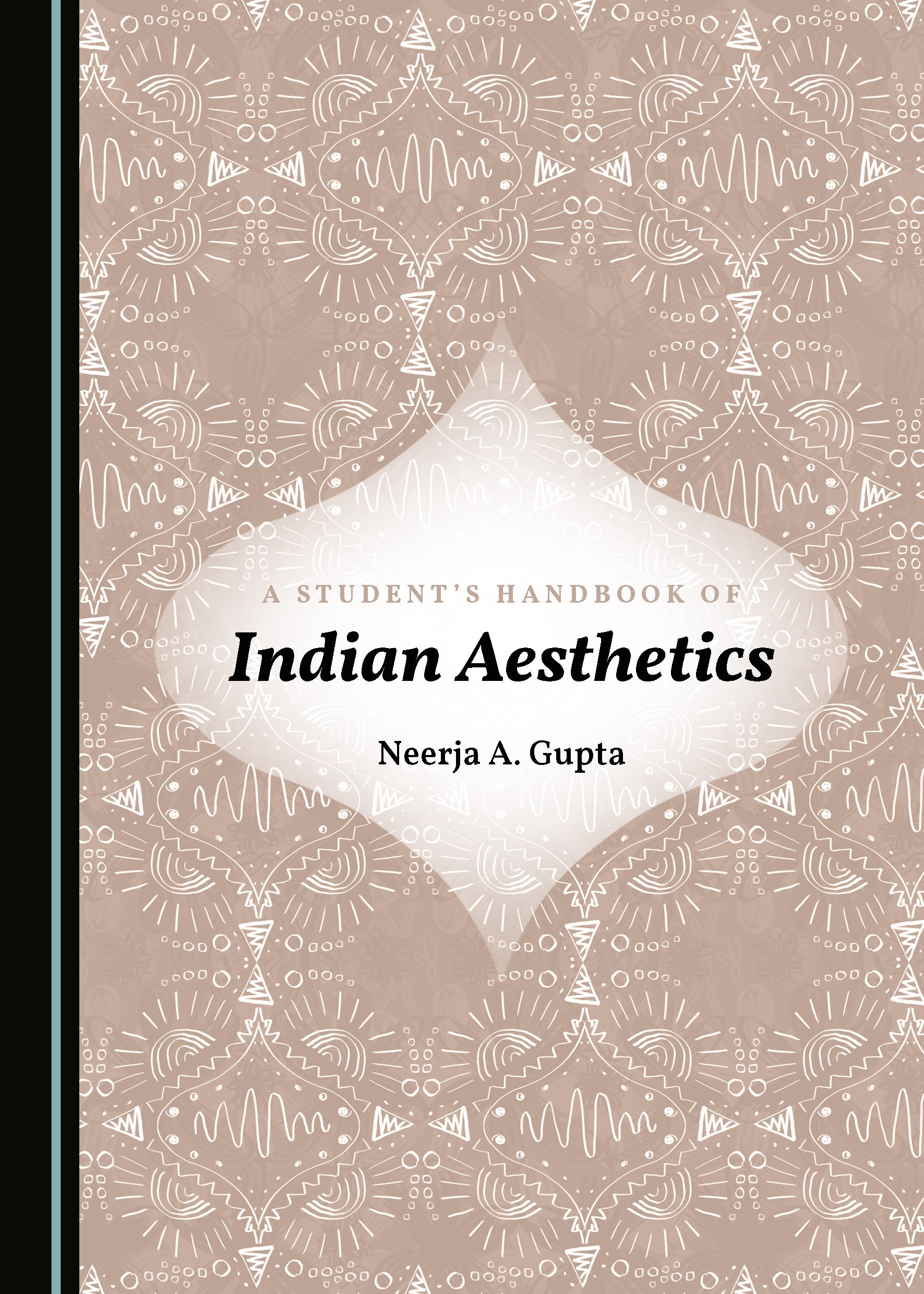
Gupta brings forth the popular theories of Indian aesthetics and Indian poetics. Her text represents primarily a compilation of commentaries and criticism of works such as Natryashastra, Dhvanyavloka, and Abhinavbharati, and there is a full glossary for non-Sanskrit speakers.
Gupta brings forth the popular theories of Indian aesthetics and Indian poetics. Her text represents primarily a compilation of commentaries and criticism of works such as Natryashastra, Dhvanyavloka, and Abhinavbharati, and there is a full glossary for non-Sanskrit speakers.
View more
This product has multiple variants. The options may be chosen on the product page
View more
This product has multiple variants. The options may be chosen on the product page
From £32.99
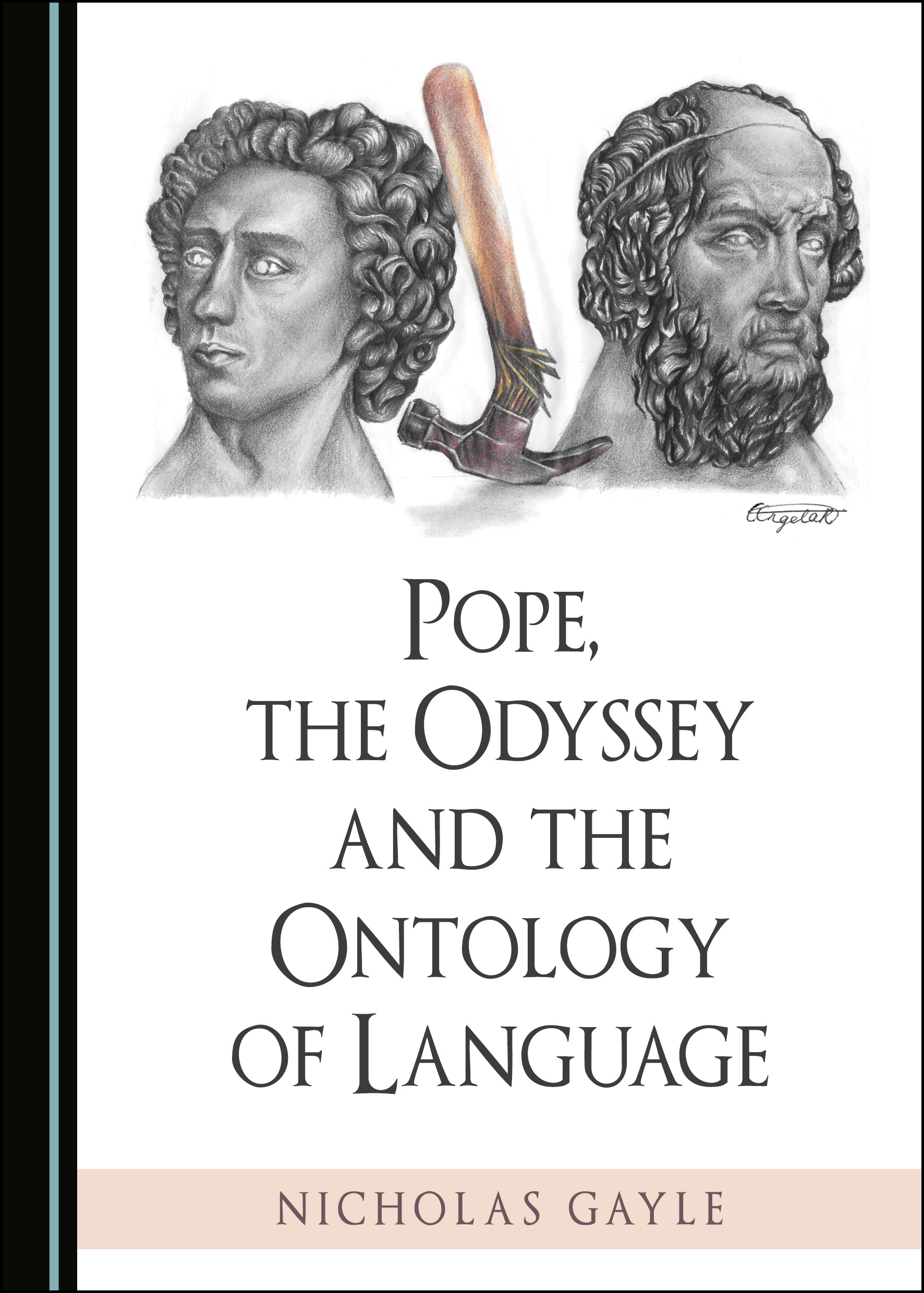
This study examines Pope's translation of the Odyssey through Graham Harman's Object-Oriented Ontology. It explores the poems' figurative language to uncover a withdrawn reality, contrasting it with a sensual world of shimmering objects from the quotidian to the bizarre.
This study examines Pope’s translation of the Odyssey through Graham Harman’s Object-Oriented Ontology. It explores the poems’ figurative language to uncover a withdrawn reality, contrasting it with a sensual world of shimmering objects from the quotidian to the bizarre.
View more
This product has multiple variants. The options may be chosen on the product page
View more
This product has multiple variants. The options may be chosen on the product page
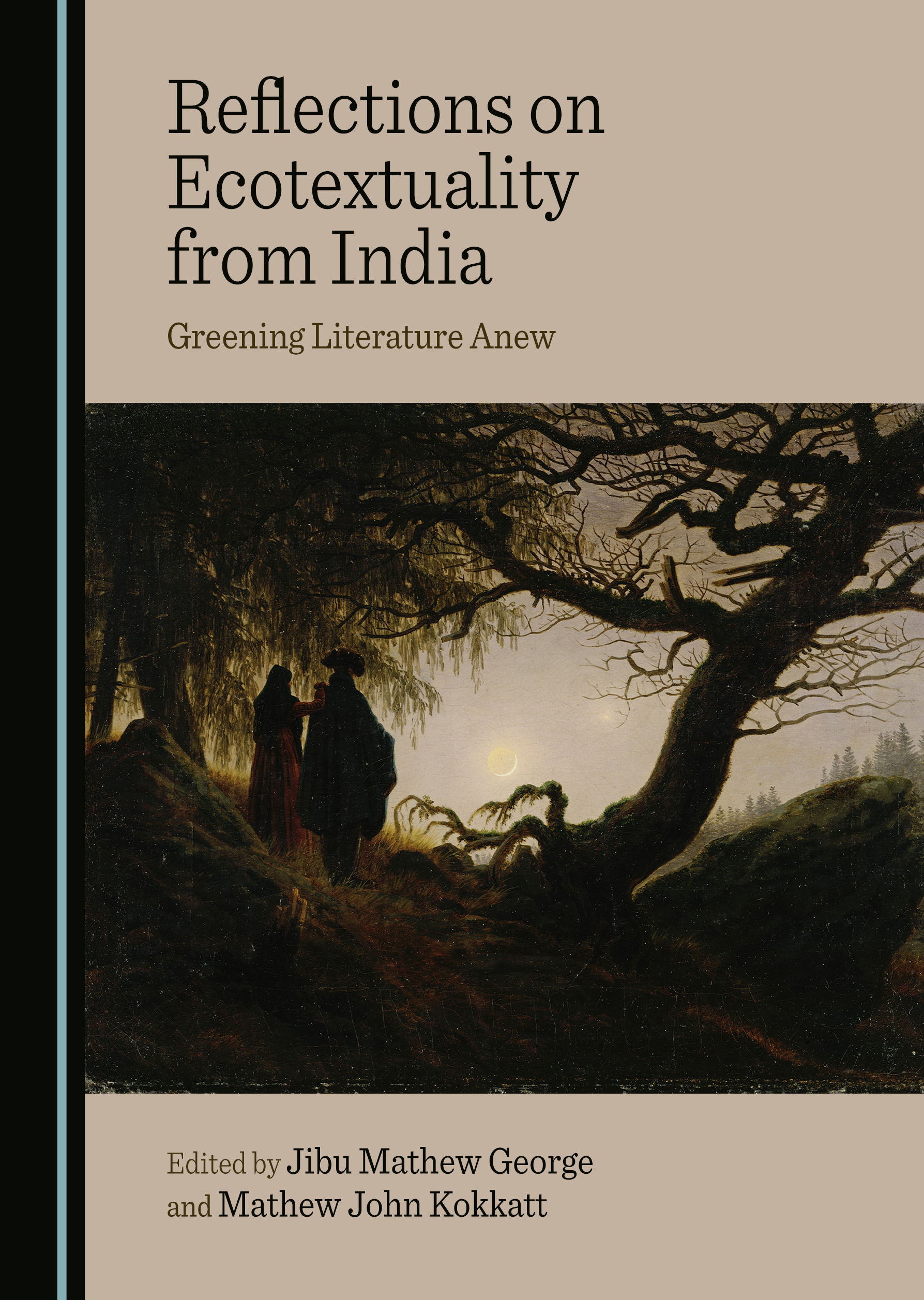
Reflections on Ecotextuality from India
Greening Literature Anew
In response to the current ecological crisis, this collection of critical essays engages with the intricate relationship between literature and ecology. The volume unravels the premises and assumptions that sustain the modern world view and contemporary knowledge systems.
In response to the current ecological crisis, this collection of critical essays engages with the intricate relationship between literature and ecology. The volume unravels the premises and assumptions that sustain the modern world view and contemporary knowledge systems.
View more
This product has multiple variants. The options may be chosen on the product page
View more
This product has multiple variants. The options may be chosen on the product page
Poetry and Philosophy as Handlung
A Tactical Sequence
Poetry and Philosophy as Handlung offers verbal “doings” where sentences show both complicity and dissonance. Through this tactical sequence, time and place emerge, capturing the era's peculiar aroma in a text that remains open to its own immediate future.
Poetry and Philosophy as Handlung offers verbal “doings” where sentences show both complicity and dissonance. Through this tactical sequence, time and place emerge, capturing the era’s peculiar aroma in a text that remains open to its own immediate future.
View more
This product has multiple variants. The options may be chosen on the product page
View more
This product has multiple variants. The options may be chosen on the product page
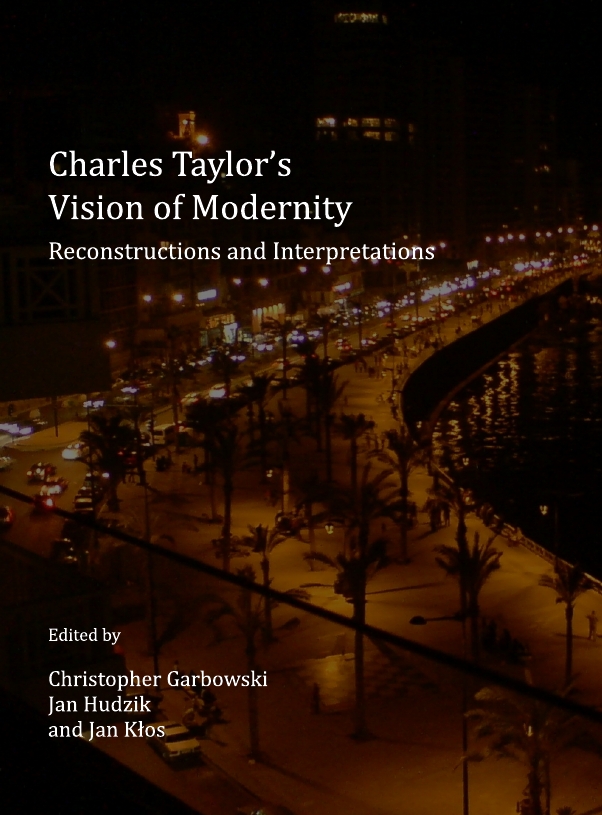
Charles Taylor’s Vision of Modernity
Reconstructions and Interpretations
A penetrating cross-section of influential philosopher Charles Taylor's thought. The contributions in this volume engage with and find inspiration in his work on the modern self, secularization, liberalism, communitarianism, language, and culture.
A penetrating cross-section of influential philosopher Charles Taylor’s thought. The contributions in this volume engage with and find inspiration in his work on the modern self, secularization, liberalism, communitarianism, language, and culture.
View more
This product has multiple variants. The options may be chosen on the product page
View more
This product has multiple variants. The options may be chosen on the product page
From £35.99
This collection explores intercultural and transcultural studies in Bosnia and Herzegovina, showcasing contributions from local scholars across medieval, modern, and postmodern eras. It strengthens transcultural exchanges and helps navigate cultural differences in today's world.
This collection explores intercultural and transcultural studies in Bosnia and Herzegovina, showcasing contributions from local scholars across medieval, modern, and postmodern eras. It strengthens transcultural exchanges and helps navigate cultural differences in today’s world.
View more
This product has multiple variants. The options may be chosen on the product page
View more
This product has multiple variants. The options may be chosen on the product page
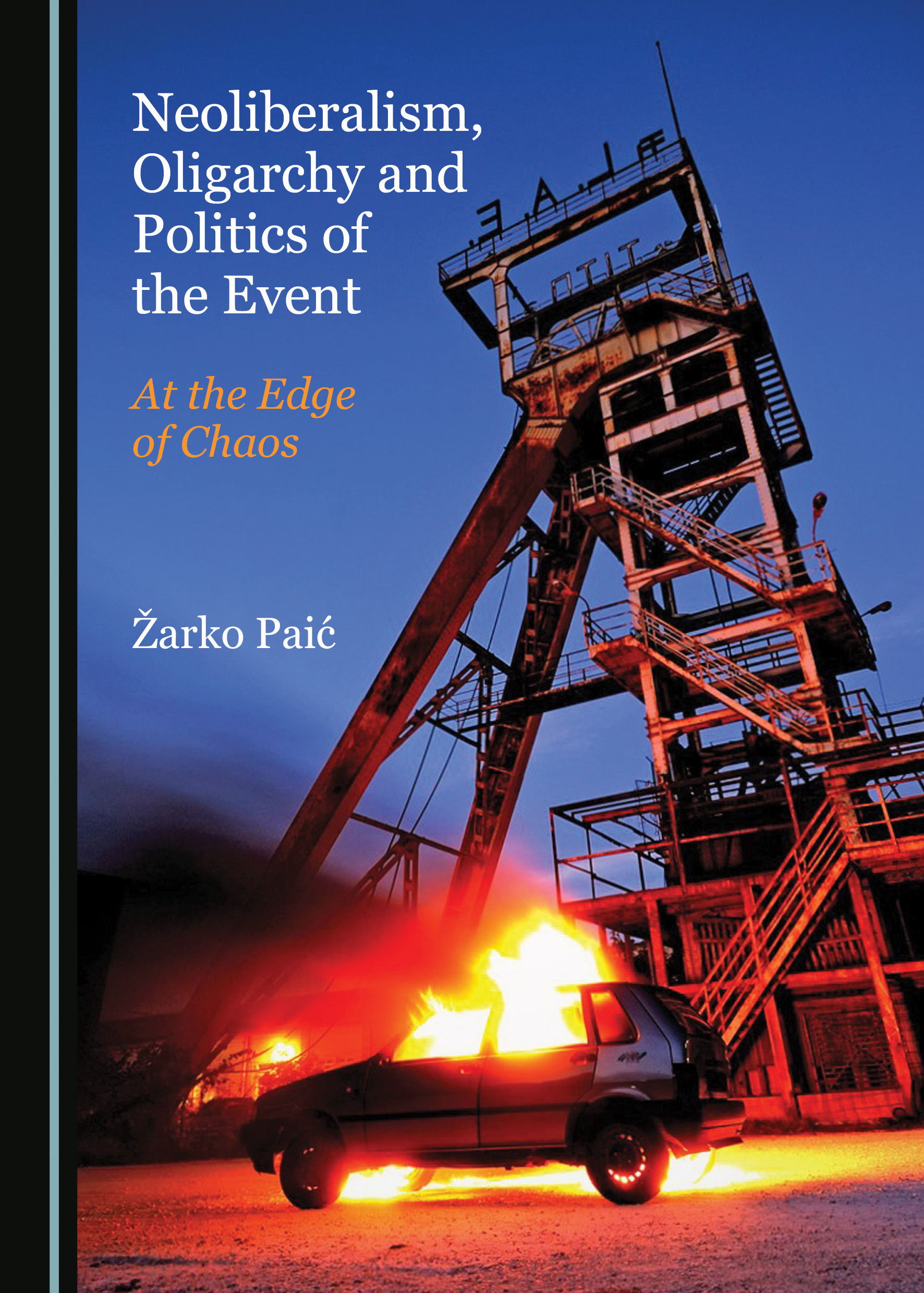
Neoliberalism, Oligarchy and Politics of the Event
At the Edge of Chaos
This book shows that today’s oligarchic politics result from the fall of mass movements. The rule is reversed into a cybernetic market where transnational corporations control states, rendering sovereignty an illusion and threatening the very essence of society.
This book shows that today’s oligarchic politics result from the fall of mass movements. The rule is reversed into a cybernetic market where transnational corporations control states, rendering sovereignty an illusion and threatening the very essence of society.
View more
This product has multiple variants. The options may be chosen on the product page
View more
This product has multiple variants. The options may be chosen on the product page
From Francis Bacon to William Golding
Utopias and Dystopias of Today and of Yore
Researchers from philology, philosophy, and anthropology come together to complete a 21st century vision on utopia. This interdisciplinary volume contains rigorous academic work alongside more relaxed essays.
Researchers from philology, philosophy, and anthropology come together to complete a 21st century vision on utopia. This interdisciplinary volume contains rigorous academic work alongside more relaxed essays.
View more
This product has multiple variants. The options may be chosen on the product page
View more
This product has multiple variants. The options may be chosen on the product page
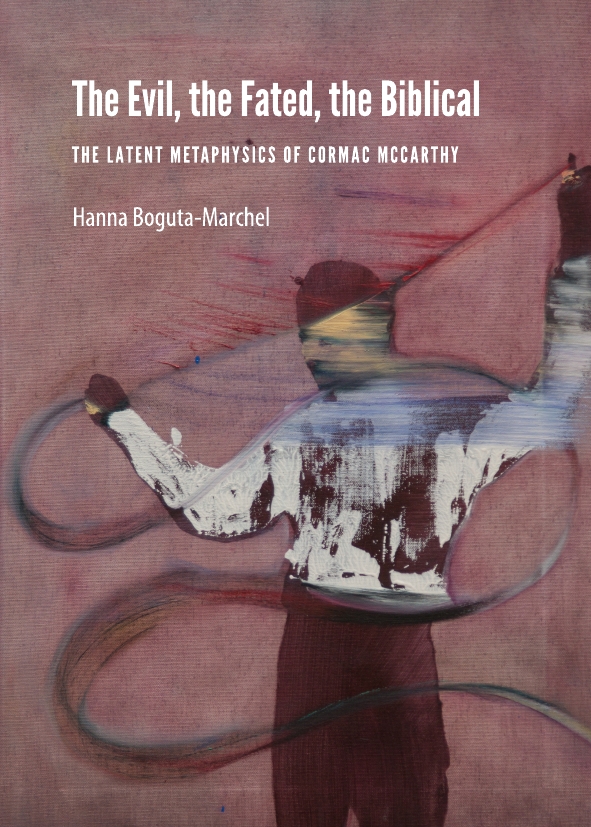
The Evil, the Fated, the Biblical
The Latent Metaphysics of Cormac McCarthy
This book offers an existentialist theological approach to Cormac McCarthy's novels, focusing on the drama of evil and violence omnipresent in his work. It provides a complete picture of McCarthy’s contest with one of humanity's most troublesome issues.
This book offers an existentialist theological approach to Cormac McCarthy’s novels, focusing on the drama of evil and violence omnipresent in his work. It provides a complete picture of McCarthy’s contest with one of humanity’s most troublesome issues.
View more
This product has multiple variants. The options may be chosen on the product page
View more
This product has multiple variants. The options may be chosen on the product page
£41.99
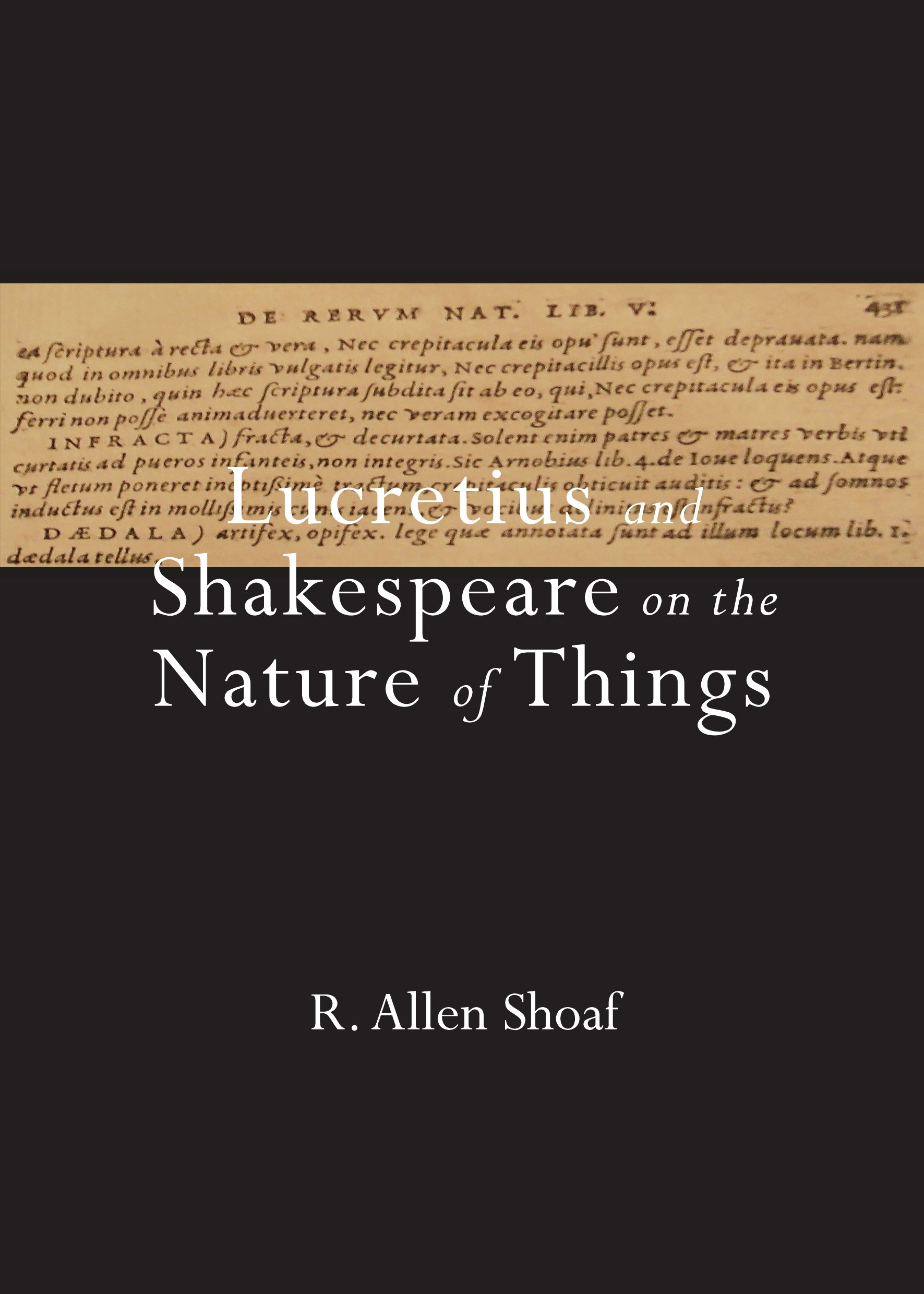
This book reveals Shakespeare as an early modern materialist inspired by Lucretius. In chapters on six important plays, it demonstrates how he writes an “atomic” poetry of joining and splitting language to explore the art of nature and the nature of art.
This book reveals Shakespeare as an early modern materialist inspired by Lucretius. In chapters on six important plays, it demonstrates how he writes an “atomic” poetry of joining and splitting language to explore the art of nature and the nature of art.
View more
This product has multiple variants. The options may be chosen on the product page
View more
This product has multiple variants. The options may be chosen on the product page
From £34.99
Will explores polarities through a set of seventy mini-meditations on opposite states of moral and emotional life. He studies the operational energy at play, which is partly prayer or mantra and partly half-completed logical conundrum.
Will explores polarities through a set of seventy mini-meditations on opposite states of moral and emotional life. He studies the operational energy at play, which is partly prayer or mantra and partly half-completed logical conundrum.
View more
This product has multiple variants. The options may be chosen on the product page
View more
This product has multiple variants. The options may be chosen on the product page
The Modernist Impulse and a Contemporary Opus
Replaced by Writing
This volume represents a study in the formation of a personal literary opus, and in theoretical reflections involved in understanding that opus. The opus is addressed by pieces of individual text and by a close pursuit of how the author is transformed into those pieces of text.
This volume represents a study in the formation of a personal literary opus, and in theoretical reflections involved in understanding that opus. The opus is addressed by pieces of individual text and by a close pursuit of how the author is transformed into those pieces of text.
View more
This product has multiple variants. The options may be chosen on the product page
View more
This product has multiple variants. The options may be chosen on the product page
£61.99
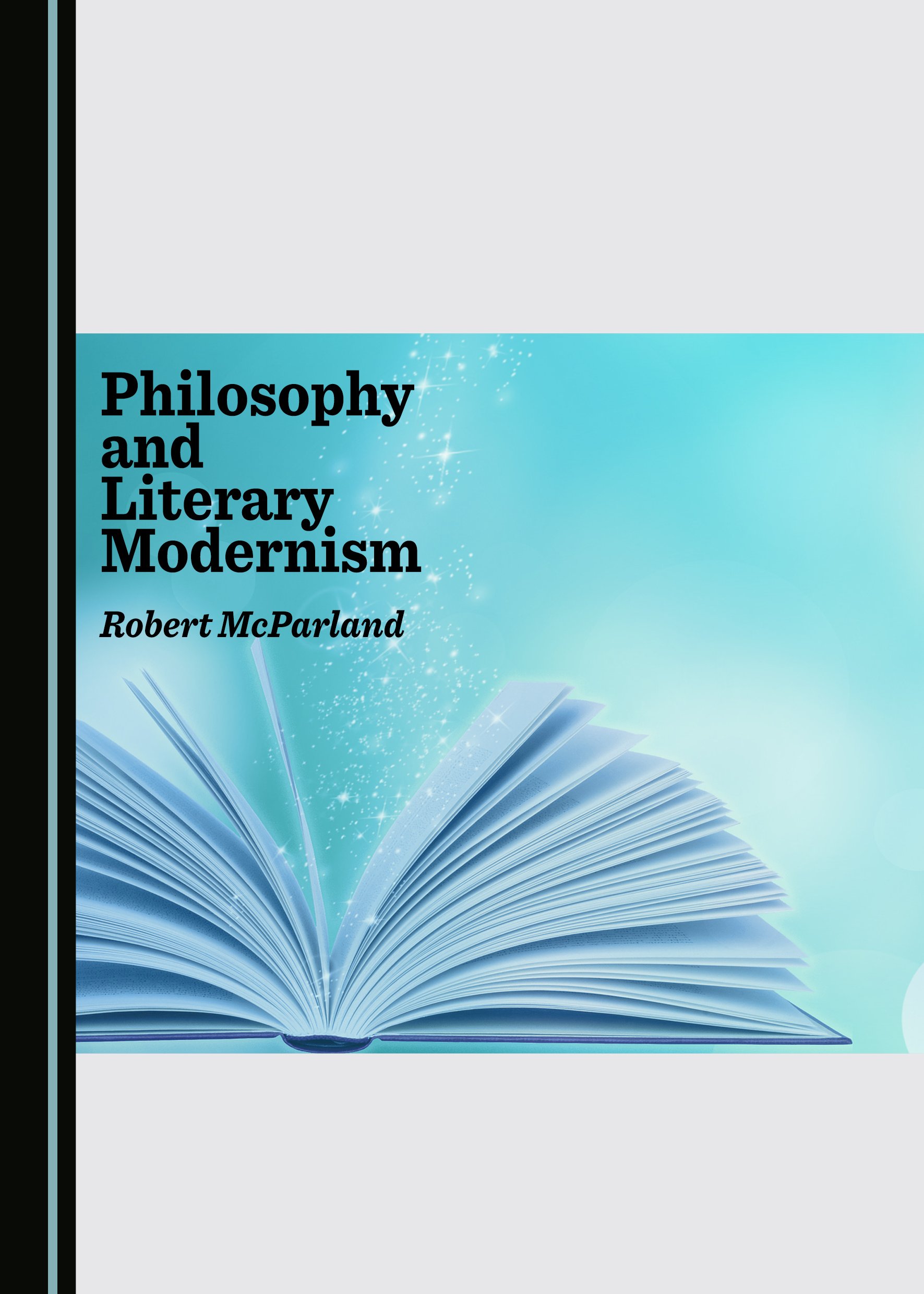
McParland probes the relationship of modernist authors with the thought of their time. He considers how such writers participated in the intellectual spirit of their time and with the thought of philosophers like Henri Bergson, Bertrand Russell, and Ludwig Wittgenstein.
McParland probes the relationship of modernist authors with the thought of their time. He considers how such writers participated in the intellectual spirit of their time and with the thought of philosophers like Henri Bergson, Bertrand Russell, and Ludwig Wittgenstein.
View more
This product has multiple variants. The options may be chosen on the product page
View more
This product has multiple variants. The options may be chosen on the product page
£49.99
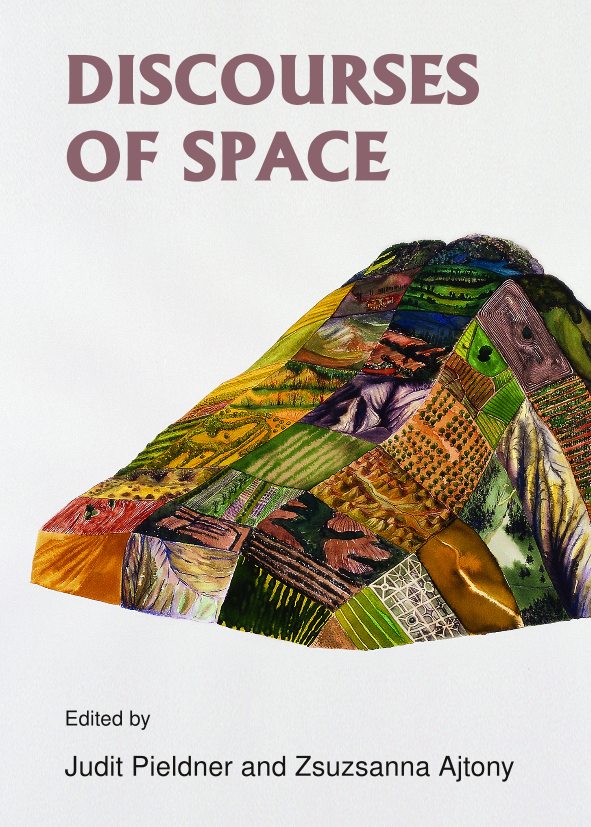
This volume explores space as a construct of human activity. Essays cover topics from literature and film to cultural memory and cyberspace, outlining the shifts concerning existence and identity in continuously changing, transitory, in-between spaces.
This volume explores space as a construct of human activity. Essays cover topics from literature and film to cultural memory and cyberspace, outlining the shifts concerning existence and identity in continuously changing, transitory, in-between spaces.
View more
This product has multiple variants. The options may be chosen on the product page
View more
This product has multiple variants. The options may be chosen on the product page
New Approaches to Human Dignity in the Context of Qur’ānic Anthropology
The Quest for Humanity
Gathering modern Muslim and non-Muslim approaches to human dignity, this text presents approaches to Islamic theological anthropology. It focuses on the specific ‘grammars’ of anthropological narratives regarding the Qur’ān itself and performative discourse interpretations.
Gathering modern Muslim and non-Muslim approaches to human dignity, this text presents approaches to Islamic theological anthropology. It focuses on the specific ‘grammars’ of anthropological narratives regarding the Qur’ān itself and performative discourse interpretations.
View more
This product has multiple variants. The options may be chosen on the product page
View more
This product has multiple variants. The options may be chosen on the product page
£39.99
This collection of articles explores globalization's impact on literary production. Featuring non-Eurocentric perspectives, it comments on today's literary market, highlighting unexpected global exchanges and challenging the ongoing debate on “world literature”.
This collection of articles explores globalization’s impact on literary production. Featuring non-Eurocentric perspectives, it comments on today’s literary market, highlighting unexpected global exchanges and challenging the ongoing debate on “world literature”.
View more
This product has multiple variants. The options may be chosen on the product page
Processing Your Order
Please wait while we securely process your order.
Do not refresh or leave this page.
You will be redirected shortly to a confirmation page with your order number.