

View more
This product has multiple variants. The options may be chosen on the product page
£39.99
European identity is both a problem and an opportunity. This interdisciplinary volume examines its complex facets—from cultural politics to digital media—to clarify and even create a new sense of what it means to be European.
European identity is both a problem and an opportunity. This interdisciplinary volume examines its complex facets—from cultural politics to digital media—to clarify and even create a new sense of what it means to be European.
View more
This product has multiple variants. The options may be chosen on the product page
View more
This product has multiple variants. The options may be chosen on the product page
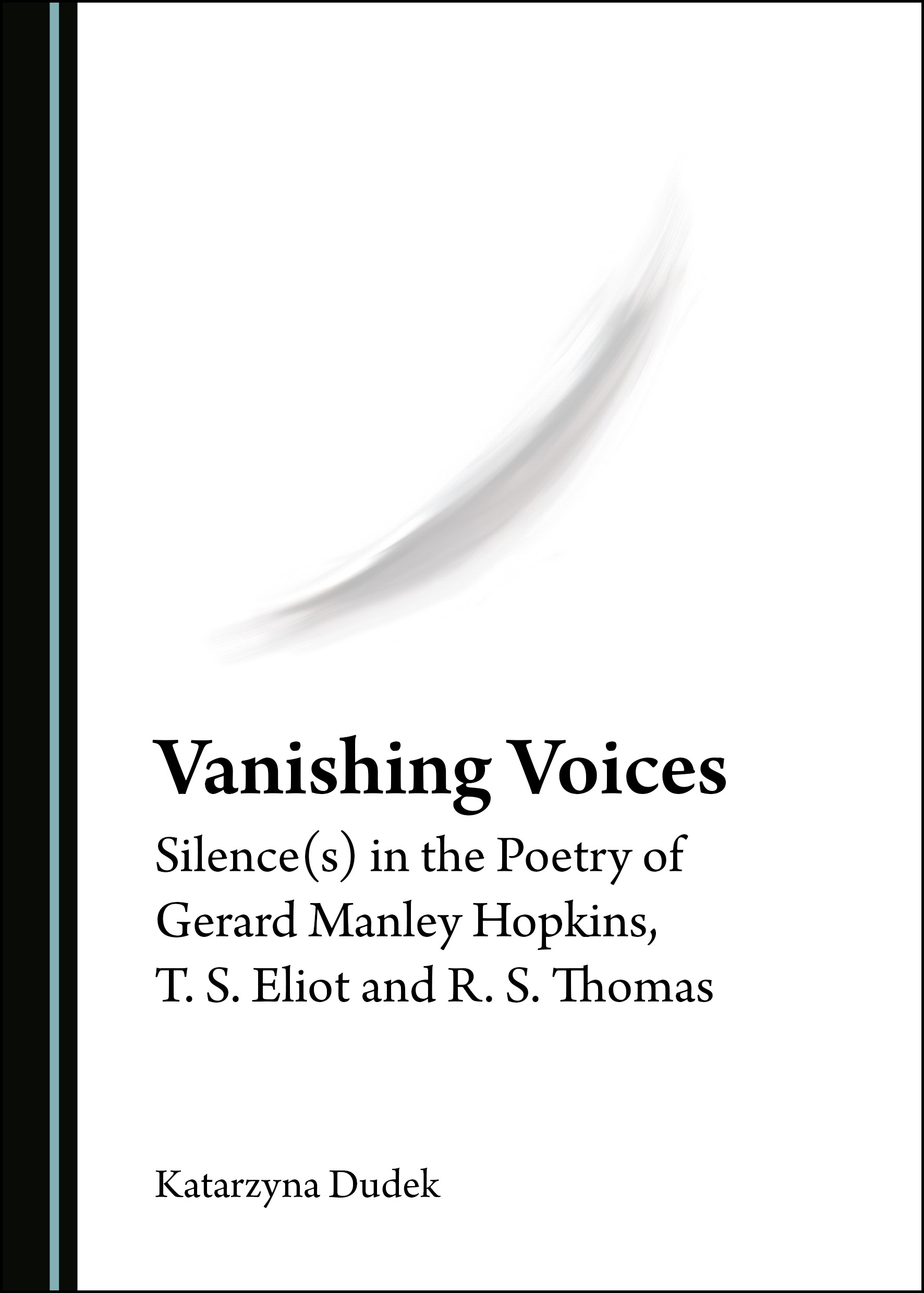
Vanishing Voices
Silence(s) in the Poetry of Gerard Manley Hopkins, T. S. Eliot and R. S. Thomas
This first study bringing together Hopkins, Eliot, and Thomas explores silence in their poetry. Situated at the crossroads of poetics, philosophy, and theology, it shows how the poets sought a new language to talk about the Ineffable God and one’s experience of the divine.
This first study bringing together Hopkins, Eliot, and Thomas explores silence in their poetry. Situated at the crossroads of poetics, philosophy, and theology, it shows how the poets sought a new language to talk about the Ineffable God and one’s experience of the divine.
View more
This product has multiple variants. The options may be chosen on the product page
View more
This product has multiple variants. The options may be chosen on the product page
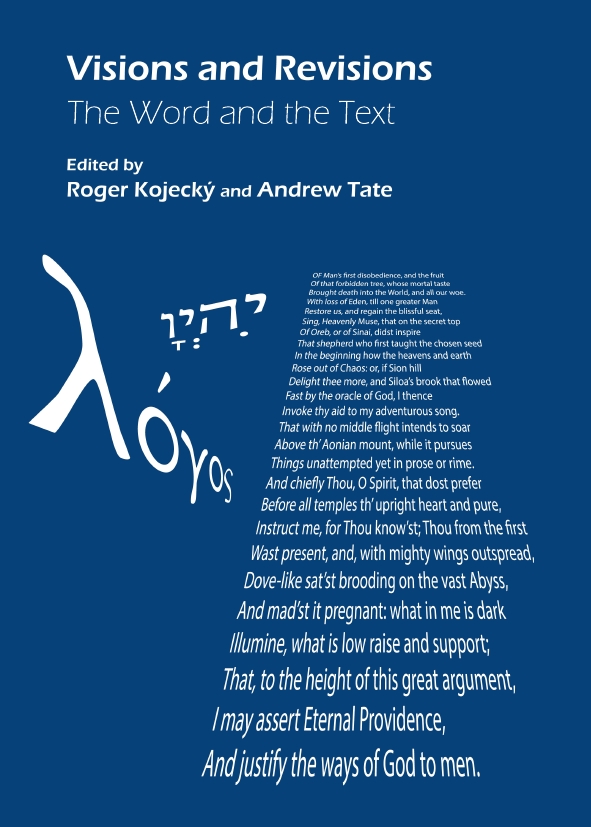
Visions and Revisions
The Word and the Text
Literary texts draw on other texts and ideas to communicate. This book offers new ways to understand the creations of writers like William Blake, Salman Rushdie, and Hilary Mantel, exploring their labours with form and affinities to the Western spiritual tradition.
Literary texts draw on other texts and ideas to communicate. This book offers new ways to understand the creations of writers like William Blake, Salman Rushdie, and Hilary Mantel, exploring their labours with form and affinities to the Western spiritual tradition.
View more
This product has multiple variants. The options may be chosen on the product page

View more
This product has multiple variants. The options may be chosen on the product page
From £32.99
This book explores W. B. Yeats’s mystical experience and how it is exemplified in his poetry. It covers his engagement with the occult, Celtic mysticism, and Rosicrucianism, and discusses his automatic writing experience with his wife and his apocalyptic vision.
This book explores W. B. Yeats’s mystical experience and how it is exemplified in his poetry. It covers his engagement with the occult, Celtic mysticism, and Rosicrucianism, and discusses his automatic writing experience with his wife and his apocalyptic vision.
View more
This product has multiple variants. The options may be chosen on the product page

View more
This product has multiple variants. The options may be chosen on the product page
From £35.99
This book presents 13 biographies of women in the Transcendentalist movement. While names like Emerson and Thoreau are familiar, figures like Elizabeth Peabody, Sarah Freeman Clark, and others in this volume deserve to be known for their vital contributions to the movement.
This book presents 13 biographies of women in the Transcendentalist movement. While names like Emerson and Thoreau are familiar, figures like Elizabeth Peabody, Sarah Freeman Clark, and others in this volume deserve to be known for their vital contributions to the movement.
View more
This product has multiple variants. The options may be chosen on the product page
View more
This product has multiple variants. The options may be chosen on the product page
£39.99
Fundamentalism is text-centred, but its complex and paradoxical relationship with literature remains largely unexplored. These essays explore this relationship, analysing literary representations of fundamentalism and revealing unexpected affinities between the two.
Fundamentalism is text-centred, but its complex and paradoxical relationship with literature remains largely unexplored. These essays explore this relationship, analysing literary representations of fundamentalism and revealing unexpected affinities between the two.
View more
This product has multiple variants. The options may be chosen on the product page
View more
This product has multiple variants. The options may be chosen on the product page
From £24.99
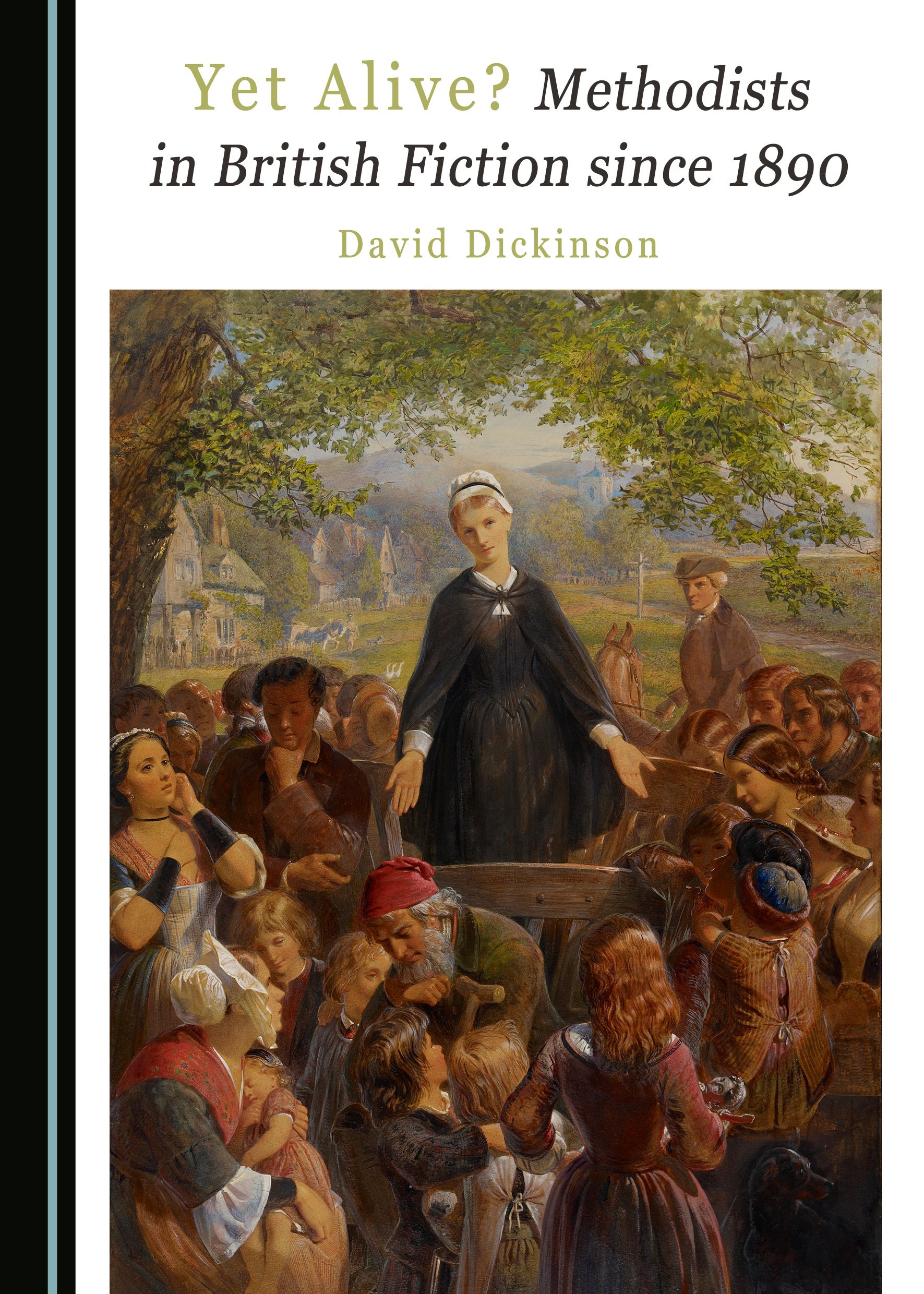
Reading the novels of George Eliot, Arthur Quiller-Couch, Barry Unsworth, and others, as a Methodist, David Dickinson offers a colourful picture of Methodists in British fiction since the close of the nineteenth century.
Reading the novels of George Eliot, Arthur Quiller-Couch, Barry Unsworth, and others, as a Methodist, David Dickinson offers a colourful picture of Methodists in British fiction since the close of the nineteenth century.
View more
This product has multiple variants. The options may be chosen on the product page