
View more
This product has multiple variants. The options may be chosen on the product page
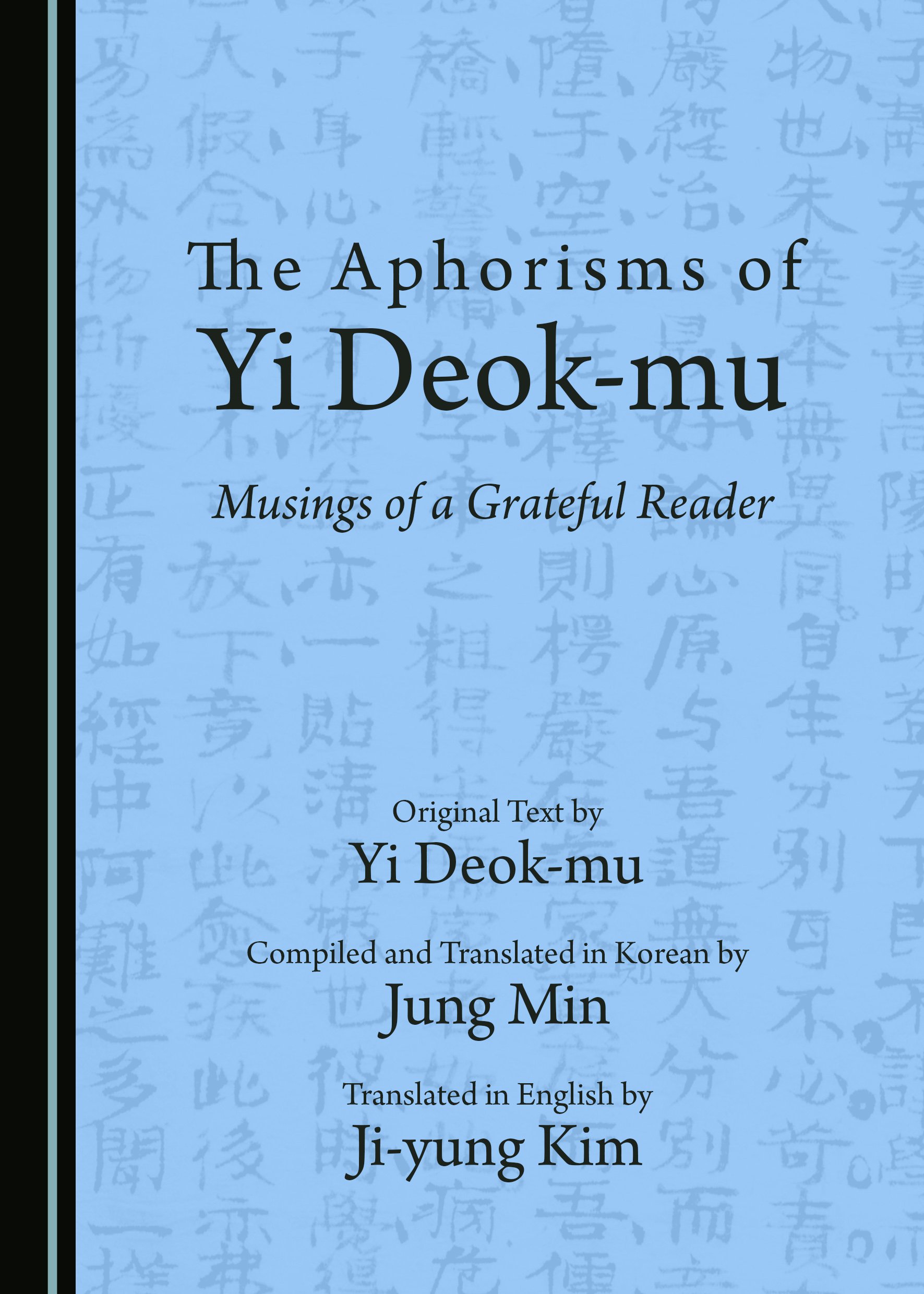
The Aphorisms of Yi Deok-mu
Musings of a Grateful Reader
This volume brings together excerpts from Seongyuldang nongso and Imokgusimseo by the 18th-century scholar Yi Deok-mu. The thoughtful discourse presented here offers considerable comfort and joy to contemporary readers, in an age sadly dominated by a dog-eat-dog mentality.
This volume brings together excerpts from Seongyuldang nongso and Imokgusimseo by the 18th-century scholar Yi Deok-mu. The thoughtful discourse presented here offers considerable comfort and joy to contemporary readers, in an age sadly dominated by a dog-eat-dog mentality.
View more
This product has multiple variants. The options may be chosen on the product page

View more
This product has multiple variants. The options may be chosen on the product page
£58.99
Panecka interprets the poetry of Ted Hughes as a product of shamanic performance, the work of a mystic and a healer. She shows that the Poet Laureate claimed that England had lost her soul, which he proposed to retrieve through veneration of Nature.
Panecka interprets the poetry of Ted Hughes as a product of shamanic performance, the work of a mystic and a healer. She shows that the Poet Laureate claimed that England had lost her soul, which he proposed to retrieve through veneration of Nature.
View more
This product has multiple variants. The options may be chosen on the product page
View more
This product has multiple variants. The options may be chosen on the product page
£58.99
Mazaheri’s essays explore the relationship between religion and literature in George Eliot’s early fiction, with a particular focus on Scenes of Clerical Life, Adam Bede, and The Mill on the Floss.
Mazaheri’s essays explore the relationship between religion and literature in George Eliot’s early fiction, with a particular focus on Scenes of Clerical Life, Adam Bede, and The Mill on the Floss.
View more
This product has multiple variants. The options may be chosen on the product page
View more
This product has multiple variants. The options may be chosen on the product page
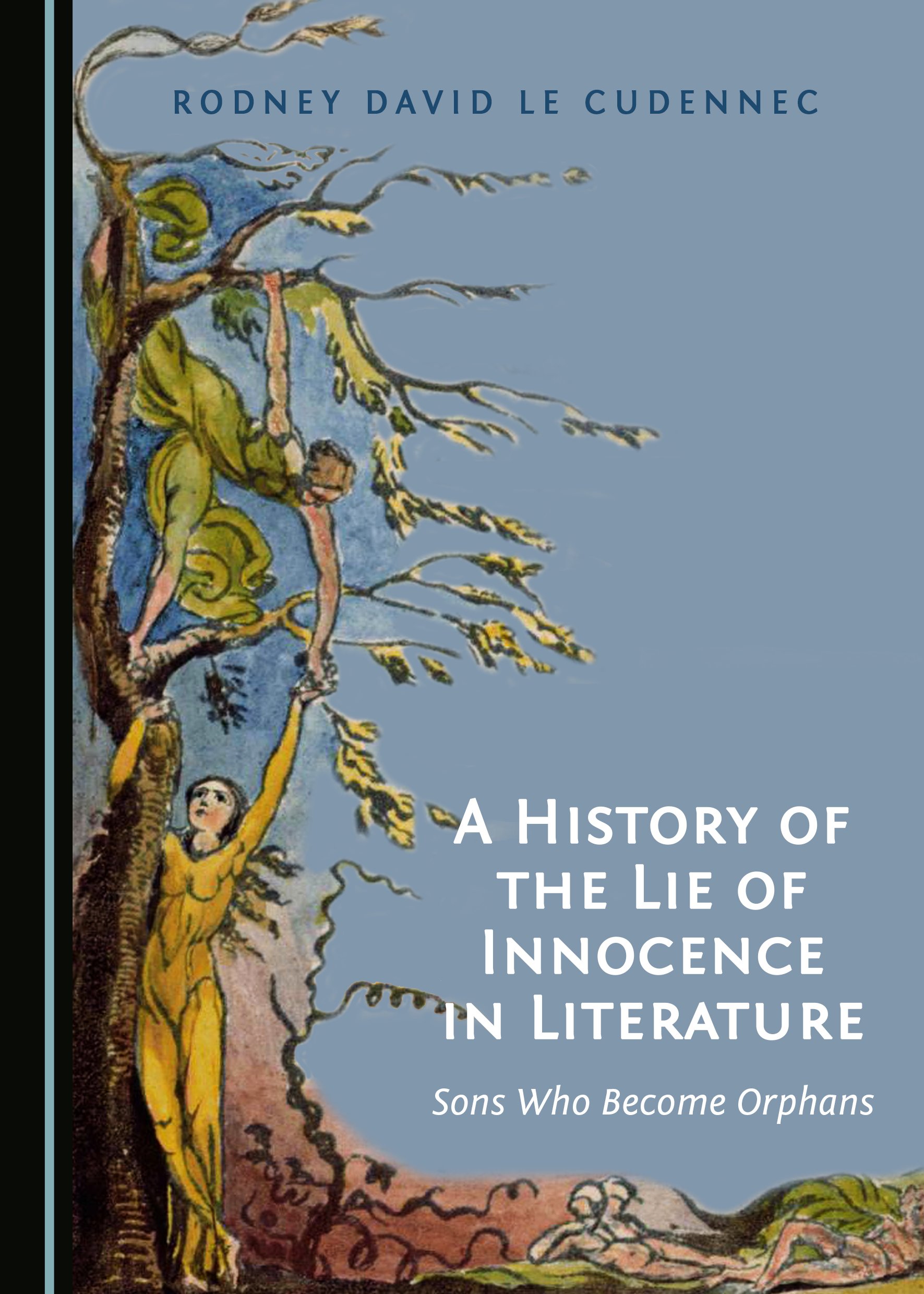
A History of the Lie of Innocence in Literature
Sons Who Become Orphans
Tracing history of the “lie of innocence” as represented in literary texts from the late 18th century until today, Le Cudennec explores the relationship between fathers and sons, arguing that the shedding of paternal ties represents the possibility of an “innocence of becoming”.
Tracing history of the “lie of innocence” as represented in literary texts from the late 18th century until today, Le Cudennec explores the relationship between fathers and sons, arguing that the shedding of paternal ties represents the possibility of an “innocence of becoming”.
View more
This product has multiple variants. The options may be chosen on the product page
View more
This product has multiple variants. The options may be chosen on the product page
£61.99
This volume brings together research on the poetry of less-explored modern Indian poets. The book explores the social, cultural and spiritual dimensions of these emerging poets, and will prove useful to students, teachers and all those interested in Indian English poetry.
This volume brings together research on the poetry of less-explored modern Indian poets. The book explores the social, cultural and spiritual dimensions of these emerging poets, and will prove useful to students, teachers and all those interested in Indian English poetry.
View more
This product has multiple variants. The options may be chosen on the product page
View more
This product has multiple variants. The options may be chosen on the product page
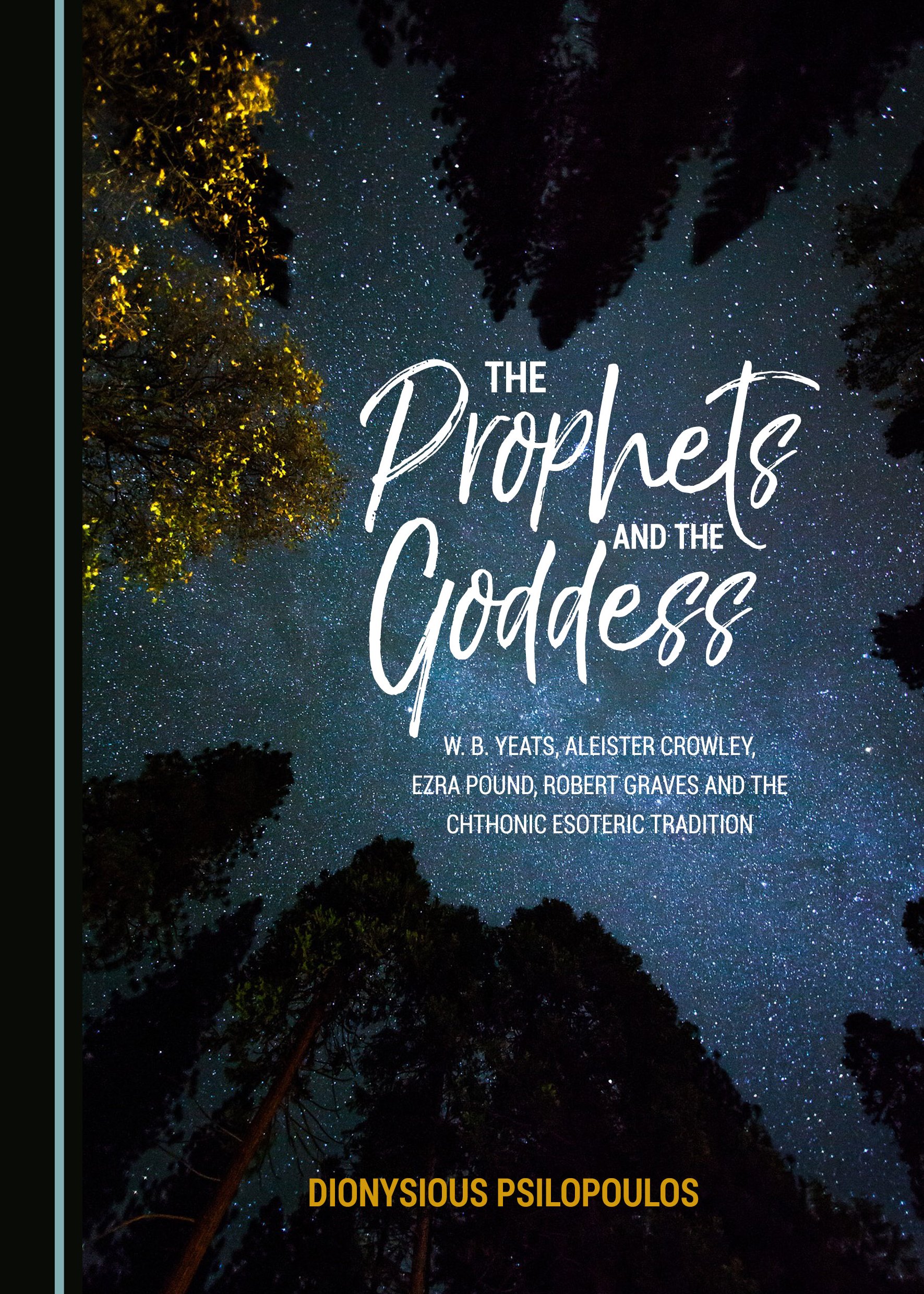
The Prophets and the Goddess
W. B. Yeats, Aleister Crowley, Ezra Pound, Robert Graves and the Chthonic Esoteric Tradition
Psilopoulos discusses how W. B. Yeats, Aleister Crowley, Ezra Pound and Robert Graves had access to the forbidden knowledge of the Goddess. These four poets experienced a confrontation with their unconscious and let the grace of the Goddess touch their heart strings.
Psilopoulos discusses how W. B. Yeats, Aleister Crowley, Ezra Pound and Robert Graves had access to the forbidden knowledge of the Goddess. These four poets experienced a confrontation with their unconscious and let the grace of the Goddess touch their heart strings.
View more
This product has multiple variants. The options may be chosen on the product page
View more
This product has multiple variants. The options may be chosen on the product page
Christian Inversion of Jewish Nationalist Monotheism
Clawing Our Way Back
Jesus's movement bridged the divide between Jew and Gentile. Unlike the traditional messianic expectation of a conqueror, he promoted a spiritual, apolitical union based on personal reform. His followers were a nation of priests, not warriors, for all humanity.
Jesus’s movement bridged the divide between Jew and Gentile. Unlike the traditional messianic expectation of a conqueror, he promoted a spiritual, apolitical union based on personal reform. His followers were a nation of priests, not warriors, for all humanity.
View more
This product has multiple variants. The options may be chosen on the product page