

View more
This product has multiple variants. The options may be chosen on the product page
One is Never Alone with a Rubber Duck
Douglas Adams’s Absurd Fictional Universe
Douglas Adams’s Hitchhiker Series is not merely light-hearted comedy, but is underpinned by philosophical ideas like Existentialism and absurdity. It investigates madness as subjective reality and uses aliens to satirise the human condition.
Douglas Adams’s Hitchhiker Series is not merely light-hearted comedy, but is underpinned by philosophical ideas like Existentialism and absurdity. It investigates madness as subjective reality and uses aliens to satirise the human condition.
View more
This product has multiple variants. The options may be chosen on the product page
View more
This product has multiple variants. The options may be chosen on the product page
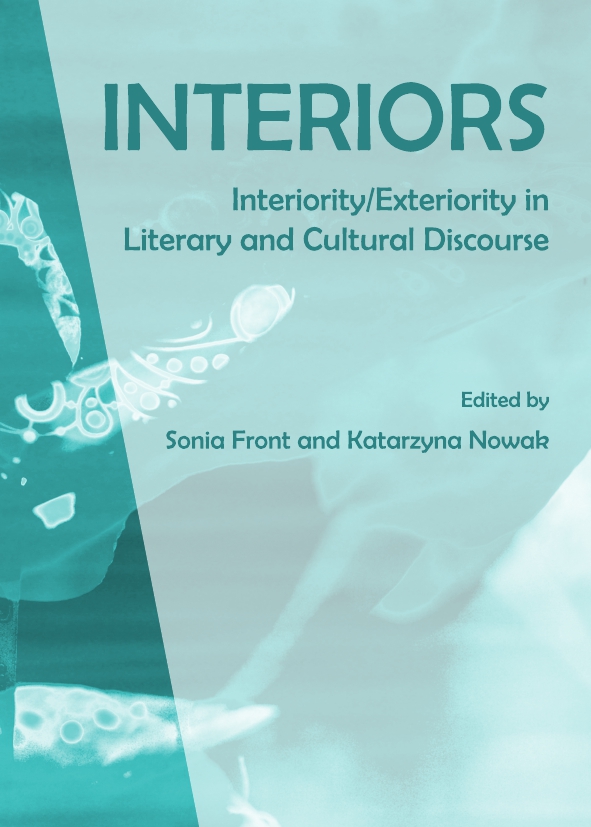
Interiors
Interiority/Exteriority in Literary and Cultural Discourse
These essays explore the borderland between interiors and exteriors. Where do we draw dividing lines? Can we afford not to distinguish between the inside and outside, between “us” and “them”? This volume presents a plethora of answers.
These essays explore the borderland between interiors and exteriors. Where do we draw dividing lines? Can we afford not to distinguish between the inside and outside, between “us” and “them”? This volume presents a plethora of answers.
View more
This product has multiple variants. The options may be chosen on the product page
View more
This product has multiple variants. The options may be chosen on the product page
£49.99
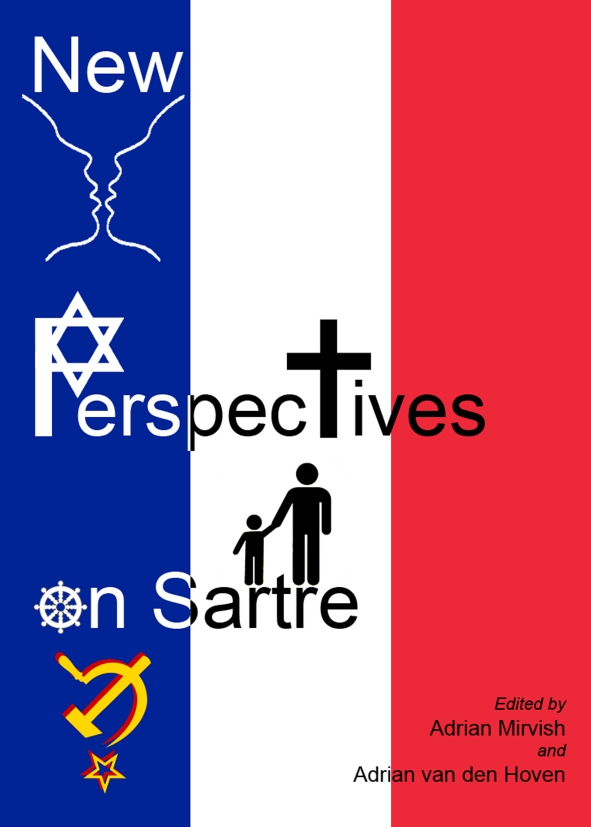
Leading scholars from philosophy, psychology, and history cast new light on Sartre. This volume deliberately stresses a middle and final period of his work, exploring diverse topics and offering new insights on authenticity, freedom, and ethics.
Leading scholars from philosophy, psychology, and history cast new light on Sartre. This volume deliberately stresses a middle and final period of his work, exploring diverse topics and offering new insights on authenticity, freedom, and ethics.
View more
This product has multiple variants. The options may be chosen on the product page
View more
This product has multiple variants. The options may be chosen on the product page
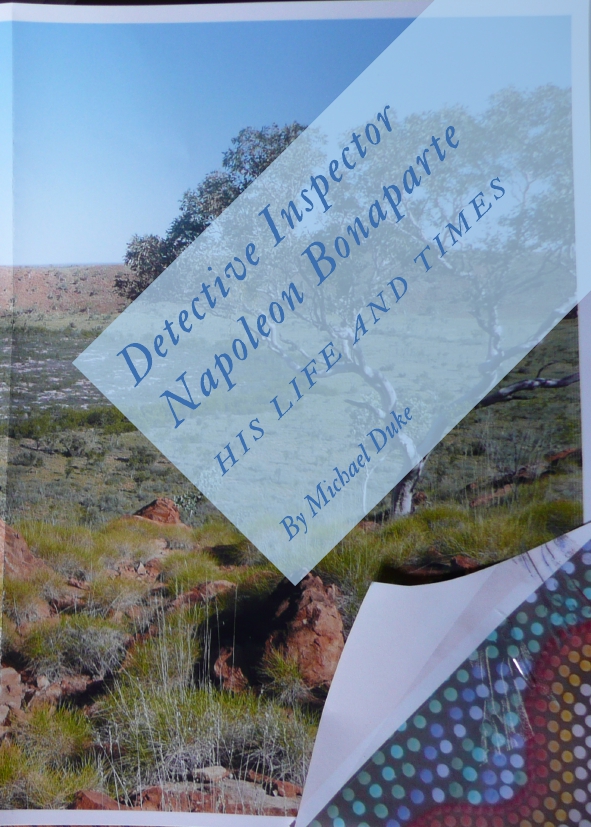
Detective Inspector Napoleon Bonaparte
His Life and Times
Bony was a “blacktracker” who became a police inspector and worked throughout Australia. For the first time, learn of the real Bony and the Aboriginal background to his cases. This biography displays the real spirit of Australia!
Bony was a “blacktracker” who became a police inspector and worked throughout Australia. For the first time, learn of the real Bony and the Aboriginal background to his cases. This biography displays the real spirit of Australia!
View more
This product has multiple variants. The options may be chosen on the product page
View more
This product has multiple variants. The options may be chosen on the product page
£49.99
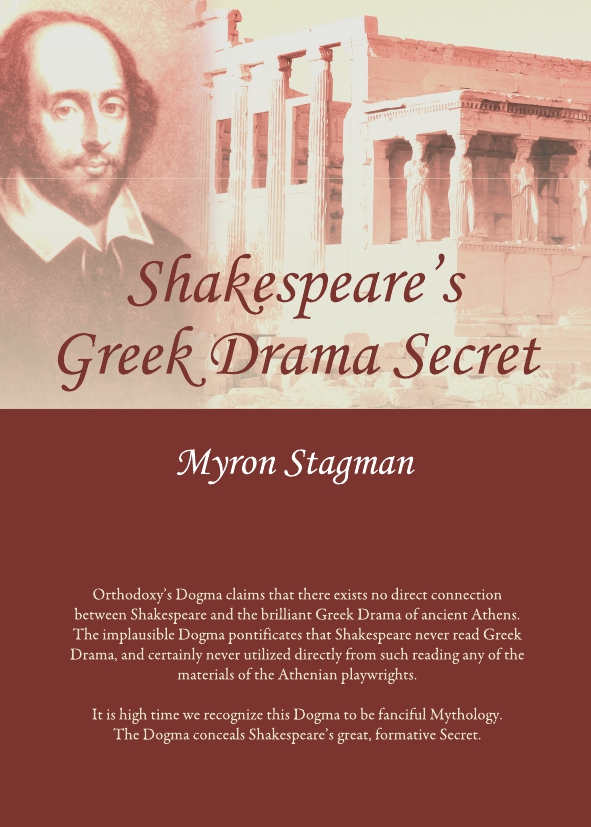
This book presents striking textual correspondences between Greek and Shakespearean plays. It proves William Shakespeare became “Shakespeare” because of his mastery of the ancient Greek treasury of Drama, where images like Lady Macbeth's cruelty first appear.
This book presents striking textual correspondences between Greek and Shakespearean plays. It proves William Shakespeare became “Shakespeare” because of his mastery of the ancient Greek treasury of Drama, where images like Lady Macbeth’s cruelty first appear.
View more
This product has multiple variants. The options may be chosen on the product page
View more
This product has multiple variants. The options may be chosen on the product page
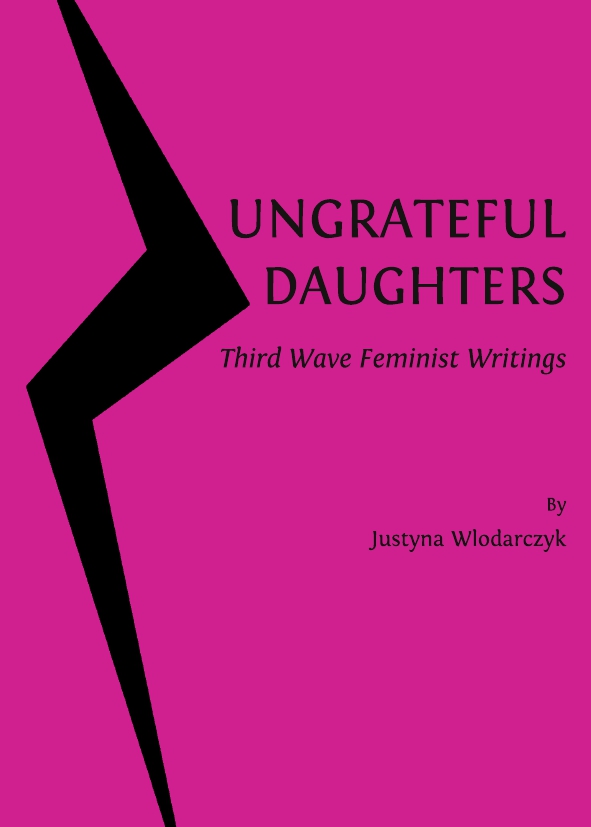
Ungrateful Daughters
Third Wave Feminist Writings
Has the third wave of feminism spawned a literary movement? This book analyzes the fiction, memoirs, and anthologies of third wave writers like Rebecca Walker and Michelle Tea, defining a unique “third wave sensibility” and asking: does literary success help women’s liberation?
Has the third wave of feminism spawned a literary movement? This book analyzes the fiction, memoirs, and anthologies of third wave writers like Rebecca Walker and Michelle Tea, defining a unique “third wave sensibility” and asking: does literary success help women’s liberation?
View more
This product has multiple variants. The options may be chosen on the product page
View more
This product has multiple variants. The options may be chosen on the product page
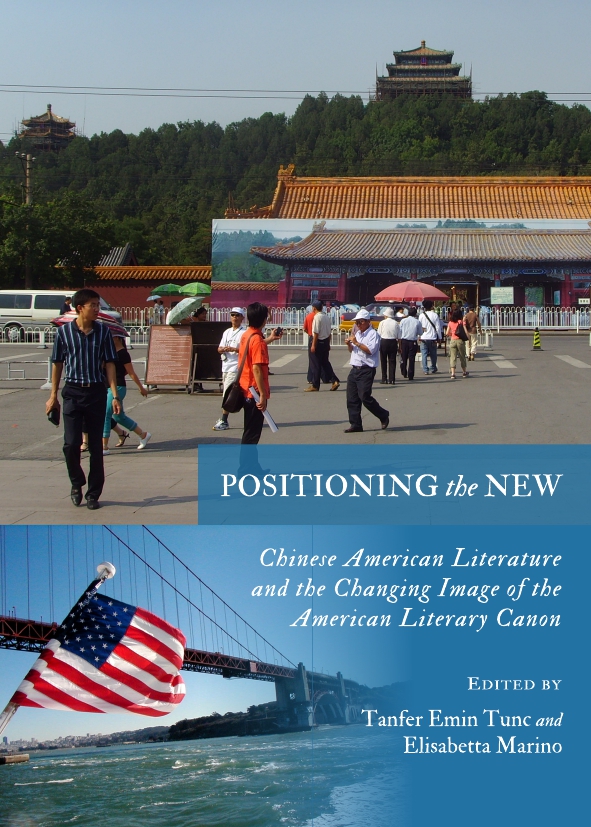
Positioning the New
Chinese American Literature and the Changing Image of the American Literary Canon
This volume explores Chinese American authors' place in the Western literary canon. It questions not only whether this literature is inside or outside the canon, but if a canon should exist at all, probing the by-products of cultural fusion and collision.
This volume explores Chinese American authors’ place in the Western literary canon. It questions not only whether this literature is inside or outside the canon, but if a canon should exist at all, probing the by-products of cultural fusion and collision.
View more
This product has multiple variants. The options may be chosen on the product page

View more
This product has multiple variants. The options may be chosen on the product page
£49.99
In 1763, The Ladies Complete Letter-Writer was the first manual exclusively for women in eighteenth-century Britain. It questioned pre-conceived ideas on women and their writing. Unedited since 1765, it is now presented with a new introduction and notes.
In 1763, The Ladies Complete Letter-Writer was the first manual exclusively for women in eighteenth-century Britain. It questioned pre-conceived ideas on women and their writing. Unedited since 1765, it is now presented with a new introduction and notes.
View more
This product has multiple variants. The options may be chosen on the product page
View more
This product has multiple variants. The options may be chosen on the product page
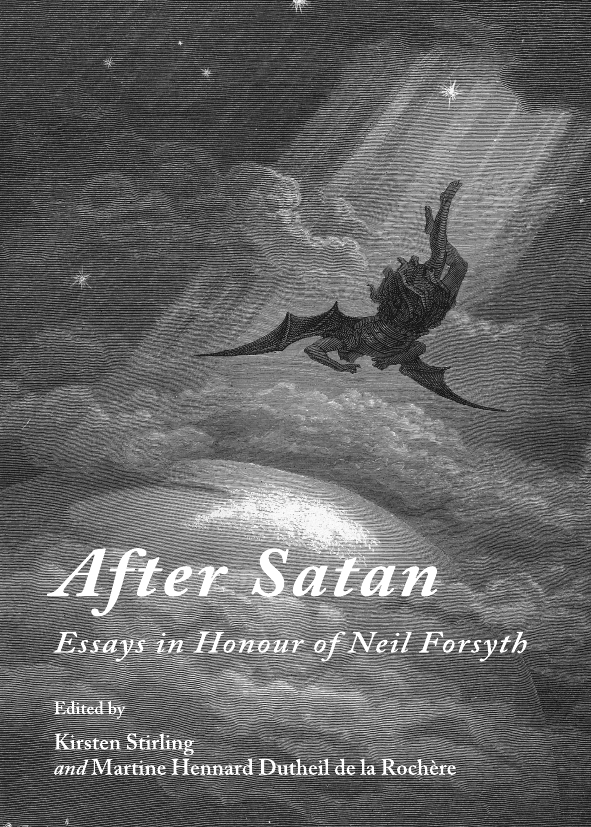
After Satan
Essays in Honour of Neil Forsyth
In tribute to Neil Forsyth, these essays trace the lineage of the Satan figure through literary history. They chart the demonised other from biblical history and Milton to the contemporary novel, showing how evil functions as a necessary other.
In tribute to Neil Forsyth, these essays trace the lineage of the Satan figure through literary history. They chart the demonised other from biblical history and Milton to the contemporary novel, showing how evil functions as a necessary other.
View more
This product has multiple variants. The options may be chosen on the product page
View more
This product has multiple variants. The options may be chosen on the product page
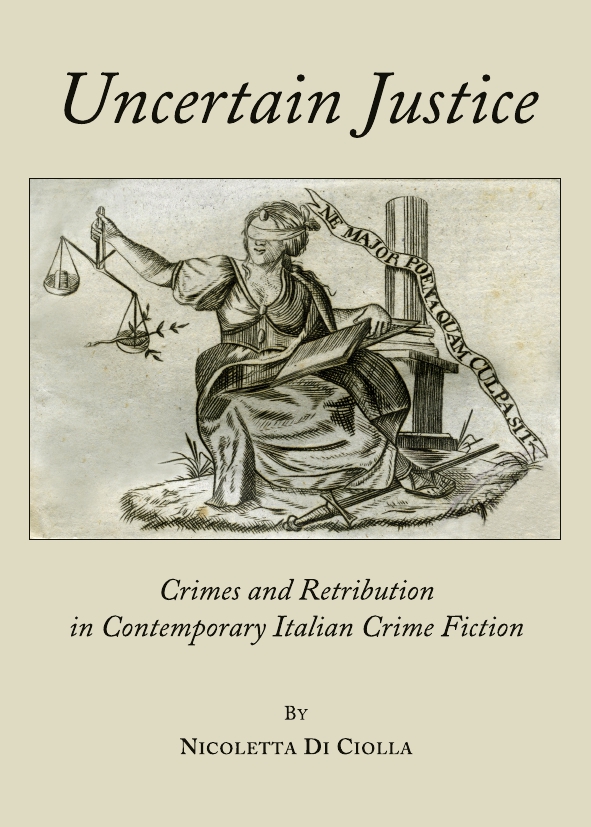
Uncertain Justice
Crimes and Retribution in Contemporary Italian Crime Fiction
Il giallo, Italy's crime genre, confronts uncomfortable truths about the nation. Uncertain Justice explores how contemporary noir debates unresolved history, the problematic family, and a flawed justice system, exposing injustice through the power of the word.
Il giallo, Italy’s crime genre, confronts uncomfortable truths about the nation. Uncertain Justice explores how contemporary noir debates unresolved history, the problematic family, and a flawed justice system, exposing injustice through the power of the word.
View more
This product has multiple variants. The options may be chosen on the product page
View more
This product has multiple variants. The options may be chosen on the product page
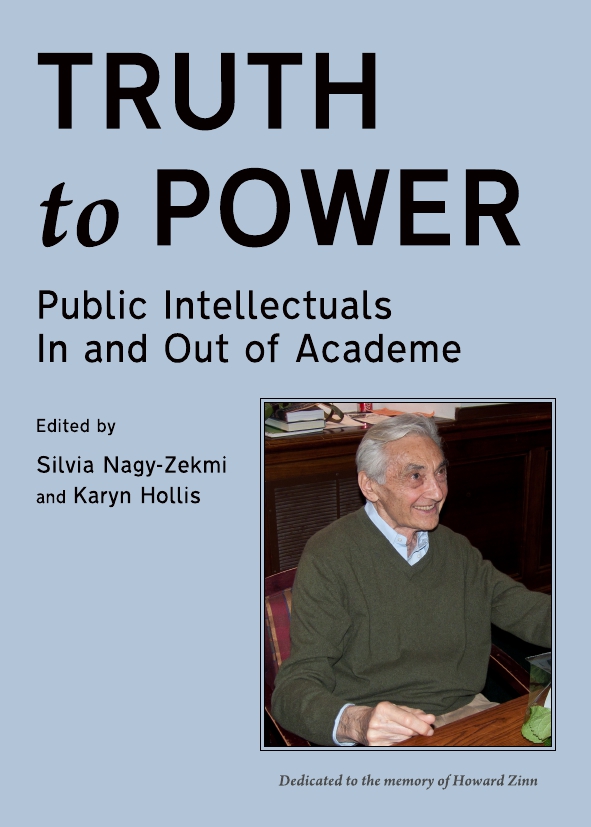
Truth to Power
Public Intellectuals In and Out of Academe
How can scholars penetrate the corporate media? This collection of articles explores the role of the intellectual in a society where privately owned media dominates public discourse. Never have their opinions been more crucial to the public good.
How can scholars penetrate the corporate media? This collection of articles explores the role of the intellectual in a society where privately owned media dominates public discourse. Never have their opinions been more crucial to the public good.
View more
This product has multiple variants. The options may be chosen on the product page
View more
This product has multiple variants. The options may be chosen on the product page
£39.99
Why study Pound and Eliot as Imagists when one left the movement and the other never belonged? To explore their shared premium on precision for opposite ends. Pound plied accuracy to carve distinctions, while Eliot used it to intuit a divine amalgamation.
Why study Pound and Eliot as Imagists when one left the movement and the other never belonged? To explore their shared premium on precision for opposite ends. Pound plied accuracy to carve distinctions, while Eliot used it to intuit a divine amalgamation.
View more
This product has multiple variants. The options may be chosen on the product page
View more
This product has multiple variants. The options may be chosen on the product page
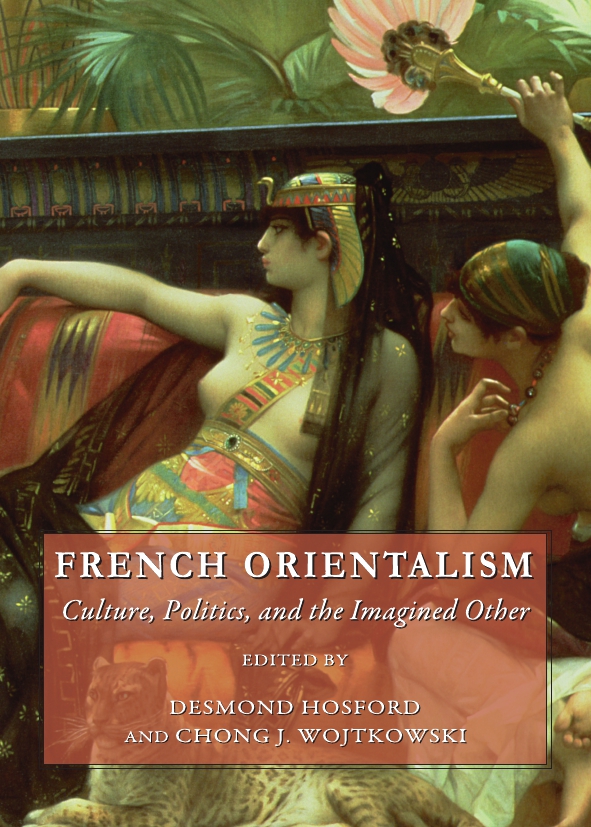
French Orientalism
Culture, Politics, and the Imagined Other
This volume challenges the canonic approach to French Orientalism. Broadening the scope of enquiry from the Middle Ages to the 21st century, it uses new theoretical perspectives to question, subvert, and resituate canonic theories and their global consequences.
This volume challenges the canonic approach to French Orientalism. Broadening the scope of enquiry from the Middle Ages to the 21st century, it uses new theoretical perspectives to question, subvert, and resituate canonic theories and their global consequences.
View more
This product has multiple variants. The options may be chosen on the product page

View more
This product has multiple variants. The options may be chosen on the product page
Blood on the Page
Interviews with African Authors writing about HIV/AIDS
In fourteen unprecedented interviews, the first authors to publish fiction on HIV/AIDS in South Africa and Zimbabwe discuss their ground-breaking work. They give voice to silence and humanize an epidemic otherwise unimaginable statistically.
In fourteen unprecedented interviews, the first authors to publish fiction on HIV/AIDS in South Africa and Zimbabwe discuss their ground-breaking work. They give voice to silence and humanize an epidemic otherwise unimaginable statistically.
View more
This product has multiple variants. The options may be chosen on the product page
View more
This product has multiple variants. The options may be chosen on the product page
Irish Studies in Britain
New Perspectives on History and Literature
These essays explore how religious and political identity shaped Irish experiences from the 17th to 20th centuries. The collection examines key historical events and literary responses, addressing themes of national identity, culture, and literary influence.
These essays explore how religious and political identity shaped Irish experiences from the 17th to 20th centuries. The collection examines key historical events and literary responses, addressing themes of national identity, culture, and literary influence.
View more
This product has multiple variants. The options may be chosen on the product page
View more
This product has multiple variants. The options may be chosen on the product page
£34.99
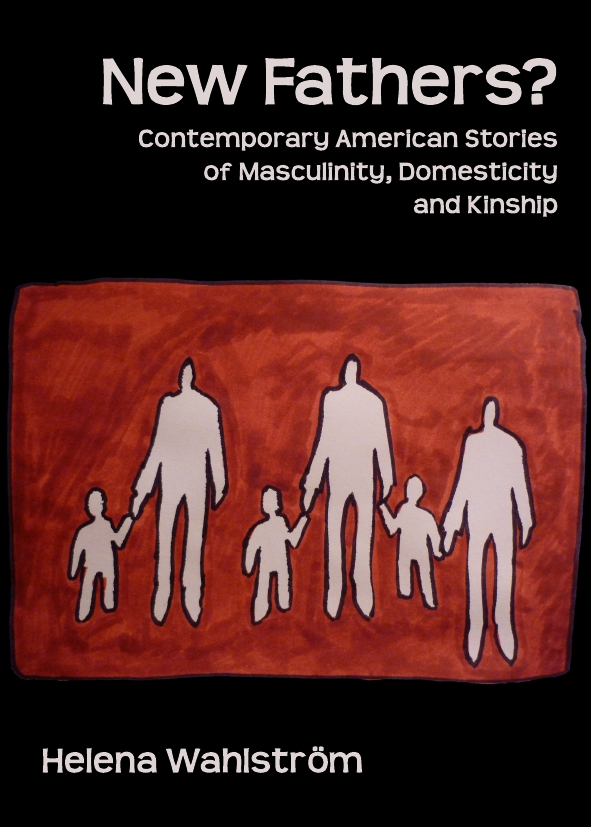
This study explores the intersection of masculinity and domesticity in contemporary film and literature. It argues that texts since the 1990s address “new fatherhood,” problematizing the legitimacy of “new fathers” and “alternative families.”
This study explores the intersection of masculinity and domesticity in contemporary film and literature. It argues that texts since the 1990s address “new fatherhood,” problematizing the legitimacy of “new fathers” and “alternative families.”
View more
This product has multiple variants. The options may be chosen on the product page
View more
This product has multiple variants. The options may be chosen on the product page
£39.99
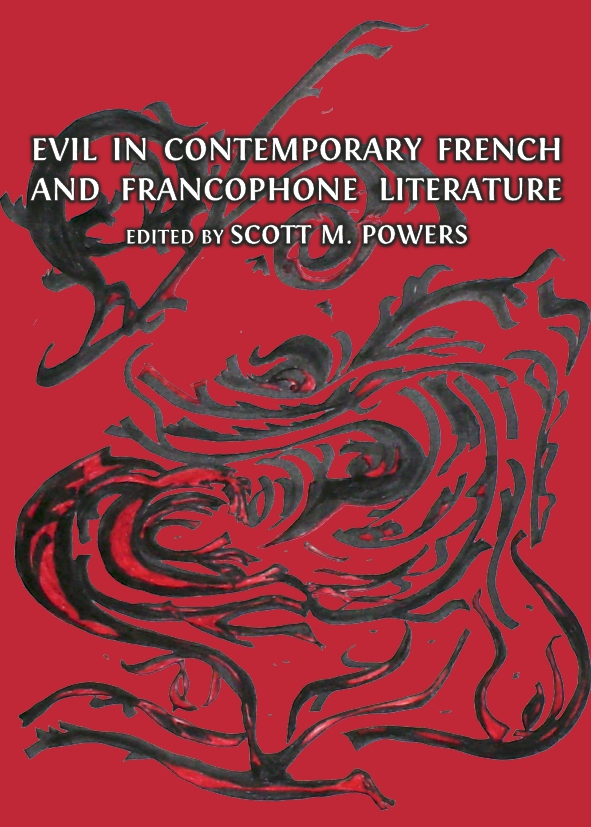
This collection offers an international perspective on evil in contemporary French literature. Essays explore how authors give account of human catastrophes—from genocide to terrorism—investigating the origins of evil and the ethics of writing on suffering.
This collection offers an international perspective on evil in contemporary French literature. Essays explore how authors give account of human catastrophes—from genocide to terrorism—investigating the origins of evil and the ethics of writing on suffering.
View more
This product has multiple variants. The options may be chosen on the product page
View more
This product has multiple variants. The options may be chosen on the product page
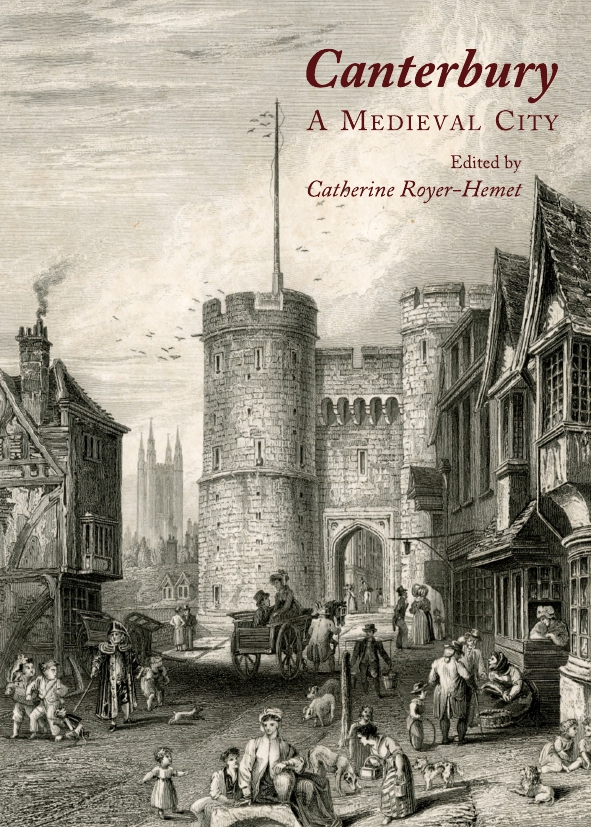
Canterbury
A Medieval City
Since becoming the religious heart of the country in AD 597, Canterbury's fame has endured. This book explores its history, from illustrious figures like Thomas Becket and Chaucer to the lesser-known people and events that shaped its identity.
Since becoming the religious heart of the country in AD 597, Canterbury’s fame has endured. This book explores its history, from illustrious figures like Thomas Becket and Chaucer to the lesser-known people and events that shaped its identity.
View more
This product has multiple variants. The options may be chosen on the product page
View more
This product has multiple variants. The options may be chosen on the product page
Nabokov’s Palace
The American Novels
Nabokov’s Palace discovers the sub-texts and inter-textual patterns in his American novels making them an integral part of the Anglo-American literary tradition, revealing his "otherworld" of art and communion with dead poets.
Nabokov’s Palace discovers the sub-texts and inter-textual patterns in his American novels making them an integral part of the Anglo-American literary tradition, revealing his “otherworld” of art and communion with dead poets.
View more
This product has multiple variants. The options may be chosen on the product page
View more
This product has multiple variants. The options may be chosen on the product page
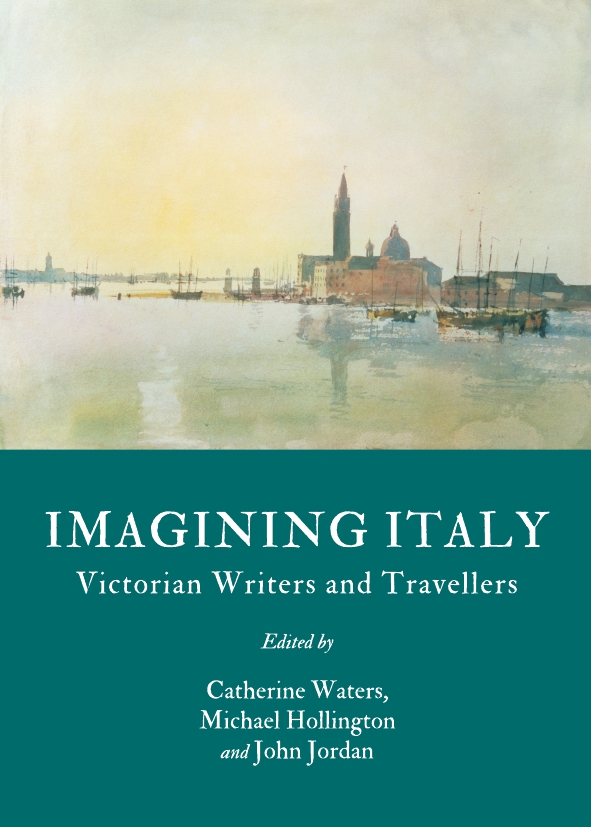
Imagining Italy
Victorian Writers and Travellers
This book approaches the Victorian fascination with Italy from a broad, theoretical perspective. Going beyond Dickens, it examines travel writing and visual representations to show how Victorian stereotypes continue to inform contemporary tourism.
This book approaches the Victorian fascination with Italy from a broad, theoretical perspective. Going beyond Dickens, it examines travel writing and visual representations to show how Victorian stereotypes continue to inform contemporary tourism.
View more
This product has multiple variants. The options may be chosen on the product page
Processing Your Order
Please wait while we securely process your order.
Do not refresh or leave this page.
You will be redirected shortly to a confirmation page with your order number.