
View more
This product has multiple variants. The options may be chosen on the product page
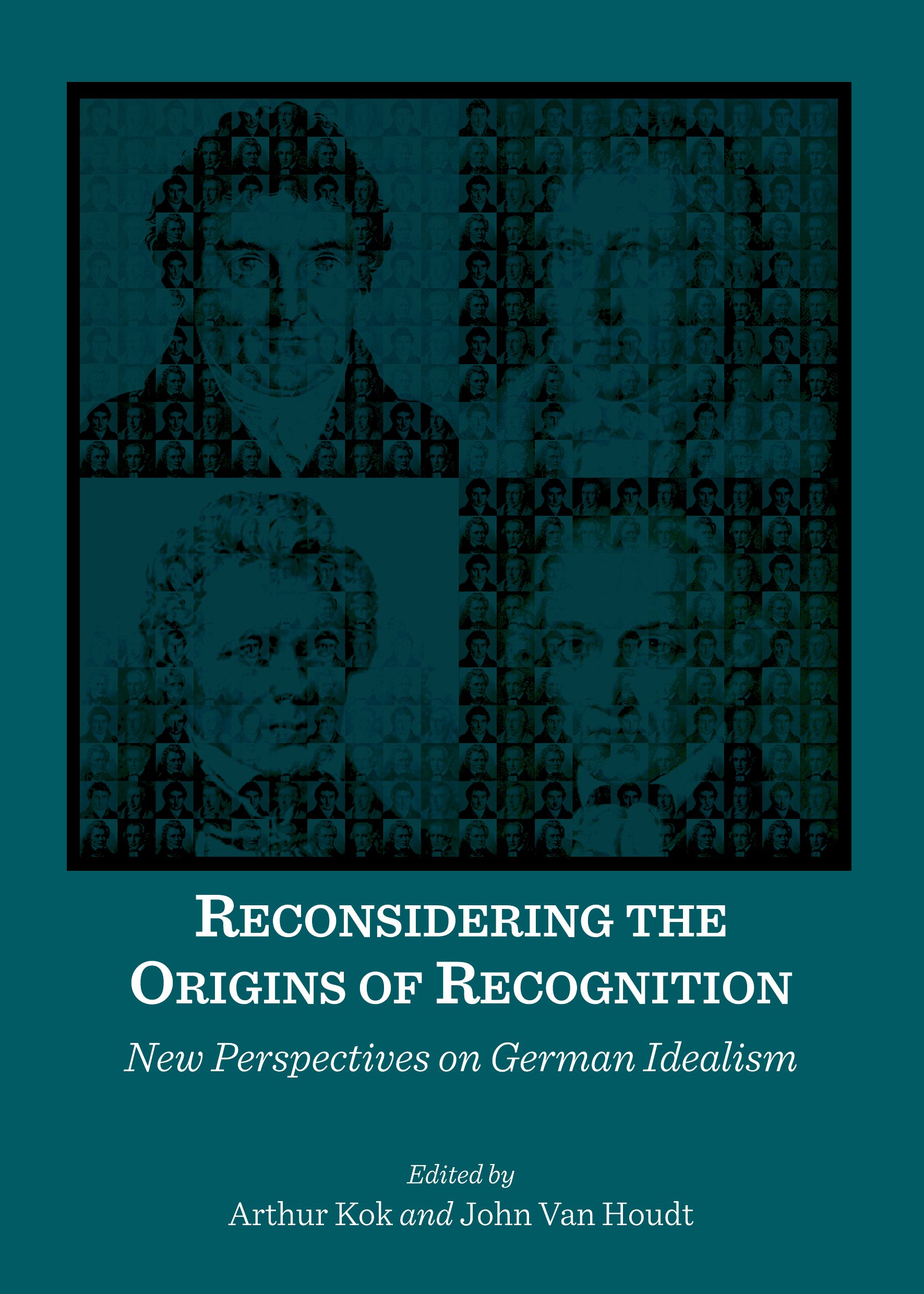
Reconsidering the Origins of Recognition
New Perspectives on German Idealism
A new generation of researchers explores German idealism's central topic: recognition. Overcoming classical divisions, they offer critical re-readings of foundational texts, showing how this philosophy continues to inspire new generations of thinkers.
A new generation of researchers explores German idealism’s central topic: recognition. Overcoming classical divisions, they offer critical re-readings of foundational texts, showing how this philosophy continues to inspire new generations of thinkers.
View more
This product has multiple variants. The options may be chosen on the product page
View more
This product has multiple variants. The options may be chosen on the product page
Contesting Categories, Remapping Boundaries
Literary Interventions by Tamil Dalits
This book traces the evolution of Tamil Dalit writing from the early twentieth century to the present and explores its impact on academia. It analyses the literary works of Tamil Dalits and explores how students respond to this literature in university curricula.
This book traces the evolution of Tamil Dalit writing from the early twentieth century to the present and explores its impact on academia. It analyses the literary works of Tamil Dalits and explores how students respond to this literature in university curricula.
View more
This product has multiple variants. The options may be chosen on the product page
View more
This product has multiple variants. The options may be chosen on the product page
Colonial Psychosocial
Reading William Lane
With blistering rhetoric, William Lane mesmerised colonial Australia, playing on its fears of disease, deformity and invasion. This book follows his life—from dark cities to a failed utopia—to trace how he shaped a lasting legacy of exclusion.
With blistering rhetoric, William Lane mesmerised colonial Australia, playing on its fears of disease, deformity and invasion. This book follows his life—from dark cities to a failed utopia—to trace how he shaped a lasting legacy of exclusion.
View more
This product has multiple variants. The options may be chosen on the product page
View more
This product has multiple variants. The options may be chosen on the product page
£47.99
This collection of critical essays explores the intersection of gender and diaspora in Indian literature. Drawing on feminist and queer studies, it examines the predicament of belonging and identity, showcasing the range and depth of the Indian diaspora.
This collection of critical essays explores the intersection of gender and diaspora in Indian literature. Drawing on feminist and queer studies, it examines the predicament of belonging and identity, showcasing the range and depth of the Indian diaspora.
View more
This product has multiple variants. The options may be chosen on the product page
View more
This product has multiple variants. The options may be chosen on the product page
£41.99
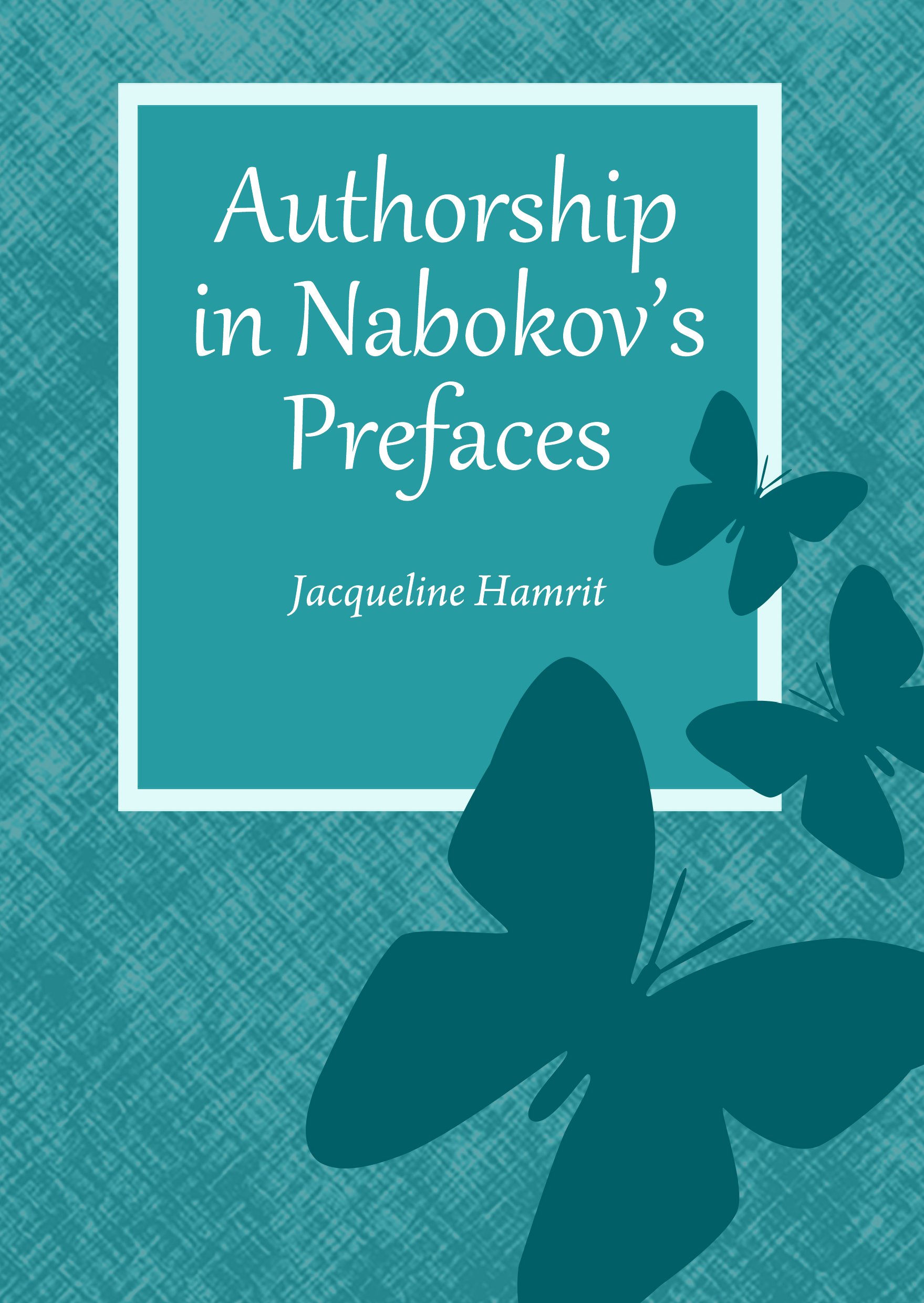
This work analyzes Nabokov’s prefaces to offer a new perspective on authorship. The author, neither dead nor tyrannical, alternates between authoritative apparition and disappearance, deconstructing the myth of Nabokov’s arrogance to unearth his vulnerability.
This work analyzes Nabokov’s prefaces to offer a new perspective on authorship. The author, neither dead nor tyrannical, alternates between authoritative apparition and disappearance, deconstructing the myth of Nabokov’s arrogance to unearth his vulnerability.
View more
This product has multiple variants. The options may be chosen on the product page
View more
This product has multiple variants. The options may be chosen on the product page
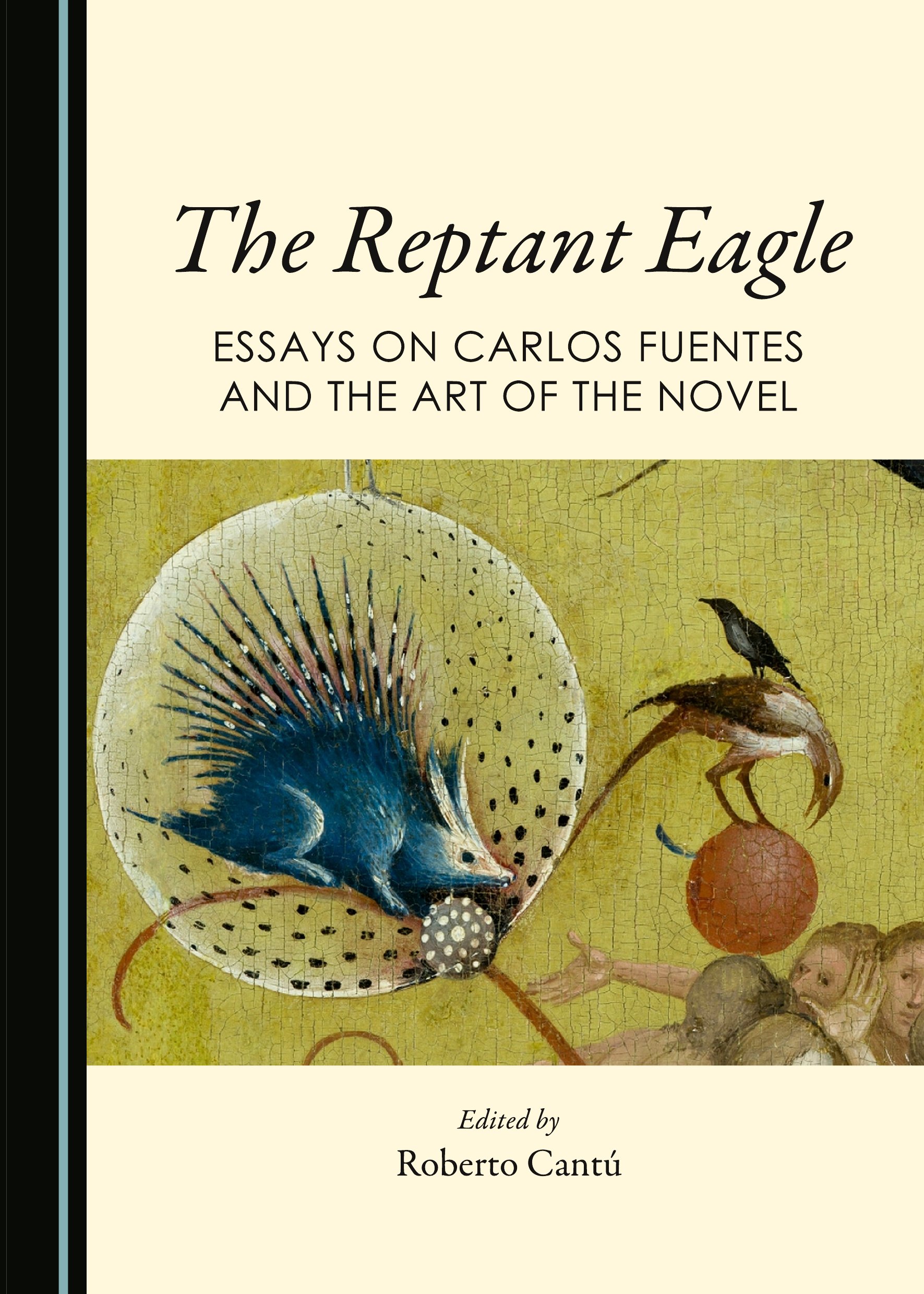
The Reptant Eagle
Essays on Carlos Fuentes and the Art of the Novel
Carlos Fuentes was a leading voice in Latin America’s Boom generation. The Reptant Eagle collects essays by renowned scholars that offer innovative readings of his major works and trace his contribution to the uninterrupted tradition of the art of the novel.
Carlos Fuentes was a leading voice in Latin America’s Boom generation. The Reptant Eagle collects essays by renowned scholars that offer innovative readings of his major works and trace his contribution to the uninterrupted tradition of the art of the novel.
View more
This product has multiple variants. The options may be chosen on the product page
View more
This product has multiple variants. The options may be chosen on the product page
£52.99
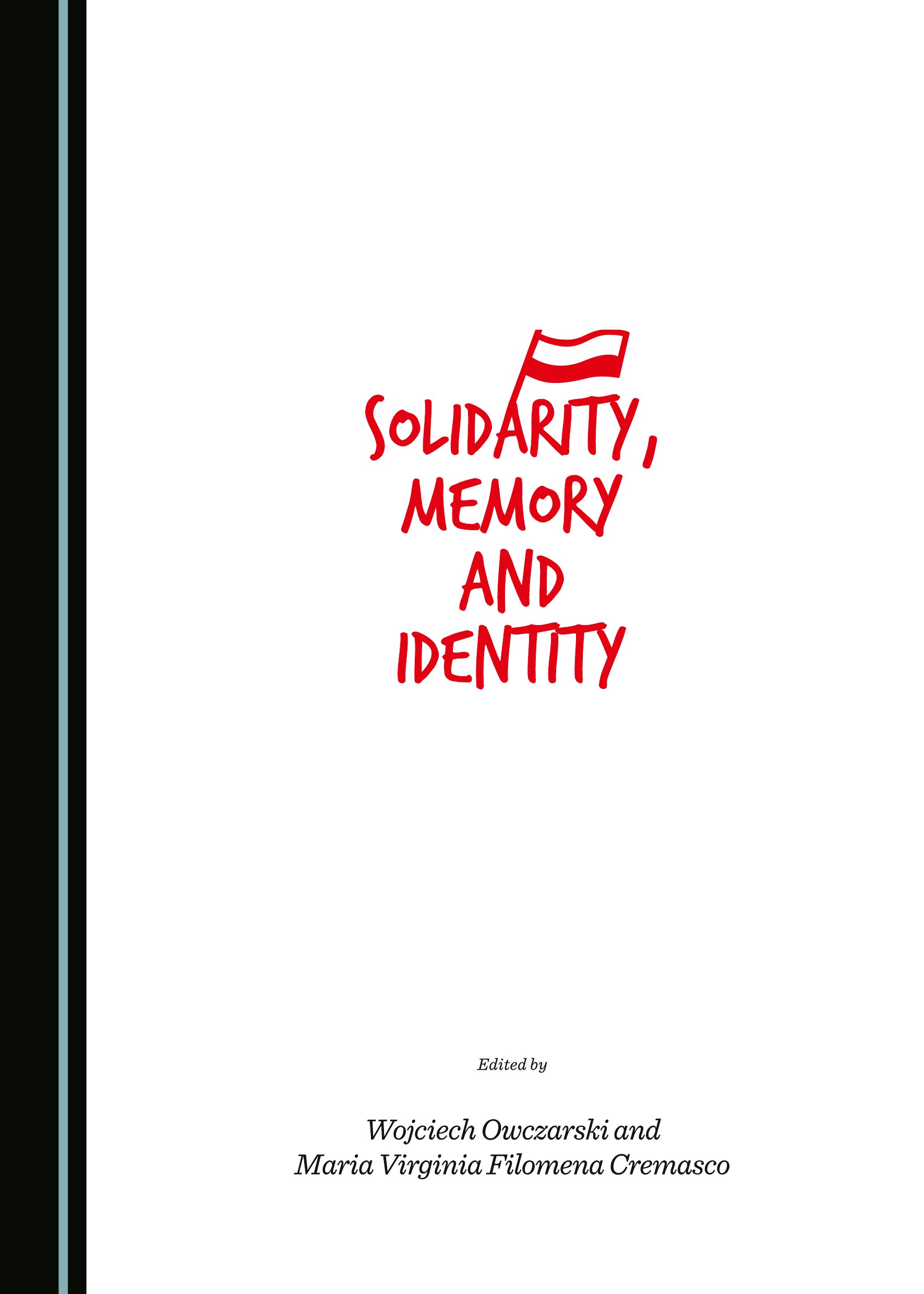
In a world of deepening conflict, what is solidarity today? This interdisciplinary volume analyzes the concept from philosophical, social, political, and artistic perspectives, exploring its relation to memory and inspiring readers to help victims of exclusion.
In a world of deepening conflict, what is solidarity today? This interdisciplinary volume analyzes the concept from philosophical, social, political, and artistic perspectives, exploring its relation to memory and inspiring readers to help victims of exclusion.
View more
This product has multiple variants. The options may be chosen on the product page
View more
This product has multiple variants. The options may be chosen on the product page
Science, Gender and History
The Fantastic in Mary Shelley and Margaret Atwood
This study offers fresh readings of Mary Shelley and Margaret Atwood, comparing Frankenstein and The Last Man with The Handmaid's Tale and Oryx and Crake to reveal an ongoing critique of oppressive science, gender ideologies, and environmental ruin.
This study offers fresh readings of Mary Shelley and Margaret Atwood, comparing Frankenstein and The Last Man with The Handmaid’s Tale and Oryx and Crake to reveal an ongoing critique of oppressive science, gender ideologies, and environmental ruin.
View more
This product has multiple variants. The options may be chosen on the product page
View more
This product has multiple variants. The options may be chosen on the product page
£47.99
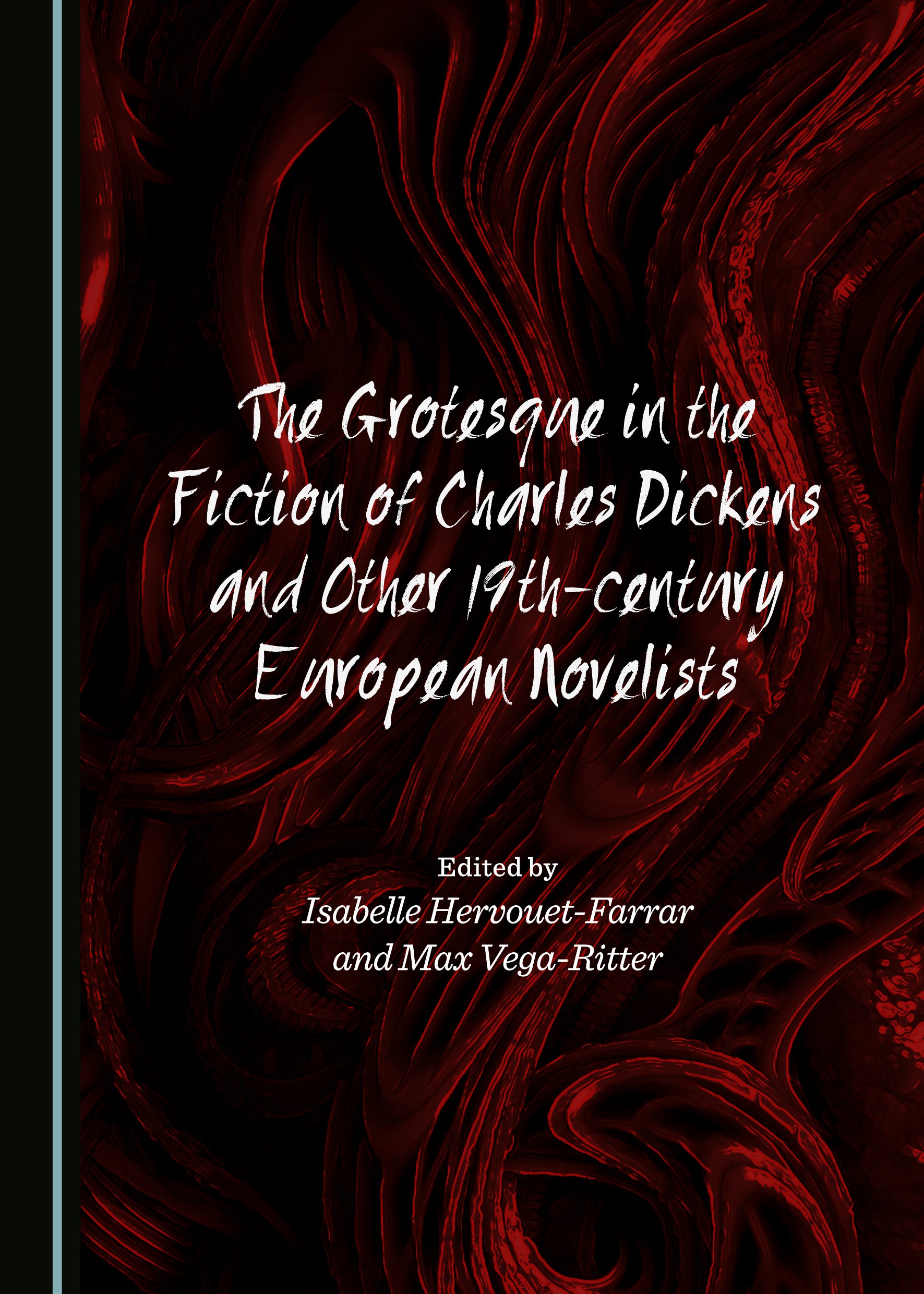
This book explores the literary grotesque in 19th-century Europe, with special emphasis on Charles Dickens. It compares his work with that of key writers like Hugo, Gogol, and Hardy, examining the grotesque as a tool for questioning society.
This book explores the literary grotesque in 19th-century Europe, with special emphasis on Charles Dickens. It compares his work with that of key writers like Hugo, Gogol, and Hardy, examining the grotesque as a tool for questioning society.
View more
This product has multiple variants. The options may be chosen on the product page
View more
This product has multiple variants. The options may be chosen on the product page
Social Networks in the Long Eighteenth Century
Clubs, Literary Salons, Textual Coteries
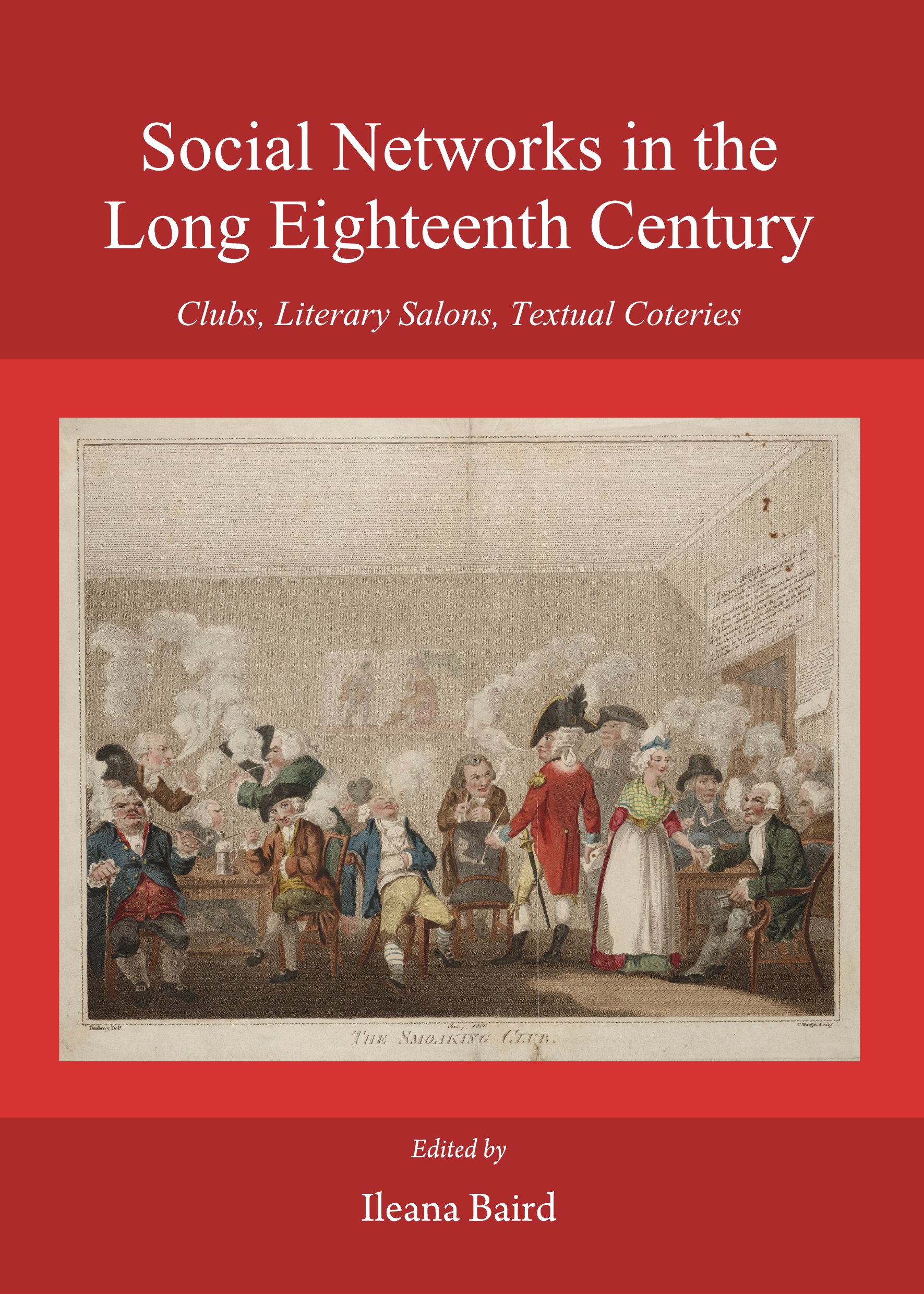
This collection uses social network analysis and digital humanities to re-imagine the 18th century as a networked community. It explores how clubs and associations formed public opinion, revealing surprising parallels to today's digital public sphere.
This collection uses social network analysis and digital humanities to re-imagine the 18th century as a networked community. It explores how clubs and associations formed public opinion, revealing surprising parallels to today’s digital public sphere.
View more
This product has multiple variants. The options may be chosen on the product page
View more
This product has multiple variants. The options may be chosen on the product page
£41.99
This collection of essays offers a theoretical overview of fantastic literature. An accessible introduction to the field, it analyzes works by authors such as H.P. Lovecraft, George R.R. Martin, and Neil Gaiman alongside world literature classics.
This collection of essays offers a theoretical overview of fantastic literature. An accessible introduction to the field, it analyzes works by authors such as H.P. Lovecraft, George R.R. Martin, and Neil Gaiman alongside world literature classics.
View more
This product has multiple variants. The options may be chosen on the product page
View more
This product has multiple variants. The options may be chosen on the product page
Bachelors, Bastards, and Nomadic Masculinity
Illegitimacy in Guy de Maupassant and André Gide
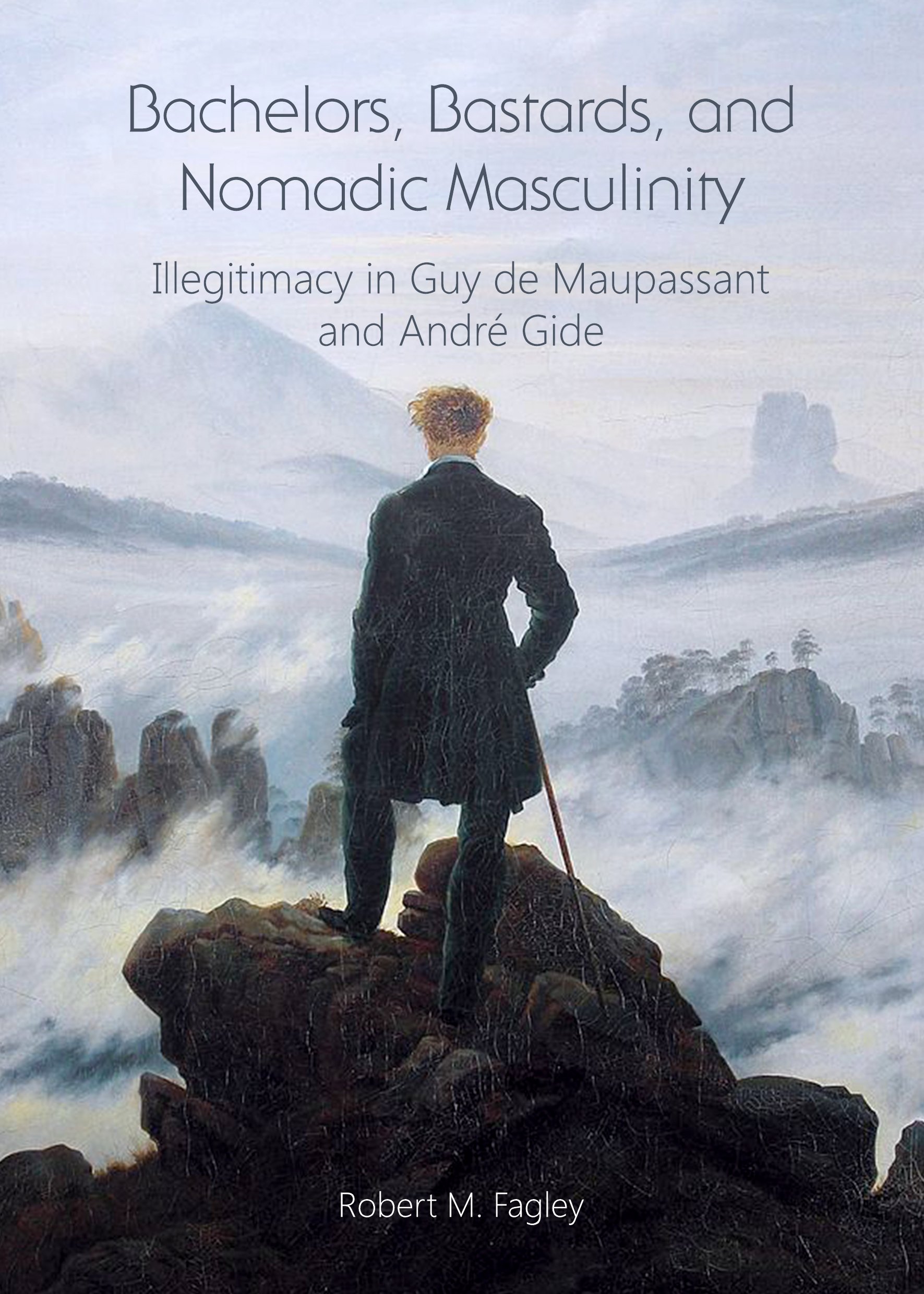
This book is a thematic exploration of bachelors and bastards in the literary works of Guy de Maupassant and André Gide. It examines illegitimacy, "Counterfeit" characters, and the concept of "nomadic masculinity" during a period of great socio-legal change.
This book is a thematic exploration of bachelors and bastards in the literary works of Guy de Maupassant and André Gide. It examines illegitimacy, “Counterfeit” characters, and the concept of “nomadic masculinity” during a period of great socio-legal change.
View more
This product has multiple variants. The options may be chosen on the product page

View more
This product has multiple variants. The options may be chosen on the product page
Intellect Encounters Faith – A Synthesis
A Festschrift in Honor of Jay Harold Ellens, Ph.D.
This collection of essays is a tribute to renaissance man Dr. Jay Harold Ellens: a scholar, psychologist, and military chaplain. The volume merges deep scholarship with personal reflections on Psychology, Religious Literature, and Military History.
This collection of essays is a tribute to renaissance man Dr. Jay Harold Ellens: a scholar, psychologist, and military chaplain. The volume merges deep scholarship with personal reflections on Psychology, Religious Literature, and Military History.
View more
This product has multiple variants. The options may be chosen on the product page
View more
This product has multiple variants. The options may be chosen on the product page
£57.99
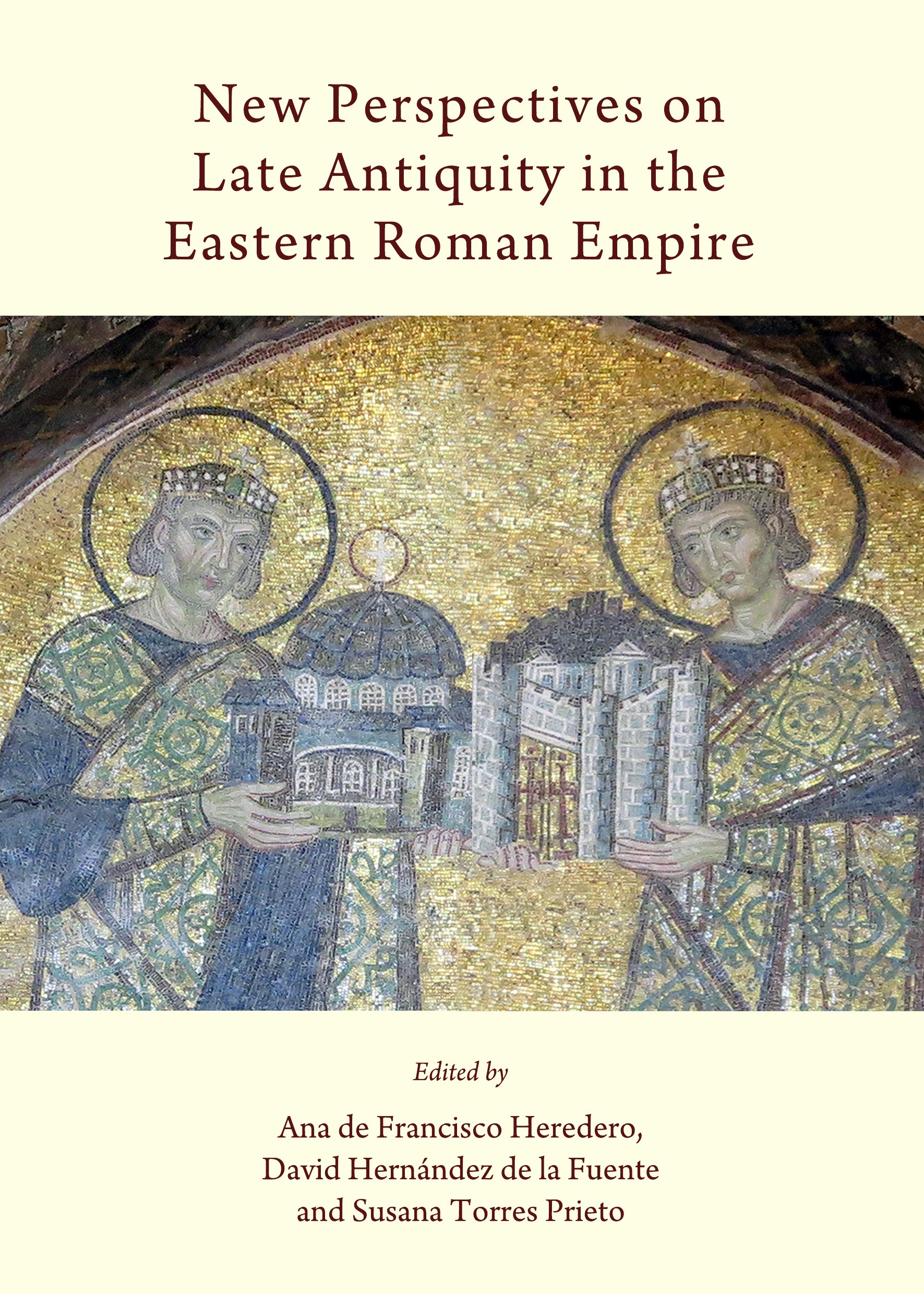
Leading scholars offer a fresh, thought-provoking examination of Byzantium in Late Antiquity and beyond. This multi-disciplinary volume presents innovative research on the interaction between the Empire's core and periphery, and relations between Romans and Barbarians.
Leading scholars offer a fresh, thought-provoking examination of Byzantium in Late Antiquity and beyond. This multi-disciplinary volume presents innovative research on the interaction between the Empire’s core and periphery, and relations between Romans and Barbarians.
View more
This product has multiple variants. The options may be chosen on the product page
View more
This product has multiple variants. The options may be chosen on the product page
£41.99
Writers with roots in Africa navigate new terrains and racialized identities in Europe. Through vibrant literature, they redefine identity and imagine the contours of a diverse, inclusive Europe, reckoning with its colonial history and its legacy.
Writers with roots in Africa navigate new terrains and racialized identities in Europe. Through vibrant literature, they redefine identity and imagine the contours of a diverse, inclusive Europe, reckoning with its colonial history and its legacy.
View more
This product has multiple variants. The options may be chosen on the product page
View more
This product has multiple variants. The options may be chosen on the product page
Historicizing Fiction/Fictionalizing History
Representation in Select Novels of Umberto Eco and Orhan Pamuk
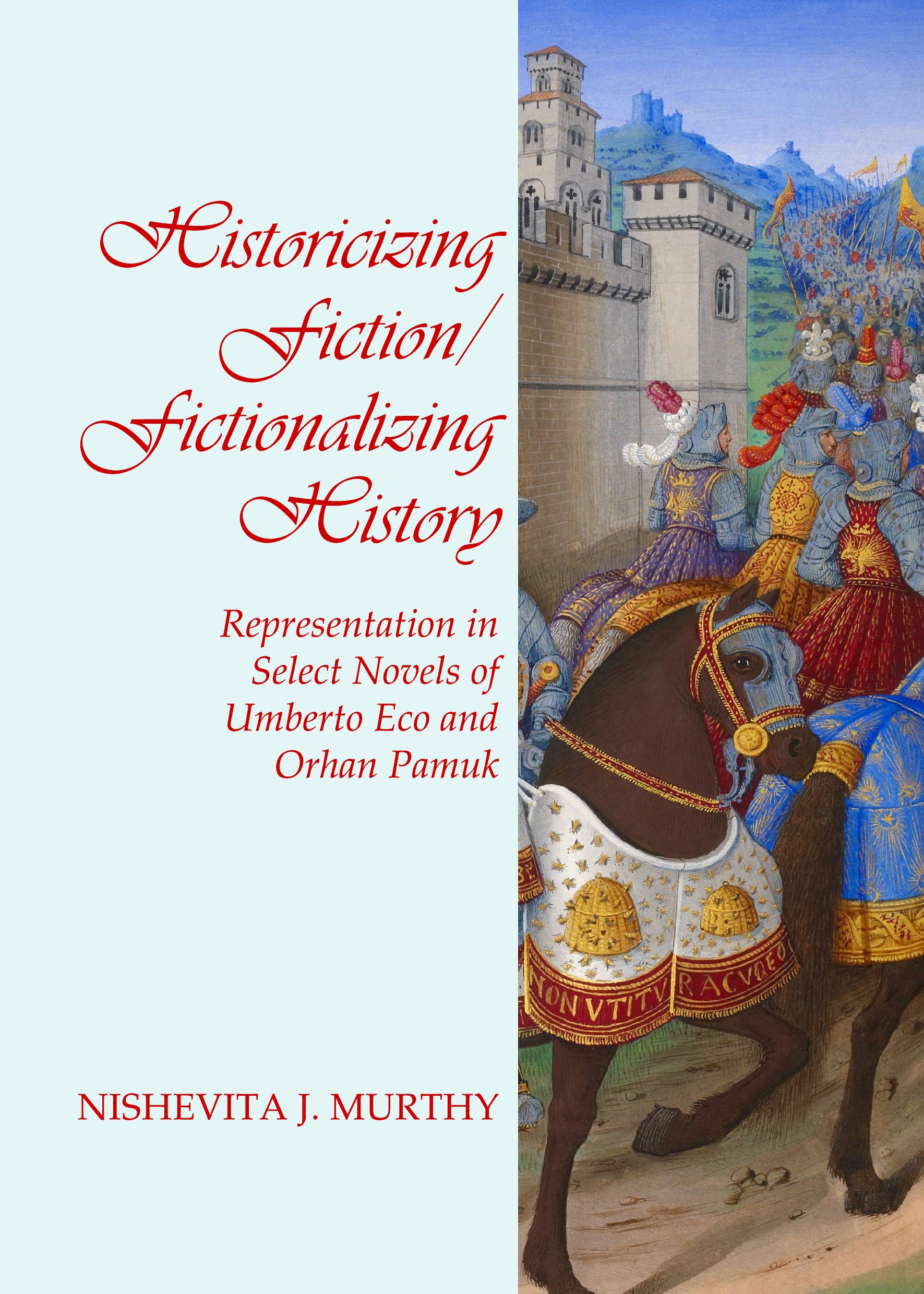
A unique comparative study of Umberto Eco and Orhan Pamuk. This book uses their historical novels to examine fictional depictions of reality, exploring how the text confronts a world of facts and how this affects the autonomy of the fictional space.
A unique comparative study of Umberto Eco and Orhan Pamuk. This book uses their historical novels to examine fictional depictions of reality, exploring how the text confronts a world of facts and how this affects the autonomy of the fictional space.
View more
This product has multiple variants. The options may be chosen on the product page
View more
This product has multiple variants. The options may be chosen on the product page
£52.99
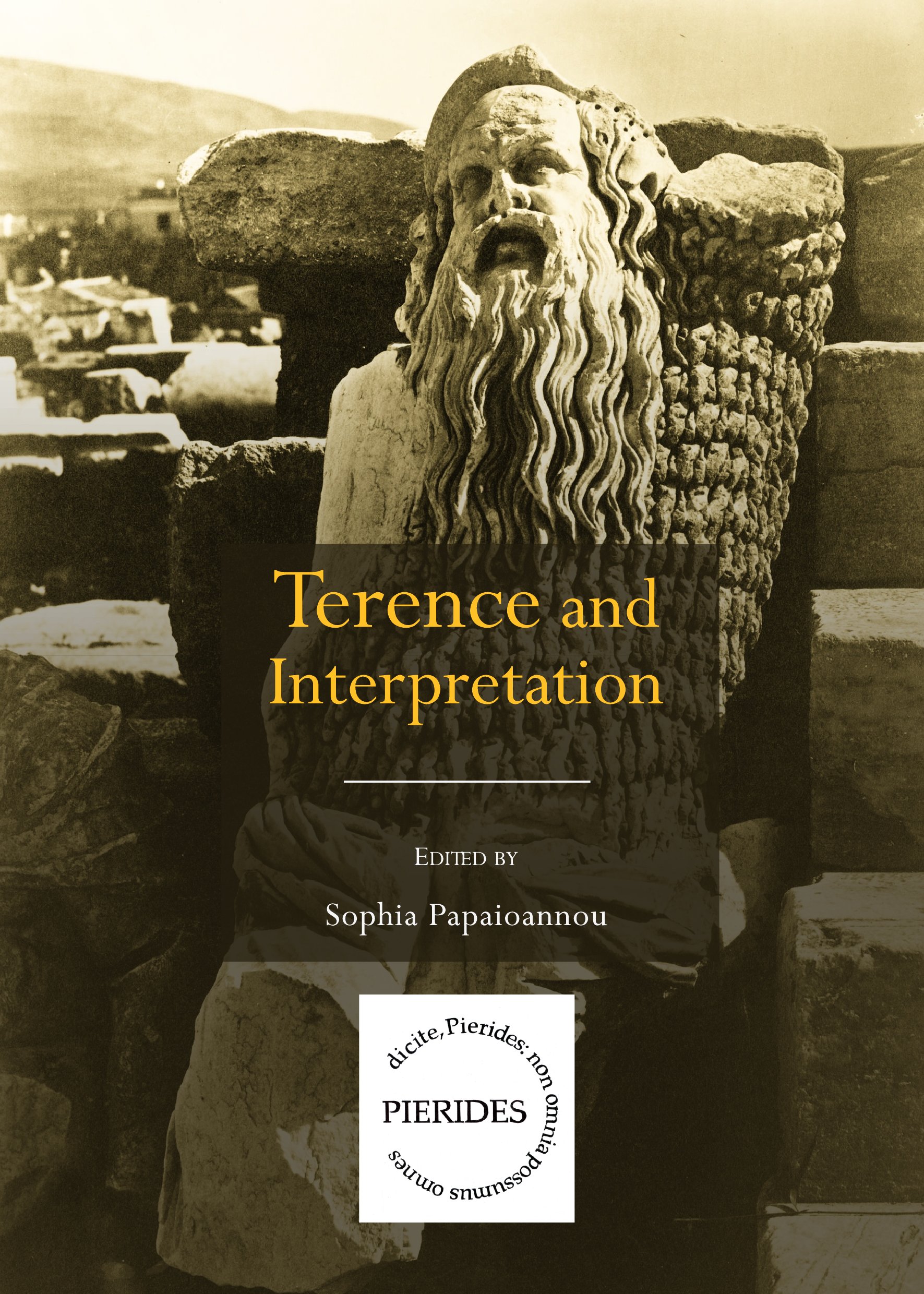
PIERIDES IV This volume examines Terence as both an interpreter of literary traditions and a subject of critical reception. It explores his experimental comedies, focusing on the meaning of his work in relation to his predecessors, contemporaries, and posterity.
PIERIDES IV
This volume examines Terence as both an interpreter of literary traditions and a subject of critical reception. It explores his experimental comedies, focusing on the meaning of his work in relation to his predecessors, contemporaries, and posterity.
View more
This product has multiple variants. The options may be chosen on the product page
View more
This product has multiple variants. The options may be chosen on the product page
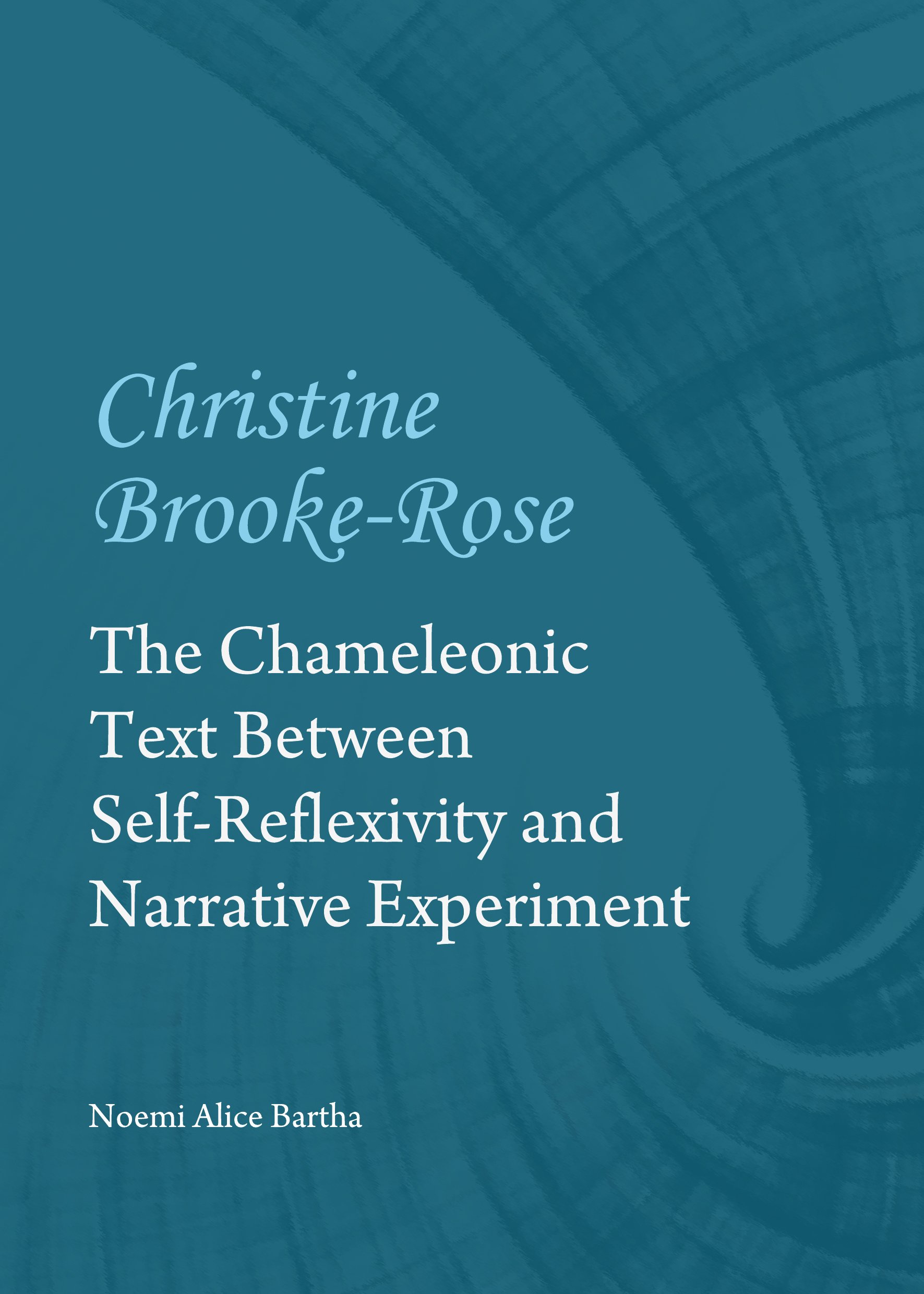
Christine Brooke-Rose
The Chameleonic Text Between Self-Reflexivity and Narrative Experiment
Experimental writer Christine Brooke-Rose puzzled critics with her fractal identity. This book settles the ambiguities of her work, charting the chameleonic features of her highly experimental novels and their unifying intertextual web.
Experimental writer Christine Brooke-Rose puzzled critics with her fractal identity. This book settles the ambiguities of her work, charting the chameleonic features of her highly experimental novels and their unifying intertextual web.
View more
This product has multiple variants. The options may be chosen on the product page
View more
This product has multiple variants. The options may be chosen on the product page
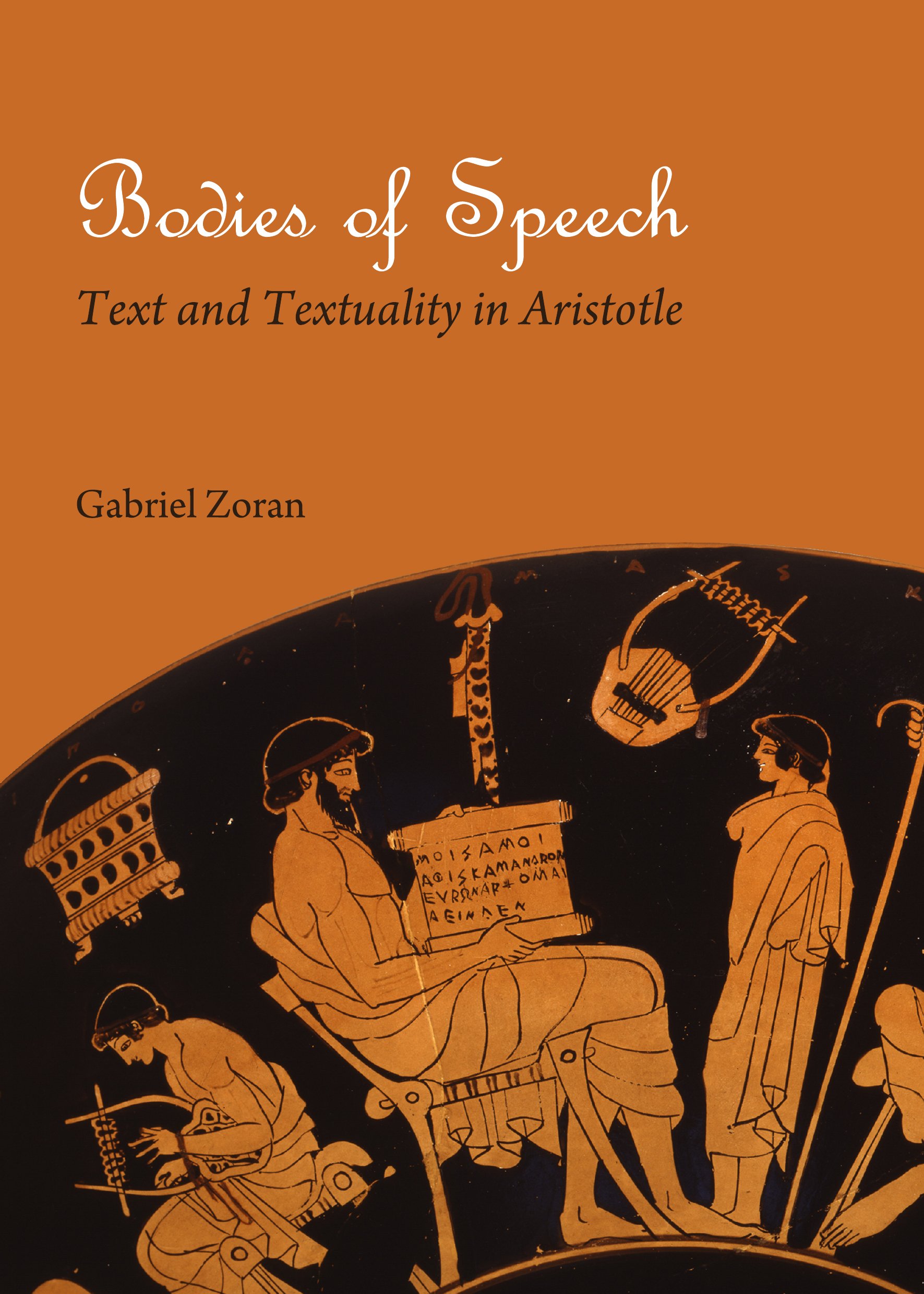
Bodies of Speech
Text and Textuality in Aristotle
Aristotle was the first to conceive of poetry and oration as written texts. This book reads his Poetics and Rhetoric to reveal a systematic text theory—a profound theory able to hold a fruitful dialogue with modern thinking.
Aristotle was the first to conceive of poetry and oration as written texts. This book reads his Poetics and Rhetoric to reveal a systematic text theory—a profound theory able to hold a fruitful dialogue with modern thinking.
View more
This product has multiple variants. The options may be chosen on the product page
View more
This product has multiple variants. The options may be chosen on the product page
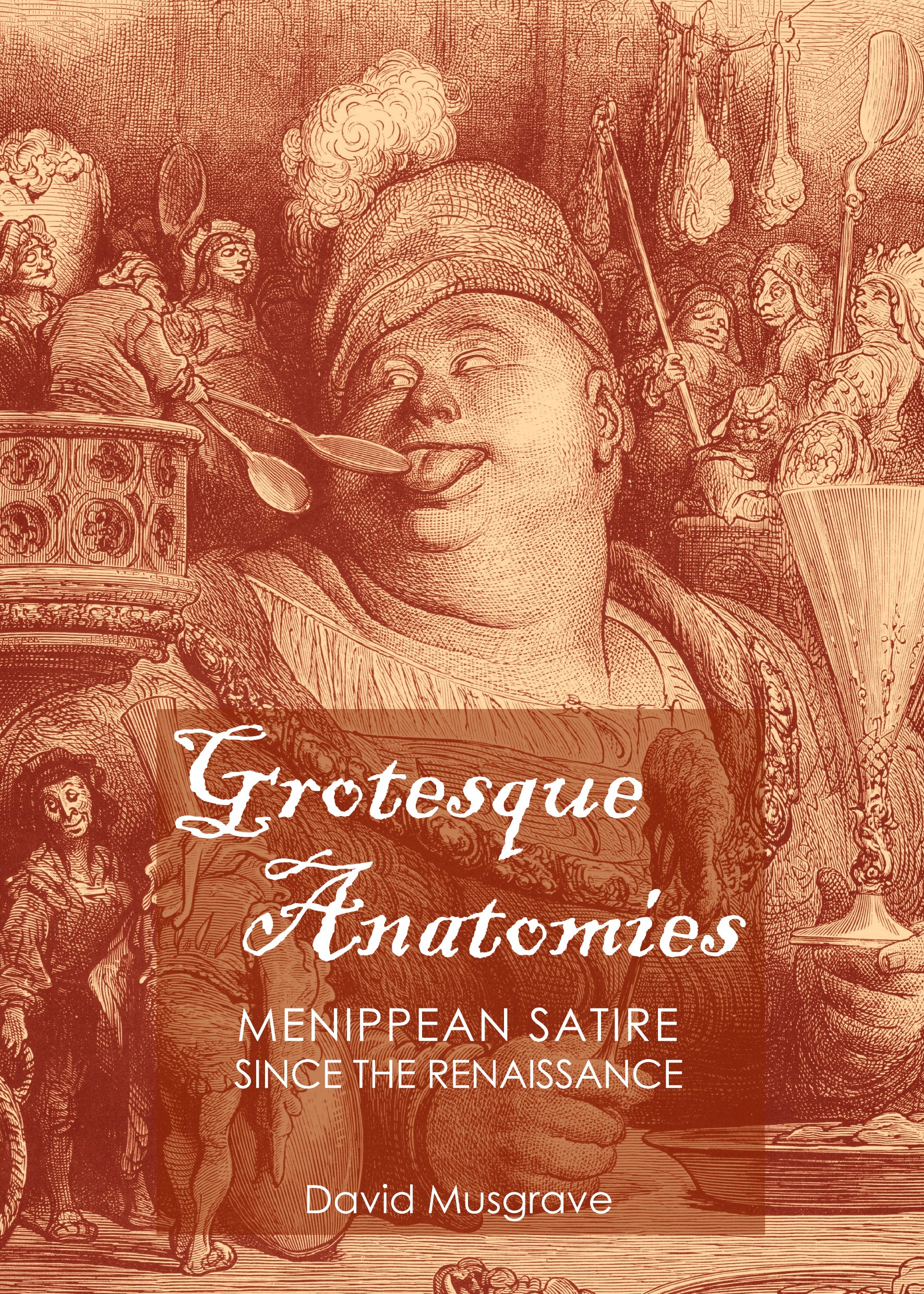
Grotesque Anatomies
Menippean Satire since the Renaissance
This study defines Menippean satire as a literary version of the grotesque. Through revisionist readings of canonical works from Pope’s Dunciad to Eliot’s The Waste Land, it changes our understanding of them and traces the form to the present day.
This study defines Menippean satire as a literary version of the grotesque. Through revisionist readings of canonical works from Pope’s Dunciad to Eliot’s The Waste Land, it changes our understanding of them and traces the form to the present day.
View more
This product has multiple variants. The options may be chosen on the product page
Processing Your Order
Please wait while we securely process your order.
Do not refresh or leave this page.
You will be redirected shortly to a confirmation page with your order number.