
View more
This product has multiple variants. The options may be chosen on the product page
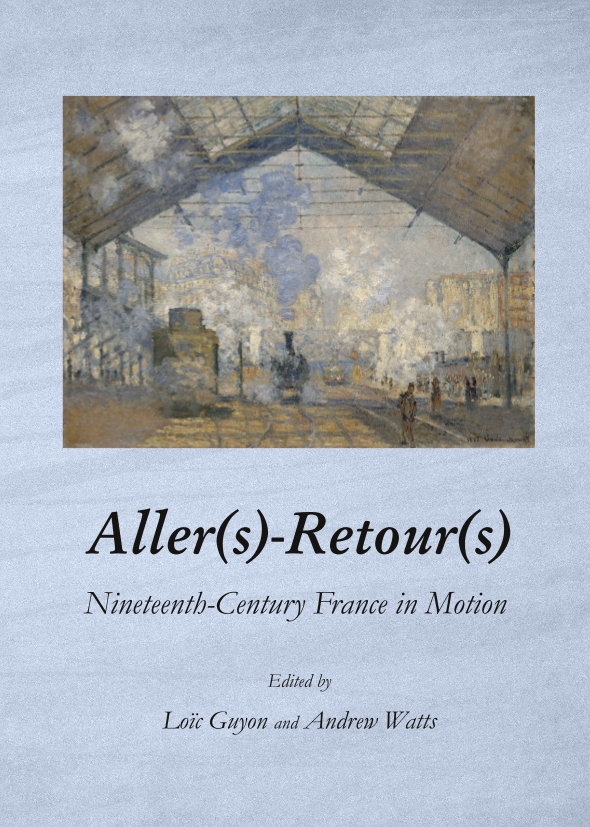
Aller(s)-Retour(s)
Nineteenth-Century France in Motion
The nineteenth century was an age of movement. This volume explores the political, artistic, and social shifts that defined France as a society in perpetual motion, confronting its own extremes of progress and renewal, stagnancy and regression.
The nineteenth century was an age of movement. This volume explores the political, artistic, and social shifts that defined France as a society in perpetual motion, confronting its own extremes of progress and renewal, stagnancy and regression.
View more
This product has multiple variants. The options may be chosen on the product page

View more
This product has multiple variants. The options may be chosen on the product page
£44.99
This study analyzes Margaret Laurence's work as an entity, exploring representations of race, ethnicity, gender, and class. Covering her fiction and non-fiction, it gives voice to the marginal to challenge readers’ perceptions.
This study analyzes Margaret Laurence’s work as an entity, exploring representations of race, ethnicity, gender, and class. Covering her fiction and non-fiction, it gives voice to the marginal to challenge readers’ perceptions.
View more
This product has multiple variants. The options may be chosen on the product page
View more
This product has multiple variants. The options may be chosen on the product page
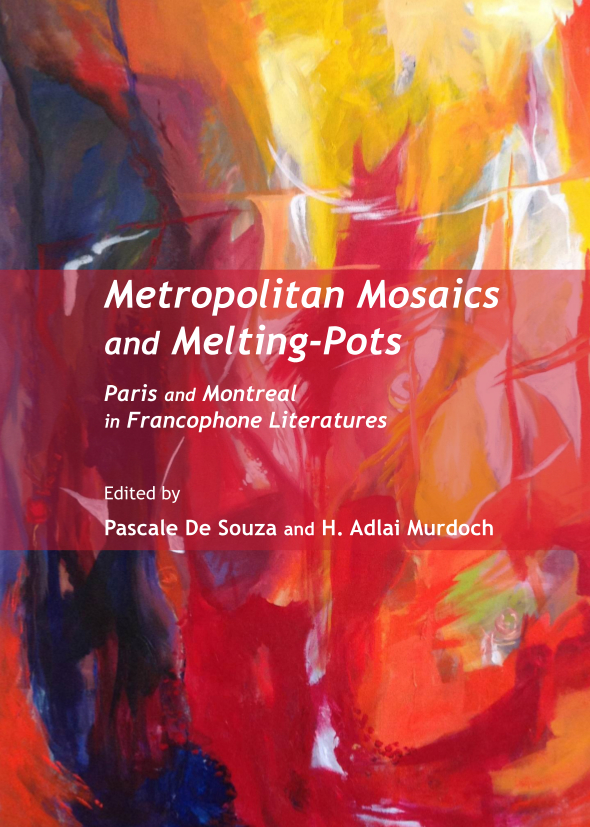
Metropolitan Mosaics and Melting-Pots
Paris and Montreal in Francophone Literatures
This series of essays explores how the concepts of the melting-pot and the mosaic have shaped the representation of Paris and Montreal in francophone literatures. Migrant writing poses questions of ethnicity and integration, challenging notions of the city and Frenchness.
This series of essays explores how the concepts of the melting-pot and the mosaic have shaped the representation of Paris and Montreal in francophone literatures. Migrant writing poses questions of ethnicity and integration, challenging notions of the city and Frenchness.
View more
This product has multiple variants. The options may be chosen on the product page

View more
This product has multiple variants. The options may be chosen on the product page
£44.99
This volume examines the contemporary African intellectual's engagement with the State, the people, and hegemony. Featuring new and established voices, it explores the challenges of critiquing power and enacting change from within Africa or in exile.
This volume examines the contemporary African intellectual’s engagement with the State, the people, and hegemony. Featuring new and established voices, it explores the challenges of critiquing power and enacting change from within Africa or in exile.
View more
This product has multiple variants. The options may be chosen on the product page
View more
This product has multiple variants. The options may be chosen on the product page
£54.99
Explore European poetry from Sappho to Isou. Each of these thirty-three verse translations is paired with the original poem and an illuminating essay revealing the translator's art and process.
Explore European poetry from Sappho to Isou. Each of these thirty-three verse translations is paired with the original poem and an illuminating essay revealing the translator’s art and process.
View more
This product has multiple variants. The options may be chosen on the product page
View more
This product has multiple variants. The options may be chosen on the product page
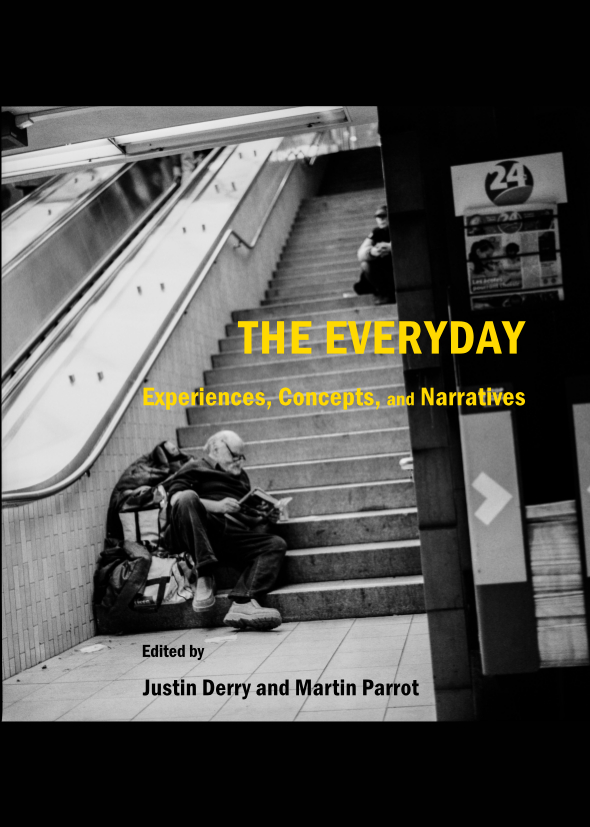
The Everyday
Experiences, Concepts, and Narratives
This inter-disciplinary book explores the slippery notion of ‘Everyday Life’. With contributions from fields like art history, cultural studies, and anthropology, it provides a unique space for exploring how everyday life intersects with key debates.
This inter-disciplinary book explores the slippery notion of ‘Everyday Life’. With contributions from fields like art history, cultural studies, and anthropology, it provides a unique space for exploring how everyday life intersects with key debates.
View more
This product has multiple variants. The options may be chosen on the product page

View more
This product has multiple variants. The options may be chosen on the product page
£39.99
Charles Dickens is a British literary icon, but should he be read as a European author? This book explores his relationship to Europe through his travels, the continental locations in his novels, and the influence of his works on other European texts.
Charles Dickens is a British literary icon, but should he be read as a European author? This book explores his relationship to Europe through his travels, the continental locations in his novels, and the influence of his works on other European texts.
View more
This product has multiple variants. The options may be chosen on the product page

View more
This product has multiple variants. The options may be chosen on the product page
Dystopia(n) Matters
On the Page, on Screen, on Stage
Reputed scholars explain why dystopia is important. Through studies of literature, film, and theatre, they argue that while dystopia has invaded contemporary discourse, utopia has not been eradicated. The tension between them is instrumental to our future.
Reputed scholars explain why dystopia is important. Through studies of literature, film, and theatre, they argue that while dystopia has invaded contemporary discourse, utopia has not been eradicated. The tension between them is instrumental to our future.
View more
This product has multiple variants. The options may be chosen on the product page
View more
This product has multiple variants. The options may be chosen on the product page
£49.99
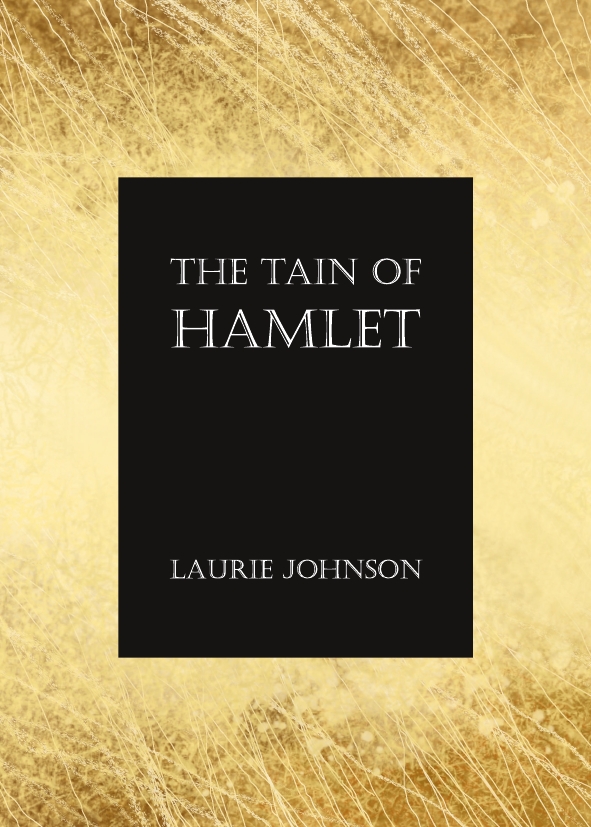
We have lost sight of Hamlet itself. This book looks beyond the play that has bedazzled critics for centuries to seek its historical distinctness, unraveling myths about the players, printers, patrons, and Shakespeare himself.
We have lost sight of Hamlet itself. This book looks beyond the play that has bedazzled critics for centuries to seek its historical distinctness, unraveling myths about the players, printers, patrons, and Shakespeare himself.
View more
This product has multiple variants. The options may be chosen on the product page
View more
This product has multiple variants. The options may be chosen on the product page
£39.99
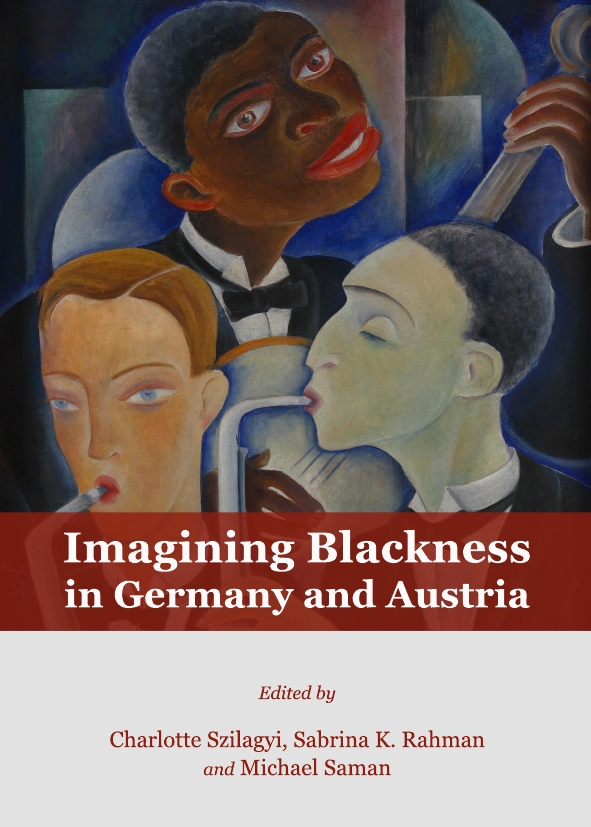
These provocative essays examine how blackness has been configured in cultural productions from the modern German-speaking world, tracing crucial shifts from colonial notions of race to the recodification of blackness as American and an entry-point into modernity.
These provocative essays examine how blackness has been configured in cultural productions from the modern German-speaking world, tracing crucial shifts from colonial notions of race to the recodification of blackness as American and an entry-point into modernity.
View more
This product has multiple variants. The options may be chosen on the product page
View more
This product has multiple variants. The options may be chosen on the product page
£44.99
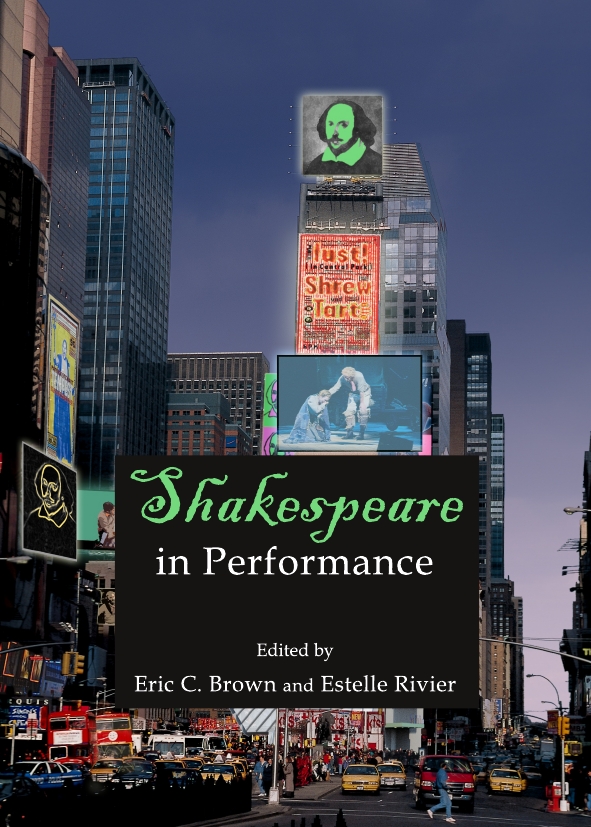
These essays explore Shakespeare in performance across time and media. From 17th-century stagings to modern cinema, the circus, and global theatre, the collection asks what motivates Shakespearean performance and how we trace what is ephemeral.
These essays explore Shakespeare in performance across time and media. From 17th-century stagings to modern cinema, the circus, and global theatre, the collection asks what motivates Shakespearean performance and how we trace what is ephemeral.
View more
This product has multiple variants. The options may be chosen on the product page

View more
This product has multiple variants. The options may be chosen on the product page
The Politics of Poetics
Poetry and Social Activism in Early-Modern through Contemporary Italy
This book analyzes Italian poetry that aims not to represent the world, but to enact a change upon it. Using the metaphor of the rhizome—a subversive, unpredictable growth—it explores poetics as an agent of social transformation, a revolt from within.
This book analyzes Italian poetry that aims not to represent the world, but to enact a change upon it. Using the metaphor of the rhizome—a subversive, unpredictable growth—it explores poetics as an agent of social transformation, a revolt from within.
View more
This product has multiple variants. The options may be chosen on the product page
View more
This product has multiple variants. The options may be chosen on the product page
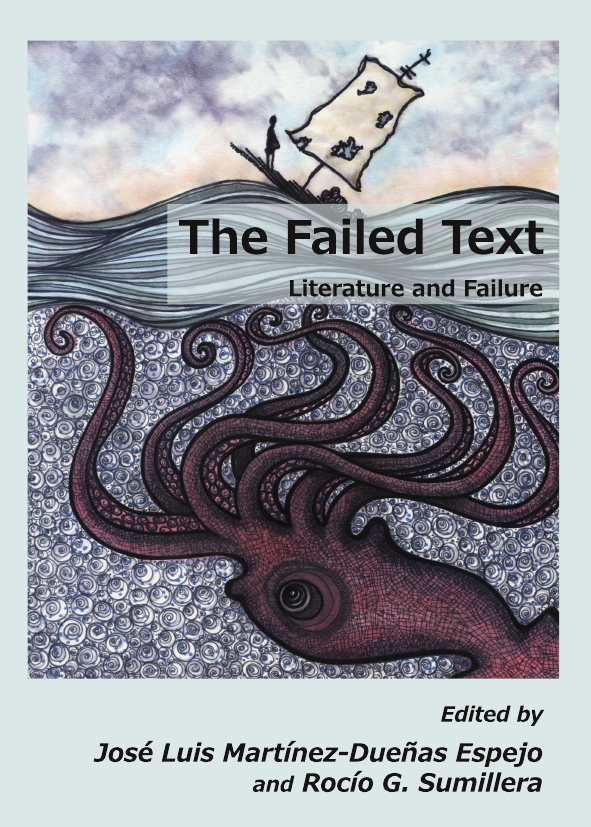
The Failed Text
Literature and Failure
The history of literature is not merely a succession of successful works, but also a concatenation of failed projects and unappreciated innovations. These essays explore exemplary failures, arguing that they are as crucial as successes in literary history.
The history of literature is not merely a succession of successful works, but also a concatenation of failed projects and unappreciated innovations. These essays explore exemplary failures, arguing that they are as crucial as successes in literary history.
View more
This product has multiple variants. The options may be chosen on the product page
View more
This product has multiple variants. The options may be chosen on the product page
£44.99
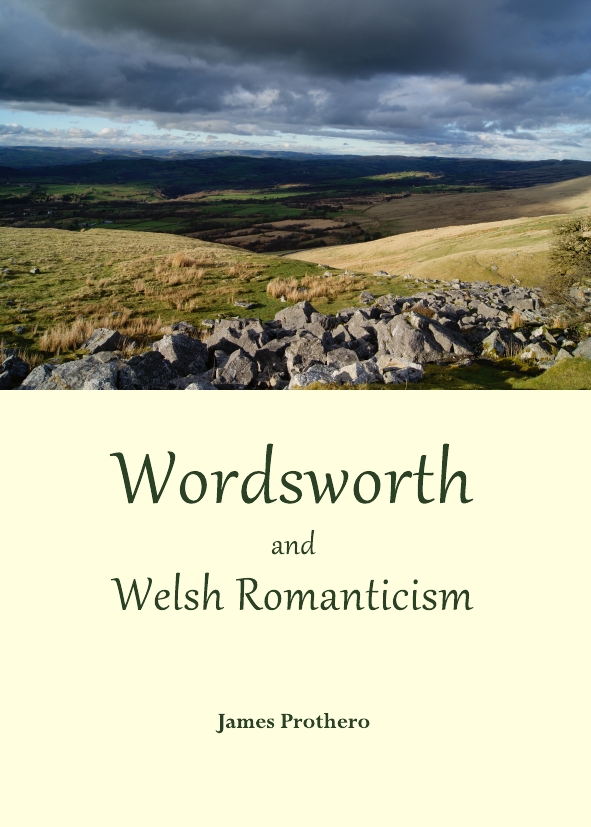
While early Twentieth Century London embraced Modernism, in Wales the opposite was true. This study traces the Welsh poets and novelists who found their master in William Wordsworth, illuminating an unexpected flare-up of Romanticism.
While early Twentieth Century London embraced Modernism, in Wales the opposite was true. This study traces the Welsh poets and novelists who found their master in William Wordsworth, illuminating an unexpected flare-up of Romanticism.
View more
This product has multiple variants. The options may be chosen on the product page
View more
This product has multiple variants. The options may be chosen on the product page
Soft-Shed Kisses
Re-visioning the Femme Fatale in English Poetry of the 19th Century
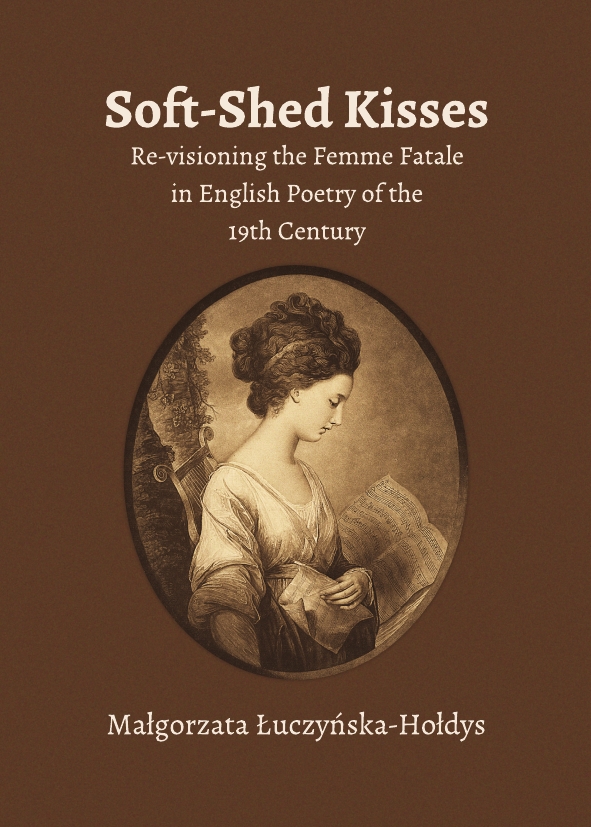
The femme fatale of 19th-century poetry symbolises an intractable mystery and a refusal to be defined. This book interrogates the fatal woman motif in poems by Keats, Shelley, Tennyson, Rossetti and Swinburne, enriched by visual art and cultural background.
The femme fatale of 19th-century poetry symbolises an intractable mystery and a refusal to be defined. This book interrogates the fatal woman motif in poems by Keats, Shelley, Tennyson, Rossetti and Swinburne, enriched by visual art and cultural background.
View more
This product has multiple variants. The options may be chosen on the product page
View more
This product has multiple variants. The options may be chosen on the product page
Royalists, Radicals, and les Misérables
France in 1832
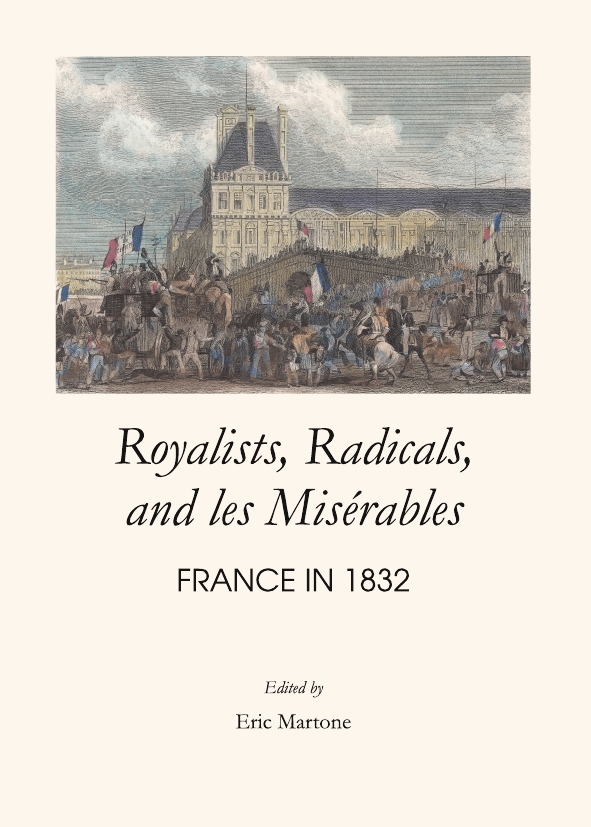
In 1832, a royalist uprising, a cholera epidemic, and the June Revolution immortalized in Les Misérables rocked France. This collection is the first to examine these pivotal events together, revealing an overlooked year in the transition to a republic.
In 1832, a royalist uprising, a cholera epidemic, and the June Revolution immortalized in Les Misérables rocked France. This collection is the first to examine these pivotal events together, revealing an overlooked year in the transition to a republic.
View more
This product has multiple variants. The options may be chosen on the product page
View more
This product has multiple variants. The options may be chosen on the product page
£39.99
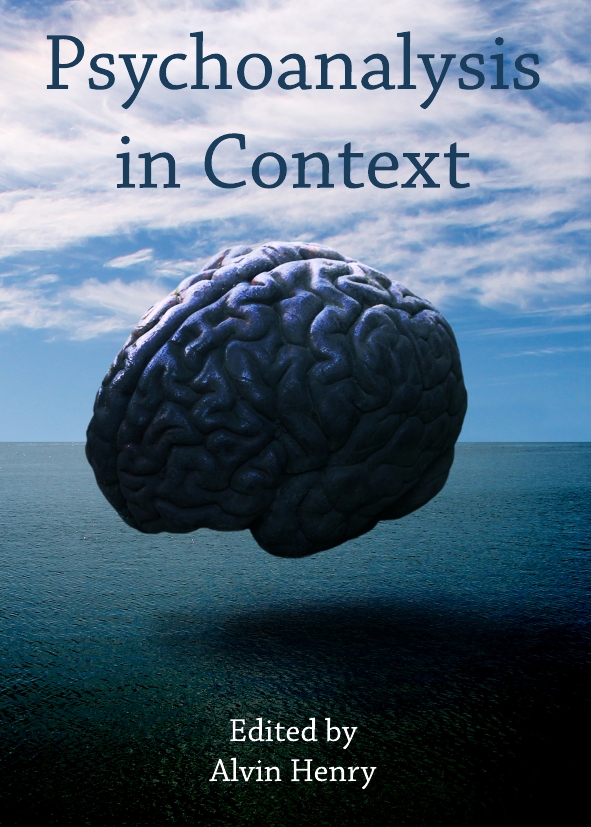
Drawing on psychoanalysis, comparative literature, and cultural studies, the contributors examine how the circulation of psychoanalysis across time and place reflects and shapes literature, offering fresh insights into their shared literary history.
Drawing on psychoanalysis, comparative literature, and cultural studies, the contributors examine how the circulation of psychoanalysis across time and place reflects and shapes literature, offering fresh insights into their shared literary history.
View more
This product has multiple variants. The options may be chosen on the product page
View more
This product has multiple variants. The options may be chosen on the product page
“The Real Thing”
Essays on Tom Stoppard in Celebration of his 75th Birthday
Tom Stoppard is the most significant living British dramatist. The critical essays in this volume celebrate his insightful and wry work, addressing well-known plays like Rosencrantz and Guildenstern are Dead as well as his critically neglected fiction.
Tom Stoppard is the most significant living British dramatist. The critical essays in this volume celebrate his insightful and wry work, addressing well-known plays like Rosencrantz and Guildenstern are Dead as well as his critically neglected fiction.
View more
This product has multiple variants. The options may be chosen on the product page
View more
This product has multiple variants. The options may be chosen on the product page
Postfeminist Discourse in Shakespeare’s The Tempest and Warner’s Indigo
Ambivalence, Liminality and Plurality
A comparative study of Shakespeare’s The Tempest and Marina Warner’s rewriting, Indigo. Focusing on femininity and the other, this analysis explores ambivalence, liminality, and plurality in postfeminist and post-colonial contexts.
A comparative study of Shakespeare’s The Tempest and Marina Warner’s rewriting, Indigo. Focusing on femininity and the other, this analysis explores ambivalence, liminality, and plurality in postfeminist and post-colonial contexts.
View more
This product has multiple variants. The options may be chosen on the product page

View more
This product has multiple variants. The options may be chosen on the product page
The Epistemology of Utopia
Rhetoric, Theory and Imagination
Utopianism nurtures possibilities by critiquing and transforming the world. This volume provides critical revisions of the field through essays on topics ranging from Plato’s Republic and More’s Utopia to modern-day cosmopolitics and science.
Utopianism nurtures possibilities by critiquing and transforming the world. This volume provides critical revisions of the field through essays on topics ranging from Plato’s Republic and More’s Utopia to modern-day cosmopolitics and science.
View more
This product has multiple variants. The options may be chosen on the product page
Processing Your Order
Please wait while we securely process your order.
Do not refresh or leave this page.
You will be redirected shortly to a confirmation page with your order number.