
View more
This product has multiple variants. The options may be chosen on the product page
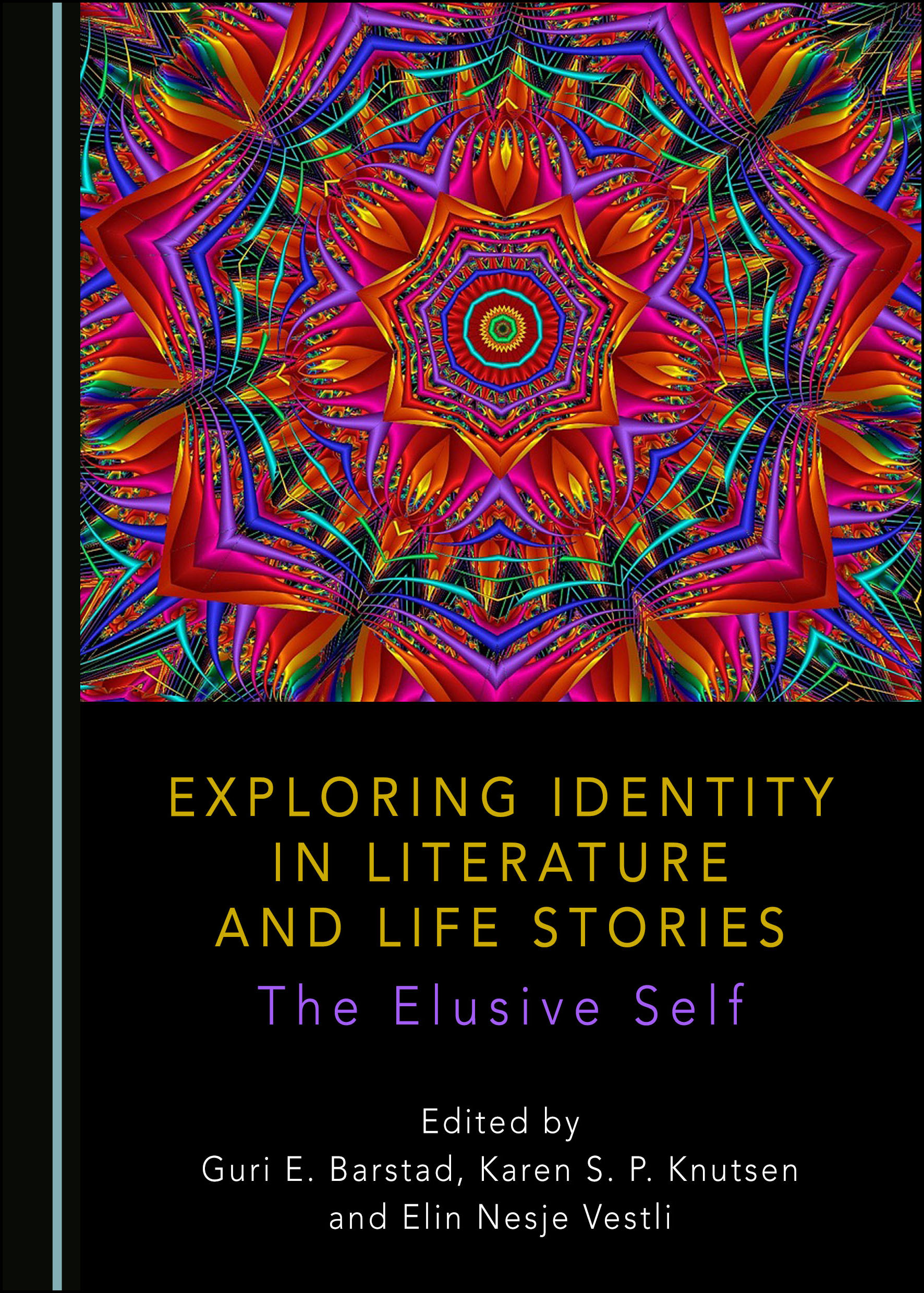
Exploring Identity in Literature and Life Stories
The Elusive Self
In an era of globalization and migration, what defines our identity? This collection of essays explores key dimensions—culture, religion, ethnicity, gender—as they appear in international narratives, from literary texts and film to theatre and more.
In an era of globalization and migration, what defines our identity? This collection of essays explores key dimensions—culture, religion, ethnicity, gender—as they appear in international narratives, from literary texts and film to theatre and more.
View more
This product has multiple variants. The options may be chosen on the product page
View more
This product has multiple variants. The options may be chosen on the product page
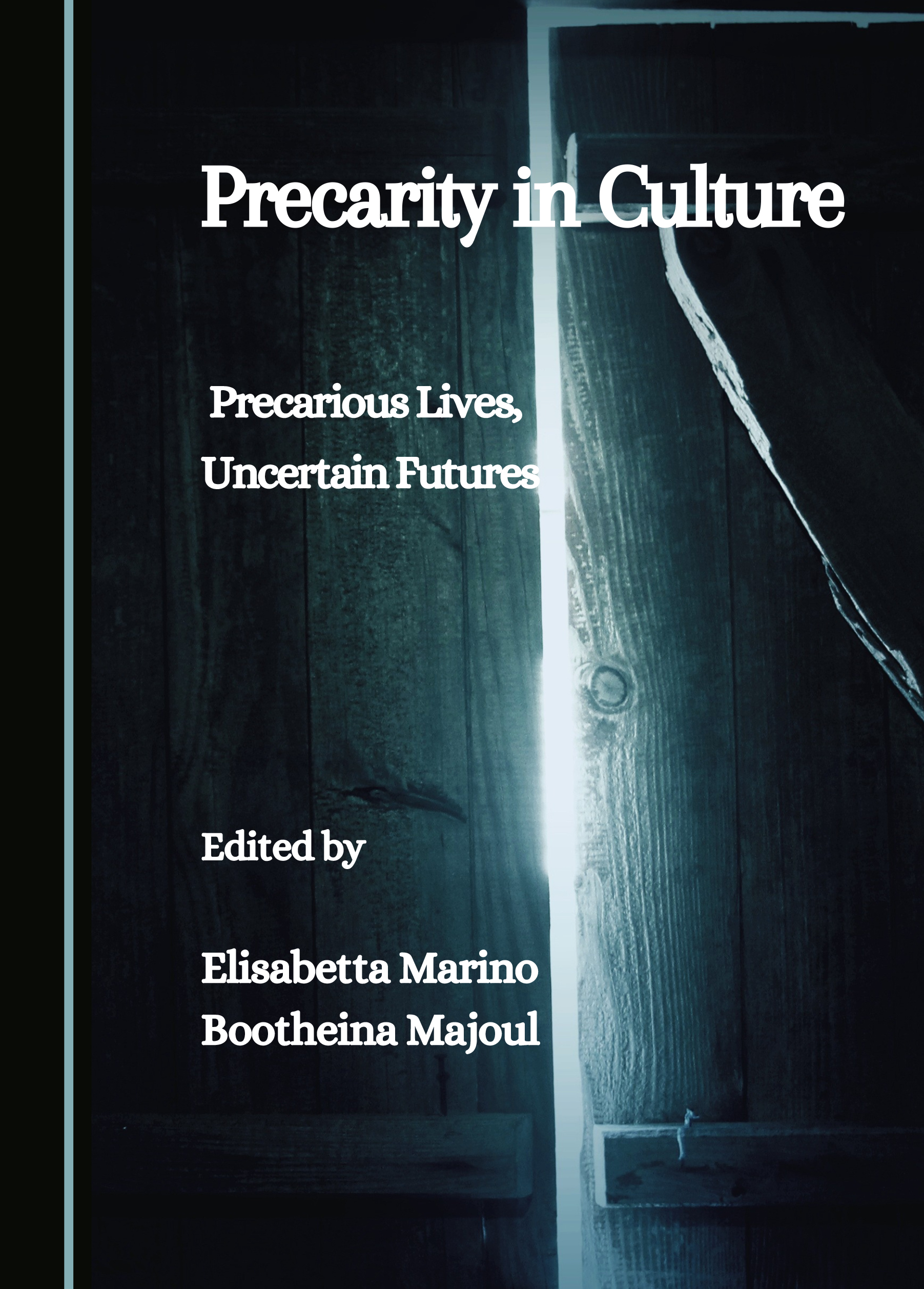
Precarity in Culture
Precarious Lives, Uncertain Futures
By inviting scholars from different disciplines to apply multiple critical lenses, this volume explores the different facets of our precarious world, providing insights into the challenges of our possible futures.
By inviting scholars from different disciplines to apply multiple critical lenses, this volume explores the different facets of our precarious world, providing insights into the challenges of our possible futures.
View more
This product has multiple variants. The options may be chosen on the product page

View more
This product has multiple variants. The options may be chosen on the product page
Death within the Text
Social, Philosophical and Aesthetic Approaches to Literature
What can we know about death? How is it socialised? How is it aesthetically shaped? This book tackles such questions, and the challenging theme of death as a whole, through the lens of literature and its connections with other fields in the humanities.
What can we know about death? How is it socialised? How is it aesthetically shaped? This book tackles such questions, and the challenging theme of death as a whole, through the lens of literature and its connections with other fields in the humanities.
View more
This product has multiple variants. The options may be chosen on the product page
View more
This product has multiple variants. The options may be chosen on the product page
From £16.99
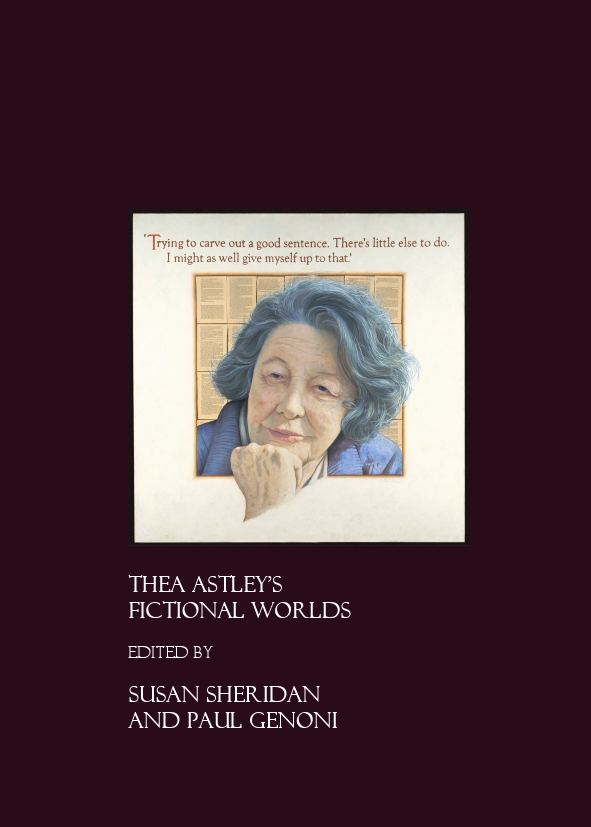
This landmark collection is the first of critical responses to novelist Thea Astley. It includes essays from leading critics, three essays by Astley herself, a major interview with her, and the first Thea Astley lecture by Kate Grenville.
This landmark collection is the first of critical responses to novelist Thea Astley. It includes essays from leading critics, three essays by Astley herself, a major interview with her, and the first Thea Astley lecture by Kate Grenville.
View more
This product has multiple variants. The options may be chosen on the product page
View more
This product has multiple variants. The options may be chosen on the product page
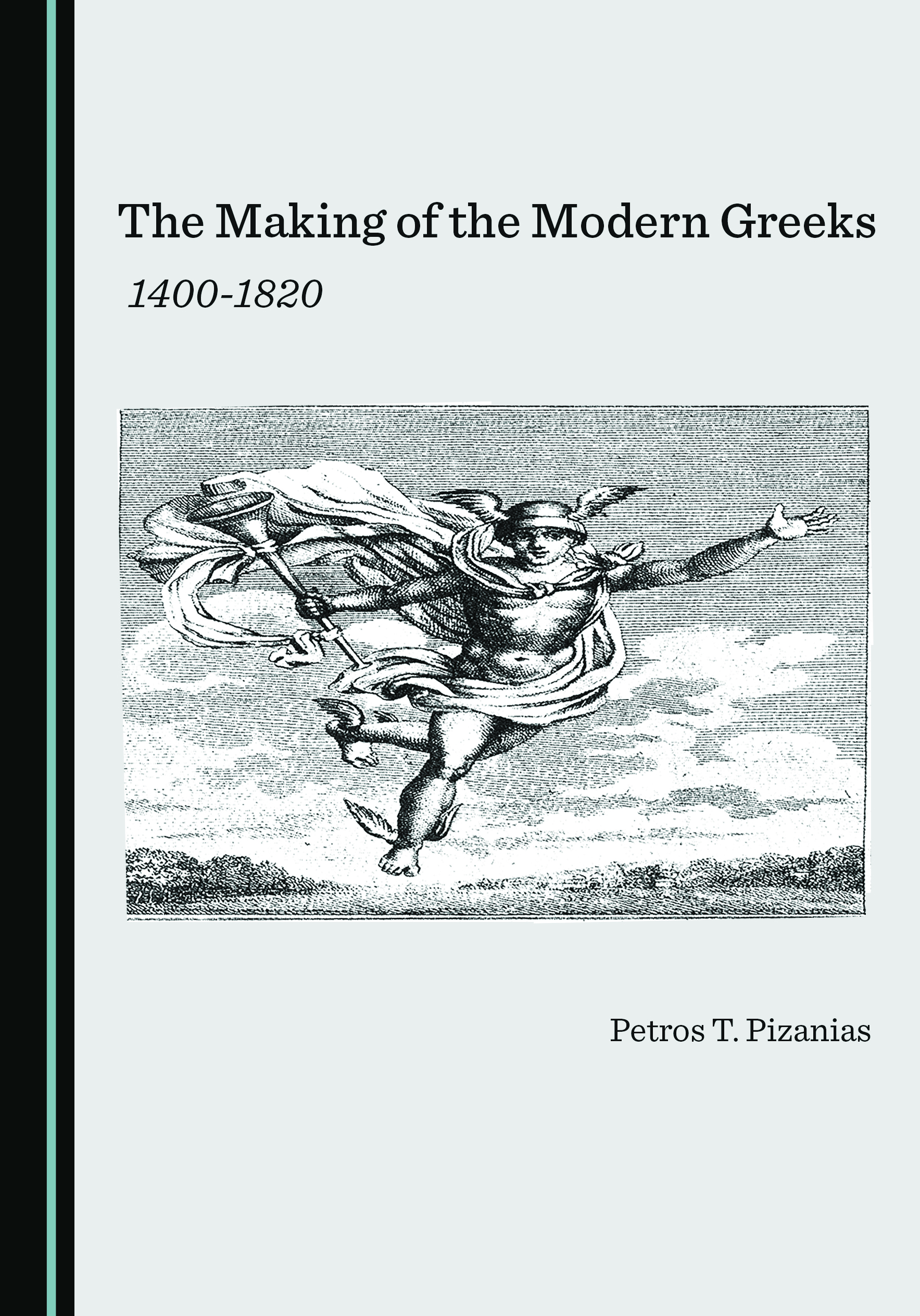
The Making of the Modern Greeks
1400-1820
How did the Modern Greeks re-emerge on the historical stage after centuries of obscurity? This book examines the formation of New Hellenism, showing how various social groups differentiated themselves from the Ottoman system to create a distinct economic and cultural space.
How did the Modern Greeks re-emerge on the historical stage after centuries of obscurity? This book examines the formation of New Hellenism, showing how various social groups differentiated themselves from the Ottoman system to create a distinct economic and cultural space.
View more
This product has multiple variants. The options may be chosen on the product page
View more
This product has multiple variants. The options may be chosen on the product page
From £29.99
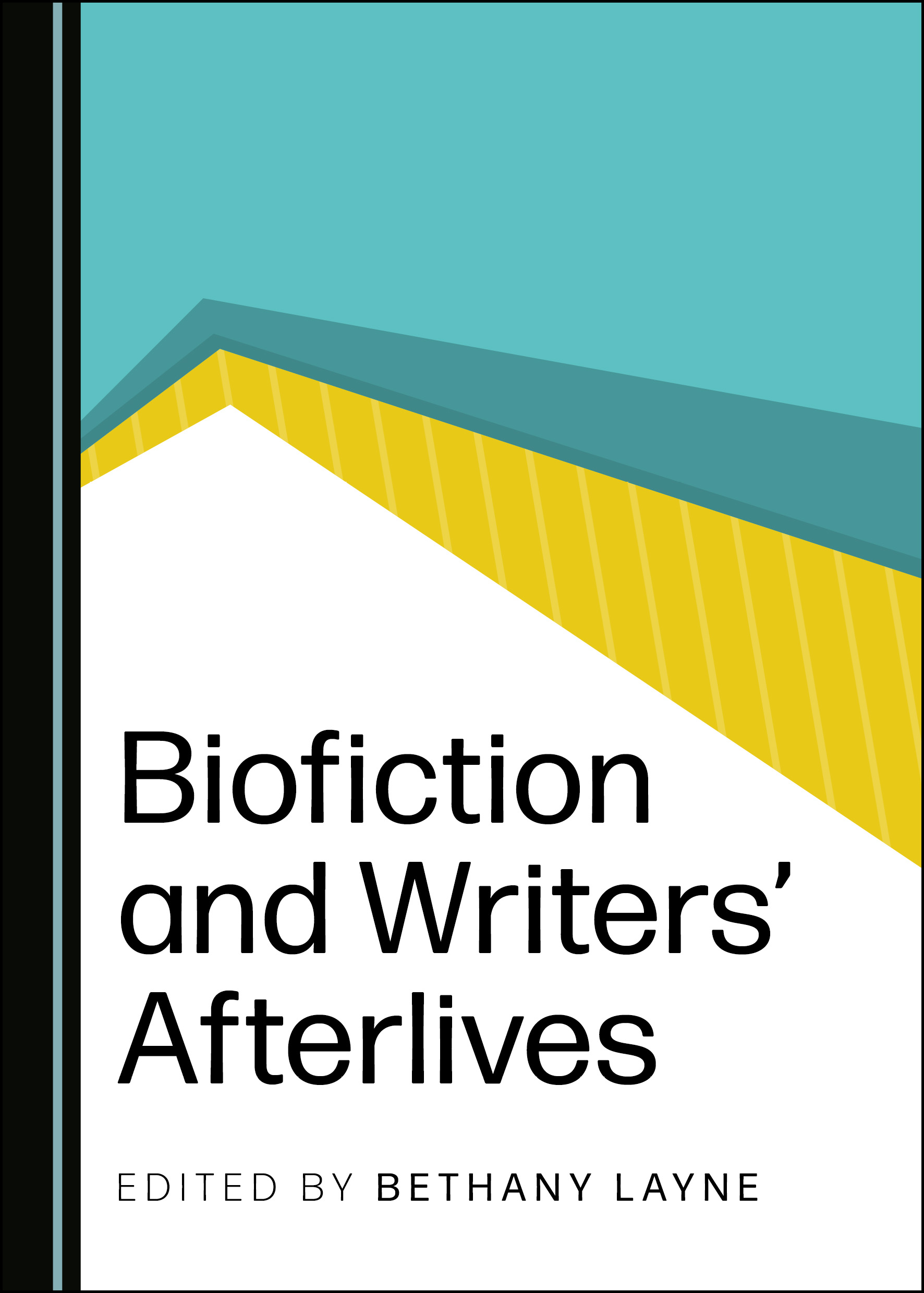
Twelve original essays explore the afterlives of nineteenth- and twentieth-century writers in biofiction and the biopic. Featuring case studies on Charlotte Brontë, Henry James, and Virginia Woolf, this volume situates these genres in their cultural and ideological contexts.
Twelve original essays explore the afterlives of nineteenth- and twentieth-century writers in biofiction and the biopic. Featuring case studies on Charlotte Brontë, Henry James, and Virginia Woolf, this volume situates these genres in their cultural and ideological contexts.
View more
This product has multiple variants. The options may be chosen on the product page
View more
This product has multiple variants. The options may be chosen on the product page
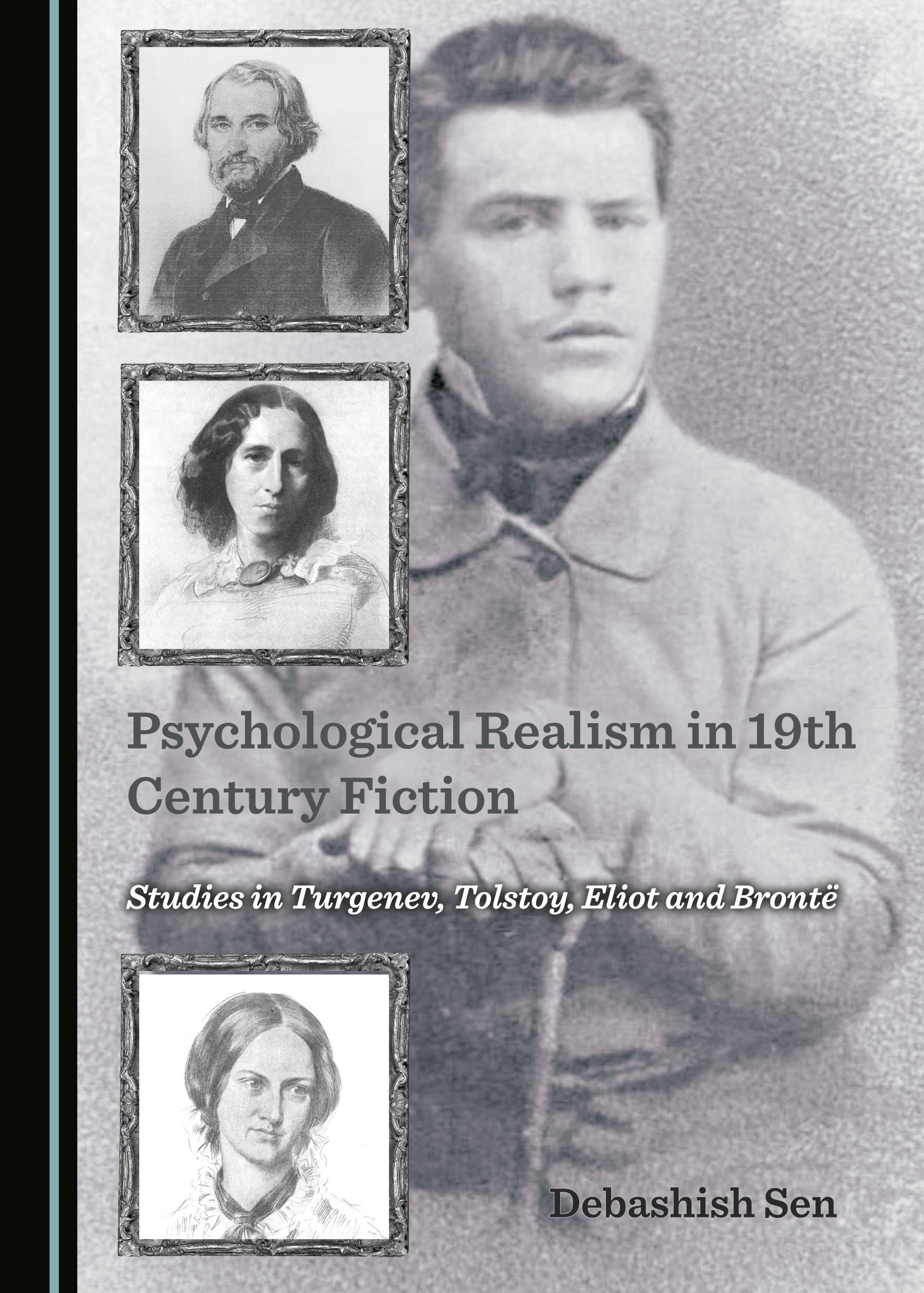
Psychological Realism in 19th Century Fiction
Studies in Turgenev, Tolstoy, Eliot and Brontë
This study applies psychoanalytic theories to nineteenth-century fiction like Anna Karenina and Jane Eyre, illuminating the psyches of their characters. It brings forth a novel view of criticism, arguing that an approach dismissive of the psychological aspect is incomplete.
This study applies psychoanalytic theories to nineteenth-century fiction like Anna Karenina and Jane Eyre, illuminating the psyches of their characters. It brings forth a novel view of criticism, arguing that an approach dismissive of the psychological aspect is incomplete.
View more
This product has multiple variants. The options may be chosen on the product page
View more
This product has multiple variants. The options may be chosen on the product page
From £34.99
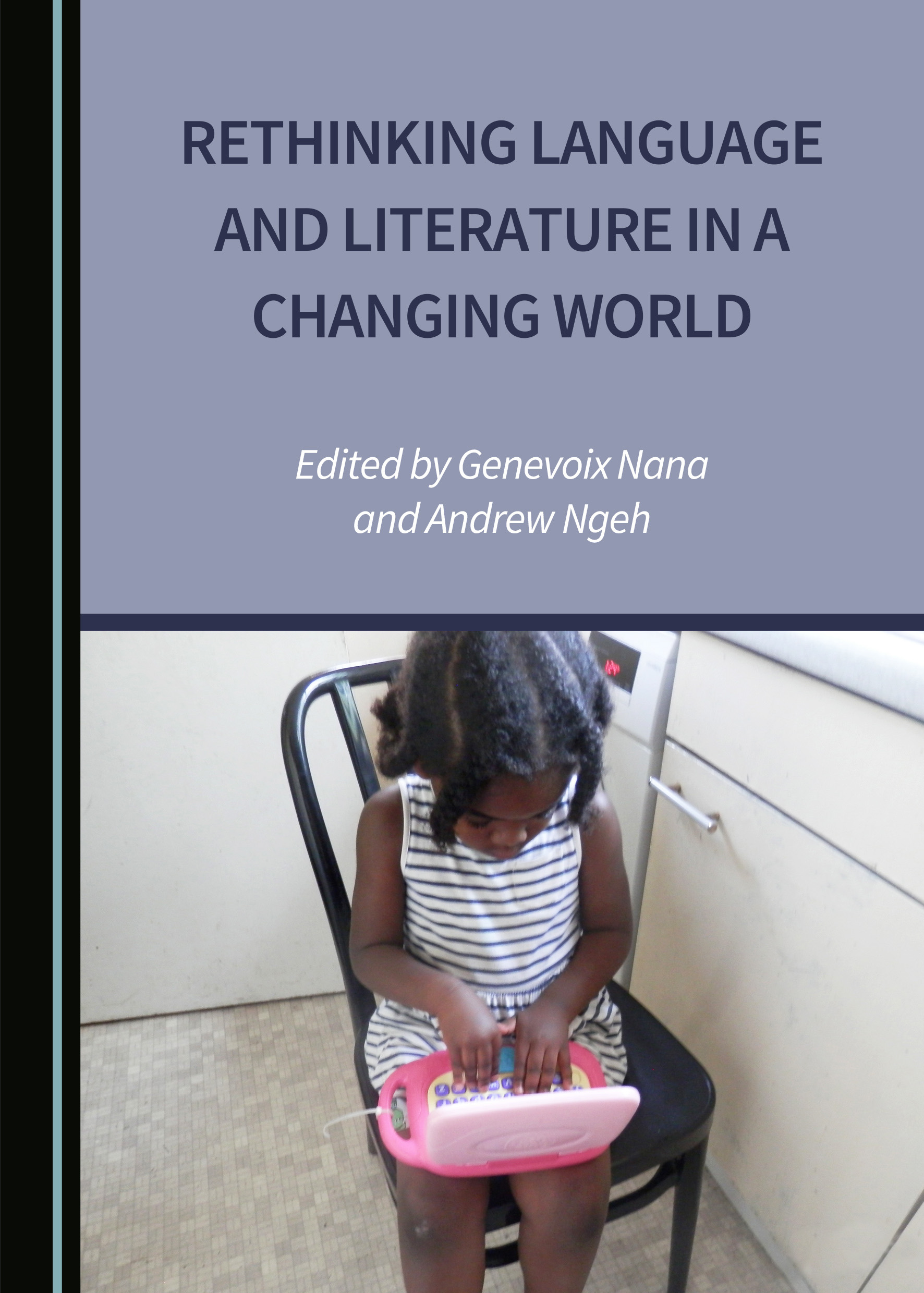
This book explores topical issues in language and literature. It examines Cameroon's linguistic colonial legacy, translation as a creative exercise, translator education, and the clash between Confucian and communicative classroom teaching in China.
This book explores topical issues in language and literature. It examines Cameroon’s linguistic colonial legacy, translation as a creative exercise, translator education, and the clash between Confucian and communicative classroom teaching in China.
View more
This product has multiple variants. The options may be chosen on the product page
View more
This product has multiple variants. The options may be chosen on the product page
Law, Literature and Political Philosophy in the Spanish Golden Age
A Reflection on Power
This analysis of 16th and 17th century Spain discusses the Catholic reason of state, anti-Machiavellianism, and royal power from the view of Golden Age authors. Literature, law, and political philosophy combine to offer an unusual portrait of power in a time of deep change.
This analysis of 16th and 17th century Spain discusses the Catholic reason of state, anti-Machiavellianism, and royal power from the view of Golden Age authors. Literature, law, and political philosophy combine to offer an unusual portrait of power in a time of deep change.
View more
This product has multiple variants. The options may be chosen on the product page
View more
This product has multiple variants. The options may be chosen on the product page
From £33.99
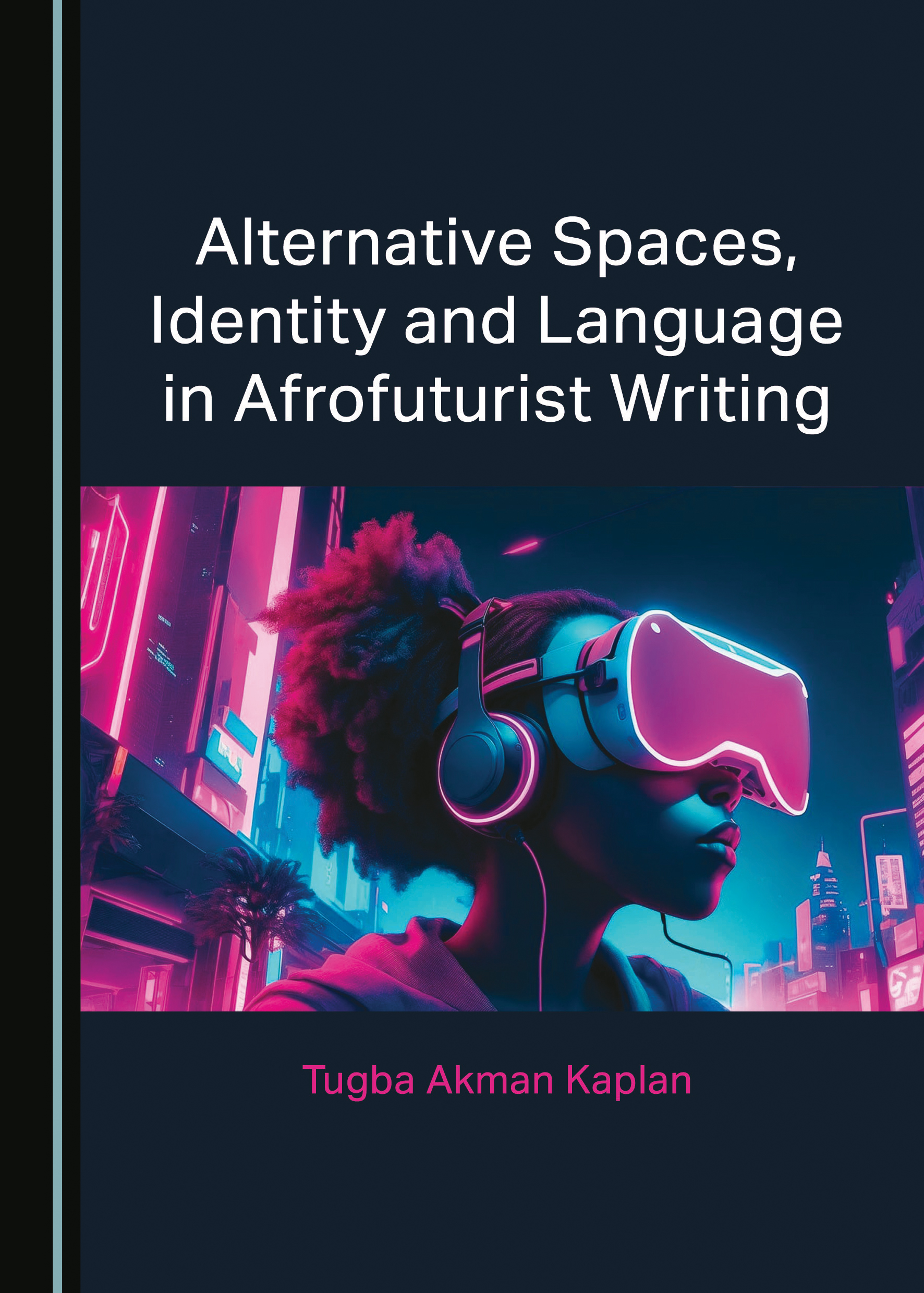
For some Afrofuturists, going beyond the human is a response to the long struggle for equality. While the term is new, this book argues the ideas are not, tracing roots back over a hundred years and comparing proto-Afrofuturist authors with writer Octavia Butler.
For some Afrofuturists, going beyond the human is a response to the long struggle for equality. While the term is new, this book argues the ideas are not, tracing roots back over a hundred years and comparing proto-Afrofuturist authors with writer Octavia Butler.
View more
This product has multiple variants. The options may be chosen on the product page
View more
This product has multiple variants. The options may be chosen on the product page
Fiction Unbound
Bernardine Evaristo
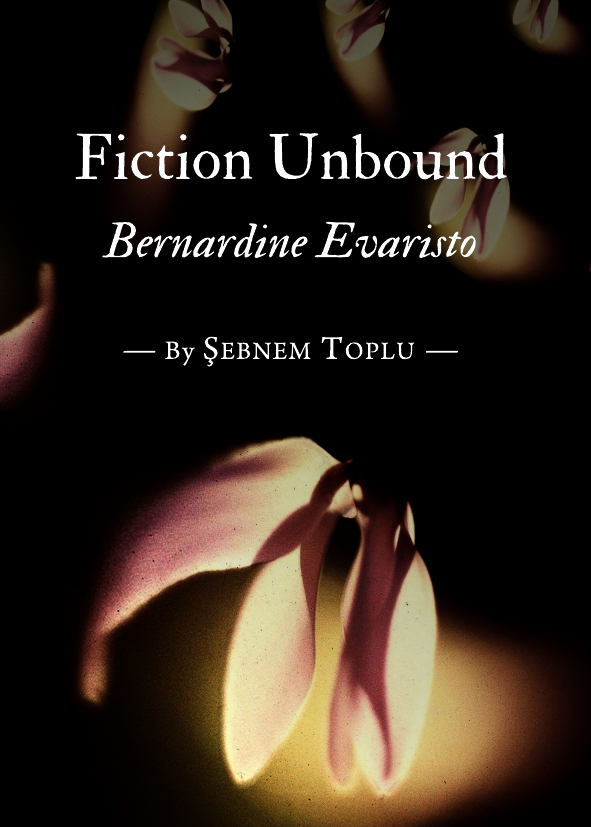
This book shows how Bernardine Evaristo is not simply a “multicultural” writer. It reveals an author who questions concepts like “Englishness,” race, and gender, giving marginalized characters the chance to tell their own stories.
This book shows how Bernardine Evaristo is not simply a “multicultural” writer. It reveals an author who questions concepts like “Englishness,” race, and gender, giving marginalized characters the chance to tell their own stories.
View more
This product has multiple variants. The options may be chosen on the product page
View more
This product has multiple variants. The options may be chosen on the product page
Raymond Queneau’s Dubliners
Bewildered by Excess of Love
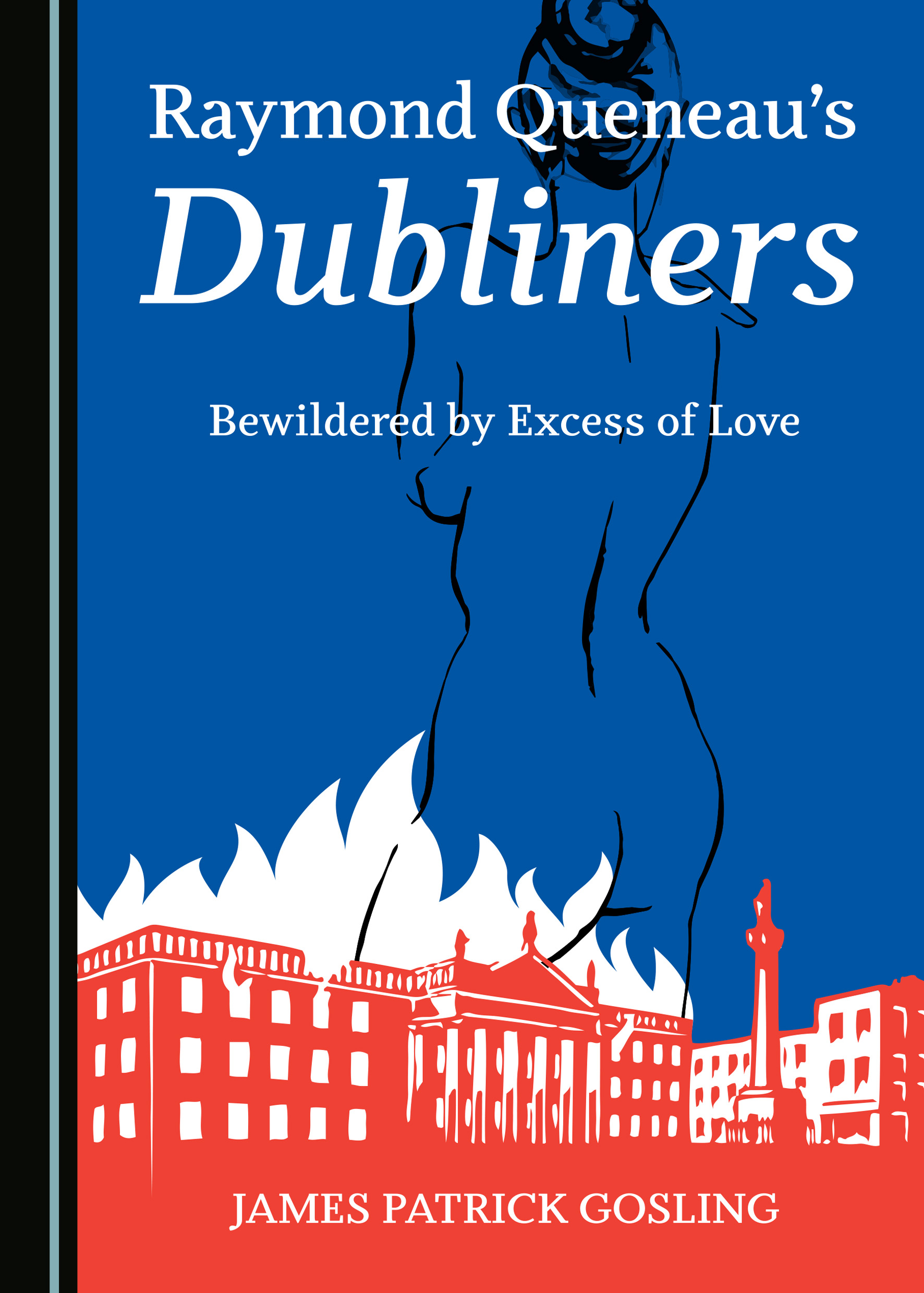
An exploration of two comic, erotic, and feminist novels by Raymond Queneau set in Ireland. This book examines Joycean influences and a surreal version of the Dublin Uprising, solving puzzles to reveal *Les Œuvres completes de Sally Mara* as a subtly integrated literary work.
An exploration of two comic, erotic, and feminist novels by Raymond Queneau set in Ireland. This book examines Joycean influences and a surreal version of the Dublin Uprising, solving puzzles to reveal *Les Œuvres completes de Sally Mara* as a subtly integrated literary work.
View more
This product has multiple variants. The options may be chosen on the product page
View more
This product has multiple variants. The options may be chosen on the product page
From £36.99
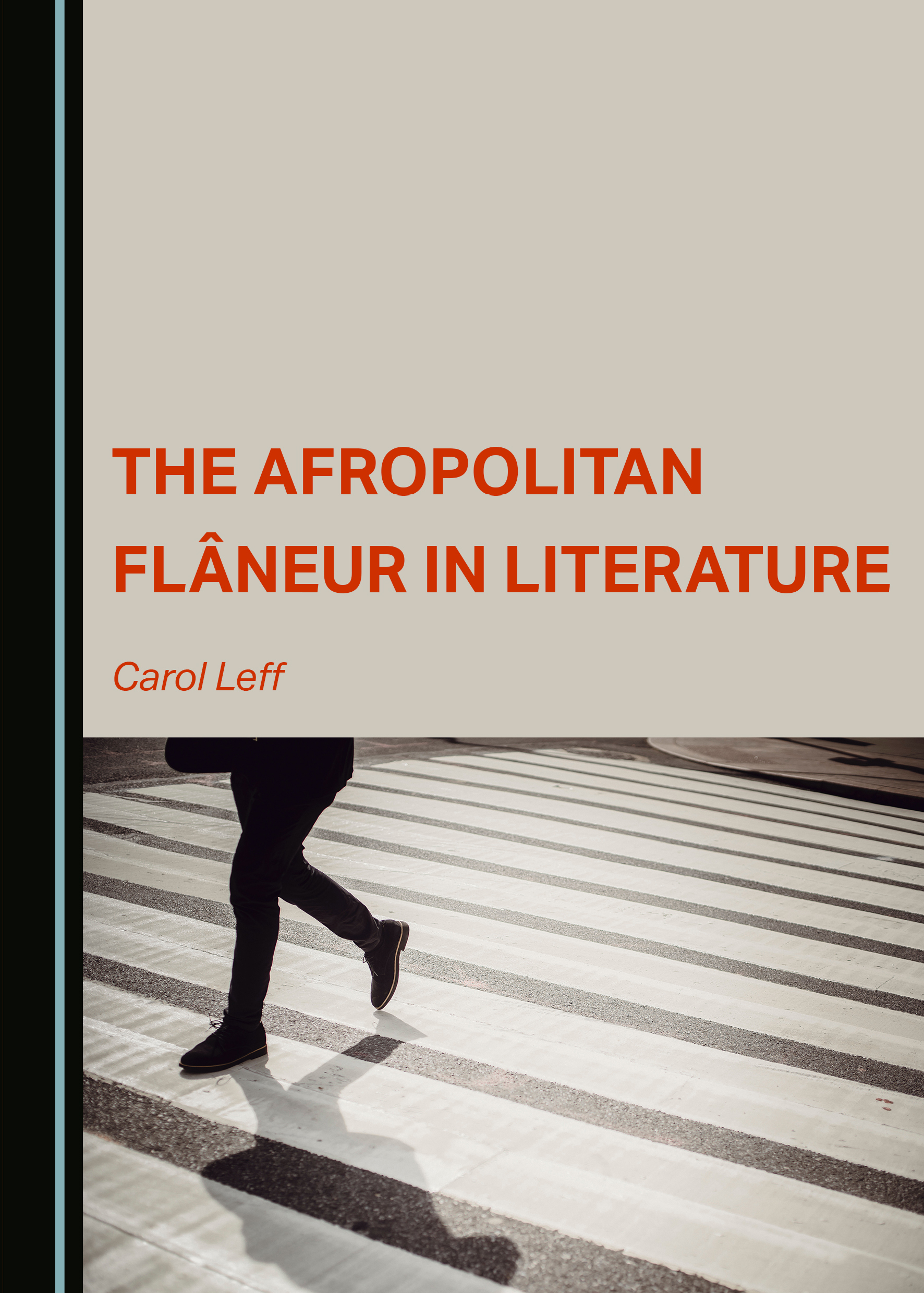
This study engages the Afropolitan debate through the literary flâneur—an aimless city wanderer. Analyzing texts set in African and global cities, it addresses issues of belonging and gestures towards new ways of understanding what it means to be an African in the world today.
This study engages the Afropolitan debate through the literary flâneur—an aimless city wanderer. Analyzing texts set in African and global cities, it addresses issues of belonging and gestures towards new ways of understanding what it means to be an African in the world today.
View more
This product has multiple variants. The options may be chosen on the product page
View more
This product has multiple variants. The options may be chosen on the product page
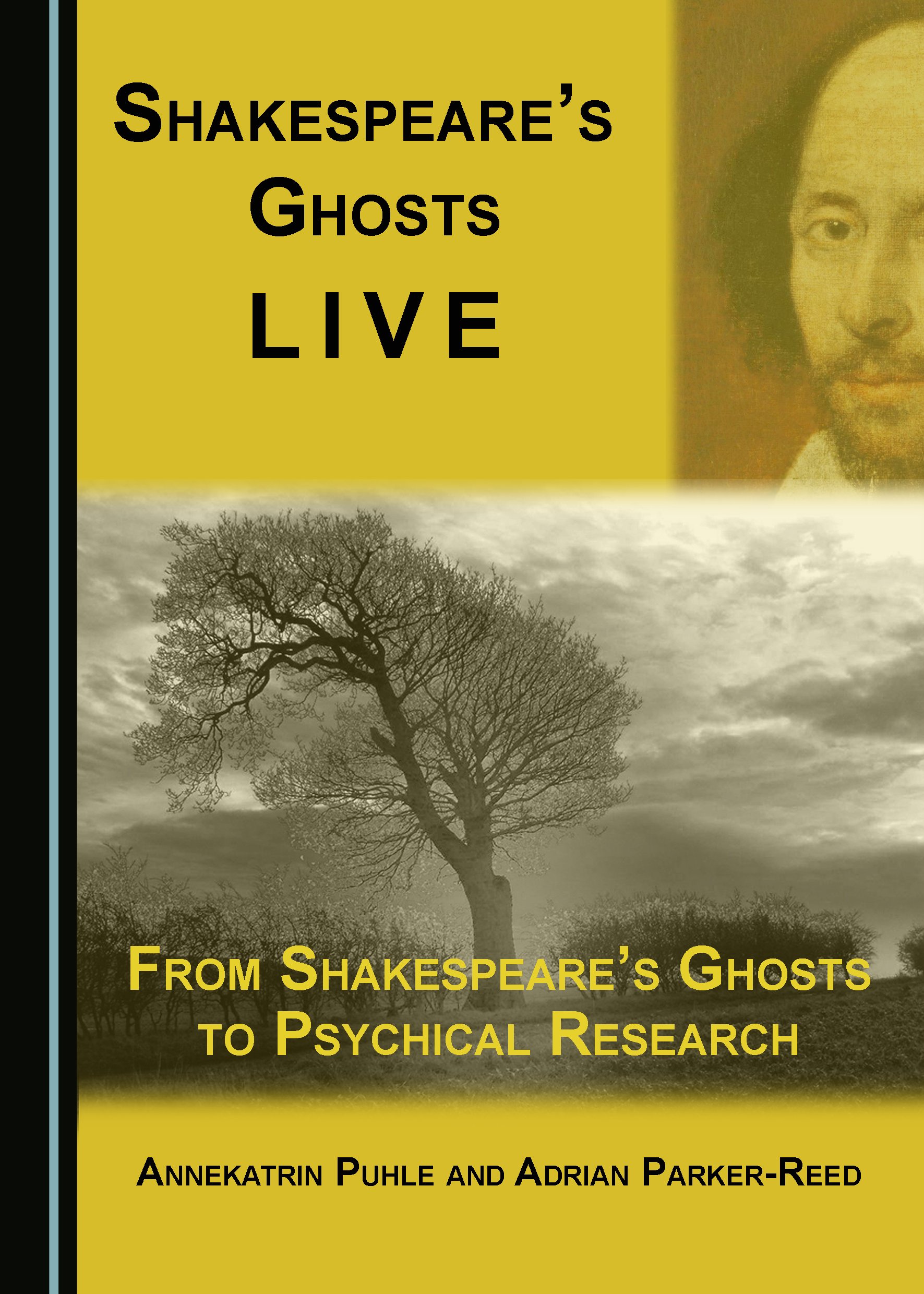
Shakespeare’s Ghosts Live
From Shakespeare's Ghosts to Psychical Research
This book throws new light on many historical case reports from Shakespeare’s time onwards. It raises awareness against the emptiness of a zombie-like existence in today’s society and offers a new approach to life and death, and their deeper meaning.
This book throws new light on many historical case reports from Shakespeare’s time onwards. It raises awareness against the emptiness of a zombie-like existence in today’s society and offers a new approach to life and death, and their deeper meaning.
View more
This product has multiple variants. The options may be chosen on the product page
View more
This product has multiple variants. The options may be chosen on the product page
Shakespeare’s King Lear
An Edition with New Insights
Nagarajan provides this comprehensive edition of King Lear, presenting years of research. He illustrates Shakespeare’s use of language, Elizabethan theatre, history and values of the play, analysis of enigmatic scenes, and glimpses into its performance history.
Nagarajan provides this comprehensive edition of King Lear, presenting years of research. He illustrates Shakespeare’s use of language, Elizabethan theatre, history and values of the play, analysis of enigmatic scenes, and glimpses into its performance history.
View more
This product has multiple variants. The options may be chosen on the product page
View more
This product has multiple variants. The options may be chosen on the product page
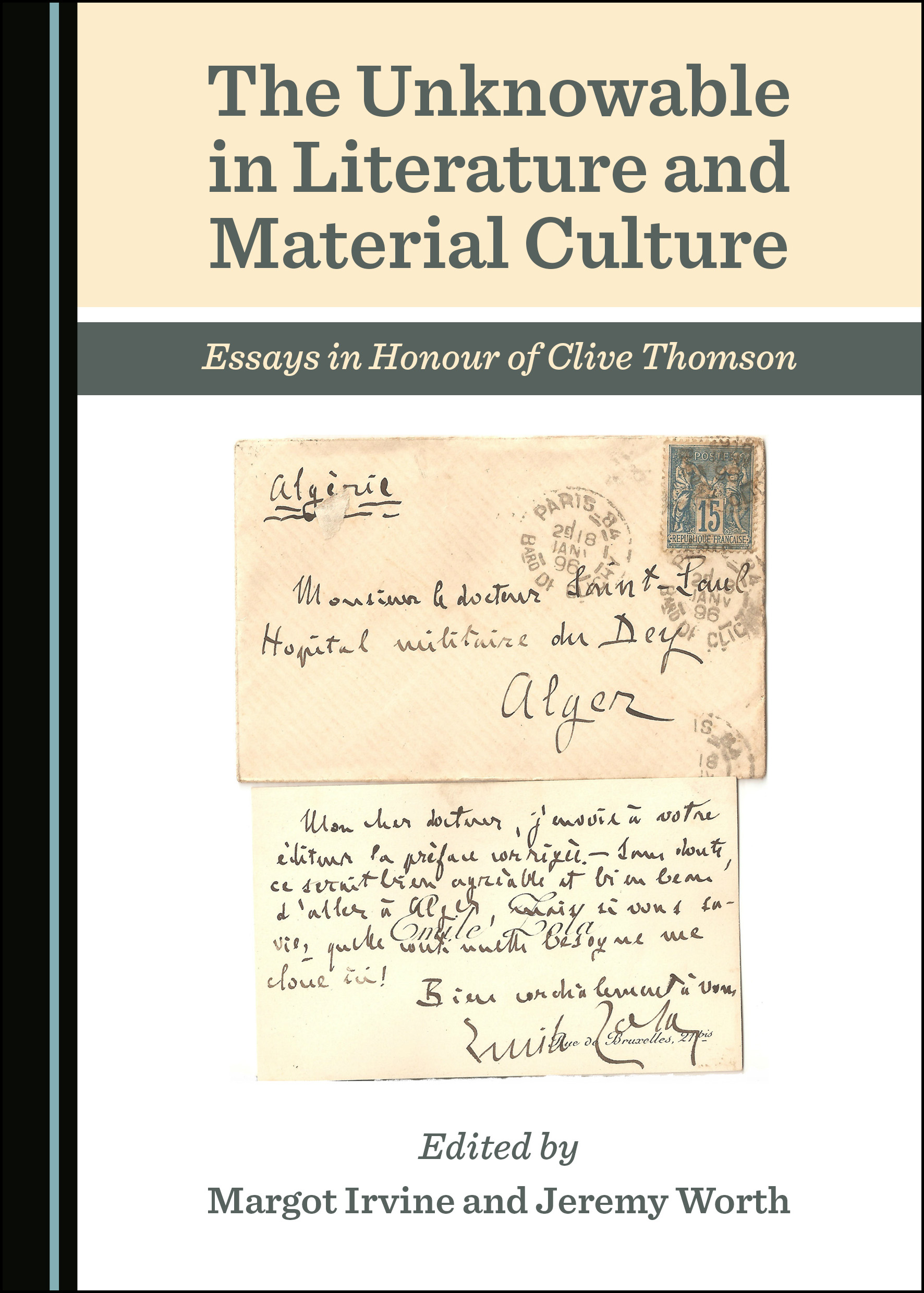
The Unknowable in Literature and Material Culture
Essays in Honour of Clive Thomson
How do we come to know the hidden, unspoken, and “unknowable”? Inspired by this question, the contributors to this volume explore fin de siècle homosexuality, Émile Zola as a seeker of concealed truths, crises of representation, and the dialogue between self and other.
How do we come to know the hidden, unspoken, and “unknowable”? Inspired by this question, the contributors to this volume explore fin de siècle homosexuality, Émile Zola as a seeker of concealed truths, crises of representation, and the dialogue between self and other.
View more
This product has multiple variants. The options may be chosen on the product page
View more
This product has multiple variants. The options may be chosen on the product page
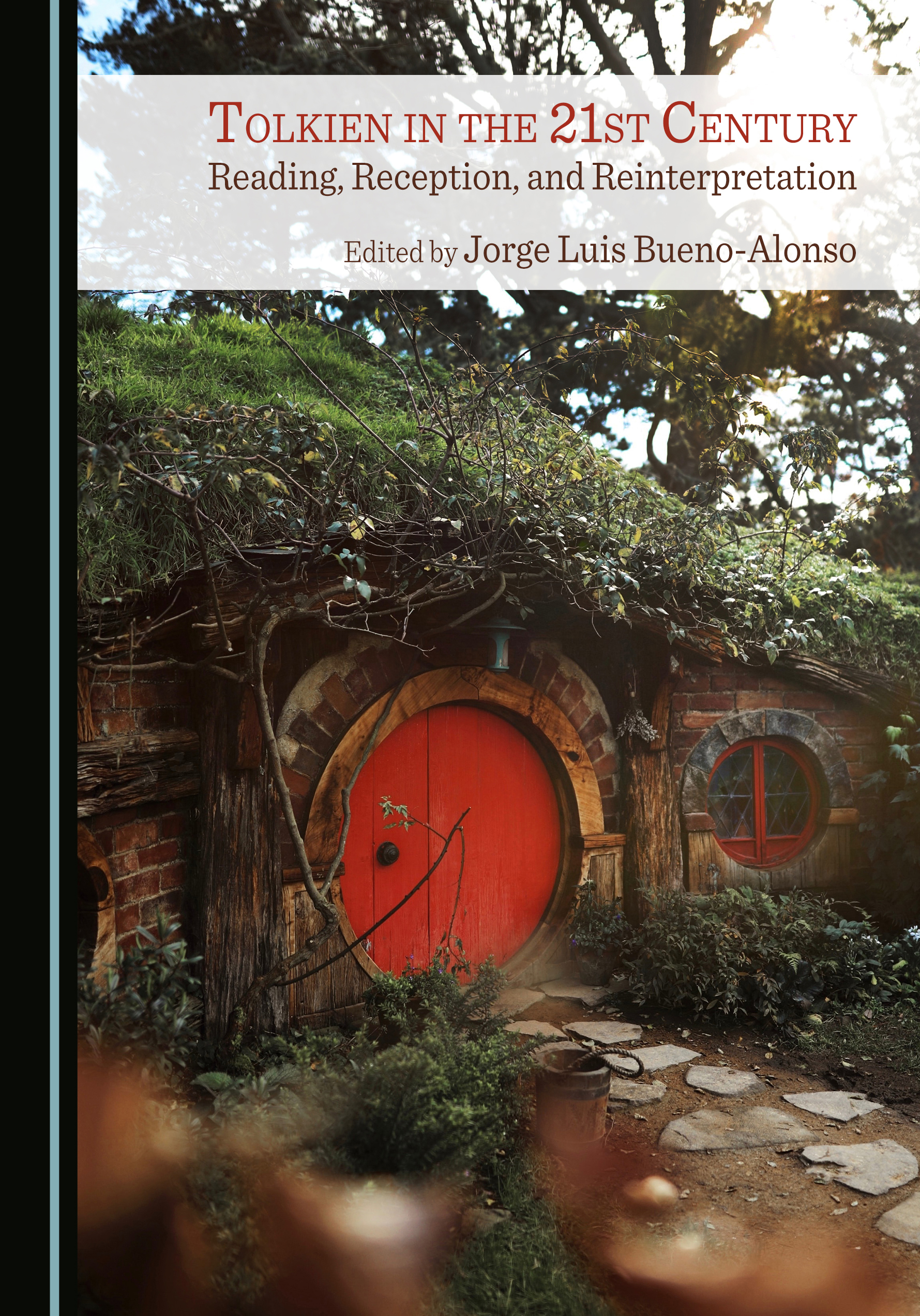
Tolkien in the 21st Century
Reading, Reception, and Reinterpretation
In our media-saturated 21st century, Tolkien’s influence in shaping the fantasy genre remains as important as it has always been. This volume covers analytical issues concerning such influence from the perspectives of reading, reception, and reinterpretation.
View more
This product has multiple variants. The options may be chosen on the product page
View more
This product has multiple variants. The options may be chosen on the product page
From £19.99
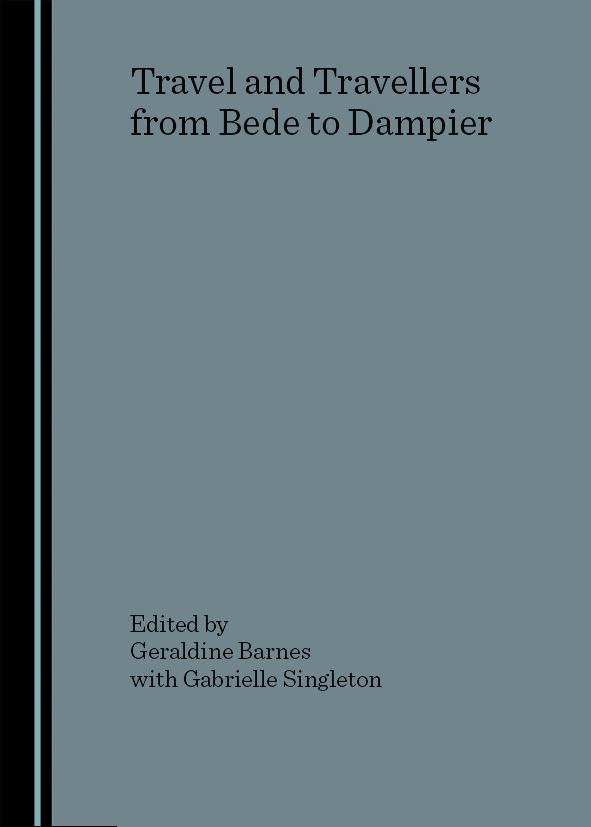
These essays track travel narratives from the eighth to the eighteenth century. Their voyages, from the literal to the spiritual, show the enduring influence of the medieval geographical imagination upon post-medieval travel, discovery, and encounters between East and West.
These essays track travel narratives from the eighth to the eighteenth century. Their voyages, from the literal to the spiritual, show the enduring influence of the medieval geographical imagination upon post-medieval travel, discovery, and encounters between East and West.
View more
This product has multiple variants. The options may be chosen on the product page
View more
This product has multiple variants. The options may be chosen on the product page
From £24.99
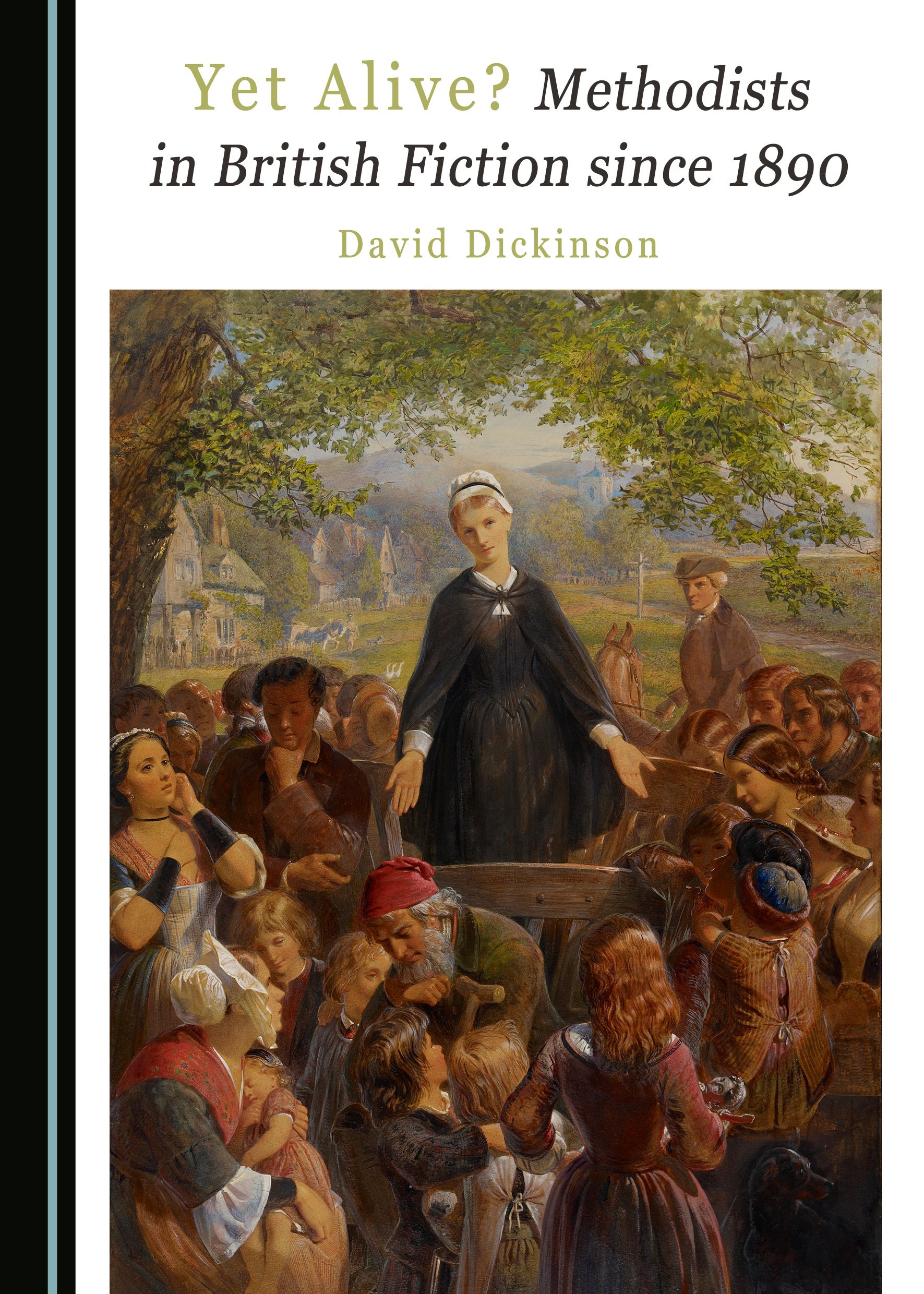
Reading the novels of George Eliot, Arthur Quiller-Couch, Barry Unsworth, and others, as a Methodist, David Dickinson offers a colourful picture of Methodists in British fiction since the close of the nineteenth century.
Reading the novels of George Eliot, Arthur Quiller-Couch, Barry Unsworth, and others, as a Methodist, David Dickinson offers a colourful picture of Methodists in British fiction since the close of the nineteenth century.
View more
This product has multiple variants. The options may be chosen on the product page
View more
This product has multiple variants. The options may be chosen on the product page
Coastal Environments in the West of Ireland
Sea, Land, and Spirit
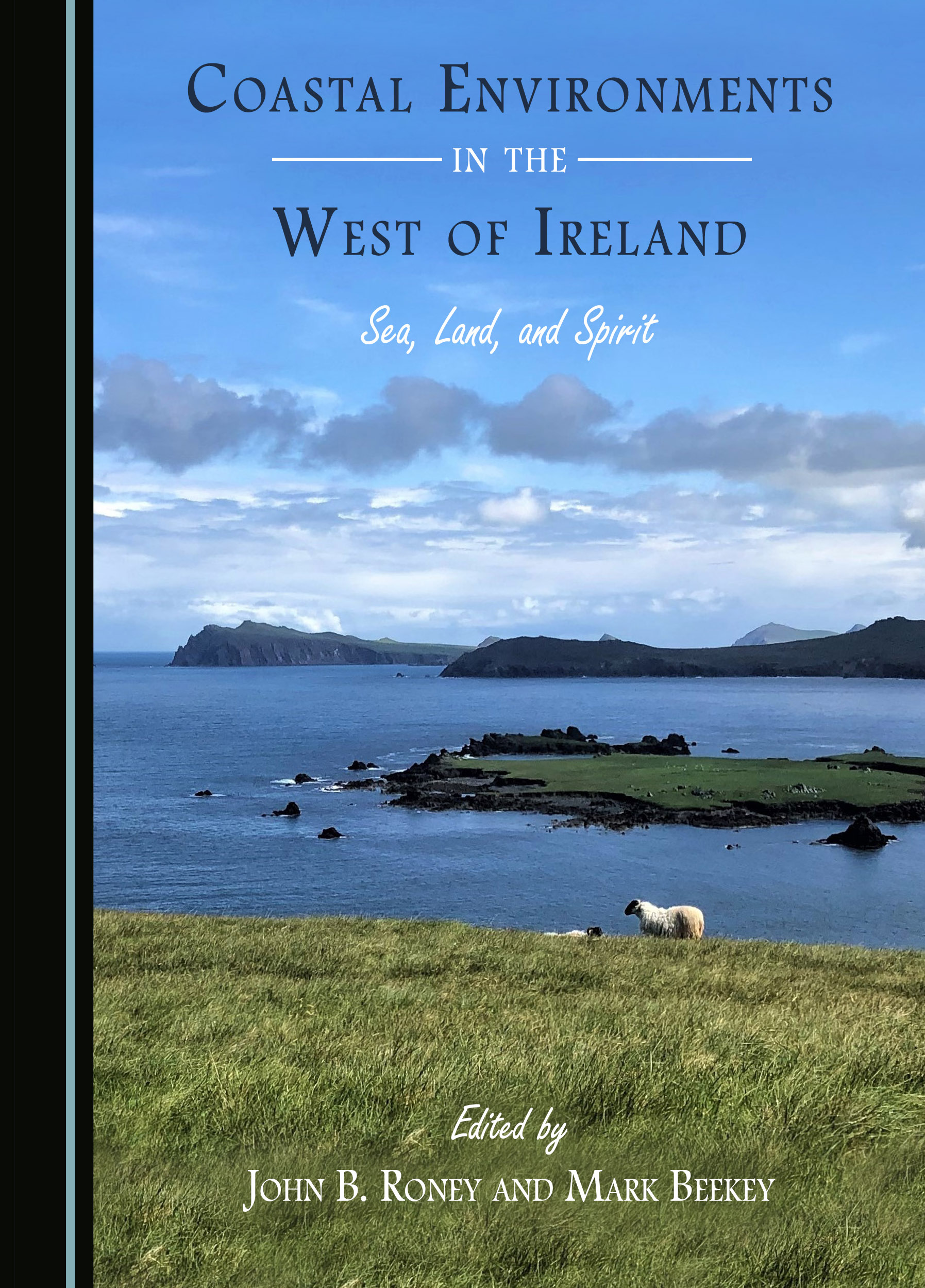
This study unites the natural sciences and humanities to explore the connections between the environment and cultural heritage on Ireland's west coast. It reveals a deep appreciation for the wild coastal topography, preserved in the Irish language, poetry, story, and music.
This study unites the natural sciences and humanities to explore the connections between the environment and cultural heritage on Ireland’s west coast. It reveals a deep appreciation for the wild coastal topography, preserved in the Irish language, poetry, story, and music.
View more
This product has multiple variants. The options may be chosen on the product page
Processing Your Order
Please wait while we securely process your order.
Do not refresh or leave this page.
You will be redirected shortly to a confirmation page with your order number.