
View more
This product has multiple variants. The options may be chosen on the product page
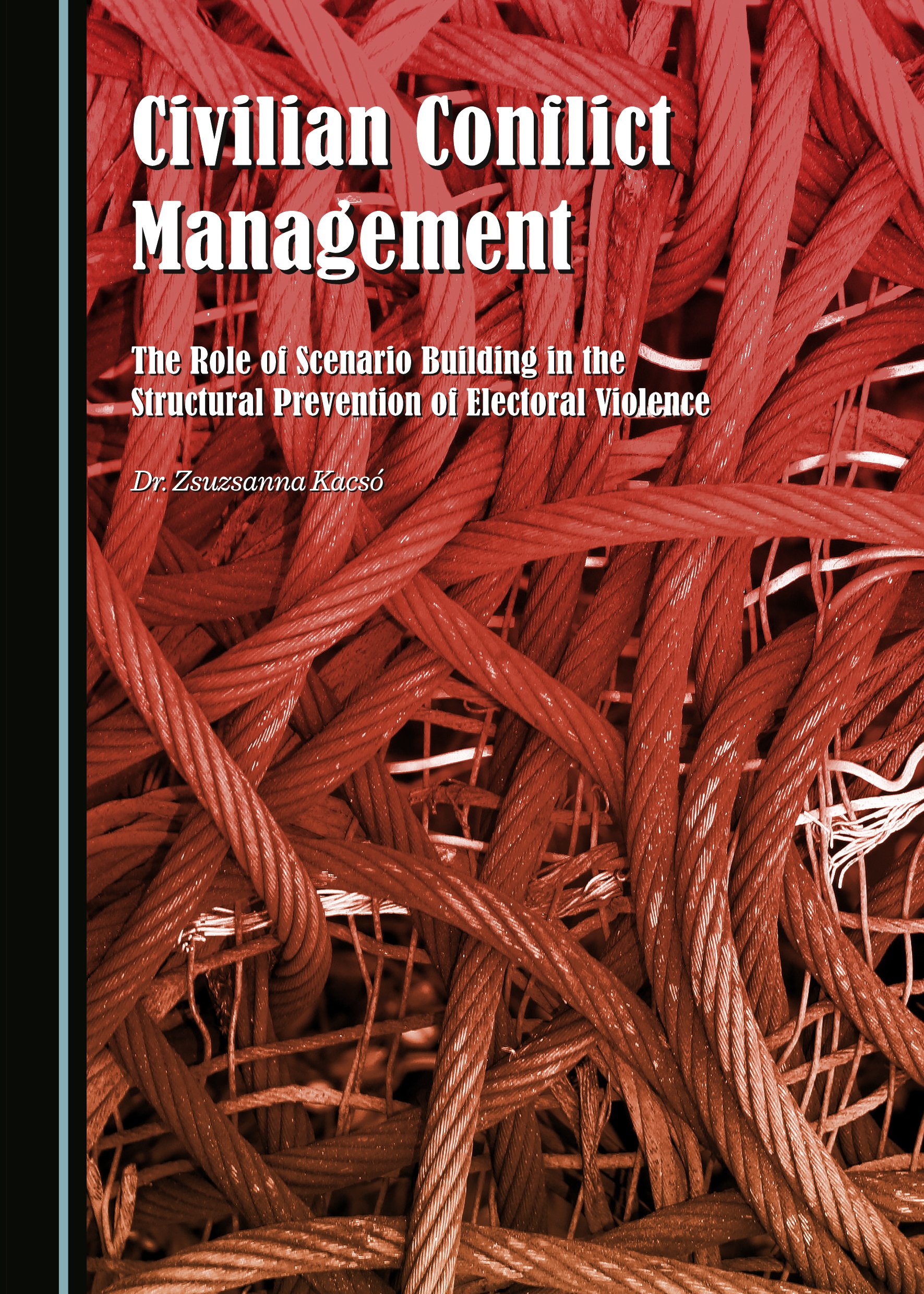
Civilian Conflict Management
The Role of Scenario Building in the Structural Prevention of Electoral Violence
This book explores scenario building as a tool to prevent electoral violence. By tackling the structural roots of conflict, it offers a coherent strategy for achieving sustainable peace, appealing to practitioners in peacebuilding, governance, and elections.
This book explores scenario building as a tool to prevent electoral violence. By tackling the structural roots of conflict, it offers a coherent strategy for achieving sustainable peace, appealing to practitioners in peacebuilding, governance, and elections.
View more
This product has multiple variants. The options may be chosen on the product page
View more
This product has multiple variants. The options may be chosen on the product page
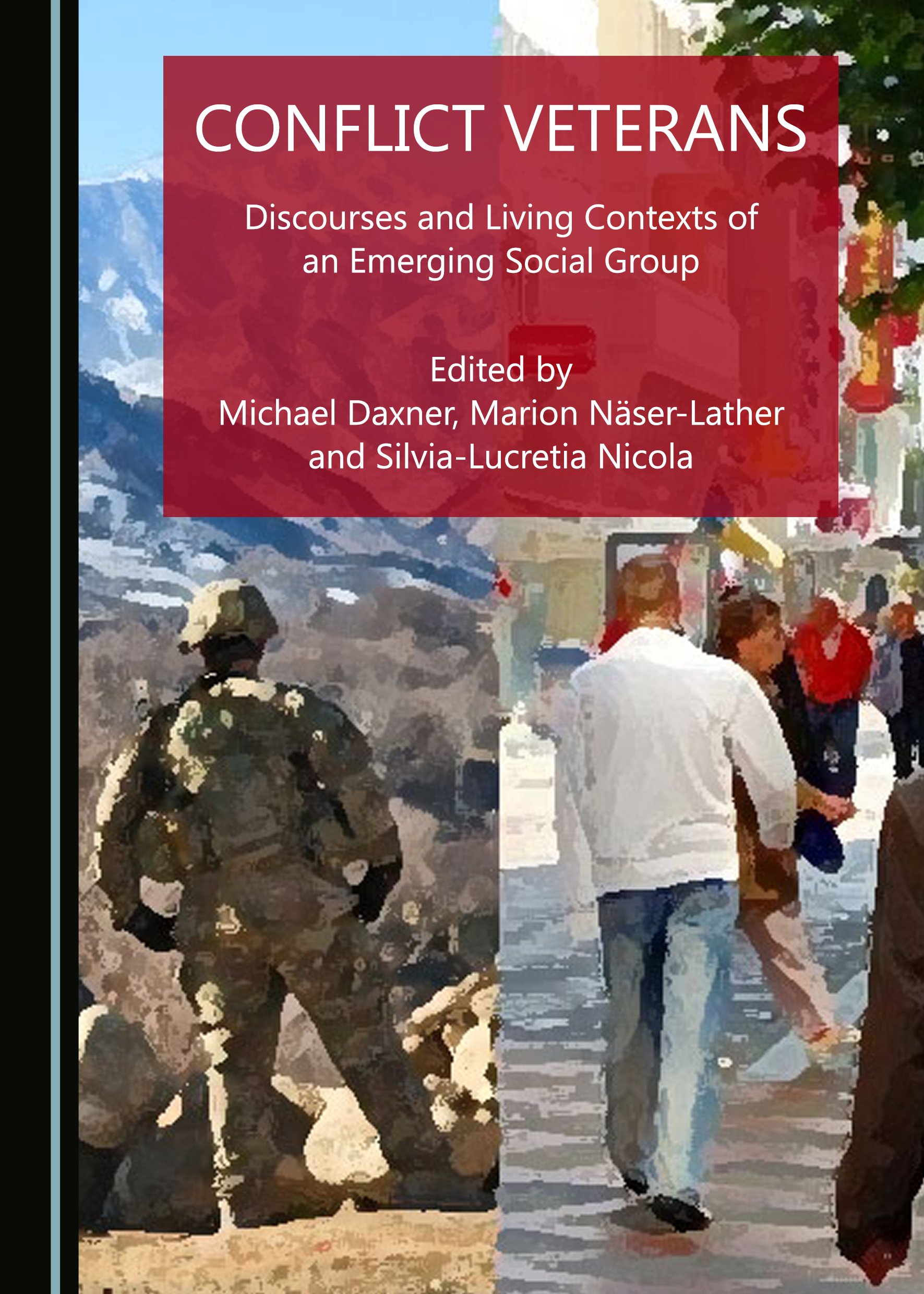
Conflict Veterans
Discourses and Living Contexts of an Emerging Social Group
Returnees from violent conflicts belong to their societies as much as any other distinct social group. This volume brings together experts on veteran studies whose views present a variety of sociological, anthropological and military perspectives on contemporary veteran cultures.
Returnees from violent conflicts belong to their societies as much as any other distinct social group. This volume brings together experts on veteran studies whose views present a variety of sociological, anthropological and military perspectives on contemporary veteran cultures.
View more
This product has multiple variants. The options may be chosen on the product page

View more
This product has multiple variants. The options may be chosen on the product page
£44.99
This book provides an inter-disciplinary, global perspective on conflict, violence, and terrorism. It explores the conditions by which violent conflict occurs and examines concrete, multi-faceted solutions. Violence is neither inevitable nor innately determined.
This book provides an inter-disciplinary, global perspective on conflict, violence, and terrorism. It explores the conditions by which violent conflict occurs and examines concrete, multi-faceted solutions. Violence is neither inevitable nor innately determined.
View more
This product has multiple variants. The options may be chosen on the product page
View more
This product has multiple variants. The options may be chosen on the product page
Foreign Policy Posture in Post-Apartheid South Africa
Consistencies and Ambiguities
This book explores the link between domestic and foreign policy in South Africa, tracking its evolution since the 1990s. Combining theoretical perspectives and empirical case studies, it demonstrates the complex motives behind the country's involvement in global affairs.
This book explores the link between domestic and foreign policy in South Africa, tracking its evolution since the 1990s. Combining theoretical perspectives and empirical case studies, it demonstrates the complex motives behind the country’s involvement in global affairs.
View more
This product has multiple variants. The options may be chosen on the product page
View more
This product has multiple variants. The options may be chosen on the product page
If It Was Not For Terrorism
Crisis, Compromise, and Elite Discourse in the Age of “War on Terror”
This book investigates the power elites and media wield through the “War on Terror” discourse. International case studies debate the construction of “terrorism,” the creation of “us” vs. “others,” media framing of civil liberties, and resistance.
This book investigates the power elites and media wield through the “War on Terror” discourse. International case studies debate the construction of “terrorism,” the creation of “us” vs. “others,” media framing of civil liberties, and resistance.
View more
This product has multiple variants. The options may be chosen on the product page
View more
This product has multiple variants. The options may be chosen on the product page
£61.99
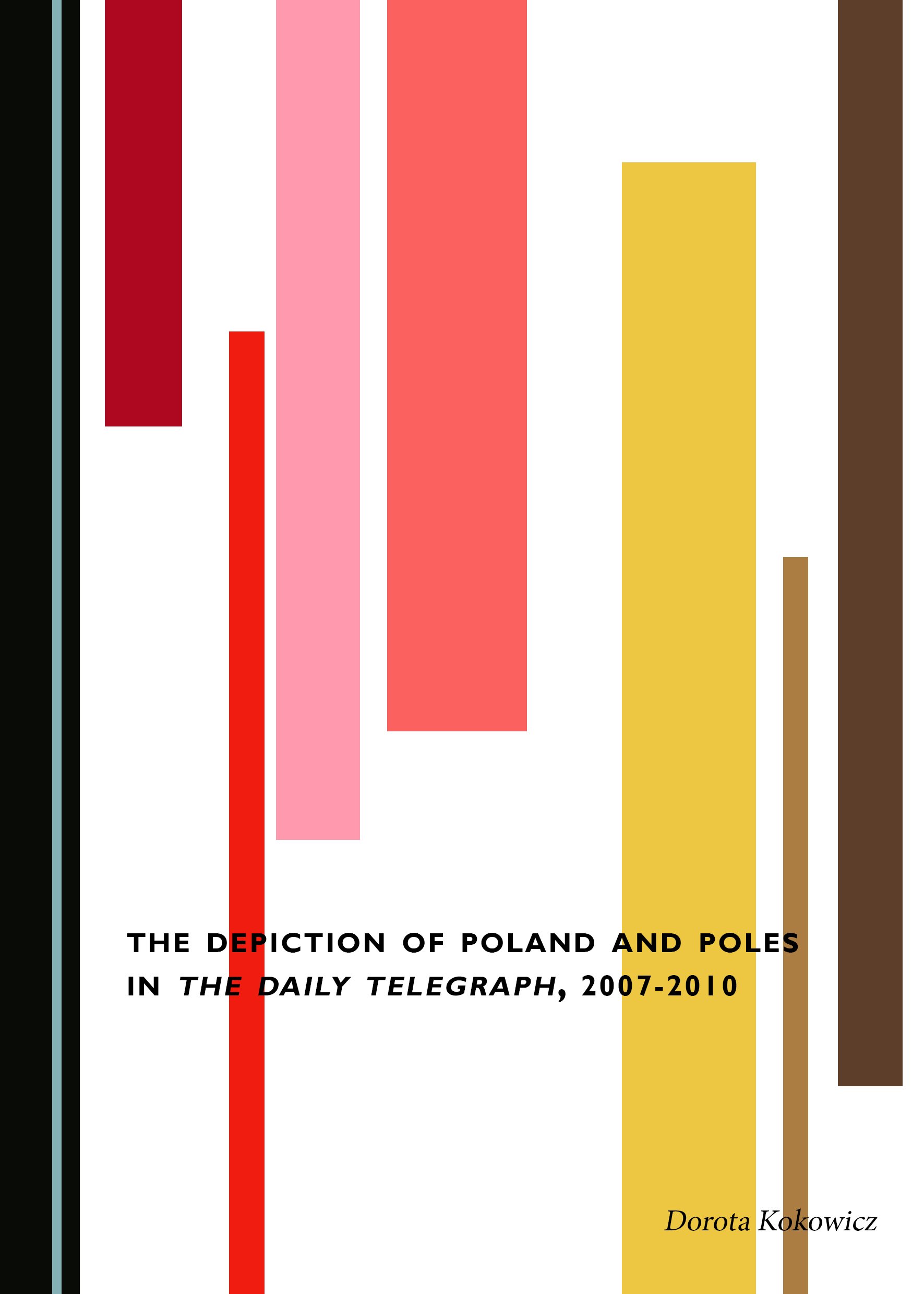
This book explores the image of Poland as published in The Daily Telegraph from 2007 to 2010. It investigates how one of Britain's most influential newspapers depicted Polish reality and compares this portrayal to the Polish government’s own PR objectives of that time.
This book explores the image of Poland as published in The Daily Telegraph from 2007 to 2010. It investigates how one of Britain’s most influential newspapers depicted Polish reality and compares this portrayal to the Polish government’s own PR objectives of that time.
View more
This product has multiple variants. The options may be chosen on the product page
View more
This product has multiple variants. The options may be chosen on the product page
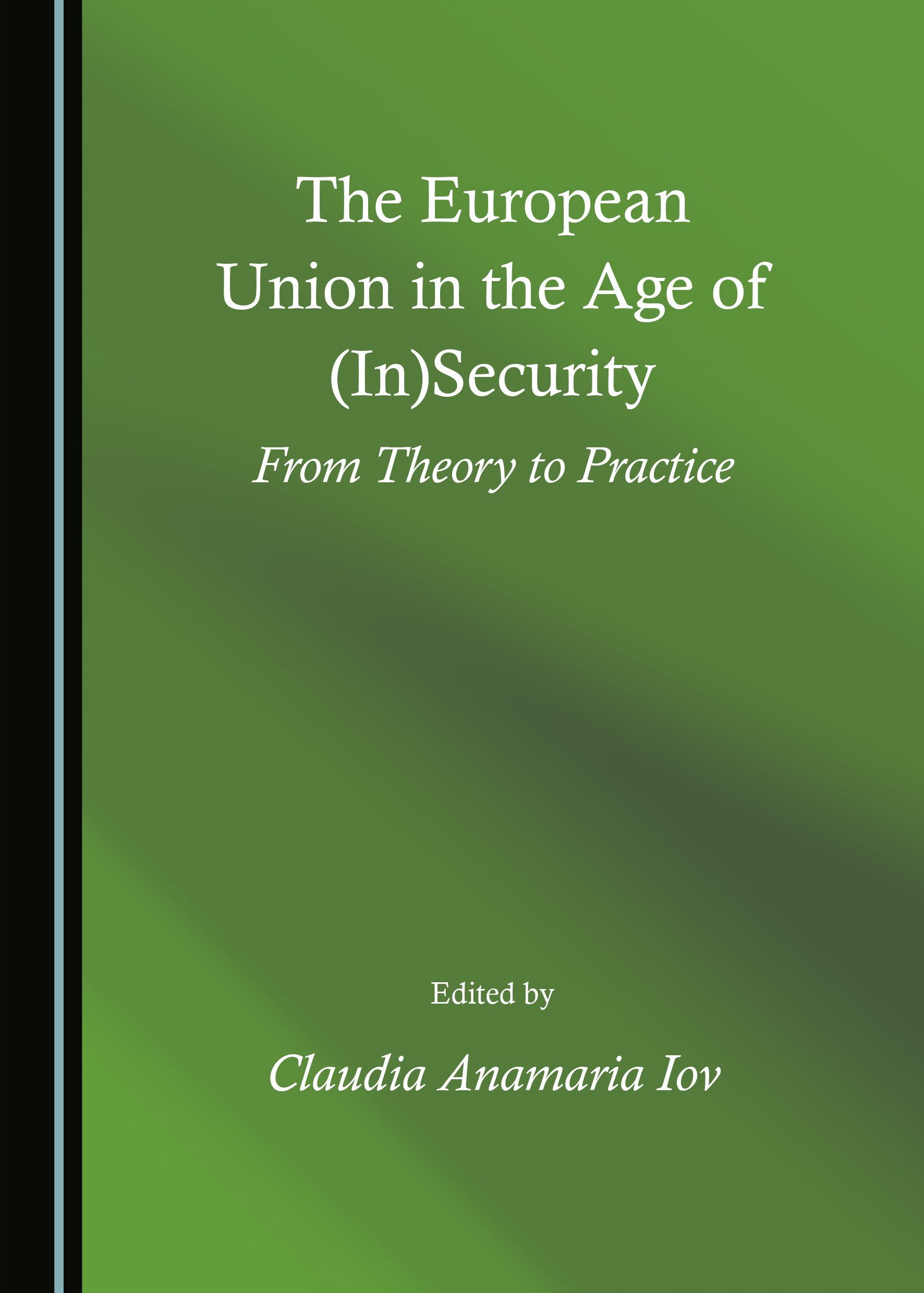
The European Union in the Age of (In)Security
From Theory to Practice
Paving a road to a United States of Europe, this book analyses the challenges the Union faces, from migration and populism to fake news and insecurity. It explores the evolution of the European Union, where security remains the top priority for its citizens.
Paving a road to a United States of Europe, this book analyses the challenges the Union faces, from migration and populism to fake news and insecurity. It explores the evolution of the European Union, where security remains the top priority for its citizens.
View more
This product has multiple variants. The options may be chosen on the product page
View more
This product has multiple variants. The options may be chosen on the product page
From £30.99
Gajevic explores how journalists interpret justice in their coverage of wars. His deep analysis of war reporting offers a new understanding of societies in times of conflict, focusing on the Yugoslav conflicts of the 1990s and the notion of the transnational community.
Gajevic explores how journalists interpret justice in their coverage of wars. His deep analysis of war reporting offers a new understanding of societies in times of conflict, focusing on the Yugoslav conflicts of the 1990s and the notion of the transnational community.
View more
This product has multiple variants. The options may be chosen on the product page
View more
This product has multiple variants. The options may be chosen on the product page
From £33.99
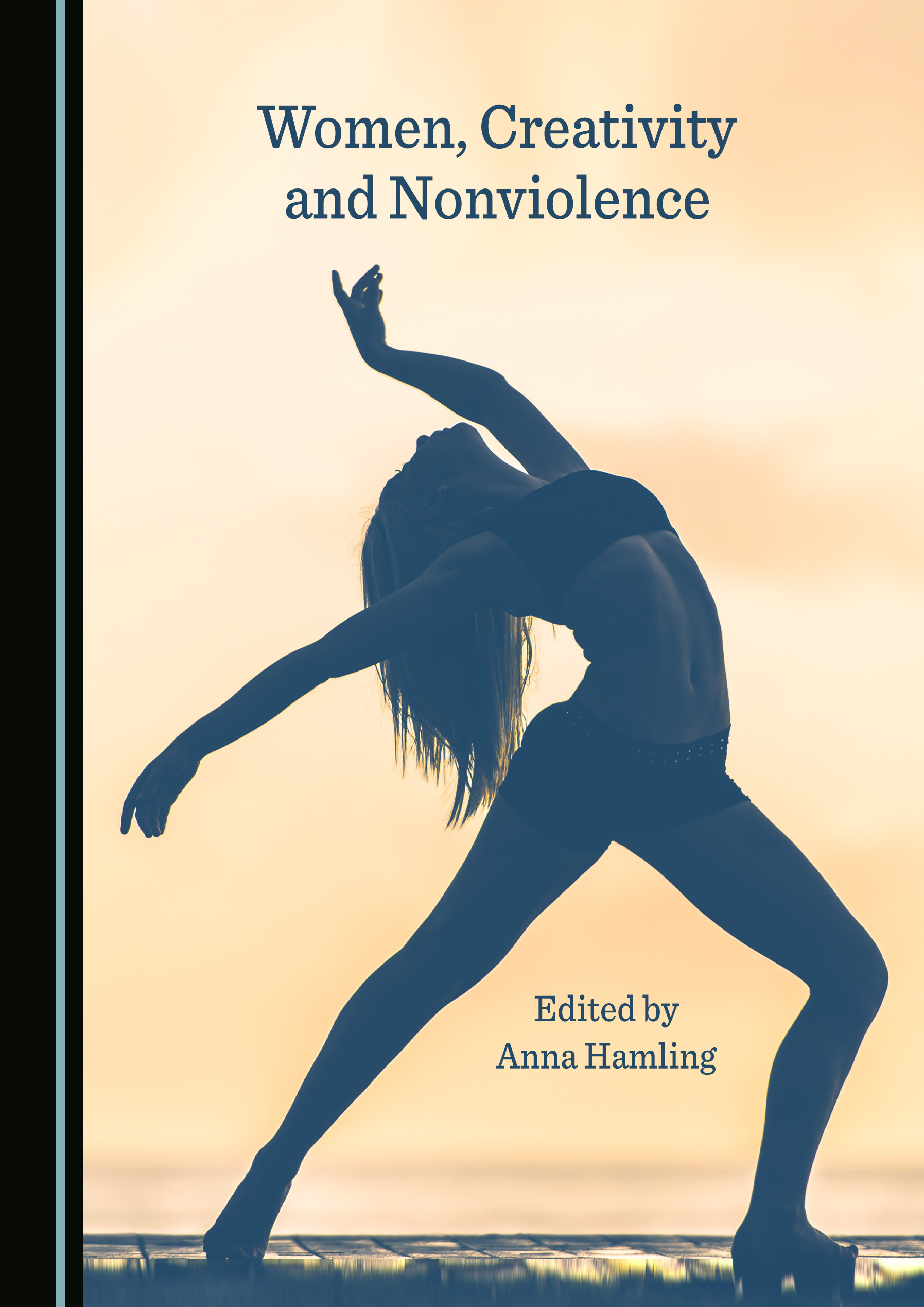
This innovative collection emphasises the contribution of women to resolving conflicts through creative, nonviolent tools. Drawing on the work of women from diverse countries, it discusses their achievements and provides a study of how, and why, gender matters in building peace.
This innovative collection emphasises the contribution of women to resolving conflicts through creative, nonviolent tools. Drawing on the work of women from diverse countries, it discusses their achievements and provides a study of how, and why, gender matters in building peace.
View more
This product has multiple variants. The options may be chosen on the product page
Processing Your Order
Please wait while we securely process your order.
Do not refresh or leave this page.
You will be redirected shortly to a confirmation page with your order number.