
View more
This product has multiple variants. The options may be chosen on the product page
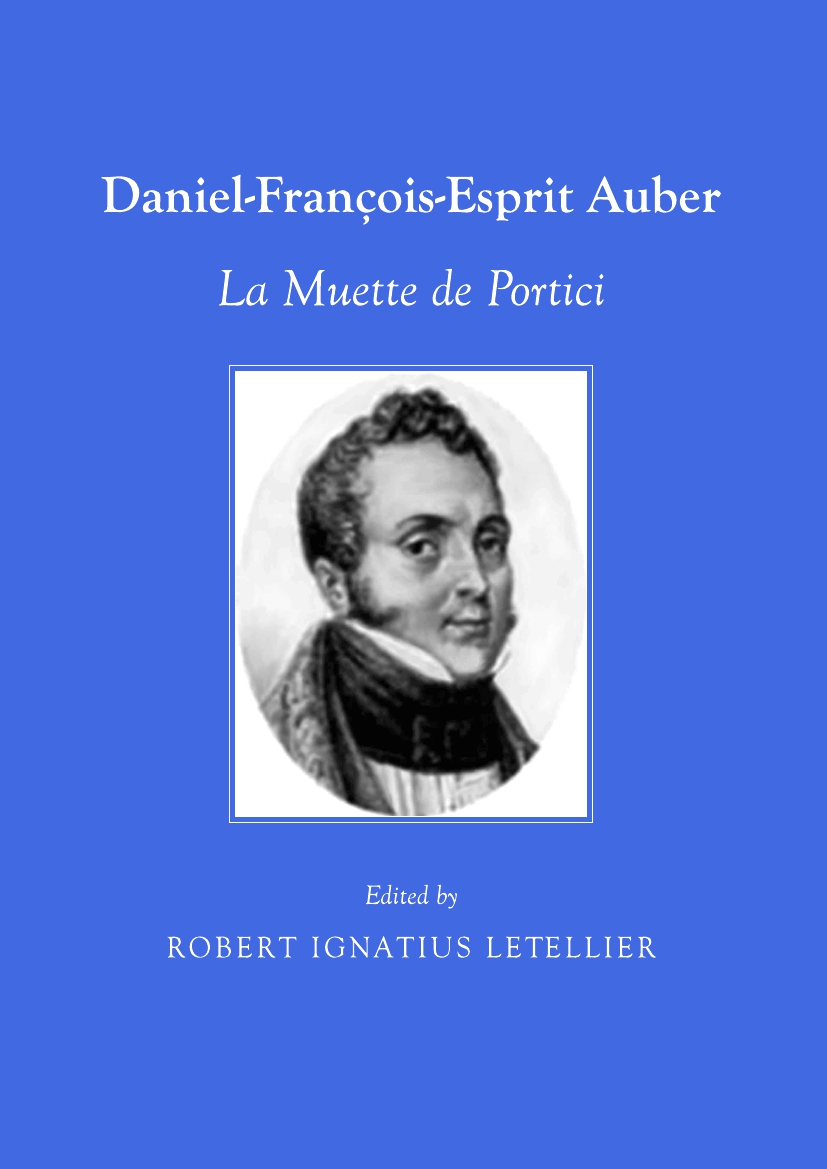
Daniel-François-Esprit Auber
La Muette de Portici
Auber’s grand opera La Muette de Portici is a key work in operatic history. Set against the 1647 revolt in Naples, its revolutionary tale was so potent that a performance in Brussels on 25 August 1830 sparked the uprising for Belgian independence.
Auber’s grand opera La Muette de Portici is a key work in operatic history. Set against the 1647 revolt in Naples, its revolutionary tale was so potent that a performance in Brussels on 25 August 1830 sparked the uprising for Belgian independence.
View more
This product has multiple variants. The options may be chosen on the product page
View more
This product has multiple variants. The options may be chosen on the product page
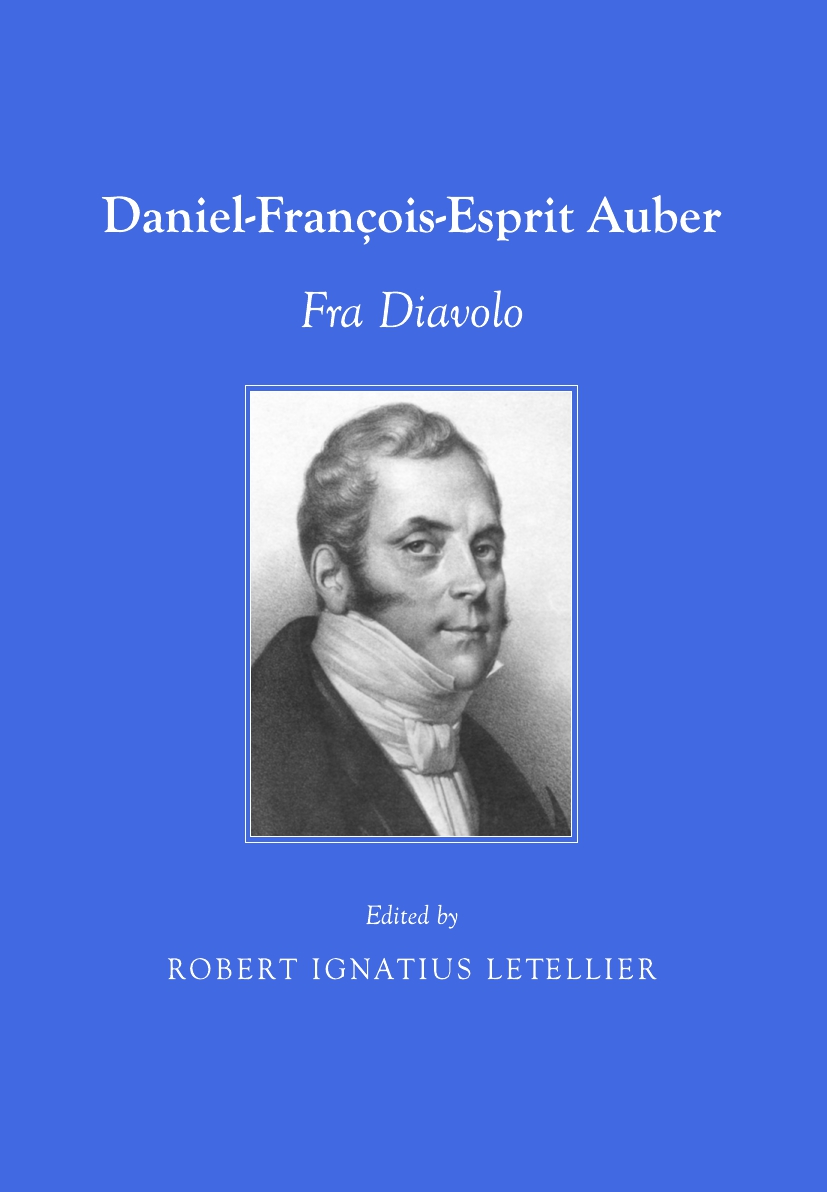
Daniel-François-Esprit Auber
Fra Diavolo
The product of one of musical history's most successful partnerships, Auber and Scribe's opéra-comique Fra Diavolo is a masterpiece of thrilling plot and brilliant music. Based on a real Italian bandit, it is Auber's most enduring opera.
The product of one of musical history’s most successful partnerships, Auber and Scribe’s opéra-comique Fra Diavolo is a masterpiece of thrilling plot and brilliant music. Based on a real Italian bandit, it is Auber’s most enduring opera.
View more
This product has multiple variants. The options may be chosen on the product page
View more
This product has multiple variants. The options may be chosen on the product page
Giacomo Meyerbeer
Music by Royal Command
This collection reveals unknown non-operatic works by the great operatic master Meyerbeer. From a substantial cantata to celebratory marches and brief choruses, these manuscript scores were all written ‘by Royal Command’ for German Royal families.
This collection reveals unknown non-operatic works by the great operatic master Meyerbeer. From a substantial cantata to celebratory marches and brief choruses, these manuscript scores were all written ‘by Royal Command’ for German Royal families.
View more
This product has multiple variants. The options may be chosen on the product page
View more
This product has multiple variants. The options may be chosen on the product page
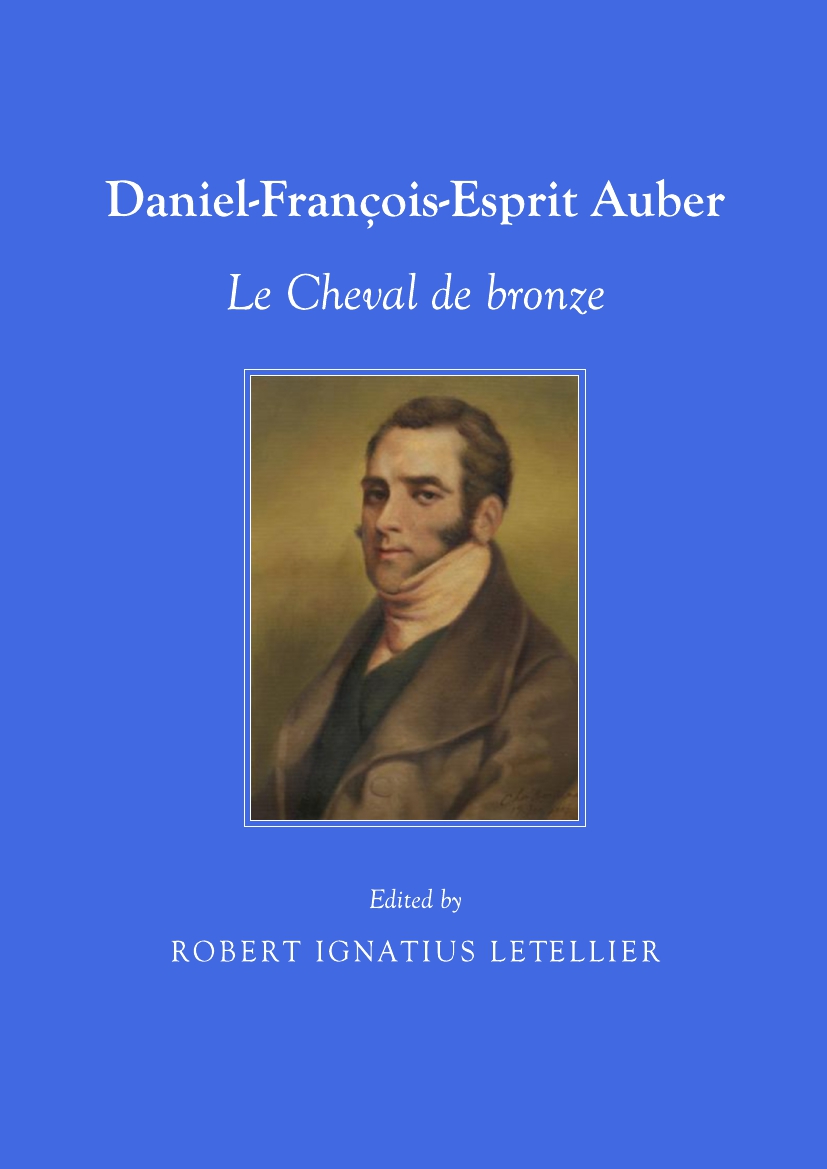
Daniel-François-Esprit Auber
Le Cheval de bronze
Auber & Scribe’s opéra-féerique Le Cheval de bronze is one of the composer’s best achievements. Its witty, exotic plot involves a magical horse that transports men to Venus and its sirens. A forgotten gem brimming with invention, fantasy, and comedy.
Auber & Scribe’s opéra-féerique Le Cheval de bronze is one of the composer’s best achievements. Its witty, exotic plot involves a magical horse that transports men to Venus and its sirens. A forgotten gem brimming with invention, fantasy, and comedy.
View more
This product has multiple variants. The options may be chosen on the product page
View more
This product has multiple variants. The options may be chosen on the product page
£49.99
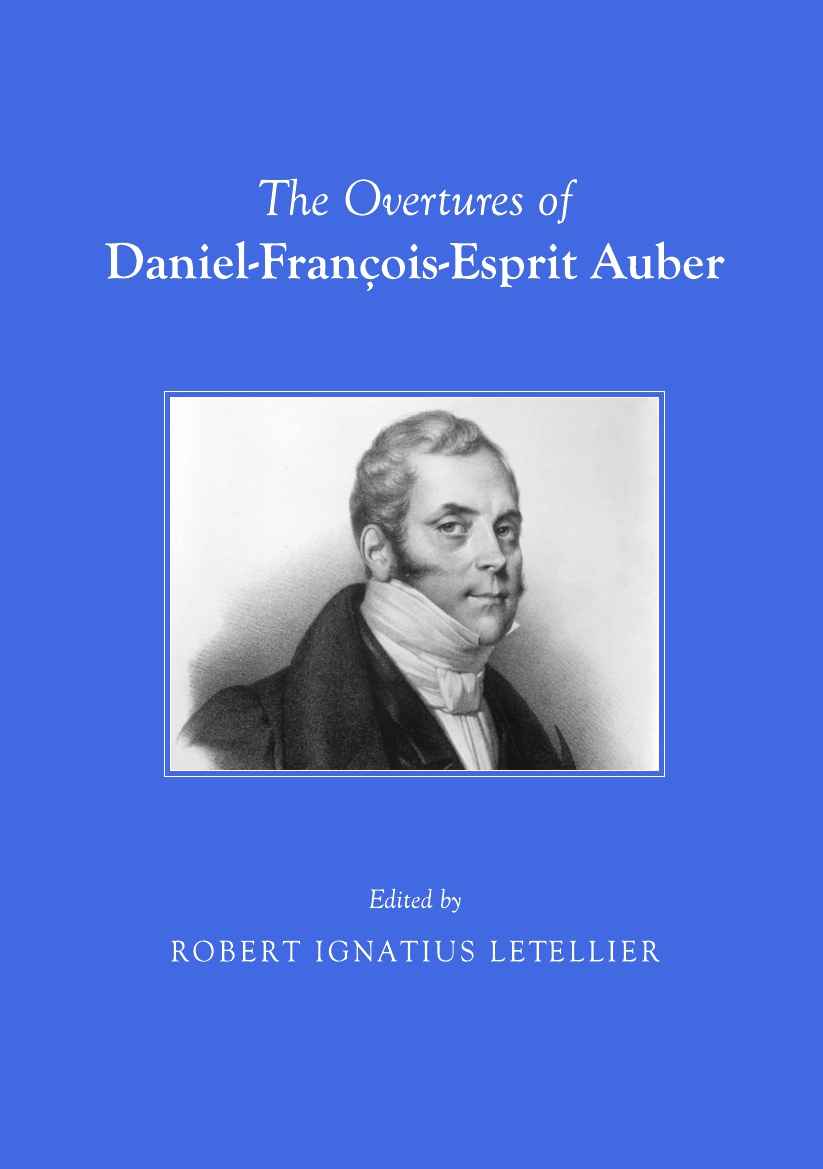
Auber's overtures, once as popular as Rossini's, were a staple of the light Classical repertoire. While the operas are forgotten, their overtures live on. Their freshness of melody, orchestral colours, and rhythmic vitality still generate visceral excitement.
Auber’s overtures, once as popular as Rossini’s, were a staple of the light Classical repertoire. While the operas are forgotten, their overtures live on. Their freshness of melody, orchestral colours, and rhythmic vitality still generate visceral excitement.
View more
This product has multiple variants. The options may be chosen on the product page
View more
This product has multiple variants. The options may be chosen on the product page
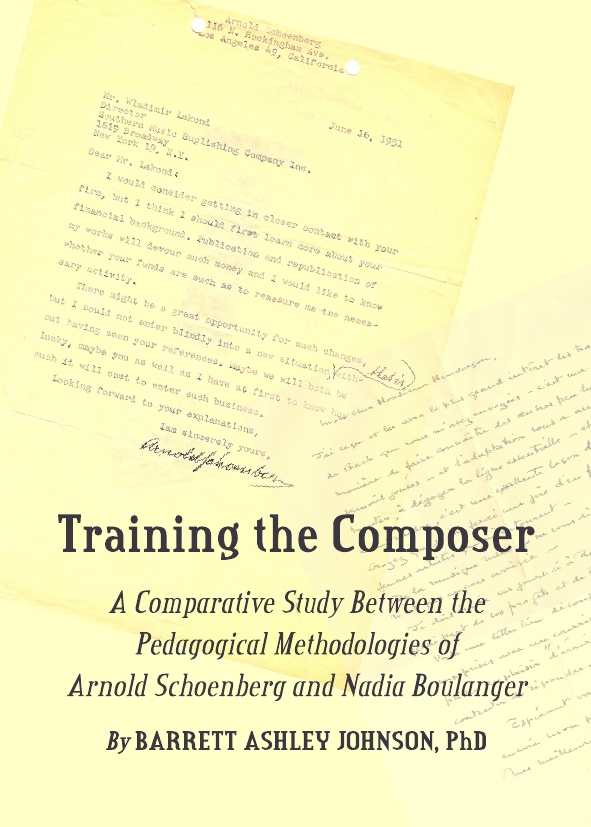
Training the Composer
A Comparative Study Between the Pedagogical Methodologies of Arnold Schoenberg and Nadia Boulanger
Uncover the teaching methods of masters Schoenberg and Boulanger. For the first time in print, this text analyzes their materials, contrasting the German and French schools to forge a new, effective pedagogy for composition teachers.
Uncover the teaching methods of masters Schoenberg and Boulanger. For the first time in print, this text analyzes their materials, contrasting the German and French schools to forge a new, effective pedagogy for composition teachers.
View more
This product has multiple variants. The options may be chosen on the product page
View more
This product has multiple variants. The options may be chosen on the product page
From £29.99
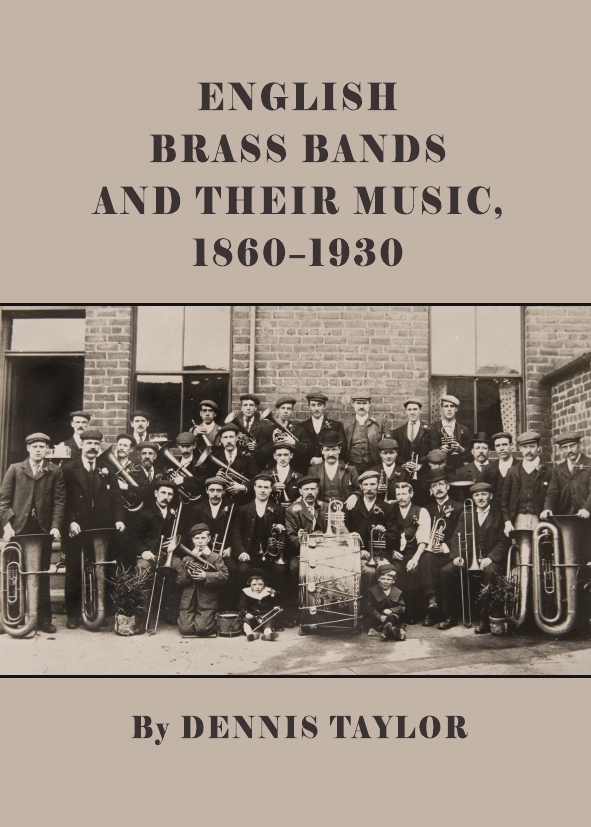
This book is an addition to the British music culture as it traces the history, growth and environmental, social and musical conditions of the Brass Band Movement during the Victorian era, and the influences of the “Romantic Period.”
View more
This product has multiple variants. The options may be chosen on the product page
View more
This product has multiple variants. The options may be chosen on the product page
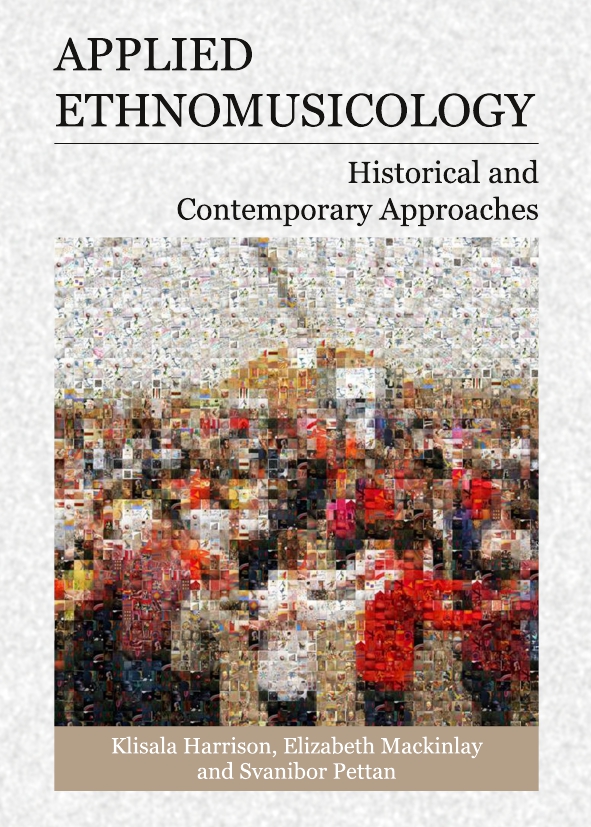
Applied Ethnomusicology
Historical and Contemporary Approaches
Applied ethnomusicology is an approach guided by social responsibility toward solving concrete problems. This volume brings together diverse perspectives on its potential in contributing to sustainable music cultures and the use of music in conflict resolution.
Applied ethnomusicology is an approach guided by social responsibility toward solving concrete problems. This volume brings together diverse perspectives on its potential in contributing to sustainable music cultures and the use of music in conflict resolution.
View more
This product has multiple variants. The options may be chosen on the product page
View more
This product has multiple variants. The options may be chosen on the product page
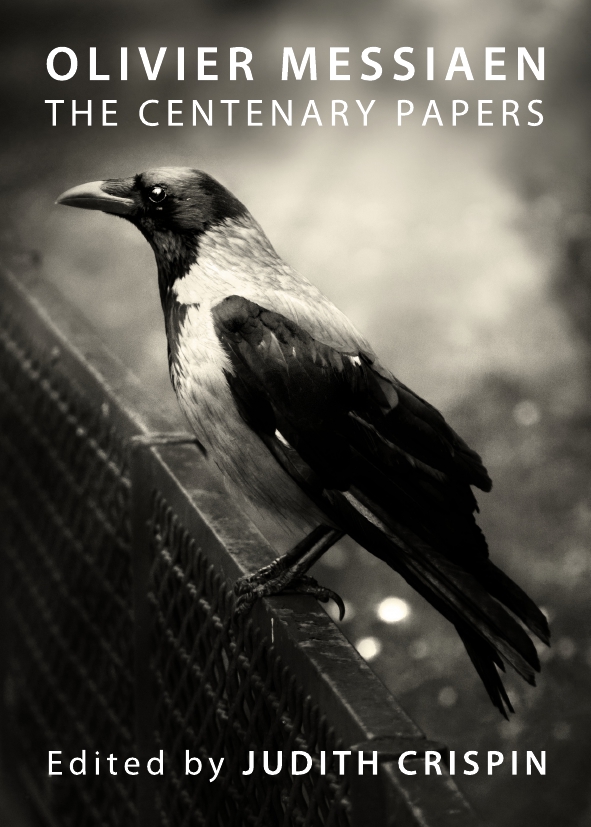
Olivier Messiaen
The Centenary Papers
Olivier Messiaen, one of the most influential composers of the 20th century, was a great nature poet and mystic. This volume of essays by international experts marks his centenary, exploring the diverse and lasting sphere of his legacy.
Olivier Messiaen, one of the most influential composers of the 20th century, was a great nature poet and mystic. This volume of essays by international experts marks his centenary, exploring the diverse and lasting sphere of his legacy.
View more
This product has multiple variants. The options may be chosen on the product page
View more
This product has multiple variants. The options may be chosen on the product page
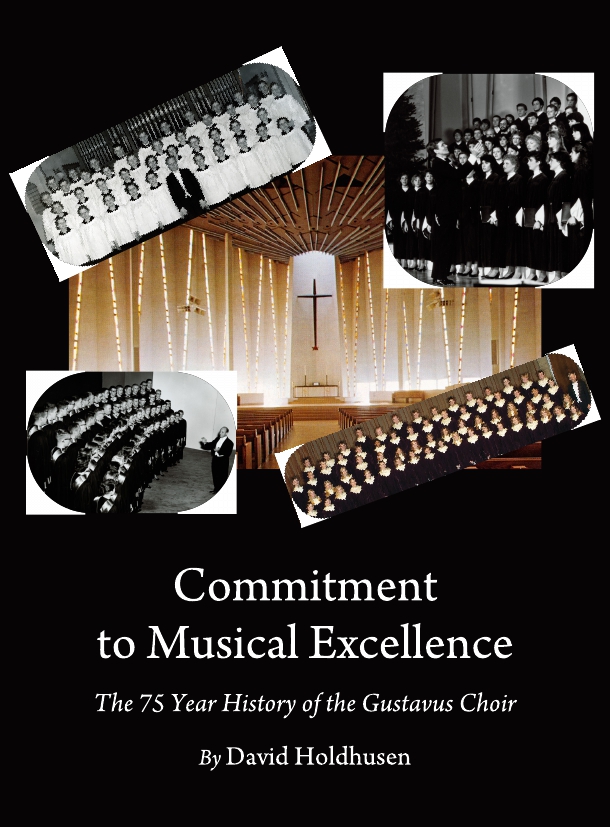
Commitment to Musical Excellence
The 75 Year History of the Gustavus Choir
For 75 years, the internationally recognized Gustavus Choir has built a heritage of choral music rooted in the a cappella tradition. This book chronicles the ensemble’s history, the legacy of its six conductors, and its unwavering commitment to musical excellence.
For 75 years, the internationally recognized Gustavus Choir has built a heritage of choral music rooted in the a cappella tradition. This book chronicles the ensemble’s history, the legacy of its six conductors, and its unwavering commitment to musical excellence.
View more
This product has multiple variants. The options may be chosen on the product page
View more
This product has multiple variants. The options may be chosen on the product page
£44.99
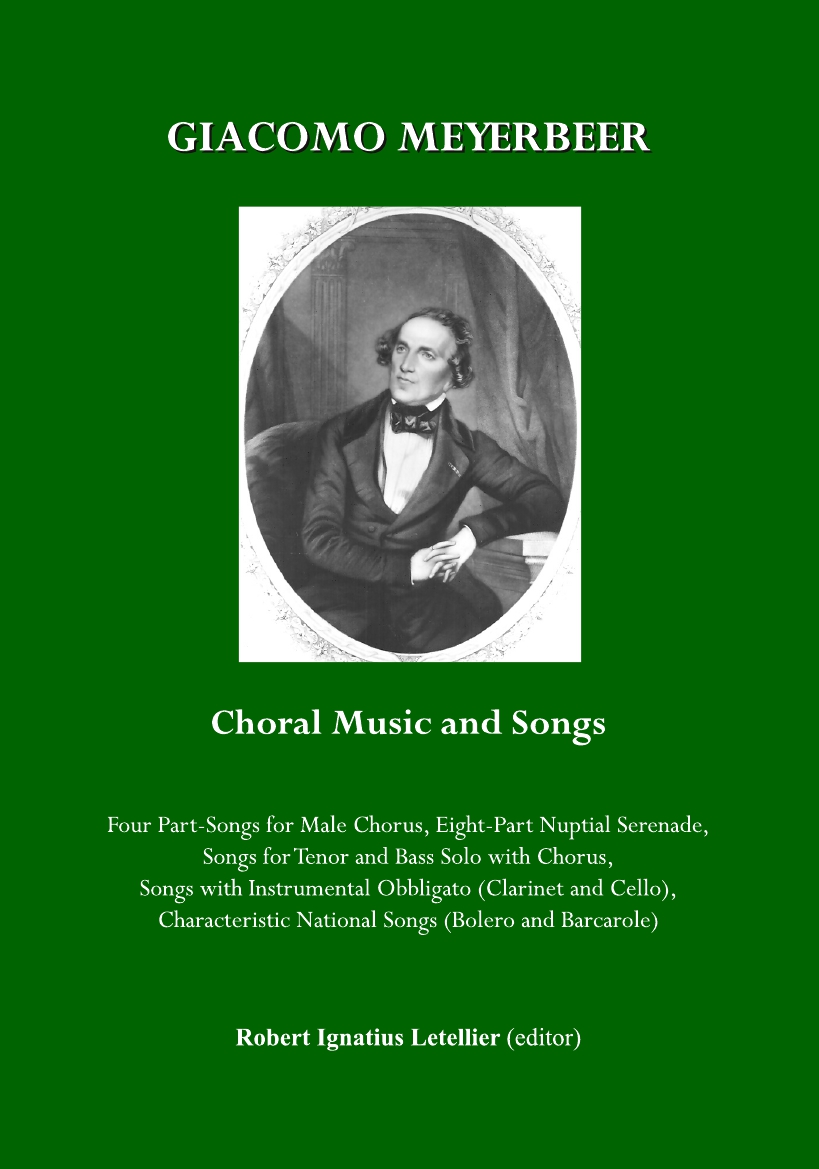
This volume of Meyerbeer’s non-operatic work is devoted to his secular choral writing for male voices, solo songs with chorus, and songs with instrumental obbligato and local colour. These include patriotic anthems, a tribute to Beethoven, and laments.
This volume of Meyerbeer’s non-operatic work is devoted to his secular choral writing for male voices, solo songs with chorus, and songs with instrumental obbligato and local colour. These include patriotic anthems, a tribute to Beethoven, and laments.
View more
This product has multiple variants. The options may be chosen on the product page
View more
This product has multiple variants. The options may be chosen on the product page
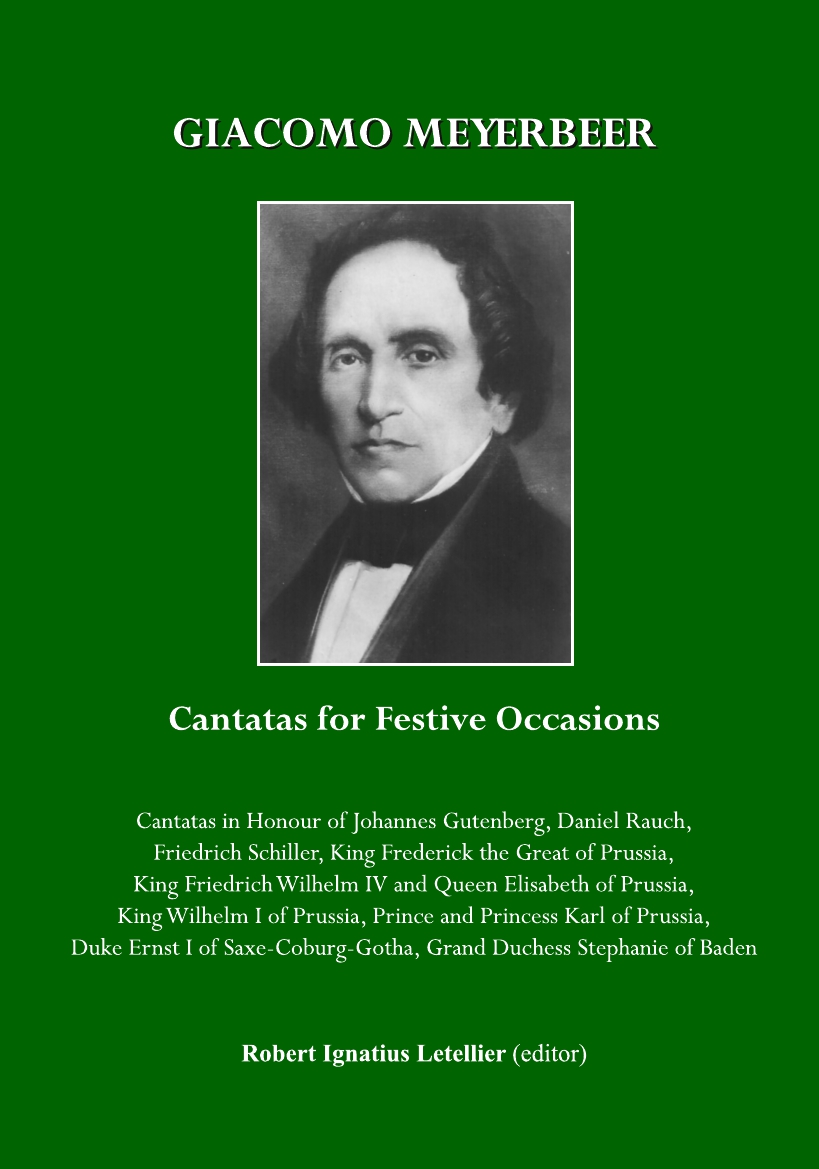
Giacomo Meyerbeer
Cantatas for Festive Occasions
Giacomo Meyerbeer’s cantatas were written for royal and civic commissions to celebrate dynastic events and praise famous men. His powers of lyric beauty and dramatic pomp are amply in evidence, revealing a forgotten side to the great operatic composer.
Giacomo Meyerbeer’s cantatas were written for royal and civic commissions to celebrate dynastic events and praise famous men. His powers of lyric beauty and dramatic pomp are amply in evidence, revealing a forgotten side to the great operatic composer.
View more
This product has multiple variants. The options may be chosen on the product page
View more
This product has multiple variants. The options may be chosen on the product page
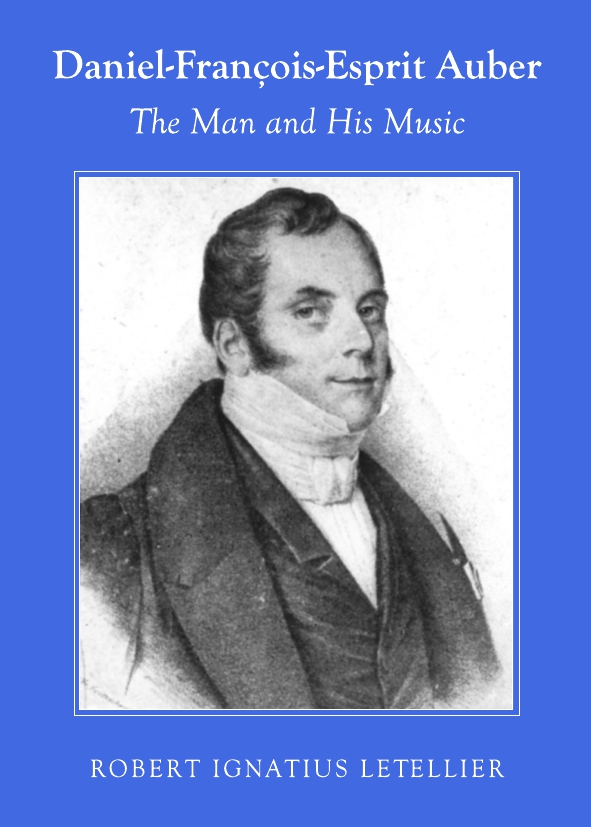
Daniel-François-Esprit Auber
The Man and His Music
Once regarded as a great figure of music, with an impact as great as Rossini’s, Daniel-François-Esprit Auber is now neglected. The time has come to reassess his life and work, especially his collaboration with master librettist Eugène Scribe, and hear his elegant music again.
Once regarded as a great figure of music, with an impact as great as Rossini’s, Daniel-François-Esprit Auber is now neglected. The time has come to reassess his life and work, especially his collaboration with master librettist Eugène Scribe, and hear his elegant music again.
View more
This product has multiple variants. The options may be chosen on the product page
View more
This product has multiple variants. The options may be chosen on the product page
From £19.99
Who were the early recording artists of American Folk and Country? Where did their songs originate? A specialist in early rural recordings gives answers, drawing on years of first-hand research, field trips to Appalachia, and a substantial private collection.
Who were the early recording artists of American Folk and Country? Where did their songs originate? A specialist in early rural recordings gives answers, drawing on years of first-hand research, field trips to Appalachia, and a substantial private collection.
View more
This product has multiple variants. The options may be chosen on the product page
View more
This product has multiple variants. The options may be chosen on the product page
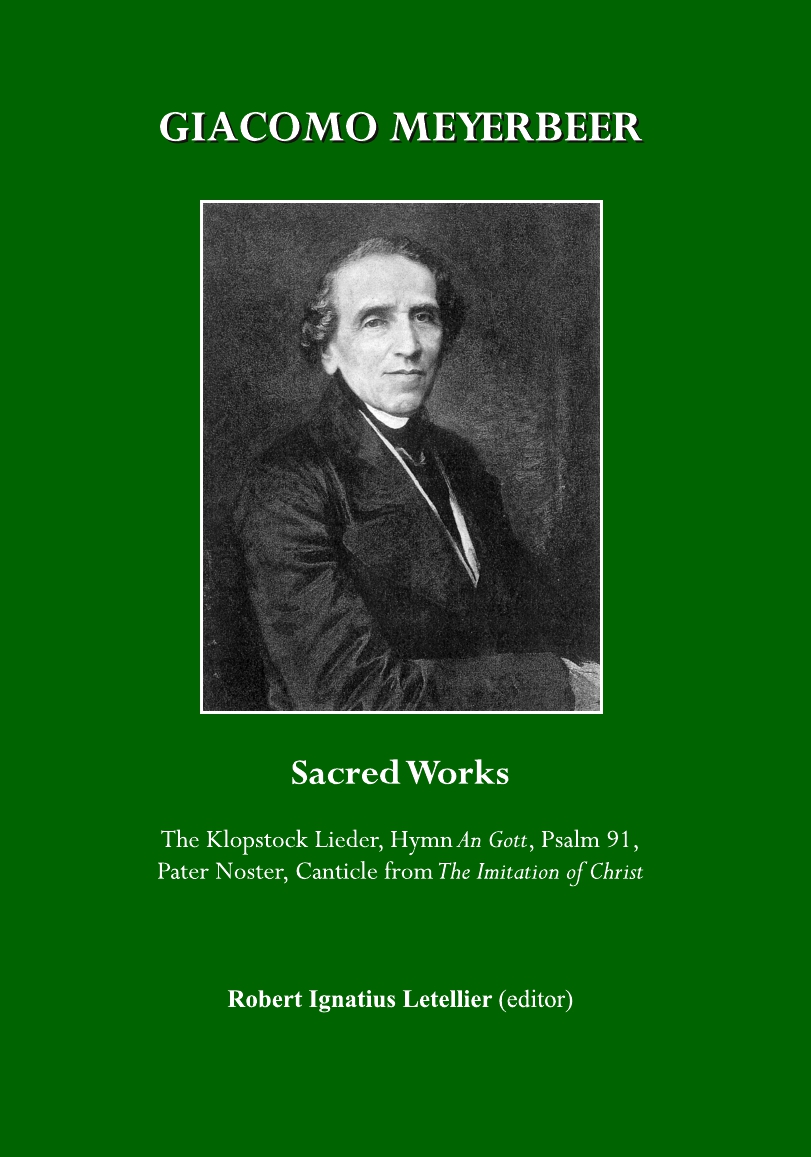
Giacomo Meyerbeer
Sacred Works
Giacomo Meyerbeer is famed for opera, but he also wrote a body of carefully crafted religious works throughout his life. These pieces, from youthful songs to monumental psalms, reveal the depth of his religious convictions and ecumenical openness.
Giacomo Meyerbeer is famed for opera, but he also wrote a body of carefully crafted religious works throughout his life. These pieces, from youthful songs to monumental psalms, reveal the depth of his religious convictions and ecumenical openness.
View more
This product has multiple variants. The options may be chosen on the product page
View more
This product has multiple variants. The options may be chosen on the product page
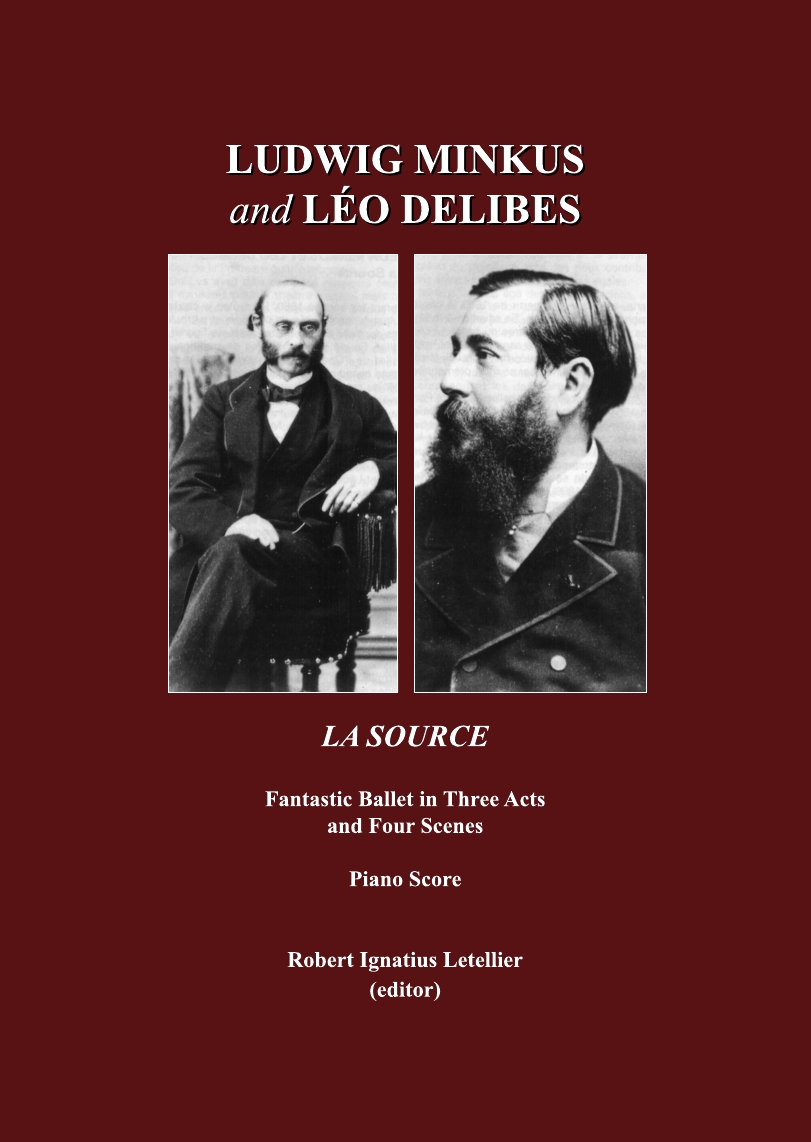
Ludwig Minkus and Léo Delibes
La Source; Fantastic Ballet in Three Acts and Four Scenes, by Charles Nuitter and Arthur Saint-Léon
This volume reproduces the piano score of the ballet La Source, a joint composition by Ludwig Minkus and Léo Delibes. Delibes’s vigorous score, his first for ballet, contrasted effectively with the melancholic, graceful melodies of Minkus.
This volume reproduces the piano score of the ballet La Source, a joint composition by Ludwig Minkus and Léo Delibes. Delibes’s vigorous score, his first for ballet, contrasted effectively with the melancholic, graceful melodies of Minkus.
View more
This product has multiple variants. The options may be chosen on the product page
View more
This product has multiple variants. The options may be chosen on the product page
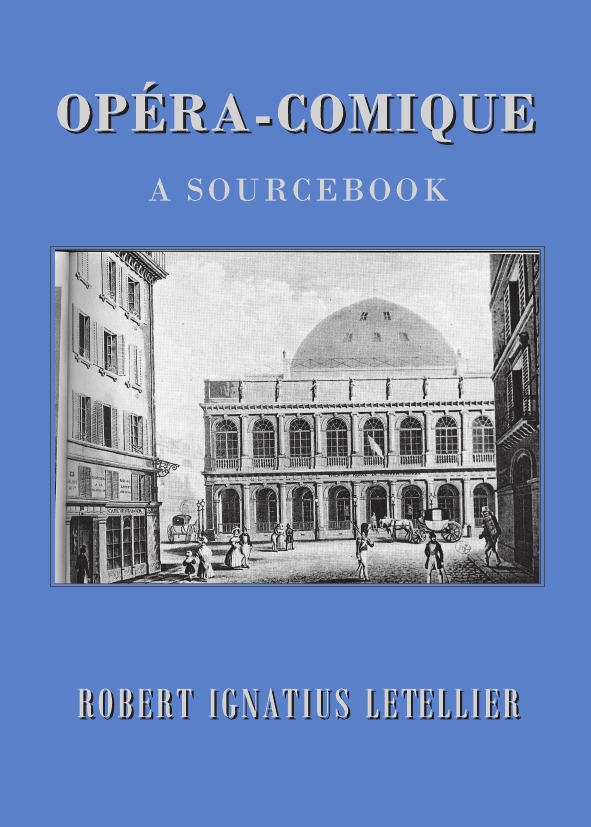
Opéra-Comique
A Sourcebook
Opéra-comique, a French genre not always comic in nature—the most famous example, Bizet’s Carmen, is a tragedy—reflected the cultural life of France. This sourcebook details its forgotten composers and operas, providing a way into a changing age.
Opéra-comique, a French genre not always comic in nature—the most famous example, Bizet’s Carmen, is a tragedy—reflected the cultural life of France. This sourcebook details its forgotten composers and operas, providing a way into a changing age.
View more
This product has multiple variants. The options may be chosen on the product page
View more
This product has multiple variants. The options may be chosen on the product page
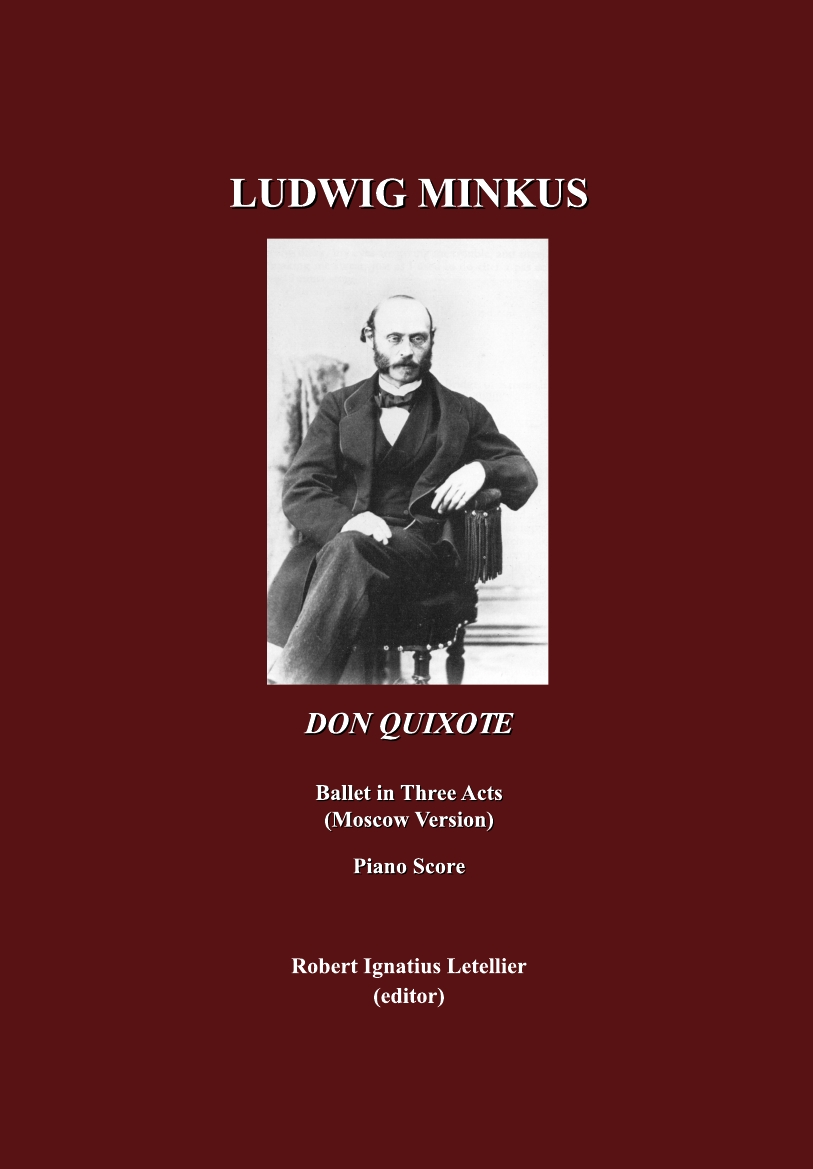
Ludwig Minkus, Don Quixote
Ballet in Three Acts, Six Scenes and a Prologue by Marius Petipa; revised by Alexander Gorsky and Rostislav Zakharov (the Moscow Version)
Minkus & Petipa’s Don Quixote is one of the most enduring creations of 19th-century Russian ballet. Based on Cervantes’s novel, it tells the love story of Kitri and Basilio with musical buoyancy and melodic verve that have made it a global favorite.
Minkus & Petipa’s Don Quixote is one of the most enduring creations of 19th-century Russian ballet. Based on Cervantes’s novel, it tells the love story of Kitri and Basilio with musical buoyancy and melodic verve that have made it a global favorite.
View more
This product has multiple variants. The options may be chosen on the product page
View more
This product has multiple variants. The options may be chosen on the product page
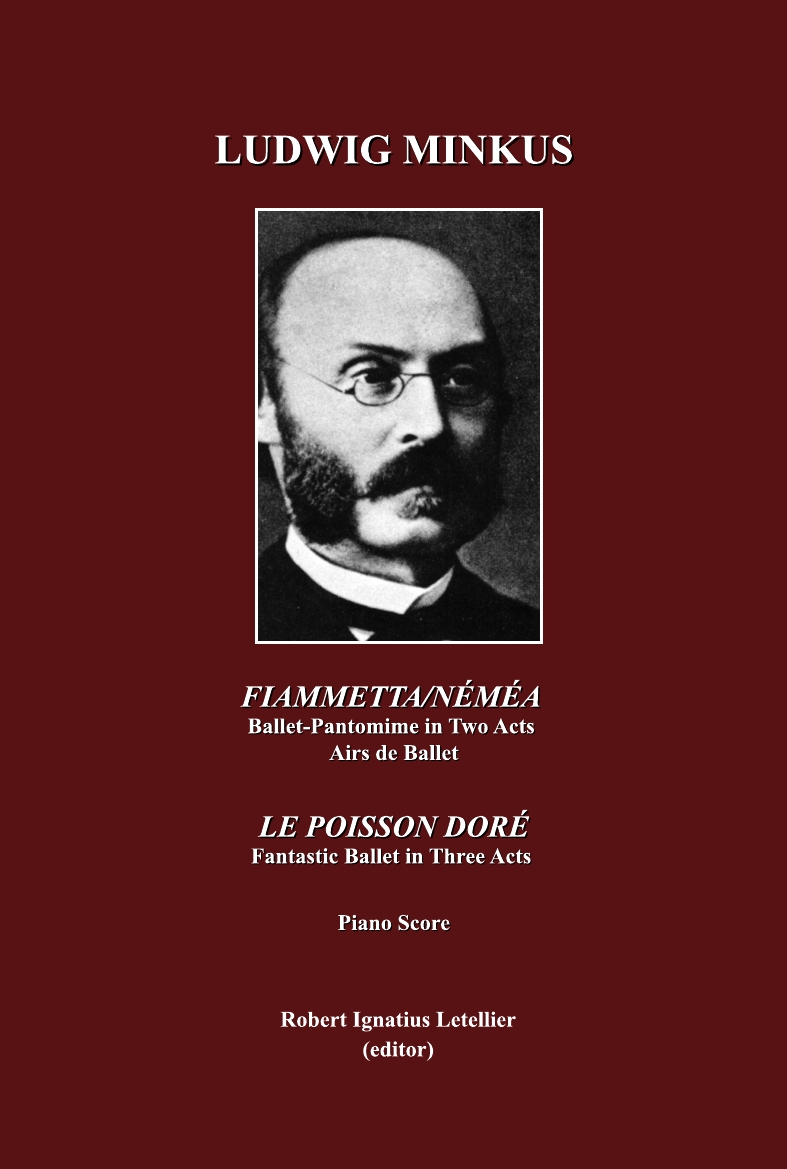
Ludwig Minkus; Fiammetta/Néméa
Ballet-Pantomime in Two Acts, by Arthur Saint-Léon; Airs de ballet, Le Poisson doré
Aloysius Ludwig Minkus, famous for his ballets Don Quixote and La Bayadère, launched his career through a collaboration with the great choreographer Arthur Saint-Léon. Together they produced works in St Petersburg and Paris, including Néméa and The Golden Fish.
Aloysius Ludwig Minkus, famous for his ballets Don Quixote and La Bayadère, launched his career through a collaboration with the great choreographer Arthur Saint-Léon. Together they produced works in St Petersburg and Paris, including Néméa and The Golden Fish.
View more
This product has multiple variants. The options may be chosen on the product page
View more
This product has multiple variants. The options may be chosen on the product page
£49.99
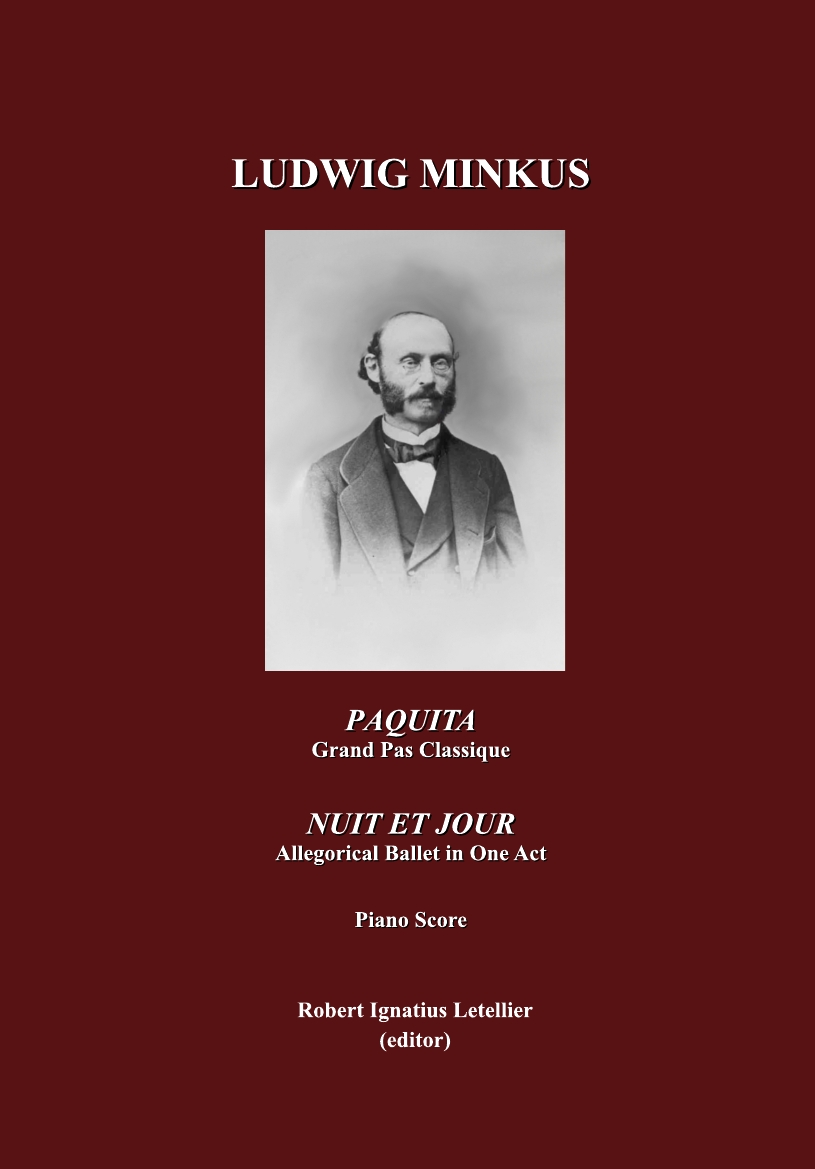
This volume presents two ballets by Ludwig Minkus, composed at the peak of his powers with choreographer Marius Petipa. It includes the beloved Grand Pas from Paquita, a jewel of the classical repertoire, and the allegorical work, Nuit et Jour.
This volume presents two ballets by Ludwig Minkus, composed at the peak of his powers with choreographer Marius Petipa. It includes the beloved Grand Pas from Paquita, a jewel of the classical repertoire, and the allegorical work, Nuit et Jour.
View more
This product has multiple variants. The options may be chosen on the product page
Processing Your Order
Please wait while we securely process your order.
Do not refresh or leave this page.
You will be redirected shortly to a confirmation page with your order number.