
View more
This product has multiple variants. The options may be chosen on the product page
Giacomo Meyerbeer
Music by Royal Command
This collection reveals unknown non-operatic works by the great operatic master Meyerbeer. From a substantial cantata to celebratory marches and brief choruses, these manuscript scores were all written ‘by Royal Command’ for German Royal families.
This collection reveals unknown non-operatic works by the great operatic master Meyerbeer. From a substantial cantata to celebratory marches and brief choruses, these manuscript scores were all written ‘by Royal Command’ for German Royal families.
View more
This product has multiple variants. The options may be chosen on the product page
View more
This product has multiple variants. The options may be chosen on the product page
Giacomo Meyerbeer
Jephtas Gelübde (Jephtha's Vow) - Orchestral Score
Though Meyerbeer's first opera, Jephtas Gelübde (1812), failed at its premiere, this score contains the seeds of his future greatness. It reveals his famed orchestral virtuosity and psychological exploration, pointing beyond Gluck toward Weber-Wagner.
Though Meyerbeer’s first opera, Jephtas Gelübde (1812), failed at its premiere, this score contains the seeds of his future greatness. It reveals his famed orchestral virtuosity and psychological exploration, pointing beyond Gluck toward Weber-Wagner.
View more
This product has multiple variants. The options may be chosen on the product page

View more
This product has multiple variants. The options may be chosen on the product page
Giacomo Meyerbeer
L'Africaine Deuxième Partie (22 morceaux et fragments inédits)
This volume presents the pieces of music—from fragments to whole scenes—not used in the final performing edition of Meyerbeer’s L’Africaine. These unused variants remain a crucial source for the history and future of this great opera.
This volume presents the pieces of music—from fragments to whole scenes—not used in the final performing edition of Meyerbeer’s L’Africaine. These unused variants remain a crucial source for the history and future of this great opera.
View more
This product has multiple variants. The options may be chosen on the product page
View more
This product has multiple variants. The options may be chosen on the product page
Giacomo Meyerbeer
'Alimelek, oder Die beiden Kalifen'
Meyerbeer’s opera Wirt und Gast is based on an Arabian Nights tale. Championed by Weber for its delicate instrumentation, it shows astonishing maturity for a composer of twenty-one, using recurrent themes to present the plot’s conflict before Wagner.
Meyerbeer’s opera Wirt und Gast is based on an Arabian Nights tale. Championed by Weber for its delicate instrumentation, it shows astonishing maturity for a composer of twenty-one, using recurrent themes to present the plot’s conflict before Wagner.
View more
This product has multiple variants. The options may be chosen on the product page
View more
This product has multiple variants. The options may be chosen on the product page
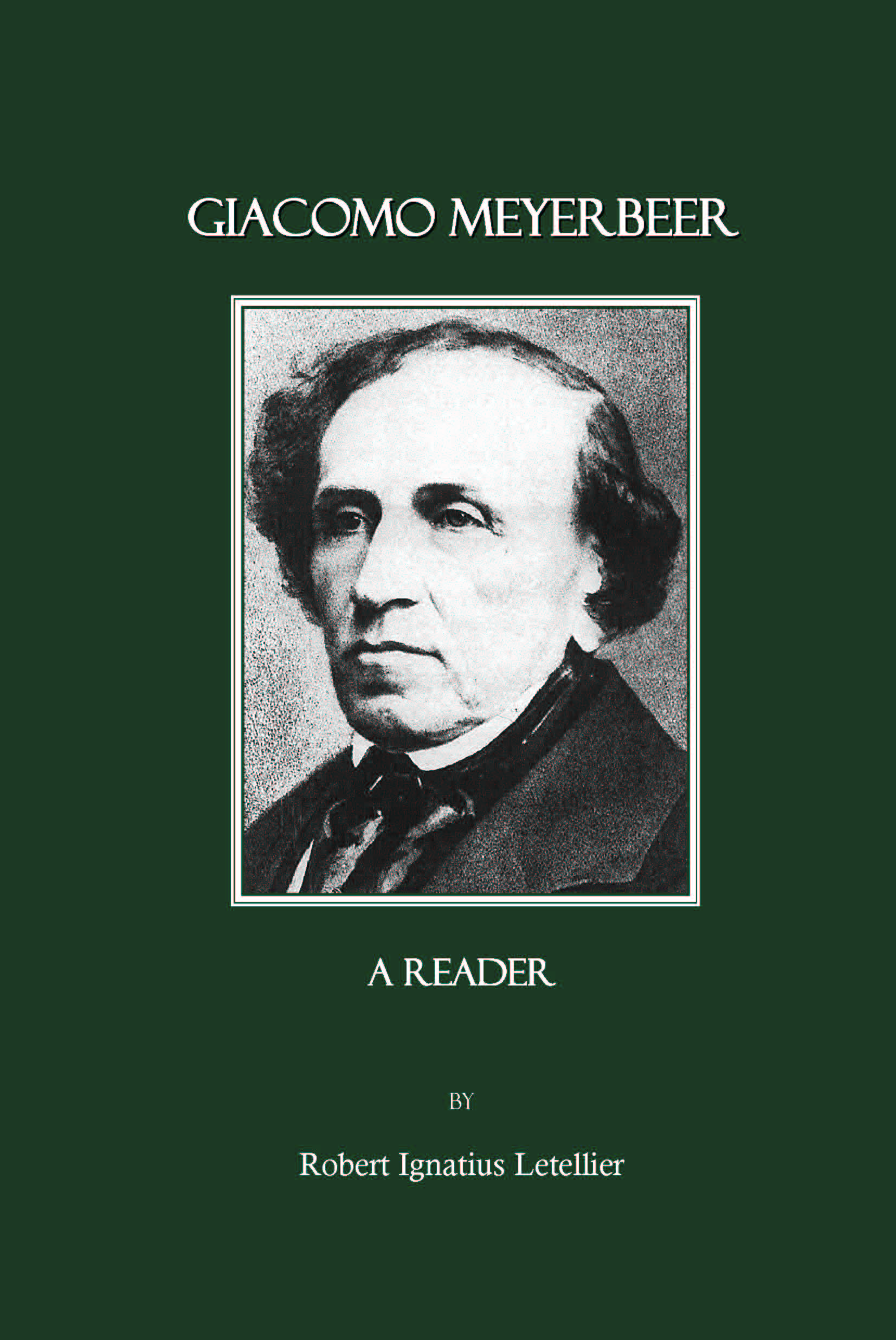
Giacomo Meyerbeer
A Reader
Giacomo Meyerbeer remains an enigma. Once one of the most famous of all composers, his reputation declined amidst growing hostility. This Reader reflects his immense fame, the dismissal he faced, and the recent rediscovery and re-evaluation of his art.
Giacomo Meyerbeer remains an enigma. Once one of the most famous of all composers, his reputation declined amidst growing hostility. This Reader reflects his immense fame, the dismissal he faced, and the recent rediscovery and re-evaluation of his art.
View more
This product has multiple variants. The options may be chosen on the product page
View more
This product has multiple variants. The options may be chosen on the product page
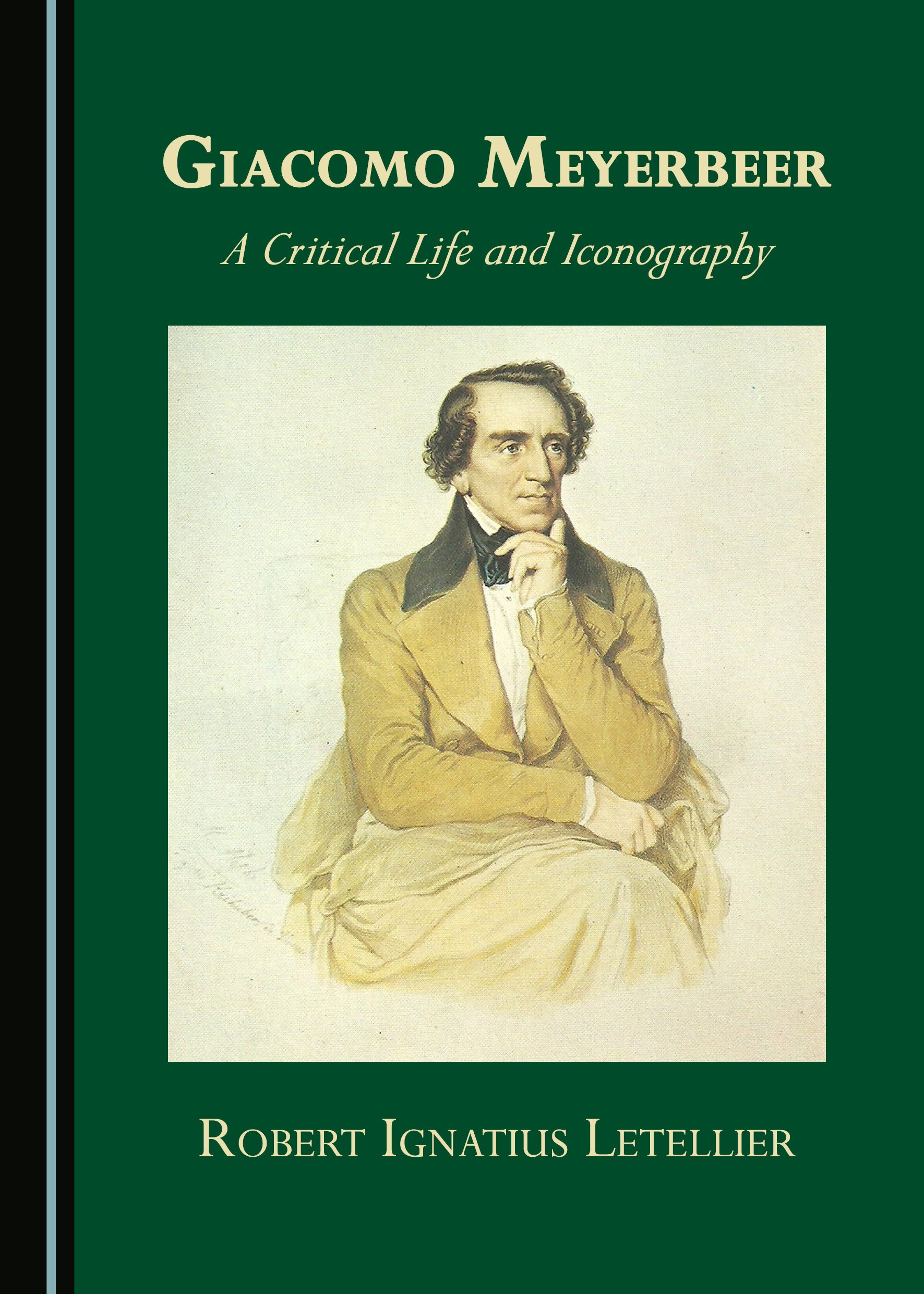
Giacomo Meyerbeer
A Critical Life and Iconography
Once a titan of opera, Giacomo Meyerbeer's legacy was all but erased. Based on newly recovered private papers, this definitive biography reveals the man behind the myth, charting his downfall and modern rediscovery.
Once a titan of opera, Giacomo Meyerbeer’s legacy was all but erased. Based on newly recovered private papers, this definitive biography reveals the man behind the myth, charting his downfall and modern rediscovery.
View more
This product has multiple variants. The options may be chosen on the product page
View more
This product has multiple variants. The options may be chosen on the product page
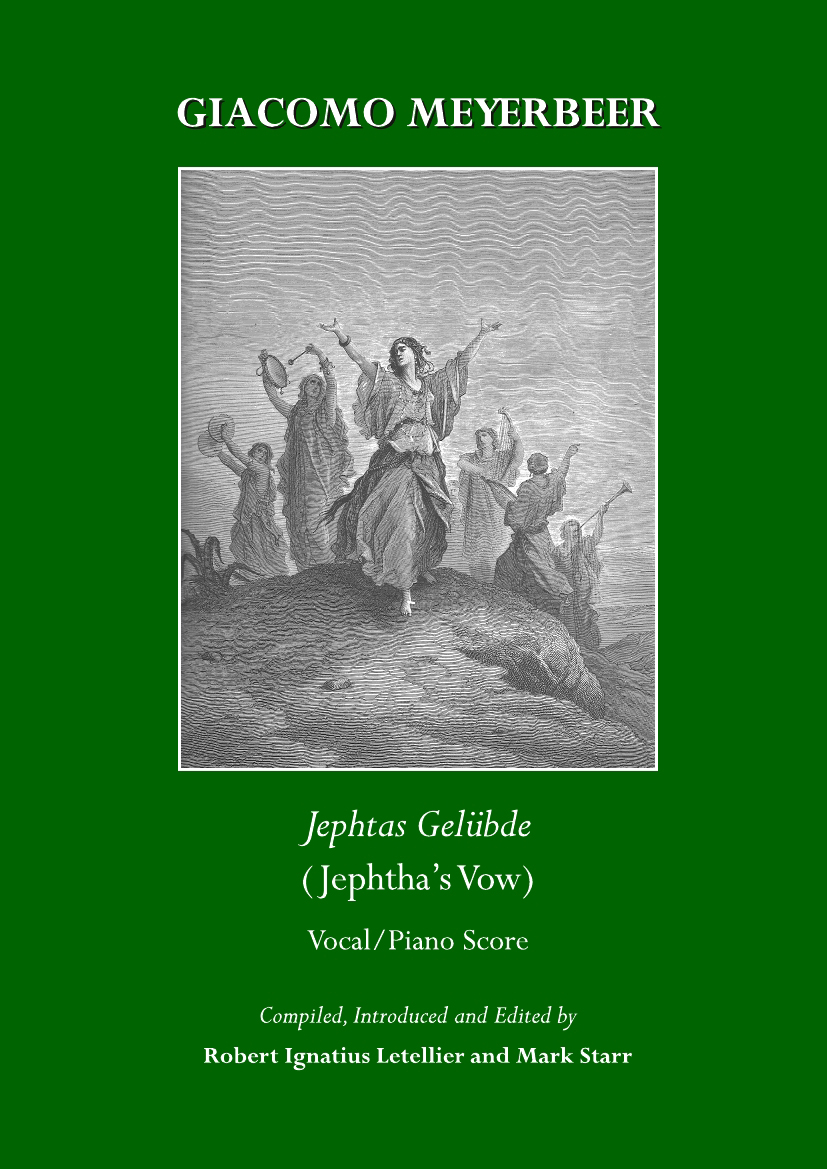
Giacomo Meyerbeer
Jephtas Gelübde (Jephtha's Vow) – Vocal/Piano Score
Meyerbeer’s first opera, Jephtas Gelübde, transforms the Biblical tale of a tragic vow into a rescue opera. Containing the seeds of his future genius, the music points towards Weber and Wagner, realizing a powerful story of love and duty.
Meyerbeer’s first opera, Jephtas Gelübde, transforms the Biblical tale of a tragic vow into a rescue opera. Containing the seeds of his future genius, the music points towards Weber and Wagner, realizing a powerful story of love and duty.
View more
This product has multiple variants. The options may be chosen on the product page
View more
This product has multiple variants. The options may be chosen on the product page
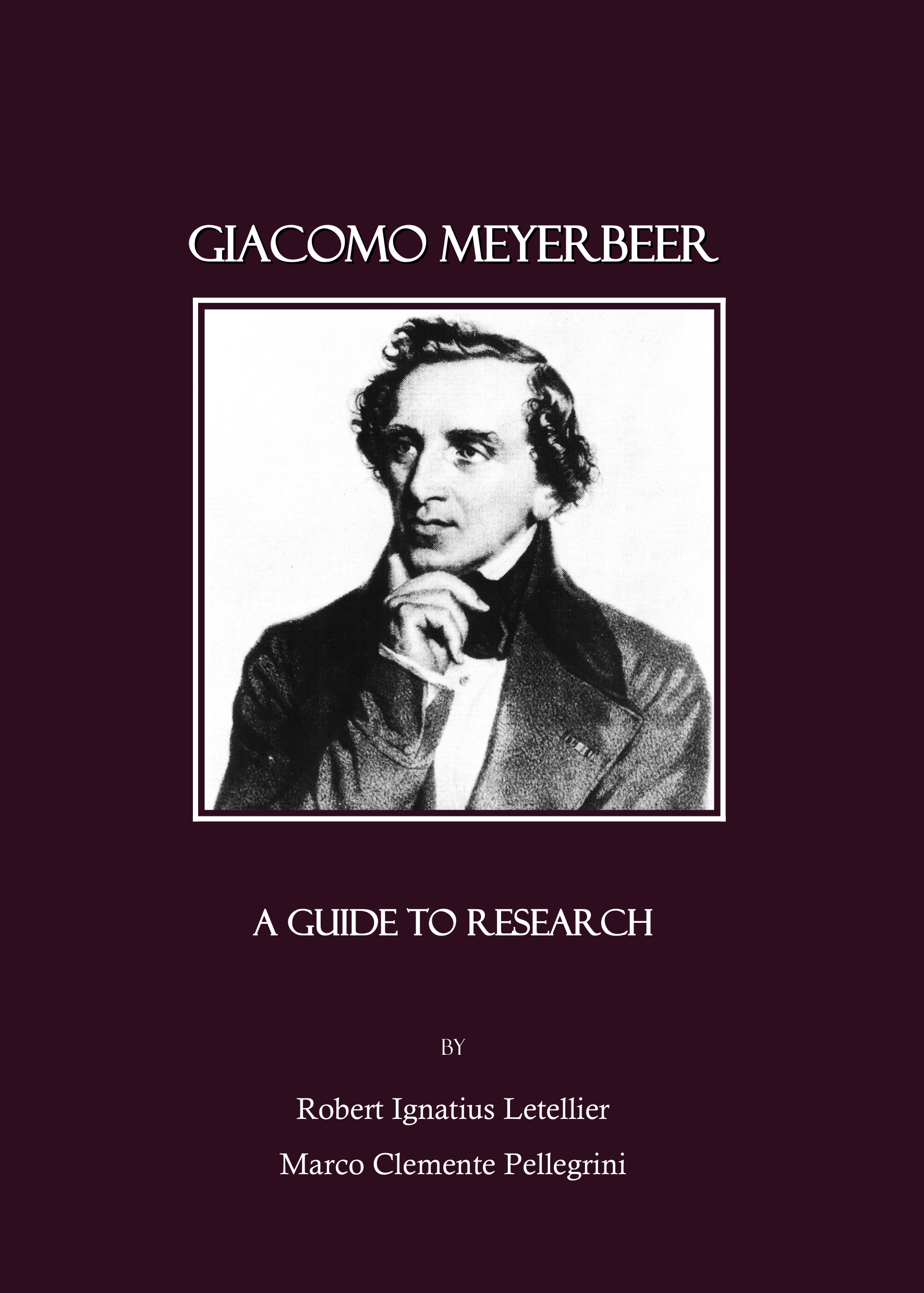
Giacomo Meyerbeer
A Guide to Research
The result of years of research, this guide is an essential bibliographical aid for Giacomo Meyerbeer. It presents his papers, music, and correspondence alongside resources on his life, contemporaries, and historical context, from scores to modern recordings.
The result of years of research, this guide is an essential bibliographical aid for Giacomo Meyerbeer. It presents his papers, music, and correspondence alongside resources on his life, contemporaries, and historical context, from scores to modern recordings.
View more
This product has multiple variants. The options may be chosen on the product page
View more
This product has multiple variants. The options may be chosen on the product page
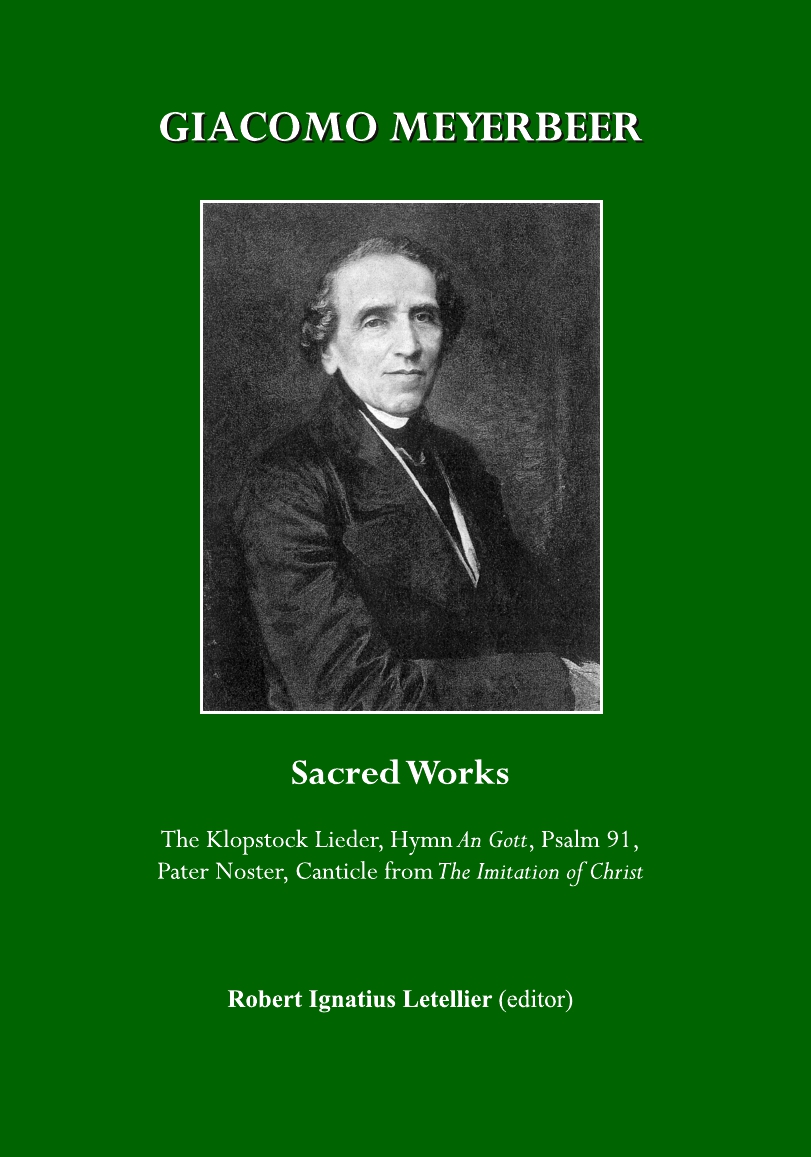
Giacomo Meyerbeer
Sacred Works
Giacomo Meyerbeer is famed for opera, but he also wrote a body of carefully crafted religious works throughout his life. These pieces, from youthful songs to monumental psalms, reveal the depth of his religious convictions and ecumenical openness.
Giacomo Meyerbeer is famed for opera, but he also wrote a body of carefully crafted religious works throughout his life. These pieces, from youthful songs to monumental psalms, reveal the depth of his religious convictions and ecumenical openness.
View more
This product has multiple variants. The options may be chosen on the product page
View more
This product has multiple variants. The options may be chosen on the product page
Giacomo Meyerbeer
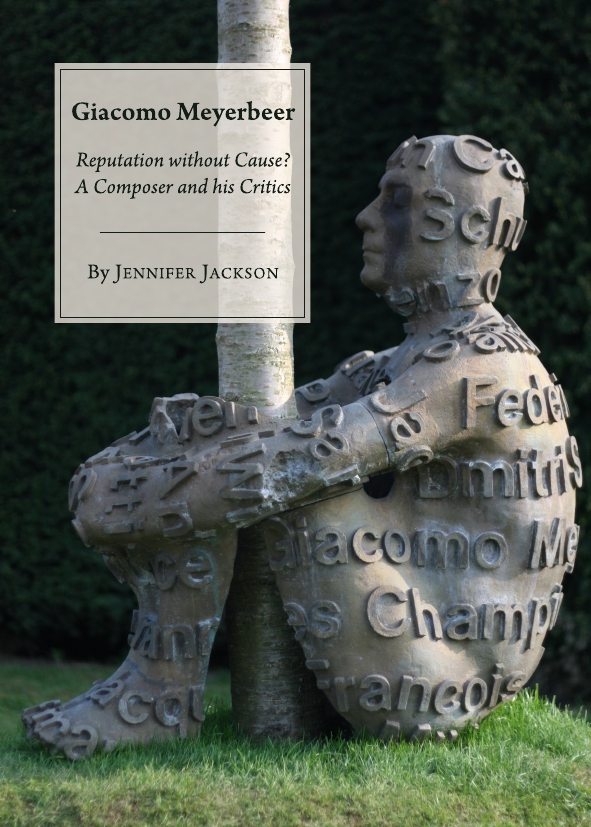
Reputation without Cause? A Composer and his Critics
Giacomo Meyerbeer was the most successful composer of grand operas in nineteenth-century Paris, yet today his operas have become stage rarities. This is the first broad evaluation of Meyerbeer in English, a study of his reputation's vicissitudes.
Giacomo Meyerbeer was the most successful composer of grand operas in nineteenth-century Paris, yet today his operas have become stage rarities. This is the first broad evaluation of Meyerbeer in English, a study of his reputation’s vicissitudes.
View more
This product has multiple variants. The options may be chosen on the product page
View more
This product has multiple variants. The options may be chosen on the product page
Giacomo Meyerbeer
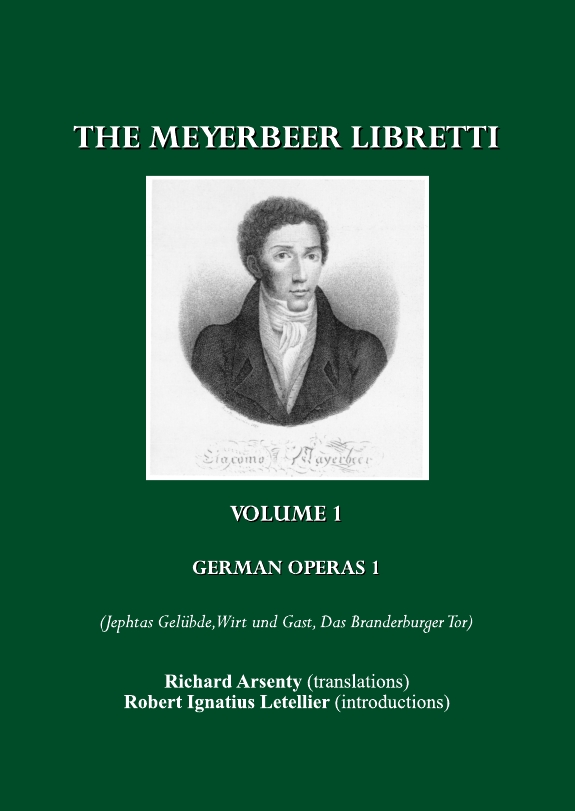
The Complete Libretti in Eleven Volumes (in the Original and in English Translations by Richard Arsenty with Introductions by Robert Ignatius Letellier)
This volume presents the libretto for Meyerbeer’s final grand opéra, L’Africaine. A fictional treatment of Vasco da Gama's voyage, it is a mixture of history and fairytale. In this edition, the original text and its English translation are on facing pages.
This volume presents the libretto for Meyerbeer’s final grand opéra, L’Africaine. A fictional treatment of Vasco da Gama’s voyage, it is a mixture of history and fairytale. In this edition, the original text and its English translation are on facing pages.
View more
This product has multiple variants. The options may be chosen on the product page
View more
This product has multiple variants. The options may be chosen on the product page
£44.99
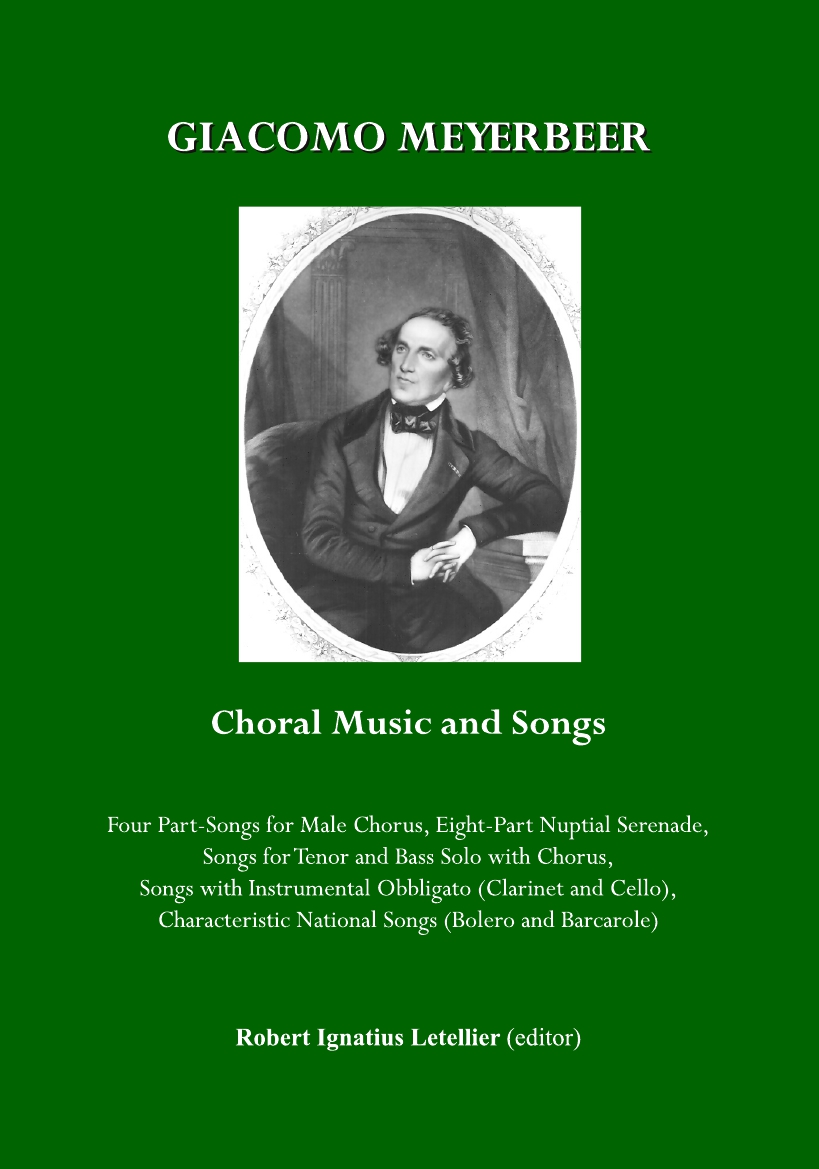
This volume of Meyerbeer’s non-operatic work is devoted to his secular choral writing for male voices, solo songs with chorus, and songs with instrumental obbligato and local colour. These include patriotic anthems, a tribute to Beethoven, and laments.
This volume of Meyerbeer’s non-operatic work is devoted to his secular choral writing for male voices, solo songs with chorus, and songs with instrumental obbligato and local colour. These include patriotic anthems, a tribute to Beethoven, and laments.
View more
This product has multiple variants. The options may be chosen on the product page
View more
This product has multiple variants. The options may be chosen on the product page
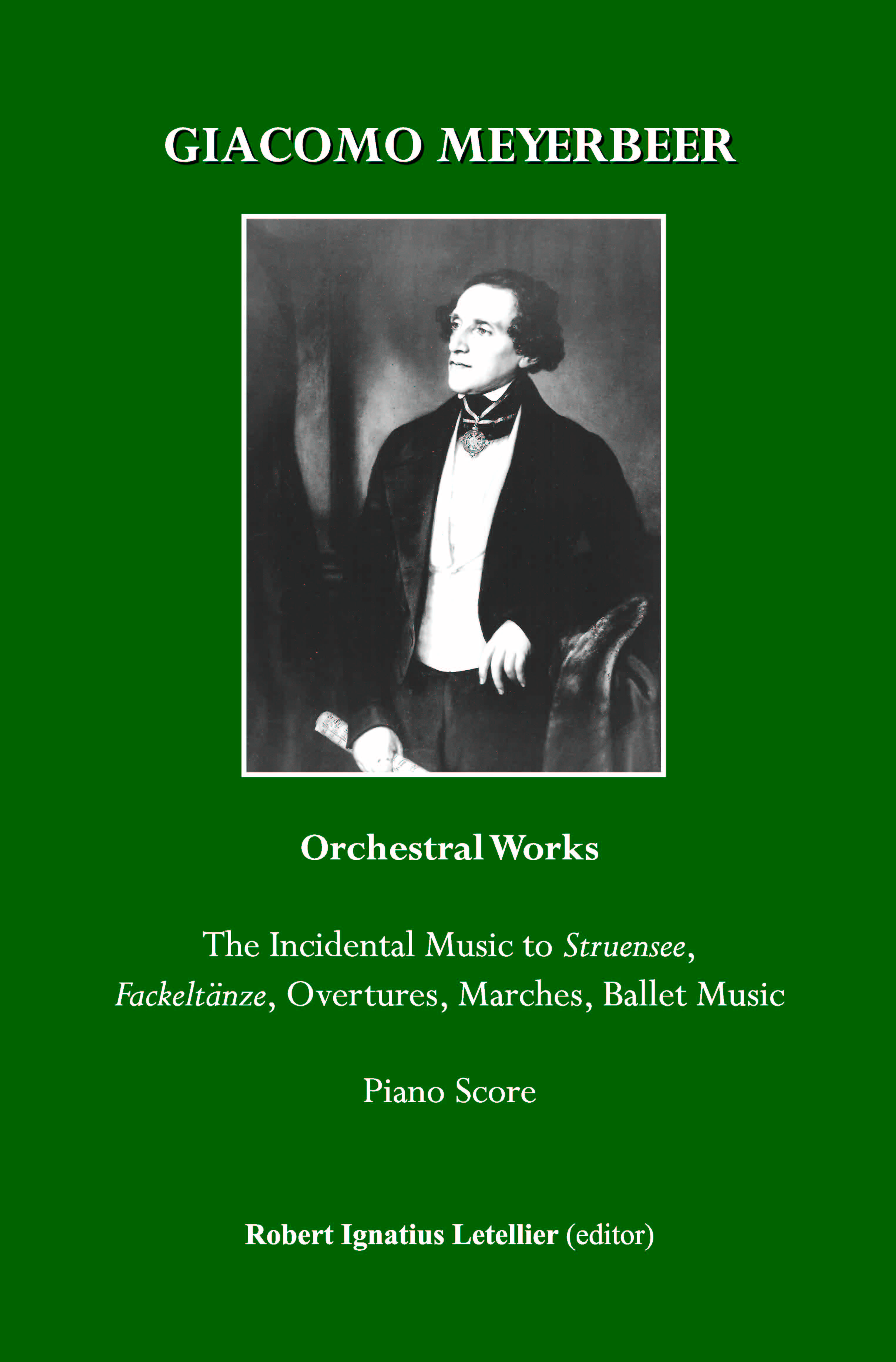
Giacomo Meyerbeer Orchestral Works
The Incidental Music to Struensee, Fackeltänze, Overtures,Marches, Ballet Music Piano Score
Giacomo Meyerbeer, a master of 19th-century opera, was renowned for impassioned drama and vivid orchestral power. This volume gathers his finest orchestral works, from famous opera ballets and marches to grand festive overtures waiting to be rediscovered.
Giacomo Meyerbeer, a master of 19th-century opera, was renowned for impassioned drama and vivid orchestral power. This volume gathers his finest orchestral works, from famous opera ballets and marches to grand festive overtures waiting to be rediscovered.
View more
This product has multiple variants. The options may be chosen on the product page
View more
This product has multiple variants. The options may be chosen on the product page
£24.99
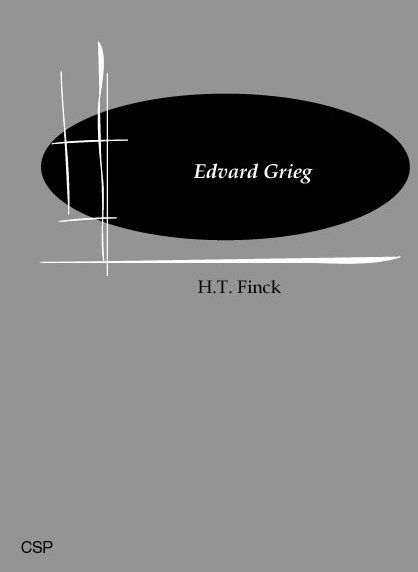
Among the earliest books on Edvard Grieg, and written while he was still alive, this volume is a thorough account of the man and his music. It explores his influences, from Ibsen to Norwegian folk music, making it indispensable for scholars and newcomers alike.
Among the earliest books on Edvard Grieg, and written while he was still alive, this volume is a thorough account of the man and his music. It explores his influences, from Ibsen to Norwegian folk music, making it indispensable for scholars and newcomers alike.
View more
This product has multiple variants. The options may be chosen on the product page
View more
This product has multiple variants. The options may be chosen on the product page
£19.99
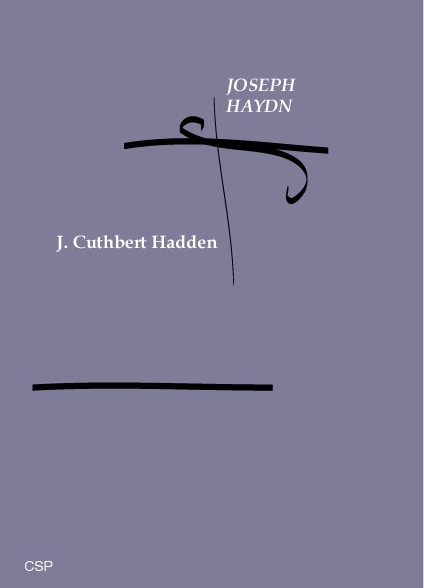
This accessible work traces Haydn's development as both a man and a composer. It details his compositions, social habits, humour, and piety, and includes a useful catalogue of his works, a selection of his letters, and his last will and testament.
This accessible work traces Haydn’s development as both a man and a composer. It details his compositions, social habits, humour, and piety, and includes a useful catalogue of his works, a selection of his letters, and his last will and testament.
View more
This product has multiple variants. The options may be chosen on the product page
View more
This product has multiple variants. The options may be chosen on the product page
Hindustani Traces in Malay Ghazal
'A song, so old and yet still famous'
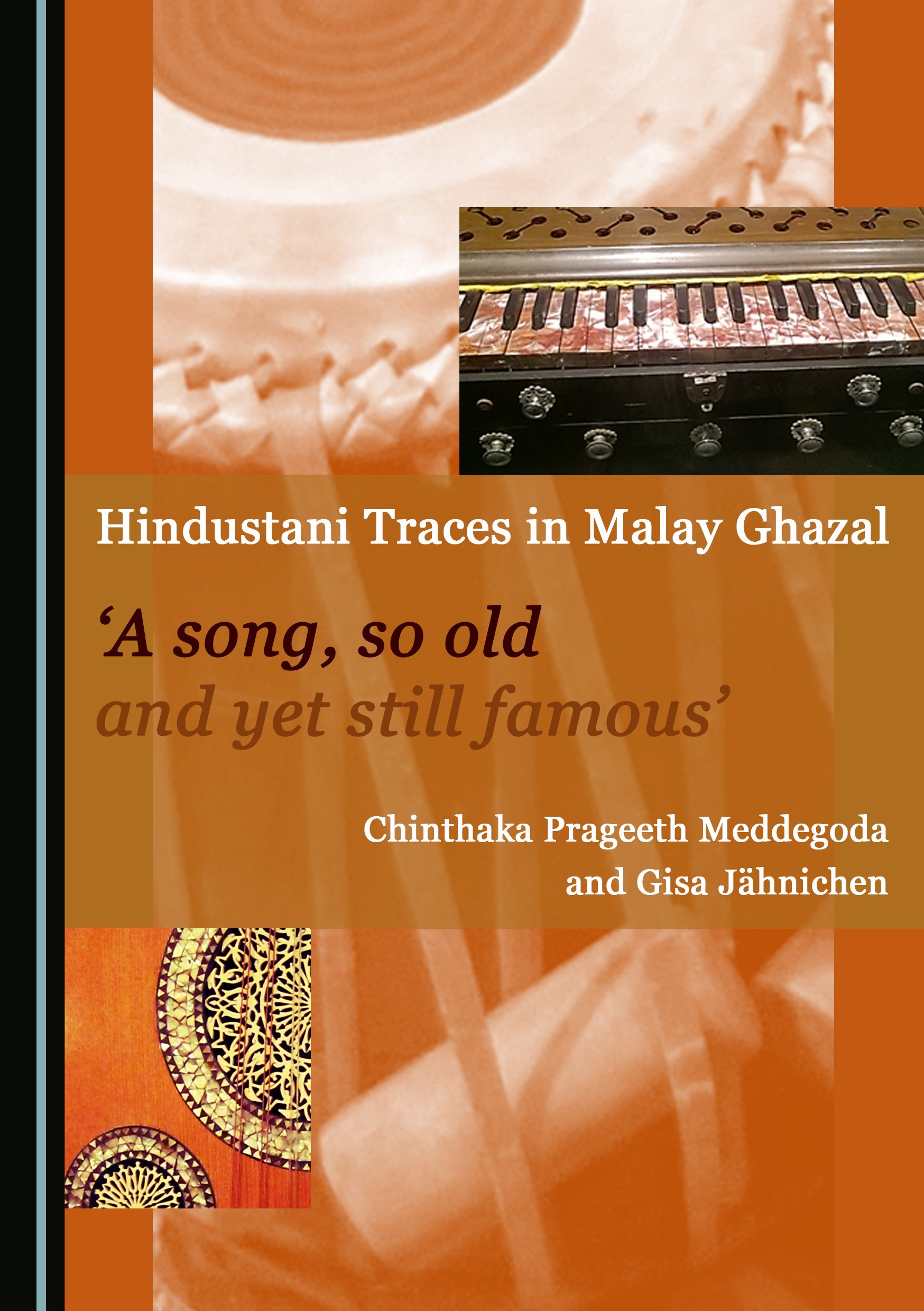
This monograph investigates the Malay ghazal, in its various shapes and with its different meanings, in order to study the musical traces of Hindustani culture. It describes the development of the ghazal, from its early forms to its modern transformation into local art.
This monograph investigates the Malay ghazal, in its various shapes and with its different meanings, in order to study the musical traces of Hindustani culture. It describes the development of the ghazal, from its early forms to its modern transformation into local art.
View more
This product has multiple variants. The options may be chosen on the product page
View more
This product has multiple variants. The options may be chosen on the product page
£61.99
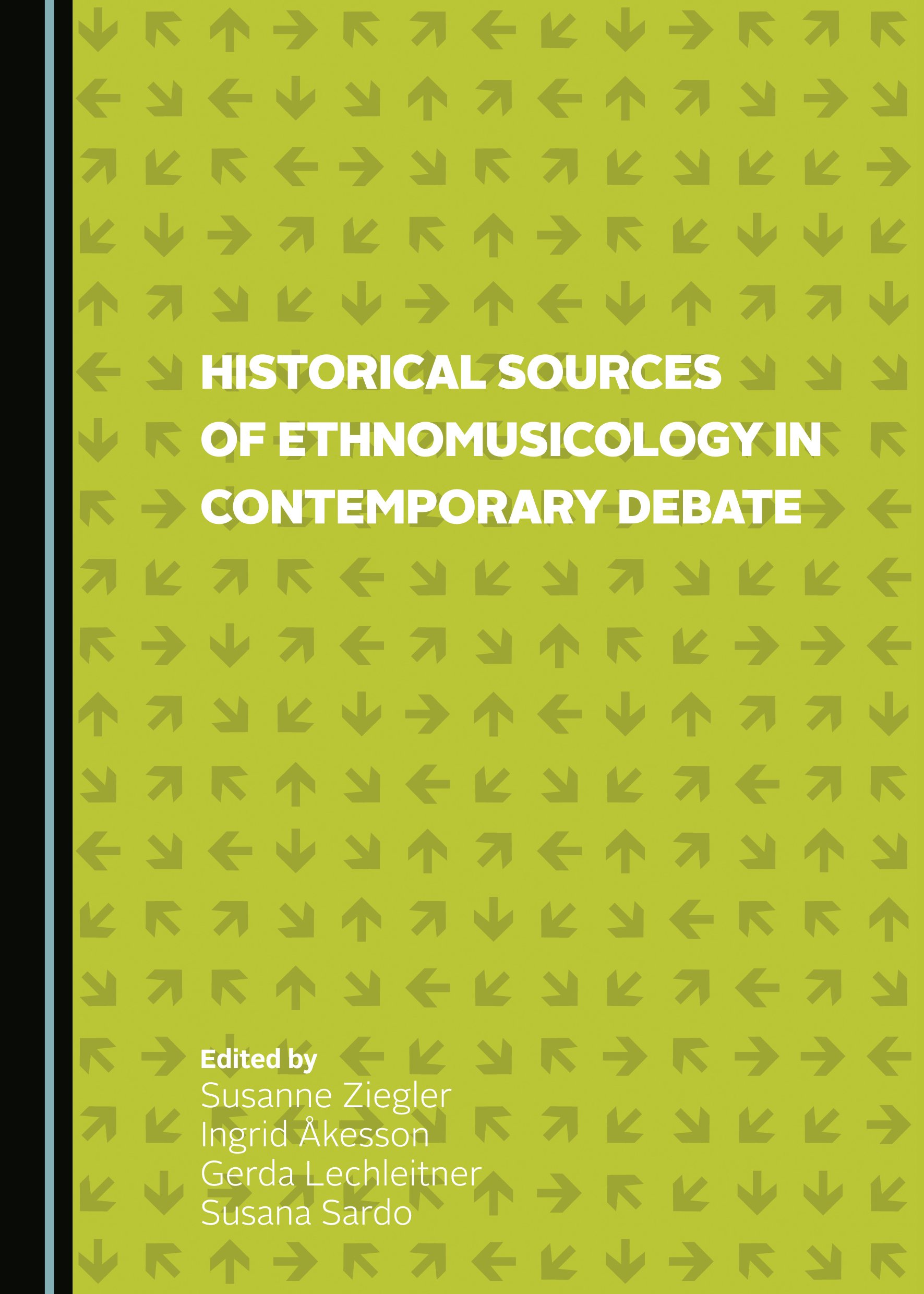
The concern of this anthology is the relationship between traditional music and archives as seen from historical and epistemological perspectives. The articles within focus on archives, individual and collective memory, and heritage as today’s recreation of the past.
The concern of this anthology is the relationship between traditional music and archives as seen from historical and epistemological perspectives. The articles within focus on archives, individual and collective memory, and heritage as today’s recreation of the past.
View more
This product has multiple variants. The options may be chosen on the product page
View more
This product has multiple variants. The options may be chosen on the product page
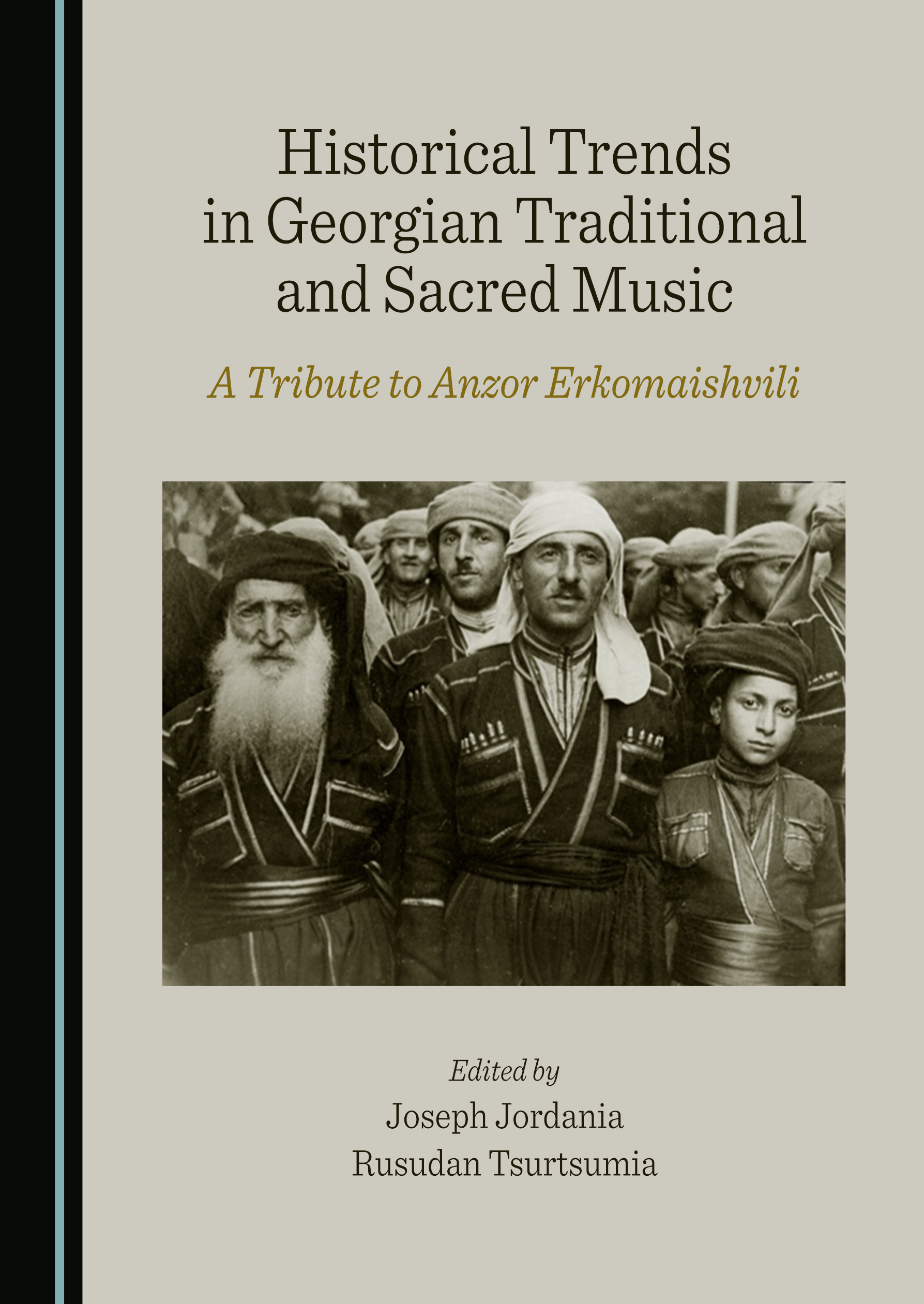
Historical Trends in Georgian Traditional and Sacred Music
A Tribute to Anzor Erkomaishvili
This review of Georgian ethnomusicology is a tribute to Anzor Erkomaishvili, a pivotal figure in traditional music. Amid the growing popularity of Georgian choral singing, this volume is essential for both ethnomusicologists and enthusiasts.
This review of Georgian ethnomusicology is a tribute to Anzor Erkomaishvili, a pivotal figure in traditional music. Amid the growing popularity of Georgian choral singing, this volume is essential for both ethnomusicologists and enthusiasts.
View more
This product has multiple variants. The options may be chosen on the product page
View more
This product has multiple variants. The options may be chosen on the product page
£69.99
This volume offers a cross section of current directions in music analysis. Music analysis is presented as a vibrant, multi-faceted field of research that constantly re-examines its own postulates while establishing dialogues with other disciplines.
This volume offers a cross section of current directions in music analysis. Music analysis is presented as a vibrant, multi-faceted field of research that constantly re-examines its own postulates while establishing dialogues with other disciplines.
View more
This product has multiple variants. The options may be chosen on the product page
View more
This product has multiple variants. The options may be chosen on the product page
Il Crociato in Egitto
Melodramma eroico in due atti
This book reproduces the vocal score of Meyerbeer’s opera Il Crociato in Egitto, a work standing between epochs. The antagonism between Crusaders and Egyptians is depicted as a confrontation between cultures, blending traditional virtuosity with modern dramaturgy.
This book reproduces the vocal score of Meyerbeer’s opera Il Crociato in Egitto, a work standing between epochs. The antagonism between Crusaders and Egyptians is depicted as a confrontation between cultures, blending traditional virtuosity with modern dramaturgy.
View more
This product has multiple variants. The options may be chosen on the product page
Processing Your Order
Please wait while we securely process your order.
Do not refresh or leave this page.
You will be redirected shortly to a confirmation page with your order number.