
View more
This product has multiple variants. The options may be chosen on the product page
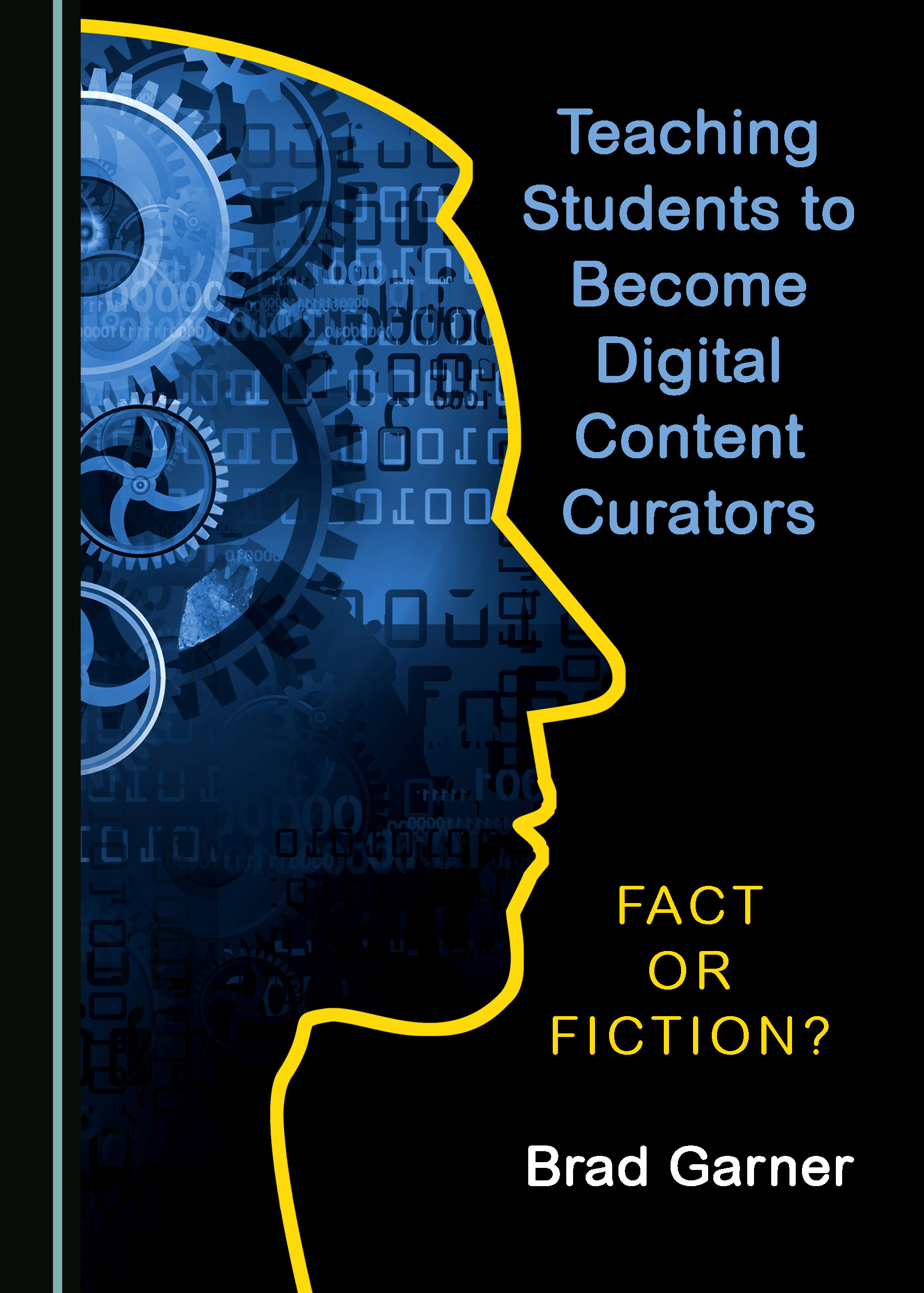
Teaching Students to Become Digital Content Curators
Fact or Fiction?
Today’s students are faced with a virtual tsunami of digital information, which means it is necessary to arm them with the skills of digital content curation. To avoid misinformation, this text outlines a process for examining, evaluating and synthesising digital content.
Today’s students are faced with a virtual tsunami of digital information, which means it is necessary to arm them with the skills of digital content curation. To avoid misinformation, this text outlines a process for examining, evaluating and synthesising digital content.
View more
This product has multiple variants. The options may be chosen on the product page
View more
This product has multiple variants. The options may be chosen on the product page
Teaching Students with Disabilities
Best Practices for Student Success
Written by leaders in the field, this book presents the most current best practices for teaching students with disabilities. It covers fundamental and innovative pedagogies, making it an excellent resource for special educators, administrators, counselors, and psychologists.
Written by leaders in the field, this book presents the most current best practices for teaching students with disabilities. It covers fundamental and innovative pedagogies, making it an excellent resource for special educators, administrators, counselors, and psychologists.
View more
This product has multiple variants. The options may be chosen on the product page
View more
This product has multiple variants. The options may be chosen on the product page
£34.99
This collection offers innovative strategies and practical advice for teaching eighteenth-century texts. Authors share a wealth of experience and best practices for engaging students with Western and non-Western literature from this important period.
This collection offers innovative strategies and practical advice for teaching eighteenth-century texts. Authors share a wealth of experience and best practices for engaging students with Western and non-Western literature from this important period.
View more
This product has multiple variants. The options may be chosen on the product page
View more
This product has multiple variants. The options may be chosen on the product page
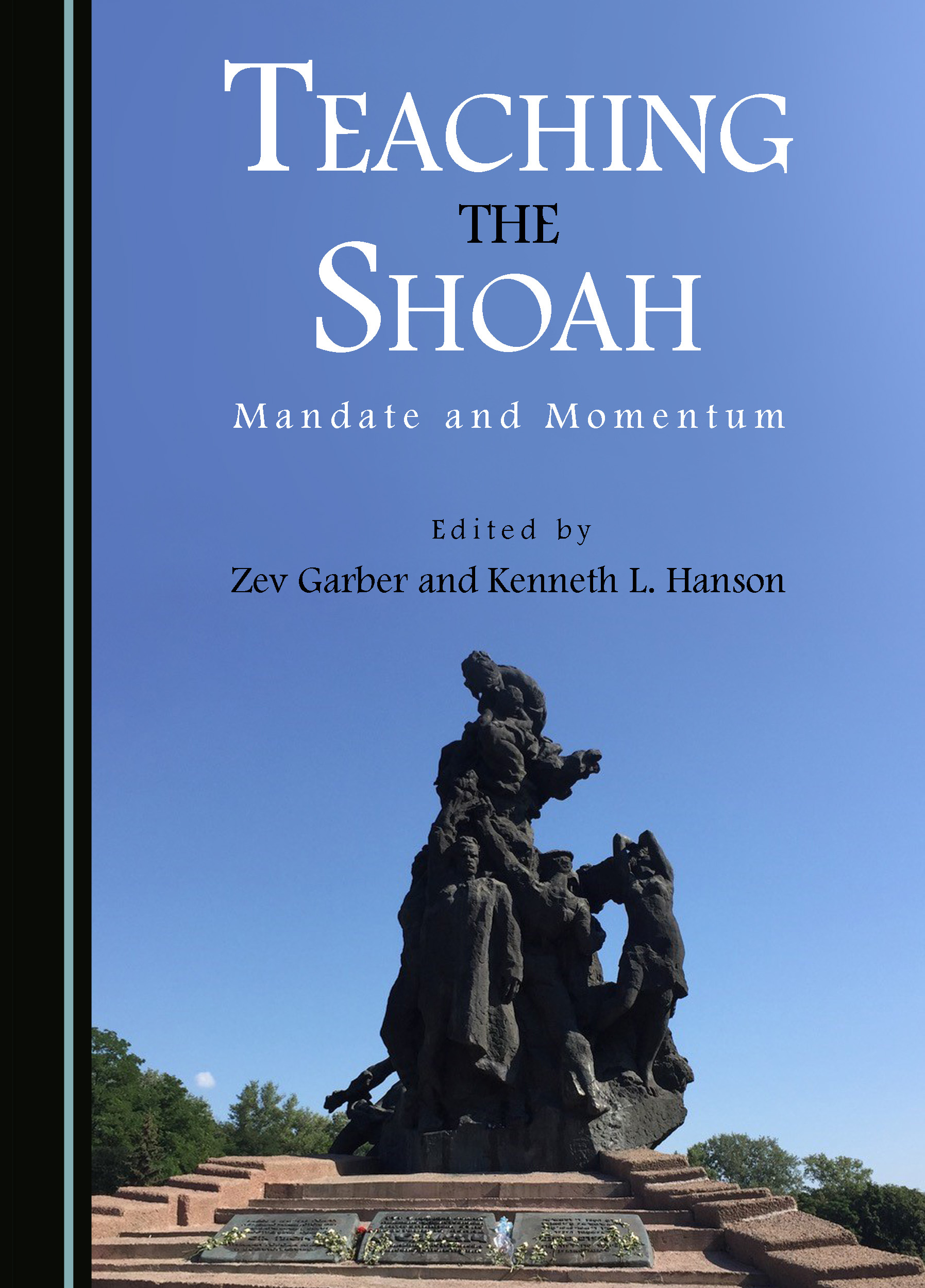
Teaching the Shoah
Mandate and Momentum
This collection of essays and creative pieces showcases new ways to teach the Nazi genocide. Featuring academic contributions, a play, and a short story, it addresses the overarching question: how can and should the Shoah be taught to share its most important lessons?
This collection of essays and creative pieces showcases new ways to teach the Nazi genocide. Featuring academic contributions, a play, and a short story, it addresses the overarching question: how can and should the Shoah be taught to share its most important lessons?
View more
This product has multiple variants. The options may be chosen on the product page

View more
This product has multiple variants. The options may be chosen on the product page
£39.99
This collection explores the classroom as a generative site for research in Transatlantic Studies. Moving beyond *what* to teach, it focuses on *why* and *how*, emphasizing the transformative potential of the field for students, scholars, and our profession.
This collection explores the classroom as a generative site for research in Transatlantic Studies. Moving beyond *what* to teach, it focuses on *why* and *how*, emphasizing the transformative potential of the field for students, scholars, and our profession.
View more
This product has multiple variants. The options may be chosen on the product page

View more
This product has multiple variants. The options may be chosen on the product page
£52.99
Providing research from scholars from Australia, New Zealand and South Africa, this collection of essays explores how the theological sector of education, drawing upon its scriptural heritage, can come to grips with the digital age.
Providing research from scholars from Australia, New Zealand and South Africa, this collection of essays explores how the theological sector of education, drawing upon its scriptural heritage, can come to grips with the digital age.
View more
This product has multiple variants. The options may be chosen on the product page
View more
This product has multiple variants. The options may be chosen on the product page
£47.99
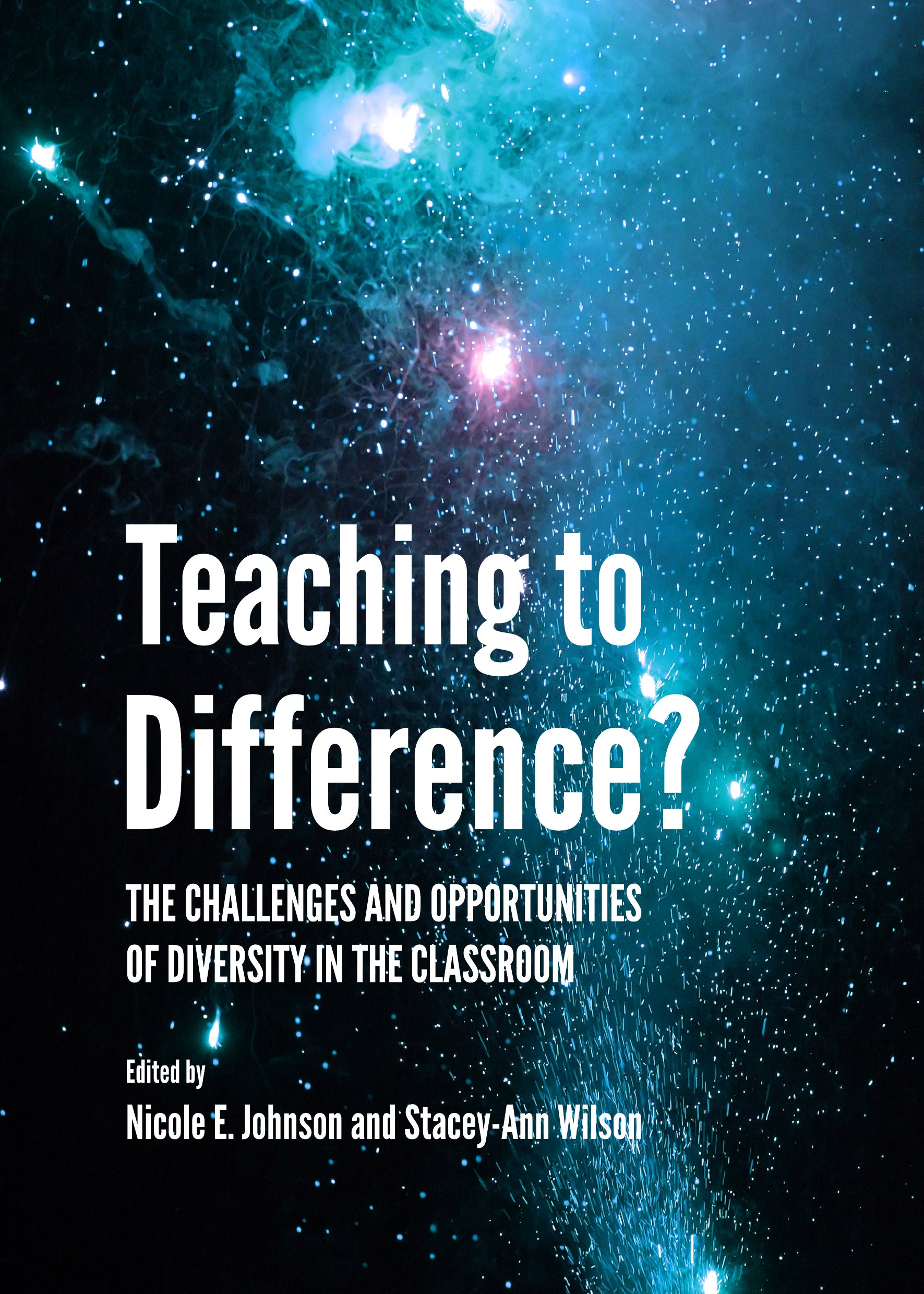
This volume offers a comparative perspective on the challenges and opportunities of diversity in the classroom. Through reflections from international educators, it explores the frustrations, triumphs, and successes of connecting with students across differences.
This volume offers a comparative perspective on the challenges and opportunities of diversity in the classroom. Through reflections from international educators, it explores the frustrations, triumphs, and successes of connecting with students across differences.
View more
This product has multiple variants. The options may be chosen on the product page
View more
This product has multiple variants. The options may be chosen on the product page
Teaching Translation
Theory, Practice and Technological Innovations
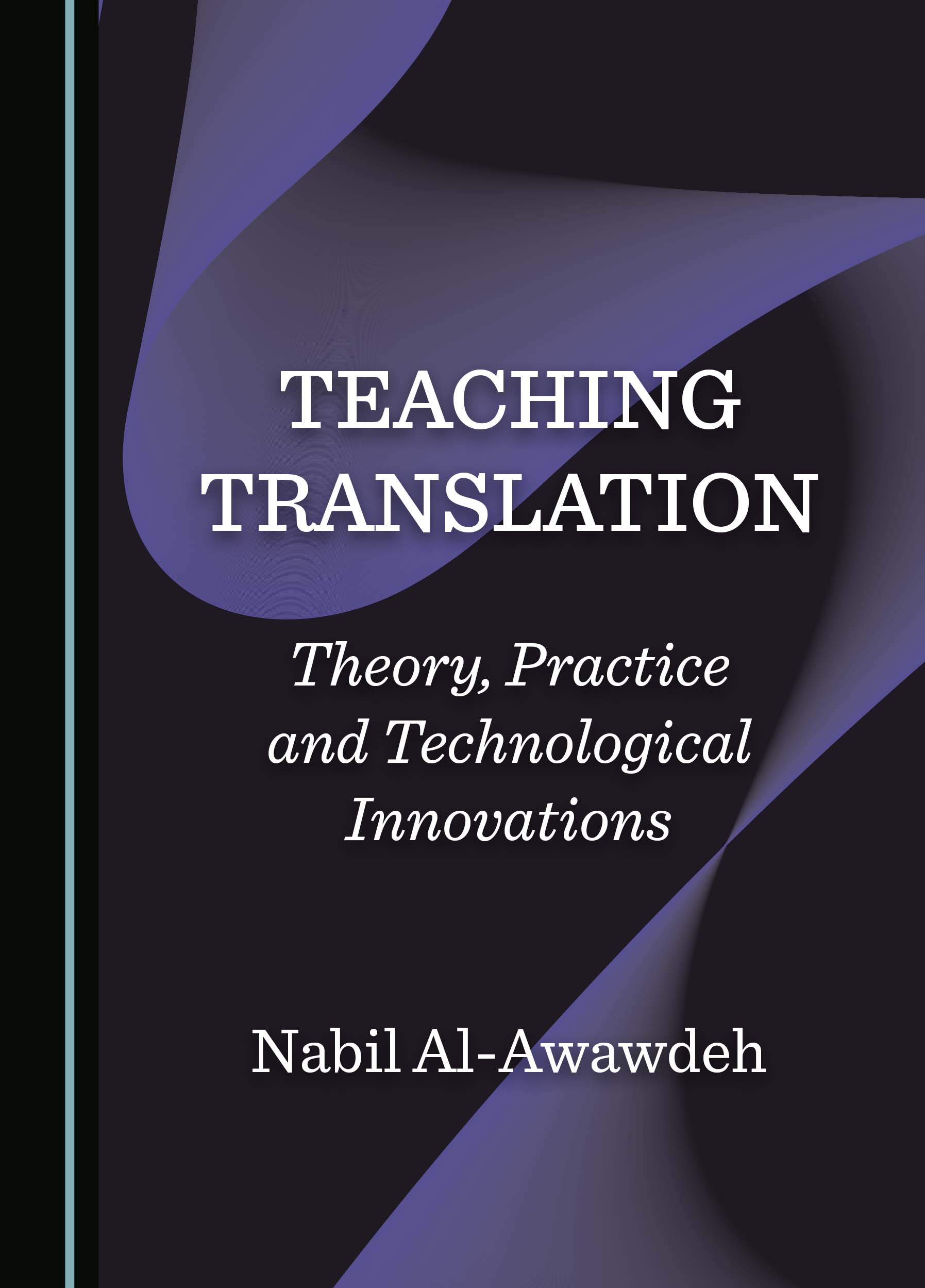
A strategic guide for teachers through the complexities of translation studies. This book champions a student-centric pedagogy, aligning methods with the field's evolving demands through technology, digital tools, and innovative methods like gamification and online learning.
A strategic guide for teachers through the complexities of translation studies. This book champions a student-centric pedagogy, aligning methods with the field’s evolving demands through technology, digital tools, and innovative methods like gamification and online learning.
View more
This product has multiple variants. The options may be chosen on the product page
View more
This product has multiple variants. The options may be chosen on the product page
Teaching Translation and Interpreting
Advances and Perspectives
With no strict regulations on who can become a translator, this volume explores a vital question: are translators taught or trained? Contributors examine what current teaching programmes are like and how they can be improved.
With no strict regulations on who can become a translator, this volume explores a vital question: are translators taught or trained? Contributors examine what current teaching programmes are like and how they can be improved.
View more
This product has multiple variants. The options may be chosen on the product page
View more
This product has multiple variants. The options may be chosen on the product page
Teaching Translation and Interpreting
Challenges and Practices
This book offers an up-to-date overview of current trends in teaching translation. The innovative articles will appeal to students, lecturers, researchers and professionals alike, offering universal conclusions that are applicable worldwide.
This book offers an up-to-date overview of current trends in teaching translation. The innovative articles will appeal to students, lecturers, researchers and professionals alike, offering universal conclusions that are applicable worldwide.
View more
This product has multiple variants. The options may be chosen on the product page
View more
This product has multiple variants. The options may be chosen on the product page
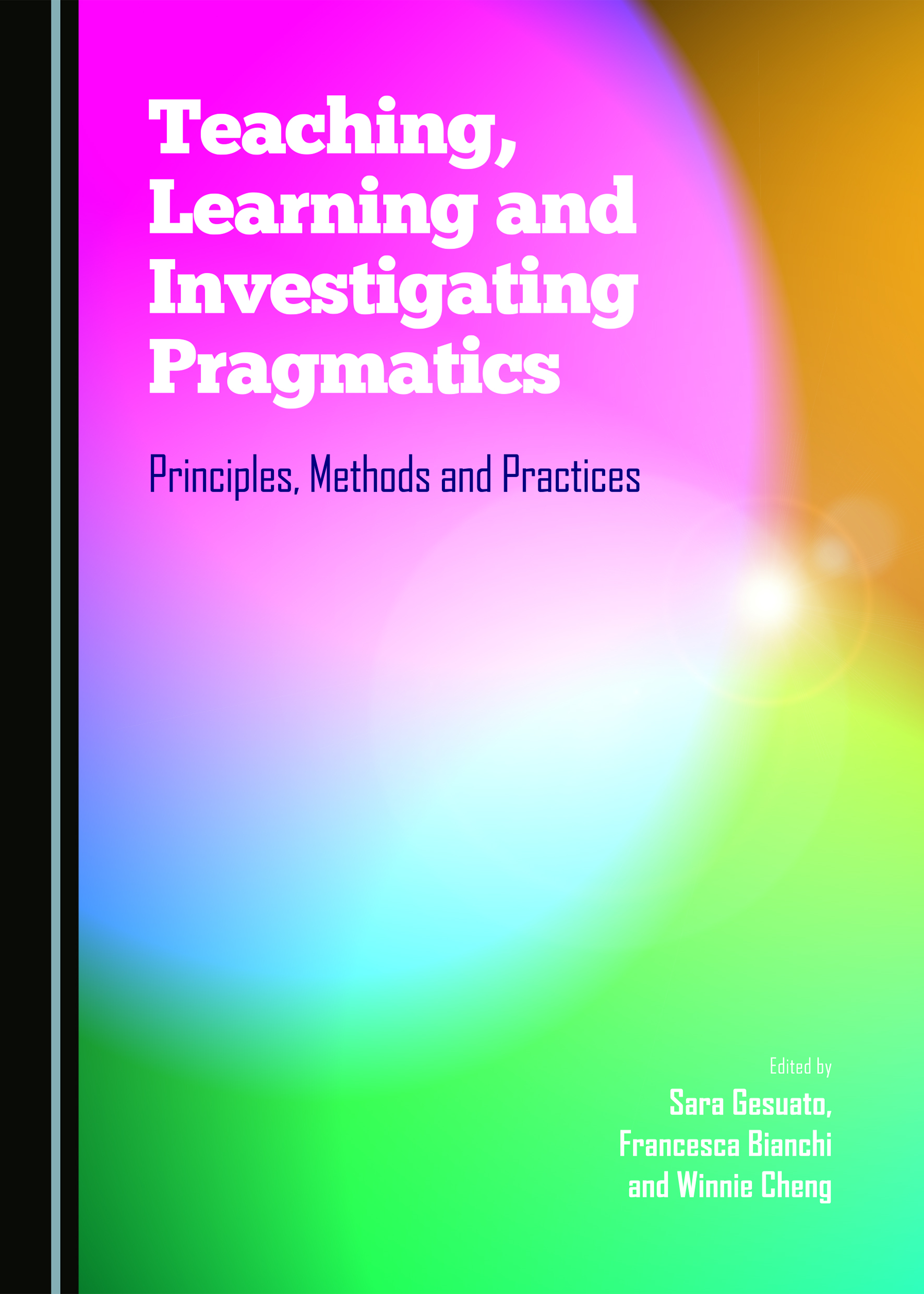
Teaching, Learning and Investigating Pragmatics
Principles, Methods and Practices
This collection of research investigates how to teach and assess pragmatic competence in second/foreign language education. Topics include speech acts, syllabus design, and instructional methods. For linguists, language teachers, and communication experts.
This collection of research investigates how to teach and assess pragmatic competence in second/foreign language education. Topics include speech acts, syllabus design, and instructional methods. For linguists, language teachers, and communication experts.
View more
This product has multiple variants. The options may be chosen on the product page
View more
This product has multiple variants. The options may be chosen on the product page
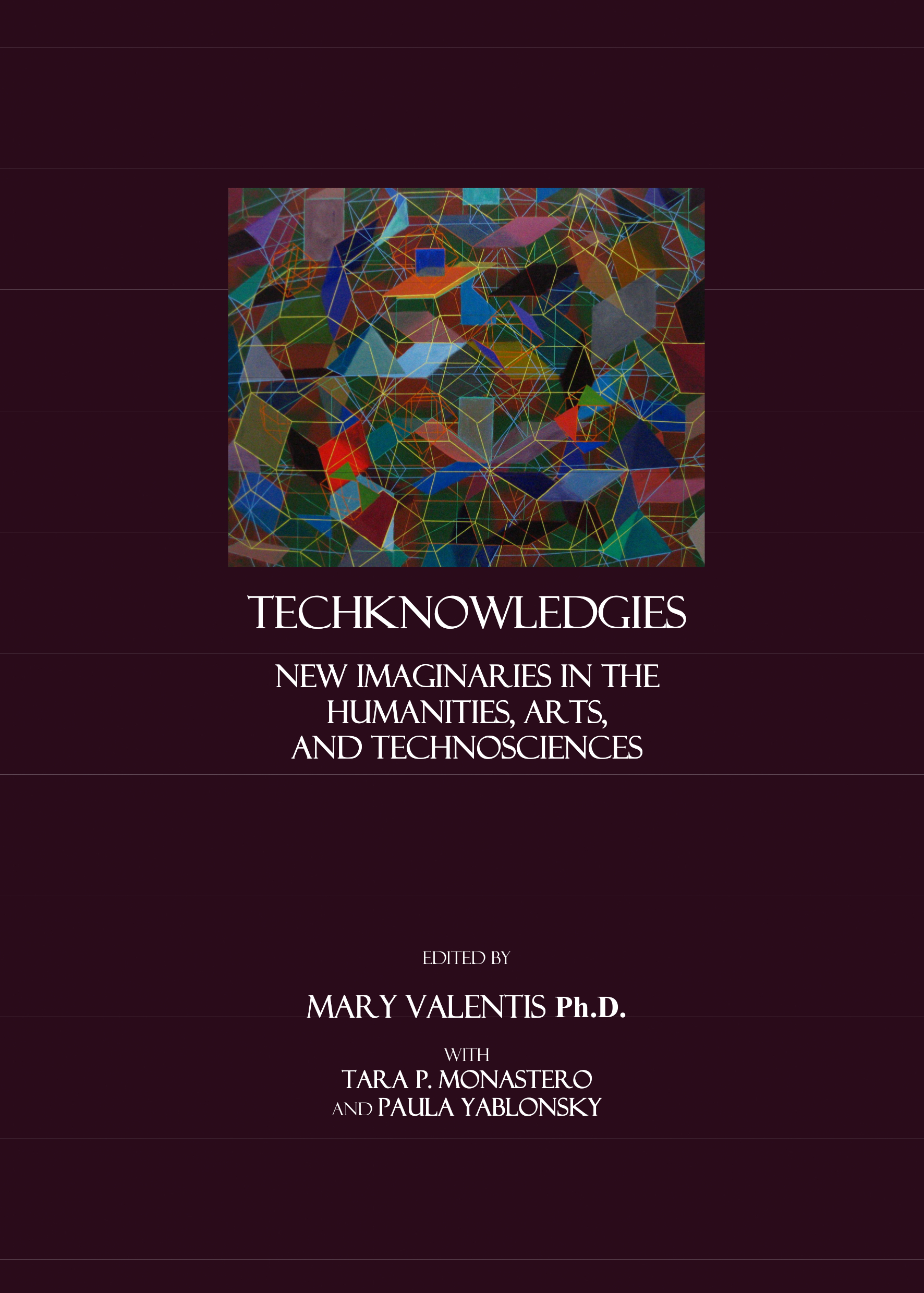
TechKnowledgies
New Imaginaries in the Humanities, Arts, and TechnoSciences
This collection of essays, art, and installations explores how science and technology interact with the arts and humanities. This fusion breaks down disciplinary silos to produce new imaginaries and integrated knowledges—what we call new TechKnowledgies.
This collection of essays, art, and installations explores how science and technology interact with the arts and humanities. This fusion breaks down disciplinary silos to produce new imaginaries and integrated knowledges—what we call new TechKnowledgies.
View more
This product has multiple variants. The options may be chosen on the product page
View more
This product has multiple variants. The options may be chosen on the product page
From £35.99
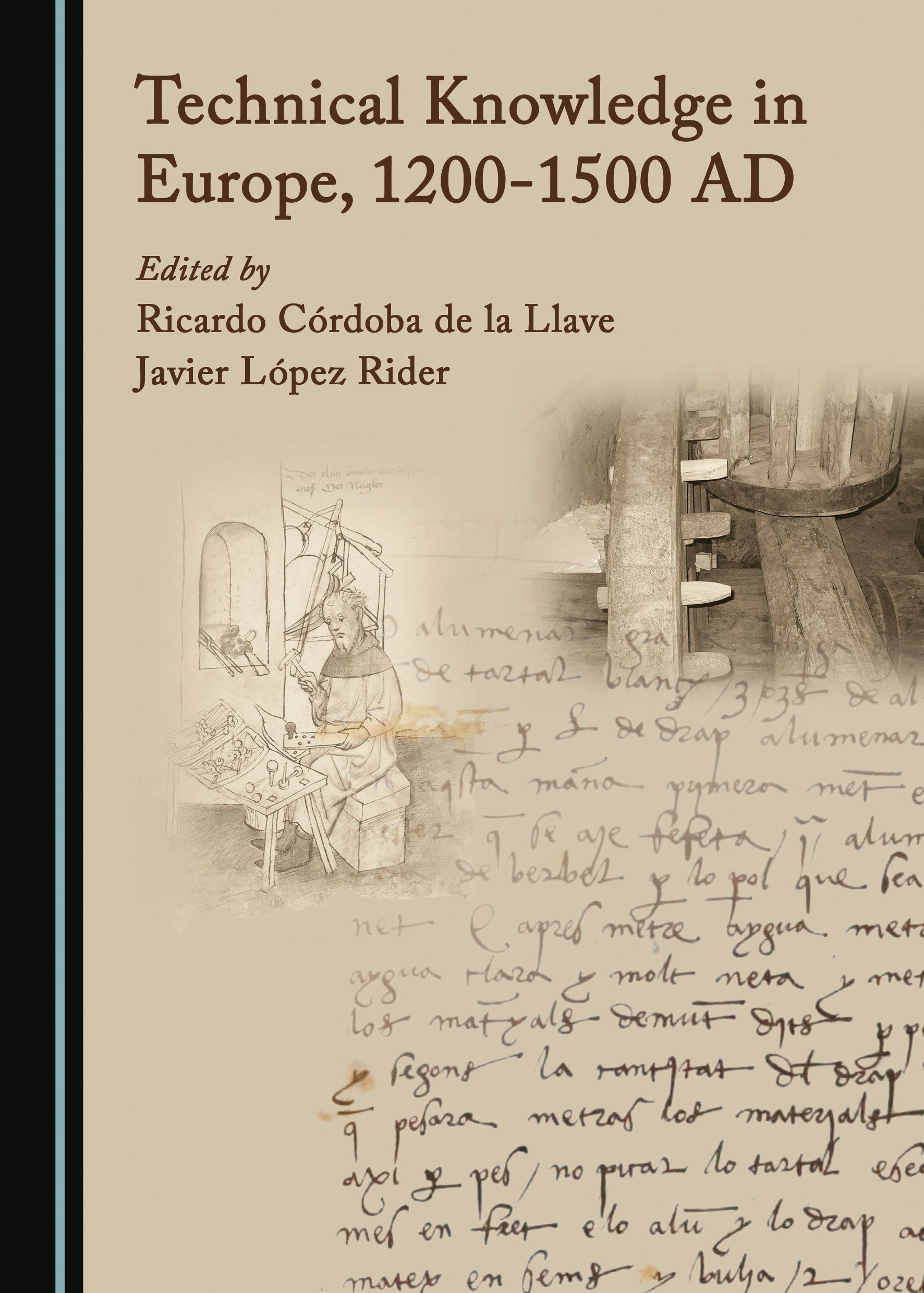
This volume explores scientific and technical knowledge in 13th-16th century Europe, with a special focus on the Iberian Peninsula. Drawing on recipe books, technical treatises, and archaeology, it presents a holistic perspective of technical knowledge during the Middle Ages.
This volume explores scientific and technical knowledge in 13th-16th century Europe, with a special focus on the Iberian Peninsula. Drawing on recipe books, technical treatises, and archaeology, it presents a holistic perspective of technical knowledge during the Middle Ages.
View more
This product has multiple variants. The options may be chosen on the product page
View more
This product has multiple variants. The options may be chosen on the product page
From £29.99
This book takes a philosophical approach to technocultural studies in Margaret Atwood’s science fiction. It explores how technology and culture reconstitute her literary landscape, from the gender politics of cyborgs to the hyperreal dimensions of video gaming and digital sex.
This book takes a philosophical approach to technocultural studies in Margaret Atwood’s science fiction. It explores how technology and culture reconstitute her literary landscape, from the gender politics of cyborgs to the hyperreal dimensions of video gaming and digital sex.
View more
This product has multiple variants. The options may be chosen on the product page

View more
This product has multiple variants. The options may be chosen on the product page
Technolife 2035
How Will Technology Change Our Future?
This book explores technology's future influence on life. It discusses trends in biotech, robotics, and energy, and presents three scenarios showing the possible directions development could take us by the year 2035.
This book explores technology’s future influence on life. It discusses trends in biotech, robotics, and energy, and presents three scenarios showing the possible directions development could take us by the year 2035.
View more
This product has multiple variants. The options may be chosen on the product page
View more
This product has multiple variants. The options may be chosen on the product page
£41.99
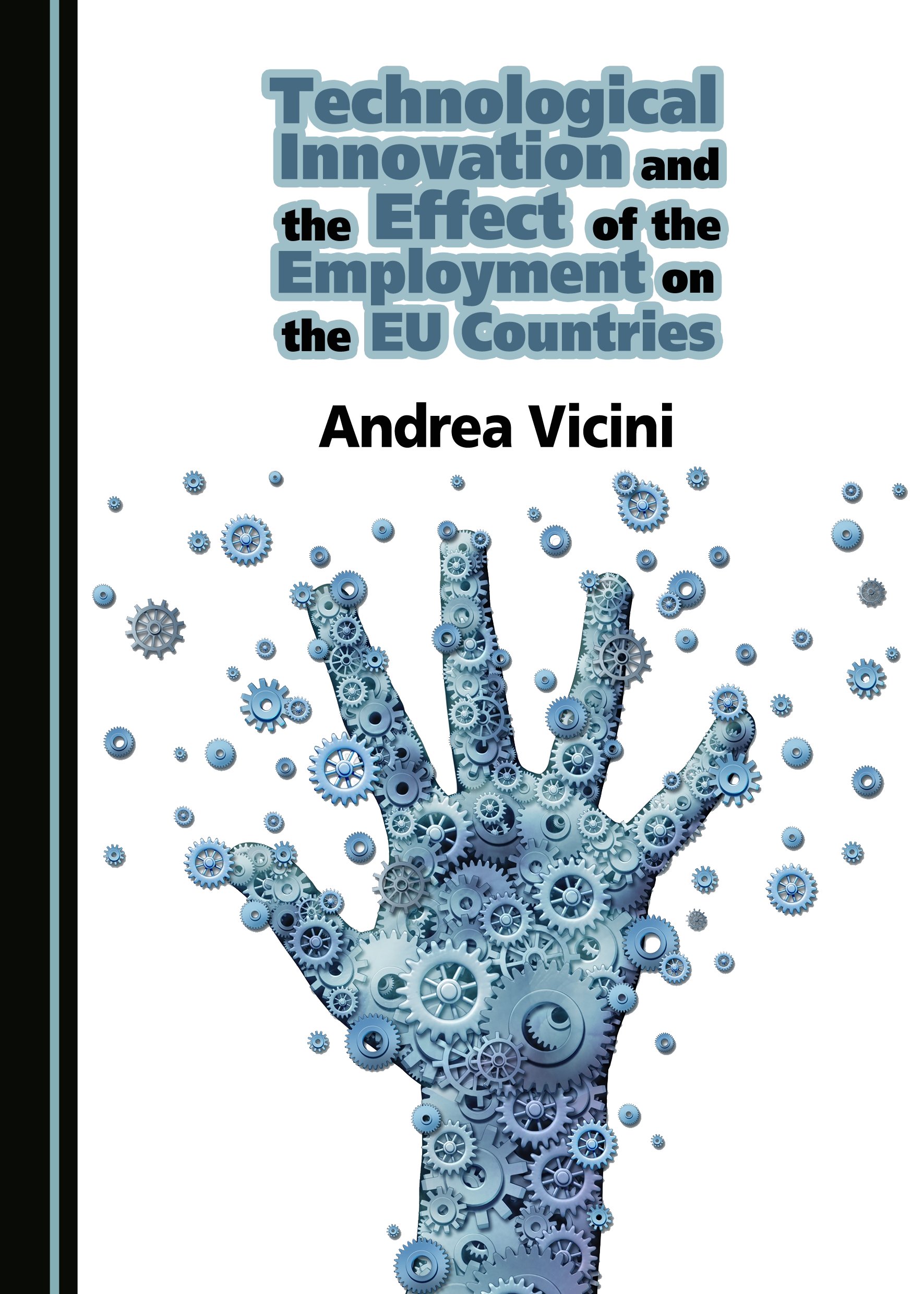
As Vicini shows here, innovation and employment can be a good marriage, using an analysis of classical economists to challenge the old paradigm of ‘innovation means unemployment’, which has dominated economic debate for centuries.
As Vicini shows here, innovation and employment can be a good marriage, using an analysis of classical economists to challenge the old paradigm of ‘innovation means unemployment’, which has dominated economic debate for centuries.
View more
This product has multiple variants. The options may be chosen on the product page
View more
This product has multiple variants. The options may be chosen on the product page
Technological Innovation Management
The Essentials for Managers and Students
This book shows how to treat your organization as an entity of continuous learning and innovation. Use knowledge as a strategic asset to improve processes, products, and services, leading to improved performance and sustainable value for stakeholders.
This book shows how to treat your organization as an entity of continuous learning and innovation. Use knowledge as a strategic asset to improve processes, products, and services, leading to improved performance and sustainable value for stakeholders.
View more
This product has multiple variants. The options may be chosen on the product page
View more
This product has multiple variants. The options may be chosen on the product page
From £29.99
For students and professionals of textual analysis, this book offers a new way to understand fiction. It replaces traditional linear models with flexible, circular methods that prevent errors of interpretation while providing the keys for testing a reading's validity.
For students and professionals of textual analysis, this book offers a new way to understand fiction. It replaces traditional linear models with flexible, circular methods that prevent errors of interpretation while providing the keys for testing a reading’s validity.
View more
This product has multiple variants. The options may be chosen on the product page
View more
This product has multiple variants. The options may be chosen on the product page
Technology and Performance during the Renaissance
The Musical World of Leonardo da Vinci
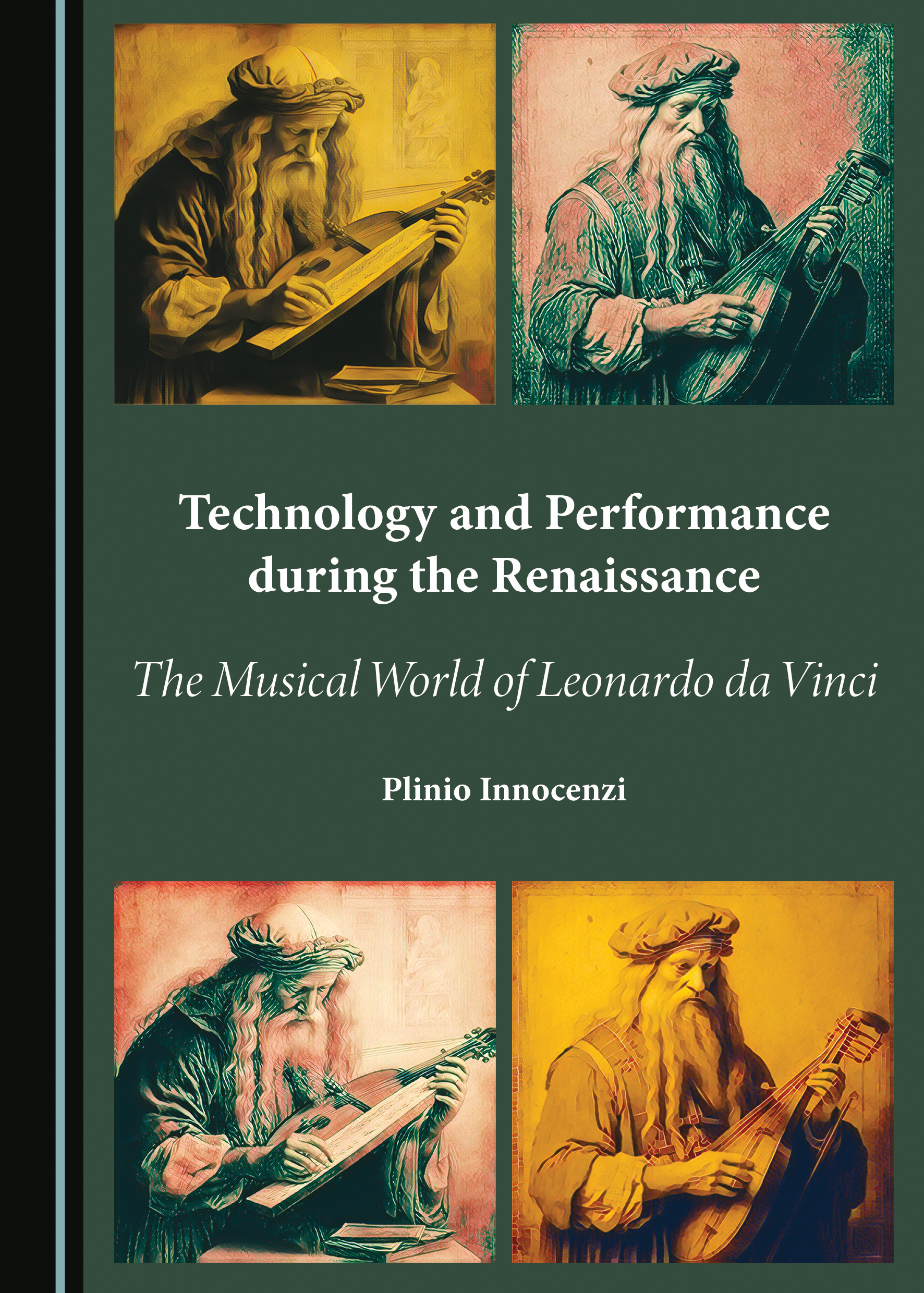
Leonardo da Vinci, known for science and art, was also one of the most famous musicians of the Renaissance. His multifaceted knowledge pushed him beyond performance; his codices contain studies on sound and an extraordinary catalogue of new musical instruments he designed.
Leonardo da Vinci, known for science and art, was also one of the most famous musicians of the Renaissance. His multifaceted knowledge pushed him beyond performance; his codices contain studies on sound and an extraordinary catalogue of new musical instruments he designed.
View more
This product has multiple variants. The options may be chosen on the product page
View more
This product has multiple variants. The options may be chosen on the product page
£34.99
This volume explores the prospects and challenges of using technology in education. It addresses how students and academics can benefit from e-tools like blogs and wikis, and how technology is causing a paradigm shift from traditional teaching methods.
This volume explores the prospects and challenges of using technology in education. It addresses how students and academics can benefit from e-tools like blogs and wikis, and how technology is causing a paradigm shift from traditional teaching methods.
View more
This product has multiple variants. The options may be chosen on the product page
Processing Your Order
Please wait while we securely process your order.
Do not refresh or leave this page.
You will be redirected shortly to a confirmation page with your order number.