
View more
This product has multiple variants. The options may be chosen on the product page
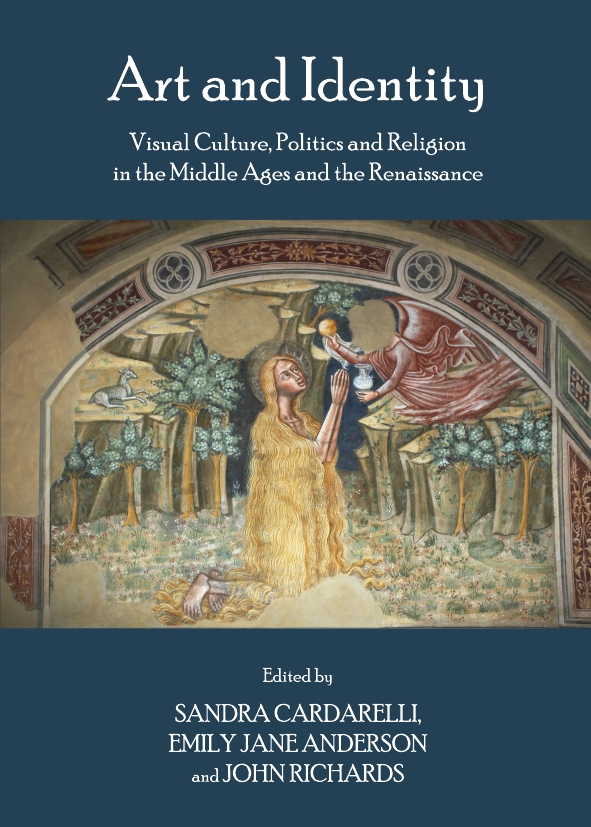
Art and Identity
Visual Culture, Politics and Religion in the Middle Ages and the Renaissance
This book explores European visual culture from the 13th to 17th centuries as a product of patronage, politics, and religion. It offers new perspectives on how art constructed identities and projected values, revealing the interaction between artists, patrons, and viewers.
This book explores European visual culture from the 13th to 17th centuries as a product of patronage, politics, and religion. It offers new perspectives on how art constructed identities and projected values, revealing the interaction between artists, patrons, and viewers.
View more
This product has multiple variants. The options may be chosen on the product page
View more
This product has multiple variants. The options may be chosen on the product page
£52.99
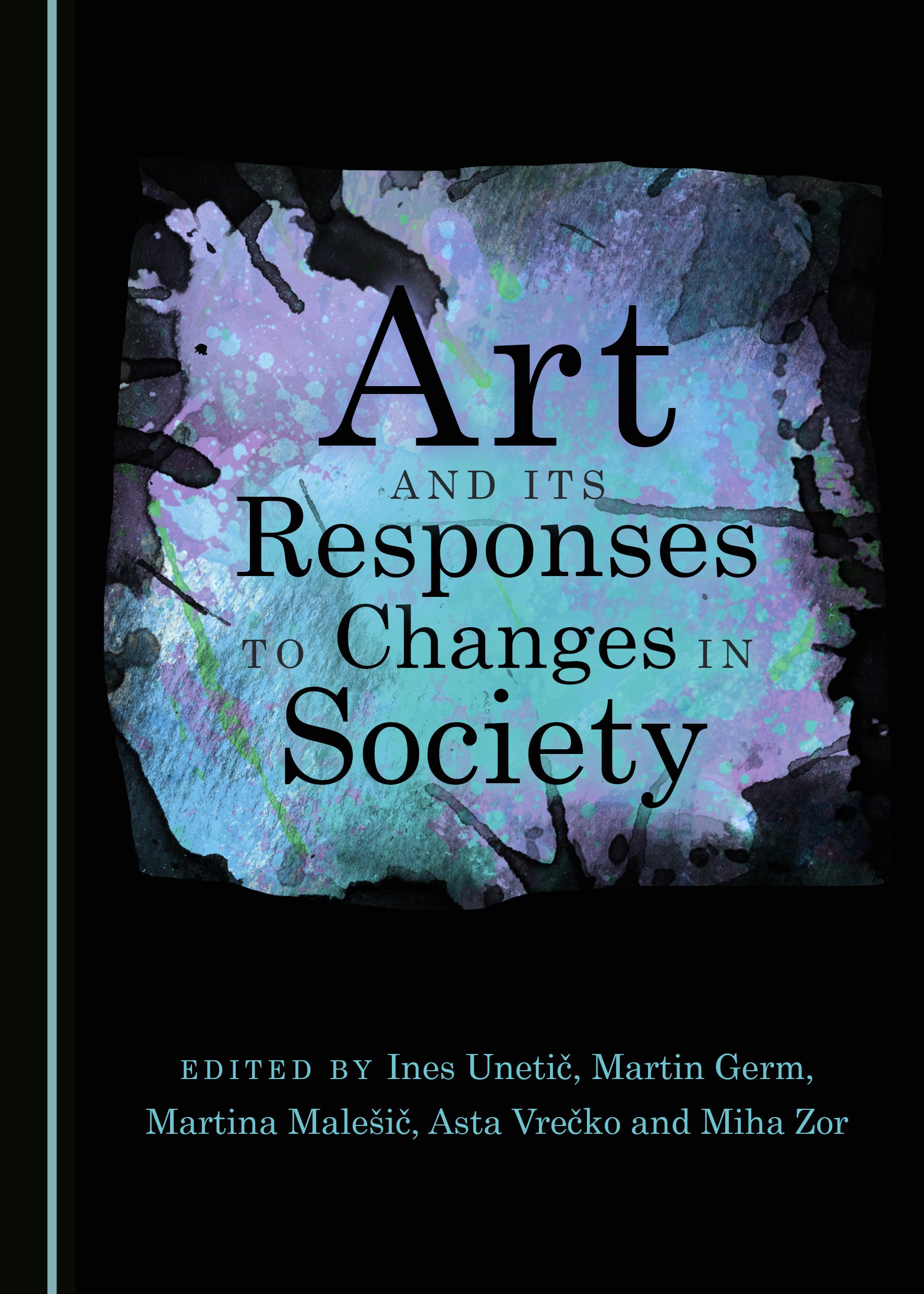
Studies by young researchers explore art's response to social decline, transformation, and rebirth. The book entails diverse perceptions of art and society, from antiquity to modernity, architecture to moving pictures, and the USA to Yugoslavia.
Studies by young researchers explore art’s response to social decline, transformation, and rebirth. The book entails diverse perceptions of art and society, from antiquity to modernity, architecture to moving pictures, and the USA to Yugoslavia.
View more
This product has multiple variants. The options may be chosen on the product page
View more
This product has multiple variants. The options may be chosen on the product page
From £14.99
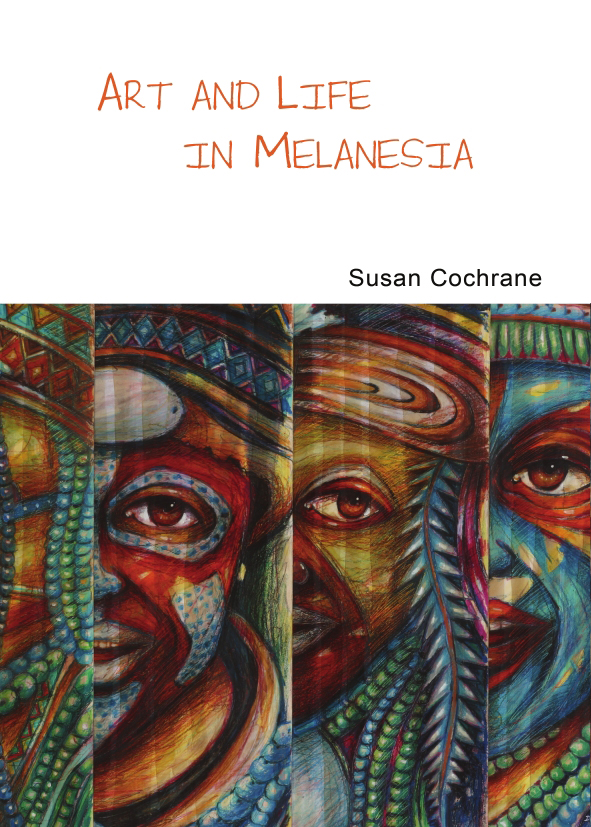
What represents Melanesian art today? Who are the artists? Art and Life in Melanesia is a timely exploration of Melanesian artists and their voices, taking stock of what is happening in the region’s art through themes like Kastom, Christianity, and Globalisation.
What represents Melanesian art today? Who are the artists? Art and Life in Melanesia is a timely exploration of Melanesian artists and their voices, taking stock of what is happening in the region’s art through themes like Kastom, Christianity, and Globalisation.
View more
This product has multiple variants. The options may be chosen on the product page
View more
This product has multiple variants. The options may be chosen on the product page
£41.99
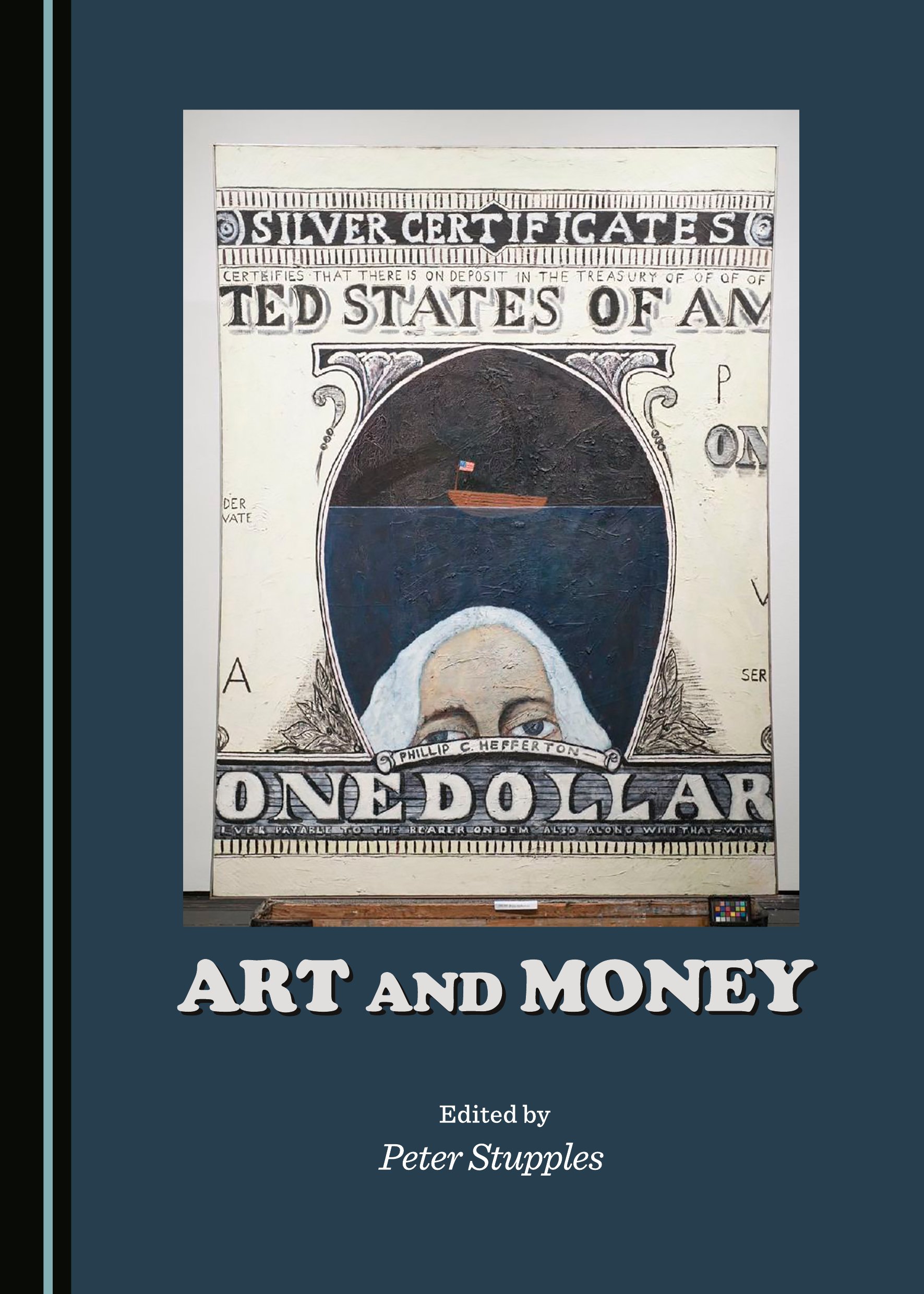
Art and money are both given symbolic value, turning a simple object into a commodity. These essays examine this complex relationship across different cultures and historical periods, from Renaissance Italy to contemporary Pop Art.
Art and money are both given symbolic value, turning a simple object into a commodity. These essays examine this complex relationship across different cultures and historical periods, from Renaissance Italy to contemporary Pop Art.
View more
This product has multiple variants. The options may be chosen on the product page
View more
This product has multiple variants. The options may be chosen on the product page
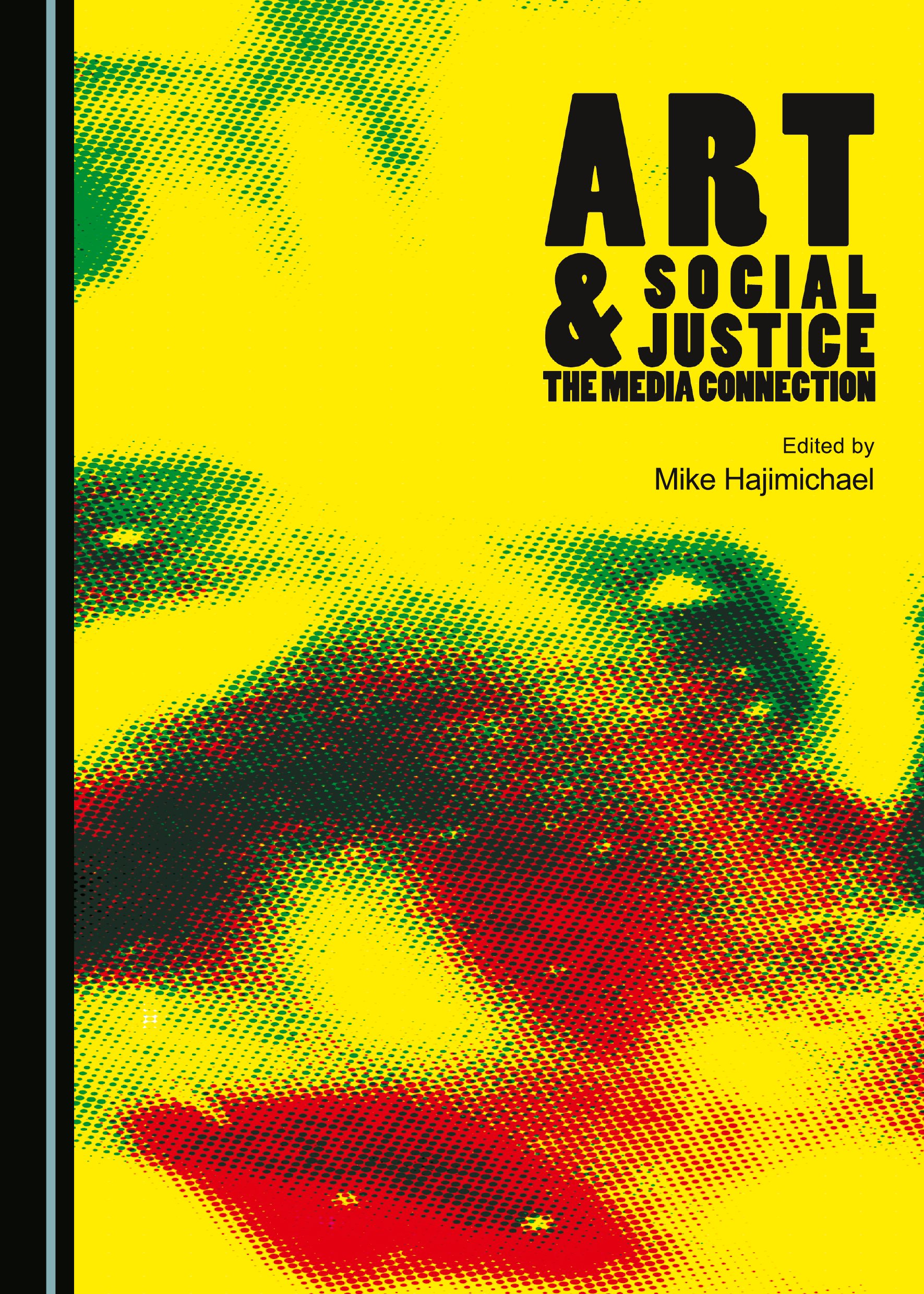
Art and Social Justice
The Media Connection
This book explores the connections between art, social justice, and media. With chapters referencing situations in Brazil, Cyprus, Greece and South Africa, it concentrates on how art campaigns for change and mobilizes youth in a world mediated by the Internet.
This book explores the connections between art, social justice, and media. With chapters referencing situations in Brazil, Cyprus, Greece and South Africa, it concentrates on how art campaigns for change and mobilizes youth in a world mediated by the Internet.
View more
This product has multiple variants. The options may be chosen on the product page
View more
This product has multiple variants. The options may be chosen on the product page
£49.99
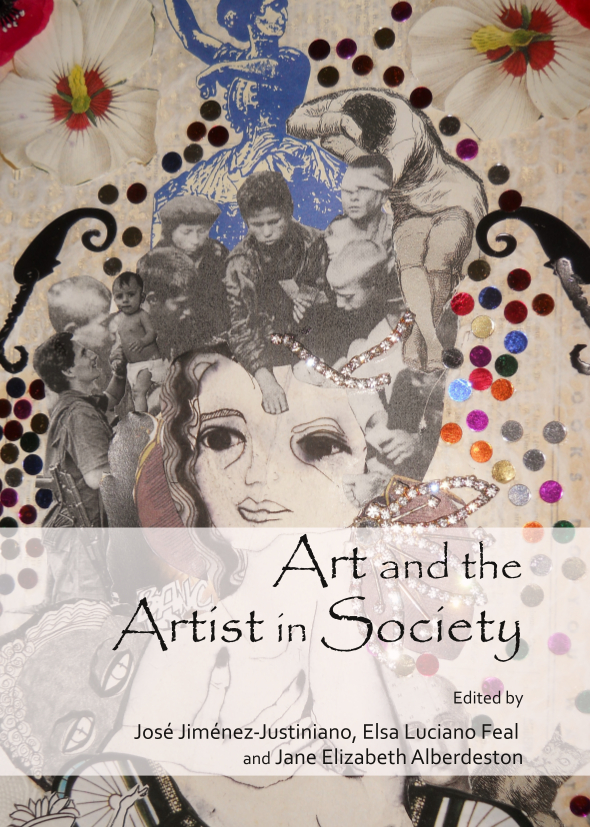
This compilation of essays examines the nexus between artists, their art, and society. Through a diverse group of artists, it explores important issues like the representation of the Other and the construction of the self, offering fascinating insights.
This compilation of essays examines the nexus between artists, their art, and society. Through a diverse group of artists, it explores important issues like the representation of the Other and the construction of the self, offering fascinating insights.
View more
This product has multiple variants. The options may be chosen on the product page
View more
This product has multiple variants. The options may be chosen on the product page
£39.99
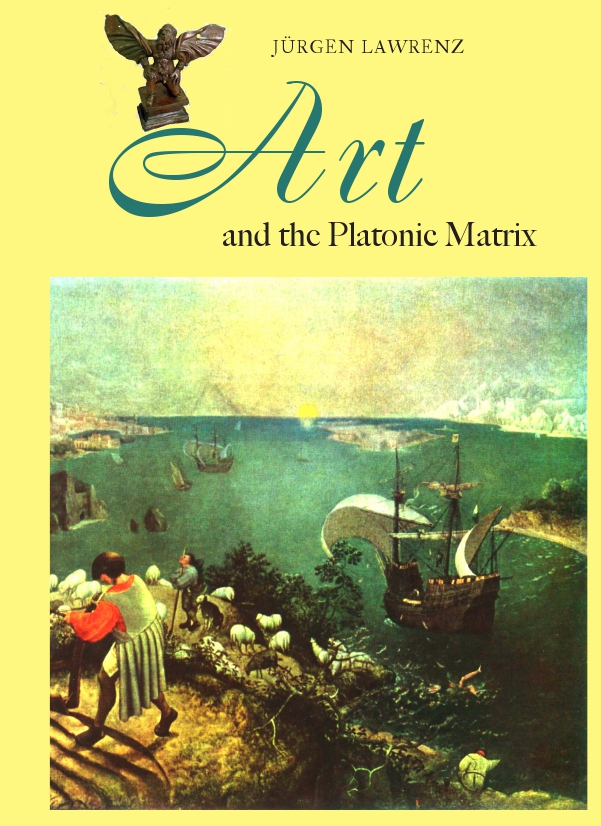
For millennia, philosophy has failed to define art. This searching critique reveals why and proposes a new philosophy, demonstrating that art is quintessentially involved in the meaning of life, our impulse for self-knowledge, and understanding the human condition.
For millennia, philosophy has failed to define art. This searching critique reveals why and proposes a new philosophy, demonstrating that art is quintessentially involved in the meaning of life, our impulse for self-knowledge, and understanding the human condition.
View more
This product has multiple variants. The options may be chosen on the product page
View more
This product has multiple variants. The options may be chosen on the product page
Art and the Technosphere
The Platforms of Strings
This book investigates contemporary art's new status. From caves to digital simulations, art no longer just represents ideas—it constructs worlds. The question is no longer “what” art is, but how we determine the difference between the aesthetic object and artificial life.
This book investigates contemporary art’s new status. From caves to digital simulations, art no longer just represents ideas—it constructs worlds. The question is no longer “what” art is, but how we determine the difference between the aesthetic object and artificial life.
View more
This product has multiple variants. The options may be chosen on the product page
View more
This product has multiple variants. The options may be chosen on the product page
£39.99
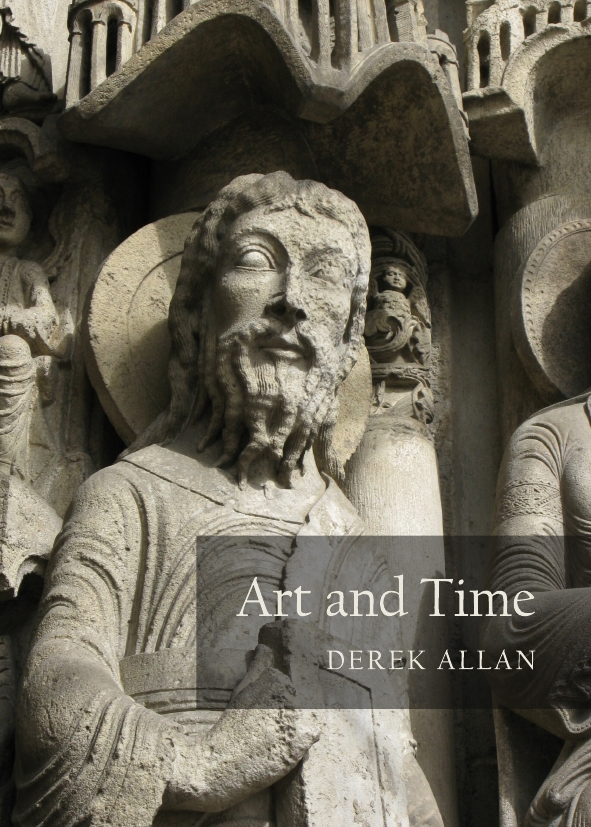
How do great works of art live on long after their cultures have vanished? This book rejects the idea that art is simply timeless. It argues that art transcends time through a process of metamorphosis, posing a major challenge to traditional aesthetics.
How do great works of art live on long after their cultures have vanished? This book rejects the idea that art is simply timeless. It argues that art transcends time through a process of metamorphosis, posing a major challenge to traditional aesthetics.
View more
This product has multiple variants. The options may be chosen on the product page
View more
This product has multiple variants. The options may be chosen on the product page
From £30.99
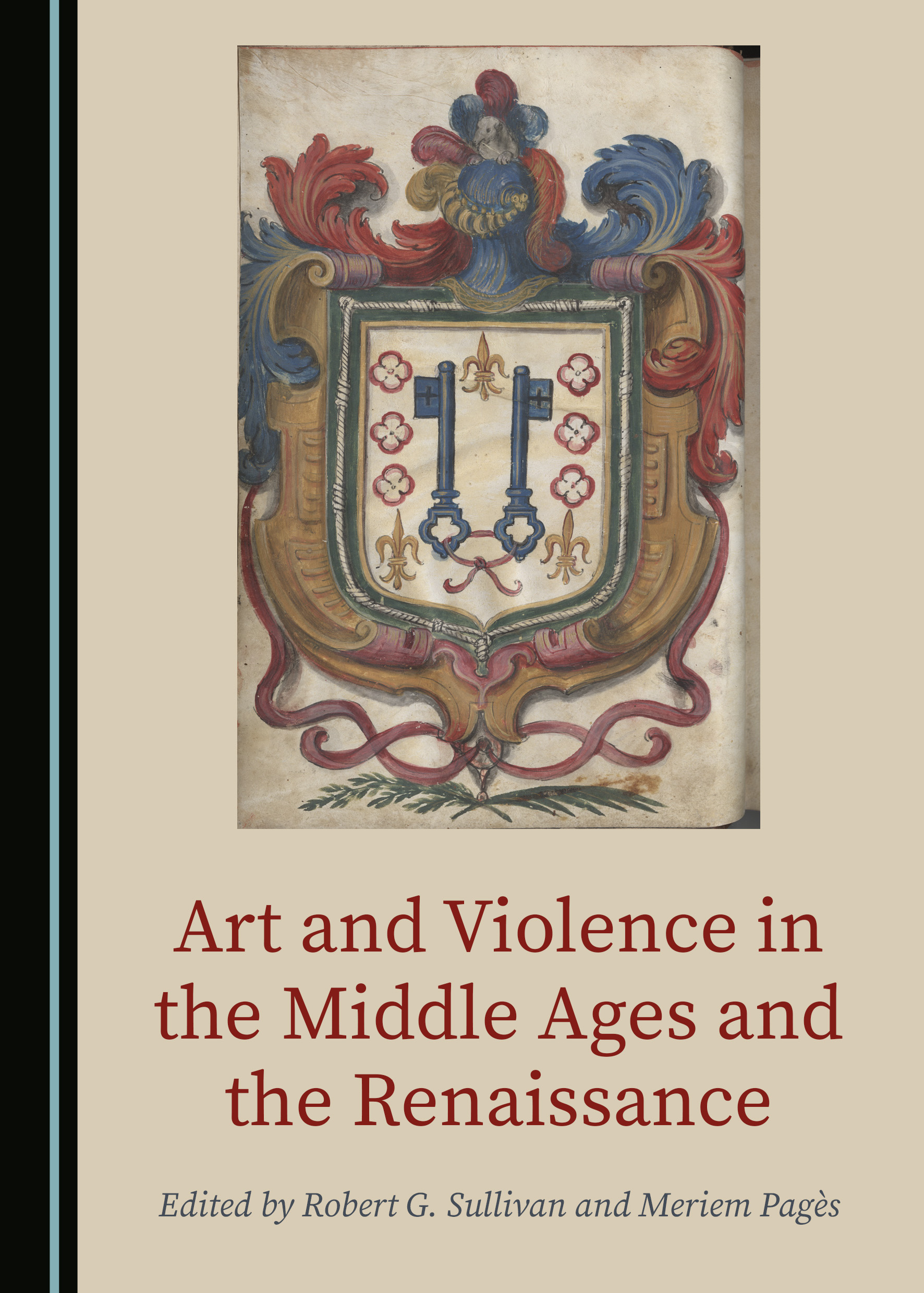
This collection of essays explores the intersection of art and violence in the Middle Ages and the Renaissance. It will appeal to students, scholars, and readers with an interest in medieval and early modern art history.
This collection of essays explores the intersection of art and violence in the Middle Ages and the Renaissance. It will appeal to students, scholars, and readers with an interest in medieval and early modern art history.
View more
This product has multiple variants. The options may be chosen on the product page
View more
This product has multiple variants. The options may be chosen on the product page
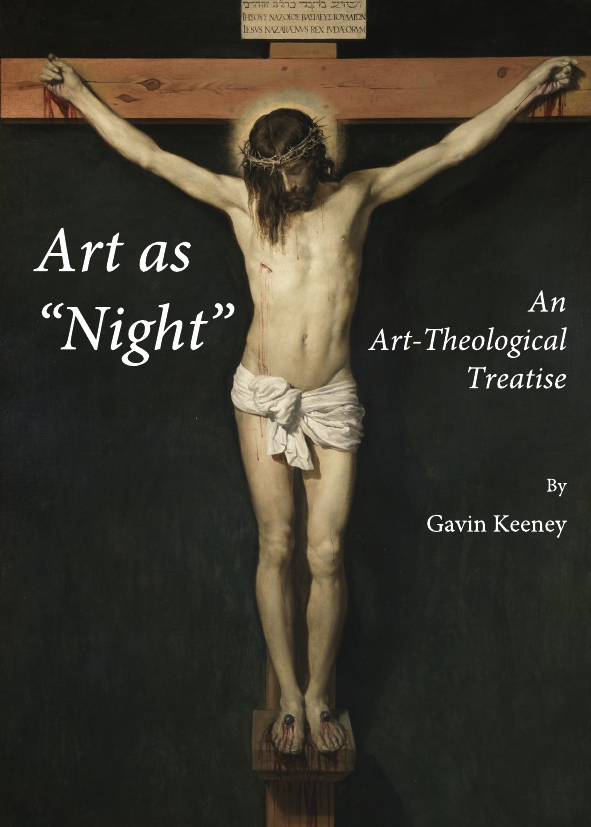
Art as “Night”
An Art-Theological Treatise
Art as “Night” proposes a type of dark, a-historical knowledge crossing painting from Velázquez to Richter and Kiefer. It argues for a non-discursive form of intellection embodied in the work of art—a pure visual and moral agency lost since the Baroque era.
Art as “Night” proposes a type of dark, a-historical knowledge crossing painting from Velázquez to Richter and Kiefer. It argues for a non-discursive form of intellection embodied in the work of art—a pure visual and moral agency lost since the Baroque era.
View more
This product has multiple variants. The options may be chosen on the product page
View more
This product has multiple variants. The options may be chosen on the product page
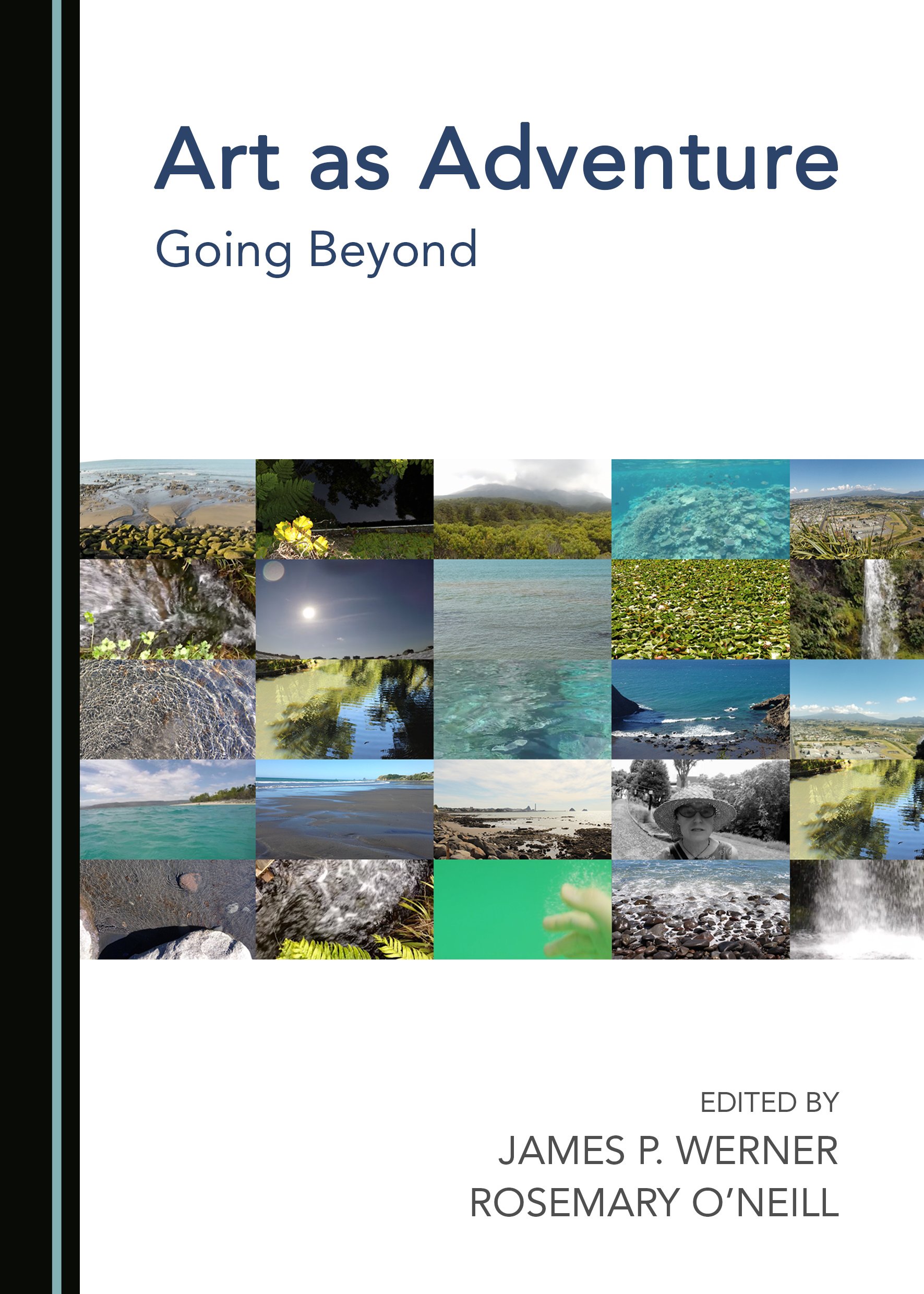
Art as Adventure
Going Beyond
This title gathers insights from artists and art historians about journeys to places and methods of practice that challenge perceived taxonomies. It offers various perspectives on how artist-travelers have embraced and contextualized the experiences encountered on their travels.
This title gathers insights from artists and art historians about journeys to places and methods of practice that challenge perceived taxonomies. It offers various perspectives on how artist-travelers have embraced and contextualized the experiences encountered on their travels.
View more
This product has multiple variants. The options may be chosen on the product page
View more
This product has multiple variants. The options may be chosen on the product page
£44.99
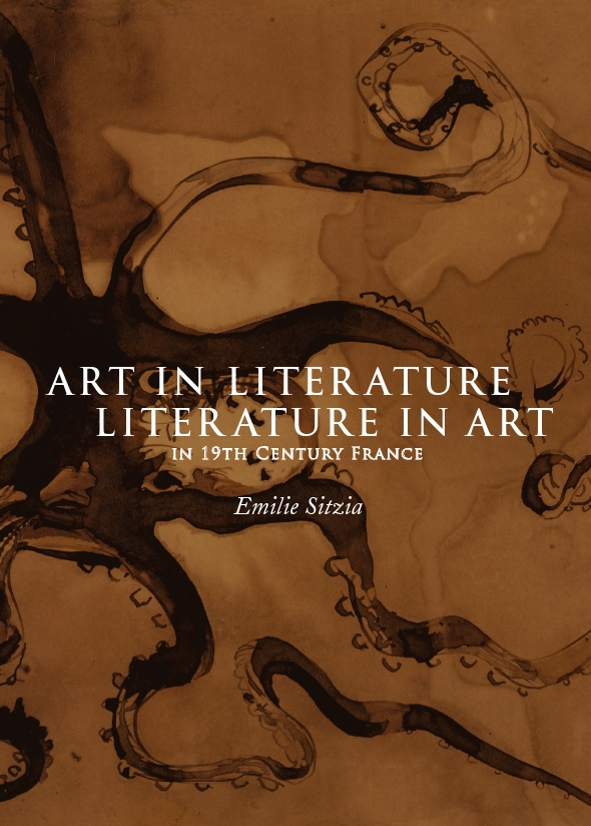
In 19th-century France, painting asserted its independence from literature as art's influence on authors grew. This investigation reveals their complex relationship through case studies of David, Hugo, Van Gogh, and Balzac, shedding new light on both fields.
In 19th-century France, painting asserted its independence from literature as art’s influence on authors grew. This investigation reveals their complex relationship through case studies of David, Hugo, Van Gogh, and Balzac, shedding new light on both fields.
View more
This product has multiple variants. The options may be chosen on the product page
View more
This product has multiple variants. The options may be chosen on the product page
Art in Motion
Current Research in Screendance / Art en mouvement
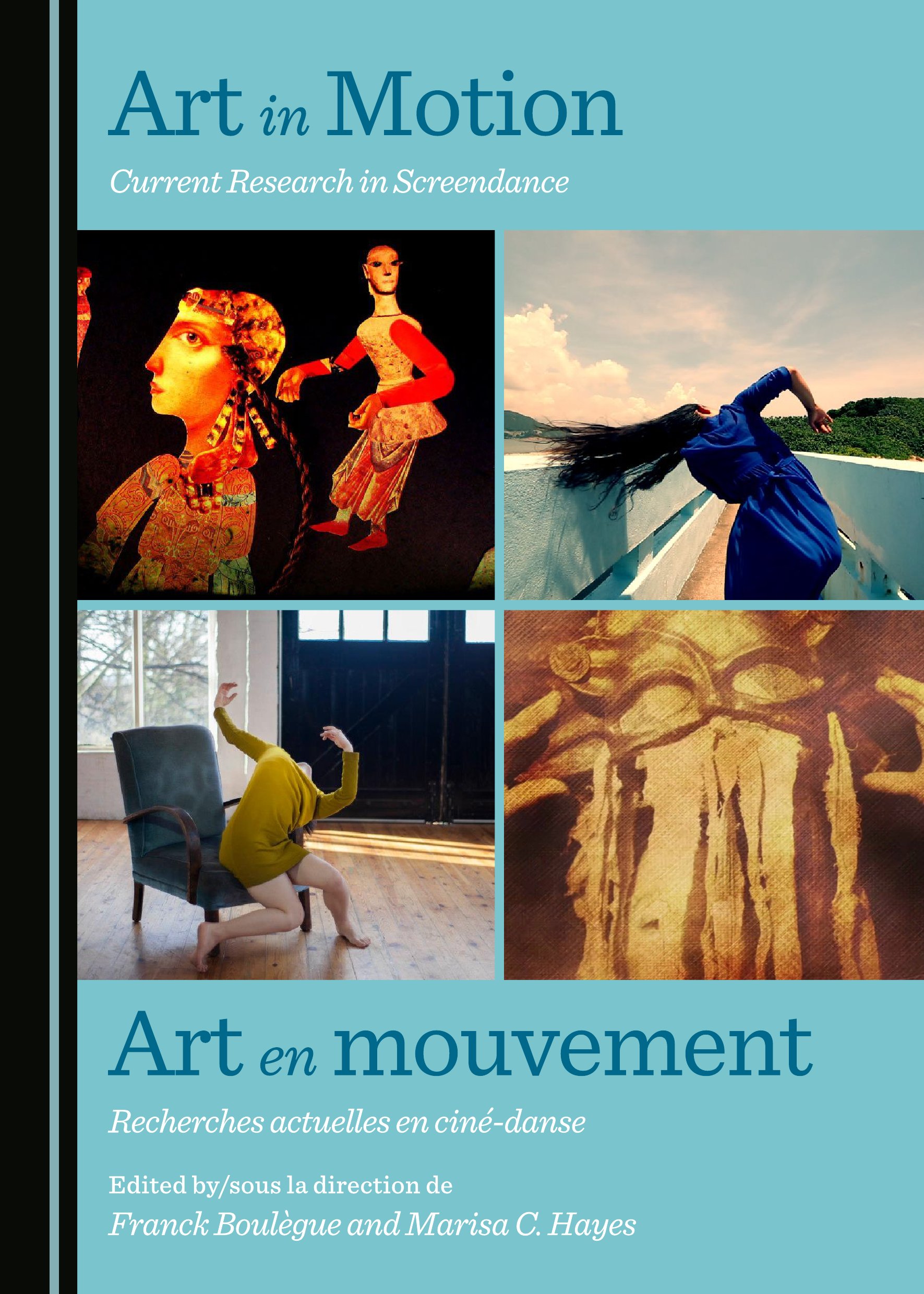
International scholars and artists consider screendance from various angles, including historical research, aesthetic analysis, and contemporary practice. This collection explores the choreography of moving images and its role in culture today.
International scholars and artists consider screendance from various angles, including historical research, aesthetic analysis, and contemporary practice. This collection explores the choreography of moving images and its role in culture today.
View more
This product has multiple variants. The options may be chosen on the product page
View more
This product has multiple variants. The options may be chosen on the product page
Art in Rome
From Antiquity to the Present
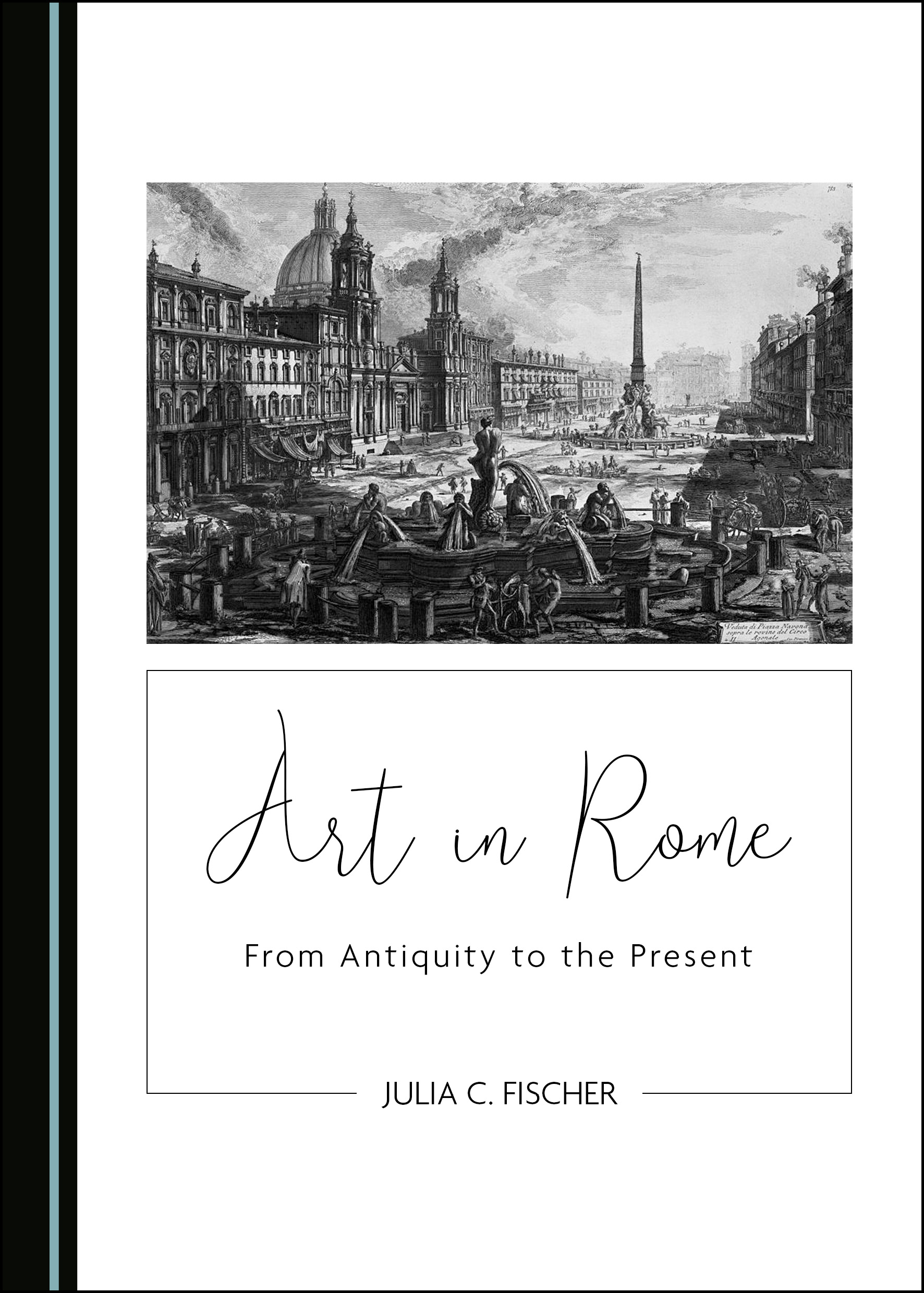
This volume covers Rome's major artistic and architectural masterpieces from antiquity to the present. Organized topographically by area and chronologically by period, it is an engaging and informative guide for students, scholars, and erudite travelers.
This volume covers Rome’s major artistic and architectural masterpieces from antiquity to the present. Organized topographically by area and chronologically by period, it is an engaging and informative guide for students, scholars, and erudite travelers.
View more
This product has multiple variants. The options may be chosen on the product page
View more
This product has multiple variants. The options may be chosen on the product page
£41.99
Why does representational art thrive in the 21st century? This indispensable book skewers contemporary orthodoxies to provide the answer.
Why does representational art thrive in the 21st century? This indispensable book skewers contemporary orthodoxies to provide the answer.
View more
This product has multiple variants. The options may be chosen on the product page
View more
This product has multiple variants. The options may be chosen on the product page
£24.99
Pearce delivers sensible emergent aesthetics, explaining the processes that happen in human minds when we share ideas as works of art. He considers how this skews the orthodoxies of contemporary art with pragmatic wisdom about why representational art thrives in the 21st-century.
Pearce delivers sensible emergent aesthetics, explaining the processes that happen in human minds when we share ideas as works of art. He considers how this skews the orthodoxies of contemporary art with pragmatic wisdom about why representational art thrives in the 21st-century.
View more
This product has multiple variants. The options may be chosen on the product page

View more
This product has multiple variants. The options may be chosen on the product page
From £30.99
This volume explores the transformation of art museums in the modern world, considering their role in society, pedagogy, and education. It offers inspirational strategies for museums shifting from traditional to innovative methods and features interviews with educators.
This volume explores the transformation of art museums in the modern world, considering their role in society, pedagogy, and education. It offers inspirational strategies for museums shifting from traditional to innovative methods and features interviews with educators.
View more
This product has multiple variants. The options may be chosen on the product page
View more
This product has multiple variants. The options may be chosen on the product page
£39.99
"What is knowledge?" is as much a philosophic question as "What is an image?" Visual epistemology is a new research field exploring this link. This publication gathers approaches by distinguished authors to outline this territory and investigate how images create knowledge.
“What is knowledge?” is as much a philosophic question as “What is an image?” Visual epistemology is a new research field exploring this link. This publication gathers approaches by distinguished authors to outline this territory and investigate how images create knowledge.
View more
This product has multiple variants. The options may be chosen on the product page
View more
This product has multiple variants. The options may be chosen on the product page
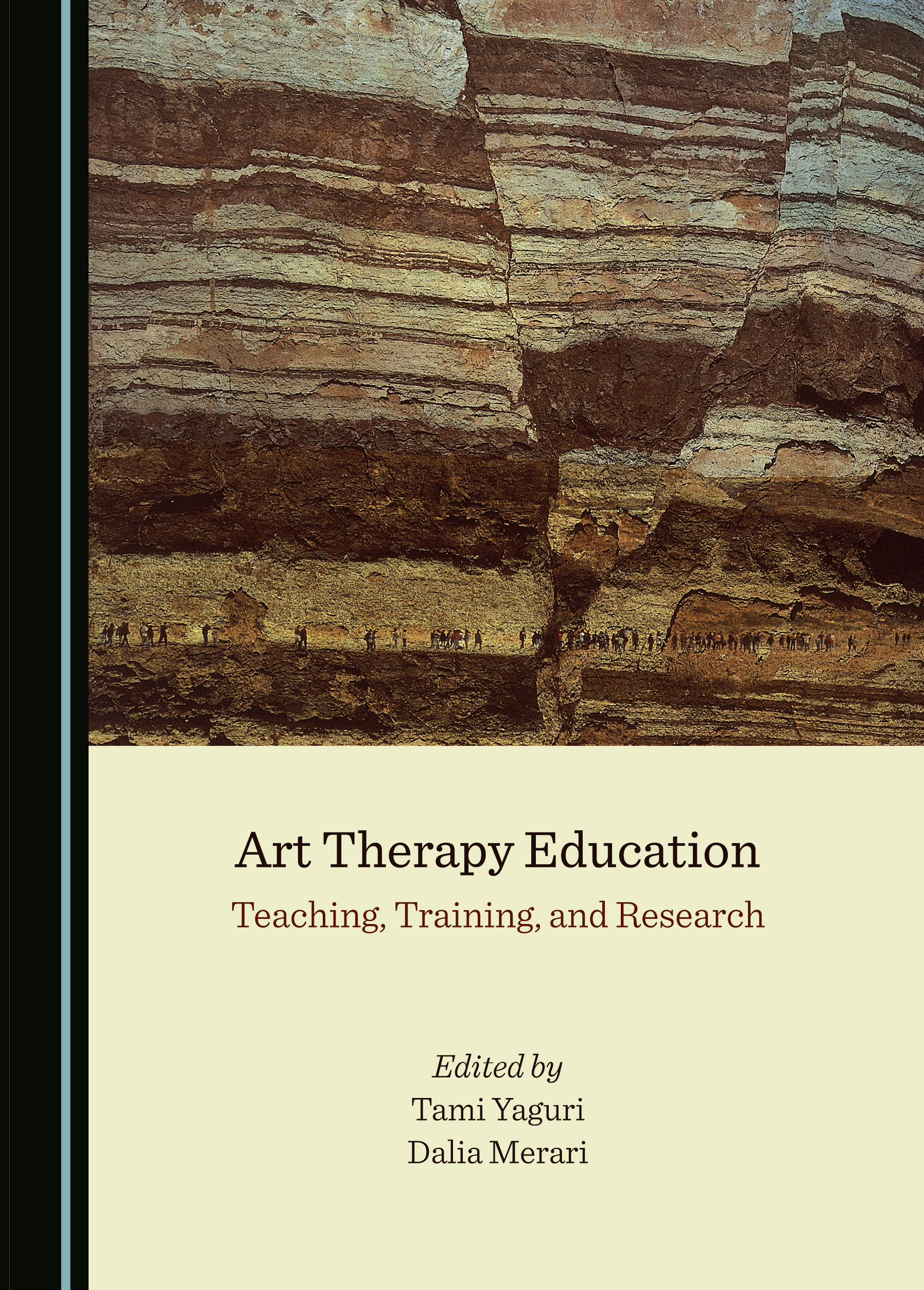
Art Therapy Education
Teaching, Training, and Research
Artmaking is the basis of art therapy as a healing practice. This volume suggests an innovative research approach that examines different art therapy teaching and training practices, studying them as parts of one picture.
Artmaking is the basis of art therapy as a healing practice. This volume suggests an innovative research approach that examines different art therapy teaching and training practices, studying them as parts of one picture.
View more
This product has multiple variants. The options may be chosen on the product page
Processing Your Order
Please wait while we securely process your order.
Do not refresh or leave this page.
You will be redirected shortly to a confirmation page with your order number.