
View more
This product has multiple variants. The options may be chosen on the product page
Business Strategies for Economies in Transition
Book of Readings on CEE Countries
This collection of papers describes business strategies for economies in transition. While focusing on Central and Eastern Europe, the material is relevant to other developing economies facing major change, as many of the problems addressed are universal.
This collection of papers describes business strategies for economies in transition. While focusing on Central and Eastern Europe, the material is relevant to other developing economies facing major change, as many of the problems addressed are universal.
View more
This product has multiple variants. The options may be chosen on the product page
View more
This product has multiple variants. The options may be chosen on the product page
£78.99
In business, "me" and "the people" are not the same, but they should be. This book explains the cause for this difference and shows you how to measure and bridge the distance between them. Do not just describe it. Take action. Actually embrace it and do it.
In business, “me” and “the people” are not the same, but they should be. This book explains the cause for this difference and shows you how to measure and bridge the distance between them. Do not just describe it. Take action. Actually embrace it and do it.
View more
This product has multiple variants. The options may be chosen on the product page
View more
This product has multiple variants. The options may be chosen on the product page
From £29.99
This book provides a comprehensive outlook on long-term economic changes in the Western Balkans. It offers decision-makers ways to leverage the rise of digital technologies for sustainable growth based on green and clean solutions.
This book provides a comprehensive outlook on long-term economic changes in the Western Balkans. It offers decision-makers ways to leverage the rise of digital technologies for sustainable growth based on green and clean solutions.
View more
This product has multiple variants. The options may be chosen on the product page
View more
This product has multiple variants. The options may be chosen on the product page
But He Talked of the Temple of Man’s Body
Blake’s Revelation Unlocked
This poetic study is a response to Locke’s philosophy through an analysis of Blake’s linguistic practices. It reads like a narrative of an effort to build, destroy, and rebuild, revealing Blake’s criticism of Locke as a critique of modernity itself.
This poetic study is a response to Locke’s philosophy through an analysis of Blake’s linguistic practices. It reads like a narrative of an effort to build, destroy, and rebuild, revealing Blake’s criticism of Locke as a critique of modernity itself.
View more
This product has multiple variants. The options may be chosen on the product page

View more
This product has multiple variants. The options may be chosen on the product page
Byron and Bob
Lord Byron’s Relationship with Robert Southey
Byron's most important literary relationship was with Robert Southey, whom he hated and to whom he "dedicated" his masterpiece, *Don Juan*. This book argues Byron's literary distaste became a projected self-distrust, a dislike for his own flaws.
Byron’s most important literary relationship was with Robert Southey, whom he hated and to whom he “dedicated” his masterpiece, *Don Juan*. This book argues Byron’s literary distaste became a projected self-distrust, a dislike for his own flaws.
View more
This product has multiple variants. The options may be chosen on the product page
View more
This product has multiple variants. The options may be chosen on the product page
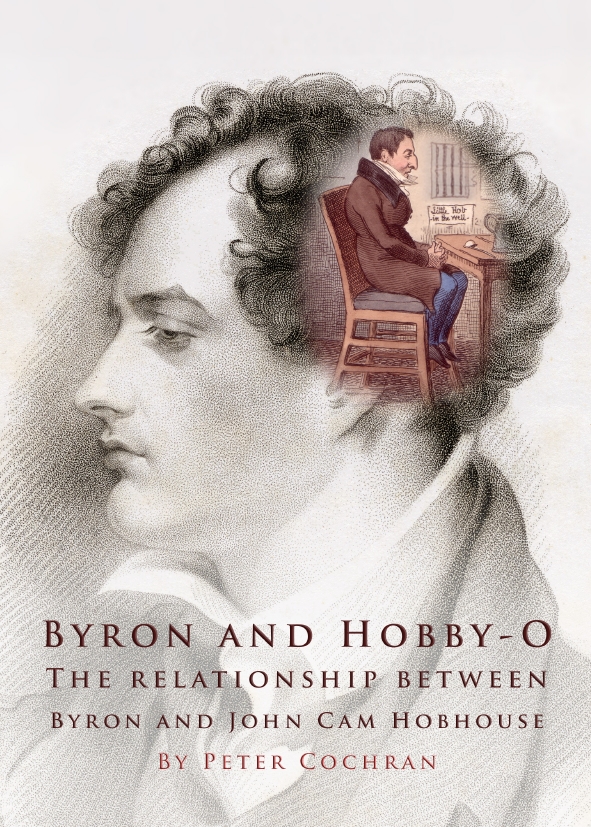
Byron and Hobby-O
Lord Byron’s Relationship with John Cam Hobhouse
This is a frank and intimate study of the relationship between Byron and his best friend, John Cam Hobhouse. Initially collaborators and rivals, Byron rapidly outstretched Hobhouse in poetry, while Hobhouse, in the longer term, outstretched Byron in politics.
This is a frank and intimate study of the relationship between Byron and his best friend, John Cam Hobhouse. Initially collaborators and rivals, Byron rapidly outstretched Hobhouse in poetry, while Hobhouse, in the longer term, outstretched Byron in politics.
View more
This product has multiple variants. The options may be chosen on the product page
View more
This product has multiple variants. The options may be chosen on the product page
£44.99
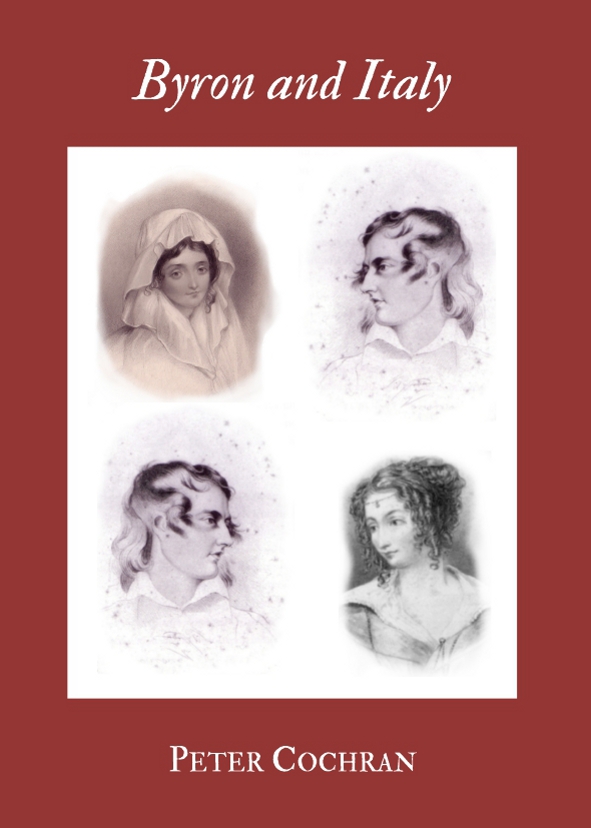
Peter Cochran explores Byron’s relationship with Italy as a whole—its literature, women, and politics. He argues the poet’s sojourn was an attempt to forge a new identity, showing how Italian culture gave him a new sense of self and his poetry.
Peter Cochran explores Byron’s relationship with Italy as a whole—its literature, women, and politics. He argues the poet’s sojourn was an attempt to forge a new identity, showing how Italian culture gave him a new sense of self and his poetry.
View more
This product has multiple variants. The options may be chosen on the product page
View more
This product has multiple variants. The options may be chosen on the product page
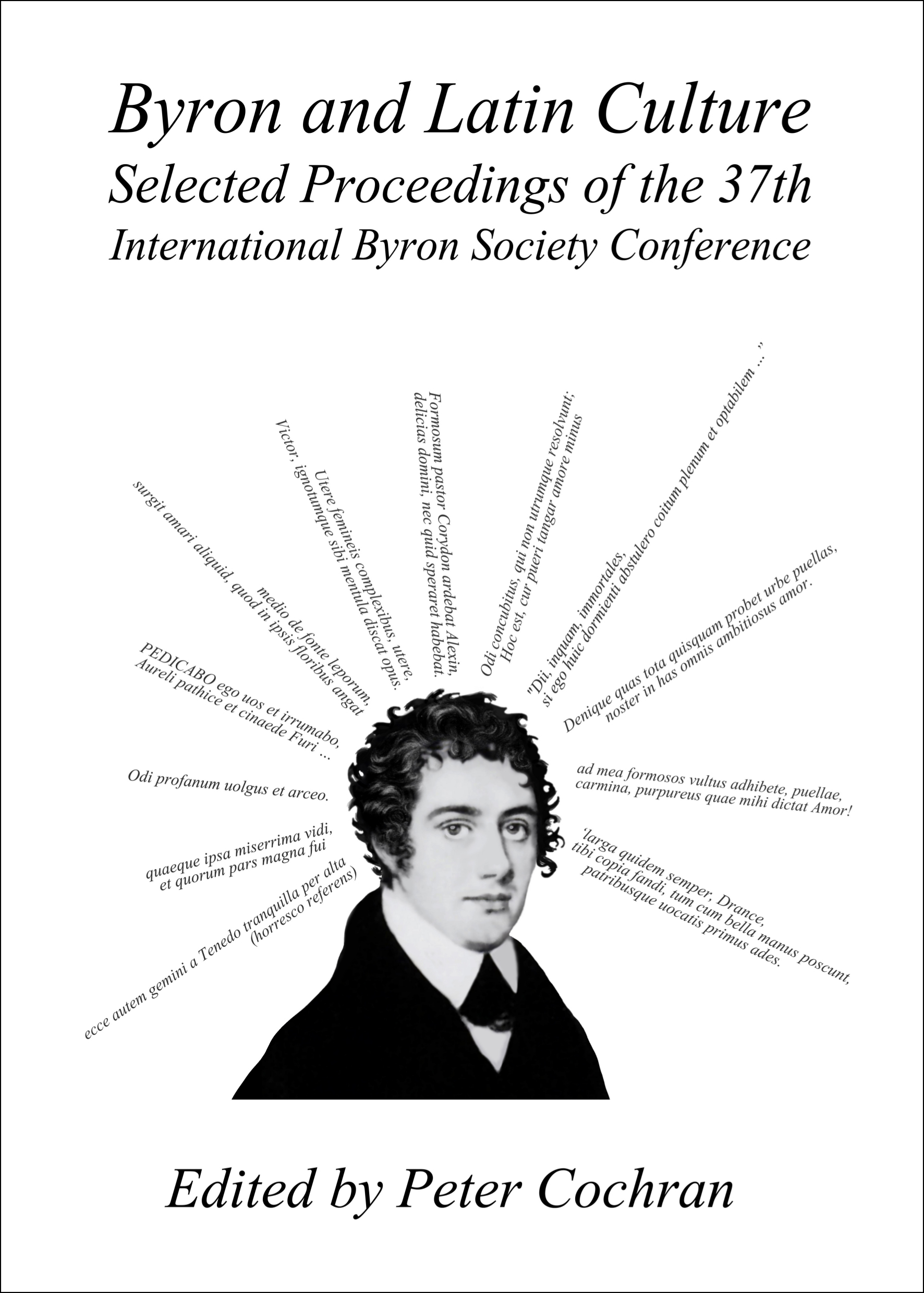
Byron and Latin Culture
Selected Proceedings of the 37th International Byron Society Conference
This collection of papers details the huge influence of Latin poets on Byron. His borrowings, imitations, and parodies are catalogued in unprecedented detail, revealing how classical writers inspired *Don Juan*. Also explores Byron's influence on European art.
This collection of papers details the huge influence of Latin poets on Byron. His borrowings, imitations, and parodies are catalogued in unprecedented detail, revealing how classical writers inspired *Don Juan*. Also explores Byron’s influence on European art.
View more
This product has multiple variants. The options may be chosen on the product page
View more
This product has multiple variants. The options may be chosen on the product page
From £18.99
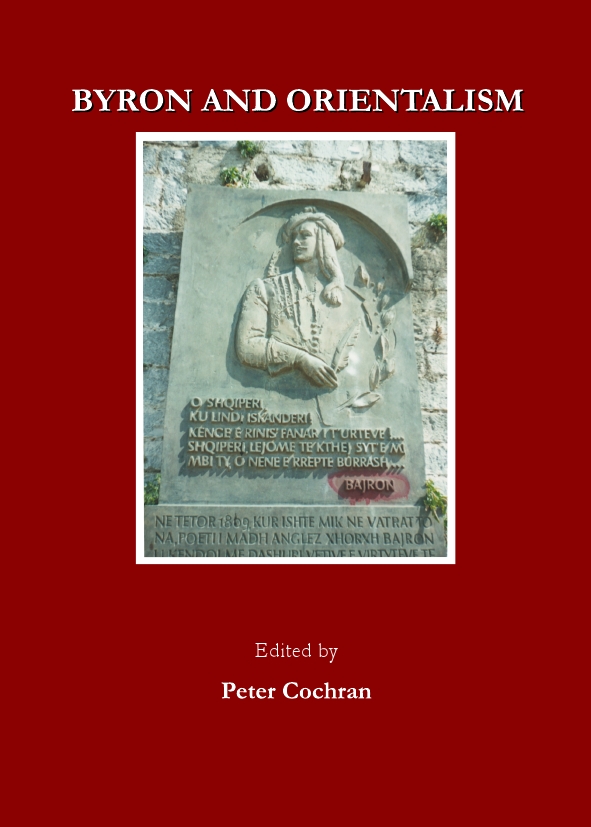
Byron is often thought of as the Romantic poet most familiar with the East. This book examines this thesis, looking at Byron’s knowledge of the East and its religions, his Turkish Tales, his influence on Pushkin, and his own disorientated existence.
Byron is often thought of as the Romantic poet most familiar with the East. This book examines this thesis, looking at Byron’s knowledge of the East and its religions, his Turkish Tales, his influence on Pushkin, and his own disorientated existence.
View more
This product has multiple variants. The options may be chosen on the product page
View more
This product has multiple variants. The options may be chosen on the product page
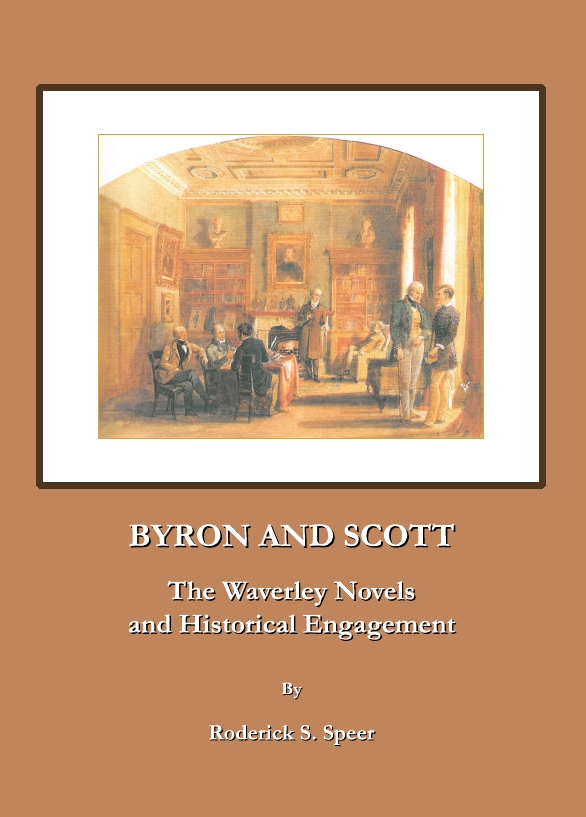
Byron and Scott
The Waverley Novels and Historical Engagement
Though traditionally seen as opposites, the writers Scott and Byron cherished a lifelong friendship. This study reveals how Scott’s invention of the historical novel was crucial to Byron’s later work, shaping the evolution of the Byronic Hero and Byron himself.
Though traditionally seen as opposites, the writers Scott and Byron cherished a lifelong friendship. This study reveals how Scott’s invention of the historical novel was crucial to Byron’s later work, shaping the evolution of the Byronic Hero and Byron himself.
View more
This product has multiple variants. The options may be chosen on the product page
View more
This product has multiple variants. The options may be chosen on the product page
£52.99
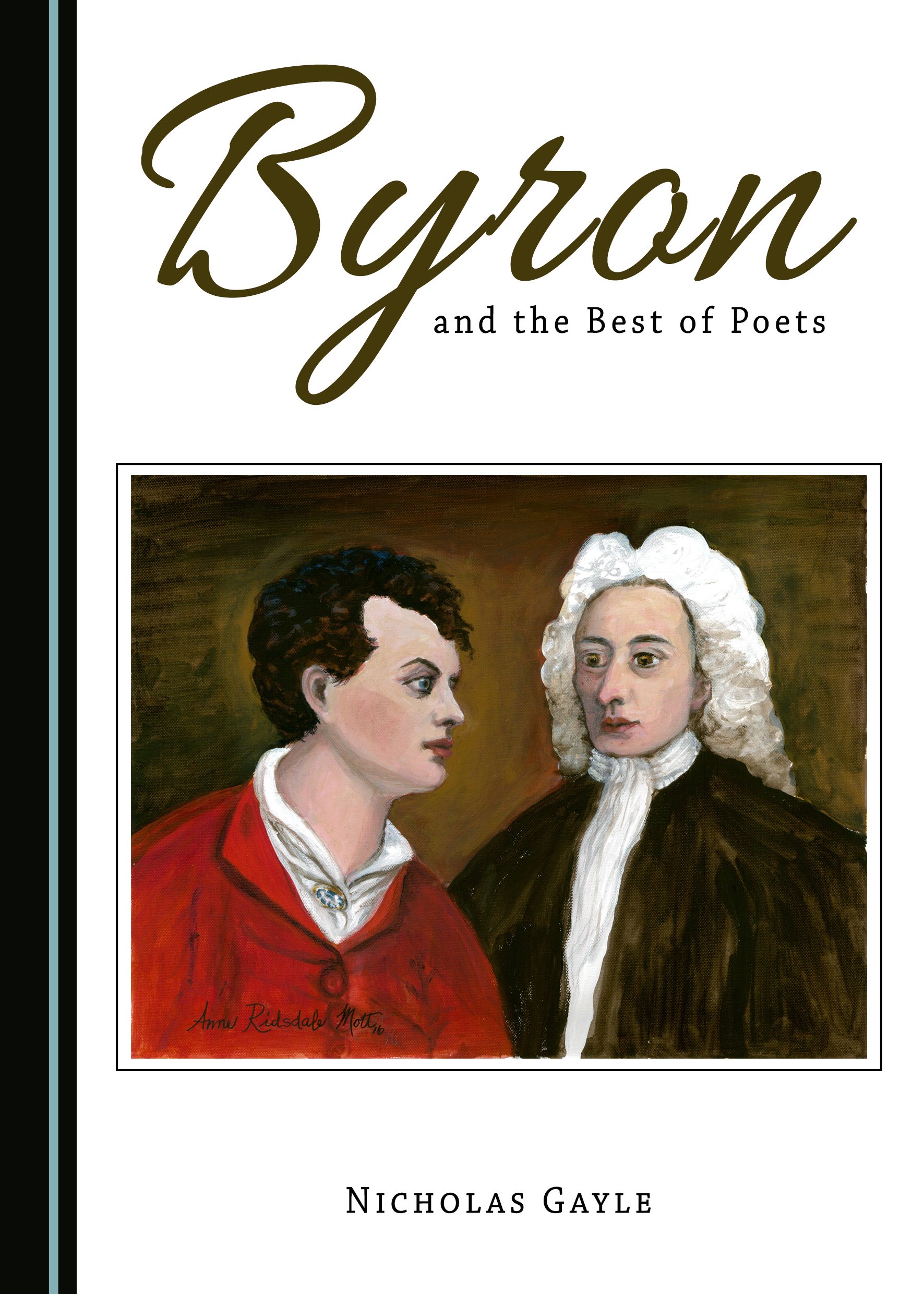
This comparative exploration of Bryon and Pope’s satirical portraits of men and women, their expression of love and forbidden passion, and their various poetic techniques shows the profound influence Pope had on the deepest recesses of Byron’s poetic thought.
This comparative exploration of Bryon and Pope’s satirical portraits of men and women, their expression of love and forbidden passion, and their various poetic techniques shows the profound influence Pope had on the deepest recesses of Byron’s poetic thought.
View more
This product has multiple variants. The options may be chosen on the product page
View more
This product has multiple variants. The options may be chosen on the product page
£64.99
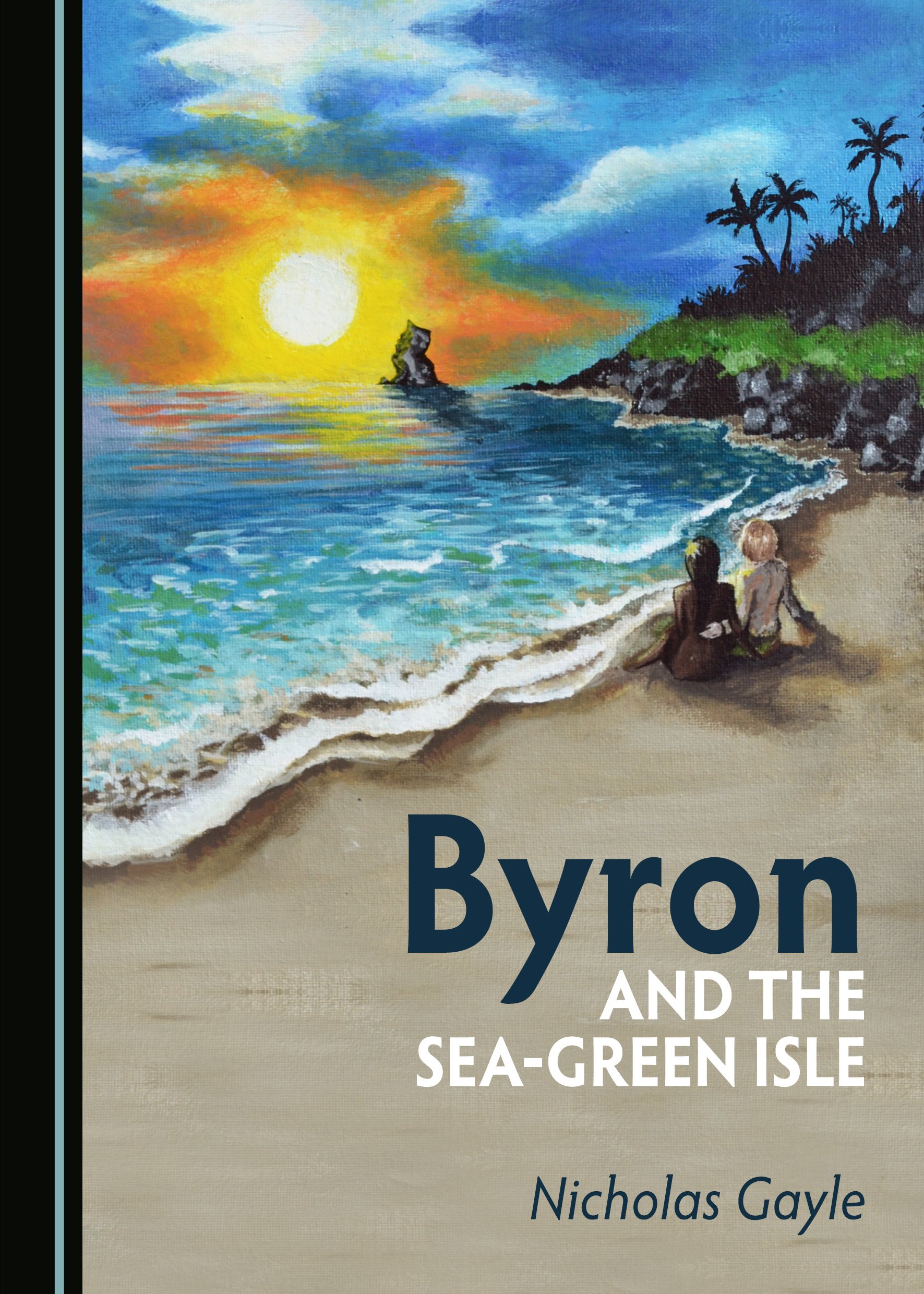
This study of Byron’s last complete long poem, the comparatively neglected The Island, is the first to devote a whole book to the examination and contextualization of both the poetry and its poet. It also contains the first-ever published transcript of the holograph of the poem.
This study of Byron’s last complete long poem, the comparatively neglected The Island, is the first to devote a whole book to the examination and contextualization of both the poetry and its poet. It also contains the first-ever published transcript of the holograph of the poem.
View more
This product has multiple variants. The options may be chosen on the product page
View more
This product has multiple variants. The options may be chosen on the product page
£44.99
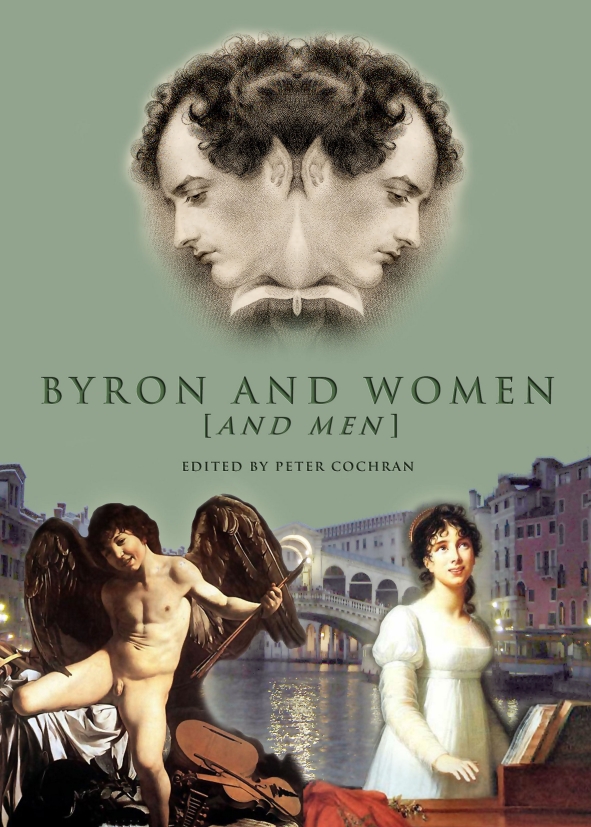
New essays examine Lord Byron’s bisexuality and its effect on his poetry and drama. This volume covers neglected aspects of his life, including his boyfriends and gender in *Don Juan*, and includes new editions of notorious poems with startling theories.
New essays examine Lord Byron’s bisexuality and its effect on his poetry and drama. This volume covers neglected aspects of his life, including his boyfriends and gender in *Don Juan*, and includes new editions of notorious poems with startling theories.
View more
This product has multiple variants. The options may be chosen on the product page
View more
This product has multiple variants. The options may be chosen on the product page
£34.99
This collection of essays explores Byron’s dramas and relationship with the theatre. It covers Regency London’s squalid conditions, Alfieri's influence, and Byron as a dramatic performer. A vital book for anyone interested in this little-understood aspect of his work.
This collection of essays explores Byron’s dramas and relationship with the theatre. It covers Regency London’s squalid conditions, Alfieri’s influence, and Byron as a dramatic performer. A vital book for anyone interested in this little-understood aspect of his work.
View more
This product has multiple variants. The options may be chosen on the product page
View more
This product has multiple variants. The options may be chosen on the product page
£34.99
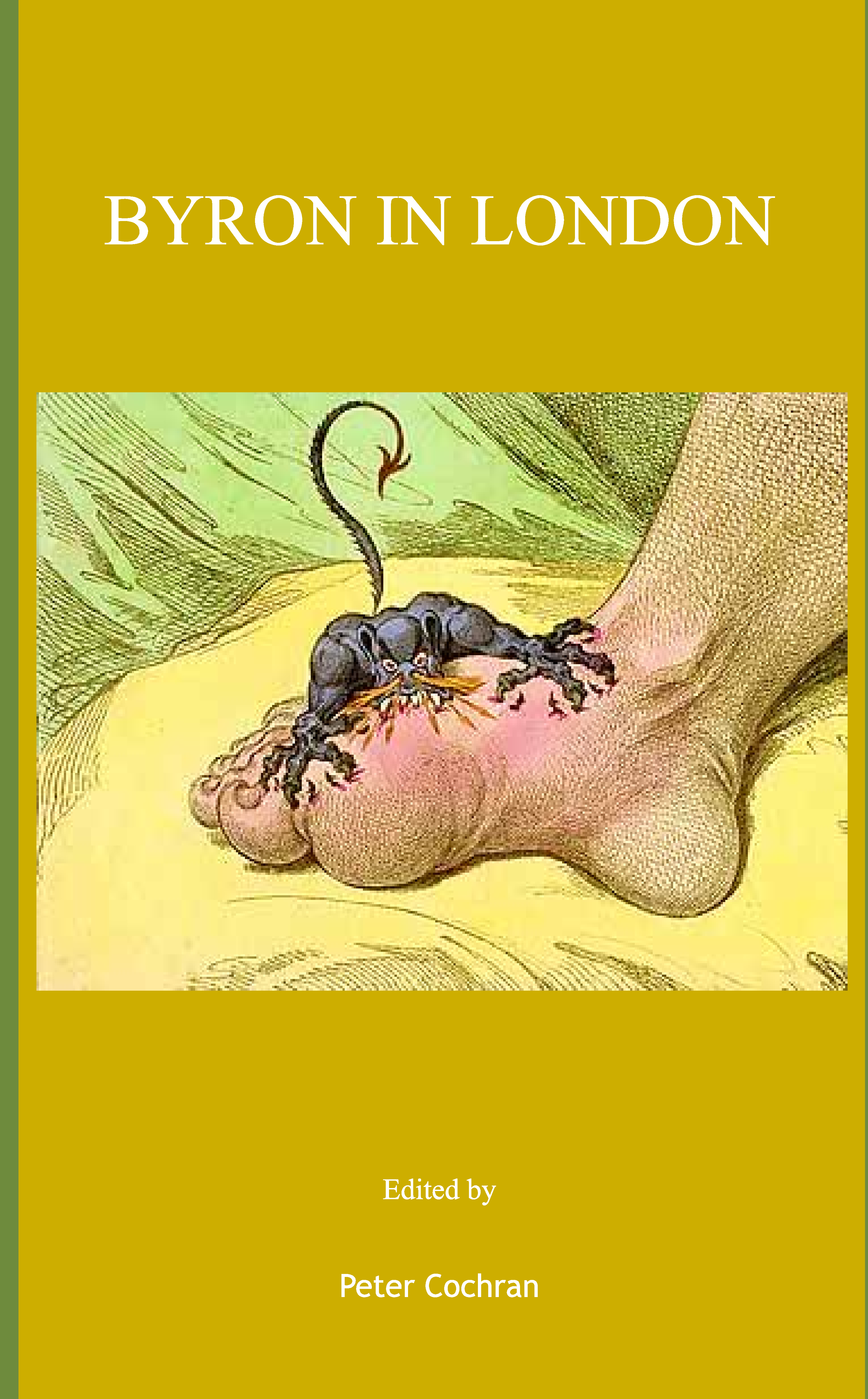
Essays by leading authorities chart Byron's life and writings in London, revealing him as one of English poetry’s leading urban writers. Chapters explore the stage, boxing, and women writers, with many referencing his descriptions of the capital in Don Juan.
Essays by leading authorities chart Byron’s life and writings in London, revealing him as one of English poetry’s leading urban writers. Chapters explore the stage, boxing, and women writers, with many referencing his descriptions of the capital in Don Juan.
View more
This product has multiple variants. The options may be chosen on the product page
View more
This product has multiple variants. The options may be chosen on the product page
£52.99
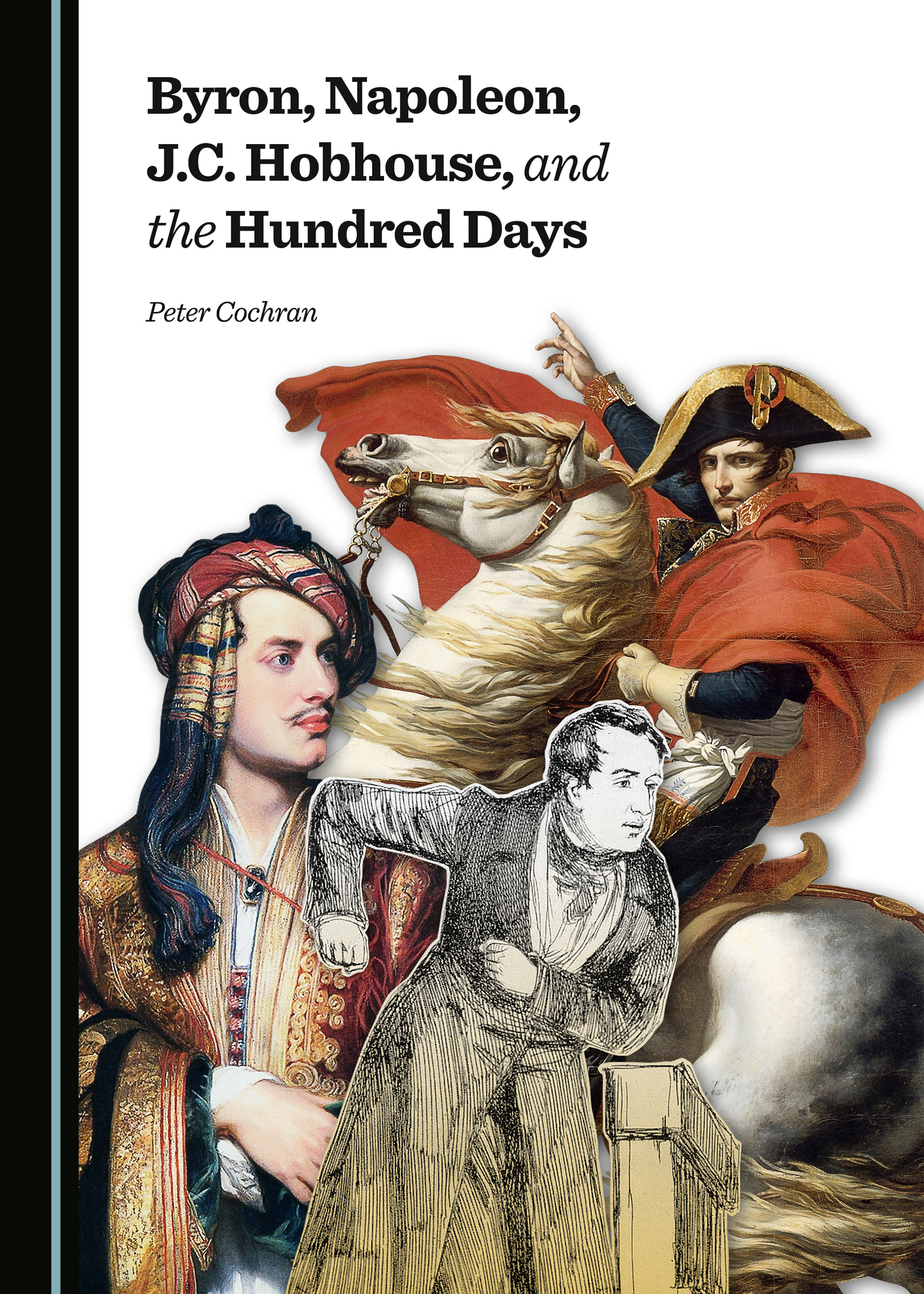
Observing Napoleon’s march from Elba to his defeat at Waterloo was Byron’s friend J.C. Hobhouse. This book presents an essay on Byron and Napoleon, Byron’s poems, and Hobhouse’s letters and mostly unpublished diary from the thick of things in Paris.
Observing Napoleon’s march from Elba to his defeat at Waterloo was Byron’s friend J.C. Hobhouse. This book presents an essay on Byron and Napoleon, Byron’s poems, and Hobhouse’s letters and mostly unpublished diary from the thick of things in Paris.
View more
This product has multiple variants. The options may be chosen on the product page
View more
This product has multiple variants. The options may be chosen on the product page
£62.99
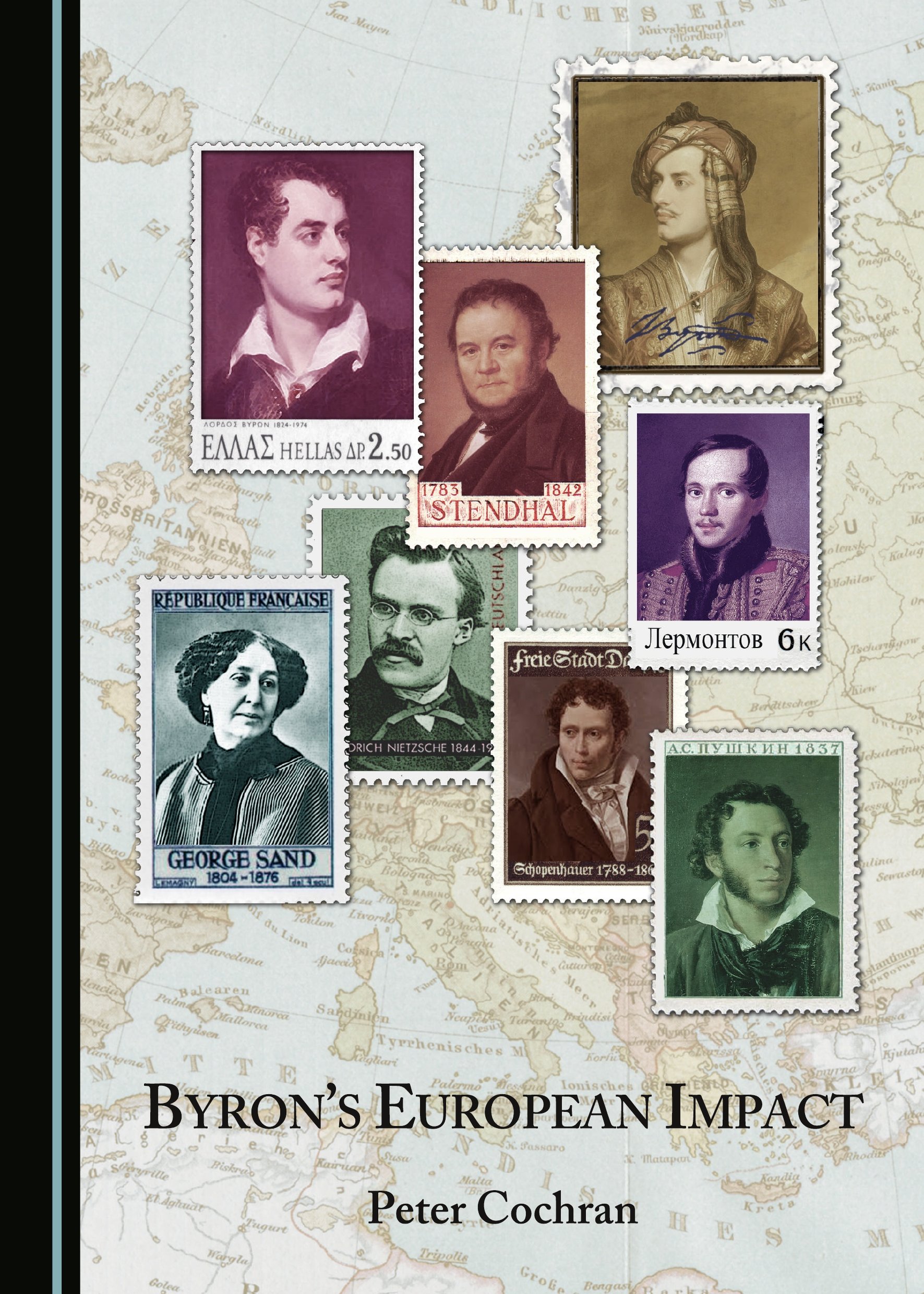
Peter Cochran’s book charts Byron's profound influence on European literature, arguing that it was a mythical Byron who held sway. Europe's writers embraced the gloomy Byronic Hero, ignoring his satirical best, until Eliot, Joyce, and Yeats read him accurately.
Peter Cochran’s book charts Byron’s profound influence on European literature, arguing that it was a mythical Byron who held sway. Europe’s writers embraced the gloomy Byronic Hero, ignoring his satirical best, until Eliot, Joyce, and Yeats read him accurately.
View more
This product has multiple variants. The options may be chosen on the product page
View more
This product has multiple variants. The options may be chosen on the product page
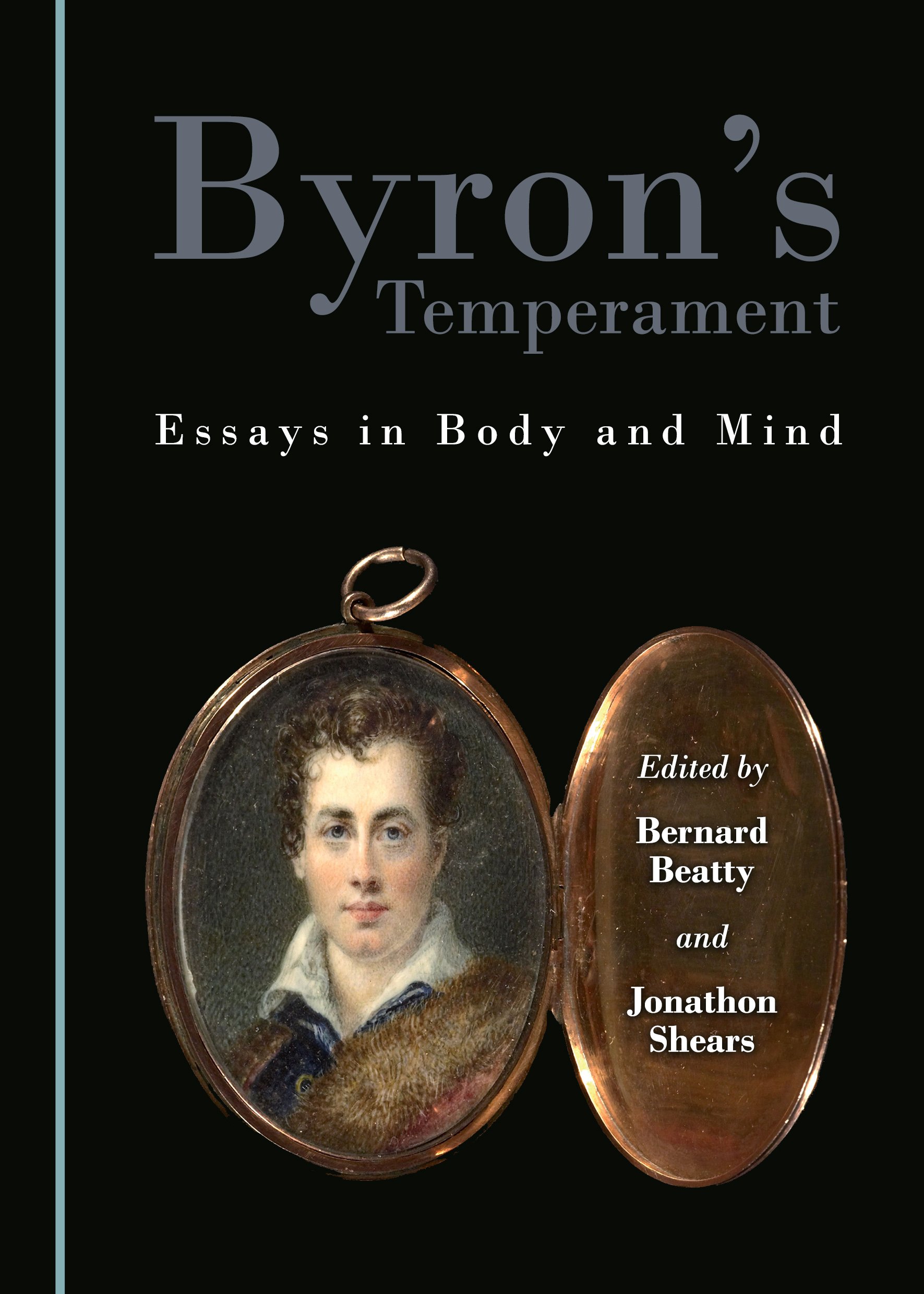
Byron’s Temperament
Essays in Body and Mind
This edited volume is the first to draw together dominant strains in critical thinking about Byron’s temperament and behaviour, using discourses and paradigms drawn from various disciplines, including literary studies, history of medicine, behaviourism, and cultural studies.
This edited volume is the first to draw together dominant strains in critical thinking about Byron’s temperament and behaviour, using discourses and paradigms drawn from various disciplines, including literary studies, history of medicine, behaviourism, and cultural studies.
View more
This product has multiple variants. The options may be chosen on the product page
View more
This product has multiple variants. The options may be chosen on the product page
£39.99
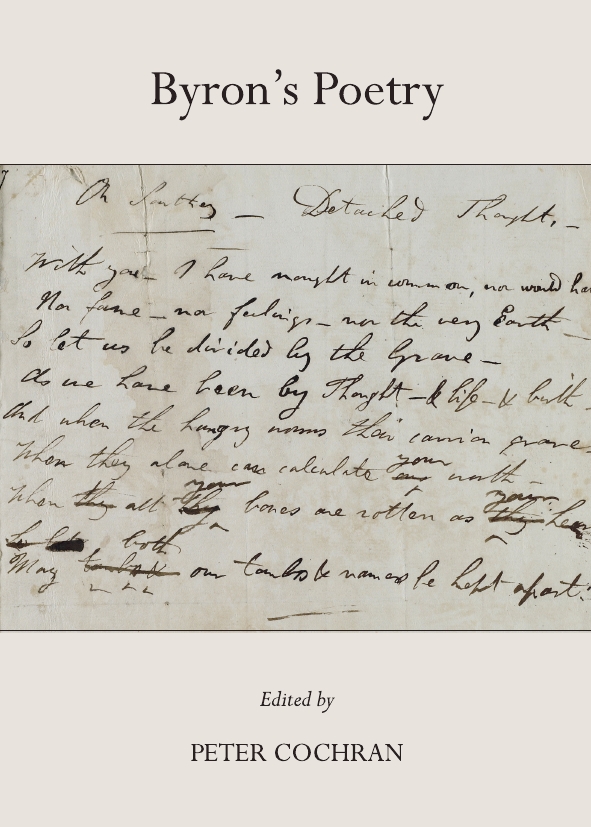
Byron’s dubious status as an icon disguises that he is one of the greatest English poets. This book ignores his iconography and concentrates on his poems. Written by leading authorities, it puts his real achievement as a creative writer back into focus.
Byron’s dubious status as an icon disguises that he is one of the greatest English poets. This book ignores his iconography and concentrates on his poems. Written by leading authorities, it puts his real achievement as a creative writer back into focus.
View more
This product has multiple variants. The options may be chosen on the product page
View more
This product has multiple variants. The options may be chosen on the product page
£44.99
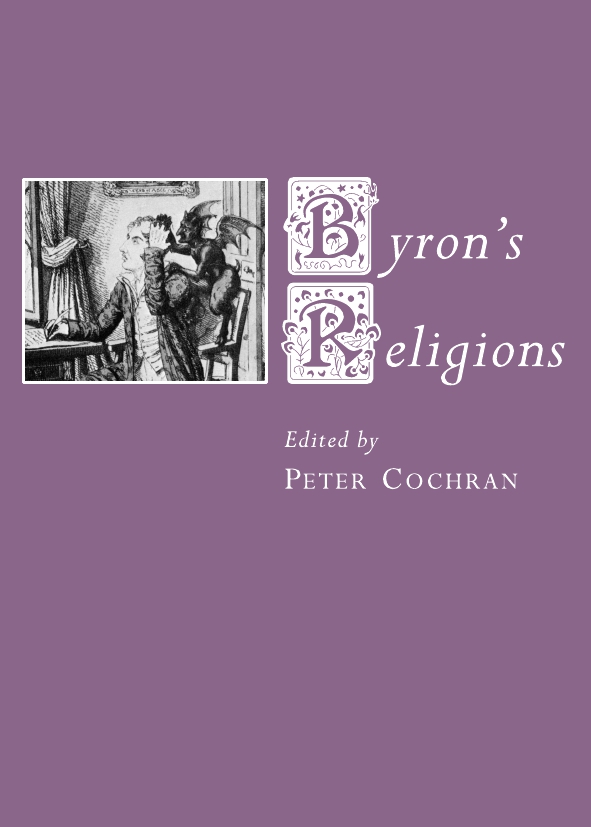
This comprehensive study of Byron’s eclectic attitude to religion concludes he was never the atheist of cliché, but a man whose profound need for a faith always clashed with an equally profound scepticism.
This comprehensive study of Byron’s eclectic attitude to religion concludes he was never the atheist of cliché, but a man whose profound need for a faith always clashed with an equally profound scepticism.
View more
This product has multiple variants. The options may be chosen on the product page
Processing Your Order
Please wait while we securely process your order.
Do not refresh or leave this page.
You will be redirected shortly to a confirmation page with your order number.