

View more
This product has multiple variants. The options may be chosen on the product page
Arthur Danto
Philosopher of Pop
This original monograph presents Arthur Danto’s aesthetic theory as part of his larger philosophical system. For the first time, his themes are viewed as a whole, placed in the context of his broader commitments to action, knowledge, and metaphysics.
This original monograph presents Arthur Danto’s aesthetic theory as part of his larger philosophical system. For the first time, his themes are viewed as a whole, placed in the context of his broader commitments to action, knowledge, and metaphysics.
View more
This product has multiple variants. The options may be chosen on the product page
View more
This product has multiple variants. The options may be chosen on the product page
£34.99
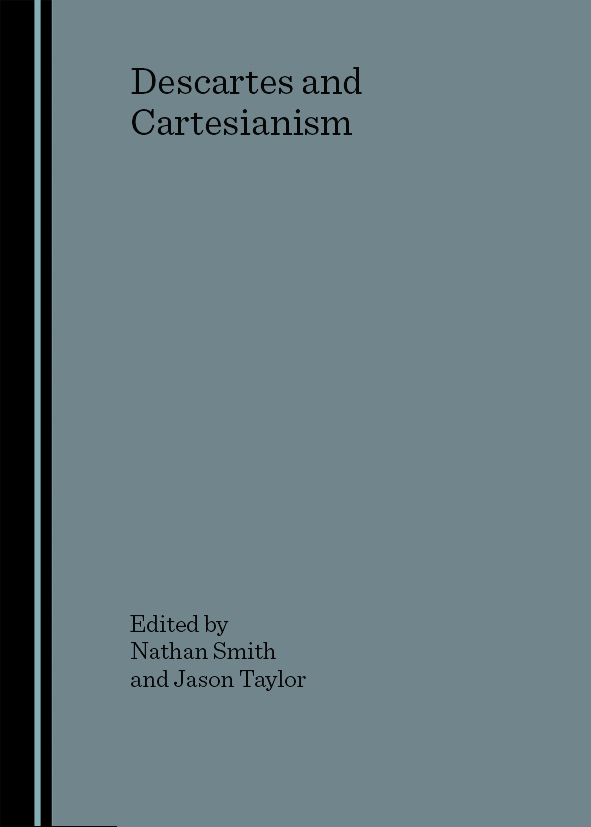
This collection reevaluates Descartes’ reputation as the “father of modern philosophy.” Essays attend to the impact of “Cartesianism” from the 17th century to today, addressing the character of his originality and the lasting challenges of his thought.
This collection reevaluates Descartes’ reputation as the “father of modern philosophy.” Essays attend to the impact of “Cartesianism” from the 17th century to today, addressing the character of his originality and the lasting challenges of his thought.
View more
This product has multiple variants. The options may be chosen on the product page
View more
This product has multiple variants. The options may be chosen on the product page
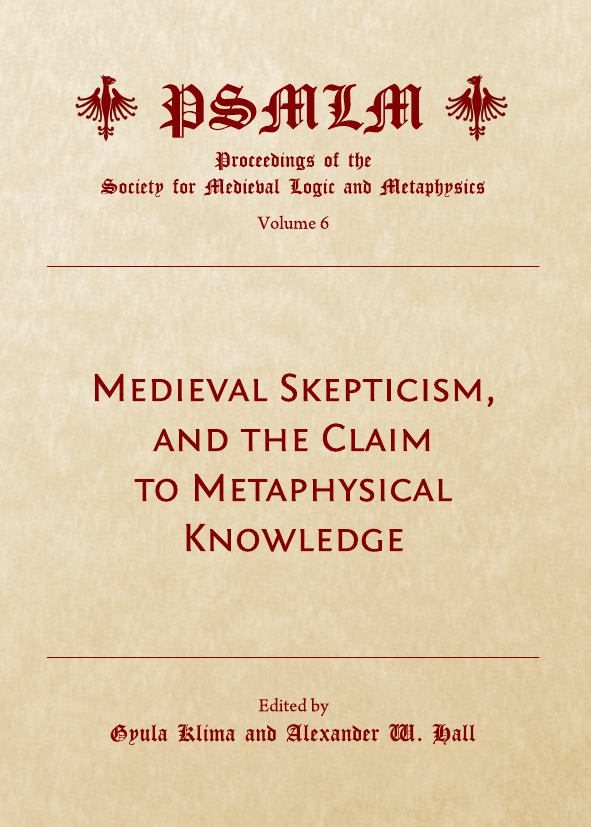
Medieval Skepticism, and the Claim to Metaphysical Knowledge (Volume 6
Proceedings of the Society for Medieval Logic and Metaphysics)
This collection of essays explores medieval skepticism and metaphysical knowledge. It features scholarly exchanges on Siger of Brabant’s strategy against the skeptic, Walter Chatton’s critique of Ockhamism, and key issues in the metaphysics of Thomas Aquinas.
This collection of essays explores medieval skepticism and metaphysical knowledge. It features scholarly exchanges on Siger of Brabant’s strategy against the skeptic, Walter Chatton’s critique of Ockhamism, and key issues in the metaphysics of Thomas Aquinas.
View more
This product has multiple variants. The options may be chosen on the product page
View more
This product has multiple variants. The options may be chosen on the product page
£34.99
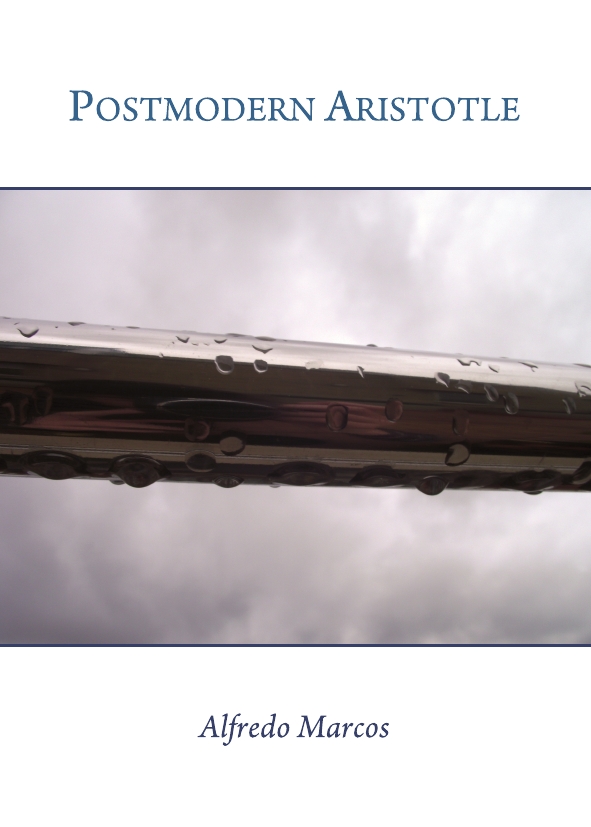
The modern world was born reacting against a partial image of Aristotle. Today, we are in a unique position to apply his philosophy to contemporary problems. This book uses Aristotelian concepts to solve the dualisms of modern times.
The modern world was born reacting against a partial image of Aristotle. Today, we are in a unique position to apply his philosophy to contemporary problems. This book uses Aristotelian concepts to solve the dualisms of modern times.
View more
This product has multiple variants. The options may be chosen on the product page
View more
This product has multiple variants. The options may be chosen on the product page
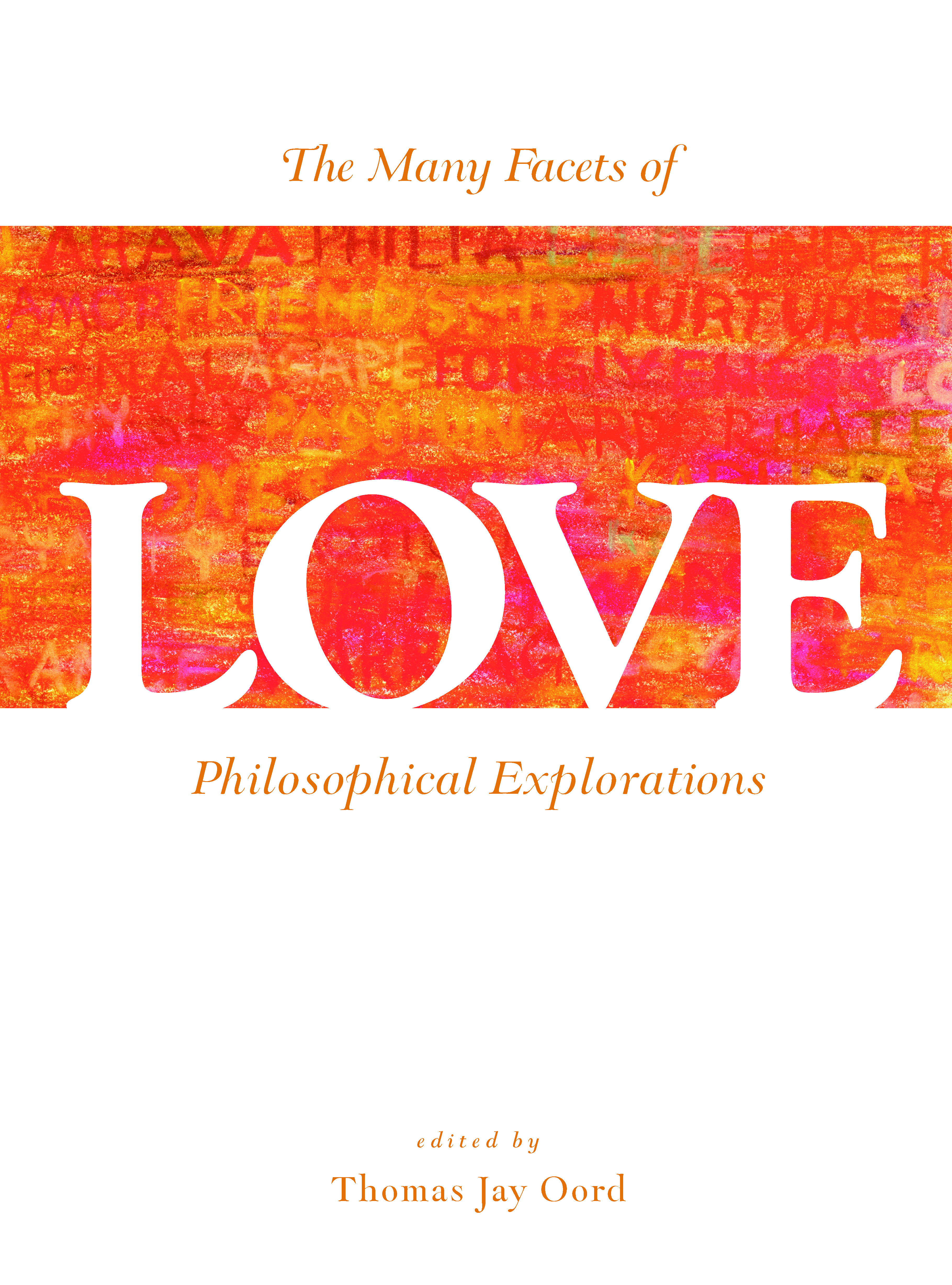
The Many Facets of Love
Philosophical Explorations
We might think philosophers have thoroughly analyzed love, but this is not the case. This book takes a step toward rectifying that neglect, bringing together fifteen philosophical perspectives to explore love’s facets, most with religious concerns.
We might think philosophers have thoroughly analyzed love, but this is not the case. This book takes a step toward rectifying that neglect, bringing together fifteen philosophical perspectives to explore love’s facets, most with religious concerns.
View more
This product has multiple variants. The options may be chosen on the product page

View more
This product has multiple variants. The options may be chosen on the product page
Reverence for Life Revisited
Albert Schweitzer's Relevance Today
This book's essays re-examine Albert Schweitzer's life and his "Reverence for Life" philosophy, assessing its relevance for the twenty-first century. Featuring diverse perspectives, including from Jane Goodall, they explore applications to today's global issues.
This book’s essays re-examine Albert Schweitzer’s life and his “Reverence for Life” philosophy, assessing its relevance for the twenty-first century. Featuring diverse perspectives, including from Jane Goodall, they explore applications to today’s global issues.
View more
This product has multiple variants. The options may be chosen on the product page
View more
This product has multiple variants. The options may be chosen on the product page
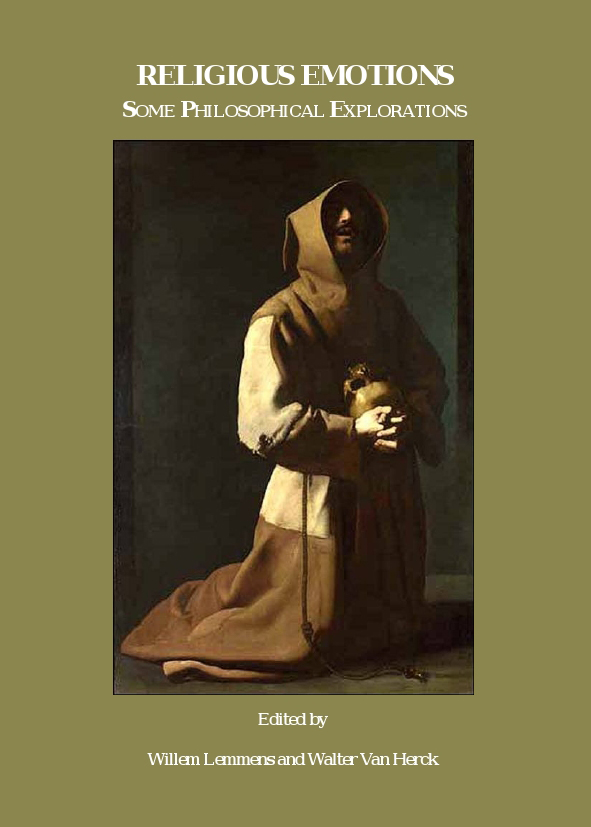
Religious Emotions
Some Philosophical Explorations
The role of emotions in religion has received little attention. This volume of research explores ‘religious emotions,’ asking what is distinctive about them and how Christianity made use of human emotional potential. The reader is invited to reflect on their interaction.
The role of emotions in religion has received little attention. This volume of research explores ‘religious emotions,’ asking what is distinctive about them and how Christianity made use of human emotional potential. The reader is invited to reflect on their interaction.
View more
This product has multiple variants. The options may be chosen on the product page
View more
This product has multiple variants. The options may be chosen on the product page
£34.99
Do we have the free will necessary for moral responsibility, or does determinism make it impossible? This volume offers new perspectives from leading philosophers on these questions, exploring fairness, obligation, and meaningfulness in a deterministic universe.
Do we have the free will necessary for moral responsibility, or does determinism make it impossible? This volume offers new perspectives from leading philosophers on these questions, exploring fairness, obligation, and meaningfulness in a deterministic universe.
View more
This product has multiple variants. The options may be chosen on the product page

View more
This product has multiple variants. The options may be chosen on the product page
£34.99
With so much preventable suffering in the world, what does it mean to live ethically today? This collection explores our obligations to humans and other animals, the search for a meaningful life, and the relevance and vitality of ethics today.
With so much preventable suffering in the world, what does it mean to live ethically today? This collection explores our obligations to humans and other animals, the search for a meaningful life, and the relevance and vitality of ethics today.
View more
This product has multiple variants. The options may be chosen on the product page

View more
This product has multiple variants. The options may be chosen on the product page
£34.99
Body and Justice insightfully examines the western woman: her body, sexuality, and the justice she is afforded. How fair is a world where women are forced to conform to beauty standards? It calls for a morality that frees our bodies from oppression.
Body and Justice insightfully examines the western woman: her body, sexuality, and the justice she is afforded. How fair is a world where women are forced to conform to beauty standards? It calls for a morality that frees our bodies from oppression.
View more
This product has multiple variants. The options may be chosen on the product page

View more
This product has multiple variants. The options may be chosen on the product page
American and European Values
Contemporary Philosophical Perspectives
International scholars consider the intersection of American and European values. They explore cultural sensibilities, key philosophical figures, and movements from pragmatism to existentialism, offering a rich conversation for our increasingly globalized world.
International scholars consider the intersection of American and European values. They explore cultural sensibilities, key philosophical figures, and movements from pragmatism to existentialism, offering a rich conversation for our increasingly globalized world.
View more
This product has multiple variants. The options may be chosen on the product page
View more
This product has multiple variants. The options may be chosen on the product page
From £34.99
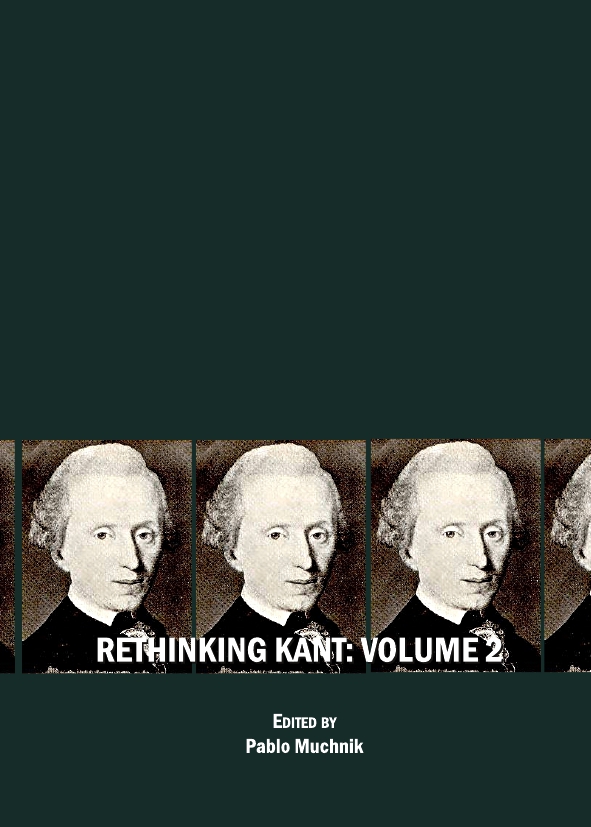
This collection takes the pulse of current Kantian scholarship, featuring papers from a new generation alongside established scholars. These essays rethink Kant, tackling controversial themes from moral constructivism to his alleged racism and contemporary influence.
This collection takes the pulse of current Kantian scholarship, featuring papers from a new generation alongside established scholars. These essays rethink Kant, tackling controversial themes from moral constructivism to his alleged racism and contemporary influence.
View more
This product has multiple variants. The options may be chosen on the product page
View more
This product has multiple variants. The options may be chosen on the product page
£34.99
This book of political philosophy argues that libertarianism provides more efficient decision-making than any other political order. It links this idea to the theory of knowledge, revealing the connection between how we know and how we are governed.
This book of political philosophy argues that libertarianism provides more efficient decision-making than any other political order. It links this idea to the theory of knowledge, revealing the connection between how we know and how we are governed.
View more
This product has multiple variants. The options may be chosen on the product page
View more
This product has multiple variants. The options may be chosen on the product page
£34.99
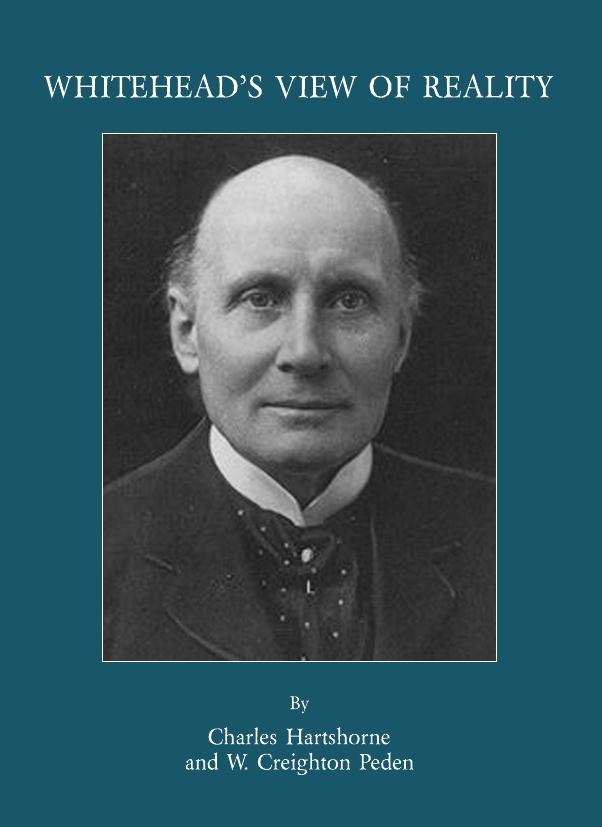
An assistant for students of Alfred North Whitehead’s Process and Reality. This volume places Whitehead in historical context, presents an exposition of his philosophy, and explores his influential doctrine of God in comparison with traditional Christian thought.
An assistant for students of Alfred North Whitehead’s Process and Reality. This volume places Whitehead in historical context, presents an exposition of his philosophy, and explores his influential doctrine of God in comparison with traditional Christian thought.
View more
This product has multiple variants. The options may be chosen on the product page
View more
This product has multiple variants. The options may be chosen on the product page
£34.99
New essays by leading scholars explore how different cultures conceive of art and beauty. Discover how Buddhist, Confucian, and Upanişadic thought shape aesthetics in the East, revealing deep cultural differences and similarities with the West.
New essays by leading scholars explore how different cultures conceive of art and beauty. Discover how Buddhist, Confucian, and Upanişadic thought shape aesthetics in the East, revealing deep cultural differences and similarities with the West.
View more
This product has multiple variants. The options may be chosen on the product page

View more
This product has multiple variants. The options may be chosen on the product page
The Flesh of Being
On Nietzsche's Thus Spoke Zarathustra
This text is a conversation with Friedrich Nietzsche’s Thus Spoke Zarathustra. It is not about Nietzsche, but what it is for someone to read his text, a book for everyone and no one. The text is what the reader has to write through the reading.
This text is a conversation with Friedrich Nietzsche’s Thus Spoke Zarathustra. It is not about Nietzsche, but what it is for someone to read his text, a book for everyone and no one. The text is what the reader has to write through the reading.
View more
This product has multiple variants. The options may be chosen on the product page
View more
This product has multiple variants. The options may be chosen on the product page
Universal Representation, and the Ontology of Individuation (Volume 5
Proceedings of the Society for Medieval Logic and Metaphysics)
These essays explore ceaseless medieval debates on how we conceive things and the nature of individuation. They consider the metaphysics of universal representation in thinkers from Avicenna and Aquinas to Duns Scotus and Ockham.
These essays explore ceaseless medieval debates on how we conceive things and the nature of individuation. They consider the metaphysics of universal representation in thinkers from Avicenna and Aquinas to Duns Scotus and Ockham.
View more
This product has multiple variants. The options may be chosen on the product page
View more
This product has multiple variants. The options may be chosen on the product page
Categories, and What Is Beyond (Volume 2
Proceedings of the Society for Medieval Logic and Metaphysics)
Drawing on late antiquity and the middle ages, these essays study what types of things exist, the accuracy of our knowledge, the semantics of analogy, and how these considerations bear on our ability to learn and speak of God.
Drawing on late antiquity and the middle ages, these essays study what types of things exist, the accuracy of our knowledge, the semantics of analogy, and how these considerations bear on our ability to learn and speak of God.
View more
This product has multiple variants. The options may be chosen on the product page

View more
This product has multiple variants. The options may be chosen on the product page
£34.99
This book identifies a third problem of evil: epistemic evil. It arises when our judgments, through no corrigible defect, lead to undeserved human suffering. Tierno forcefully defends this problem, a groundbreaking challenge to theodicy.
This book identifies a third problem of evil: epistemic evil. It arises when our judgments, through no corrigible defect, lead to undeserved human suffering. Tierno forcefully defends this problem, a groundbreaking challenge to theodicy.
View more
This product has multiple variants. The options may be chosen on the product page
View more
This product has multiple variants. The options may be chosen on the product page
Meaning without Analyticity
Essays on Logic, Language and Meaning
This book explores a non-behavioristic theory of meaning, rejecting the analytic-synthetic distinction. It answers challenges from the revival of pragmatism by bringing it into contact with analytic philosophy, where Frege and Quine meet Peirce, James, and Dewey.
This book explores a non-behavioristic theory of meaning, rejecting the analytic-synthetic distinction. It answers challenges from the revival of pragmatism by bringing it into contact with analytic philosophy, where Frege and Quine meet Peirce, James, and Dewey.
View more
This product has multiple variants. The options may be chosen on the product page
Processing Your Order
Please wait while we securely process your order.
Do not refresh or leave this page.
You will be redirected shortly to a confirmation page with your order number.