
View more
This product has multiple variants. The options may be chosen on the product page
£34.99
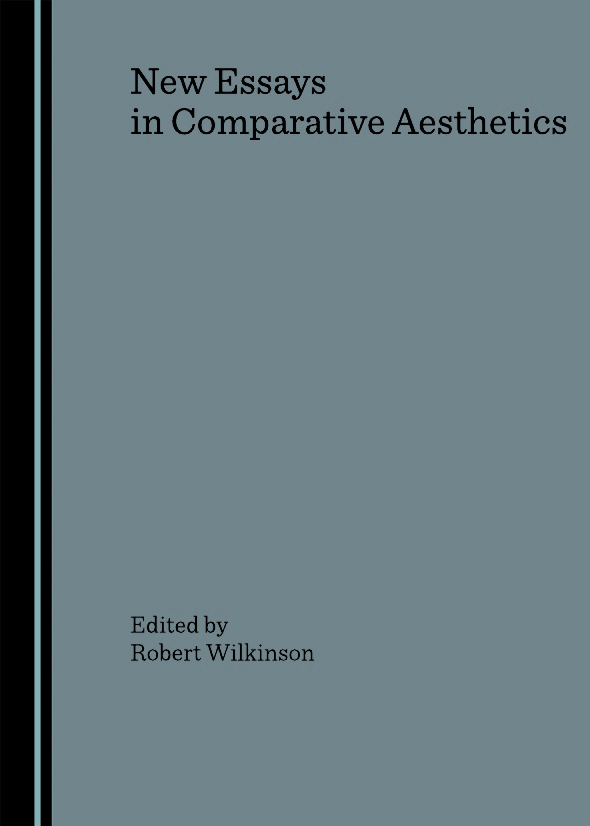
New essays by leading scholars explore how different cultures conceive of art and beauty. Discover how Buddhist, Confucian, and Upanişadic thought shape aesthetics in the East, revealing deep cultural differences and similarities with the West.
New essays by leading scholars explore how different cultures conceive of art and beauty. Discover how Buddhist, Confucian, and Upanişadic thought shape aesthetics in the East, revealing deep cultural differences and similarities with the West.
View more
This product has multiple variants. The options may be chosen on the product page
View more
This product has multiple variants. The options may be chosen on the product page
£61.99
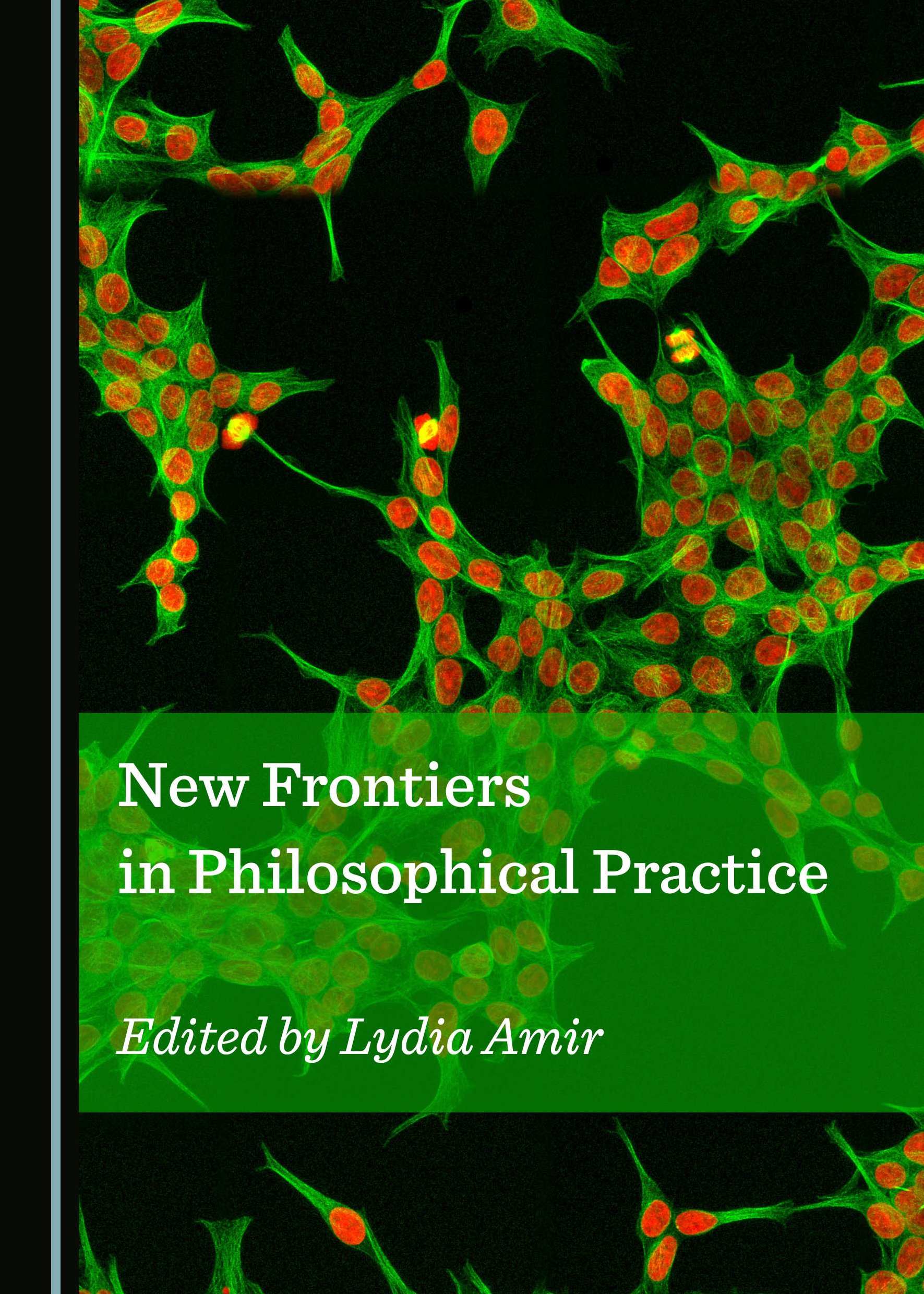
Leading philosophers bring new methods and aims to the practice of philosophy, showing how they can serve their communities and civilization. This anthology is valuable for philosophers, professionals in education and helping disciplines, and the general public.
Leading philosophers bring new methods and aims to the practice of philosophy, showing how they can serve their communities and civilization. This anthology is valuable for philosophers, professionals in education and helping disciplines, and the general public.
View more
This product has multiple variants. The options may be chosen on the product page
View more
This product has multiple variants. The options may be chosen on the product page
New Hegelian Essays
Seid Umschlungen Millionen
These essays show how Hegel’s philosophy overcomes religious dualisms, inserting Christian doctrine into the metaphysical tradition. To read Hegel is to participate in a divine “service,” a spiritual participation to which this text invites the reader.
These essays show how Hegel’s philosophy overcomes religious dualisms, inserting Christian doctrine into the metaphysical tradition. To read Hegel is to participate in a divine “service,” a spiritual participation to which this text invites the reader.
View more
This product has multiple variants. The options may be chosen on the product page

View more
This product has multiple variants. The options may be chosen on the product page
News from the Raven
Essays from Sam Houston State University on Medieval and Renaissance Thought
This volume offers a celebration of Medieval and Renaissance culture. Essays drawing from philosophy, literature, music, art, and history include studies of Thomas Aquinas, Shakespeare, Beowulf, and the influence of rhetoric on musical composition.
This volume offers a celebration of Medieval and Renaissance culture. Essays drawing from philosophy, literature, music, art, and history include studies of Thomas Aquinas, Shakespeare, Beowulf, and the influence of rhetoric on musical composition.
View more
This product has multiple variants. The options may be chosen on the product page
View more
This product has multiple variants. The options may be chosen on the product page
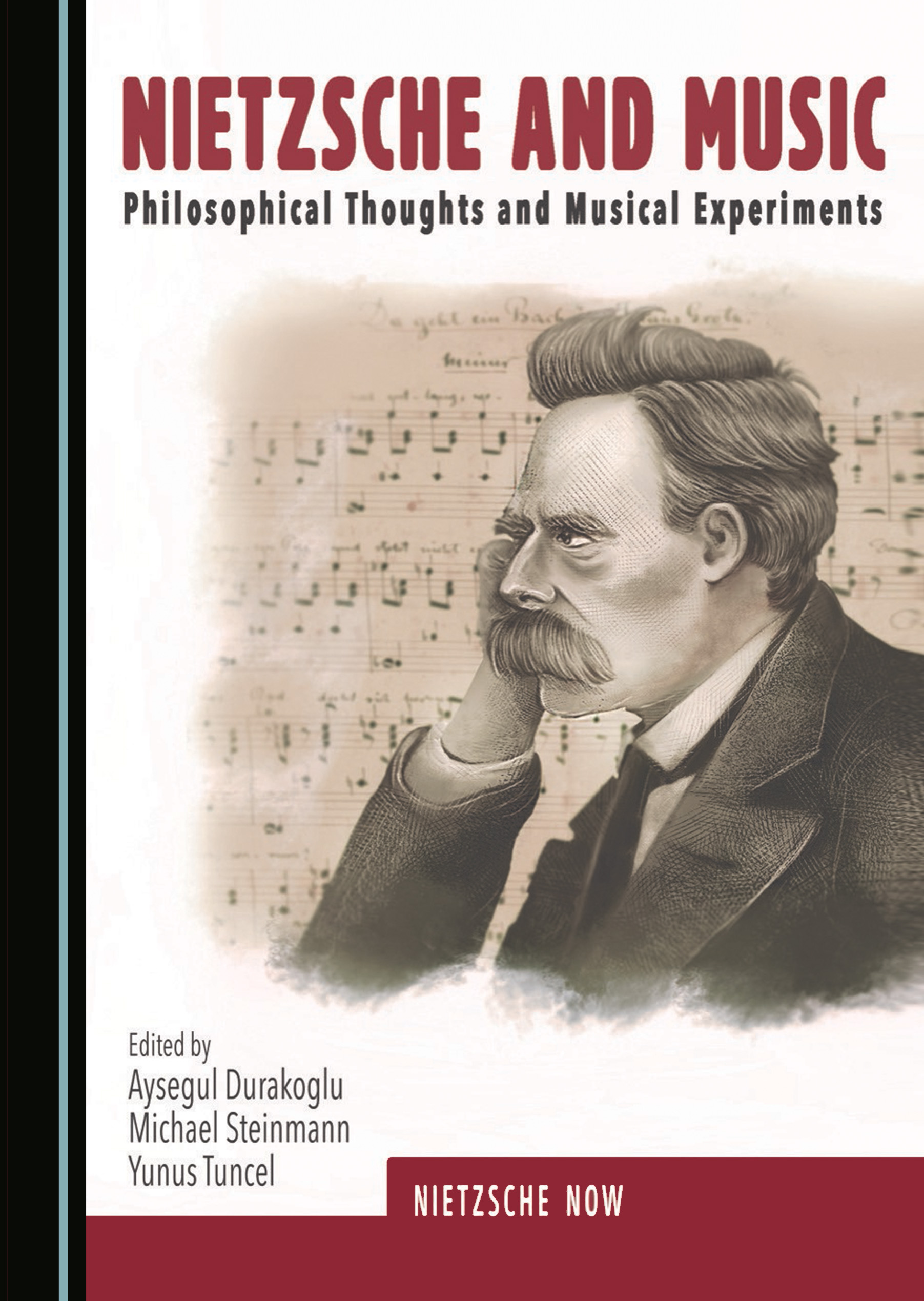
Nietzsche and Music
Philosophical Thoughts and Musical Experiments
Friedrich Nietzsche was not just a philosopher; he was a composer. This ground-breaking volume explores the connection between his thought and his music, analyzing his radical compositions and tracing his influence on genres from classical composers to heavy metal.
Friedrich Nietzsche was not just a philosopher; he was a composer. This ground-breaking volume explores the connection between his thought and his music, analyzing his radical compositions and tracing his influence on genres from classical composers to heavy metal.
View more
This product has multiple variants. The options may be chosen on the product page
View more
This product has multiple variants. The options may be chosen on the product page
From £25.99
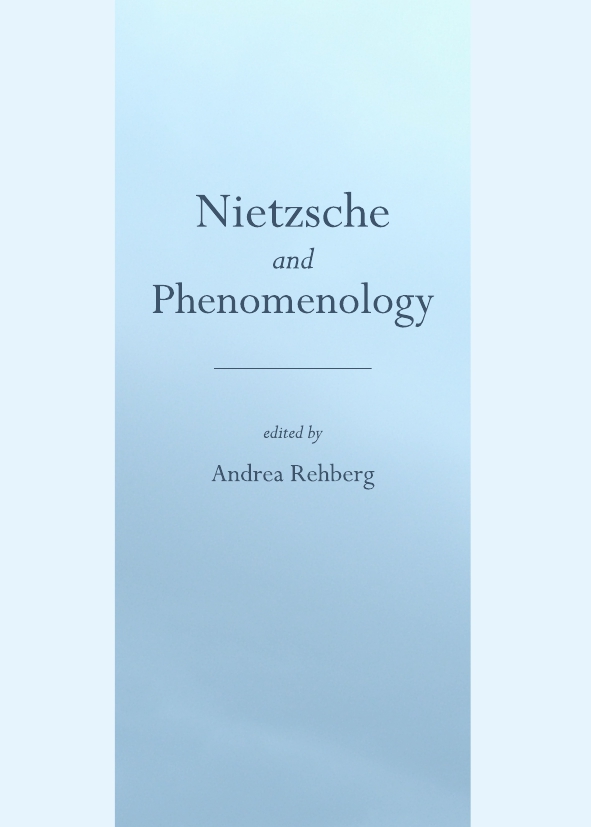
This collection of essays explores the connection between Nietzsche and Phenomenology. Leading international scholars uncover surprising new connections and profound differences, offering significant insights that broaden our understanding of both.
This collection of essays explores the connection between Nietzsche and Phenomenology. Leading international scholars uncover surprising new connections and profound differences, offering significant insights that broaden our understanding of both.
View more
This product has multiple variants. The options may be chosen on the product page
View more
This product has multiple variants. The options may be chosen on the product page
From £29.99
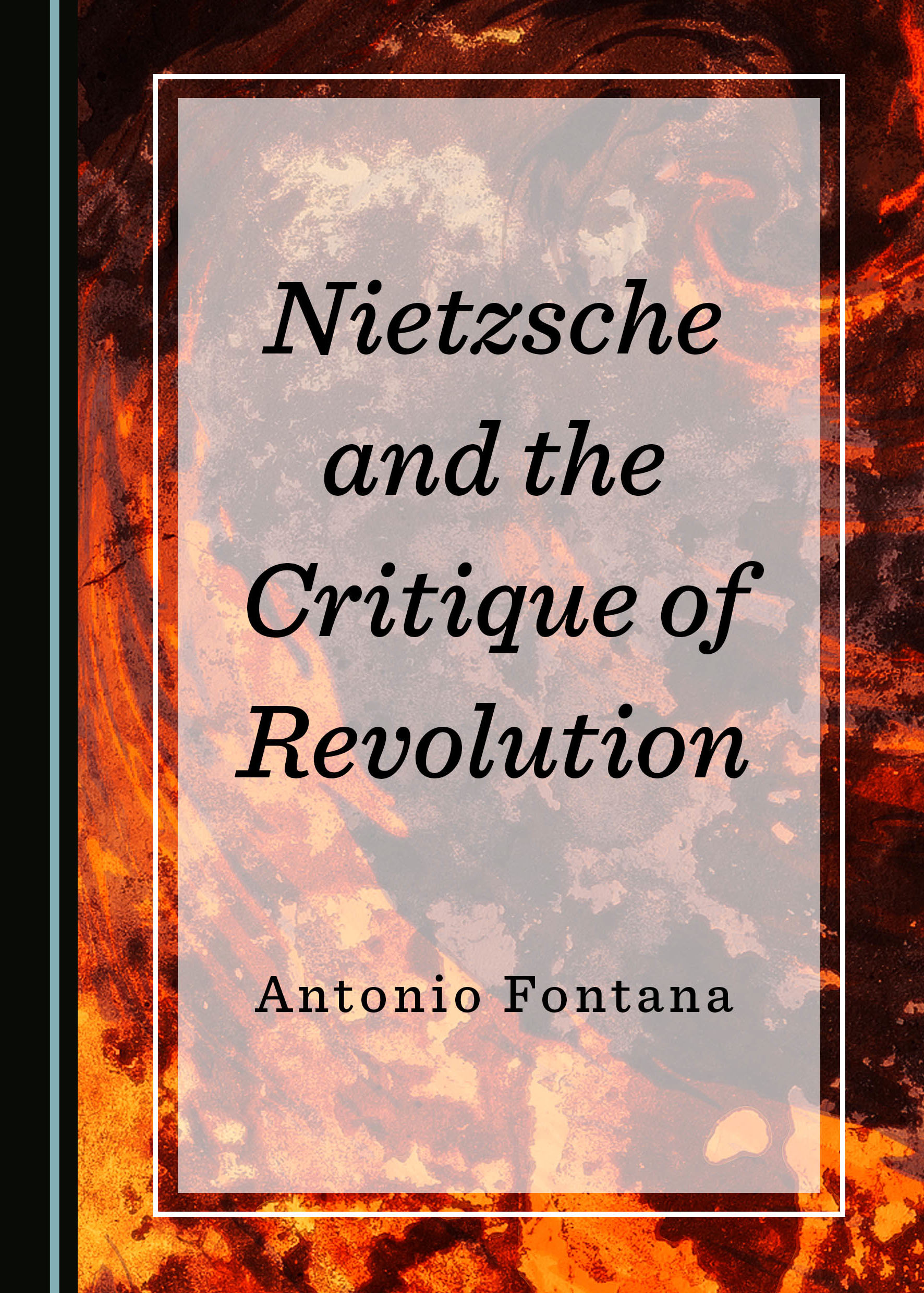
Shattering the myth of an apolitical Nietzsche, this book reveals him as a 19th-century reactionary. It traces his lifelong war on modernity—from feminism to democracy—in his quest to forge a new, counter-revolutionary politics.
Shattering the myth of an apolitical Nietzsche, this book reveals him as a 19th-century reactionary. It traces his lifelong war on modernity—from feminism to democracy—in his quest to forge a new, counter-revolutionary politics.
View more
This product has multiple variants. The options may be chosen on the product page
View more
This product has multiple variants. The options may be chosen on the product page
Nietzsche and Transhumanism
Precursor or Enemy?
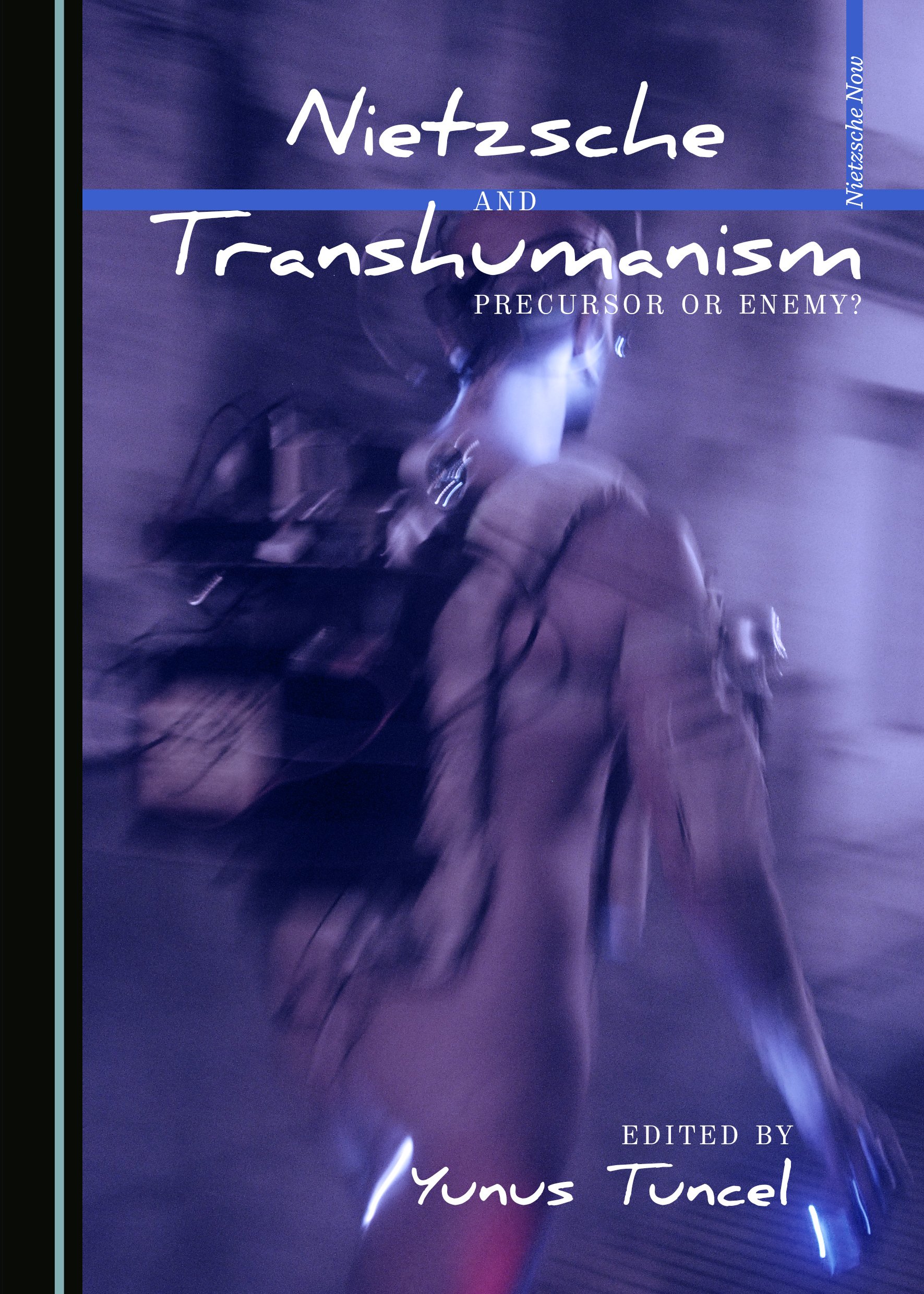
This collection deals with the question of whether or not Nietzsche can be seen as a precursor of transhumanism or not, addressing a variety of issues to show if there is a close connection between transhumanist concerns for progress and technology and Nietzsche’s ideas.
This collection deals with the question of whether or not Nietzsche can be seen as a precursor of transhumanism or not, addressing a variety of issues to show if there is a close connection between transhumanist concerns for progress and technology and Nietzsche’s ideas.
View more
This product has multiple variants. The options may be chosen on the product page

View more
This product has multiple variants. The options may be chosen on the product page
Nietzsche’s Will to Power
Eagles, Lions, and Serpents
Belliotti’s text adds to Nietzschean scholarship in its analysis of the concept of power as preliminary to addressing Nietzsche’s psychological notion of will to power. He argues that it cannot be understood as merely a first-order drive to attain and exert power.
Belliotti’s text adds to Nietzschean scholarship in its analysis of the concept of power as preliminary to addressing Nietzsche’s psychological notion of will to power. He argues that it cannot be understood as merely a first-order drive to attain and exert power.
View more
This product has multiple variants. The options may be chosen on the product page
View more
This product has multiple variants. The options may be chosen on the product page
Not-I/Thou
The Other Subject of Art and Architecture
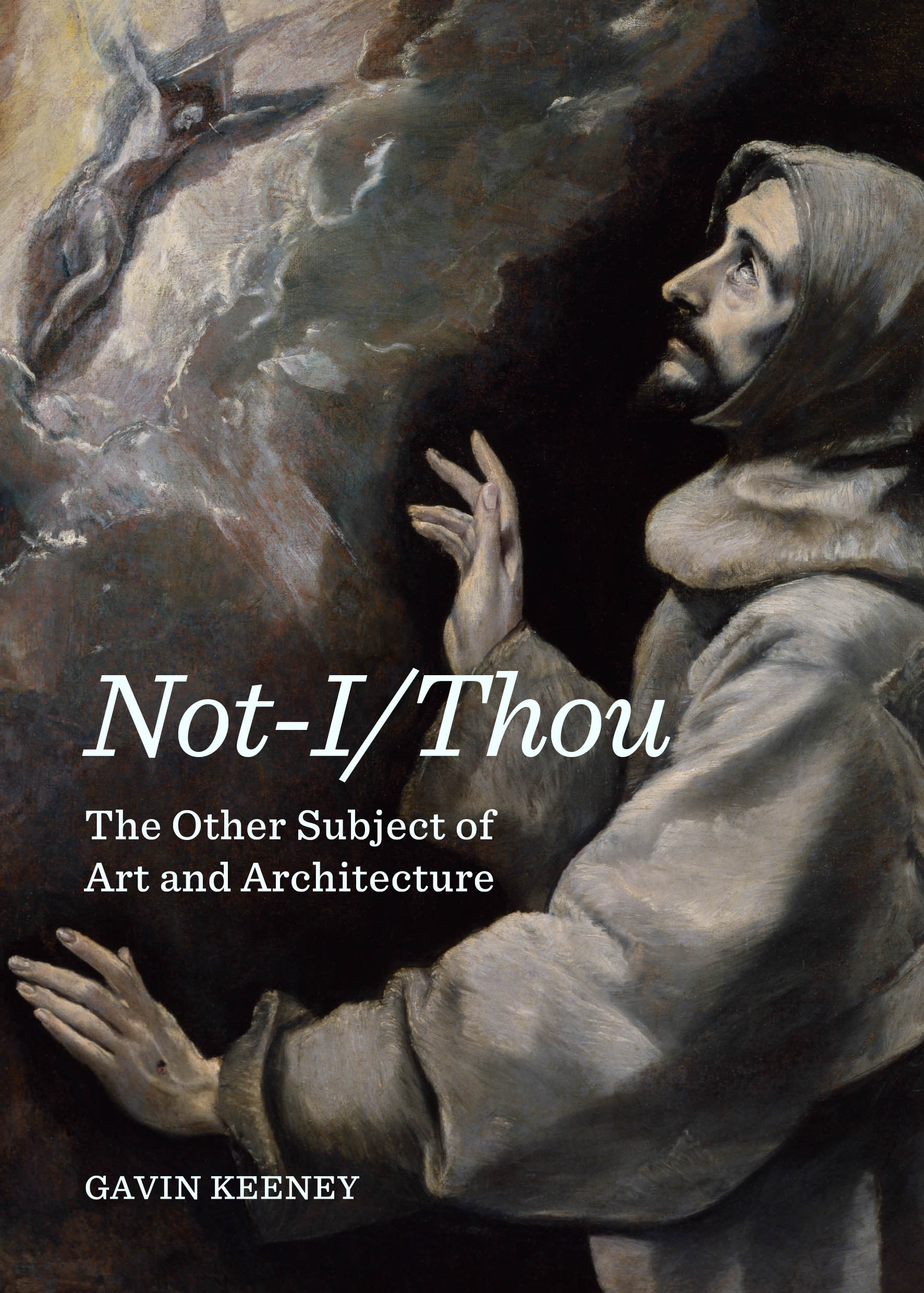
In these essays, Art and Architecture emerge from the gray areas of cultural production as a type of knowledge with no utilitarian agency. They operate at the edge of authorized systems, quietly validating the shadowy and recondite operations of intellect.
In these essays, Art and Architecture emerge from the gray areas of cultural production as a type of knowledge with no utilitarian agency. They operate at the edge of authorized systems, quietly validating the shadowy and recondite operations of intellect.
View more
This product has multiple variants. The options may be chosen on the product page
View more
This product has multiple variants. The options may be chosen on the product page
£45.99
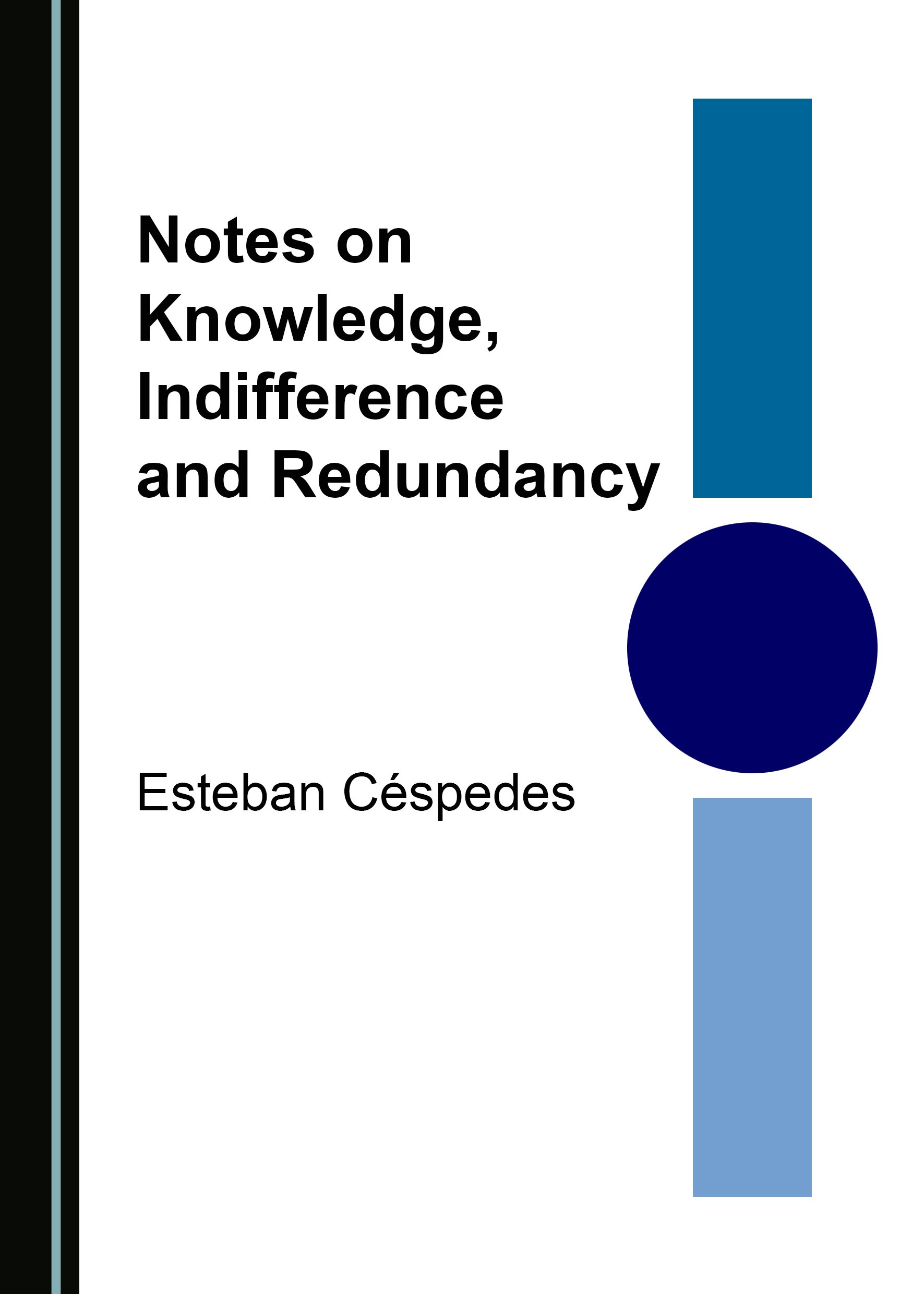
This title addresses a diverse range of important topics concerning the notion of knowledge, connecting them in a unifying way, and providing answers to a number of key questions concerning this concept.
This title addresses a diverse range of important topics concerning the notion of knowledge, connecting them in a unifying way, and providing answers to a number of key questions concerning this concept.
View more
This product has multiple variants. The options may be chosen on the product page
View more
This product has multiple variants. The options may be chosen on the product page
£24.99
This volume explores the emergence of physics in ancient philosophy, the concept of physical laws from the Middle Ages to the Renaissance, and the mathematization of Natural Philosophy that led to the emergence of the classical sciences.
This volume explores the emergence of physics in ancient philosophy, the concept of physical laws from the Middle Ages to the Renaissance, and the mathematization of Natural Philosophy that led to the emergence of the classical sciences.
View more
This product has multiple variants. The options may be chosen on the product page
View more
This product has multiple variants. The options may be chosen on the product page
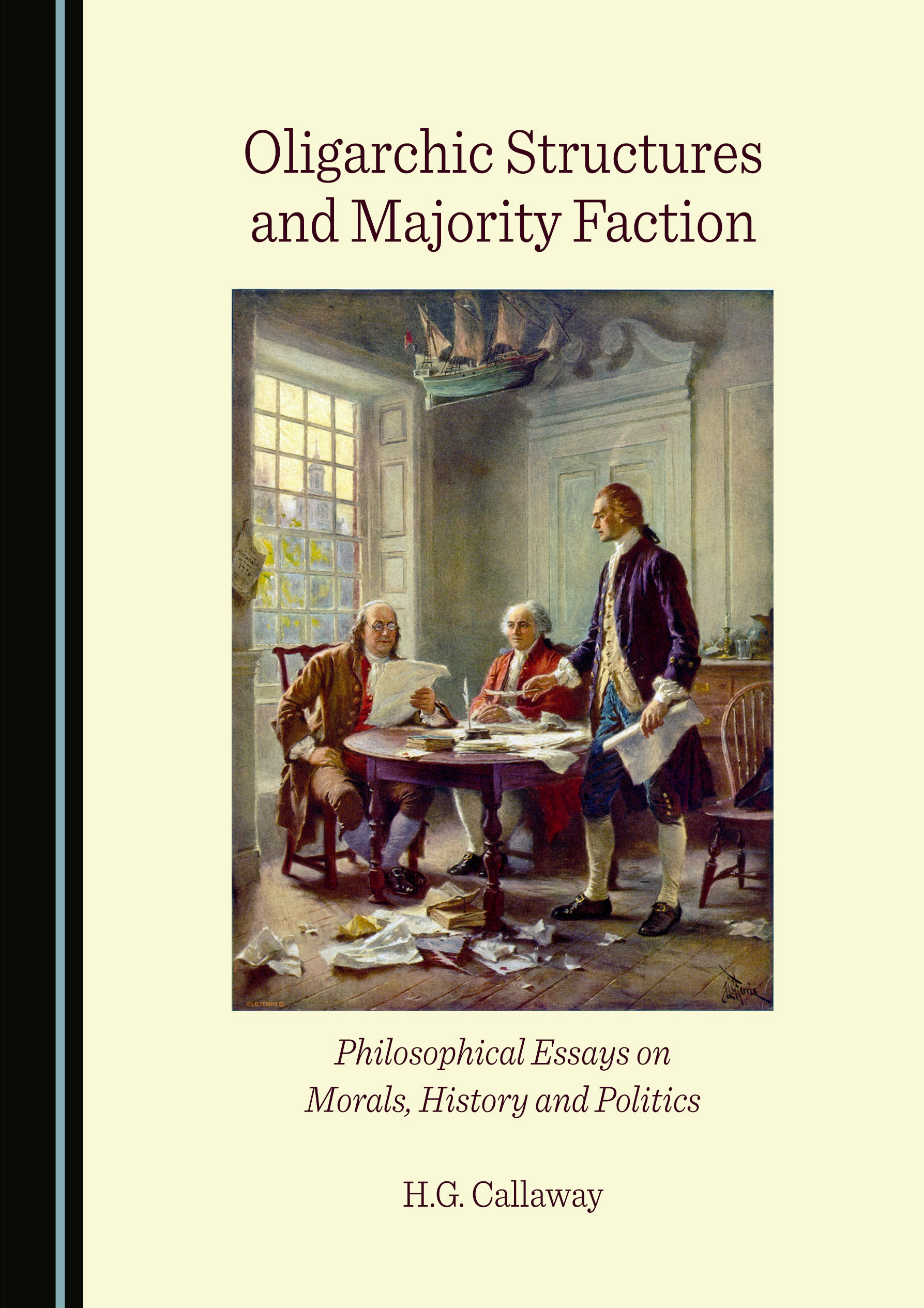
Oligarchic Structures and Majority Faction
Philosophical Essays on Morals, History and Politics
High hopes for global prosperity have given way to crisis, division, and conflict. This book places contemporary threats to American democracy and the rise of authoritarian systems within the context of US history, moral authority, and the need for constitutional balance.
High hopes for global prosperity have given way to crisis, division, and conflict. This book places contemporary threats to American democracy and the rise of authoritarian systems within the context of US history, moral authority, and the need for constitutional balance.
View more
This product has multiple variants. The options may be chosen on the product page
View more
This product has multiple variants. The options may be chosen on the product page
On Affirmation and Becoming
A Deleuzian Introduction to Nietzsche’s Ethics and Ontology
This book re-explores Nietzsche’s critique of nihilism through Gilles Deleuze. Using Deleuze’s experimental reading, it introduces Nietzsche’s ethics of affirmation and ontology of becoming, moving beyond traditional metaphysics to a new image of thought.
This book re-explores Nietzsche’s critique of nihilism through Gilles Deleuze. Using Deleuze’s experimental reading, it introduces Nietzsche’s ethics of affirmation and ontology of becoming, moving beyond traditional metaphysics to a new image of thought.
View more
This product has multiple variants. The options may be chosen on the product page

View more
This product has multiple variants. The options may be chosen on the product page
£29.99
What happens when we remember? This book argues that autobiographical memory is not a recollection but an active, imaginative reconstruction of our past, linking historical philosophy from Bolzano and Husserl with contemporary cognitive science.
What happens when we remember? This book argues that autobiographical memory is not a recollection but an active, imaginative reconstruction of our past, linking historical philosophy from Bolzano and Husserl with contemporary cognitive science.
View more
This product has multiple variants. The options may be chosen on the product page
View more
This product has multiple variants. The options may be chosen on the product page
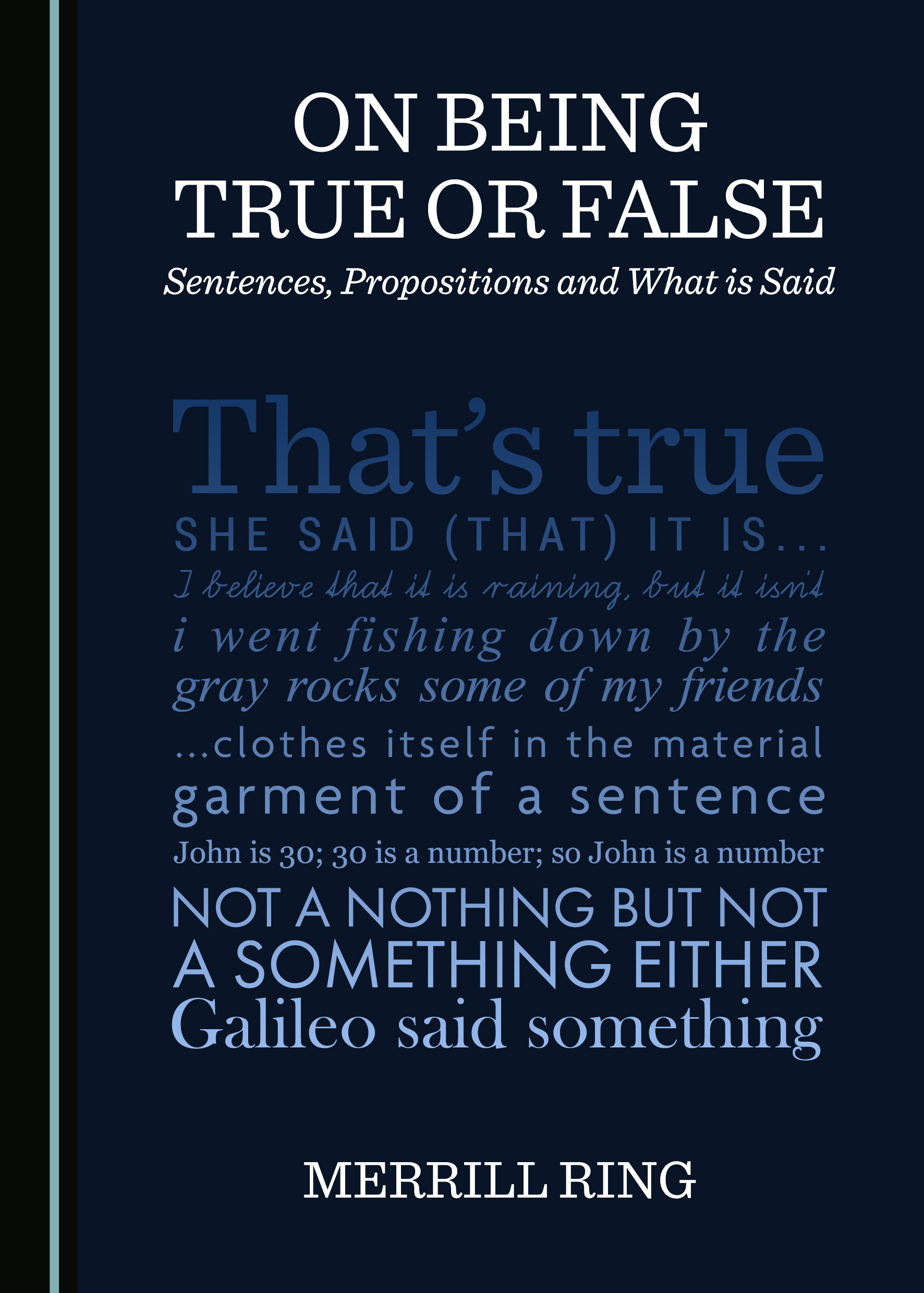
On Being True or False
Sentences, Propositions and What is Said
What sort of thing is true or false? This book argues that the main answers—sentences, beliefs, propositions—are mistaken. The chief truth-bearer is what someone says or writes. Being true or false is rooted in human talk. This broad examination also criticizes linguistics.
What sort of thing is true or false? This book argues that the main answers—sentences, beliefs, propositions—are mistaken. The chief truth-bearer is what someone says or writes. Being true or false is rooted in human talk. This broad examination also criticizes linguistics.
View more
This product has multiple variants. The options may be chosen on the product page

View more
This product has multiple variants. The options may be chosen on the product page
From £33.99
This book overcomes the traditional dichotomy between knowledge and values. Drawing on European critical rationalism from Kant to Husserl, it illustrates a new conception of knowledge, showing its value and limits for scholars and anyone interested in a new image of science.
This book overcomes the traditional dichotomy between knowledge and values. Drawing on European critical rationalism from Kant to Husserl, it illustrates a new conception of knowledge, showing its value and limits for scholars and anyone interested in a new image of science.
View more
This product has multiple variants. The options may be chosen on the product page
View more
This product has multiple variants. The options may be chosen on the product page
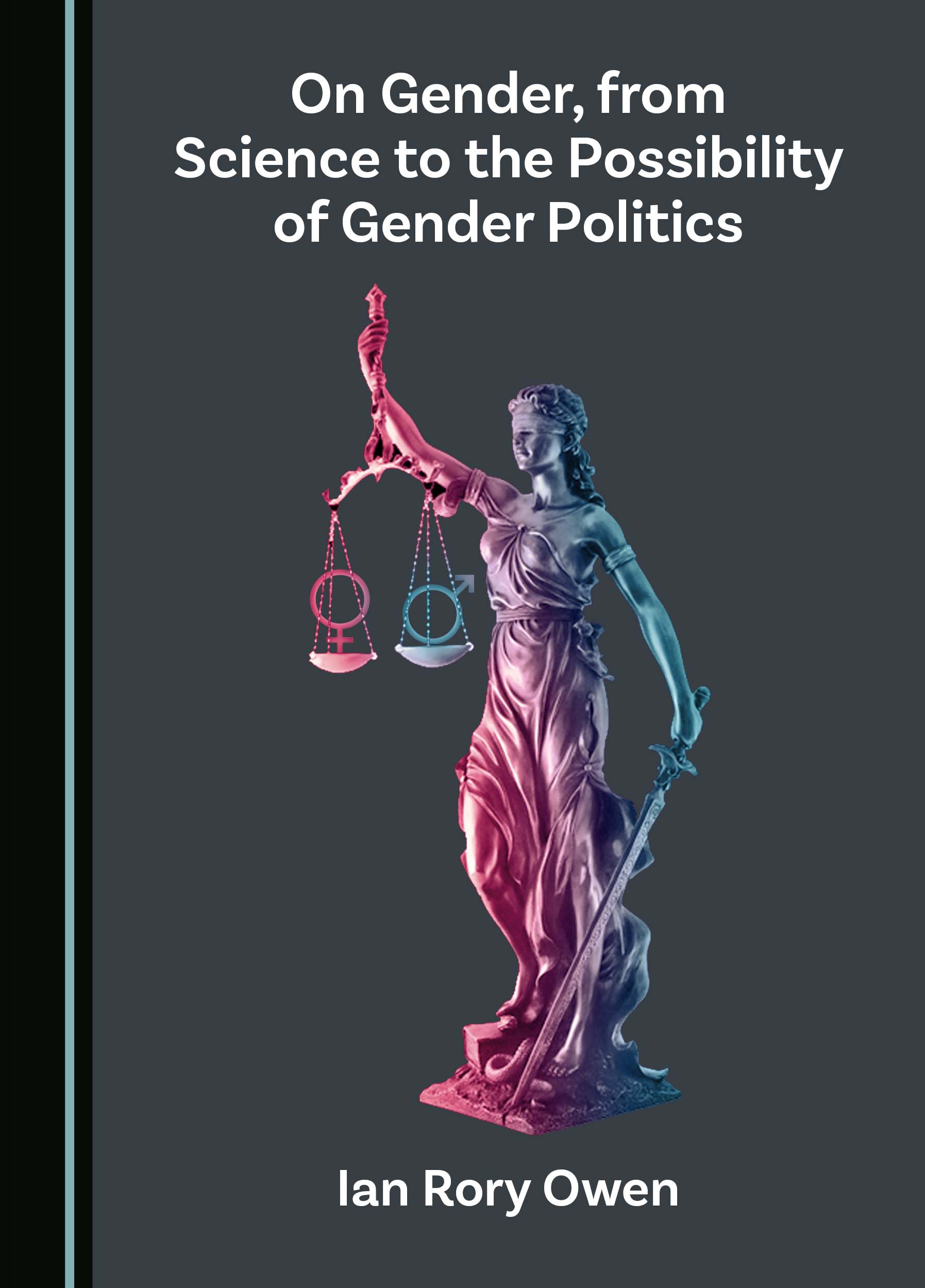
From £33.99
What does it mean to be gendered? This book bridges philosophy and science—from biology to neuroscience—to reveal how nature and nurture forge identity. It unites research on both cisgender and transgender experiences to build a new path toward equity.
What does it mean to be gendered? This book bridges philosophy and science—from biology to neuroscience—to reveal how nature and nurture forge identity. It unites research on both cisgender and transgender experiences to build a new path toward equity.
View more
This product has multiple variants. The options may be chosen on the product page
View more
This product has multiple variants. The options may be chosen on the product page
£61.99
We are caught in the mirror, under its spell. Mirrors direct us without our awareness because we do not perceive them as they are. This book explores a philosophy of mirrors through art and culture, opening up their hidden world and offering a challenge to organization theory.
We are caught in the mirror, under its spell. Mirrors direct us without our awareness because we do not perceive them as they are. This book explores a philosophy of mirrors through art and culture, opening up their hidden world and offering a challenge to organization theory.
View more
This product has multiple variants. The options may be chosen on the product page
View more
This product has multiple variants. The options may be chosen on the product page
£41.99
This volume is an extended discussion of *Moral Sentimentalism*, the key ethical work of foremost theorist Michael Slote. It contains original commentaries and a substantial response by Slote, providing fresh insights for anyone interested in contemporary ethics.
This volume is an extended discussion of *Moral Sentimentalism*, the key ethical work of foremost theorist Michael Slote. It contains original commentaries and a substantial response by Slote, providing fresh insights for anyone interested in contemporary ethics.
View more
This product has multiple variants. The options may be chosen on the product page
Processing Your Order
Please wait while we securely process your order.
Do not refresh or leave this page.
You will be redirected shortly to a confirmation page with your order number.