

View more
This product has multiple variants. The options may be chosen on the product page
From £29.99
For the first time in a book, these three lectures by American philosopher Josiah Royce are essential for a complete picture of his philosophy of loyalty. They constitute a “missing link” between his 1908 classic The Philosophy of Loyalty and his subsequent major works.
For the first time in a book, these three lectures by American philosopher Josiah Royce are essential for a complete picture of his philosophy of loyalty. They constitute a “missing link” between his 1908 classic The Philosophy of Loyalty and his subsequent major works.
View more
This product has multiple variants. The options may be chosen on the product page
View more
This product has multiple variants. The options may be chosen on the product page
From £32.99
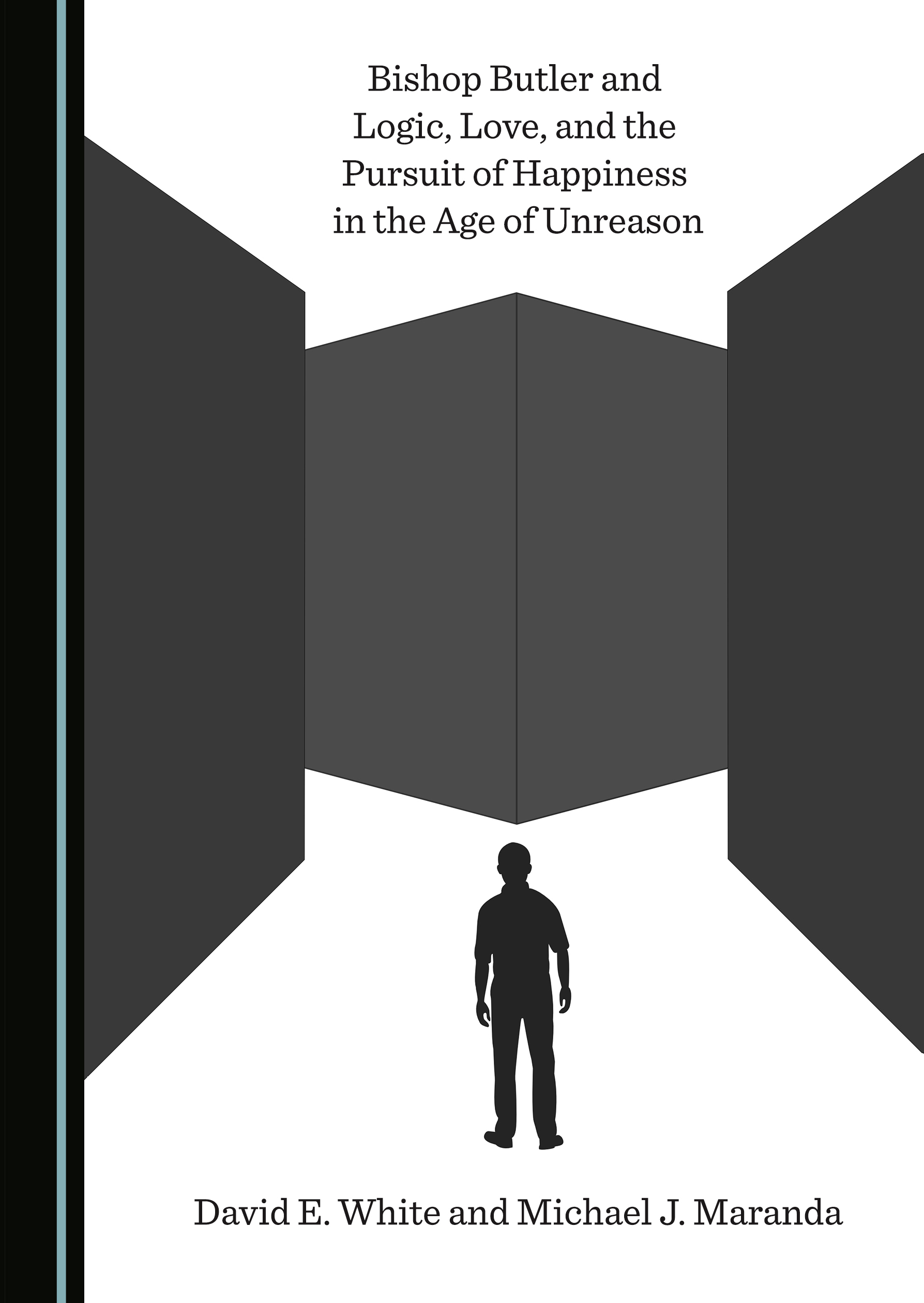
Using ordinary language and facts of experience, Bishop Butler's philosophy is a guidebook to happiness. This book presents his work as a bridge joining ancient wisdom with modern experience, offering ways to live without the error and distraction that lead to misery.
Using ordinary language and facts of experience, Bishop Butler’s philosophy is a guidebook to happiness. This book presents his work as a bridge joining ancient wisdom with modern experience, offering ways to live without the error and distraction that lead to misery.
View more
This product has multiple variants. The options may be chosen on the product page
View more
This product has multiple variants. The options may be chosen on the product page
From £29.99
This book applies Saint Augustine’s ethics to contemporary social justice. In dialogue with modern political philosophy, it offers new frameworks for addressing 21st-century challenges and prepares readers for today’s most urgent social justice debates.
This book applies Saint Augustine’s ethics to contemporary social justice. In dialogue with modern political philosophy, it offers new frameworks for addressing 21st-century challenges and prepares readers for today’s most urgent social justice debates.
View more
This product has multiple variants. The options may be chosen on the product page
View more
This product has multiple variants. The options may be chosen on the product page
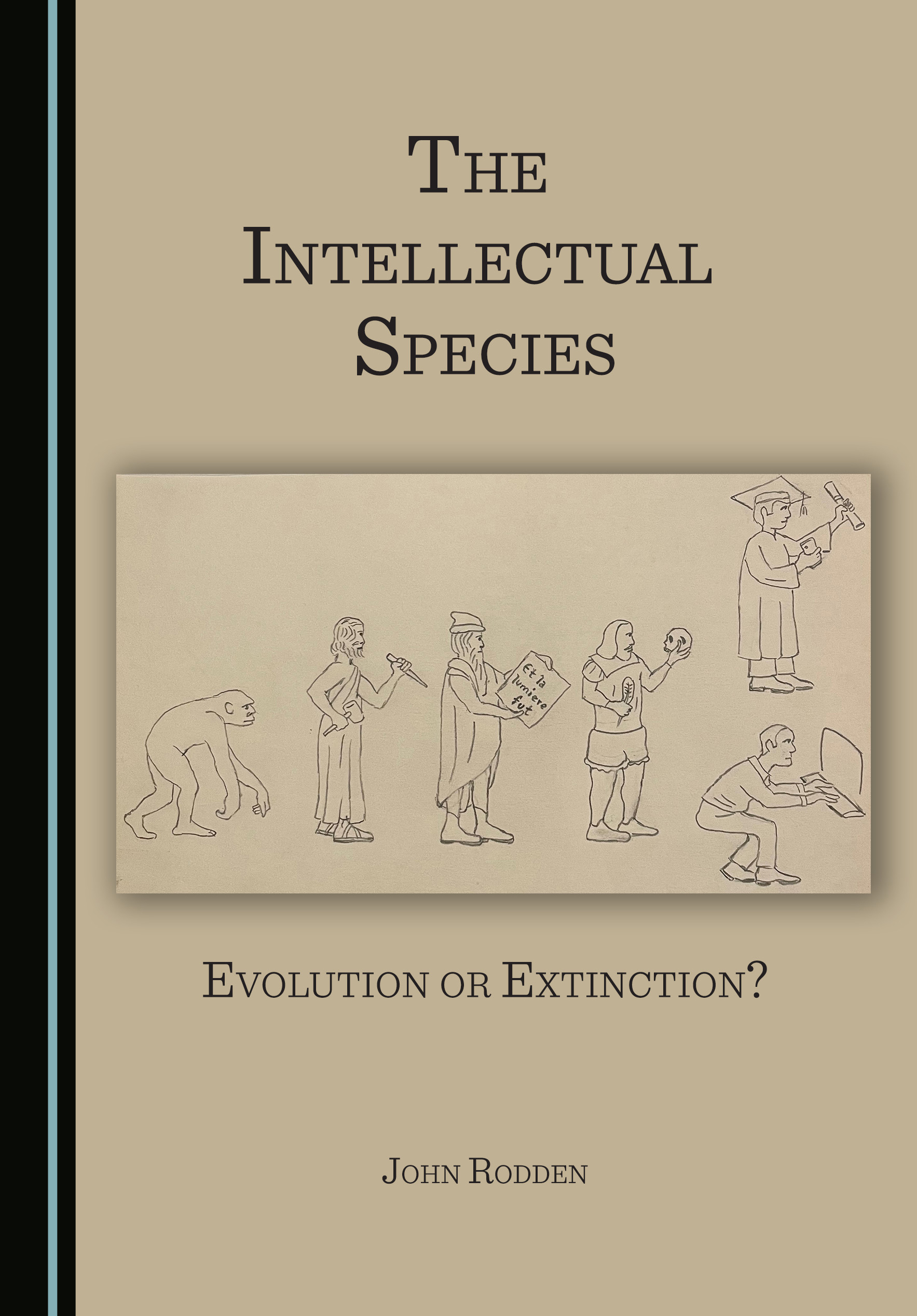
The Intellectual Species
Evolution or Extinction?
This book explores the survival of “the intellectual” in the digital era of soundbites and fake news. Through the lives of contrarian post-WWII thinkers like George Orwell, Albert Camus, and Camille Paglia, it yields insight into the transformation of our cultural life.
This book explores the survival of “the intellectual” in the digital era of soundbites and fake news. Through the lives of contrarian post-WWII thinkers like George Orwell, Albert Camus, and Camille Paglia, it yields insight into the transformation of our cultural life.
View more
This product has multiple variants. The options may be chosen on the product page

View more
This product has multiple variants. The options may be chosen on the product page
Introduction to Field-Being Philosophy
An Anthology of Lik Kuen Tong's Thought
Lik Kuen Tong’s Field-Being philosophy offers a new metaphysics. Rethinking the universe as “activity,” “relationality,” and “betweenness,” this future-oriented philosophy lends itself to addressing current issues such as climate change, global relations, and difference.
Lik Kuen Tong’s Field-Being philosophy offers a new metaphysics. Rethinking the universe as “activity,” “relationality,” and “betweenness,” this future-oriented philosophy lends itself to addressing current issues such as climate change, global relations, and difference.
View more
This product has multiple variants. The options may be chosen on the product page
View more
This product has multiple variants. The options may be chosen on the product page
Insights into Ethical Theory and Practice
Principia Eclectica
Ethical issues are important, but expert accounts are often inaccessible. This volume bridges that gap, presenting innovative essays in a way that is accessible to experts and non-experts alike, giving readers confidence and enthusiasm for this diverse and lively subject.
Ethical issues are important, but expert accounts are often inaccessible. This volume bridges that gap, presenting innovative essays in a way that is accessible to experts and non-experts alike, giving readers confidence and enthusiasm for this diverse and lively subject.
View more
This product has multiple variants. The options may be chosen on the product page

View more
This product has multiple variants. The options may be chosen on the product page
From £29.99
This collection of essays explores the paradoxes of freedom and the human condition. We are always faced with the same paradox: a freedom which cannot be freed from its relation to necessity. Freedom is, therefore, not really free. This is the paradox of the human condition.
This collection of essays explores the paradoxes of freedom and the human condition. We are always faced with the same paradox: a freedom which cannot be freed from its relation to necessity. Freedom is, therefore, not really free. This is the paradox of the human condition.
View more
This product has multiple variants. The options may be chosen on the product page
View more
This product has multiple variants. The options may be chosen on the product page
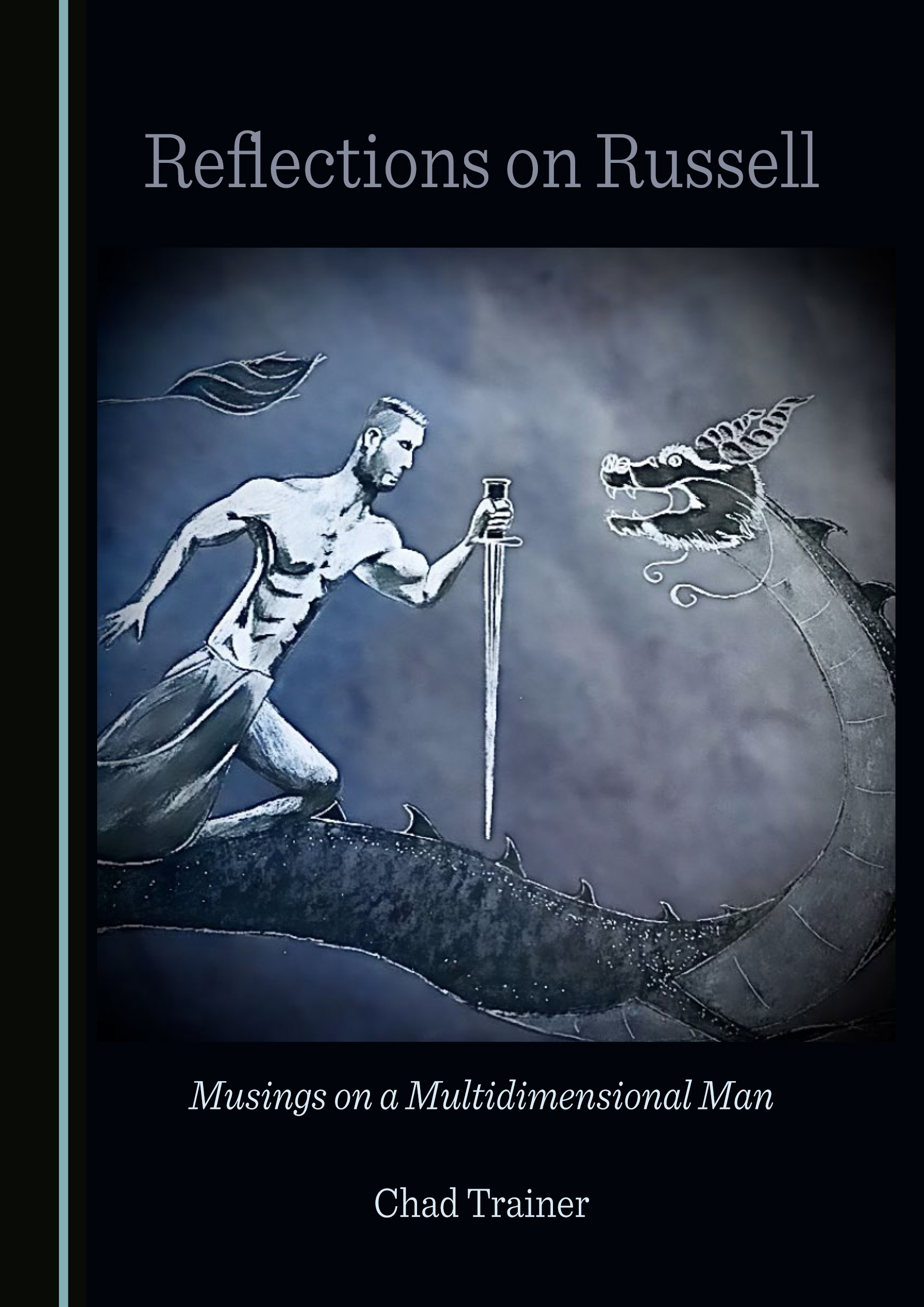
Reflections on Russell
Musings on a Multidimensional Man
This book offers original interpretations of Bertrand Russell's thought, moving beyond mathematical logic to his philosophy of science and religion. Countering competing views, it shows Russell developed a philosophy incorporating both atheism and spirituality.
This book offers original interpretations of Bertrand Russell’s thought, moving beyond mathematical logic to his philosophy of science and religion. Countering competing views, it shows Russell developed a philosophy incorporating both atheism and spirituality.
View more
This product has multiple variants. The options may be chosen on the product page
View more
This product has multiple variants. The options may be chosen on the product page
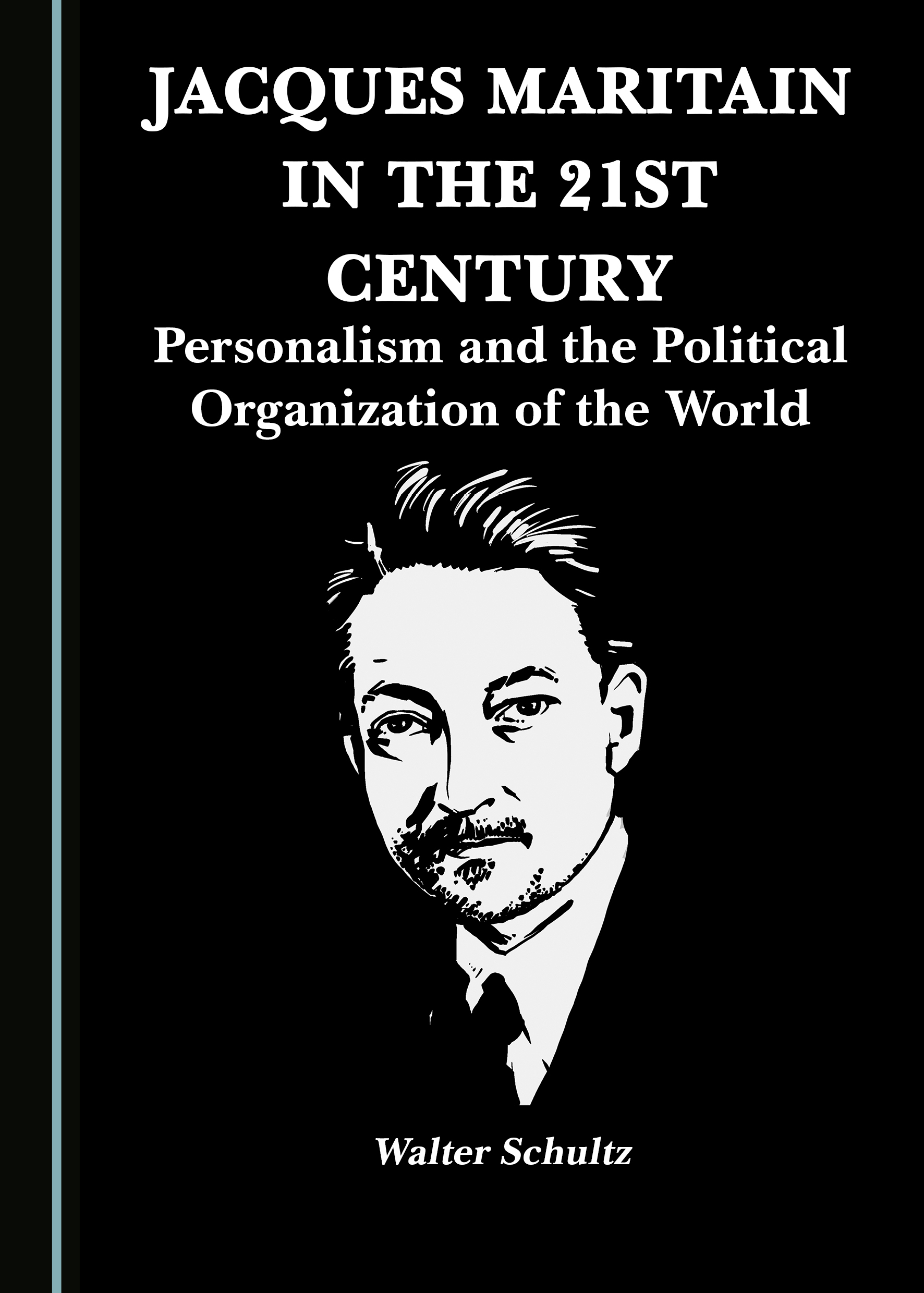
Jacques Maritain in the 21st Century
Personalism and the Political Organization of the World
Rejecting egocentric isolation and totalitarianism, Christian philosopher Jacques Maritain promoted the human person in authentic community. His quest for liberation contributes to our understanding of 21st-century movements for sustainability, human rights, and democracy.
Rejecting egocentric isolation and totalitarianism, Christian philosopher Jacques Maritain promoted the human person in authentic community. His quest for liberation contributes to our understanding of 21st-century movements for sustainability, human rights, and democracy.
View more
This product has multiple variants. The options may be chosen on the product page
View more
This product has multiple variants. The options may be chosen on the product page
From £29.99
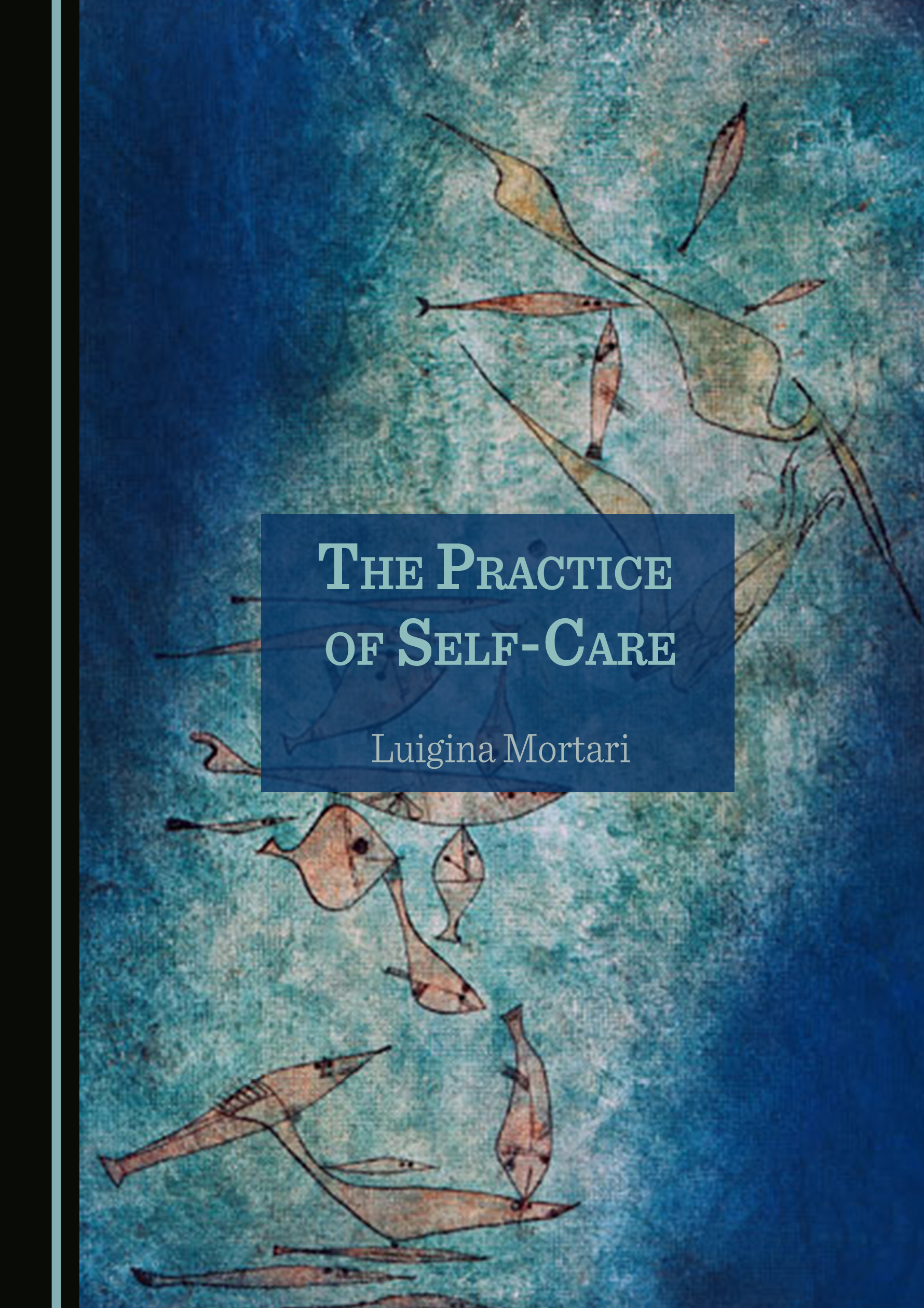
This book explores the philosophy of care, arguing for its primacy in human life. It analyzes care of the self through “spiritual practices”—techniques like achieving inner silence and writing—that shape our way of being and form an ethics of the self.
This book explores the philosophy of care, arguing for its primacy in human life. It analyzes care of the self through “spiritual practices”—techniques like achieving inner silence and writing—that shape our way of being and form an ethics of the self.
View more
This product has multiple variants. The options may be chosen on the product page

View more
This product has multiple variants. The options may be chosen on the product page
From £31.99
Though trapped by the anthropocentrism of the Western tradition, Giorgio Agamben’s work provides conceptual tools to move beyond the limits he himself cannot cross. This book analyzes these limits in his philosophy while exploring the powerful potential that lies within them.
Though trapped by the anthropocentrism of the Western tradition, Giorgio Agamben’s work provides conceptual tools to move beyond the limits he himself cannot cross. This book analyzes these limits in his philosophy while exploring the powerful potential that lies within them.
View more
This product has multiple variants. The options may be chosen on the product page

View more
This product has multiple variants. The options may be chosen on the product page
From £31.99
This book studies modern civil law through philosophical categories. It analyzes the dynamics between the internal and external, vertical and horizontal, and symmetry and asymmetry to reveal how legal subjects interact in a state of equilibrium.
This book studies modern civil law through philosophical categories. It analyzes the dynamics between the internal and external, vertical and horizontal, and symmetry and asymmetry to reveal how legal subjects interact in a state of equilibrium.
View more
This product has multiple variants. The options may be chosen on the product page
View more
This product has multiple variants. The options may be chosen on the product page
From £38.99
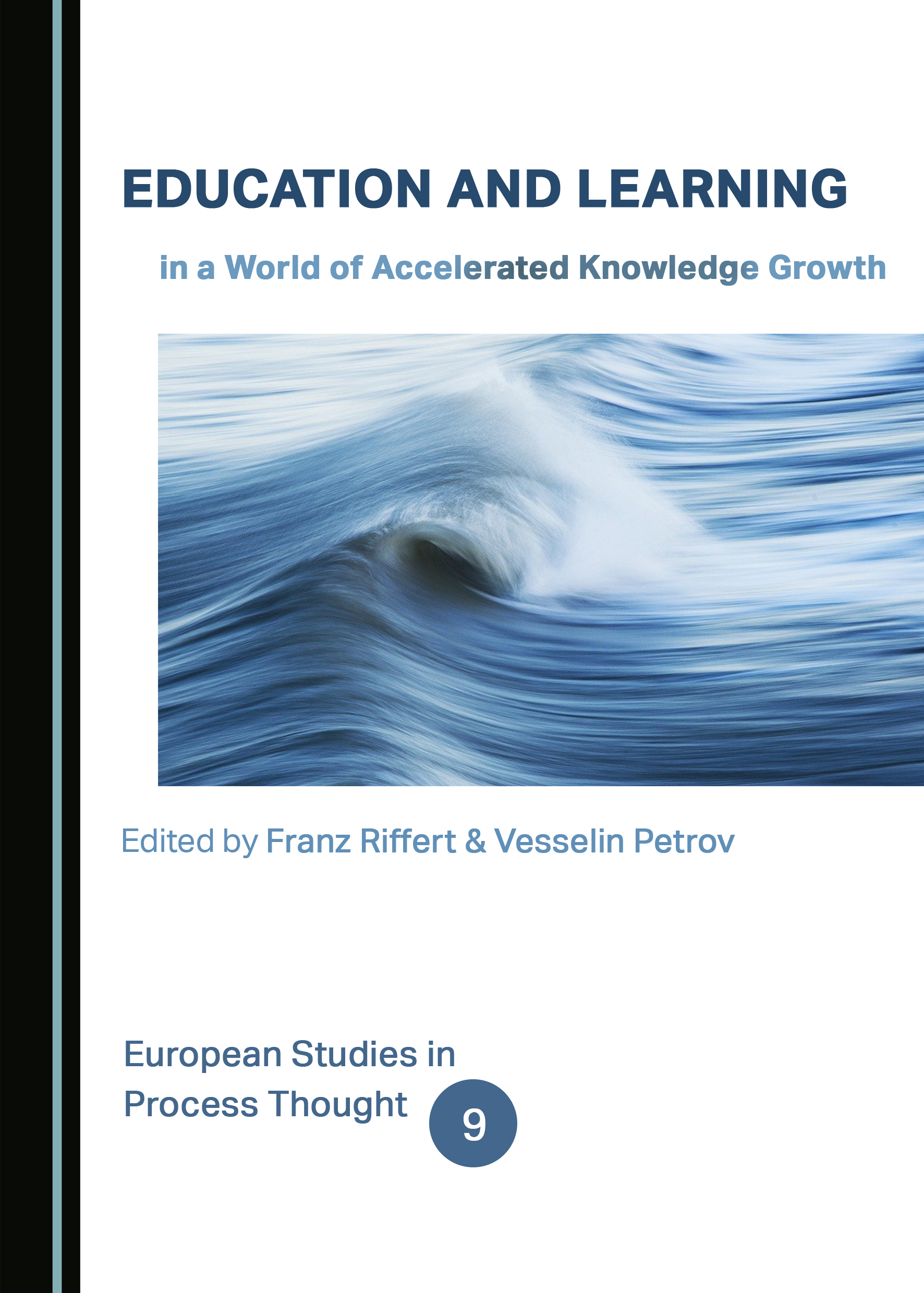
Digitalization and artificial intelligence are rapidly changing our world, but traditional education fails to prepare us for this new reality. A century ago, Alfred North Whitehead developed a new learning cycle approach. This book investigates his philosophy for our time.
Digitalization and artificial intelligence are rapidly changing our world, but traditional education fails to prepare us for this new reality. A century ago, Alfred North Whitehead developed a new learning cycle approach. This book investigates his philosophy for our time.
View more
This product has multiple variants. The options may be chosen on the product page
View more
This product has multiple variants. The options may be chosen on the product page
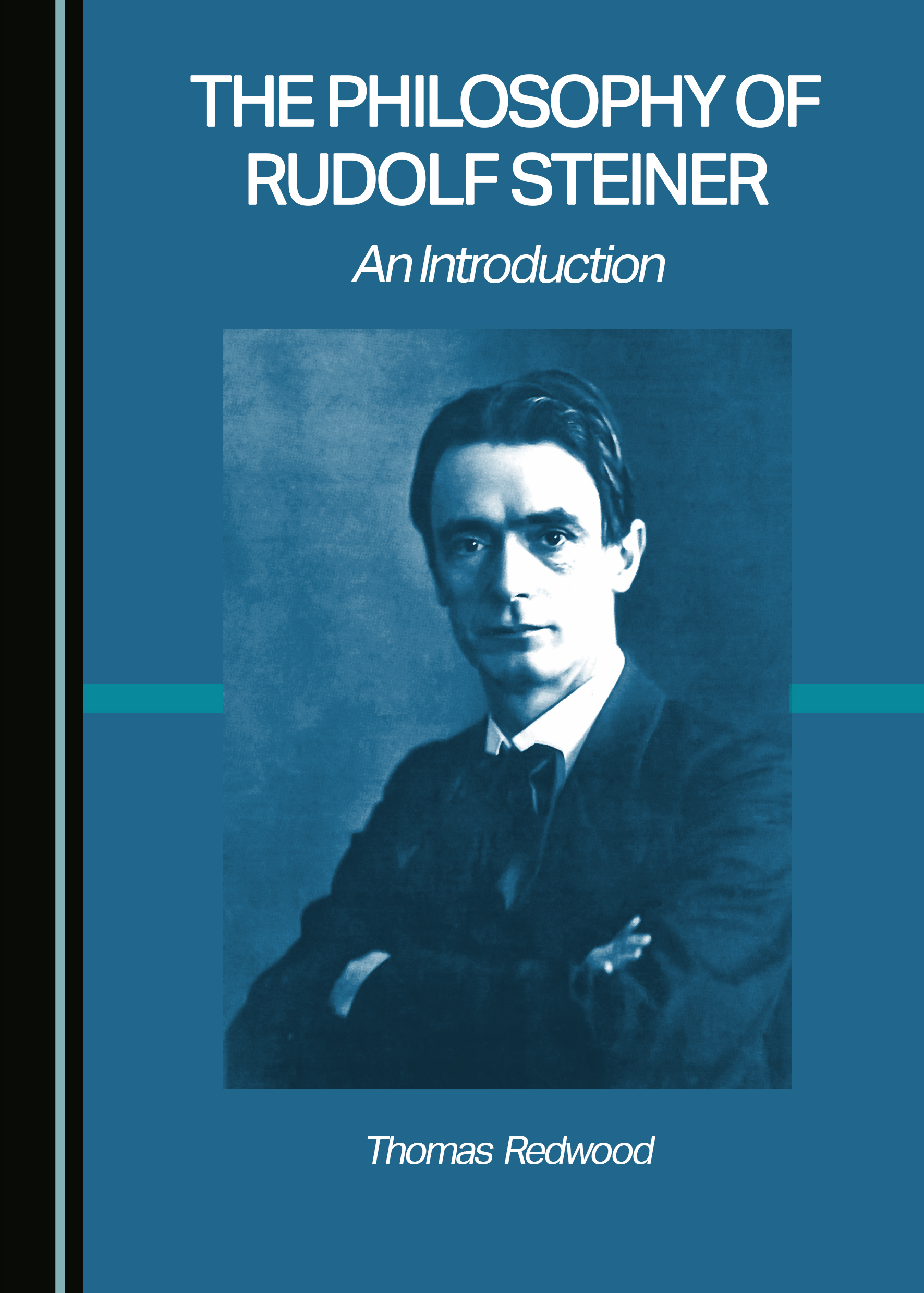
The Philosophy of Rudolf Steiner
An Introduction
While Rudolf Steiner's influence is widespread, his philosophy remains largely unknown. This book makes his complex spiritual philosophy, Anthroposophy, accessible. Using simple terms, it presents the fundamentals and offers a first step for further study.
While Rudolf Steiner’s influence is widespread, his philosophy remains largely unknown. This book makes his complex spiritual philosophy, Anthroposophy, accessible. Using simple terms, it presents the fundamentals and offers a first step for further study.
View more
This product has multiple variants. The options may be chosen on the product page
View more
This product has multiple variants. The options may be chosen on the product page
From £36.99
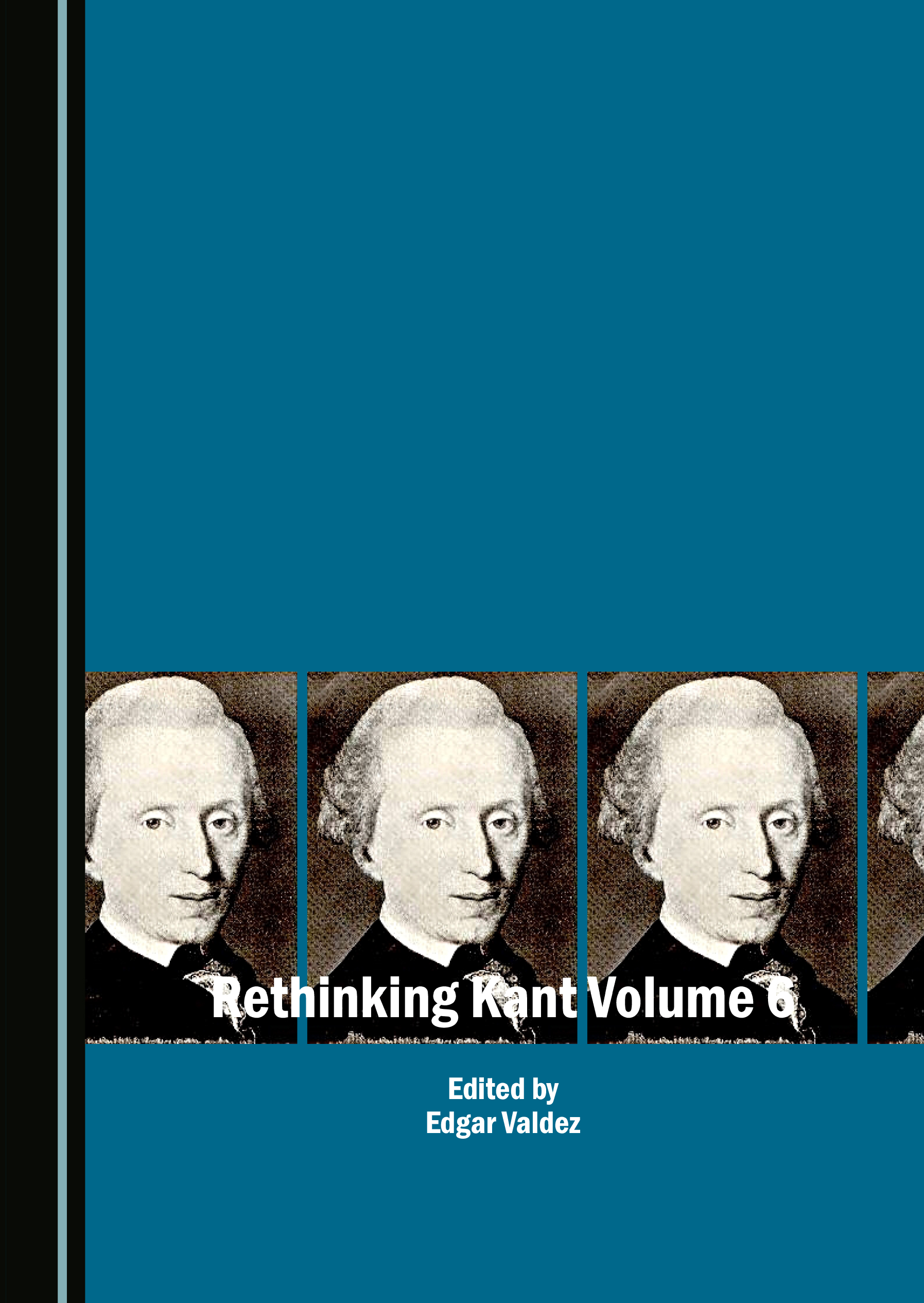
This volume reflects a rich tradition of Kantian thought. Essays rethink Kant’s most controversial themes—freedom, morality, transcendental idealism, radical evil, and revolution—and indicate his importance for current philosophical debates.
This volume reflects a rich tradition of Kantian thought. Essays rethink Kant’s most controversial themes—freedom, morality, transcendental idealism, radical evil, and revolution—and indicate his importance for current philosophical debates.
View more
This product has multiple variants. The options may be chosen on the product page
View more
This product has multiple variants. The options may be chosen on the product page
Art and the Technosphere
The Platforms of Strings
This book investigates contemporary art's new status. From caves to digital simulations, art no longer just represents ideas—it constructs worlds. The question is no longer “what” art is, but how we determine the difference between the aesthetic object and artificial life.
This book investigates contemporary art’s new status. From caves to digital simulations, art no longer just represents ideas—it constructs worlds. The question is no longer “what” art is, but how we determine the difference between the aesthetic object and artificial life.
View more
This product has multiple variants. The options may be chosen on the product page
View more
This product has multiple variants. The options may be chosen on the product page
The Personalist Social Contract
Saving Multiculturalism, Artificial Intelligence, and Civilization
How can we survive with a broken humanity? Our urgent existential threats demonstrate how dangerously divided we are. This book proposes the Personalist Social Contract (PSC) as a common moral language to bring together our sciences and societies for shared survival.
How can we survive with a broken humanity? Our urgent existential threats demonstrate how dangerously divided we are. This book proposes the Personalist Social Contract (PSC) as a common moral language to bring together our sciences and societies for shared survival.
View more
This product has multiple variants. The options may be chosen on the product page
View more
This product has multiple variants. The options may be chosen on the product page
From £32.99
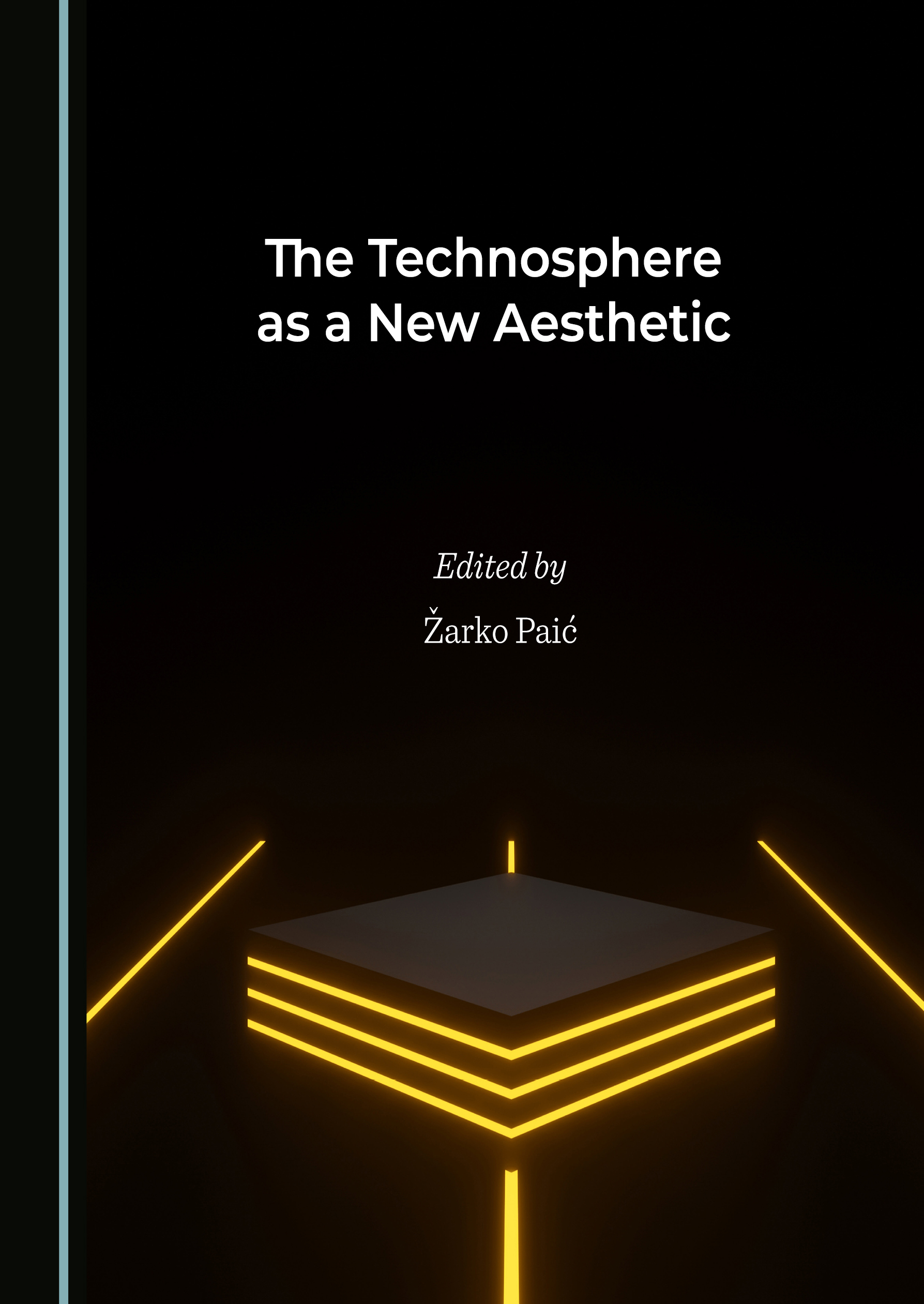
This collection on Homo Kybernetes frames the technosphere as an aesthetic problem. It reflects on cybernetic thinking as a condition for digital aesthetics and explores the transition of human existence through transhumanism and the posthuman condition.
This collection on Homo Kybernetes frames the technosphere as an aesthetic problem. It reflects on cybernetic thinking as a condition for digital aesthetics and explores the transition of human existence through transhumanism and the posthuman condition.
View more
This product has multiple variants. The options may be chosen on the product page
View more
This product has multiple variants. The options may be chosen on the product page
Nietzsche and Music
Philosophical Thoughts and Musical Experiments
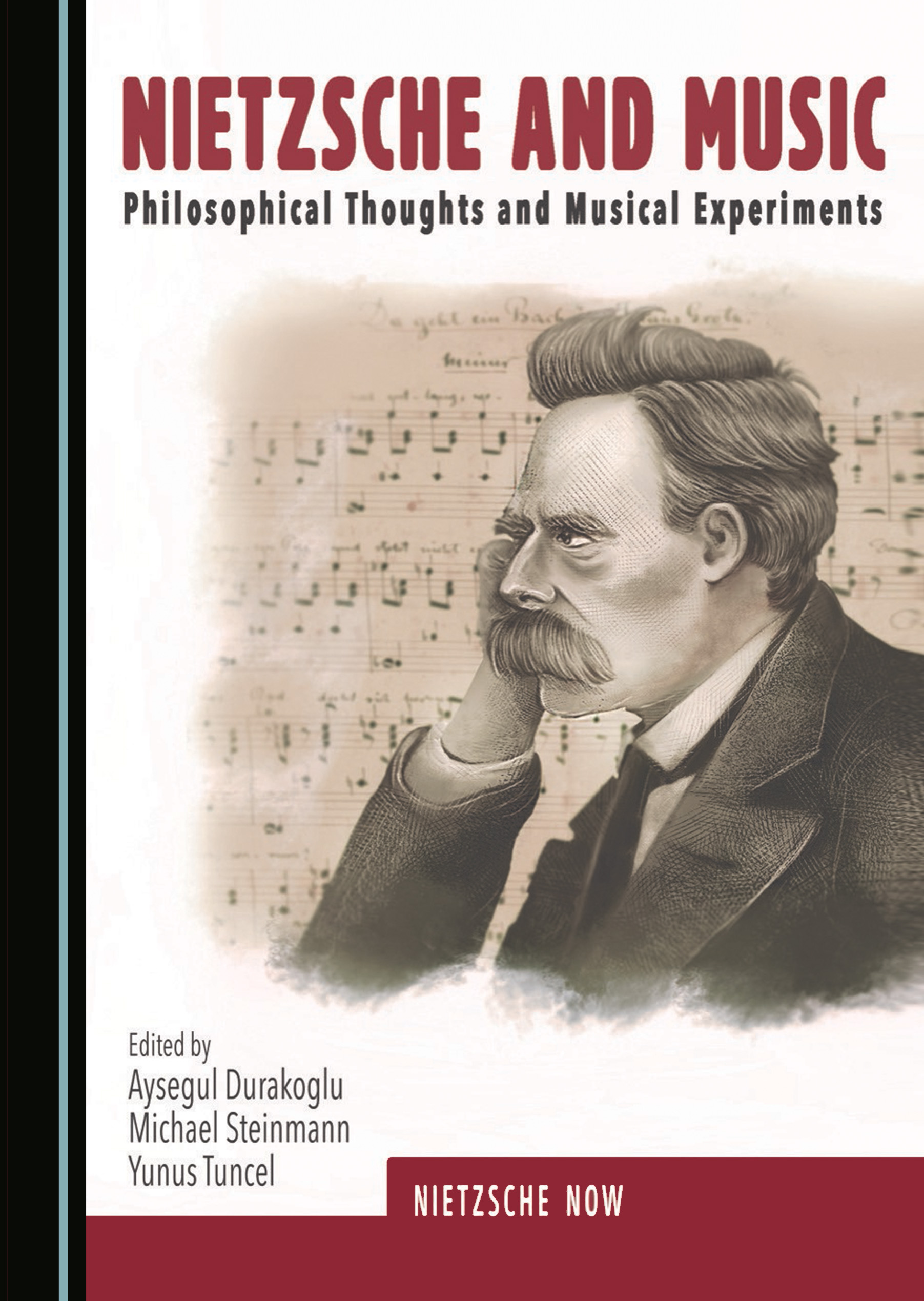
Friedrich Nietzsche was not just a philosopher; he was a composer. This ground-breaking volume explores the connection between his thought and his music, analyzing his radical compositions and tracing his influence on genres from classical composers to heavy metal.
Friedrich Nietzsche was not just a philosopher; he was a composer. This ground-breaking volume explores the connection between his thought and his music, analyzing his radical compositions and tracing his influence on genres from classical composers to heavy metal.
View more
This product has multiple variants. The options may be chosen on the product page
View more
This product has multiple variants. The options may be chosen on the product page
From £39.99
These philosophical essays cover a wide range of historical and contemporary topics, from the work of thinkers like Parmenides and Wittgenstein to the nature of knowledge and belief. Written over a long career, they are models of philosophical investigation and argument.
These philosophical essays cover a wide range of historical and contemporary topics, from the work of thinkers like Parmenides and Wittgenstein to the nature of knowledge and belief. Written over a long career, they are models of philosophical investigation and argument.
View more
This product has multiple variants. The options may be chosen on the product page
Processing Your Order
Please wait while we securely process your order.
Do not refresh or leave this page.
You will be redirected shortly to a confirmation page with your order number.