
View more
This product has multiple variants. The options may be chosen on the product page
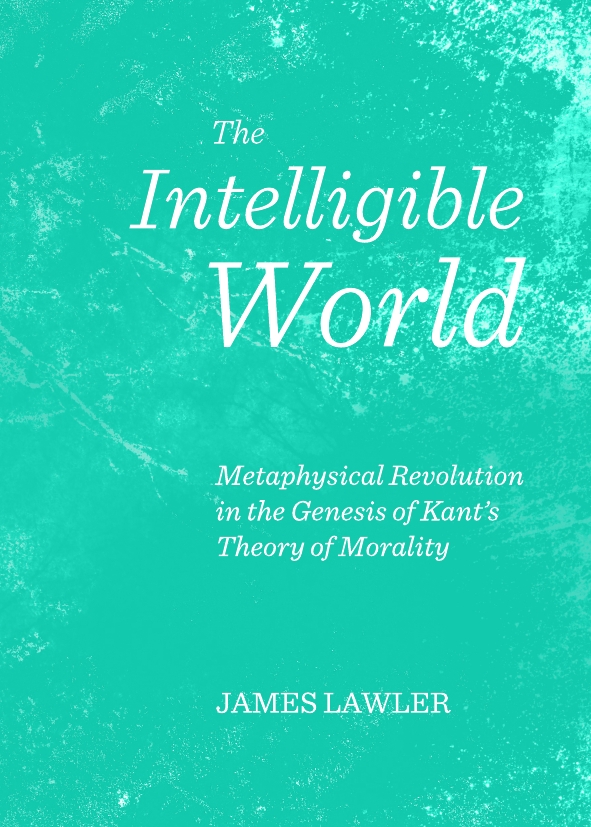
The Intelligible World
Metaphysical Revolution in the Genesis of Kant's Theory of Morality
Understanding Kant’s “pre-critical” philosophy is central to appreciating his three critiques. This early work is a hidden background, where his great cosmology informs the “thing-in-itself” and provides the ontological framework for his later ethics.
Understanding Kant’s “pre-critical” philosophy is central to appreciating his three critiques. This early work is a hidden background, where his great cosmology informs the “thing-in-itself” and provides the ontological framework for his later ethics.
View more
This product has multiple variants. The options may be chosen on the product page

View more
This product has multiple variants. The options may be chosen on the product page
£62.99
Why does a psychopath like the Joker seem to have a sense of higher truths? This is the role of the Fool. This book explores how, as culture fragments, artists reveal darkness and show how expressions of meaninglessness are rites-of-passage, not a final destination.
Why does a psychopath like the Joker seem to have a sense of higher truths? This is the role of the Fool. This book explores how, as culture fragments, artists reveal darkness and show how expressions of meaninglessness are rites-of-passage, not a final destination.
View more
This product has multiple variants. The options may be chosen on the product page

View more
This product has multiple variants. The options may be chosen on the product page
The Kantian Legacy of Late Modernity
An Essay in Aesthetics and Epistemology
Tupan traces the influence exerted by Immanuel Kant, through Bergson’s intuitionism, Husserl’s phenomenology, Dessoir’s aesthetics, Vaihinger’s als ob fictionalism, and Popper’s logical positivism. She draws parallels between the history of ideas and late modernity discourses.
Tupan traces the influence exerted by Immanuel Kant, through Bergson’s intuitionism, Husserl’s phenomenology, Dessoir’s aesthetics, Vaihinger’s als ob fictionalism, and Popper’s logical positivism. She draws parallels between the history of ideas and late modernity discourses.
View more
This product has multiple variants. The options may be chosen on the product page
View more
This product has multiple variants. The options may be chosen on the product page
£39.99
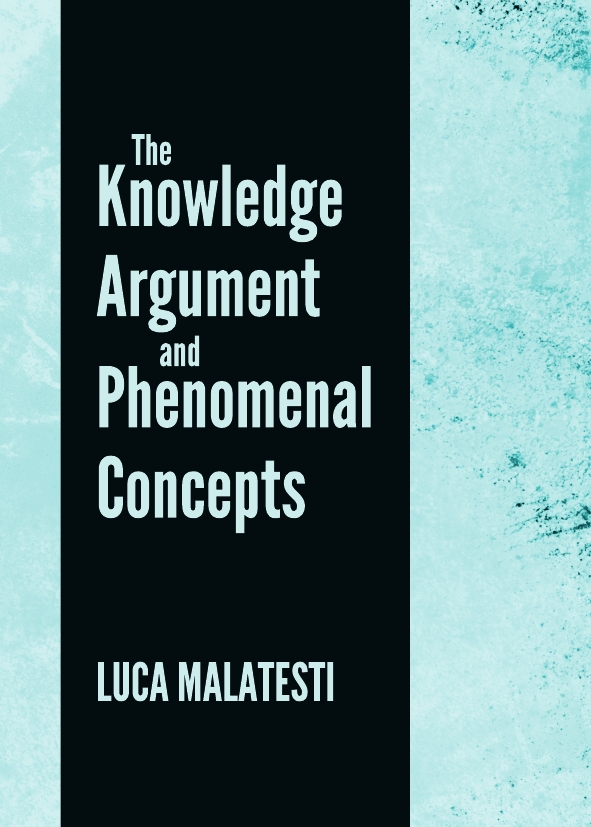
This book confronts Frank Jackson’s influential knowledge argument against physicalism. It defends physicalism using the phenomenal concept strategy, arguing that we don't know non-physical facts, but have unique ways of thinking about conscious experience.
This book confronts Frank Jackson’s influential knowledge argument against physicalism. It defends physicalism using the phenomenal concept strategy, arguing that we don’t know non-physical facts, but have unique ways of thinking about conscious experience.
View more
This product has multiple variants. The options may be chosen on the product page
View more
This product has multiple variants. The options may be chosen on the product page
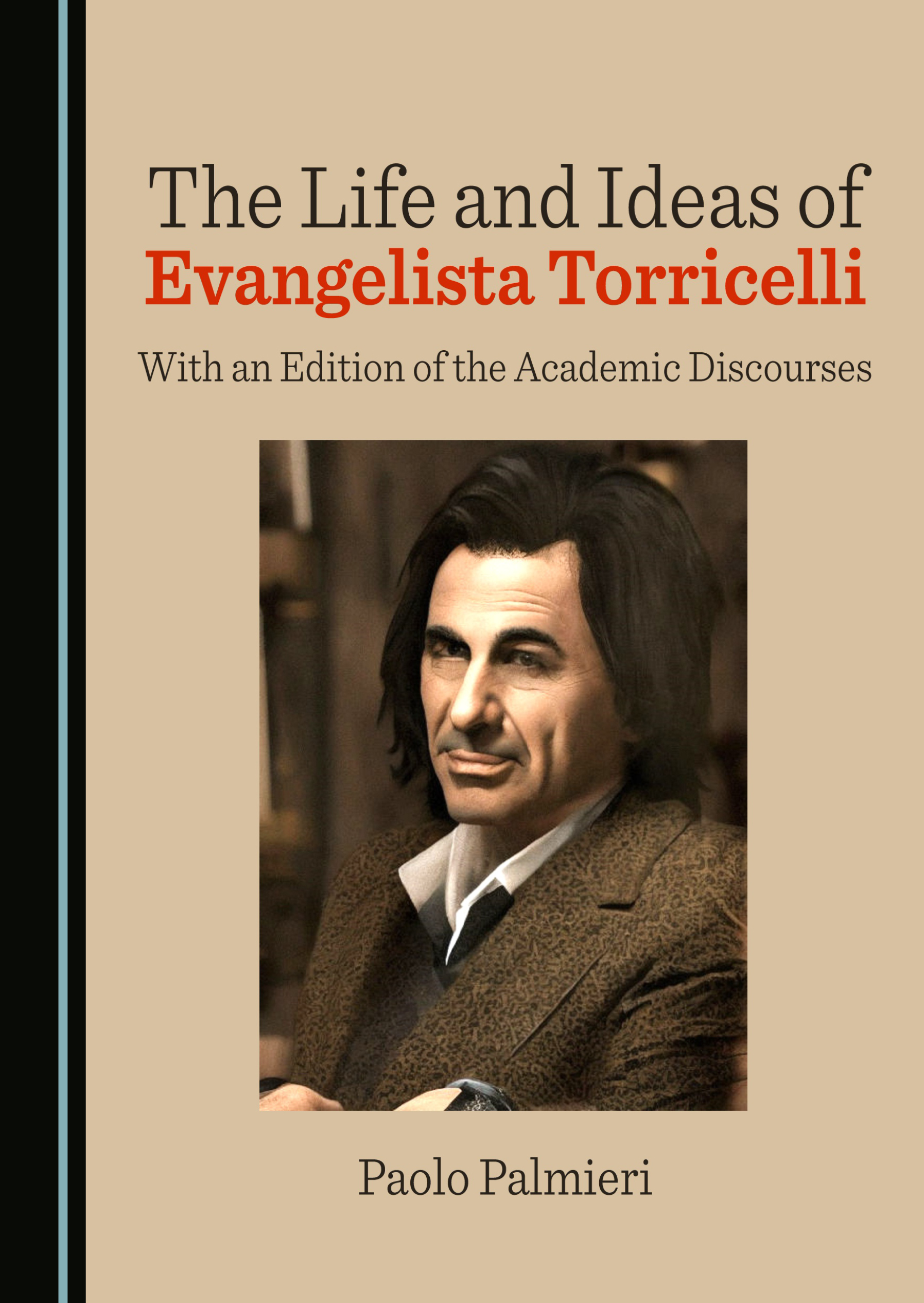
The Life and Ideas of Evangelista Torricelli
With an Edition of the Academic Discourses
Explore the life of Evangelista Torricelli, the 17th-century physicist who fused science with rhetorical elegance. This book analyzes his unique approach to science and his philosophical views, and presents the first annotated English translation of his Academic Discourses.
Explore the life of Evangelista Torricelli, the 17th-century physicist who fused science with rhetorical elegance. This book analyzes his unique approach to science and his philosophical views, and presents the first annotated English translation of his Academic Discourses.
View more
This product has multiple variants. The options may be chosen on the product page
View more
This product has multiple variants. The options may be chosen on the product page
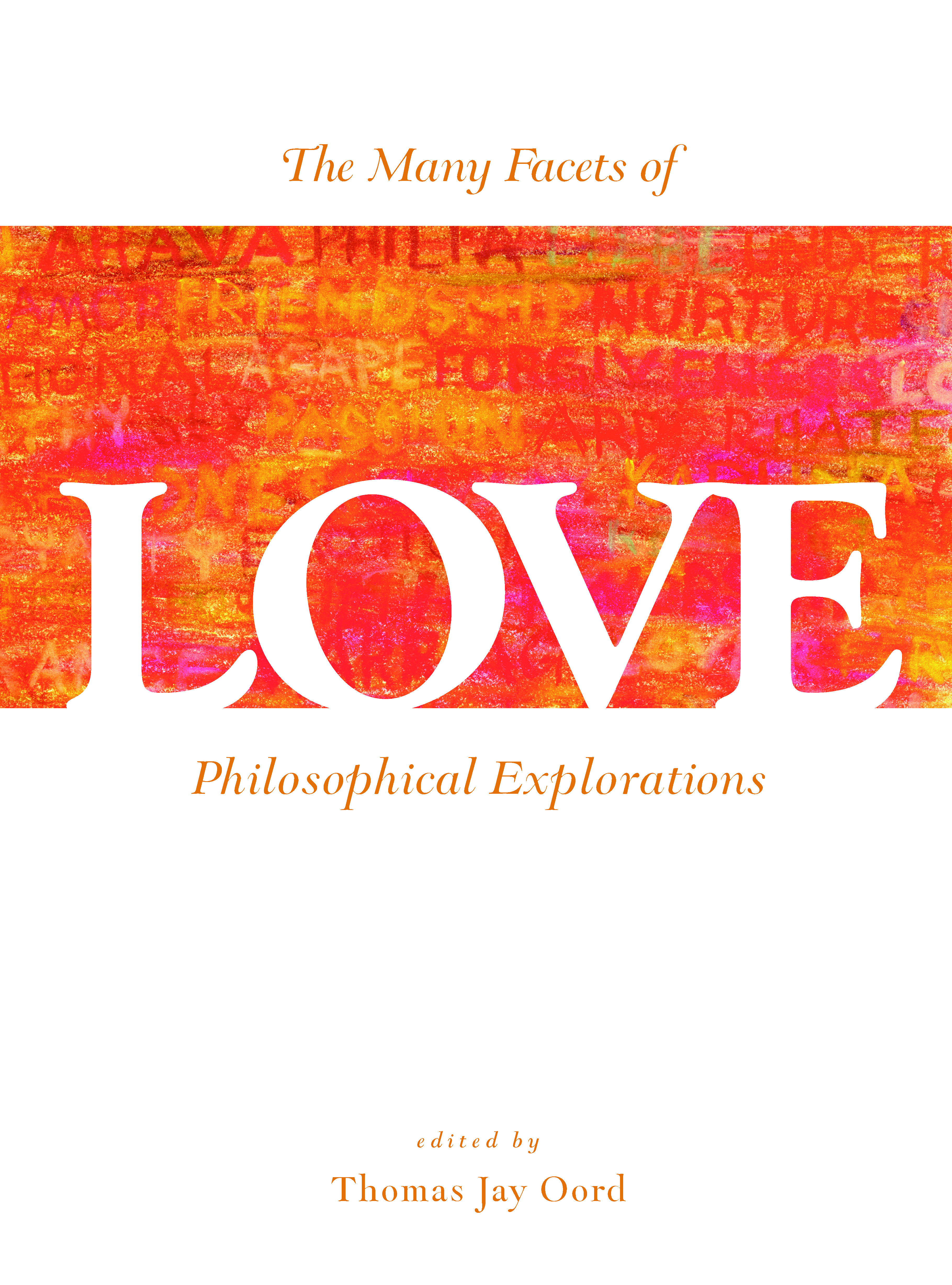
The Many Facets of Love
Philosophical Explorations
We might think philosophers have thoroughly analyzed love, but this is not the case. This book takes a step toward rectifying that neglect, bringing together fifteen philosophical perspectives to explore love’s facets, most with religious concerns.
We might think philosophers have thoroughly analyzed love, but this is not the case. This book takes a step toward rectifying that neglect, bringing together fifteen philosophical perspectives to explore love’s facets, most with religious concerns.
View more
This product has multiple variants. The options may be chosen on the product page
View more
This product has multiple variants. The options may be chosen on the product page
From £33.99
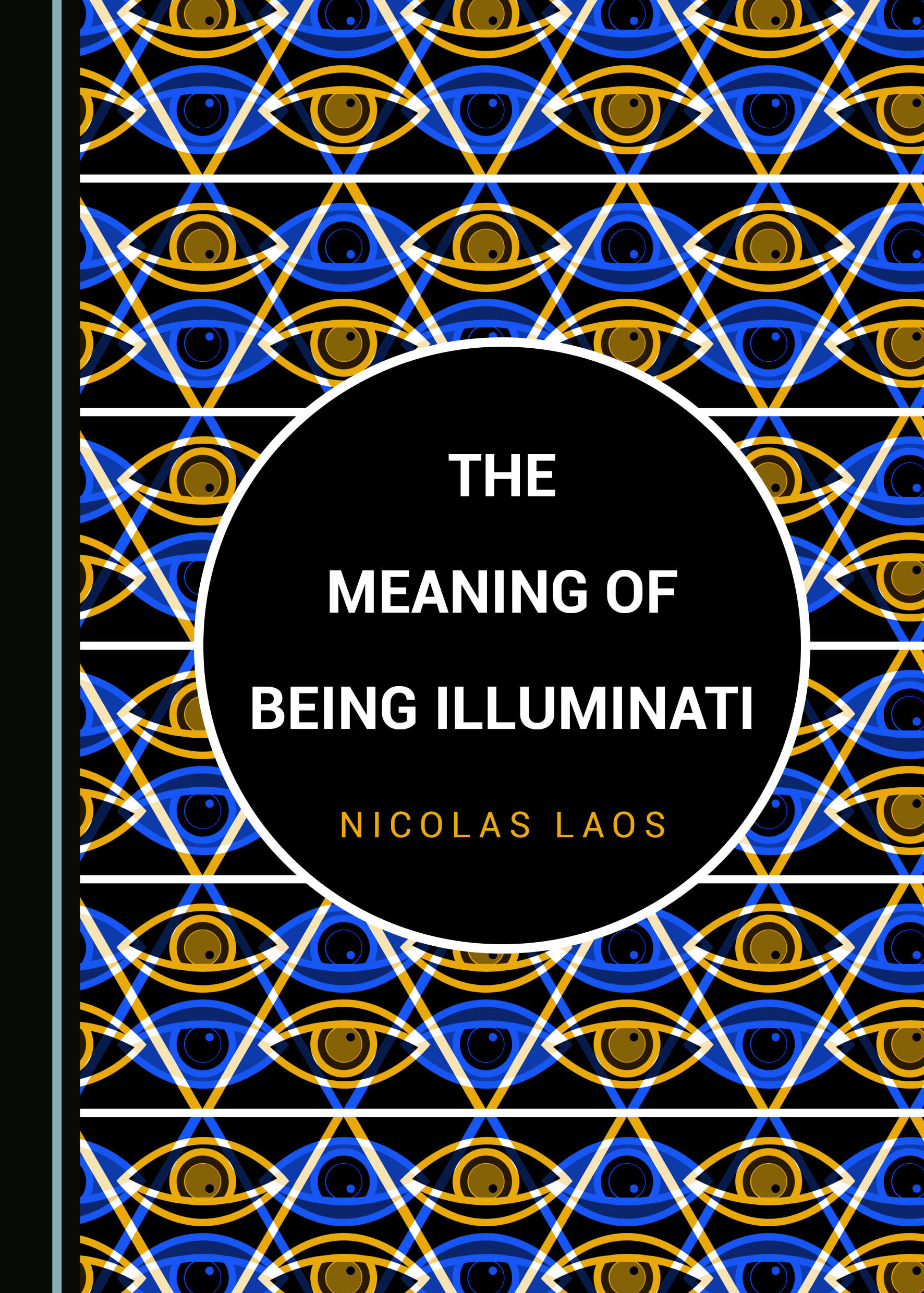
Ur-Illuminism charts humanity’s quest for its highest potential. Tracing a hidden history from Plato and the mystics to the Illuminati, it proposes a radical synthesis of esoteric metaphysics and libertarian thought as the one true bulwark against modern oppression.
Ur-Illuminism charts humanity’s quest for its highest potential. Tracing a hidden history from Plato and the mystics to the Illuminati, it proposes a radical synthesis of esoteric metaphysics and libertarian thought as the one true bulwark against modern oppression.
View more
This product has multiple variants. The options may be chosen on the product page
View more
This product has multiple variants. The options may be chosen on the product page
The Metamorphoses of Philosophy I
An Account of Cognitive Emergence in Philosophy and Science
Charting 3000 years of Western thought, this book explores how philosophical ideas emerge from the interplay of culture, cognition, and values. This first volume traces philosophy’s origins to its peak in ancient Greece, with a compelling contrast to classical Chinese thought.
Charting 3000 years of Western thought, this book explores how philosophical ideas emerge from the interplay of culture, cognition, and values. This first volume traces philosophy’s origins to its peak in ancient Greece, with a compelling contrast to classical Chinese thought.
View more
This product has multiple variants. The options may be chosen on the product page
View more
This product has multiple variants. The options may be chosen on the product page
The Metamorphoses of Philosophy II
An Account of Cognitive Emergence in Philosophy and Science
Providing a phenomenology of the Western mind, this second of three volumes maps philosophy's re-emergence in scholasticism and early modern science, up to its peak in the great metaphysical systems of 19th century German philosophy.
Providing a phenomenology of the Western mind, this second of three volumes maps philosophy’s re-emergence in scholasticism and early modern science, up to its peak in the great metaphysical systems of 19th century German philosophy.
View more
This product has multiple variants. The options may be chosen on the product page
View more
This product has multiple variants. The options may be chosen on the product page
The Metamorphoses of Philosophy III
An Account of Cognitive Emergence in Philosophy and Science
A 3000-year journey into the Western mind. This book explores how ideas emerge from the interplay of philosophy, culture, and science. In a conversational style, it powerfully challenges scientific reductionism, appealing to historians and all deep thinkers.
A 3000-year journey into the Western mind. This book explores how ideas emerge from the interplay of philosophy, culture, and science. In a conversational style, it powerfully challenges scientific reductionism, appealing to historians and all deep thinkers.
View more
This product has multiple variants. The options may be chosen on the product page

View more
This product has multiple variants. The options may be chosen on the product page
The Metaphysics of Personal Identity
Proceedings of the Society for Medieval Logic and Metaphysics Volume 13
What makes a person distinct, and how does identity persist over time? This volume explores medieval debates on the metaphysics of personhood, from Aristotle and Muslim philosophers to Aquinas and Locke, covering the soul's fate after death and persistence through non-existence.
What makes a person distinct, and how does identity persist over time? This volume explores medieval debates on the metaphysics of personhood, from Aristotle and Muslim philosophers to Aquinas and Locke, covering the soul’s fate after death and persistence through non-existence.
View more
This product has multiple variants. The options may be chosen on the product page

View more
This product has multiple variants. The options may be chosen on the product page
From £32.99
This book introduces a digital literacy beyond social media. It's not enough to buy technology without understanding the hardware and software logic. Generalized nets marry the soft approximations of humans with the hard precision of the computer.
This book introduces a digital literacy beyond social media. It’s not enough to buy technology without understanding the hardware and software logic. Generalized nets marry the soft approximations of humans with the hard precision of the computer.
View more
This product has multiple variants. The options may be chosen on the product page
View more
This product has multiple variants. The options may be chosen on the product page
From £30.99
This book propounds a different conception of producing ideas, introducing semiotic reality—signs and sign systems. It shows how the interplay of three realities (the material world, signs, and the human mind) gives rise to new notions like metathinking.
This book propounds a different conception of producing ideas, introducing semiotic reality—signs and sign systems. It shows how the interplay of three realities (the material world, signs, and the human mind) gives rise to new notions like metathinking.
View more
This product has multiple variants. The options may be chosen on the product page

View more
This product has multiple variants. The options may be chosen on the product page
£44.99
Bernard Williams, one of the most influential philosophers of the last century, argued for refinements in our basic ideas about persons, ethics, and politics. This anthology showcases scholars continuing his reflective and skeptical tradition.
Bernard Williams, one of the most influential philosophers of the last century, argued for refinements in our basic ideas about persons, ethics, and politics. This anthology showcases scholars continuing his reflective and skeptical tradition.
View more
This product has multiple variants. The options may be chosen on the product page
View more
This product has multiple variants. The options may be chosen on the product page
From £32.99
Belief in moral responsibility is a profound commitment, but the common philosophical arguments cannot account for its power. This book is a quest to uncover the deeper sources, showing that our belief is rooted in powerful psychological factors that rarely rise to consciousness.
Belief in moral responsibility is a profound commitment, but the common philosophical arguments cannot account for its power. This book is a quest to uncover the deeper sources, showing that our belief is rooted in powerful psychological factors that rarely rise to consciousness.
View more
This product has multiple variants. The options may be chosen on the product page
View more
This product has multiple variants. The options may be chosen on the product page
The Nature of Reality and the Reality of Nature
A Study of Leibniz’s Double-Aspect Ontology and the Labyrinth of the Continuum
Drawing on unpublished papers, this study unveils a Leibniz of breathtaking boldness, whose ambition was to solve the enigma of existence by uniting physical reality with metaphysical possibility.
Drawing on unpublished papers, this study unveils a Leibniz of breathtaking boldness, whose ambition was to solve the enigma of existence by uniting physical reality with metaphysical possibility.
View more
This product has multiple variants. The options may be chosen on the product page

View more
This product has multiple variants. The options may be chosen on the product page
The Opportunity to Live Well
The Wisdom of Nelson Mandela, Gough Whitlam, Pete Seeger and Others
Traditional success—money, fame, career—won't provide a good life. So, how can we truly live well? Learn from the lives of Nelson Mandela and others who show that the joyous rewards of living well come from cultivating awareness, passion, empathy, and resilience.
Traditional success—money, fame, career—won’t provide a good life. So, how can we truly live well? Learn from the lives of Nelson Mandela and others who show that the joyous rewards of living well come from cultivating awareness, passion, empathy, and resilience.
View more
This product has multiple variants. The options may be chosen on the product page
View more
This product has multiple variants. The options may be chosen on the product page
The Personalist Social Contract
Saving Multiculturalism, Artificial Intelligence, and Civilization
How can we survive with a broken humanity? Our urgent existential threats demonstrate how dangerously divided we are. This book proposes the Personalist Social Contract (PSC) as a common moral language to bring together our sciences and societies for shared survival.
How can we survive with a broken humanity? Our urgent existential threats demonstrate how dangerously divided we are. This book proposes the Personalist Social Contract (PSC) as a common moral language to bring together our sciences and societies for shared survival.
View more
This product has multiple variants. The options may be chosen on the product page
View more
This product has multiple variants. The options may be chosen on the product page
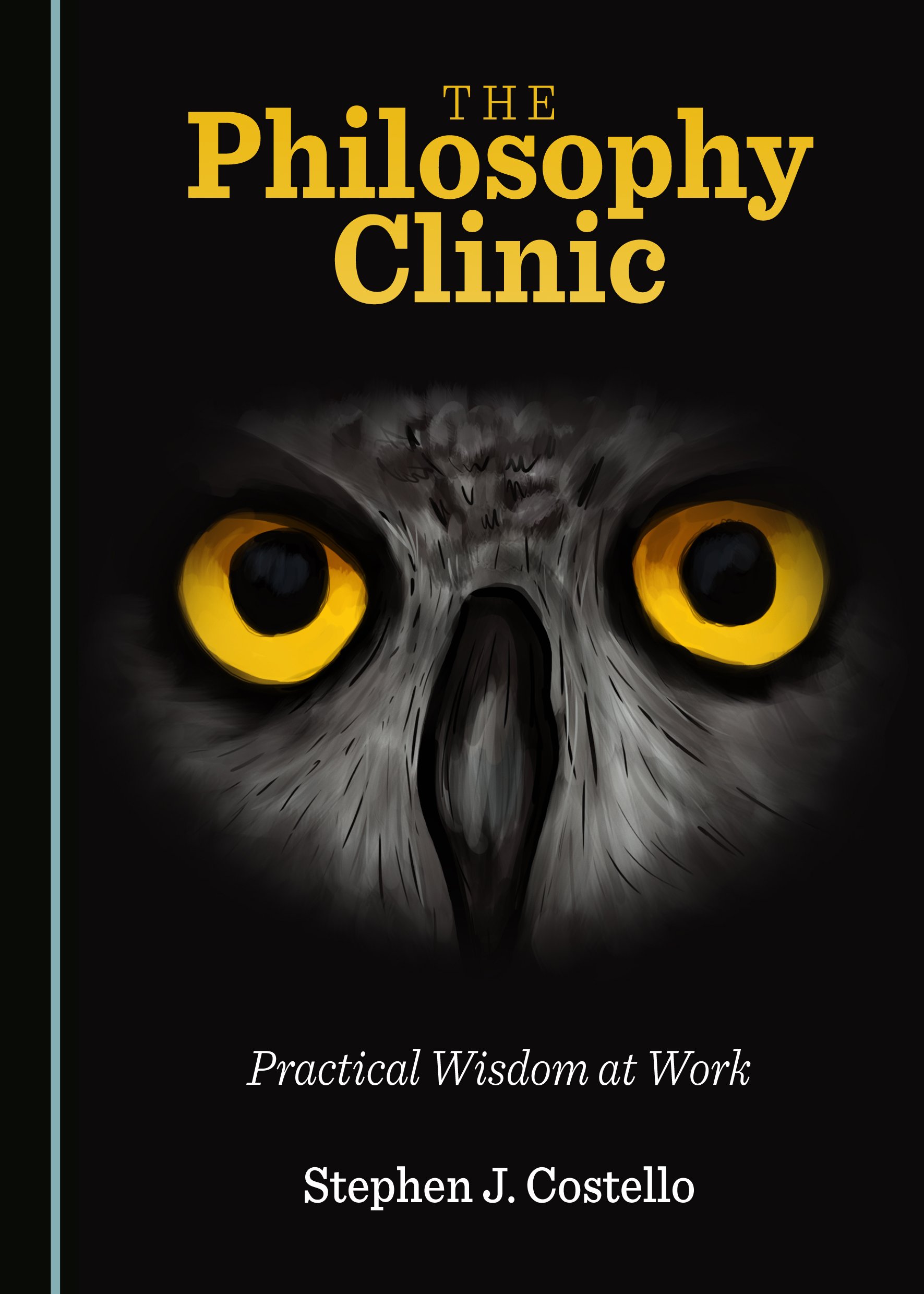
The Philosophy Clinic
Practical Wisdom at Work
Highlighting the modern movement of ‘philosophical practice’, this collection shows philosophers’ return to the ancient understanding of philosophy as consolation and contemplation. It argues philosophy is a path and issues a living praxis devoted to daily spiritual exercises.
Highlighting the modern movement of ‘philosophical practice’, this collection shows philosophers’ return to the ancient understanding of philosophy as consolation and contemplation. It argues philosophy is a path and issues a living praxis devoted to daily spiritual exercises.
View more
This product has multiple variants. The options may be chosen on the product page

View more
This product has multiple variants. The options may be chosen on the product page
The Philosophy of Chemistry
Practices, Methodologies, and Concepts
This volume connects chemistry and philosophy by exploring chemical practice. Chemists and philosophers collaborate to reshape concepts, address current challenges, and foster inventiveness. Prefaced by Nobel Laureate in Chemistry, Roald Hoffmann.
This volume connects chemistry and philosophy by exploring chemical practice. Chemists and philosophers collaborate to reshape concepts, address current challenges, and foster inventiveness. Prefaced by Nobel Laureate in Chemistry, Roald Hoffmann.
View more
This product has multiple variants. The options may be chosen on the product page
Processing Your Order
Please wait while we securely process your order.
Do not refresh or leave this page.
You will be redirected shortly to a confirmation page with your order number.