
View more
This product has multiple variants. The options may be chosen on the product page
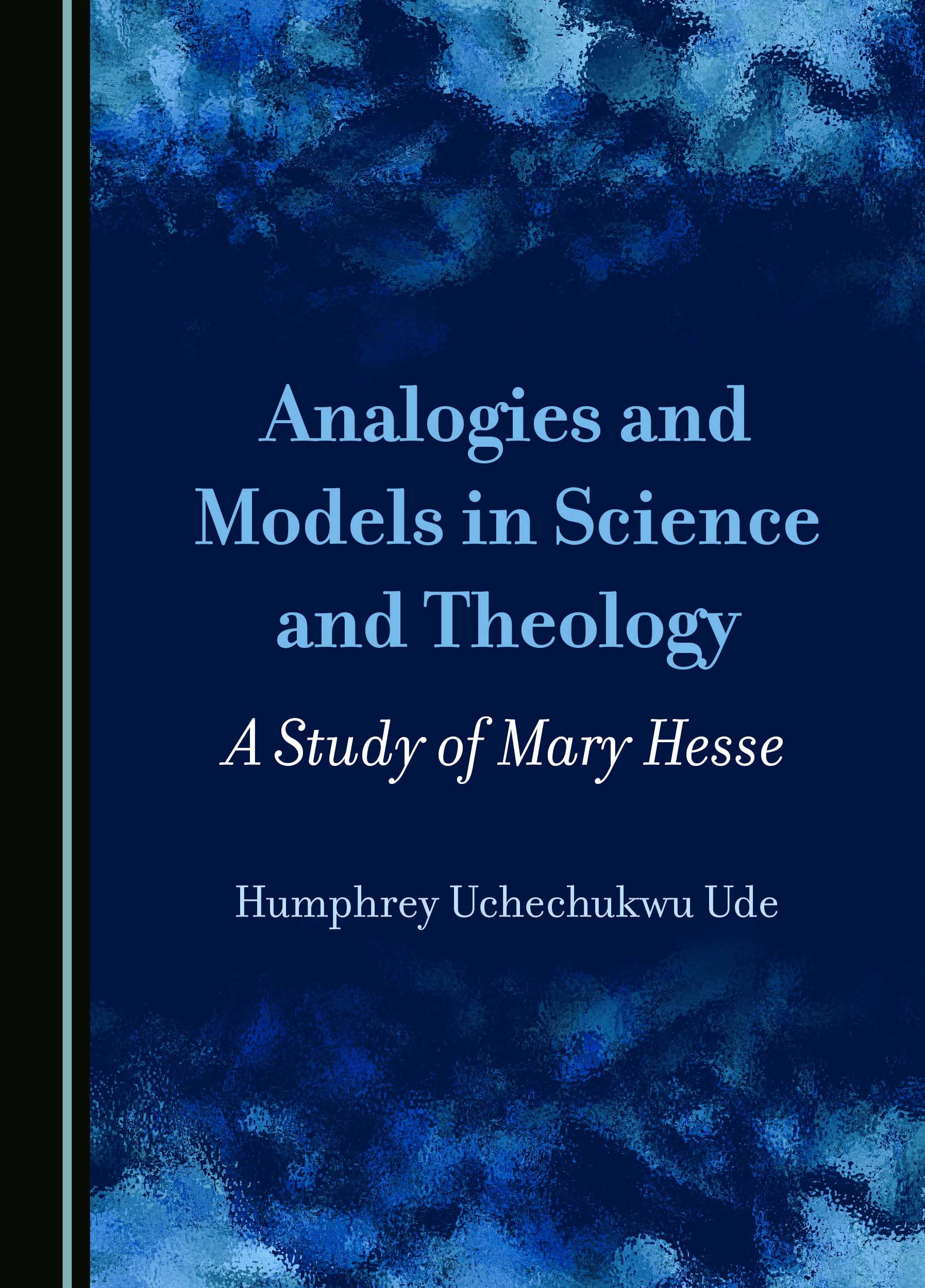
Analogies and Models in Science and Theology
A Study of Mary Hesse
This book uses Hesse’s Network Model of Theory to debunk scientism and argue for the indispensability of socio-cultural and theological values in the search for objective knowledge. It shows how both science and theology rely on interpretation, models, and metaphor.
This book uses Hesse’s Network Model of Theory to debunk scientism and argue for the indispensability of socio-cultural and theological values in the search for objective knowledge. It shows how both science and theology rely on interpretation, models, and metaphor.
View more
This product has multiple variants. The options may be chosen on the product page
View more
This product has multiple variants. The options may be chosen on the product page
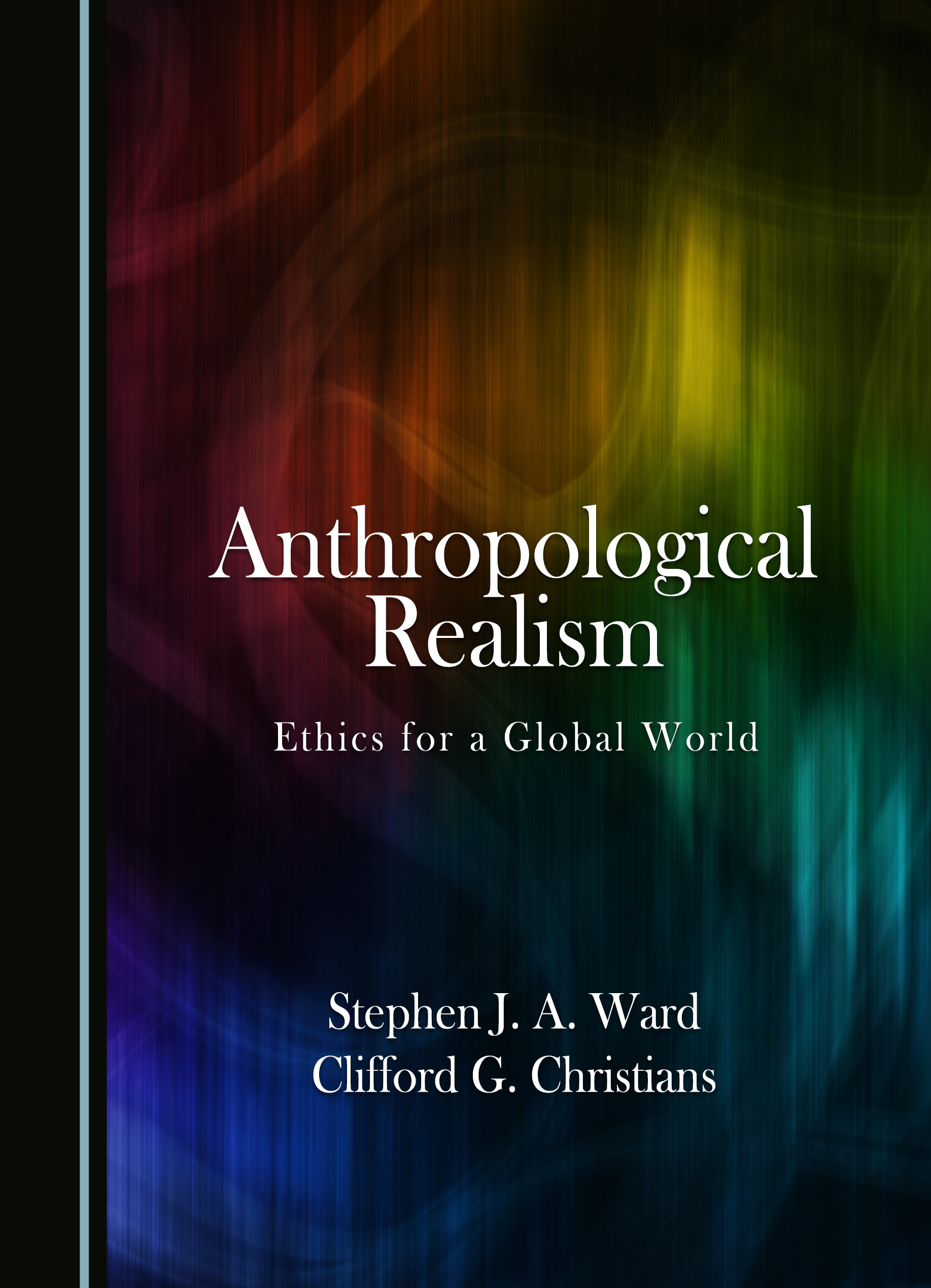
Anthropological Realism
Ethics for a Global World
Ethics lacks a strong theoretical basis and remains parochial as technologies become global. To move beyond unproductive stalemates, this book offers a next-generation theory of hybrid moral realism, promoting a sustainable global ethics of humaneness and human flourishing.
Ethics lacks a strong theoretical basis and remains parochial as technologies become global. To move beyond unproductive stalemates, this book offers a next-generation theory of hybrid moral realism, promoting a sustainable global ethics of humaneness and human flourishing.
View more
This product has multiple variants. The options may be chosen on the product page
View more
This product has multiple variants. The options may be chosen on the product page
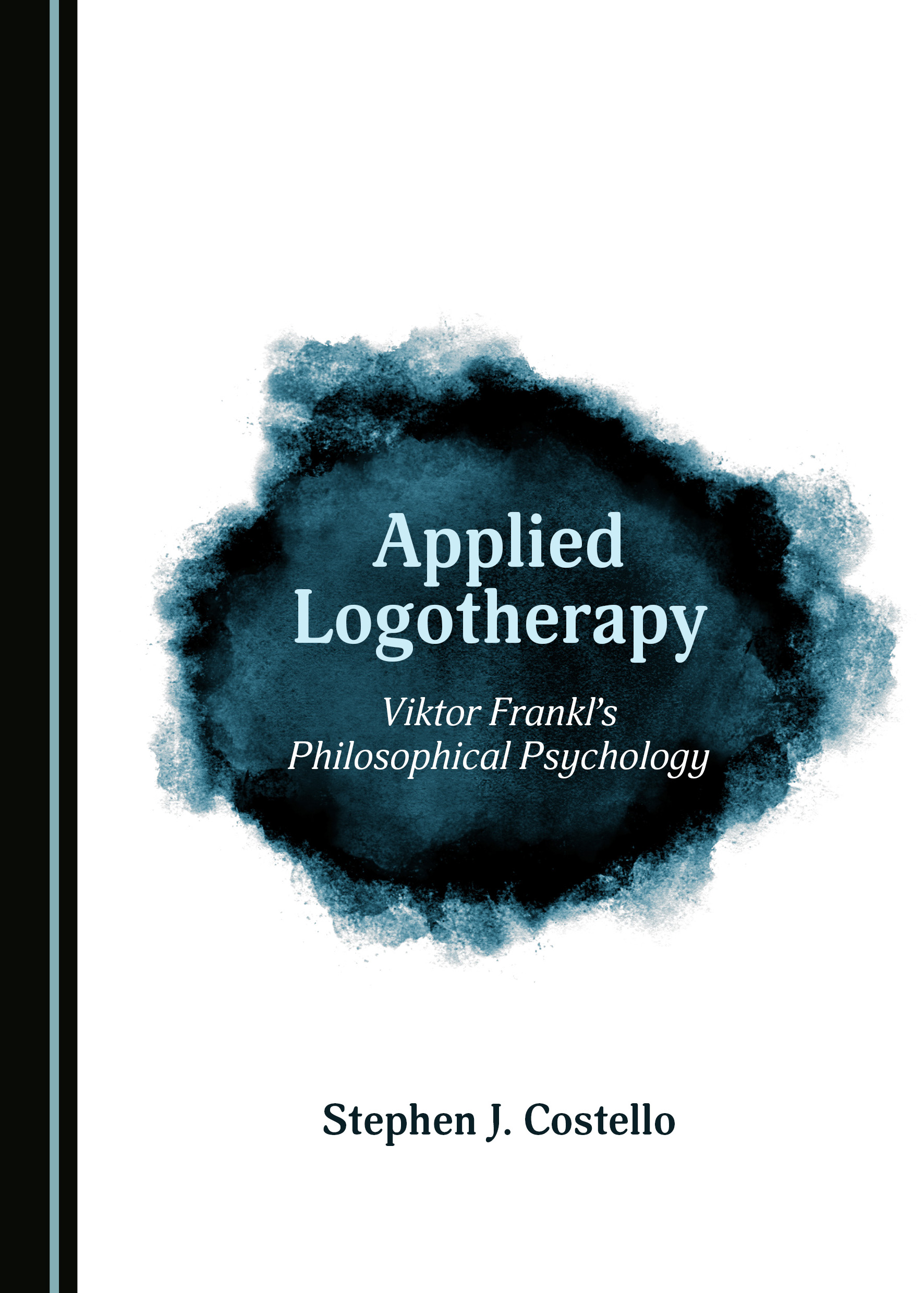
Applied Logotherapy
Viktor Frankl’s Philosophical Psychology
This monograph is a seminal contribution to applied and clinical logotherapy and existential analysis which draws on Dr Viktor Frankl’s Viennese School of philosophical psychology, from therapeutic techniques, to the mass neurotic triad of aggression, addiction, and depression.
This monograph is a seminal contribution to applied and clinical logotherapy and existential analysis which draws on Dr Viktor Frankl’s Viennese School of philosophical psychology, from therapeutic techniques, to the mass neurotic triad of aggression, addiction, and depression.
View more
This product has multiple variants. The options may be chosen on the product page
View more
This product has multiple variants. The options may be chosen on the product page
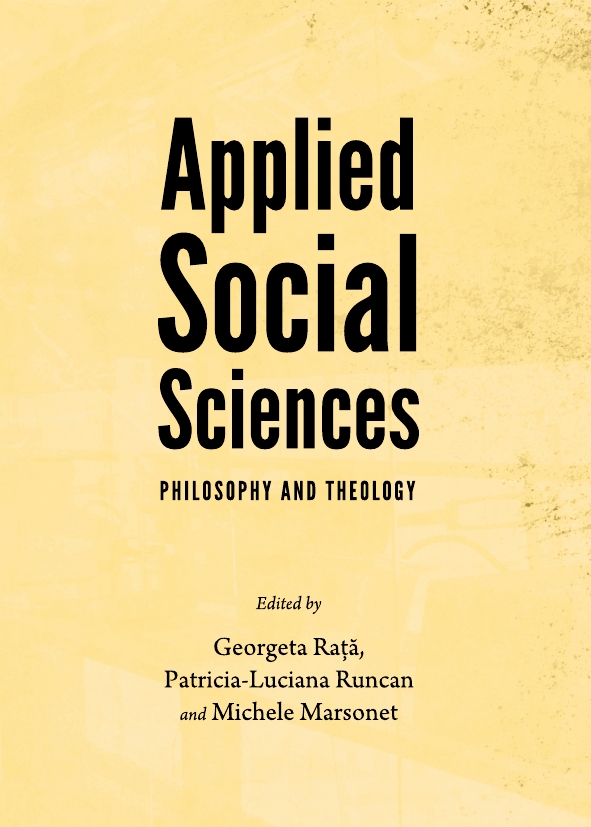
Applied Social Sciences
Philosophy and Theology
This volume provides original essays on philosophy and theology, exploring aesthetics, ethics, postmodernism, and the role of religion in society. Accessible to specialists and a wider public, it offers new ideas for professionals in the socio-humanistic field.
This volume provides original essays on philosophy and theology, exploring aesthetics, ethics, postmodernism, and the role of religion in society. Accessible to specialists and a wider public, it offers new ideas for professionals in the socio-humanistic field.
View more
This product has multiple variants. The options may be chosen on the product page
View more
This product has multiple variants. The options may be chosen on the product page
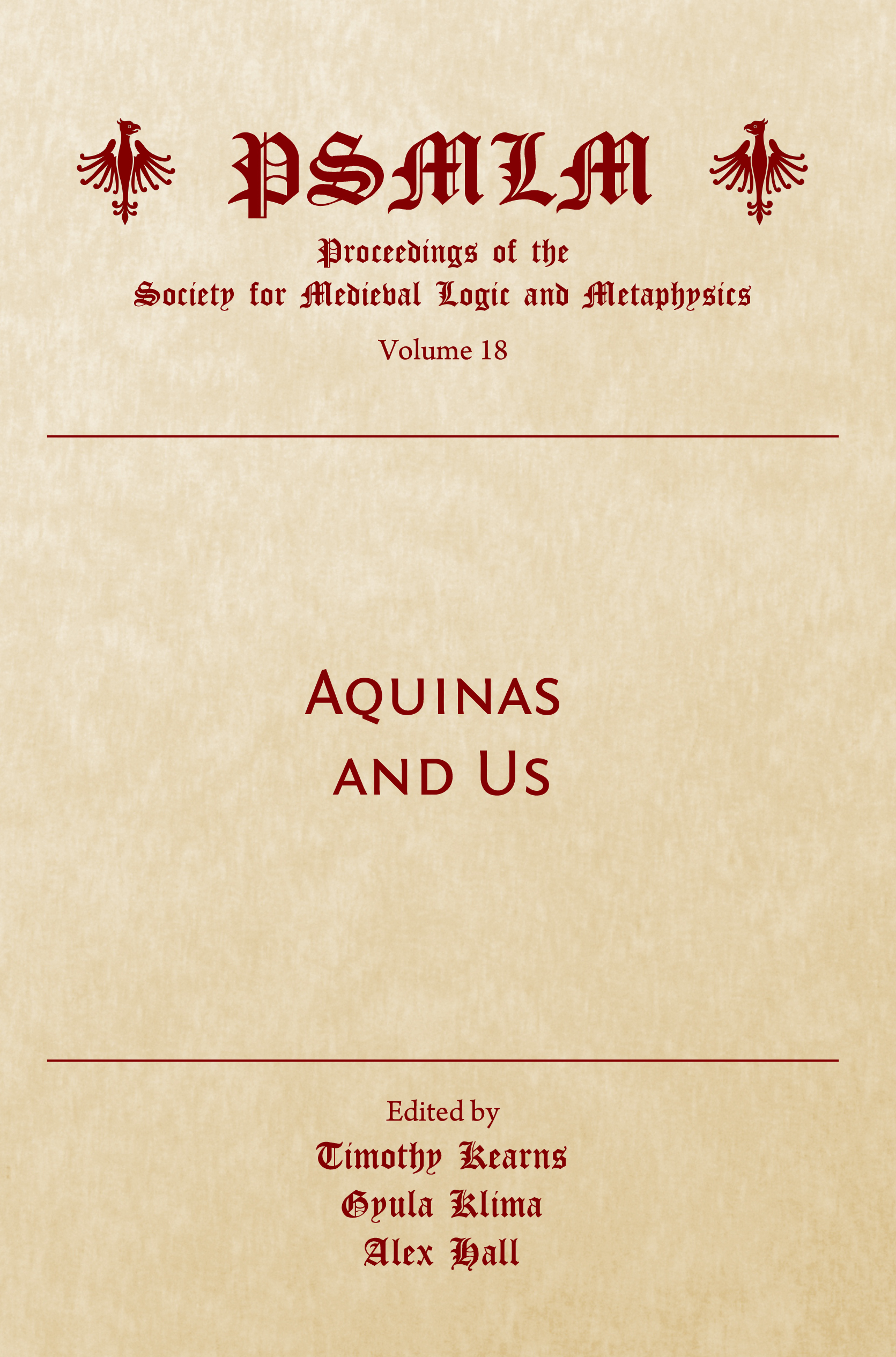
Aquinas and Us (Volume 18
Proceedings of the Society for Medieval Logic and Metaphysics)
This volume considers the contemporary relevance of Aquinas’ thought in metaphysics, natural theology, physics, and philosophy of mind. Chapters intersect with key modern debates, interpreting his physics in light of contemporary findings and his account of human self-awareness.
This volume considers the contemporary relevance of Aquinas’ thought in metaphysics, natural theology, physics, and philosophy of mind. Chapters intersect with key modern debates, interpreting his physics in light of contemporary findings and his account of human self-awareness.
View more
This product has multiple variants. The options may be chosen on the product page
View more
This product has multiple variants. The options may be chosen on the product page
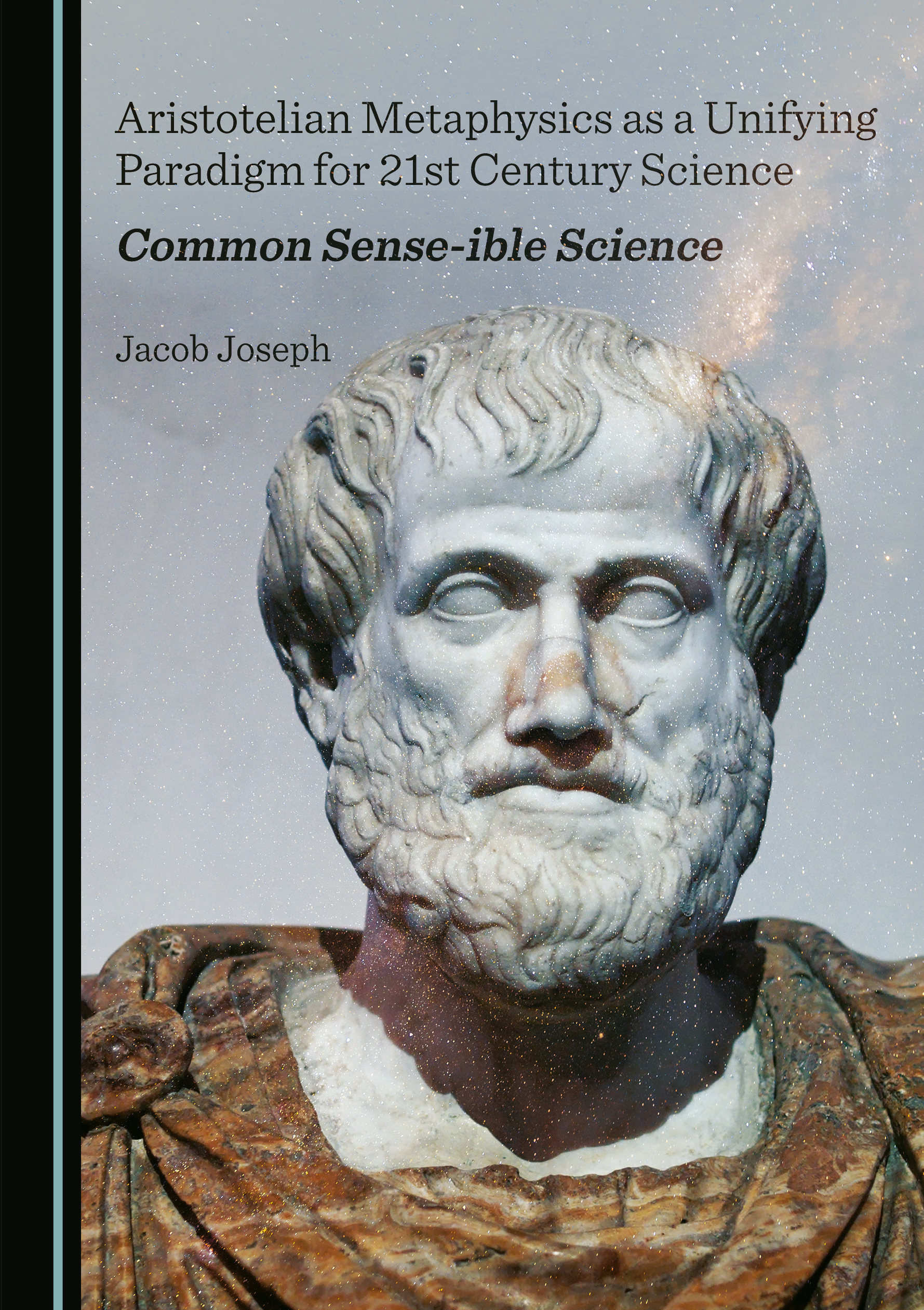
Aristotelian Metaphysics as a Unifying Paradigm for 21st Century Science
Common Sense-ible Science
This book updates Aristotle's foundational principles to remedy the fragmentation of knowledge. It provides a rational framework and common language for all, seeking answers to the question "why?," not just "how?", creating a unified approach to knowledge.
This book updates Aristotle’s foundational principles to remedy the fragmentation of knowledge. It provides a rational framework and common language for all, seeking answers to the question “why?,” not just “how?”, creating a unified approach to knowledge.
View more
This product has multiple variants. The options may be chosen on the product page
View more
This product has multiple variants. The options may be chosen on the product page
£39.99
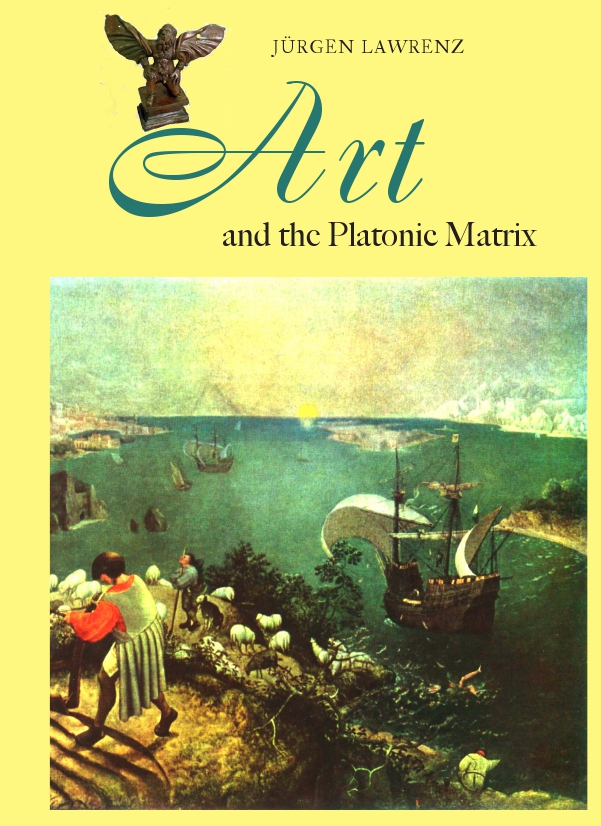
For millennia, philosophy has failed to define art. This searching critique reveals why and proposes a new philosophy, demonstrating that art is quintessentially involved in the meaning of life, our impulse for self-knowledge, and understanding the human condition.
For millennia, philosophy has failed to define art. This searching critique reveals why and proposes a new philosophy, demonstrating that art is quintessentially involved in the meaning of life, our impulse for self-knowledge, and understanding the human condition.
View more
This product has multiple variants. The options may be chosen on the product page
View more
This product has multiple variants. The options may be chosen on the product page
Art and the Technosphere
The Platforms of Strings
This book investigates contemporary art's new status. From caves to digital simulations, art no longer just represents ideas—it constructs worlds. The question is no longer “what” art is, but how we determine the difference between the aesthetic object and artificial life.
This book investigates contemporary art’s new status. From caves to digital simulations, art no longer just represents ideas—it constructs worlds. The question is no longer “what” art is, but how we determine the difference between the aesthetic object and artificial life.
View more
This product has multiple variants. The options may be chosen on the product page

View more
This product has multiple variants. The options may be chosen on the product page
Arthur Danto
Philosopher of Pop
This original monograph presents Arthur Danto’s aesthetic theory as part of his larger philosophical system. For the first time, his themes are viewed as a whole, placed in the context of his broader commitments to action, knowledge, and metaphysics.
This original monograph presents Arthur Danto’s aesthetic theory as part of his larger philosophical system. For the first time, his themes are viewed as a whole, placed in the context of his broader commitments to action, knowledge, and metaphysics.
View more
This product has multiple variants. The options may be chosen on the product page

View more
This product has multiple variants. The options may be chosen on the product page
Arthur S. Eddington, The Nature of the Physical World
Gifford Lectures of 1927, An Annotated Edition
Arthur S. Eddington was a prominent scientist famed for confirming Einstein’s theory of relativity and interpreting modern physics for the public. His classic book, The Nature of the Physical World, had a significant influence on the understanding of 20th-century physics.
Arthur S. Eddington was a prominent scientist famed for confirming Einstein’s theory of relativity and interpreting modern physics for the public. His classic book, The Nature of the Physical World, had a significant influence on the understanding of 20th-century physics.
View more
This product has multiple variants. The options may be chosen on the product page

View more
This product has multiple variants. The options may be chosen on the product page
Arthur Schopenhauer
New Material by Him and about Him by Dr. David Asher
See Schopenhauer the man through 24 letters to his dedicated apostle, David Asher. They reveal the philosopher's 30-year struggle for recognition in a Germany dominated by Hegelian thought, and the ultimate triumph of a thinker who had long been ignored.
See Schopenhauer the man through 24 letters to his dedicated apostle, David Asher. They reveal the philosopher’s 30-year struggle for recognition in a Germany dominated by Hegelian thought, and the ultimate triumph of a thinker who had long been ignored.
View more
This product has multiple variants. The options may be chosen on the product page

View more
This product has multiple variants. The options may be chosen on the product page
From £35.99
This collection of doctoral essays in Catholic Studies shines new light on age-old issues and offers opportunities for dialogue with the contemporary world. Inspired by St. John Henry Newman’s vision of faith and reason, these works cover theology, ethics, history, and more.
This collection of doctoral essays in Catholic Studies shines new light on age-old issues and offers opportunities for dialogue with the contemporary world. Inspired by St. John Henry Newman’s vision of faith and reason, these works cover theology, ethics, history, and more.
View more
This product has multiple variants. The options may be chosen on the product page
View more
This product has multiple variants. The options may be chosen on the product page
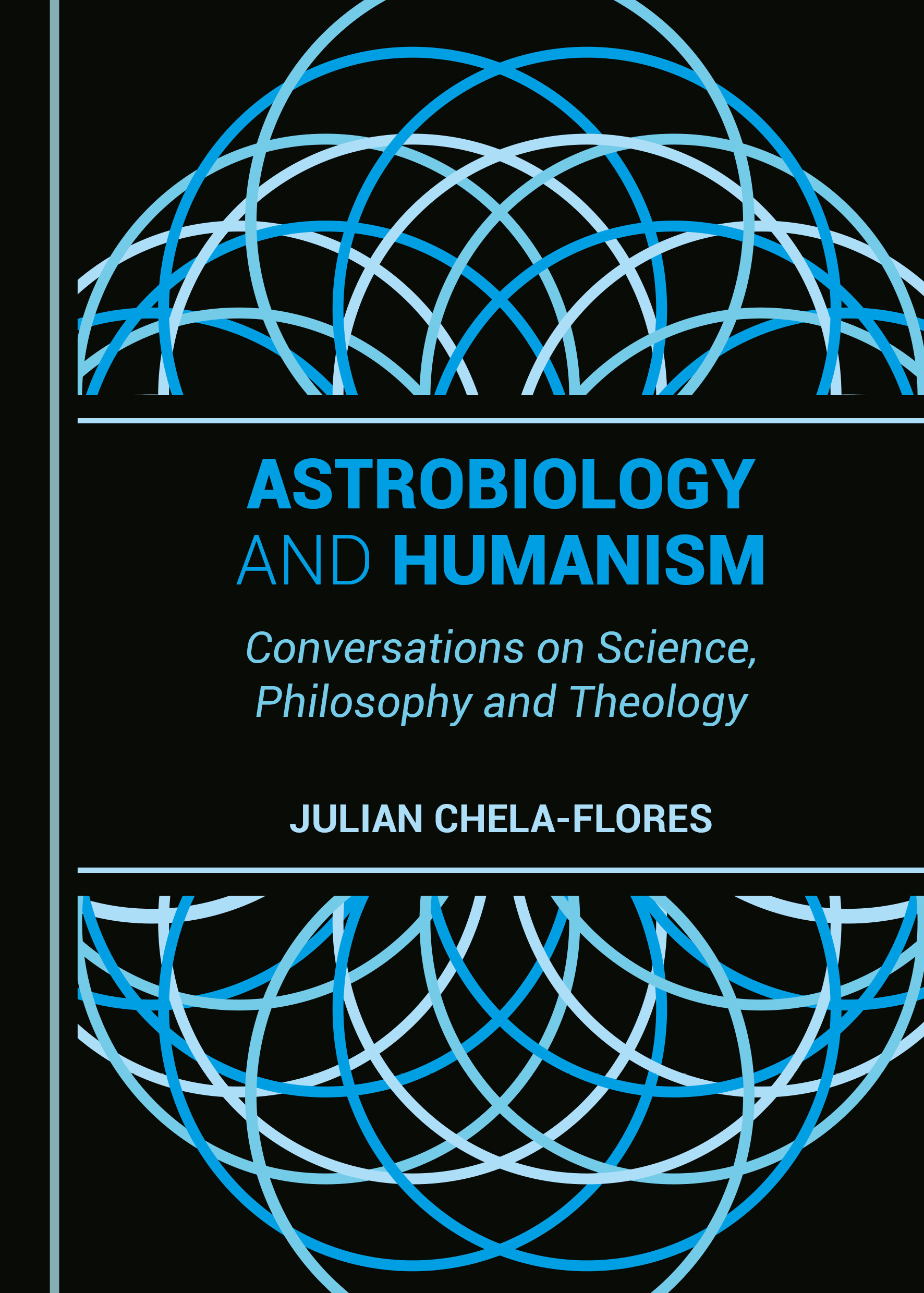
Astrobiology and Humanism
Conversations on Science, Philosophy and Theology
This book reviews the frontiers of humanism as they interact with astrobiology. The existence of life raises deep questions meaningful to both, but disagreements in this dialogue are shown to be due to the delusion that the frontiers of science can be ignored.
This book reviews the frontiers of humanism as they interact with astrobiology. The existence of life raises deep questions meaningful to both, but disagreements in this dialogue are shown to be due to the delusion that the frontiers of science can be ignored.
View more
This product has multiple variants. The options may be chosen on the product page
View more
This product has multiple variants. The options may be chosen on the product page
£64.99
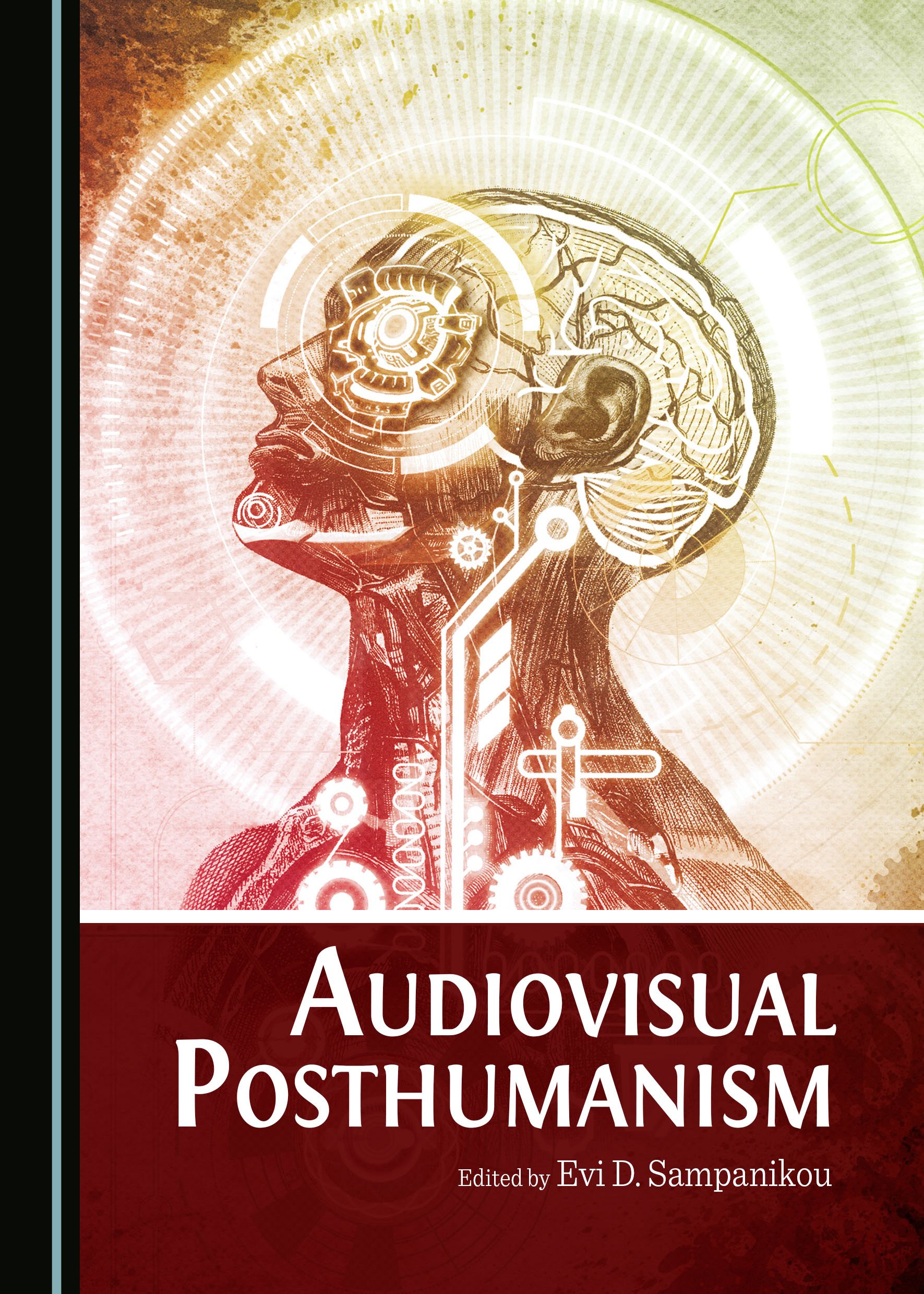
This volume explores posthumanism's challenges in artistic expression and the humanities. It asks whether posthumanism is an expansion of humanism or a transcendence. Authors from diverse backgrounds offer a varied perspective on this critical contemporary question.
This volume explores posthumanism’s challenges in artistic expression and the humanities. It asks whether posthumanism is an expansion of humanism or a transcendence. Authors from diverse backgrounds offer a varied perspective on this critical contemporary question.
View more
This product has multiple variants. The options may be chosen on the product page
View more
This product has multiple variants. The options may be chosen on the product page
Axel Honneth’s Social Philosophy of Recognition
Freedom, Normativity, and Identity
This book reconstructs Axel Honneth’s recognition theory in the context of the conflict between autonomy and social cohesion. It proposes the Reconstructive Normative Simulation (RNS) to examine social pathologies by locating deficiencies in the social spheres of our lives.
This book reconstructs Axel Honneth’s recognition theory in the context of the conflict between autonomy and social cohesion. It proposes the Reconstructive Normative Simulation (RNS) to examine social pathologies by locating deficiencies in the social spheres of our lives.
View more
This product has multiple variants. The options may be chosen on the product page

View more
This product has multiple variants. The options may be chosen on the product page
Becoming Wales
Devolution as Process
This text explores Welsh identity and culture through an institution that has evolved over twenty-five years. The Assembly/Senedd has incrementally eroded a “democratic deficit,” providing levels of self-determination for a nation in a perpetual state of becoming.
This text explores Welsh identity and culture through an institution that has evolved over twenty-five years. The Assembly/Senedd has incrementally eroded a “democratic deficit,” providing levels of self-determination for a nation in a perpetual state of becoming.
View more
This product has multiple variants. The options may be chosen on the product page
View more
This product has multiple variants. The options may be chosen on the product page
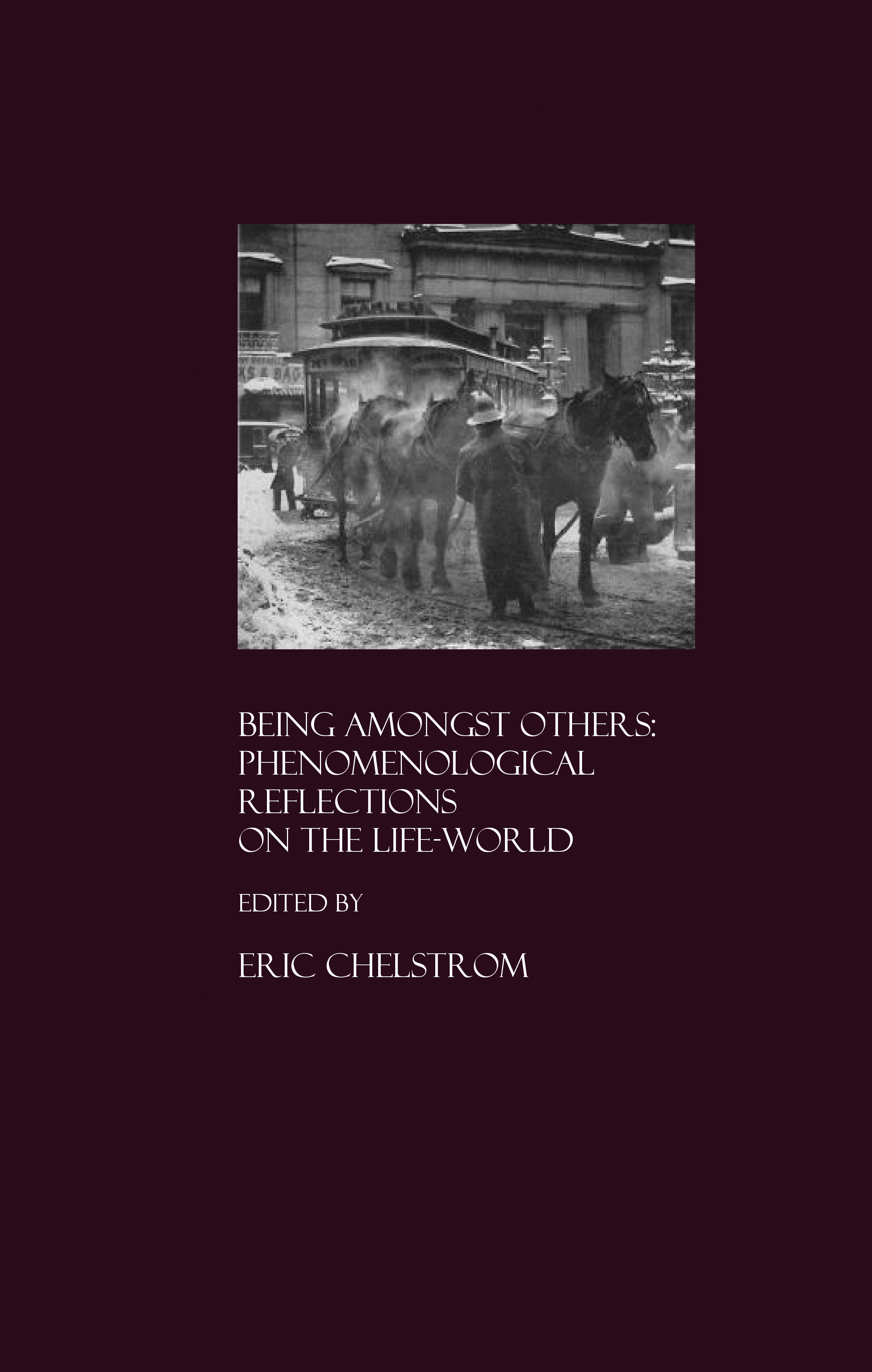
Being Amongst Others
Phenomenological Reflections on the Life-world
Philosophical reflection helps us understand our world. This volume presents a variety of phenomenological views on everyday life, granting precedent to the first-person perspective to explore consciousness, friendship, and religious or political experiences.
Philosophical reflection helps us understand our world. This volume presents a variety of phenomenological views on everyday life, granting precedent to the first-person perspective to explore consciousness, friendship, and religious or political experiences.
View more
This product has multiple variants. The options may be chosen on the product page
View more
This product has multiple variants. The options may be chosen on the product page
£49.99
In dialogue with Plato, Hegel, and Marx, this book forges a 21st communism based on the dance with death—a politics of mortality, responsibility, and love.
In dialogue with Plato, Hegel, and Marx, this book forges a 21st communism based on the dance with death—a politics of mortality, responsibility, and love.
View more
This product has multiple variants. The options may be chosen on the product page
View more
This product has multiple variants. The options may be chosen on the product page
Being, Goodness and Truth (Volume 16
Proceedings of the Society for Medieval Logic and Metaphysics)
This volume considers Aquinas’s virtue ethics, exploring the scholarly debate over inconsistencies in his account. It argues that Aquinas's understanding of human beings as matter-form composites furnishes a robust moral accounting unavailable to reductive materialist accounts.
This volume considers Aquinas’s virtue ethics, exploring the scholarly debate over inconsistencies in his account. It argues that Aquinas’s understanding of human beings as matter-form composites furnishes a robust moral accounting unavailable to reductive materialist accounts.
View more
This product has multiple variants. The options may be chosen on the product page

View more
This product has multiple variants. The options may be chosen on the product page
Berkeley
A Portrait
This book reconstructs Berkeley’s philosophy, arguing his opposition to materialism was not subjective idealism but a common-sense response to the emergence of modern science, offering a fuller, realist portrait of his philosophy of immaterialism.
This book reconstructs Berkeley’s philosophy, arguing his opposition to materialism was not subjective idealism but a common-sense response to the emergence of modern science, offering a fuller, realist portrait of his philosophy of immaterialism.
View more
This product has multiple variants. The options may be chosen on the product page
Processing Your Order
Please wait while we securely process your order.
Do not refresh or leave this page.
You will be redirected shortly to a confirmation page with your order number.