
View more
This product has multiple variants. The options may be chosen on the product page
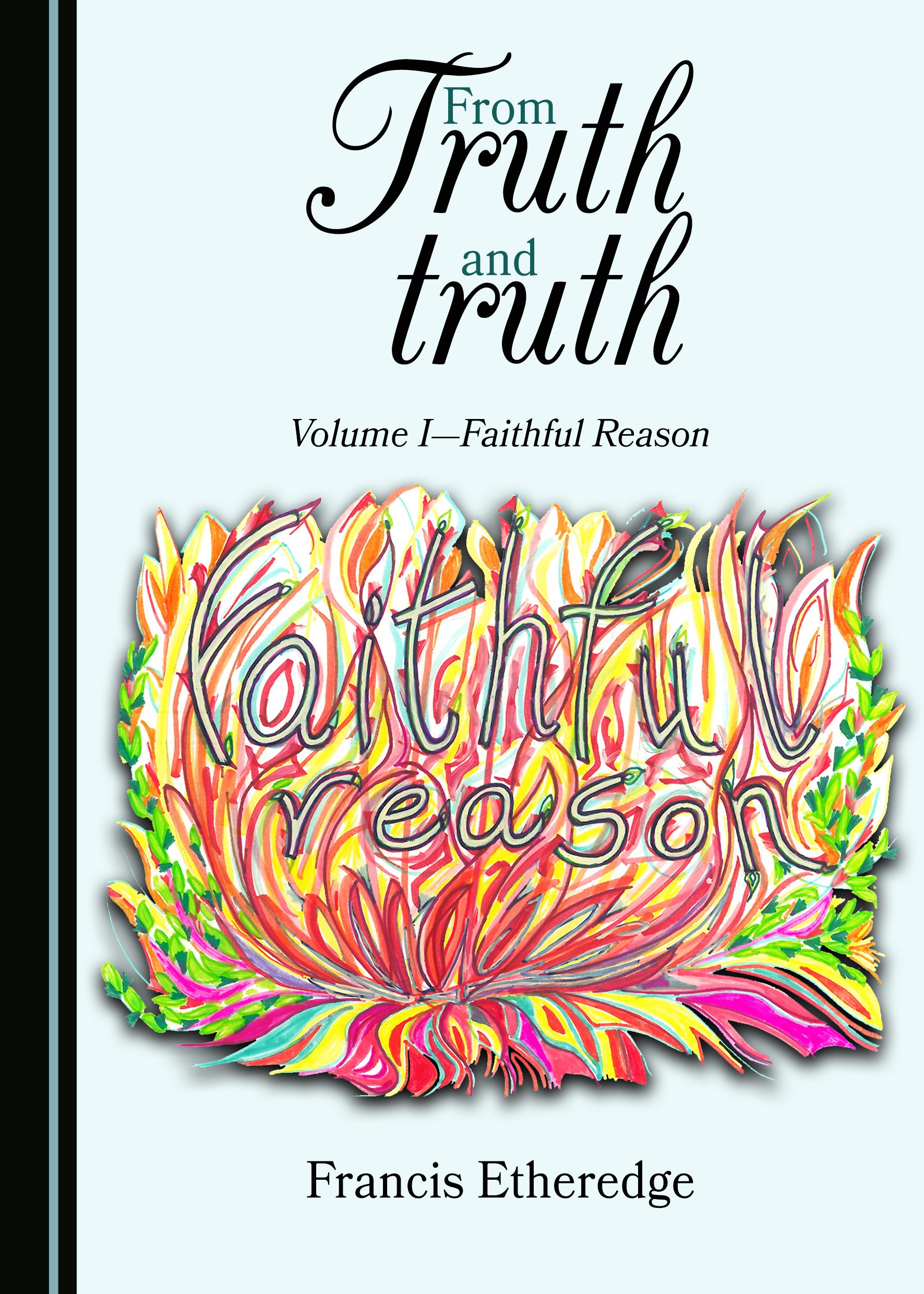
From Truth and truth
Volume I—Faithful Reason
Francis Etheredge investigates the interrelationship between reason and sense through a philosophical exploration of “being”, noting that “sense” is subtly sensitive through reason.
Francis Etheredge investigates the interrelationship between reason and sense through a philosophical exploration of “being”, noting that “sense” is subtly sensitive through reason.
View more
This product has multiple variants. The options may be chosen on the product page

View more
This product has multiple variants. The options may be chosen on the product page
From Truth and truth
Volume III—Faith is Married Reason
This book explores the complementarity between the literal and spiritual sense of what exists. Through essays on bioethics and the nature of man and woman, it reveals an incredible coherence of meaning, showing how Revelation comes to meet the trembling outreaches of reason.
This book explores the complementarity between the literal and spiritual sense of what exists. Through essays on bioethics and the nature of man and woman, it reveals an incredible coherence of meaning, showing how Revelation comes to meet the trembling outreaches of reason.
View more
This product has multiple variants. The options may be chosen on the product page

View more
This product has multiple variants. The options may be chosen on the product page
Frontiers in Neuroethics
Conceptual and Empirical Advancements
This collection provides an updated overview of the theoretical perspectives and empirical research related to neuroethics. Its eight chapters offer a cross-section of a lively debate that will serve as the focus of scientific, cultural, and political reflection in years to come.
This collection provides an updated overview of the theoretical perspectives and empirical research related to neuroethics. Its eight chapters offer a cross-section of a lively debate that will serve as the focus of scientific, cultural, and political reflection in years to come.
View more
This product has multiple variants. The options may be chosen on the product page
View more
This product has multiple variants. The options may be chosen on the product page
Functional Psychology and the Philosophy of Mind
Intentional Realism in Cognitive Psychology
This book connects language, mind, and consciousness, focusing on thinkers like Quine, Davidson, and Dennett. Its organizing theme is a contextual approach to meaning that builds on William James's functional psychology and anticipates a contemporary revival of his work.
This book connects language, mind, and consciousness, focusing on thinkers like Quine, Davidson, and Dennett. Its organizing theme is a contextual approach to meaning that builds on William James’s functional psychology and anticipates a contemporary revival of his work.
View more
This product has multiple variants. The options may be chosen on the product page
View more
This product has multiple variants. The options may be chosen on the product page
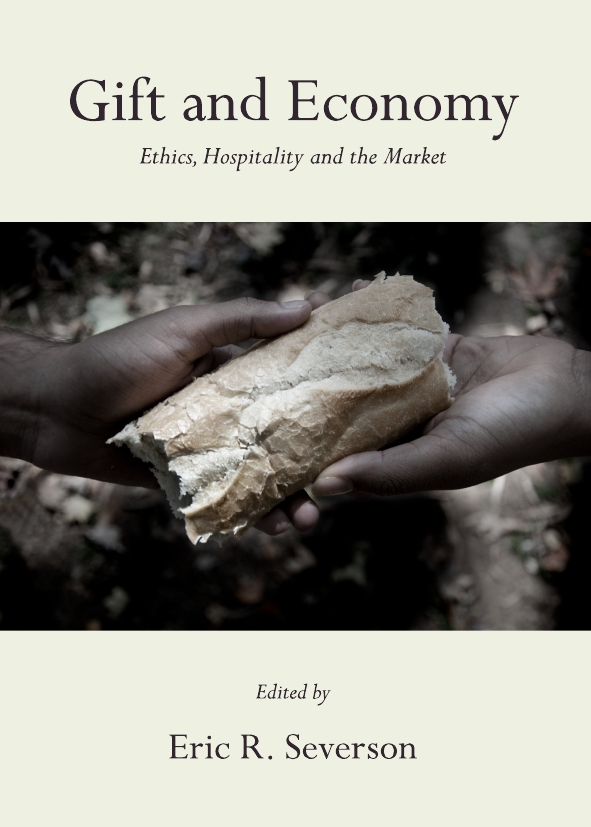
Gift and Economy
Ethics, Hospitality and the Market
Is a pure gift truly possible? The powerful forces of economy can corrupt every effort to give. This volume takes up Jacques Derrida’s challenge to investigate the gift, exploring an excess that cannot be explained by the calculus of exchange and power.
Is a pure gift truly possible? The powerful forces of economy can corrupt every effort to give. This volume takes up Jacques Derrida’s challenge to investigate the gift, exploring an excess that cannot be explained by the calculus of exchange and power.
View more
This product has multiple variants. The options may be chosen on the product page
View more
This product has multiple variants. The options may be chosen on the product page
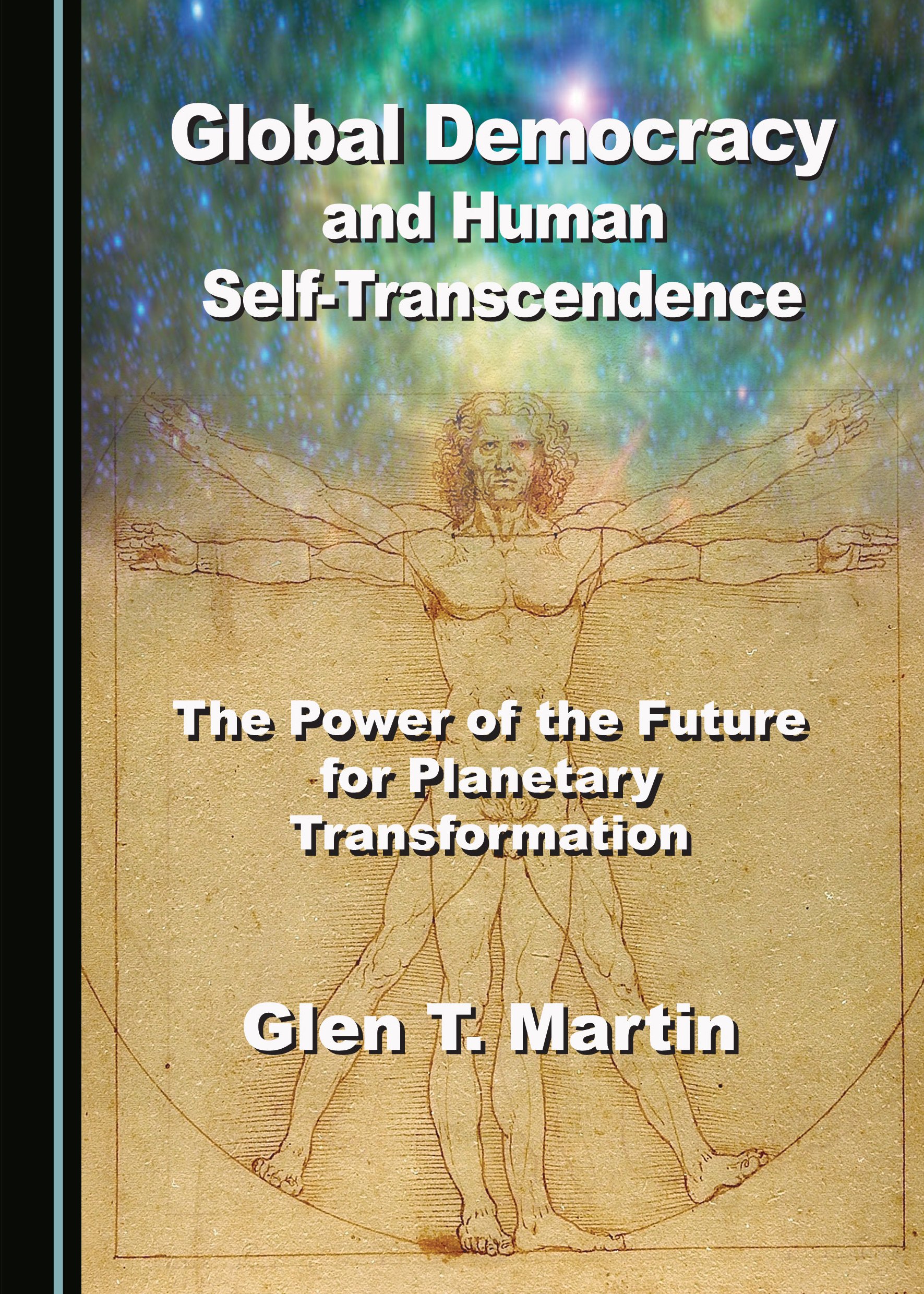
Global Democracy and Human Self-Transcendence
The Power of the Future for Planetary Transformation
By examining the dynamics of self-transcendence for both individuals and humanity as a whole, this study illuminates the definitive relationship between self-transcendence and global democracy, describing our transition from personal consciousness to global consciousness.
By examining the dynamics of self-transcendence for both individuals and humanity as a whole, this study illuminates the definitive relationship between self-transcendence and global democracy, describing our transition from personal consciousness to global consciousness.
View more
This product has multiple variants. The options may be chosen on the product page
View more
This product has multiple variants. The options may be chosen on the product page
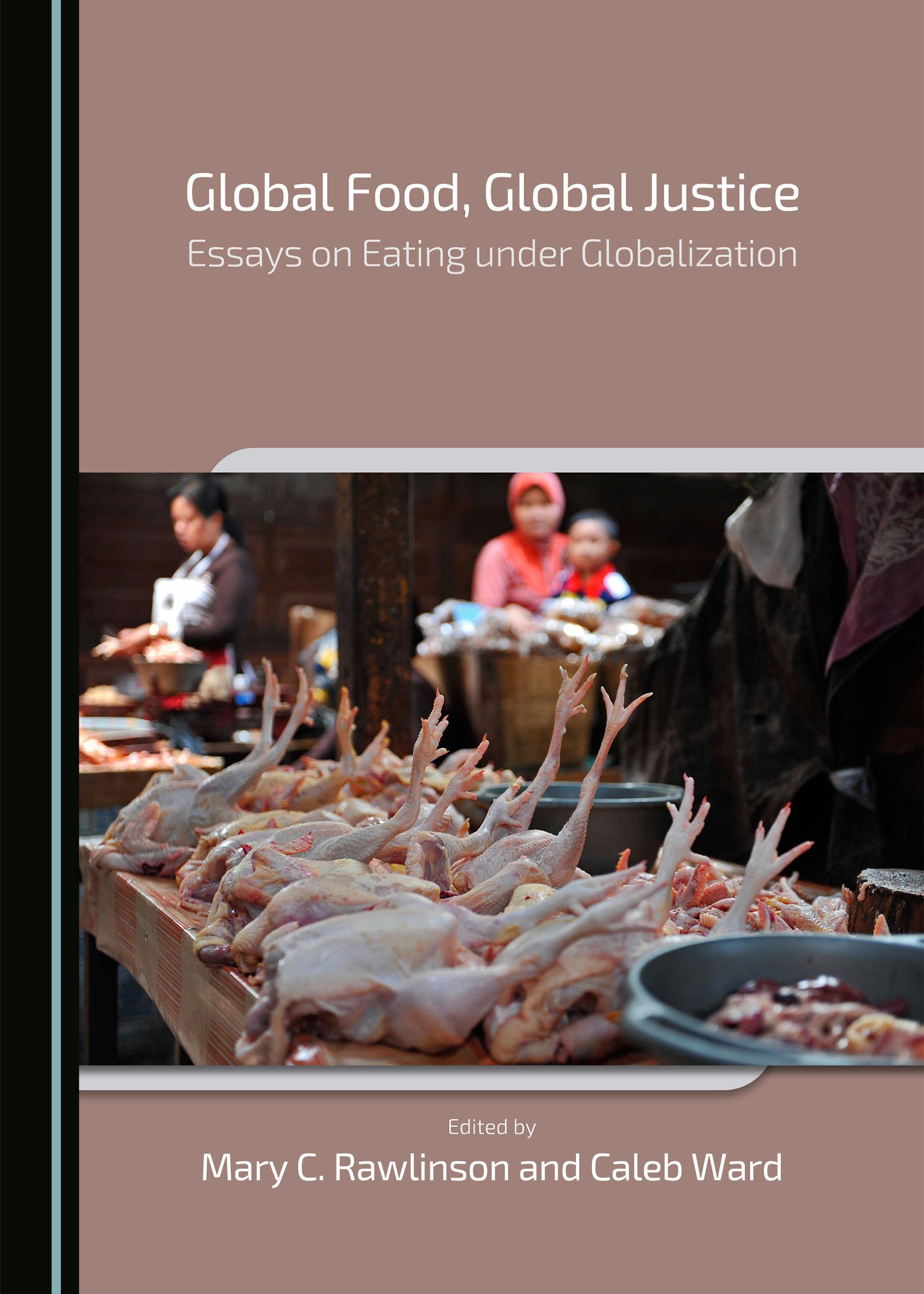
Global Food, Global Justice
Essays on Eating under Globalization
These essays address global crises of obesity, malnutrition, and environmental degradation as issues of public policy and social justice. They argue that changing how we eat is necessary to create a culture of health and ensure a sustainable future.
These essays address global crises of obesity, malnutrition, and environmental degradation as issues of public policy and social justice. They argue that changing how we eat is necessary to create a culture of health and ensure a sustainable future.
View more
This product has multiple variants. The options may be chosen on the product page
View more
This product has multiple variants. The options may be chosen on the product page
Global Perspectives on Research, Theory, and Practice
A Decade of Gestalt!
This volume brings together rich thinking on gestalt therapy from Gestalt!, the pioneering electronic journal of the 1990s. Although the journal no longer exists, this book reclaims its great historical value and still-significant ideas.
This volume brings together rich thinking on gestalt therapy from Gestalt!, the pioneering electronic journal of the 1990s. Although the journal no longer exists, this book reclaims its great historical value and still-significant ideas.
View more
This product has multiple variants. The options may be chosen on the product page
View more
This product has multiple variants. The options may be chosen on the product page
Gratitude and Palliative Care
A Dialogue between Philosophers and Clinicians
Surprisingly, gratitude persists even at the end of life. This book explores profound gratitude in palliative care. Blending clinical experience and philosophy, it examines the transformative power of gratitude for patients, families, and professionals amidst serious illness.
Surprisingly, gratitude persists even at the end of life. This book explores profound gratitude in palliative care. Blending clinical experience and philosophy, it examines the transformative power of gratitude for patients, families, and professionals amidst serious illness.
View more
This product has multiple variants. The options may be chosen on the product page

View more
This product has multiple variants. The options may be chosen on the product page
Greatness of Soul
In Hume, Aristotle and Hobbes, as Shadowed by Milton's Satan
From a Nietzschean Hume evoking Milton’s Satan, to Aristotle’s “claws and teeth” and a deeper challenge from Hobbes, these pages mix poets and philosophers to offer a glimpse of what a classical education might look like.
From a Nietzschean Hume evoking Milton’s Satan, to Aristotle’s “claws and teeth” and a deeper challenge from Hobbes, these pages mix poets and philosophers to offer a glimpse of what a classical education might look like.
View more
This product has multiple variants. The options may be chosen on the product page
View more
This product has multiple variants. The options may be chosen on the product page
From £29.99
This work explores the philosophical basis for phenomenological structuralism, giving a hermeneutical approach to understanding and resolving the structure/agency problematic of the social sciences.
This work explores the philosophical basis for phenomenological structuralism, giving a hermeneutical approach to understanding and resolving the structure/agency problematic of the social sciences.
View more
This product has multiple variants. The options may be chosen on the product page
View more
This product has multiple variants. The options may be chosen on the product page
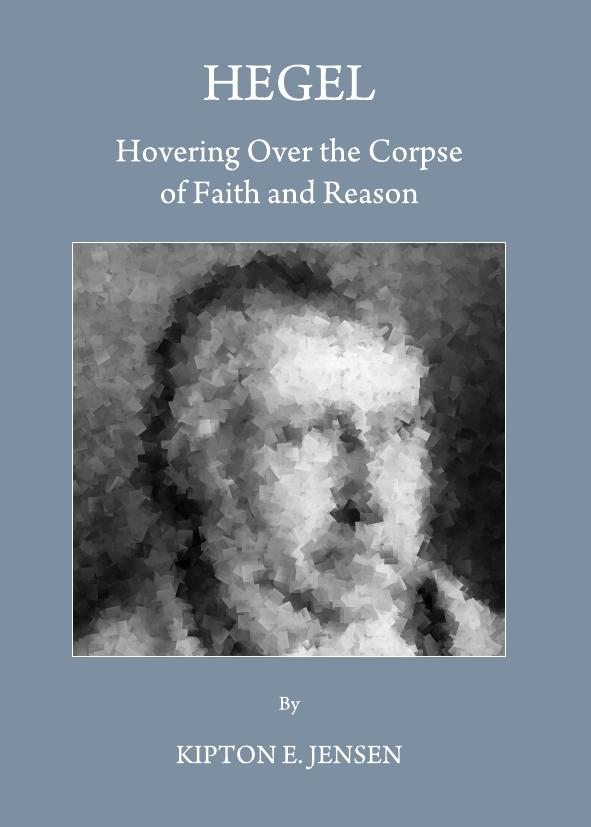
Hegel
Hovering Over the Corpse of Faith and Reason
This revisionist reading of Hegel’s essay, Faith and Knowledge, argues his critique of predecessors was no misreading. As a philosophical latecomer, Hegel appropriated the thought of his precursors with an eye toward overcoming them.
This revisionist reading of Hegel’s essay, Faith and Knowledge, argues his critique of predecessors was no misreading. As a philosophical latecomer, Hegel appropriated the thought of his precursors with an eye toward overcoming them.
View more
This product has multiple variants. The options may be chosen on the product page
View more
This product has multiple variants. The options may be chosen on the product page
£24.95
In this analysis of Hegel by fellow philosopher Edward Caird, a leading British Idealist, Caird's own imprint is clear. He lyrically takes us through Hegel's life and central philosophical concerns. An important book for scholars and enthusiasts of either thinker.
In this analysis of Hegel by fellow philosopher Edward Caird, a leading British Idealist, Caird’s own imprint is clear. He lyrically takes us through Hegel’s life and central philosophical concerns. An important book for scholars and enthusiasts of either thinker.
View more
This product has multiple variants. The options may be chosen on the product page
View more
This product has multiple variants. The options may be chosen on the product page
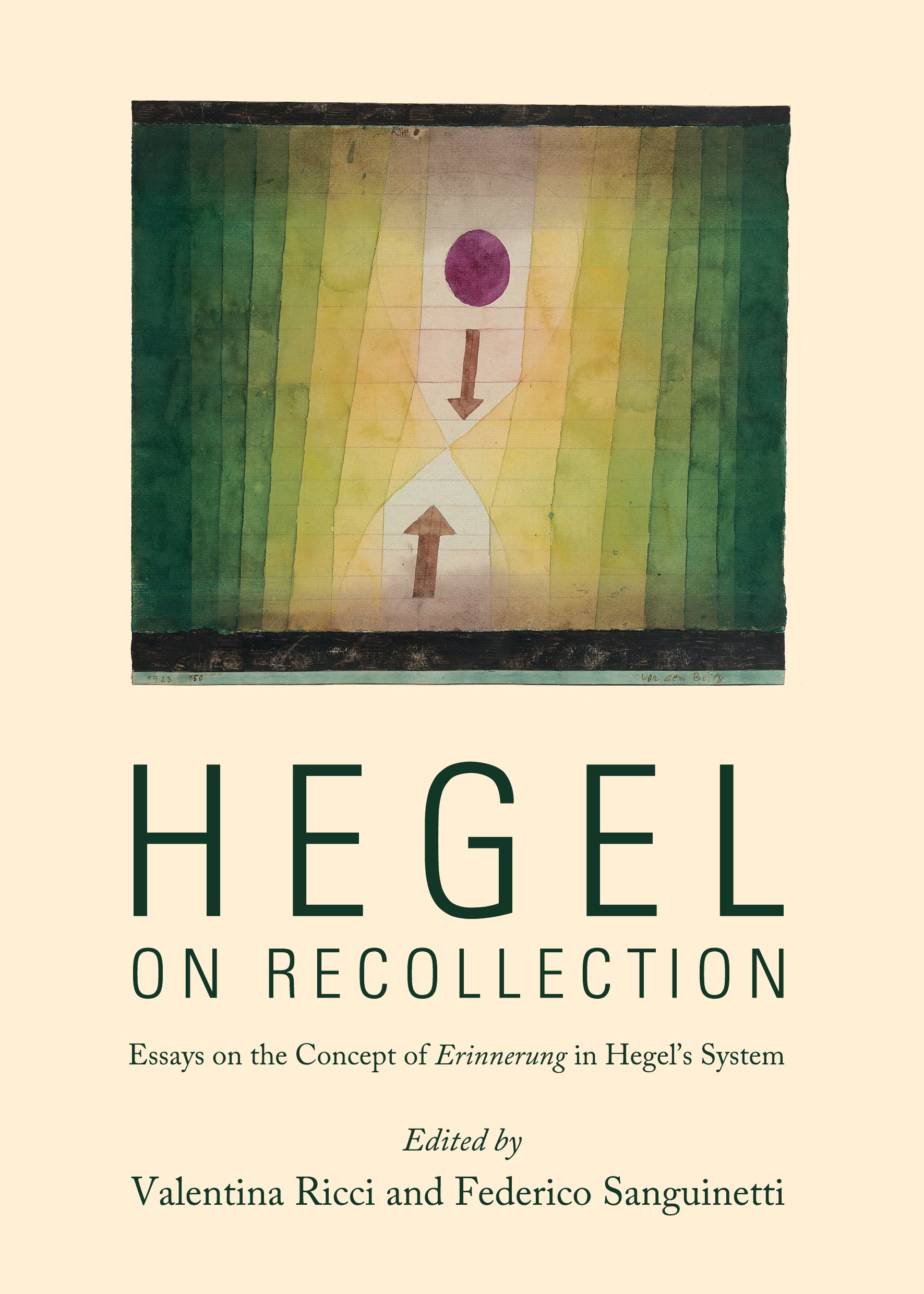
Hegel on Recollection
Essays on the Concept of Erinnerung in Hegel’s System
This collection of essays focuses on Hegel’s concept of recollection (Erinnerung). It provides a detailed examination of the role played by recollection within his system, arguing that it is a privileged key to interpreting Hegel’s philosophy.
This collection of essays focuses on Hegel’s concept of recollection (Erinnerung). It provides a detailed examination of the role played by recollection within his system, arguing that it is a privileged key to interpreting Hegel’s philosophy.
View more
This product has multiple variants. The options may be chosen on the product page
View more
This product has multiple variants. The options may be chosen on the product page
£47.99
This title discusses the relevance of the work of Hegel and Marx in today’s world, providing the historical context necessary to understand the relation between them, and putting their relevance for the contemporary reader into perspective.
This title discusses the relevance of the work of Hegel and Marx in today’s world, providing the historical context necessary to understand the relation between them, and putting their relevance for the contemporary reader into perspective.
View more
This product has multiple variants. The options may be chosen on the product page
View more
This product has multiple variants. The options may be chosen on the product page
£57.99
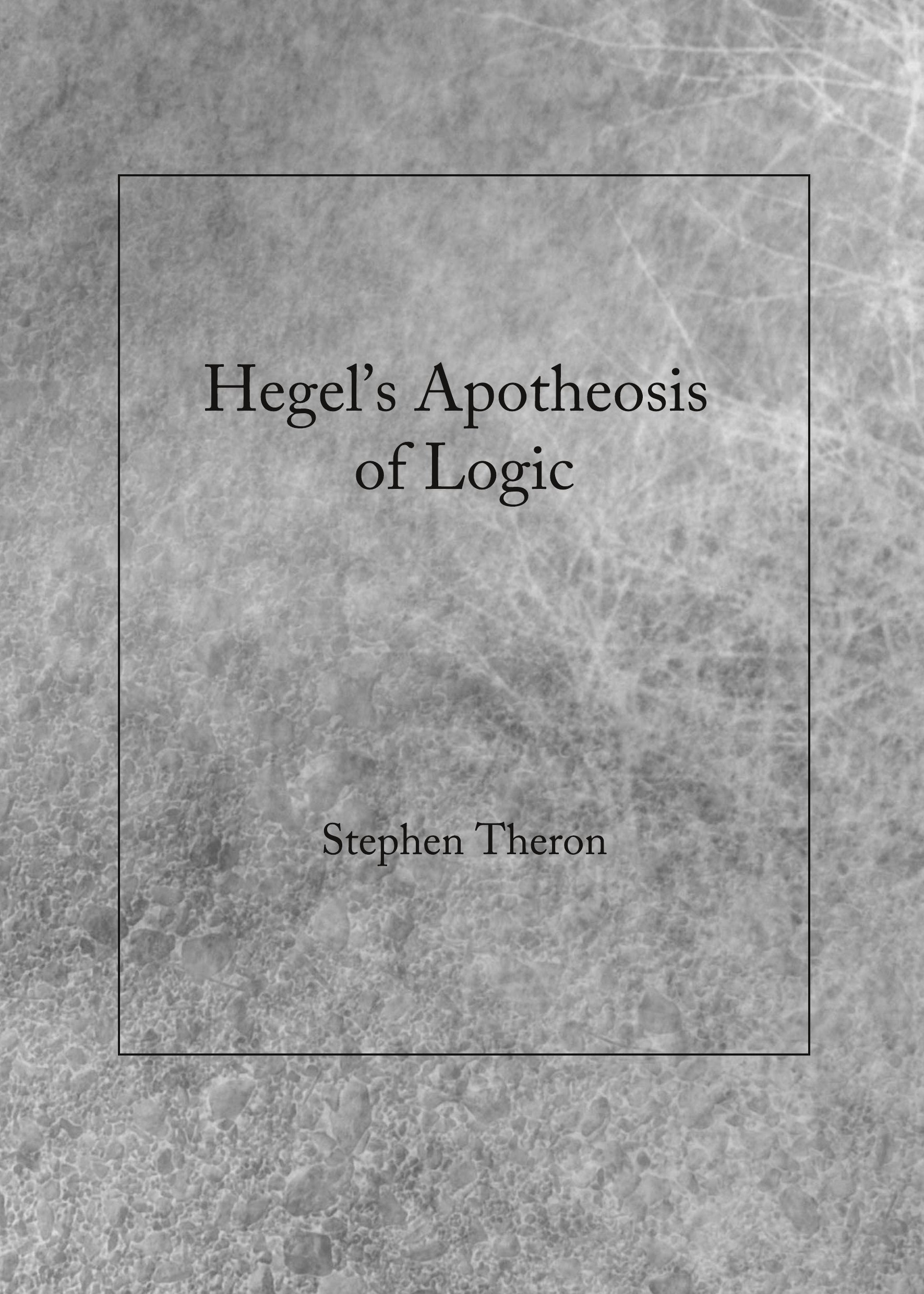
Theron presents what Hegel calls “the vital spirit of the actual world”, the truth, namely, of logic’s form and content as one concrete whole. He operates from the view that thinking is necessarily free and unbounded, if we escape a performative contradiction in evaluating it.
Theron presents what Hegel calls “the vital spirit of the actual world”, the truth, namely, of logic’s form and content as one concrete whole. He operates from the view that thinking is necessarily free and unbounded, if we escape a performative contradiction in evaluating it.
View more
This product has multiple variants. The options may be chosen on the product page
View more
This product has multiple variants. The options may be chosen on the product page
£64.99
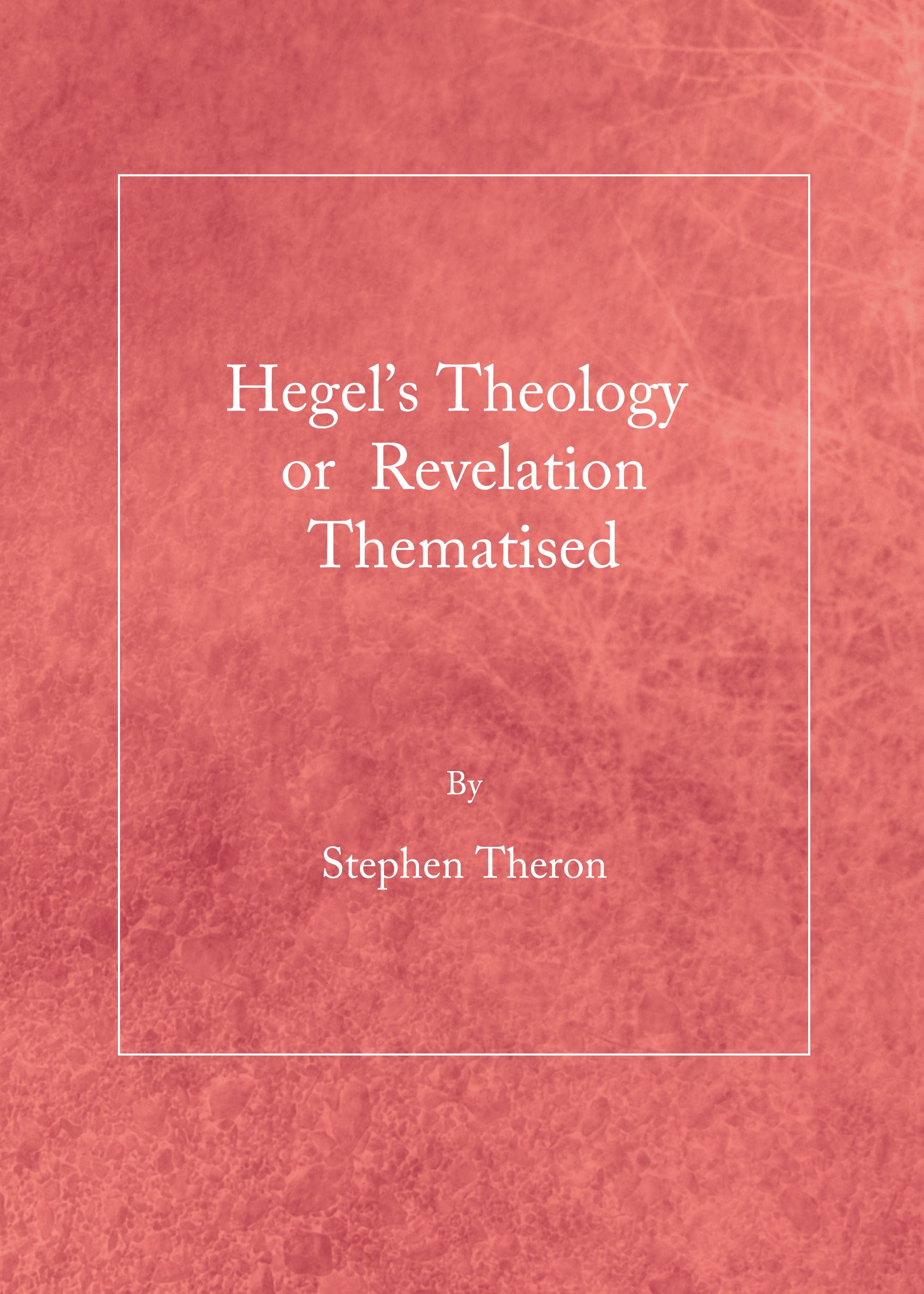
This book applies Hegel’s Absolute Idealism to Christian orthodox confession, showing his system is grounded in the Trinity and Incarnation. Tracing philosophy from Aristotle to Hegel, it addresses revelation, creation, sacraments, and ecumenism, revealing philosophy as worship.
This book applies Hegel’s Absolute Idealism to Christian orthodox confession, showing his system is grounded in the Trinity and Incarnation. Tracing philosophy from Aristotle to Hegel, it addresses revelation, creation, sacraments, and ecumenism, revealing philosophy as worship.
View more
This product has multiple variants. The options may be chosen on the product page
View more
This product has multiple variants. The options may be chosen on the product page
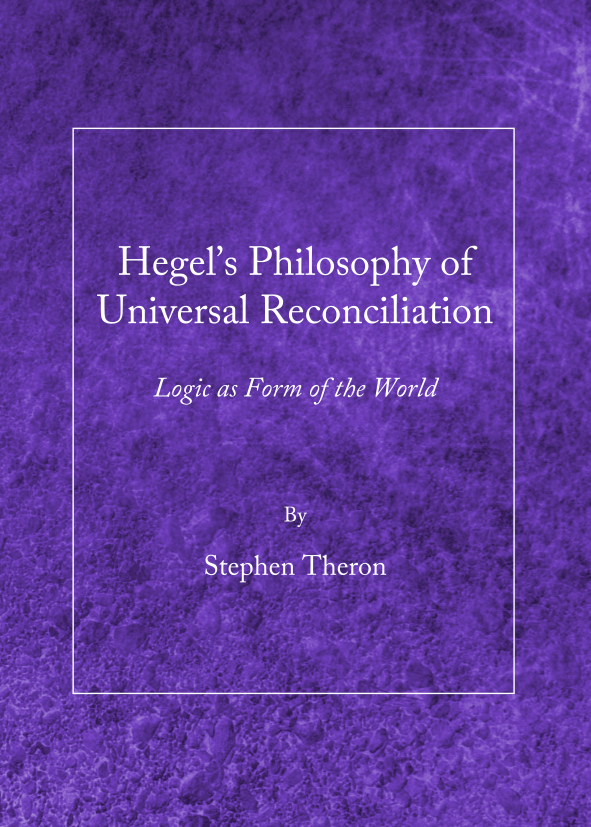
Hegel’s Philosophy of Universal Reconciliation
Logic as Form of the World
In this final volume on Hegel as theologian, we discover the reconciliation of Mind with itself as the nerve of Hegel’s thought. Subtitled “Logic as Form of the World,” this work identifies faith with rationality and man as the form of the world.
In this final volume on Hegel as theologian, we discover the reconciliation of Mind with itself as the nerve of Hegel’s thought. Subtitled “Logic as Form of the World,” this work identifies faith with rationality and man as the form of the world.
View more
This product has multiple variants. The options may be chosen on the product page
View more
This product has multiple variants. The options may be chosen on the product page
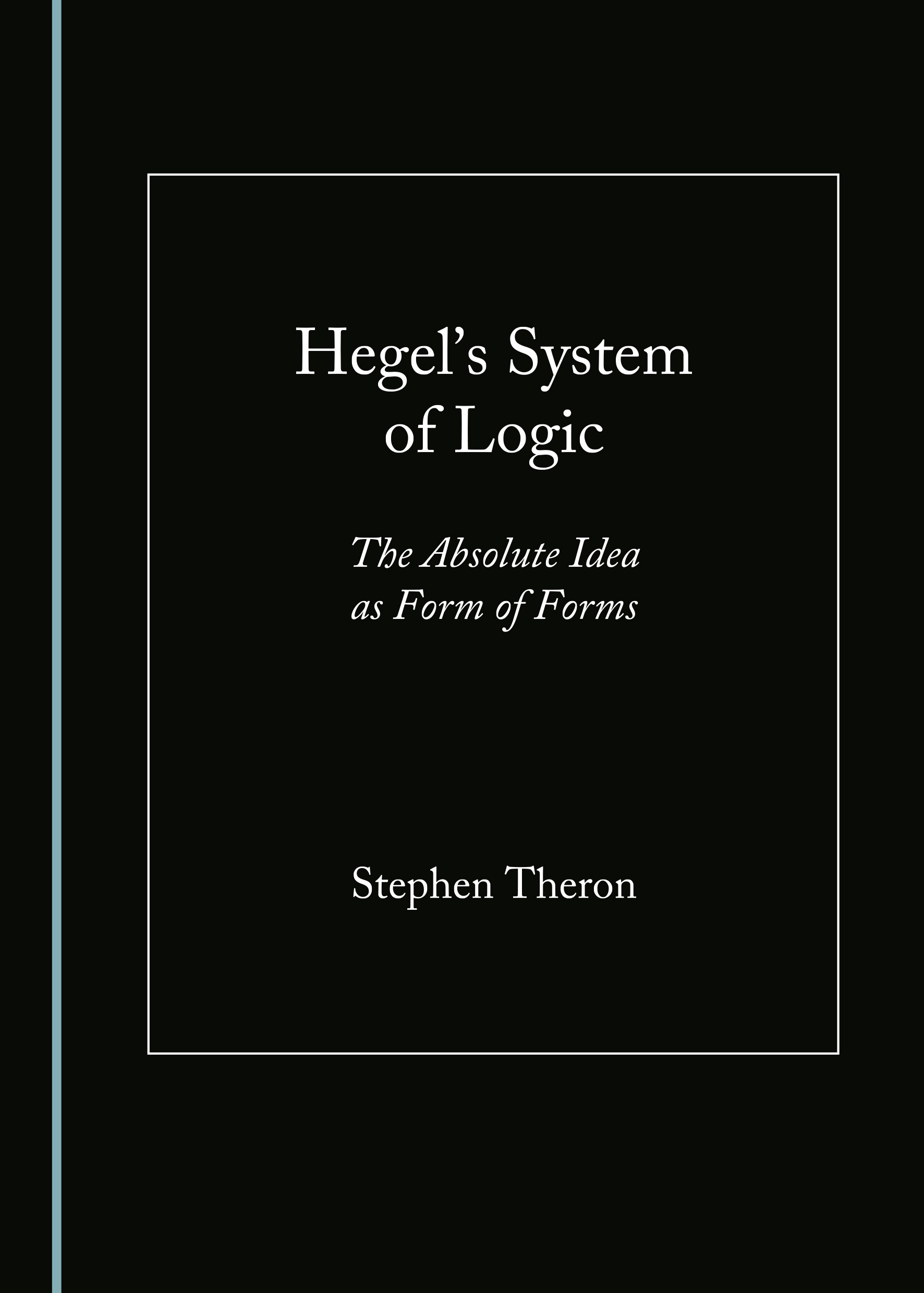
Hegel’s System of Logic
The Absolute Idea as Form of Forms
This book presents Hegel's Logic as a total system where everything, from physics to theology, finds its true place. Following the logic’s own development, it reveals how Logic is “the form of the world” and re-establishes metaphysics as the true theologia—the mind of heaven.
This book presents Hegel’s Logic as a total system where everything, from physics to theology, finds its true place. Following the logic’s own development, it reveals how Logic is “the form of the world” and re-establishes metaphysics as the true theologia—the mind of heaven.
View more
This product has multiple variants. The options may be chosen on the product page
View more
This product has multiple variants. The options may be chosen on the product page
£34.99
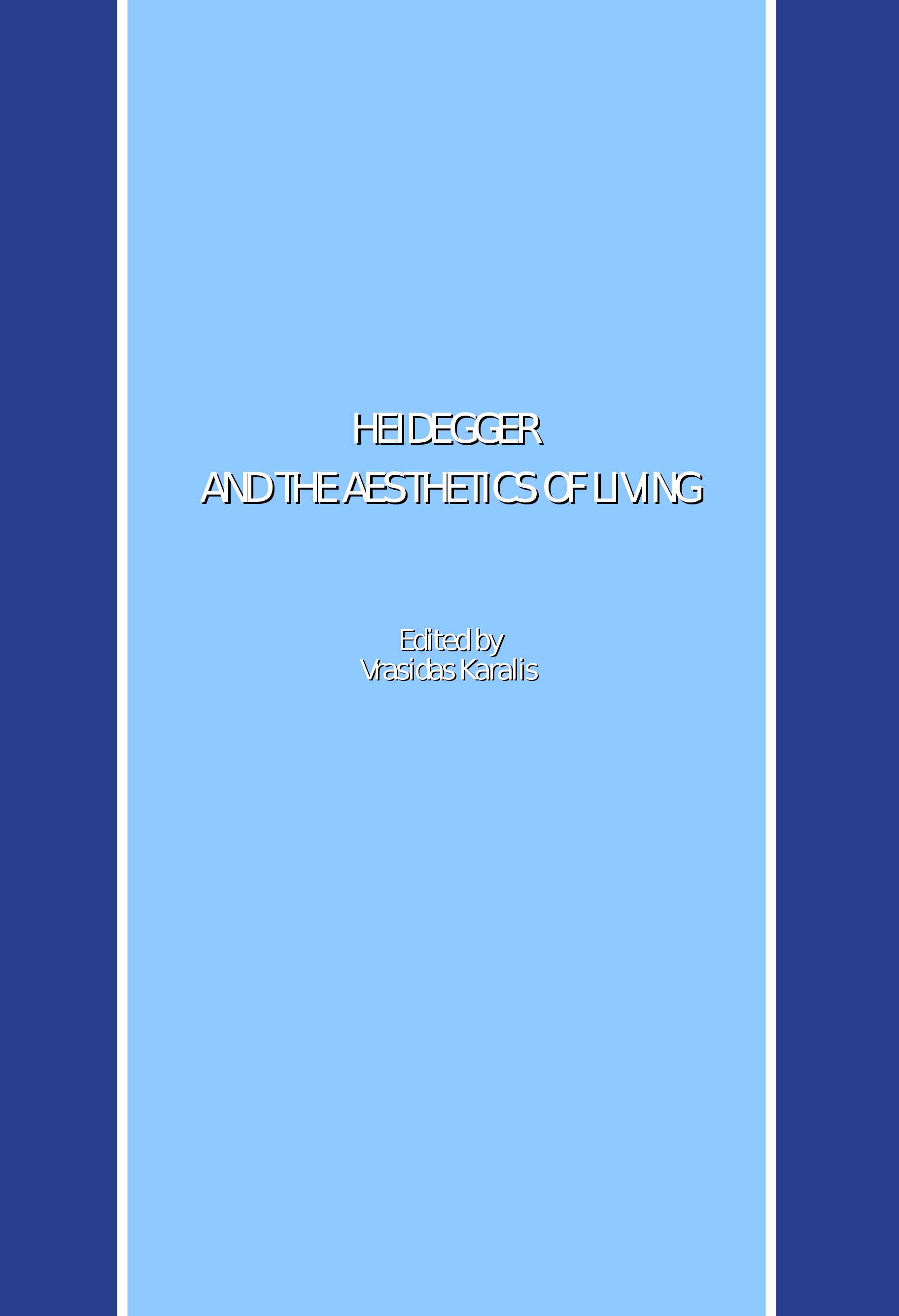
Prominent thinkers from various disciplines engage with Martin Heidegger to critically evaluate his controversial legacy. This volume goes beyond polarized perceptions to present a neo-humanist and post-political reading of what is still "livable" in his work.
Prominent thinkers from various disciplines engage with Martin Heidegger to critically evaluate his controversial legacy. This volume goes beyond polarized perceptions to present a neo-humanist and post-political reading of what is still “livable” in his work.
View more
This product has multiple variants. The options may be chosen on the product page
Processing Your Order
Please wait while we securely process your order.
Do not refresh or leave this page.
You will be redirected shortly to a confirmation page with your order number.