
View more
This product has multiple variants. The options may be chosen on the product page
From £32.99
This book bridges Christian sacramental praxis with philosophy of mind. Through a new philosophy of incarnation, it argues self-consciousness must develop towards the Absolute Idea, where religion becomes intellectual virtue. A new theology is here. It is time to put it to work.
This book bridges Christian sacramental praxis with philosophy of mind. Through a new philosophy of incarnation, it argues self-consciousness must develop towards the Absolute Idea, where religion becomes intellectual virtue. A new theology is here. It is time to put it to work.
View more
This product has multiple variants. The options may be chosen on the product page
View more
This product has multiple variants. The options may be chosen on the product page
Higher Education Ethics
Five Domains to Improve Education
Equip your institution with a robust ethical framework. This guide offers a new typology of higher education ethics, featuring proven decision-making models, case studies, and professional standards for navigating complex global challenges.
Equip your institution with a robust ethical framework. This guide offers a new typology of higher education ethics, featuring proven decision-making models, case studies, and professional standards for navigating complex global challenges.
View more
This product has multiple variants. The options may be chosen on the product page

View more
This product has multiple variants. The options may be chosen on the product page
From £32.99
In West Africa, military takeovers are fueled by identity politics and discrimination in the distribution of national wealth. This book promotes a sane approach to sharing the national ‘cake’: adopting pragmatism and the Rule of Law to ensure equal participation and opportunity.
In West Africa, military takeovers are fueled by identity politics and discrimination in the distribution of national wealth. This book promotes a sane approach to sharing the national ‘cake’: adopting pragmatism and the Rule of Law to ensure equal participation and opportunity.
View more
This product has multiple variants. The options may be chosen on the product page
View more
This product has multiple variants. The options may be chosen on the product page
From £32.99
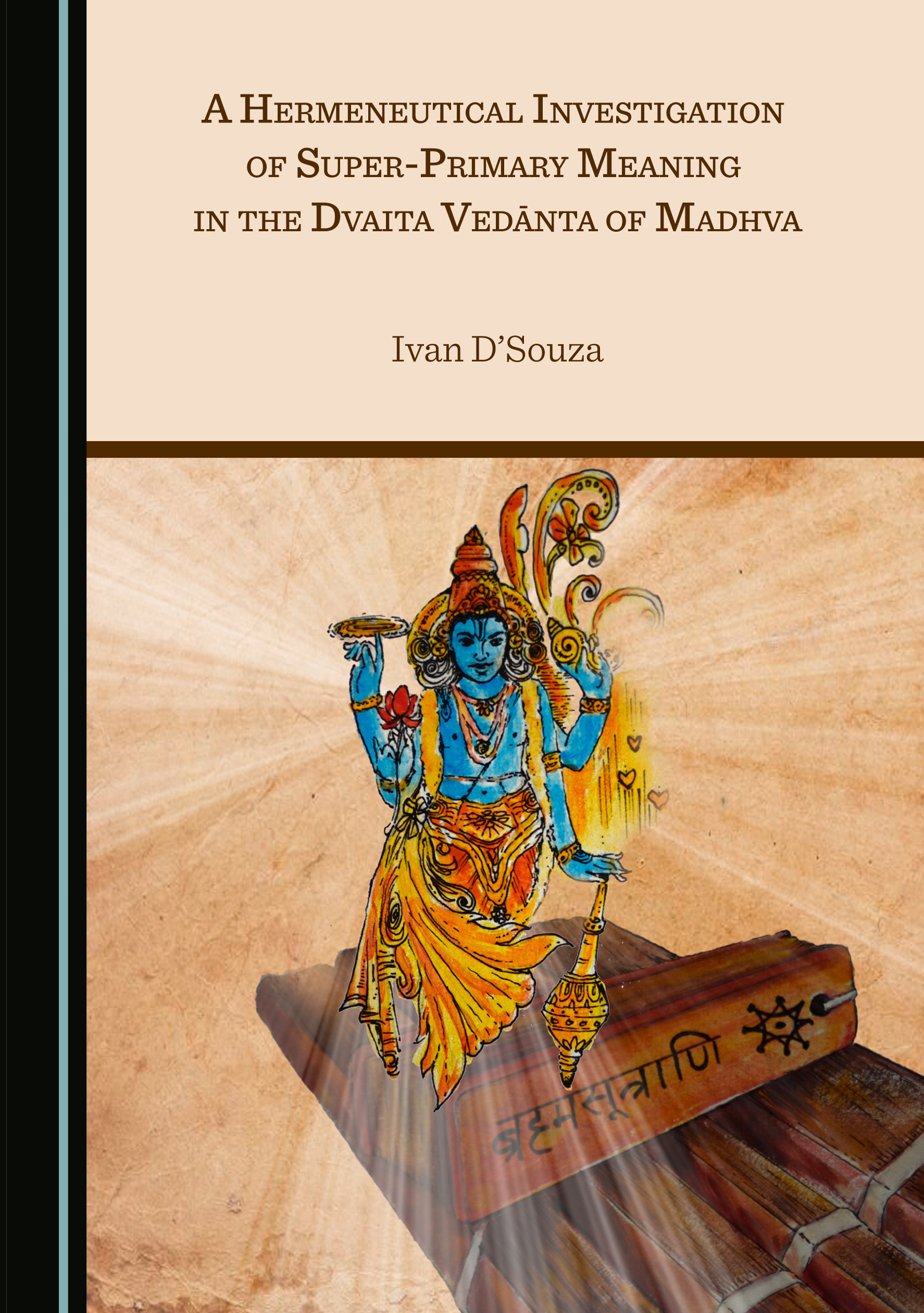
This study unearths the singular concept of “parama-mukhya-vṛtti” from the Dvaita Vedānta philosophy of Madhva. Discover the 12th-century thinker's unique hermeneutical technique used to establish Viṣṇu as the focus of Vedic writings and its relevance for any sacred text.
This study unearths the singular concept of “parama-mukhya-vṛtti” from the Dvaita Vedānta philosophy of Madhva. Discover the 12th-century thinker’s unique hermeneutical technique used to establish Viṣṇu as the focus of Vedic writings and its relevance for any sacred text.
View more
This product has multiple variants. The options may be chosen on the product page
View more
This product has multiple variants. The options may be chosen on the product page
From £32.99
This book investigates the discourses on origins, identifying four types: mythical, rational, scientific, and phenomenological. It analyzes the singular structure of each, defining them as ascending or descending to reveal the unique ways we talk about our beginnings.
This book investigates the discourses on origins, identifying four types: mythical, rational, scientific, and phenomenological. It analyzes the singular structure of each, defining them as ascending or descending to reveal the unique ways we talk about our beginnings.
View more
This product has multiple variants. The options may be chosen on the product page
View more
This product has multiple variants. The options may be chosen on the product page
From £32.99
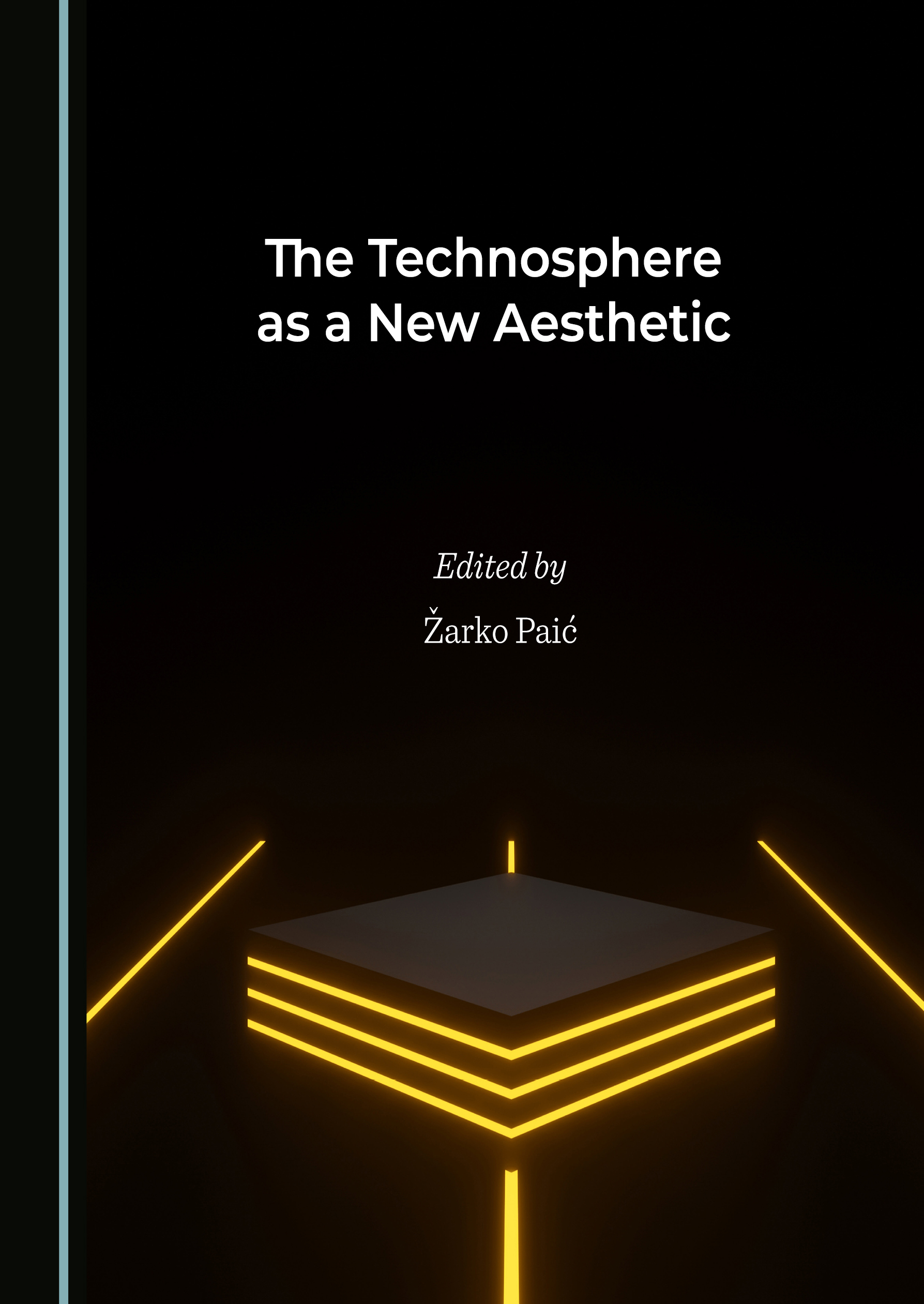
This collection on Homo Kybernetes frames the technosphere as an aesthetic problem. It reflects on cybernetic thinking as a condition for digital aesthetics and explores the transition of human existence through transhumanism and the posthuman condition.
This collection on Homo Kybernetes frames the technosphere as an aesthetic problem. It reflects on cybernetic thinking as a condition for digital aesthetics and explores the transition of human existence through transhumanism and the posthuman condition.
View more
This product has multiple variants. The options may be chosen on the product page

View more
This product has multiple variants. The options may be chosen on the product page
Modern and Contemporary Taiwanese Philosophy
Traditional Foundations and New Developments
As mainland China rejected its philosophical heritage, Taiwanese thinkers did more than preserve it—they reinvented it. Engaging with Western thought, they forged complex new systems, creating a vital 20th-century legacy still largely unknown in the West.
As mainland China rejected its philosophical heritage, Taiwanese thinkers did more than preserve it—they reinvented it. Engaging with Western thought, they forged complex new systems, creating a vital 20th-century legacy still largely unknown in the West.
View more
This product has multiple variants. The options may be chosen on the product page
View more
This product has multiple variants. The options may be chosen on the product page
From £32.99
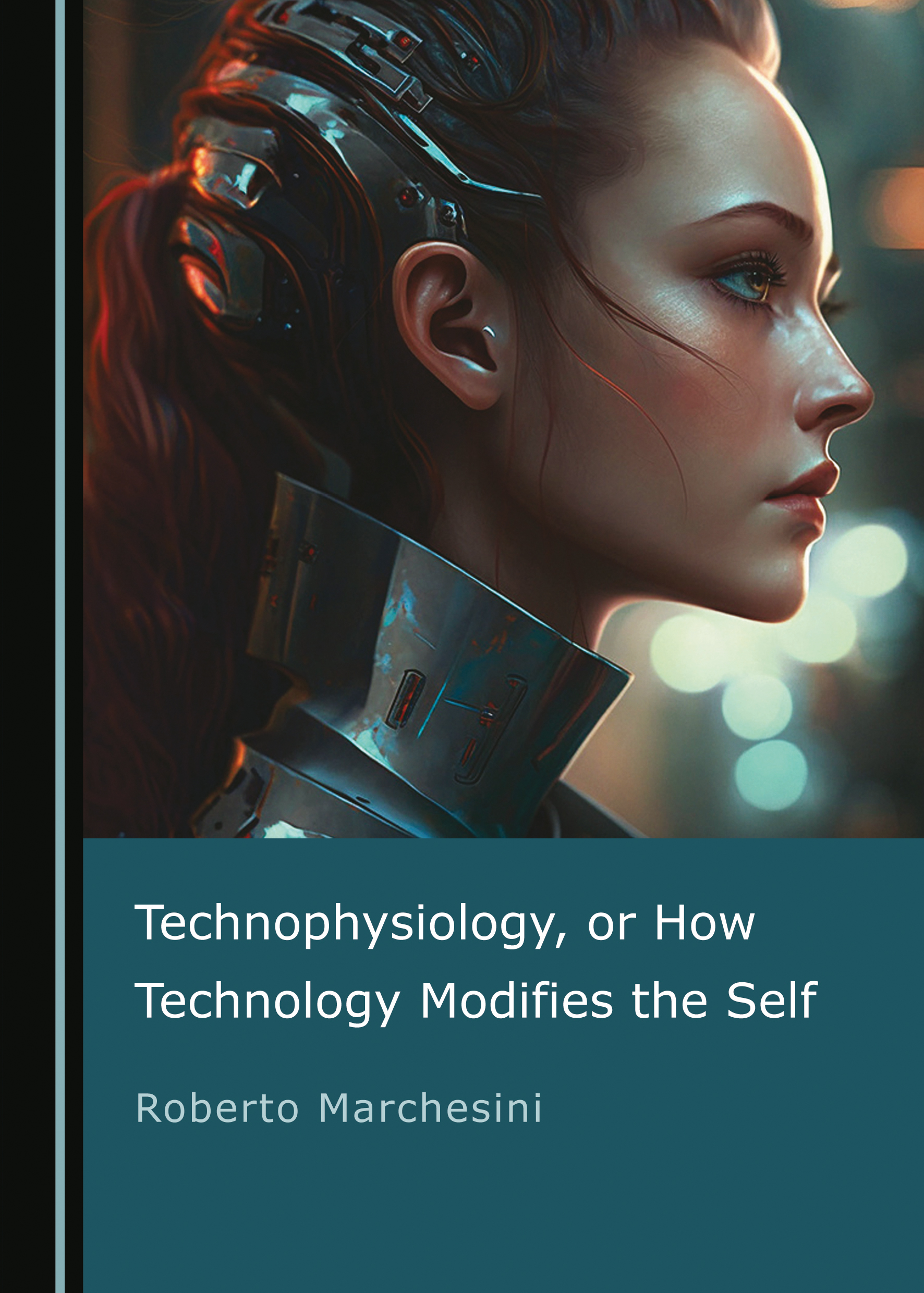
In a technology-driven world, our devices are profoundly transforming us. This book explores how technology shapes our bodies—from hormones and brain organization to immune function—unveiling the resulting addictions, disorders, and major societal shifts.
In a technology-driven world, our devices are profoundly transforming us. This book explores how technology shapes our bodies—from hormones and brain organization to immune function—unveiling the resulting addictions, disorders, and major societal shifts.
View more
This product has multiple variants. The options may be chosen on the product page
View more
This product has multiple variants. The options may be chosen on the product page
From £32.99
Belief in moral responsibility is a profound commitment, but the common philosophical arguments cannot account for its power. This book is a quest to uncover the deeper sources, showing that our belief is rooted in powerful psychological factors that rarely rise to consciousness.
Belief in moral responsibility is a profound commitment, but the common philosophical arguments cannot account for its power. This book is a quest to uncover the deeper sources, showing that our belief is rooted in powerful psychological factors that rarely rise to consciousness.
View more
This product has multiple variants. The options may be chosen on the product page
View more
This product has multiple variants. The options may be chosen on the product page
The Intellectual Species
Evolution or Extinction?
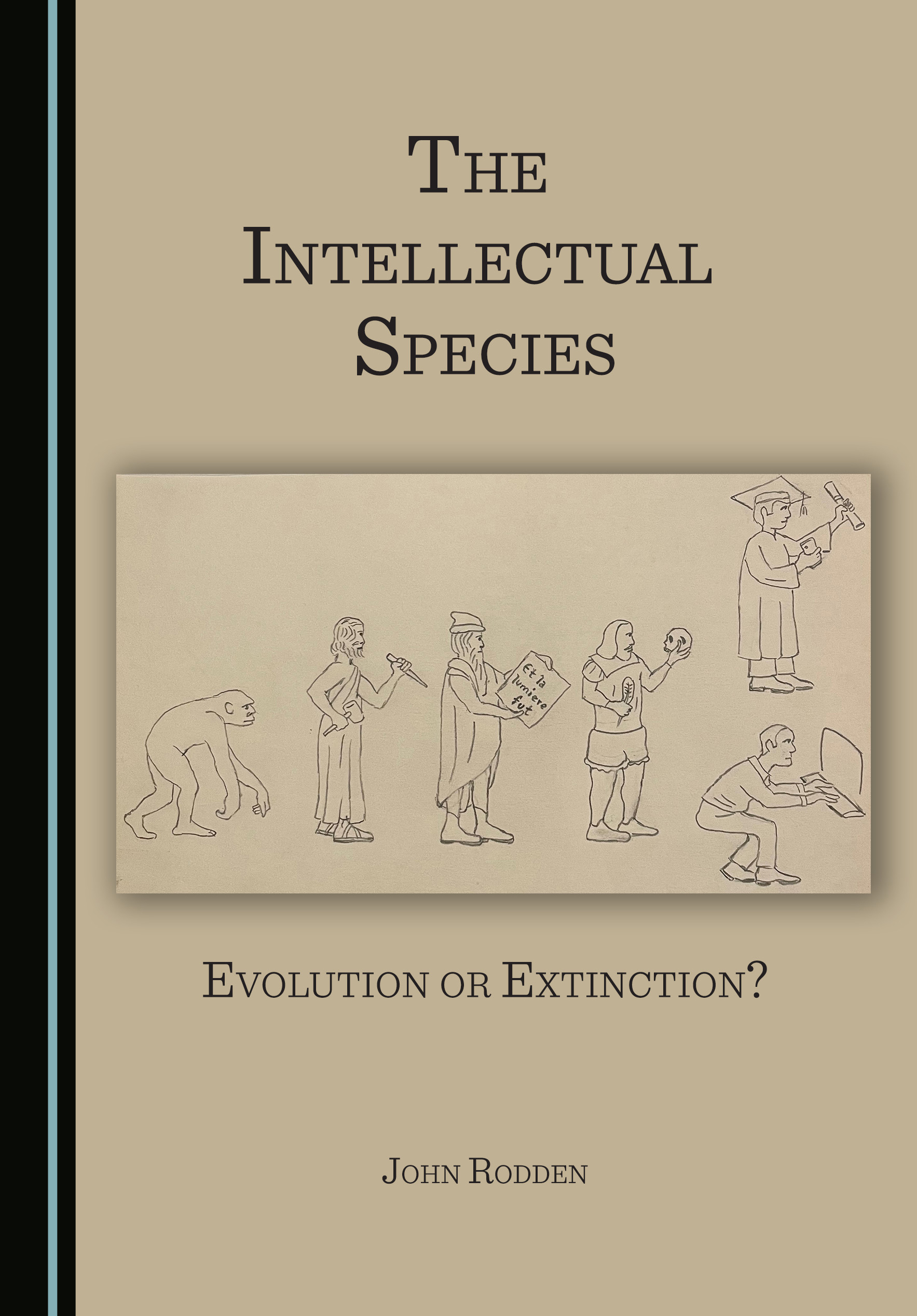
This book explores the survival of “the intellectual” in the digital era of soundbites and fake news. Through the lives of contrarian post-WWII thinkers like George Orwell, Albert Camus, and Camille Paglia, it yields insight into the transformation of our cultural life.
This book explores the survival of “the intellectual” in the digital era of soundbites and fake news. Through the lives of contrarian post-WWII thinkers like George Orwell, Albert Camus, and Camille Paglia, it yields insight into the transformation of our cultural life.
View more
This product has multiple variants. The options may be chosen on the product page
View more
This product has multiple variants. The options may be chosen on the product page
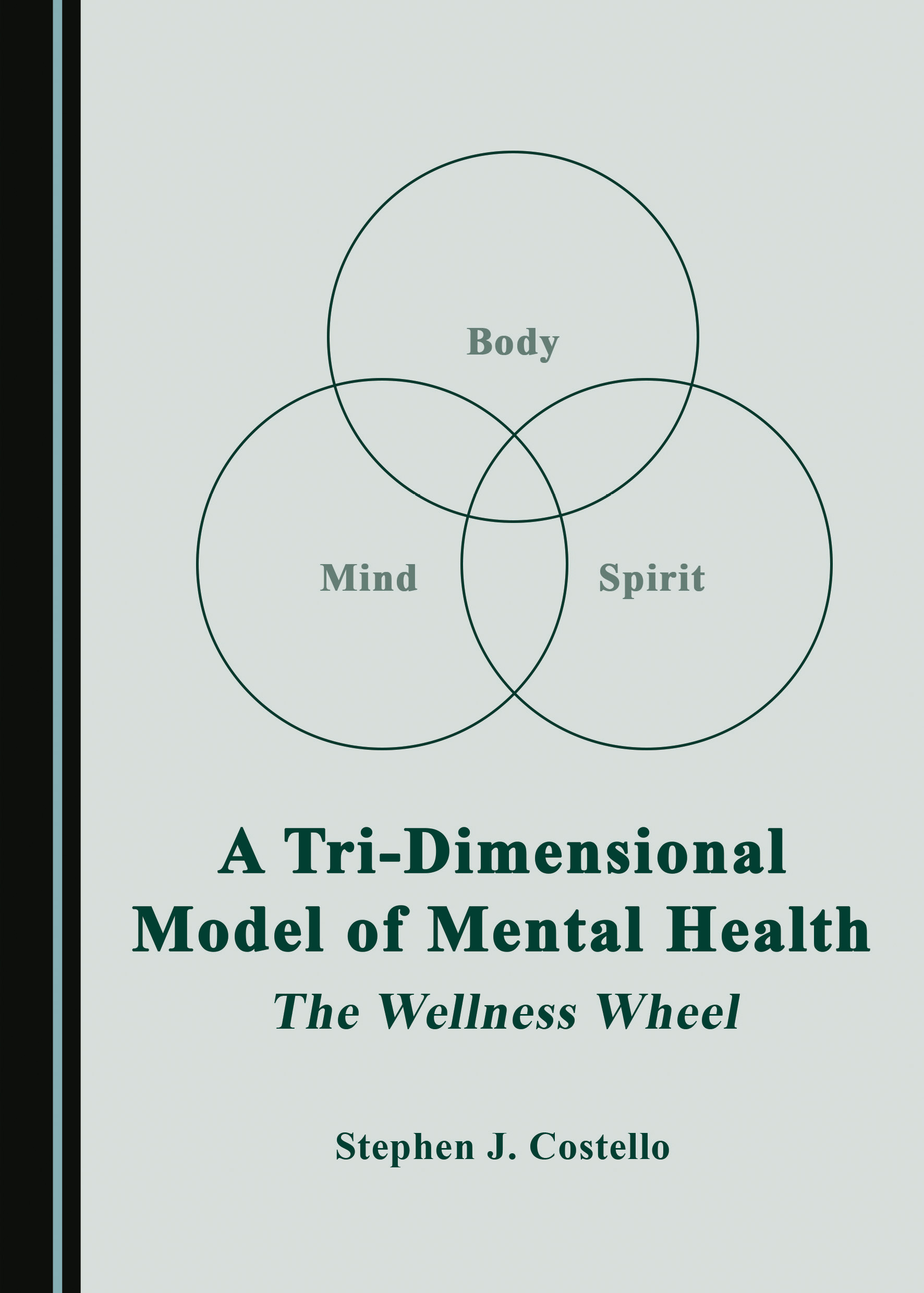
A Tri-Dimensional Model of Mental Health
The Wellness Wheel
This study explores what constitutes mental health, proposing that holistic health depends on integral wholeness: the synthesis of body, mind, and heart. It argues one is always whole in one’s true Self (essence), which must be distinguished from the ego (personality).
This study explores what constitutes mental health, proposing that holistic health depends on integral wholeness: the synthesis of body, mind, and heart. It argues one is always whole in one’s true Self (essence), which must be distinguished from the ego (personality).
View more
This product has multiple variants. The options may be chosen on the product page

View more
This product has multiple variants. The options may be chosen on the product page
From £32.99
Countering claims of decadence, this book argues that turn-of-the-century art was energized by a search for meaningful form grounded in psychology. It connects key thinkers to modernists like T. S. Eliot and James Joyce, redefining literary genre through this new lens.
Countering claims of decadence, this book argues that turn-of-the-century art was energized by a search for meaningful form grounded in psychology. It connects key thinkers to modernists like T. S. Eliot and James Joyce, redefining literary genre through this new lens.
View more
This product has multiple variants. The options may be chosen on the product page

View more
This product has multiple variants. The options may be chosen on the product page
Art and the Technosphere
The Platforms of Strings
This book investigates contemporary art's new status. From caves to digital simulations, art no longer just represents ideas—it constructs worlds. The question is no longer “what” art is, but how we determine the difference between the aesthetic object and artificial life.
This book investigates contemporary art’s new status. From caves to digital simulations, art no longer just represents ideas—it constructs worlds. The question is no longer “what” art is, but how we determine the difference between the aesthetic object and artificial life.
View more
This product has multiple variants. The options may be chosen on the product page
View more
This product has multiple variants. The options may be chosen on the product page
The Antisocial Mind
What Makes People Turn to Violence
Antisocial behavior is a result of biology, not a choice. This book argues that since the brain produces behavior unconsciously, antisocial individuals are not accountable. They should be treated, not punished, and prisons converted into rehabilitation centers.
Antisocial behavior is a result of biology, not a choice. This book argues that since the brain produces behavior unconsciously, antisocial individuals are not accountable. They should be treated, not punished, and prisons converted into rehabilitation centers.
View more
This product has multiple variants. The options may be chosen on the product page
View more
This product has multiple variants. The options may be chosen on the product page
From £33.99
Ur-Illuminism charts humanity’s quest for its highest potential. Tracing a hidden history from Plato and the mystics to the Illuminati, it proposes a radical synthesis of esoteric metaphysics and libertarian thought as the one true bulwark against modern oppression.
Ur-Illuminism charts humanity’s quest for its highest potential. Tracing a hidden history from Plato and the mystics to the Illuminati, it proposes a radical synthesis of esoteric metaphysics and libertarian thought as the one true bulwark against modern oppression.
View more
This product has multiple variants. The options may be chosen on the product page
View more
This product has multiple variants. The options may be chosen on the product page
Empowerment and Fragility
Biopolitics and Ethics in International Relations and Strategic Studies
The book discusses how biopolitics and ethics influence the fields of international relations and strategic studies, critically questioning how international policies in areas like terrorism, health, and are being built through global policy regimes and global discursive regimes.
The book discusses how biopolitics and ethics influence the fields of international relations and strategic studies, critically questioning how international policies in areas like terrorism, health, and are being built through global policy regimes and global discursive regimes.
View more
This product has multiple variants. The options may be chosen on the product page

View more
This product has multiple variants. The options may be chosen on the product page
The Scholar’s Thomas Jefferson
Vital Writings of a Vital American
While most compilations focus on Jefferson the politician, this unique book remedies that shortcoming. It is a collection of Jefferson’s writings for those interested in the breadth and depth of his amazing mind, with sections on politics, morality, religion, and education.
While most compilations focus on Jefferson the politician, this unique book remedies that shortcoming. It is a collection of Jefferson’s writings for those interested in the breadth and depth of his amazing mind, with sections on politics, morality, religion, and education.
View more
This product has multiple variants. The options may be chosen on the product page
View more
This product has multiple variants. The options may be chosen on the product page
From £33.99
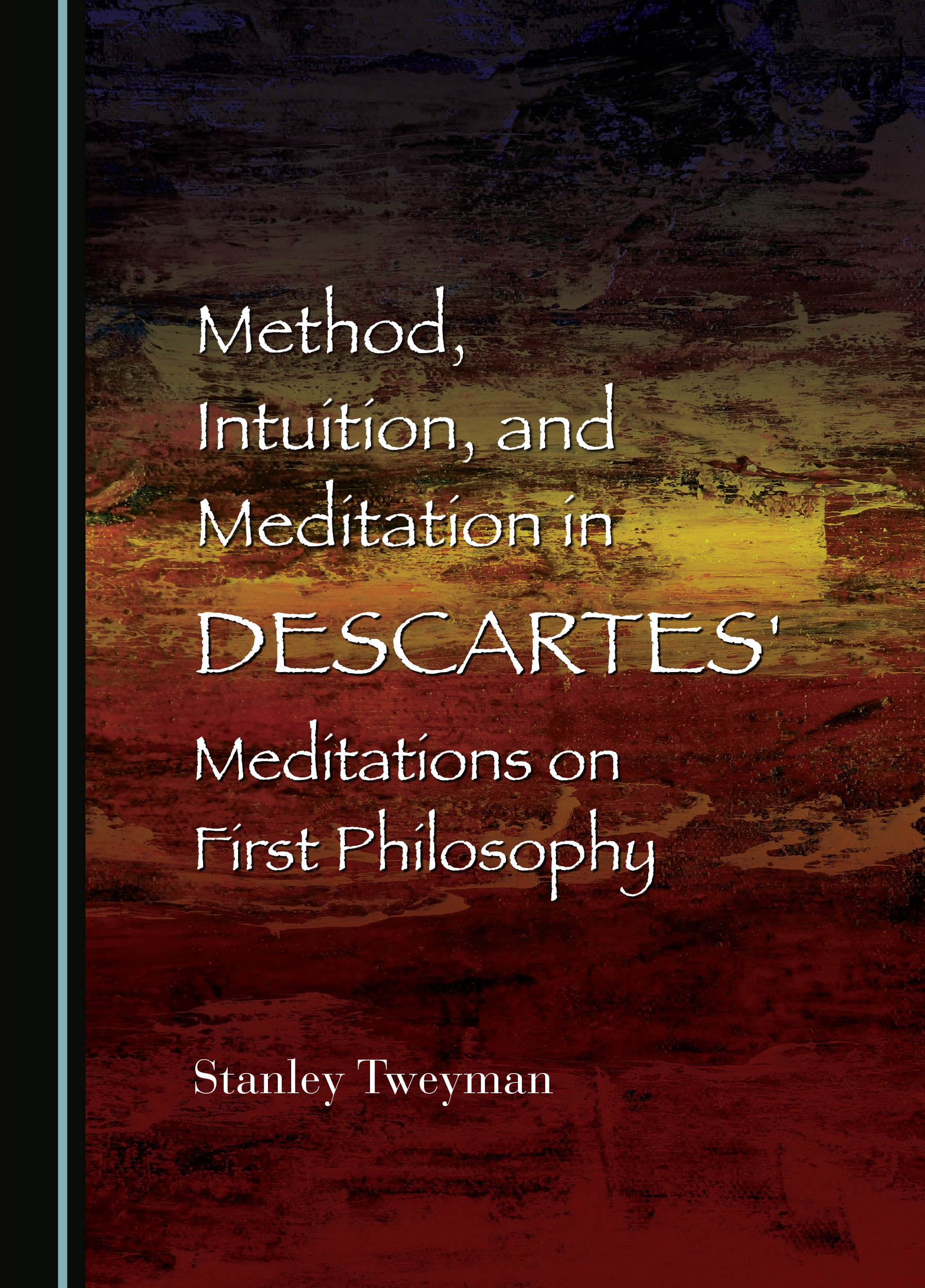
In his Meditations, Descartes sought the first principles of human knowledge, rejecting the senses for intuition and meditation. This book explains his reasoning and provides textual support, while a final critical chapter shows the failures of his approach.
In his Meditations, Descartes sought the first principles of human knowledge, rejecting the senses for intuition and meditation. This book explains his reasoning and provides textual support, while a final critical chapter shows the failures of his approach.
View more
This product has multiple variants. The options may be chosen on the product page
View more
This product has multiple variants. The options may be chosen on the product page
From £33.99
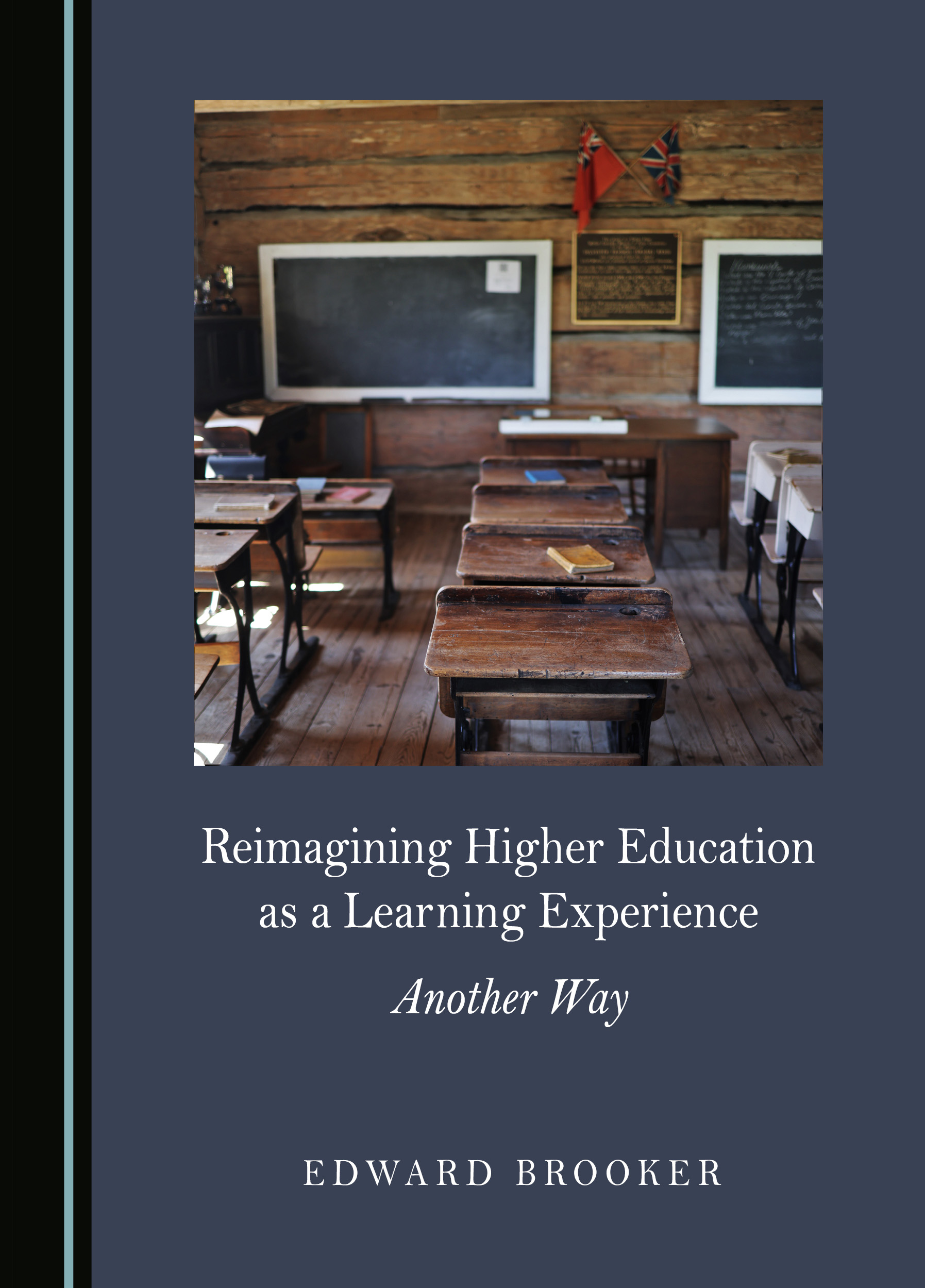
In an age of innovation, we must question past educational approaches. This book outlines a learning-focused tactic, explaining how it differs from education and its value for individual growth. It shows how higher education institutions can adapt to a new learning environment.
In an age of innovation, we must question past educational approaches. This book outlines a learning-focused tactic, explaining how it differs from education and its value for individual growth. It shows how higher education institutions can adapt to a new learning environment.
View more
This product has multiple variants. The options may be chosen on the product page
View more
This product has multiple variants. The options may be chosen on the product page
From £33.99
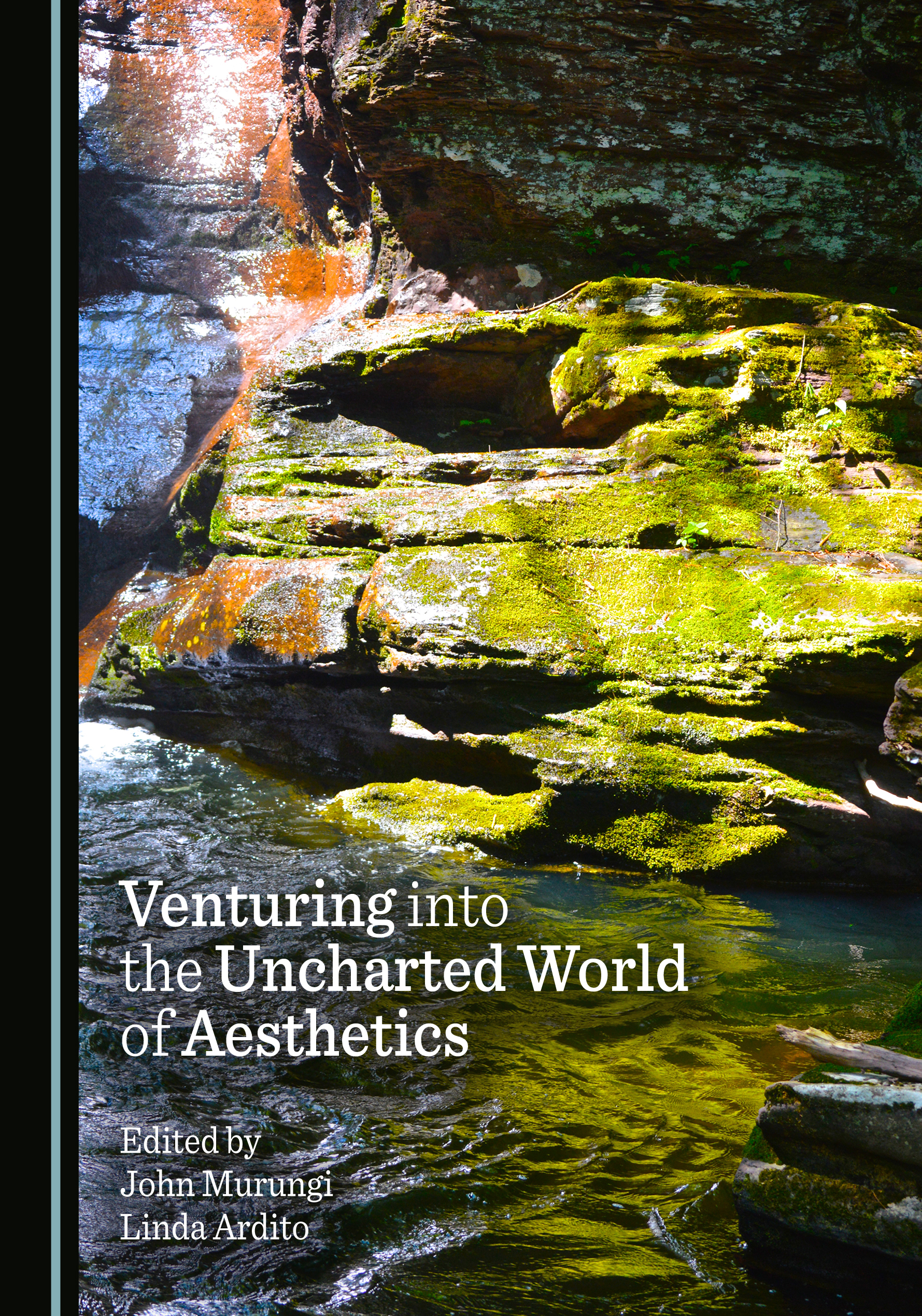
To venture into the uncharted world of aesthetics is to explore the cosmos and blaze a trail to the self. This book provides insights into how works about aesthetics are also works reflective of the self, with endless possibilities of being.
To venture into the uncharted world of aesthetics is to explore the cosmos and blaze a trail to the self. This book provides insights into how works about aesthetics are also works reflective of the self, with endless possibilities of being.
View more
This product has multiple variants. The options may be chosen on the product page
Processing Your Order
Please wait while we securely process your order.
Do not refresh or leave this page.
You will be redirected shortly to a confirmation page with your order number.