
View more
This product has multiple variants. The options may be chosen on the product page
From £30.99
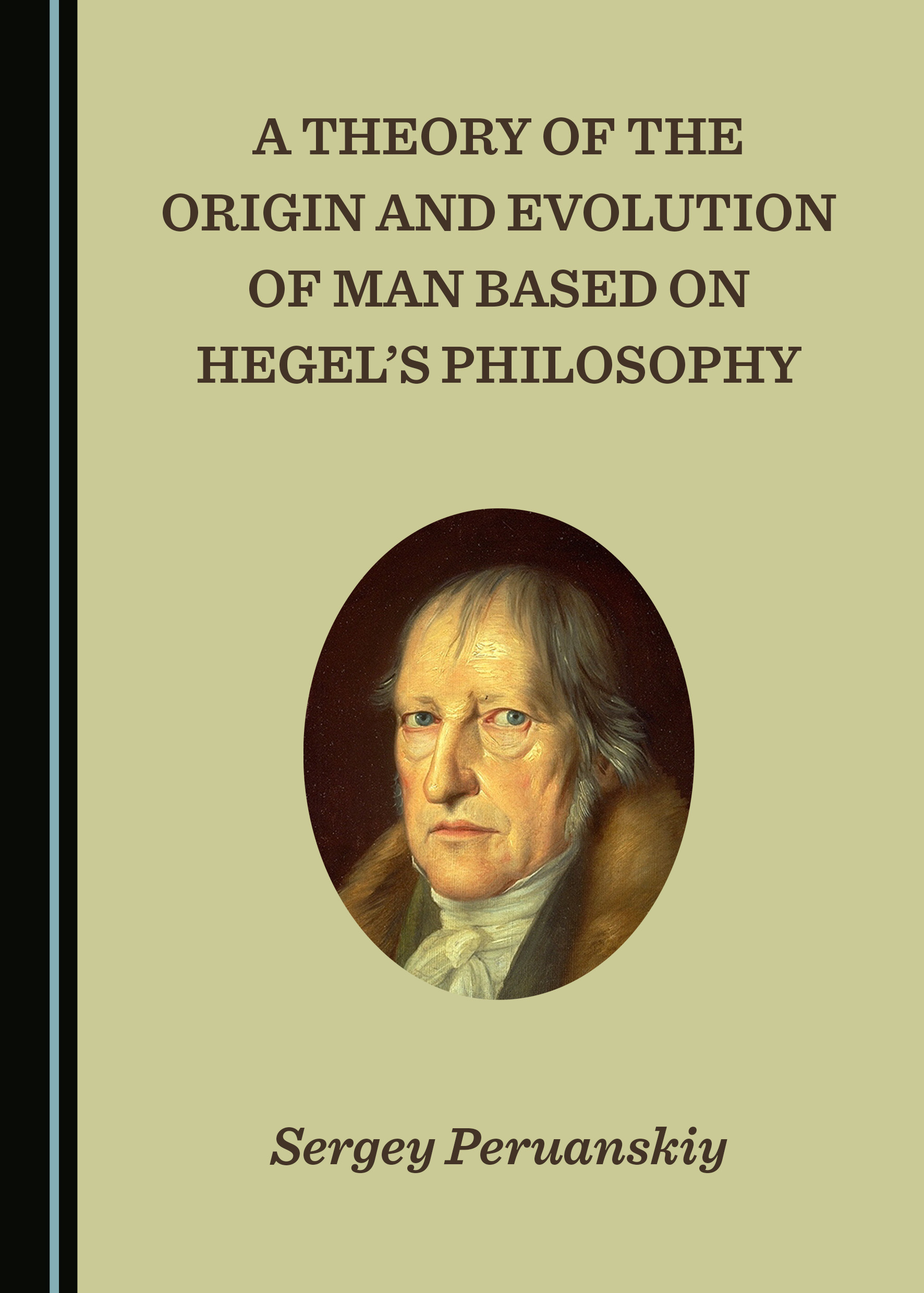
This book provides a scientific formula for social justice. Synthesizing the thinking of Darwin and Marx through a new interpretation of Hegelian thought, it details a law of the development of society, using world history, particularly the collapse of the USSR, to verify it.
This book provides a scientific formula for social justice. Synthesizing the thinking of Darwin and Marx through a new interpretation of Hegelian thought, it details a law of the development of society, using world history, particularly the collapse of the USSR, to verify it.
View more
This product has multiple variants. The options may be chosen on the product page
View more
This product has multiple variants. The options may be chosen on the product page
An Introduction to Hanfei’s Political Philosophy
The Way of the Ruler
In this first book to make the philosophy of Hanfei available at an introductory level, Schneider introduces key concepts and arguments in his legalist philosophy and contextualizes his thinking within Chinese history and in a comparative approach.
In this first book to make the philosophy of Hanfei available at an introductory level, Schneider introduces key concepts and arguments in his legalist philosophy and contextualizes his thinking within Chinese history and in a comparative approach.
View more
This product has multiple variants. The options may be chosen on the product page
View more
This product has multiple variants. The options may be chosen on the product page
Anthropological Realism
Ethics for a Global World
Ethics lacks a strong theoretical basis and remains parochial as technologies become global. To move beyond unproductive stalemates, this book offers a next-generation theory of hybrid moral realism, promoting a sustainable global ethics of humaneness and human flourishing.
Ethics lacks a strong theoretical basis and remains parochial as technologies become global. To move beyond unproductive stalemates, this book offers a next-generation theory of hybrid moral realism, promoting a sustainable global ethics of humaneness and human flourishing.
View more
This product has multiple variants. The options may be chosen on the product page

View more
This product has multiple variants. The options may be chosen on the product page
From £30.99
This volume places Martin Luther King Jr and Mahatma Gandhi within the tradition of nonviolence, from Tolstoy to Mandela. This collection of essays explores the concept of nonviolence in a philosophical and religious context, highlighting its application in the 21st century.
This volume places Martin Luther King Jr and Mahatma Gandhi within the tradition of nonviolence, from Tolstoy to Mandela. This collection of essays explores the concept of nonviolence in a philosophical and religious context, highlighting its application in the 21st century.
View more
This product has multiple variants. The options may be chosen on the product page
View more
This product has multiple variants. The options may be chosen on the product page
Historia
Profiles of the Historical Impulse
Historia is a series of observations on temporality, the practice of writing history, and the histories all things accumulate. The book does not define historia, but views the term from many angles to refresh the reader’s sense of the historical.
Historia is a series of observations on temporality, the practice of writing history, and the histories all things accumulate. The book does not define historia, but views the term from many angles to refresh the reader’s sense of the historical.
View more
This product has multiple variants. The options may be chosen on the product page

View more
This product has multiple variants. The options may be chosen on the product page
History of Science as a Facilitator for the Study of Physics
A Repertoire of Quantum Theory
Angeloni’s text serves to enhance scientific and technological literacy, by promoting STEM (Science, Technology, Engineering, and Mathematics) education with particular reference to contemporary physics.
Angeloni’s text serves to enhance scientific and technological literacy, by promoting STEM (Science, Technology, Engineering, and Mathematics) education with particular reference to contemporary physics.
View more
This product has multiple variants. The options may be chosen on the product page

View more
This product has multiple variants. The options may be chosen on the product page
Imagining the Self, Constructing the Past
Selected Proceedings from the 36th Annual Medieval and Renaissance Forum
This volume celebrates the ways the Middle Ages and Renaissance are represented in our own age. The contributions bear witness to the importance of representation to our understanding of ourselves, each other, and our shared past.
This volume celebrates the ways the Middle Ages and Renaissance are represented in our own age. The contributions bear witness to the importance of representation to our understanding of ourselves, each other, and our shared past.
View more
This product has multiple variants. The options may be chosen on the product page
View more
This product has multiple variants. The options may be chosen on the product page
£39.99
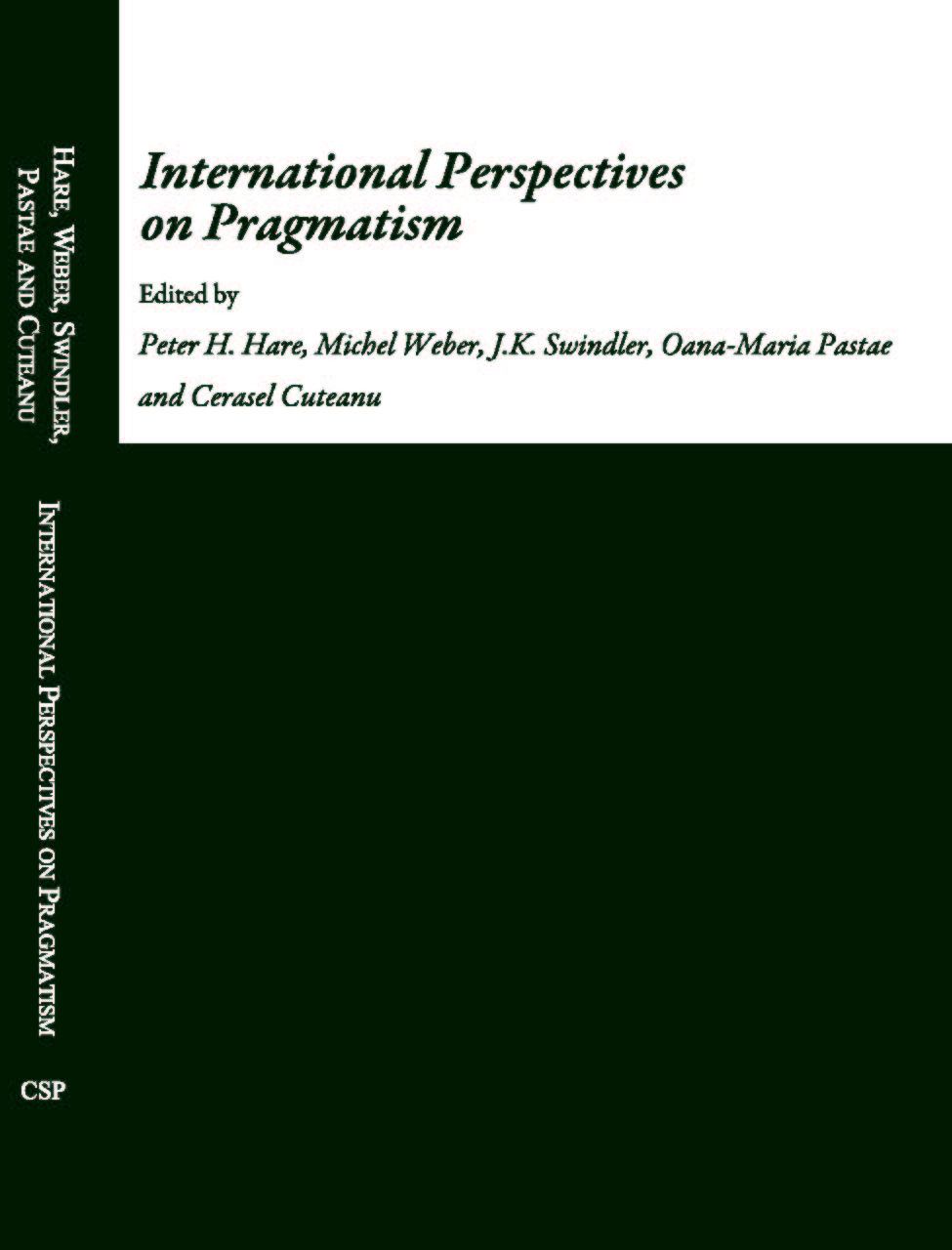
Is democracy in decay? This book offers a pragmatist meditation on the question, combining practical politics with the history of ideas. It explores arguments from both critics and supporters, covering corruption, theory, community, and art.
Is democracy in decay? This book offers a pragmatist meditation on the question, combining practical politics with the history of ideas. It explores arguments from both critics and supporters, covering corruption, theory, community, and art.
View more
This product has multiple variants. The options may be chosen on the product page
View more
This product has multiple variants. The options may be chosen on the product page
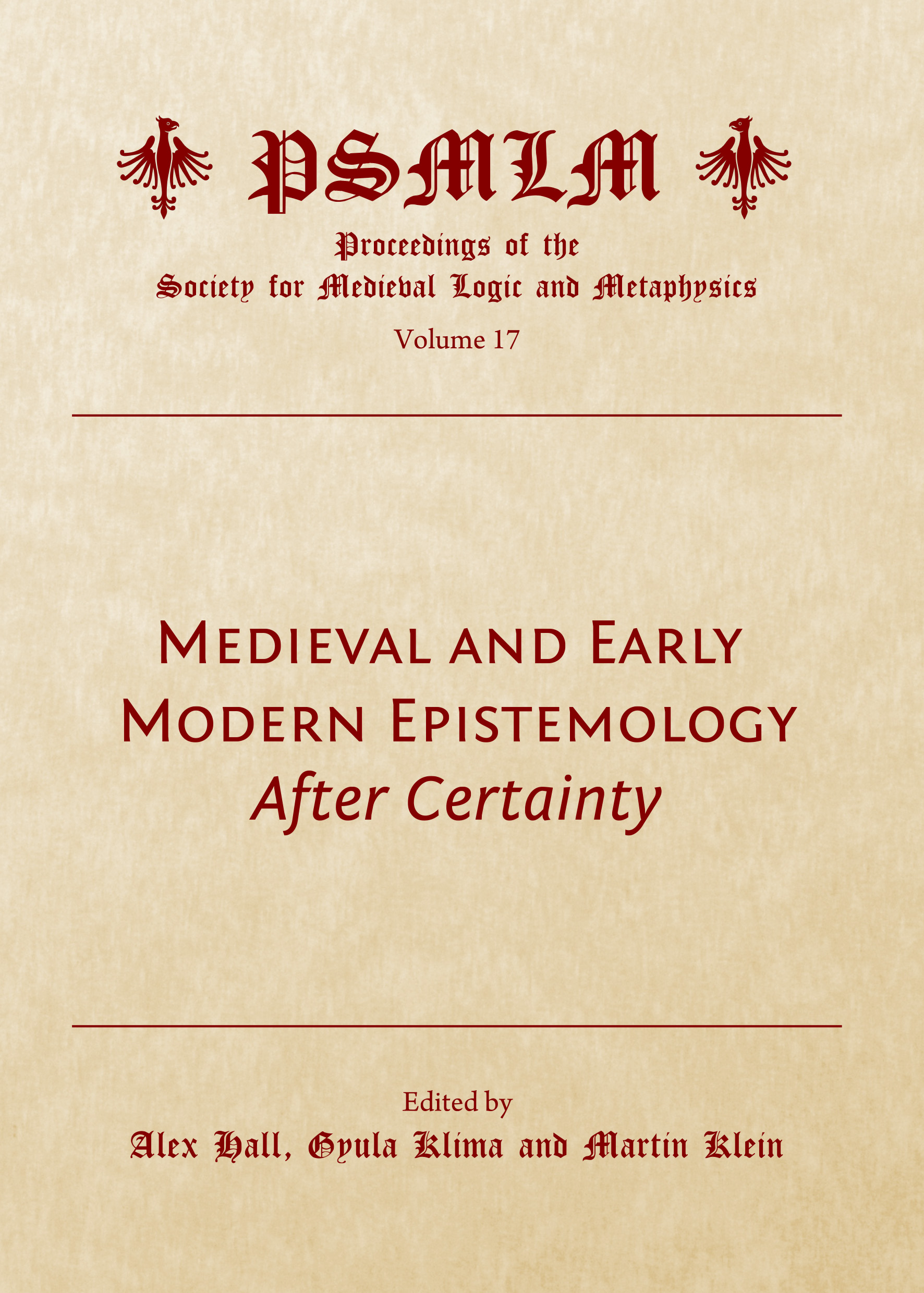
Medieval and Early Modern Epistemology
After Certainty (Volume 17
This author-meets-critics volume evaluates Robert Pasnau’s After Certainty. Pasnau presents the history of epistemology as a gradual lowering of expectations for certain knowledge, concluding that contemporary epistemology is now estranged from its tradition.
This author-meets-critics volume evaluates Robert Pasnau’s After Certainty. Pasnau presents the history of epistemology as a gradual lowering of expectations for certain knowledge, concluding that contemporary epistemology is now estranged from its tradition.
View more
This product has multiple variants. The options may be chosen on the product page
View more
This product has multiple variants. The options may be chosen on the product page
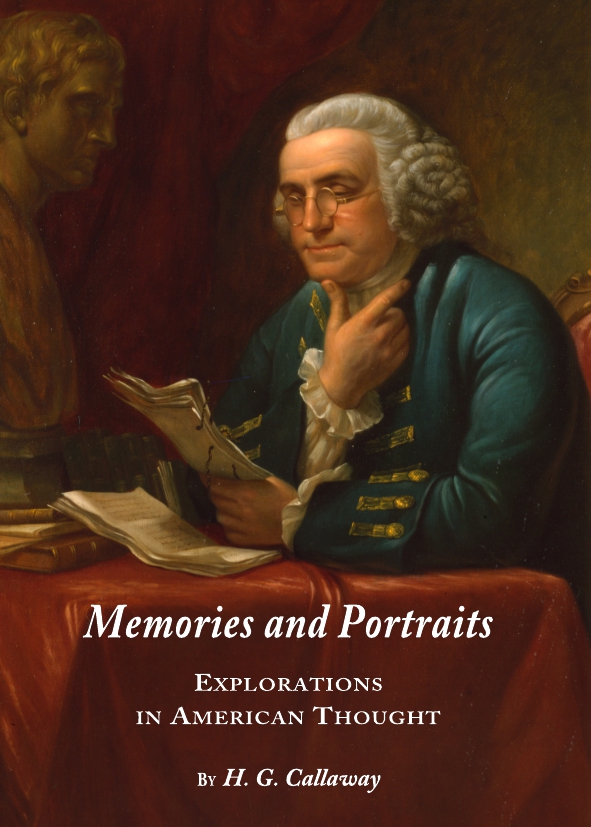
Memories and Portraits
Explorations in American Thought
Philosopher H. G. Callaway blends history and autobiography in a narrative of travel across three continents. He illuminates American thought through fascinating cultural contrasts, merging the formalism of analytic philosophy with American pragmatism.
Philosopher H. G. Callaway blends history and autobiography in a narrative of travel across three continents. He illuminates American thought through fascinating cultural contrasts, merging the formalism of analytic philosophy with American pragmatism.
View more
This product has multiple variants. The options may be chosen on the product page

View more
This product has multiple variants. The options may be chosen on the product page
Morality of the Past from the Present Perspective
Picture of Morality in Slovakia in the First Half of the Twentieth Century
This monograph explores morality in Slovakia during the first half of the 20th century. Set in its unique socio-political context, it examines the era's key philosophical, ethical, and professional aspects, and the reflection of morality in Slovak literature.
This monograph explores morality in Slovakia during the first half of the 20th century. Set in its unique socio-political context, it examines the era’s key philosophical, ethical, and professional aspects, and the reflection of morality in Slovak literature.
View more
This product has multiple variants. The options may be chosen on the product page

View more
This product has multiple variants. The options may be chosen on the product page
Rethinking Thomas Jefferson’s Writings on Slavery and Race
“[God’s] Justice Cannot Sleep Forever”
For decades, Jeffersonian scholarship has uncritically depicted a less-than-human Jefferson: an inveterate hypocrite and racist. This book offers a provocative challenge to these stale revisionist claims, appealing to all who believe it is time to gain fresh insights.
For decades, Jeffersonian scholarship has uncritically depicted a less-than-human Jefferson: an inveterate hypocrite and racist. This book offers a provocative challenge to these stale revisionist claims, appealing to all who believe it is time to gain fresh insights.
View more
This product has multiple variants. The options may be chosen on the product page

View more
This product has multiple variants. The options may be chosen on the product page
£67.99
This book critiques the regressive and colonial character of global capitalism. It argues that coloniality permeates the contemporary architecture of power, and that commitment to a Eurocentric notion of “progress” leads to the next iteration of the capitalist/colonial order.
This book critiques the regressive and colonial character of global capitalism. It argues that coloniality permeates the contemporary architecture of power, and that commitment to a Eurocentric notion of “progress” leads to the next iteration of the capitalist/colonial order.
View more
This product has multiple variants. The options may be chosen on the product page
View more
This product has multiple variants. The options may be chosen on the product page
Seeds of Liberty, Justice, Peace, and Democracy in Early America
Contributions of William Penn
Amid widespread religious and political bigotry, William Penn, a Quaker, dared to bring relief to the suffering. He provided a safe haven in early America where liberty, justice, peace, and democracy ruled, sowing seeds that became the basis for the US Constitution.
Amid widespread religious and political bigotry, William Penn, a Quaker, dared to bring relief to the suffering. He provided a safe haven in early America where liberty, justice, peace, and democracy ruled, sowing seeds that became the basis for the US Constitution.
View more
This product has multiple variants. The options may be chosen on the product page
View more
This product has multiple variants. The options may be chosen on the product page
From £30.99
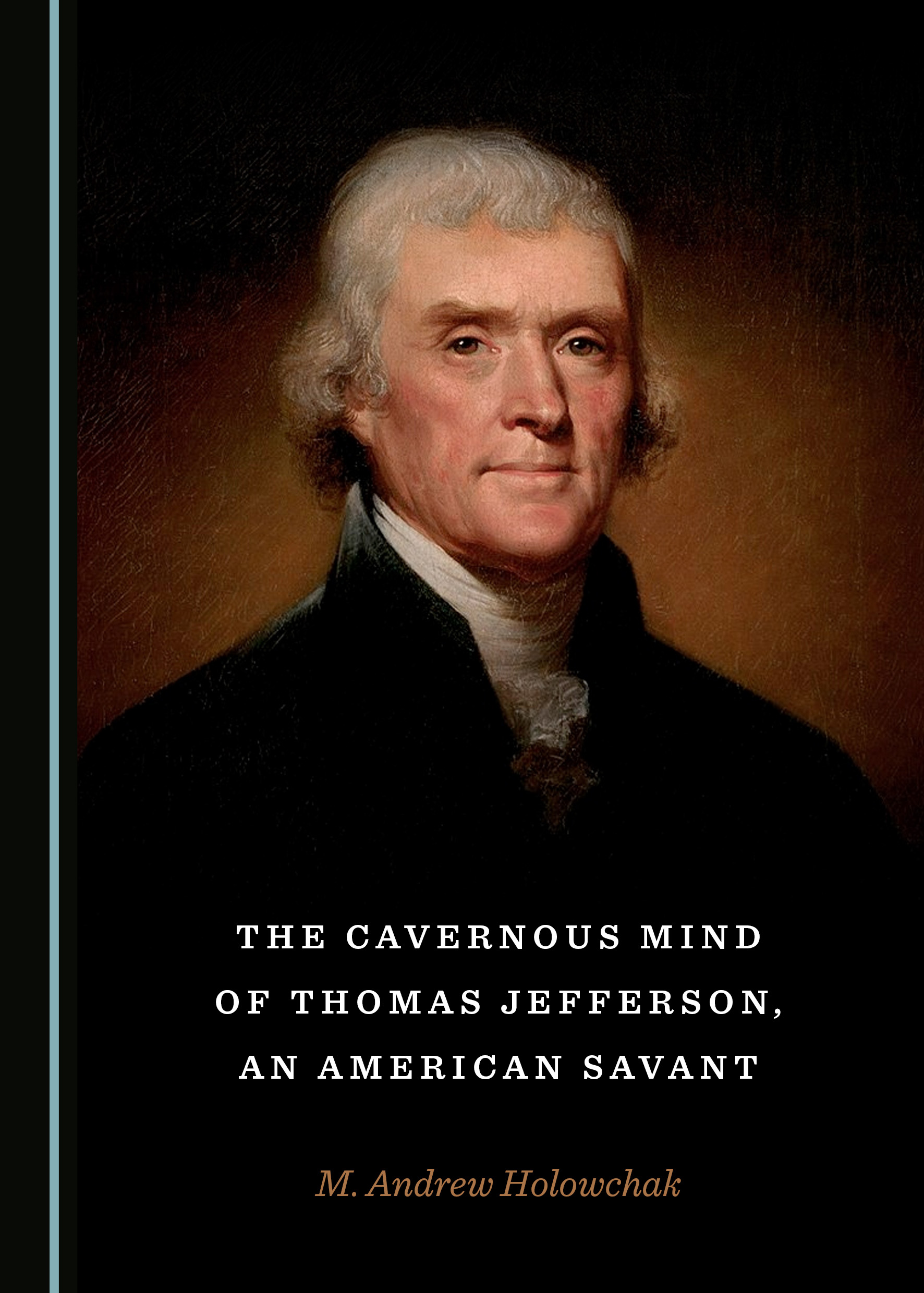
The first book dedicated to exploring Thomas Jefferson’s mind through his varied personae: lawyer, politician, scientist, farmer, and more. It uncovers the core ideas that connected them all, from human betterment to his belief that beauty was always second to functionality.
The first book dedicated to exploring Thomas Jefferson’s mind through his varied personae: lawyer, politician, scientist, farmer, and more. It uncovers the core ideas that connected them all, from human betterment to his belief that beauty was always second to functionality.
View more
This product has multiple variants. The options may be chosen on the product page
View more
This product has multiple variants. The options may be chosen on the product page
From £30.99
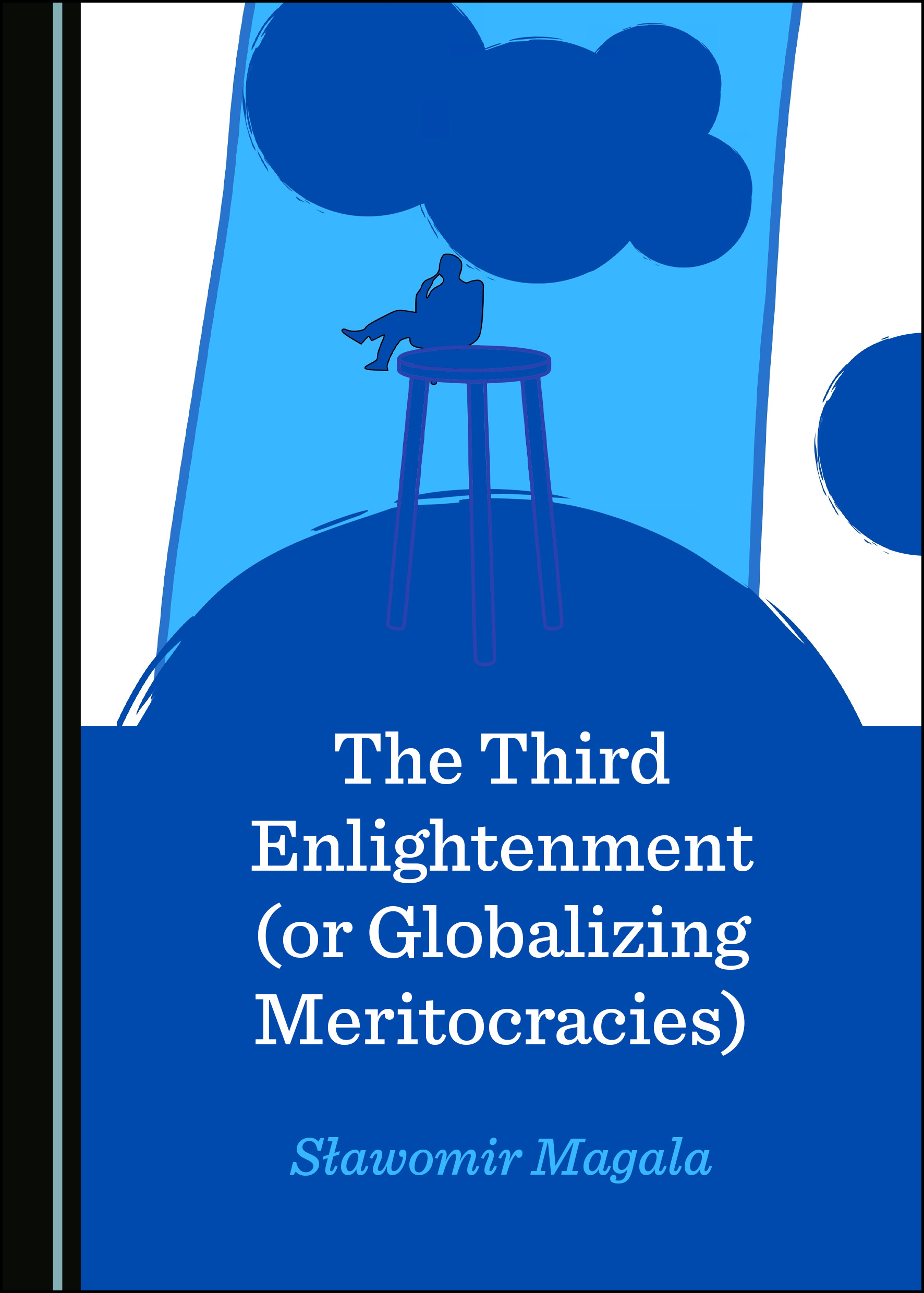
Political correctness cripples public debate, limits knowledge, and threatens democracy. This book shows how meritocracies have become contaminated by the propaganda of cultural wars. Why are media and teachers still following old instructions to control damage?
Political correctness cripples public debate, limits knowledge, and threatens democracy. This book shows how meritocracies have become contaminated by the propaganda of cultural wars. Why are media and teachers still following old instructions to control damage?
View more
This product has multiple variants. The options may be chosen on the product page
Processing Your Order
Please wait while we securely process your order.
Do not refresh or leave this page.
You will be redirected shortly to a confirmation page with your order number.