
View more
This product has multiple variants. The options may be chosen on the product page
From £29.99
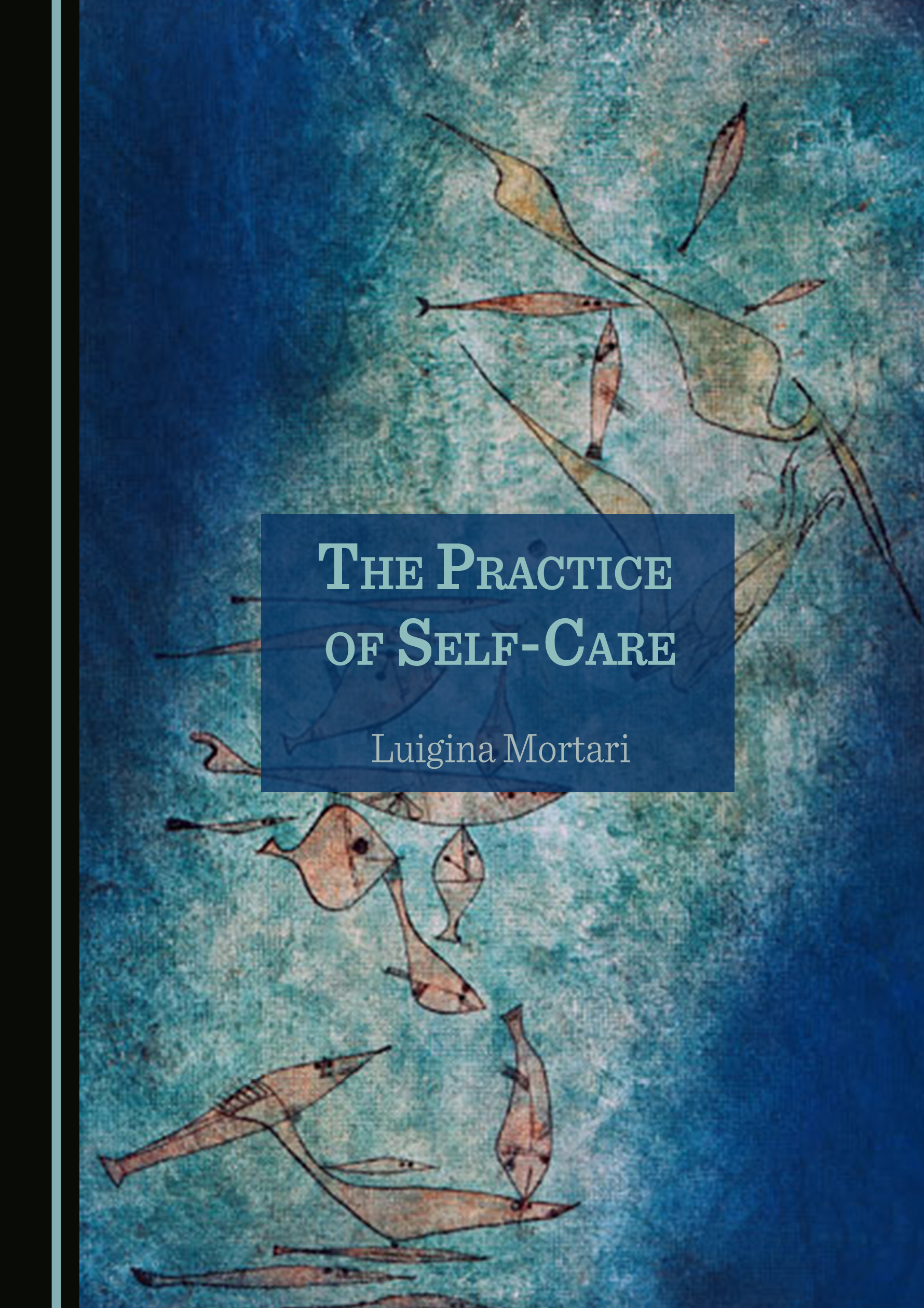
This book explores the philosophy of care, arguing for its primacy in human life. It analyzes care of the self through “spiritual practices”—techniques like achieving inner silence and writing—that shape our way of being and form an ethics of the self.
This book explores the philosophy of care, arguing for its primacy in human life. It analyzes care of the self through “spiritual practices”—techniques like achieving inner silence and writing—that shape our way of being and form an ethics of the self.
View more
This product has multiple variants. The options may be chosen on the product page
View more
This product has multiple variants. The options may be chosen on the product page
Rethinking Thomas Jefferson’s Writings on Slavery and Race
“[God’s] Justice Cannot Sleep Forever”
For decades, Jeffersonian scholarship has uncritically depicted a less-than-human Jefferson: an inveterate hypocrite and racist. This book offers a provocative challenge to these stale revisionist claims, appealing to all who believe it is time to gain fresh insights.
For decades, Jeffersonian scholarship has uncritically depicted a less-than-human Jefferson: an inveterate hypocrite and racist. This book offers a provocative challenge to these stale revisionist claims, appealing to all who believe it is time to gain fresh insights.
View more
This product has multiple variants. The options may be chosen on the product page
View more
This product has multiple variants. The options may be chosen on the product page
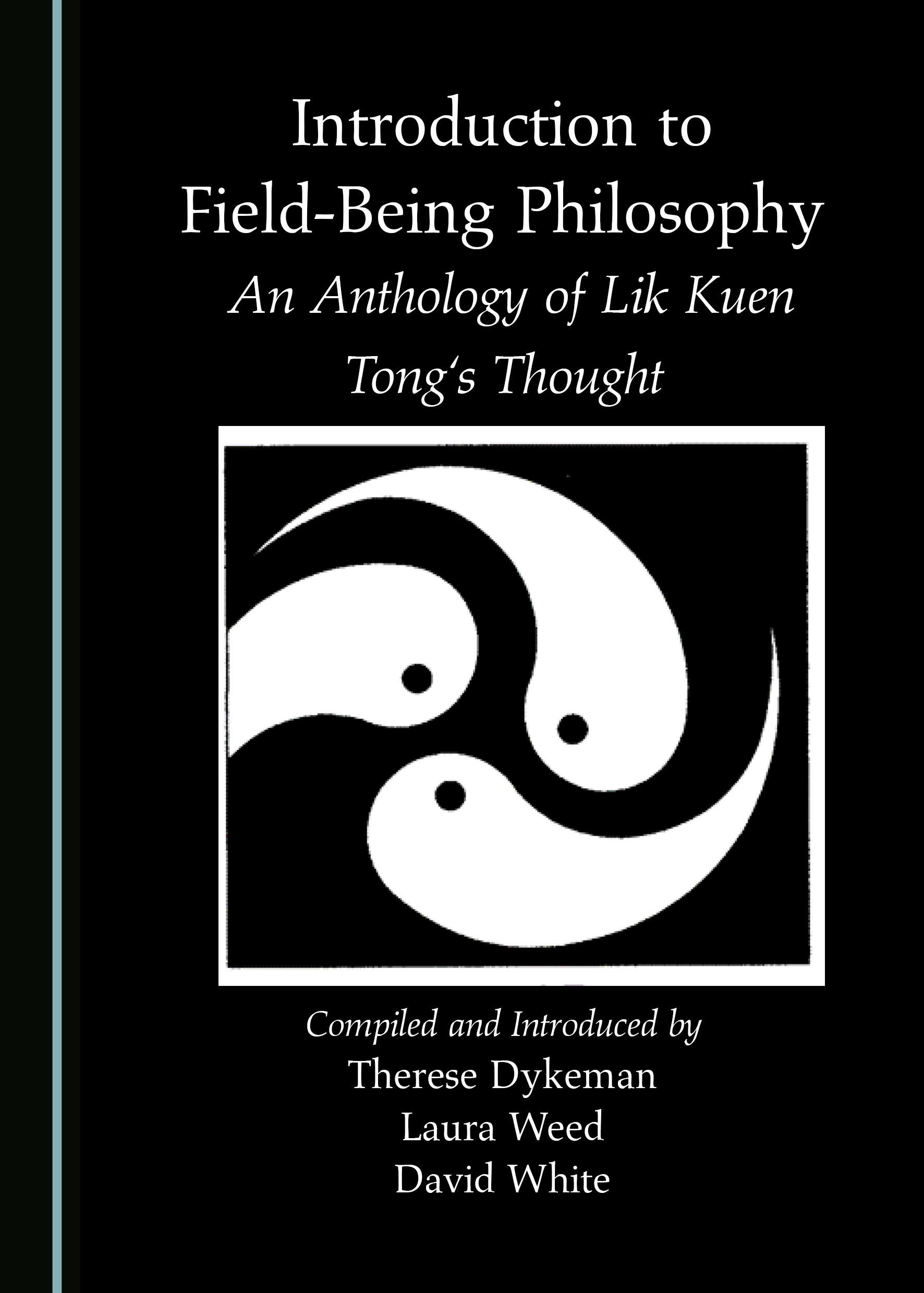
Introduction to Field-Being Philosophy
An Anthology of Lik Kuen Tong's Thought
Lik Kuen Tong’s Field-Being philosophy offers a new metaphysics. Rethinking the universe as “activity,” “relationality,” and “betweenness,” this future-oriented philosophy lends itself to addressing current issues such as climate change, global relations, and difference.
Lik Kuen Tong’s Field-Being philosophy offers a new metaphysics. Rethinking the universe as “activity,” “relationality,” and “betweenness,” this future-oriented philosophy lends itself to addressing current issues such as climate change, global relations, and difference.
View more
This product has multiple variants. The options may be chosen on the product page
View more
This product has multiple variants. The options may be chosen on the product page
Beyond Hope
Philosophical Reflections
This book argues for hope as a path beyond facile optimism and weary pessimism. Drawing on Western philosophy and Advaita Vedanta, it suggests that living from the Self, distinct from the ego, reveals a peace and bliss beyond both hope and happiness. A timely and wise book.
This book argues for hope as a path beyond facile optimism and weary pessimism. Drawing on Western philosophy and Advaita Vedanta, it suggests that living from the Self, distinct from the ego, reveals a peace and bliss beyond both hope and happiness. A timely and wise book.
View more
This product has multiple variants. The options may be chosen on the product page
View more
This product has multiple variants. The options may be chosen on the product page
From £29.99
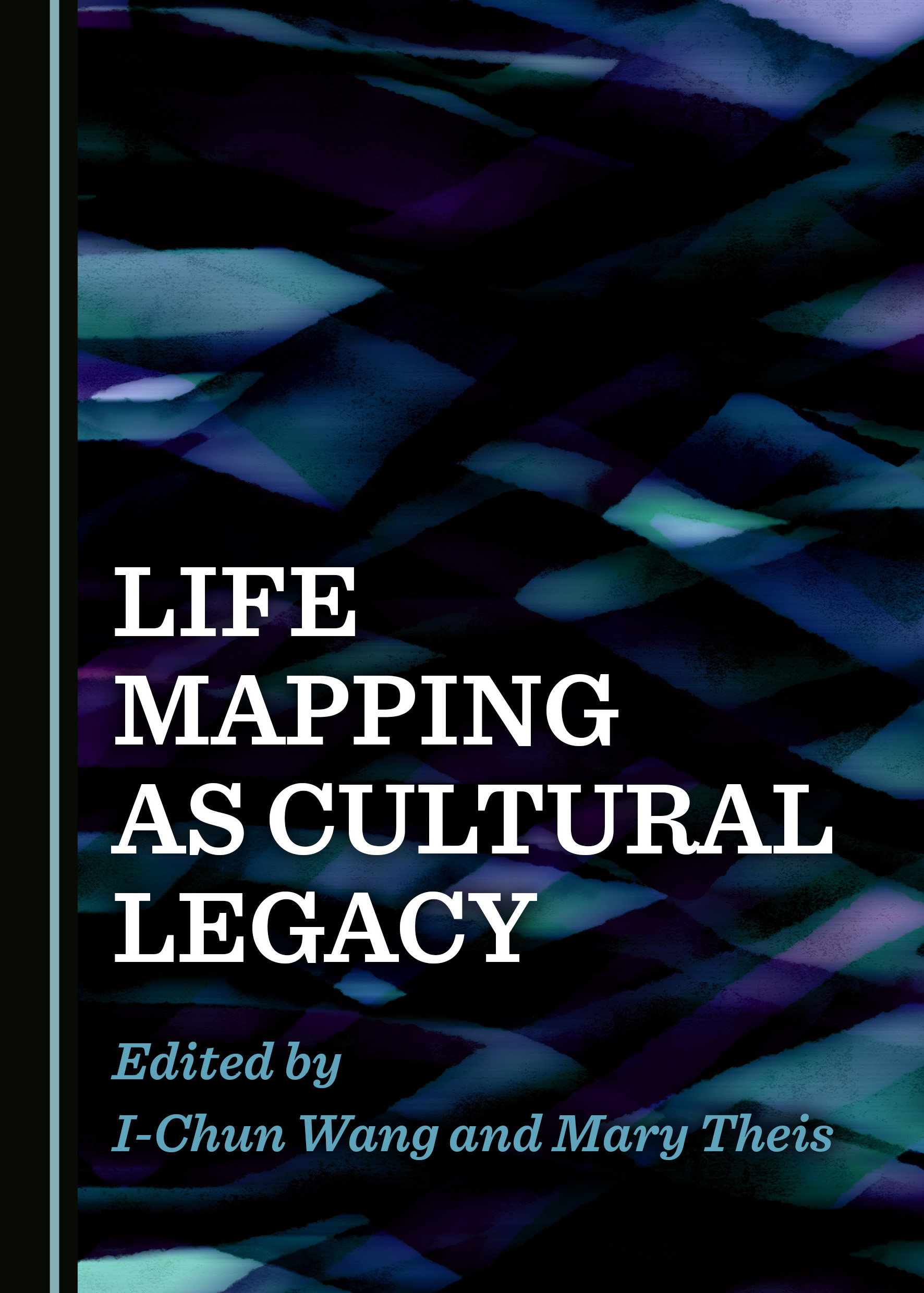
This volume celebrates life writing, where individuals overcome trauma to find joy. Scholars explore personal narratives—testimonies, diaries, and letters—that challenge sociocultural issues like migration and discrimination while affirming our need for human connection.
This volume celebrates life writing, where individuals overcome trauma to find joy. Scholars explore personal narratives—testimonies, diaries, and letters—that challenge sociocultural issues like migration and discrimination while affirming our need for human connection.
View more
This product has multiple variants. The options may be chosen on the product page
View more
This product has multiple variants. The options may be chosen on the product page
From £29.99
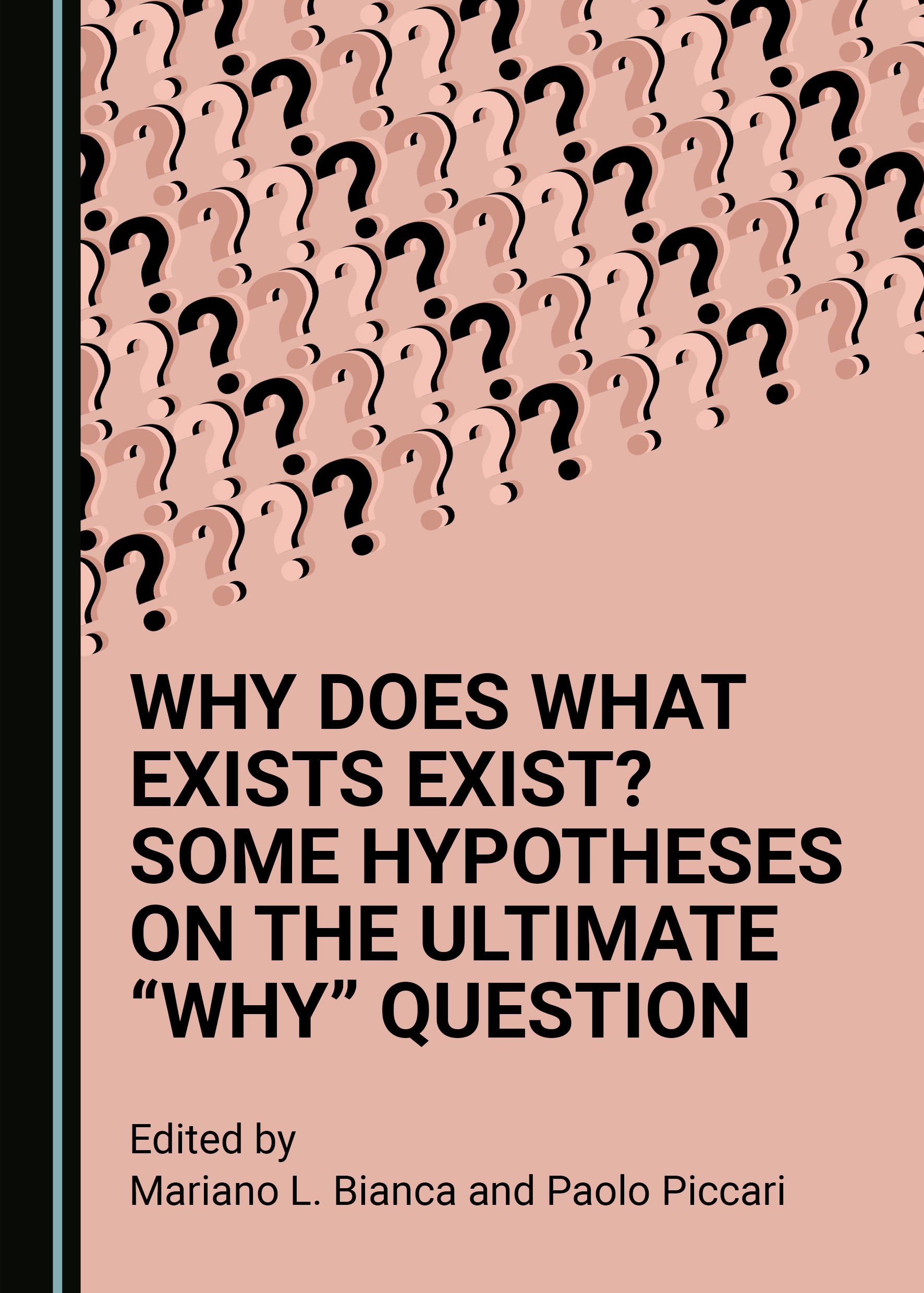
Why is there something rather than nothing? What is the origin of everything? For centuries, theology and metaphysics sought answers. Today, physics and cosmology join the search for a theory of everything. The papers in this volume offer contributions to this ultimate debate.
Why is there something rather than nothing? What is the origin of everything? For centuries, theology and metaphysics sought answers. Today, physics and cosmology join the search for a theory of everything. The papers in this volume offer contributions to this ultimate debate.
View more
This product has multiple variants. The options may be chosen on the product page
View more
This product has multiple variants. The options may be chosen on the product page
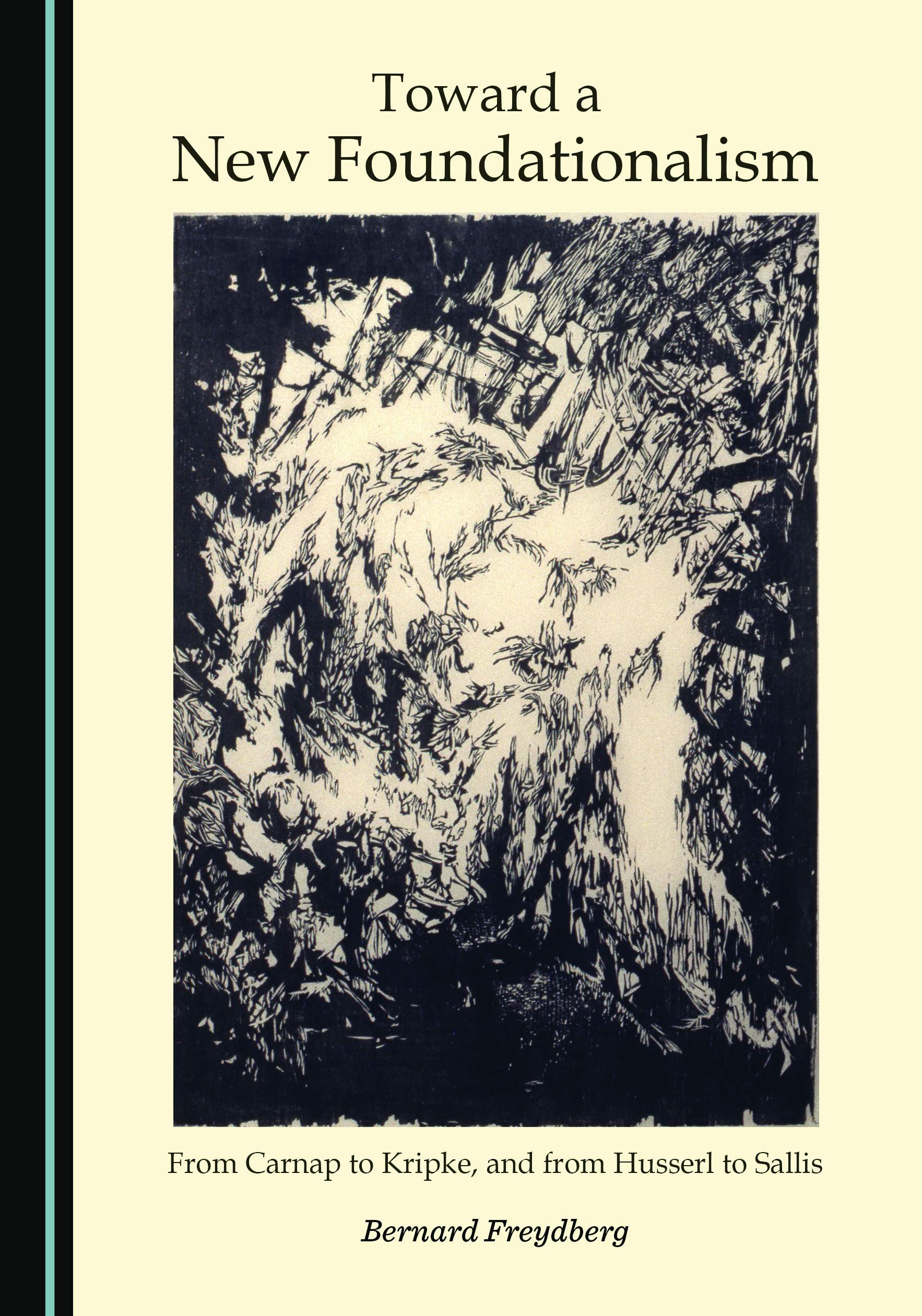
Toward a New Foundationalism
From Carnap to Kripke, and from Husserl to Sallis
Contemporary philosophy is breached. Its dominant Anglo-American and Continental branches both deny that philosophy has a central foundation. This book proposes a new foundationalism, discovering a hidden "ruling image" that animates the thought of major figures on both sides.
Contemporary philosophy is breached. Its dominant Anglo-American and Continental branches both deny that philosophy has a central foundation. This book proposes a new foundationalism, discovering a hidden “ruling image” that animates the thought of major figures on both sides.
View more
This product has multiple variants. The options may be chosen on the product page
View more
This product has multiple variants. The options may be chosen on the product page
From £29.99
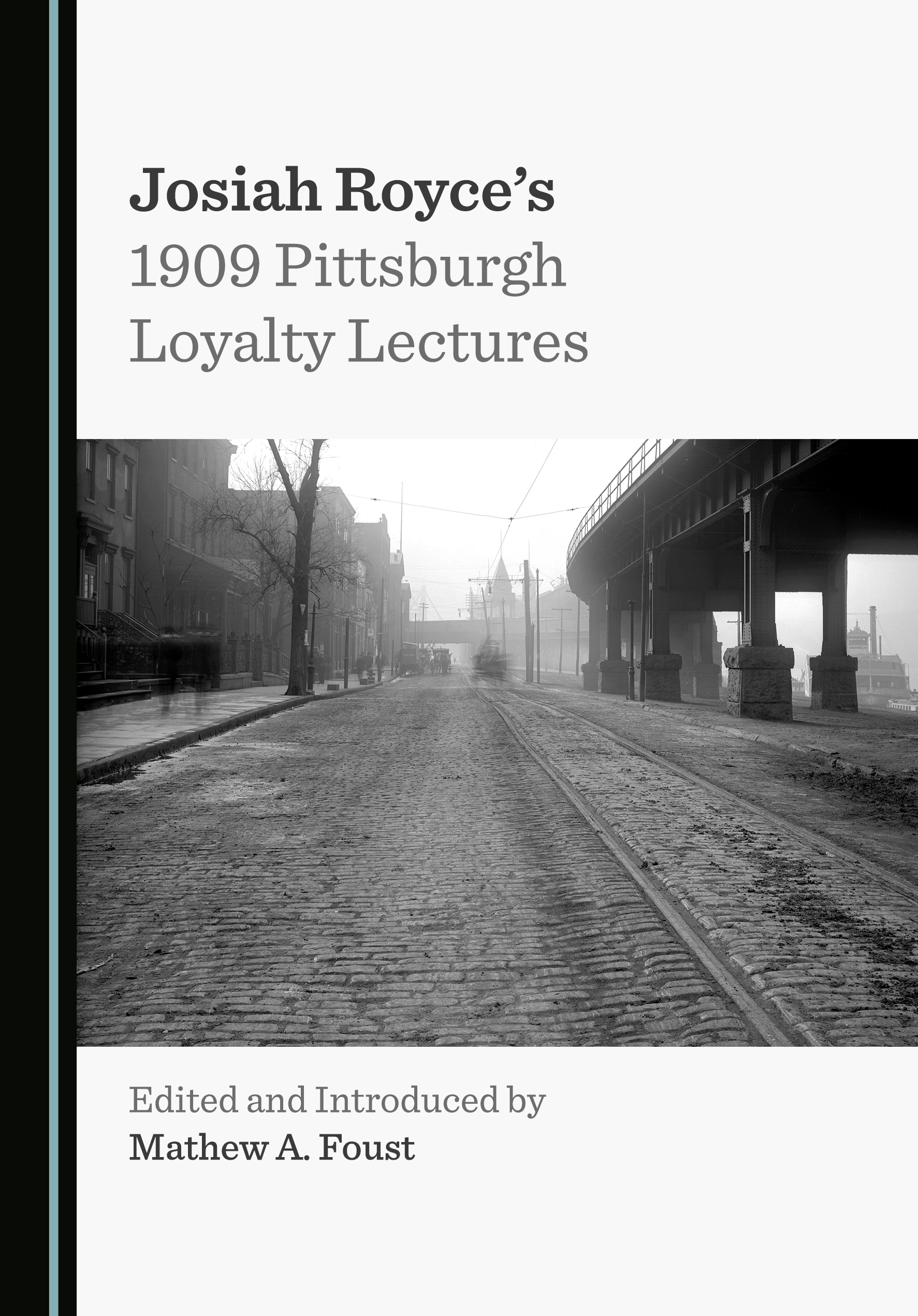
For the first time in a book, these three lectures by American philosopher Josiah Royce are essential for a complete picture of his philosophy of loyalty. They constitute a “missing link” between his 1908 classic The Philosophy of Loyalty and his subsequent major works.
For the first time in a book, these three lectures by American philosopher Josiah Royce are essential for a complete picture of his philosophy of loyalty. They constitute a “missing link” between his 1908 classic The Philosophy of Loyalty and his subsequent major works.
View more
This product has multiple variants. The options may be chosen on the product page
View more
This product has multiple variants. The options may be chosen on the product page
From £29.99
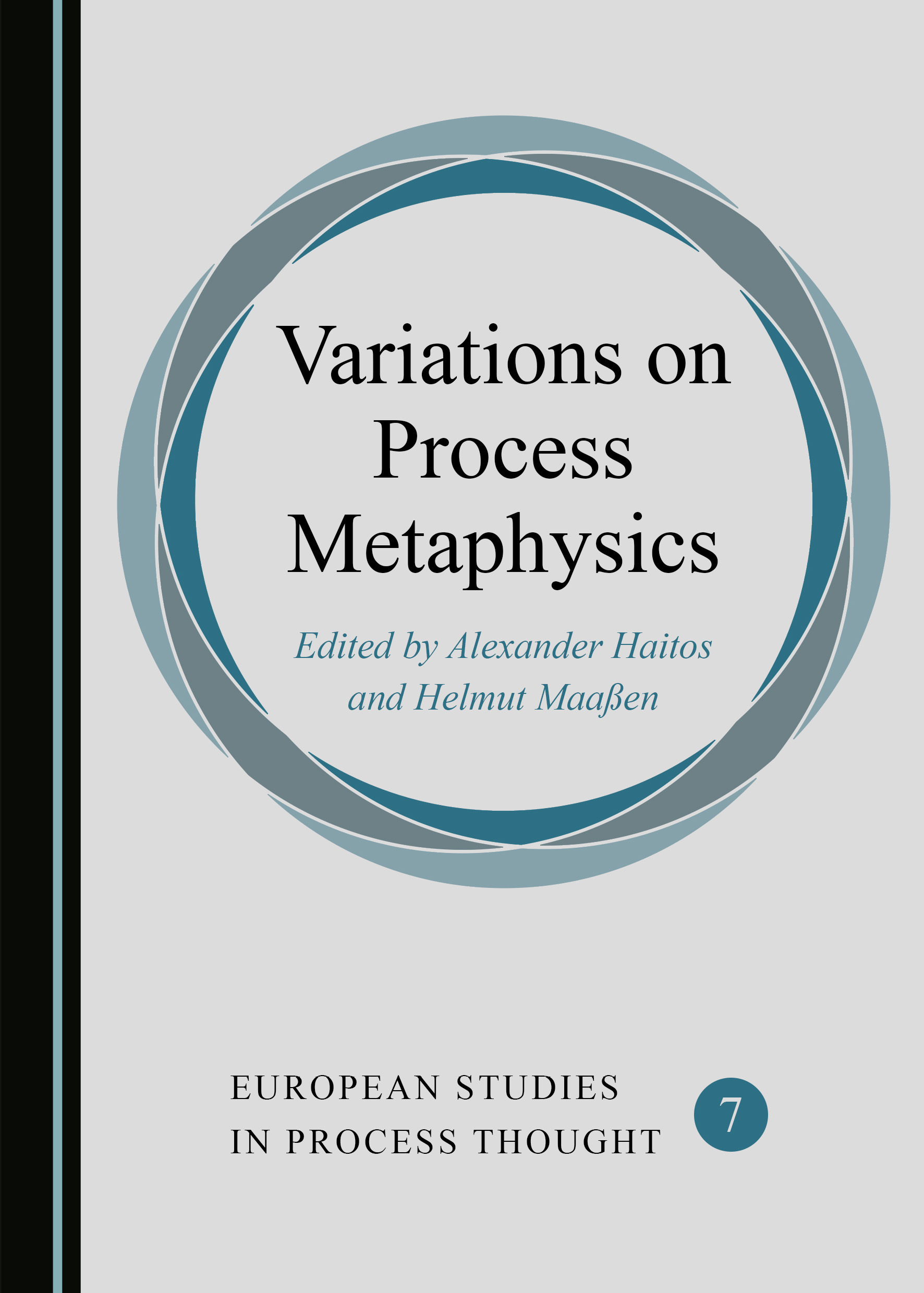
This book collects essays on Alfred North Whitehead’s philosophy, pointing to its relevance for our time. The essays highlight a range of issues to which process philosophy speaks, including aesthetics, the notion of life, political science, and neuroscience.
This book collects essays on Alfred North Whitehead’s philosophy, pointing to its relevance for our time. The essays highlight a range of issues to which process philosophy speaks, including aesthetics, the notion of life, political science, and neuroscience.
View more
This product has multiple variants. The options may be chosen on the product page
View more
This product has multiple variants. The options may be chosen on the product page
From £29.99
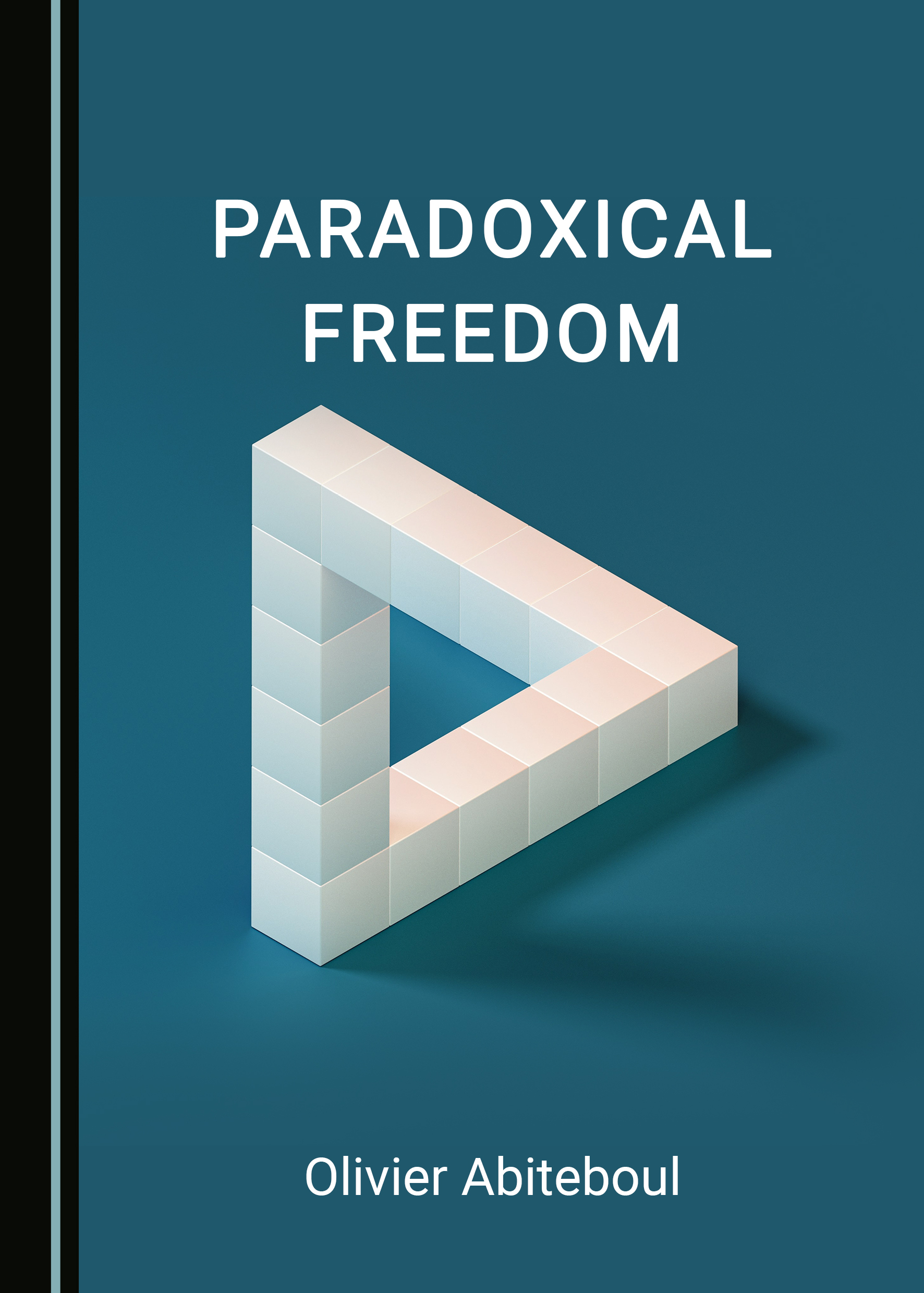
This collection of essays explores the paradoxes of freedom and the human condition. We are always faced with the same paradox: a freedom which cannot be freed from its relation to necessity. Freedom is, therefore, not really free. This is the paradox of the human condition.
This collection of essays explores the paradoxes of freedom and the human condition. We are always faced with the same paradox: a freedom which cannot be freed from its relation to necessity. Freedom is, therefore, not really free. This is the paradox of the human condition.
View more
This product has multiple variants. The options may be chosen on the product page
View more
This product has multiple variants. The options may be chosen on the product page
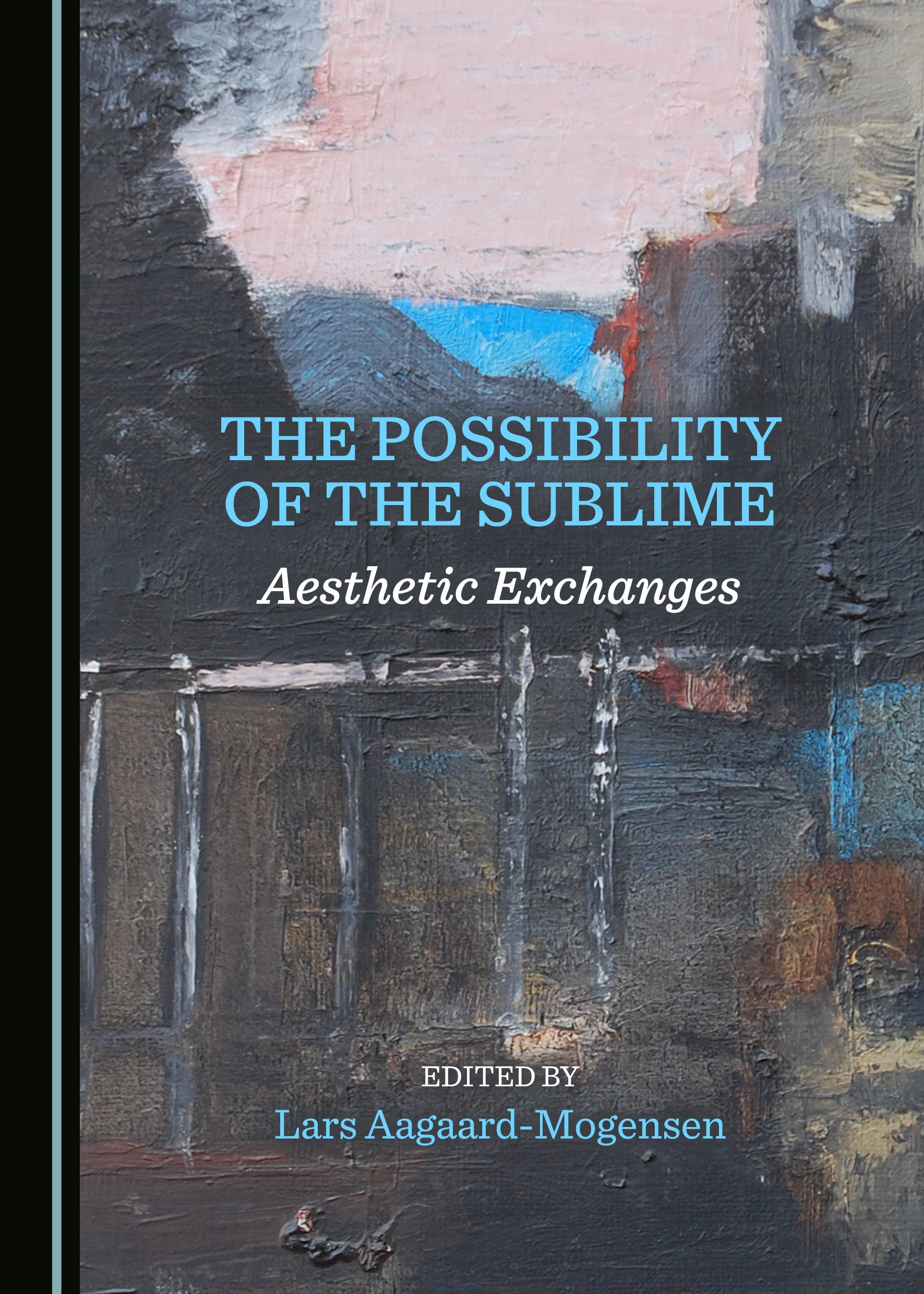
The Possibility of the Sublime
Aesthetic Exchanges
After Professor Jane Forsey argued that a theory of the sublime is impossible, this volume gathers international scholars to challenge her claim. In a tightly focused debate, they defend the sublime as an aesthetic category, concluding with a final response from Forsey herself.
After Professor Jane Forsey argued that a theory of the sublime is impossible, this volume gathers international scholars to challenge her claim. In a tightly focused debate, they defend the sublime as an aesthetic category, concluding with a final response from Forsey herself.
View more
This product has multiple variants. The options may be chosen on the product page
View more
This product has multiple variants. The options may be chosen on the product page
From £29.99
This work explores the philosophical basis for phenomenological structuralism, giving a hermeneutical approach to understanding and resolving the structure/agency problematic of the social sciences.
This work explores the philosophical basis for phenomenological structuralism, giving a hermeneutical approach to understanding and resolving the structure/agency problematic of the social sciences.
View more
This product has multiple variants. The options may be chosen on the product page
View more
This product has multiple variants. The options may be chosen on the product page
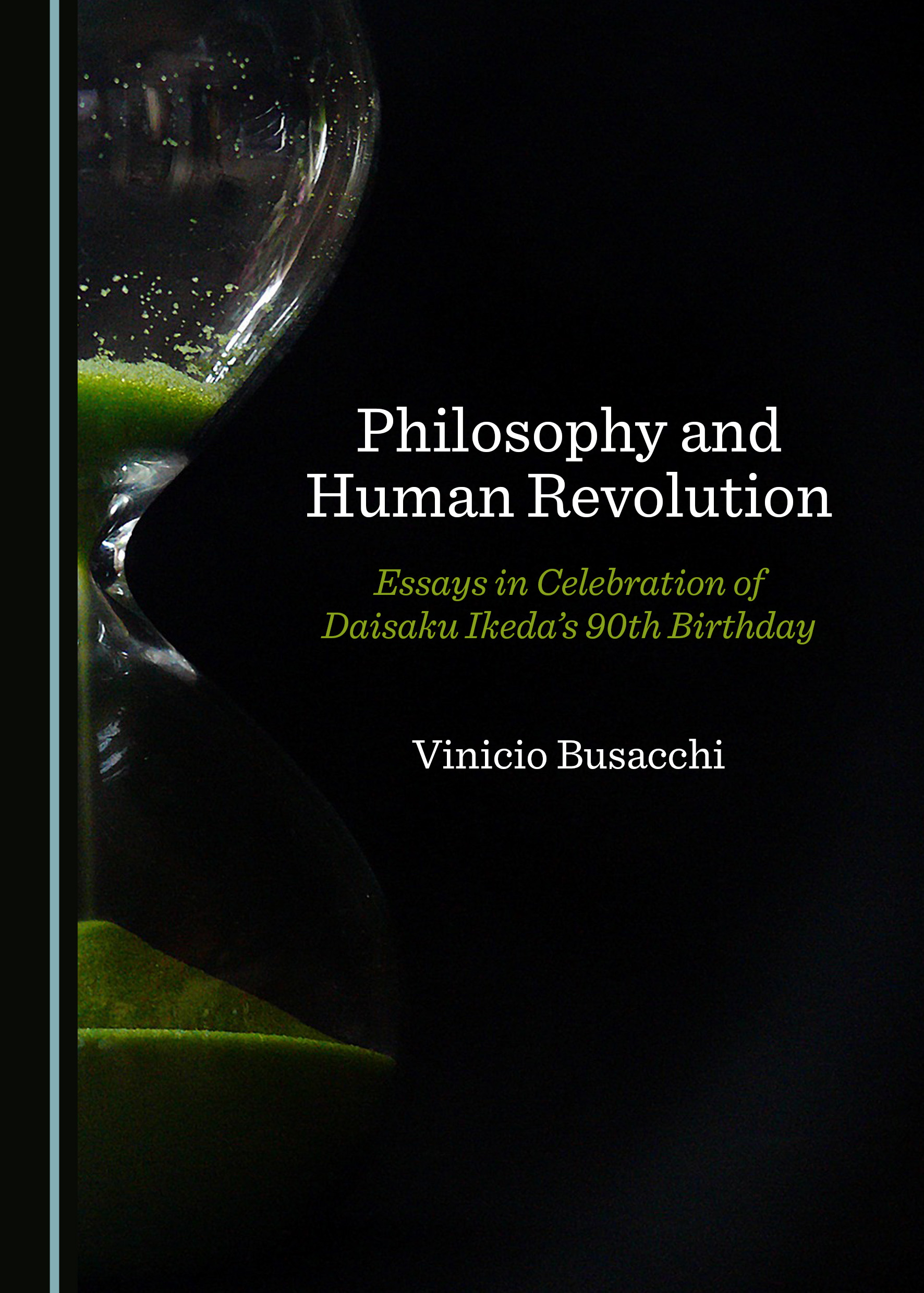
Philosophy and Human Revolution
Essays in Celebration of Daisaku Ikeda’s 90th Birthday
This book offers a philosophical study of Daisaku Ikeda. Not a religious analysis, it examines his intercultural work, which interfaces Japanese tradition with Western rationality. The author adopts an agnostic suspension to leave a place for philosophy and its arguments.
This book offers a philosophical study of Daisaku Ikeda. Not a religious analysis, it examines his intercultural work, which interfaces Japanese tradition with Western rationality. The author adopts an agnostic suspension to leave a place for philosophy and its arguments.
View more
This product has multiple variants. The options may be chosen on the product page
View more
This product has multiple variants. The options may be chosen on the product page
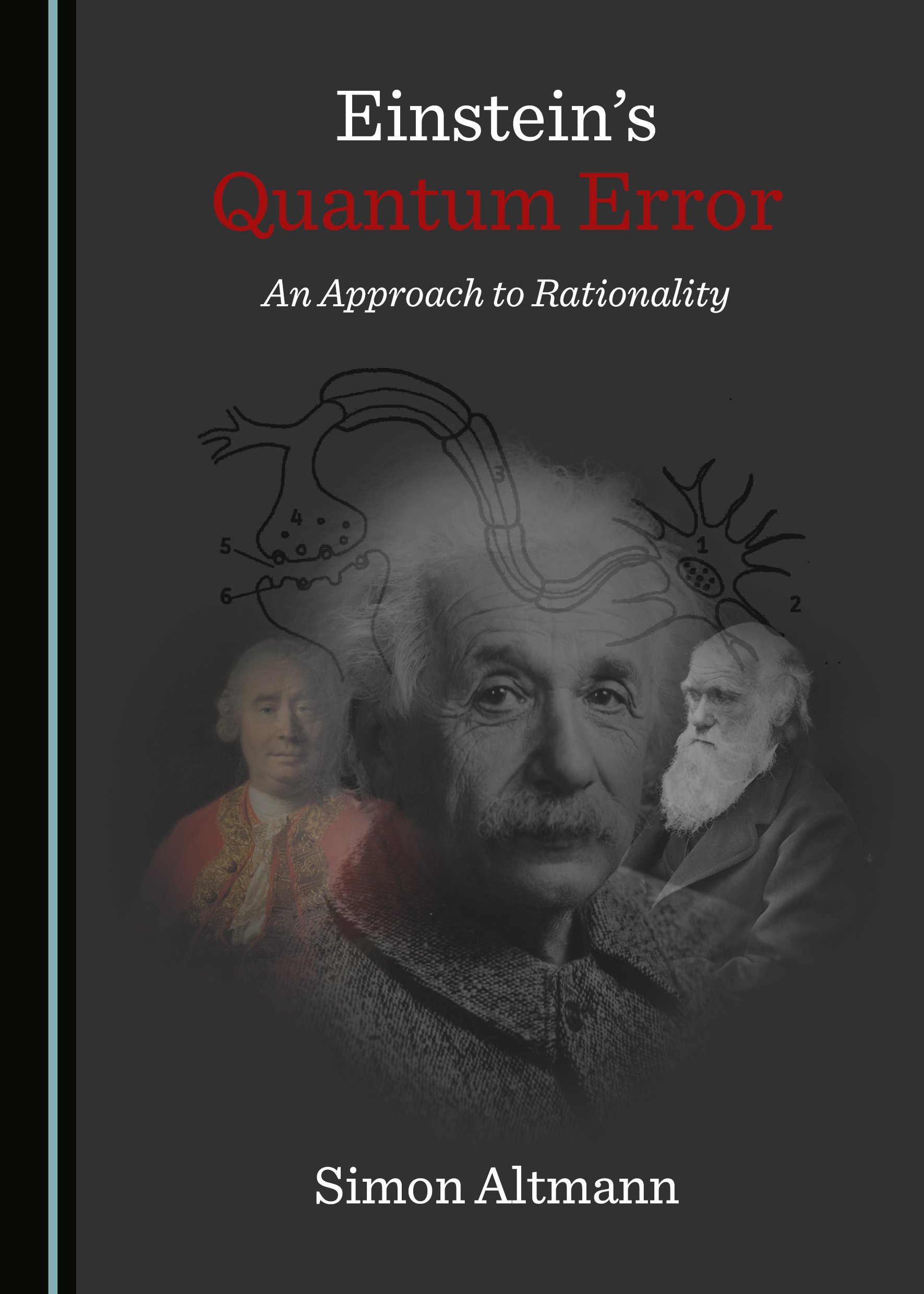
Einstein’s Quantum Error
An Approach to Rationality
What is it to be rational? This book argues that rational principles are not absolutes, but are empirically justified. It shows how principles like causality reflect our brain’s evolved structure, which parallels the physical world, and confronts modern attacks on science.
What is it to be rational? This book argues that rational principles are not absolutes, but are empirically justified. It shows how principles like causality reflect our brain’s evolved structure, which parallels the physical world, and confronts modern attacks on science.
View more
This product has multiple variants. The options may be chosen on the product page
View more
This product has multiple variants. The options may be chosen on the product page
From Monophysitism to Nestorianism
AD 431-681
This book argues that early orthodoxy was not a linear progression. Instead, the church navigated the narrow strait between Nestorianism and Monophysitism by continually changing sides in the Ecumenical Councils, ultimately outwitting both heresies to forge its own path.
This book argues that early orthodoxy was not a linear progression. Instead, the church navigated the narrow strait between Nestorianism and Monophysitism by continually changing sides in the Ecumenical Councils, ultimately outwitting both heresies to forge its own path.
View more
This product has multiple variants. The options may be chosen on the product page
View more
This product has multiple variants. The options may be chosen on the product page
£58.99
This collection of papers on comparative philosophy challenges academic philosophy’s focus on Western thought. By opening a dialogue across cultures, these chapters explore philosophy's politico-aesthetic dimension, demonstrating the equality of marginalized voices.
This collection of papers on comparative philosophy challenges academic philosophy’s focus on Western thought. By opening a dialogue across cultures, these chapters explore philosophy’s politico-aesthetic dimension, demonstrating the equality of marginalized voices.
View more
This product has multiple variants. The options may be chosen on the product page
View more
This product has multiple variants. The options may be chosen on the product page
£58.99
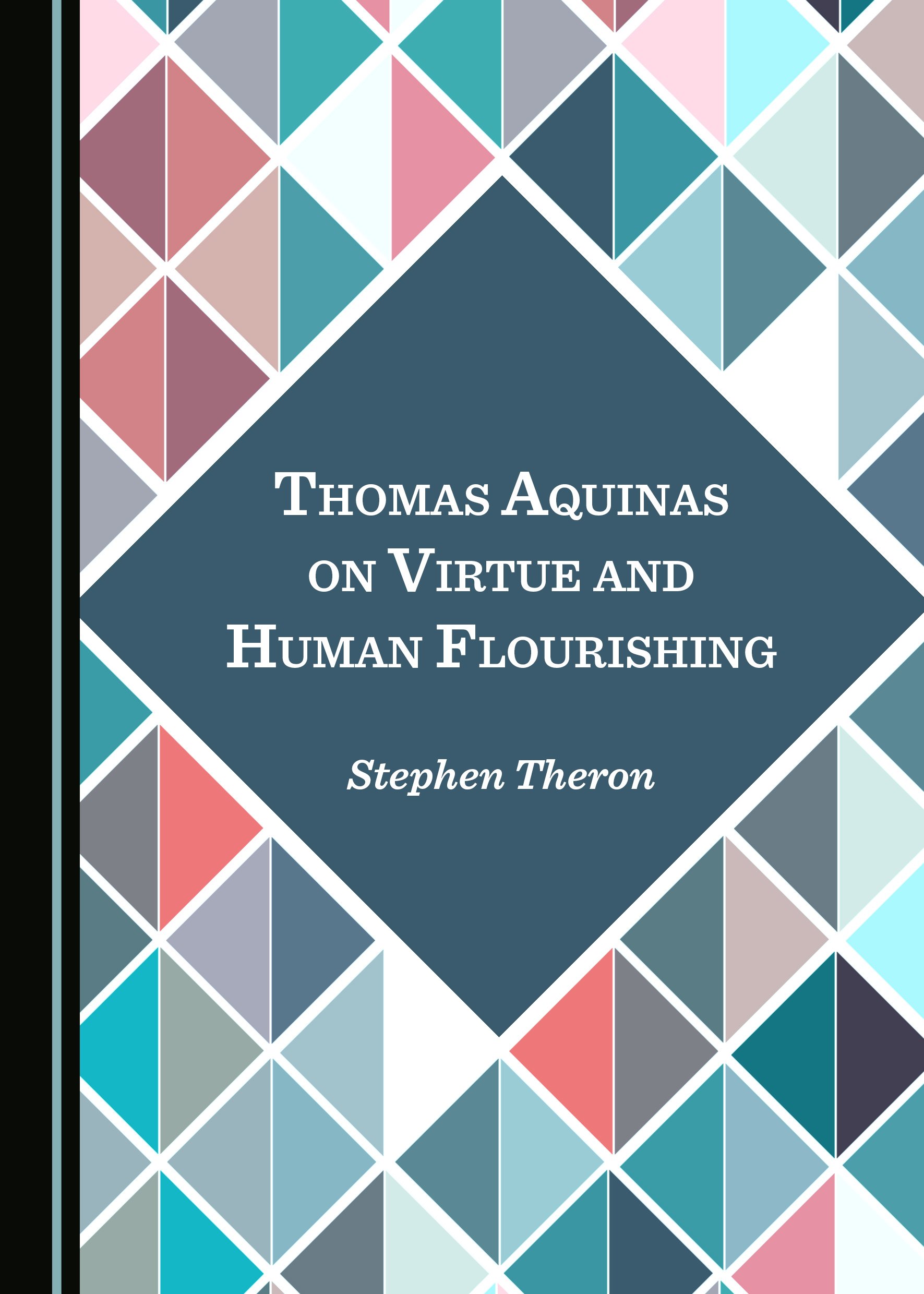
For Thomas Aquinas, ethics is not a set of moral precepts but the cultivation of virtues for human flourishing. Natural law, reflecting the eternal, is awakened within us. Crowned by faith, hope, and love, this vision is summed up in the Beatitudes.
For Thomas Aquinas, ethics is not a set of moral precepts but the cultivation of virtues for human flourishing. Natural law, reflecting the eternal, is awakened within us. Crowned by faith, hope, and love, this vision is summed up in the Beatitudes.
View more
This product has multiple variants. The options may be chosen on the product page
View more
This product has multiple variants. The options may be chosen on the product page
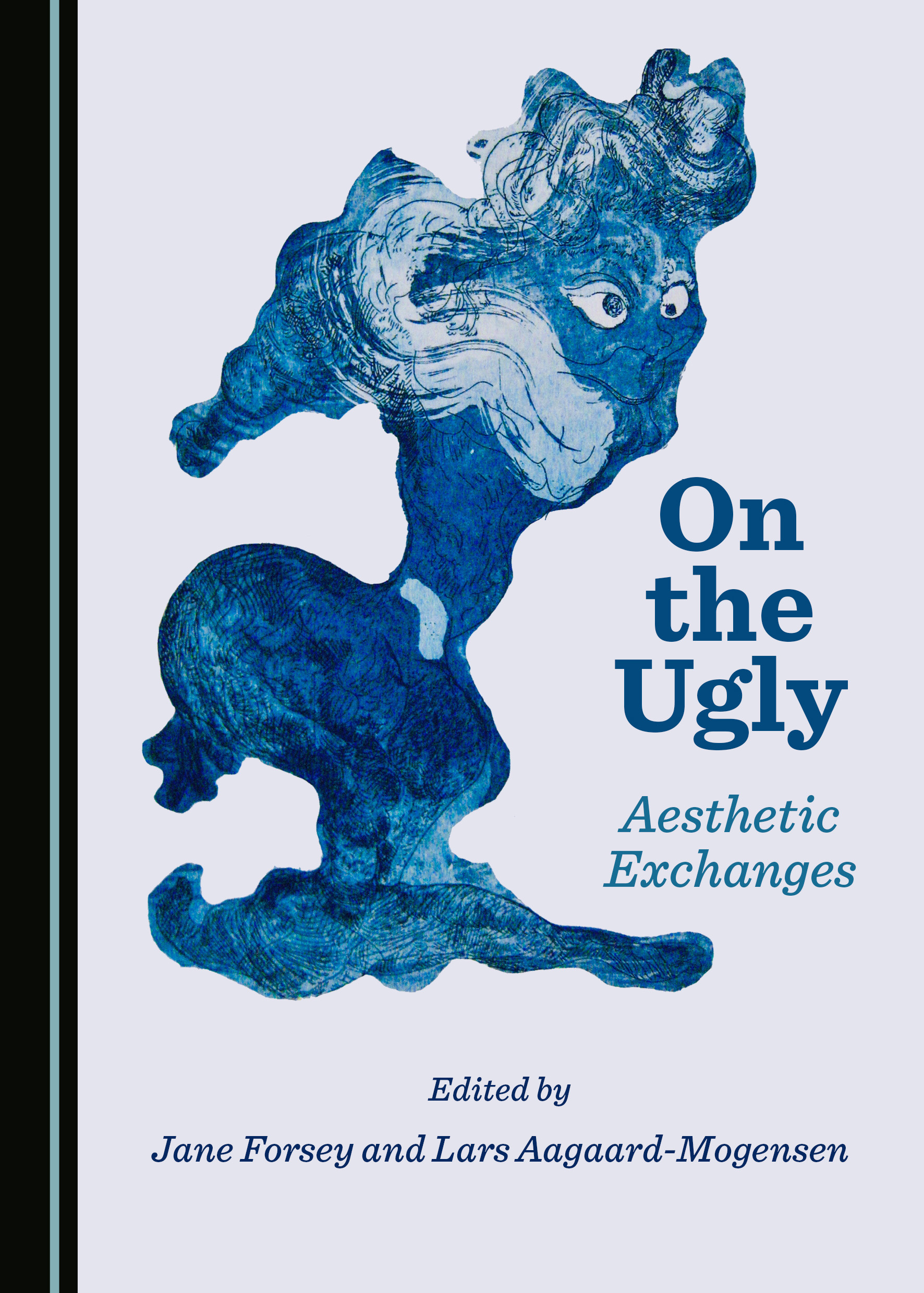
On the Ugly
Aesthetic Exchanges
This original collection offers fresh approaches to the concept of ugliness in aesthetics, art, and in contrast with the beautiful. Featuring new papers from diverse scholars, it collects the latest research, making it a key contribution to the growing interest in the field.
This original collection offers fresh approaches to the concept of ugliness in aesthetics, art, and in contrast with the beautiful. Featuring new papers from diverse scholars, it collects the latest research, making it a key contribution to the growing interest in the field.
View more
This product has multiple variants. The options may be chosen on the product page
View more
This product has multiple variants. The options may be chosen on the product page
History of Science as a Facilitator for the Study of Physics
A Repertoire of Quantum Theory
Angeloni’s text serves to enhance scientific and technological literacy, by promoting STEM (Science, Technology, Engineering, and Mathematics) education with particular reference to contemporary physics.
Angeloni’s text serves to enhance scientific and technological literacy, by promoting STEM (Science, Technology, Engineering, and Mathematics) education with particular reference to contemporary physics.
View more
This product has multiple variants. The options may be chosen on the product page
View more
This product has multiple variants. The options may be chosen on the product page
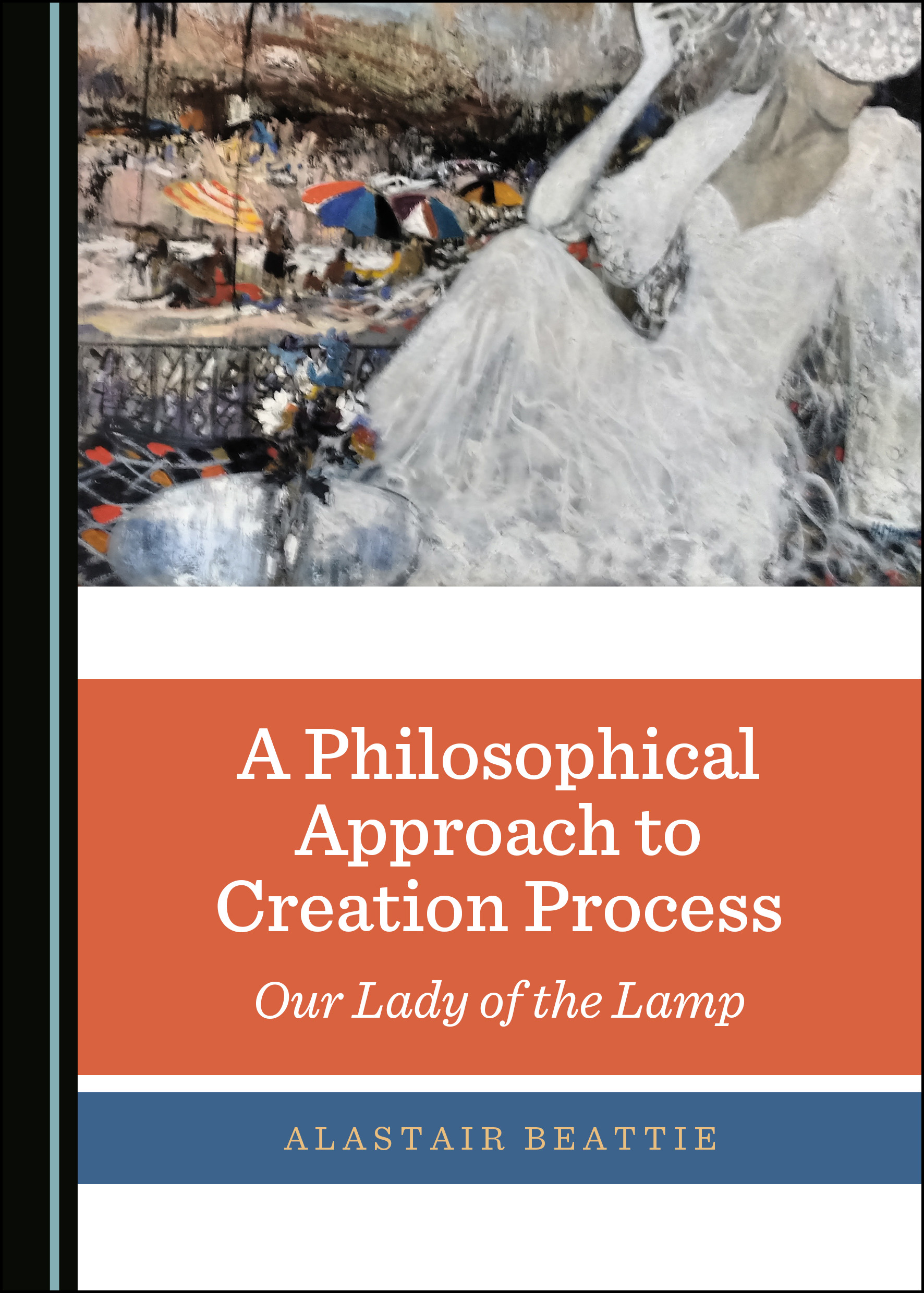
A Philosophical Approach to Creation Process
Our Lady of the Lamp
This book is about creation as conceived by the classical Greeks. Whether a plan for a form of government or a work of art, this sort of creation is used to do something that has never been done before.
This book is about creation as conceived by the classical Greeks. Whether a plan for a form of government or a work of art, this sort of creation is used to do something that has never been done before.
View more
This product has multiple variants. The options may be chosen on the product page
Processing Your Order
Please wait while we securely process your order.
Do not refresh or leave this page.
You will be redirected shortly to a confirmation page with your order number.