

View more
This product has multiple variants. The options may be chosen on the product page
Nietzsche’s Will to Power
Eagles, Lions, and Serpents
Belliotti’s text adds to Nietzschean scholarship in its analysis of the concept of power as preliminary to addressing Nietzsche’s psychological notion of will to power. He argues that it cannot be understood as merely a first-order drive to attain and exert power.
Belliotti’s text adds to Nietzschean scholarship in its analysis of the concept of power as preliminary to addressing Nietzsche’s psychological notion of will to power. He argues that it cannot be understood as merely a first-order drive to attain and exert power.
View more
This product has multiple variants. The options may be chosen on the product page
View more
This product has multiple variants. The options may be chosen on the product page
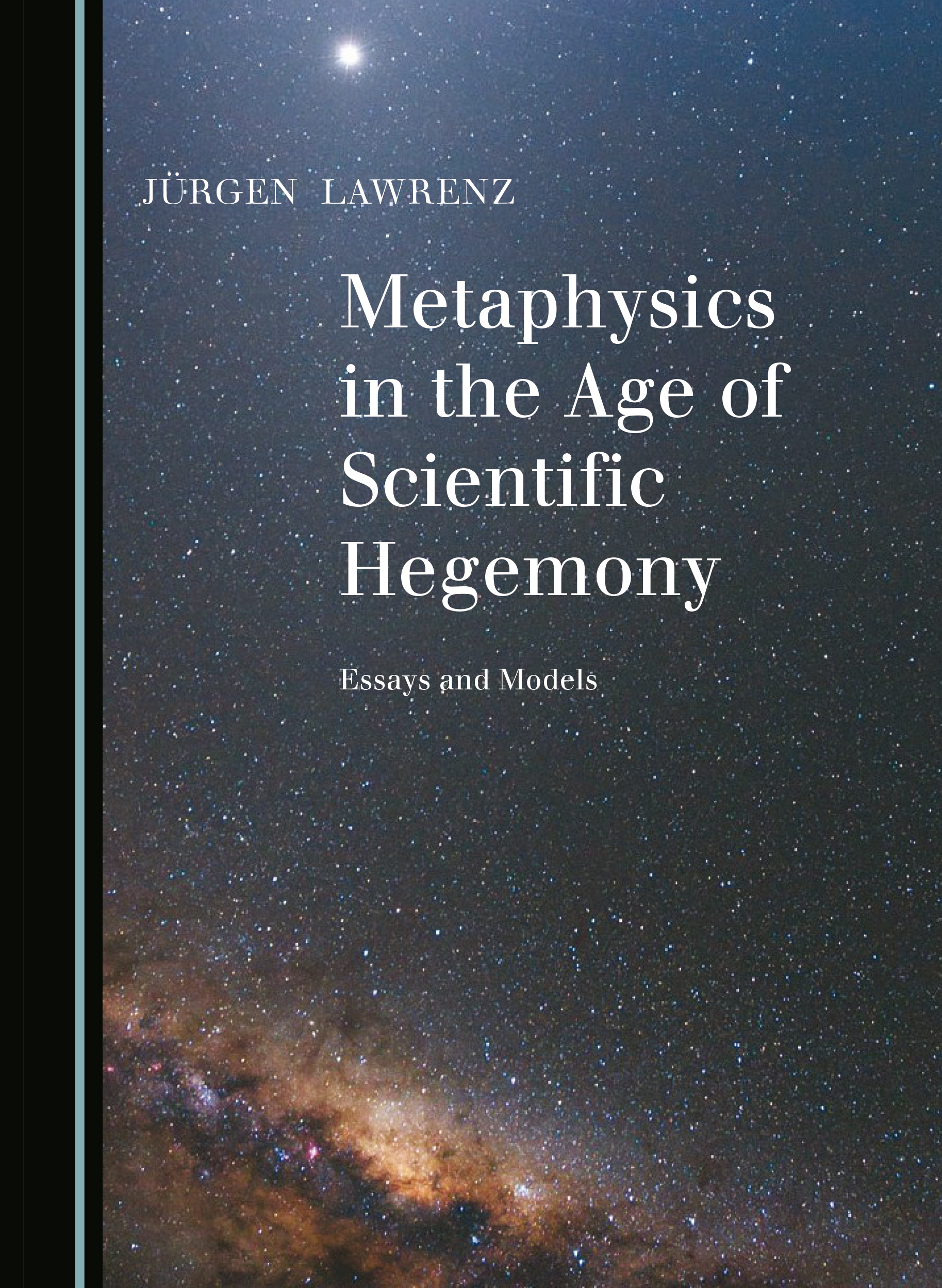
Metaphysics in the Age of Scientific Hegemony
Essays and Models
These essays argue for the persisting relevance of metaphysical speculation. Delving into thinkers from Hegel to Wittgenstein, the focus is on the autonomous agency of the human being—a concept at odds with the mechanistic doxa under which modern science is compelled to operate.
These essays argue for the persisting relevance of metaphysical speculation. Delving into thinkers from Hegel to Wittgenstein, the focus is on the autonomous agency of the human being—a concept at odds with the mechanistic doxa under which modern science is compelled to operate.
View more
This product has multiple variants. The options may be chosen on the product page
View more
This product has multiple variants. The options may be chosen on the product page
From £37.99
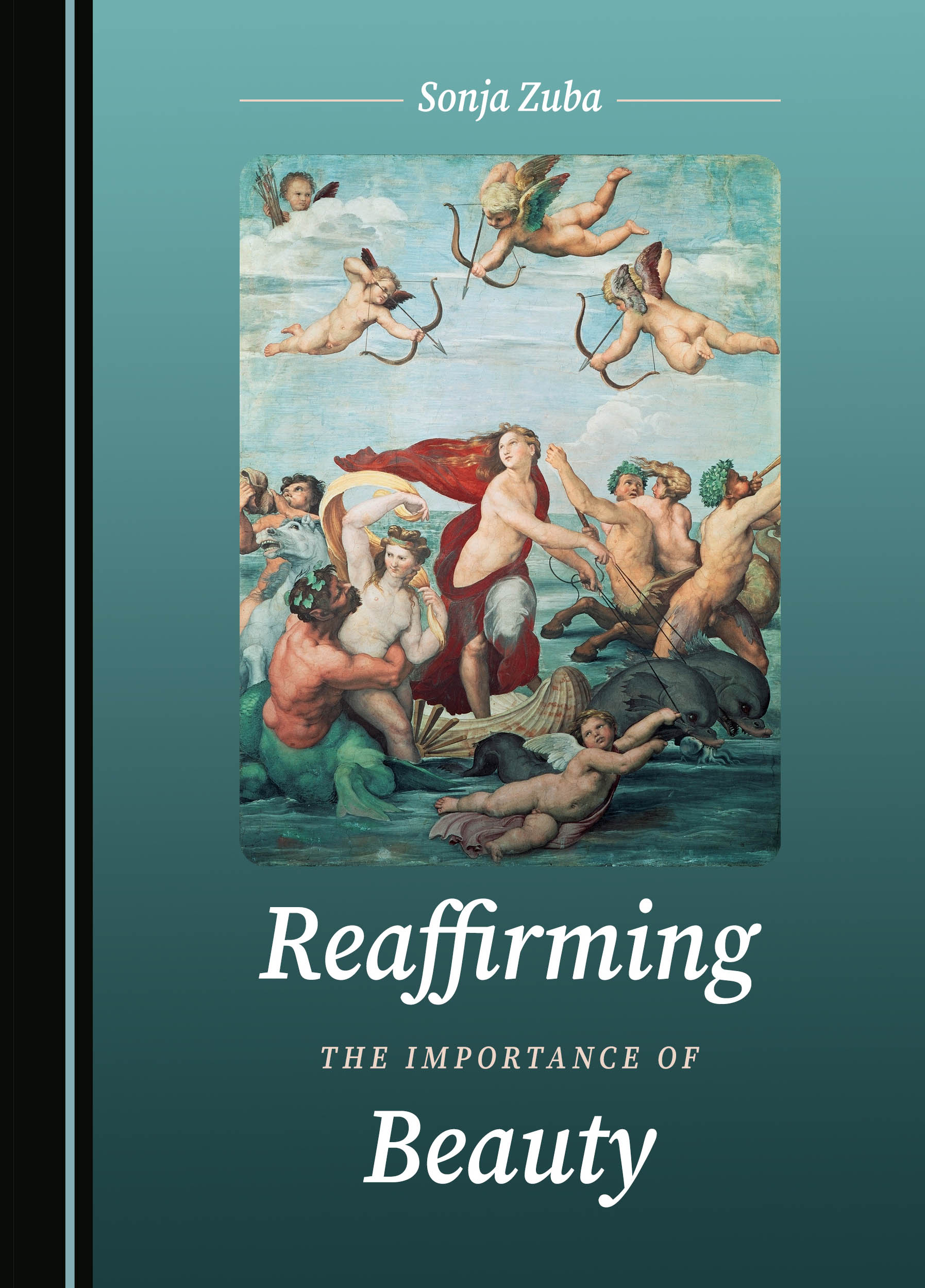
Beauty challenges us to find meaning. This book examines beauty in art and philosophy, from Plato to Van Gogh, arguing it is rationally found and irreducible to aesthetics alone. It explores beauty's deep spiritual meaning, especially within our post-religious age.
Beauty challenges us to find meaning. This book examines beauty in art and philosophy, from Plato to Van Gogh, arguing it is rationally found and irreducible to aesthetics alone. It explores beauty’s deep spiritual meaning, especially within our post-religious age.
View more
This product has multiple variants. The options may be chosen on the product page
View more
This product has multiple variants. The options may be chosen on the product page
Anthropological Realism
Ethics for a Global World
Ethics lacks a strong theoretical basis and remains parochial as technologies become global. To move beyond unproductive stalemates, this book offers a next-generation theory of hybrid moral realism, promoting a sustainable global ethics of humaneness and human flourishing.
Ethics lacks a strong theoretical basis and remains parochial as technologies become global. To move beyond unproductive stalemates, this book offers a next-generation theory of hybrid moral realism, promoting a sustainable global ethics of humaneness and human flourishing.
View more
This product has multiple variants. The options may be chosen on the product page
View more
This product has multiple variants. The options may be chosen on the product page
From £38.99
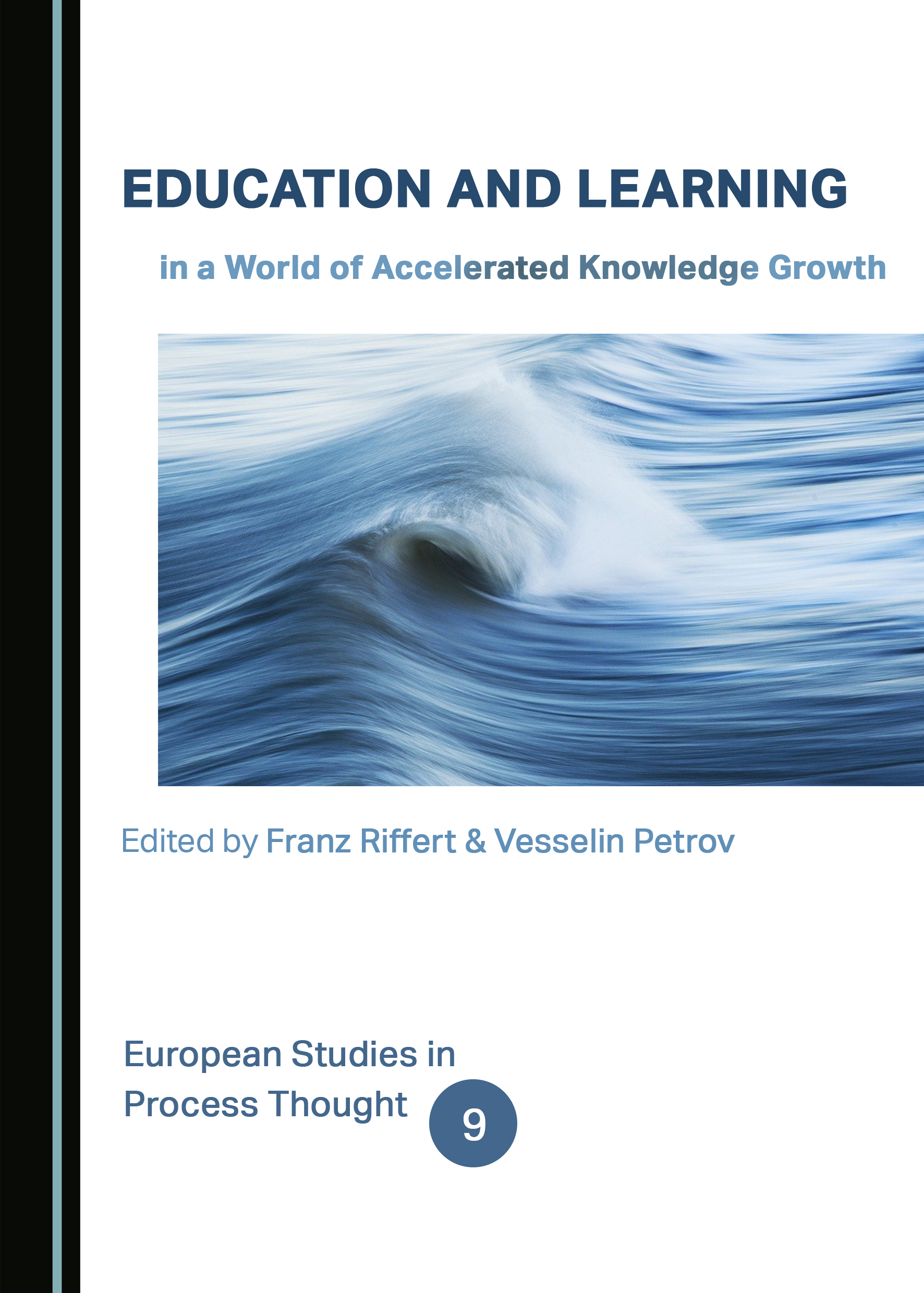
Digitalization and artificial intelligence are rapidly changing our world, but traditional education fails to prepare us for this new reality. A century ago, Alfred North Whitehead developed a new learning cycle approach. This book investigates his philosophy for our time.
Digitalization and artificial intelligence are rapidly changing our world, but traditional education fails to prepare us for this new reality. A century ago, Alfred North Whitehead developed a new learning cycle approach. This book investigates his philosophy for our time.
View more
This product has multiple variants. The options may be chosen on the product page
View more
This product has multiple variants. The options may be chosen on the product page
From £38.99
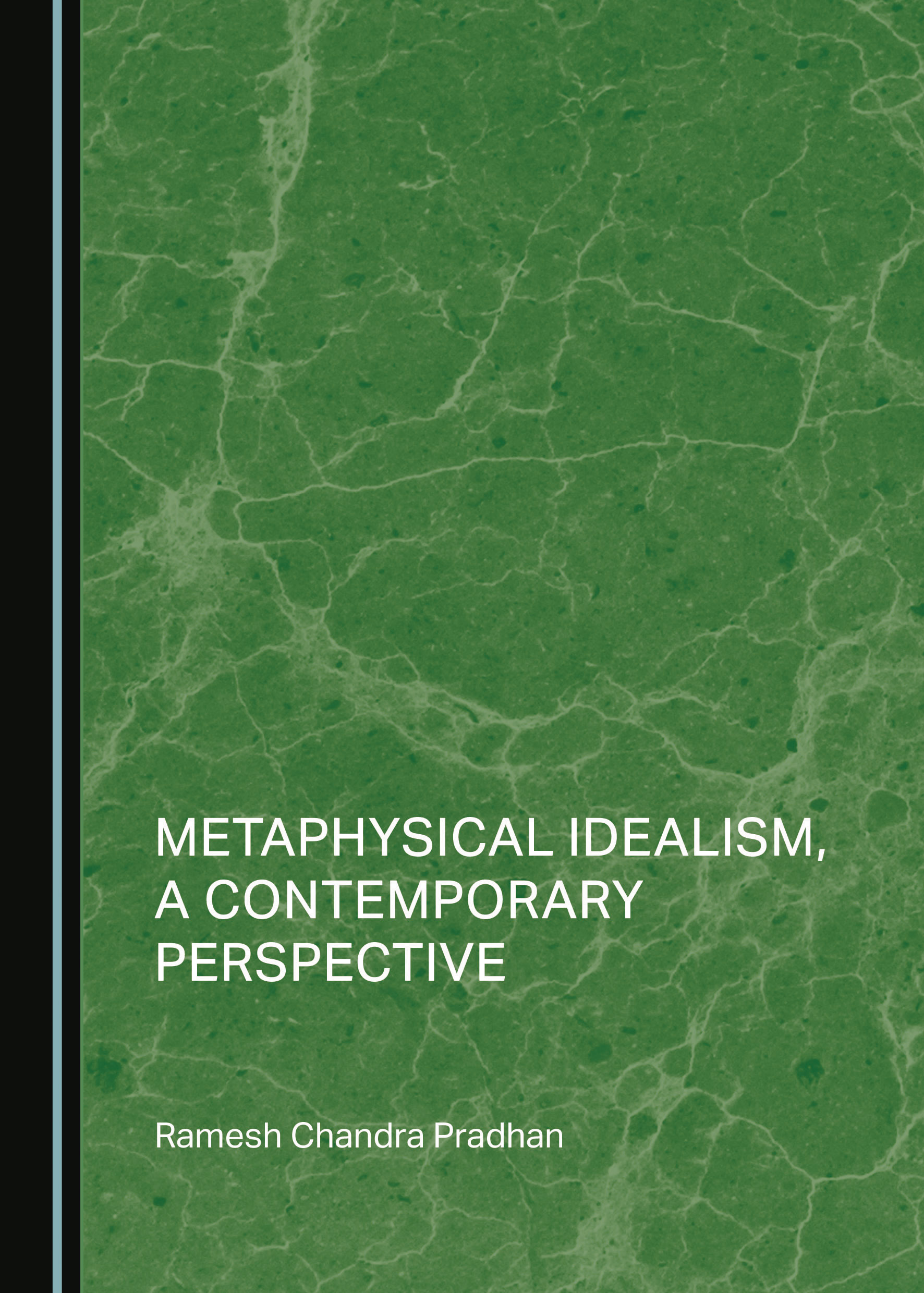
This book opposes the dominant materialist view of the universe, which cannot adequately explain conscious phenomena. Taking the primacy of consciousness as a basic postulate, it argues for a metaphysical idealism where human nature is more spiritual than material.
This book opposes the dominant materialist view of the universe, which cannot adequately explain conscious phenomena. Taking the primacy of consciousness as a basic postulate, it argues for a metaphysical idealism where human nature is more spiritual than material.
View more
This product has multiple variants. The options may be chosen on the product page
View more
This product has multiple variants. The options may be chosen on the product page
£39.95
As T. H. Green enjoys a revival, this book is a useful companion to his thought. It offers a simple exposition of the central themes in his work, including his metaphysics, his moral and political philosophy, and his thoughts on freedom.
As T. H. Green enjoys a revival, this book is a useful companion to his thought. It offers a simple exposition of the central themes in his work, including his metaphysics, his moral and political philosophy, and his thoughts on freedom.
View more
This product has multiple variants. The options may be chosen on the product page
View more
This product has multiple variants. The options may be chosen on the product page
Conversations in Philosophy
Crossing the Boundaries
These essays demonstrate philosophy’s relevance to fundamental human problems. Crossing disciplinary and regional boundaries from Africa to America, they explore pressing issues like development, conflict, and apathy, reflecting the vitality of philosophical discourse.
These essays demonstrate philosophy’s relevance to fundamental human problems. Crossing disciplinary and regional boundaries from Africa to America, they explore pressing issues like development, conflict, and apathy, reflecting the vitality of philosophical discourse.
View more
This product has multiple variants. The options may be chosen on the product page
View more
This product has multiple variants. The options may be chosen on the product page
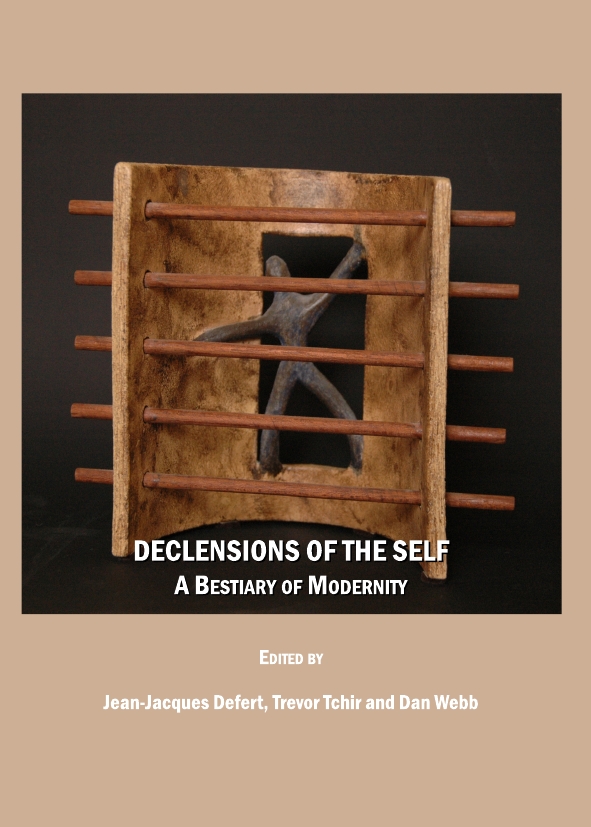
Declensions of the Self
A Bestiary of Modernity
This work is a collective reflection on the modern self. A bestiary of articles rethinks modern dichotomies: the real and the ideal, self and world. An introspective journey where we are both the spectator and the spectacle—the beast subject to the gaze.
This work is a collective reflection on the modern self. A bestiary of articles rethinks modern dichotomies: the real and the ideal, self and world. An introspective journey where we are both the spectator and the spectacle—the beast subject to the gaze.
View more
This product has multiple variants. The options may be chosen on the product page
View more
This product has multiple variants. The options may be chosen on the product page
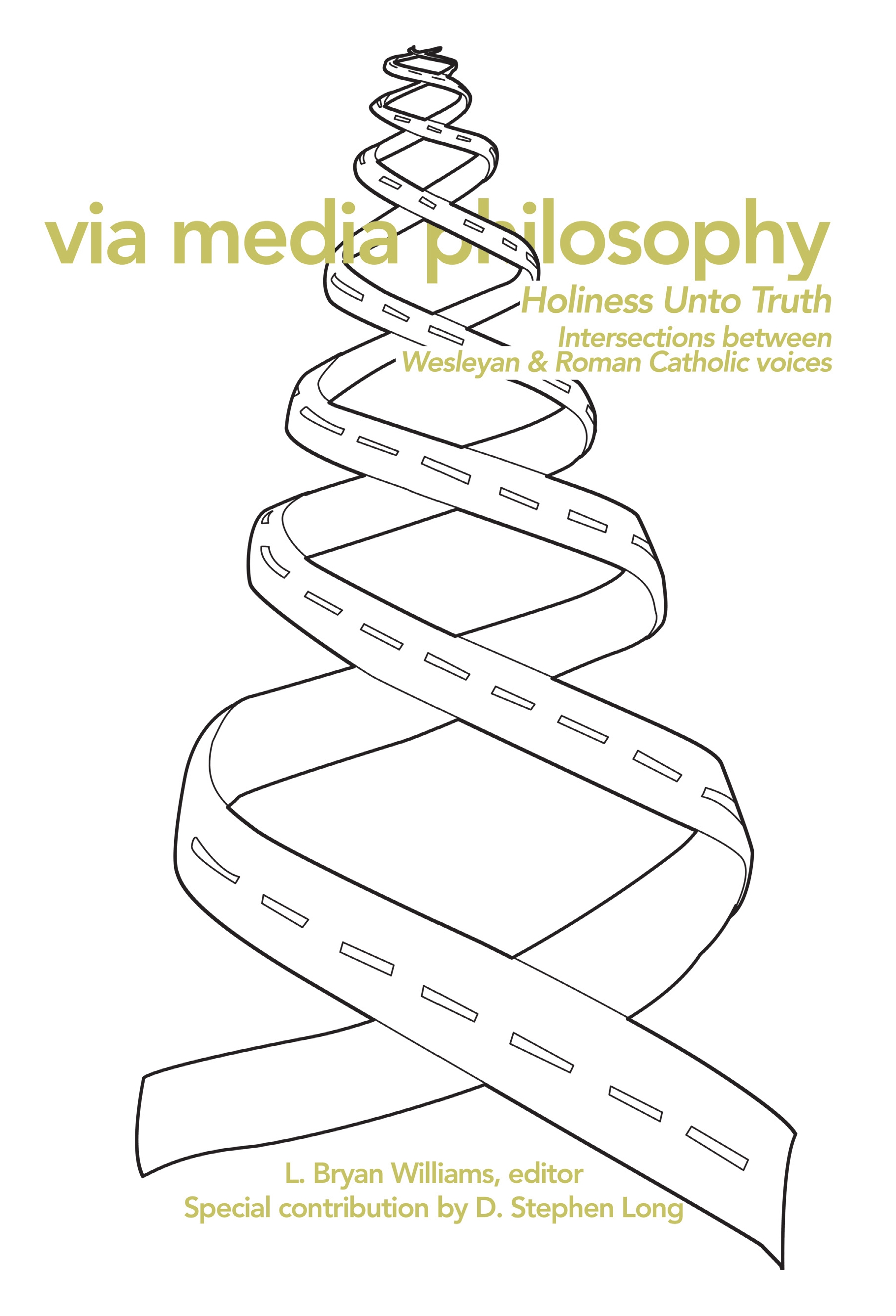
via media philosophy
Holiness Unto Truth; Intersections between Wesleyan and Roman Catholic Voices
This book records the first formal philosophical conversations between Wesleyan and Roman Catholic voices. Inspired by Pope John Paul II's call for dialogue, it builds bridges between the two communities, seeking a via media to a holy relationship unto truth.
This book records the first formal philosophical conversations between Wesleyan and Roman Catholic voices. Inspired by Pope John Paul II’s call for dialogue, it builds bridges between the two communities, seeking a via media to a holy relationship unto truth.
View more
This product has multiple variants. The options may be chosen on the product page
View more
This product has multiple variants. The options may be chosen on the product page
£39.99
A distinguished team of philosophers addresses the internalism/externalism debate in language and mind. This volume demonstrates the debate's significance on a wide range of issues, in a manner that is sophisticated yet accessible to non-specialists.
A distinguished team of philosophers addresses the internalism/externalism debate in language and mind. This volume demonstrates the debate’s significance on a wide range of issues, in a manner that is sophisticated yet accessible to non-specialists.
View more
This product has multiple variants. The options may be chosen on the product page
View more
This product has multiple variants. The options may be chosen on the product page
£39.99
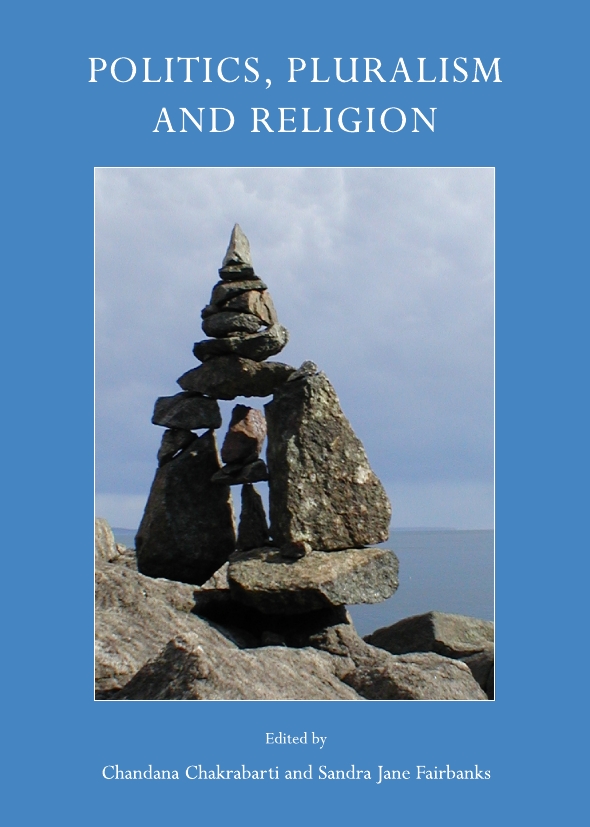
This volume discusses pluralism and the interplay between religion and politics. As competing religious truths have historically produced violent conflict, and since religion is constitutive of identity, its influence on politics is extremely significant.
This volume discusses pluralism and the interplay between religion and politics. As competing religious truths have historically produced violent conflict, and since religion is constitutive of identity, its influence on politics is extremely significant.
View more
This product has multiple variants. The options may be chosen on the product page
View more
This product has multiple variants. The options may be chosen on the product page
£39.99
This analysis of values within Husserlian phenomenology describes our experience of intersubjective values and explores ethics as a practical matter, offering a third phenomenological way beyond the common positivistic and deontological dichotomy.
This analysis of values within Husserlian phenomenology describes our experience of intersubjective values and explores ethics as a practical matter, offering a third phenomenological way beyond the common positivistic and deontological dichotomy.
View more
This product has multiple variants. The options may be chosen on the product page

View more
This product has multiple variants. The options may be chosen on the product page
Greatness of Soul
In Hume, Aristotle and Hobbes, as Shadowed by Milton's Satan
From a Nietzschean Hume evoking Milton’s Satan, to Aristotle’s “claws and teeth” and a deeper challenge from Hobbes, these pages mix poets and philosophers to offer a glimpse of what a classical education might look like.
From a Nietzschean Hume evoking Milton’s Satan, to Aristotle’s “claws and teeth” and a deeper challenge from Hobbes, these pages mix poets and philosophers to offer a glimpse of what a classical education might look like.
View more
This product has multiple variants. The options may be chosen on the product page
View more
This product has multiple variants. The options may be chosen on the product page
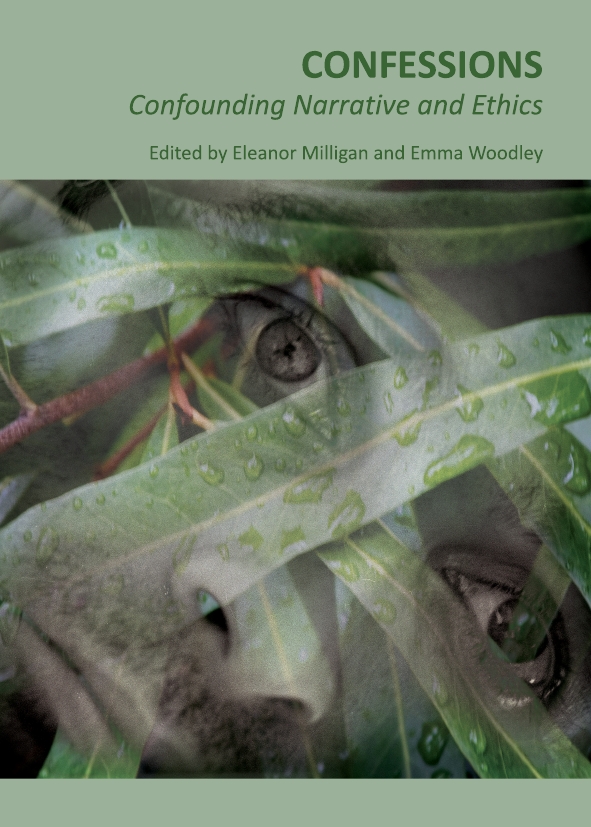
Confessions
Confounding Narrative and Ethics
This collection explores the central place of narrative in social inquiry and the ethical life. Through examples from art to politics, it illuminates the link between telling stories to create meaning and the ethical engagement critical for a good life.
This collection explores the central place of narrative in social inquiry and the ethical life. Through examples from art to politics, it illuminates the link between telling stories to create meaning and the ethical engagement critical for a good life.
View more
This product has multiple variants. The options may be chosen on the product page
View more
This product has multiple variants. The options may be chosen on the product page
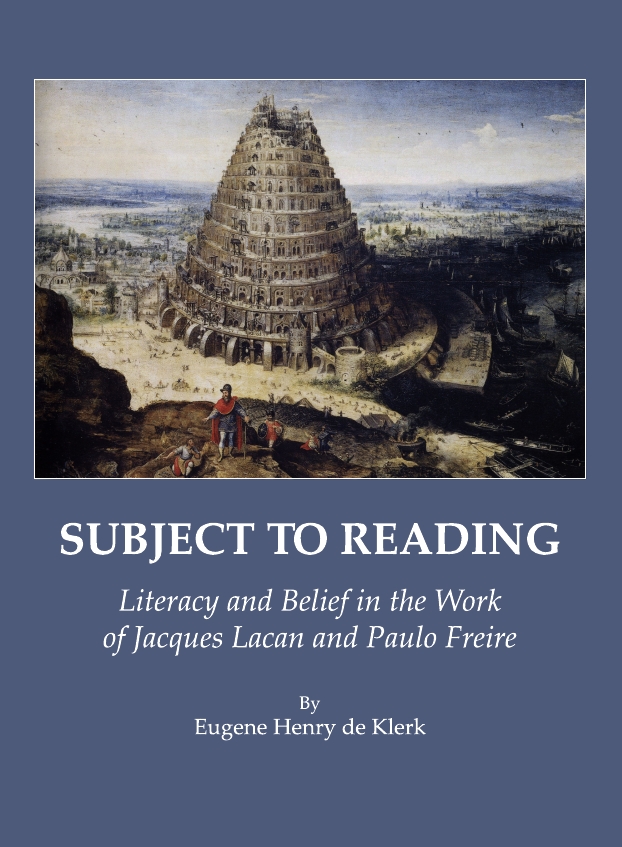
Subject to Reading
Literacy and Belief in the Work of Jacques Lacan and Paulo Freire
Recasting Lacanian psychoanalysis and Freirean literacy as an education in responsible subjecthood, this book intervenes against the global double bind of fanatical certainty and capitalist abstraction to forge a new political theology.
Recasting Lacanian psychoanalysis and Freirean literacy as an education in responsible subjecthood, this book intervenes against the global double bind of fanatical certainty and capitalist abstraction to forge a new political theology.
View more
This product has multiple variants. The options may be chosen on the product page

View more
This product has multiple variants. The options may be chosen on the product page
Did Somebody Say Ideology?
On Slavoj Žižek and Consequences
This volume explores the foundations of Slavoj Žižek’s work, focusing on his theory of ideology. Essays investigate key aspects of the philosopher's thought and employ his theories in new contexts, demonstrating how his critique fosters innovative research.
This volume explores the foundations of Slavoj Žižek’s work, focusing on his theory of ideology. Essays investigate key aspects of the philosopher’s thought and employ his theories in new contexts, demonstrating how his critique fosters innovative research.
View more
This product has multiple variants. The options may be chosen on the product page
View more
This product has multiple variants. The options may be chosen on the product page
£39.99
Is democracy in decay? This book offers a pragmatist meditation on the question, combining practical politics with the history of ideas. It explores arguments from both critics and supporters, covering corruption, theory, community, and art.
Is democracy in decay? This book offers a pragmatist meditation on the question, combining practical politics with the history of ideas. It explores arguments from both critics and supporters, covering corruption, theory, community, and art.
View more
This product has multiple variants. The options may be chosen on the product page
View more
This product has multiple variants. The options may be chosen on the product page
£39.99
How do we see and write about perception? The act of vision is profoundly impure, entangled with other senses, memory, and dreams. This volume explores the reciprocal relationship between seer and seen and the core concepts of visual perception theory.
How do we see and write about perception? The act of vision is profoundly impure, entangled with other senses, memory, and dreams. This volume explores the reciprocal relationship between seer and seen and the core concepts of visual perception theory.
View more
This product has multiple variants. The options may be chosen on the product page
View more
This product has multiple variants. The options may be chosen on the product page
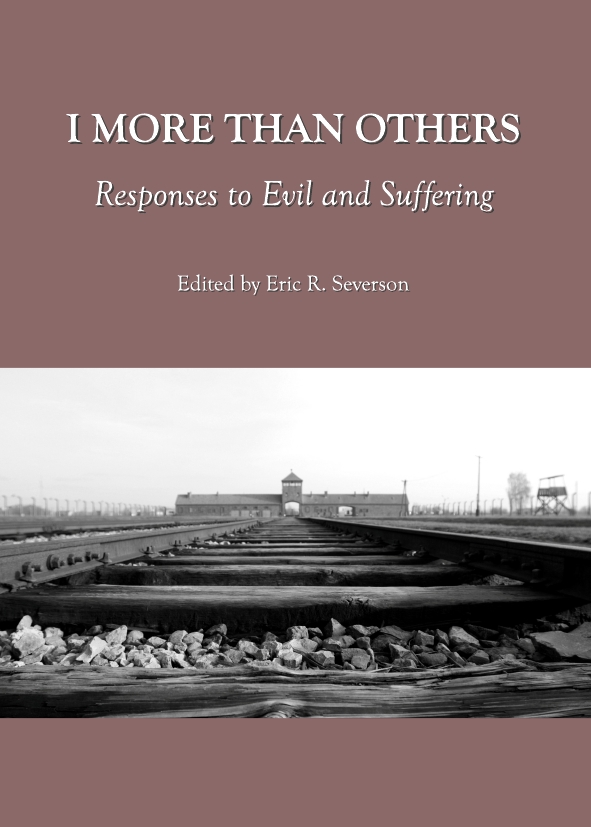
I More than Others
Responses to Evil and Suffering
How responsible are we for the world's suffering? Inspired by Dostoyevsky, philosophers and theologians confront the nature of evil, our shared guilt, and the difficult struggle for hope.
How responsible are we for the world’s suffering? Inspired by Dostoyevsky, philosophers and theologians confront the nature of evil, our shared guilt, and the difficult struggle for hope.
View more
This product has multiple variants. The options may be chosen on the product page
Processing Your Order
Please wait while we securely process your order.
Do not refresh or leave this page.
You will be redirected shortly to a confirmation page with your order number.