
View more
This product has multiple variants. The options may be chosen on the product page
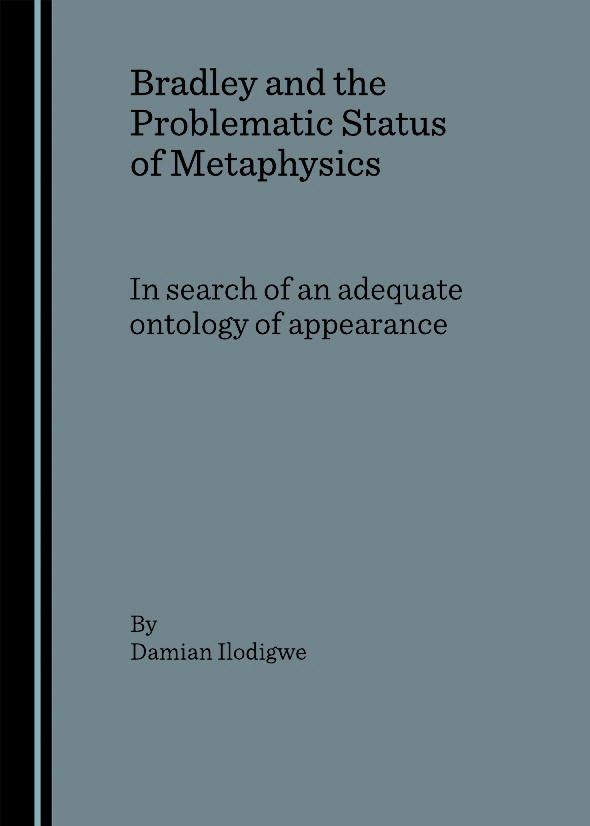
Bradley and the Problematic Status of Metaphysics
In search of an adequate ontology of appearance
Bradley is a much neglected philosopher. This work undertakes a reassessment of his philosophy, arguing that his metaphysics of the Absolute is the core of his system and the key to understanding all other aspects of his thought.
Bradley is a much neglected philosopher. This work undertakes a reassessment of his philosophy, arguing that his metaphysics of the Absolute is the core of his system and the key to understanding all other aspects of his thought.
View more
This product has multiple variants. The options may be chosen on the product page

View more
This product has multiple variants. The options may be chosen on the product page
Practices of Ethics
An Empirical Approach to Ethics in Social Sciences Research
For social sciences researchers confronted with ethical dilemmas, this book provides examples of ethical reflection. It deals with complex ethical questions that arise during fieldwork which find no clear guidance from professional codes, showing a new empirical approach.
For social sciences researchers confronted with ethical dilemmas, this book provides examples of ethical reflection. It deals with complex ethical questions that arise during fieldwork which find no clear guidance from professional codes, showing a new empirical approach.
View more
This product has multiple variants. The options may be chosen on the product page

View more
This product has multiple variants. The options may be chosen on the product page
£44.99
Our world became engineered, yet remains human. Through the philosophy of engineering, this book explores debates on the future of humankind in an era of robotics, genetic engineering, and nanotechnology, in an attempt to redefine our engineered future.
Our world became engineered, yet remains human. Through the philosophy of engineering, this book explores debates on the future of humankind in an era of robotics, genetic engineering, and nanotechnology, in an attempt to redefine our engineered future.
View more
This product has multiple variants. The options may be chosen on the product page

View more
This product has multiple variants. The options may be chosen on the product page
Berkeley’s Lasting Legacy
300 Years Later
Known for his denial of matter, George Berkeley was a far more wide-ranging thinker. This collection by international experts reveals his contributions to metaphysics, science, and economics, showing him as he was: a courageous philosophical innovator.
Known for his denial of matter, George Berkeley was a far more wide-ranging thinker. This collection by international experts reveals his contributions to metaphysics, science, and economics, showing him as he was: a courageous philosophical innovator.
View more
This product has multiple variants. The options may be chosen on the product page
View more
This product has multiple variants. The options may be chosen on the product page
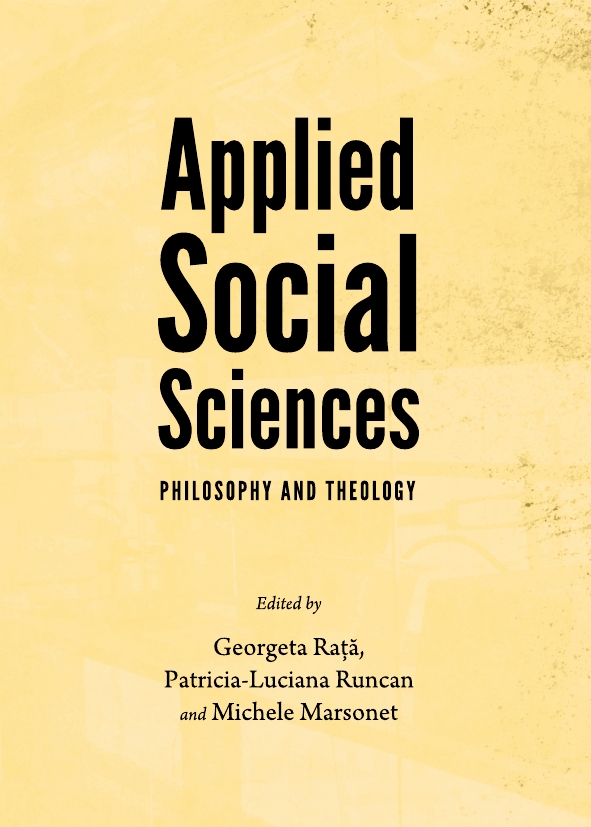
Applied Social Sciences
Philosophy and Theology
This volume provides original essays on philosophy and theology, exploring aesthetics, ethics, postmodernism, and the role of religion in society. Accessible to specialists and a wider public, it offers new ideas for professionals in the socio-humanistic field.
This volume provides original essays on philosophy and theology, exploring aesthetics, ethics, postmodernism, and the role of religion in society. Accessible to specialists and a wider public, it offers new ideas for professionals in the socio-humanistic field.
View more
This product has multiple variants. The options may be chosen on the product page
View more
This product has multiple variants. The options may be chosen on the product page
£44.99
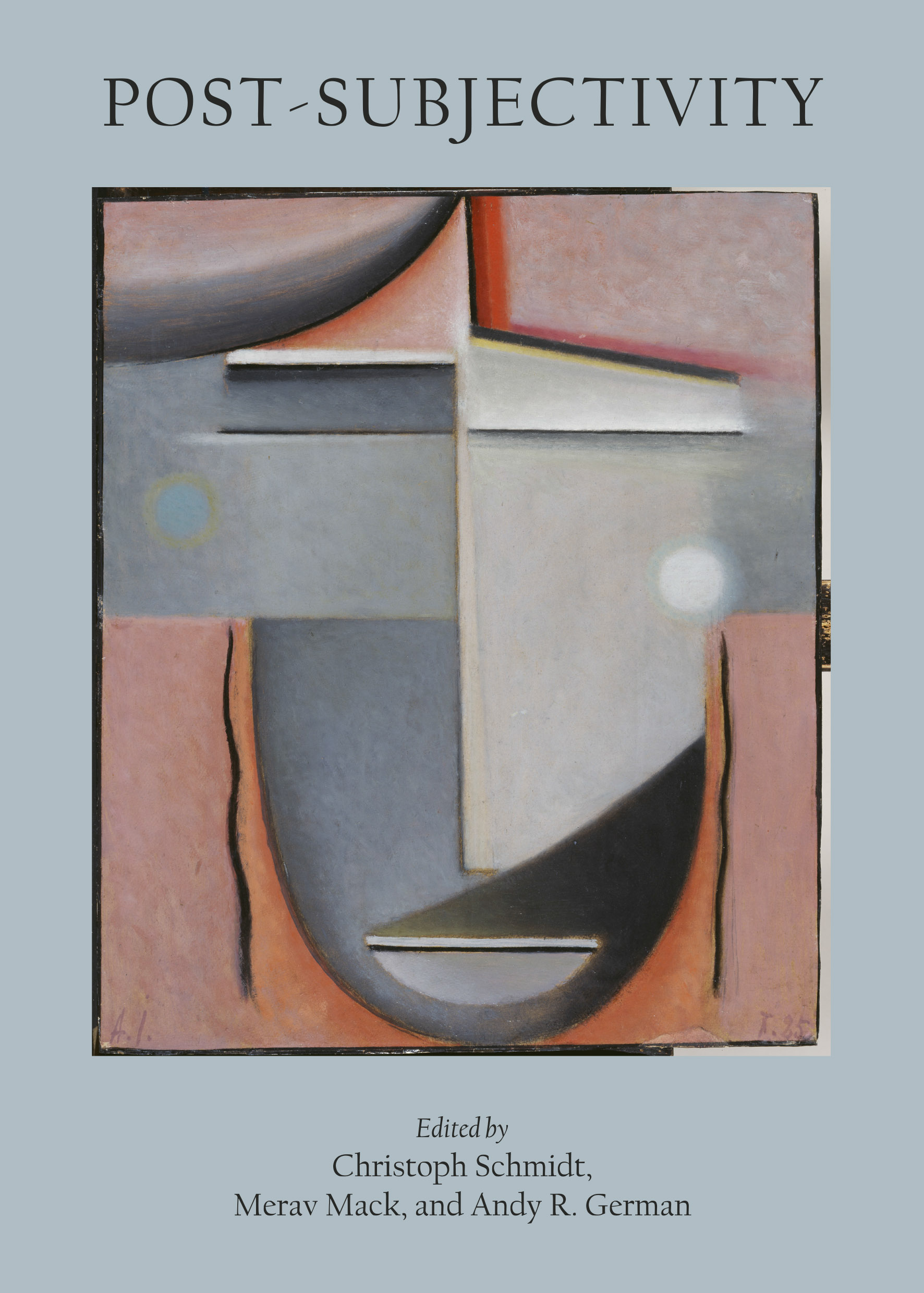
As modern thinkers declare the “death of the subject,” this volume searches for new ways of being a self. With renewed attention to religion, these essays guide readers beyond the crises of modernity to resurrect the subject in new and unexpected forms.
As modern thinkers declare the “death of the subject,” this volume searches for new ways of being a self. With renewed attention to religion, these essays guide readers beyond the crises of modernity to resurrect the subject in new and unexpected forms.
View more
This product has multiple variants. The options may be chosen on the product page

View more
This product has multiple variants. The options may be chosen on the product page
The Sublime Today
Contemporary Readings in the Aesthetic
How is the sublime relevant today? As new media changes aesthetic experience, this volume investigates the sublime in contemporary literature, film, and art, connecting historical theories to pressing questions of gender, politics, and terror.
How is the sublime relevant today? As new media changes aesthetic experience, this volume investigates the sublime in contemporary literature, film, and art, connecting historical theories to pressing questions of gender, politics, and terror.
View more
This product has multiple variants. The options may be chosen on the product page
View more
This product has multiple variants. The options may be chosen on the product page
£44.99
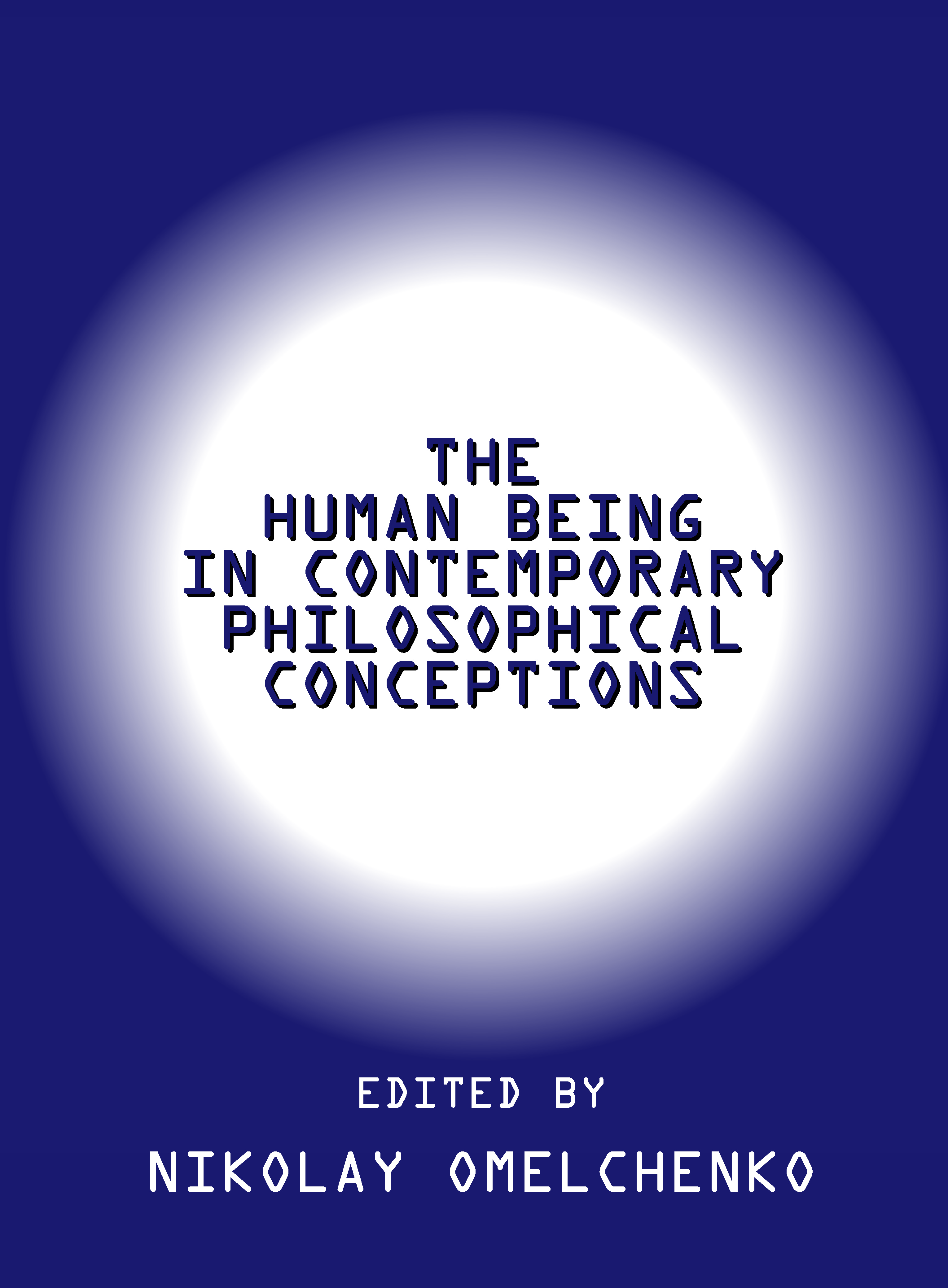
This book presents an integral philosophy of human being. Amidst a new anthropological renaissance, scholars from different countries explore how knowledge of what we are, what we can do, and what we must become can guide our political and educational programs.
This book presents an integral philosophy of human being. Amidst a new anthropological renaissance, scholars from different countries explore how knowledge of what we are, what we can do, and what we must become can guide our political and educational programs.
View more
This product has multiple variants. The options may be chosen on the product page
View more
This product has multiple variants. The options may be chosen on the product page
£44.99
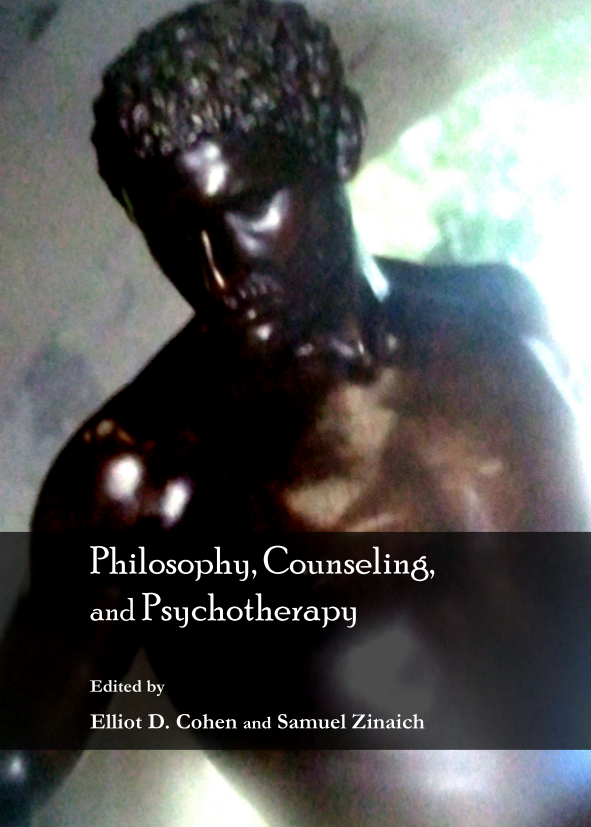
Can philosophy help people with their personal problems? This volume explores philosophical counseling and its relationship to psychotherapy through readings by prominent philosophers and psychologists, asking if such matters are best left to therapists.
Can philosophy help people with their personal problems? This volume explores philosophical counseling and its relationship to psychotherapy through readings by prominent philosophers and psychologists, asking if such matters are best left to therapists.
View more
This product has multiple variants. The options may be chosen on the product page

View more
This product has multiple variants. The options may be chosen on the product page
Natural Law
Historical, Systematic and Juridical Approaches
Amid renewed interest in natural law theory, this volume provides an overview of its history, key authors, and ongoing research. An excellent introduction and reference text, it offers a solid basis for understanding human goods without bias.
Amid renewed interest in natural law theory, this volume provides an overview of its history, key authors, and ongoing research. An excellent introduction and reference text, it offers a solid basis for understanding human goods without bias.
View more
This product has multiple variants. The options may be chosen on the product page

View more
This product has multiple variants. The options may be chosen on the product page
£44.99
The world's deep-seated problems, from environmental crisis to social injustice, arise from technological society and structures of domination. This book offers guidance, providing a plurality of moral and spiritual perspectives to find reasonable responses.
The world’s deep-seated problems, from environmental crisis to social injustice, arise from technological society and structures of domination. This book offers guidance, providing a plurality of moral and spiritual perspectives to find reasonable responses.
View more
This product has multiple variants. The options may be chosen on the product page
View more
This product has multiple variants. The options may be chosen on the product page
The Progress of Philosophy
An Historical Introduction to Philosophy Readings with Commentary
This book offers selections from seven philosophers, with commentary connecting their ideas to their social and scientific milieu—Plato to geometry, Hobbes to the English civil war, Peirce to Darwin. See how they organized their beliefs into a coherent picture of the world.
This book offers selections from seven philosophers, with commentary connecting their ideas to their social and scientific milieu—Plato to geometry, Hobbes to the English civil war, Peirce to Darwin. See how they organized their beliefs into a coherent picture of the world.
View more
This product has multiple variants. The options may be chosen on the product page
View more
This product has multiple variants. The options may be chosen on the product page
£45.99
This title addresses a diverse range of important topics concerning the notion of knowledge, connecting them in a unifying way, and providing answers to a number of key questions concerning this concept.
This title addresses a diverse range of important topics concerning the notion of knowledge, connecting them in a unifying way, and providing answers to a number of key questions concerning this concept.
View more
This product has multiple variants. The options may be chosen on the product page
View more
This product has multiple variants. The options may be chosen on the product page
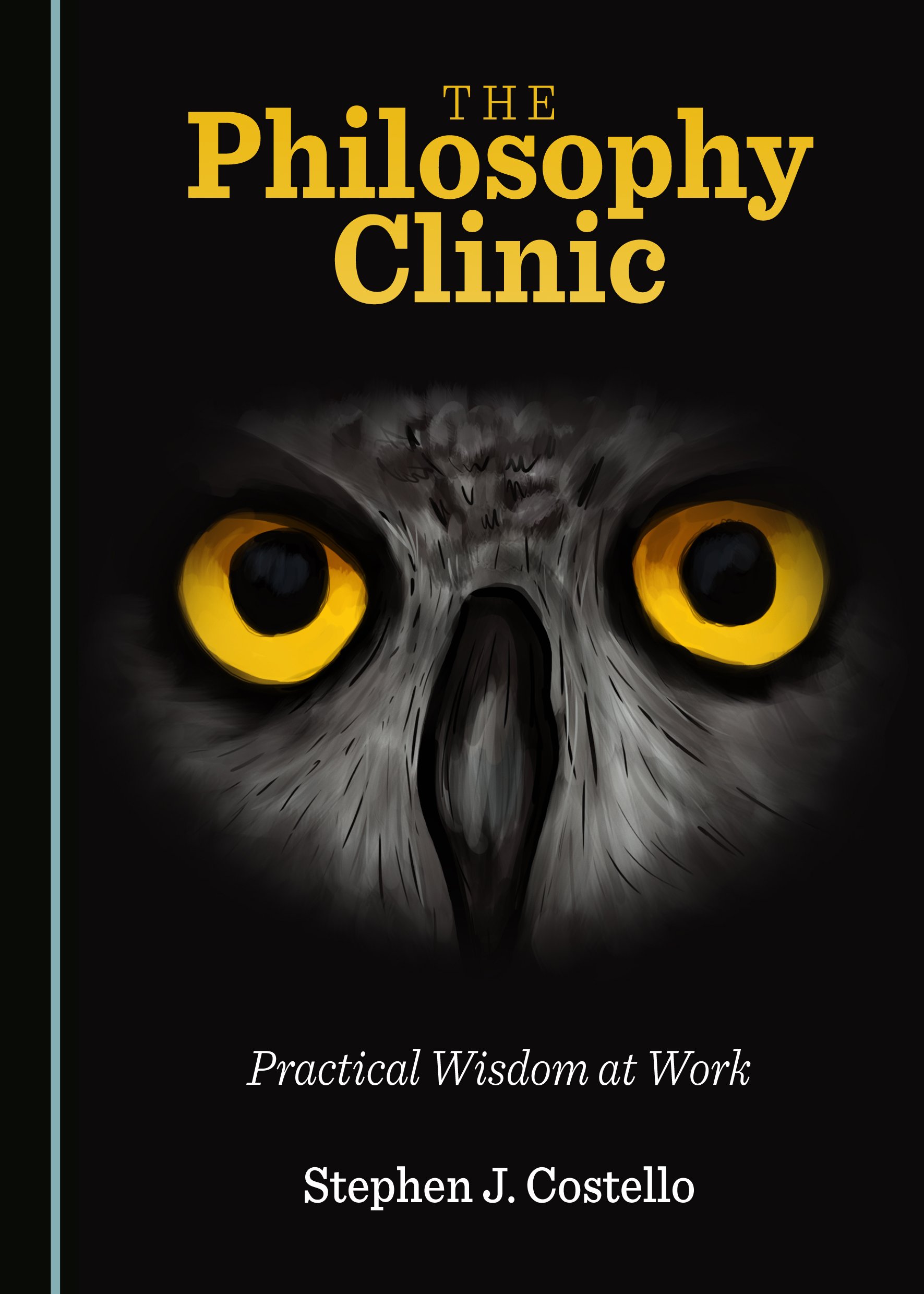
The Philosophy Clinic
Practical Wisdom at Work
Highlighting the modern movement of ‘philosophical practice’, this collection shows philosophers’ return to the ancient understanding of philosophy as consolation and contemplation. It argues philosophy is a path and issues a living praxis devoted to daily spiritual exercises.
Highlighting the modern movement of ‘philosophical practice’, this collection shows philosophers’ return to the ancient understanding of philosophy as consolation and contemplation. It argues philosophy is a path and issues a living praxis devoted to daily spiritual exercises.
View more
This product has multiple variants. The options may be chosen on the product page
View more
This product has multiple variants. The options may be chosen on the product page
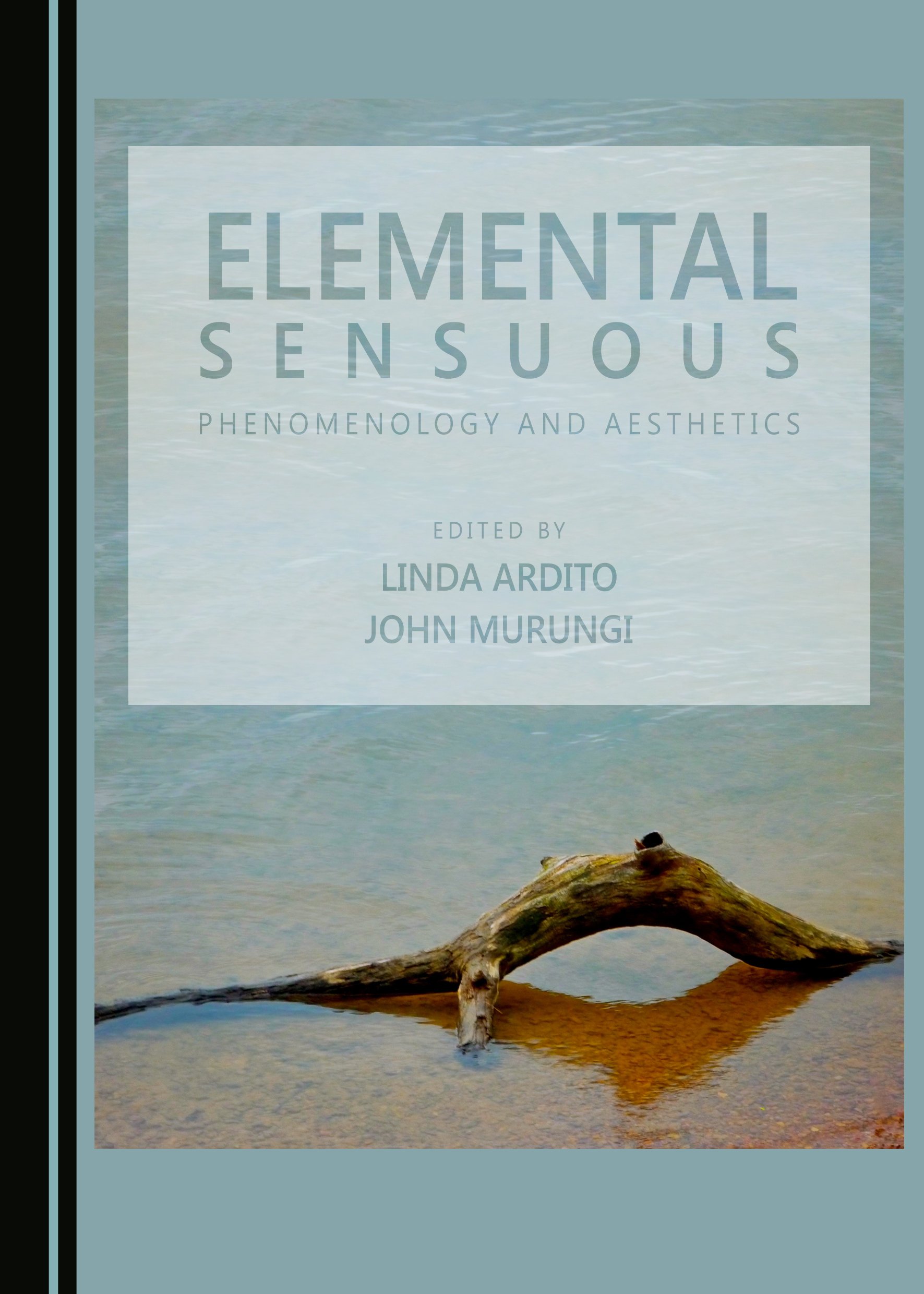
Elemental Sensuous
Phenomenology and Aesthetics
Under the guidance of phenomenological insights, this book presents the sensuous in its elemental sense. It explains how the sensuous, as elemental, irreducibly expresses itself in multiple ways, allowing the reader to become more aware of themselves and the world around them.
Under the guidance of phenomenological insights, this book presents the sensuous in its elemental sense. It explains how the sensuous, as elemental, irreducibly expresses itself in multiple ways, allowing the reader to become more aware of themselves and the world around them.
View more
This product has multiple variants. The options may be chosen on the product page
View more
This product has multiple variants. The options may be chosen on the product page
Review Journal of Political Philosophy Vol. 12
Symposium on Joseph Fishkin’s Bottlenecks
Containing articles from a Joseph Fishkin symposium on Bottlenecks, this journal brings together essays and discussions in moral and political philosophy, broadly-construed. This edition includes R.D. Emerick’s “‘Torture’ and Metaphor,” published for the first time.
Containing articles from a Joseph Fishkin symposium on Bottlenecks, this journal brings together essays and discussions in moral and political philosophy, broadly-construed. This edition includes R.D. Emerick’s “‘Torture’ and Metaphor,” published for the first time.
View more
This product has multiple variants. The options may be chosen on the product page

View more
This product has multiple variants. The options may be chosen on the product page
The Crisis in the Humanities
Transdisciplinary Solutions
This volume advances transdisciplinarity in order to study the place of the humanities in our society, and challenges the ways that issues which form the foci of various disciplines have been addressed in recent theoretical discourses.
This volume advances transdisciplinarity in order to study the place of the humanities in our society, and challenges the ways that issues which form the foci of various disciplines have been addressed in recent theoretical discourses.
View more
This product has multiple variants. The options may be chosen on the product page

View more
This product has multiple variants. The options may be chosen on the product page
On Time
Philosophical, Theological, and Literary Accounts
Originally presented at a colloquium, the papers in this publication deal with a number of key presentations of time in the history of philosophy. They attend to the problems and questions of temporality as they appear in works of the Western philosophical tradition.
Originally presented at a colloquium, the papers in this publication deal with a number of key presentations of time in the history of philosophy. They attend to the problems and questions of temporality as they appear in works of the Western philosophical tradition.
View more
This product has multiple variants. The options may be chosen on the product page

View more
This product has multiple variants. The options may be chosen on the product page
The Kantian Legacy of Late Modernity
An Essay in Aesthetics and Epistemology
Tupan traces the influence exerted by Immanuel Kant, through Bergson’s intuitionism, Husserl’s phenomenology, Dessoir’s aesthetics, Vaihinger’s als ob fictionalism, and Popper’s logical positivism. She draws parallels between the history of ideas and late modernity discourses.
Tupan traces the influence exerted by Immanuel Kant, through Bergson’s intuitionism, Husserl’s phenomenology, Dessoir’s aesthetics, Vaihinger’s als ob fictionalism, and Popper’s logical positivism. She draws parallels between the history of ideas and late modernity discourses.
View more
This product has multiple variants. The options may be chosen on the product page
View more
This product has multiple variants. The options may be chosen on the product page
£45.99
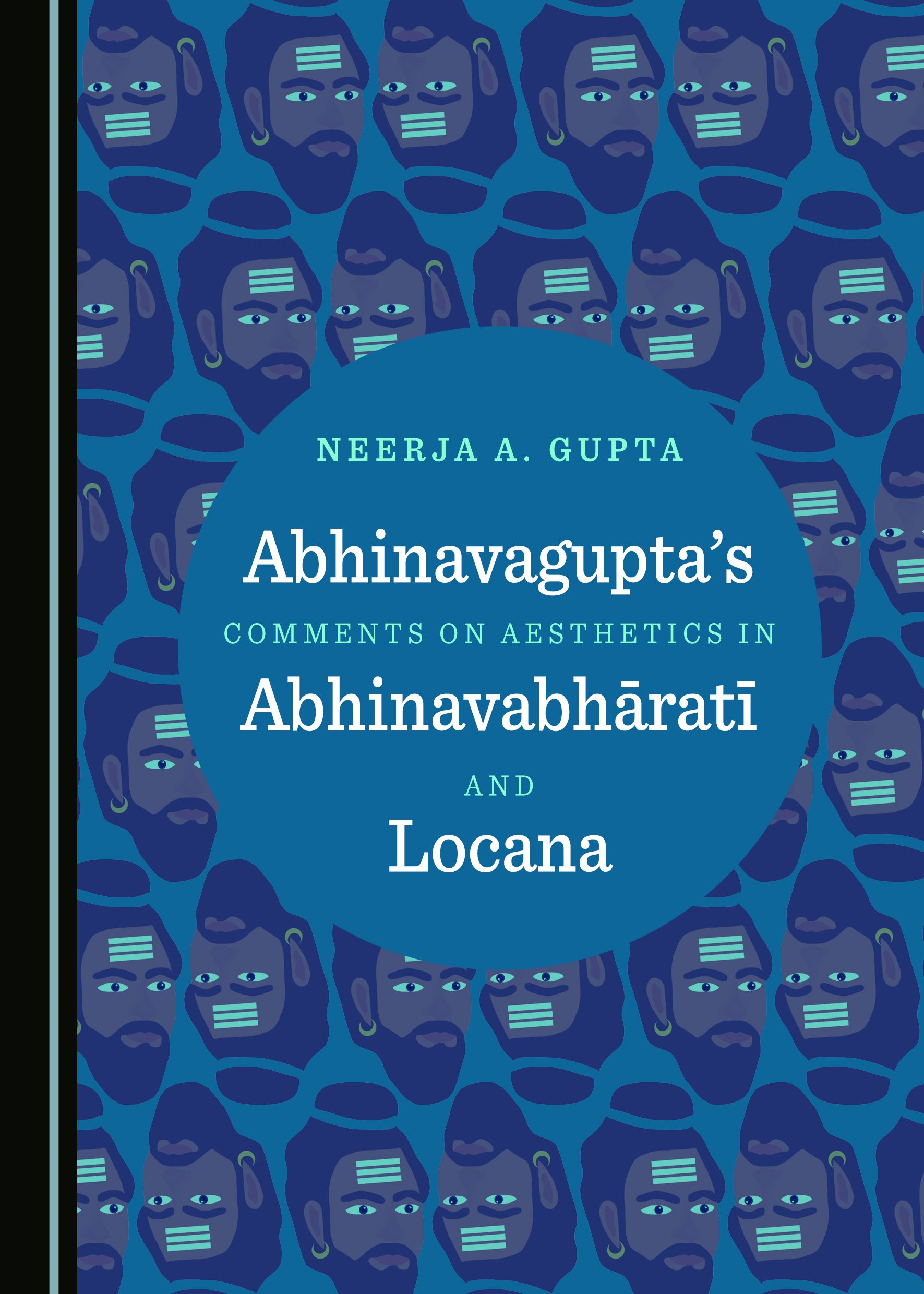
Gupta studies the Kashmiri practitioner Abhinavagupta’s two commentaries, Locana on Dhvanyāloka and Abhinavabhāratī on Nātyaśāstra. In particular, she discusses Abhinavagupta’s views on Lollata, Saankuka and Bhattanayaka, with each view followed by relevant criticism.
Gupta studies the Kashmiri practitioner Abhinavagupta’s two commentaries, Locana on Dhvanyāloka and Abhinavabhāratī on Nātyaśāstra. In particular, she discusses Abhinavagupta’s views on Lollata, Saankuka and Bhattanayaka, with each view followed by relevant criticism.
View more
This product has multiple variants. The options may be chosen on the product page
Processing Your Order
Please wait while we securely process your order.
Do not refresh or leave this page.
You will be redirected shortly to a confirmation page with your order number.