
View more
This product has multiple variants. The options may be chosen on the product page
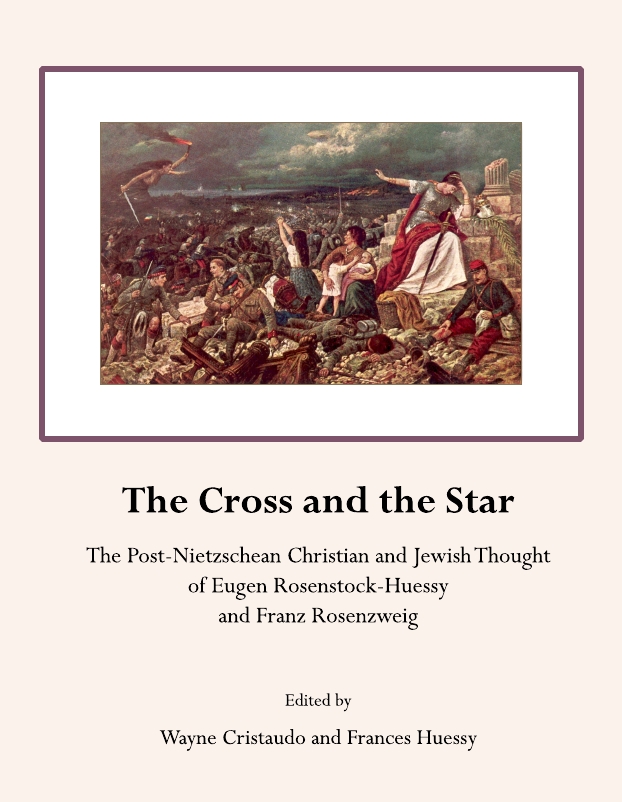
The Cross and the Star
The Post-Nietzschean Christian and Jewish Thought of Eugen Rosenstock-Huessy and Franz Rosenzweig
A conversation between Christian scholar Eugen Rosenstock-Huessy and Jewish thinker Franz Rosenzweig sparked a stunning dialogue. Confronting Nietzsche's critiques, their "new thinking" resurrected the redemptive cores of faith for the rejuvenation of society.
A conversation between Christian scholar Eugen Rosenstock-Huessy and Jewish thinker Franz Rosenzweig sparked a stunning dialogue. Confronting Nietzsche’s critiques, their “new thinking” resurrected the redemptive cores of faith for the rejuvenation of society.
View more
This product has multiple variants. The options may be chosen on the product page
View more
This product has multiple variants. The options may be chosen on the product page
The Demonic Temptations of Medieval Nominalism (Volume 9
Proceedings of the Society for Medieval Logic and Metaphysics)
These essays explore medieval debates on singular cognition and nominalist epistemology. From Aquinas and Scotus to Ockham and John Buridan, this volume traces how nominalism leads to "Demon Skepticism" and the "weird" implications of Buridan's metaphysics.
These essays explore medieval debates on singular cognition and nominalist epistemology. From Aquinas and Scotus to Ockham and John Buridan, this volume traces how nominalism leads to “Demon Skepticism” and the “weird” implications of Buridan’s metaphysics.
View more
This product has multiple variants. The options may be chosen on the product page

View more
This product has multiple variants. The options may be chosen on the product page
£24.95
This work is a brilliant analysis of German thought that played an important role in the formation of British idealism. It scrutinises the fundamental metaphysical positions of Kant, Fichte, Schelling, and Hegel, appealing even to readers of today.
This work is a brilliant analysis of German thought that played an important role in the formation of British idealism. It scrutinises the fundamental metaphysical positions of Kant, Fichte, Schelling, and Hegel, appealing even to readers of today.
View more
This product has multiple variants. The options may be chosen on the product page
View more
This product has multiple variants. The options may be chosen on the product page
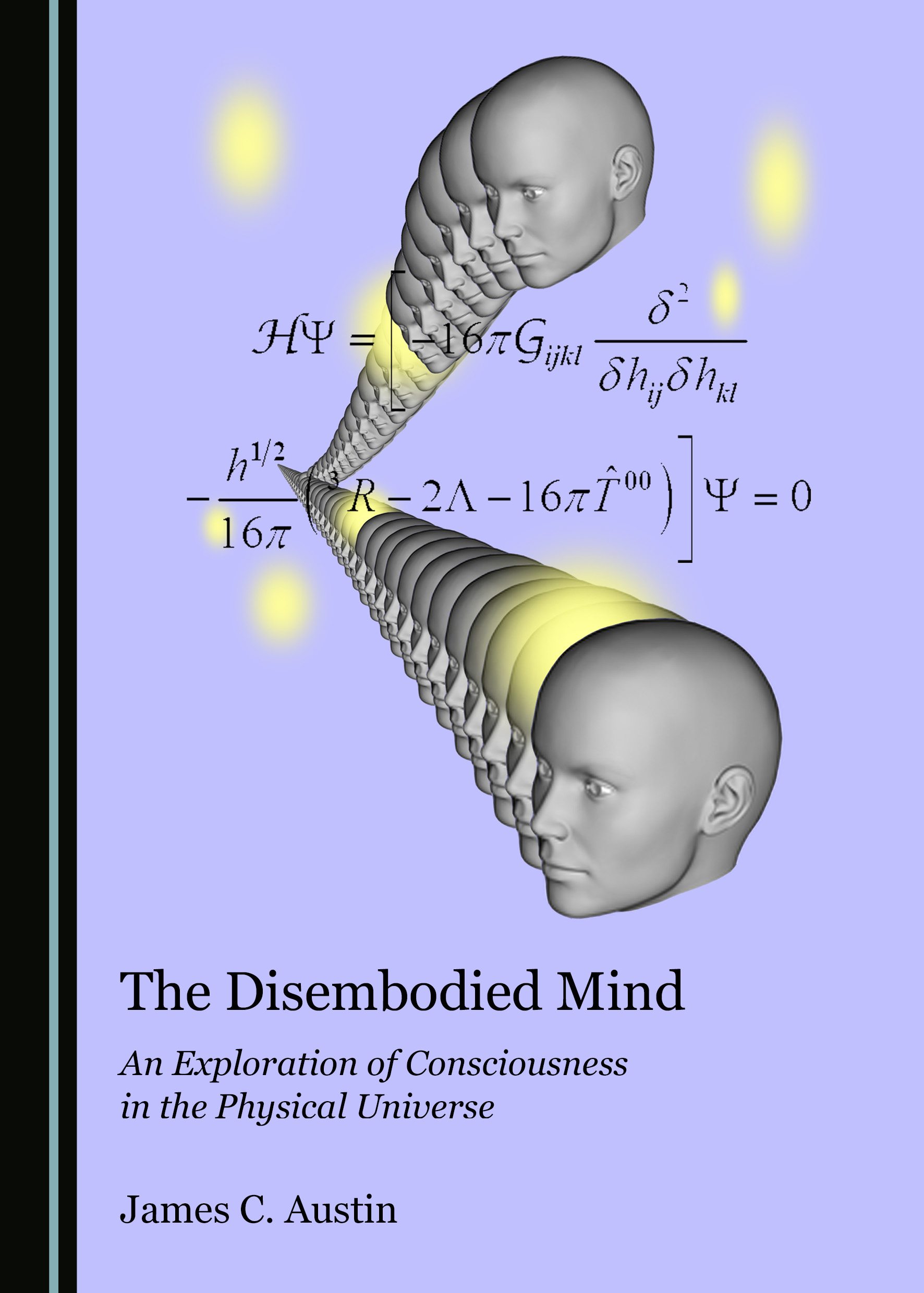
The Disembodied Mind
An Exploration of Consciousness in the Physical Universe
Is the mind entirely separate from physics? Relying on empirical science, this book presents a model of an objective mind completely unconnected with anything physical. The mind has no effect on the physical world, but, by free volition, navigates the world we experience.
Is the mind entirely separate from physics? Relying on empirical science, this book presents a model of an objective mind completely unconnected with anything physical. The mind has no effect on the physical world, but, by free volition, navigates the world we experience.
View more
This product has multiple variants. The options may be chosen on the product page

View more
This product has multiple variants. The options may be chosen on the product page
From £30.99
The legitimacy of the university in Africa is questioned due to its exclusionary and colonial legacy. This volume reimagines the decolonial African university as a site of multilingualism and cognitive justice, centering indigenous languages and knowledge systems.
The legitimacy of the university in Africa is questioned due to its exclusionary and colonial legacy. This volume reimagines the decolonial African university as a site of multilingualism and cognitive justice, centering indigenous languages and knowledge systems.
View more
This product has multiple variants. The options may be chosen on the product page
View more
This product has multiple variants. The options may be chosen on the product page
£29.99
David Swift turns to the philosopher Epicurus for a scientific explanation of the mind. Reinterpreting thinkers from Descartes to Freud, he reveals the secrets of love, hate, and behavior as the results of learned experience, not genetic predisposition.
David Swift turns to the philosopher Epicurus for a scientific explanation of the mind. Reinterpreting thinkers from Descartes to Freud, he reveals the secrets of love, hate, and behavior as the results of learned experience, not genetic predisposition.
View more
This product has multiple variants. The options may be chosen on the product page
View more
This product has multiple variants. The options may be chosen on the product page
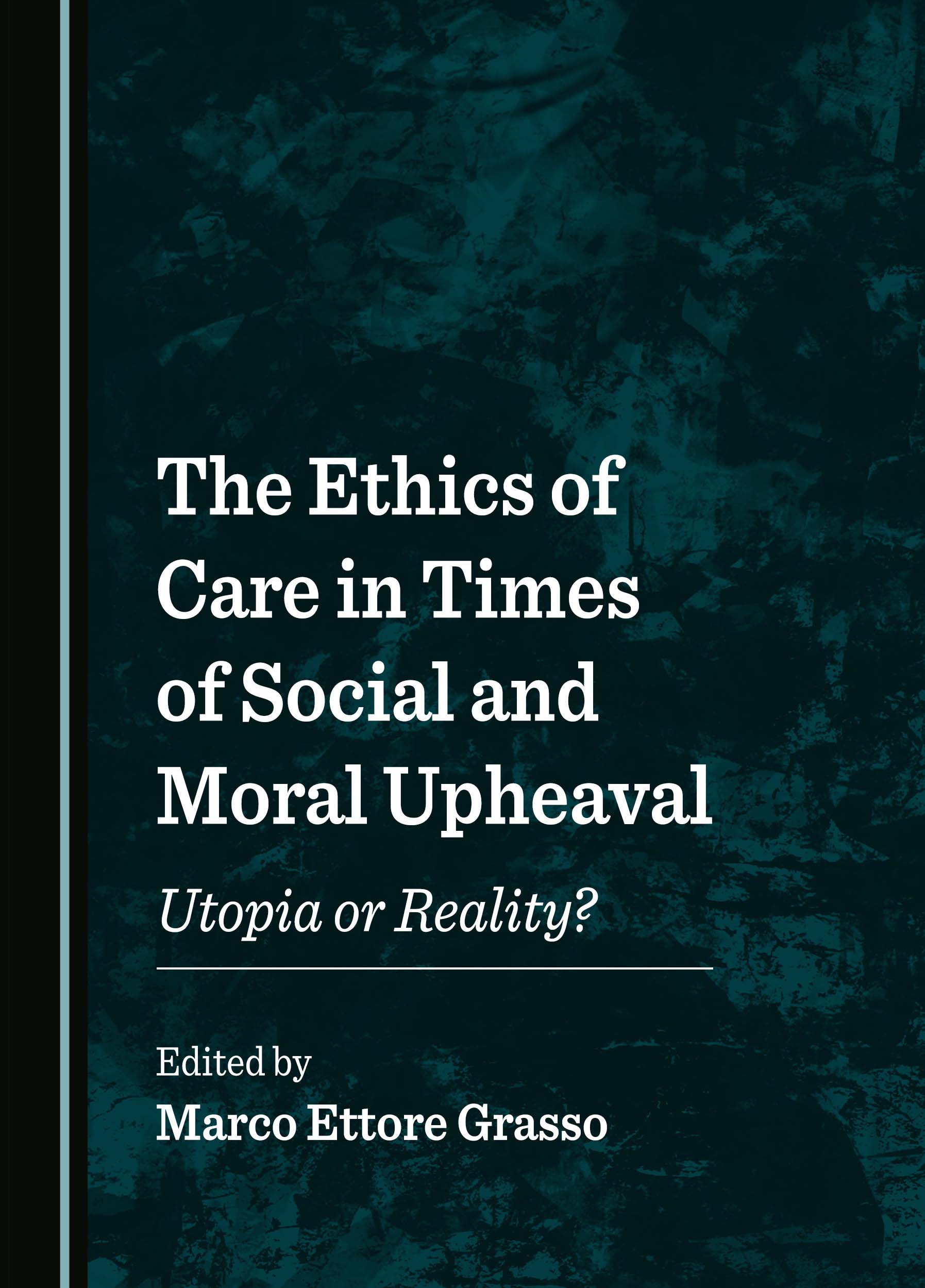
The Ethics of Care in Times of Social and Moral Upheaval
Utopia or Reality?
Taking care means tending to our loved ones, ourselves, and the world. But in times of crisis, emergency scenarios and frenetic social changes strain our motivation to care. Do these challenges have the power to undo our sensitivities to caring for someone or something else?
Taking care means tending to our loved ones, ourselves, and the world. But in times of crisis, emergency scenarios and frenetic social changes strain our motivation to care. Do these challenges have the power to undo our sensitivities to caring for someone or something else?
View more
This product has multiple variants. The options may be chosen on the product page
View more
This product has multiple variants. The options may be chosen on the product page
£49.99
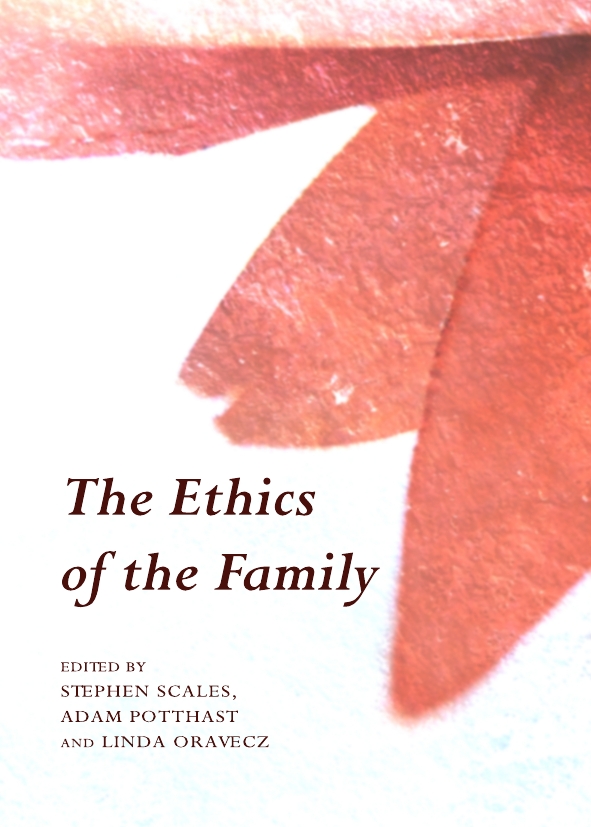
What are our ethical commitments to our family and the broader community? These essays provide ethical analyses of issues from same-sex marriage to licensing parents, covering love, sex, marriage, and the influence of technology on family life.
What are our ethical commitments to our family and the broader community? These essays provide ethical analyses of issues from same-sex marriage to licensing parents, covering love, sex, marriage, and the influence of technology on family life.
View more
This product has multiple variants. The options may be chosen on the product page
View more
This product has multiple variants. The options may be chosen on the product page
The Flesh of Being
On Nietzsche's Thus Spoke Zarathustra
This text is a conversation with Friedrich Nietzsche’s Thus Spoke Zarathustra. It is not about Nietzsche, but what it is for someone to read his text, a book for everyone and no one. The text is what the reader has to write through the reading.
This text is a conversation with Friedrich Nietzsche’s Thus Spoke Zarathustra. It is not about Nietzsche, but what it is for someone to read his text, a book for everyone and no one. The text is what the reader has to write through the reading.
View more
This product has multiple variants. The options may be chosen on the product page
View more
This product has multiple variants. The options may be chosen on the product page
From £32.99
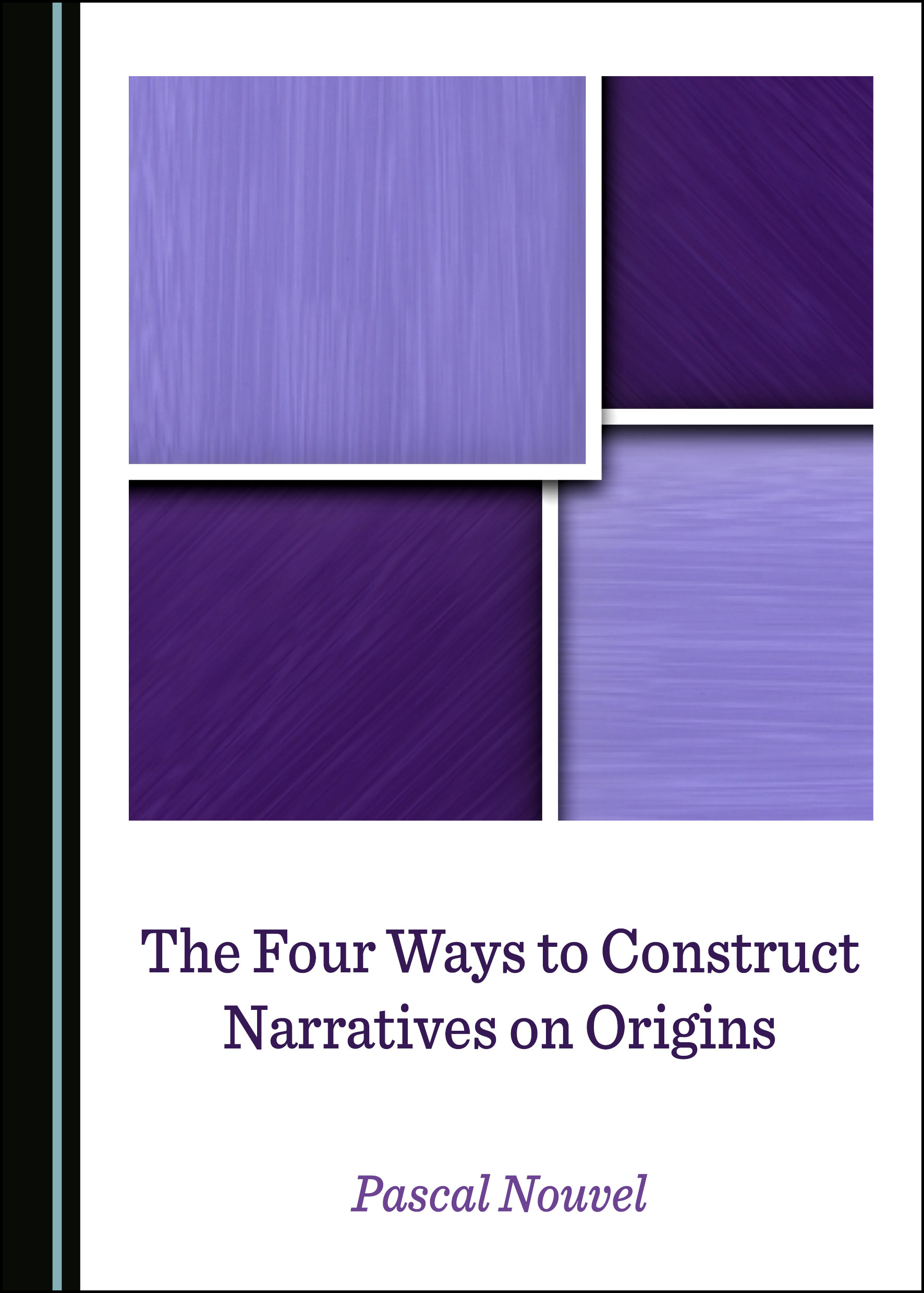
This book investigates the discourses on origins, identifying four types: mythical, rational, scientific, and phenomenological. It analyzes the singular structure of each, defining them as ascending or descending to reveal the unique ways we talk about our beginnings.
This book investigates the discourses on origins, identifying four types: mythical, rational, scientific, and phenomenological. It analyzes the singular structure of each, defining them as ascending or descending to reveal the unique ways we talk about our beginnings.
View more
This product has multiple variants. The options may be chosen on the product page
View more
This product has multiple variants. The options may be chosen on the product page
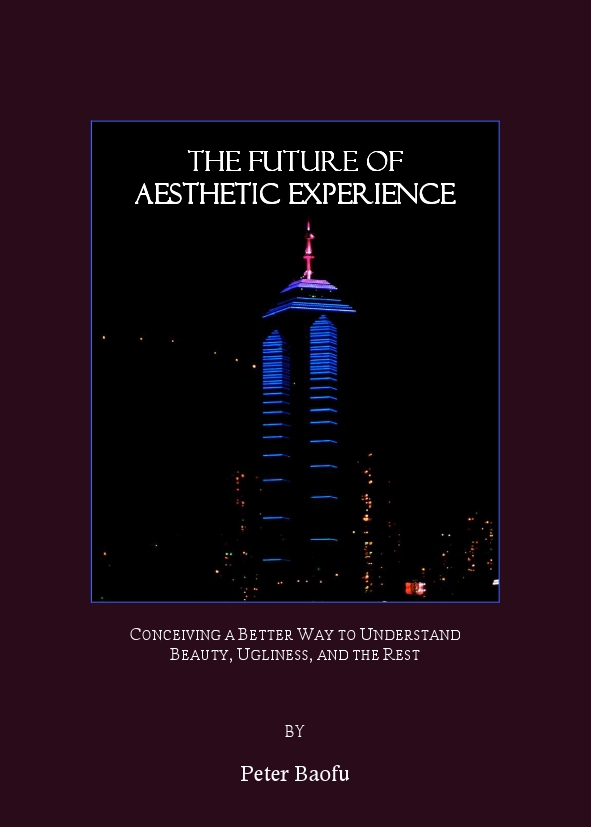
The Future of Aesthetic Experience
Conceiving a Better Way to Understand Beauty, Ugliness, and the Rest
Dr. Baofu argues that postmodernism is an aesthetic fad and the current debate on beauty is obsolete. He reveals the great transformations of aesthetic experience to come, both here on Earth and later in deep space, based on his new transformative theory.
Dr. Baofu argues that postmodernism is an aesthetic fad and the current debate on beauty is obsolete. He reveals the great transformations of aesthetic experience to come, both here on Earth and later in deep space, based on his new transformative theory.
View more
This product has multiple variants. The options may be chosen on the product page
View more
This product has multiple variants. The options may be chosen on the product page
£29.99
These twelve essays provide a basis for reassessing European traditions of beauty in the arts, literature, and film, as a constructive means of realising the potential of the arts for the 21st century.
These twelve essays provide a basis for reassessing European traditions of beauty in the arts, literature, and film, as a constructive means of realising the potential of the arts for the 21st century.
View more
This product has multiple variants. The options may be chosen on the product page
View more
This product has multiple variants. The options may be chosen on the product page
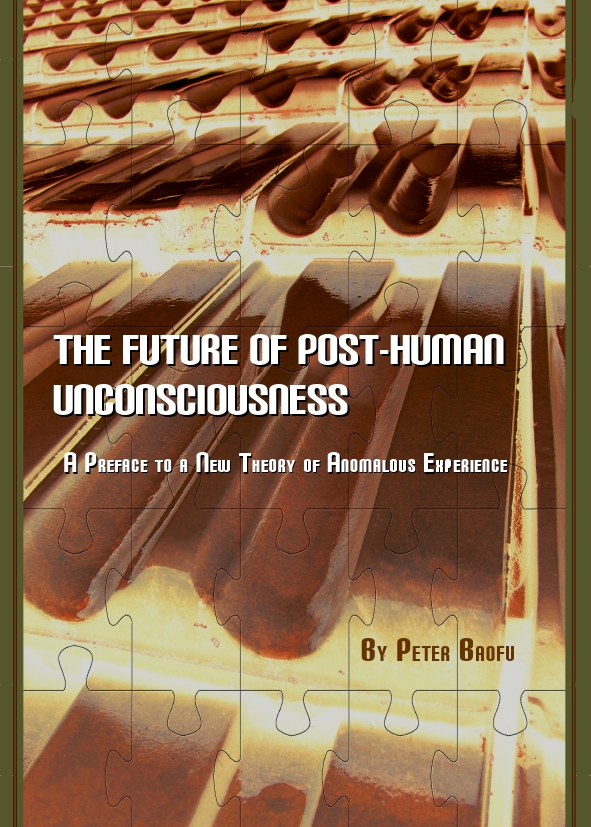
The Future of Post-Human Unconsciousness
A Preface to a New Theory of Anomalous Experience
Contrary to conventional wisdom, the exploration of anomalous phenomena has tremendous implications for the future of intelligent life. This book focuses on the controversial relationship between the nature of unconsciousness and anomalous experience.
Contrary to conventional wisdom, the exploration of anomalous phenomena has tremendous implications for the future of intelligent life. This book focuses on the controversial relationship between the nature of unconsciousness and anomalous experience.
View more
This product has multiple variants. The options may be chosen on the product page
View more
This product has multiple variants. The options may be chosen on the product page
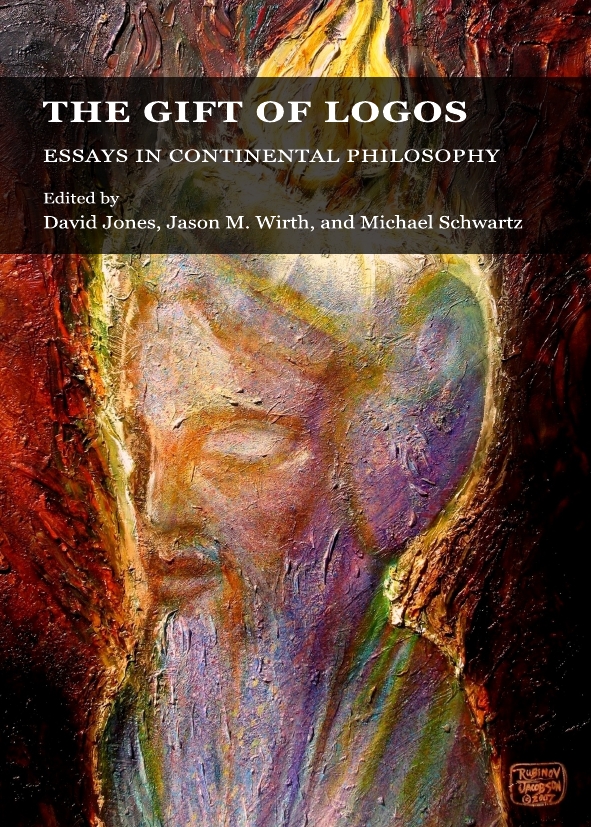
The Gift of Logos
Essays in Continental Philosophy
The Continental tradition emphasizes the Logos, which these essays celebrate as a gift that overcomes existential alienation. To give a gift is to befriend. This collection argues that true transformation is our greatest gift, and giving it voice is the gift of Logos.
The Continental tradition emphasizes the Logos, which these essays celebrate as a gift that overcomes existential alienation. To give a gift is to befriend. This collection argues that true transformation is our greatest gift, and giving it voice is the gift of Logos.
View more
This product has multiple variants. The options may be chosen on the product page
View more
This product has multiple variants. The options may be chosen on the product page
From £32.99
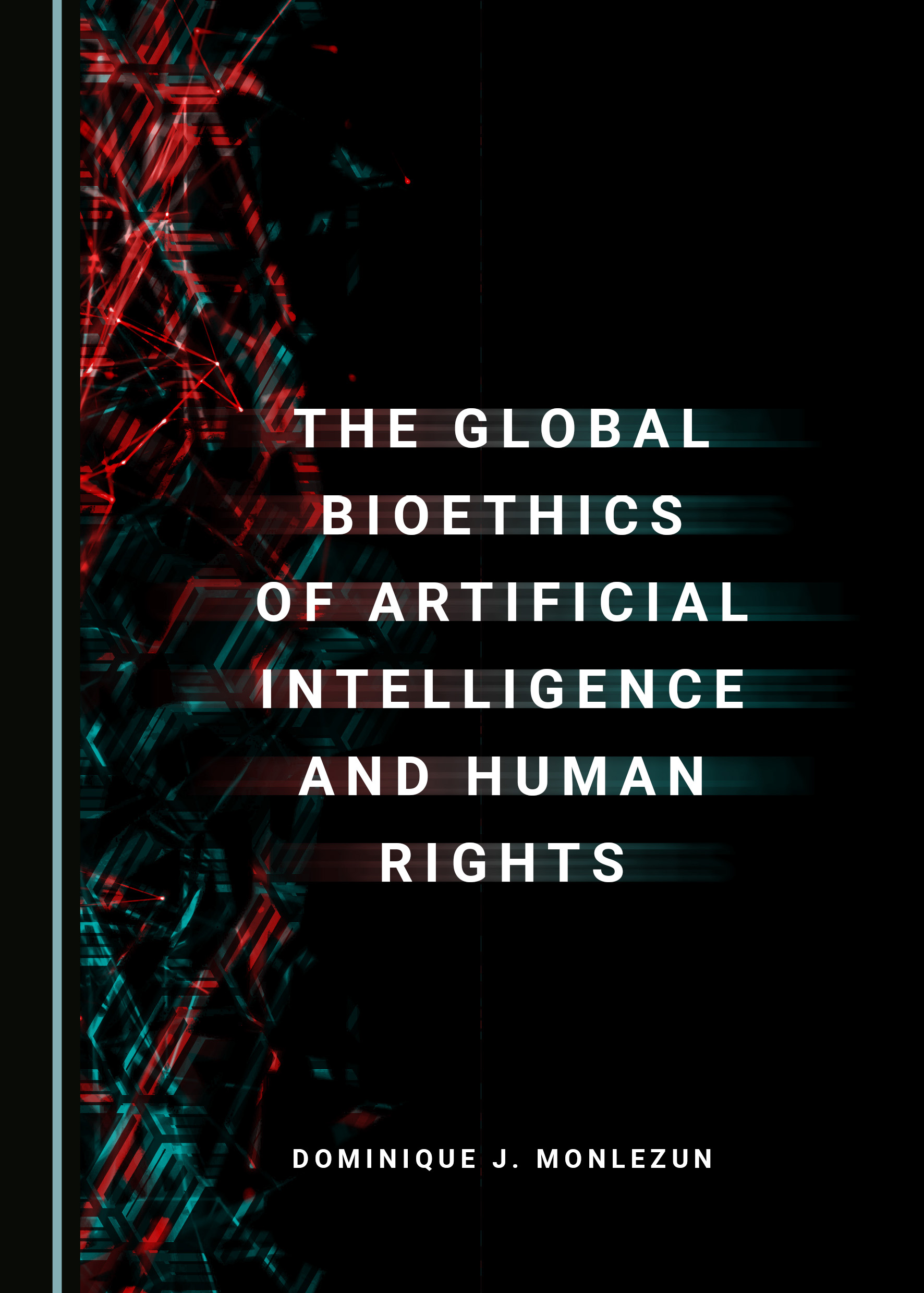
Human annihilation has never been so easy. AI is our most transformative revolution, yet we lack a common moral language to prevent an apocalypse. This book provides the first global bioethical analysis of AI, creating a compelling framework for our shared survival.
Human annihilation has never been so easy. AI is our most transformative revolution, yet we lack a common moral language to prevent an apocalypse. This book provides the first global bioethical analysis of AI, creating a compelling framework for our shared survival.
View more
This product has multiple variants. The options may be chosen on the product page
View more
This product has multiple variants. The options may be chosen on the product page
£39.99
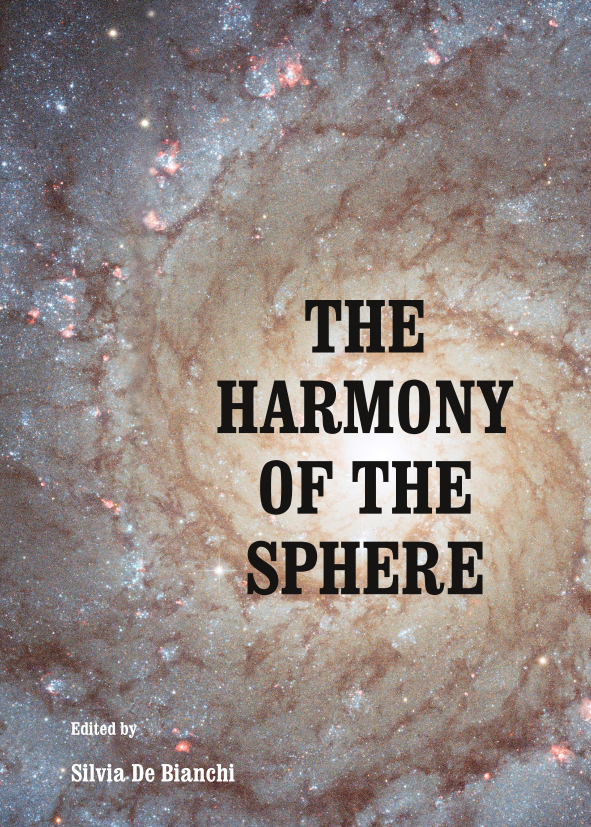
This is the first comparative study of Kant and Herschel. Their model of the world dismissed the idea of a finite, static cosmos and introduced an evolutionary perspective that had a crucial influence on nineteenth- and twentieth-century astronomy.
This is the first comparative study of Kant and Herschel. Their model of the world dismissed the idea of a finite, static cosmos and introduced an evolutionary perspective that had a crucial influence on nineteenth- and twentieth-century astronomy.
View more
This product has multiple variants. The options may be chosen on the product page
View more
This product has multiple variants. The options may be chosen on the product page
£44.99
This book presents an integral philosophy of human being. Amidst a new anthropological renaissance, scholars from different countries explore how knowledge of what we are, what we can do, and what we must become can guide our political and educational programs.
This book presents an integral philosophy of human being. Amidst a new anthropological renaissance, scholars from different countries explore how knowledge of what we are, what we can do, and what we must become can guide our political and educational programs.
View more
This product has multiple variants. The options may be chosen on the product page

View more
This product has multiple variants. The options may be chosen on the product page
The Idea and Values of Europe
From Antigone to the Charter of Fundamental Rights
From Sophocles’ Antigone to the EU’s Charter of Fundamental Rights, this book charts the 2500-year evolution of human rights. It explores the origins of European shared values and assesses their compatibility with a non-European culture and religion such as Islam.
From Sophocles’ Antigone to the EU’s Charter of Fundamental Rights, this book charts the 2500-year evolution of human rights. It explores the origins of European shared values and assesses their compatibility with a non-European culture and religion such as Islam.
View more
This product has multiple variants. The options may be chosen on the product page
View more
This product has multiple variants. The options may be chosen on the product page
The Immateriality of the Human Mind, the Semantics of Analogy, and the Conceivability of God (Volume 1
Proceedings of the Society for Medieval Logic and Metaphysics)
Experts in medieval philosophy consider the nature of God and the soul. They explore Anselm’s proof for God’s existence, Aquinas and Buridan on the immateriality of the mind, and Cajetan on how we can speak of the divine essence.
Experts in medieval philosophy consider the nature of God and the soul. They explore Anselm’s proof for God’s existence, Aquinas and Buridan on the immateriality of the mind, and Cajetan on how we can speak of the divine essence.
View more
This product has multiple variants. The options may be chosen on the product page
View more
This product has multiple variants. The options may be chosen on the product page
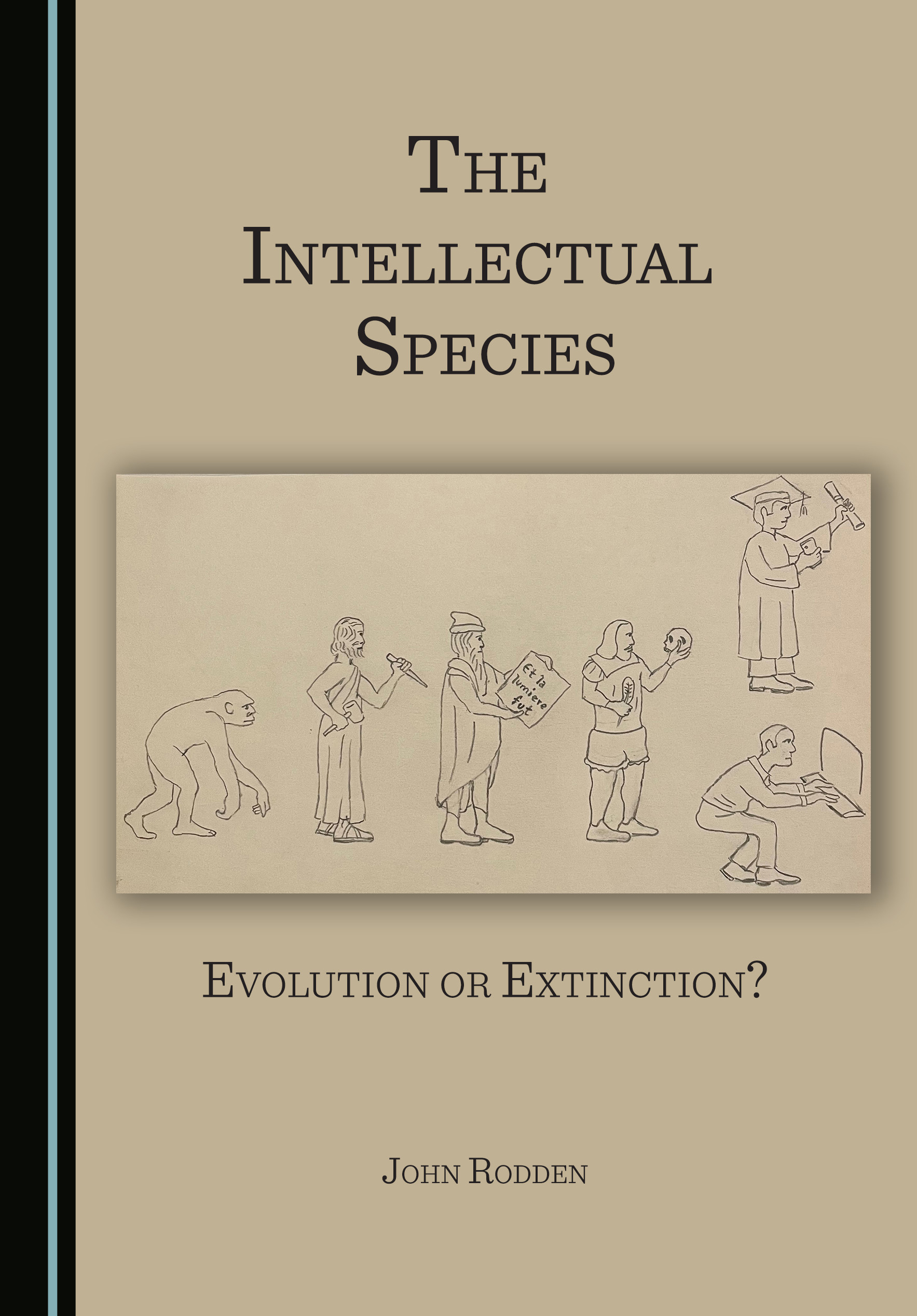
The Intellectual Species
Evolution or Extinction?
This book explores the survival of “the intellectual” in the digital era of soundbites and fake news. Through the lives of contrarian post-WWII thinkers like George Orwell, Albert Camus, and Camille Paglia, it yields insight into the transformation of our cultural life.
This book explores the survival of “the intellectual” in the digital era of soundbites and fake news. Through the lives of contrarian post-WWII thinkers like George Orwell, Albert Camus, and Camille Paglia, it yields insight into the transformation of our cultural life.
View more
This product has multiple variants. The options may be chosen on the product page
Processing Your Order
Please wait while we securely process your order.
Do not refresh or leave this page.
You will be redirected shortly to a confirmation page with your order number.