
View more
This product has multiple variants. The options may be chosen on the product page
From £32.99
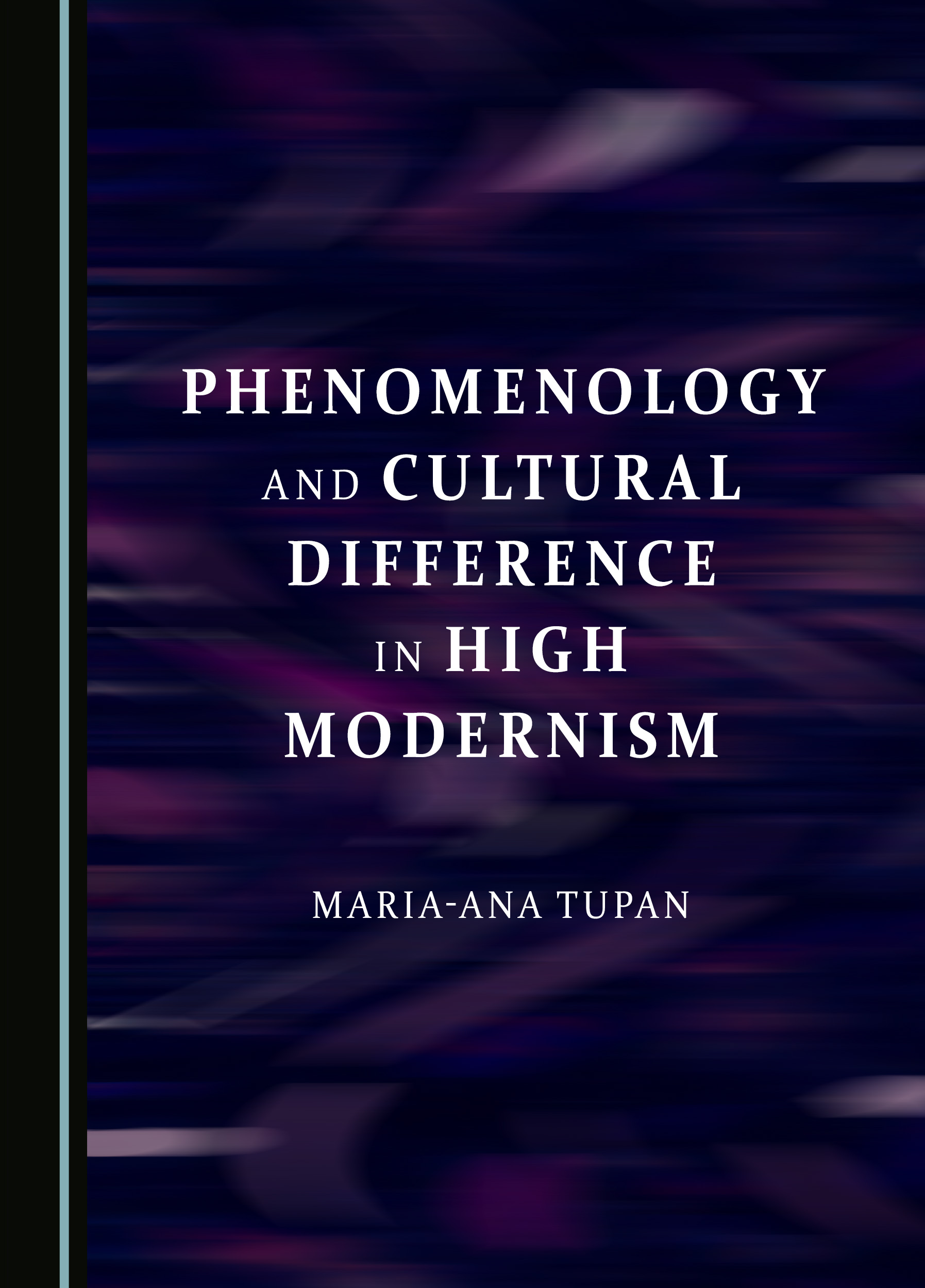
Countering claims of decadence, this book argues that turn-of-the-century art was energized by a search for meaningful form grounded in psychology. It connects key thinkers to modernists like T. S. Eliot and James Joyce, redefining literary genre through this new lens.
Countering claims of decadence, this book argues that turn-of-the-century art was energized by a search for meaningful form grounded in psychology. It connects key thinkers to modernists like T. S. Eliot and James Joyce, redefining literary genre through this new lens.
View more
This product has multiple variants. The options may be chosen on the product page
View more
This product has multiple variants. The options may be chosen on the product page
From £35.99
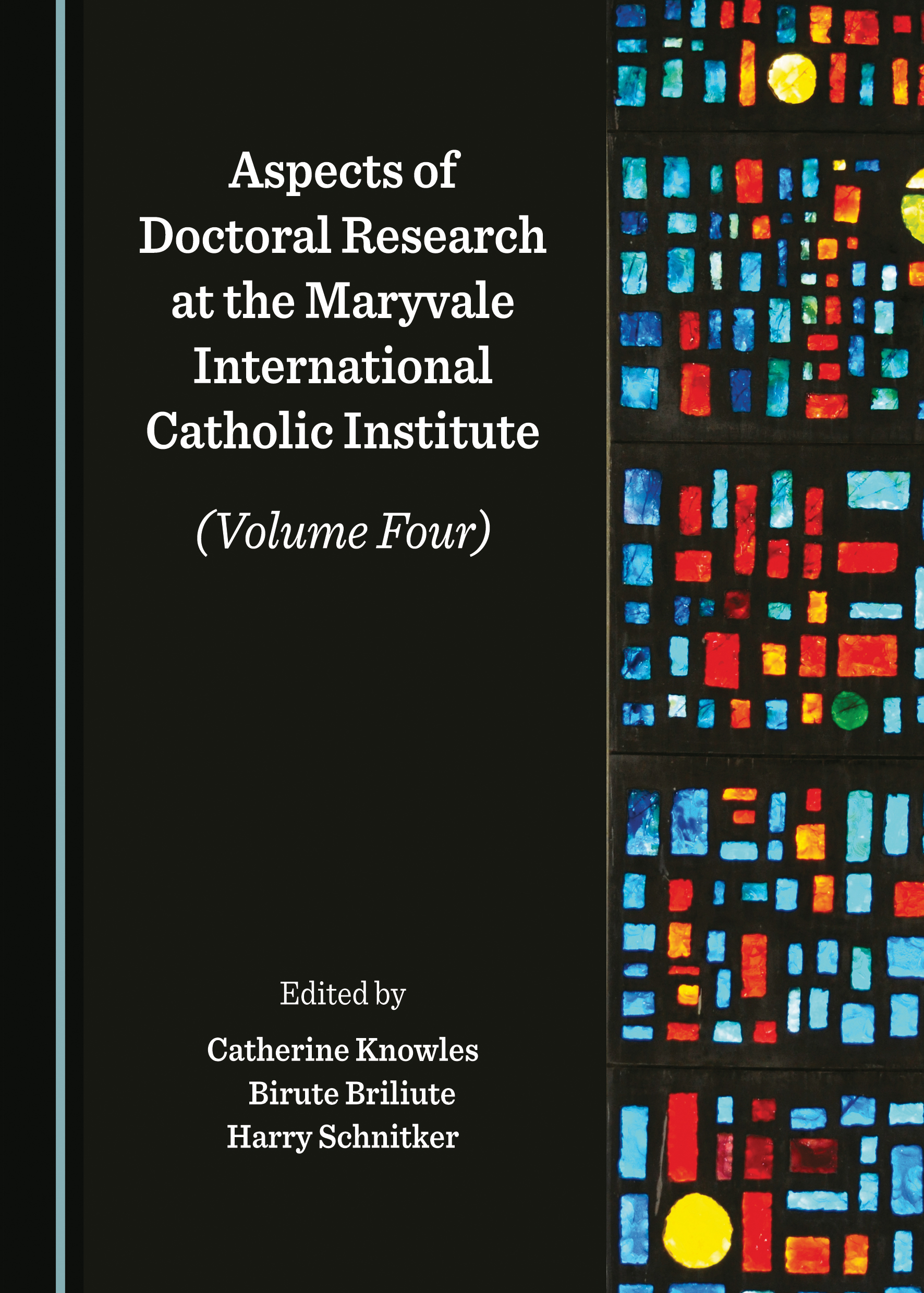
This collection of doctoral essays in Catholic Studies shines new light on age-old issues and offers opportunities for dialogue with the contemporary world. Inspired by St. John Henry Newman’s vision of faith and reason, these works cover theology, ethics, history, and more.
This collection of doctoral essays in Catholic Studies shines new light on age-old issues and offers opportunities for dialogue with the contemporary world. Inspired by St. John Henry Newman’s vision of faith and reason, these works cover theology, ethics, history, and more.
View more
This product has multiple variants. The options may be chosen on the product page
View more
This product has multiple variants. The options may be chosen on the product page
From £33.99
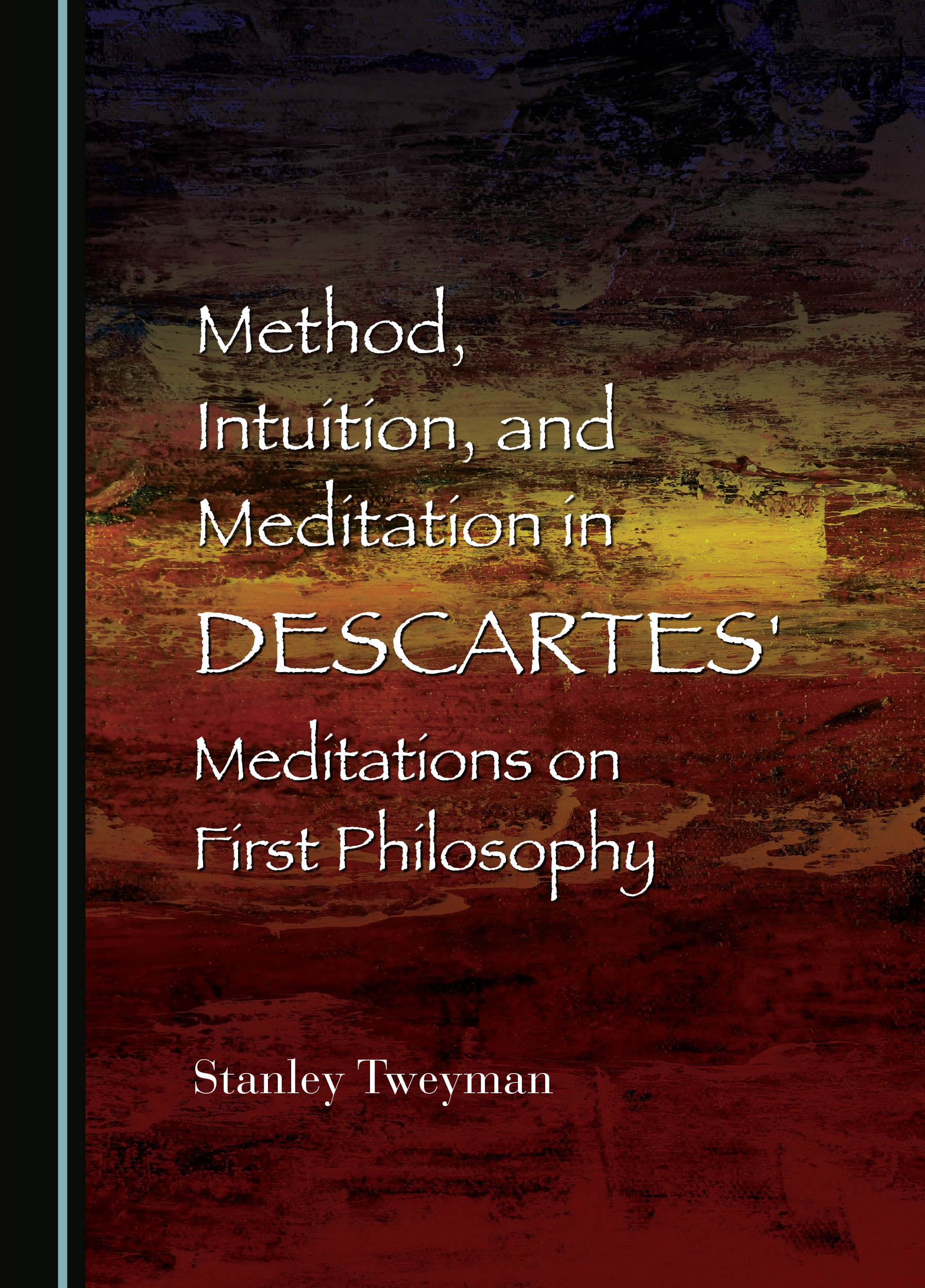
In his Meditations, Descartes sought the first principles of human knowledge, rejecting the senses for intuition and meditation. This book explains his reasoning and provides textual support, while a final critical chapter shows the failures of his approach.
In his Meditations, Descartes sought the first principles of human knowledge, rejecting the senses for intuition and meditation. This book explains his reasoning and provides textual support, while a final critical chapter shows the failures of his approach.
View more
This product has multiple variants. The options may be chosen on the product page
View more
This product has multiple variants. The options may be chosen on the product page
From £32.99
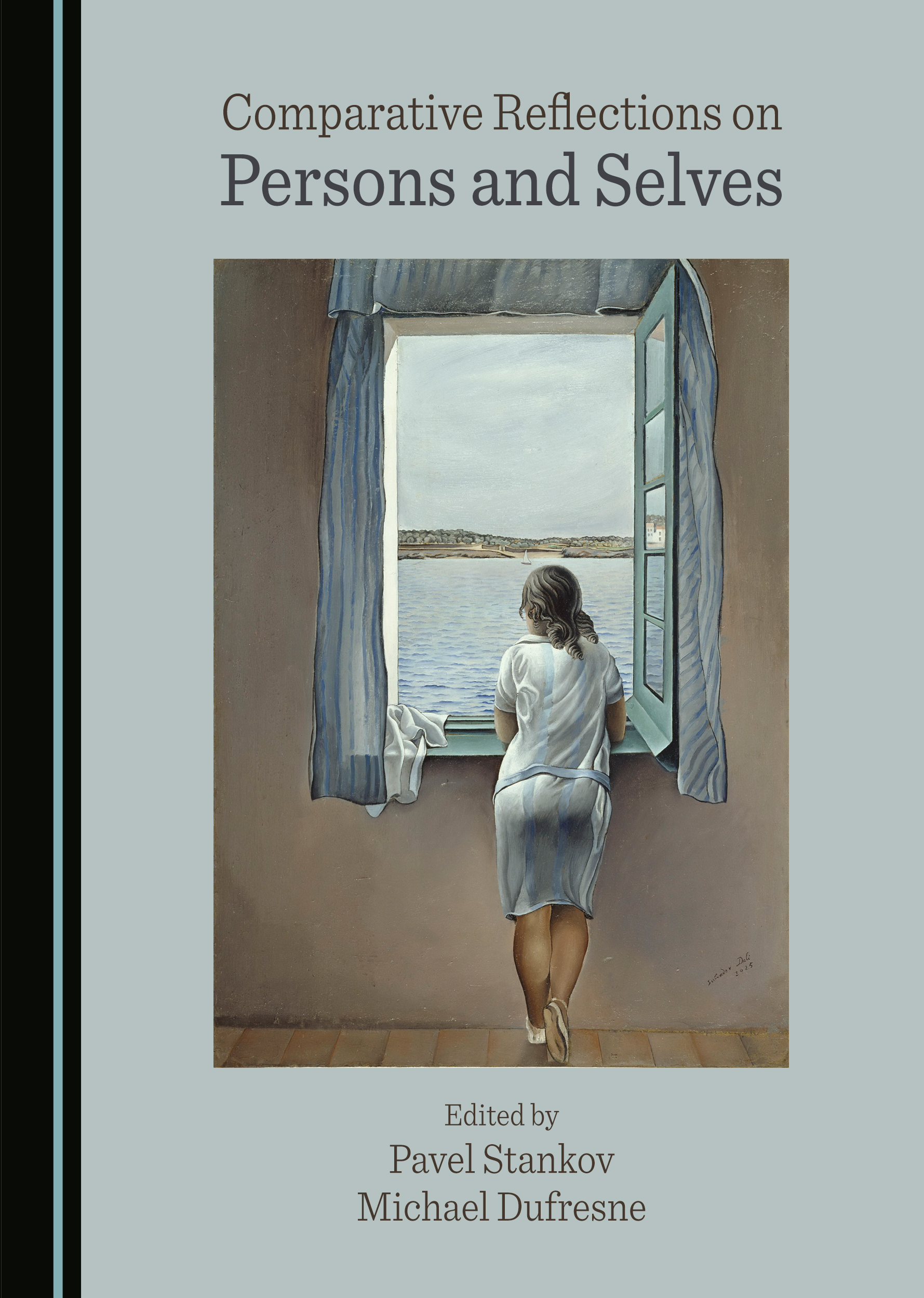
What matters in personal survival? If there is no permanent self, should we be altruistic? Seven selected papers explore the self from interdisciplinary and comparative perspectives, drawing from analytic, historical, and non-Western traditions to argue their points.
What matters in personal survival? If there is no permanent self, should we be altruistic?
Seven selected papers explore the self from interdisciplinary and comparative perspectives, drawing from analytic, historical, and non-Western traditions to argue their points.
View more
This product has multiple variants. The options may be chosen on the product page
View more
This product has multiple variants. The options may be chosen on the product page
From £32.99
While Derrida is often portrayed as a critic of logocentrism, this book’s central premise is that he implicitly affirmed its necessity. It explores this affirmation of logocentrism as a stable foundation for meaning that can be revised to create new possibilities.
While Derrida is often portrayed as a critic of logocentrism, this book’s central premise is that he implicitly affirmed its necessity. It explores this affirmation of logocentrism as a stable foundation for meaning that can be revised to create new possibilities.
View more
This product has multiple variants. The options may be chosen on the product page
View more
This product has multiple variants. The options may be chosen on the product page
Seeds of Liberty, Justice, Peace, and Democracy in Early America
Contributions of William Penn
Amid widespread religious and political bigotry, William Penn, a Quaker, dared to bring relief to the suffering. He provided a safe haven in early America where liberty, justice, peace, and democracy ruled, sowing seeds that became the basis for the US Constitution.
Amid widespread religious and political bigotry, William Penn, a Quaker, dared to bring relief to the suffering. He provided a safe haven in early America where liberty, justice, peace, and democracy ruled, sowing seeds that became the basis for the US Constitution.
View more
This product has multiple variants. The options may be chosen on the product page
View more
This product has multiple variants. The options may be chosen on the product page
From £37.99
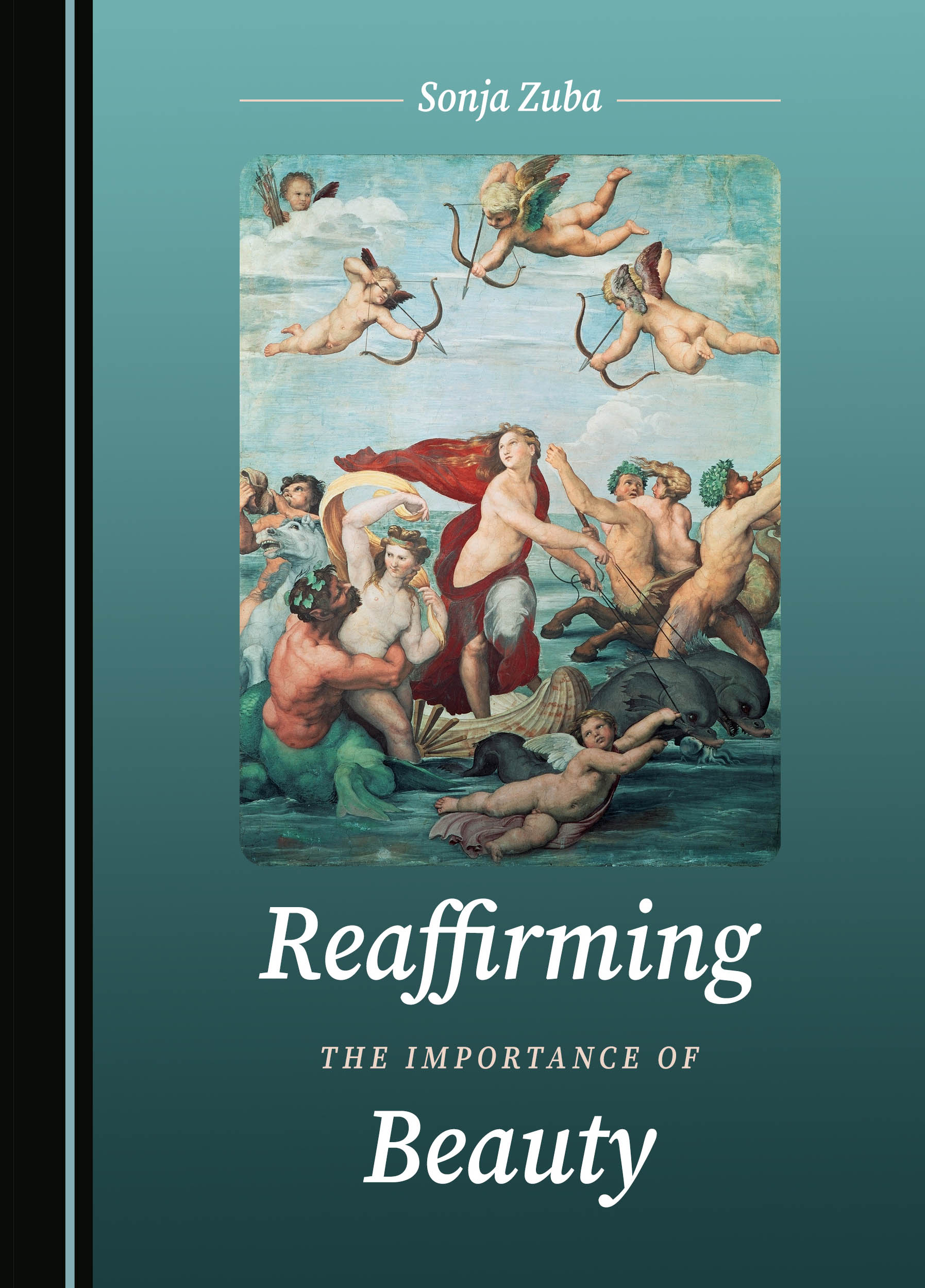
Beauty challenges us to find meaning. This book examines beauty in art and philosophy, from Plato to Van Gogh, arguing it is rationally found and irreducible to aesthetics alone. It explores beauty's deep spiritual meaning, especially within our post-religious age.
Beauty challenges us to find meaning. This book examines beauty in art and philosophy, from Plato to Van Gogh, arguing it is rationally found and irreducible to aesthetics alone. It explores beauty’s deep spiritual meaning, especially within our post-religious age.
View more
This product has multiple variants. The options may be chosen on the product page
View more
This product has multiple variants. The options may be chosen on the product page
From £32.99
In a technology-driven world, our devices are profoundly transforming us. This book explores how technology shapes our bodies—from hormones and brain organization to immune function—unveiling the resulting addictions, disorders, and major societal shifts.
In a technology-driven world, our devices are profoundly transforming us. This book explores how technology shapes our bodies—from hormones and brain organization to immune function—unveiling the resulting addictions, disorders, and major societal shifts.
View more
This product has multiple variants. The options may be chosen on the product page
View more
This product has multiple variants. The options may be chosen on the product page
From £33.99
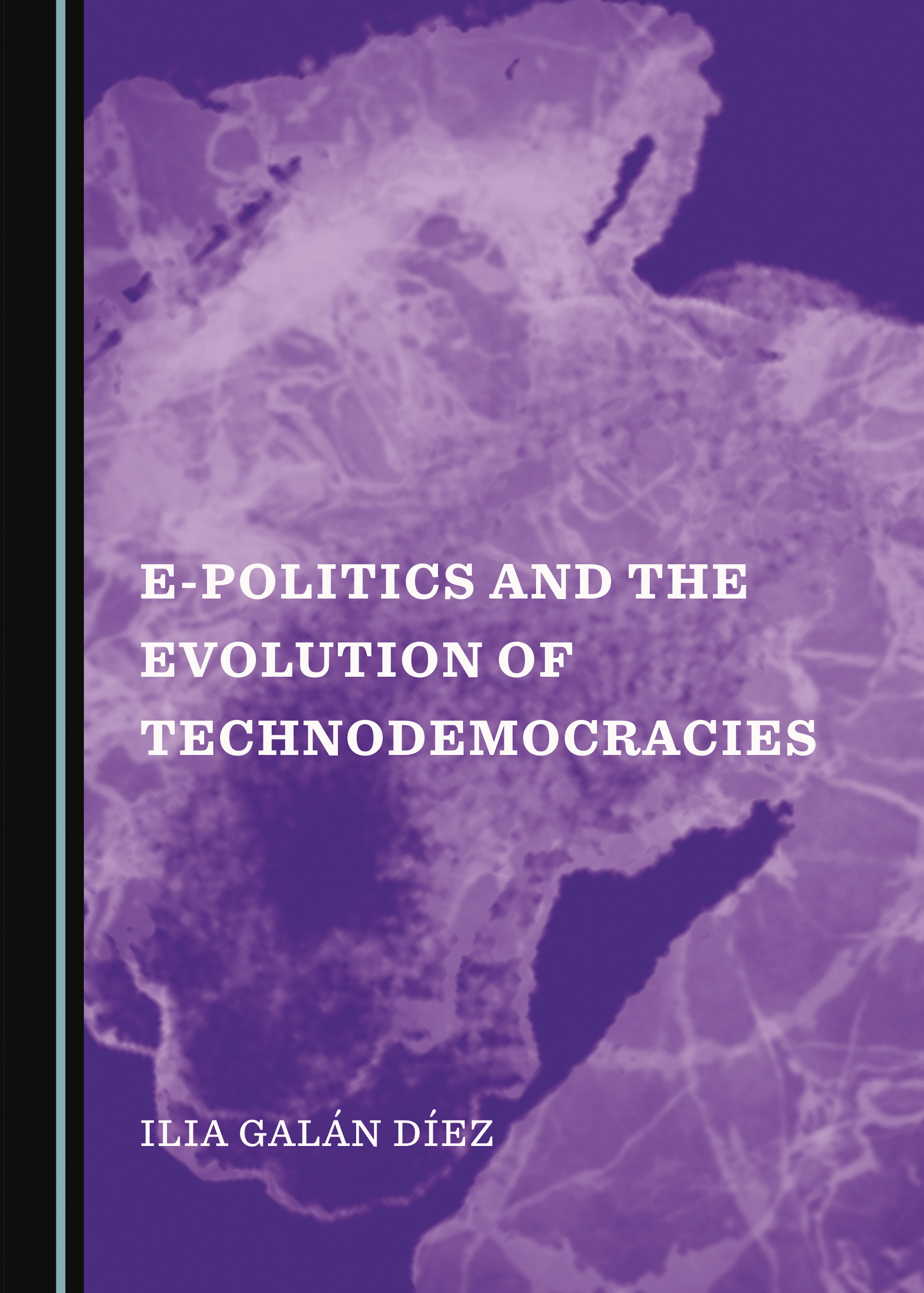
Amidst a global collapse of confidence in inefficient democracies, this book explores new political possibilities. Cyber-societies use big data and algorithms to challenge expired systems, offering the first e-political models for resolving our global chaos.
Amidst a global collapse of confidence in inefficient democracies, this book explores new political possibilities. Cyber-societies use big data and algorithms to challenge expired systems, offering the first e-political models for resolving our global chaos.
View more
This product has multiple variants. The options may be chosen on the product page
View more
This product has multiple variants. The options may be chosen on the product page
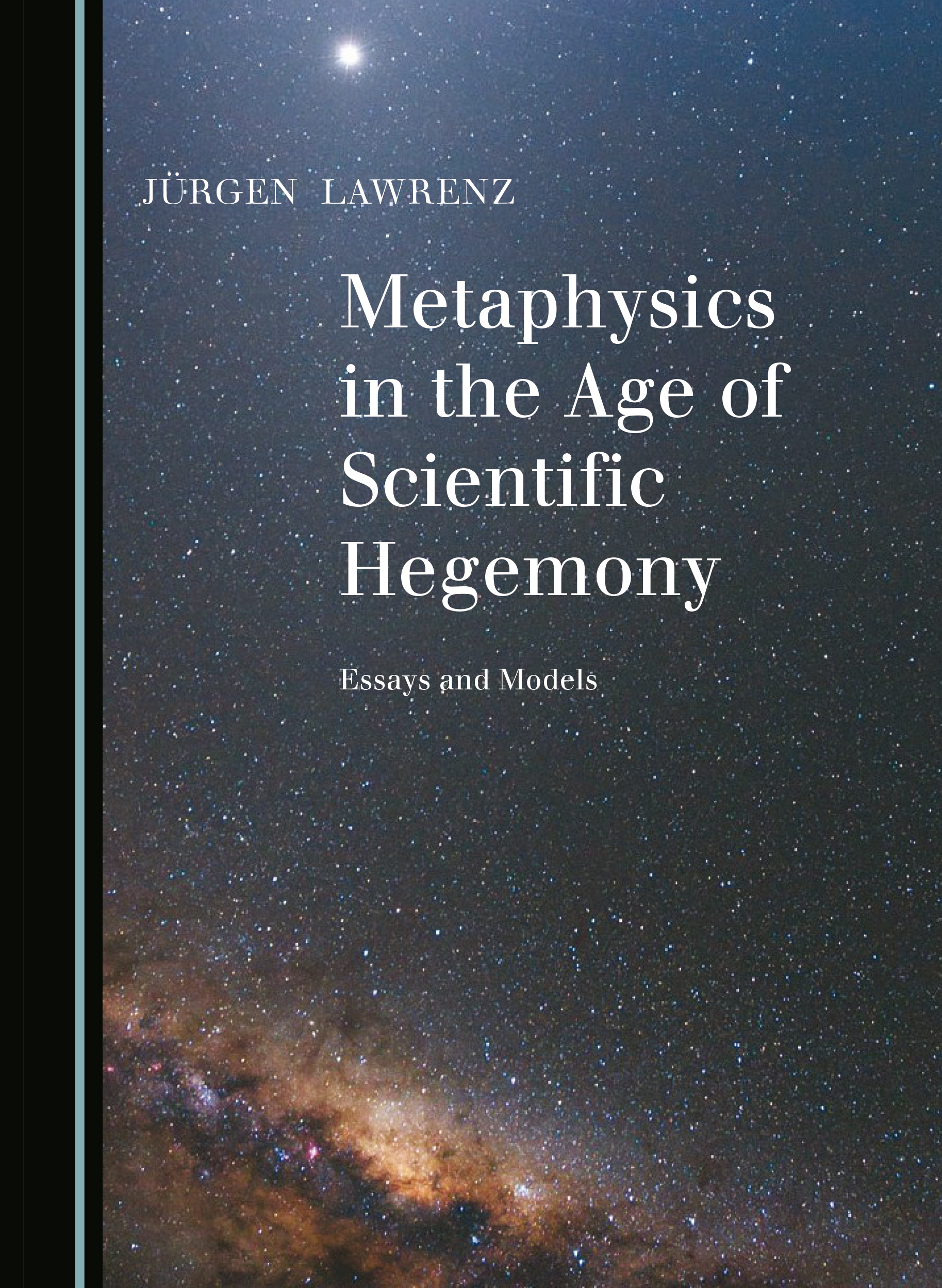
Metaphysics in the Age of Scientific Hegemony
Essays and Models
These essays argue for the persisting relevance of metaphysical speculation. Delving into thinkers from Hegel to Wittgenstein, the focus is on the autonomous agency of the human being—a concept at odds with the mechanistic doxa under which modern science is compelled to operate.
These essays argue for the persisting relevance of metaphysical speculation. Delving into thinkers from Hegel to Wittgenstein, the focus is on the autonomous agency of the human being—a concept at odds with the mechanistic doxa under which modern science is compelled to operate.
View more
This product has multiple variants. The options may be chosen on the product page
View more
This product has multiple variants. The options may be chosen on the product page
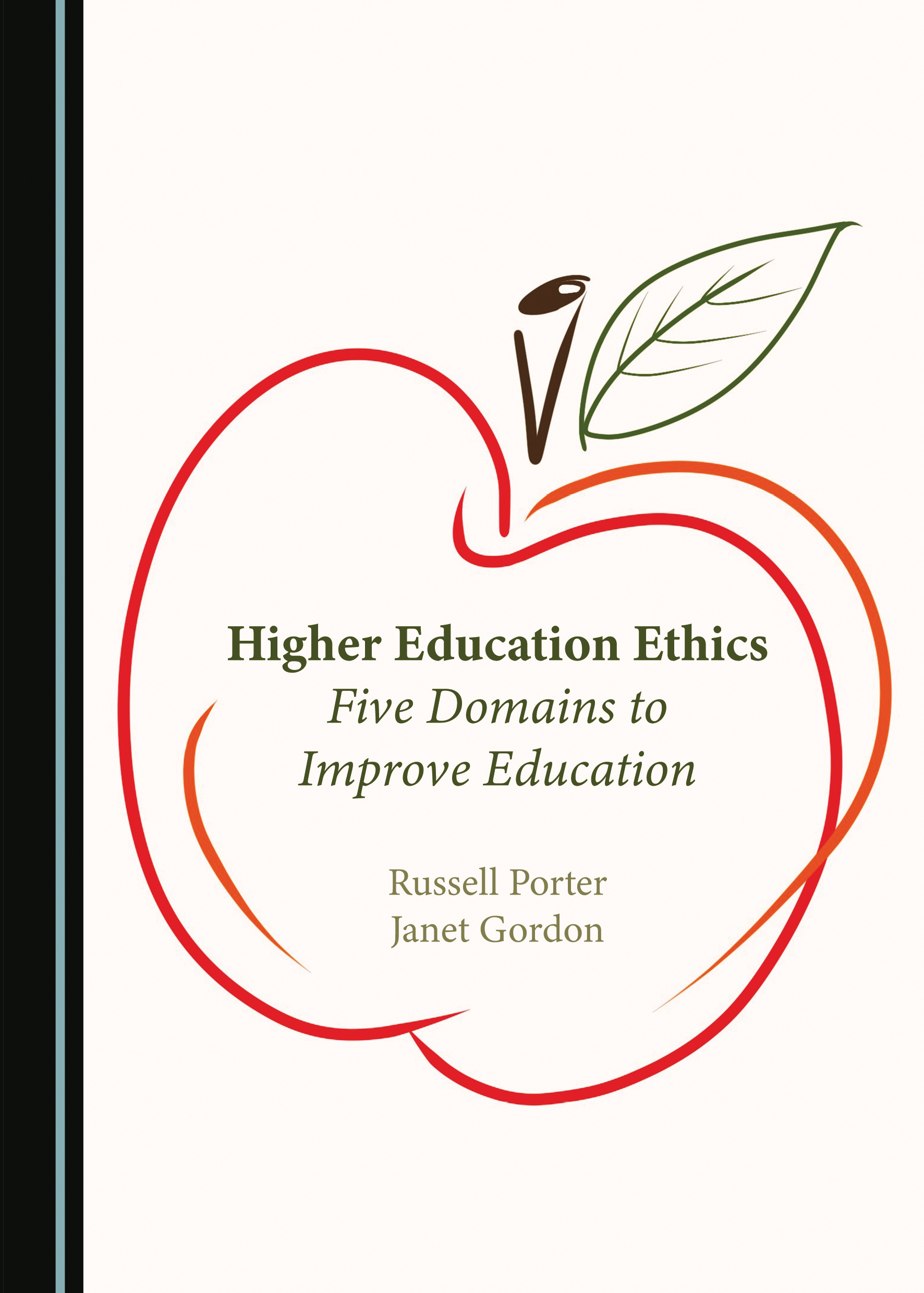
Higher Education Ethics
Five Domains to Improve Education
Equip your institution with a robust ethical framework. This guide offers a new typology of higher education ethics, featuring proven decision-making models, case studies, and professional standards for navigating complex global challenges.
Equip your institution with a robust ethical framework. This guide offers a new typology of higher education ethics, featuring proven decision-making models, case studies, and professional standards for navigating complex global challenges.
View more
This product has multiple variants. The options may be chosen on the product page
View more
This product has multiple variants. The options may be chosen on the product page
From £43.99
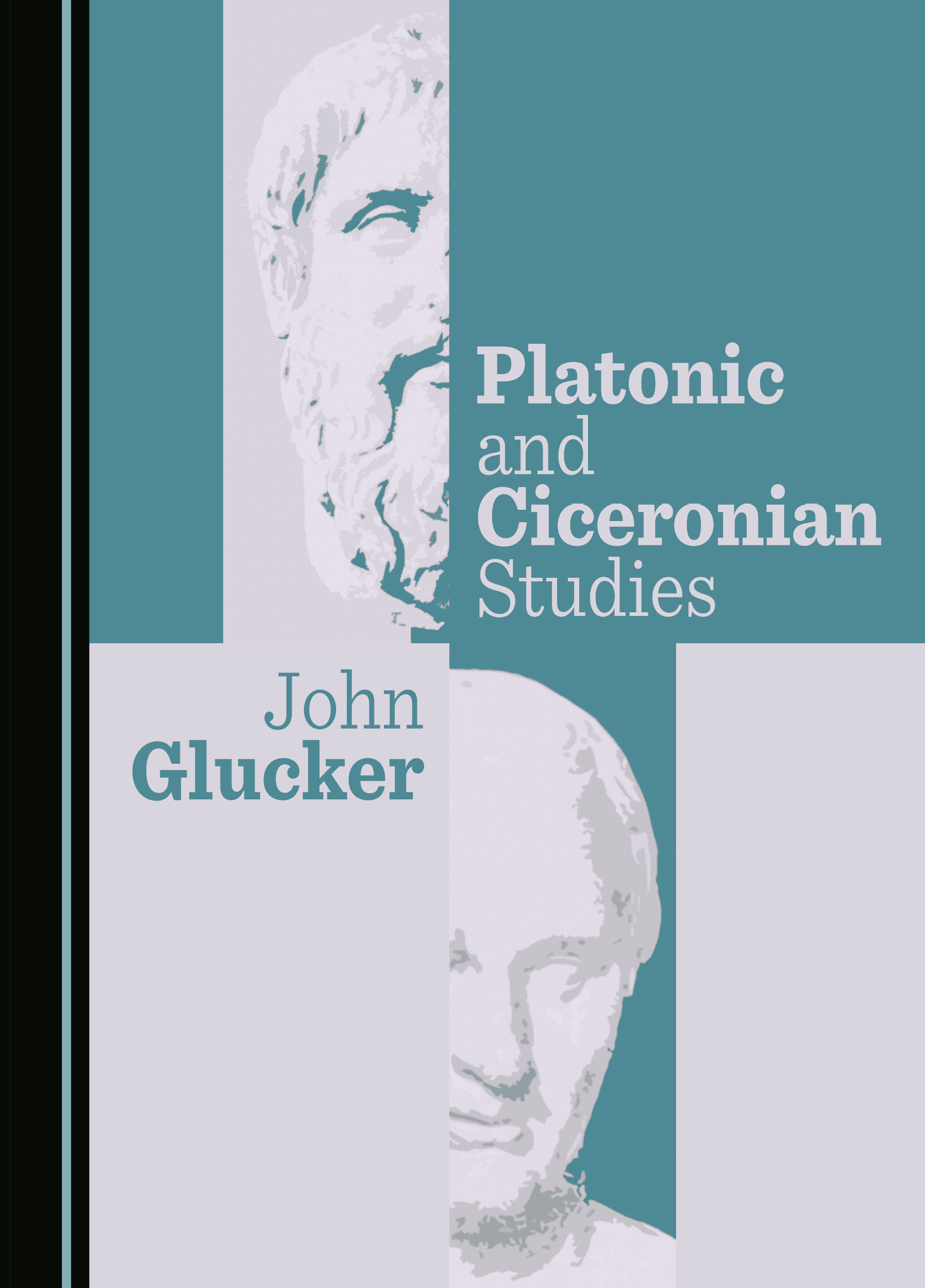
This volume assembles John Glucker's essays on Plato and Cicero for the first time. The articles deal with interpretations of their philosophical works and their influence on Western thought, and will be of interest to both scholars and laymen with a background in the classics.
This volume assembles John Glucker’s essays on Plato and Cicero for the first time. The articles deal with interpretations of their philosophical works and their influence on Western thought, and will be of interest to both scholars and laymen with a background in the classics.
View more
This product has multiple variants. The options may be chosen on the product page
View more
This product has multiple variants. The options may be chosen on the product page
From £31.99
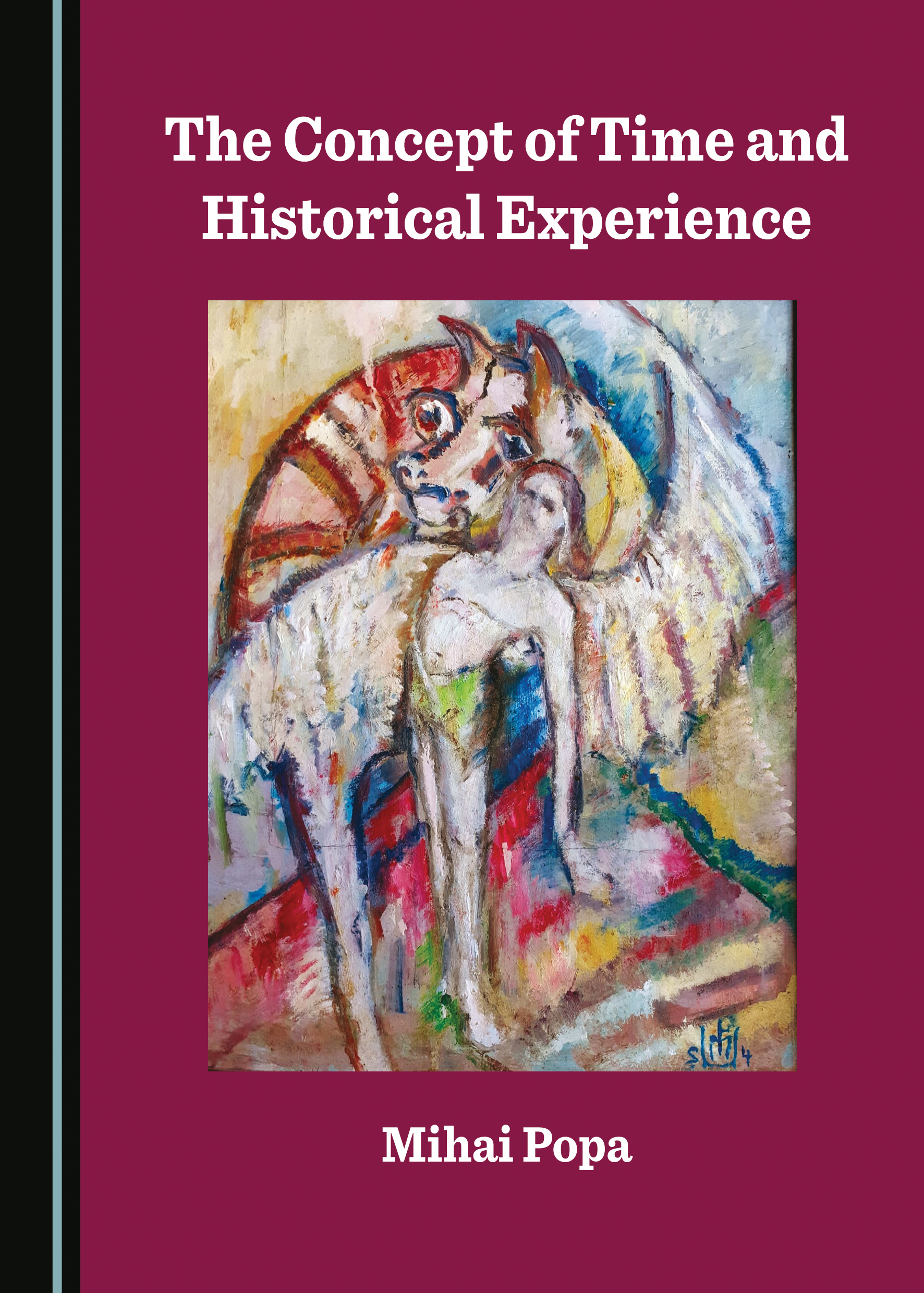
When does an event become historical experience: at the moment it occurs, or later as it is remembered? This work argues that history is a relationship between the present of the historian and the past, a dynamic where history moves with us. It is for historians and researchers.
When does an event become historical experience: at the moment it occurs, or later as it is remembered? This work argues that history is a relationship between the present of the historian and the past, a dynamic where history moves with us. It is for historians and researchers.
View more
This product has multiple variants. The options may be chosen on the product page
View more
This product has multiple variants. The options may be chosen on the product page
From £36.99
This book explores Environmental Ethics from the Nine Schools of Indian philosophy. It argues that external woes like pollution and climate change are merely manifestations of humanity's internal disharmony, and that the solution requires a profound internal transformation.
This book explores Environmental Ethics from the Nine Schools of Indian philosophy. It argues that external woes like pollution and climate change are merely manifestations of humanity’s internal disharmony, and that the solution requires a profound internal transformation.
View more
This product has multiple variants. The options may be chosen on the product page
View more
This product has multiple variants. The options may be chosen on the product page
From £35.99
By reframing the cosmos through entropy and creativity, this book offers a solution to the Fermi paradox, a correction of the Drake equation, and a new definition of singularity, revealing a unique chain of being—from elementary information to all possible worlds.
By reframing the cosmos through entropy and creativity, this book offers a solution to the Fermi paradox, a correction of the Drake equation, and a new definition of singularity, revealing a unique chain of being—from elementary information to all possible worlds.
View more
This product has multiple variants. The options may be chosen on the product page
View more
This product has multiple variants. The options may be chosen on the product page
From £32.99
A comprehensive guide to the science of ceramics in dentistry, detailing their structural, chemical, physical, mechanical, and optical properties. This book covers fabrication methods and clinical aspects, enabling students and clinicians to improve their knowledge.
A comprehensive guide to the science of ceramics in dentistry, detailing their structural, chemical, physical, mechanical, and optical properties. This book covers fabrication methods and clinical aspects, enabling students and clinicians to improve their knowledge.
View more
This product has multiple variants. The options may be chosen on the product page

View more
This product has multiple variants. The options may be chosen on the product page
From £33.99
This book overcomes the traditional dichotomy between knowledge and values. Drawing on European critical rationalism from Kant to Husserl, it illustrates a new conception of knowledge, showing its value and limits for scholars and anyone interested in a new image of science.
This book overcomes the traditional dichotomy between knowledge and values. Drawing on European critical rationalism from Kant to Husserl, it illustrates a new conception of knowledge, showing its value and limits for scholars and anyone interested in a new image of science.
View more
This product has multiple variants. The options may be chosen on the product page
View more
This product has multiple variants. The options may be chosen on the product page
From £38.99
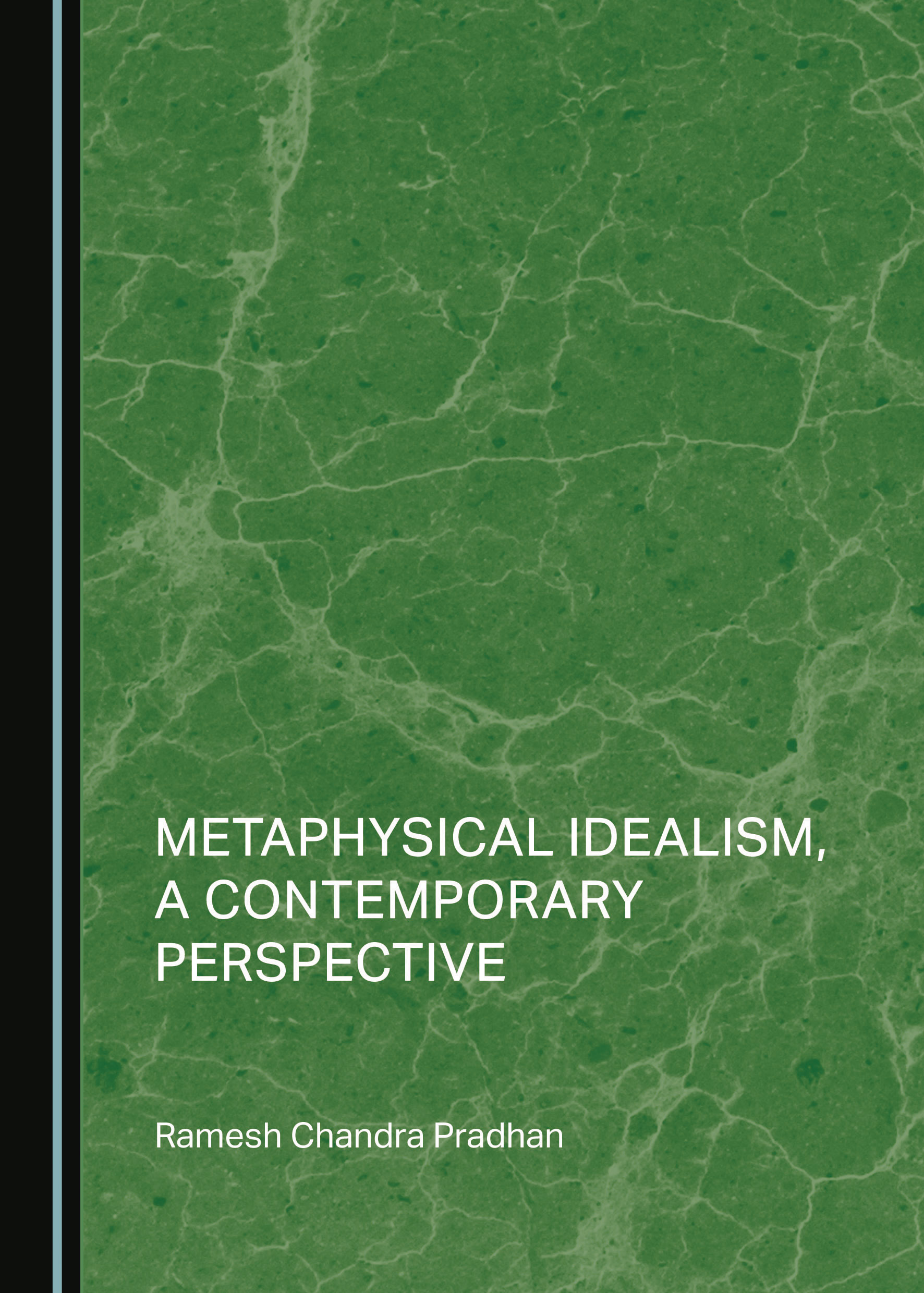
This book opposes the dominant materialist view of the universe, which cannot adequately explain conscious phenomena. Taking the primacy of consciousness as a basic postulate, it argues for a metaphysical idealism where human nature is more spiritual than material.
This book opposes the dominant materialist view of the universe, which cannot adequately explain conscious phenomena. Taking the primacy of consciousness as a basic postulate, it argues for a metaphysical idealism where human nature is more spiritual than material.
View more
This product has multiple variants. The options may be chosen on the product page
View more
This product has multiple variants. The options may be chosen on the product page
From £43.99
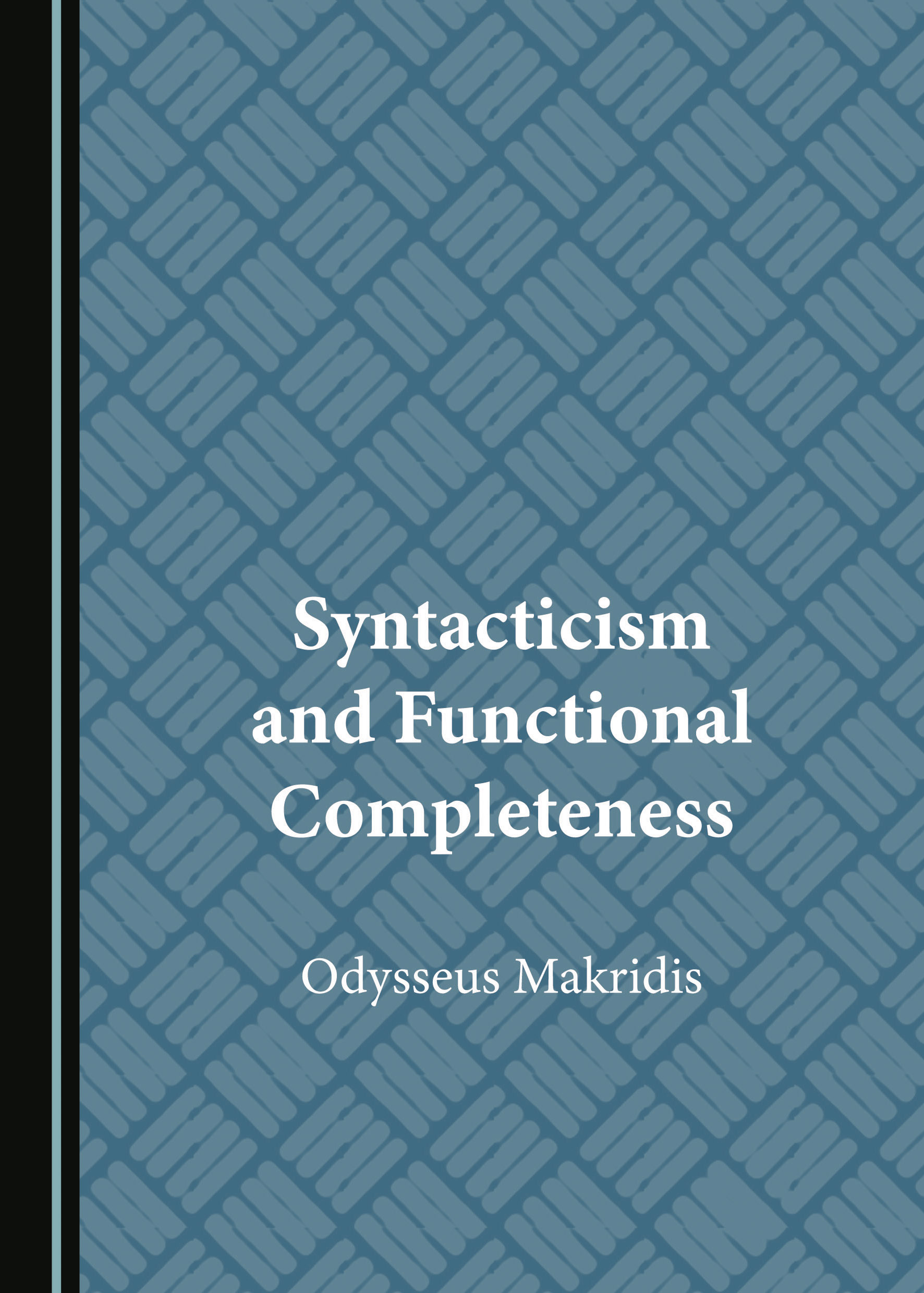
This book constructs and critiques syntacticism, a school of thought in the philosophy of logic congenial to analytical philosophy. It examines technical and philosophic issues, addressing anomalies in symbolic expressivity to provide a deeper understanding of this approach.
This book constructs and critiques syntacticism, a school of thought in the philosophy of logic congenial to analytical philosophy. It examines technical and philosophic issues, addressing anomalies in symbolic expressivity to provide a deeper understanding of this approach.
View more
This product has multiple variants. The options may be chosen on the product page
View more
This product has multiple variants. The options may be chosen on the product page
From £35.99
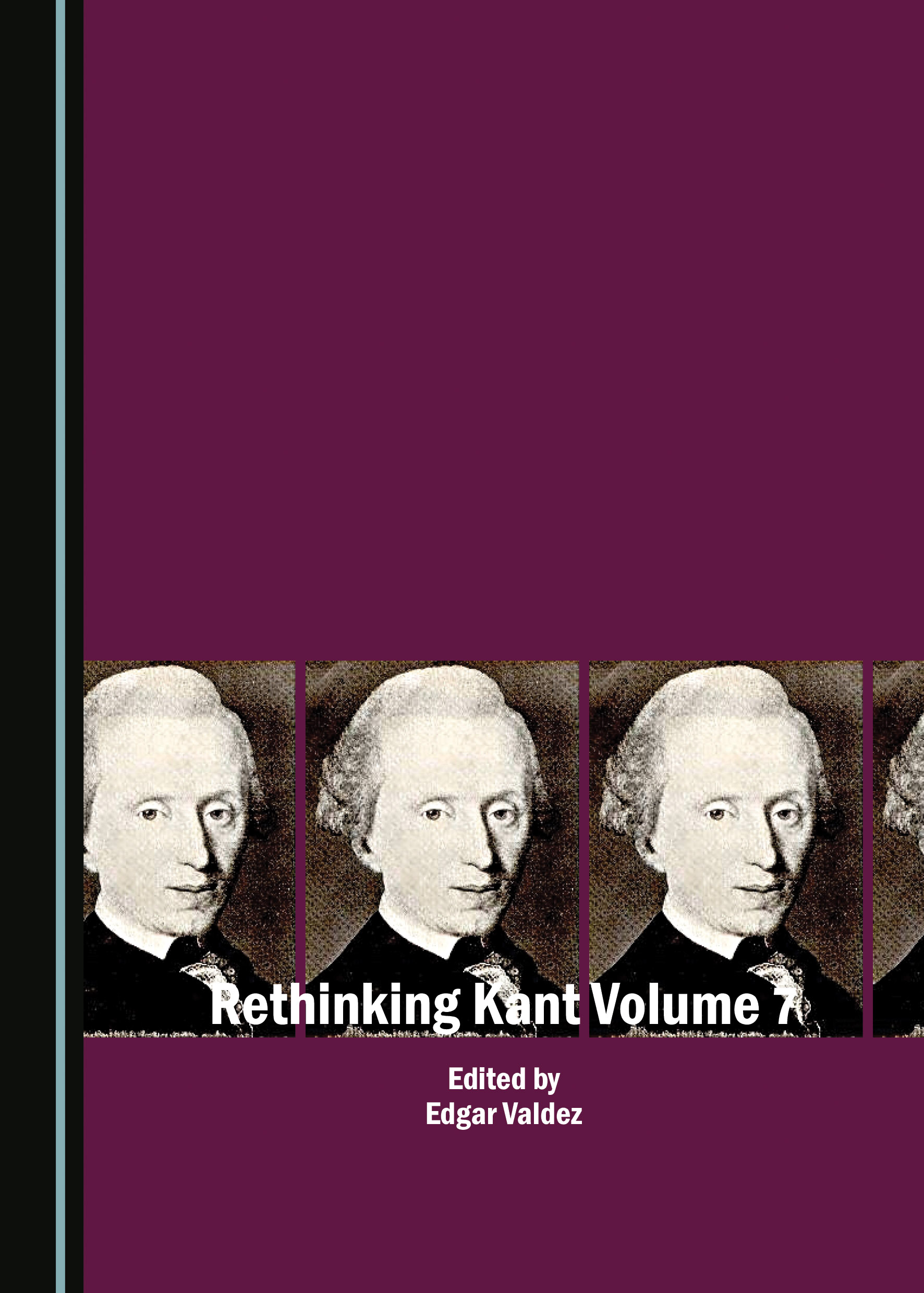
Kant’s enduring questions call for rethinking him in light of contemporary debates. The essays in this volume range from reason’s critique of itself to the role of feeling in moral judgment, highlighting his significance for the ever-broadening landscape of philosophy today.
Kant’s enduring questions call for rethinking him in light of contemporary debates. The essays in this volume range from reason’s critique of itself to the role of feeling in moral judgment, highlighting his significance for the ever-broadening landscape of philosophy today.
View more
This product has multiple variants. The options may be chosen on the product page
Processing Your Order
Please wait while we securely process your order.
Do not refresh or leave this page.
You will be redirected shortly to a confirmation page with your order number.