
View more
This product has multiple variants. The options may be chosen on the product page
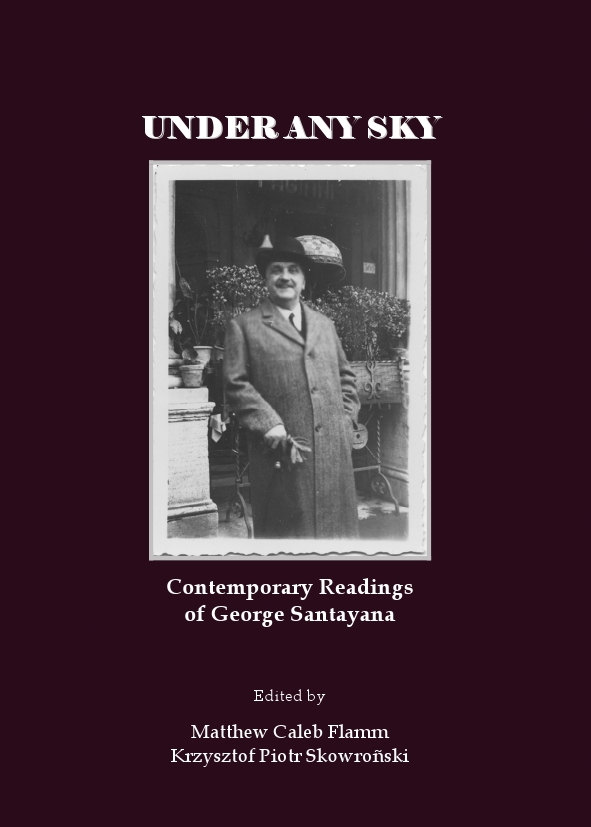
Under Any Sky
Contemporary Readings of George Santayana
Under Any Sky showcases the cross-cultural relevance of George Santayana, a leading 20th-century intellectual. International scholars explore the major themes of his thinking, from ontology and skepticism to aesthetics, culture, and social philosophy.
Under Any Sky showcases the cross-cultural relevance of George Santayana, a leading 20th-century intellectual. International scholars explore the major themes of his thinking, from ontology and skepticism to aesthetics, culture, and social philosophy.
View more
This product has multiple variants. The options may be chosen on the product page
View more
This product has multiple variants. The options may be chosen on the product page
£19.99
This journal has been discontinued. Any issues are available to purchase separately.
View more
This product has multiple variants. The options may be chosen on the product page
View more
This product has multiple variants. The options may be chosen on the product page
£34.99
This book identifies a third problem of evil: epistemic evil. It arises when our judgments, through no corrigible defect, lead to undeserved human suffering. Tierno forcefully defends this problem, a groundbreaking challenge to theodicy.
This book identifies a third problem of evil: epistemic evil. It arises when our judgments, through no corrigible defect, lead to undeserved human suffering. Tierno forcefully defends this problem, a groundbreaking challenge to theodicy.
View more
This product has multiple variants. The options may be chosen on the product page
View more
This product has multiple variants. The options may be chosen on the product page
Beyond Nature And Nurture
Conceiving a Better Way to Understand Genes and Memes
Why are some individuals and countries more successful than others? The nature-nurture debate is misleading. Dr. Baofu shows how the two are intertwined and reveals a tremendous future: a "post-human" world where human genes will no longer exist.
Why are some individuals and countries more successful than others? The nature-nurture debate is misleading. Dr. Baofu shows how the two are intertwined and reveals a tremendous future: a “post-human” world where human genes will no longer exist.
View more
This product has multiple variants. The options may be chosen on the product page
View more
This product has multiple variants. The options may be chosen on the product page
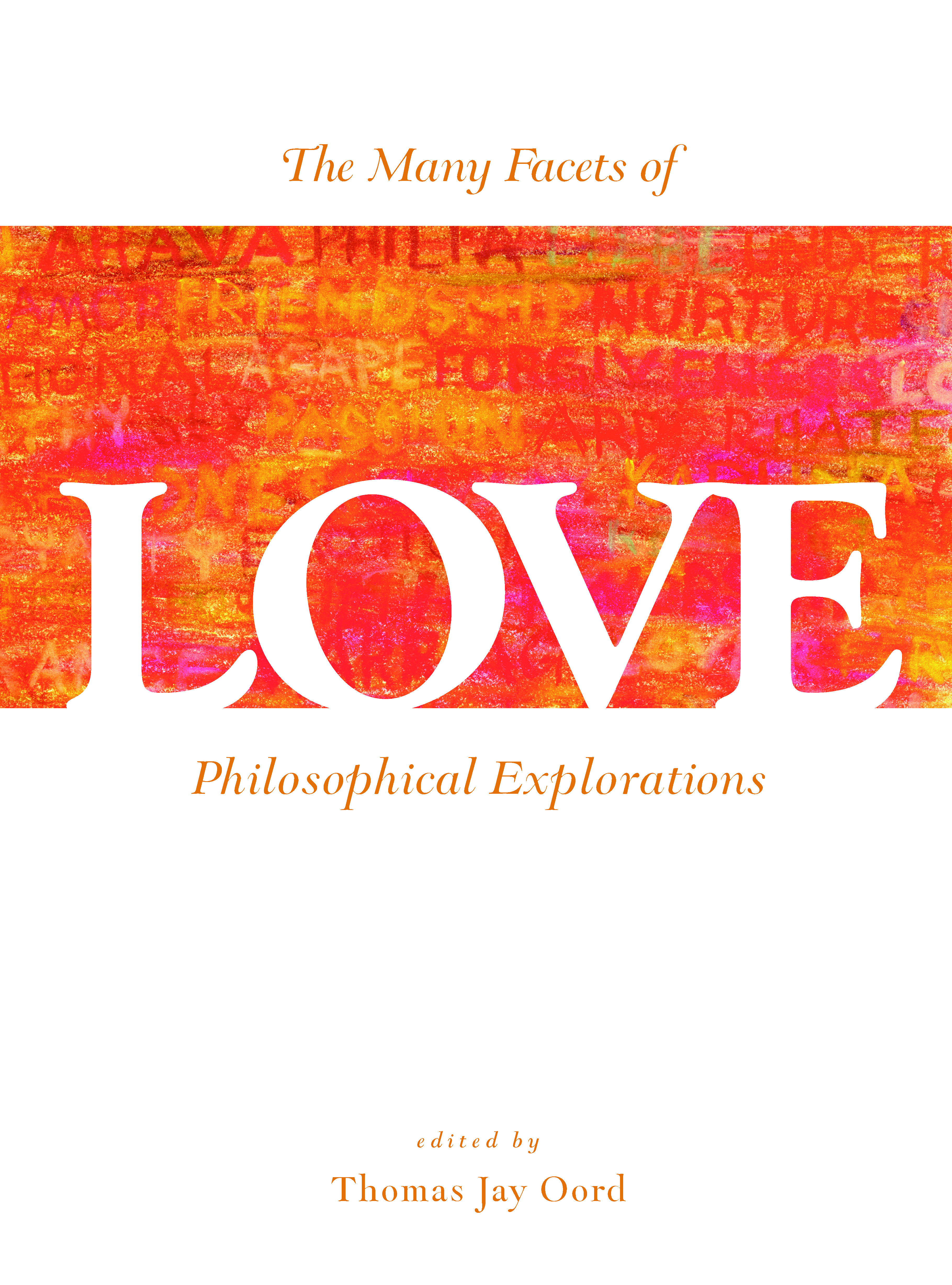
The Many Facets of Love
Philosophical Explorations
We might think philosophers have thoroughly analyzed love, but this is not the case. This book takes a step toward rectifying that neglect, bringing together fifteen philosophical perspectives to explore love’s facets, most with religious concerns.
We might think philosophers have thoroughly analyzed love, but this is not the case. This book takes a step toward rectifying that neglect, bringing together fifteen philosophical perspectives to explore love’s facets, most with religious concerns.
View more
This product has multiple variants. The options may be chosen on the product page
View more
This product has multiple variants. The options may be chosen on the product page
Shifting the Geography of Reason
Gender, Science and Religion
In a world offering few options, this courageous celebration of thinking asserts the value of intelligence and the urgent need to build new intellectual homes.
In a world offering few options, this courageous celebration of thinking asserts the value of intelligence and the urgent need to build new intellectual homes.
View more
This product has multiple variants. The options may be chosen on the product page
View more
This product has multiple variants. The options may be chosen on the product page
£49.99
In dialogue with Plato, Hegel, and Marx, this book forges a 21st communism based on the dance with death—a politics of mortality, responsibility, and love.
In dialogue with Plato, Hegel, and Marx, this book forges a 21st communism based on the dance with death—a politics of mortality, responsibility, and love.
View more
This product has multiple variants. The options may be chosen on the product page
View more
This product has multiple variants. The options may be chosen on the product page
Content, Consciousness, and Perception
Essays in Contemporary Philosophy of Mind
What sort of thing is the mind? This collection of eleven new essays by today's most promising philosophers explores mental content, consciousness, and perception, offering a state-of-the-art overview ideal for students and specialists alike.
What sort of thing is the mind? This collection of eleven new essays by today’s most promising philosophers explores mental content, consciousness, and perception, offering a state-of-the-art overview ideal for students and specialists alike.
View more
This product has multiple variants. The options may be chosen on the product page
View more
This product has multiple variants. The options may be chosen on the product page
£39.99
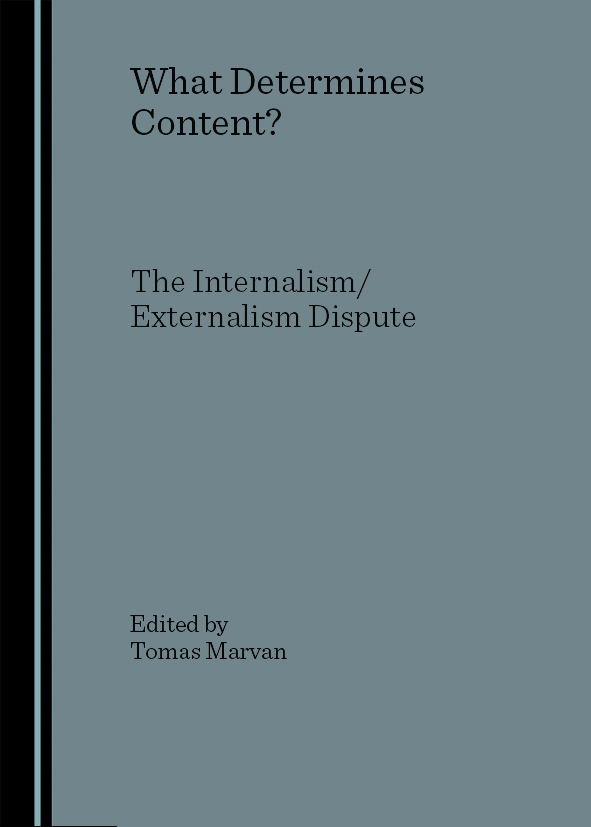
A distinguished team of philosophers addresses the internalism/externalism debate in language and mind. This volume demonstrates the debate's significance on a wide range of issues, in a manner that is sophisticated yet accessible to non-specialists.
A distinguished team of philosophers addresses the internalism/externalism debate in language and mind. This volume demonstrates the debate’s significance on a wide range of issues, in a manner that is sophisticated yet accessible to non-specialists.
View more
This product has multiple variants. The options may be chosen on the product page
View more
This product has multiple variants. The options may be chosen on the product page
Being Amongst Others
Phenomenological Reflections on the Life-world
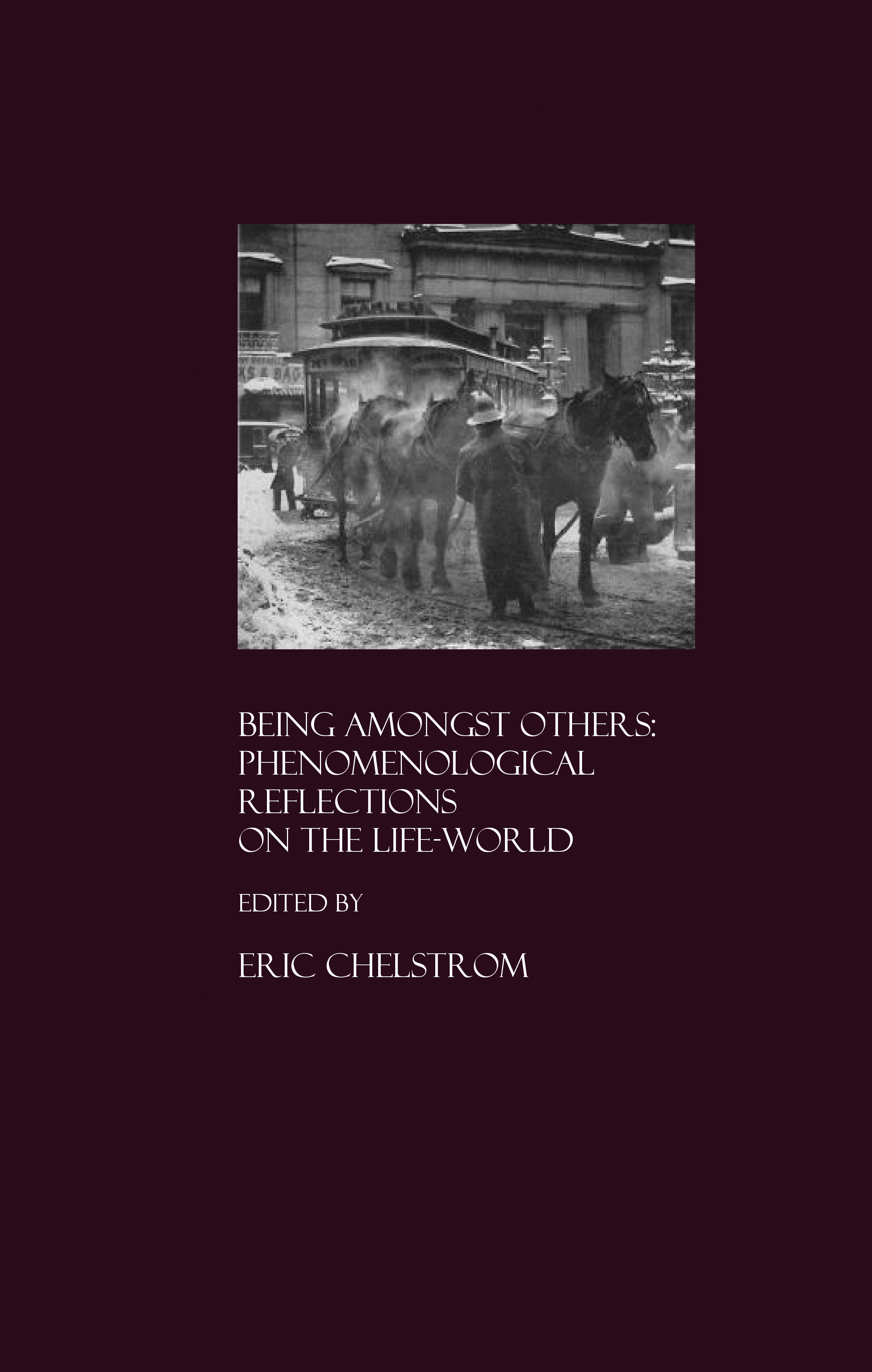
Philosophical reflection helps us understand our world. This volume presents a variety of phenomenological views on everyday life, granting precedent to the first-person perspective to explore consciousness, friendship, and religious or political experiences.
Philosophical reflection helps us understand our world. This volume presents a variety of phenomenological views on everyday life, granting precedent to the first-person perspective to explore consciousness, friendship, and religious or political experiences.
View more
This product has multiple variants. The options may be chosen on the product page
View more
This product has multiple variants. The options may be chosen on the product page
From Plato’s Cave to the Multiplex
Contemporary Philosophy and Film
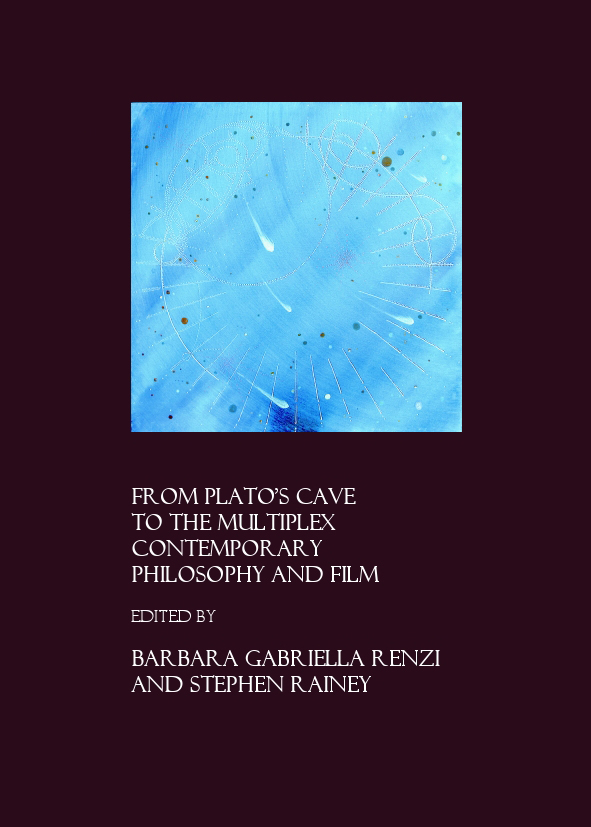
This rich collection of articles explores the productive interaction between philosophy and film. The pieces offer philosophical analyses of specific films and the cinematic medium, revealing surprising connections and provoking philosophical reflection.
This rich collection of articles explores the productive interaction between philosophy and film. The pieces offer philosophical analyses of specific films and the cinematic medium, revealing surprising connections and provoking philosophical reflection.
View more
This product has multiple variants. The options may be chosen on the product page
View more
This product has multiple variants. The options may be chosen on the product page
From £16.99
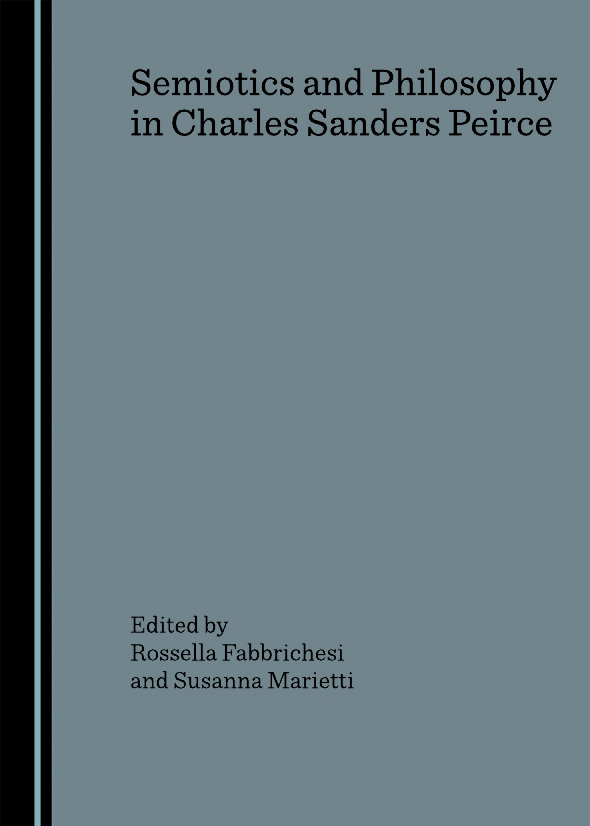
This book explores the thought of pragmatist and semiotics founder Charles Sanders Peirce. Contributions by leading scholars are divided into three areas: Semiotics and the Logic of Inquiry, Abduction and Mathematics, and Peirce and the Western Tradition.
This book explores the thought of pragmatist and semiotics founder Charles Sanders Peirce. Contributions by leading scholars are divided into three areas: Semiotics and the Logic of Inquiry, Abduction and Mathematics, and Peirce and the Western Tradition.
View more
This product has multiple variants. The options may be chosen on the product page
View more
This product has multiple variants. The options may be chosen on the product page
The Flesh of Being
On Nietzsche's Thus Spoke Zarathustra
This text is a conversation with Friedrich Nietzsche’s Thus Spoke Zarathustra. It is not about Nietzsche, but what it is for someone to read his text, a book for everyone and no one. The text is what the reader has to write through the reading.
This text is a conversation with Friedrich Nietzsche’s Thus Spoke Zarathustra. It is not about Nietzsche, but what it is for someone to read his text, a book for everyone and no one. The text is what the reader has to write through the reading.
View more
This product has multiple variants. The options may be chosen on the product page
View more
This product has multiple variants. The options may be chosen on the product page
Bradley and the Problematic Status of Metaphysics
In search of an adequate ontology of appearance
Bradley is a much neglected philosopher. This work undertakes a reassessment of his philosophy, arguing that his metaphysics of the Absolute is the core of his system and the key to understanding all other aspects of his thought.
Bradley is a much neglected philosopher. This work undertakes a reassessment of his philosophy, arguing that his metaphysics of the Absolute is the core of his system and the key to understanding all other aspects of his thought.
View more
This product has multiple variants. The options may be chosen on the product page
View more
This product has multiple variants. The options may be chosen on the product page
£29.99
These twelve essays provide a basis for reassessing European traditions of beauty in the arts, literature, and film, as a constructive means of realising the potential of the arts for the 21st century.
These twelve essays provide a basis for reassessing European traditions of beauty in the arts, literature, and film, as a constructive means of realising the potential of the arts for the 21st century.
View more
This product has multiple variants. The options may be chosen on the product page
View more
This product has multiple variants. The options may be chosen on the product page
£34.99
This collection reevaluates Descartes’ reputation as the “father of modern philosophy.” Essays attend to the impact of “Cartesianism” from the 17th century to today, addressing the character of his originality and the lasting challenges of his thought.
This collection reevaluates Descartes’ reputation as the “father of modern philosophy.” Essays attend to the impact of “Cartesianism” from the 17th century to today, addressing the character of his originality and the lasting challenges of his thought.
View more
This product has multiple variants. The options may be chosen on the product page
View more
This product has multiple variants. The options may be chosen on the product page
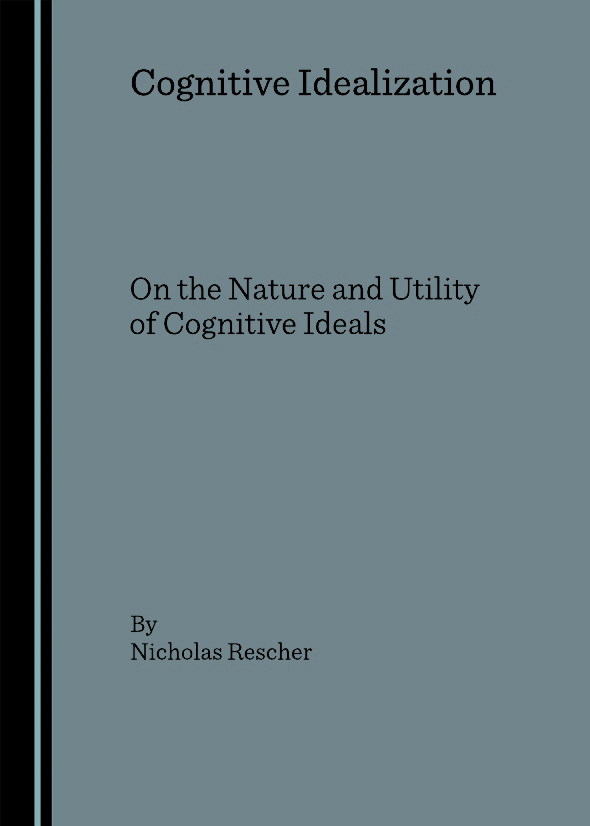
Cognitive Idealization
On the Nature and Utility of Cognitive Ideals
This book considers the role of idealization in cognitive matters. Ironically, our recourse to unrealizable ideals is justified by the substantial benefits that flow from them, bringing together lines of thought on the kinship between idealism and pragmatism.
This book considers the role of idealization in cognitive matters. Ironically, our recourse to unrealizable ideals is justified by the substantial benefits that flow from them, bringing together lines of thought on the kinship between idealism and pragmatism.
View more
This product has multiple variants. The options may be chosen on the product page
View more
This product has multiple variants. The options may be chosen on the product page
£24.99
This critique presents Plato’s leading doctrines in close connection with the man himself. It explores the relationship between author and text, with chapters on Socrates, Plato's aesthetics, The Republic, and the Sophists.
This critique presents Plato’s leading doctrines in close connection with the man himself. It explores the relationship between author and text, with chapters on Socrates, Plato’s aesthetics, The Republic, and the Sophists.
View more
This product has multiple variants. The options may be chosen on the product page

View more
This product has multiple variants. The options may be chosen on the product page
£24.95
This work is a brilliant analysis of German thought that played an important role in the formation of British idealism. It scrutinises the fundamental metaphysical positions of Kant, Fichte, Schelling, and Hegel, appealing even to readers of today.
This work is a brilliant analysis of German thought that played an important role in the formation of British idealism. It scrutinises the fundamental metaphysical positions of Kant, Fichte, Schelling, and Hegel, appealing even to readers of today.
View more
This product has multiple variants. The options may be chosen on the product page
View more
This product has multiple variants. The options may be chosen on the product page
£24.99
Designed for the general reader, this book explores the larger sweep of Kant’s thought. Wenley’s penetrating yet remarkably clear style makes complex ideas accessible, while its scholarly nature makes the work as useful to the Kant specialist.
Designed for the general reader, this book explores the larger sweep of Kant’s thought. Wenley’s penetrating yet remarkably clear style makes complex ideas accessible, while its scholarly nature makes the work as useful to the Kant specialist.
View more
This product has multiple variants. The options may be chosen on the product page
Processing Your Order
Please wait while we securely process your order.
Do not refresh or leave this page.
You will be redirected shortly to a confirmation page with your order number.