
View more
This product has multiple variants. The options may be chosen on the product page
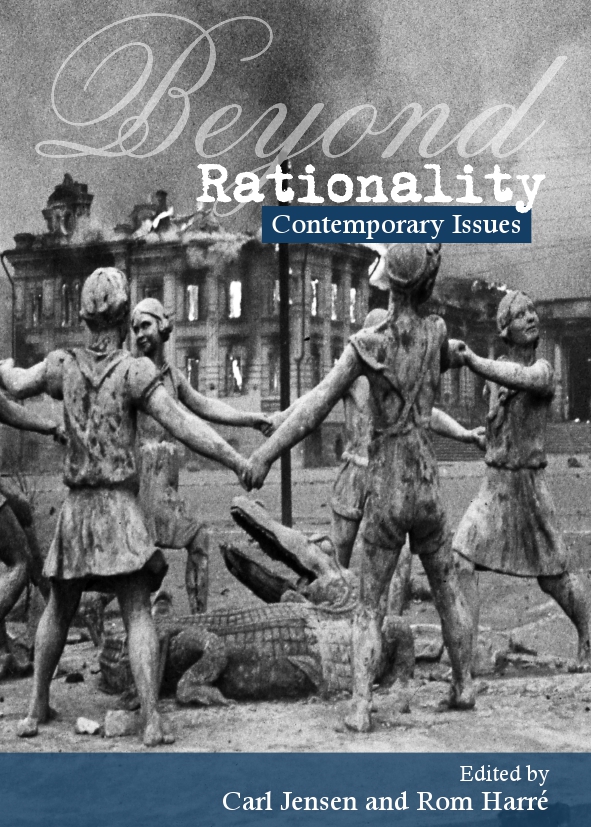
Beyond Rationality
Contemporary Issues
Scholars explore irrationality in our complex world, examining such puzzles as why citizens support dictatorships, how terrorists “reason,” and why rational people make irrational choices.
Scholars explore irrationality in our complex world, examining such puzzles as why citizens support dictatorships, how terrorists “reason,” and why rational people make irrational choices.
View more
This product has multiple variants. The options may be chosen on the product page
View more
This product has multiple variants. The options may be chosen on the product page
£49.99
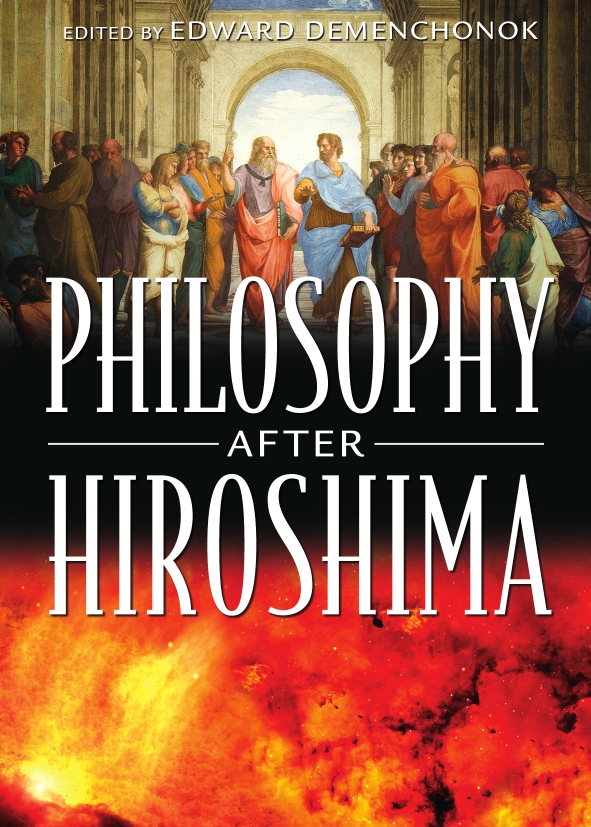
Recalling Hiroshima, this book offers a philosophical analysis of war and peace in the nuclear age. It addresses contemporary threats to humanity and shows the urgent relevance of nonviolence, arguing for a new, peace-promoting global dialogue.
Recalling Hiroshima, this book offers a philosophical analysis of war and peace in the nuclear age. It addresses contemporary threats to humanity and shows the urgent relevance of nonviolence, arguing for a new, peace-promoting global dialogue.
View more
This product has multiple variants. The options may be chosen on the product page
View more
This product has multiple variants. The options may be chosen on the product page
£44.99
This book critiques Kantian universalism, arguing that the complex human condition requires a morality beyond simple binaries. It redefines liberal-pluralism as guided by ‘reason without unification’ and ‘pluralism without relativism’.
This book critiques Kantian universalism, arguing that the complex human condition requires a morality beyond simple binaries. It redefines liberal-pluralism as guided by ‘reason without unification’ and ‘pluralism without relativism’.
View more
This product has multiple variants. The options may be chosen on the product page
View more
This product has multiple variants. The options may be chosen on the product page
£34.99
This book of political philosophy argues that libertarianism provides more efficient decision-making than any other political order. It links this idea to the theory of knowledge, revealing the connection between how we know and how we are governed.
This book of political philosophy argues that libertarianism provides more efficient decision-making than any other political order. It links this idea to the theory of knowledge, revealing the connection between how we know and how we are governed.
View more
This product has multiple variants. The options may be chosen on the product page
View more
This product has multiple variants. The options may be chosen on the product page
£4.99
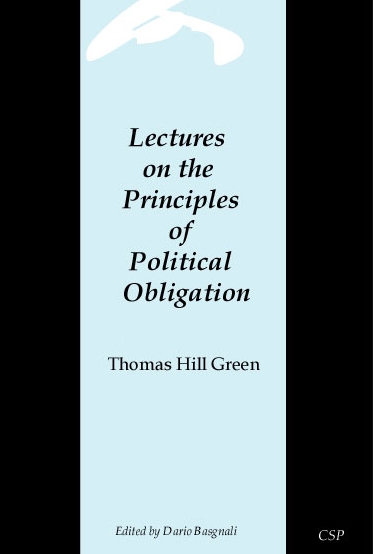
Thomas Hill Green’s work on ‘the common good’ provides the means to evaluate the conduct of political establishments. One of the most important contributions to political philosophy by any English philosopher, it continues to fuel lively debate today.
Thomas Hill Green’s work on ‘the common good’ provides the means to evaluate the conduct of political establishments. One of the most important contributions to political philosophy by any English philosopher, it continues to fuel lively debate today.
View more
This product has multiple variants. The options may be chosen on the product page