
View more
This product has multiple variants. The options may be chosen on the product page
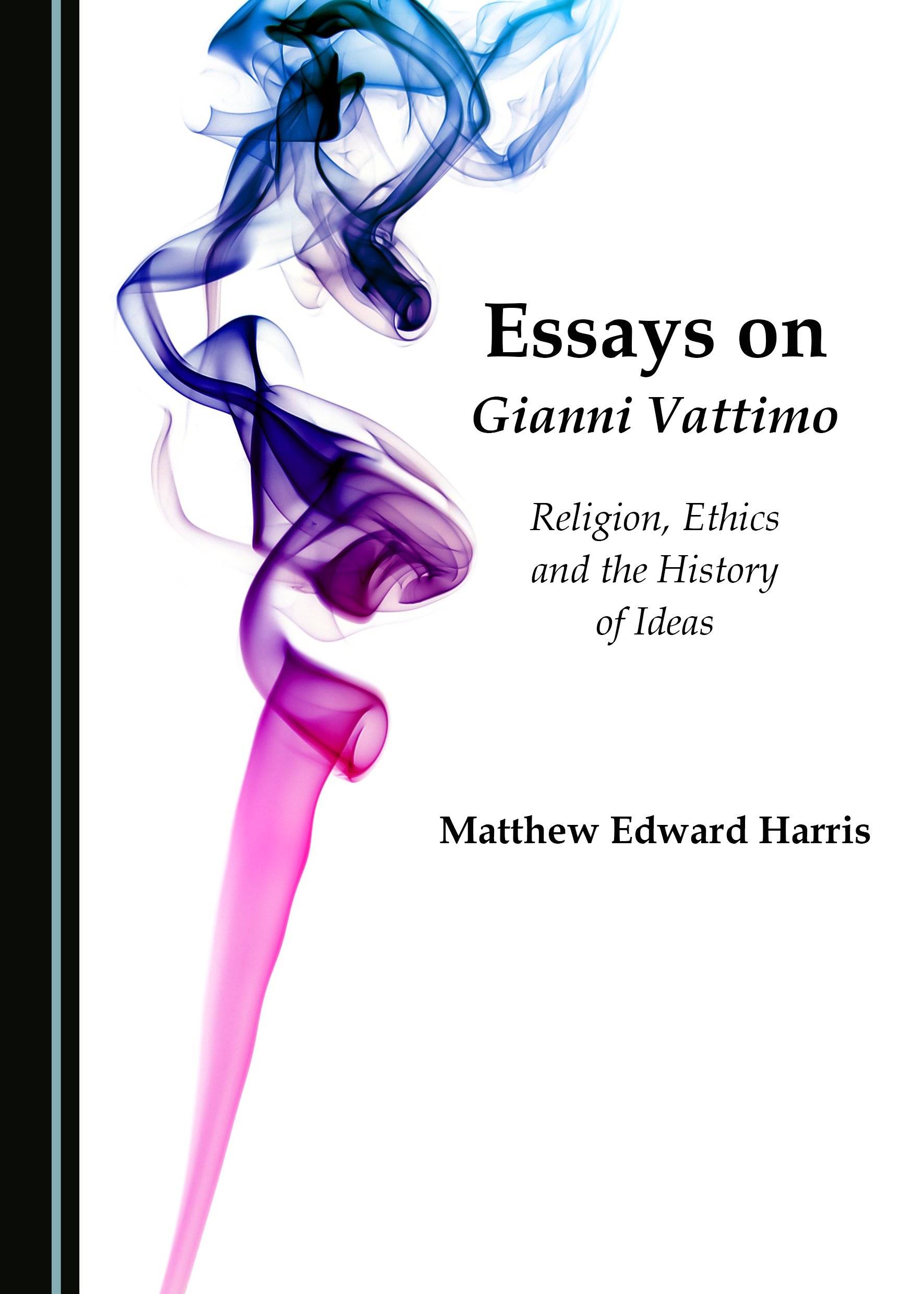
Essays on Gianni Vattimo
Religion, Ethics and the History of Ideas
This monograph, focused on the interrelated themes of religion, ethics and the history of ideas, offers a critically constructive approach to defending Gianni Vattimo against some of his more strident critics, but nevertheless poses some questions of its own.
This monograph, focused on the interrelated themes of religion, ethics and the history of ideas, offers a critically constructive approach to defending Gianni Vattimo against some of his more strident critics, but nevertheless poses some questions of its own.
View more
This product has multiple variants. The options may be chosen on the product page
View more
This product has multiple variants. The options may be chosen on the product page
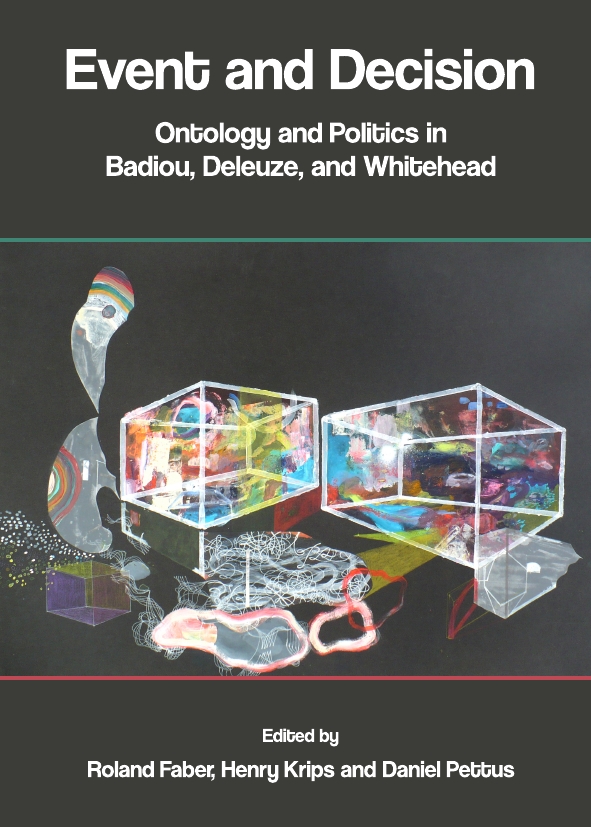
Event and Decision
Ontology and Politics in Badiou, Deleuze, and Whitehead
This book unites the philosophies of Badiou, Deleuze, and Whitehead on the concept of the event. For all three thinkers, the event necessitates a radical politics, revealing humanity as constituted by a multiplicious cycle of infinite creation.
This book unites the philosophies of Badiou, Deleuze, and Whitehead on the concept of the event. For all three thinkers, the event necessitates a radical politics, revealing humanity as constituted by a multiplicious cycle of infinite creation.
View more
This product has multiple variants. The options may be chosen on the product page
View more
This product has multiple variants. The options may be chosen on the product page
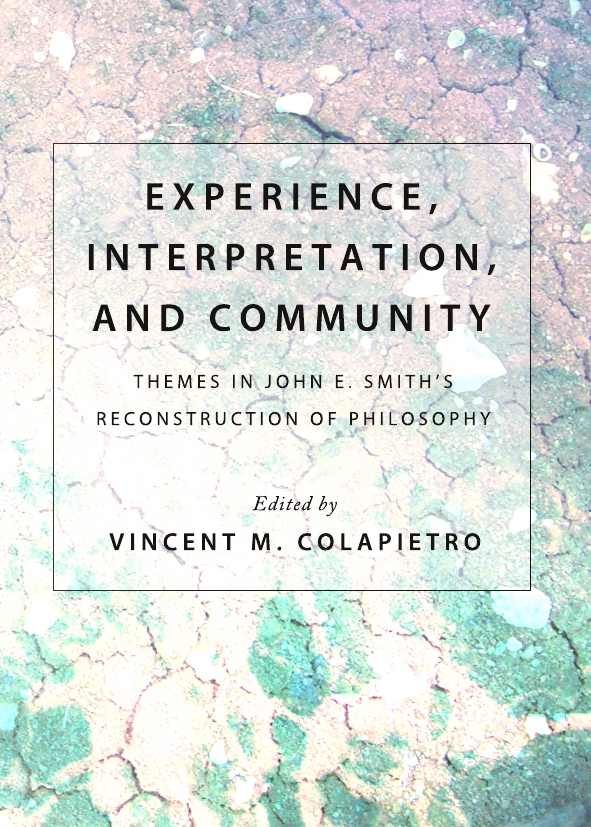
Experience, Interpretation, and Community
Themes in John E. Smith’s Reconstruction of Philosophy
John Edwin Smith recovered the voice of philosophy, showing its relevance to contemporary life. He not only anticipated key philosophical developments but also pointed the way beyond intellectual impasses. The essays in this volume reveal his wisdom for our world.
John Edwin Smith recovered the voice of philosophy, showing its relevance to contemporary life. He not only anticipated key philosophical developments but also pointed the way beyond intellectual impasses. The essays in this volume reveal his wisdom for our world.
View more
This product has multiple variants. The options may be chosen on the product page
View more
This product has multiple variants. The options may be chosen on the product page
From Monophysitism to Nestorianism
AD 431-681
This book argues that early orthodoxy was not a linear progression. Instead, the church navigated the narrow strait between Nestorianism and Monophysitism by continually changing sides in the Ecumenical Councils, ultimately outwitting both heresies to forge its own path.
This book argues that early orthodoxy was not a linear progression. Instead, the church navigated the narrow strait between Nestorianism and Monophysitism by continually changing sides in the Ecumenical Councils, ultimately outwitting both heresies to forge its own path.
View more
This product has multiple variants. The options may be chosen on the product page
View more
This product has multiple variants. The options may be chosen on the product page
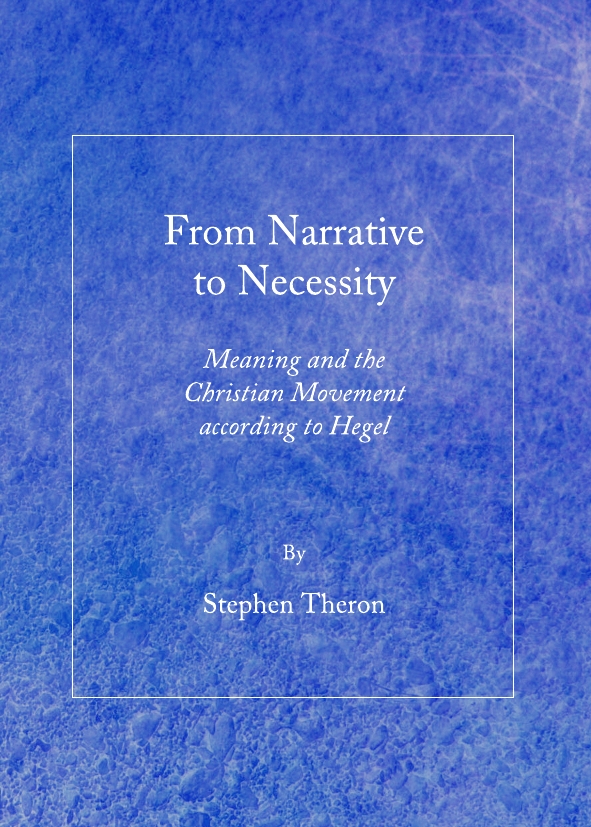
From Narrative to Necessity
Meaning and the Christian Movement according to Hegel
This book presents religion as intelligible metaphysics, reconciling faith and reason. It explores the philosophical implications of the Trinity, Creation, and Incarnation, correcting false views of divine transcendence where God is "all in all."
This book presents religion as intelligible metaphysics, reconciling faith and reason. It explores the philosophical implications of the Trinity, Creation, and Incarnation, correcting false views of divine transcendence where God is “all in all.”
View more
This product has multiple variants. The options may be chosen on the product page
View more
This product has multiple variants. The options may be chosen on the product page
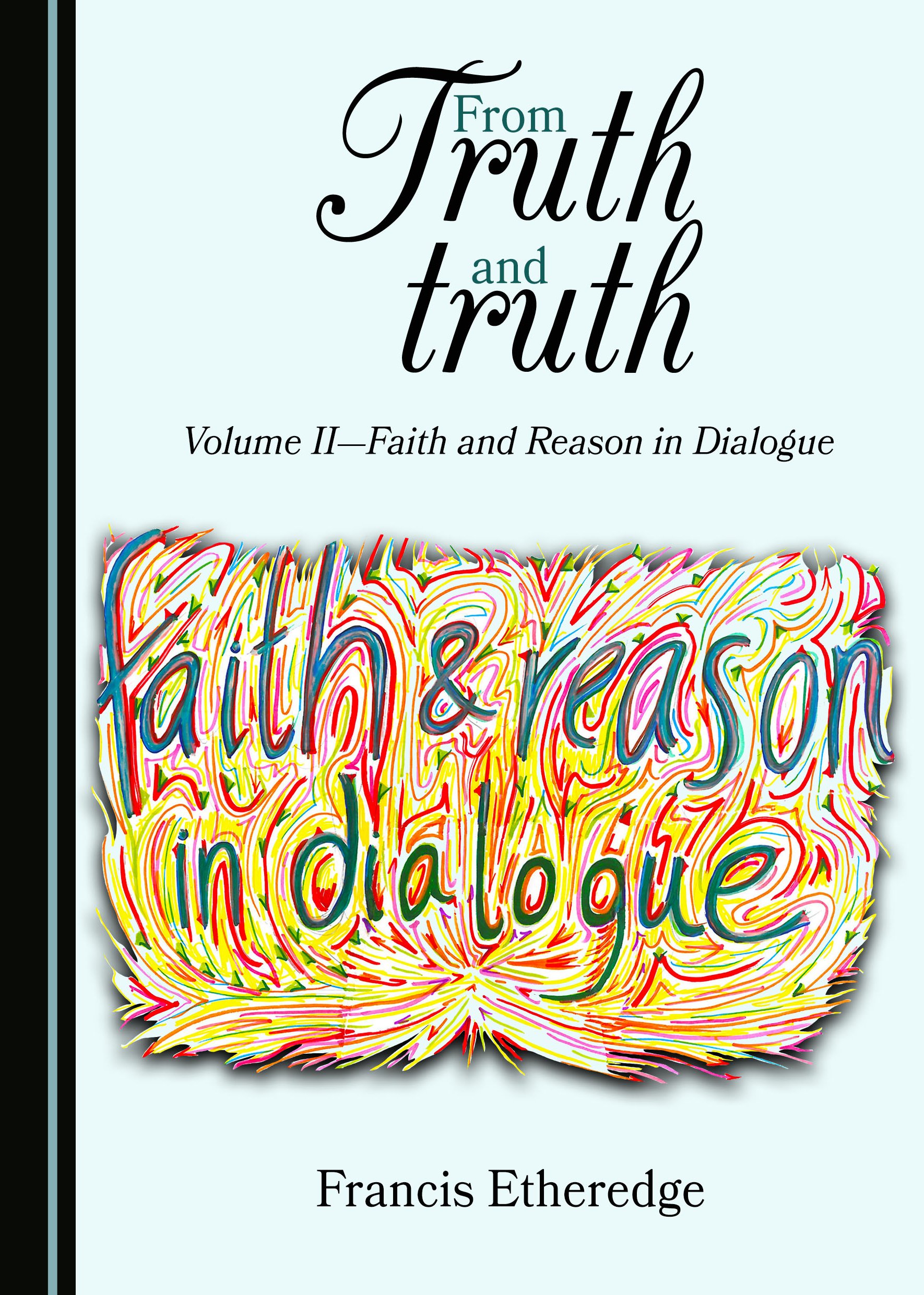
From Truth and truth
Volume II—Faith and Reason in Dialogue
Examining the answers of reason and faith to the question "What is man?", these essays explore the incomparable depth of dialogue. Given the critical situations in the world, humanity must choose the wealth of dialogue over a polarized, conflictual existence.
Examining the answers of reason and faith to the question “What is man?”, these essays explore the incomparable depth of dialogue. Given the critical situations in the world, humanity must choose the wealth of dialogue over a polarized, conflictual existence.
View more
This product has multiple variants. The options may be chosen on the product page
View more
This product has multiple variants. The options may be chosen on the product page
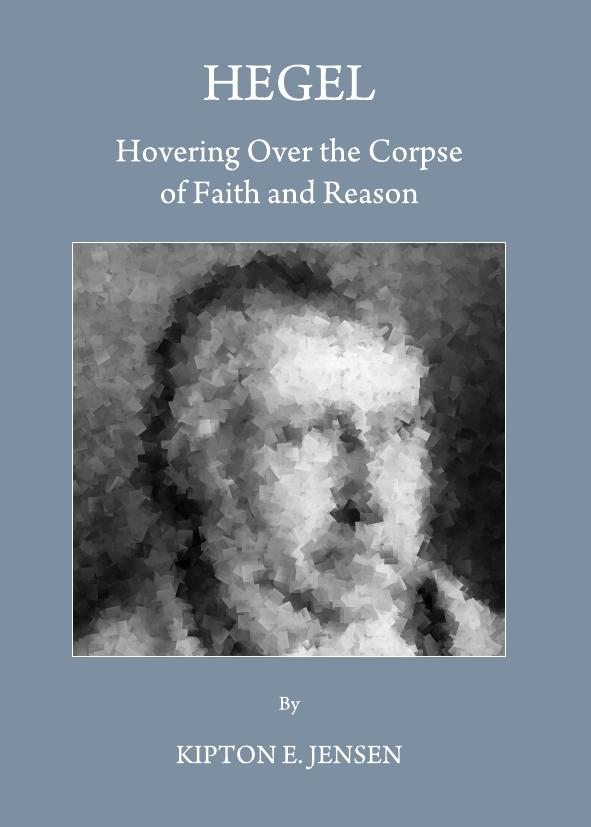
Hegel
Hovering Over the Corpse of Faith and Reason
This revisionist reading of Hegel’s essay, Faith and Knowledge, argues his critique of predecessors was no misreading. As a philosophical latecomer, Hegel appropriated the thought of his precursors with an eye toward overcoming them.
This revisionist reading of Hegel’s essay, Faith and Knowledge, argues his critique of predecessors was no misreading. As a philosophical latecomer, Hegel appropriated the thought of his precursors with an eye toward overcoming them.
View more
This product has multiple variants. The options may be chosen on the product page
View more
This product has multiple variants. The options may be chosen on the product page
£57.99
Theron presents what Hegel calls “the vital spirit of the actual world”, the truth, namely, of logic’s form and content as one concrete whole. He operates from the view that thinking is necessarily free and unbounded, if we escape a performative contradiction in evaluating it.
Theron presents what Hegel calls “the vital spirit of the actual world”, the truth, namely, of logic’s form and content as one concrete whole. He operates from the view that thinking is necessarily free and unbounded, if we escape a performative contradiction in evaluating it.
View more
This product has multiple variants. The options may be chosen on the product page
View more
This product has multiple variants. The options may be chosen on the product page
£64.99
This book applies Hegel’s Absolute Idealism to Christian orthodox confession, showing his system is grounded in the Trinity and Incarnation. Tracing philosophy from Aristotle to Hegel, it addresses revelation, creation, sacraments, and ecumenism, revealing philosophy as worship.
This book applies Hegel’s Absolute Idealism to Christian orthodox confession, showing his system is grounded in the Trinity and Incarnation. Tracing philosophy from Aristotle to Hegel, it addresses revelation, creation, sacraments, and ecumenism, revealing philosophy as worship.
View more
This product has multiple variants. The options may be chosen on the product page
View more
This product has multiple variants. The options may be chosen on the product page
Hegel’s Philosophy of Universal Reconciliation
Logic as Form of the World
In this final volume on Hegel as theologian, we discover the reconciliation of Mind with itself as the nerve of Hegel’s thought. Subtitled “Logic as Form of the World,” this work identifies faith with rationality and man as the form of the world.
In this final volume on Hegel as theologian, we discover the reconciliation of Mind with itself as the nerve of Hegel’s thought. Subtitled “Logic as Form of the World,” this work identifies faith with rationality and man as the form of the world.
View more
This product has multiple variants. The options may be chosen on the product page
View more
This product has multiple variants. The options may be chosen on the product page
I More than Others
Responses to Evil and Suffering
How responsible are we for the world's suffering? Inspired by Dostoyevsky, philosophers and theologians confront the nature of evil, our shared guilt, and the difficult struggle for hope.
How responsible are we for the world’s suffering? Inspired by Dostoyevsky, philosophers and theologians confront the nature of evil, our shared guilt, and the difficult struggle for hope.
View more
This product has multiple variants. The options may be chosen on the product page
View more
This product has multiple variants. The options may be chosen on the product page
£61.99
Despite the enduring popularity of the works of Shadhiliyya master Ibn ‘Ata’ Allah, there has been no systematic analysis of his worldview. This book is the first study to highlight the interconnections in his writings, building a new understanding of his Sufism.
Despite the enduring popularity of the works of Shadhiliyya master Ibn ‘Ata’ Allah, there has been no systematic analysis of his worldview. This book is the first study to highlight the interconnections in his writings, building a new understanding of his Sufism.
View more
This product has multiple variants. The options may be chosen on the product page
View more
This product has multiple variants. The options may be chosen on the product page
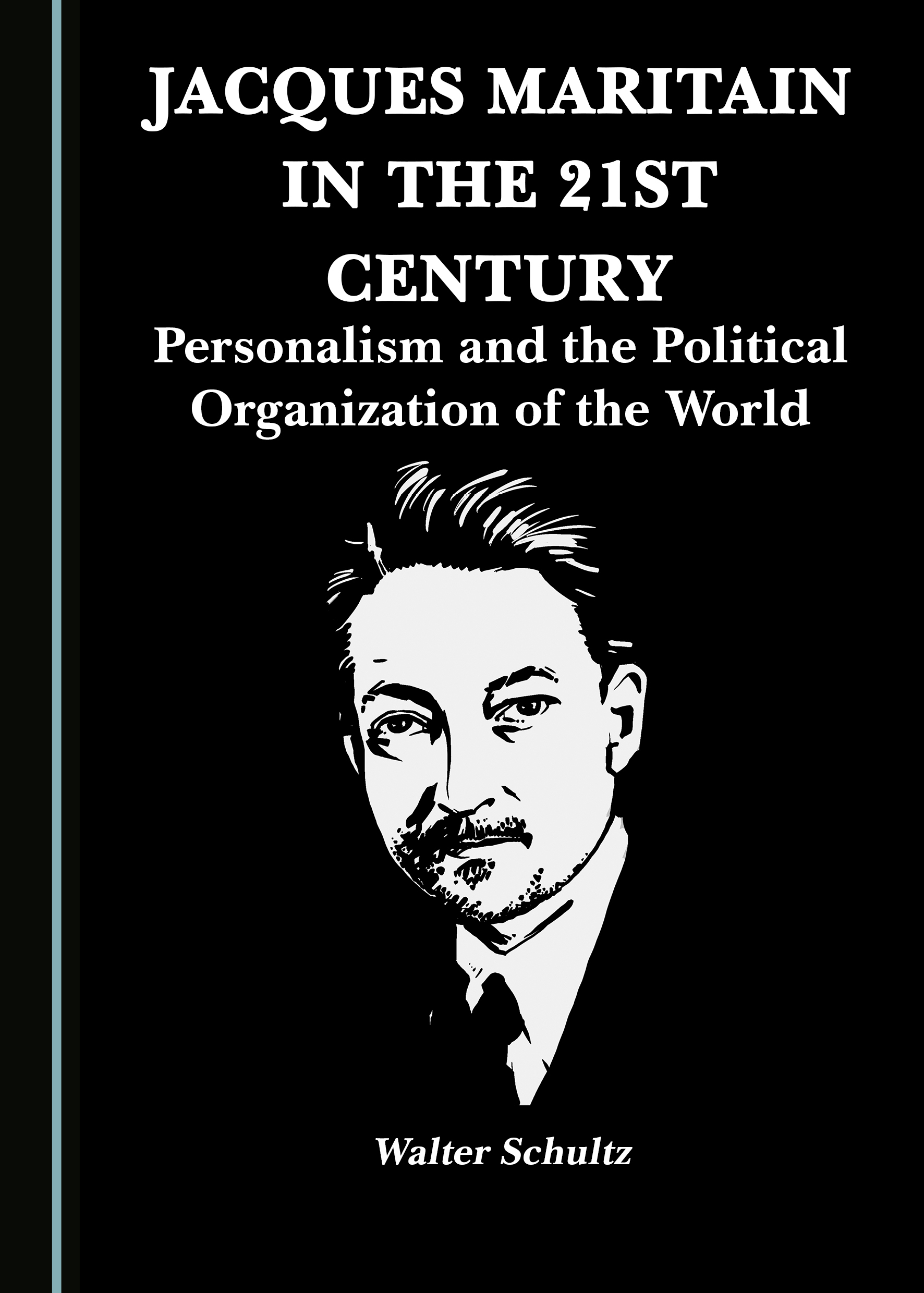
Jacques Maritain in the 21st Century
Personalism and the Political Organization of the World
Rejecting egocentric isolation and totalitarianism, Christian philosopher Jacques Maritain promoted the human person in authentic community. His quest for liberation contributes to our understanding of 21st-century movements for sustainability, human rights, and democracy.
Rejecting egocentric isolation and totalitarianism, Christian philosopher Jacques Maritain promoted the human person in authentic community. His quest for liberation contributes to our understanding of 21st-century movements for sustainability, human rights, and democracy.
View more
This product has multiple variants. The options may be chosen on the product page
View more
This product has multiple variants. The options may be chosen on the product page
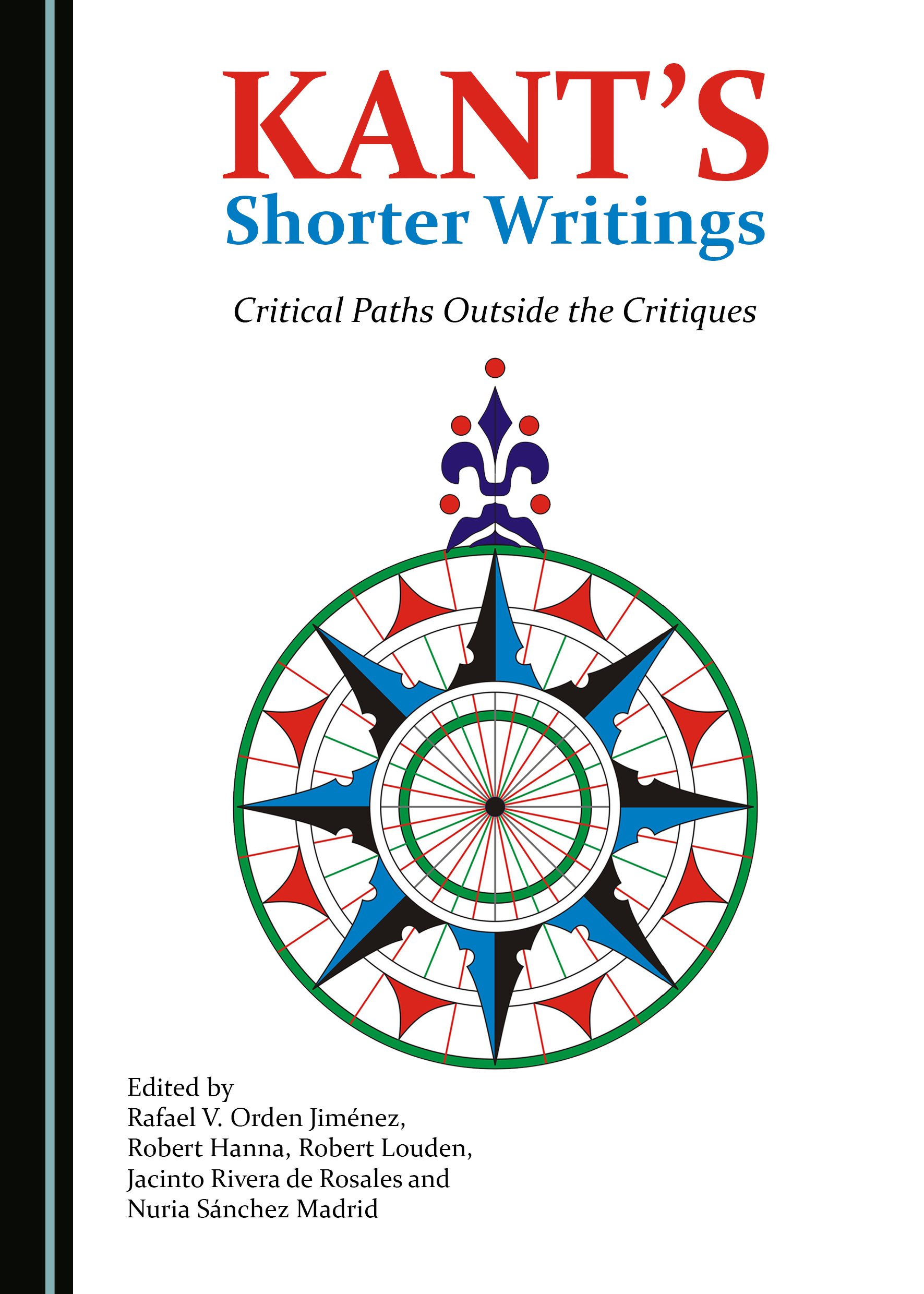
Kant’s Shorter Writings
Critical Paths Outside the Critiques
Spanning the entire intellectual career of Kant, this work highlights the importance of the thinker’s shorter writings. It contrasts with other such studies of his work, which typically focus on a specific part of his career, and on either his theoretical or practical philosophy.
Spanning the entire intellectual career of Kant, this work highlights the importance of the thinker’s shorter writings. It contrasts with other such studies of his work, which typically focus on a specific part of his career, and on either his theoretical or practical philosophy.
View more
This product has multiple variants. The options may be chosen on the product page
View more
This product has multiple variants. The options may be chosen on the product page
£44.99
The world's deep-seated problems, from environmental crisis to social injustice, arise from technological society and structures of domination. This book offers guidance, providing a plurality of moral and spiritual perspectives to find reasonable responses.
The world’s deep-seated problems, from environmental crisis to social injustice, arise from technological society and structures of domination. This book offers guidance, providing a plurality of moral and spiritual perspectives to find reasonable responses.
View more
This product has multiple variants. The options may be chosen on the product page
View more
This product has multiple variants. The options may be chosen on the product page
New Hegelian Essays
Seid Umschlungen Millionen
These essays show how Hegel’s philosophy overcomes religious dualisms, inserting Christian doctrine into the metaphysical tradition. To read Hegel is to participate in a divine “service,” a spiritual participation to which this text invites the reader.
These essays show how Hegel’s philosophy overcomes religious dualisms, inserting Christian doctrine into the metaphysical tradition. To read Hegel is to participate in a divine “service,” a spiritual participation to which this text invites the reader.
View more
This product has multiple variants. The options may be chosen on the product page
View more
This product has multiple variants. The options may be chosen on the product page
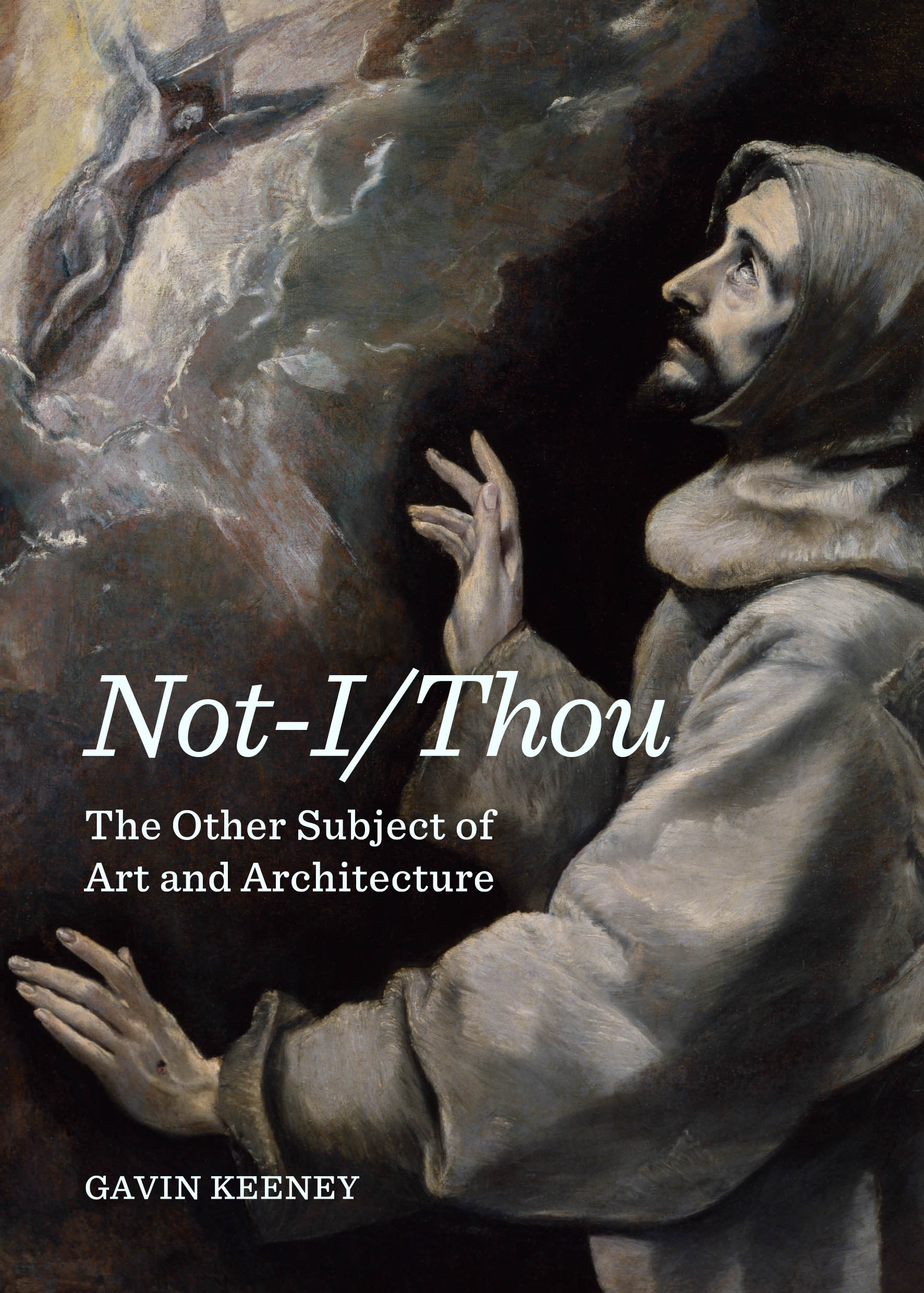
Not-I/Thou
The Other Subject of Art and Architecture
In these essays, Art and Architecture emerge from the gray areas of cultural production as a type of knowledge with no utilitarian agency. They operate at the edge of authorized systems, quietly validating the shadowy and recondite operations of intellect.
In these essays, Art and Architecture emerge from the gray areas of cultural production as a type of knowledge with no utilitarian agency. They operate at the edge of authorized systems, quietly validating the shadowy and recondite operations of intellect.
View more
This product has multiple variants. The options may be chosen on the product page
View more
This product has multiple variants. The options may be chosen on the product page
From £30.99
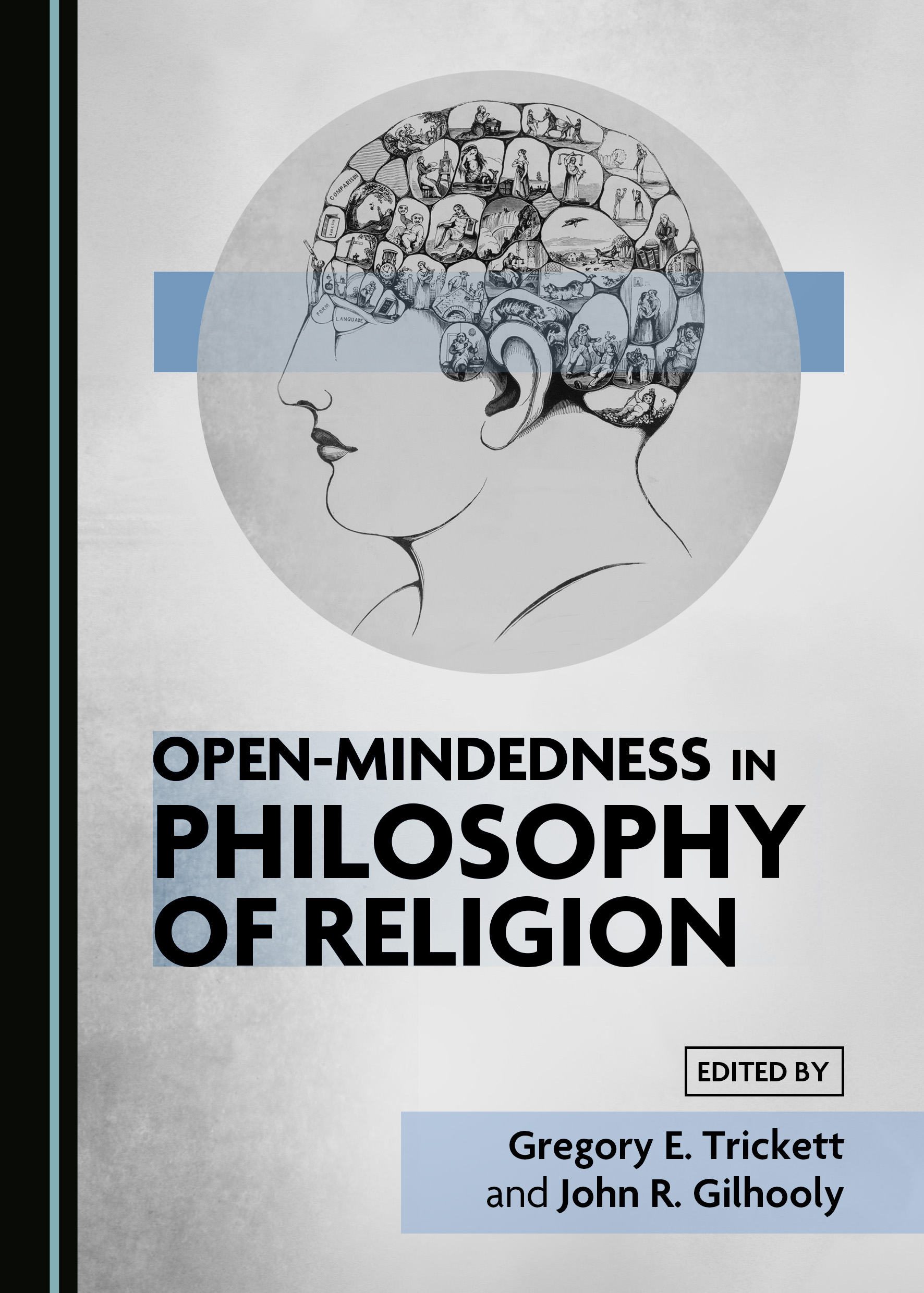
What is open-mindedness and how does it square with personal commitments? This issue is particularly acute when it comes to religious belief, where it can sound like doubt. This collection of essays explores this virtue and its role in the philosophy of religion.
What is open-mindedness and how does it square with personal commitments? This issue is particularly acute when it comes to religious belief, where it can sound like doubt. This collection of essays explores this virtue and its role in the philosophy of religion.
View more
This product has multiple variants. The options may be chosen on the product page
View more
This product has multiple variants. The options may be chosen on the product page
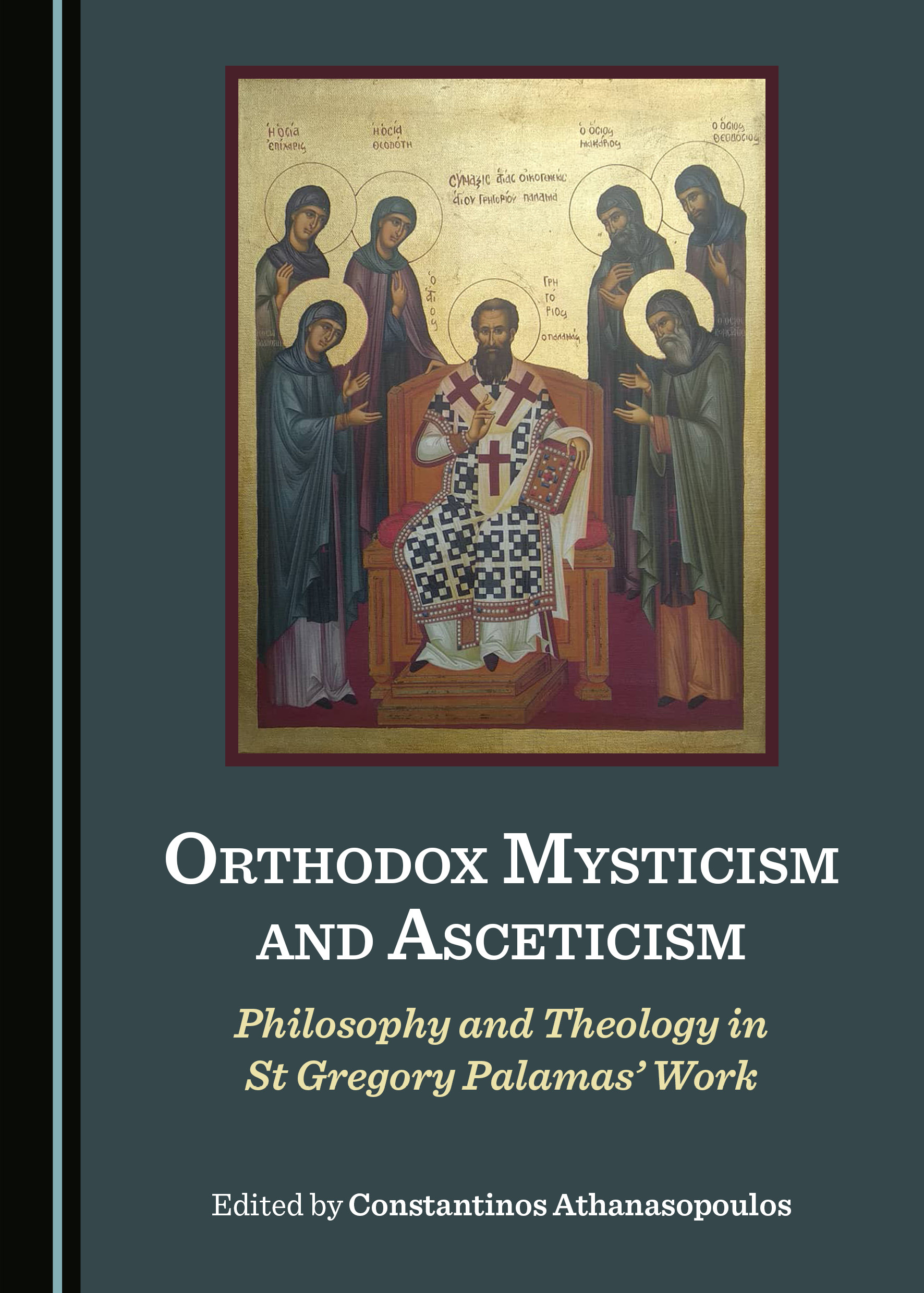
Orthodox Mysticism and Asceticism
Philosophy and Theology in St Gregory Palamas’ Work
This volume explores the cultural, social and ethical dimensions of St Gregory Palamas’ works, relating his mystical theology to contemporary debates in philosophy, politics, and art. Topics include church-state relations and hesychast influences on Byzantine iconography.
This volume explores the cultural, social and ethical dimensions of St Gregory Palamas’ works, relating his mystical theology to contemporary debates in philosophy, politics, and art. Topics include church-state relations and hesychast influences on Byzantine iconography.
View more
This product has multiple variants. The options may be chosen on the product page
View more
This product has multiple variants. The options may be chosen on the product page
£39.99
This book offers a cross-cultural and interdisciplinary approach to timeless questions. It explores the nature of reality, how we can know it, and our moral obligations using insights from philosophy, religion, science, and psychology from East and West.
This book offers a cross-cultural and interdisciplinary approach to timeless questions. It explores the nature of reality, how we can know it, and our moral obligations using insights from philosophy, religion, science, and psychology from East and West.
View more
This product has multiple variants. The options may be chosen on the product page
Processing Your Order
Please wait while we securely process your order.
Do not refresh or leave this page.
You will be redirected shortly to a confirmation page with your order number.