
View more
This product has multiple variants. The options may be chosen on the product page
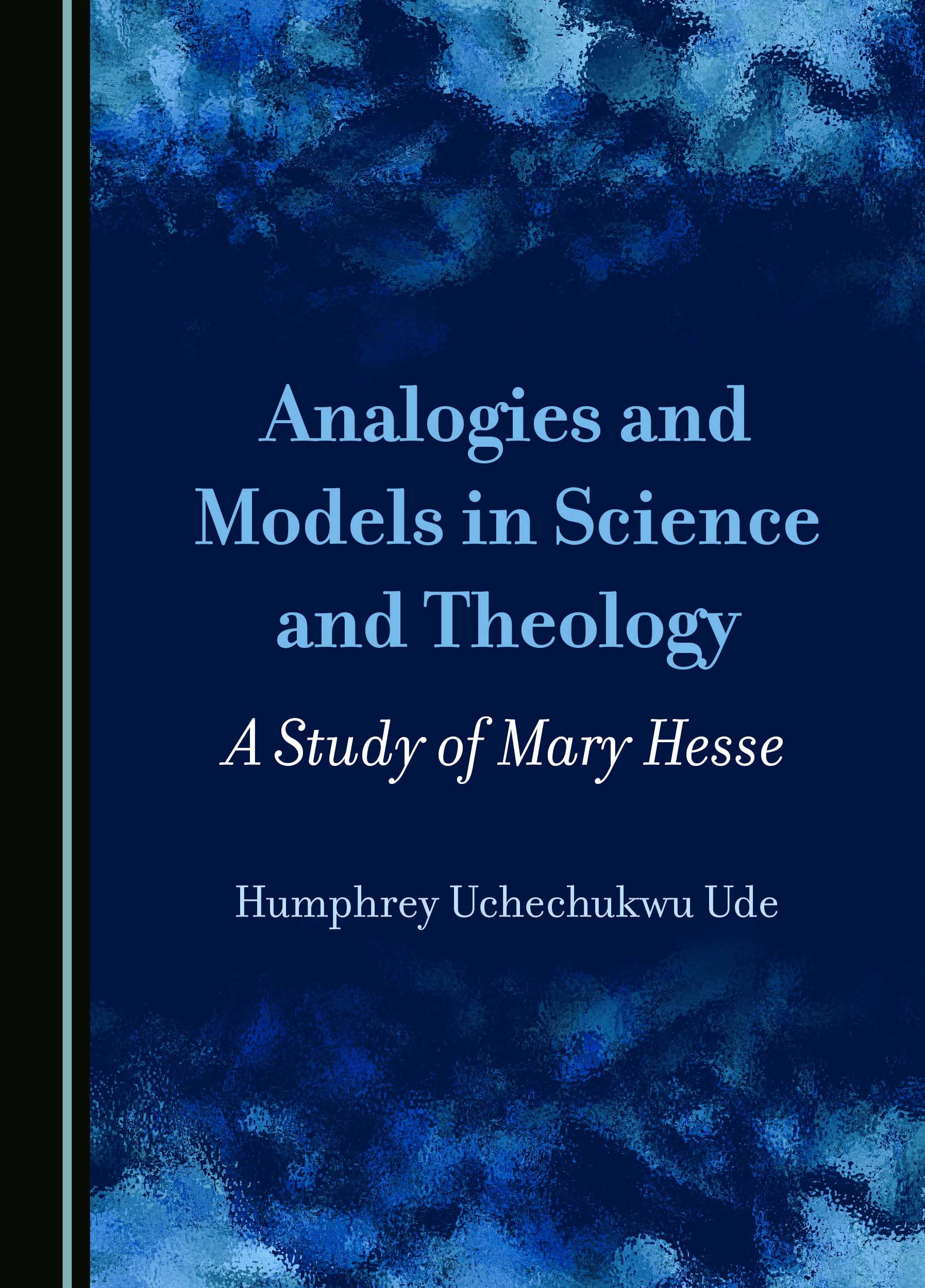
Analogies and Models in Science and Theology
A Study of Mary Hesse
This book uses Hesse’s Network Model of Theory to debunk scientism and argue for the indispensability of socio-cultural and theological values in the search for objective knowledge. It shows how both science and theology rely on interpretation, models, and metaphor.
This book uses Hesse’s Network Model of Theory to debunk scientism and argue for the indispensability of socio-cultural and theological values in the search for objective knowledge. It shows how both science and theology rely on interpretation, models, and metaphor.
View more
This product has multiple variants. The options may be chosen on the product page
View more
This product has multiple variants. The options may be chosen on the product page
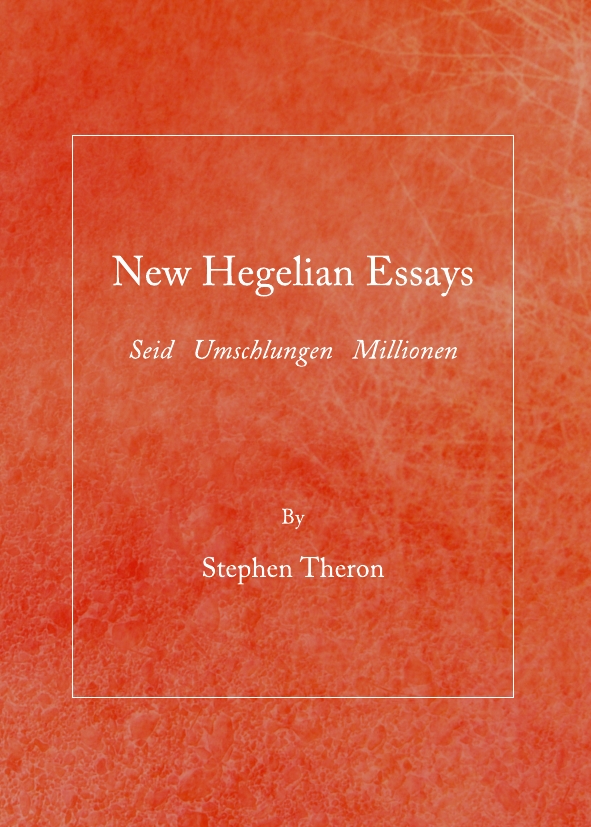
New Hegelian Essays
Seid Umschlungen Millionen
These essays show how Hegel’s philosophy overcomes religious dualisms, inserting Christian doctrine into the metaphysical tradition. To read Hegel is to participate in a divine “service,” a spiritual participation to which this text invites the reader.
These essays show how Hegel’s philosophy overcomes religious dualisms, inserting Christian doctrine into the metaphysical tradition. To read Hegel is to participate in a divine “service,” a spiritual participation to which this text invites the reader.
View more
This product has multiple variants. The options may be chosen on the product page
View more
This product has multiple variants. The options may be chosen on the product page
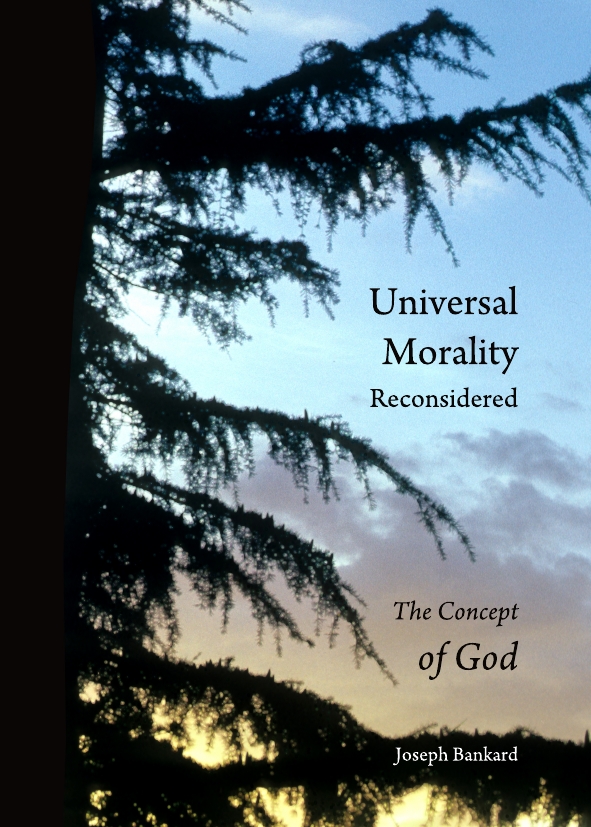
Universal Morality Reconsidered
The Concept of God
This book bridges the great divide in moral discourse. It argues that universal morality is most successful when grounded in God, and unlike other works, it successfully integrates the newest empirical research from the sciences into a theological framework.
This book bridges the great divide in moral discourse. It argues that universal morality is most successful when grounded in God, and unlike other works, it successfully integrates the newest empirical research from the sciences into a theological framework.
View more
This product has multiple variants. The options may be chosen on the product page
View more
This product has multiple variants. The options may be chosen on the product page
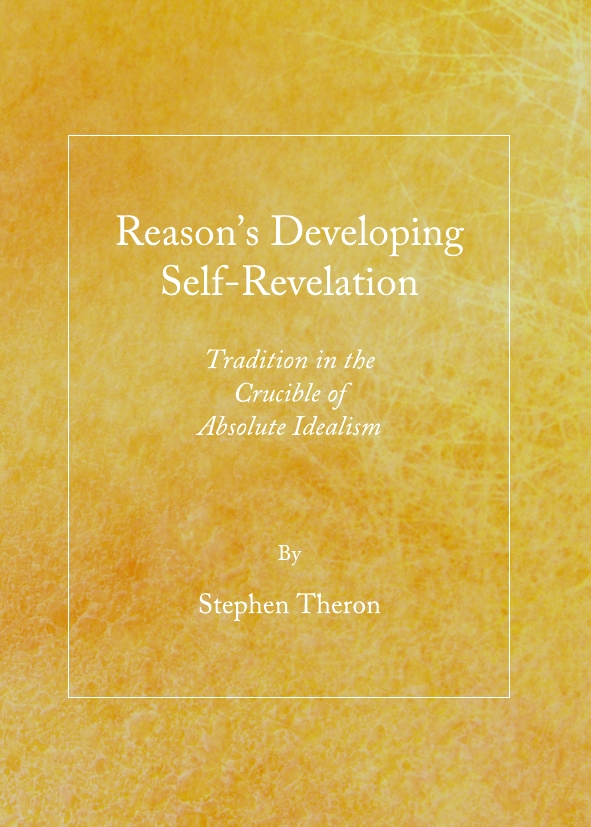
Reason’s Developing Self-Revelation
Tradition in the Crucible of Absolute Idealism
This book expounds Christianity as the unfolding of Reason’s Developing Self-Revelation. It frees orthodoxy from figurative representation, progressing through Hegelian Logic to a final question: “Christianity without (or within) God?”
This book expounds Christianity as the unfolding of Reason’s Developing Self-Revelation. It frees orthodoxy from figurative representation, progressing through Hegelian Logic to a final question: “Christianity without (or within) God?”
View more
This product has multiple variants. The options may be chosen on the product page
View more
This product has multiple variants. The options may be chosen on the product page
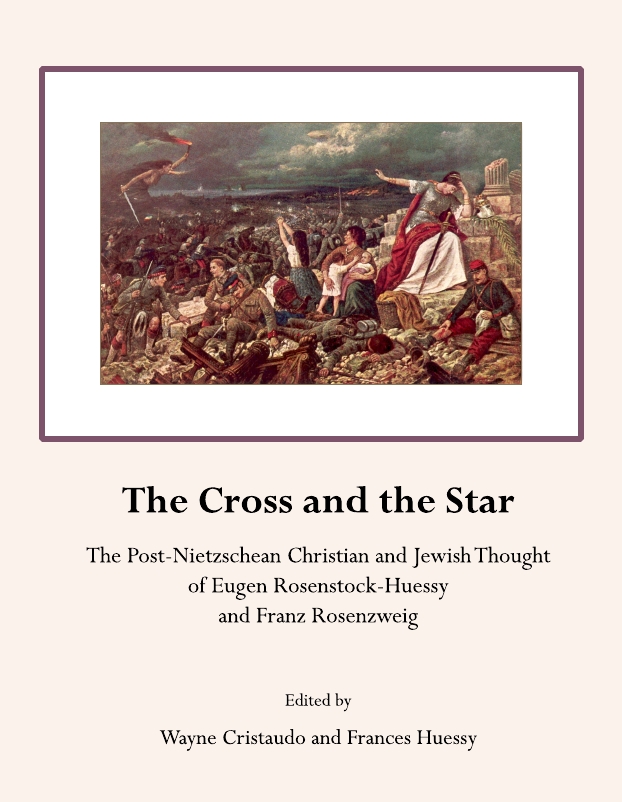
The Cross and the Star
The Post-Nietzschean Christian and Jewish Thought of Eugen Rosenstock-Huessy and Franz Rosenzweig
A conversation between Christian scholar Eugen Rosenstock-Huessy and Jewish thinker Franz Rosenzweig sparked a stunning dialogue. Confronting Nietzsche's critiques, their "new thinking" resurrected the redemptive cores of faith for the rejuvenation of society.
A conversation between Christian scholar Eugen Rosenstock-Huessy and Jewish thinker Franz Rosenzweig sparked a stunning dialogue. Confronting Nietzsche’s critiques, their “new thinking” resurrected the redemptive cores of faith for the rejuvenation of society.
View more
This product has multiple variants. The options may be chosen on the product page
View more
This product has multiple variants. The options may be chosen on the product page
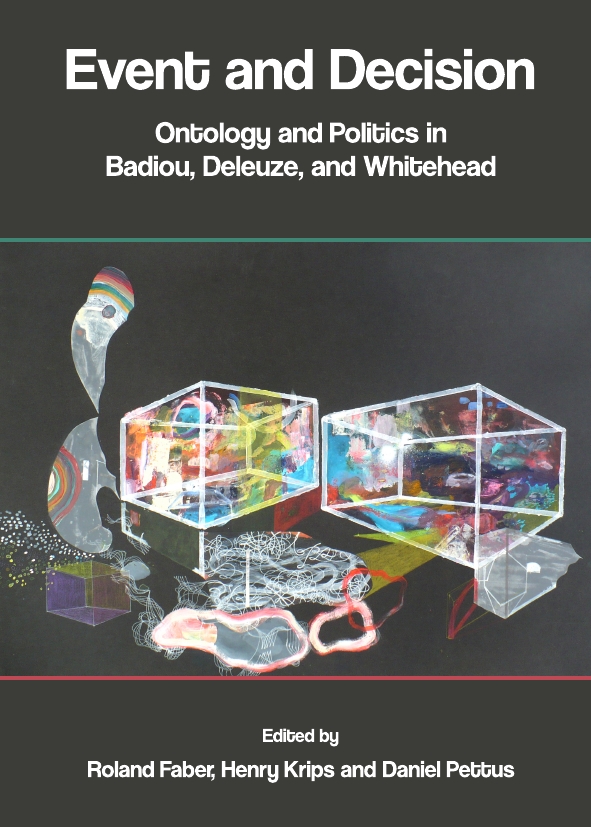
Event and Decision
Ontology and Politics in Badiou, Deleuze, and Whitehead
This book unites the philosophies of Badiou, Deleuze, and Whitehead on the concept of the event. For all three thinkers, the event necessitates a radical politics, revealing humanity as constituted by a multiplicious cycle of infinite creation.
This book unites the philosophies of Badiou, Deleuze, and Whitehead on the concept of the event. For all three thinkers, the event necessitates a radical politics, revealing humanity as constituted by a multiplicious cycle of infinite creation.
View more
This product has multiple variants. The options may be chosen on the product page
View more
This product has multiple variants. The options may be chosen on the product page
Applied Social Sciences
Philosophy and Theology
This volume provides original essays on philosophy and theology, exploring aesthetics, ethics, postmodernism, and the role of religion in society. Accessible to specialists and a wider public, it offers new ideas for professionals in the socio-humanistic field.
This volume provides original essays on philosophy and theology, exploring aesthetics, ethics, postmodernism, and the role of religion in society. Accessible to specialists and a wider public, it offers new ideas for professionals in the socio-humanistic field.
View more
This product has multiple variants. The options may be chosen on the product page
View more
This product has multiple variants. The options may be chosen on the product page
£44.99
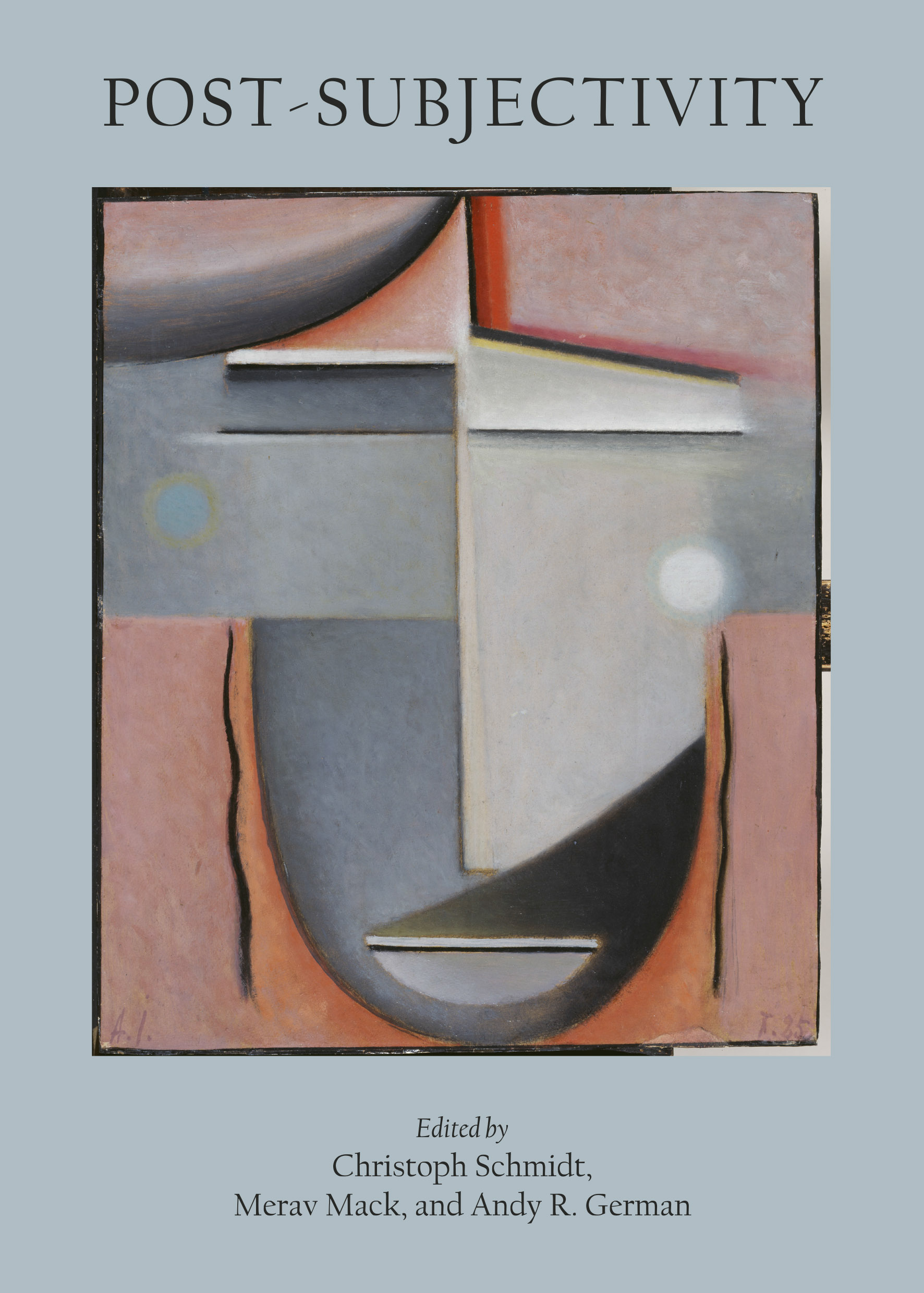
As modern thinkers declare the “death of the subject,” this volume searches for new ways of being a self. With renewed attention to religion, these essays guide readers beyond the crises of modernity to resurrect the subject in new and unexpected forms.
As modern thinkers declare the “death of the subject,” this volume searches for new ways of being a self. With renewed attention to religion, these essays guide readers beyond the crises of modernity to resurrect the subject in new and unexpected forms.
View more
This product has multiple variants. The options may be chosen on the product page
View more
This product has multiple variants. The options may be chosen on the product page
£44.99
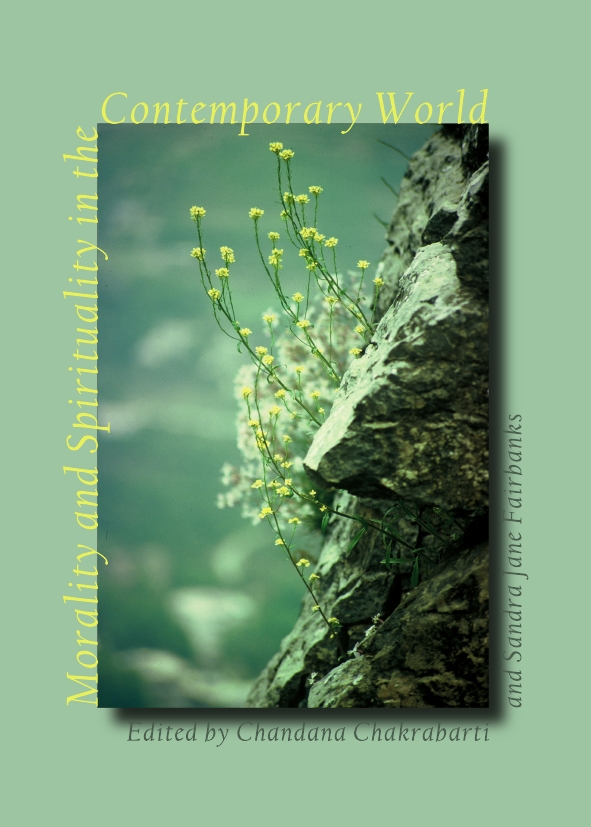
The world's deep-seated problems, from environmental crisis to social injustice, arise from technological society and structures of domination. This book offers guidance, providing a plurality of moral and spiritual perspectives to find reasonable responses.
The world’s deep-seated problems, from environmental crisis to social injustice, arise from technological society and structures of domination. This book offers guidance, providing a plurality of moral and spiritual perspectives to find reasonable responses.
View more
This product has multiple variants. The options may be chosen on the product page
View more
This product has multiple variants. The options may be chosen on the product page
Essays on Gianni Vattimo
Religion, Ethics and the History of Ideas
This monograph, focused on the interrelated themes of religion, ethics and the history of ideas, offers a critically constructive approach to defending Gianni Vattimo against some of his more strident critics, but nevertheless poses some questions of its own.
This monograph, focused on the interrelated themes of religion, ethics and the history of ideas, offers a critically constructive approach to defending Gianni Vattimo against some of his more strident critics, but nevertheless poses some questions of its own.
View more
This product has multiple variants. The options may be chosen on the product page
View more
This product has multiple variants. The options may be chosen on the product page
From Truth and truth
Volume II—Faith and Reason in Dialogue
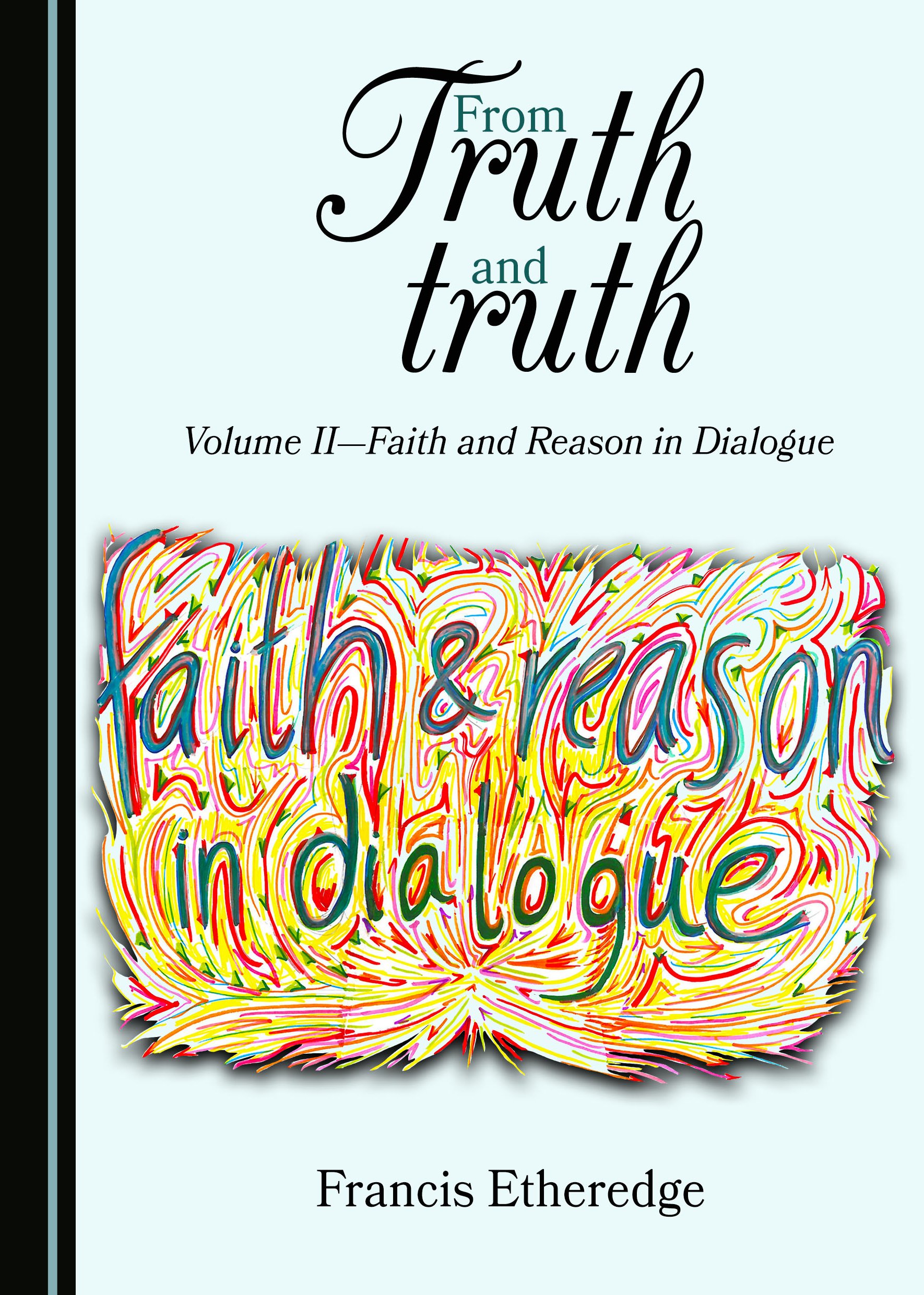
Examining the answers of reason and faith to the question "What is man?", these essays explore the incomparable depth of dialogue. Given the critical situations in the world, humanity must choose the wealth of dialogue over a polarized, conflictual existence.
Examining the answers of reason and faith to the question “What is man?”, these essays explore the incomparable depth of dialogue. Given the critical situations in the world, humanity must choose the wealth of dialogue over a polarized, conflictual existence.
View more
This product has multiple variants. The options may be chosen on the product page
View more
This product has multiple variants. The options may be chosen on the product page
Science, Mysticism and Psychical Research
The Revolutionary Synthesis of Michael Whiteman
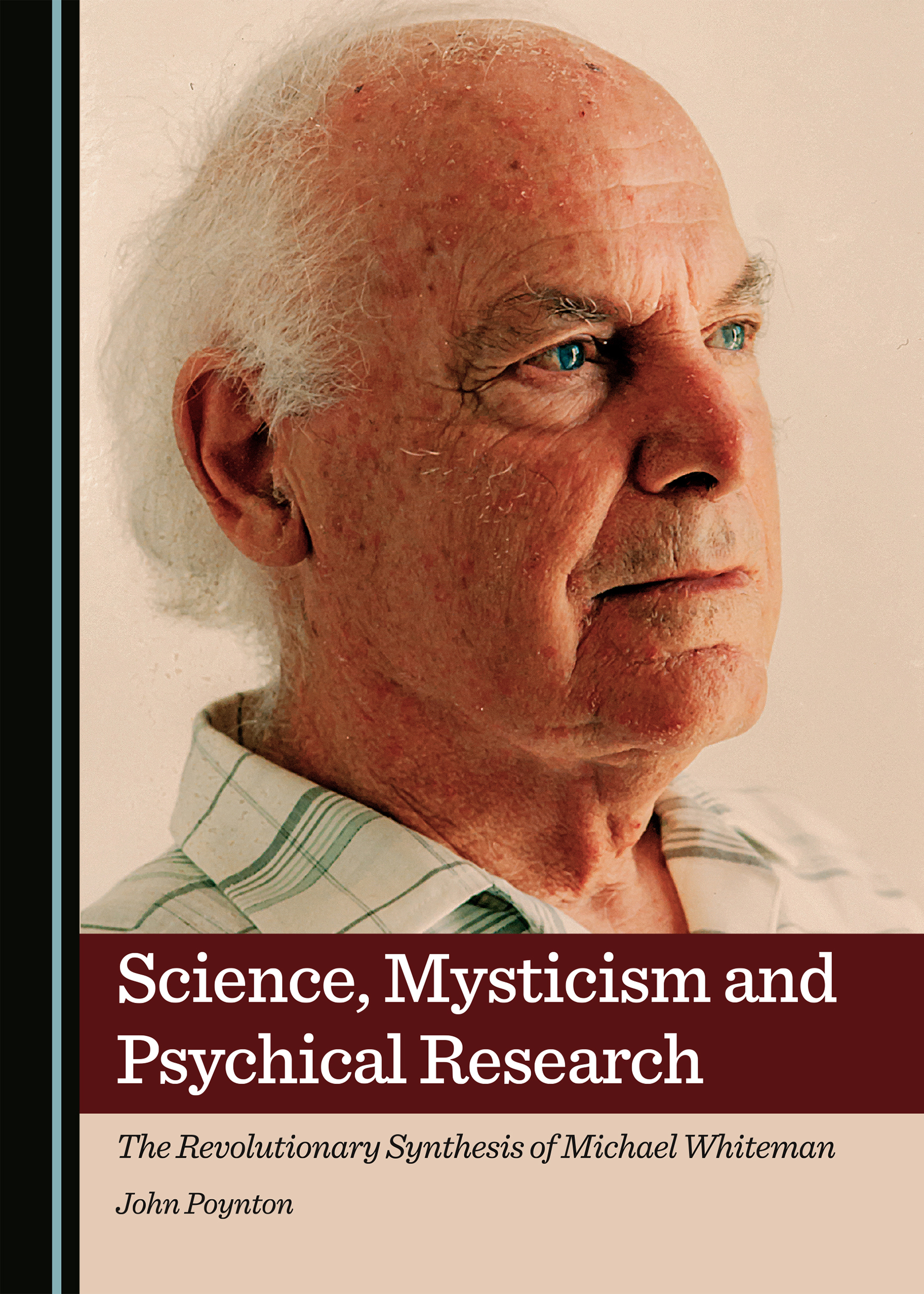
Science, mysticism, and psychical research are thought to be irreconcilable. This book reveals the revolutionary synthesis of mathematician Michael Whiteman, who fused modern physics with ancient mystical texts, informed by a lifetime of psychic experience.
Science, mysticism, and psychical research are thought to be irreconcilable. This book reveals the revolutionary synthesis of mathematician Michael Whiteman, who fused modern physics with ancient mystical texts, informed by a lifetime of psychic experience.
View more
This product has multiple variants. The options may be chosen on the product page
View more
This product has multiple variants. The options may be chosen on the product page
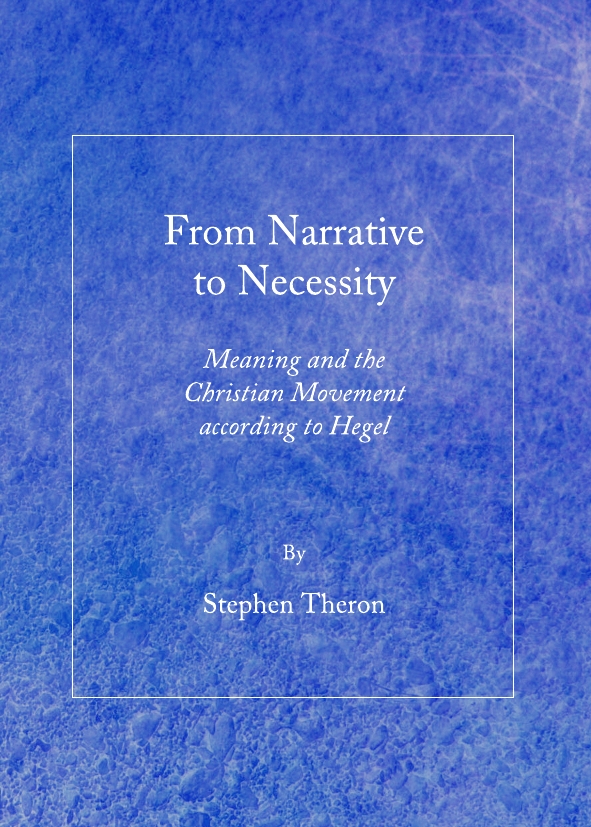
From Narrative to Necessity
Meaning and the Christian Movement according to Hegel
This book presents religion as intelligible metaphysics, reconciling faith and reason. It explores the philosophical implications of the Trinity, Creation, and Incarnation, correcting false views of divine transcendence where God is "all in all."
This book presents religion as intelligible metaphysics, reconciling faith and reason. It explores the philosophical implications of the Trinity, Creation, and Incarnation, correcting false views of divine transcendence where God is “all in all.”
View more
This product has multiple variants. The options may be chosen on the product page
View more
This product has multiple variants. The options may be chosen on the product page
£52.99
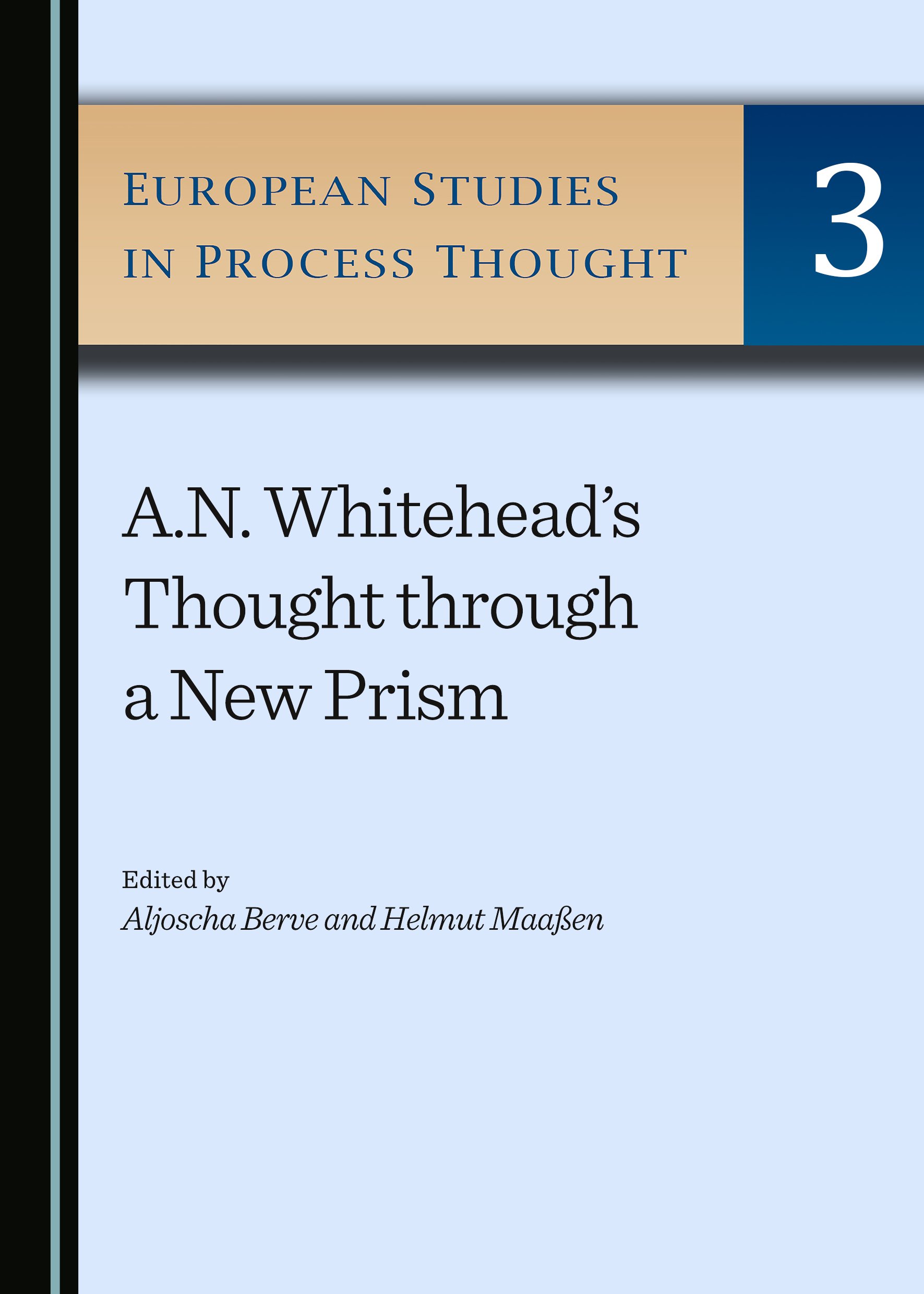
Deriving from the “European Summer School for Process Thought”, this volume explores A.N. Whitehead’s thinking in different fields of science. The first part concerns Whitehead’s philosophical methodology and the second discusses applications for concepts of Whitehead’s thinking.
Deriving from the “European Summer School for Process Thought”, this volume explores A.N. Whitehead’s thinking in different fields of science. The first part concerns Whitehead’s philosophical methodology and the second discusses applications for concepts of Whitehead’s thinking.
View more
This product has multiple variants. The options may be chosen on the product page
View more
This product has multiple variants. The options may be chosen on the product page
£52.99
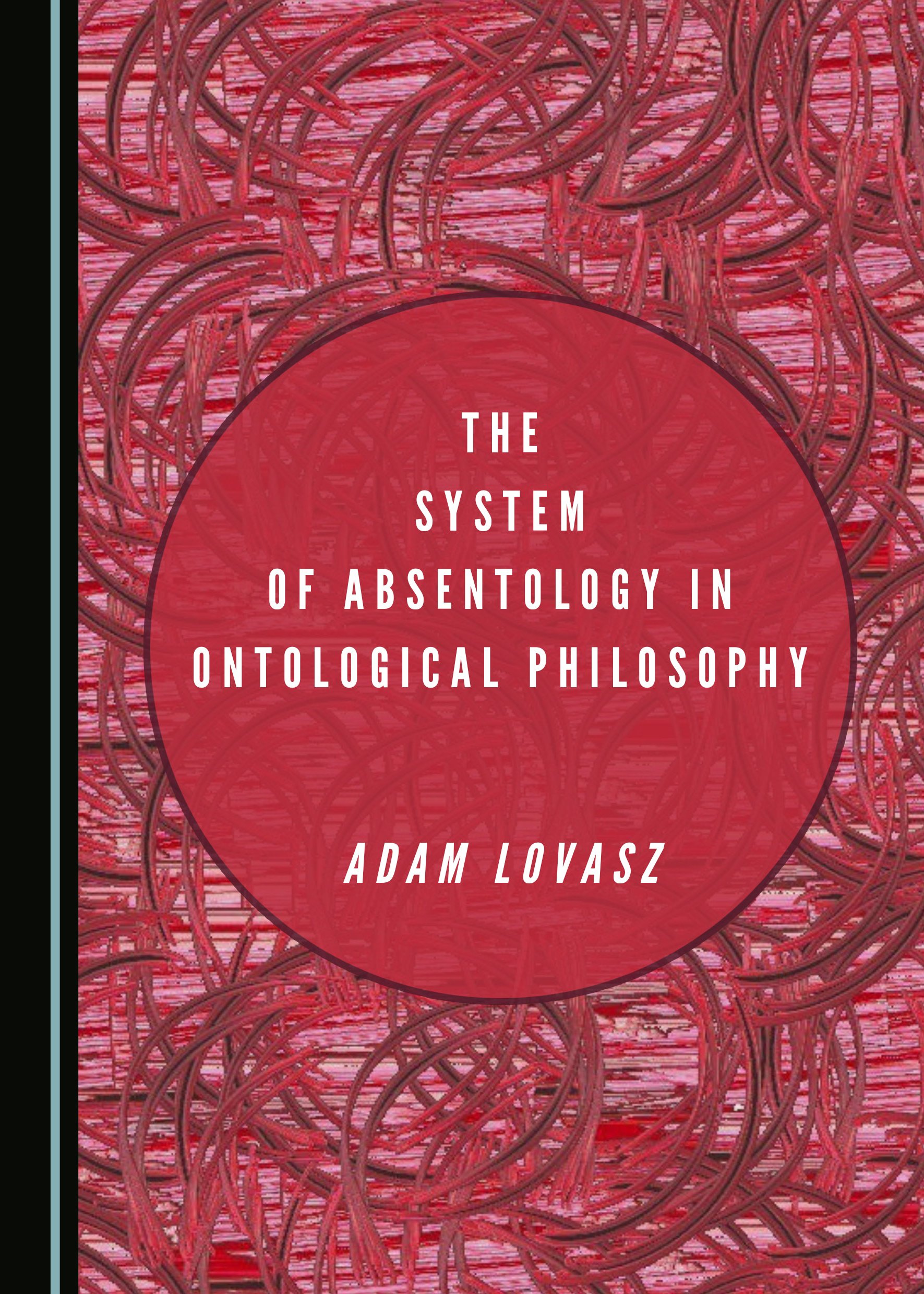
Lovasz deals primarily with absentology, an ontological and social-scientific epistemological mode, dedicated to the analysis of absence. His monograph is drawn by manifestations of absence and deals with three terms, ‘the shadow economy’, ‘corruption’ and ‘pollution’.
Lovasz deals primarily with absentology, an ontological and social-scientific epistemological mode, dedicated to the analysis of absence. His monograph is drawn by manifestations of absence and deals with three terms, ‘the shadow economy’, ‘corruption’ and ‘pollution’.
View more
This product has multiple variants. The options may be chosen on the product page
View more
This product has multiple variants. The options may be chosen on the product page
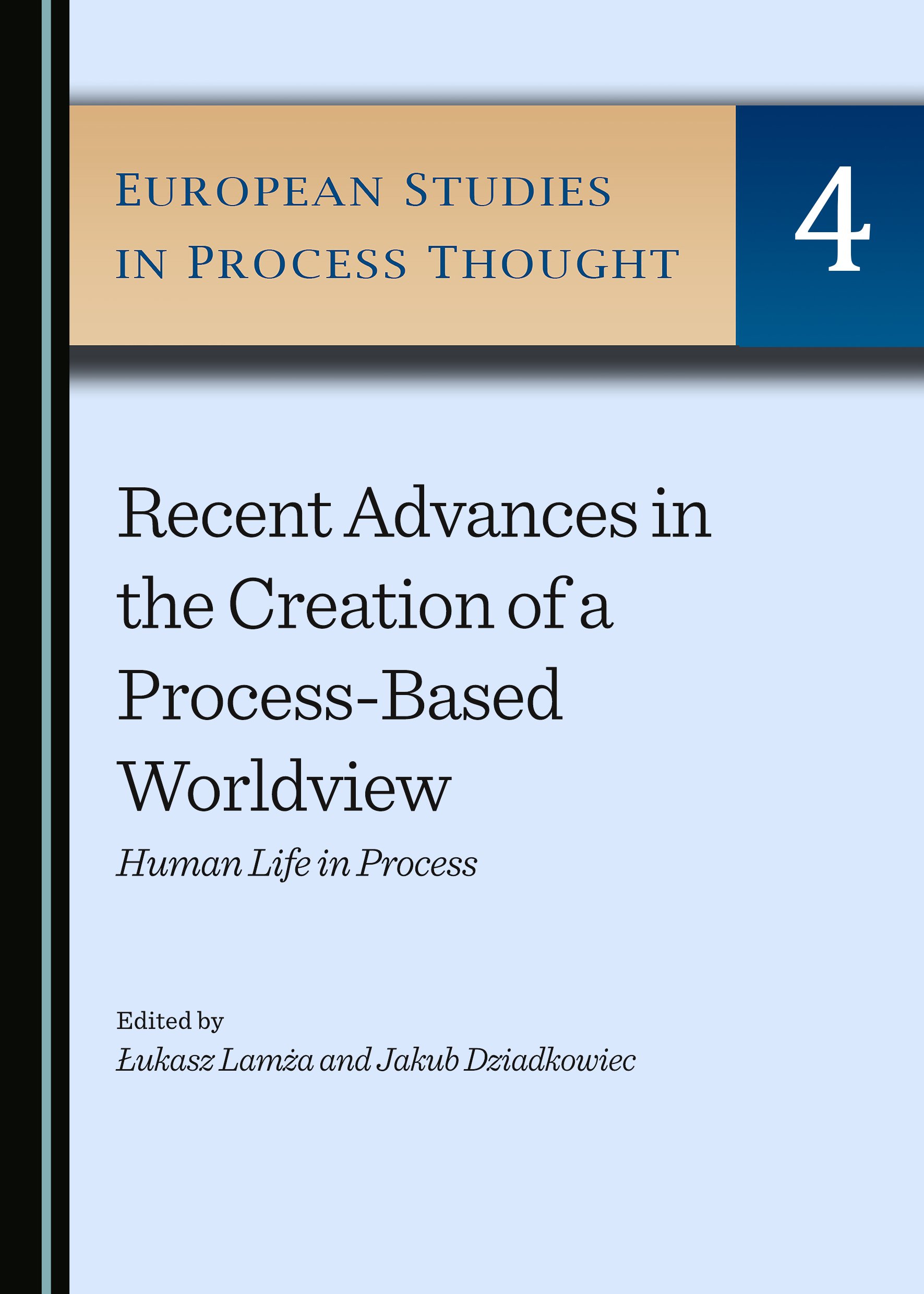
Recent Advances in the Creation of a Process-Based Worldview
Human Life in Process
This collection investigates the cutting edge in the creation of a process worldview, an important component of contemporary philosophy. It explores how process thinking can inspire us to rethink our lives, representing a bold move from academic philosophy to actual human lives.
This collection investigates the cutting edge in the creation of a process worldview, an important component of contemporary philosophy. It explores how process thinking can inspire us to rethink our lives, representing a bold move from academic philosophy to actual human lives.
View more
This product has multiple variants. The options may be chosen on the product page
View more
This product has multiple variants. The options may be chosen on the product page
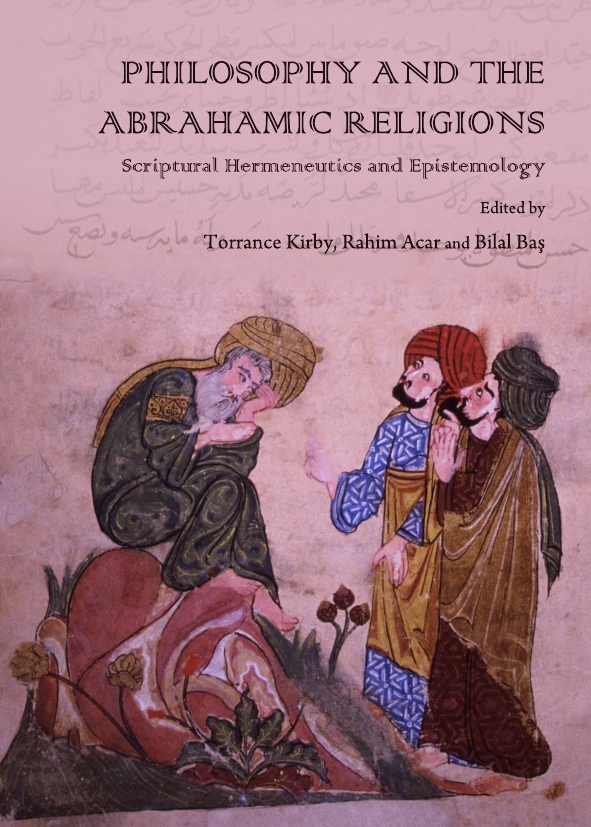
Philosophy and the Abrahamic Religions
Scriptural Hermeneutics and Epistemology
From Greco-Roman Antiquity, philosophy and religious thought were inseparably interwoven. These essays explore how the three Abrahamic religions interacted on the common ground of Greek philosophy, creating similar patterns of thought on crucial concepts.
From Greco-Roman Antiquity, philosophy and religious thought were inseparably interwoven. These essays explore how the three Abrahamic religions interacted on the common ground of Greek philosophy, creating similar patterns of thought on crucial concepts.
View more
This product has multiple variants. The options may be chosen on the product page
View more
This product has multiple variants. The options may be chosen on the product page
Hegel’s Philosophy of Universal Reconciliation
Logic as Form of the World
In this final volume on Hegel as theologian, we discover the reconciliation of Mind with itself as the nerve of Hegel’s thought. Subtitled “Logic as Form of the World,” this work identifies faith with rationality and man as the form of the world.
In this final volume on Hegel as theologian, we discover the reconciliation of Mind with itself as the nerve of Hegel’s thought. Subtitled “Logic as Form of the World,” this work identifies faith with rationality and man as the form of the world.
View more
This product has multiple variants. The options may be chosen on the product page
View more
This product has multiple variants. The options may be chosen on the product page
£57.99
Theron presents what Hegel calls “the vital spirit of the actual world”, the truth, namely, of logic’s form and content as one concrete whole. He operates from the view that thinking is necessarily free and unbounded, if we escape a performative contradiction in evaluating it.
Theron presents what Hegel calls “the vital spirit of the actual world”, the truth, namely, of logic’s form and content as one concrete whole. He operates from the view that thinking is necessarily free and unbounded, if we escape a performative contradiction in evaluating it.
View more
This product has multiple variants. The options may be chosen on the product page
View more
This product has multiple variants. The options may be chosen on the product page
Radical Neo-Enlightenment
Passionate Reason, Open Faith, Thoughtful Change
This monograph represents a spirited response to the multiple and accelerating crises we face today. contending that we require a “radical neo-Enlightenment” to counter these systemic problems.
This monograph represents a spirited response to the multiple and accelerating crises we face today. contending that we require a “radical neo-Enlightenment” to counter these systemic problems.
View more
This product has multiple variants. The options may be chosen on the product page
Processing Your Order
Please wait while we securely process your order.
Do not refresh or leave this page.
You will be redirected shortly to a confirmation page with your order number.