
View more
This product has multiple variants. The options may be chosen on the product page
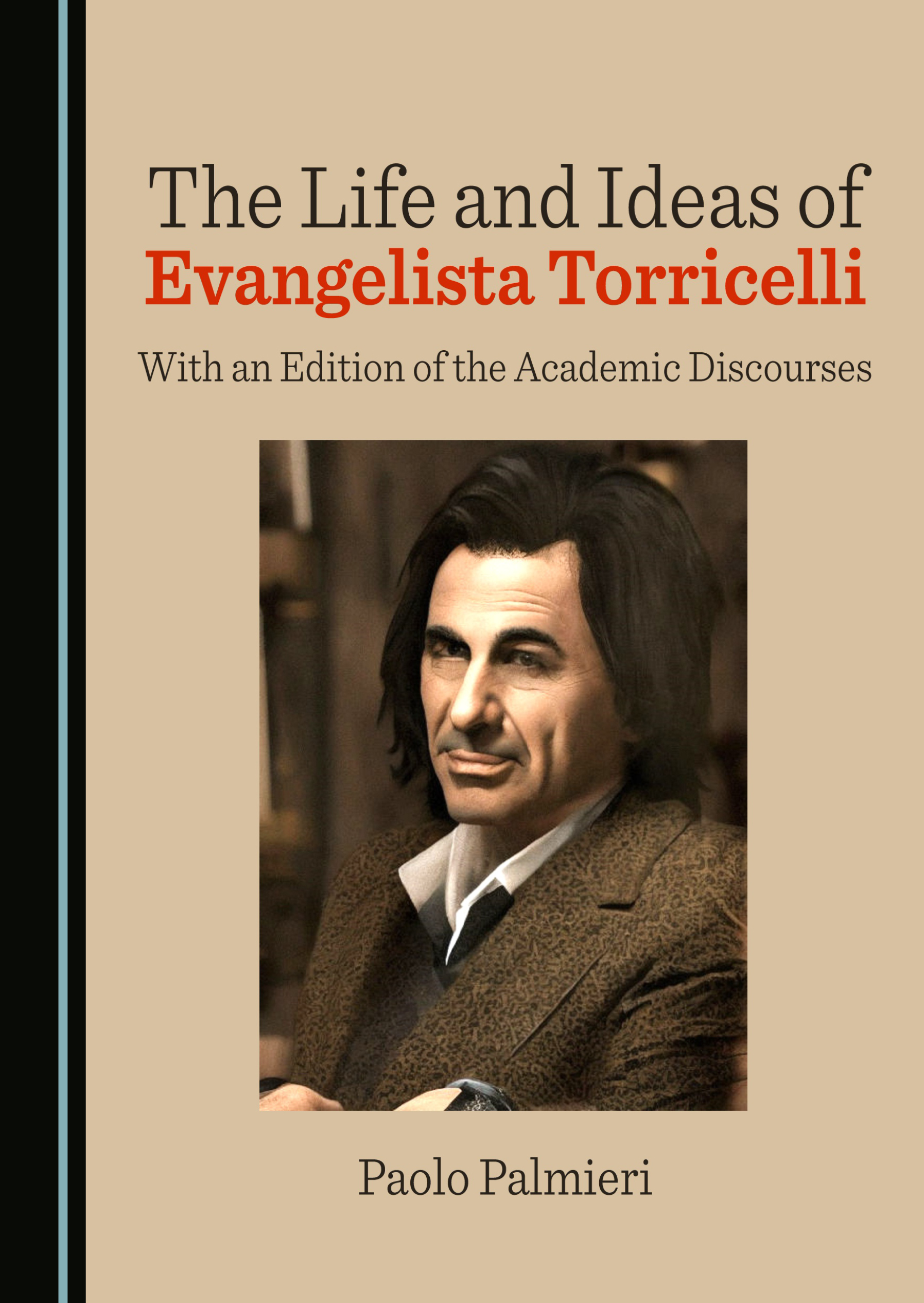
The Life and Ideas of Evangelista Torricelli
With an Edition of the Academic Discourses
Explore the life of Evangelista Torricelli, the 17th-century physicist who fused science with rhetorical elegance. This book analyzes his unique approach to science and his philosophical views, and presents the first annotated English translation of his Academic Discourses.
Explore the life of Evangelista Torricelli, the 17th-century physicist who fused science with rhetorical elegance. This book analyzes his unique approach to science and his philosophical views, and presents the first annotated English translation of his Academic Discourses.
View more
This product has multiple variants. The options may be chosen on the product page
View more
This product has multiple variants. The options may be chosen on the product page
From £33.99
Ur-Illuminism charts humanity’s quest for its highest potential. Tracing a hidden history from Plato and the mystics to the Illuminati, it proposes a radical synthesis of esoteric metaphysics and libertarian thought as the one true bulwark against modern oppression.
Ur-Illuminism charts humanity’s quest for its highest potential. Tracing a hidden history from Plato and the mystics to the Illuminati, it proposes a radical synthesis of esoteric metaphysics and libertarian thought as the one true bulwark against modern oppression.
View more
This product has multiple variants. The options may be chosen on the product page
View more
This product has multiple variants. The options may be chosen on the product page
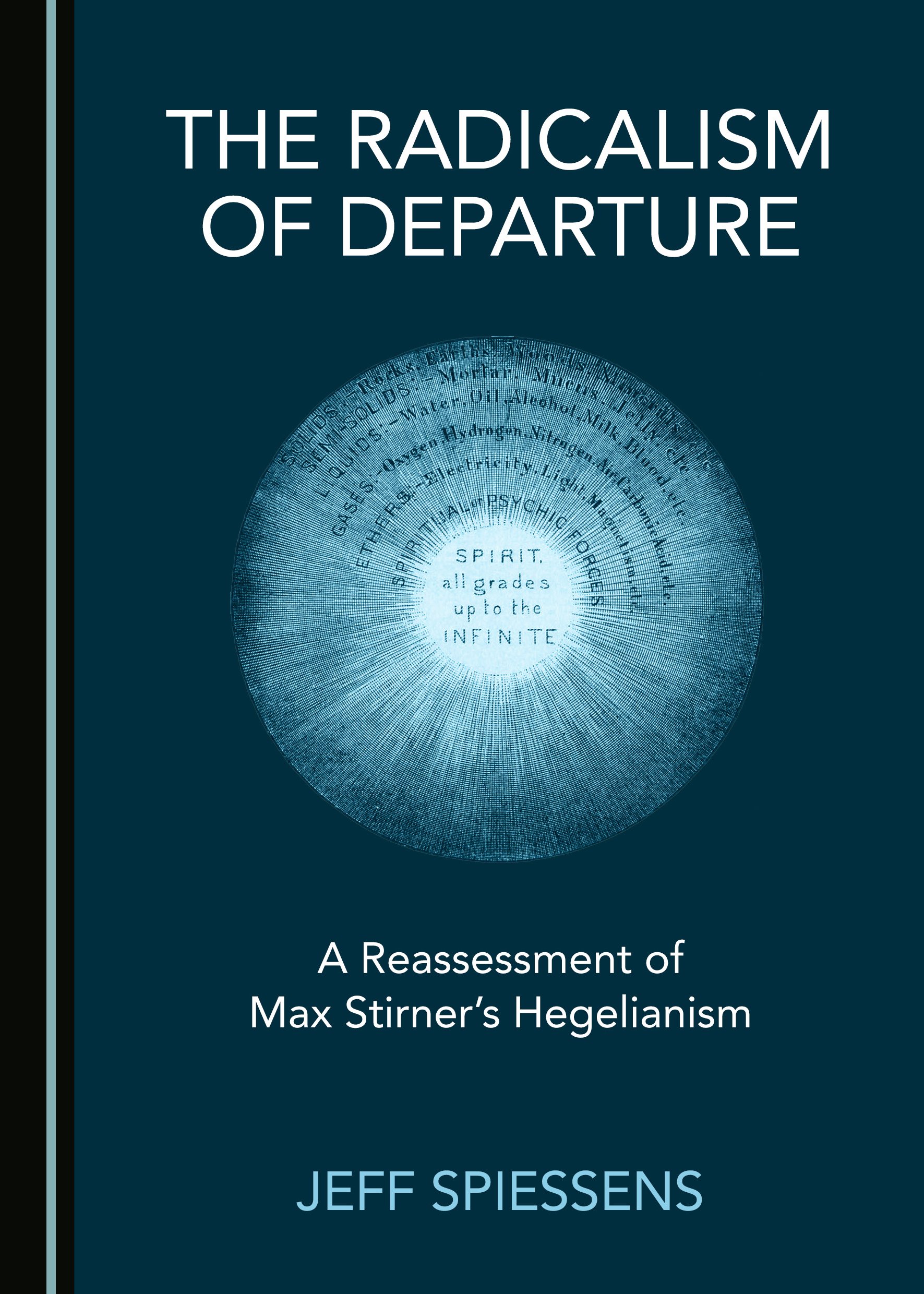
The Radicalism of Departure
A Reassessment of Max Stirner’s Hegelianism
Spiessens proposes an entirely new reading of Max Stirner’s philosophical magnum opus Der Einzige und sein Eigentum. This exciting interpretation clears the way for a philosophical rehabilitation of Stirner’s ideas.
Spiessens proposes an entirely new reading of Max Stirner’s philosophical magnum opus Der Einzige und sein Eigentum. This exciting interpretation clears the way for a philosophical rehabilitation of Stirner’s ideas.
View more
This product has multiple variants. The options may be chosen on the product page
View more
This product has multiple variants. The options may be chosen on the product page
£52.99
Lovasz deals primarily with absentology, an ontological and social-scientific epistemological mode, dedicated to the analysis of absence. His monograph is drawn by manifestations of absence and deals with three terms, ‘the shadow economy’, ‘corruption’ and ‘pollution’.
Lovasz deals primarily with absentology, an ontological and social-scientific epistemological mode, dedicated to the analysis of absence. His monograph is drawn by manifestations of absence and deals with three terms, ‘the shadow economy’, ‘corruption’ and ‘pollution’.
View more
This product has multiple variants. The options may be chosen on the product page
View more
This product has multiple variants. The options may be chosen on the product page
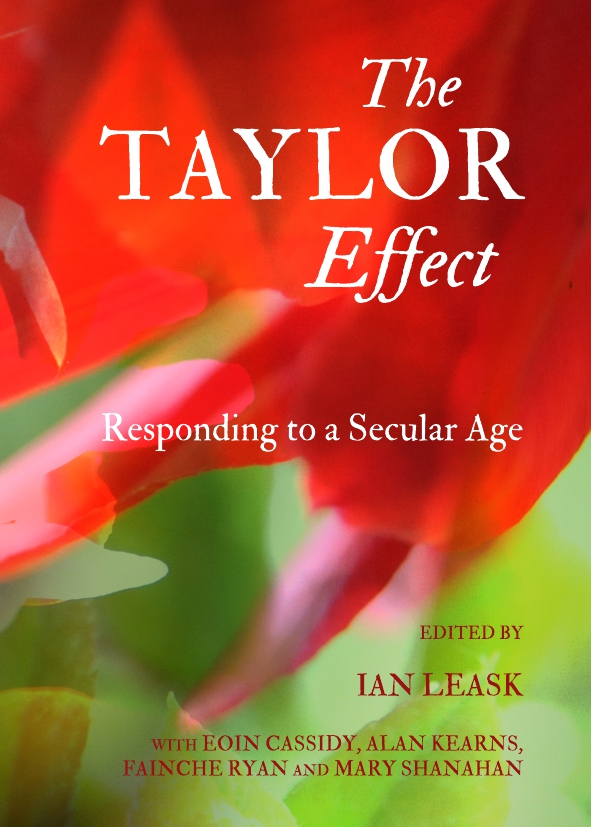
The Taylor Effect
Responding to a Secular Age
The Taylor Effect presents a diverse collection of essays addressing Charles Taylor’s A Secular Age. With contributions from philosophy, theology, literature, and political science, this is a central reference point for any future discussion of Taylor’s work.
The Taylor Effect presents a diverse collection of essays addressing Charles Taylor’s A Secular Age. With contributions from philosophy, theology, literature, and political science, this is a central reference point for any future discussion of Taylor’s work.
View more
This product has multiple variants. The options may be chosen on the product page
View more
This product has multiple variants. The options may be chosen on the product page
The World as Analogy of Absolute Mind
An Hegelian, Thomist and Aristotelico-Platonist Account
Can evolved thought grasp evolution itself? This book explores the Augustinian-Thomist heritage through Hegel, considering sacramental theology, original sin, grace, and linguistic representation, culminating in an examination of real presence in unreal nature.
Can evolved thought grasp evolution itself? This book explores the Augustinian-Thomist heritage through Hegel, considering sacramental theology, original sin, grace, and linguistic representation, culminating in an examination of real presence in unreal nature.
View more
This product has multiple variants. The options may be chosen on the product page
View more
This product has multiple variants. The options may be chosen on the product page
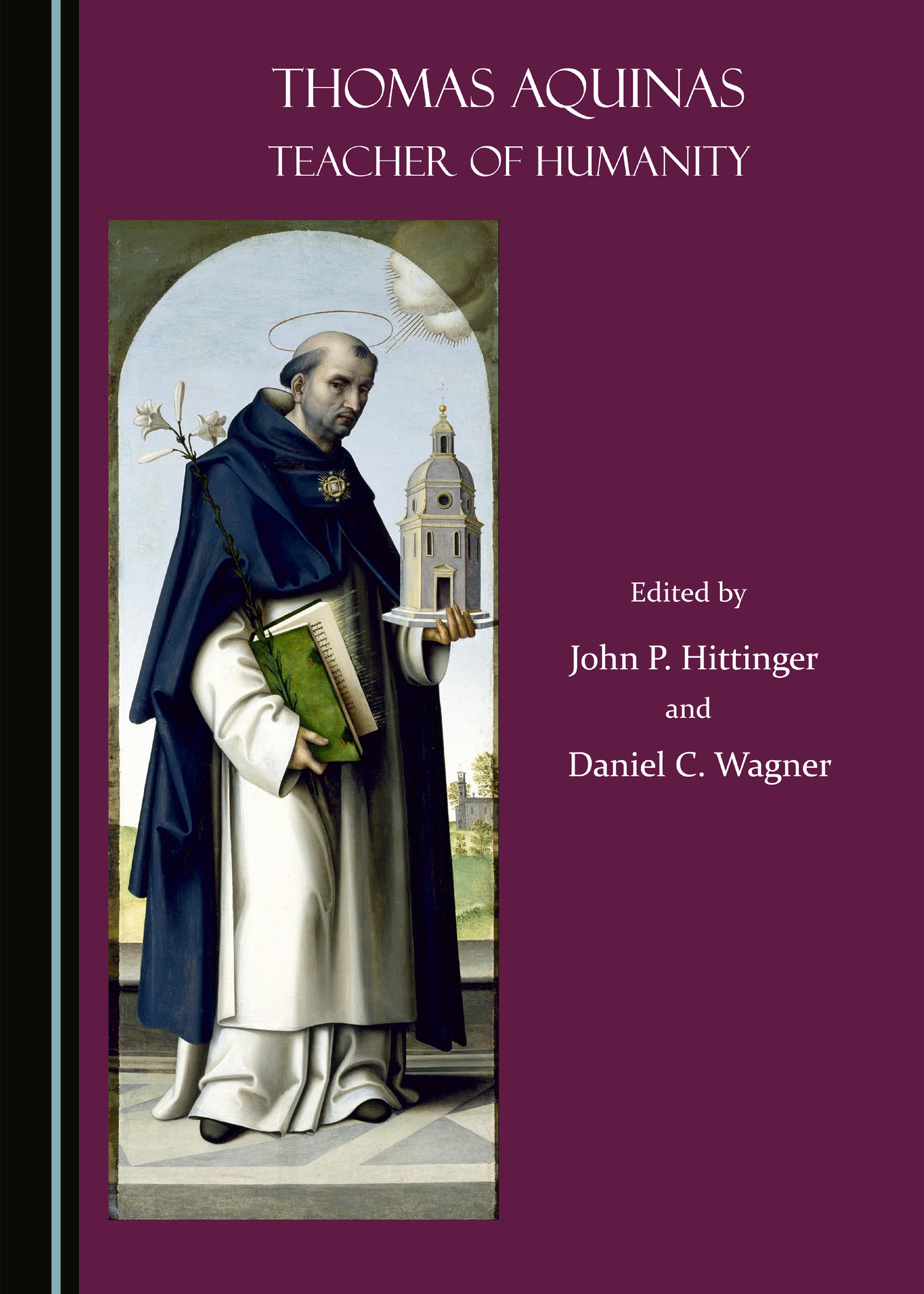
Thomas Aquinas
Teacher of Humanity
John Paul II called Thomas Aquinas a “Doctor of Humanity” for affirming human dignity. This collection of papers explores the philosophical and theological thought of both men, applying their wisdom to challenges from political praxis to transhumanism.
John Paul II called Thomas Aquinas a “Doctor of Humanity” for affirming human dignity. This collection of papers explores the philosophical and theological thought of both men, applying their wisdom to challenges from political praxis to transhumanism.
View more
This product has multiple variants. The options may be chosen on the product page
View more
This product has multiple variants. The options may be chosen on the product page
From £30.99
This book compares Hegel’s and Aquinas’s Trinitarian studies, renouncing the separation of philosophy and theology. Beneath their very different idioms, a near-perfect harmony is found, offering enriched participation in thought’s self-understanding.
This book compares Hegel’s and Aquinas’s Trinitarian studies, renouncing the separation of philosophy and theology. Beneath their very different idioms, a near-perfect harmony is found, offering enriched participation in thought’s self-understanding.
View more
This product has multiple variants. The options may be chosen on the product page
View more
This product has multiple variants. The options may be chosen on the product page
£58.99
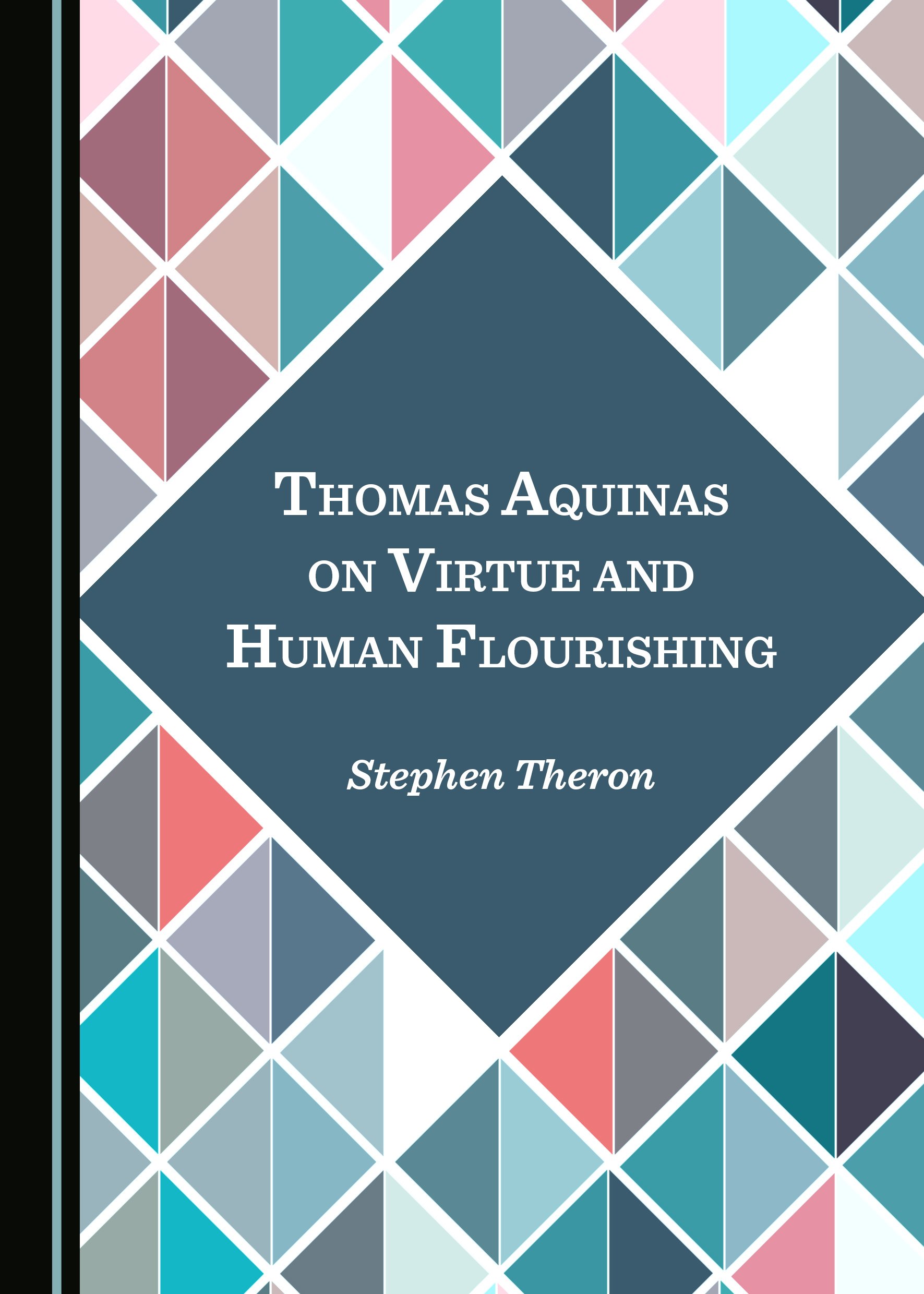
For Thomas Aquinas, ethics is not a set of moral precepts but the cultivation of virtues for human flourishing. Natural law, reflecting the eternal, is awakened within us. Crowned by faith, hope, and love, this vision is summed up in the Beatitudes.
For Thomas Aquinas, ethics is not a set of moral precepts but the cultivation of virtues for human flourishing. Natural law, reflecting the eternal, is awakened within us. Crowned by faith, hope, and love, this vision is summed up in the Beatitudes.
View more
This product has multiple variants. The options may be chosen on the product page
View more
This product has multiple variants. The options may be chosen on the product page
From £33.99
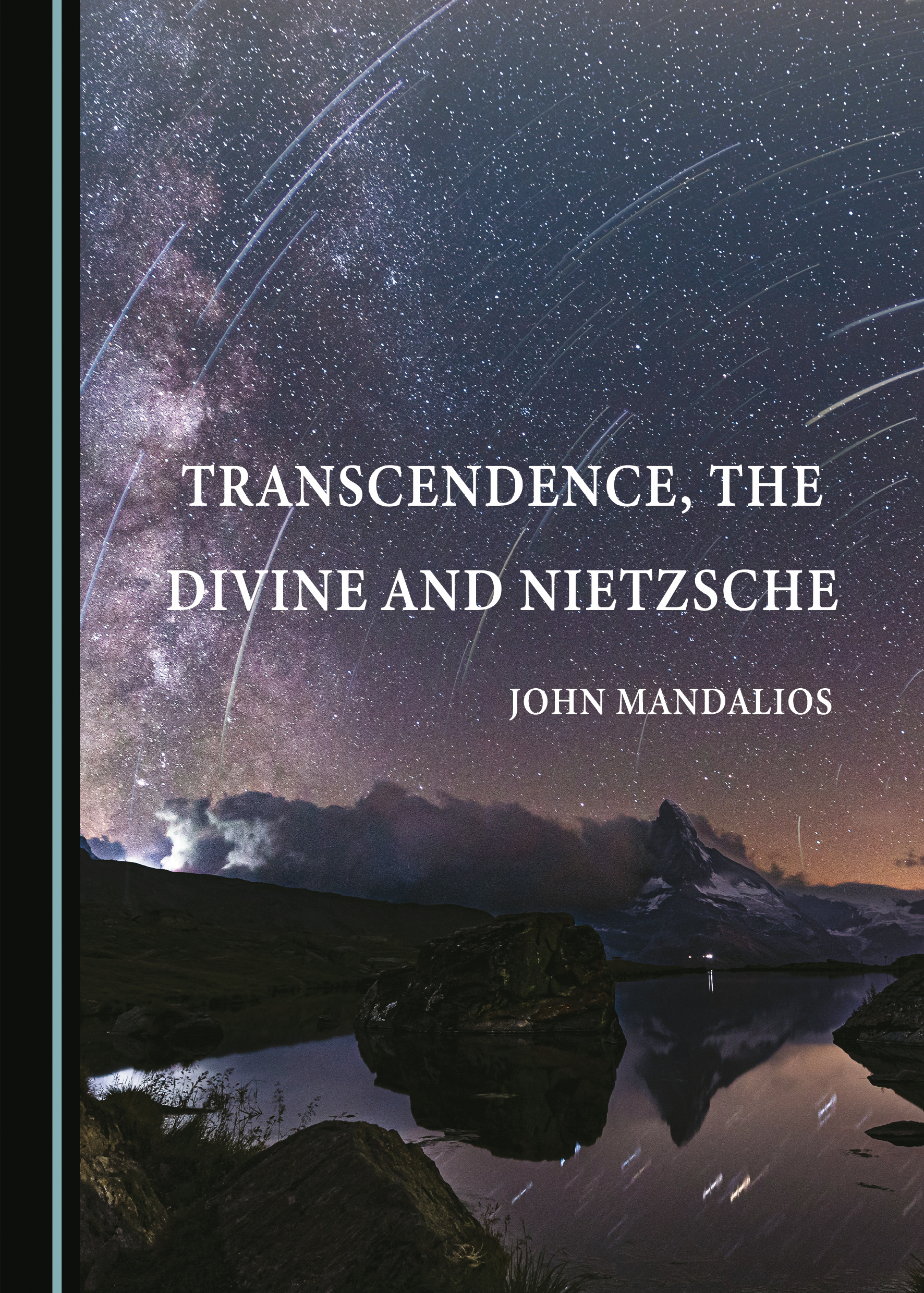
For Friedrich Nietzsche, scepticism is not mere nihilism. His philosophy takes us beyond the ‘death of God’ to a new spiritualization of life, holding out an affirmative spirit of joy in the renewal of our ‘god-creating’ power and will to honour the higher Whole.
For Friedrich Nietzsche, scepticism is not mere nihilism. His philosophy takes us beyond the ‘death of God’ to a new spiritualization of life, holding out an affirmative spirit of joy in the renewal of our ‘god-creating’ power and will to honour the higher Whole.
View more
This product has multiple variants. The options may be chosen on the product page
View more
This product has multiple variants. The options may be chosen on the product page
From £30.99
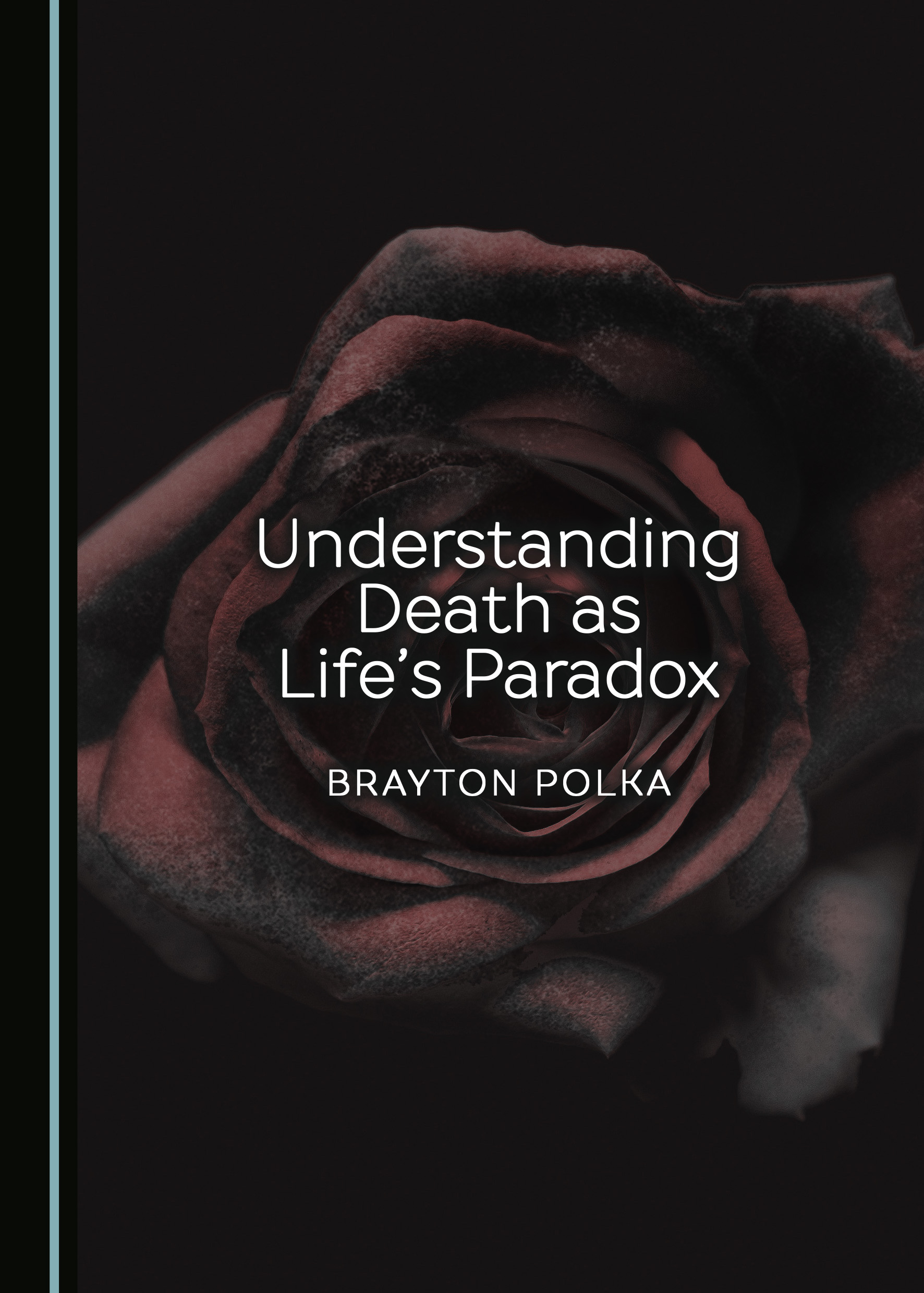
Death is the limit of life. This book argues that only by living within this limit can we be truly free, loving, and compassionate. It explores death as life's paradox to test what it means to exist, overcoming the divide between philosophy and theology.
Death is the limit of life. This book argues that only by living within this limit can we be truly free, loving, and compassionate. It explores death as life’s paradox to test what it means to exist, overcoming the divide between philosophy and theology.
View more
This product has multiple variants. The options may be chosen on the product page
View more
This product has multiple variants. The options may be chosen on the product page
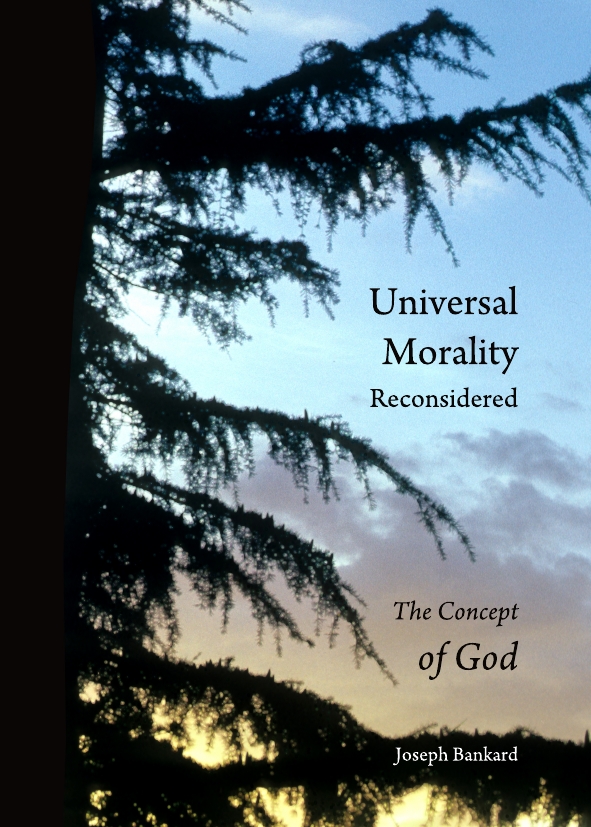
Universal Morality Reconsidered
The Concept of God
This book bridges the great divide in moral discourse. It argues that universal morality is most successful when grounded in God, and unlike other works, it successfully integrates the newest empirical research from the sciences into a theological framework.
This book bridges the great divide in moral discourse. It argues that universal morality is most successful when grounded in God, and unlike other works, it successfully integrates the newest empirical research from the sciences into a theological framework.
View more
This product has multiple variants. The options may be chosen on the product page
View more
This product has multiple variants. The options may be chosen on the product page
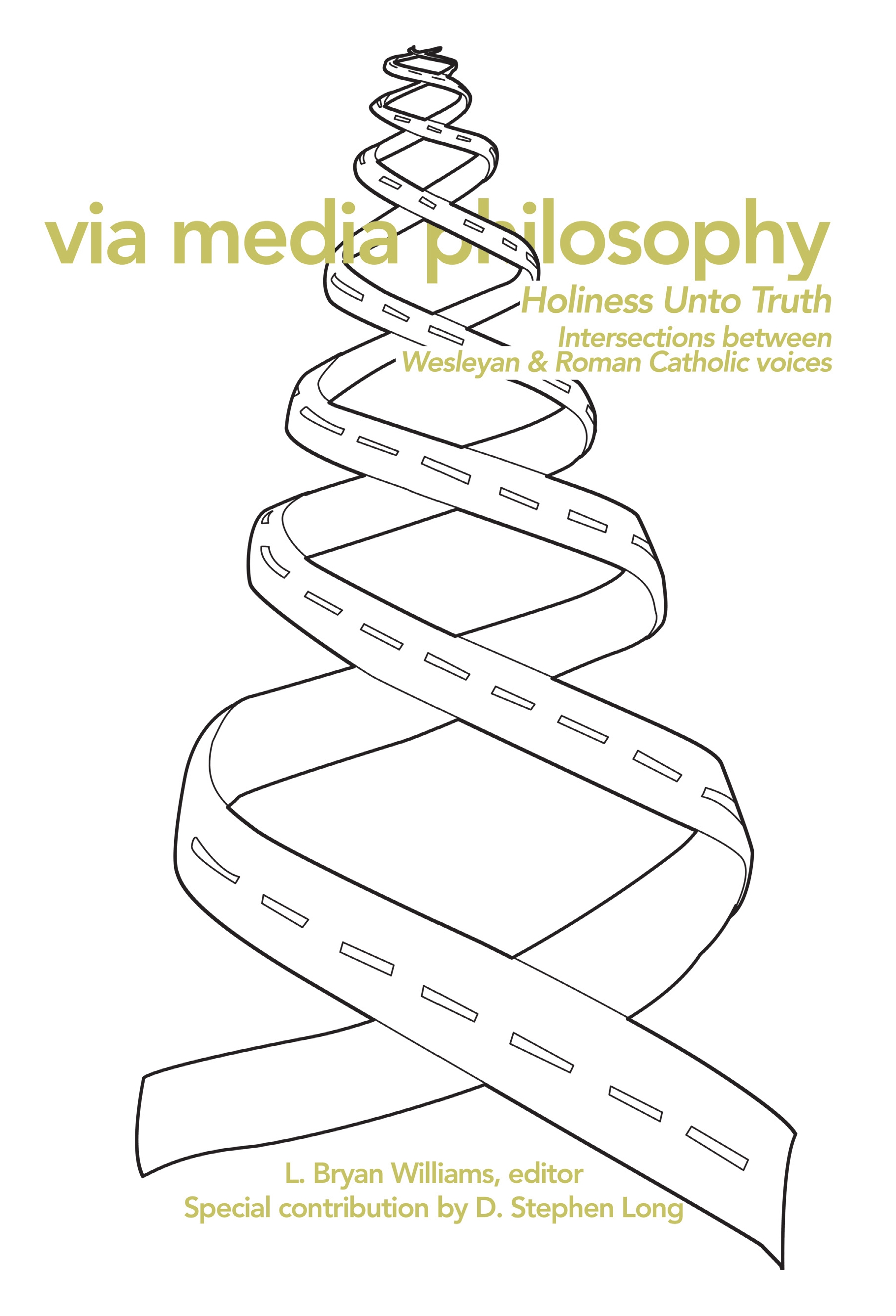
via media philosophy
Holiness Unto Truth; Intersections between Wesleyan and Roman Catholic Voices
This book records the first formal philosophical conversations between Wesleyan and Roman Catholic voices. Inspired by Pope John Paul II's call for dialogue, it builds bridges between the two communities, seeking a via media to a holy relationship unto truth.
This book records the first formal philosophical conversations between Wesleyan and Roman Catholic voices. Inspired by Pope John Paul II’s call for dialogue, it builds bridges between the two communities, seeking a via media to a holy relationship unto truth.
View more
This product has multiple variants. The options may be chosen on the product page
View more
This product has multiple variants. The options may be chosen on the product page
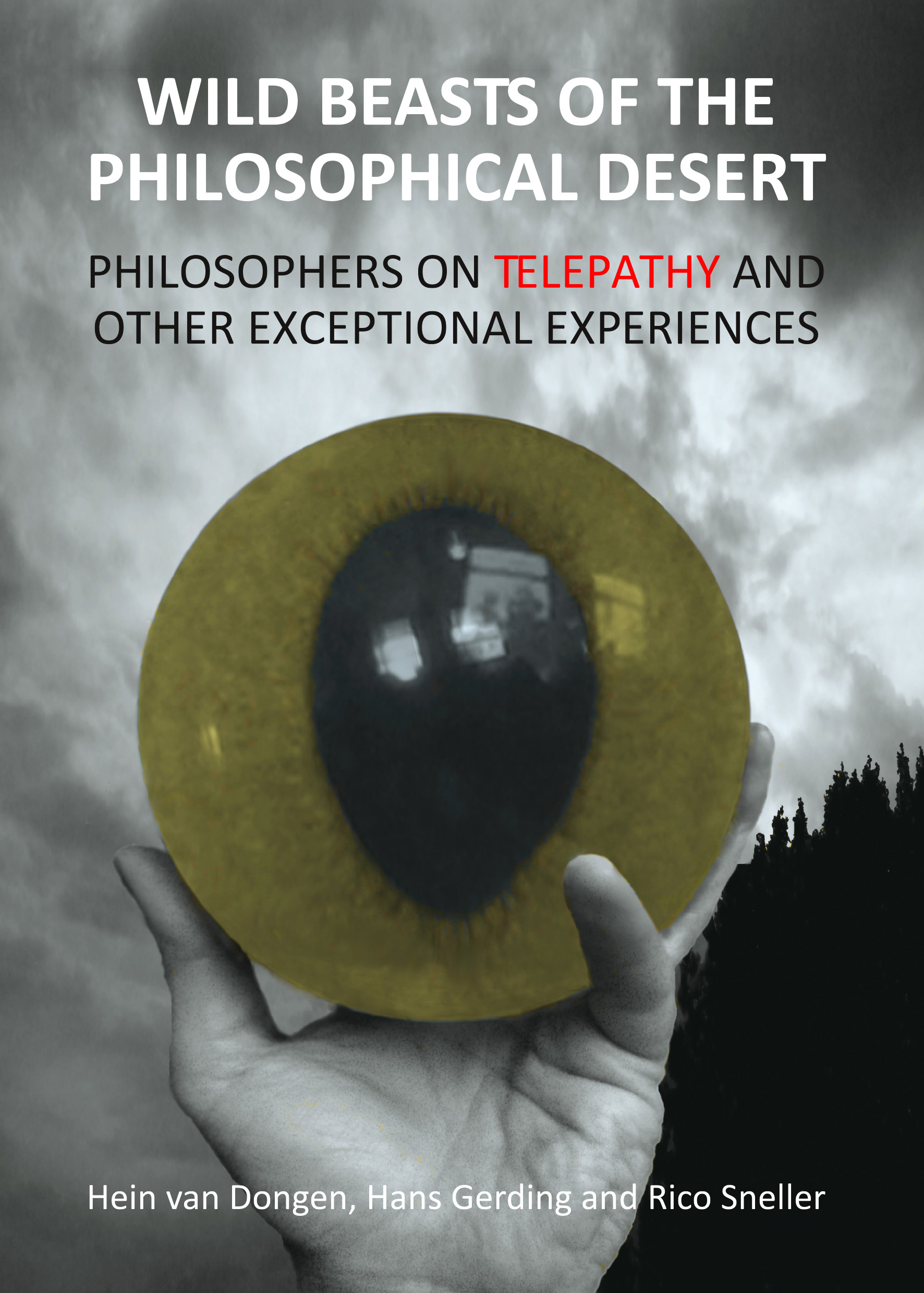
Wild Beasts of the Philosophical Desert
Philosophers on Telepathy and Other Exceptional Experiences
Though paranormal experiences are rarely taken seriously, this book demonstrates that to important philosophers—from Kant to Derrida—controversial phenomena like telepathy and clairvoyance were serious topics, thoughtfully interpreted.
Though paranormal experiences are rarely taken seriously, this book demonstrates that to important philosophers—from Kant to Derrida—controversial phenomena like telepathy and clairvoyance were serious topics, thoughtfully interpreted.
View more
This product has multiple variants. The options may be chosen on the product page
View more
This product has multiple variants. The options may be chosen on the product page
From £25.99
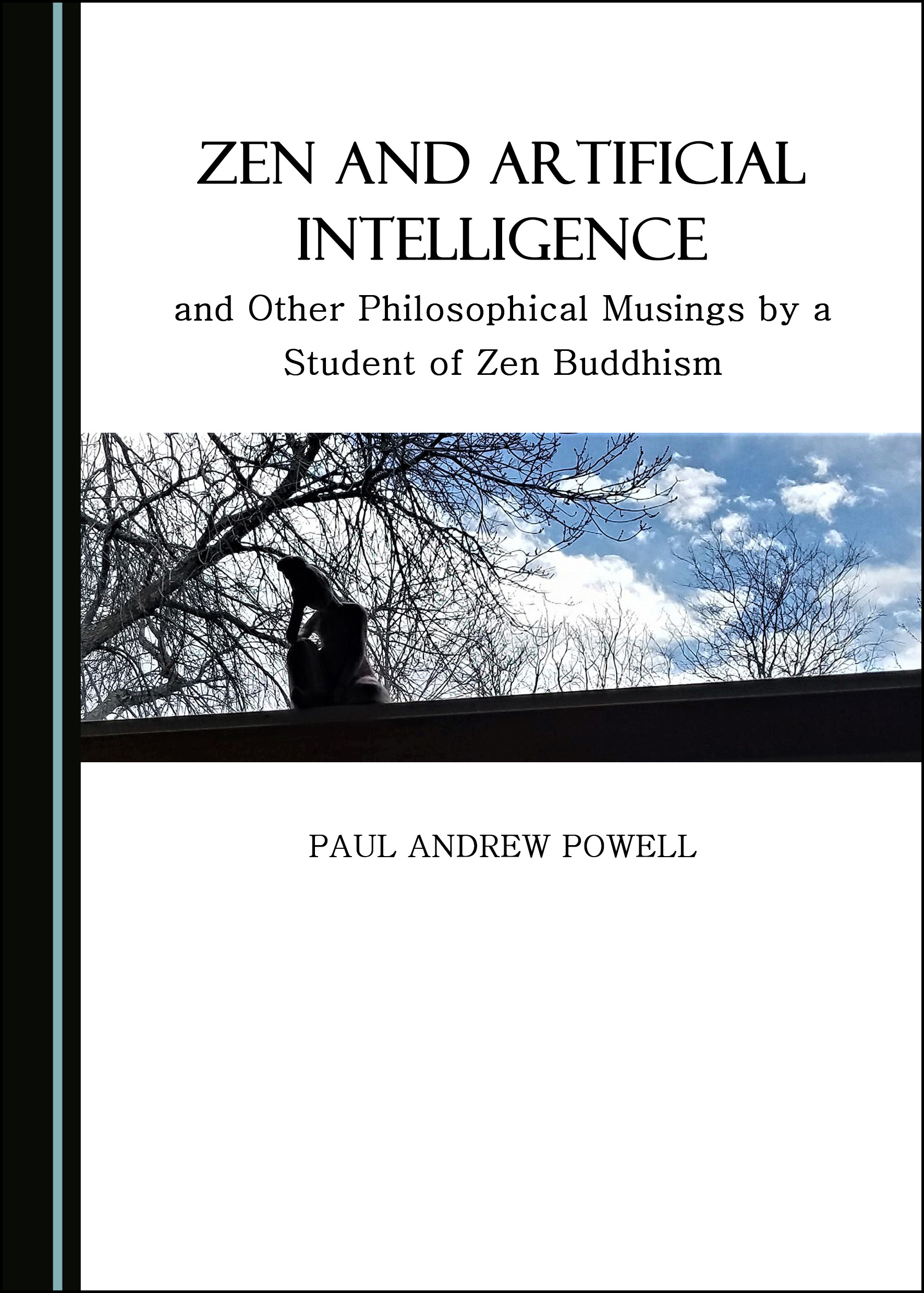
This collection of philosophical essays synthesizes Western culture and science with insights from Zen practice. It discusses provocative topics from The Lord of the Rings to artificial intelligence and consciousness. A stimulating tour that will challenge how you look at things.
This collection of philosophical essays synthesizes Western culture and science with insights from Zen practice. It discusses provocative topics from The Lord of the Rings to artificial intelligence and consciousness. A stimulating tour that will challenge how you look at things.
View more
This product has multiple variants. The options may be chosen on the product page
Processing Your Order
Please wait while we securely process your order.
Do not refresh or leave this page.
You will be redirected shortly to a confirmation page with your order number.