
View more
This product has multiple variants. The options may be chosen on the product page
£47.99
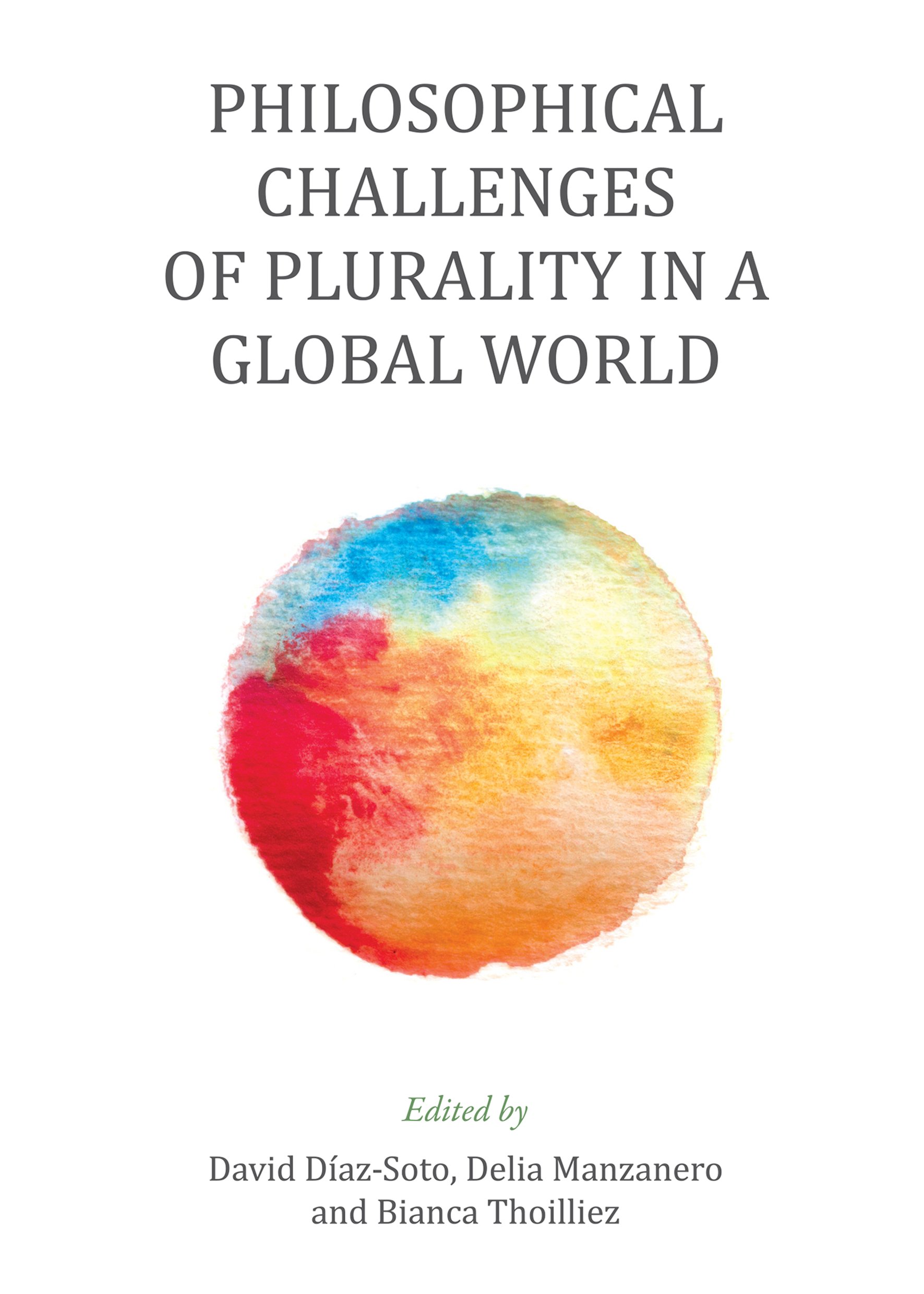
A collection of essays by international scholars on pluralism and other key concepts for understanding our complex contemporary world. These contributions provide a philosophical analysis of the challenges confronting modern society, politics, and culture.
A collection of essays by international scholars on pluralism and other key concepts for understanding our complex contemporary world. These contributions provide a philosophical analysis of the challenges confronting modern society, politics, and culture.
View more
This product has multiple variants. The options may be chosen on the product page
View more
This product has multiple variants. The options may be chosen on the product page
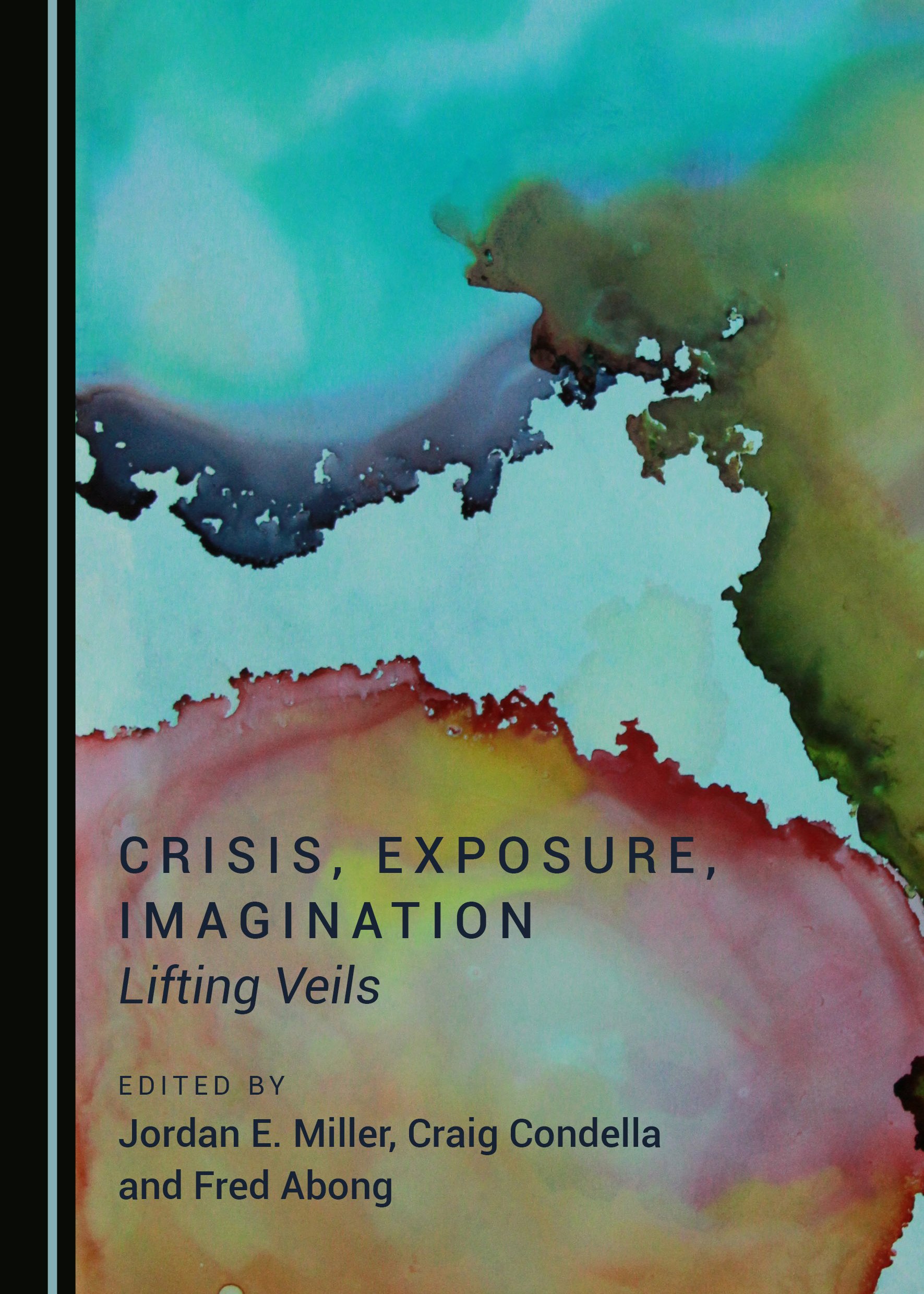
Crisis, Exposure, Imagination
Lifting Veils
Unprecedented crises expose new ways of understanding. This interdisciplinary volume examines the role of imagination in our response. Lifting the veil between crisis and creativity radically undoes the past, opens us to the future, and provides vision and hope.
Unprecedented crises expose new ways of understanding. This interdisciplinary volume examines the role of imagination in our response. Lifting the veil between crisis and creativity radically undoes the past, opens us to the future, and provides vision and hope.
View more
This product has multiple variants. The options may be chosen on the product page
View more
This product has multiple variants. The options may be chosen on the product page
£41.99
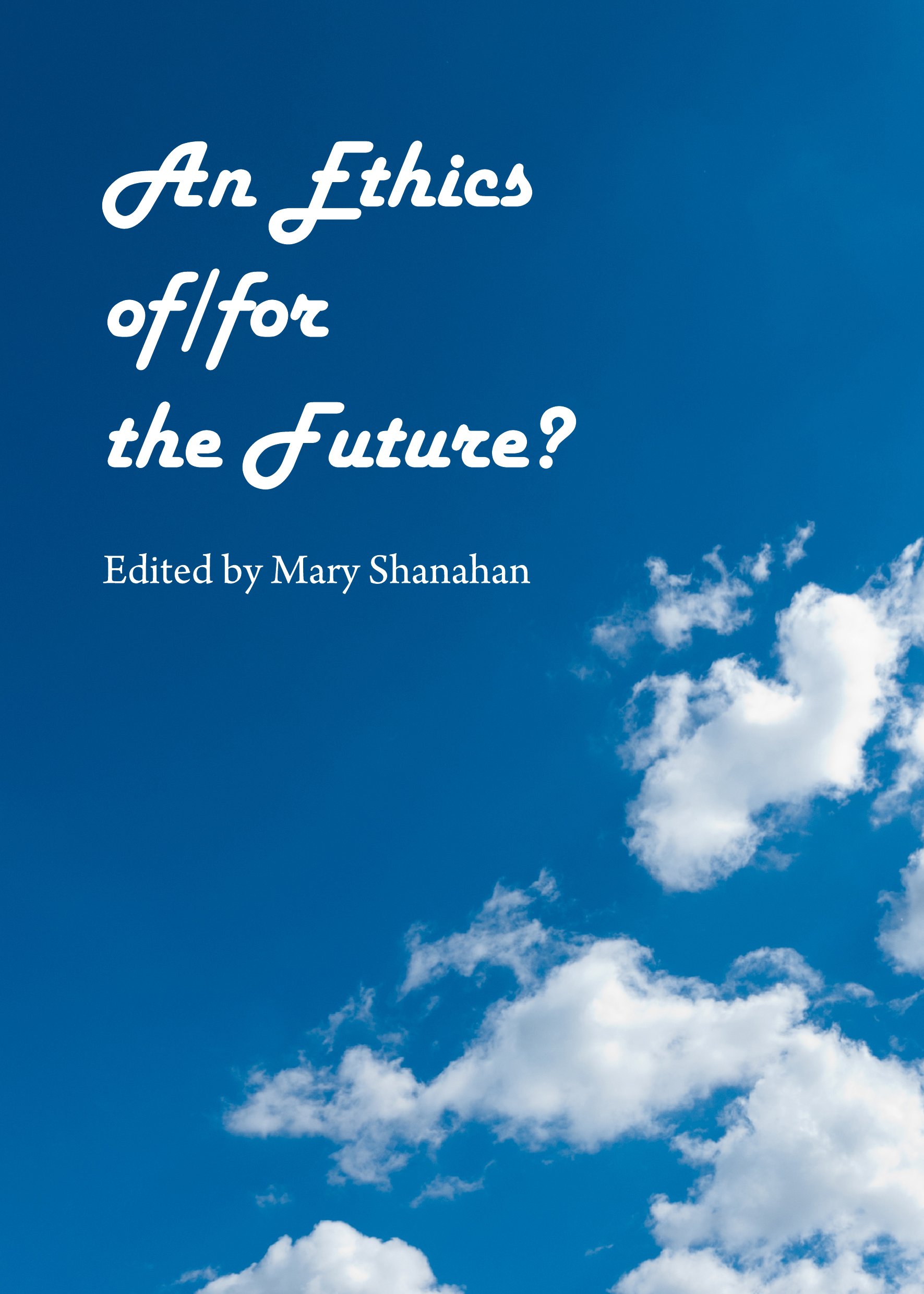
This unique collection challenges readers to reconsider the nature of ethics. With a panoramic view of ethical themes, it revisits age-old positions and investigates fresh fields to elicit new debates. An invaluable resource for students and scholars.
This unique collection challenges readers to reconsider the nature of ethics. With a panoramic view of ethical themes, it revisits age-old positions and investigates fresh fields to elicit new debates. An invaluable resource for students and scholars.
View more
This product has multiple variants. The options may be chosen on the product page

View more
This product has multiple variants. The options may be chosen on the product page
Cliché and Organization
Thinking with Deleuze and Film
Peters adopts a unique viewpoint on organizations, through his use of film. Juxtaposing philosophers like Deleuze and Heidegger and filmmakers like the Coen Brothers and Cronenberg, he shows why managers in organizations are manipulative and impotent at the same time.
Peters adopts a unique viewpoint on organizations, through his use of film. Juxtaposing philosophers like Deleuze and Heidegger and filmmakers like the Coen Brothers and Cronenberg, he shows why managers in organizations are manipulative and impotent at the same time.
View more
This product has multiple variants. The options may be chosen on the product page
View more
This product has multiple variants. The options may be chosen on the product page
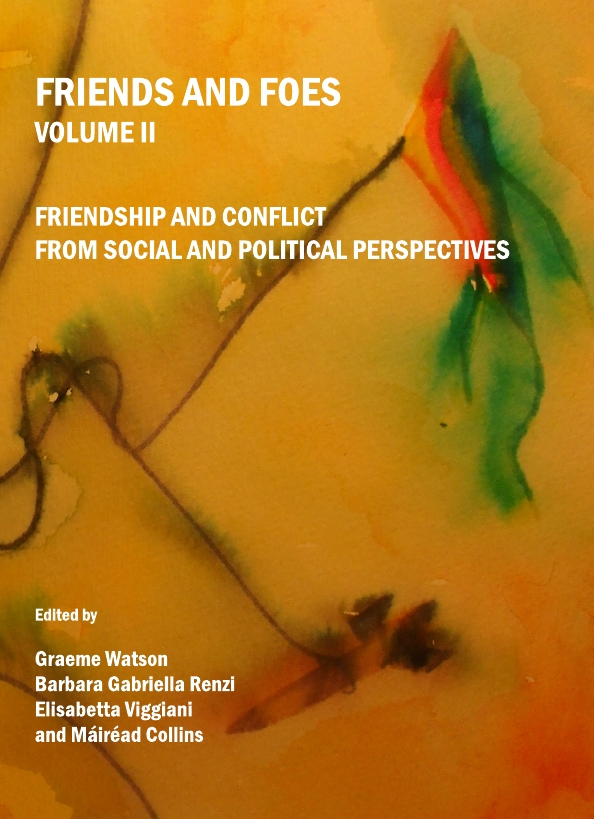
Friends and Foes Volume II
Friendship and Conflict from Social and Political Perspectives
This volume investigates the relationship between friendship and conflict from political, sociological and psychological perspectives. Scholars examine how friendships are forged in contexts of conflict and how conflict itself can be transformed into friendship.
This volume investigates the relationship between friendship and conflict from political, sociological and psychological perspectives. Scholars examine how friendships are forged in contexts of conflict and how conflict itself can be transformed into friendship.
View more
This product has multiple variants. The options may be chosen on the product page
View more
This product has multiple variants. The options may be chosen on the product page
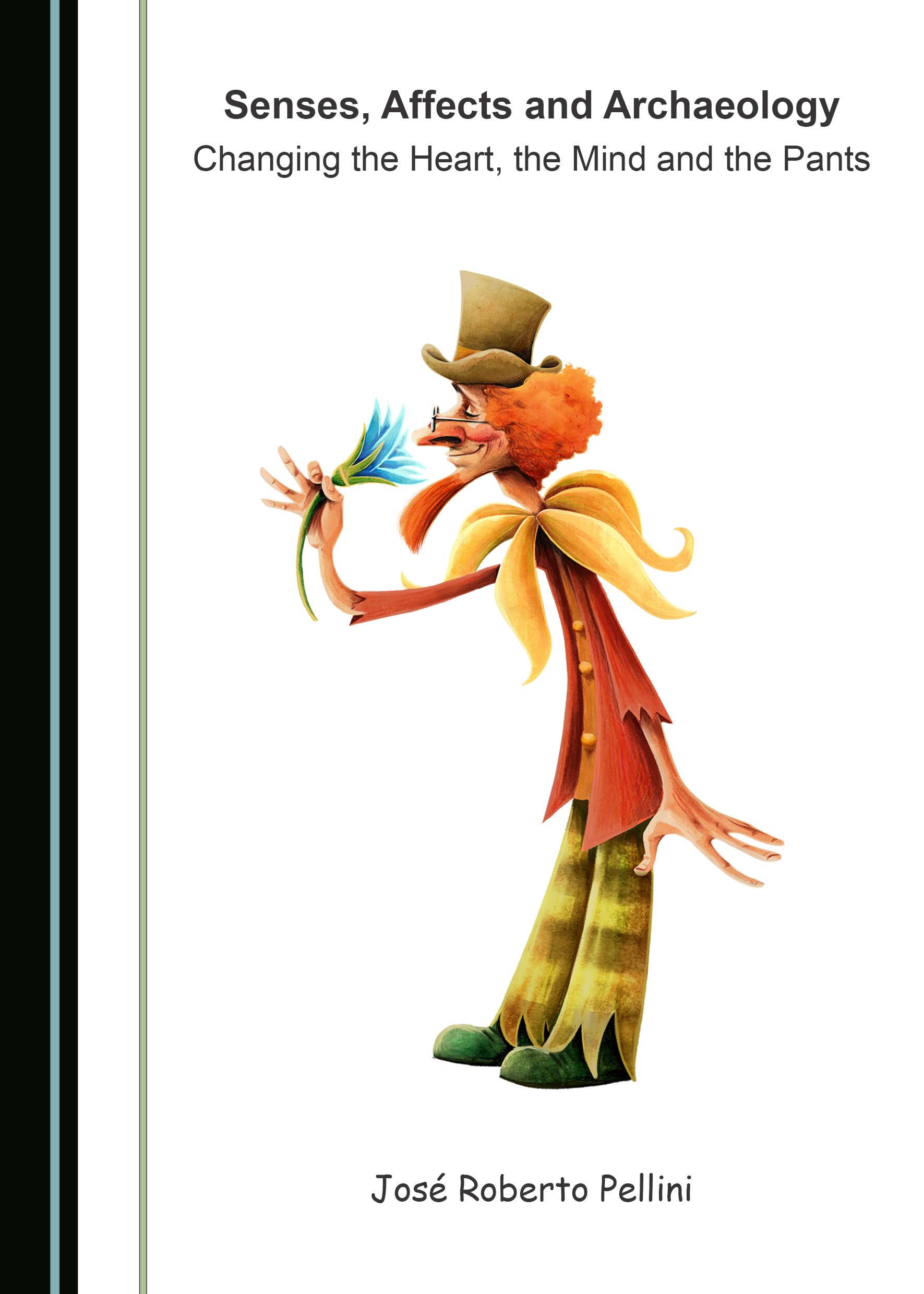
Senses, Affects and Archaeology
Changing the Heart, the Mind and the Pants
Senses and affects are not just physiological tools, but practices that constantly update our position in the world. Understanding how we are educated within these practices is the first step towards decolonizing our worldview and freeing our senses.
Senses and affects are not just physiological tools, but practices that constantly update our position in the world. Understanding how we are educated within these practices is the first step towards decolonizing our worldview and freeing our senses.
View more
This product has multiple variants. The options may be chosen on the product page
View more
This product has multiple variants. The options may be chosen on the product page
£62.99
How do we respond to the big questions of our time in our daily lives? By exploring power relations and the climate crisis, this book translates the abstract into the concrete and the political into the personal. It offers conceptual beginnings for showing up differently.
How do we respond to the big questions of our time in our daily lives? By exploring power relations and the climate crisis, this book translates the abstract into the concrete and the political into the personal. It offers conceptual beginnings for showing up differently.
View more
This product has multiple variants. The options may be chosen on the product page
View more
This product has multiple variants. The options may be chosen on the product page
Matter in Marx
New Perspectives on Historical Materialism
Was Marx truly a “materialist”? This book argues that the more interesting question is what kind he developed. It provides a surprising answer: a materialism without matter. On this basis, new light is shed on the base-superstructure analogy, progress, and political action.
Was Marx truly a “materialist”? This book argues that the more interesting question is what kind he developed. It provides a surprising answer: a materialism without matter. On this basis, new light is shed on the base-superstructure analogy, progress, and political action.
View more
This product has multiple variants. The options may be chosen on the product page