
View more
This product has multiple variants. The options may be chosen on the product page
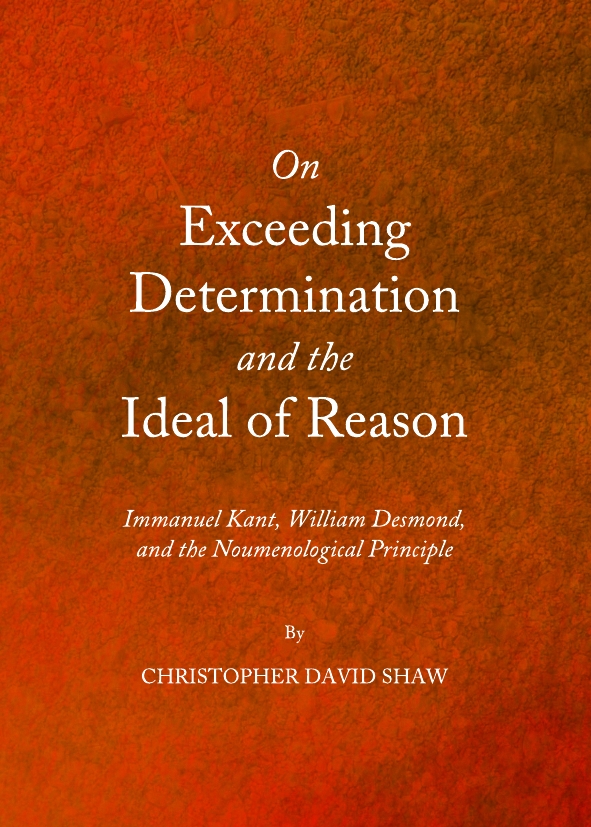
On Exceeding Determination and the Ideal of Reason
Immanuel Kant, William Desmond, and the Noumenological Principle
This book argues that Kant’s metaphysical system conceals a deeper reality behind phenomenal appearances. Drawing on William Desmond, Shaw critiques Kant's theological limits and lays the groundwork for a new discourse: “Noumenology”.
This book argues that Kant’s metaphysical system conceals a deeper reality behind phenomenal appearances. Drawing on William Desmond, Shaw critiques Kant’s theological limits and lays the groundwork for a new discourse: “Noumenology”.
View more
This product has multiple variants. The options may be chosen on the product page
View more
This product has multiple variants. The options may be chosen on the product page
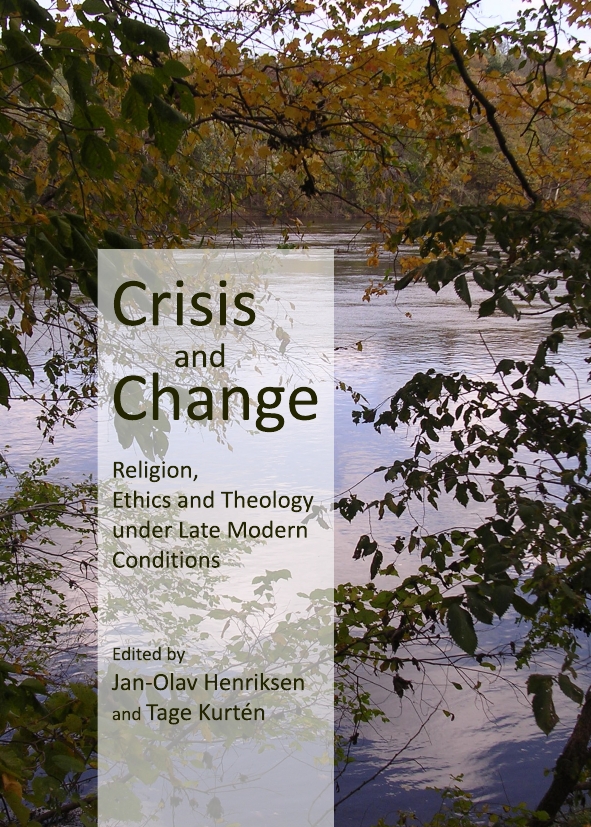
Crisis and Change
Religion, Ethics and Theology under Late Modern Conditions
One cannot understand religion and ethics without paying attention to context. As late modern conditions pose new challenges to established theology, this volume rethinks religion and Christian ethics, exploring how they appear in new ways and new contexts.
One cannot understand religion and ethics without paying attention to context. As late modern conditions pose new challenges to established theology, this volume rethinks religion and Christian ethics, exploring how they appear in new ways and new contexts.
View more
This product has multiple variants. The options may be chosen on the product page
View more
This product has multiple variants. The options may be chosen on the product page
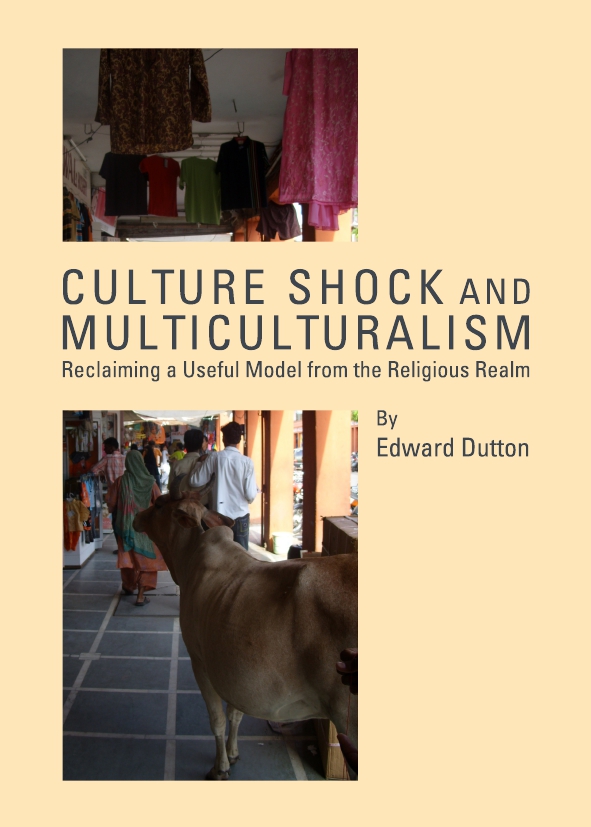
Culture Shock and Multiculturalism
Reclaiming a Useful Model from the Religious Realm
‘Culture shock’ is a useful model for human experience, but its most popular form promotes a replacement religion: Multiculturalism. This book shows how to divorce the concept from its religious dimensions and return both it and anthropology to the realm of science.
‘Culture shock’ is a useful model for human experience, but its most popular form promotes a replacement religion: Multiculturalism. This book shows how to divorce the concept from its religious dimensions and return both it and anthropology to the realm of science.
View more
This product has multiple variants. The options may be chosen on the product page
View more
This product has multiple variants. The options may be chosen on the product page
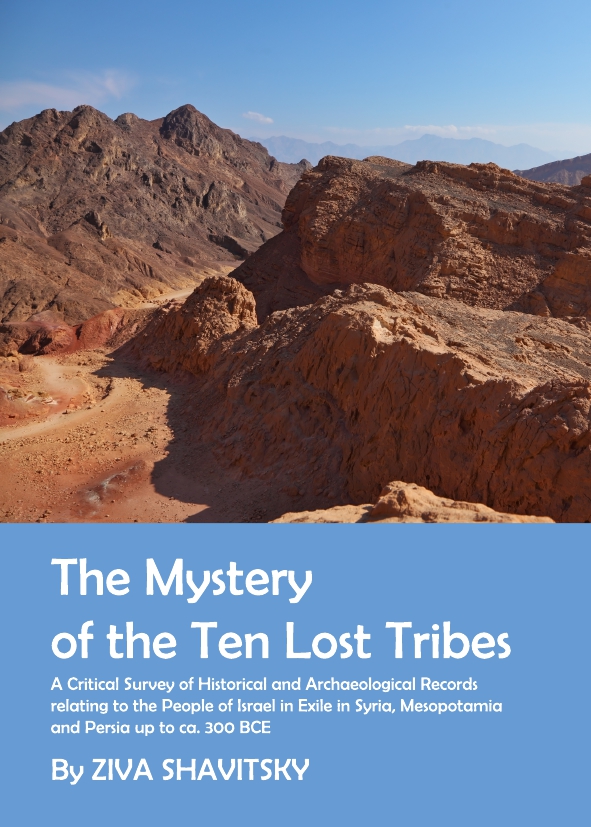
The Mystery of the Ten Lost Tribes
A Critical Survey of Historical and Archaeological Records relating to the People of Israel in Exile in Syria, Mesopotamia and Persia up to ca. 300 BCE
This book tests the biblical records of Israel's lost tribes against archaeological evidence. Inscriptions excavated in Assyria, Babylon, and Persia often coincide almost word for word with the Bible, revealing what happened to the Northern Captives.
This book tests the biblical records of Israel’s lost tribes against archaeological evidence. Inscriptions excavated in Assyria, Babylon, and Persia often coincide almost word for word with the Bible, revealing what happened to the Northern Captives.
View more
This product has multiple variants. The options may be chosen on the product page
View more
This product has multiple variants. The options may be chosen on the product page
£39.99
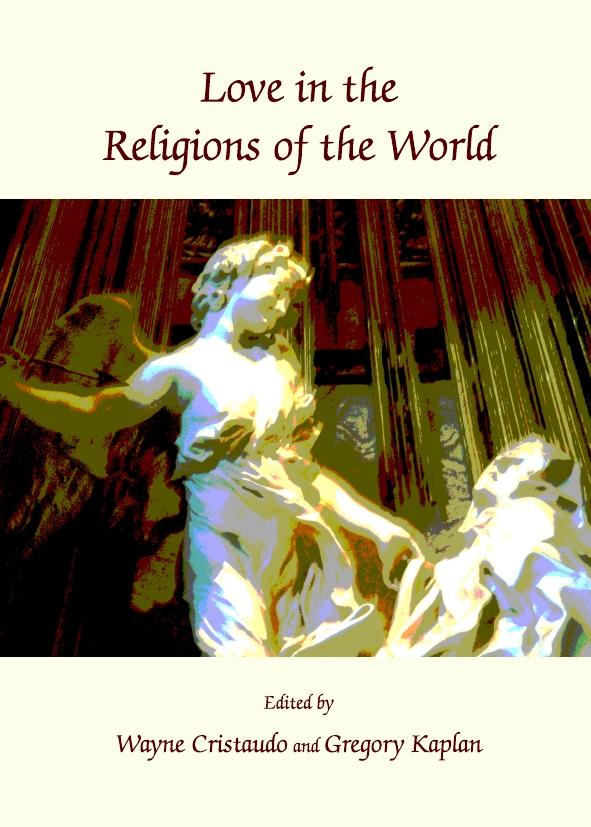
Understanding what others believe is essential. This collection of essays by international scholars examines the role of love in the world's major religions, eschewing the dangerous idea that all faiths are the same. An invaluable guide to dialogue.
Understanding what others believe is essential. This collection of essays by international scholars examines the role of love in the world’s major religions, eschewing the dangerous idea that all faiths are the same. An invaluable guide to dialogue.
View more
This product has multiple variants. The options may be chosen on the product page
View more
This product has multiple variants. The options may be chosen on the product page
£44.99
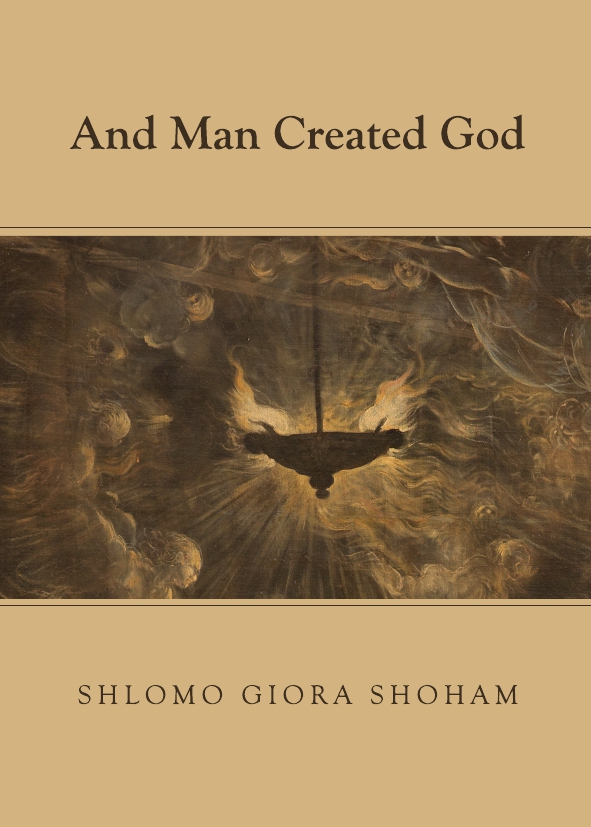
And Man Created God presents a new theory of myth as the creative force linking history and transcendence. The myths in Genesis and Exodus are presented in a new light, compared with Egyptian, Mesopotamian and Greek mythologies to highlight the pagan contrast.
And Man Created God presents a new theory of myth as the creative force linking history and transcendence. The myths in Genesis and Exodus are presented in a new light, compared with Egyptian, Mesopotamian and Greek mythologies to highlight the pagan contrast.
View more
This product has multiple variants. The options may be chosen on the product page
View more
This product has multiple variants. The options may be chosen on the product page
£39.99
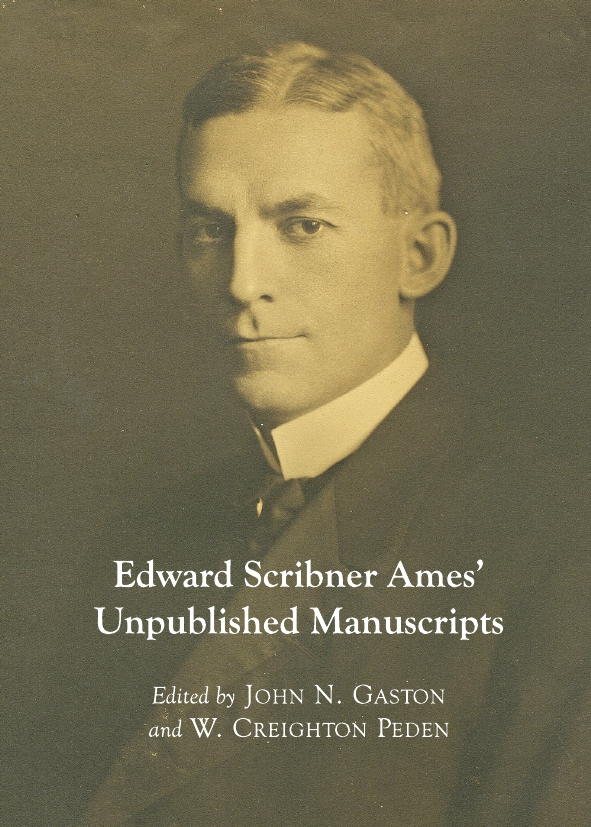
Edward Scribner Ames was a philosopher who adapted Christianity to pragmatism and modern science. This volume contains his unpublished manuscripts, with lectures explaining Christianity in terms of pragmatism and the philosophy of John Dewey.
Edward Scribner Ames was a philosopher who adapted Christianity to pragmatism and modern science. This volume contains his unpublished manuscripts, with lectures explaining Christianity in terms of pragmatism and the philosophy of John Dewey.
View more
This product has multiple variants. The options may be chosen on the product page
View more
This product has multiple variants. The options may be chosen on the product page
From £19.99
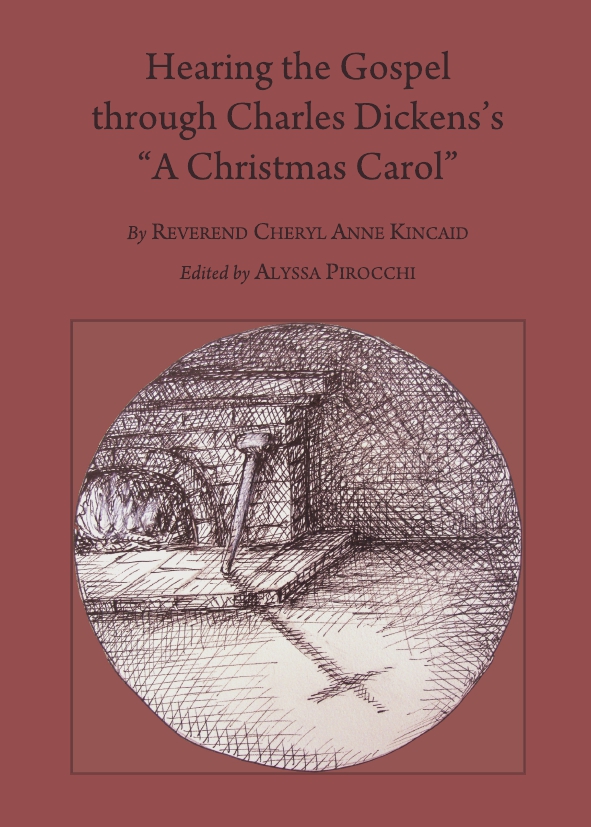
This Christian devotional uses A Christmas Carol to teach the ancient Advent lessons of Hope, Faith, Peace, Love and Joy. As you travel through Ebenezer’s redemptive journey, you are invited to examine how Christ is born in your past, present and future.
This Christian devotional uses A Christmas Carol to teach the ancient Advent lessons of Hope, Faith, Peace, Love and Joy. As you travel through Ebenezer’s redemptive journey, you are invited to examine how Christ is born in your past, present and future.
View more
This product has multiple variants. The options may be chosen on the product page
View more
This product has multiple variants. The options may be chosen on the product page
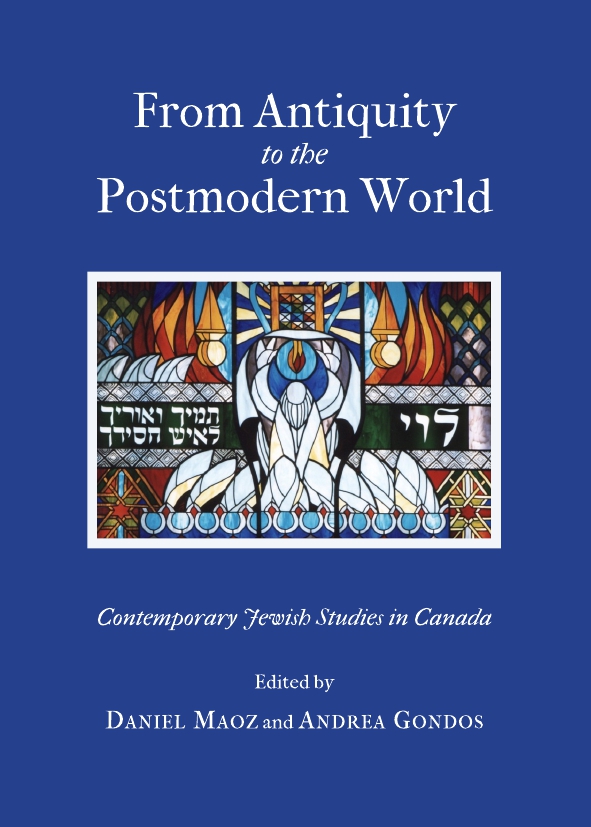
From Antiquity to the Postmodern World
Contemporary Jewish Studies in Canada
This volume brings together histories and literatures of the Jewish people. The articles investigate Jewish life and thought, from ancient sources and mysticism to contemporary themes, offering vibrant responses to the key questions: “Who is a Jew?” and “What is Judaism?”
This volume brings together histories and literatures of the Jewish people. The articles investigate Jewish life and thought, from ancient sources and mysticism to contemporary themes, offering vibrant responses to the key questions: “Who is a Jew?” and “What is Judaism?”
View more
This product has multiple variants. The options may be chosen on the product page
View more
This product has multiple variants. The options may be chosen on the product page
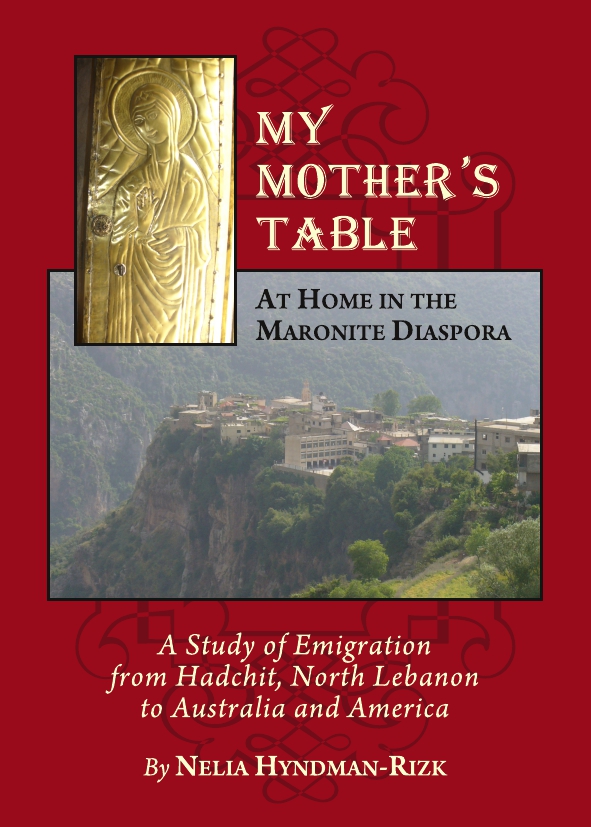
My Mother’s Table
At Home in the Maronite Diaspora, A Study of Emigration from Hadchit, North Lebanon to Australia and America
This study explores how Lebanese immigrants construct home in diaspora. When traditional ties of kinship, village, and sect are transformed, they face a crisis of belonging. The study finds home is not a physical place but a metaphysical state, created by women.
This study explores how Lebanese immigrants construct home in diaspora. When traditional ties of kinship, village, and sect are transformed, they face a crisis of belonging. The study finds home is not a physical place but a metaphysical state, created by women.
View more
This product has multiple variants. The options may be chosen on the product page
View more
This product has multiple variants. The options may be chosen on the product page
Islam in its International Context
Comparative Perspectives
Changing attitudes to Islam influence political cultures and national identities. This volume offers in-depth, multi-nation perspectives from Europe, the USA and the Middle East, addressing issues from Muslim radicalism to Islamophobia and Islamic art.
Changing attitudes to Islam influence political cultures and national identities. This volume offers in-depth, multi-nation perspectives from Europe, the USA and the Middle East, addressing issues from Muslim radicalism to Islamophobia and Islamic art.
View more
This product has multiple variants. The options may be chosen on the product page
View more
This product has multiple variants. The options may be chosen on the product page
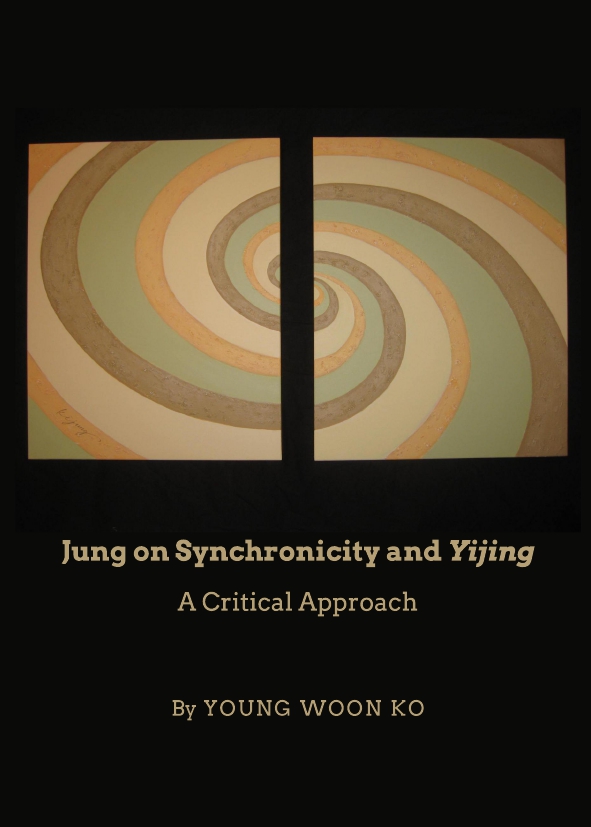
Jung on Synchronicity and Yijing
A Critical Approach
Jung’s archetypal theory illuminates the Yijing, defining the experience of the divine as an unconscious process. Yet this Western view, rooted in Plato and Kant, clashes with Yijing cosmology, creating a tension between timeless archetypes and subjective experience.
Jung’s archetypal theory illuminates the Yijing, defining the experience of the divine as an unconscious process. Yet this Western view, rooted in Plato and Kant, clashes with Yijing cosmology, creating a tension between timeless archetypes and subjective experience.
View more
This product has multiple variants. The options may be chosen on the product page
View more
This product has multiple variants. The options may be chosen on the product page
£34.99
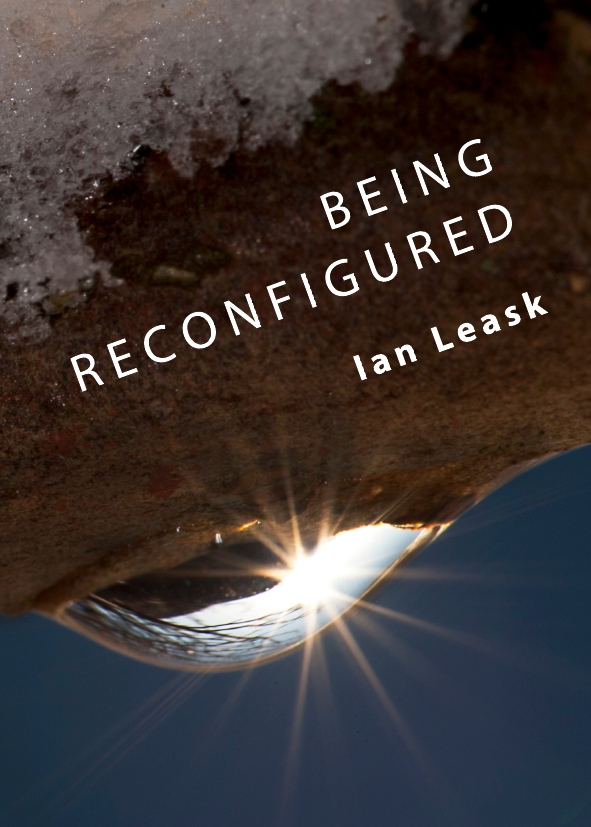
This book challenges contemporary phenomenology’s denegation of Being. It provides a fruitful alternative through a reassessment of Edith Stein’s ontology, considering Being in Steinian terms of support and safety to overcome this critical impasse.
This book challenges contemporary phenomenology’s denegation of Being. It provides a fruitful alternative through a reassessment of Edith Stein’s ontology, considering Being in Steinian terms of support and safety to overcome this critical impasse.
View more
This product has multiple variants. The options may be chosen on the product page
View more
This product has multiple variants. The options may be chosen on the product page
£39.99
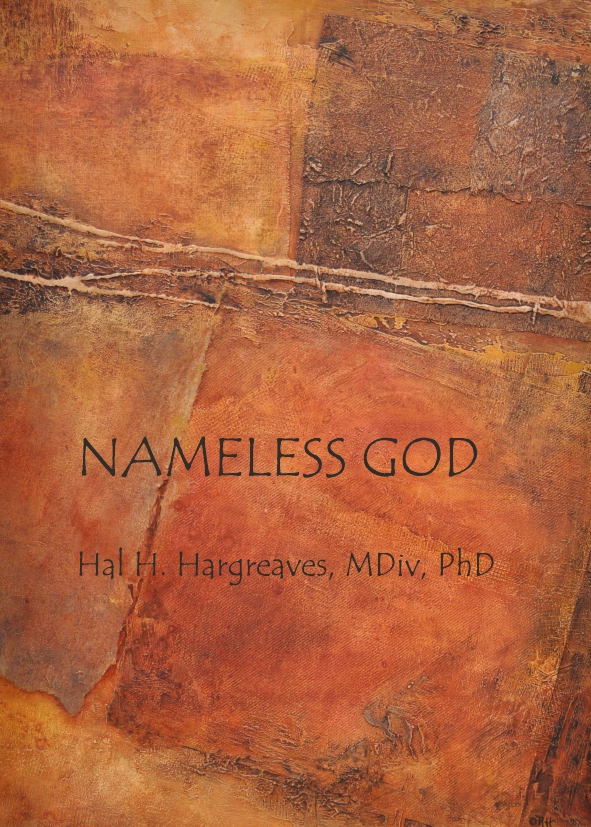
Names play pivotal roles in unlocking early Christianity, revealing theological positions and triggering the suggestion of a nameless god. This book is a primer for those who value objective observation over orthodoxy, offering a fresh, positive view of agnostic thought.
Names play pivotal roles in unlocking early Christianity, revealing theological positions and triggering the suggestion of a nameless god. This book is a primer for those who value objective observation over orthodoxy, offering a fresh, positive view of agnostic thought.
View more
This product has multiple variants. The options may be chosen on the product page
View more
This product has multiple variants. The options may be chosen on the product page
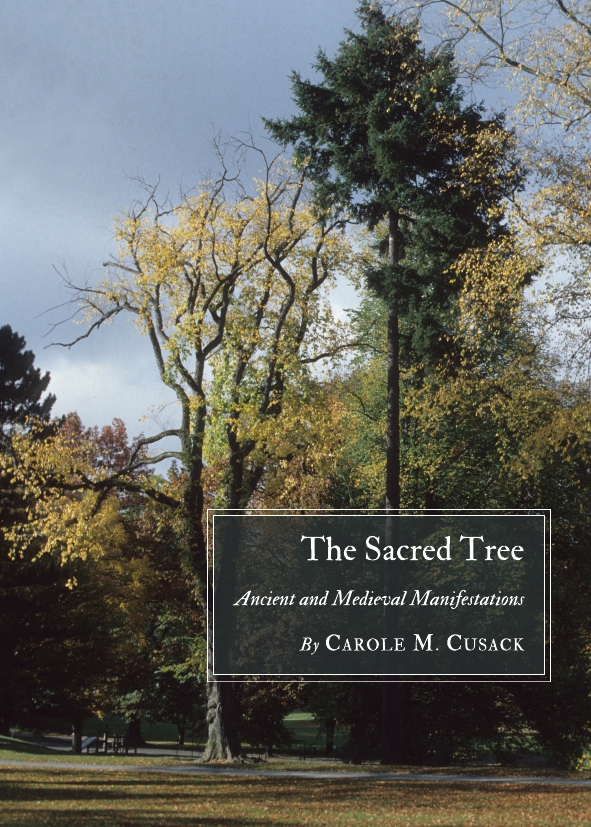
The Sacred Tree
Ancient and Medieval Manifestations
For ancient and medieval Europeans, the sacred tree was the center of the world and a picture of the cosmos, symbolizing stability and order. When these Pagan peoples adopted Christianity, this potent symbol was transformed, but its power endured.
For ancient and medieval Europeans, the sacred tree was the center of the world and a picture of the cosmos, symbolizing stability and order. When these Pagan peoples adopted Christianity, this potent symbol was transformed, but its power endured.
View more
This product has multiple variants. The options may be chosen on the product page
View more
This product has multiple variants. The options may be chosen on the product page
From £29.99
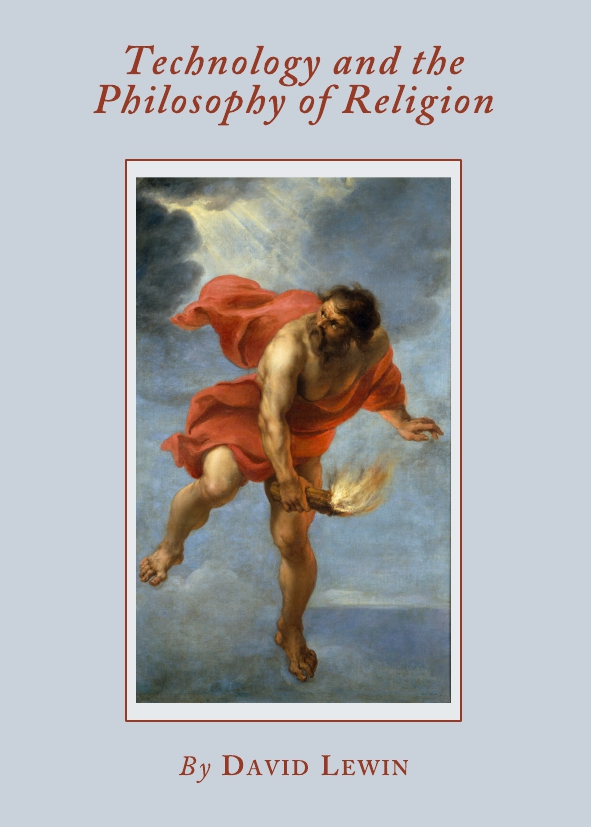
Despite unimaginable technological progress, we feel a profound unease. While philosophers have analyzed technological society, their secular ideas are limited. This book argues that where philosophy ends, a religious discourse is needed to articulate our ultimate concerns.
Despite unimaginable technological progress, we feel a profound unease. While philosophers have analyzed technological society, their secular ideas are limited. This book argues that where philosophy ends, a religious discourse is needed to articulate our ultimate concerns.
View more
This product has multiple variants. The options may be chosen on the product page
View more
This product has multiple variants. The options may be chosen on the product page
£39.99
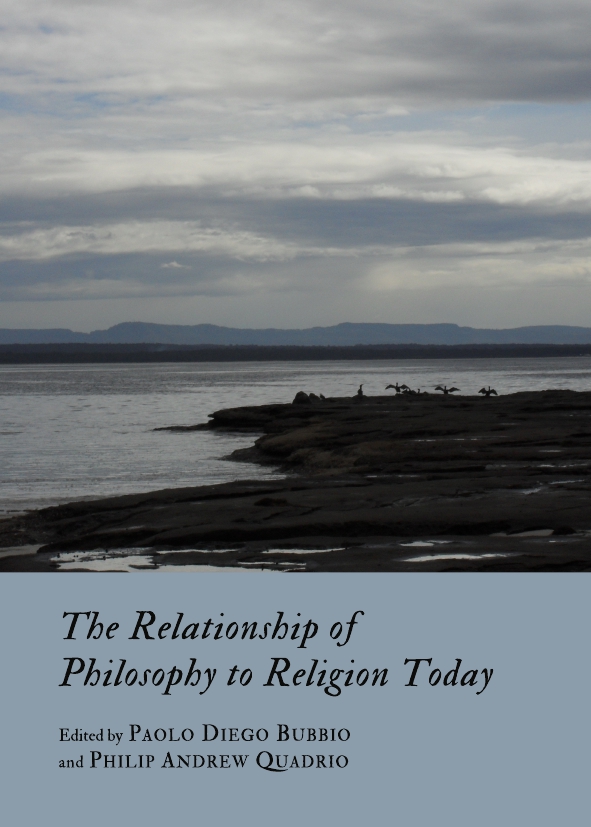
What ought philosophy of religion be? How should it relate to religion today? This collection offers a variety of perspectives on contemporary issues like faith, reason, atheism, and politics, without privileging any single philosophical or religious orientation.
What ought philosophy of religion be? How should it relate to religion today? This collection offers a variety of perspectives on contemporary issues like faith, reason, atheism, and politics, without privileging any single philosophical or religious orientation.
View more
This product has multiple variants. The options may be chosen on the product page

View more
This product has multiple variants. The options may be chosen on the product page
From £39.99
Irish religion is being redefined beyond Catholic power and sectarianism. This first-of-its-kind book explores the widespread changes, from new religious movements and migrant religion to the spread of New Age spirituality, in a wide-ranging overview.
Irish religion is being redefined beyond Catholic power and sectarianism. This first-of-its-kind book explores the widespread changes, from new religious movements and migrant religion to the spread of New Age spirituality, in a wide-ranging overview.
View more
This product has multiple variants. The options may be chosen on the product page
View more
This product has multiple variants. The options may be chosen on the product page
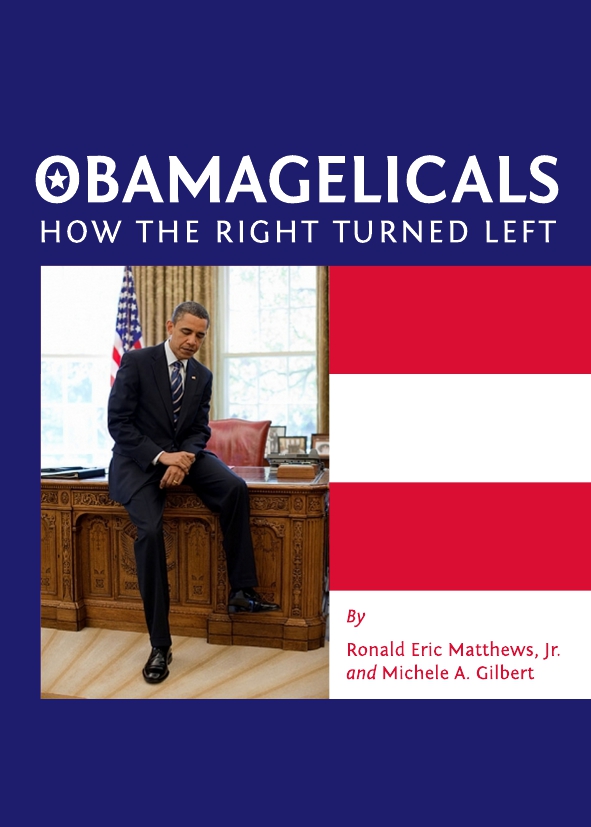
Obamagelicals
How the Right Turned Left
Obamagelicals demonstrates how Obama capitalized on a shift in values among younger, centrist evangelicals. Treating Protestant evangelicalism not as a monolith but a mosaic, he embraced cultural and political shifts that John McCain missed.
Obamagelicals demonstrates how Obama capitalized on a shift in values among younger, centrist evangelicals. Treating Protestant evangelicalism not as a monolith but a mosaic, he embraced cultural and political shifts that John McCain missed.
View more
This product has multiple variants. The options may be chosen on the product page
View more
This product has multiple variants. The options may be chosen on the product page
£34.99
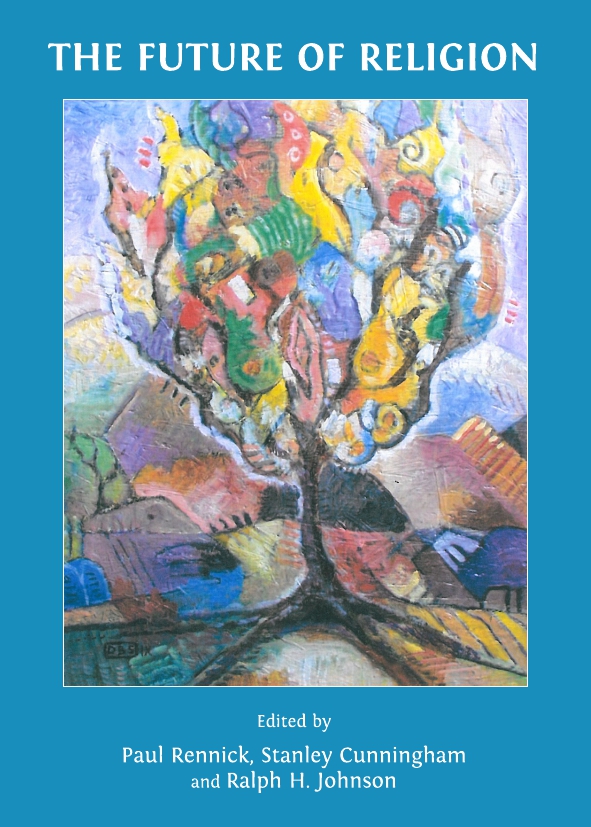
Religion raises hard questions. This volume challenges the easy answers about the separation of church and state, the science-versus-religion dichotomy, and attacks on God, inviting us to review our presuppositions as we reflect on the future of religion.
Religion raises hard questions. This volume challenges the easy answers about the separation of church and state, the science-versus-religion dichotomy, and attacks on God, inviting us to review our presuppositions as we reflect on the future of religion.
View more
This product has multiple variants. The options may be chosen on the product page
Processing Your Order
Please wait while we securely process your order.
Do not refresh or leave this page.
You will be redirected shortly to a confirmation page with your order number.