
View more
This product has multiple variants. The options may be chosen on the product page
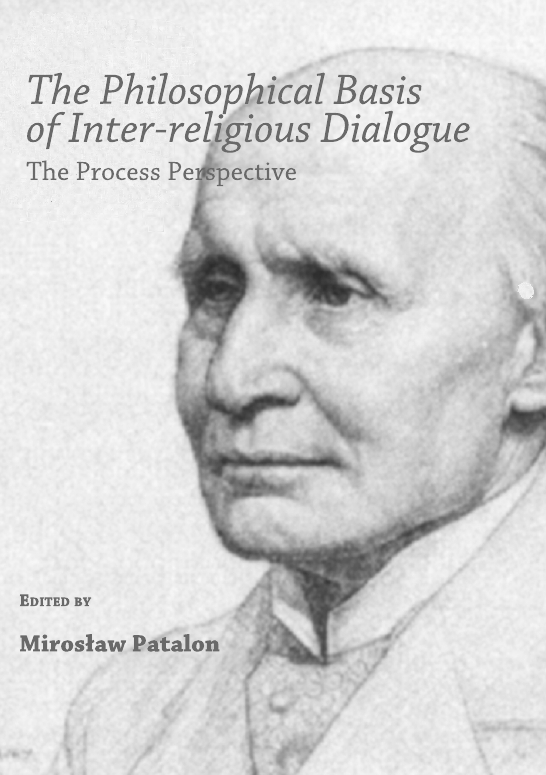
The Philosophical Basis of Inter-religious Dialogue
The Process Perspective
In an age of global tension, can religions remain isolated islands? What is the true role of inter-religious dialogue? This selection of articles uses process philosophy to explore different points of view on these essential questions.
In an age of global tension, can religions remain isolated islands? What is the true role of inter-religious dialogue? This selection of articles uses process philosophy to explore different points of view on these essential questions.
View more
This product has multiple variants. The options may be chosen on the product page

View more
This product has multiple variants. The options may be chosen on the product page
From £30.99
The digital age promised connection but delivered chaos, fake news, and manipulation. How must the Church respond? Drawing on timeless wisdom, these vital essays forge a path through the digital wilderness.
The digital age promised connection but delivered chaos, fake news, and manipulation. How must the Church respond? Drawing on timeless wisdom, these vital essays forge a path through the digital wilderness.
View more
This product has multiple variants. The options may be chosen on the product page
View more
This product has multiple variants. The options may be chosen on the product page
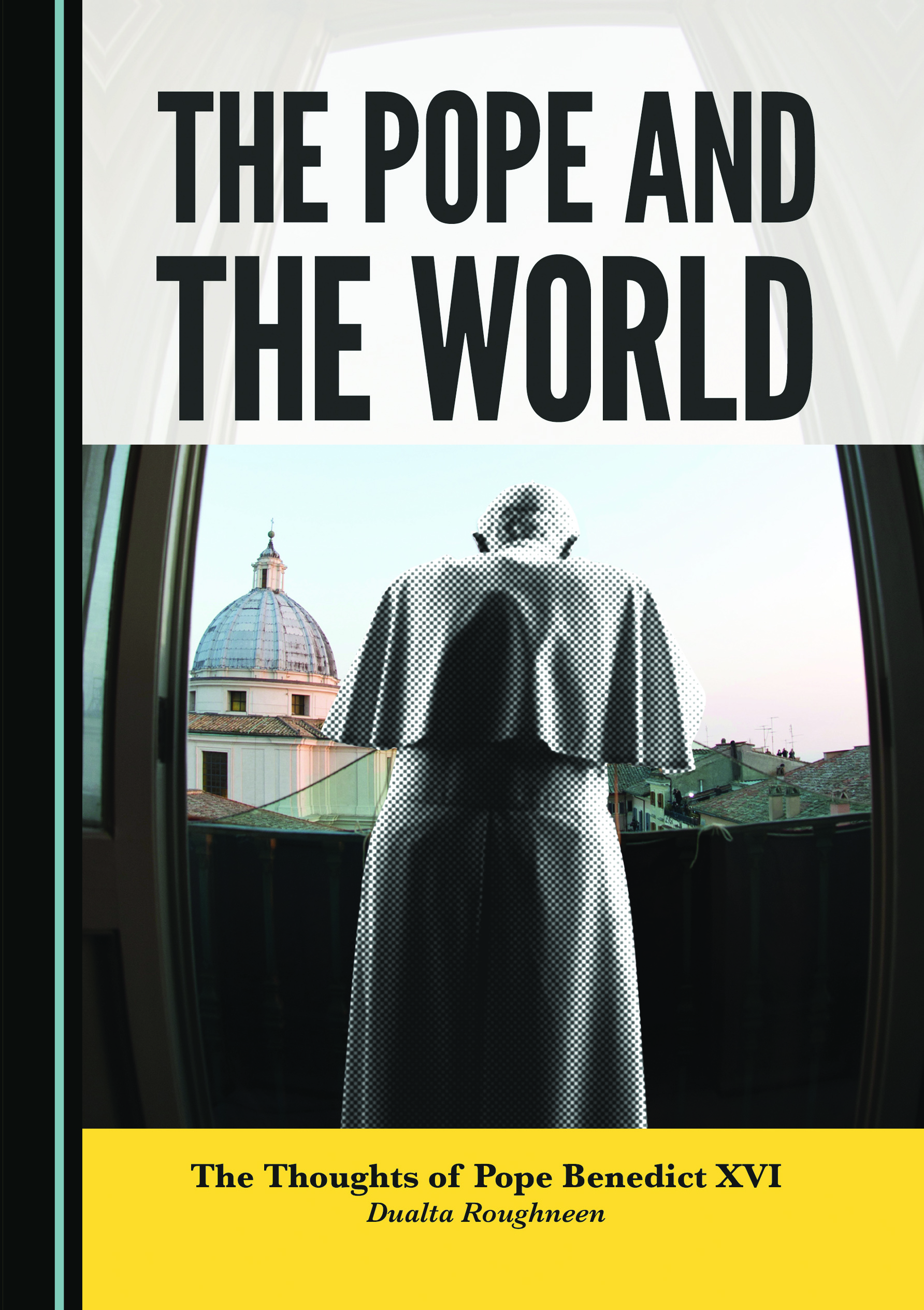
The Pope and the World
The Thoughts of Pope Benedict XVI
Pope Benedict XVI has long engaged in the dialogue between the sacred and the secular. While many accused him of changing his views, this book tracks his ideas over the years, revealing a profound consistency in directing all spheres—from the Liturgy to politics—towards God.
Pope Benedict XVI has long engaged in the dialogue between the sacred and the secular. While many accused him of changing his views, this book tracks his ideas over the years, revealing a profound consistency in directing all spheres—from the Liturgy to politics—towards God.
View more
This product has multiple variants. The options may be chosen on the product page
View more
This product has multiple variants. The options may be chosen on the product page
The Posthuman Imagination
Literature at the Edge of the Human
What does it mean to be human in the Anthropocene? This volume explores posthumanism's response to this crisis through accessible essays. Featuring an interview with philosopher Francesca Ferrando, it explicates the subject through various literary and filmic texts.
What does it mean to be human in the Anthropocene? This volume explores posthumanism’s response to this crisis through accessible essays. Featuring an interview with philosopher Francesca Ferrando, it explicates the subject through various literary and filmic texts.
View more
This product has multiple variants. The options may be chosen on the product page
View more
This product has multiple variants. The options may be chosen on the product page
The Practice of Altruism
Caring and Religion in Global Perspective
Do people with religious commitment nurture altruistic action more than others? Social scientists present results of their empirical studies on Japanese, North American, European, Indian, and Thai societies to offer insightful reflections on this issue.
Do people with religious commitment nurture altruistic action more than others? Social scientists present results of their empirical studies on Japanese, North American, European, Indian, and Thai societies to offer insightful reflections on this issue.
View more
This product has multiple variants. The options may be chosen on the product page
View more
This product has multiple variants. The options may be chosen on the product page
The Priority of the Possible
Outlines of a Contemplative Philosophy of Orientation
This book shows the importance of the possibility approach for contemporary debates on metaphysics, God, evil, and transhumanism. It offers a new starting point for philosophical theology beyond the barren alternatives of metaphysics and anti-metaphysics.
This book shows the importance of the possibility approach for contemporary debates on metaphysics, God, evil, and transhumanism. It offers a new starting point for philosophical theology beyond the barren alternatives of metaphysics and anti-metaphysics.
View more
This product has multiple variants. The options may be chosen on the product page
View more
This product has multiple variants. The options may be chosen on the product page
The Quaker Condition
The Sociology of a Liberal Religion
This book sociologically examines the ‘Quaker Condition’ in present-day Britain. A pioneering social science study of a single faith group, it analyses Quakerism as a hyper-liberal religion, prefiguring developments that may overtake conservative groups.
This book sociologically examines the ‘Quaker Condition’ in present-day Britain. A pioneering social science study of a single faith group, it analyses Quakerism as a hyper-liberal religion, prefiguring developments that may overtake conservative groups.
View more
This product has multiple variants. The options may be chosen on the product page
View more
This product has multiple variants. The options may be chosen on the product page
From £30.99
Through twenty-six testimonies from those involved in honour killings (killers, victims, and the falsely accused), this important study reveals the malign intentions and agendas behind such acts and explores the dangerous point at which culture, crime and discrimination coalesce.
Through twenty-six testimonies from those involved in honour killings (killers, victims, and the falsely accused), this important study reveals the malign intentions and agendas behind such acts and explores the dangerous point at which culture, crime and discrimination coalesce.
View more
This product has multiple variants. The options may be chosen on the product page
View more
This product has multiple variants. The options may be chosen on the product page
£39.99
What ought philosophy of religion be? How should it relate to religion today? This collection offers a variety of perspectives on contemporary issues like faith, reason, atheism, and politics, without privileging any single philosophical or religious orientation.
What ought philosophy of religion be? How should it relate to religion today? This collection offers a variety of perspectives on contemporary issues like faith, reason, atheism, and politics, without privileging any single philosophical or religious orientation.
View more
This product has multiple variants. The options may be chosen on the product page
View more
This product has multiple variants. The options may be chosen on the product page
From £29.99
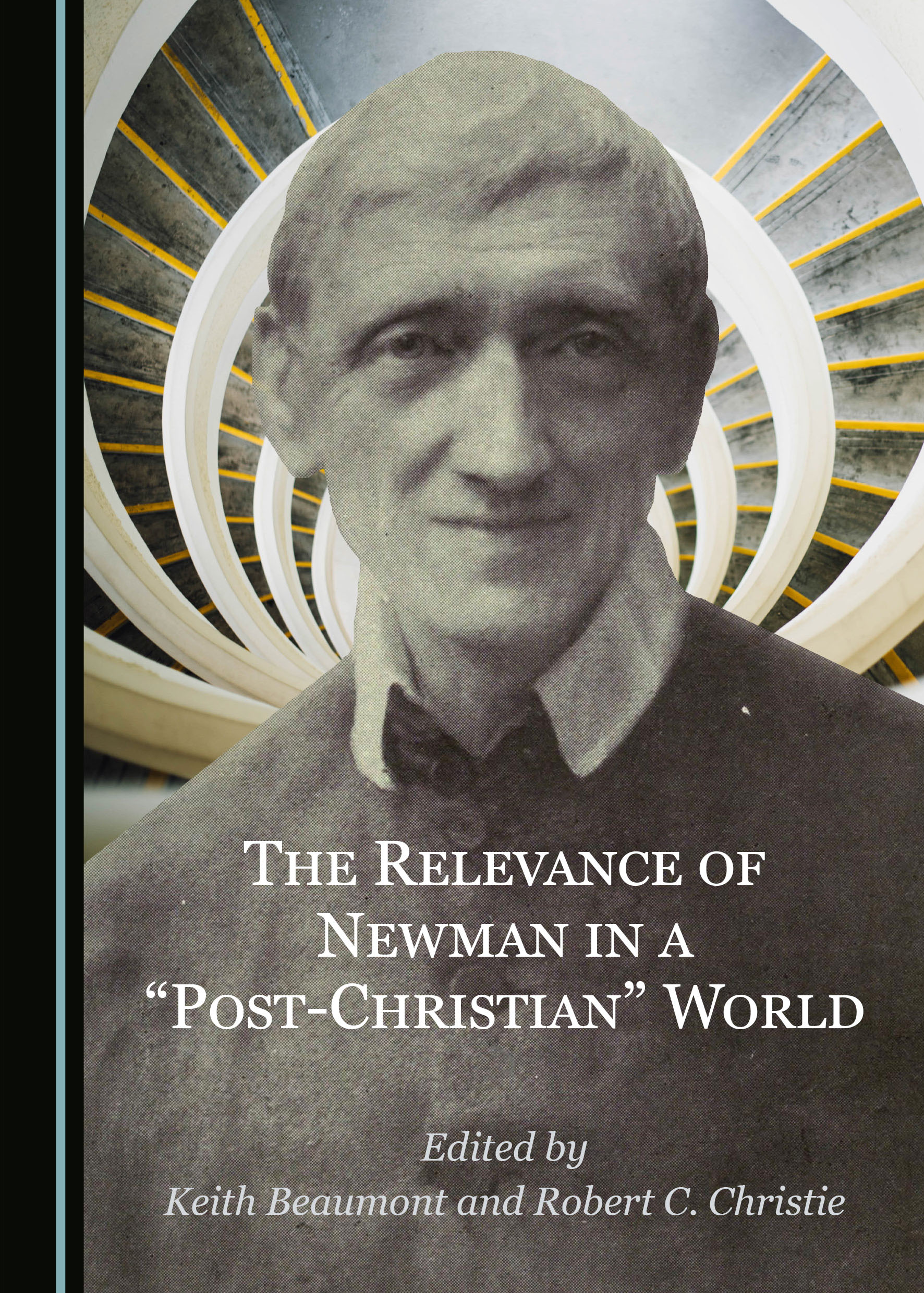
What has Newman to say to a world where religion is mere opinion? This volume shows how he challenges us to think in an integrated way about the self, conscience in political life, and the individual’s relationship with the community and academic disciplines.
What has Newman to say to a world where religion is mere opinion? This volume shows how he challenges us to think in an integrated way about the self, conscience in political life, and the individual’s relationship with the community and academic disciplines.
View more
This product has multiple variants. The options may be chosen on the product page
View more
This product has multiple variants. The options may be chosen on the product page
The Rise of Protestantism in Modern Korea
A Sociological Perspective
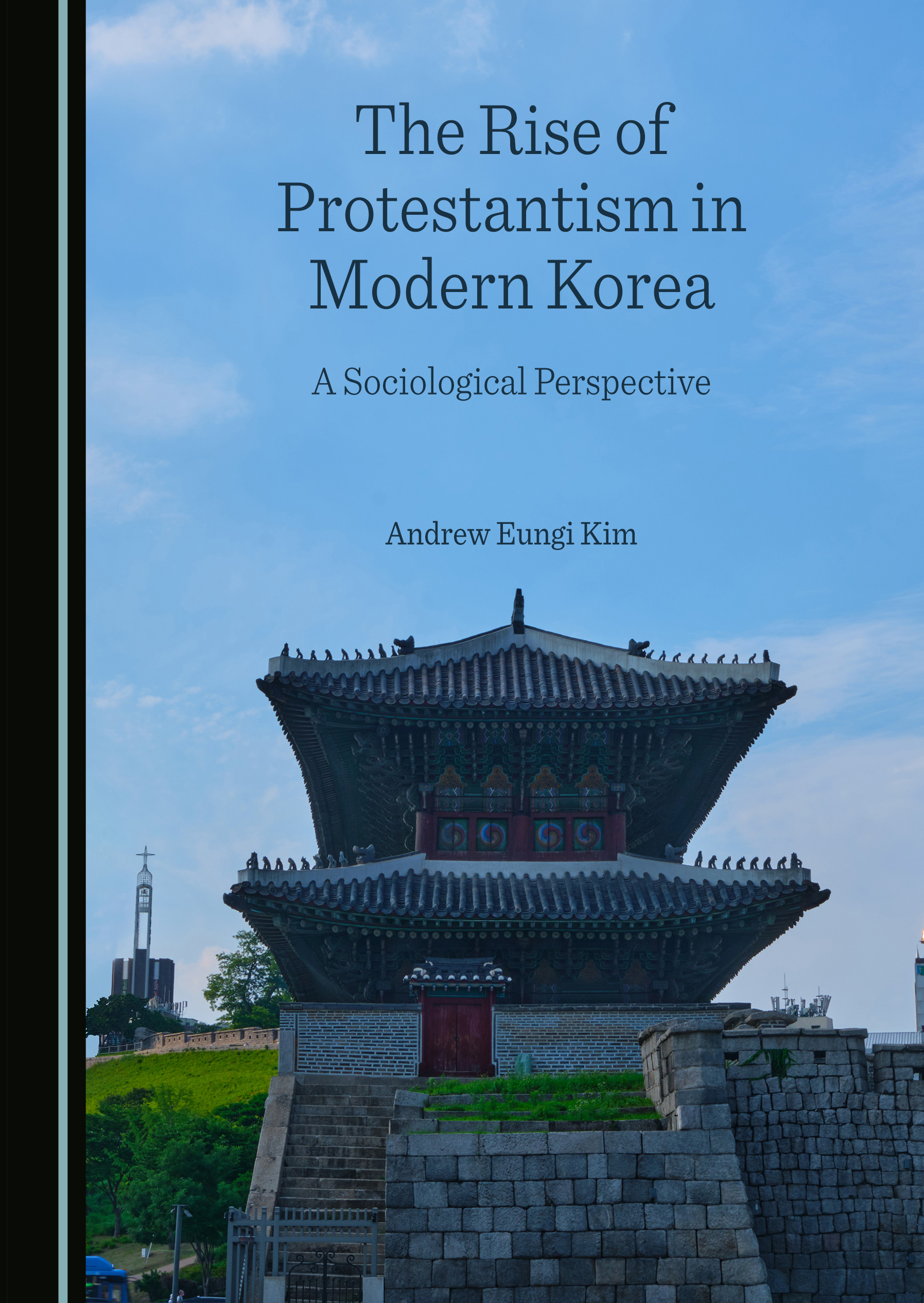
This book unpacks the extraordinary rise of Protestant Christianity as South Korea's largest religion. In just 130 years, it eclipsed ancient traditions like Buddhism and Confucianism. A vital resource for students of religion, history, sociology, and culture.
This book unpacks the extraordinary rise of Protestant Christianity as South Korea’s largest religion. In just 130 years, it eclipsed ancient traditions like Buddhism and Confucianism. A vital resource for students of religion, history, sociology, and culture.
View more
This product has multiple variants. The options may be chosen on the product page
View more
This product has multiple variants. The options may be chosen on the product page
The Rise of the Prophet Muhammad
Don't Shoot the Messenger
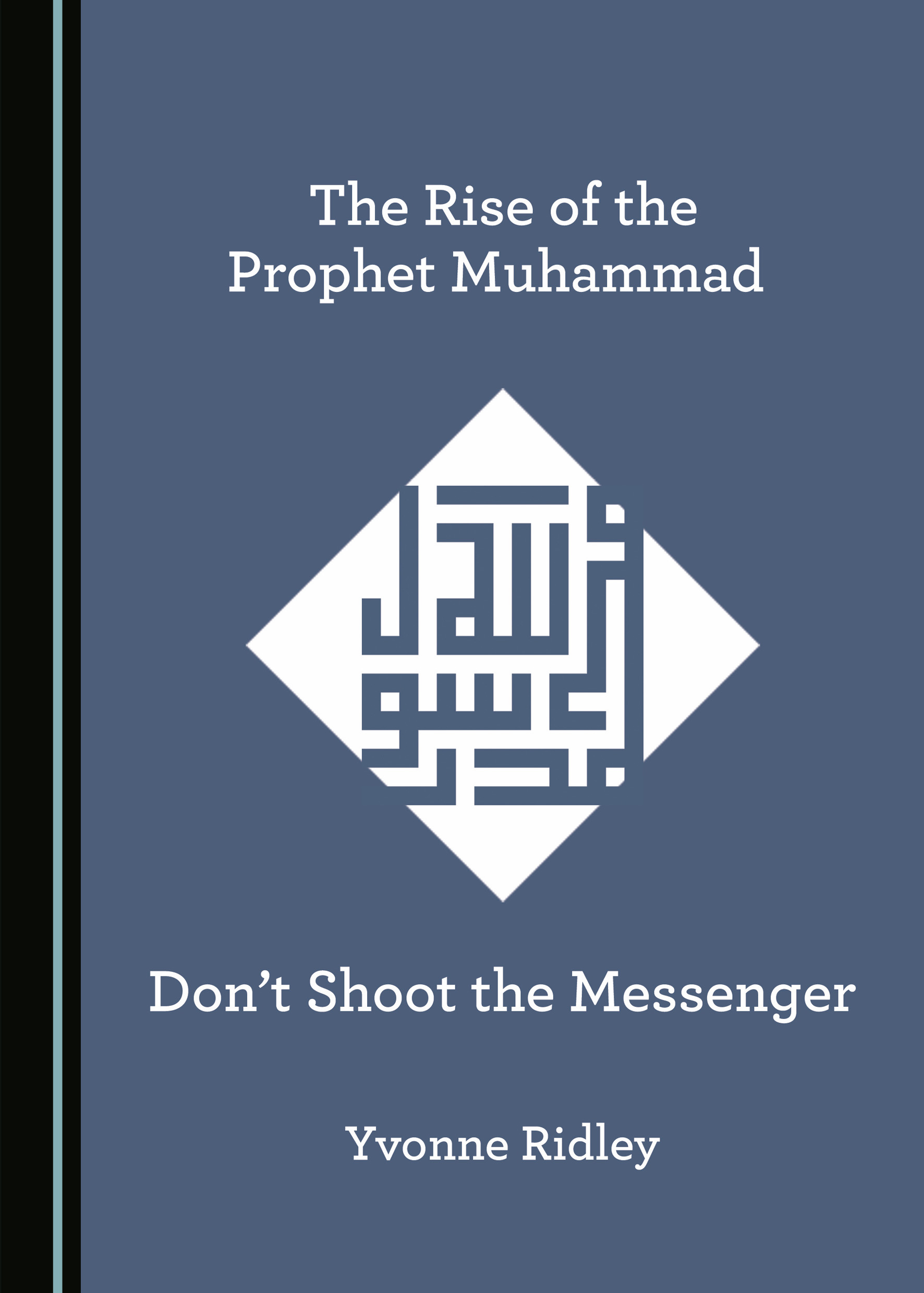
How did an illiterate orphan from the Arabian desert become one of history's most influential—and polarizing—figures? This book explores the rise of a prophet, commander, and statesman whose legacy continues to shape our world.
How did an illiterate orphan from the Arabian desert become one of history’s most influential—and polarizing—figures? This book explores the rise of a prophet, commander, and statesman whose legacy continues to shape our world.
View more
This product has multiple variants. The options may be chosen on the product page

View more
This product has multiple variants. The options may be chosen on the product page
From £29.99
As European society segregates along religious and ethnic lines, static multiculturalism has failed, strengthening religious nationalism. This book presents a message to Europe's elites: embrace the dynamic principle of interculturalism to build one society for all.
As European society segregates along religious and ethnic lines, static multiculturalism has failed, strengthening religious nationalism. This book presents a message to Europe’s elites: embrace the dynamic principle of interculturalism to build one society for all.
View more
This product has multiple variants. The options may be chosen on the product page
View more
This product has multiple variants. The options may be chosen on the product page
The Root Causes of Terrorism
A Religious Studies Perspective
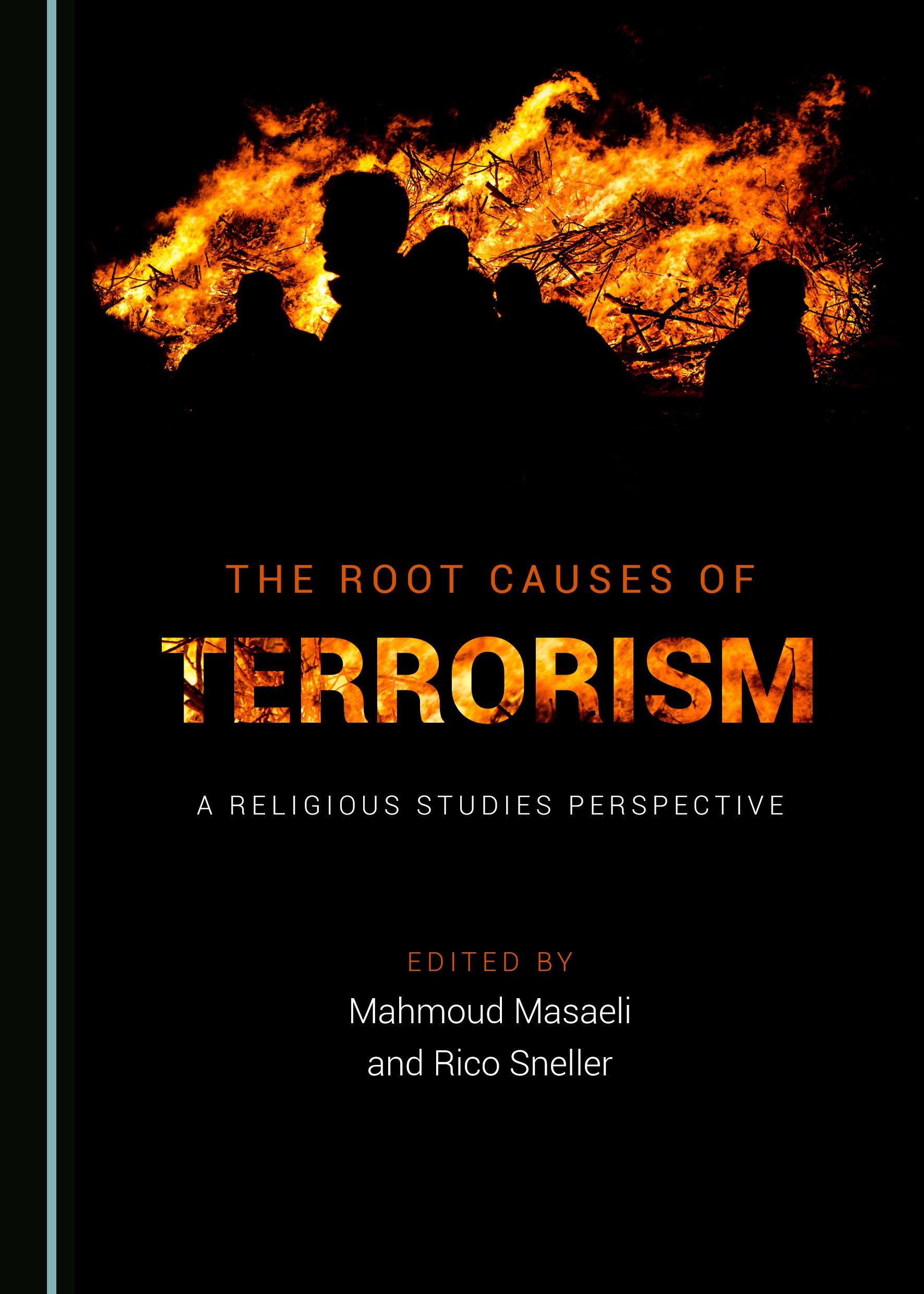
This publication discusses a range of themes related to terrorism, such as religious violence in scriptural monotheism, interpretations of religious texts, militancy and sacrifice, and religious terrorism.
This publication discusses a range of themes related to terrorism, such as religious violence in scriptural monotheism, interpretations of religious texts, militancy and sacrifice, and religious terrorism.
View more
This product has multiple variants. The options may be chosen on the product page
View more
This product has multiple variants. The options may be chosen on the product page
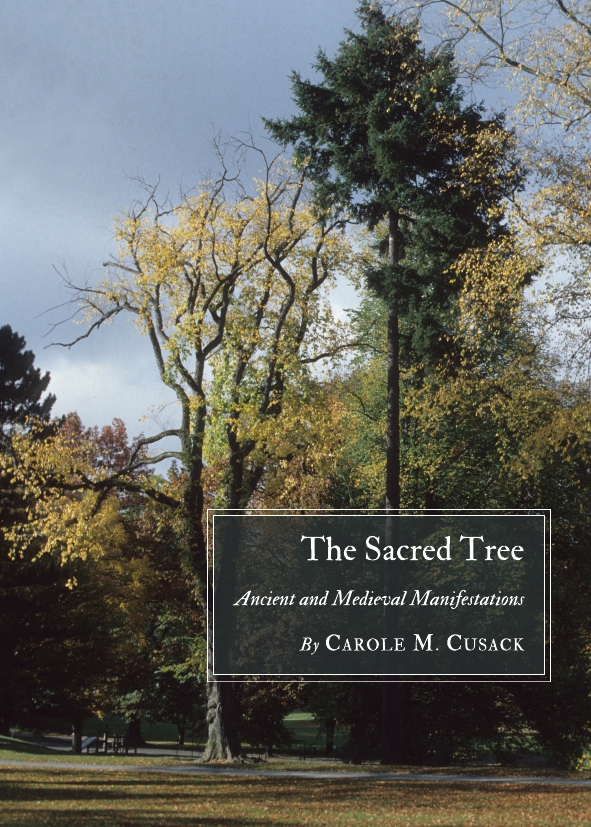
The Sacred Tree
Ancient and Medieval Manifestations
For ancient and medieval Europeans, the sacred tree was the center of the world and a picture of the cosmos, symbolizing stability and order. When these Pagan peoples adopted Christianity, this potent symbol was transformed, but its power endured.
For ancient and medieval Europeans, the sacred tree was the center of the world and a picture of the cosmos, symbolizing stability and order. When these Pagan peoples adopted Christianity, this potent symbol was transformed, but its power endured.
View more
This product has multiple variants. The options may be chosen on the product page
View more
This product has multiple variants. The options may be chosen on the product page
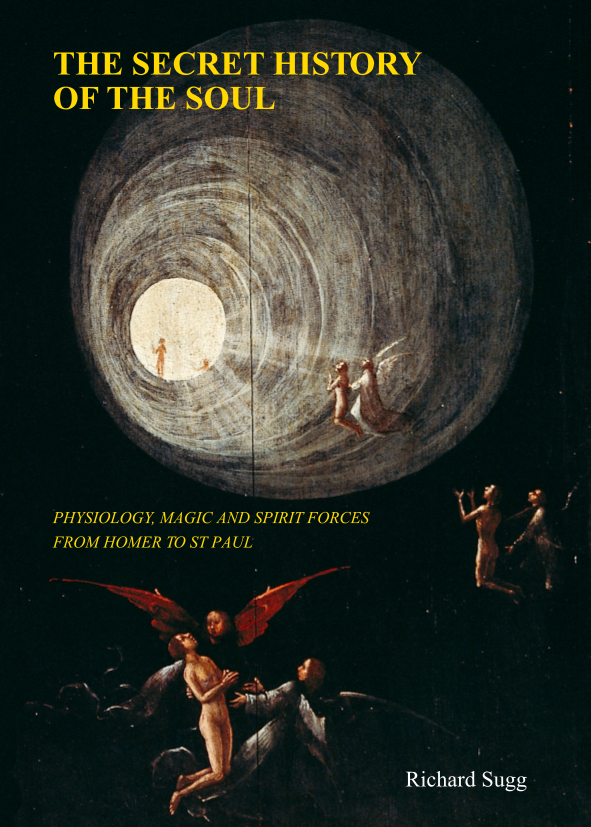
The Secret History of the Soul
Physiology, Magic and Spirit Forces from Homer to St Paul
What if the soul wasn't an abstract entity but a physical force? This book examines forgotten models from the ancient world where spirit was a potent, transferable energy that blurred the line between body and soul and was used to effect magical cures.
What if the soul wasn’t an abstract entity but a physical force? This book examines forgotten models from the ancient world where spirit was a potent, transferable energy that blurred the line between body and soul and was used to effect magical cures.
View more
This product has multiple variants. The options may be chosen on the product page
View more
This product has multiple variants. The options may be chosen on the product page
The Self-emptying God
An Undercurrent in Christian Theology Helping the Relationship with Science
This book examines the concept of Christ's self-emptying (kenosis) and how this understanding extends to God. It explores the history of this persistent theme and its value for reconciling Christian faith with scientific approaches.
This book examines the concept of Christ’s self-emptying (kenosis) and how this understanding extends to God. It explores the history of this persistent theme and its value for reconciling Christian faith with scientific approaches.
View more
This product has multiple variants. The options may be chosen on the product page
View more
This product has multiple variants. The options may be chosen on the product page
£24.99
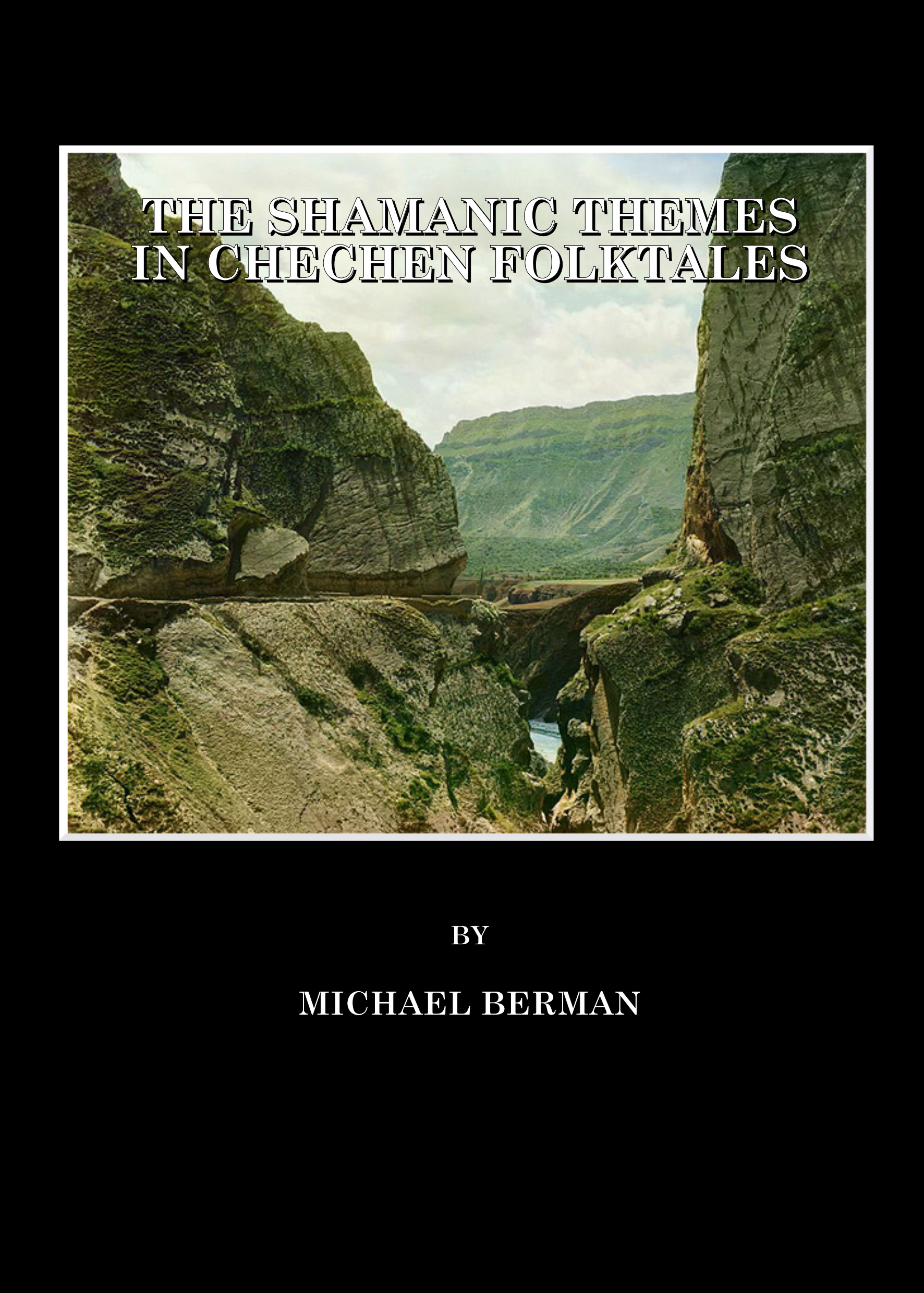
The roots of Chechnya lie in shamanism. The rich stories of the Nokhchii people have survived for thousands of years through oral traditions, providing virtually the only remaining evidence of their ancestors. This book contains these tales and commentaries on them.
The roots of Chechnya lie in shamanism. The rich stories of the Nokhchii people have survived for thousands of years through oral traditions, providing virtually the only remaining evidence of their ancestors. This book contains these tales and commentaries on them.
View more
This product has multiple variants. The options may be chosen on the product page
View more
This product has multiple variants. The options may be chosen on the product page
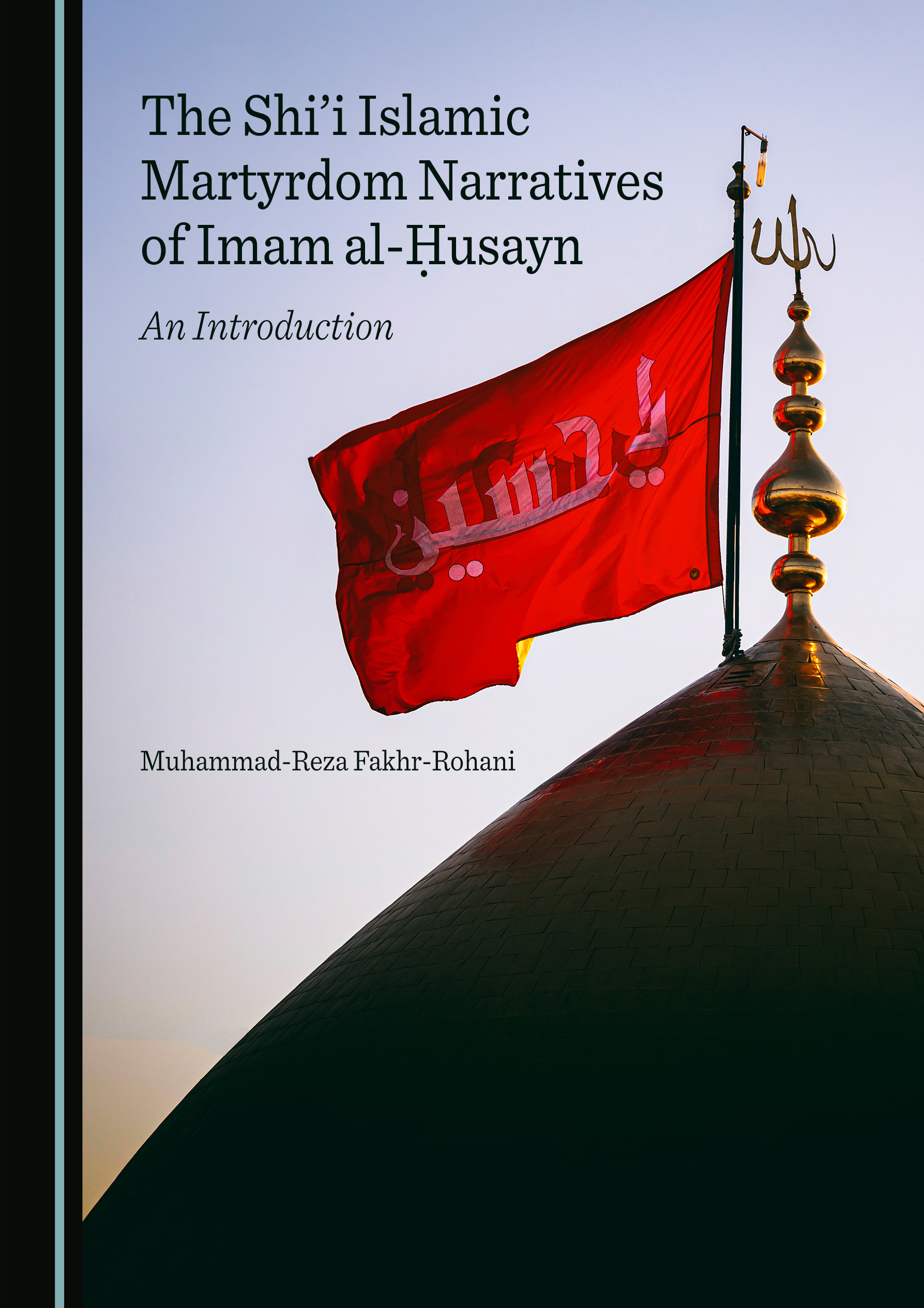
The Shi’i Islamic Martyrdom Narratives of Imam al-Ḥusayn
An Introduction
Martyrdom narratives (maqtals) are a prominent Islamic literary genre, largely focused on the tragic Battle of Karbala. The first book-length treatment of this genre in English, this text explores its history from the dawn of Islam and requires little background knowledge.
Martyrdom narratives (maqtals) are a prominent Islamic literary genre, largely focused on the tragic Battle of Karbala. The first book-length treatment of this genre in English, this text explores its history from the dawn of Islam and requires little background knowledge.
View more
This product has multiple variants. The options may be chosen on the product page
View more
This product has multiple variants. The options may be chosen on the product page
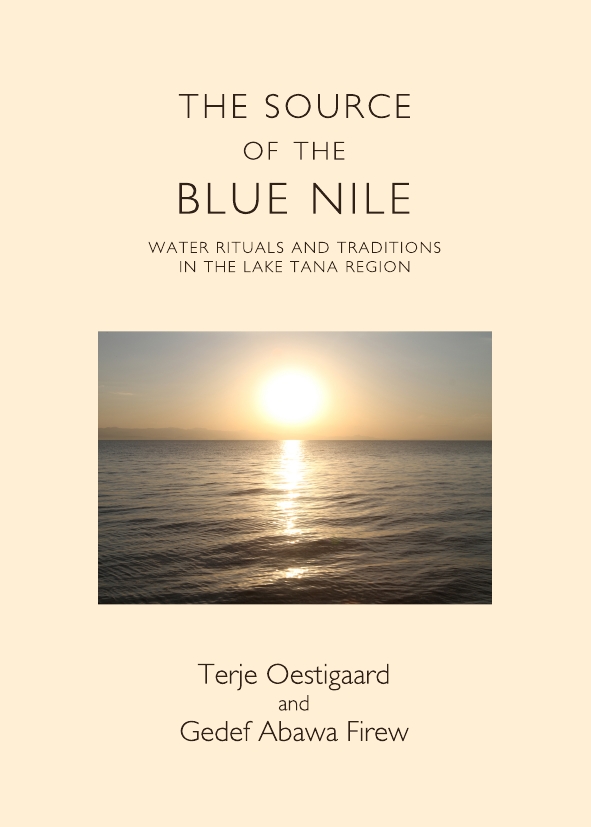
The Source of the Blue Nile
Water Rituals and Traditions in the Lake Tana Region
In Ethiopia, the Blue Nile is seen as the biblical river Gihon, flowing from Paradise. This book combines historic sources and new ethnography to present the rich myths, rituals, and cultural heritage structured around these sacred waters.
In Ethiopia, the Blue Nile is seen as the biblical river Gihon, flowing from Paradise. This book combines historic sources and new ethnography to present the rich myths, rituals, and cultural heritage structured around these sacred waters.
View more
This product has multiple variants. The options may be chosen on the product page
Processing Your Order
Please wait while we securely process your order.
Do not refresh or leave this page.
You will be redirected shortly to a confirmation page with your order number.