
View more
This product has multiple variants. The options may be chosen on the product page
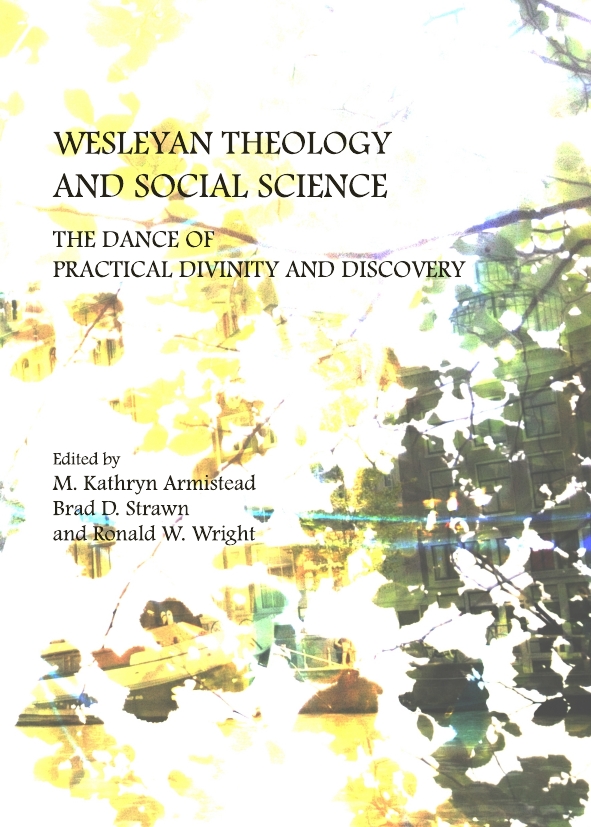
Wesleyan Theology and Social Science
The Dance of Practical Divinity and Discovery
John Wesley used science and theology to improve lives. This book continues that legacy, bringing current psychology into conversation with Wesleyan theology. In these essays, science and theology partner so that all persons can live fully and well.
John Wesley used science and theology to improve lives. This book continues that legacy, bringing current psychology into conversation with Wesleyan theology. In these essays, science and theology partner so that all persons can live fully and well.
View more
This product has multiple variants. The options may be chosen on the product page
View more
This product has multiple variants. The options may be chosen on the product page
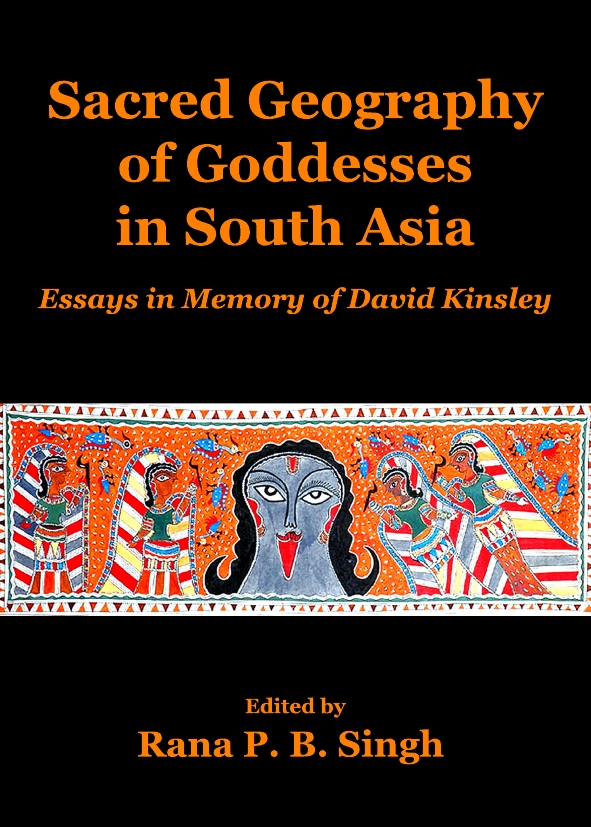
Sacred Geography of Goddesses in South Asia
Essays in Memory of David Kinsley
A tribute to David Kinsley, this interdisciplinary anthology explores the sacred geography of goddesses. Essays from scholars of religious studies, geography, and anthropology link ecology and shamanism with landscape as temple and territory as cosmos.
A tribute to David Kinsley, this interdisciplinary anthology explores the sacred geography of goddesses. Essays from scholars of religious studies, geography, and anthropology link ecology and shamanism with landscape as temple and territory as cosmos.
View more
This product has multiple variants. The options may be chosen on the product page
View more
This product has multiple variants. The options may be chosen on the product page
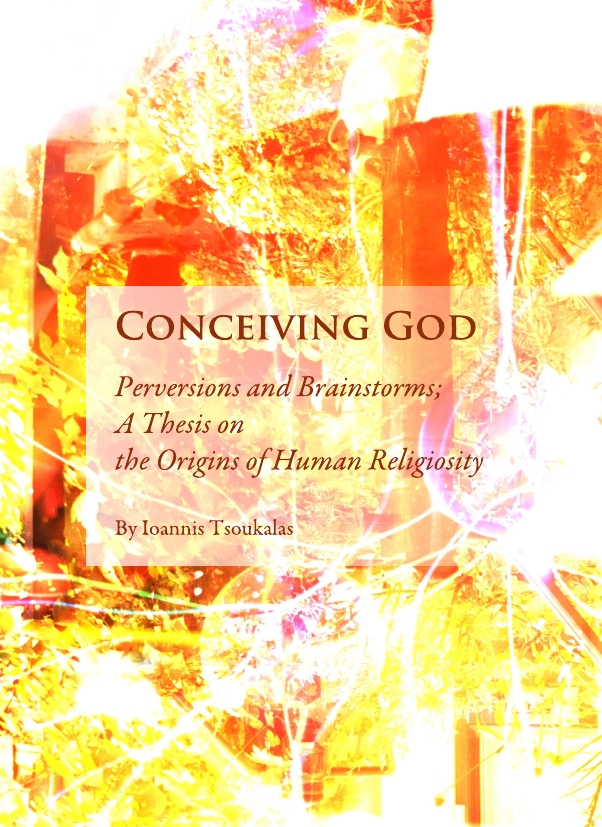
Conceiving God
Perversions and Brainstorms; A Thesis on the Origins of Human Religiosity
Where does belief in God come from? This book uncovers its roots in childhood magical thinking and our capacity to dream, drawing on the latest findings from anthropology, neurology, and psychology.
Where does belief in God come from? This book uncovers its roots in childhood magical thinking and our capacity to dream, drawing on the latest findings from anthropology, neurology, and psychology.
View more
This product has multiple variants. The options may be chosen on the product page
View more
This product has multiple variants. The options may be chosen on the product page
Matter and Meaning
Is Matter Sacred or Profane?
What is matter? Can it point us towards meanings outside itself? This book offers new historical, scientific and theological insights from leading figures, exploring the complex dialogue between these disciplines beyond its presentation in the popular media.
What is matter? Can it point us towards meanings outside itself? This book offers new historical, scientific and theological insights from leading figures, exploring the complex dialogue between these disciplines beyond its presentation in the popular media.
View more
This product has multiple variants. The options may be chosen on the product page
View more
This product has multiple variants. The options may be chosen on the product page
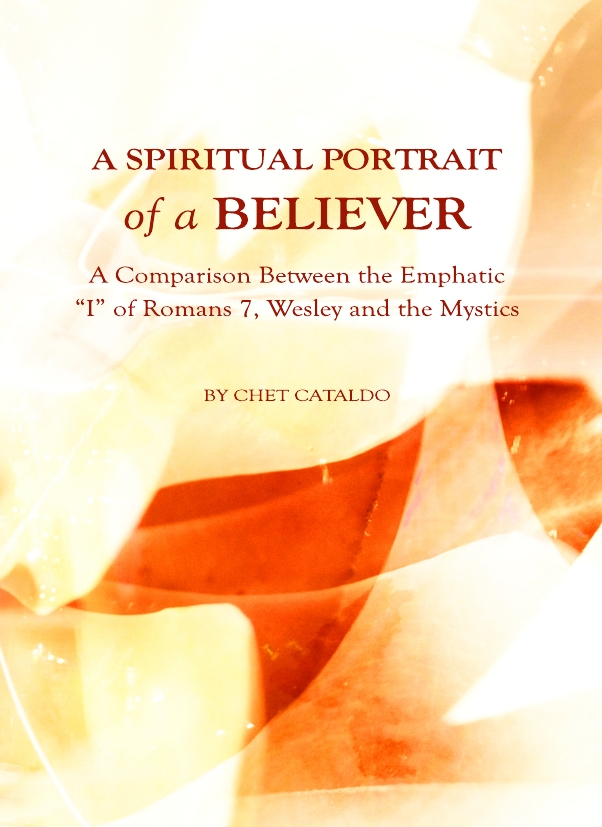
A Spiritual Portrait of a Believer
A Comparison Between the Emphatic “I” of Romans 7, Wesley and the Mystics
This study seeks to identify the ‘I’ of Romans 7. It finds that the closer a Christian gets to God, the more aware they are of their sinfulness. The ‘I’ is a mature believer, growing closer to God while in ‘pain’ over the remaining effects of sin.
This study seeks to identify the ‘I’ of Romans 7. It finds that the closer a Christian gets to God, the more aware they are of their sinfulness. The ‘I’ is a mature believer, growing closer to God while in ‘pain’ over the remaining effects of sin.
View more
This product has multiple variants. The options may be chosen on the product page

View more
This product has multiple variants. The options may be chosen on the product page
After the Postsecular and the Postmodern
New Essays in Continental Philosophy of Religion
A vanguard of scholars asks what comes after the postsecular and postmodern in Continental philosophy of religion. This volume argues philosophy must liberate itself from theological norms and mutate into a new speculative practice to confront the challenges of our time.
A vanguard of scholars asks what comes after the postsecular and postmodern in Continental philosophy of religion. This volume argues philosophy must liberate itself from theological norms and mutate into a new speculative practice to confront the challenges of our time.
View more
This product has multiple variants. The options may be chosen on the product page
View more
This product has multiple variants. The options may be chosen on the product page
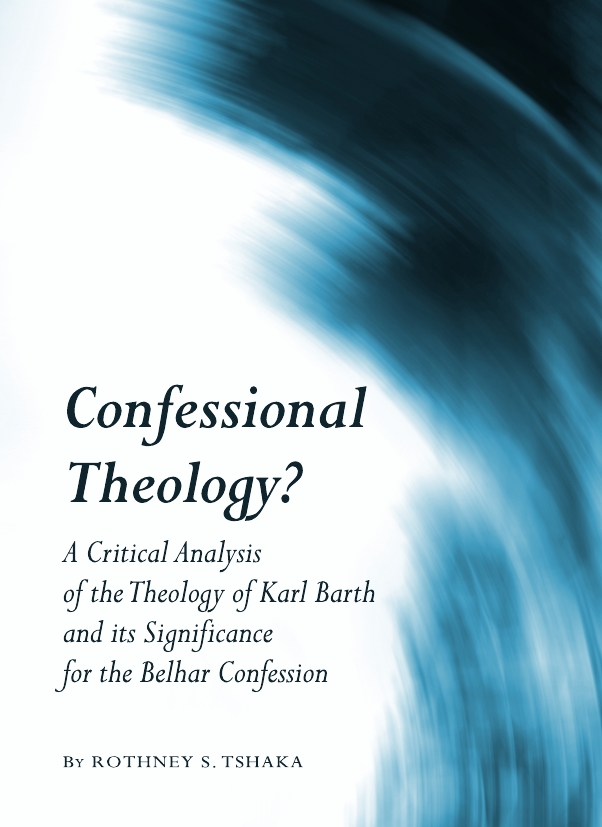
Confessional Theology?
A Critical Analysis of the Theology of Karl Barth and its Significance for the Belhar Confession
Christian confessions are often seen as purely theological, but this study argues they cannot ignore their political contexts. It explores the link through Karl Barth's theology, examining the Barmen Declaration in Nazi Germany and the Belhar Confession.
Christian confessions are often seen as purely theological, but this study argues they cannot ignore their political contexts. It explores the link through Karl Barth’s theology, examining the Barmen Declaration in Nazi Germany and the Belhar Confession.
View more
This product has multiple variants. The options may be chosen on the product page
View more
This product has multiple variants. The options may be chosen on the product page
£39.99
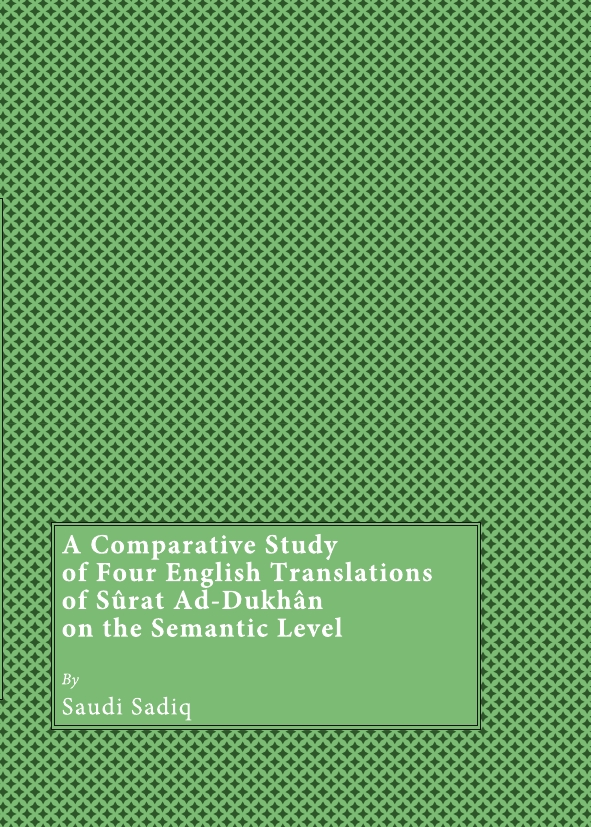
This book offers a semantic comparison of four English translations of Sûrat Ad-Dukhân by Pickthall, ‘Alî, Arberry, and Ghâlî. By analyzing lexical and stylistic selections, it judges the accuracy of each, showing the correct and mistaken renderings.
This book offers a semantic comparison of four English translations of Sûrat Ad-Dukhân by Pickthall, ‘Alî, Arberry, and Ghâlî. By analyzing lexical and stylistic selections, it judges the accuracy of each, showing the correct and mistaken renderings.
View more
This product has multiple variants. The options may be chosen on the product page
View more
This product has multiple variants. The options may be chosen on the product page
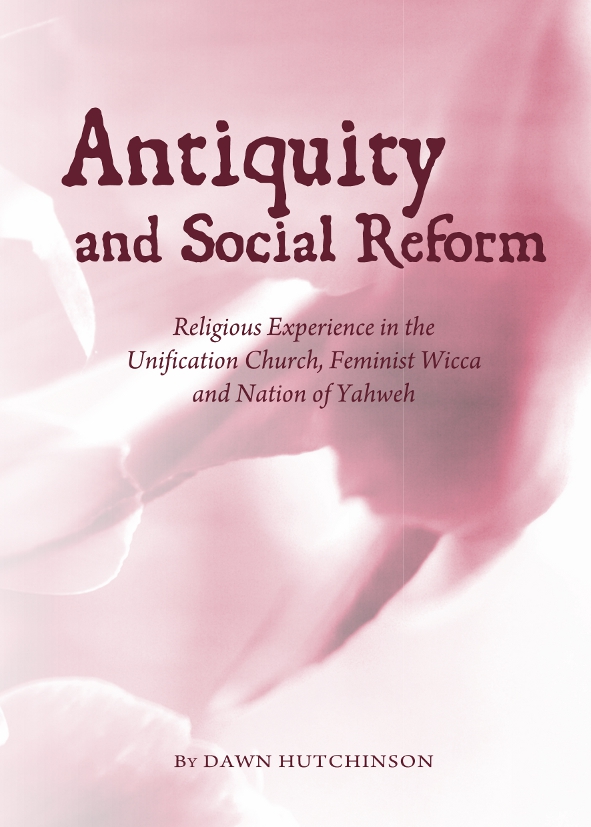
Antiquity and Social Reform
Religious Experience in the Unification Church, Feminist Wicca and Nation of Yahweh
Why would someone join a new religion? Dawn Hutchinson argues that followers of movements in the 1960s–1980s found legitimacy in religions that offered a personal experience, a connection to ancient tradition, and agency in improving their world.
Why would someone join a new religion? Dawn Hutchinson argues that followers of movements in the 1960s–1980s found legitimacy in religions that offered a personal experience, a connection to ancient tradition, and agency in improving their world.
View more
This product has multiple variants. The options may be chosen on the product page
View more
This product has multiple variants. The options may be chosen on the product page
£39.99
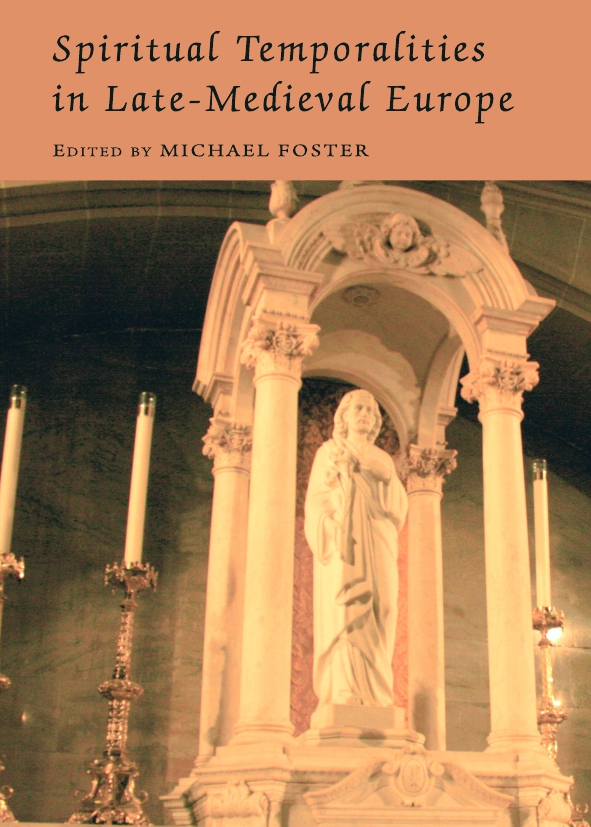
How was the perception of time in medieval Europe influenced by religious faith? This book explores the “spiritual temporalities” of the age, showing how Christian faith was malleable and how artists and writers negotiated with their spiritual tradition.
How was the perception of time in medieval Europe influenced by religious faith? This book explores the “spiritual temporalities” of the age, showing how Christian faith was malleable and how artists and writers negotiated with their spiritual tradition.
View more
This product has multiple variants. The options may be chosen on the product page
View more
This product has multiple variants. The options may be chosen on the product page
£44.99
The warrior Messiah of the Old Testament matches Jesus in the New, fighting cosmic evil. This struggle takes place in a heavenly dimension, using the word from his mouth as the only weapon, revealing a strong continuity between the Testaments.
The warrior Messiah of the Old Testament matches Jesus in the New, fighting cosmic evil. This struggle takes place in a heavenly dimension, using the word from his mouth as the only weapon, revealing a strong continuity between the Testaments.
View more
This product has multiple variants. The options may be chosen on the product page
View more
This product has multiple variants. The options may be chosen on the product page
£34.99
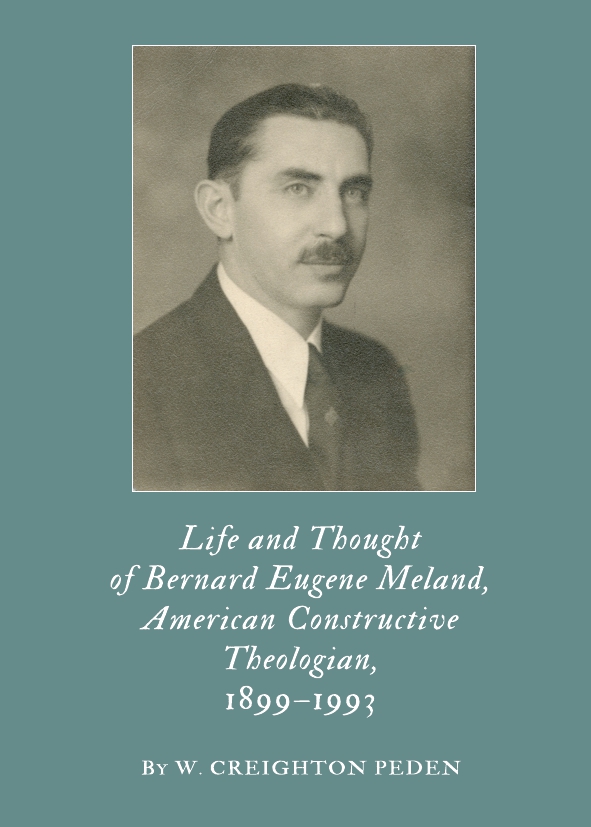
A critical guide to Bernard E. Meland, influential constructive theologian at the University of Chicago. This study examines his metaphysical view, method, and doctrine of God, and offers a final evaluation of his later writings.
A critical guide to Bernard E. Meland, influential constructive theologian at the University of Chicago. This study examines his metaphysical view, method, and doctrine of God, and offers a final evaluation of his later writings.
View more
This product has multiple variants. The options may be chosen on the product page
View more
This product has multiple variants. The options may be chosen on the product page
Calvin
Ethics, Eschatology, and Education
This study examines John Calvin's influence, exploring the vital connection he saw between ethics, eschatology, and education. For Calvin, education was a means to prepare people for their divine calling and for life on earth and the after life.
This study examines John Calvin’s influence, exploring the vital connection he saw between ethics, eschatology, and education. For Calvin, education was a means to prepare people for their divine calling and for life on earth and the after life.
View more
This product has multiple variants. The options may be chosen on the product page
View more
This product has multiple variants. The options may be chosen on the product page
£34.99
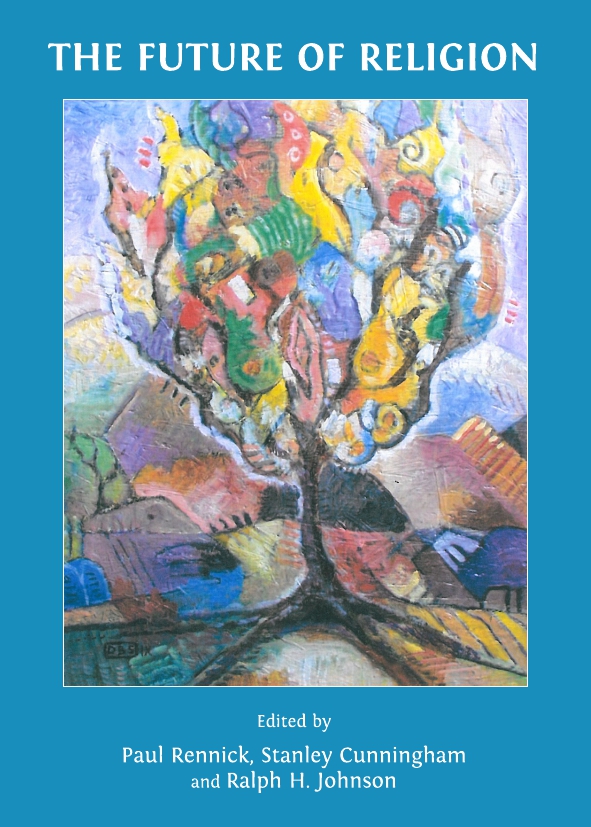
Religion raises hard questions. This volume challenges the easy answers about the separation of church and state, the science-versus-religion dichotomy, and attacks on God, inviting us to review our presuppositions as we reflect on the future of religion.
Religion raises hard questions. This volume challenges the easy answers about the separation of church and state, the science-versus-religion dichotomy, and attacks on God, inviting us to review our presuppositions as we reflect on the future of religion.
View more
This product has multiple variants. The options may be chosen on the product page
View more
This product has multiple variants. The options may be chosen on the product page
Obamagelicals
How the Right Turned Left
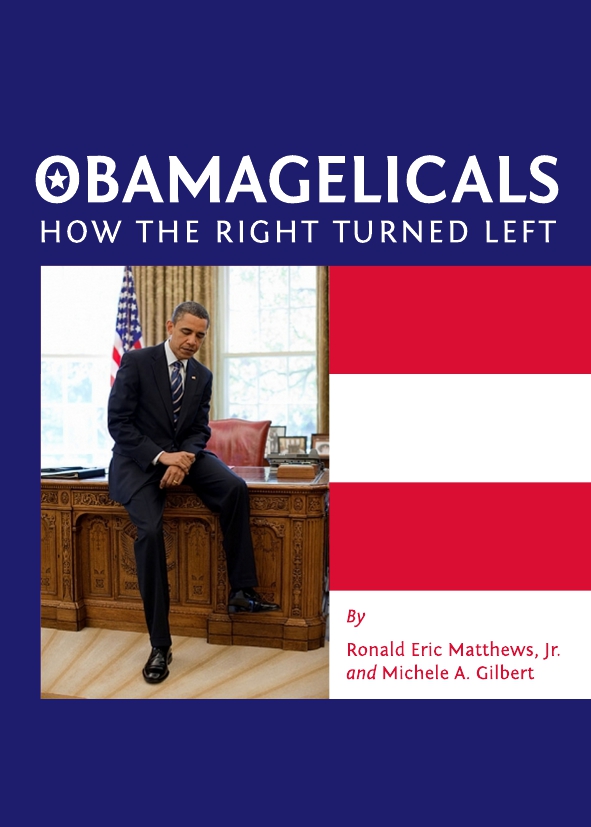
Obamagelicals demonstrates how Obama capitalized on a shift in values among younger, centrist evangelicals. Treating Protestant evangelicalism not as a monolith but a mosaic, he embraced cultural and political shifts that John McCain missed.
Obamagelicals demonstrates how Obama capitalized on a shift in values among younger, centrist evangelicals. Treating Protestant evangelicalism not as a monolith but a mosaic, he embraced cultural and political shifts that John McCain missed.
View more
This product has multiple variants. The options may be chosen on the product page

View more
This product has multiple variants. The options may be chosen on the product page
From £39.99
Irish religion is being redefined beyond Catholic power and sectarianism. This first-of-its-kind book explores the widespread changes, from new religious movements and migrant religion to the spread of New Age spirituality, in a wide-ranging overview.
Irish religion is being redefined beyond Catholic power and sectarianism. This first-of-its-kind book explores the widespread changes, from new religious movements and migrant religion to the spread of New Age spirituality, in a wide-ranging overview.
View more
This product has multiple variants. The options may be chosen on the product page
View more
This product has multiple variants. The options may be chosen on the product page
£39.99
What ought philosophy of religion be? How should it relate to religion today? This collection offers a variety of perspectives on contemporary issues like faith, reason, atheism, and politics, without privileging any single philosophical or religious orientation.
What ought philosophy of religion be? How should it relate to religion today? This collection offers a variety of perspectives on contemporary issues like faith, reason, atheism, and politics, without privileging any single philosophical or religious orientation.
View more
This product has multiple variants. The options may be chosen on the product page
View more
This product has multiple variants. The options may be chosen on the product page
From £29.99
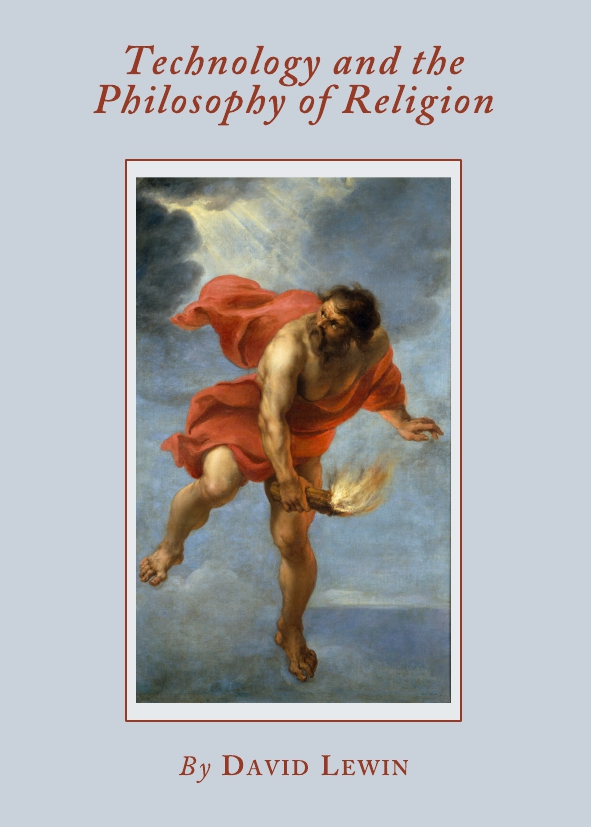
Despite unimaginable technological progress, we feel a profound unease. While philosophers have analyzed technological society, their secular ideas are limited. This book argues that where philosophy ends, a religious discourse is needed to articulate our ultimate concerns.
Despite unimaginable technological progress, we feel a profound unease. While philosophers have analyzed technological society, their secular ideas are limited. This book argues that where philosophy ends, a religious discourse is needed to articulate our ultimate concerns.
View more
This product has multiple variants. The options may be chosen on the product page
View more
This product has multiple variants. The options may be chosen on the product page
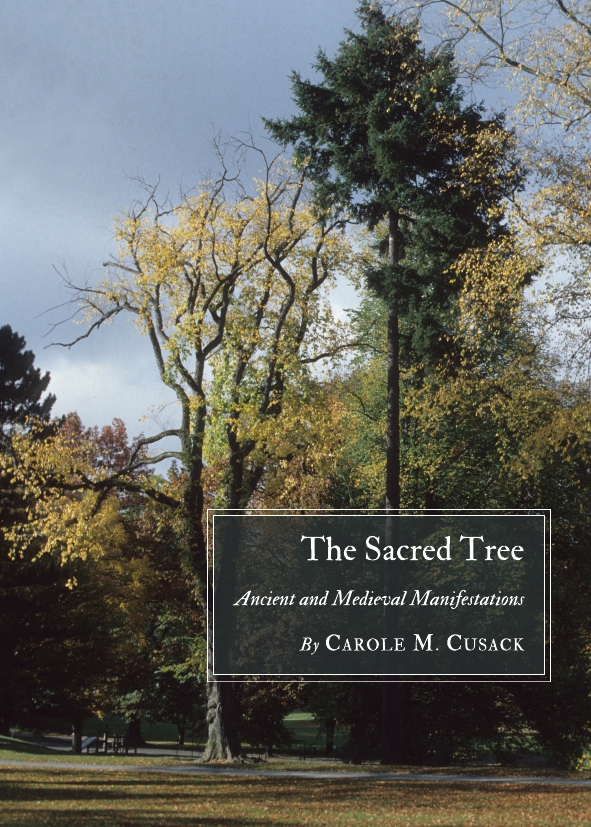
The Sacred Tree
Ancient and Medieval Manifestations
For ancient and medieval Europeans, the sacred tree was the center of the world and a picture of the cosmos, symbolizing stability and order. When these Pagan peoples adopted Christianity, this potent symbol was transformed, but its power endured.
For ancient and medieval Europeans, the sacred tree was the center of the world and a picture of the cosmos, symbolizing stability and order. When these Pagan peoples adopted Christianity, this potent symbol was transformed, but its power endured.
View more
This product has multiple variants. The options may be chosen on the product page
View more
This product has multiple variants. The options may be chosen on the product page
£39.99
Names play pivotal roles in unlocking early Christianity, revealing theological positions and triggering the suggestion of a nameless god. This book is a primer for those who value objective observation over orthodoxy, offering a fresh, positive view of agnostic thought.
Names play pivotal roles in unlocking early Christianity, revealing theological positions and triggering the suggestion of a nameless god. This book is a primer for those who value objective observation over orthodoxy, offering a fresh, positive view of agnostic thought.
View more
This product has multiple variants. The options may be chosen on the product page
Processing Your Order
Please wait while we securely process your order.
Do not refresh or leave this page.
You will be redirected shortly to a confirmation page with your order number.