

View more
This product has multiple variants. The options may be chosen on the product page
From £29.99
Why did Philo of Alexandria avoid the open use of dialectic? Does his interpretation of Abraham’s migration include a hidden political message? This collection of essays investigates these and other questions, exploring the ideological aspects of Philo's approach to Scripture.
Why did Philo of Alexandria avoid the open use of dialectic? Does his interpretation of Abraham’s migration include a hidden political message? This collection of essays investigates these and other questions, exploring the ideological aspects of Philo’s approach to Scripture.
View more
This product has multiple variants. The options may be chosen on the product page
View more
This product has multiple variants. The options may be chosen on the product page
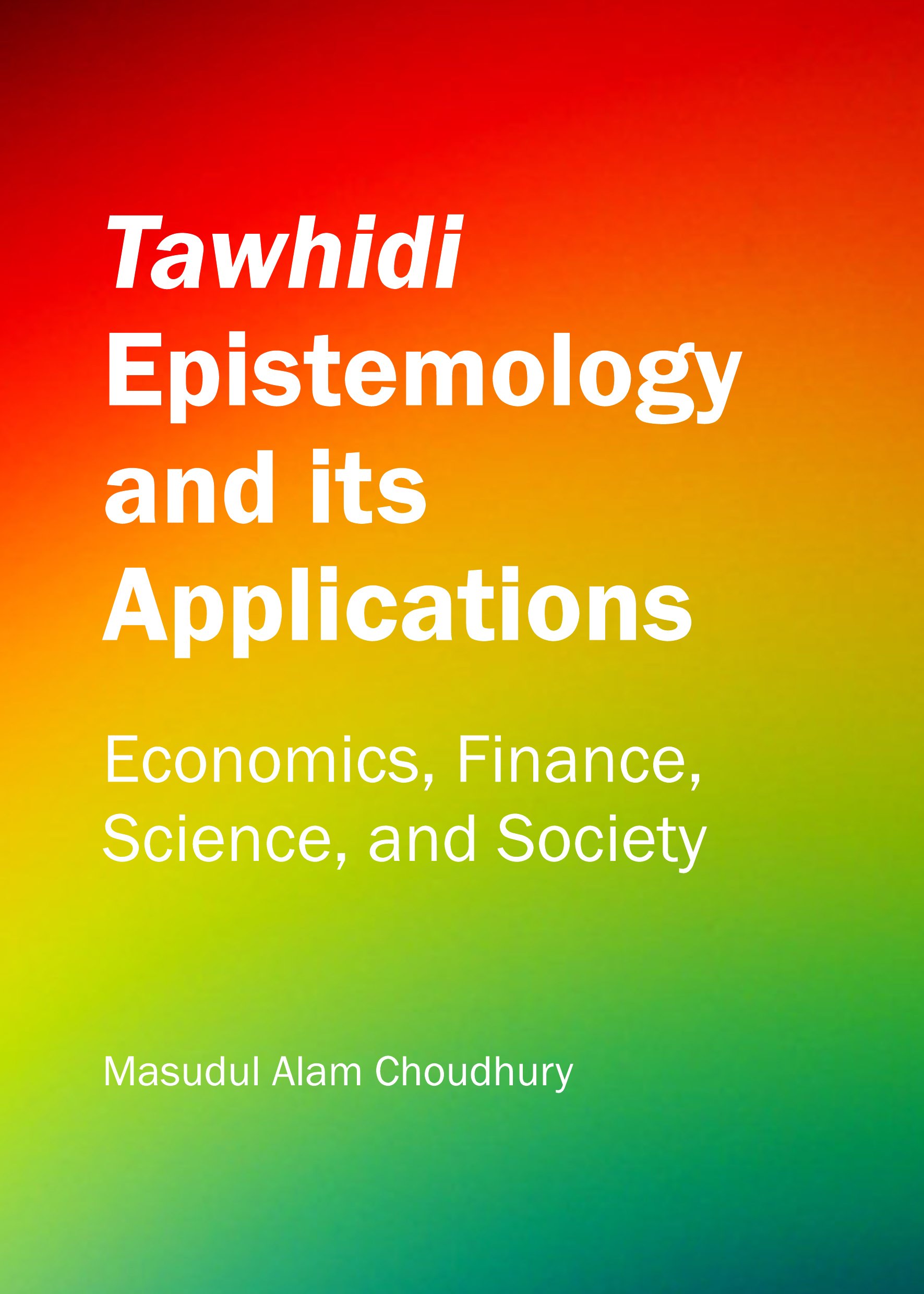
Tawhidi Epistemology and its Applications
Economics, Finance, Science, and Society
This journal has been discontinued. Any issues are available to purchase separately.
View more
This product has multiple variants. The options may be chosen on the product page
View more
This product has multiple variants. The options may be chosen on the product page
From £29.99
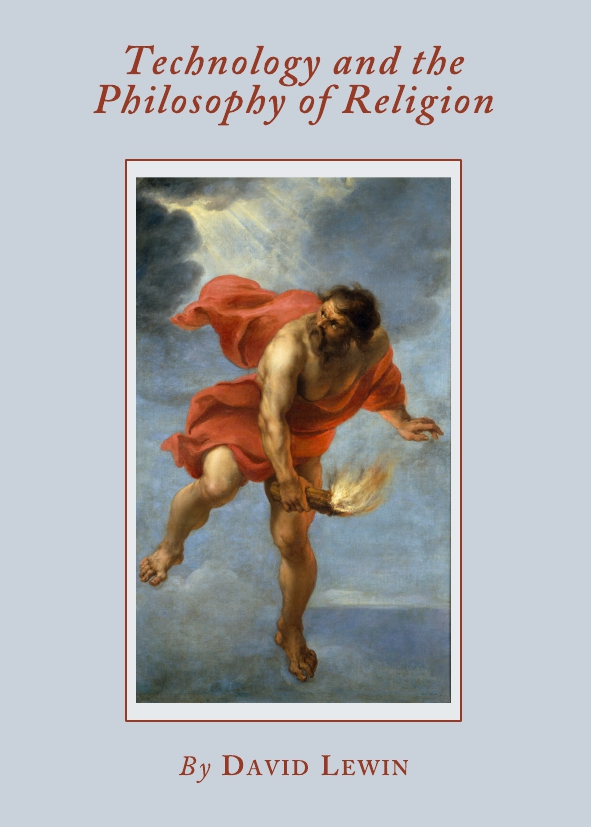
Despite unimaginable technological progress, we feel a profound unease. While philosophers have analyzed technological society, their secular ideas are limited. This book argues that where philosophy ends, a religious discourse is needed to articulate our ultimate concerns.
Despite unimaginable technological progress, we feel a profound unease. While philosophers have analyzed technological society, their secular ideas are limited. This book argues that where philosophy ends, a religious discourse is needed to articulate our ultimate concerns.
View more
This product has multiple variants. The options may be chosen on the product page

View more
This product has multiple variants. The options may be chosen on the product page
£39.99
Was Abraham deluded? When is faith just self-deception? In a world of doubt, Kierkegaard’s answers to the haunting questions of faith and authenticity are more urgent than ever.
Was Abraham deluded? When is faith just self-deception? In a world of doubt, Kierkegaard’s answers to the haunting questions of faith and authenticity are more urgent than ever.
View more
This product has multiple variants. The options may be chosen on the product page

View more
This product has multiple variants. The options may be chosen on the product page
The Buddhist Voyage beyond Death
Living Nirvana
This book explores the central teachings of Buddha, of the Mahayana and of the Vajrayana. It focuses on memory, time and space, matter and energy and provides an answer to those grappling with their life difficulties.
This book explores the central teachings of Buddha, of the Mahayana and of the Vajrayana. It focuses on memory, time and space, matter and energy and provides an answer to those grappling with their life difficulties.
View more
This product has multiple variants. The options may be chosen on the product page
View more
This product has multiple variants. The options may be chosen on the product page
The Concept of the Soul
Scientific and Religious Perspectives
The idea of the soul will not go away, despite criticism of traditional dualism. This book explores the concept from theological, scientific, and philosophical perspectives, presenting diverse approaches and conclusions from leading scholars.
The idea of the soul will not go away, despite criticism of traditional dualism. This book explores the concept from theological, scientific, and philosophical perspectives, presenting diverse approaches and conclusions from leading scholars.
View more
This product has multiple variants. The options may be chosen on the product page
View more
This product has multiple variants. The options may be chosen on the product page
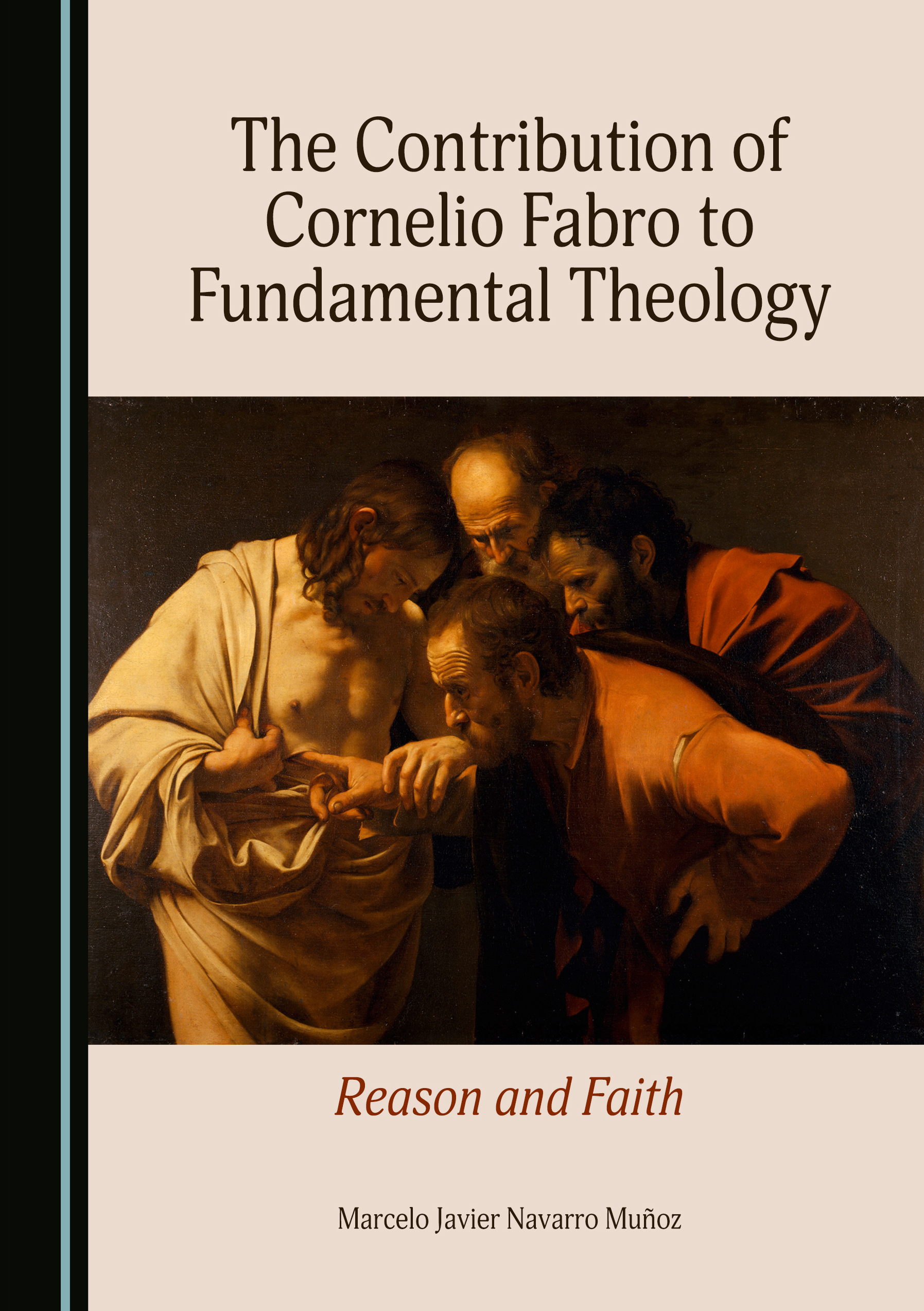
The Contribution of Cornelio Fabro to Fundamental Theology
Reason and Faith
Explore faith’s metaphysical and existential roots through the dynamic Thomism of Cornelio Fabro. This dialogue with Kierkegaard and modern thought affirms the human being’s essential openness to the Absolute.
Explore faith’s metaphysical and existential roots through the dynamic Thomism of Cornelio Fabro. This dialogue with Kierkegaard and modern thought affirms the human being’s essential openness to the Absolute.
View more
This product has multiple variants. The options may be chosen on the product page
View more
This product has multiple variants. The options may be chosen on the product page
From £29.99
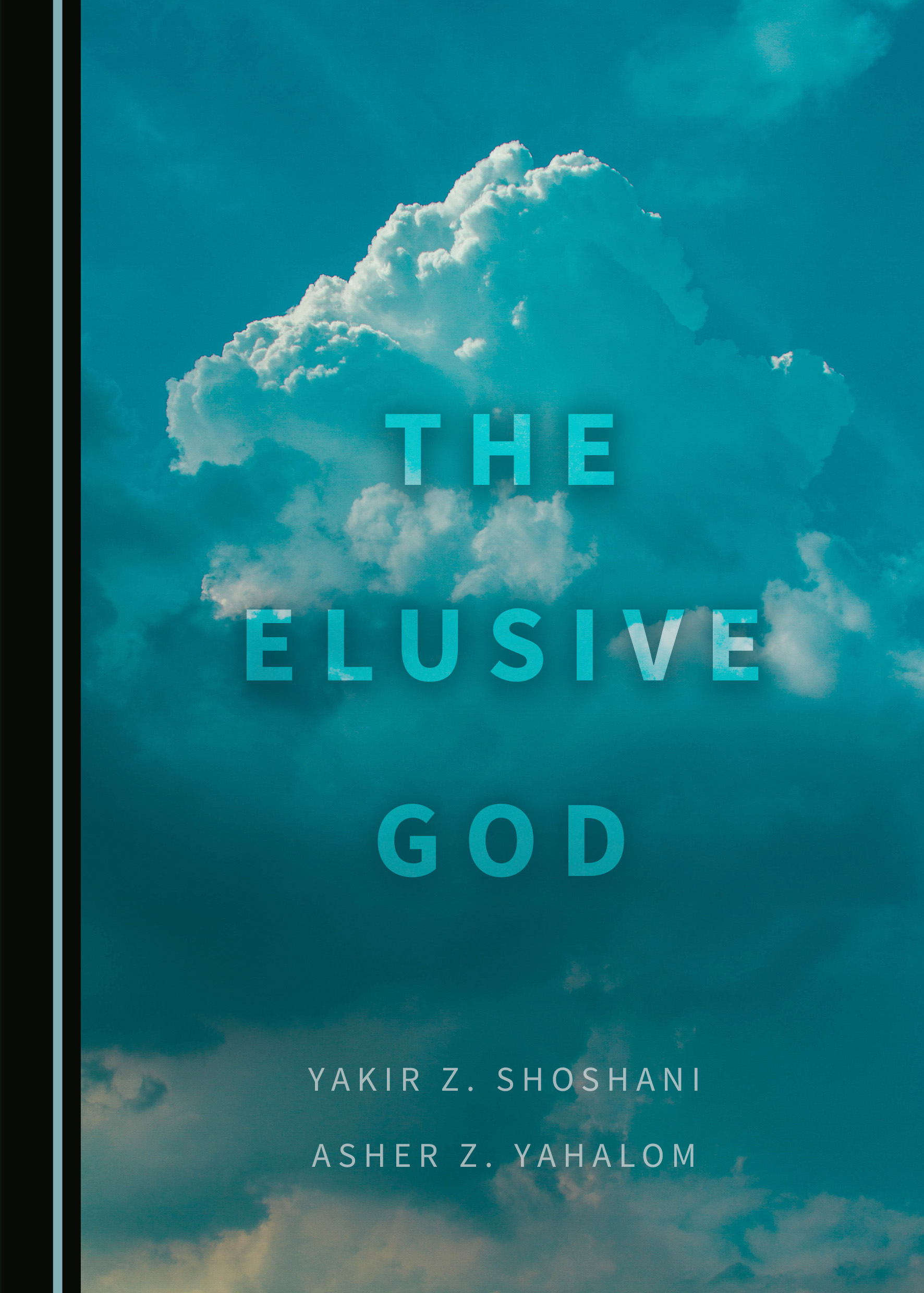
This book investigates the meaning of God's existence. After reviewing classic proofs, it suggests a new meaning: God as a connector between entities. This idea sheds new light on the mind-body problem, free will, the laws of nature, and the impact of modern physics on belief.
This book investigates the meaning of God’s existence. After reviewing classic proofs, it suggests a new meaning: God as a connector between entities. This idea sheds new light on the mind-body problem, free will, the laws of nature, and the impact of modern physics on belief.
View more
This product has multiple variants. The options may be chosen on the product page
View more
This product has multiple variants. The options may be chosen on the product page
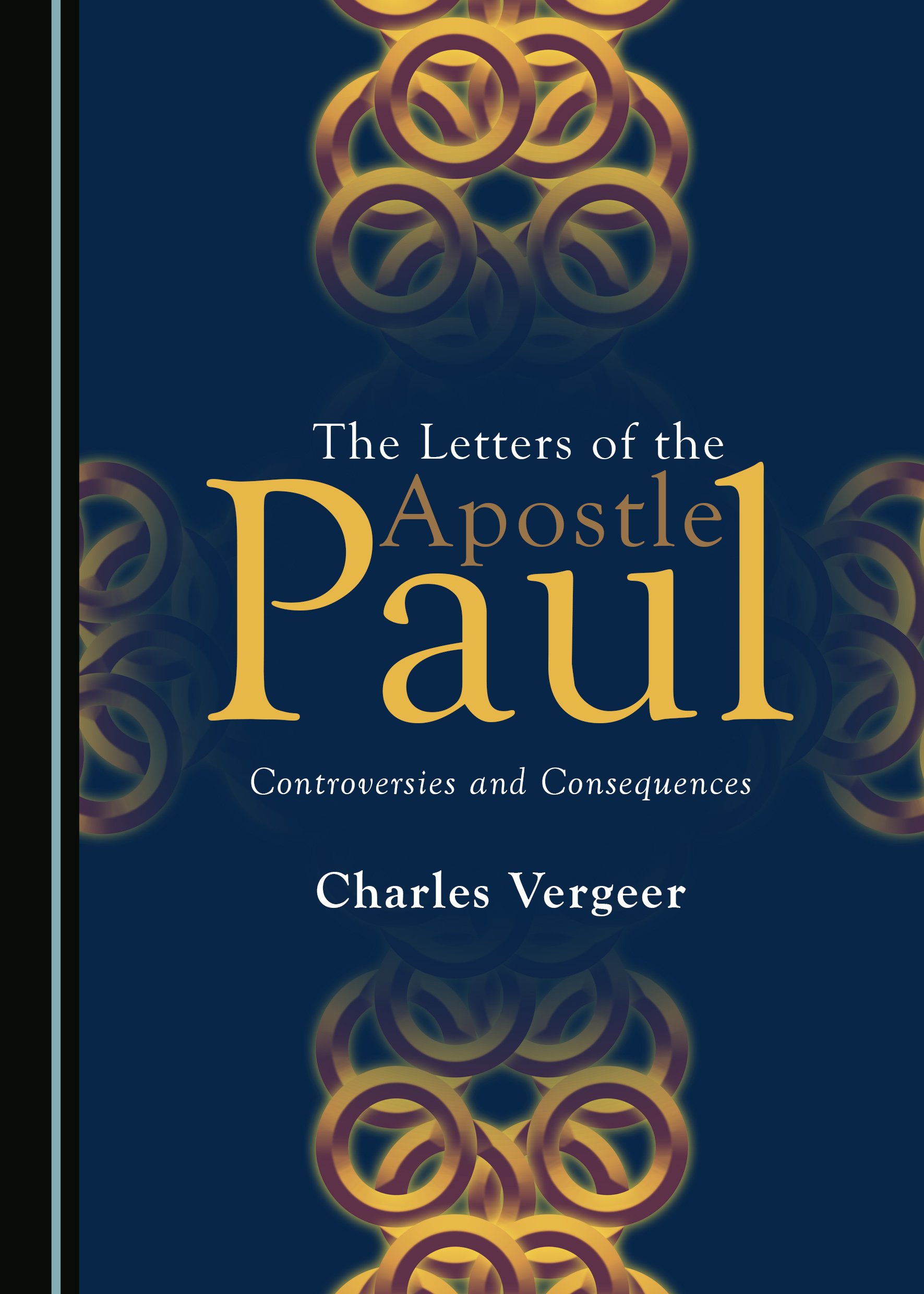
The Letters of the Apostle Paul
Controversies and Consequences
For centuries, Paul’s letters have been read in a theological context, forming as they do part of the foundation of the Christian faith. Vergeer, however, maintains that it is important to learn to analyse these letters in their original, contemporary context.
For centuries, Paul’s letters have been read in a theological context, forming as they do part of the foundation of the Christian faith. Vergeer, however, maintains that it is important to learn to analyse these letters in their original, contemporary context.
View more
This product has multiple variants. The options may be chosen on the product page
View more
This product has multiple variants. The options may be chosen on the product page
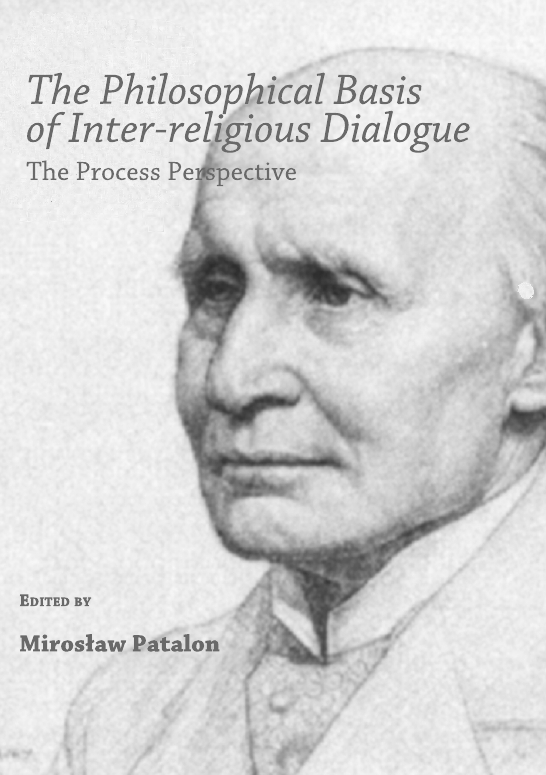
The Philosophical Basis of Inter-religious Dialogue
The Process Perspective
In an age of global tension, can religions remain isolated islands? What is the true role of inter-religious dialogue? This selection of articles uses process philosophy to explore different points of view on these essential questions.
In an age of global tension, can religions remain isolated islands? What is the true role of inter-religious dialogue? This selection of articles uses process philosophy to explore different points of view on these essential questions.
View more
This product has multiple variants. The options may be chosen on the product page

View more
This product has multiple variants. The options may be chosen on the product page
From £30.99
The digital age promised connection but delivered chaos, fake news, and manipulation. How must the Church respond? Drawing on timeless wisdom, these vital essays forge a path through the digital wilderness.
The digital age promised connection but delivered chaos, fake news, and manipulation. How must the Church respond? Drawing on timeless wisdom, these vital essays forge a path through the digital wilderness.
View more
This product has multiple variants. The options may be chosen on the product page
View more
This product has multiple variants. The options may be chosen on the product page
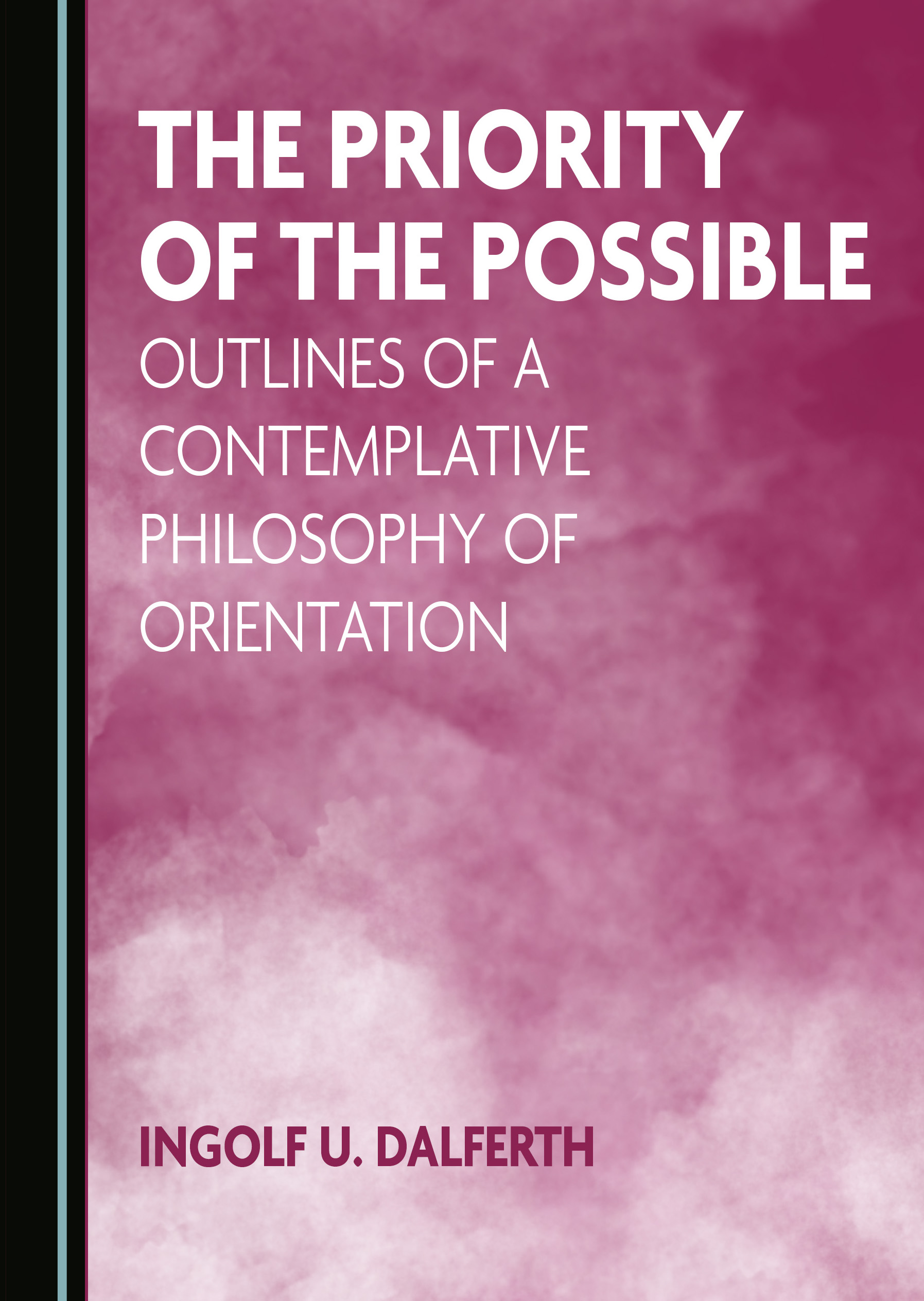
The Priority of the Possible
Outlines of a Contemplative Philosophy of Orientation
This book shows the importance of the possibility approach for contemporary debates on metaphysics, God, evil, and transhumanism. It offers a new starting point for philosophical theology beyond the barren alternatives of metaphysics and anti-metaphysics.
This book shows the importance of the possibility approach for contemporary debates on metaphysics, God, evil, and transhumanism. It offers a new starting point for philosophical theology beyond the barren alternatives of metaphysics and anti-metaphysics.
View more
This product has multiple variants. The options may be chosen on the product page

View more
This product has multiple variants. The options may be chosen on the product page
£39.99
What ought philosophy of religion be? How should it relate to religion today? This collection offers a variety of perspectives on contemporary issues like faith, reason, atheism, and politics, without privileging any single philosophical or religious orientation.
What ought philosophy of religion be? How should it relate to religion today? This collection offers a variety of perspectives on contemporary issues like faith, reason, atheism, and politics, without privileging any single philosophical or religious orientation.
View more
This product has multiple variants. The options may be chosen on the product page

View more
This product has multiple variants. The options may be chosen on the product page
From £34.99
This book traces the literary expression of religious fear from the New Testament to scholasticism. It reveals how Franciscan preachers, using the power of community language, forged a confident and peace-seeking theology to counter this legacy.
This book traces the literary expression of religious fear from the New Testament to scholasticism. It reveals how Franciscan preachers, using the power of community language, forged a confident and peace-seeking theology to counter this legacy.
View more
This product has multiple variants. The options may be chosen on the product page
View more
This product has multiple variants. The options may be chosen on the product page
From £32.99
“God became man that man might become God.” This book shows how Hegel fleshes this thought out, stripping away false materialist interpretations of his philosophy to reveal its continuity with the Biblical belief in “the power to become the sons of God.”
“God became man that man might become God.” This book shows how Hegel fleshes this thought out, stripping away false materialist interpretations of his philosophy to reveal its continuity with the Biblical belief in “the power to become the sons of God.”
View more
This product has multiple variants. The options may be chosen on the product page
Processing Your Order
Please wait while we securely process your order.
Do not refresh or leave this page.
You will be redirected shortly to a confirmation page with your order number.