
View more
This product has multiple variants. The options may be chosen on the product page
From £36.99
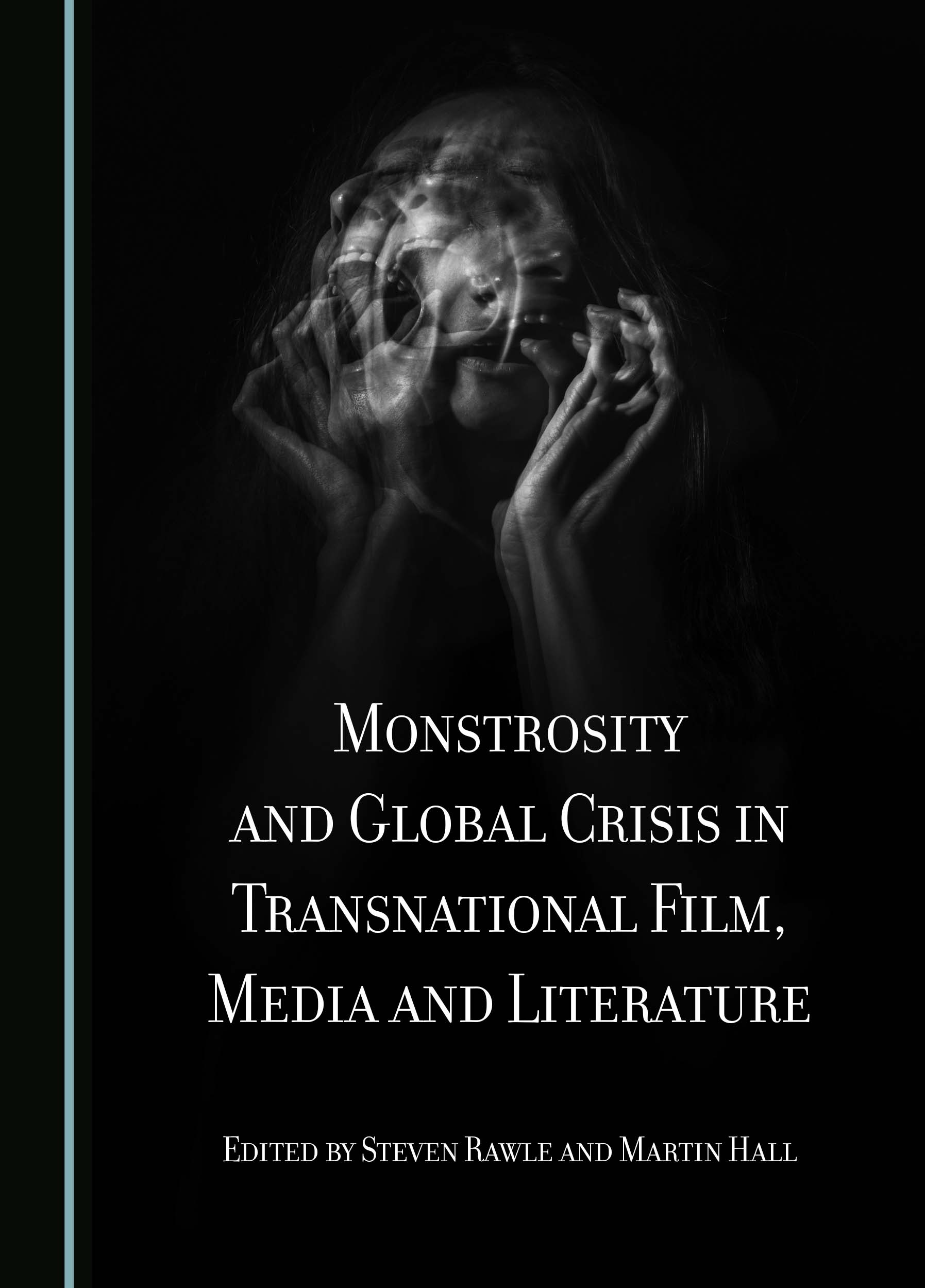
Monsters have always been border crossers, their transnational nature reflecting our era of global crisis. This book explores the cultural flow of monstrosity, examining its socio-political ramifications in a world framed by the Covid pandemic and our shared vulnerability.
Monsters have always been border crossers, their transnational nature reflecting our era of global crisis. This book explores the cultural flow of monstrosity, examining its socio-political ramifications in a world framed by the Covid pandemic and our shared vulnerability.
View more
This product has multiple variants. The options may be chosen on the product page
View more
This product has multiple variants. The options may be chosen on the product page
From £36.99
This book presents insights into the work of actor Krishnan Nair, unique in the field of Kathakali. Through his superb ability to connect with audiences and his sheer charisma, Nair achieved his burning ambitions: ensuring Kathakali performers gained status and a decent wage.
This book presents insights into the work of actor Krishnan Nair, unique in the field of Kathakali. Through his superb ability to connect with audiences and his sheer charisma, Nair achieved his burning ambitions: ensuring Kathakali performers gained status and a decent wage.
View more
This product has multiple variants. The options may be chosen on the product page
View more
This product has multiple variants. The options may be chosen on the product page
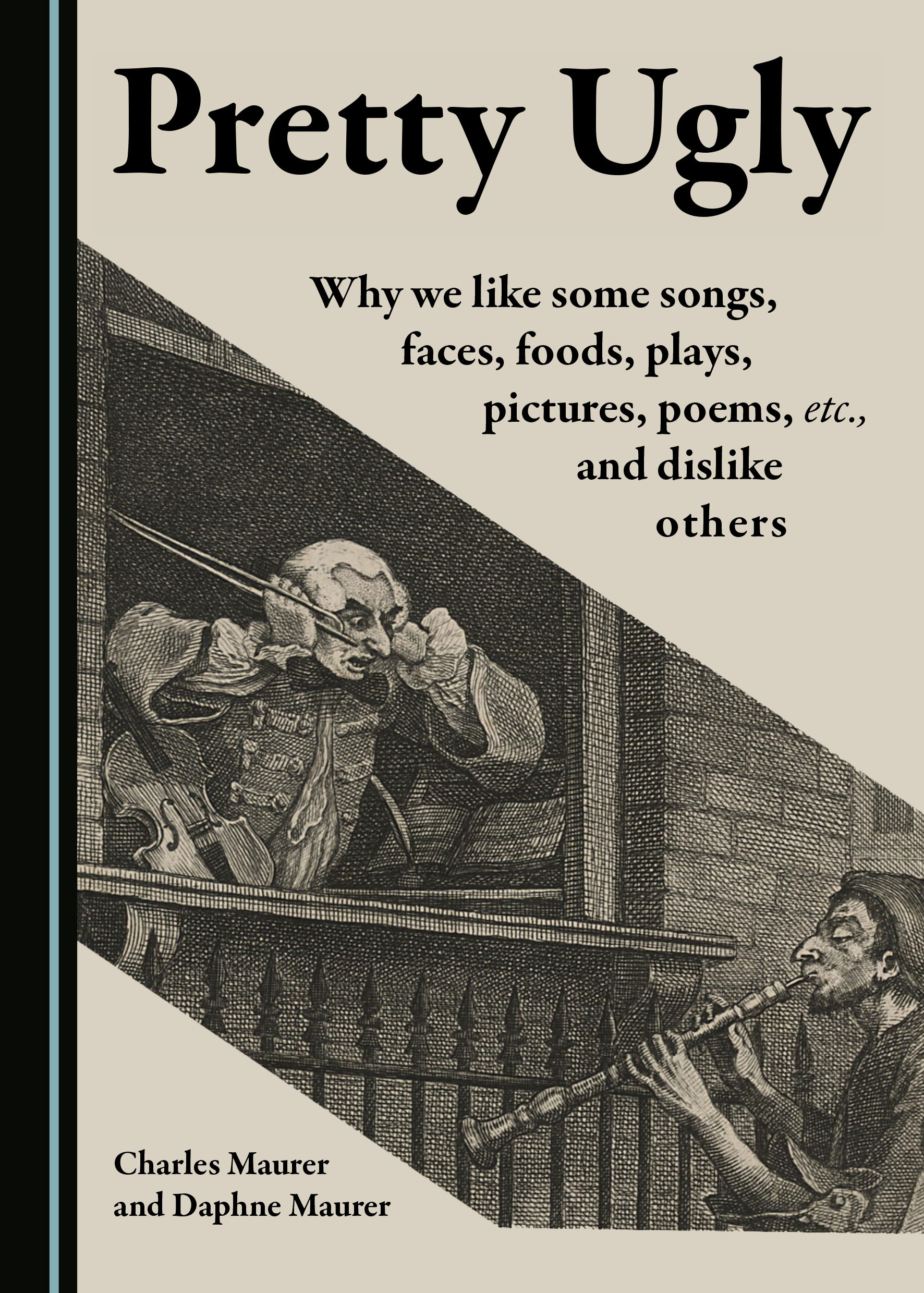
Pretty Ugly
Why We Like Some Songs, Faces, Foods, Plays, Pictures, Poems, Etc., and Dislike Others
Why did we evolve a sense of beauty? This book answers from the perspective of scientists with deep knowledge of the arts, weaving together experimental science with art, music, and more. They show how all our senses are similar under the hood in shaping our aesthetic experience.
Why did we evolve a sense of beauty? This book answers from the perspective of scientists with deep knowledge of the arts, weaving together experimental science with art, music, and more. They show how all our senses are similar under the hood in shaping our aesthetic experience.
View more
This product has multiple variants. The options may be chosen on the product page

View more
This product has multiple variants. The options may be chosen on the product page
From £35.99
Japan is the world’s third-largest economy, yet surprisingly little-known. This book charts its journey from the rapid modernization of the Meiji Period to its postwar “economic miracle,” and reveals how its growth outpaced the West even during the so-called “lost decade.”
Japan is the world’s third-largest economy, yet surprisingly little-known. This book charts its journey from the rapid modernization of the Meiji Period to its postwar “economic miracle,” and reveals how its growth outpaced the West even during the so-called “lost decade.”
View more
This product has multiple variants. The options may be chosen on the product page

View more
This product has multiple variants. The options may be chosen on the product page
The Global and Local Appeal of Kneehigh Theatre Company
Brand Kneehigh
This book explores “Brand Kneehigh,” defining how the theatre company’s Cornish identity achieved global appeal. Analyzing key productions, it reveals the tensions between local and global interests and investigates Kneehigh's unique solution: their performance space, the Asylum.
This book explores “Brand Kneehigh,” defining how the theatre company’s Cornish identity achieved global appeal. Analyzing key productions, it reveals the tensions between local and global interests and investigates Kneehigh’s unique solution: their performance space, the Asylum.
View more
This product has multiple variants. The options may be chosen on the product page
View more
This product has multiple variants. The options may be chosen on the product page
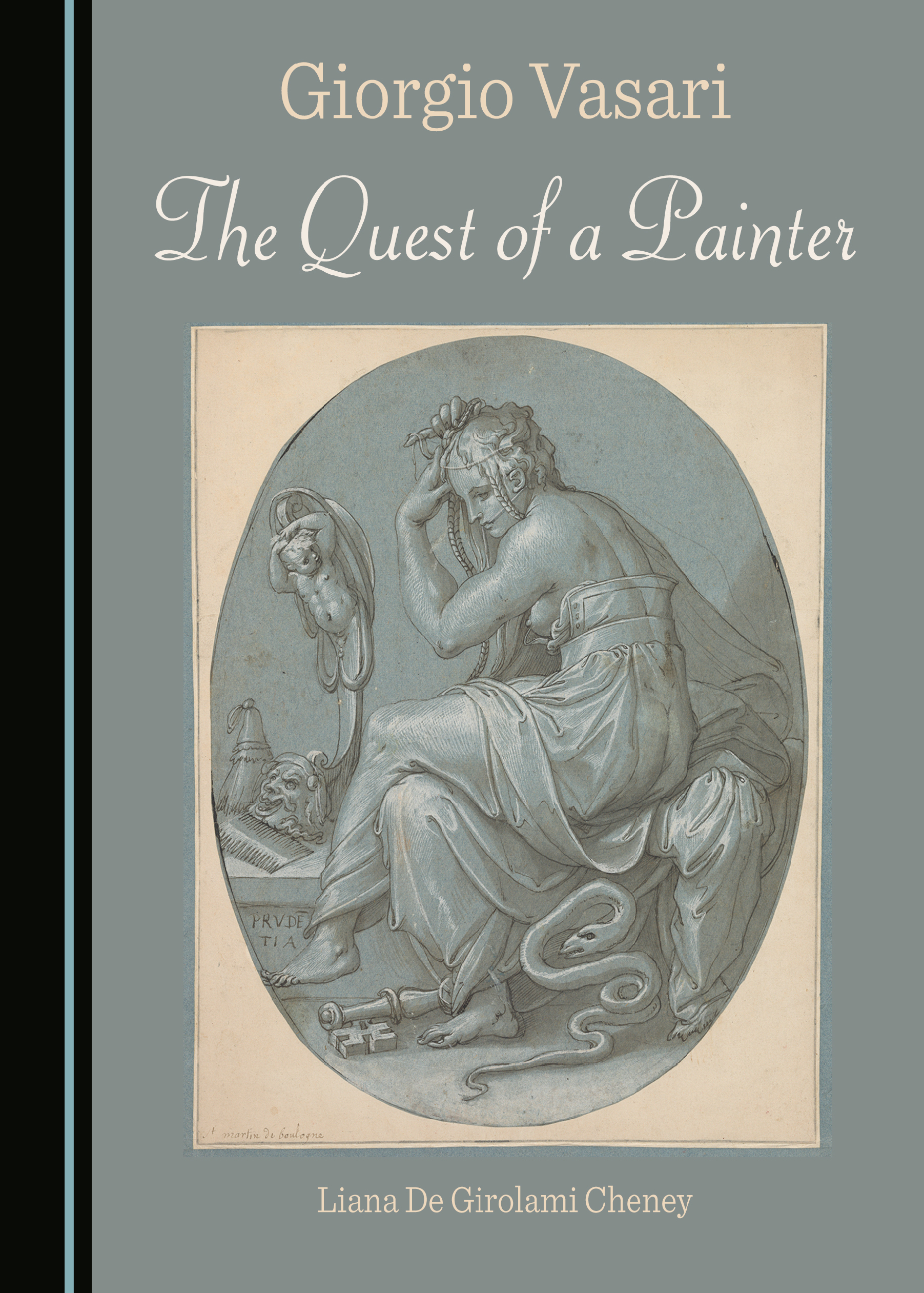
Giorgio Vasari
The Quest of a Painter
This book presents Giorgio Vasari as an intellectual and philosopher, exploring how he transformed the artist’s role in 16th-century Italy. Vasari elevated their status from mere artisans to divinely inspired creators whose work conveys profound moral and intellectual messages.
This book presents Giorgio Vasari as an intellectual and philosopher, exploring how he transformed the artist’s role in 16th-century Italy. Vasari elevated their status from mere artisans to divinely inspired creators whose work conveys profound moral and intellectual messages.
View more
This product has multiple variants. The options may be chosen on the product page
View more
This product has multiple variants. The options may be chosen on the product page
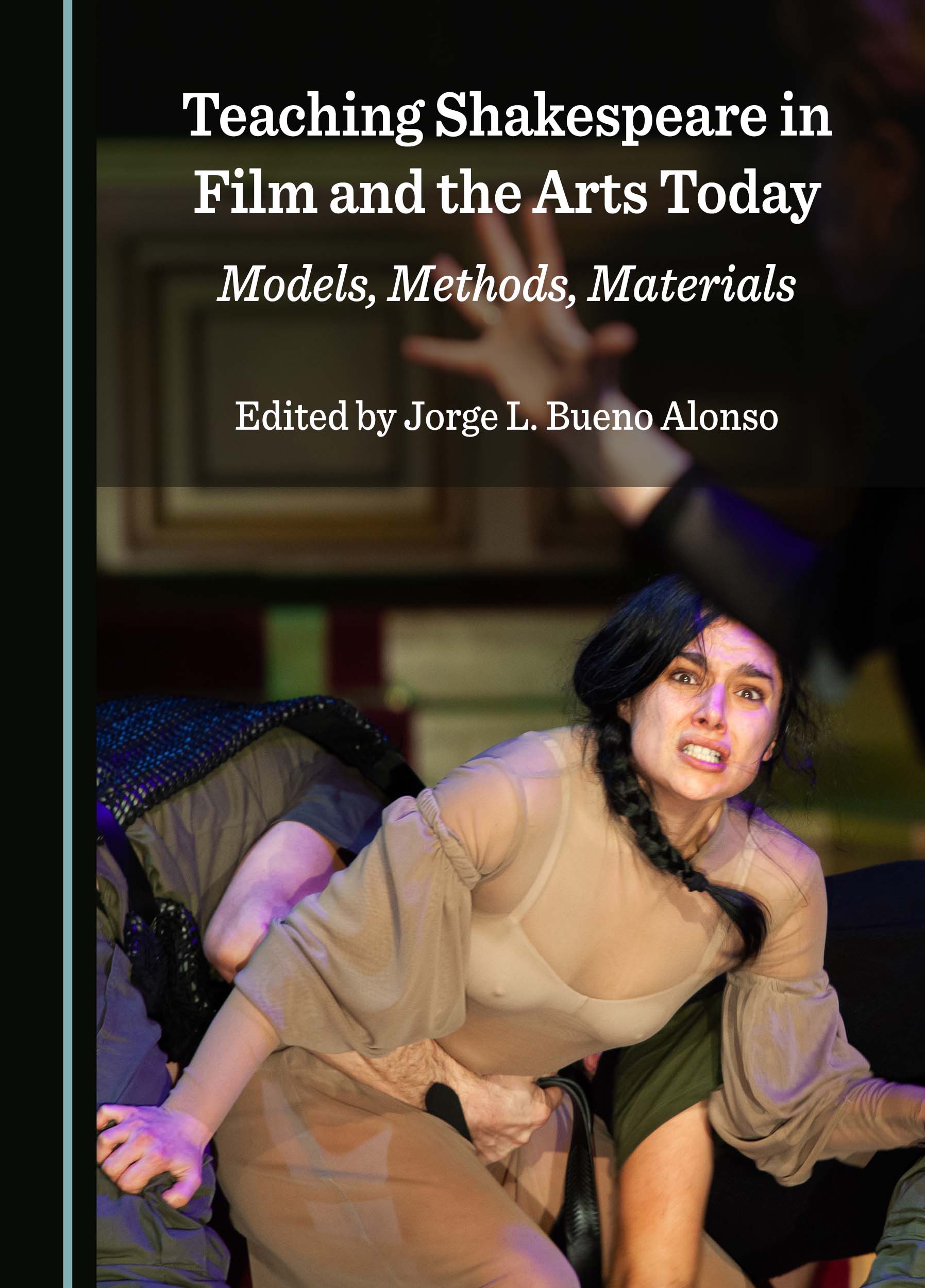
Teaching Shakespeare in Film and the Arts Today
Models, Methods, Materials
Explore past, present, and future approaches to Shakespeare on Film. This volume offers practical case-studies for teaching textual analysis through film and the arts—perfect for instructors to adapt or for any reader interested in the field to enjoy.
Explore past, present, and future approaches to Shakespeare on Film. This volume offers practical case-studies for teaching textual analysis through film and the arts—perfect for instructors to adapt or for any reader interested in the field to enjoy.
View more
This product has multiple variants. The options may be chosen on the product page
View more
This product has multiple variants. The options may be chosen on the product page
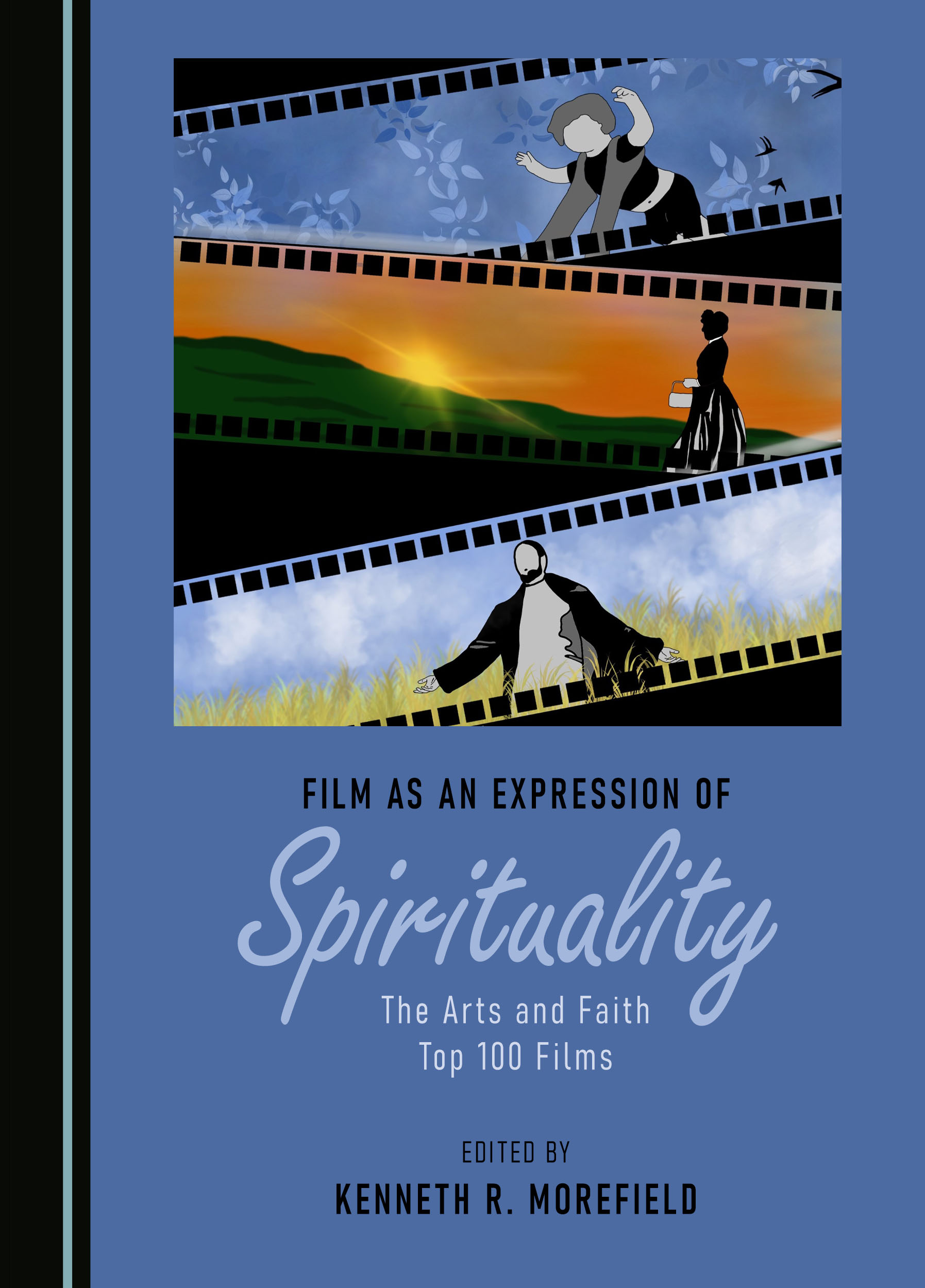
Film as an Expression of Spirituality
The Arts and Faith Top 100 Films
What makes a film ‘spiritually significant’? These essays explore the Arts & Faith Top 100 list, with close readings of films by Dreyer, Kubrick, Scorsese, and others—a foundational introduction for those seeking to understand film as an expression of human spirituality.
What makes a film ‘spiritually significant’? These essays explore the Arts & Faith Top 100 list, with close readings of films by Dreyer, Kubrick, Scorsese, and others—a foundational introduction for those seeking to understand film as an expression of human spirituality.
View more
This product has multiple variants. The options may be chosen on the product page
View more
This product has multiple variants. The options may be chosen on the product page
From £35.99
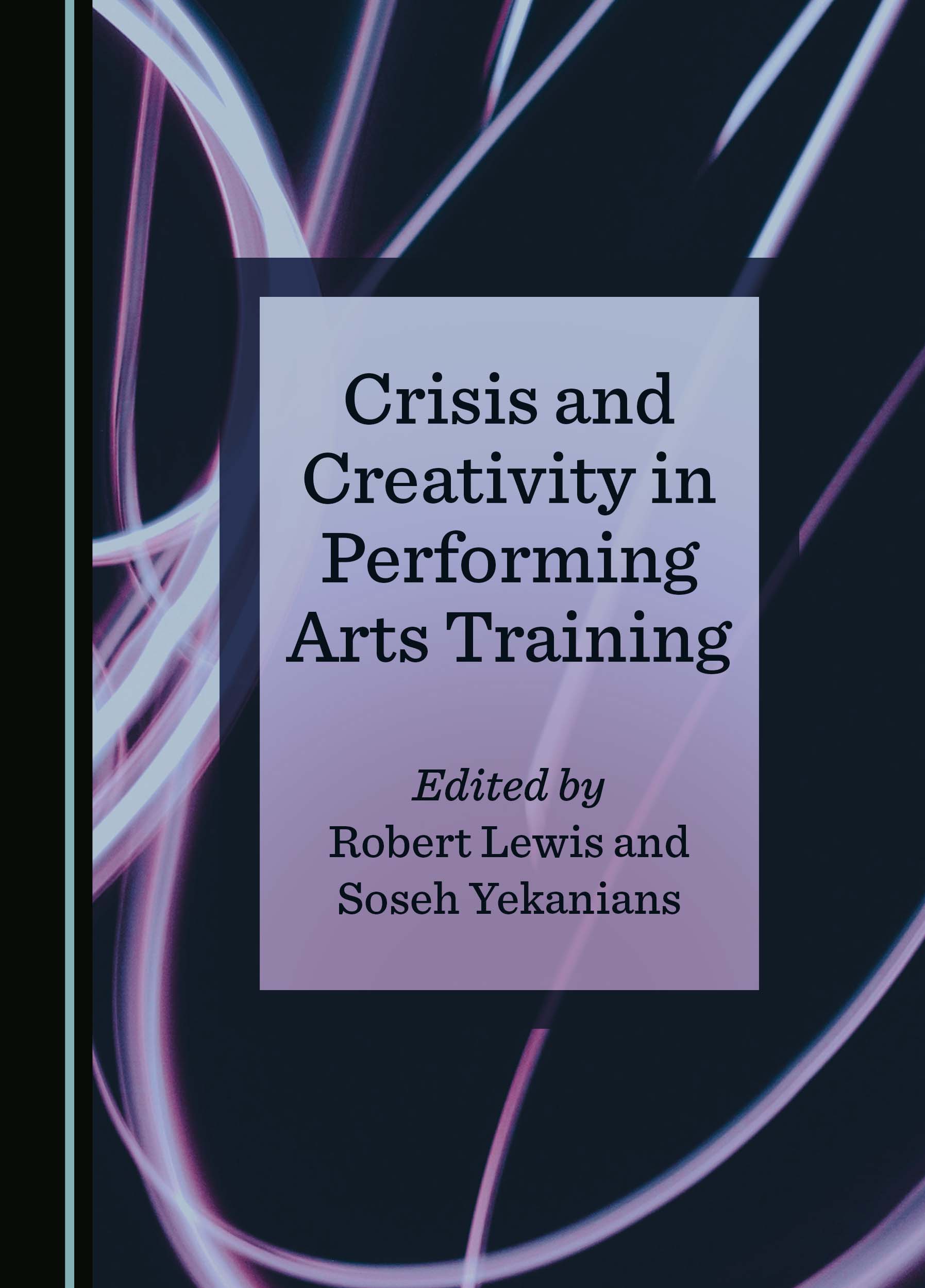
Key articles from the 2023 AusAct conference address innovative post-COVID discussions on how the Performing Arts can survive crisis. Chapters explore the significant role of acting teachers in our education sector and their contribution to the international creative economies.
Key articles from the 2023 AusAct conference address innovative post-COVID discussions on how the Performing Arts can survive crisis. Chapters explore the significant role of acting teachers in our education sector and their contribution to the international creative economies.
View more
This product has multiple variants. The options may be chosen on the product page
View more
This product has multiple variants. The options may be chosen on the product page
From £35.99
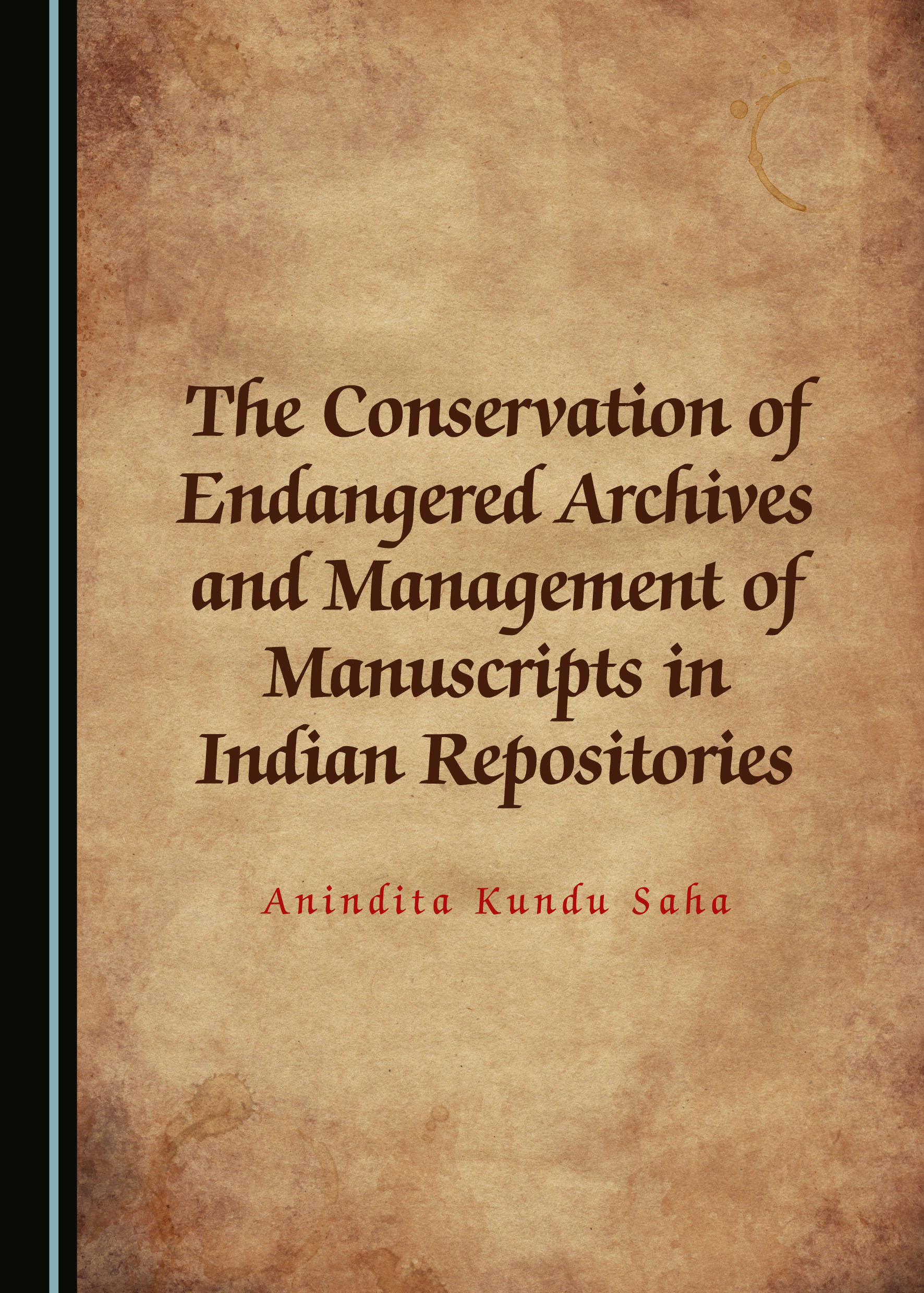
This book details the conservation, care, and management of Indian manuscripts. It covers their materials, writing techniques, and dating methods, as well as preventive measures for preservation, including ancient indigenous practices and the hazards of using chemicals.
This book details the conservation, care, and management of Indian manuscripts. It covers their materials, writing techniques, and dating methods, as well as preventive measures for preservation, including ancient indigenous practices and the hazards of using chemicals.
View more
This product has multiple variants. The options may be chosen on the product page
View more
This product has multiple variants. The options may be chosen on the product page
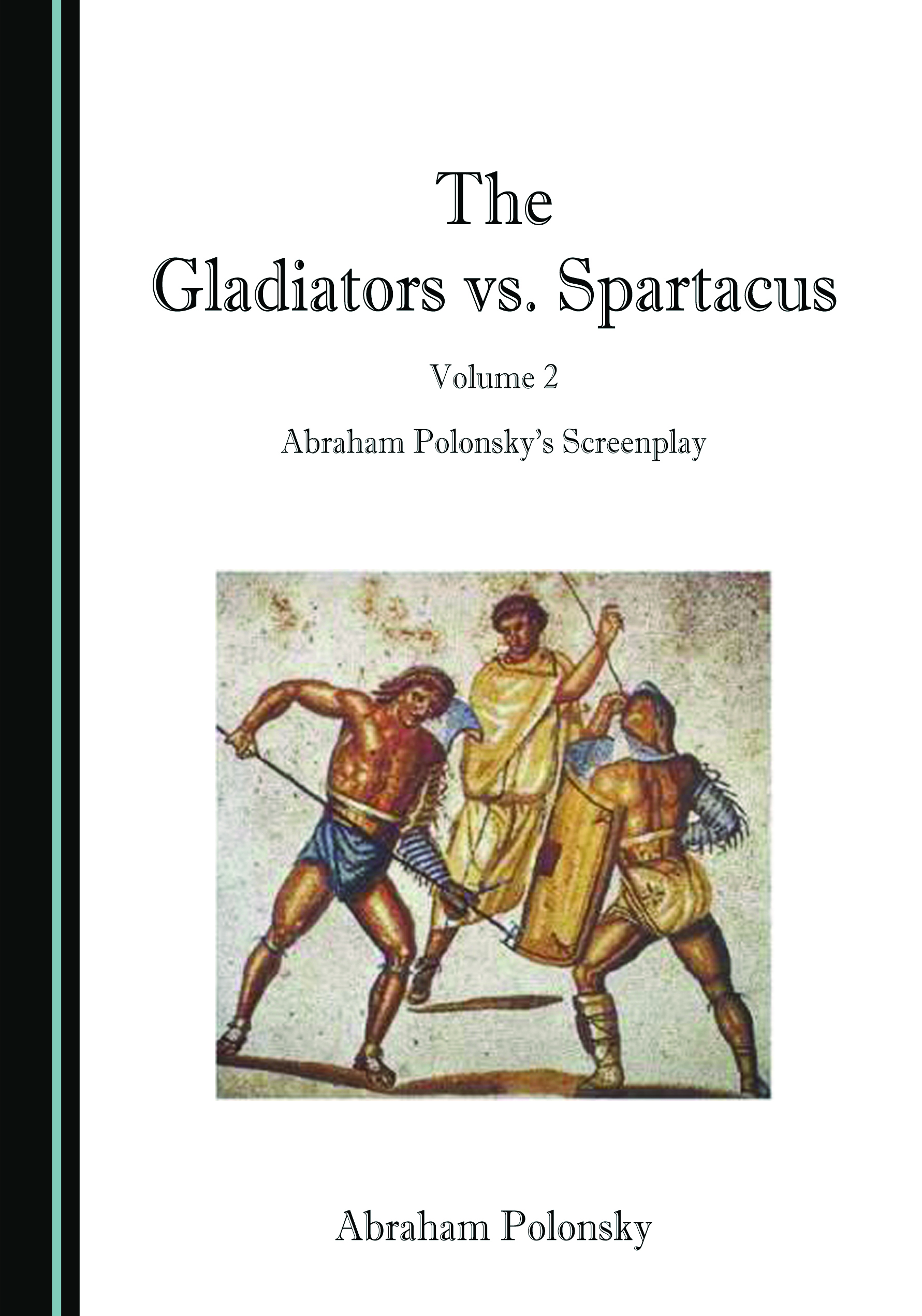
The Gladiators vs. Spartacus, Volume 2
Abraham Polonsky’s Screenplay
From blacklisted director Abraham Polonsky, this is the unproduced screenplay for The Gladiators. He transformed Arthur Koestler’s complex novel of an ancient slave rebellion into a script worthy of its bold vision, but due to bad timing, it never went before the cameras.
From blacklisted director Abraham Polonsky, this is the unproduced screenplay for The Gladiators. He transformed Arthur Koestler’s complex novel of an ancient slave rebellion into a script worthy of its bold vision, but due to bad timing, it never went before the cameras.
View more
This product has multiple variants. The options may be chosen on the product page
View more
This product has multiple variants. The options may be chosen on the product page
The Place of Poetics within Documentary Filmmaking
The Art of Fact
This collection gives insight into how poetic approaches have developed the documentary form. Focusing on aesthetics, filmmakers discuss how poetics influence their own work, while scholars analyze the work of others. For documentary producers and film enthusiasts.
This collection gives insight into how poetic approaches have developed the documentary form. Focusing on aesthetics, filmmakers discuss how poetics influence their own work, while scholars analyze the work of others. For documentary producers and film enthusiasts.
View more
This product has multiple variants. The options may be chosen on the product page

View more
This product has multiple variants. The options may be chosen on the product page
From £35.99
This book explores the victimization of women in Canadian and Indian fiction. Using feminist literary criticism, it debates issues of gender, feminism, and eco-feminism, showing literature's power to transform contemporary gender relations.
This book explores the victimization of women in Canadian and Indian fiction. Using feminist literary criticism, it debates issues of gender, feminism, and eco-feminism, showing literature’s power to transform contemporary gender relations.
View more
This product has multiple variants. The options may be chosen on the product page

View more
This product has multiple variants. The options may be chosen on the product page
From £35.99
These performance texts explore disability, inclusion, and diversity in our 21st-century culture. Offering challenging, evenly divided roles and exciting historical subjects, they provide ample scope for ensemble acting and group production.
These performance texts explore disability, inclusion, and diversity in our 21st-century culture. Offering challenging, evenly divided roles and exciting historical subjects, they provide ample scope for ensemble acting and group production.
View more
This product has multiple variants. The options may be chosen on the product page
View more
This product has multiple variants. The options may be chosen on the product page
From £35.99
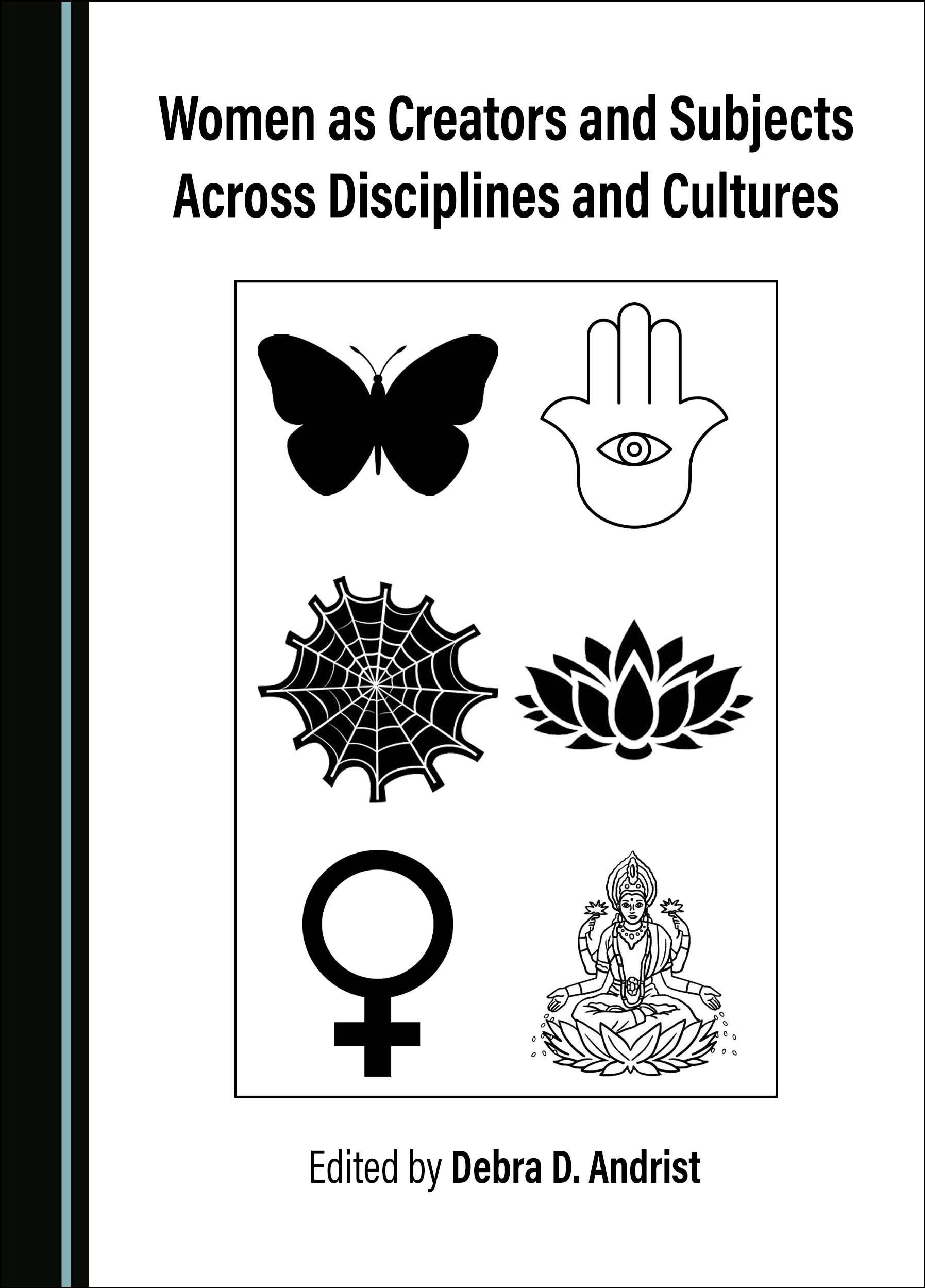
This book crosses world cultures to highlight women as creators and as subjects. From the politics of Aztec women’s bodies to female artists in the Global South, chapters offer historical, artistic, and literary perspectives on women in art, literature, and film across the globe.
This book crosses world cultures to highlight women as creators and as subjects. From the politics of Aztec women’s bodies to female artists in the Global South, chapters offer historical, artistic, and literary perspectives on women in art, literature, and film across the globe.
View more
This product has multiple variants. The options may be chosen on the product page
View more
This product has multiple variants. The options may be chosen on the product page
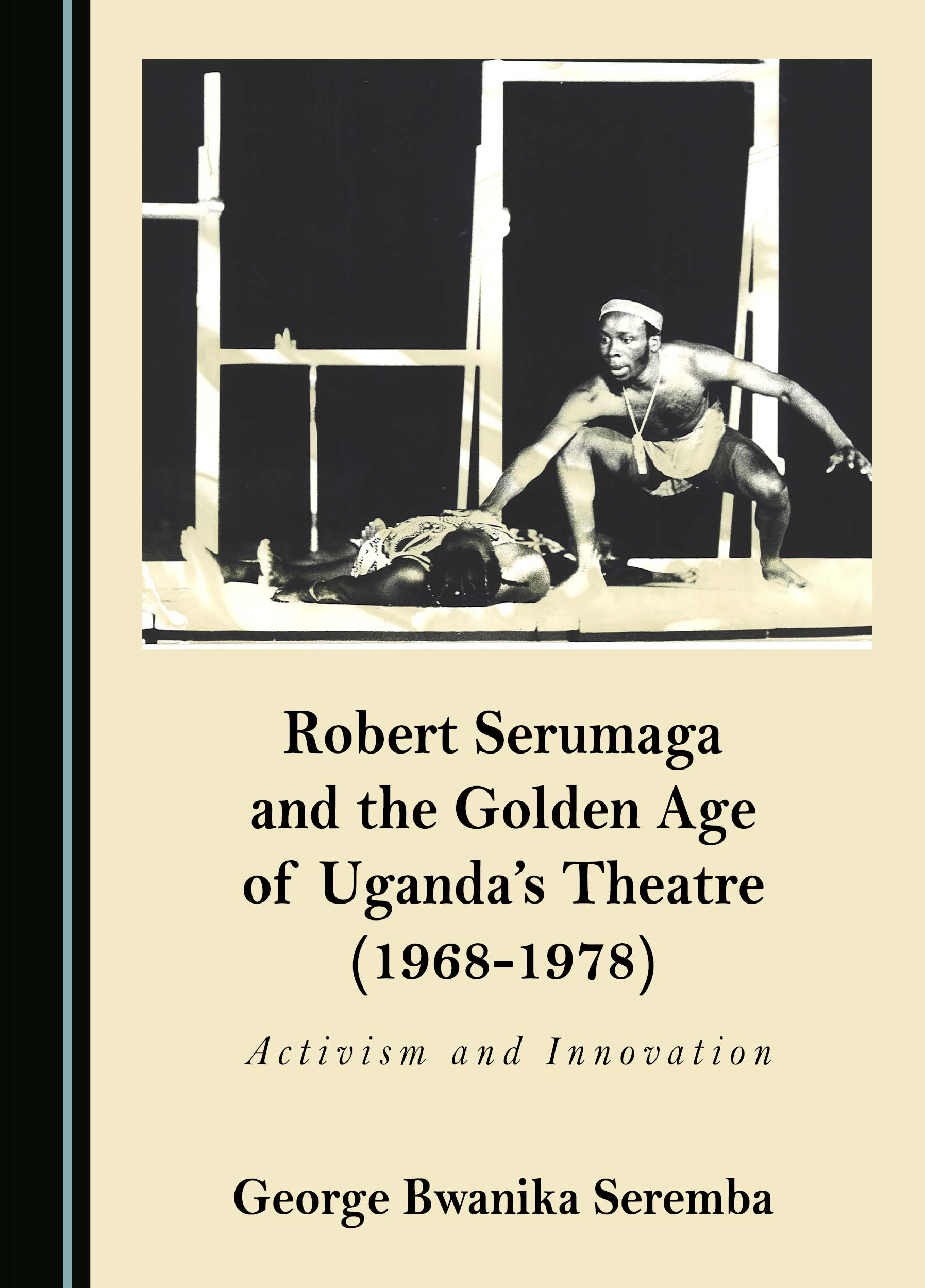
Robert Serumaga and the Golden Age of Uganda’s Theatre (1968-1978)
Activism and Innovation
This is the first complete examination of playwright Robert Serumaga’s work and the Golden Age of Uganda’s theatre (1968-1978). It is a study of a theatre of commitment, dissidence, and survival, born under the unrelenting glare of severe, scorching censorship.
This is the first complete examination of playwright Robert Serumaga’s work and the Golden Age of Uganda’s theatre (1968-1978). It is a study of a theatre of commitment, dissidence, and survival, born under the unrelenting glare of severe, scorching censorship.
View more
This product has multiple variants. The options may be chosen on the product page
View more
This product has multiple variants. The options may be chosen on the product page
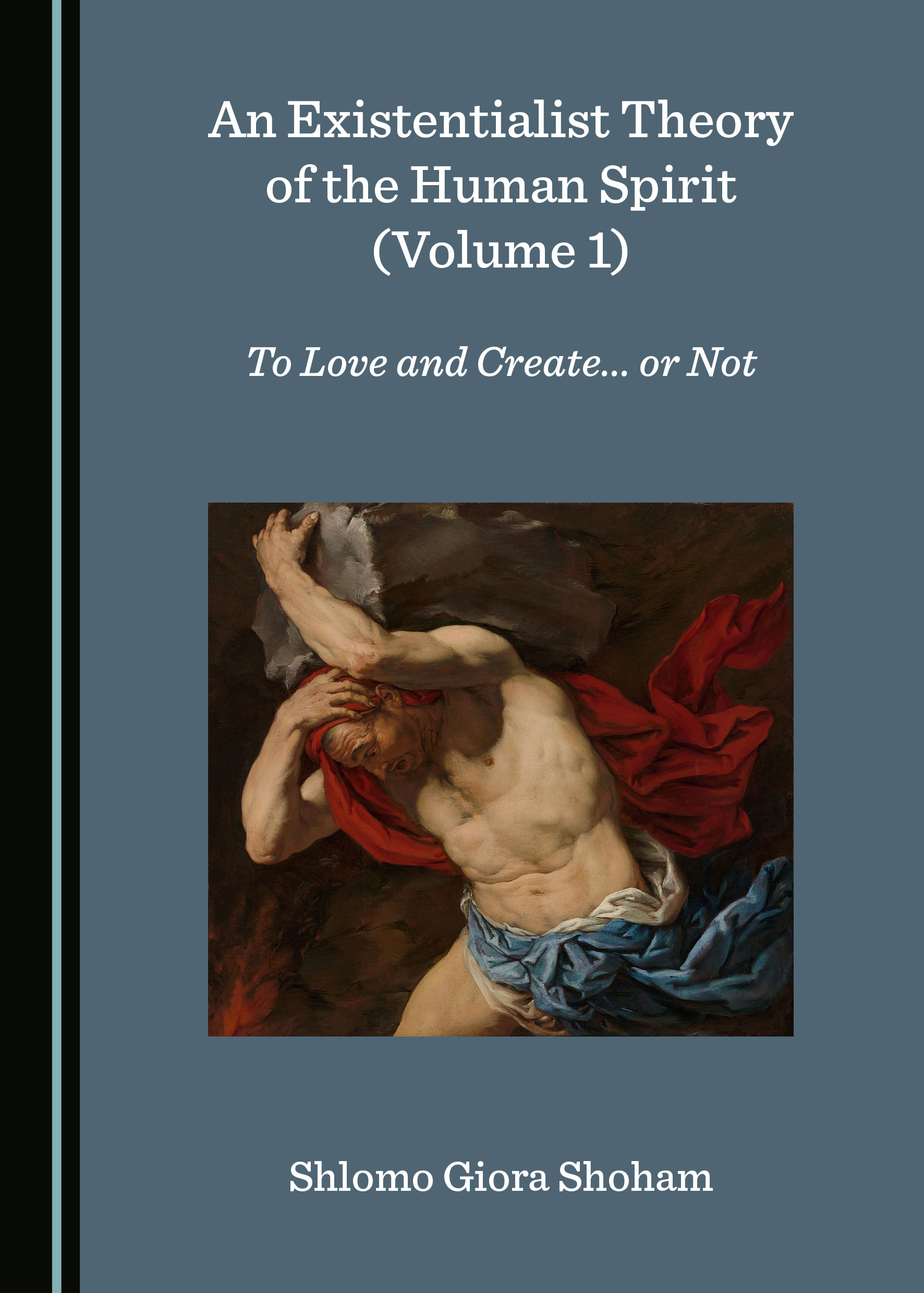
An Existentialist Theory of the Human Spirit (Volume 1)
To Love and Create... or Not
Uncover the links between existentialist thought, sexuality, religion, and art. From Freud and Jung to the tragic genius of van Gogh, this study confronts absurdity and existence, offering a bold new theory of personality.
Uncover the links between existentialist thought, sexuality, religion, and art. From Freud and Jung to the tragic genius of van Gogh, this study confronts absurdity and existence, offering a bold new theory of personality.
View more
This product has multiple variants. The options may be chosen on the product page
View more
This product has multiple variants. The options may be chosen on the product page
From £35.99
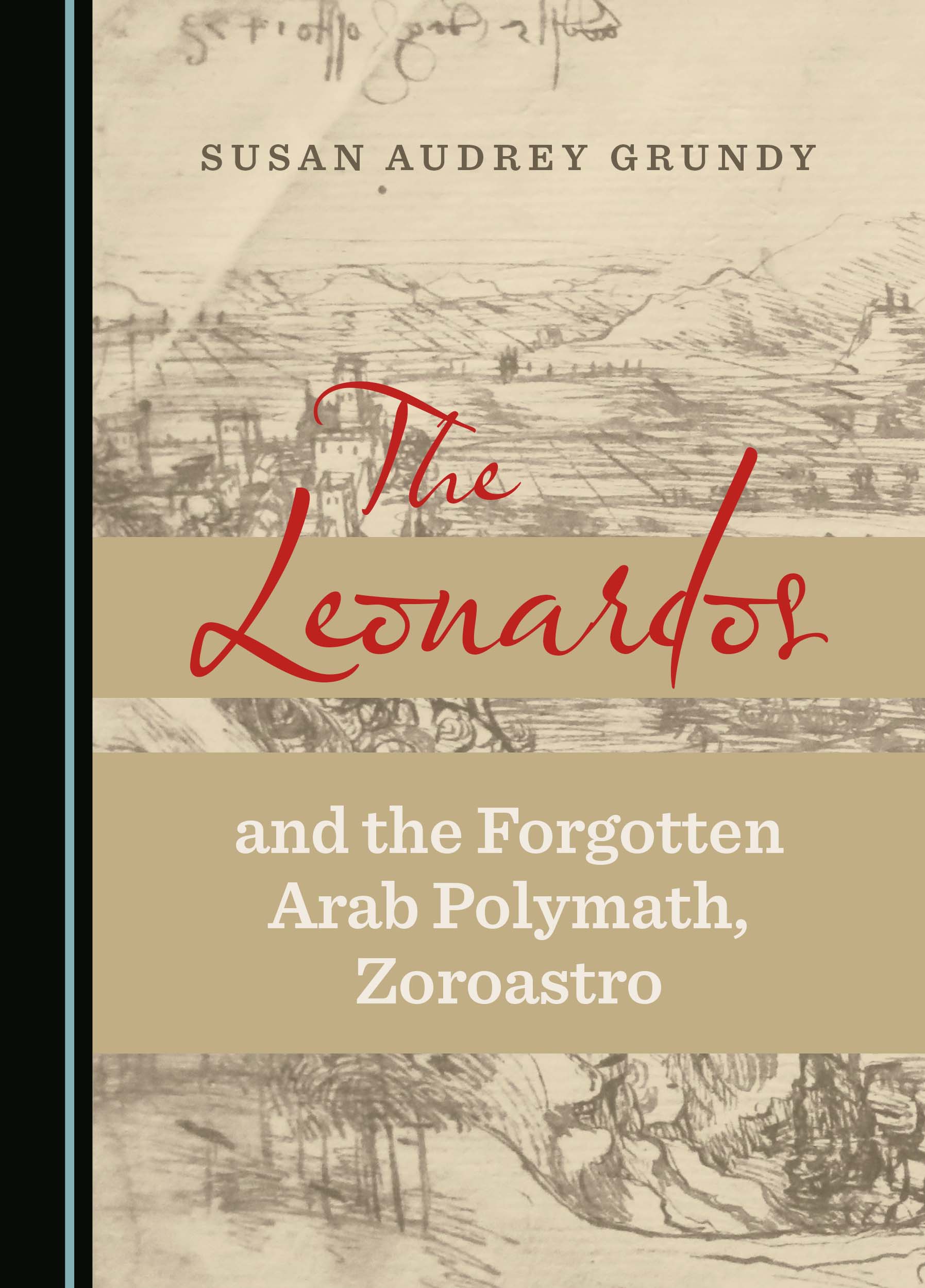
This book unmasks the legend of Leonardo da Vinci. Rediscovered documents show the artist was two different men: a Tuscan painter and an Ottoman agent. Crucially, a document proves the painter died in 1499, revealing the true artist of the Mona Lisa: Giovanni Antonio Boltraffio.
This book unmasks the legend of Leonardo da Vinci. Rediscovered documents show the artist was two different men: a Tuscan painter and an Ottoman agent. Crucially, a document proves the painter died in 1499, revealing the true artist of the Mona Lisa: Giovanni Antonio Boltraffio.
View more
This product has multiple variants. The options may be chosen on the product page
View more
This product has multiple variants. The options may be chosen on the product page
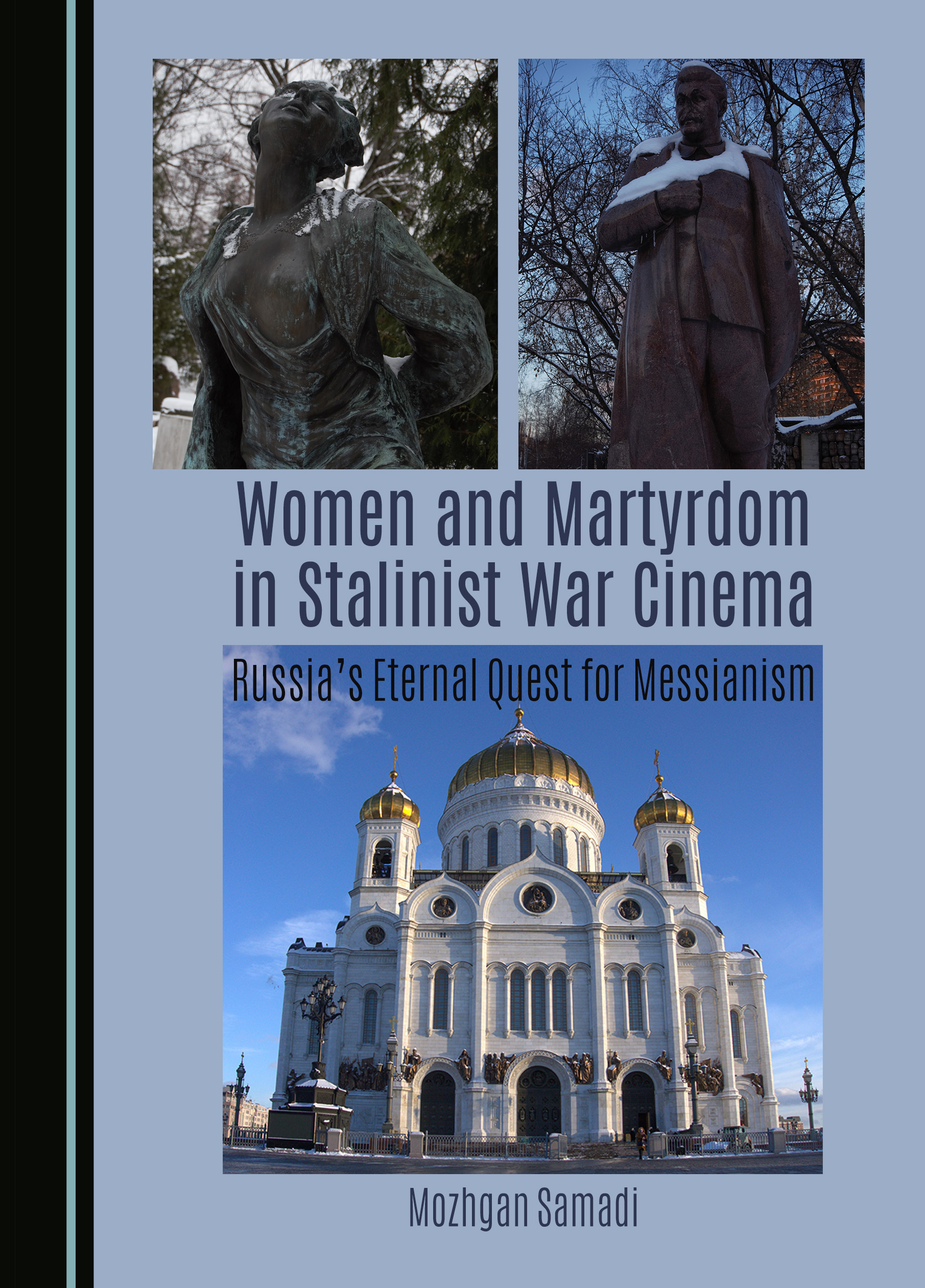
Women and Martyrdom in Stalinist War Cinema
Russia's Eternal Quest for Messianism
This book challenges the idea of the compatibility of femininity and combat under Stalinism. It reveals how Stalinist war cinema drew on Russian religious tradition to create cinematic representations of Soviet women during WWII, serving collective identity-construction policies.
This book challenges the idea of the compatibility of femininity and combat under Stalinism. It reveals how Stalinist war cinema drew on Russian religious tradition to create cinematic representations of Soviet women during WWII, serving collective identity-construction policies.
View more
This product has multiple variants. The options may be chosen on the product page
View more
This product has multiple variants. The options may be chosen on the product page
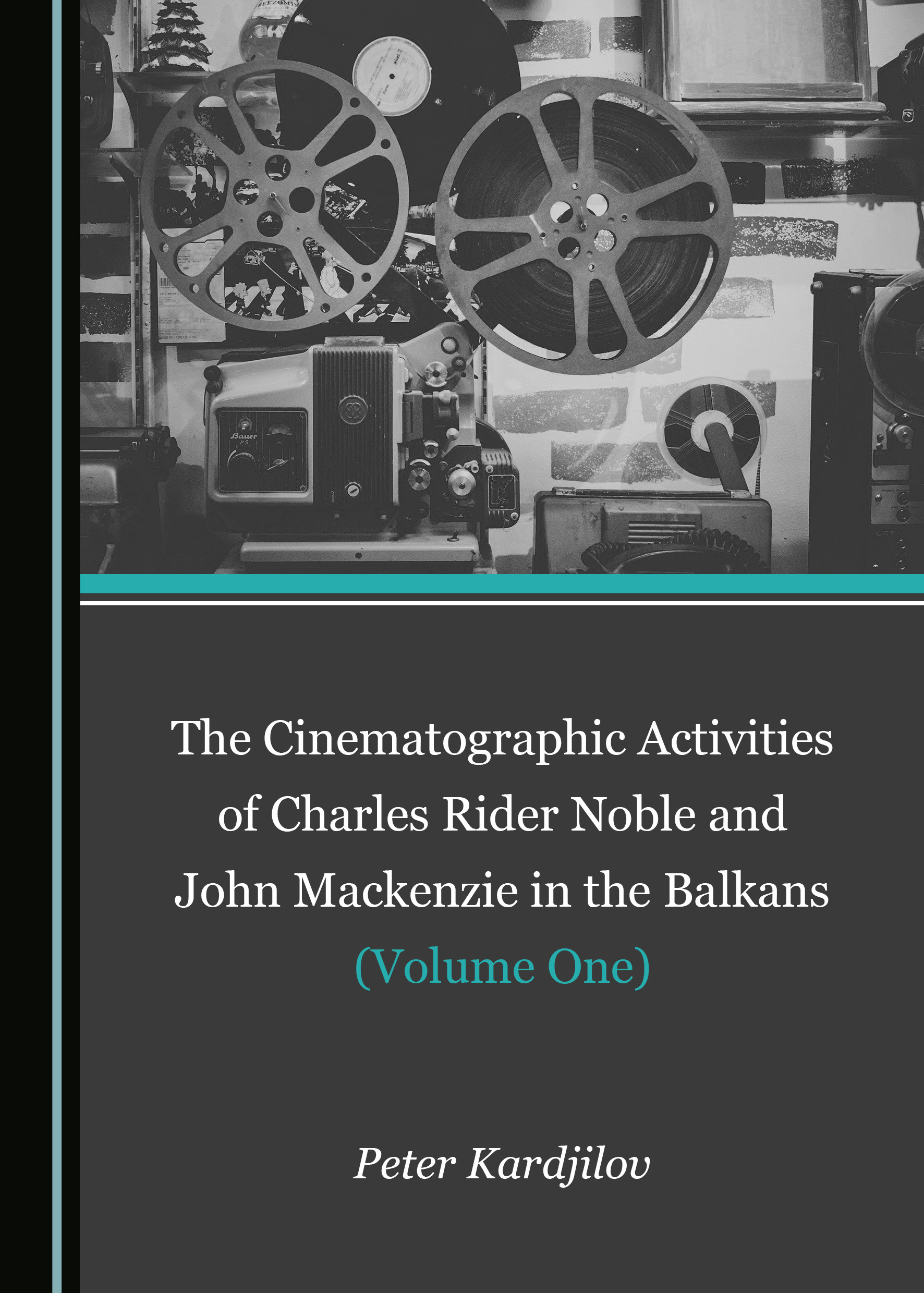
The Cinematographic Activities of Charles Rider Noble and John Mackenzie in the Balkans (Volume One)
In the early 20th century, two Britons filmed the first “living pictures” in the Balkans. This book delves into this under-researched period, examining over 1,200 sources to reveal the secrets its early history still holds for lovers of the ‘Seventh Art’.
In the early 20th century, two Britons filmed the first “living pictures” in the Balkans. This book delves into this under-researched period, examining over 1,200 sources to reveal the secrets its early history still holds for lovers of the ‘Seventh Art’.
View more
This product has multiple variants. The options may be chosen on the product page
Processing Your Order
Please wait while we securely process your order.
Do not refresh or leave this page.
You will be redirected shortly to a confirmation page with your order number.