
View more
This product has multiple variants. The options may be chosen on the product page
Interpreting Sapiens’ Consciousness through Paleolithic Cave Art
The Lascaux Testament
This book identifies a new path through Paleolithic cave art, arguing the shaman-artists of Lascaux depicted the soul's journey between the spirit and natural worlds. Using ethological evidence, it shows how the art maps a spectrum of consciousness involving the five senses.
This book identifies a new path through Paleolithic cave art, arguing the shaman-artists of Lascaux depicted the soul’s journey between the spirit and natural worlds. Using ethological evidence, it shows how the art maps a spectrum of consciousness involving the five senses.
View more
This product has multiple variants. The options may be chosen on the product page
View more
This product has multiple variants. The options may be chosen on the product page
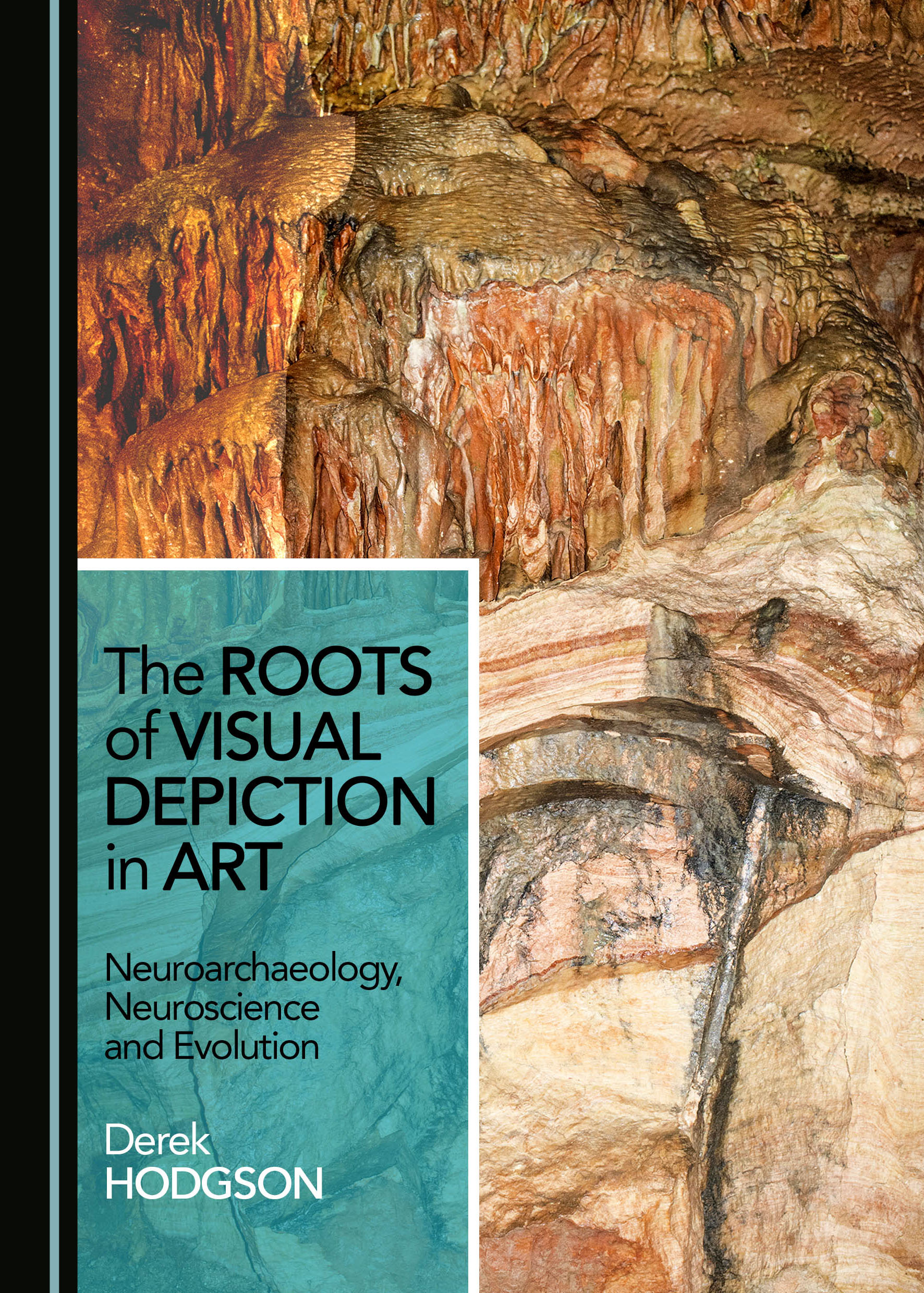
The Roots of Visual Depiction in Art
Neuroarchaeology, Neuroscience and Evolution
Why ancient humans first began to represent animals is a question that has led to a bewildering number of theories since cave art was discovered. This work provides an answer, demonstrating the intriguing journey of the development of visual imagery in the human brain.
Why ancient humans first began to represent animals is a question that has led to a bewildering number of theories since cave art was discovered. This work provides an answer, demonstrating the intriguing journey of the development of visual imagery in the human brain.
View more
This product has multiple variants. The options may be chosen on the product page
View more
This product has multiple variants. The options may be chosen on the product page
£69.99
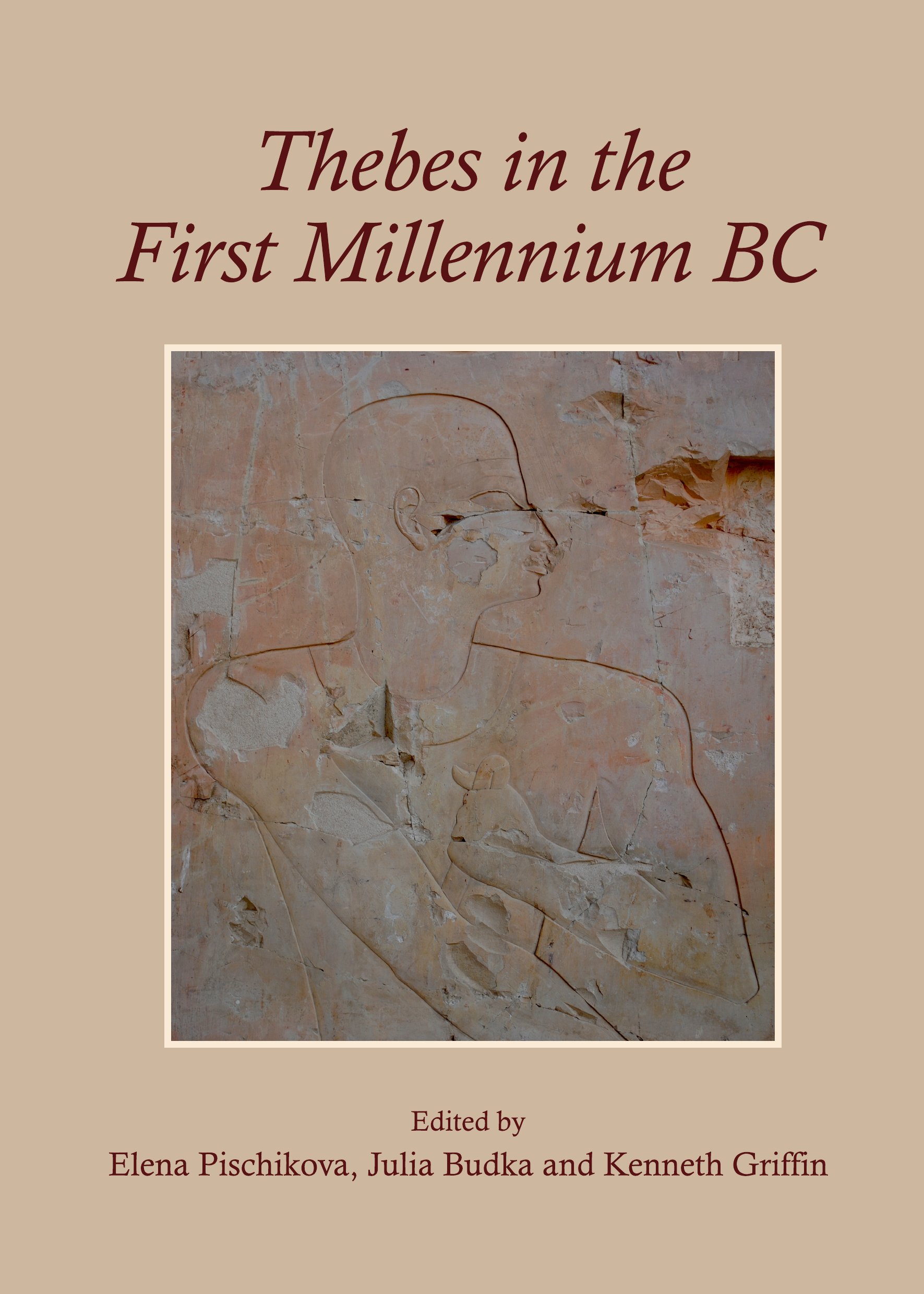
This volume assembles studies by prominent scholars on Thebes in the First Millennium BC. It investigates royal and elite monuments of the Libyan, Kushite, and Saite Periods, providing new perspectives on their art, architecture, texts, and conservation.
This volume assembles studies by prominent scholars on Thebes in the First Millennium BC. It investigates royal and elite monuments of the Libyan, Kushite, and Saite Periods, providing new perspectives on their art, architecture, texts, and conservation.
View more
This product has multiple variants. The options may be chosen on the product page
View more
This product has multiple variants. The options may be chosen on the product page
From £35.99
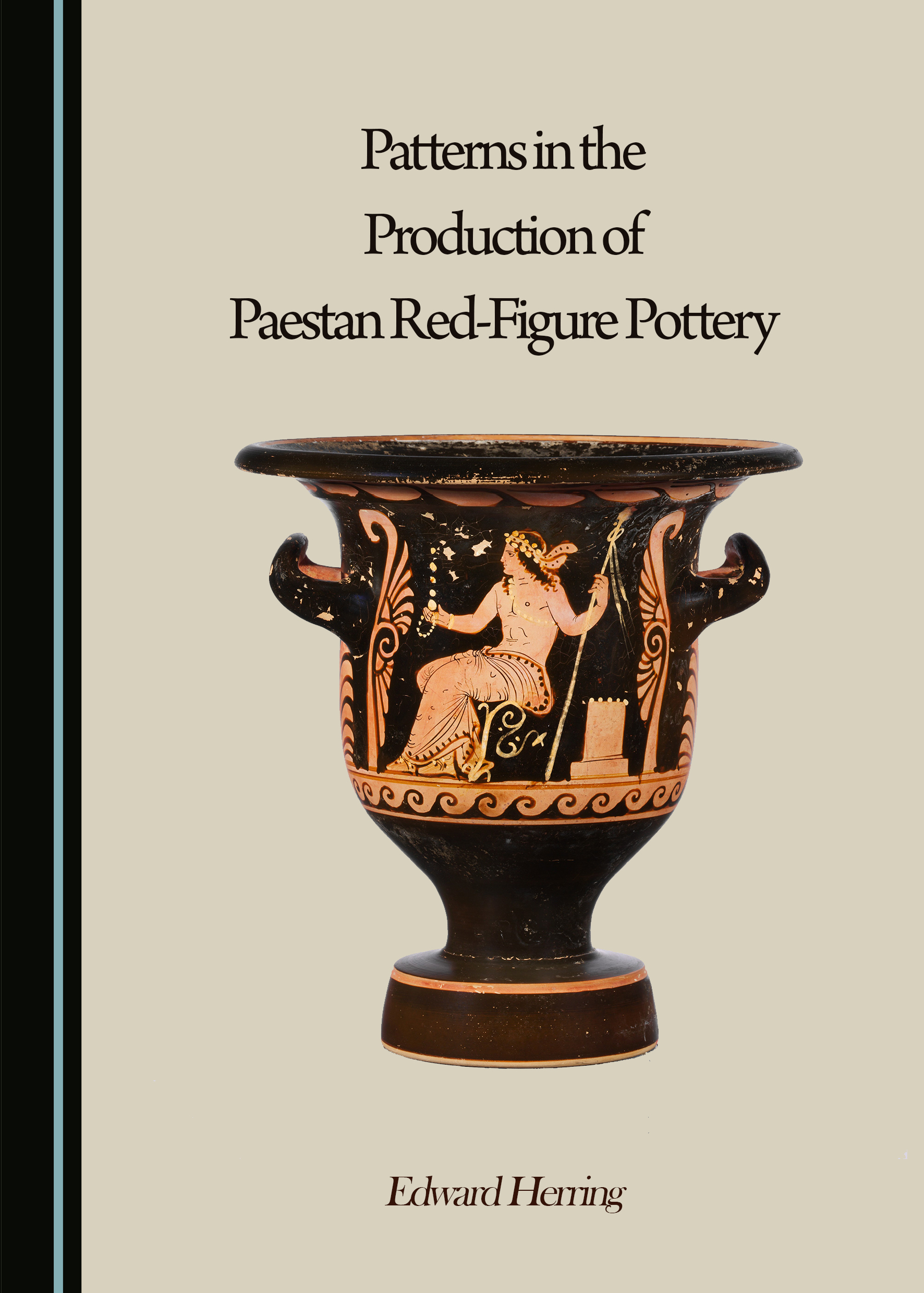
This book uses a database of over 1,800 vessels to identify patterns in Paestan red-figure pottery. By analysing vessel shapes, popular scenes, and consumer preferences, it provides new insights into how ancient populations of South-West Italy commemorated the dead.
This book uses a database of over 1,800 vessels to identify patterns in Paestan red-figure pottery. By analysing vessel shapes, popular scenes, and consumer preferences, it provides new insights into how ancient populations of South-West Italy commemorated the dead.
View more
This product has multiple variants. The options may be chosen on the product page
View more
This product has multiple variants. The options may be chosen on the product page
From £32.99
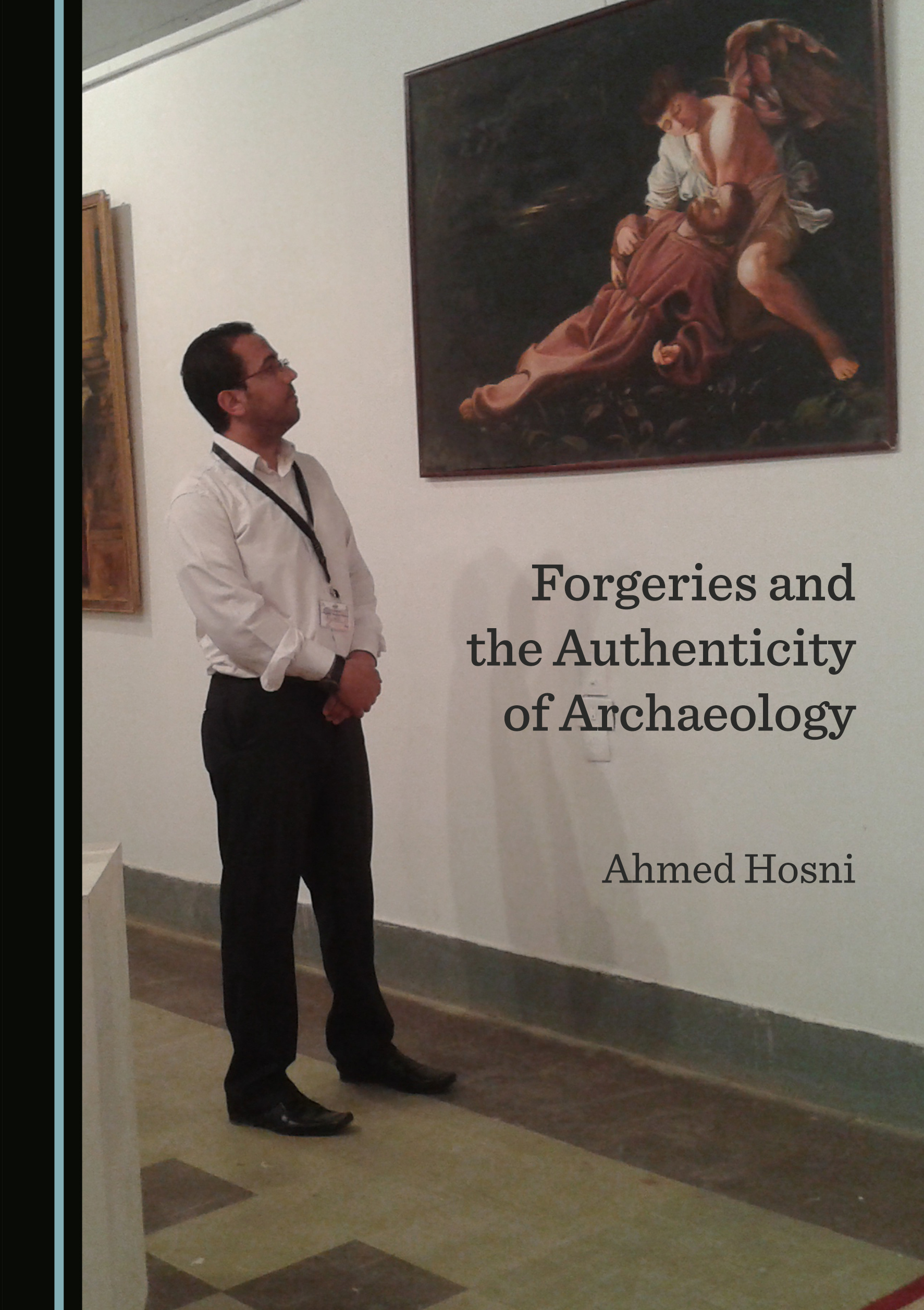
Technological progress has advanced the forgery of monuments, threatening their historical value. This book presents scientific methods for detecting fakes to help preserve our heritage.
Technological progress has advanced the forgery of monuments, threatening their historical value. This book presents scientific methods for detecting fakes to help preserve our heritage.
View more
This product has multiple variants. The options may be chosen on the product page

View more
This product has multiple variants. The options may be chosen on the product page
An Exploration of Prehistoric Ontologies in the Bering Strait Region
Boundaries and Structures
This book introduces the belief and symbolism in prehistoric Bering Strait art. It challenges traditional archaeology by reconsidering the relationship between materiality and spirituality, analyzing therianthropic motifs on ancient Inuit ivories to explore potential shamanism.
This book introduces the belief and symbolism in prehistoric Bering Strait art. It challenges traditional archaeology by reconsidering the relationship between materiality and spirituality, analyzing therianthropic motifs on ancient Inuit ivories to explore potential shamanism.
View more
This product has multiple variants. The options may be chosen on the product page
View more
This product has multiple variants. The options may be chosen on the product page
£61.99
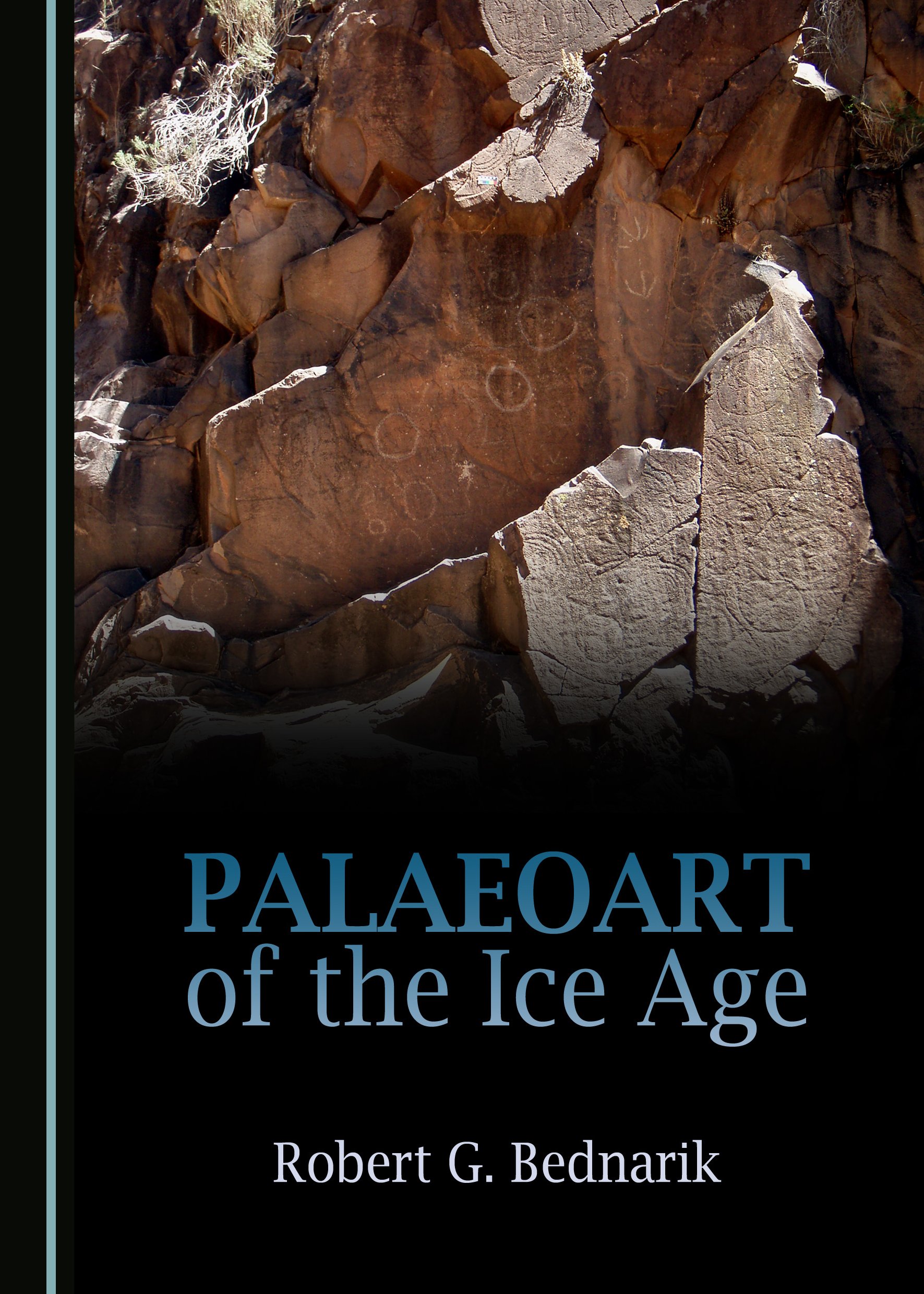
In the first book to offer a comprehensive synthesis of the known Pleistocene palaeoart of six continents, Bednarik contemplates the origins of art in a balanced manner, based on reality rather than fantasies about cultural primacy.
In the first book to offer a comprehensive synthesis of the known Pleistocene palaeoart of six continents, Bednarik contemplates the origins of art in a balanced manner, based on reality rather than fantasies about cultural primacy.
View more
This product has multiple variants. The options may be chosen on the product page
View more
This product has multiple variants. The options may be chosen on the product page
£49.99
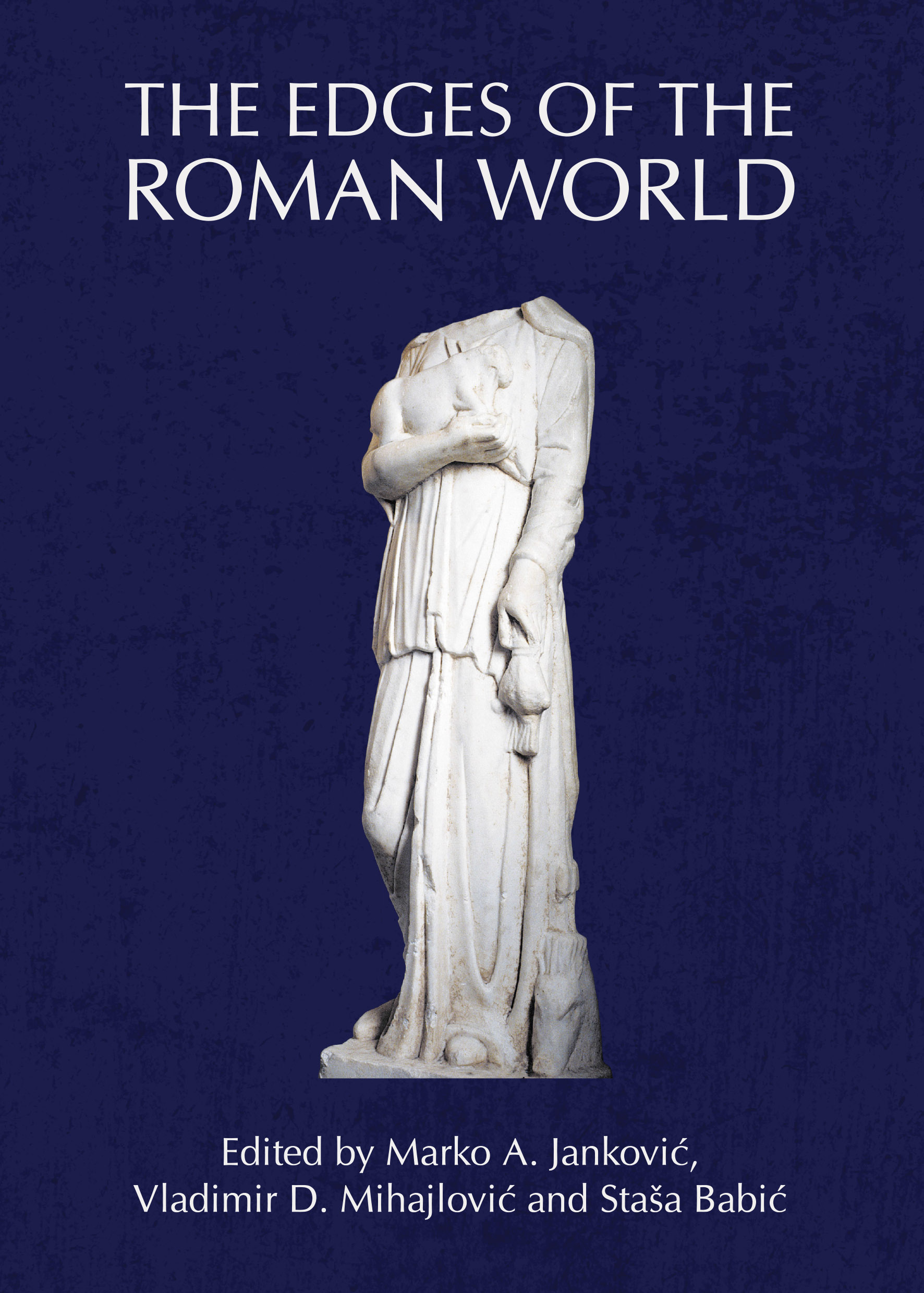
This collection of papers deals with cultural changes that occurred in the context of Roman imperial politics. The papers focus on societies on the fringes, both social and geographical, and their response to Roman Imperialism in local contexts.
This collection of papers deals with cultural changes that occurred in the context of Roman imperial politics. The papers focus on societies on the fringes, both social and geographical, and their response to Roman Imperialism in local contexts.
View more
This product has multiple variants. The options may be chosen on the product page
View more
This product has multiple variants. The options may be chosen on the product page
Round Heads
The Earliest Rock Paintings in the Sahara
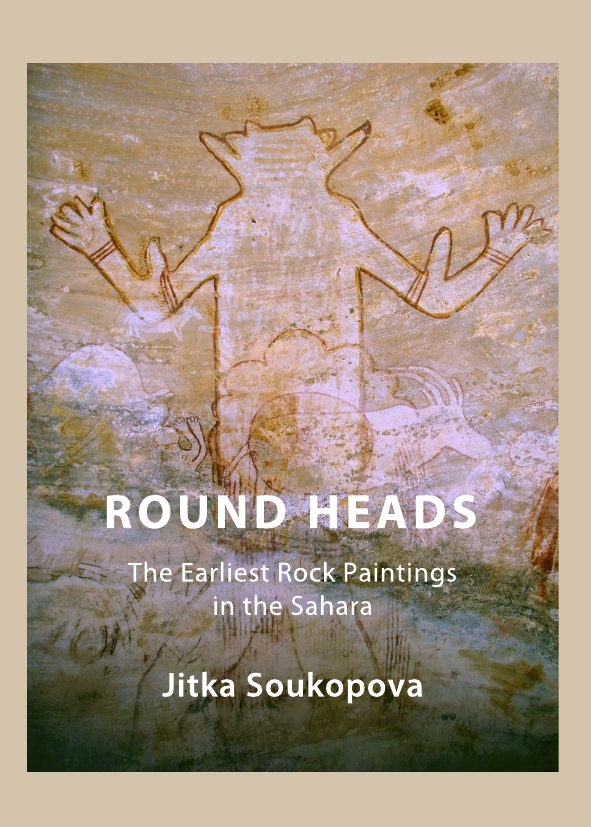
The Central Sahara is the world’s greatest “museum” of rock art, but its thousands of prehistoric images have been described and classified, not interpreted. Using interdisciplinary studies, this book proposes new ways to research the art and the societies that created it.
The Central Sahara is the world’s greatest “museum” of rock art, but its thousands of prehistoric images have been described and classified, not interpreted. Using interdisciplinary studies, this book proposes new ways to research the art and the societies that created it.
View more
This product has multiple variants. The options may be chosen on the product page
View more
This product has multiple variants. The options may be chosen on the product page
£41.99
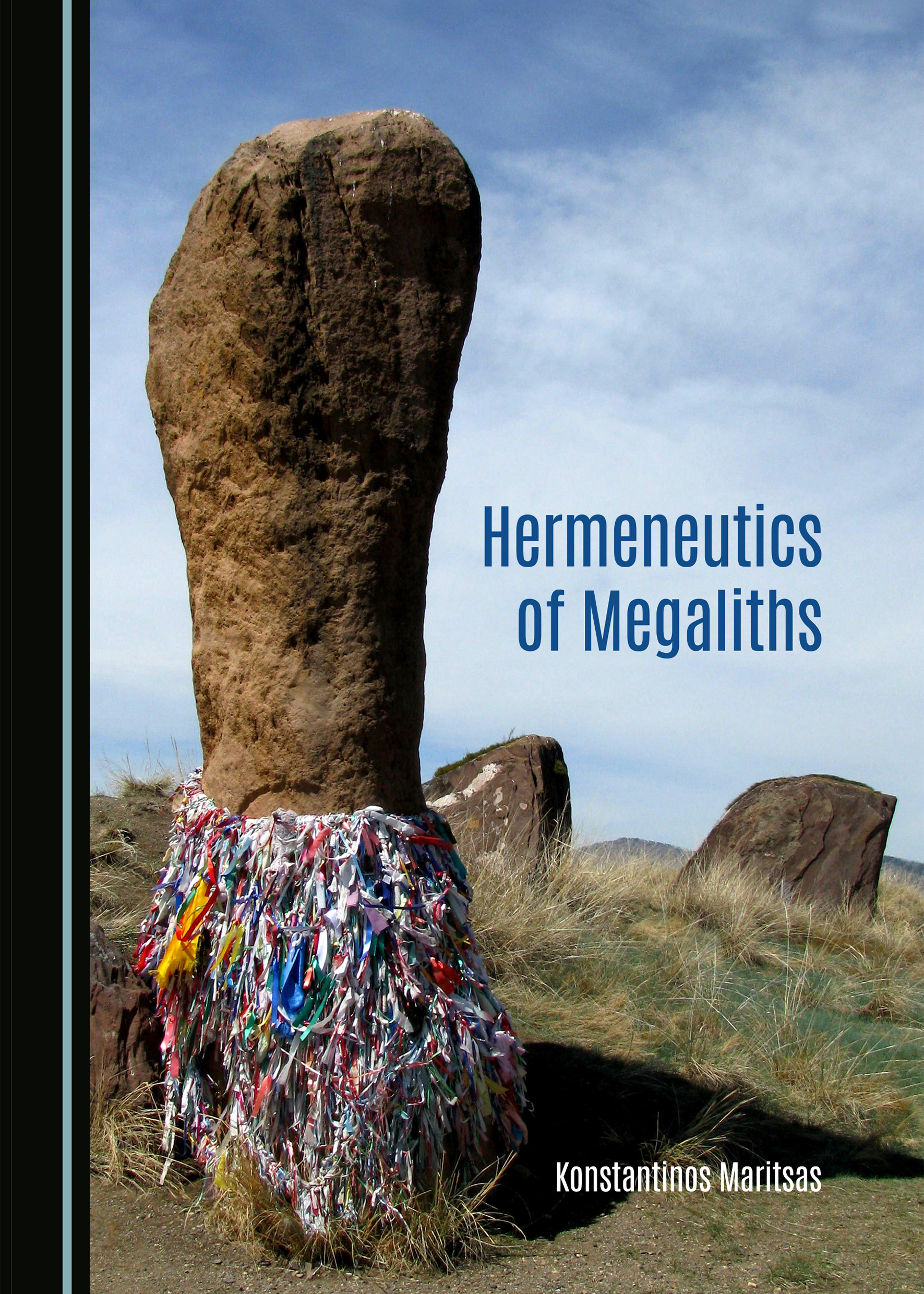
This book offers a provocative new interpretation of megaliths, arguing they mark humanity's transition from natural selection to civilization. It reveals their original purpose as scenes for primordial theatrical performance and explores sites from Stonehenge to Gobekli Tepe.
This book offers a provocative new interpretation of megaliths, arguing they mark humanity’s transition from natural selection to civilization. It reveals their original purpose as scenes for primordial theatrical performance and explores sites from Stonehenge to Gobekli Tepe.
View more
This product has multiple variants. The options may be chosen on the product page
View more
This product has multiple variants. The options may be chosen on the product page
The Legacy of Antiquity
New Perspectives in the Reception of the Classical World
This collection of essays explores the uses of the past from a wide range of perspectives. Drawn from medieval to modern times, it presents new perspectives on the constant fascination with the antique, opening the way for future research.
This collection of essays explores the uses of the past from a wide range of perspectives. Drawn from medieval to modern times, it presents new perspectives on the constant fascination with the antique, opening the way for future research.
View more
This product has multiple variants. The options may be chosen on the product page
Processing Your Order
Please wait while we securely process your order.
Do not refresh or leave this page.
You will be redirected shortly to a confirmation page with your order number.